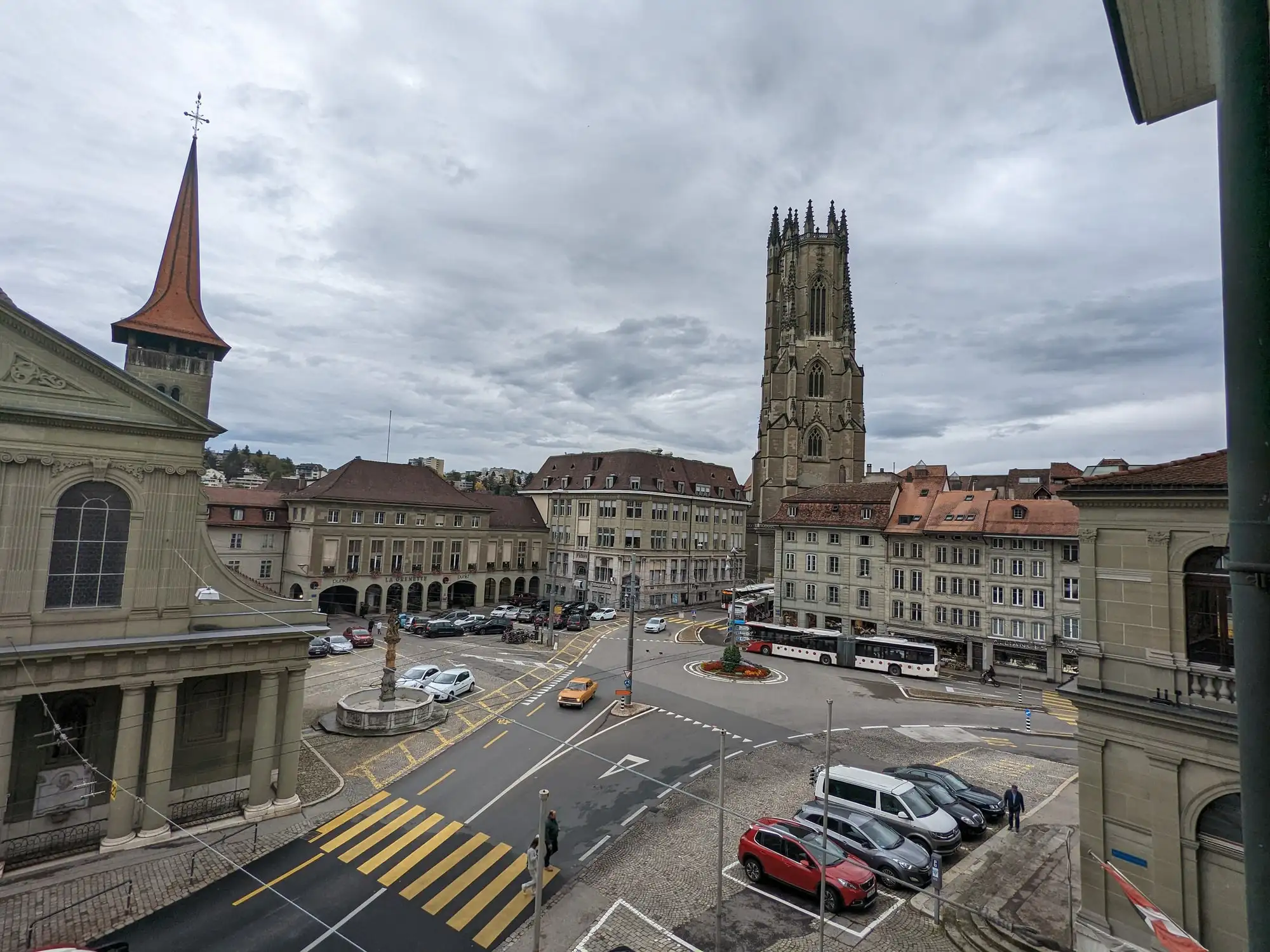
Before you go — a medieval town almost nobody on a Swiss trip stops in
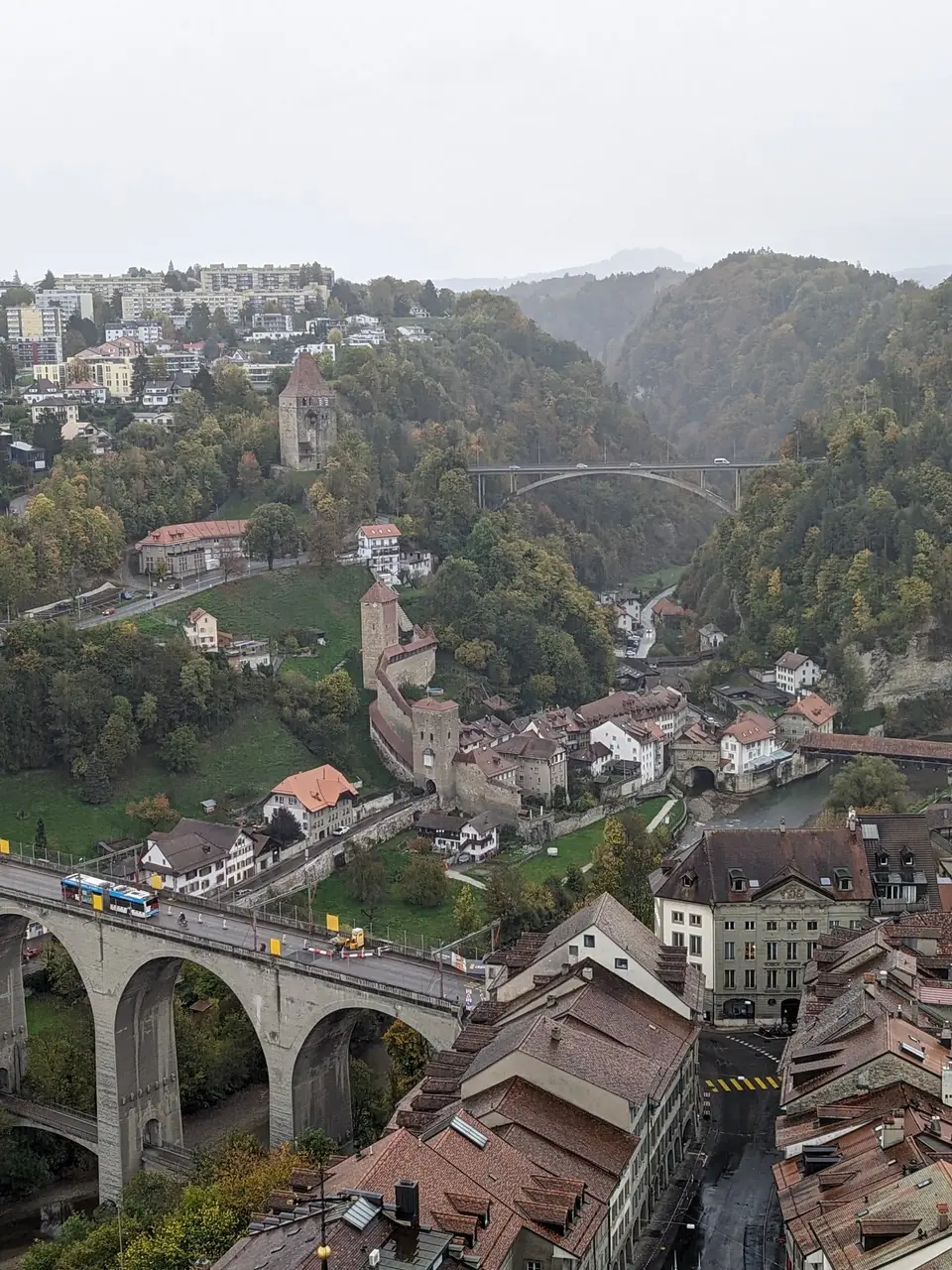
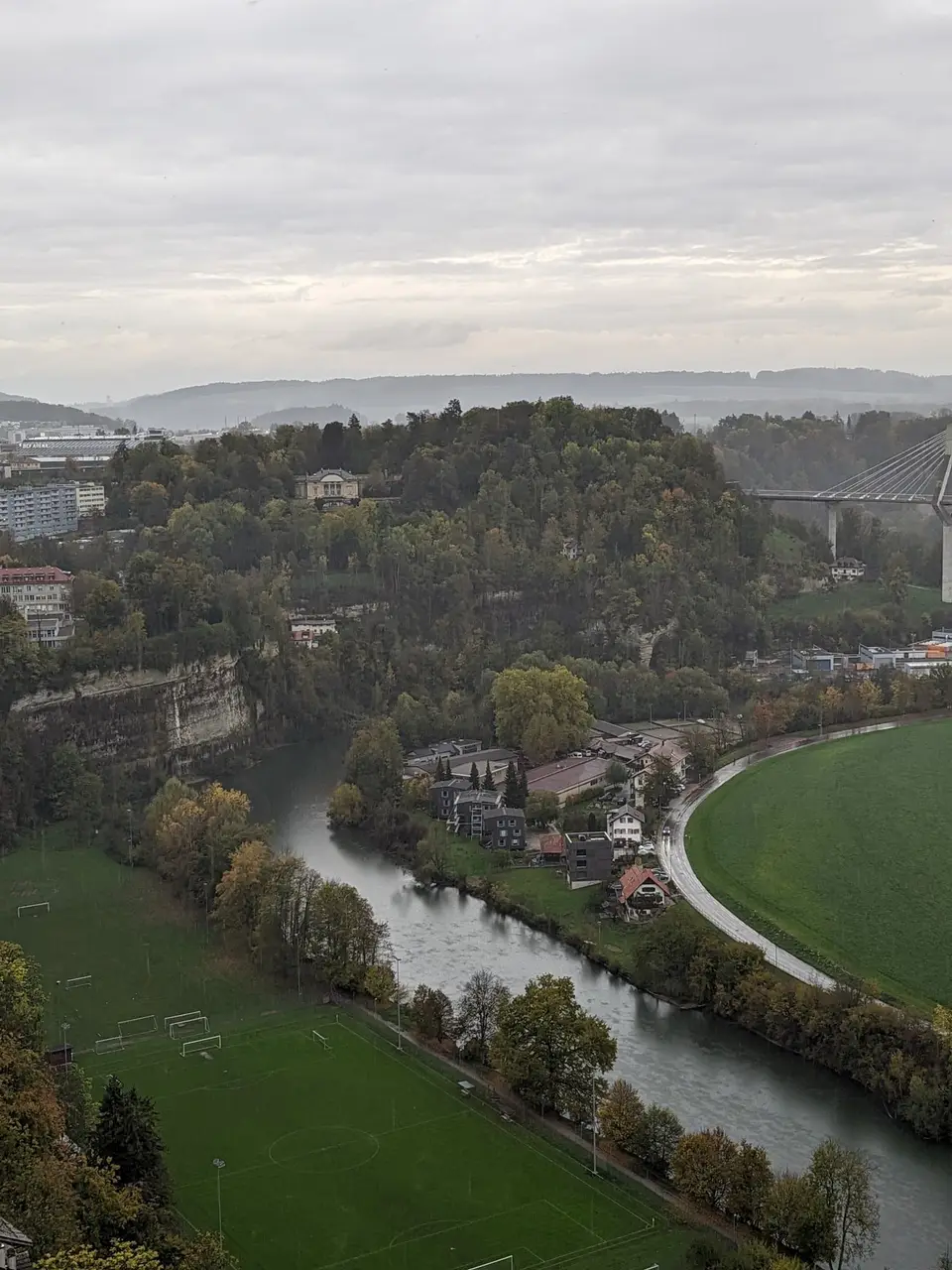
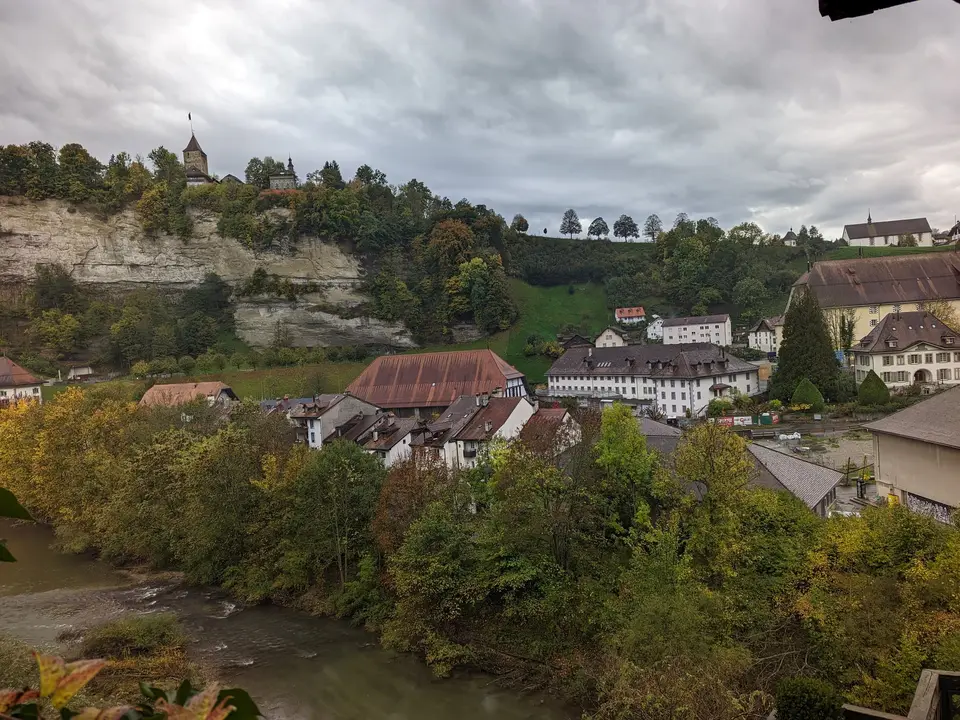
- Fribourg sits in a tight loop of the river Sarine, half an hour from Bern and an hour from Lausanne, with one of the largest intact medieval quarters in Europe underneath a modern town.
- It is the place where Switzerland changes language. The border between French and German runs through this canton and through this city; the street is Rue de Lausanne at one end and Lausannegasse at the other. Nobody finds that strange here, which is the interesting part.
- It is a half to three-quarter day, and it works best as the stop between two other places rather than as a destination in itself.
Budget tips
- The old town, the bridges, the river path and the cathedral are free. There is no ticketed attraction you have to buy.
- It is a working university town, not a resort. Food and coffee cost what they cost in a normal Swiss town, which is noticeably less than in Lucerne or Interlaken.
- Trains from Bern and Lausanne are ordinary intercity fares, covered by every national and regional pass.
Morning — The upper town, and the cathedral tower
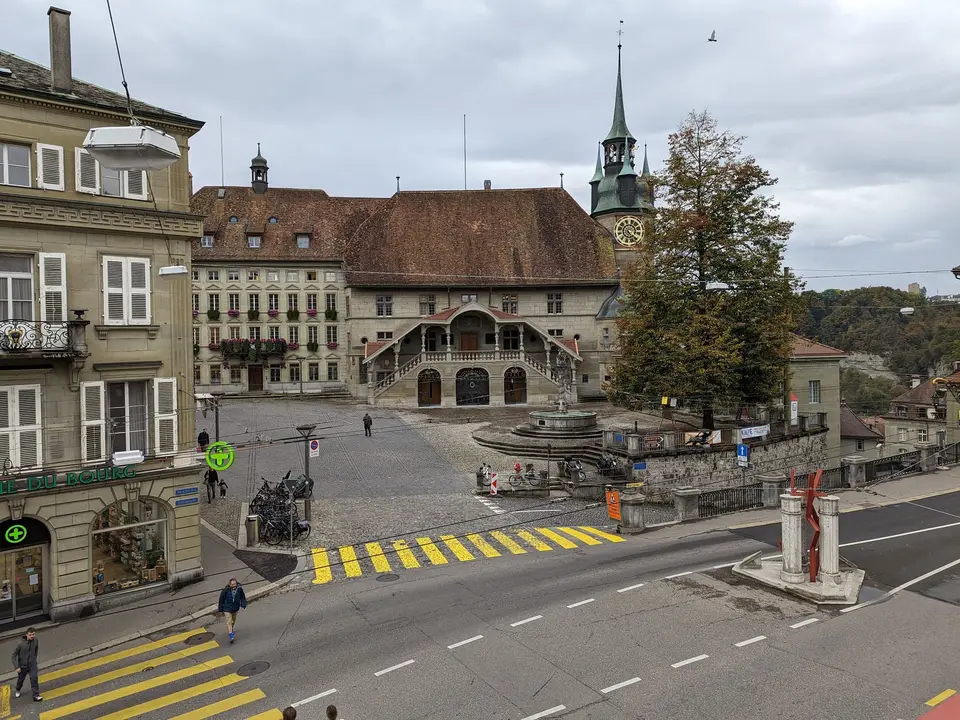
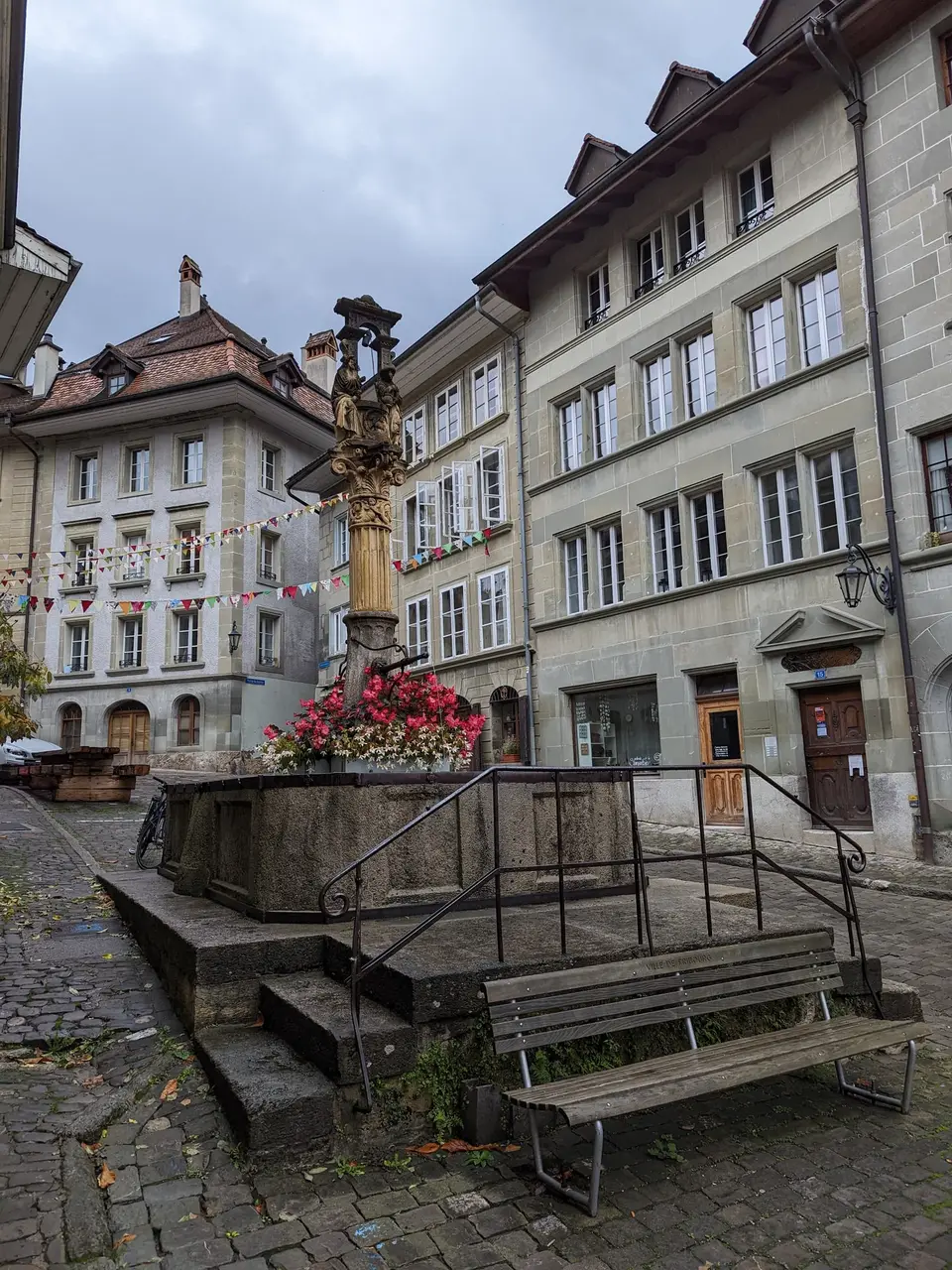
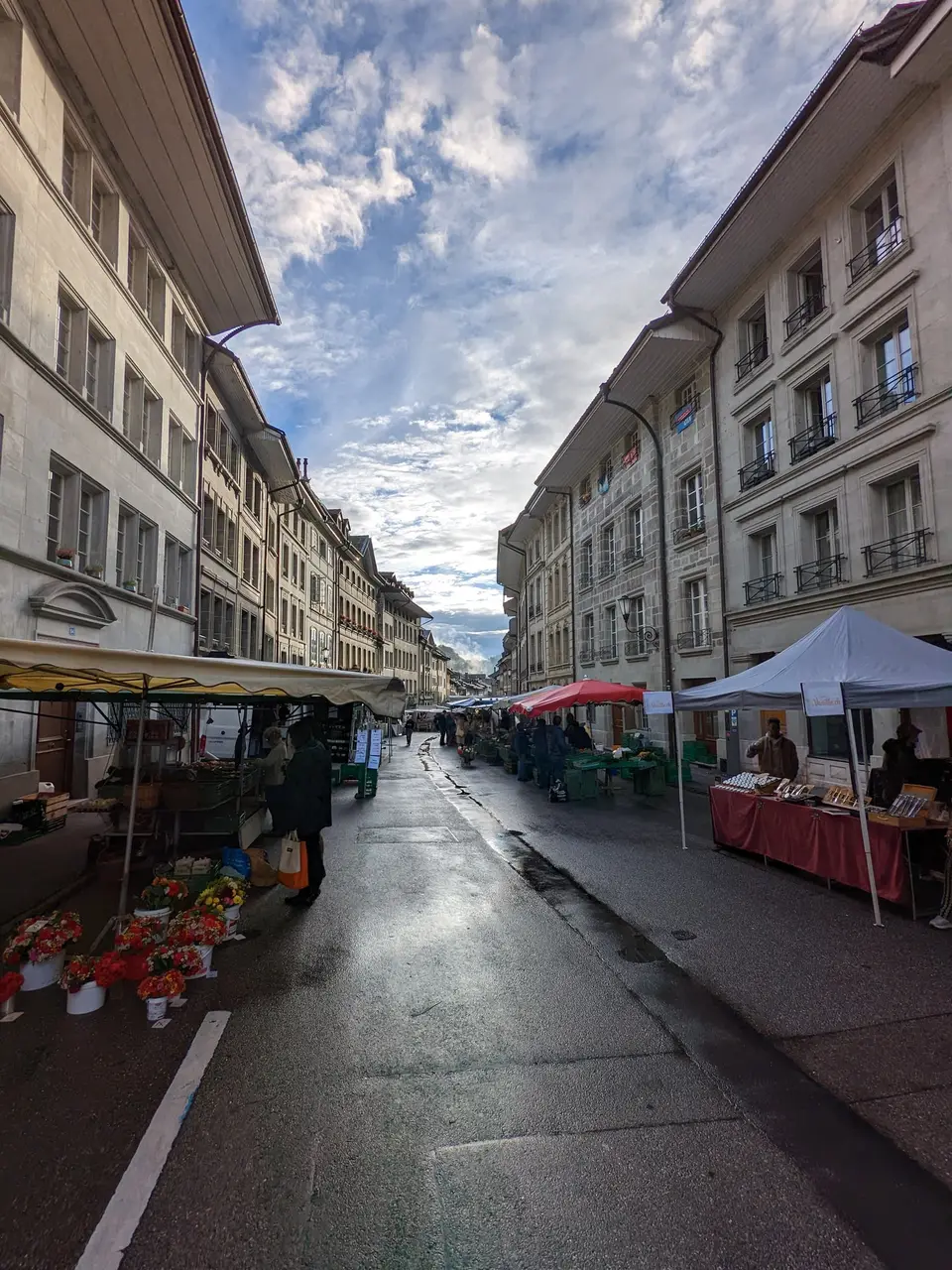
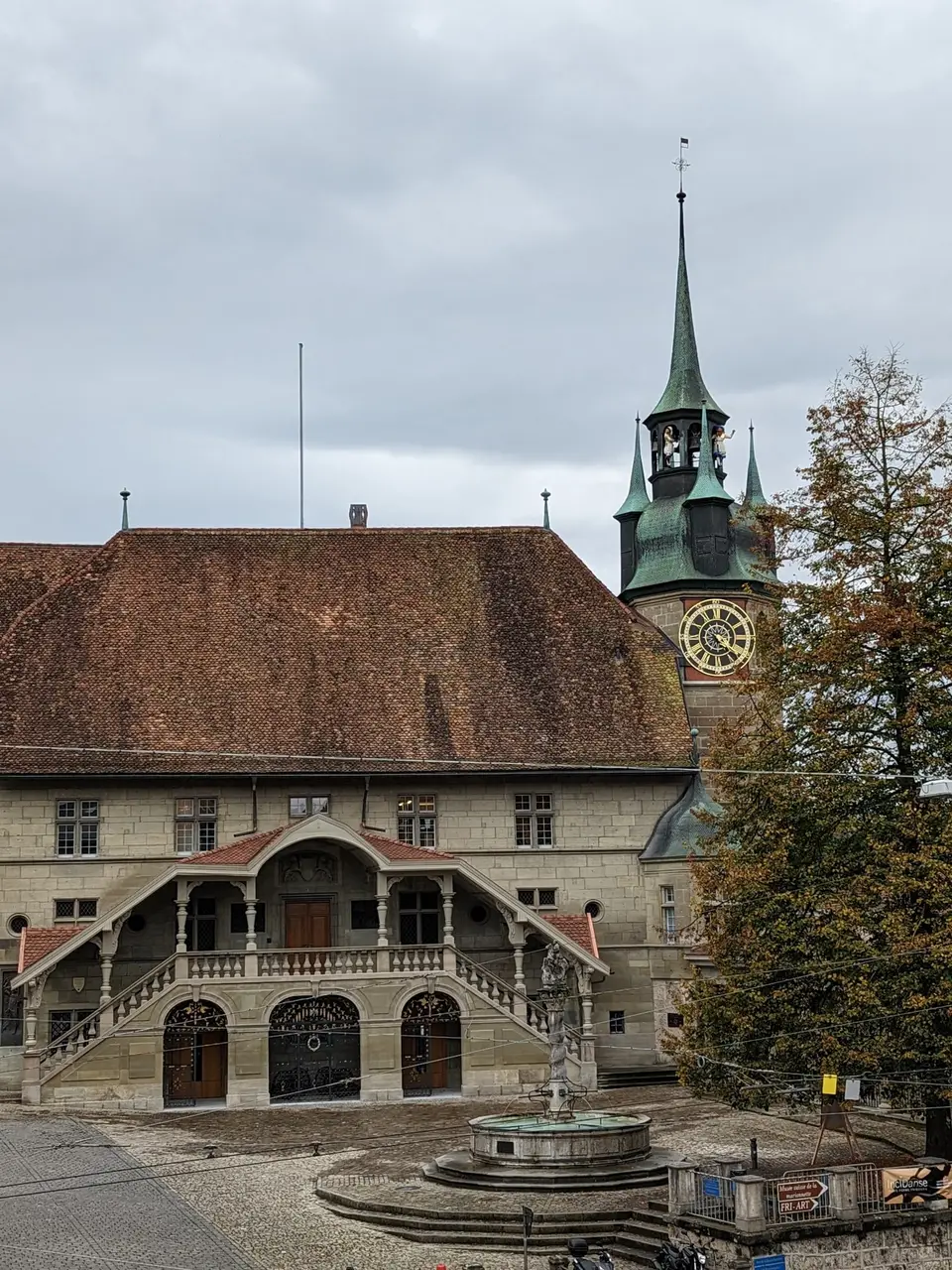
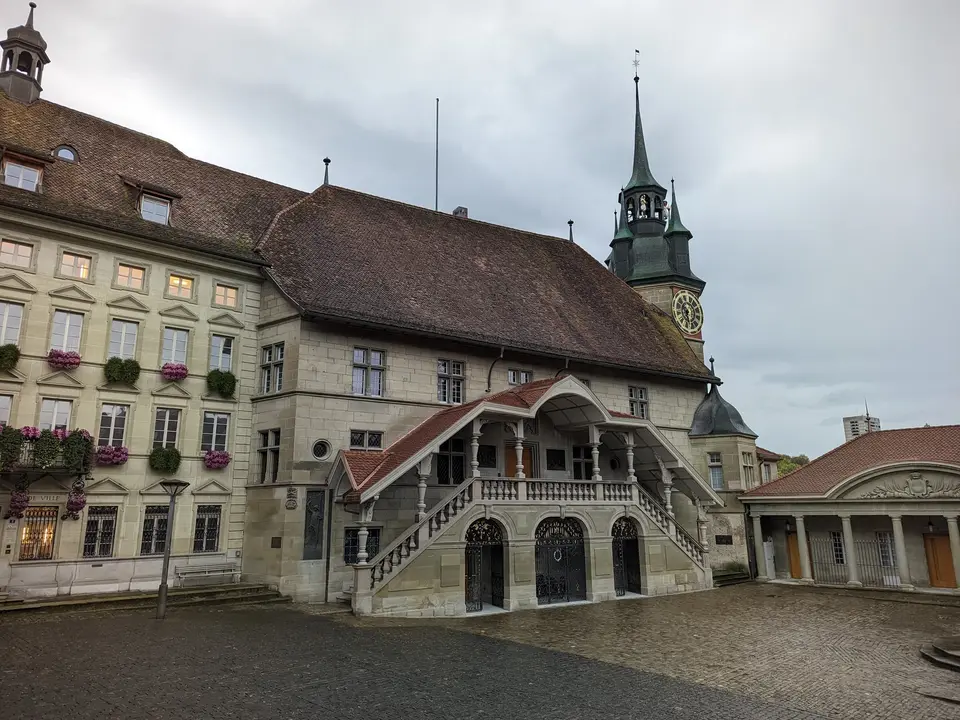
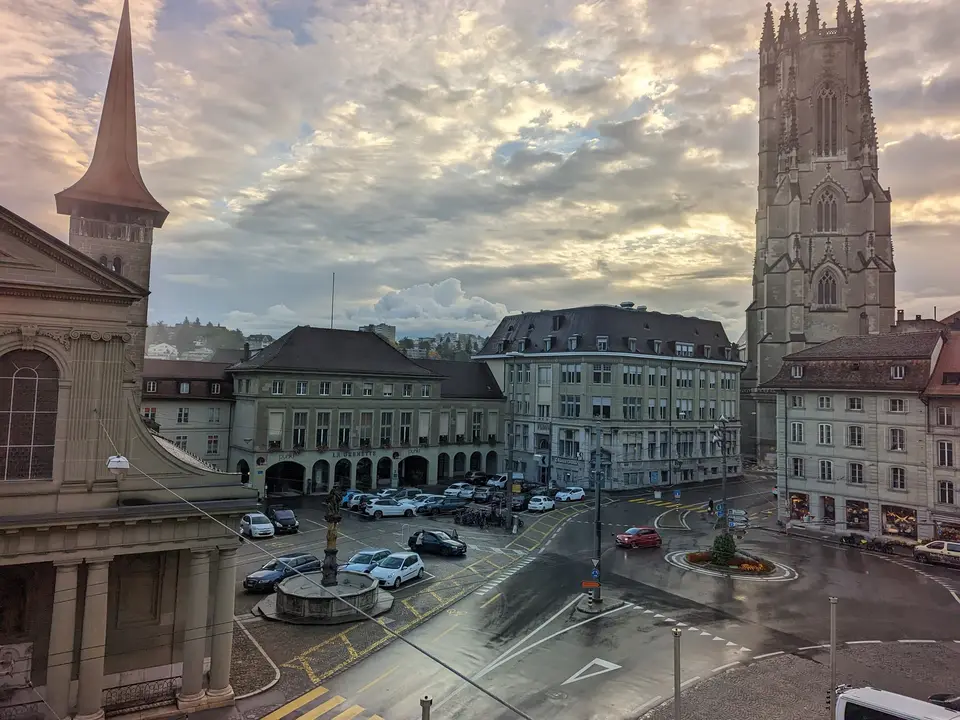
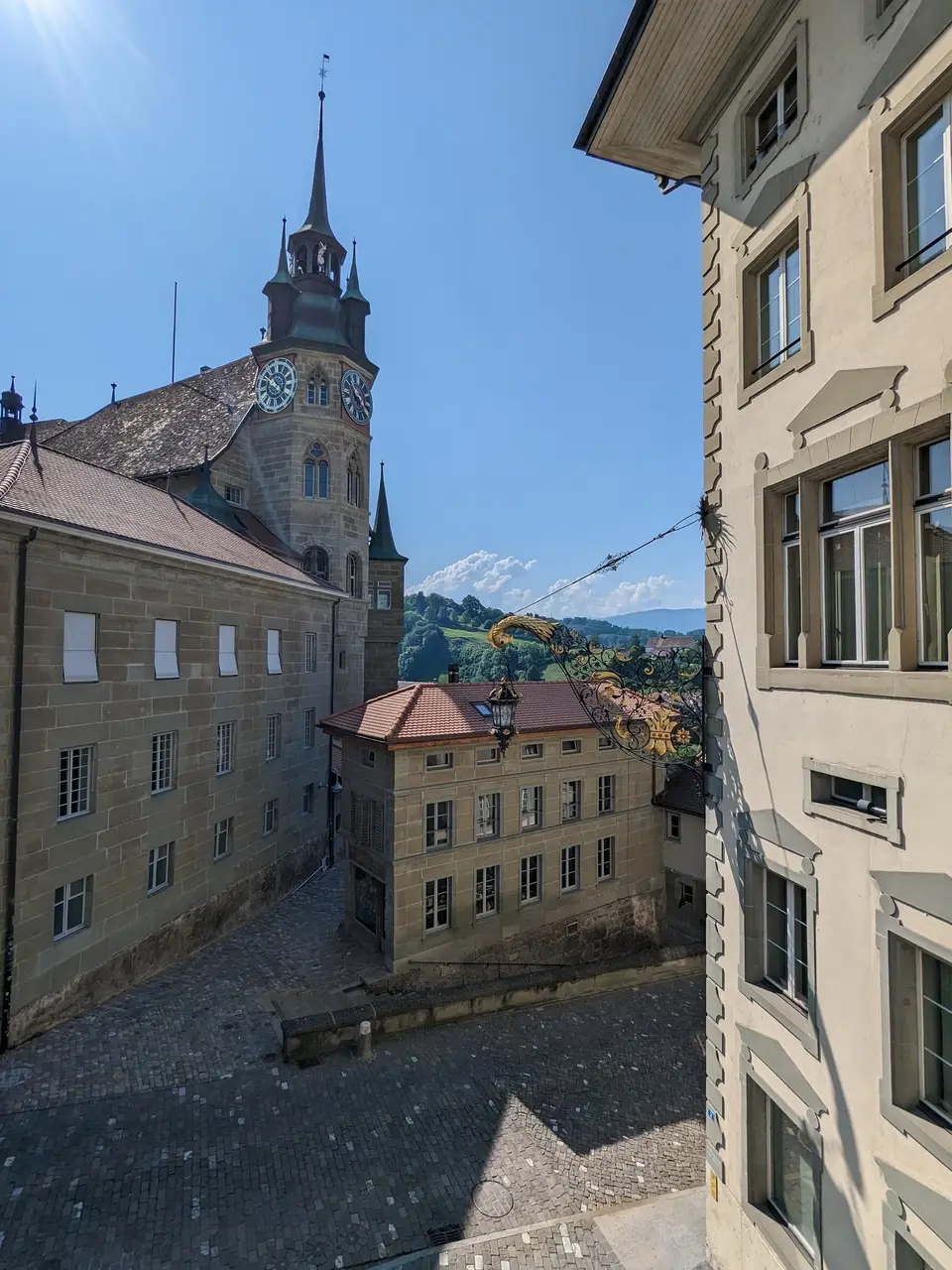
- Start in the squares of the upper town — the Hôtel de Ville with its double staircase and clock, the covered market hall, the long market street running down towards the cathedral.
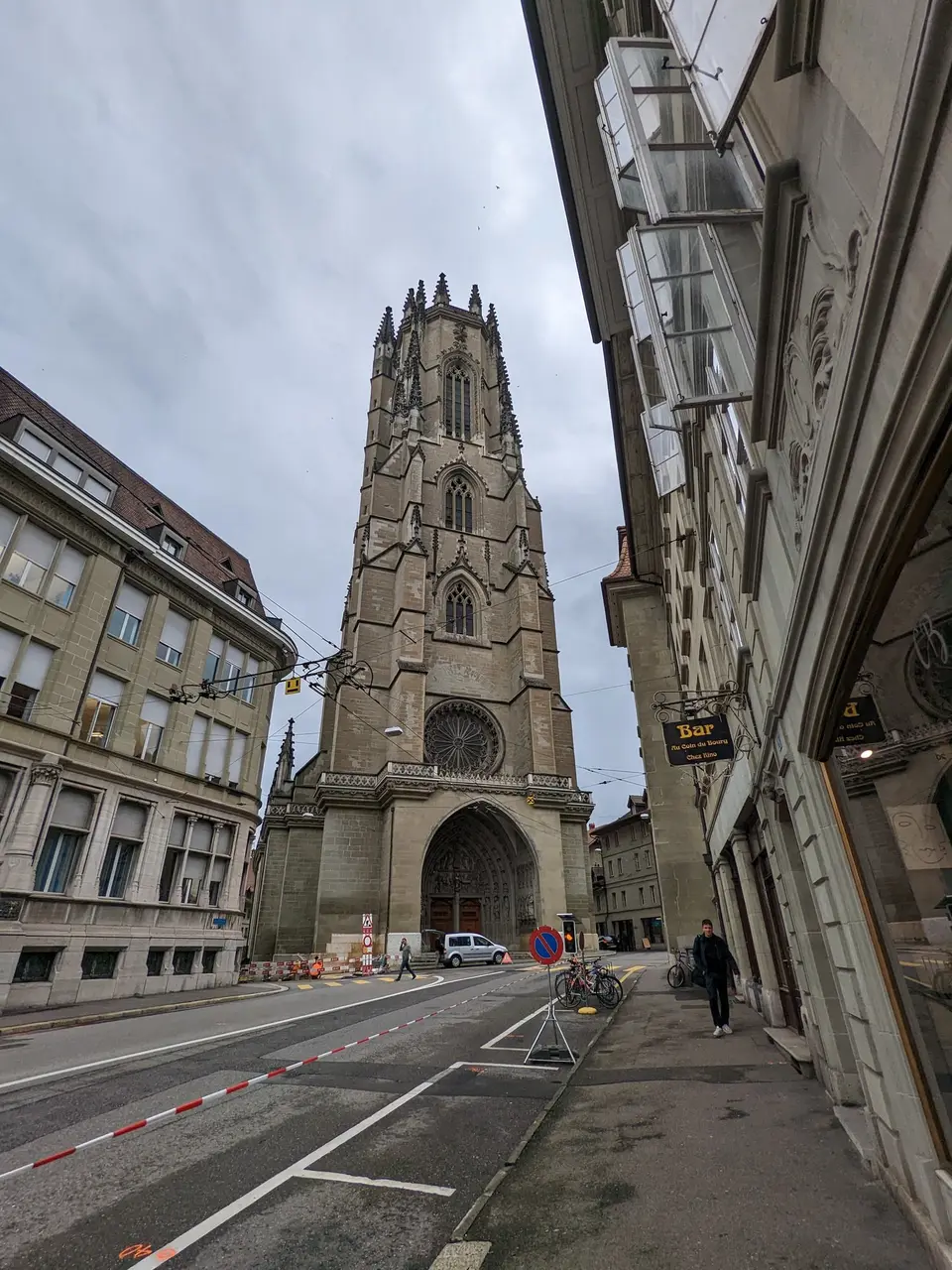
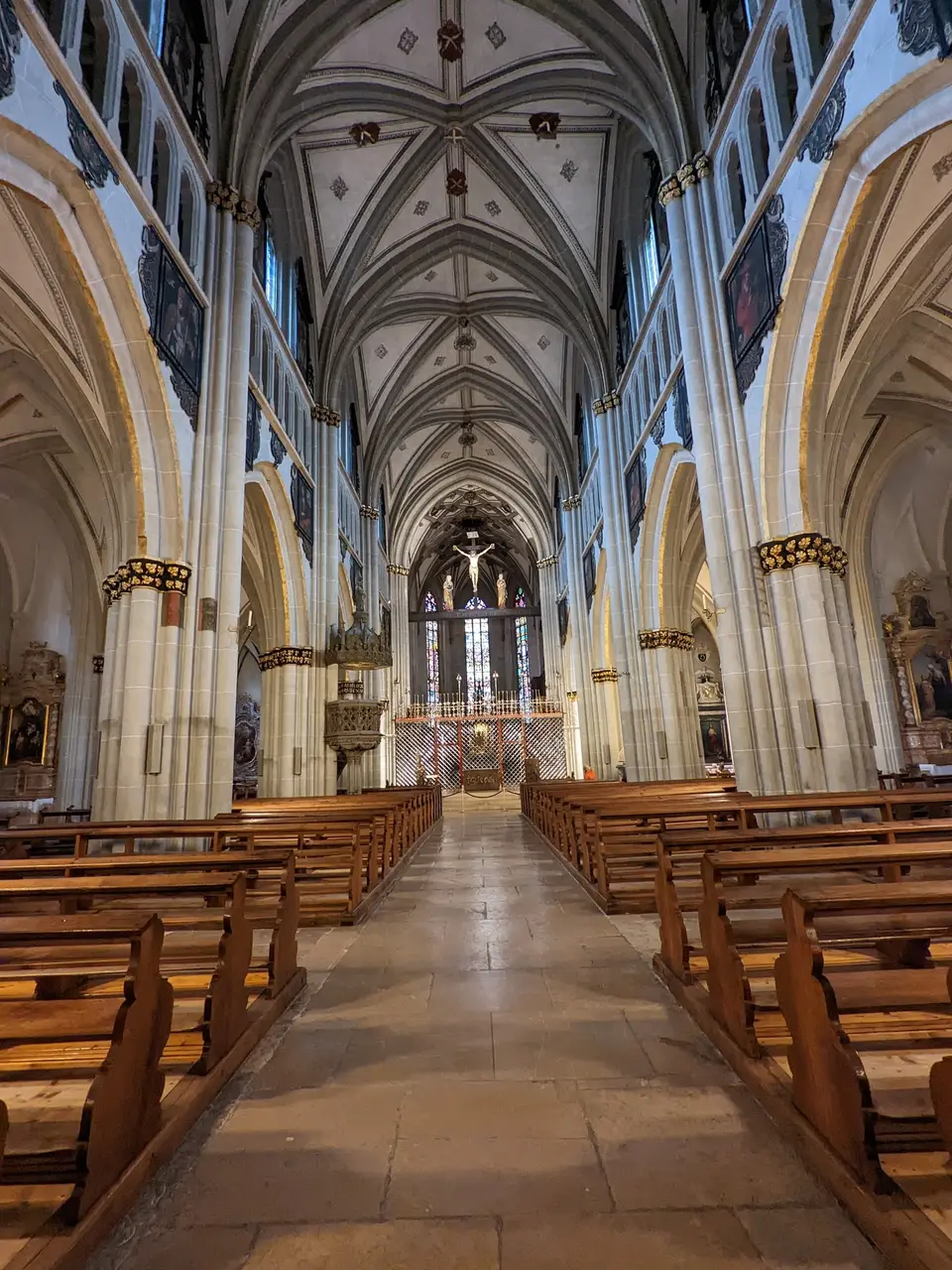
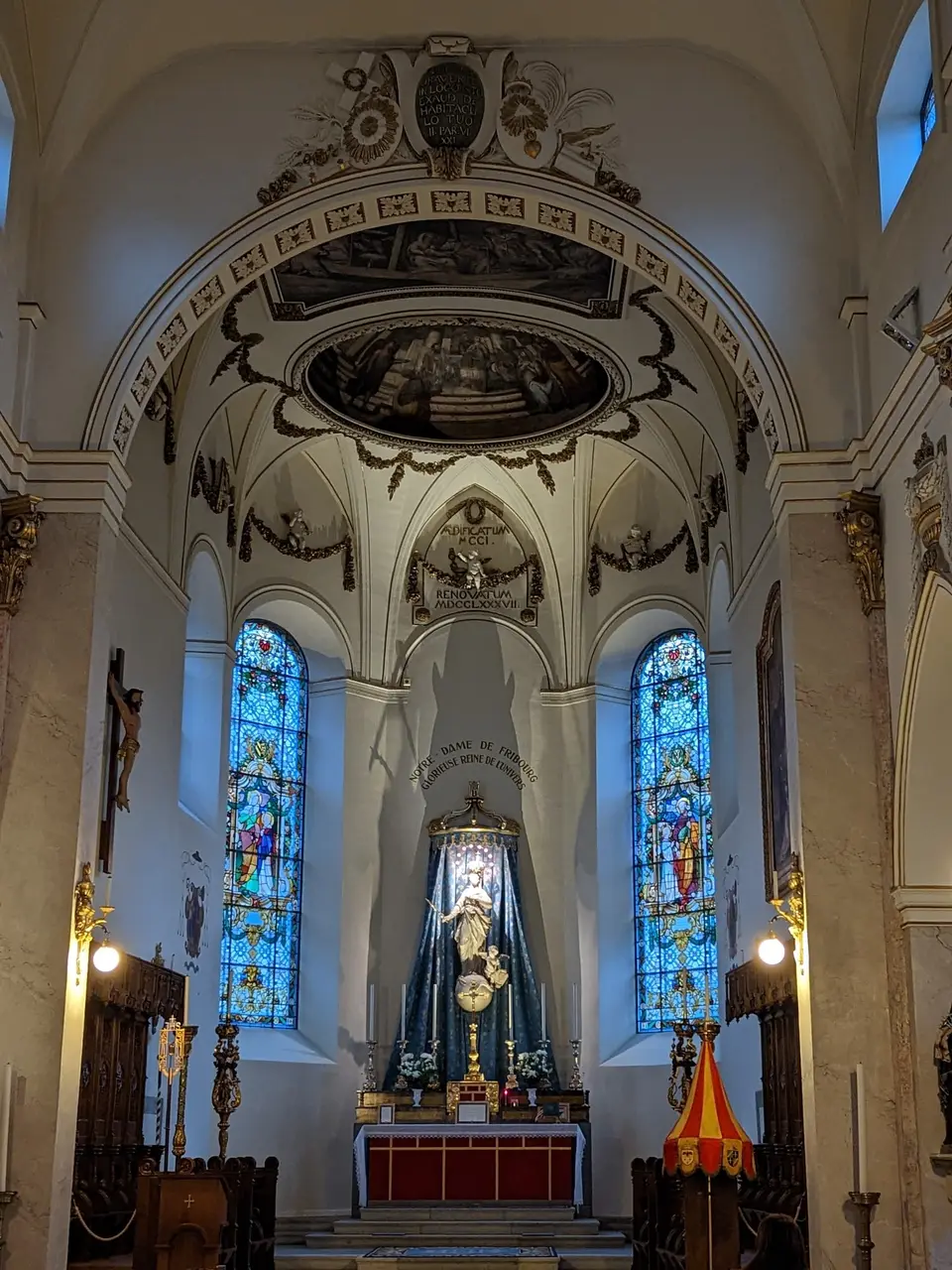
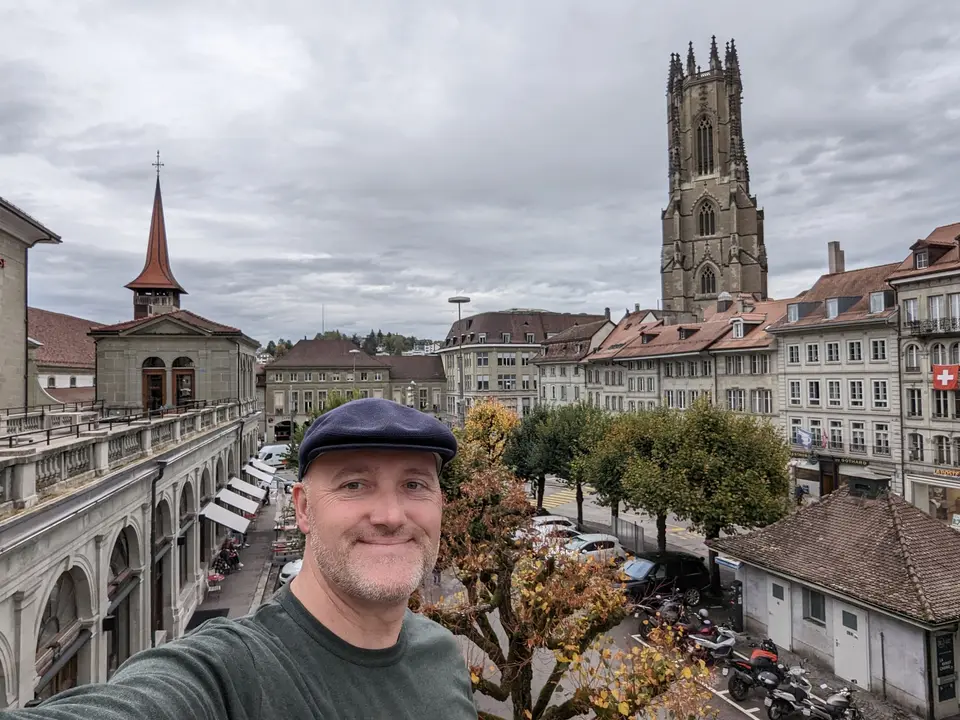
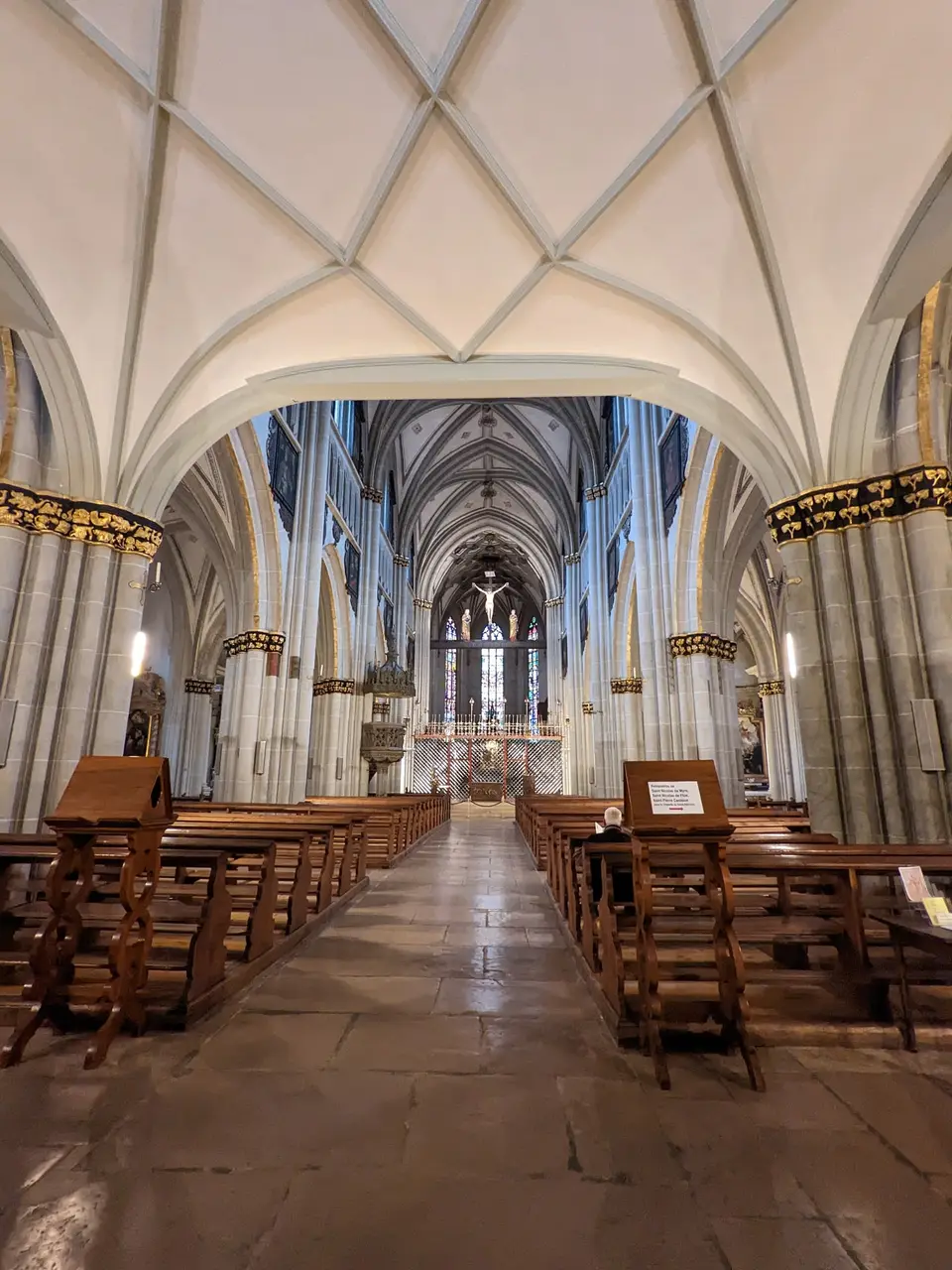
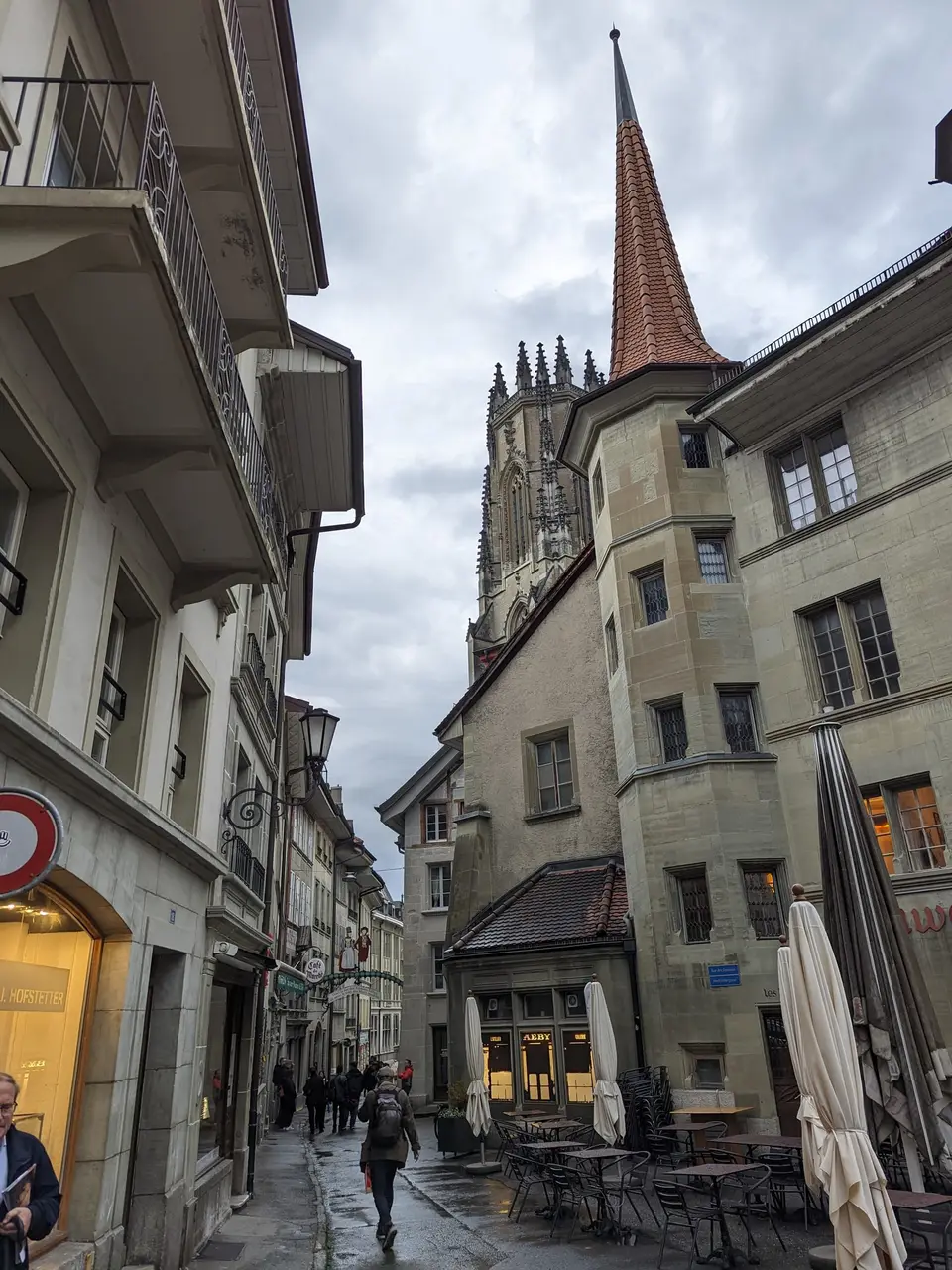
- The Cathedral of St Nicholas is the fixed point: a Gothic tower standing over the whole loop of the river, with a nave you should go into rather than photograph from the square.
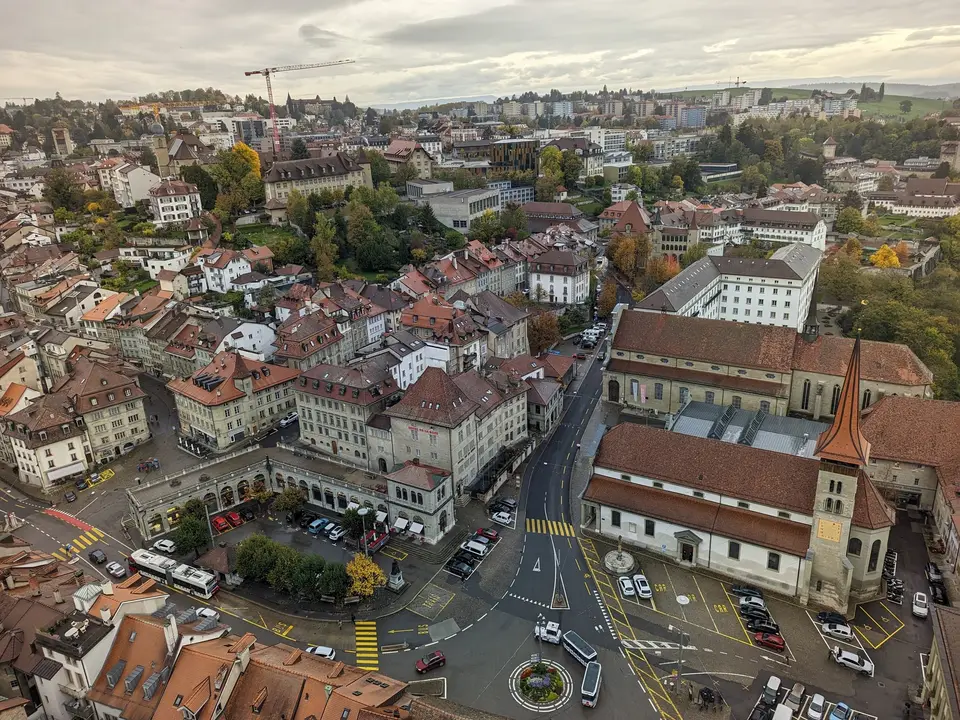
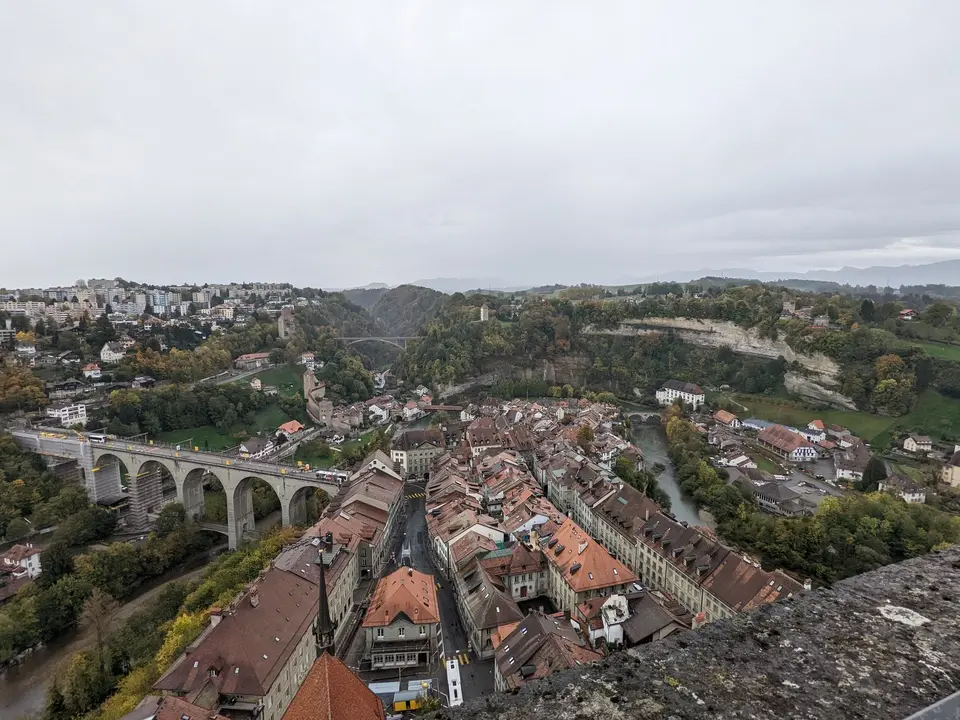
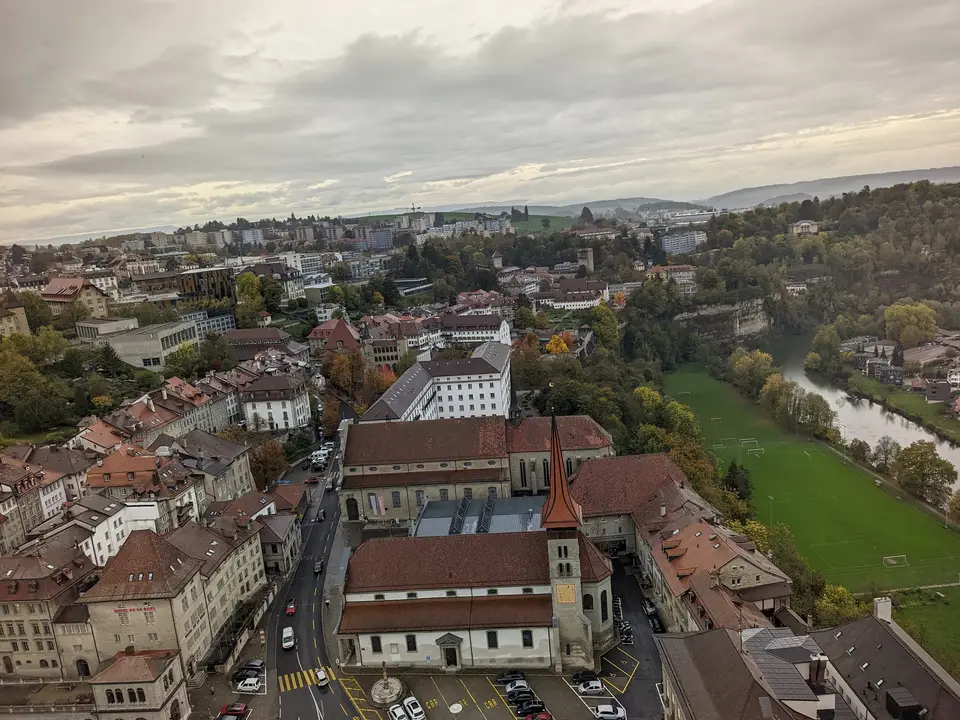
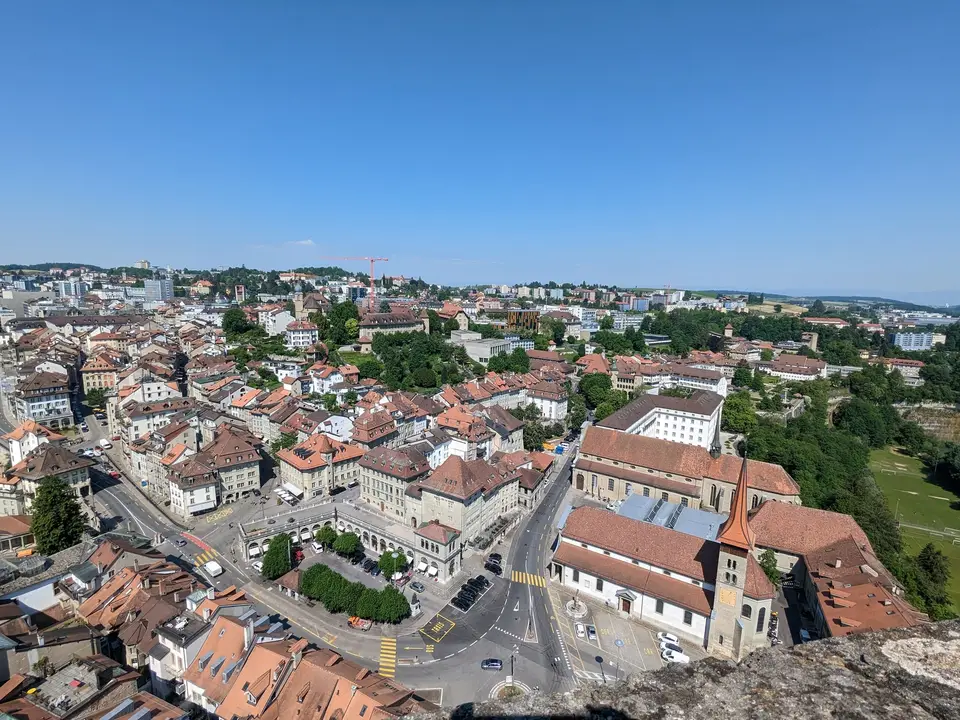
- If the tower is open, climb it. Fribourg makes more sense from up there than from any map — you see the river doubling back on itself and the old town sitting inside the bend.
Budget tips
- Walking the upper town and going inside the cathedral cost nothing.
- The tower climb is the one small entry fee worth paying here, and it is a fraction of what the equivalent costs in Bern or Lucerne.
Midday — Down to the lower town, on foot or by funicular
- The funicular is the thing to do, and it takes two minutes. It runs between the upper town and the Basse-Ville, and it is counterweighted by water — historically the city’s own wastewater, which is exactly as unglamorous and as ingenious as it sounds. It has been running since 1899.
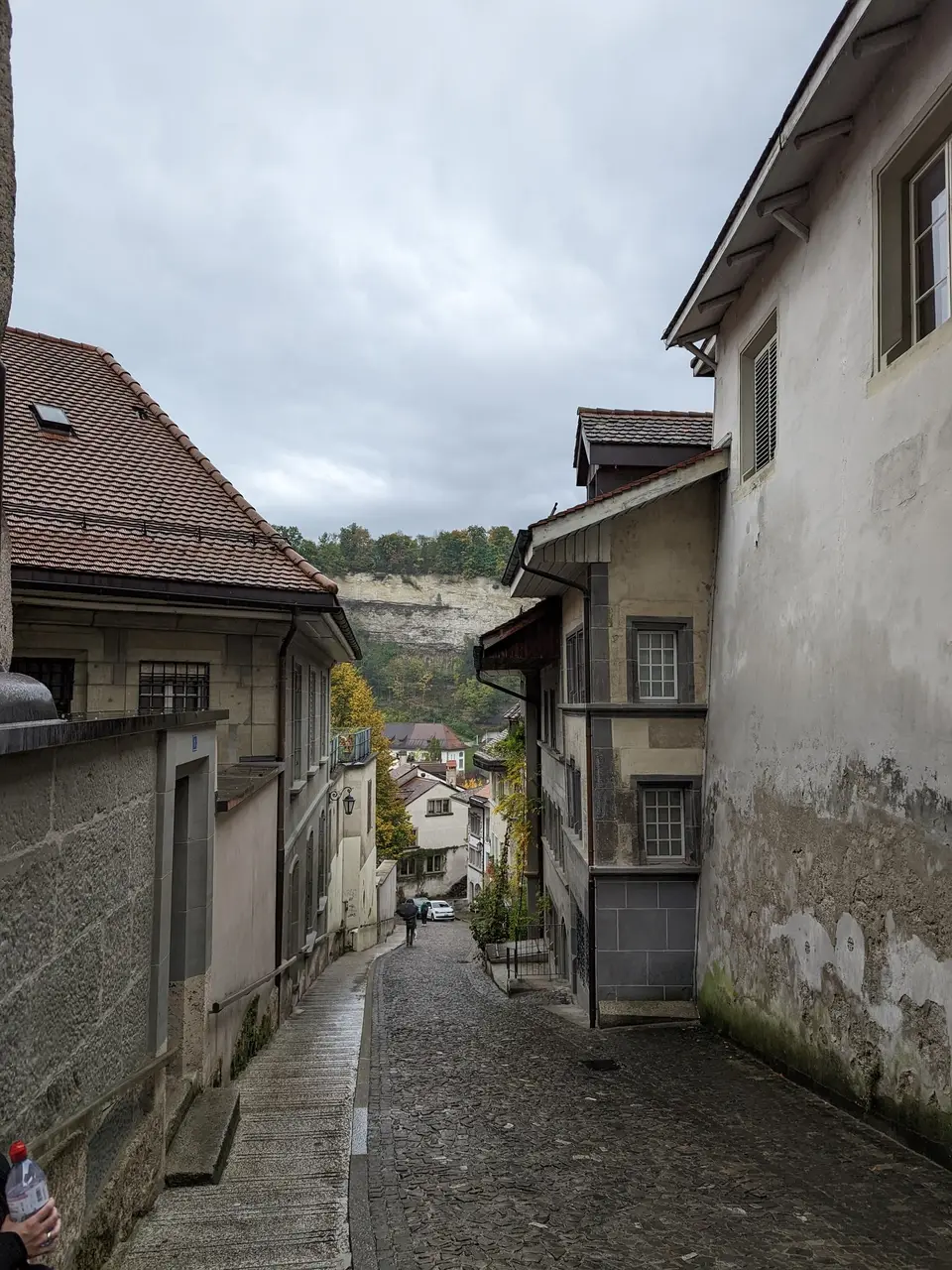
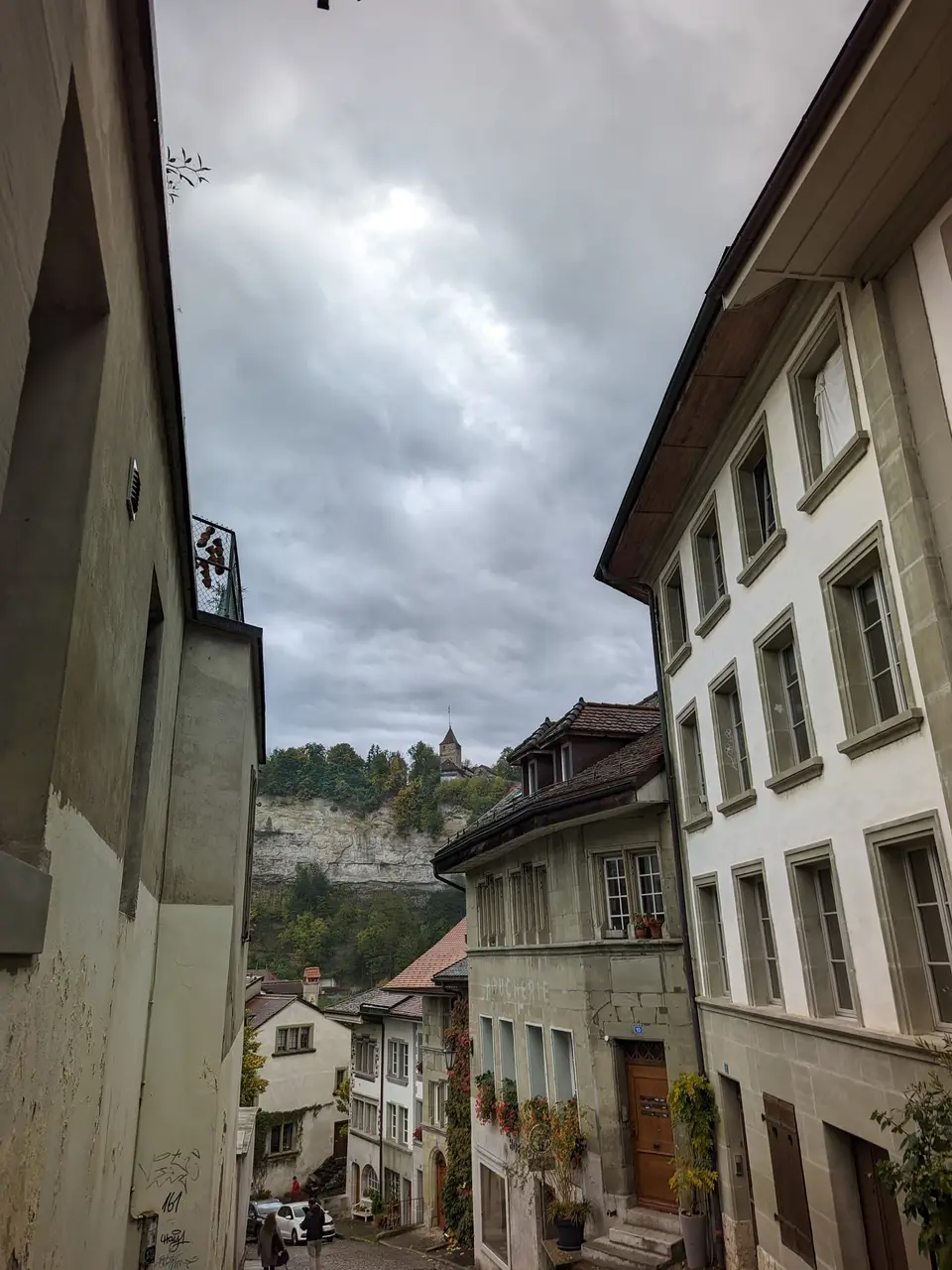
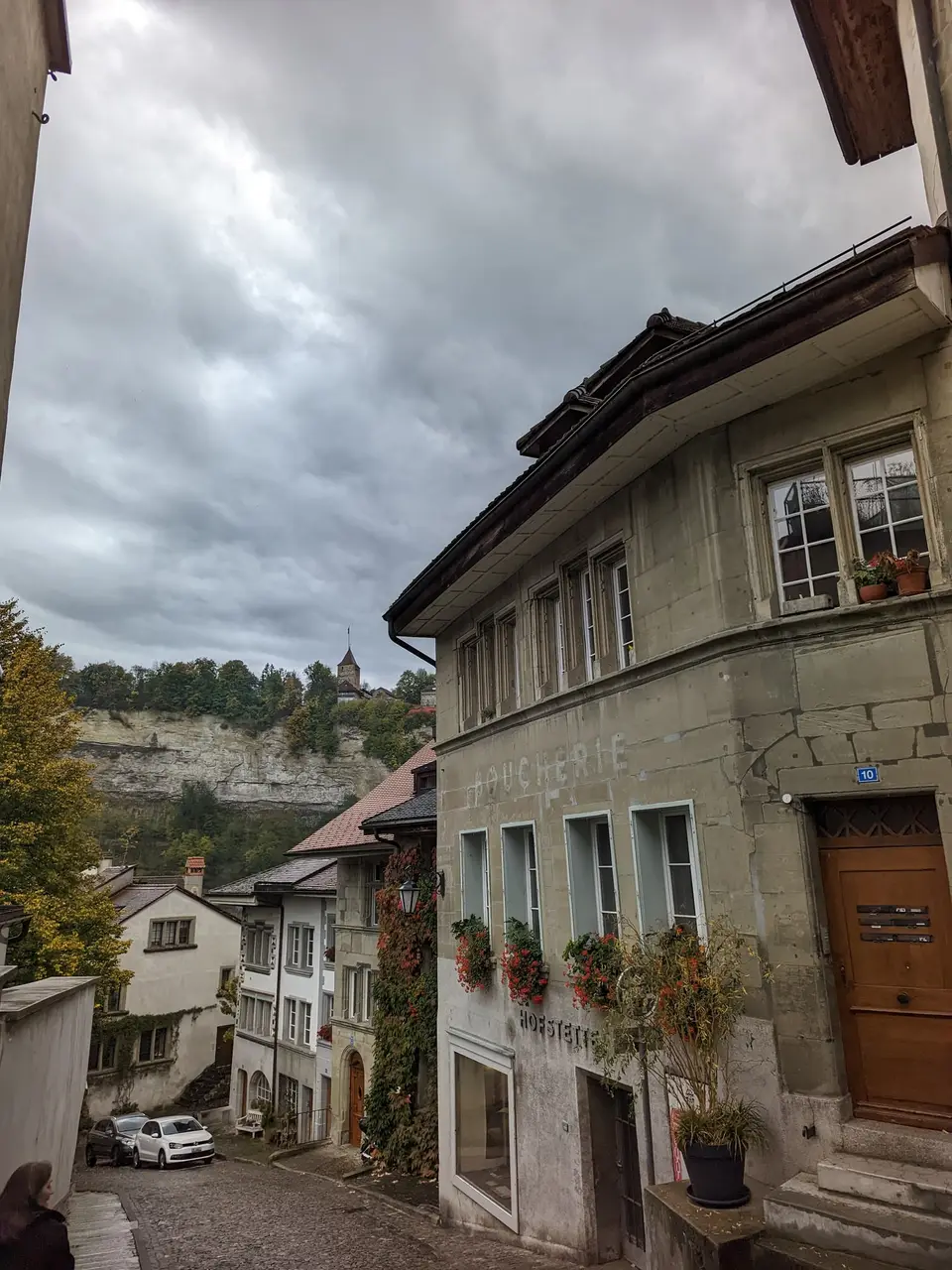
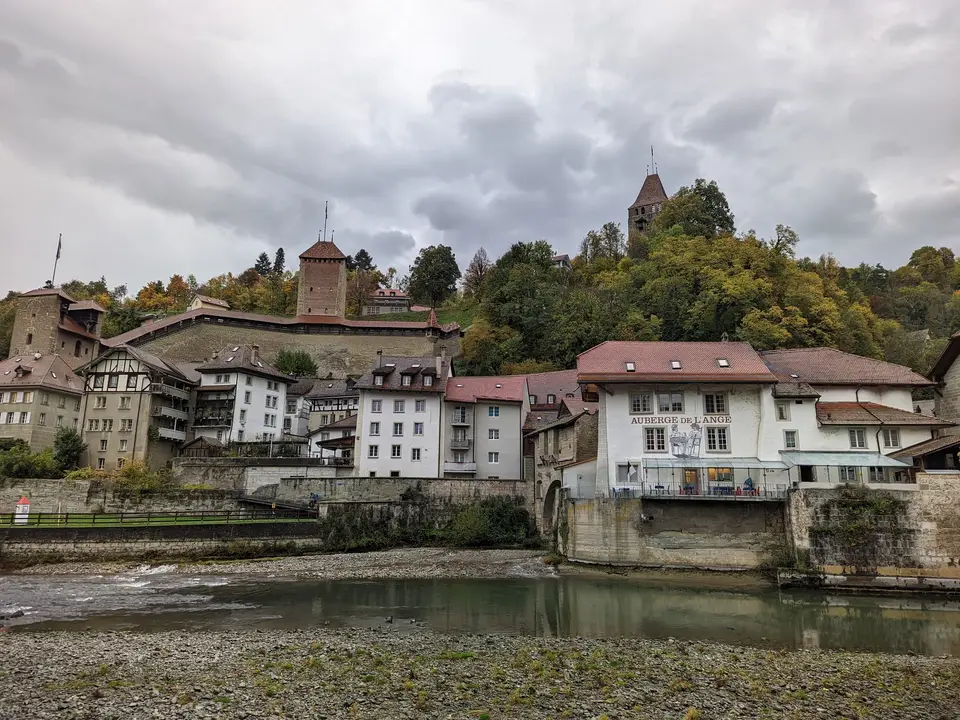
- The lower town is a different place entirely: stone houses down at river level, workshops, washing lines, almost no shops, and very few visitors.
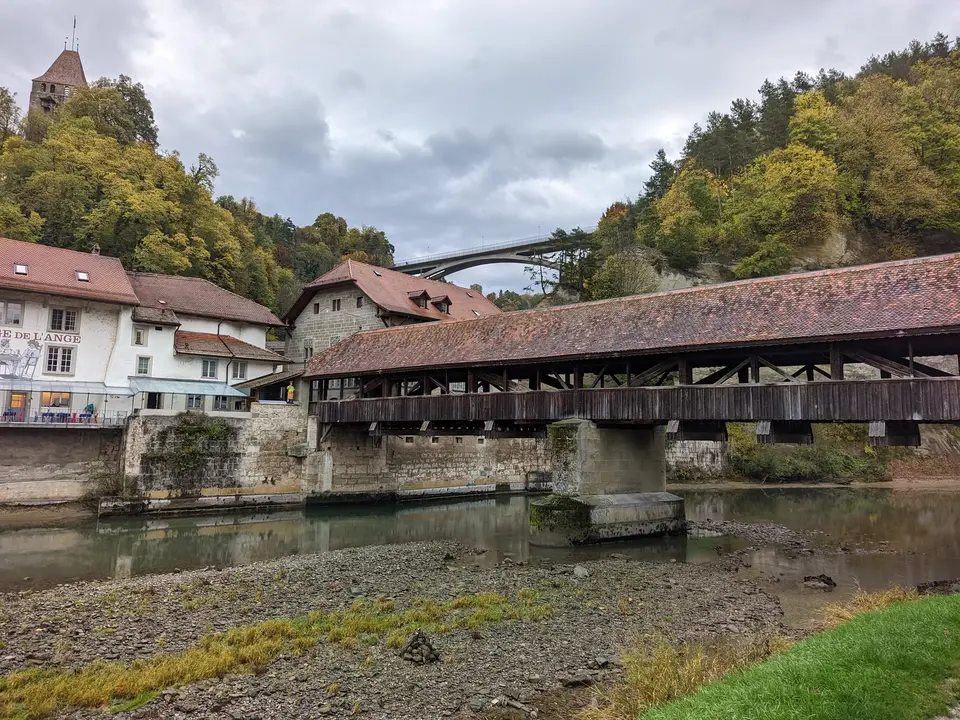
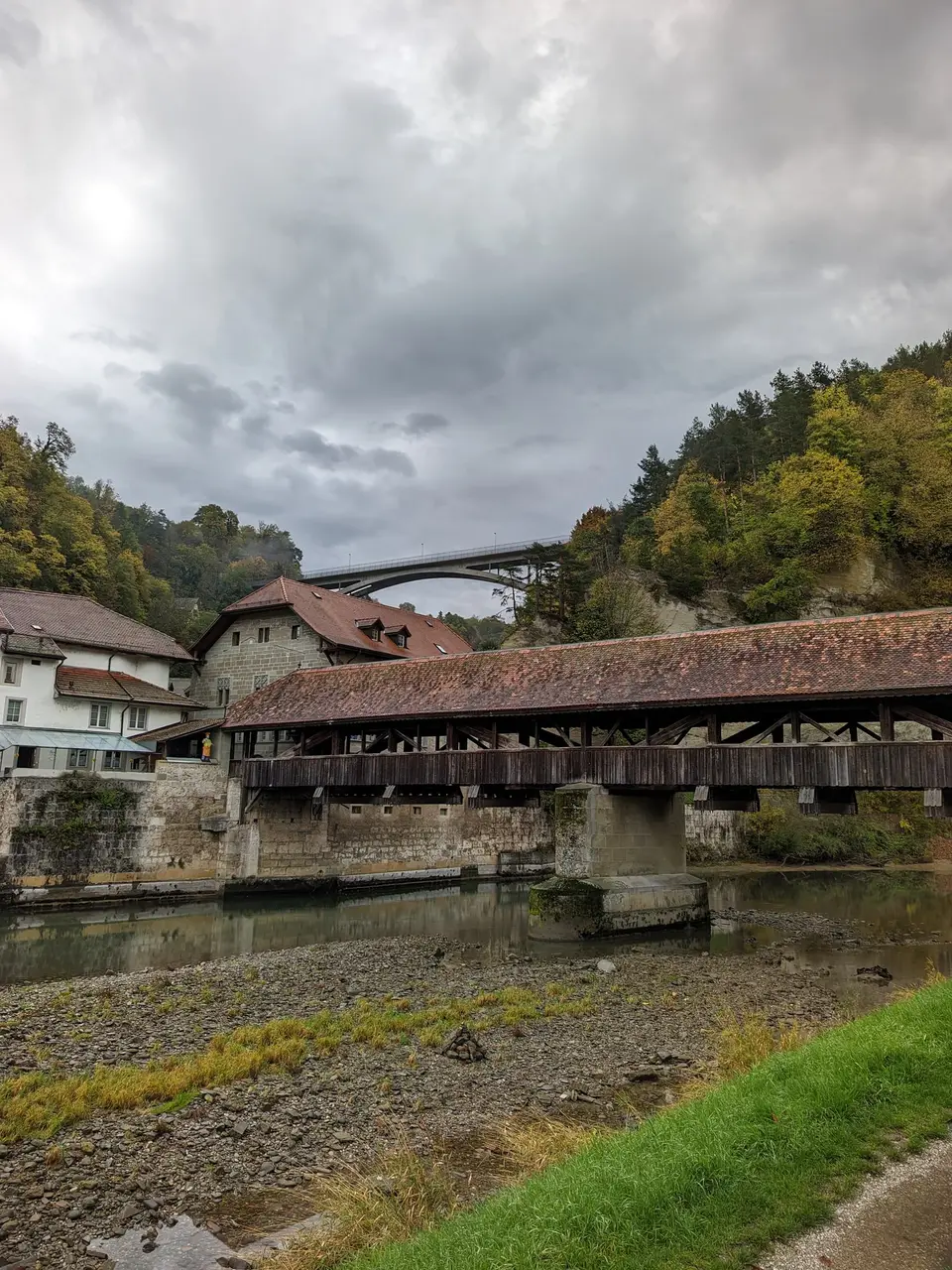
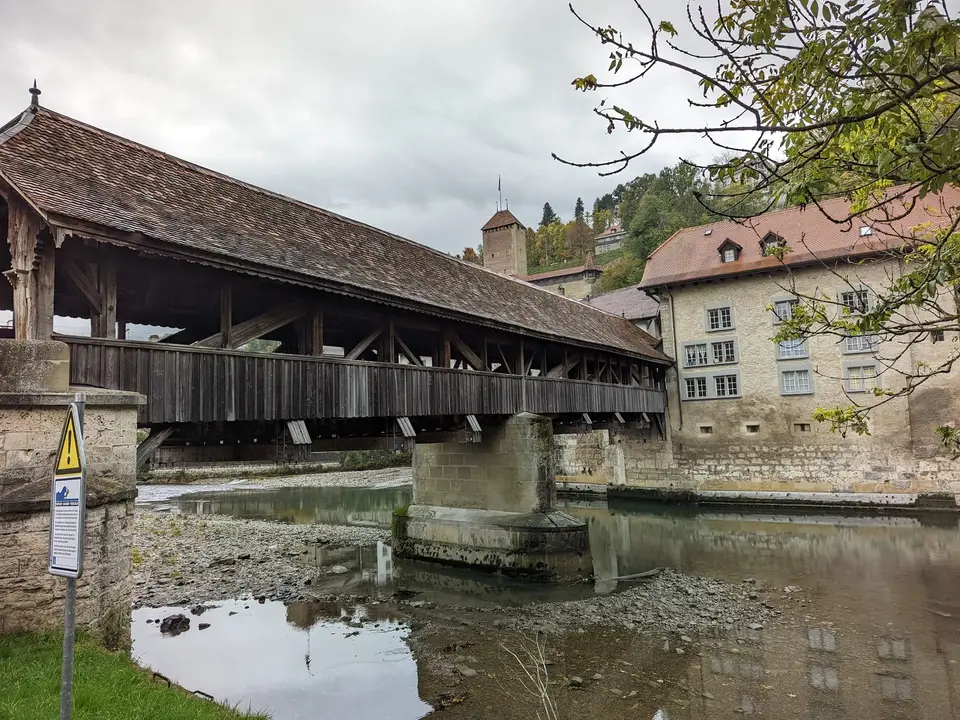
- The Pont de Berne is the reason to come down here. A covered wooden bridge across the Sarine, dark timber over green water, with the cliffs and the old houses behind it. It is the oldest bridge in the city and it looks it.
Budget tips
- The funicular is a couple of francs and is part of the town’s local transport rather than an attraction with attraction pricing.
- Walk one direction and ride the other. The climb back up is genuinely steep.
- The lower town has the town’s cheapest food and its quietest tables.
Afternoon — The river, the ramparts and the autumn
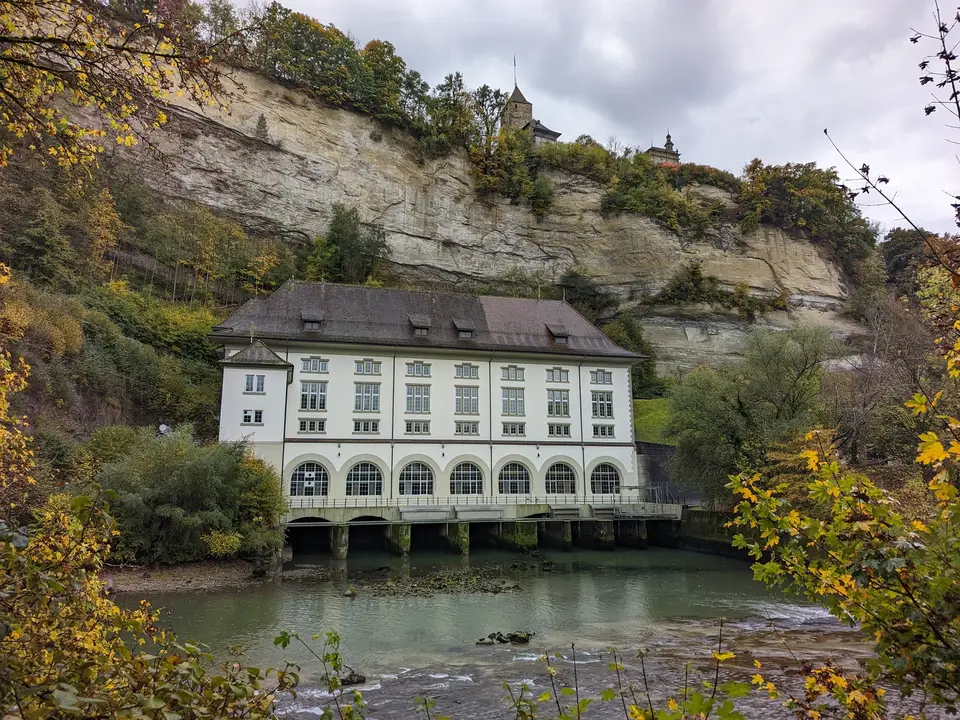
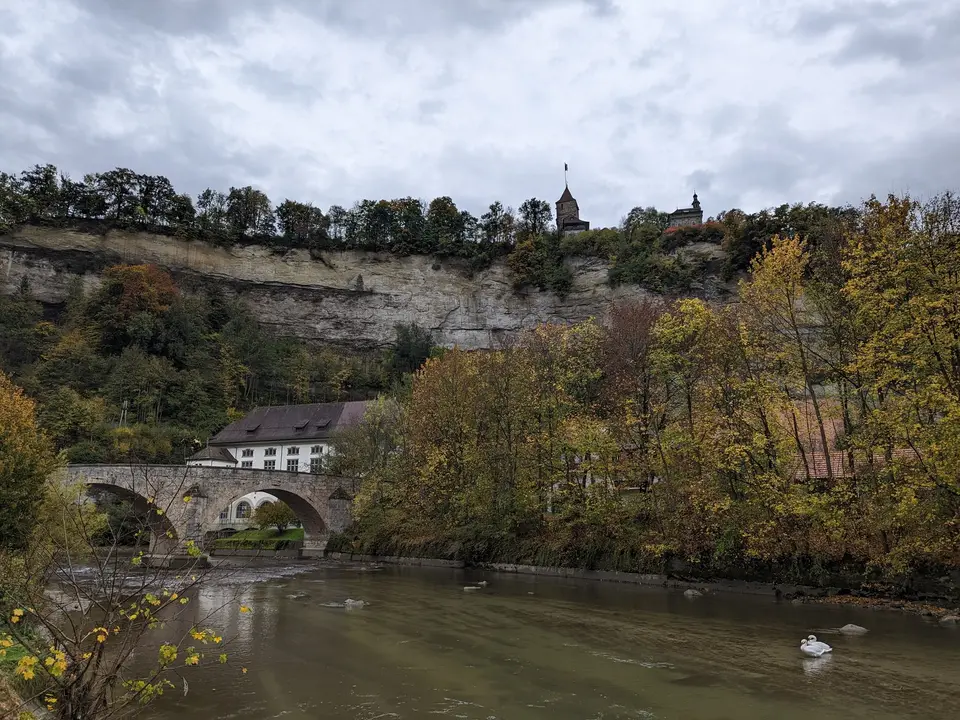
- Follow the Sarine round under the cliffs. The path passes the old bridges, the weirs, and the backs of houses built straight onto the rock.
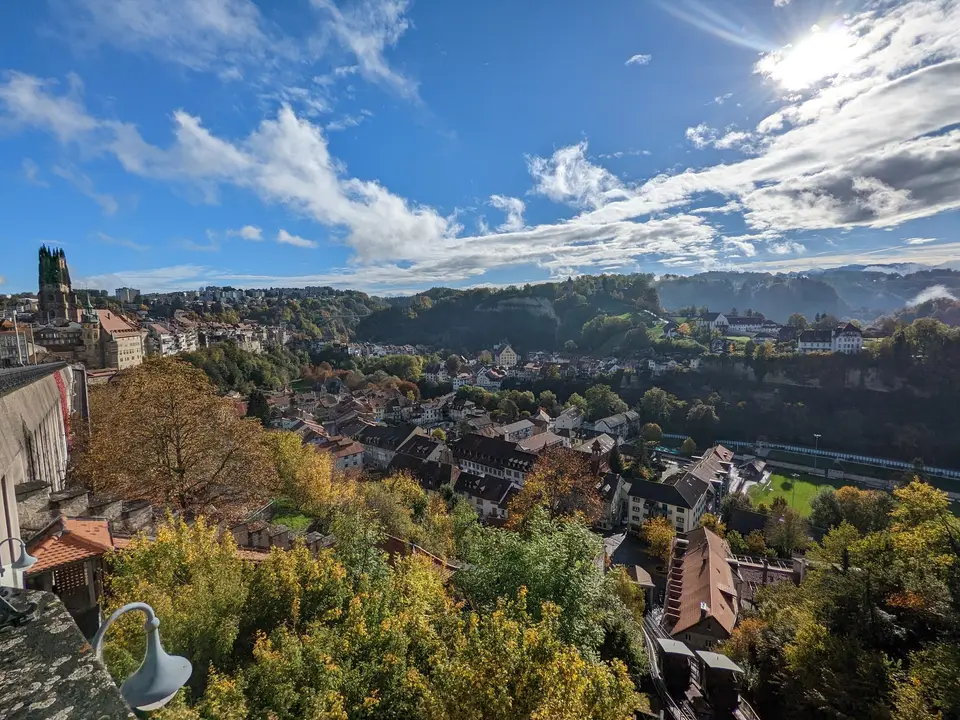
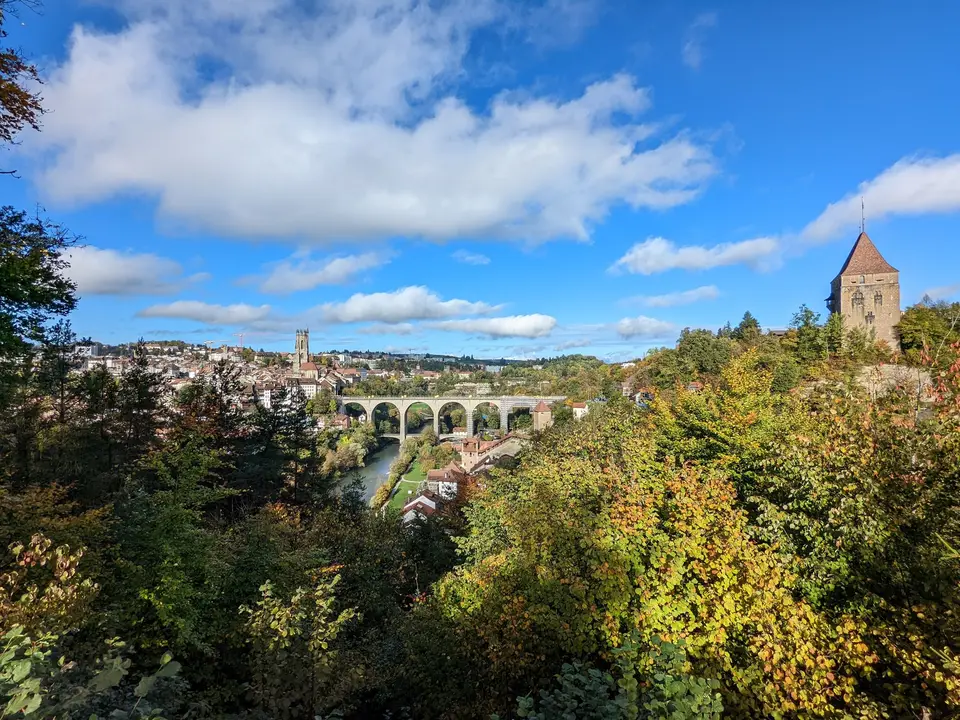
- The remains of the town wall and its towers run along the ridge above, and the views back over the tiled roofs are the best free thing in the city — particularly in October, when the whole gorge turns.
- Come back up through the lanes rather than the main street. The upper town’s back streets are where the medieval town is still legible.
Budget tips
- All of this is free, and it is most of what makes Fribourg worth the stop.
- If you are choosing one paid thing in the whole day, make it the tower rather than a museum.
Evening — Or move on
- Fribourg is quiet in the evening and there is no shame in treating it as a daytime stop between Bern and Lake Geneva.
- If you do stay, the upper town squares after dark, lit and almost empty, are the version of a Swiss medieval town most people picture and few actually see.
Budget tips
- Rooms here are cheaper than Bern or Lausanne and the trains to both are short. On a multi-night trip that arithmetic is worth running.
- Eat in the Basse-Ville rather than on a square in the upper town.