Read this part first — 2026 only
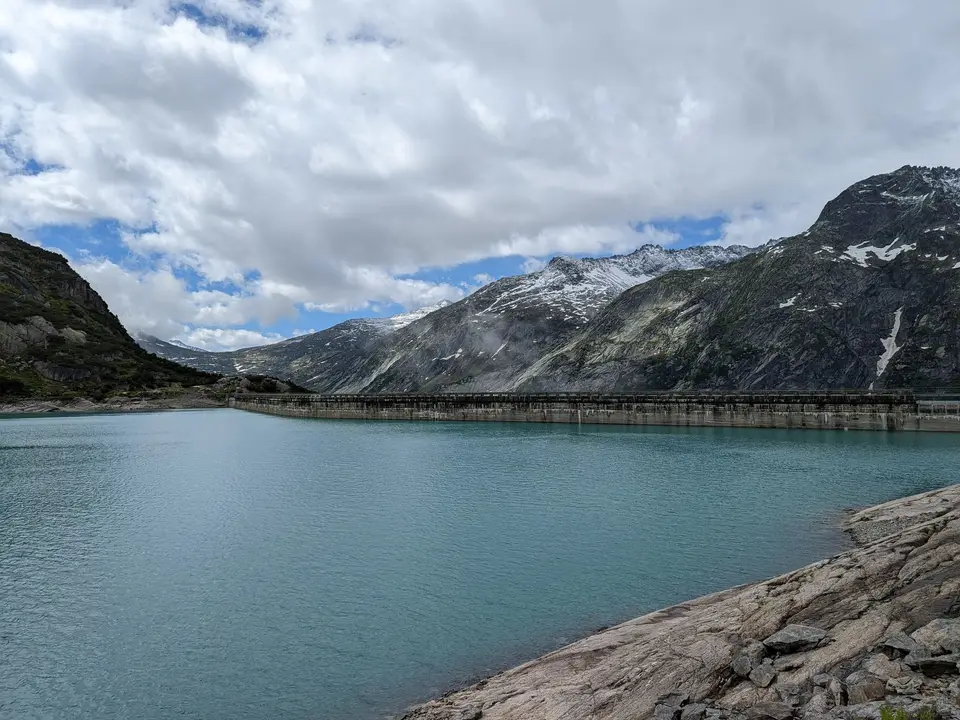
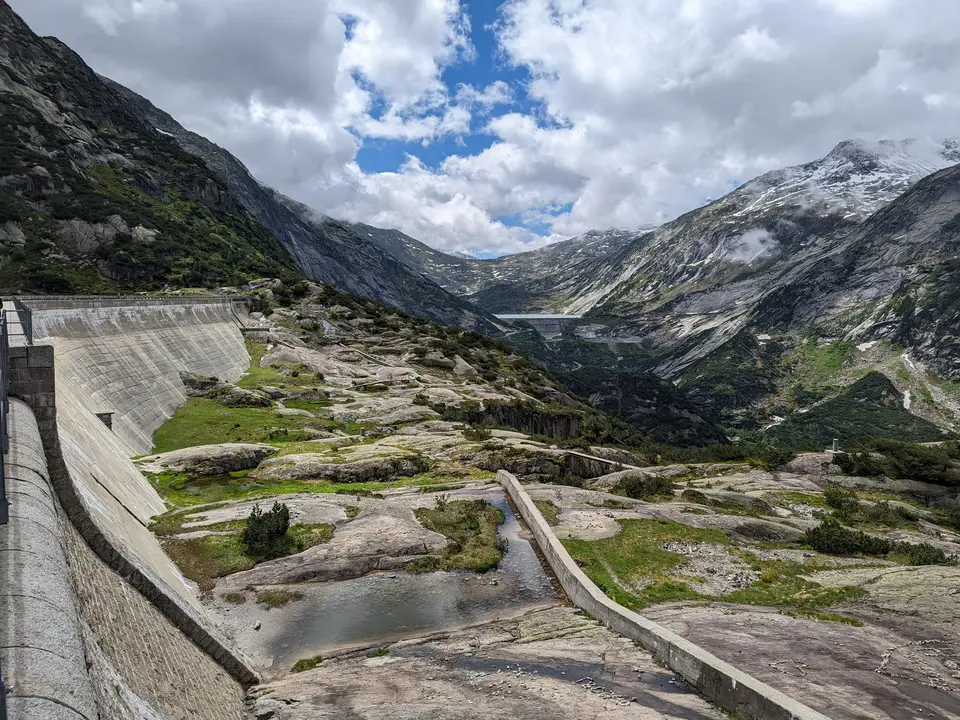
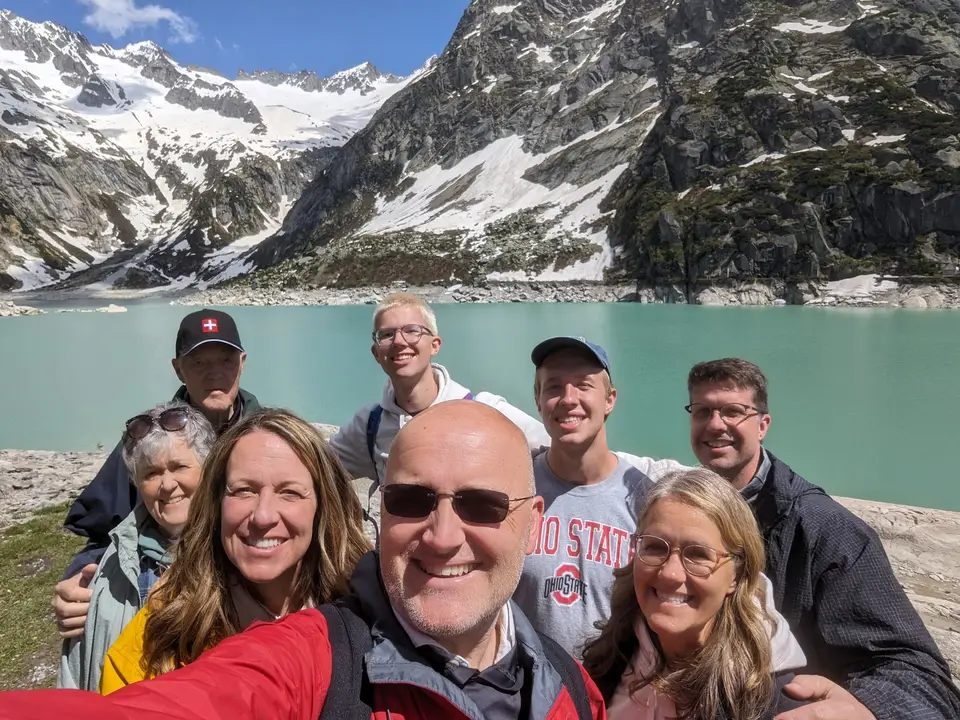
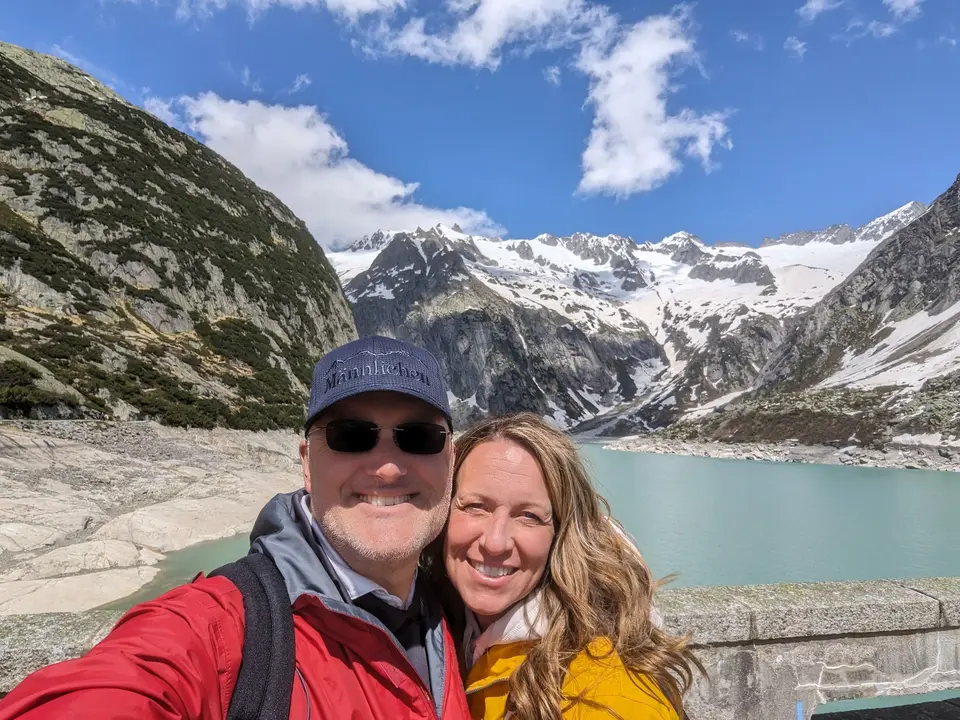
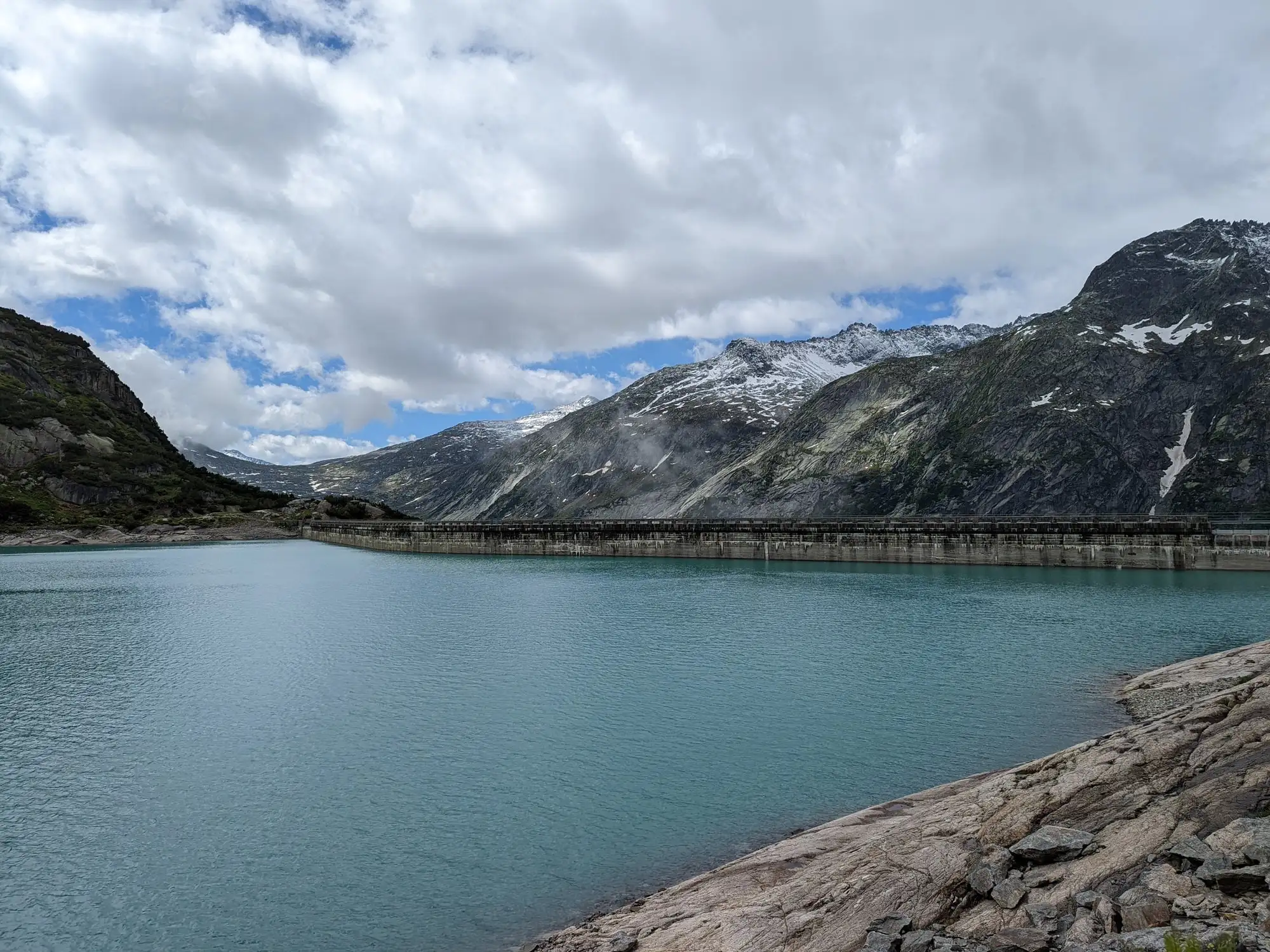
The Gelmersee dam is closed to visitors through the 2026 season. There is a construction site on it. The circular walk around the lake still works, because the path has been routed in front of the dam wall instead of across it — but the two photographs on this page taken from the dam are of something you cannot currently stand on.
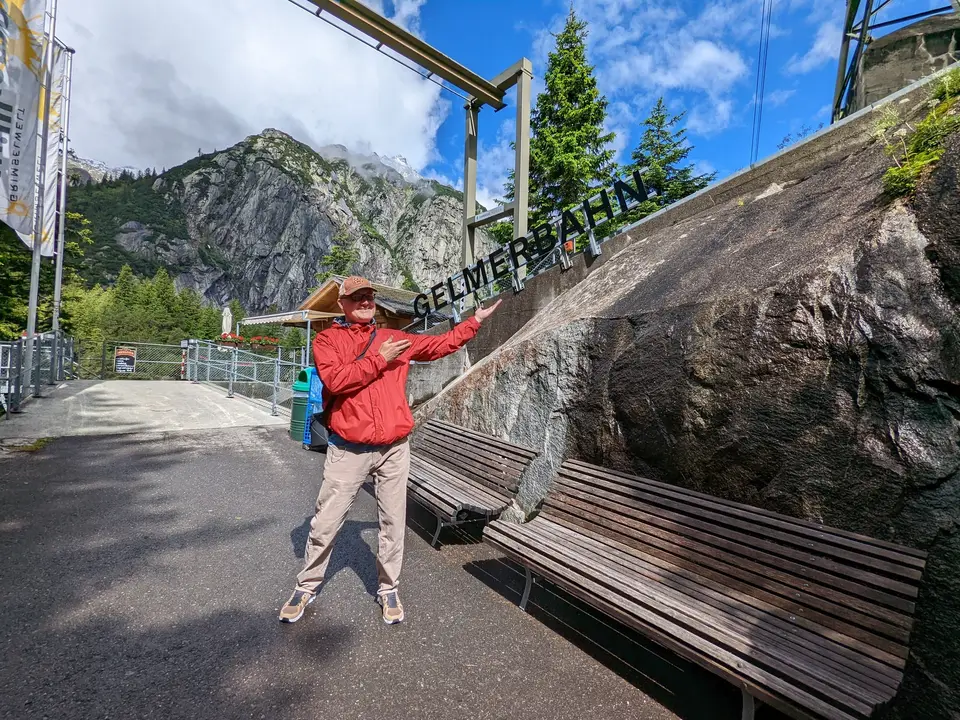
The valley station has moved further away, too. The same works mean about a fifteen-minute walk from the parking lot or the PostBus stop to the bottom of the funicular, over temporary paths and some steep steps. Budget the time, and do not plan it for anyone who would struggle with stairs.
Both of these are 2026 conditions. Check before you go — this is exactly the kind of detail that is true for a season and then quietly stops being true.
What it actually is
- A reservoir at 1,850 meters at the top of a granite bowl above the Grimsel road, and the reason to come is as much the way up as the lake.
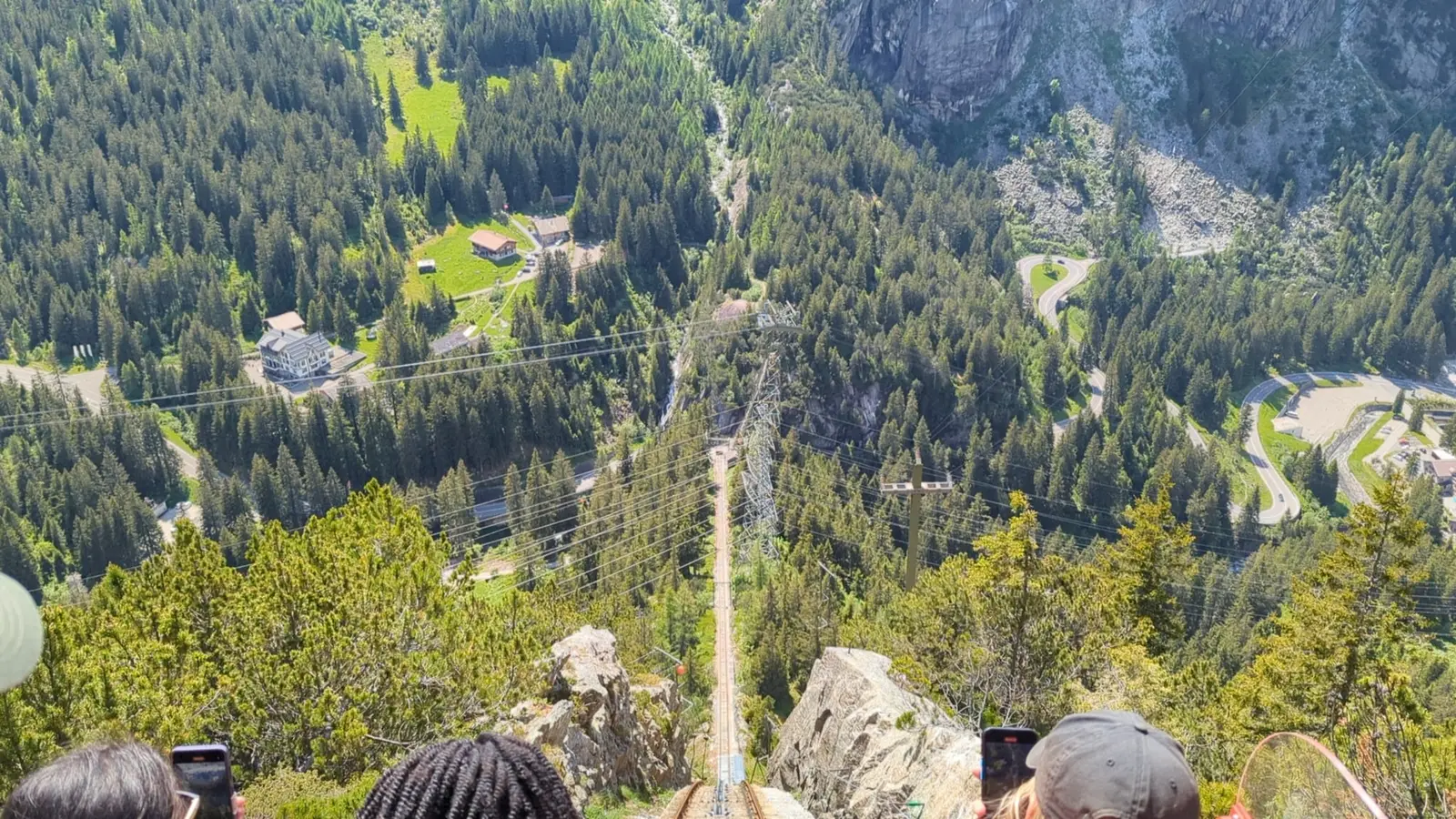
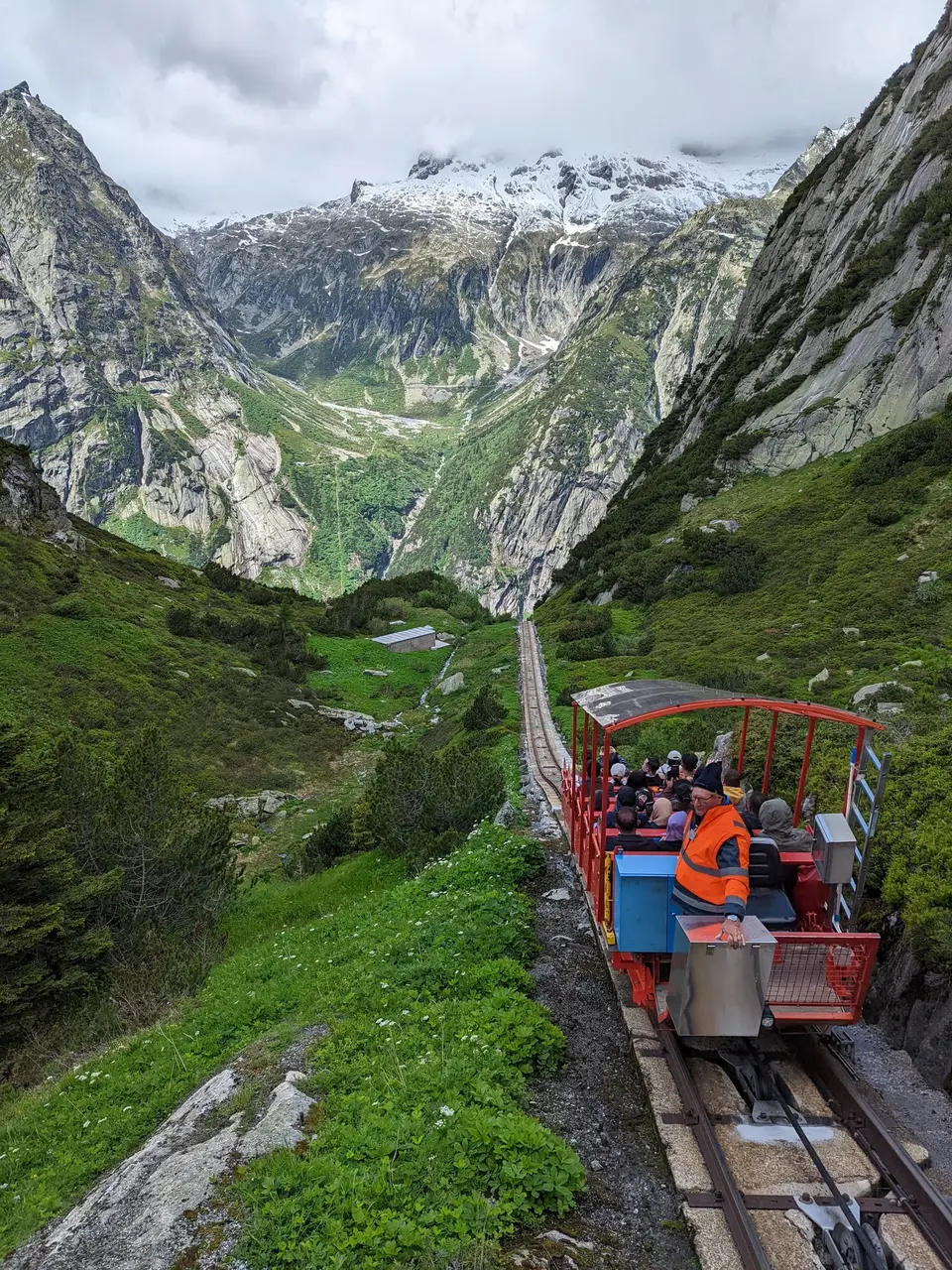
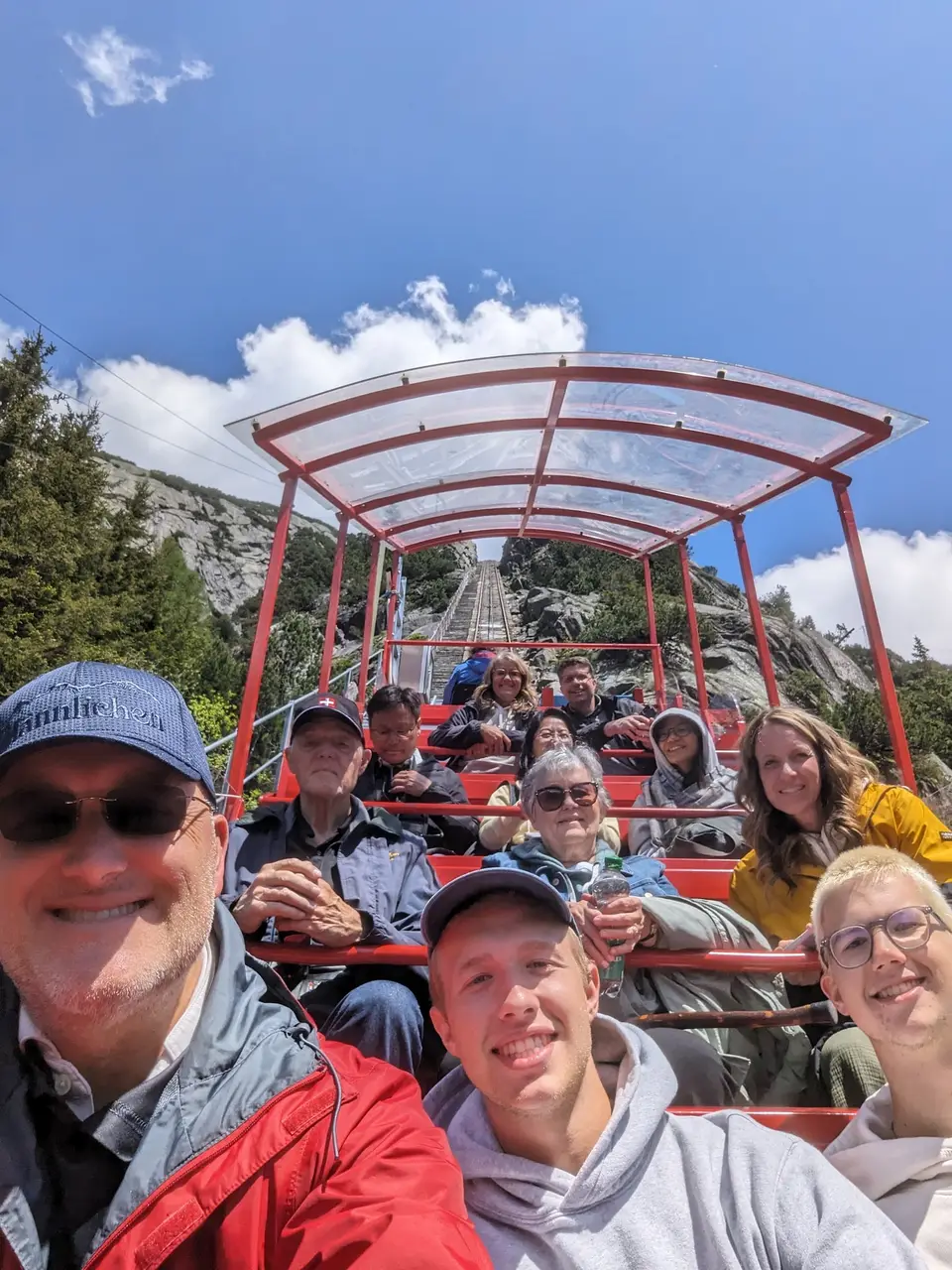
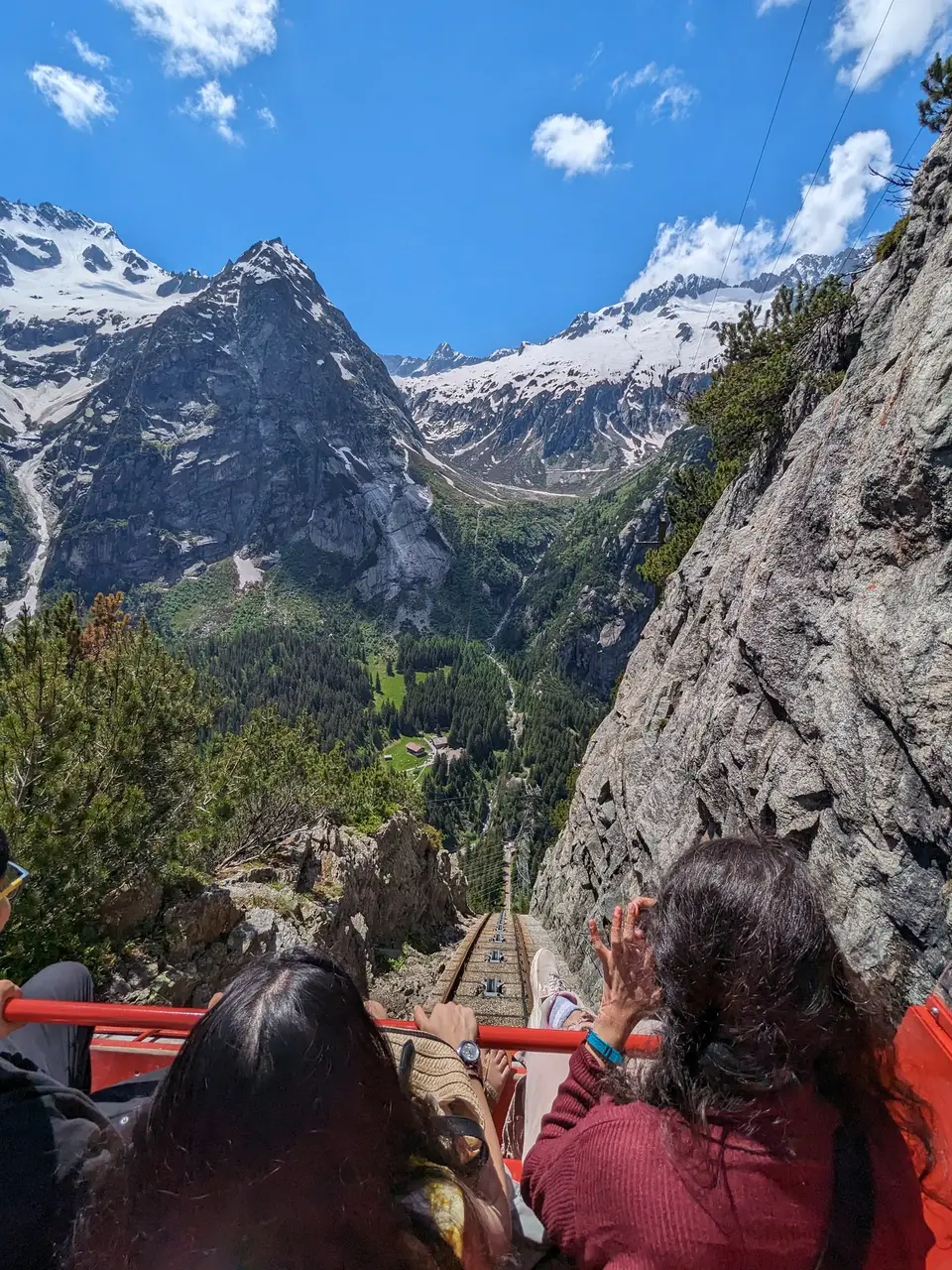
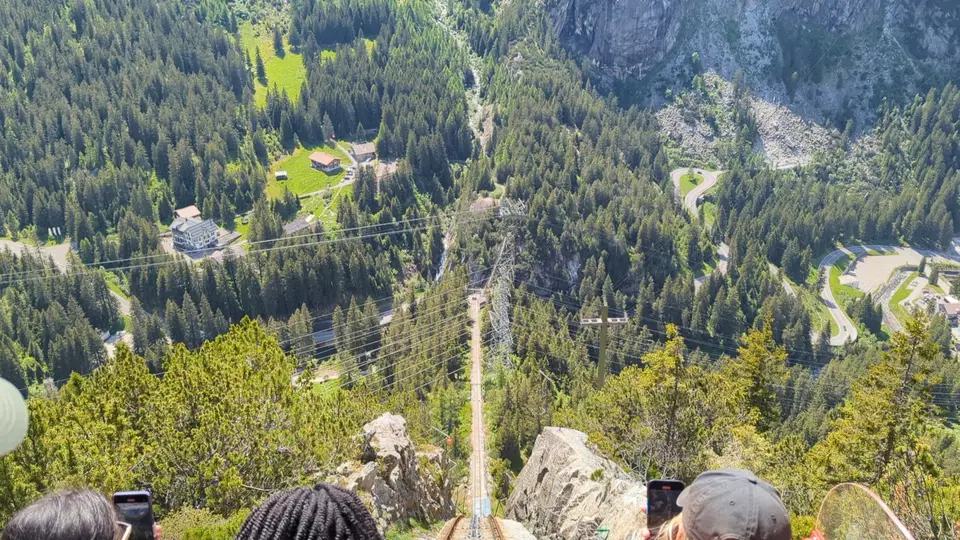
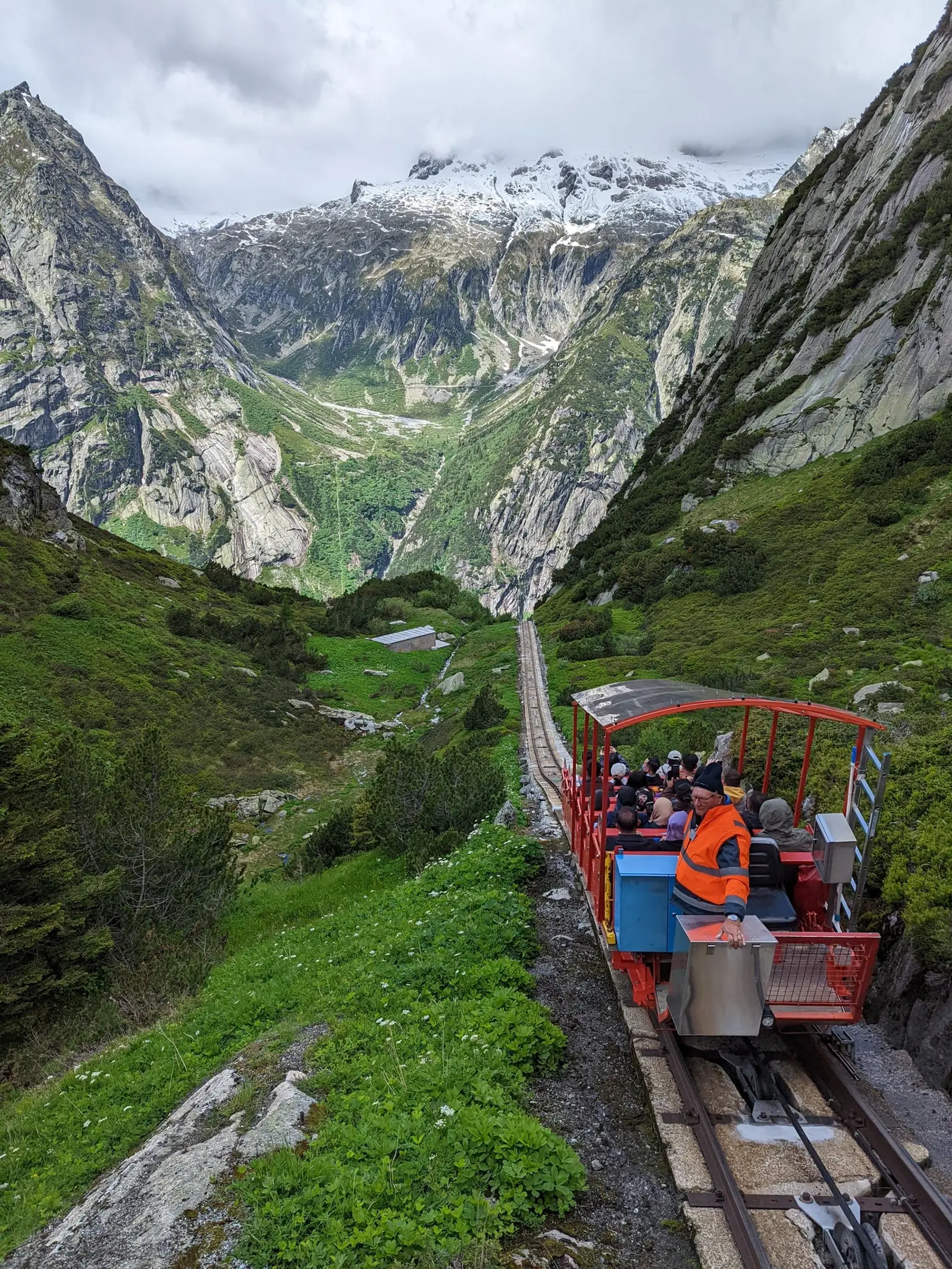
- The way up is the Gelmerbahn: an open funicular that climbs 448 meters over 1,028 meters of track, at a maximum gradient of 106 percent — about 47 degrees. It is the steepest funicular in Europe and it does not feel like a piece of tourism while you are on it.
- It was never built for you. Kraftwerke Oberhasli laid it in 1926 as a works railway, to haul material up to build the dam. It carried cement and men for seventy-five years and was only opened to passengers in 2001.
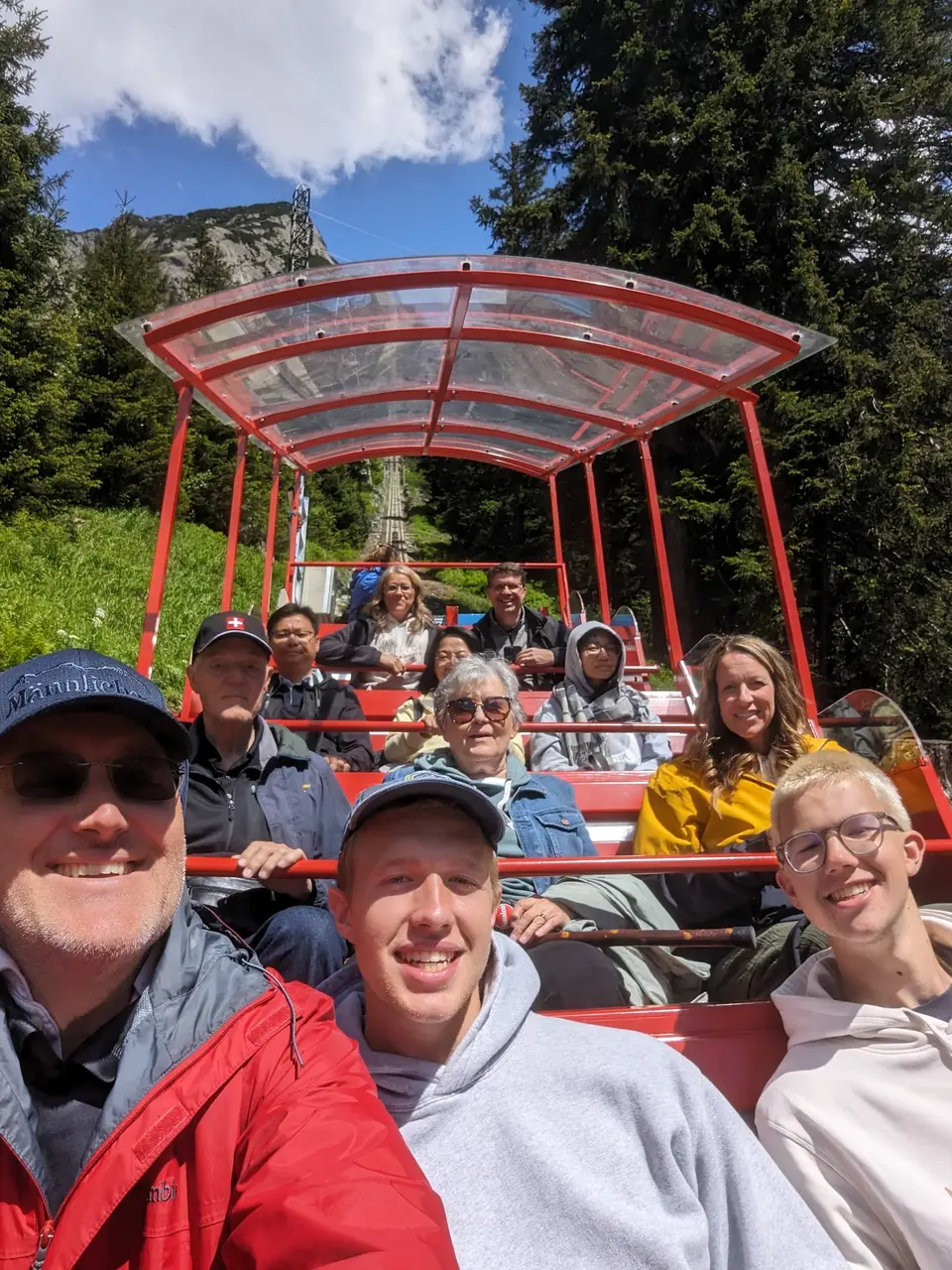
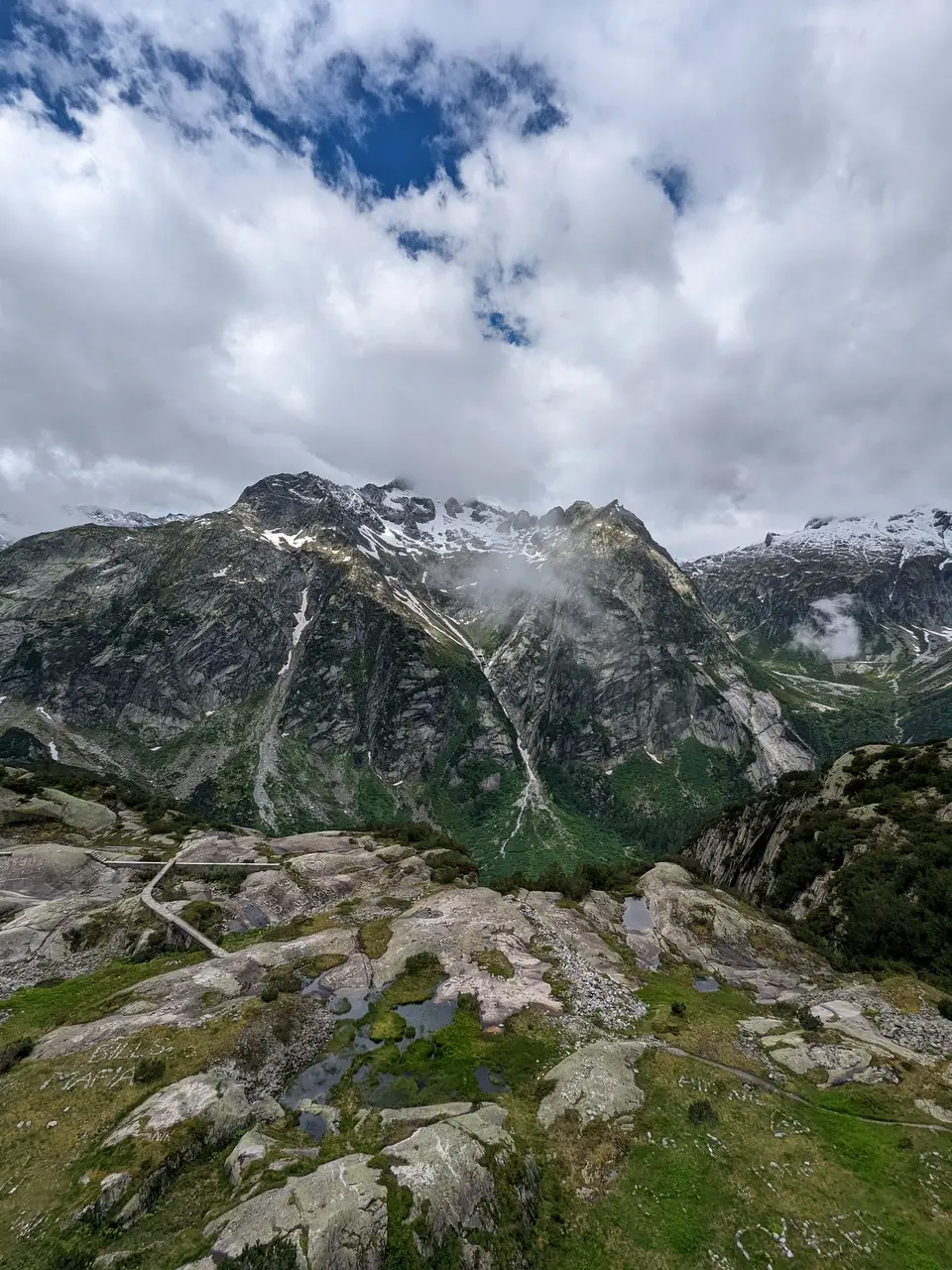
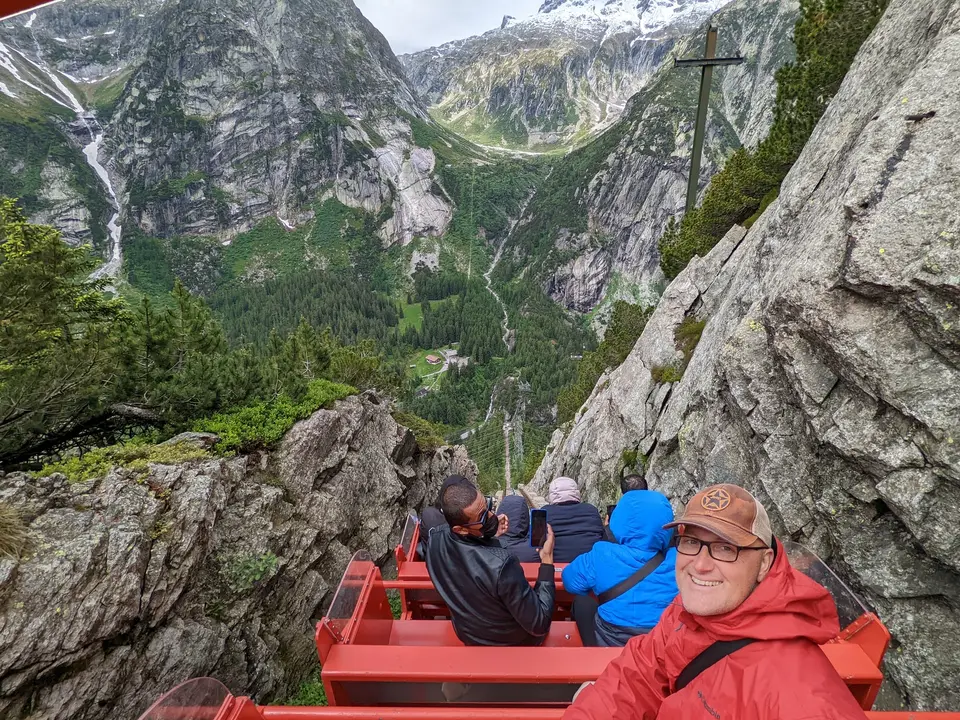
- Twelve minutes up, twenty-four people to a car, open to the sky. The photograph on this page looking down the track from above is what the gradient actually looks like; the one inside the car is what it looks like from a seat.
At the top
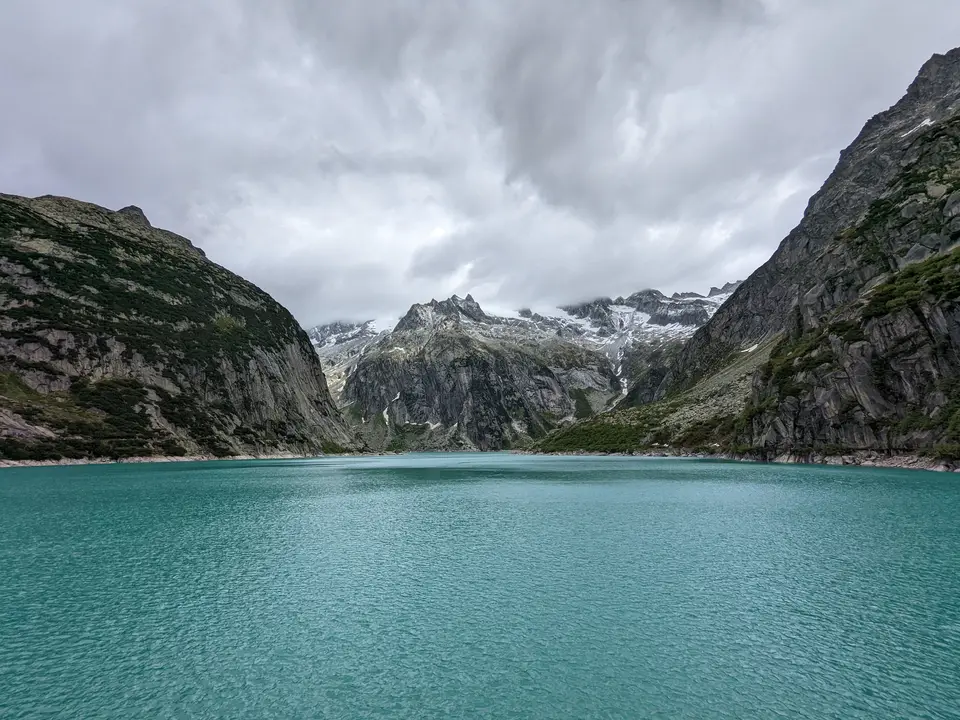
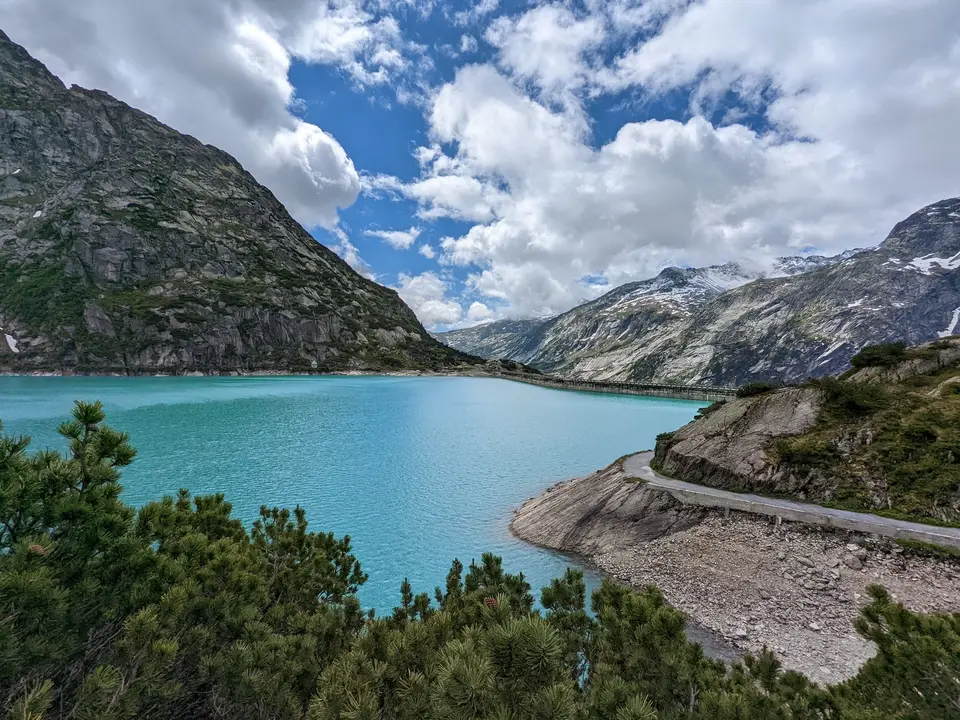
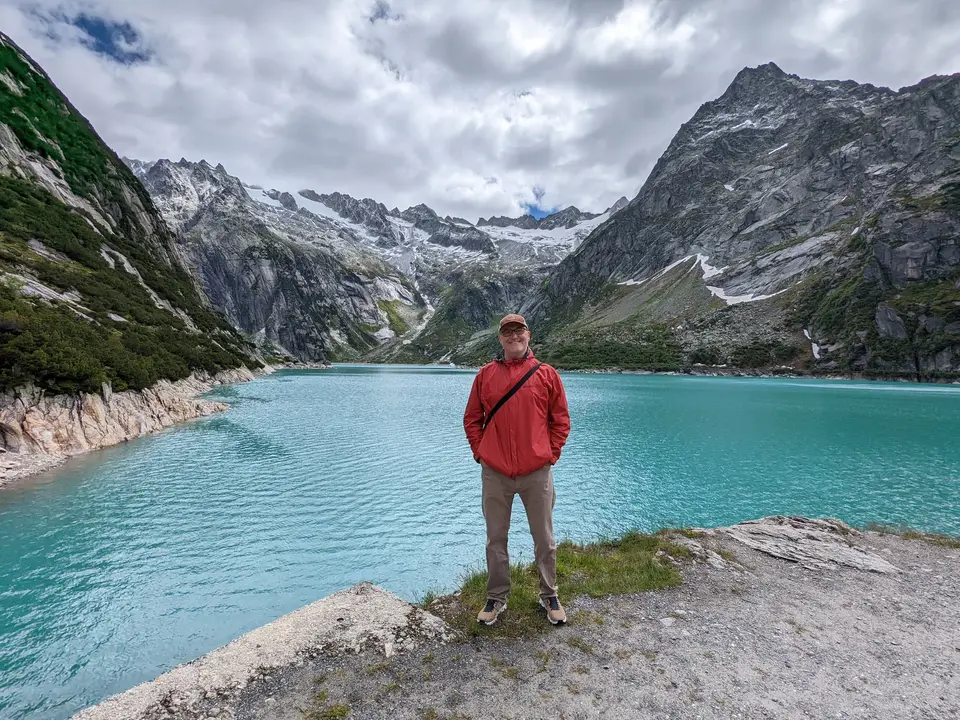
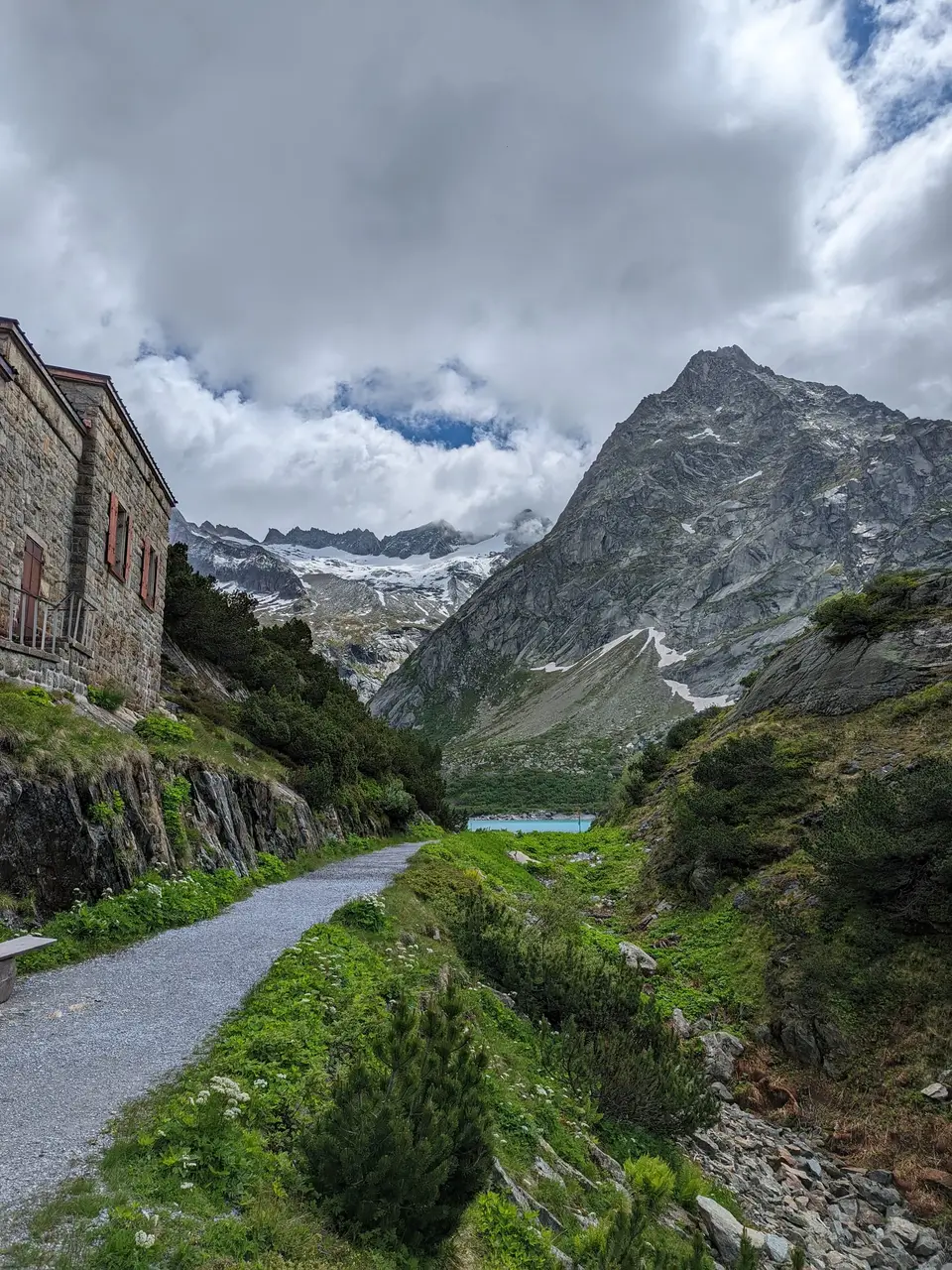
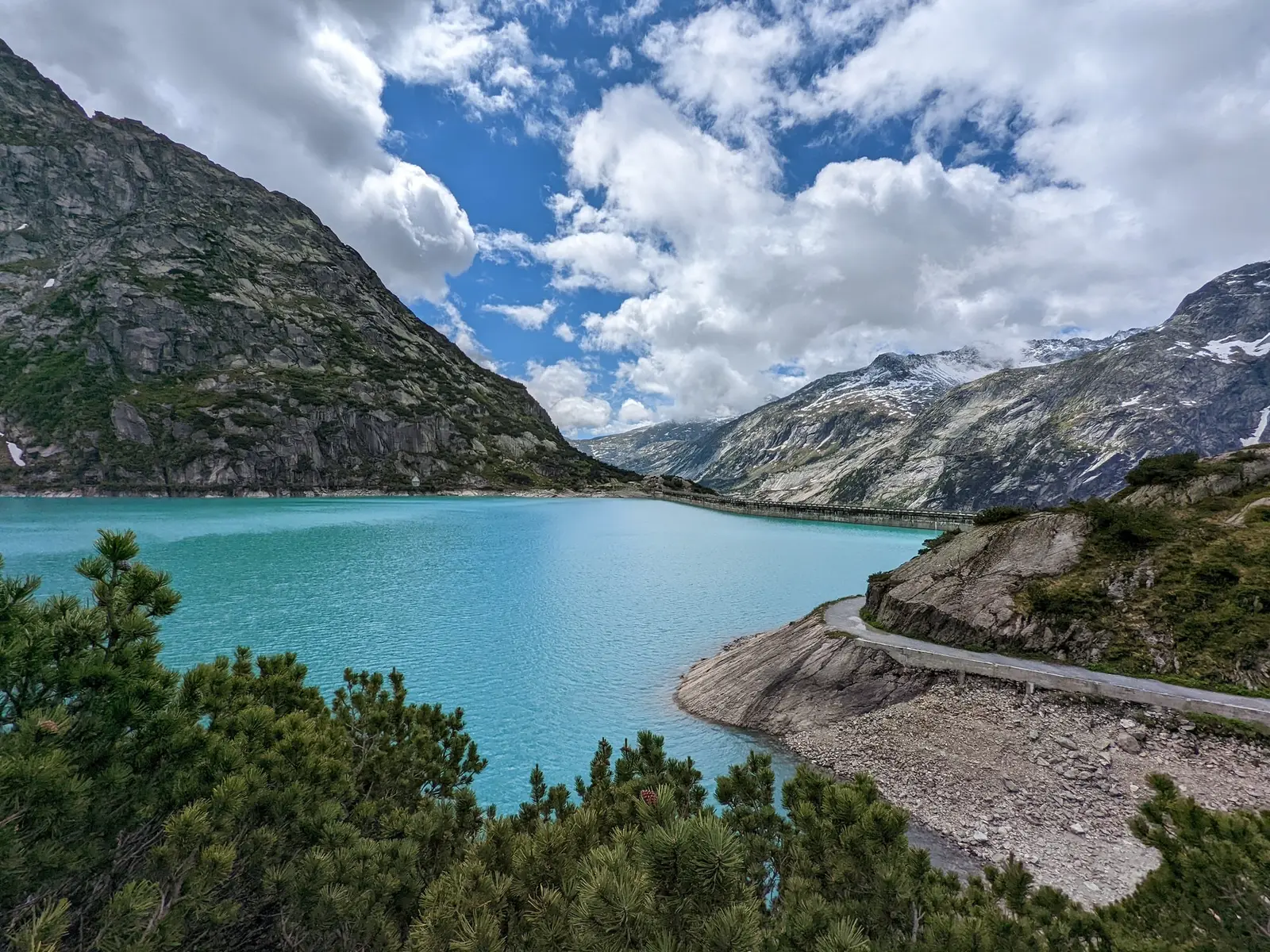
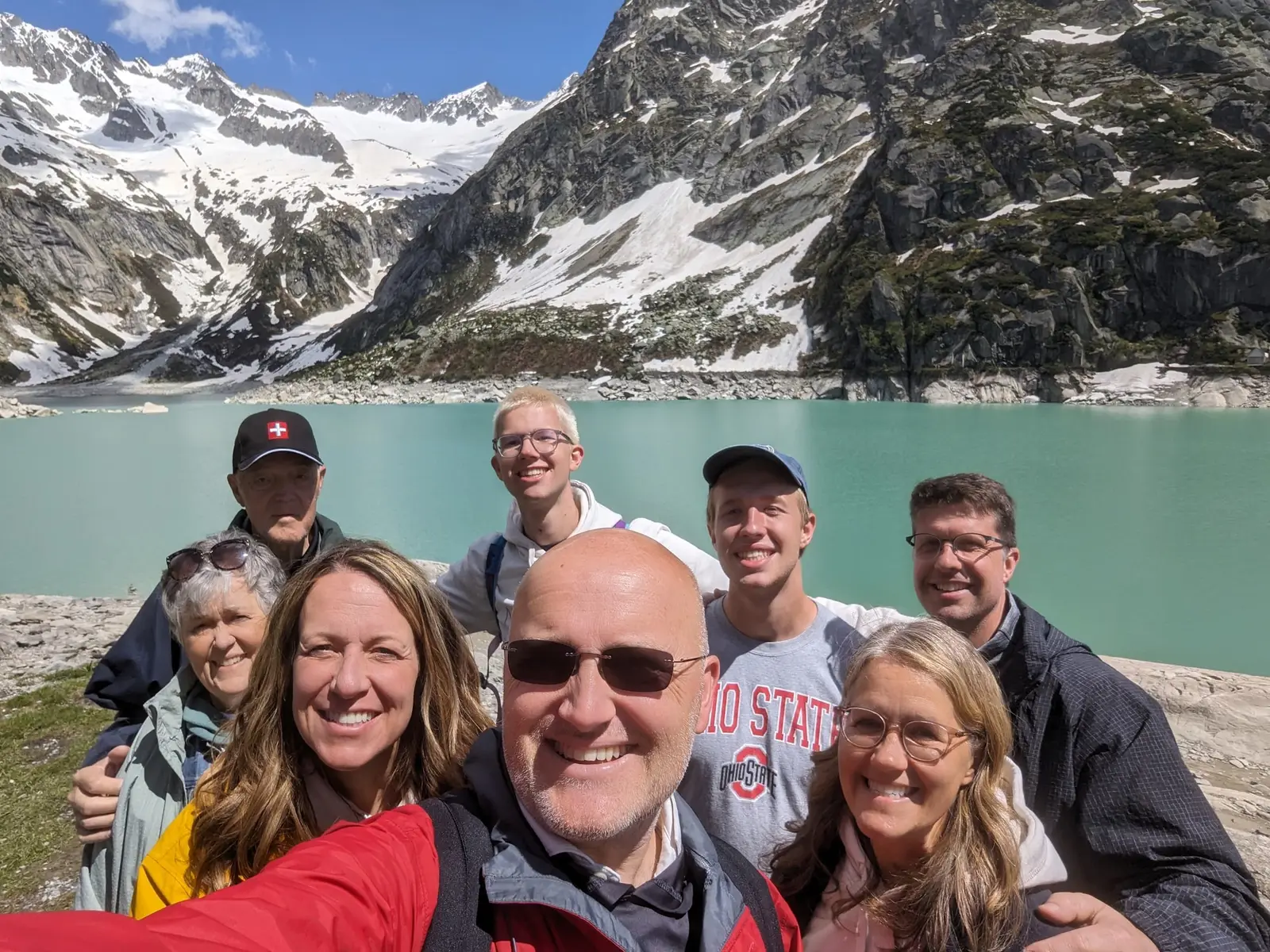
- The lake is the color the photographs say it is. That is rock flour off the granite, and it is at its most absurd in full summer with the sun on it.
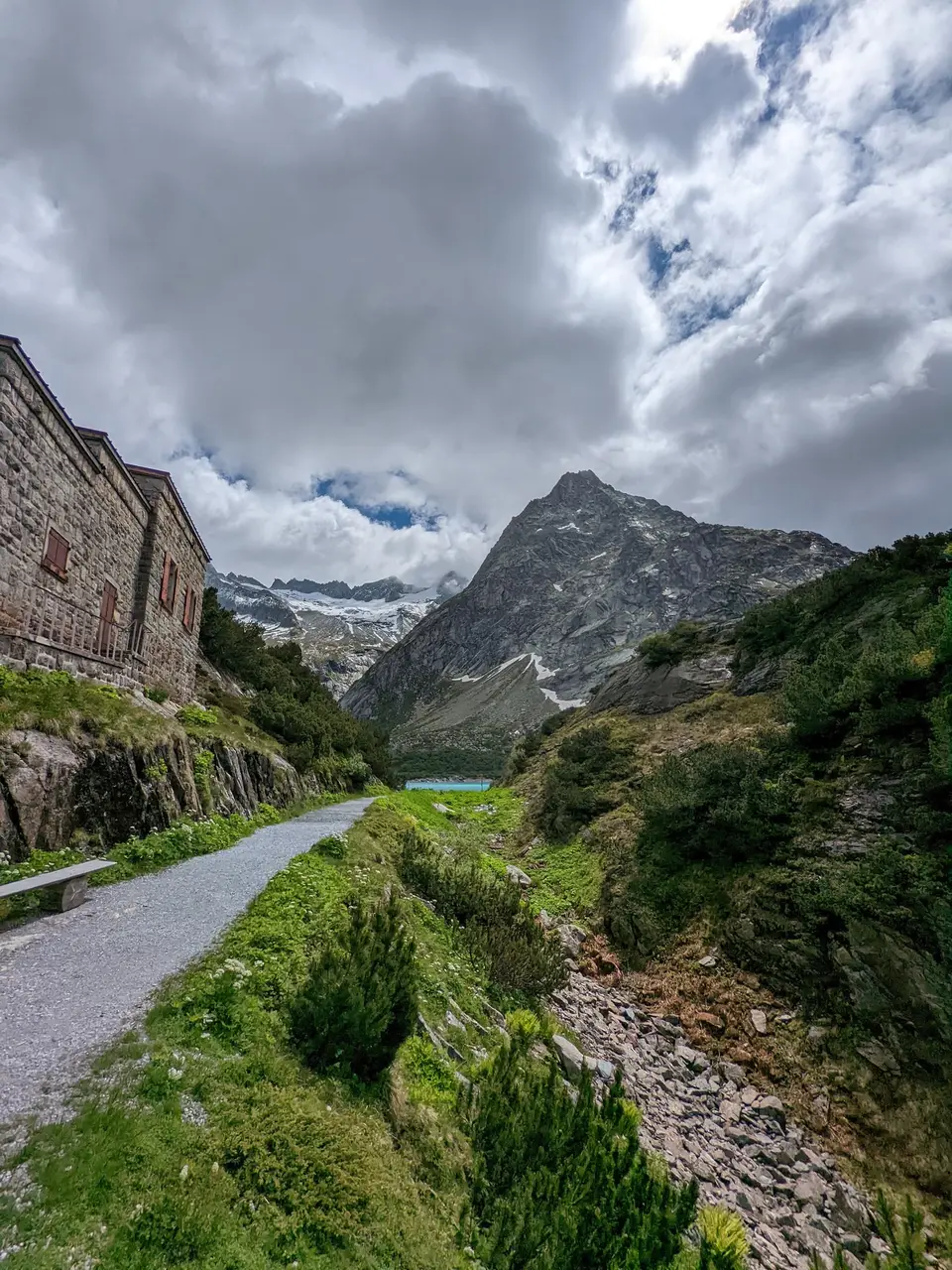
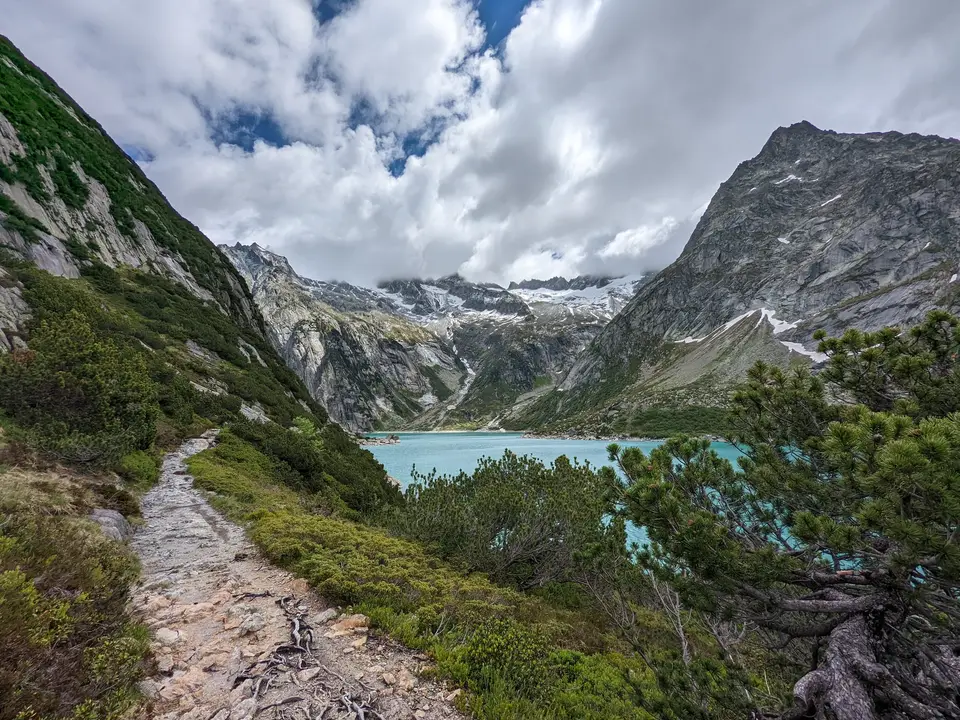
- The circular walk around the lake is the thing to do up there — a couple of hours over slabs and boulders, and it is a proper mountain path rather than a promenade. Boots, not sneakers.
- Look at the shoreline. The pale stony band between the water and the vegetation is the drawdown mark: this is a working reservoir and the level moves through the year, the same as Lungern over the hill.
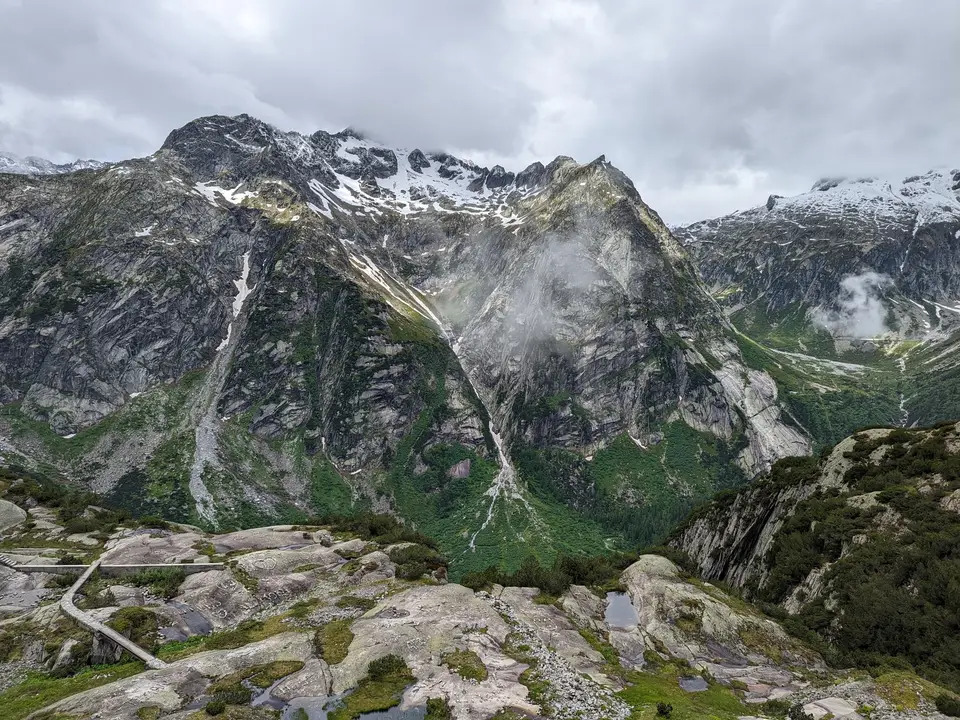
- Up at the far end the valley closes in with snow still on it in June, and there is nothing built in the view at all — which, given you arrived on a hydro company’s cement railway, is a strange and good thing.
Budget tips
- CHF 40 return for an adult, CHF 20 for a child from 6 to 15 — checked against grimselwelt.ch, 22 October 2026, along with the season and hours below. Singles are half that each way.
- A one-way ticket is worth thinking about. You can walk down, and the ride is the same either direction, so if the weather is good and the legs are willing, ride up and walk out.
- Book it in advance. Twenty-four seats a car is not many, and turning up on a fine July morning without a reservation is how people end up not going.
- The 2026 season runs 6 June to 25 October. First ascent is 09:00 in June, September and October, and 08:36 in July and August; last descent 16:00 and 16:48 respectively. Nothing runs outside that — this is a mountain reservoir, not an all-year attraction.
- Once you are up there, everything costs nothing. The walk, the lake and the whole bowl are free.
The day it belongs to
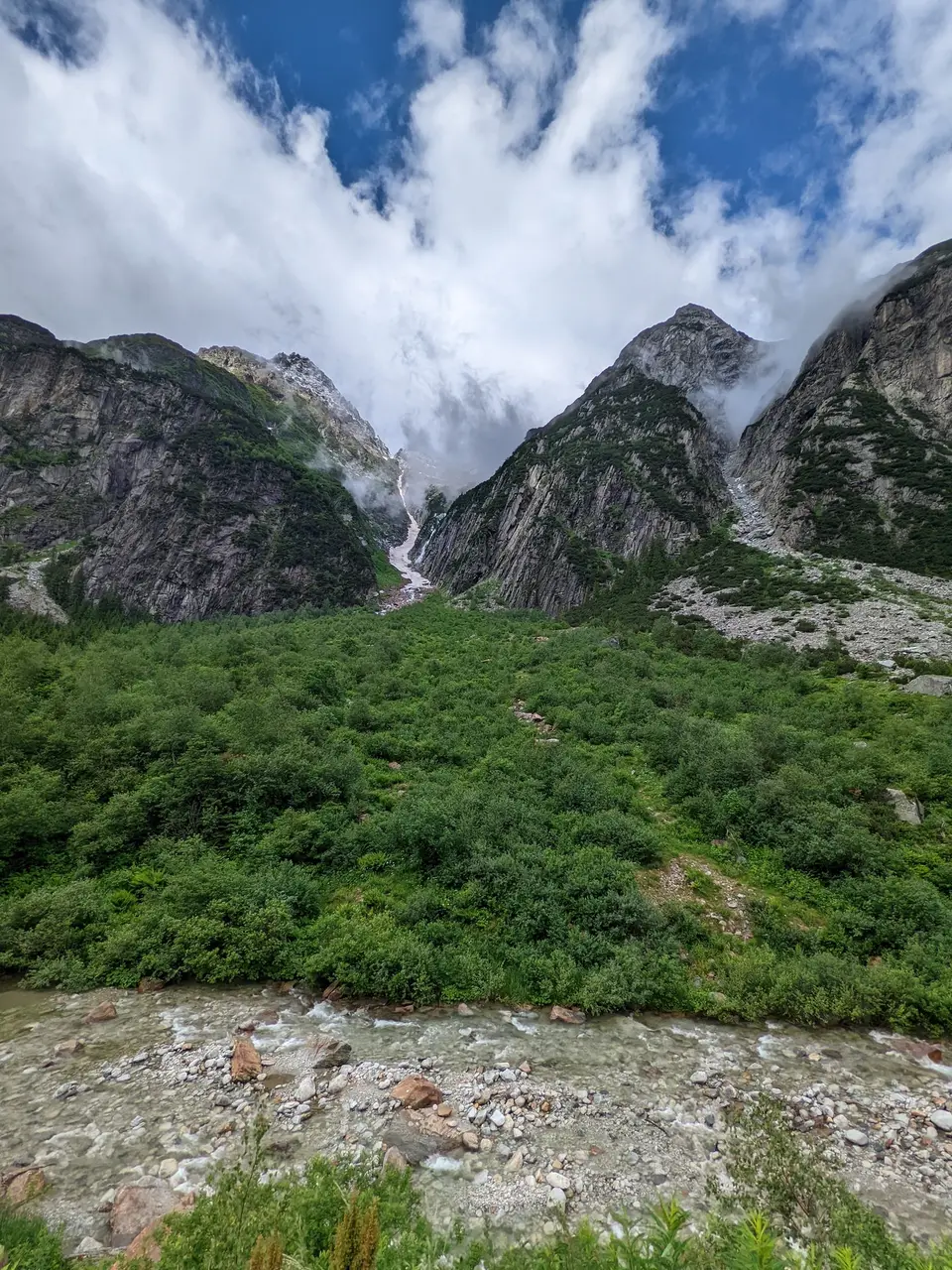
Seven of these eight photographs were taken on 9 June 2022, and so was every frame on our Aare Gorge page and two on the Lungern one. That was the day: up the Grimsel to the Gelmerbahn in the morning, the gorge at Meiringen in the afternoon, then over the Brünig past Lungern on the way out.
The eighth photograph — the one inside the car — is from 13 June 2024. We went back two years later and rode it again, which is the most honest recommendation on this page.
That is the shape worth copying. Gelmersee is not a day on its own; it is a morning. What makes it worth the drive is that the Haslital packs three or four of these into a single valley, and the road you take to reach one of them runs past the others.