Before you go — the money, first
This is the most expensive thing in Switzerland that is worth doing, and we are going to put the number at the top rather than bury it.
- Interlaken Ost return: about CHF 261 from May to October, about CHF 224 the rest of the year.
- Grindelwald or Wengen return: about CHF 239 and CHF 201. Starting further up the valley saves you roughly CHF 20.
- Add CHF 10 for the compulsory seat reservation between May and October.
- Checked September 2026. Prices move every season; treat these as the shape of the cost.
A Swiss Half Fare Card, a GA or a Swiss Travel Pass cuts a significant part of it, and a Jungfrau Travel Pass changes the arithmetic completely. Which pass you are holding matters more here than anywhere else in the country. Work that out before you buy a single ticket — the difference is the price of two nights’ accommodation.
Budget tips
- Go up, or do three other mountains. For the price of one Jungfraujoch ticket you could ride Pilatus, Grindelwald First and the Gelmerbahn and still have change. That is not an argument against it — it is the comparison nobody offers you.
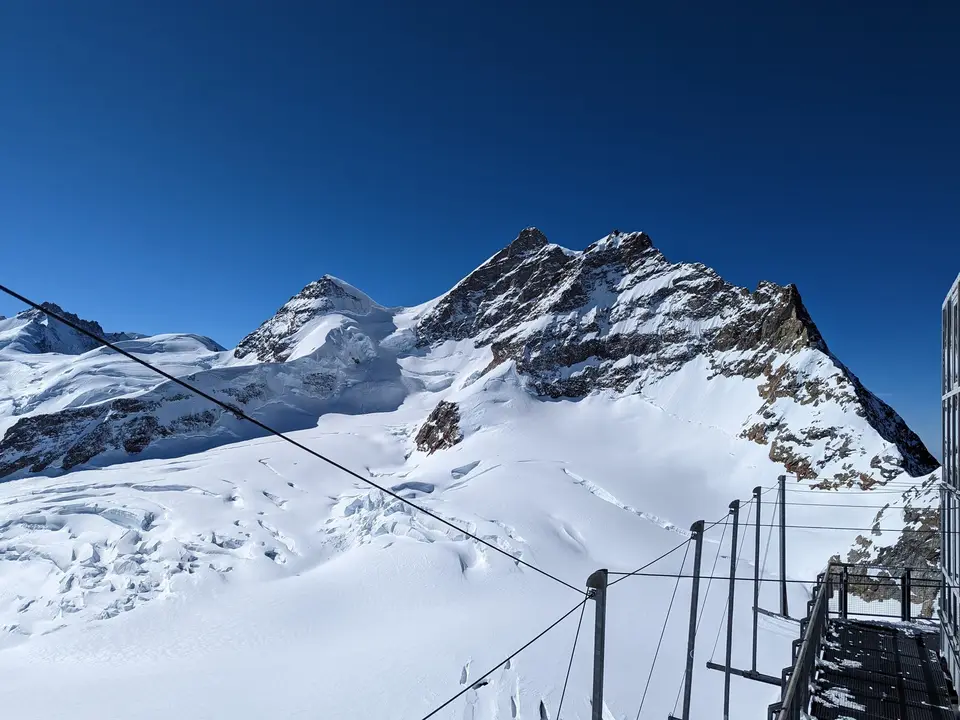
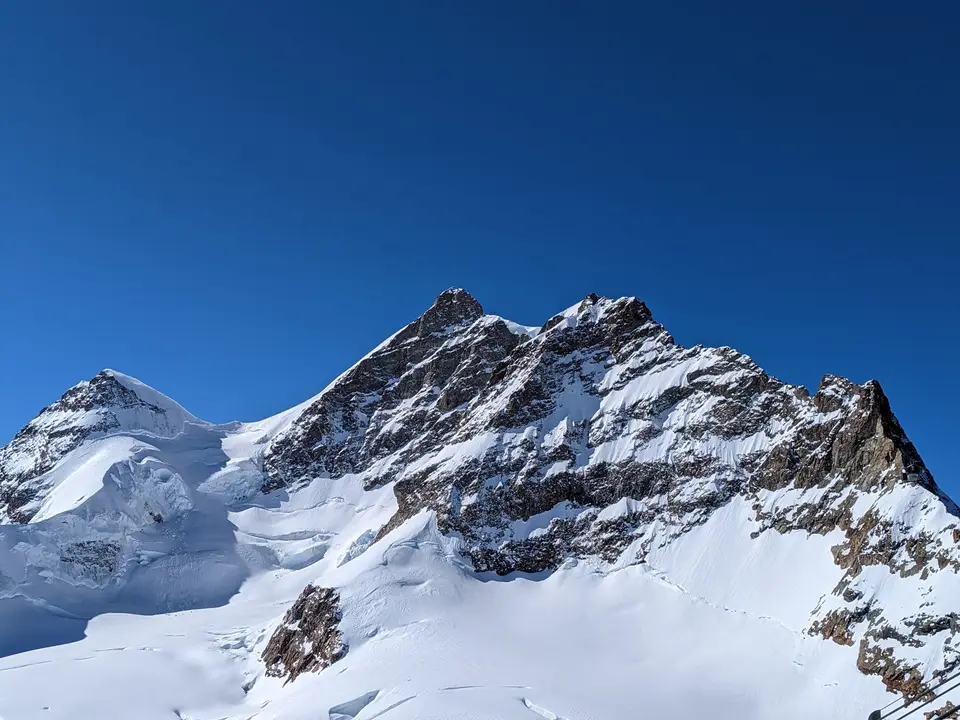
- Buy the earliest slot of the day. The cloud in this valley builds from below through the morning, and the difference between 9am and 2pm is routinely the difference between the photographs on this page and standing in a white room at 3,454 meters.
- Check the webcam before you go. There is no refund for weather, and the whole point of the ticket is a view.
- Once you are up there, everything except food is included.
The ride up — two ways, and one is 47 minutes faster
- The Eiger Express, from Grindelwald Terminal to Eigergletscher: 6.4 km in about 15 minutes, opened in 2020. Change there onto the train for the last stretch.
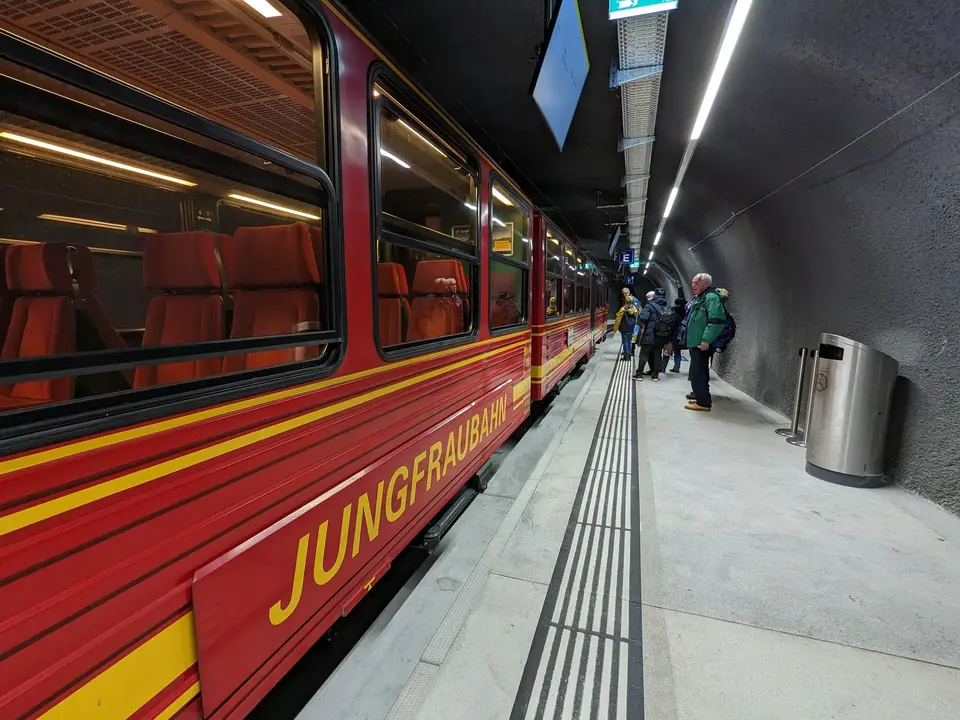
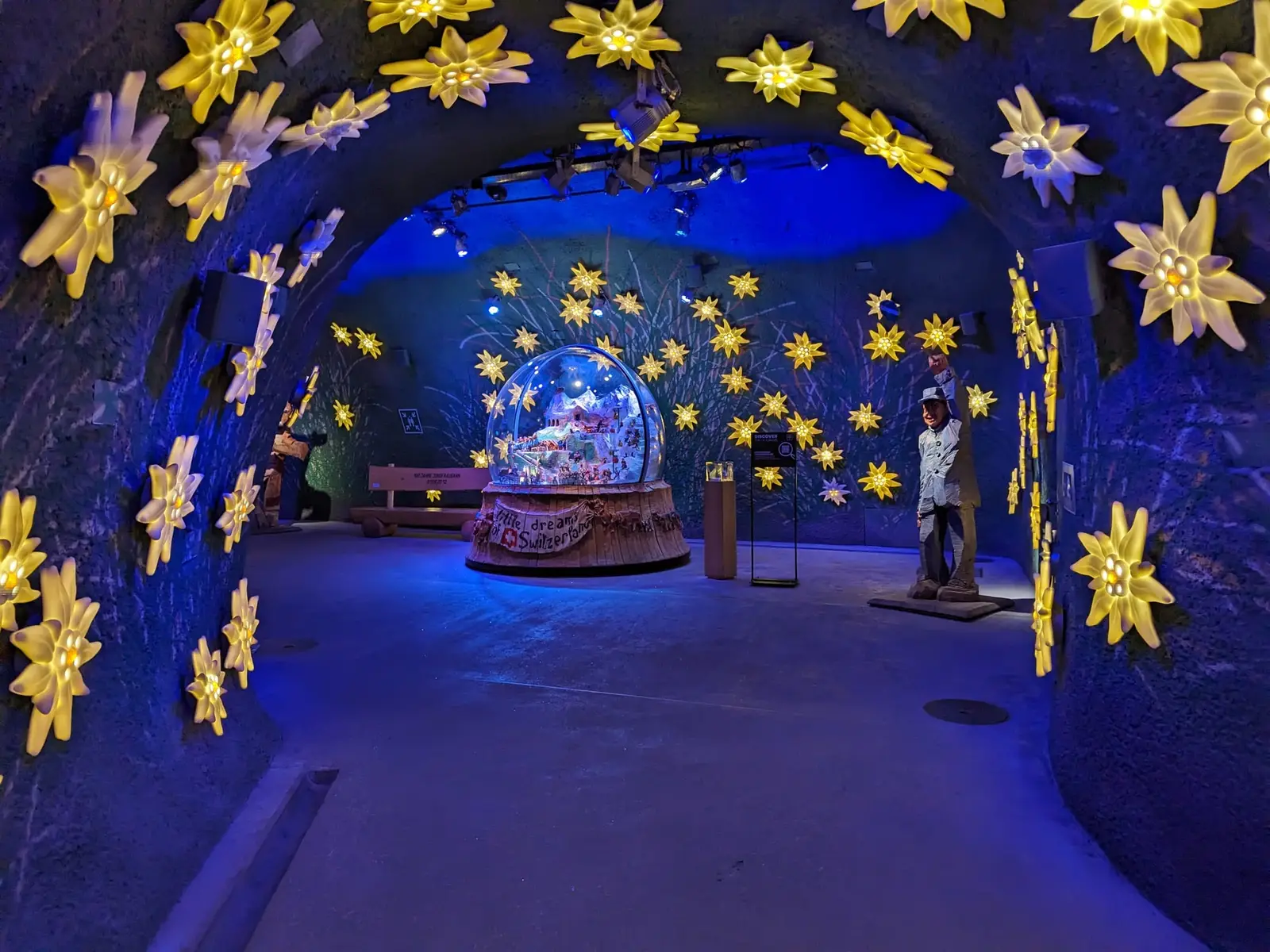
- Or the old way, the Wengernalpbahn up to Kleine Scheidegg and the Jungfraubahn from there. Slower, and much the better journey — the yellow cogwheel train climbs the open meadow under the Eiger’s north face with nothing in the way of it.
- The gondola saves about 47 minutes over the all-train route. Whether that is a saving or a loss depends on which part of the day you were looking forward to.
Through the mountain
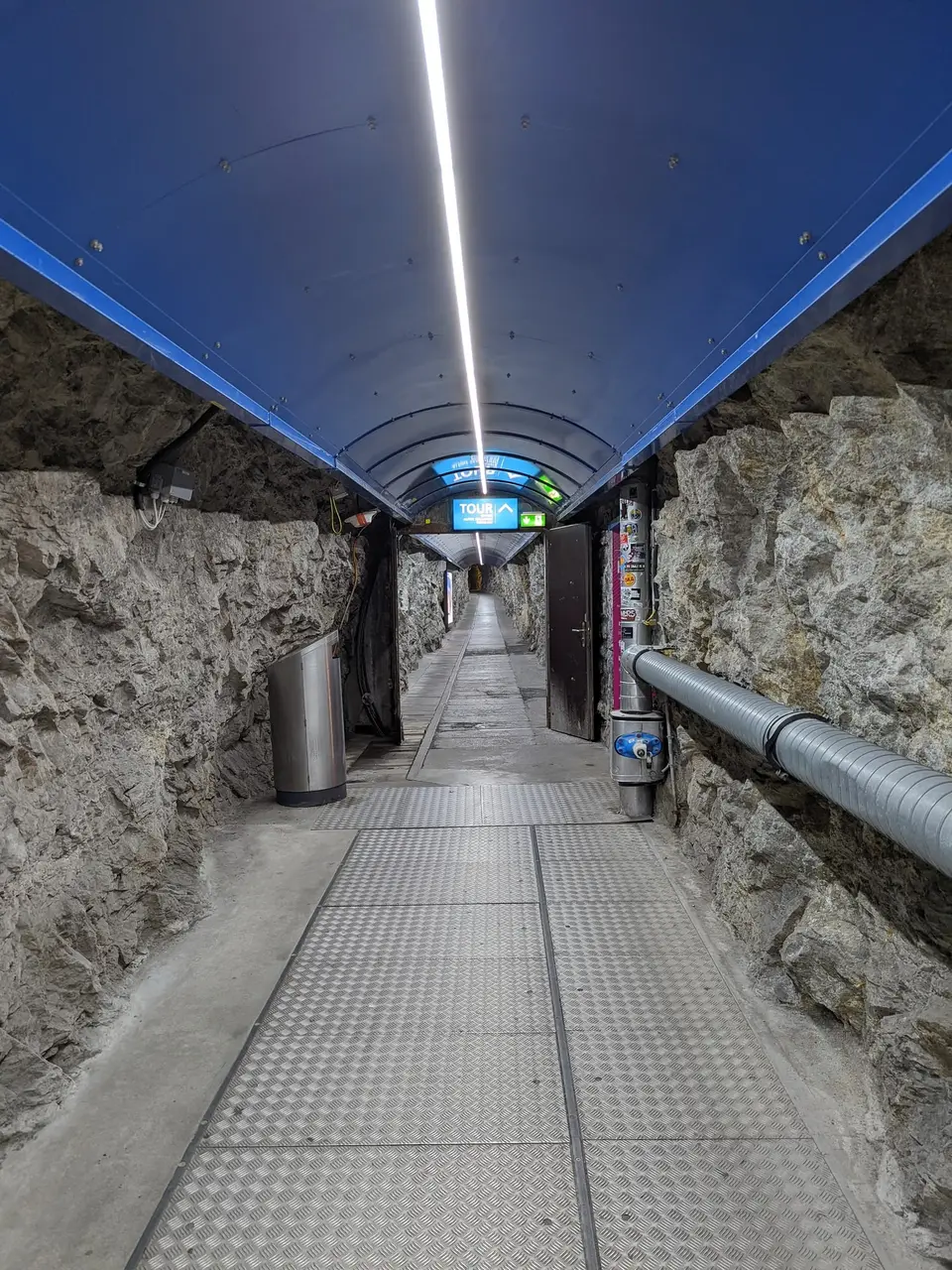
From Kleine Scheidegg it is 26 minutes to the top, and almost all of it is in the dark.
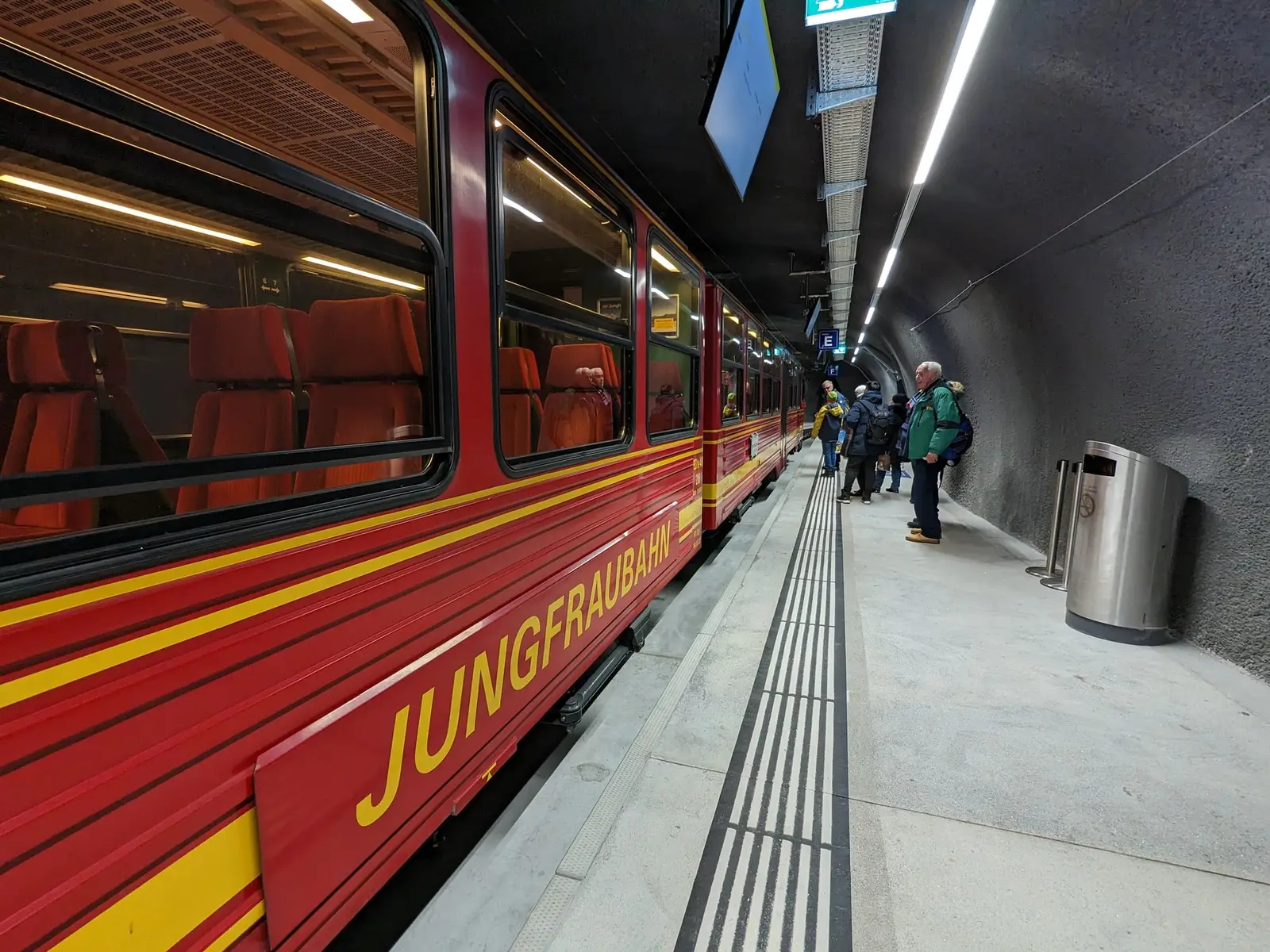
- The line is nine kilometers long and four fifths of it is tunnel, bored straight through the Eiger and the Mönch. Maximum gradient 25 percent.
- It took sixteen years — begun in 1896, the top station opened on 1 August 1912. Adolf Guyer-Zeller got the concession in 1894 and died in 1899 without seeing it; six men were killed in a single explosion that same year.
- There are two stations inside the rock. Eigerwand at 2,864 meters, cut into the north face itself, and Eismeer at 3,158 meters — where the train stops for five minutes and you get out into a window in the mountainside above the glacier. That five minutes is the part of the journey people remember.
We do not have photographs of any of that, and it is worth saying so plainly. Every frame on this page was taken at the top. The ride up, the tunnel and the Eismeer window are all things we have done and never photographed — the light is difficult and you are busy looking.
At the top — 3,454 meters
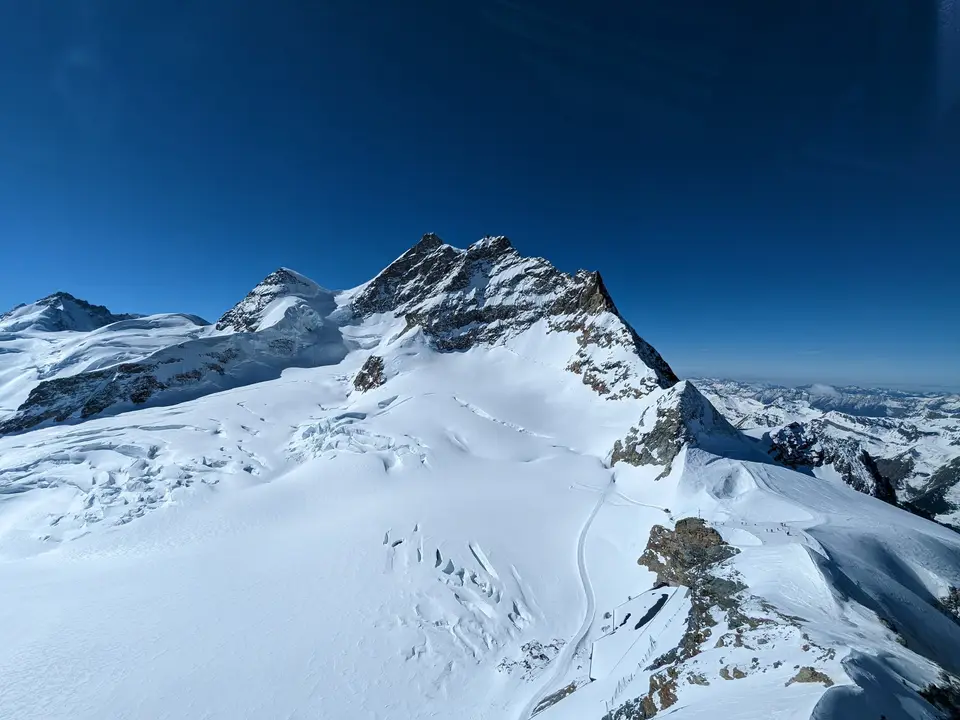
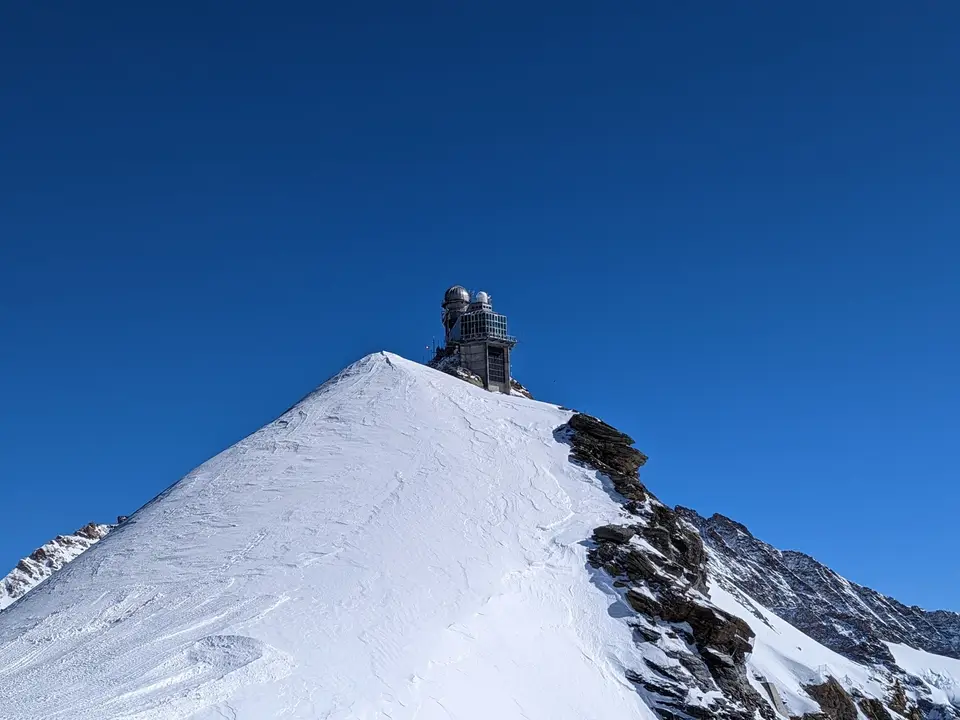
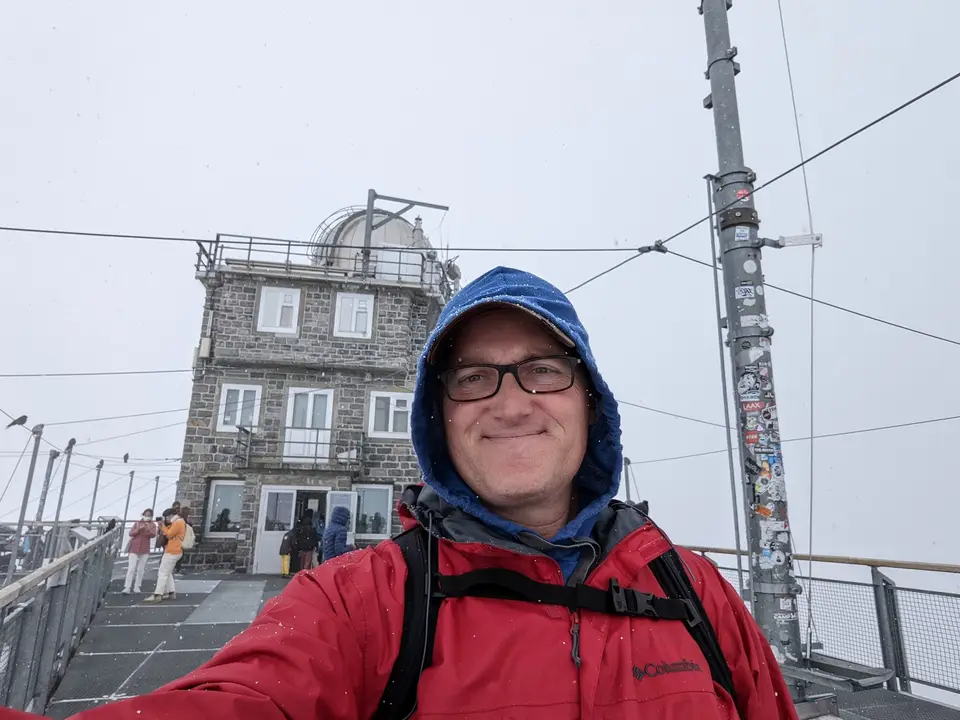
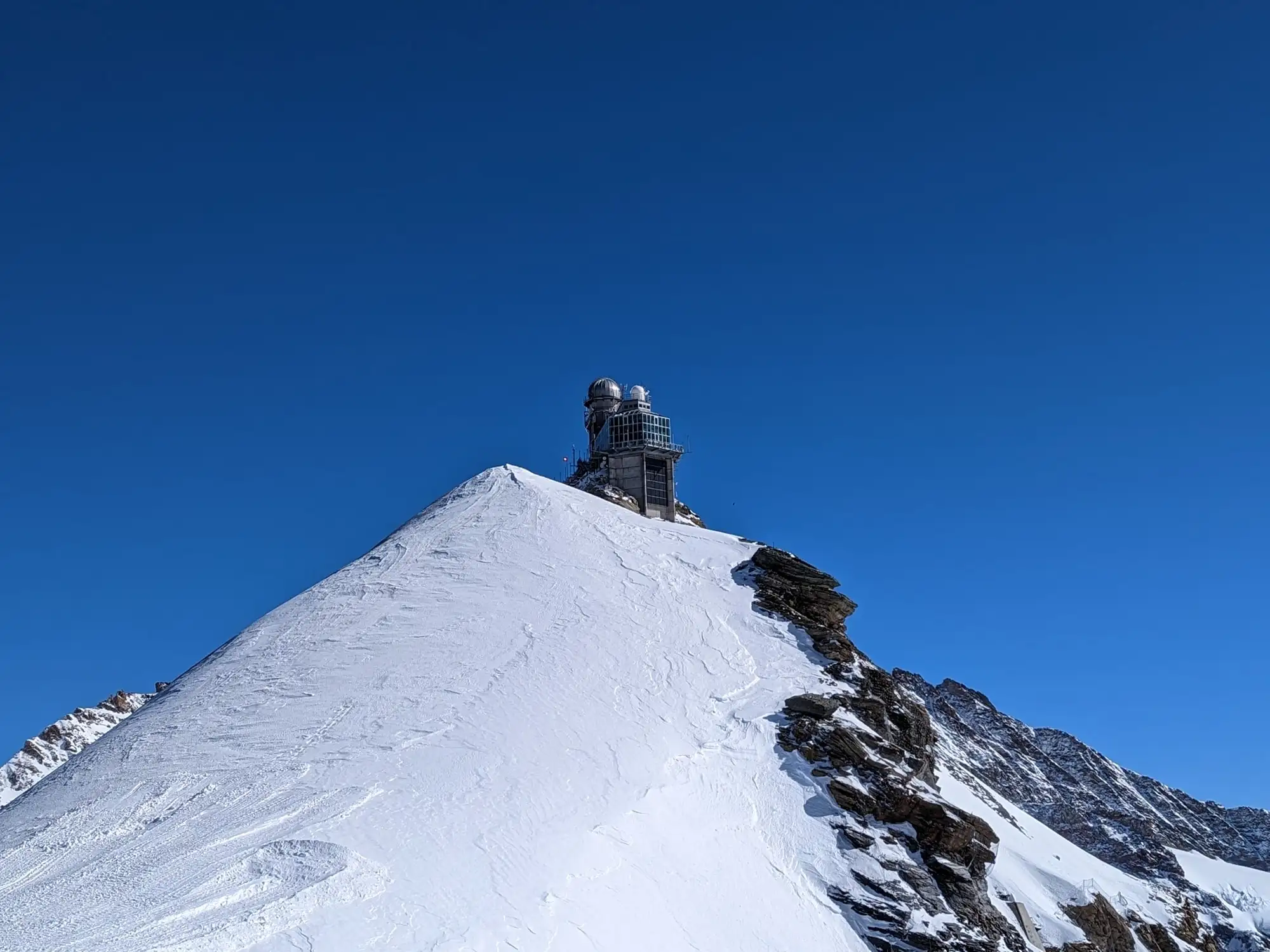
- The Sphinx observation terrace sits at 3,571 meters, reached by lift through the rock, and it is the highest you can stand in Switzerland without climbing. The observatory dome on its pinnacle is in one of the photographs here, seen from the snow below.
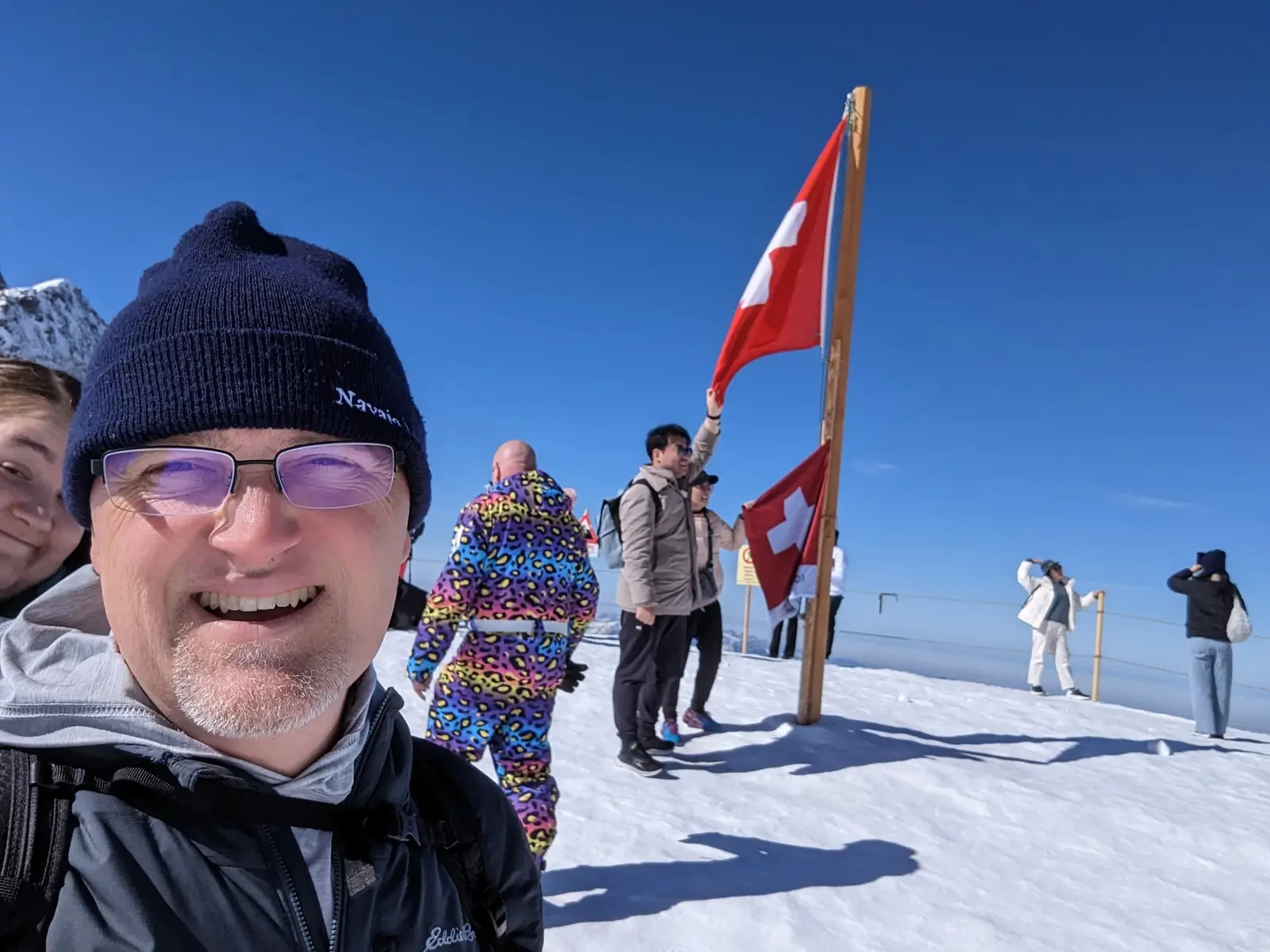
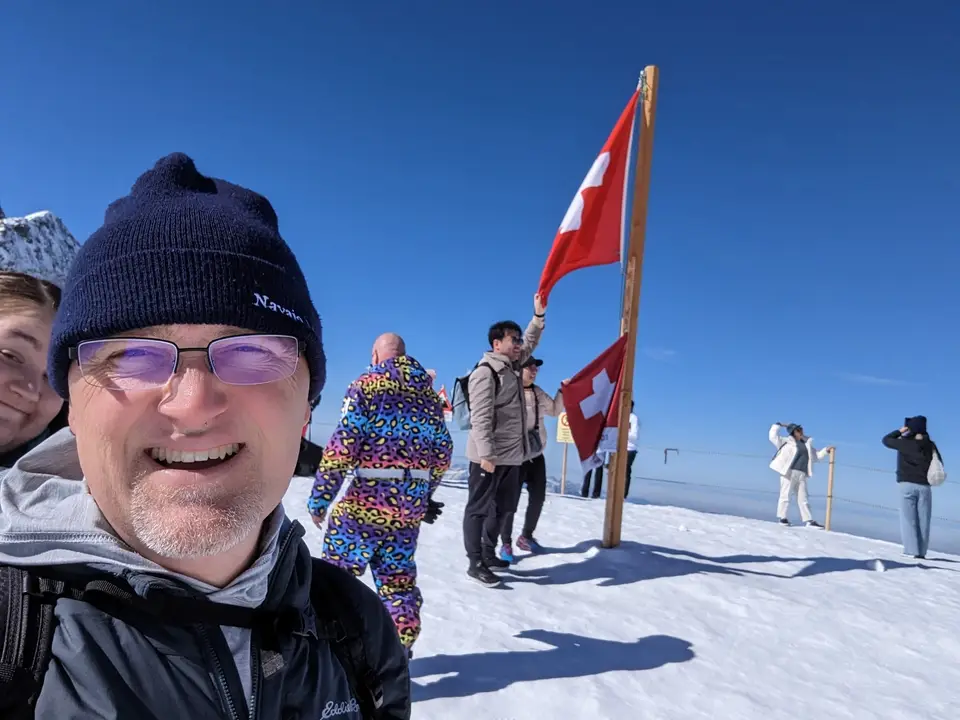
- The Plateau is the snow field outside, with the Jungfrau standing over it. There is snow and ice on it every day of the year.
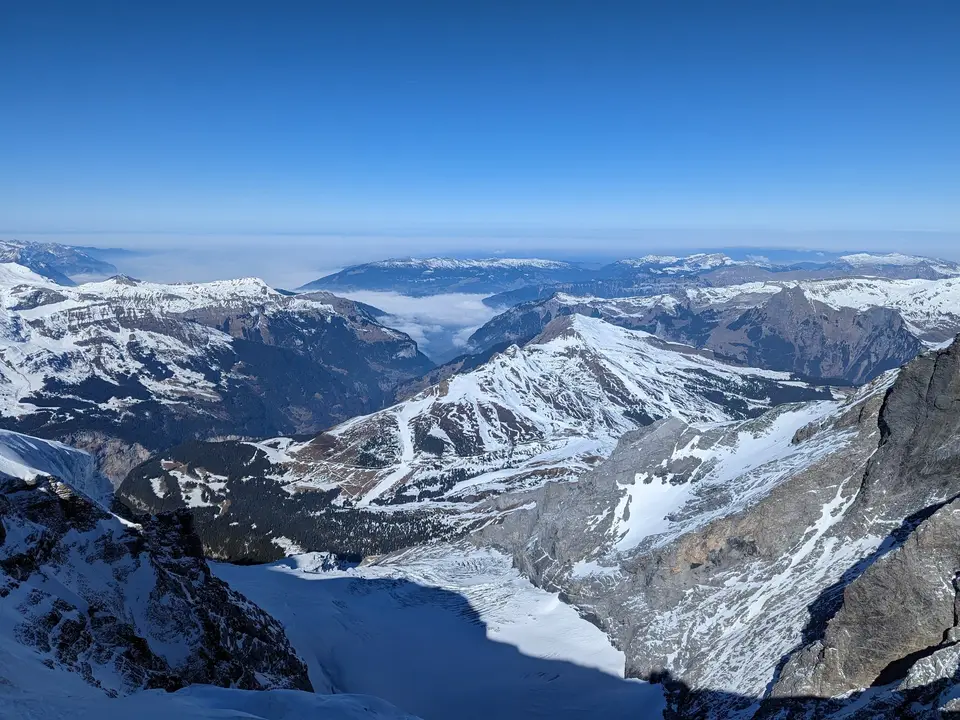
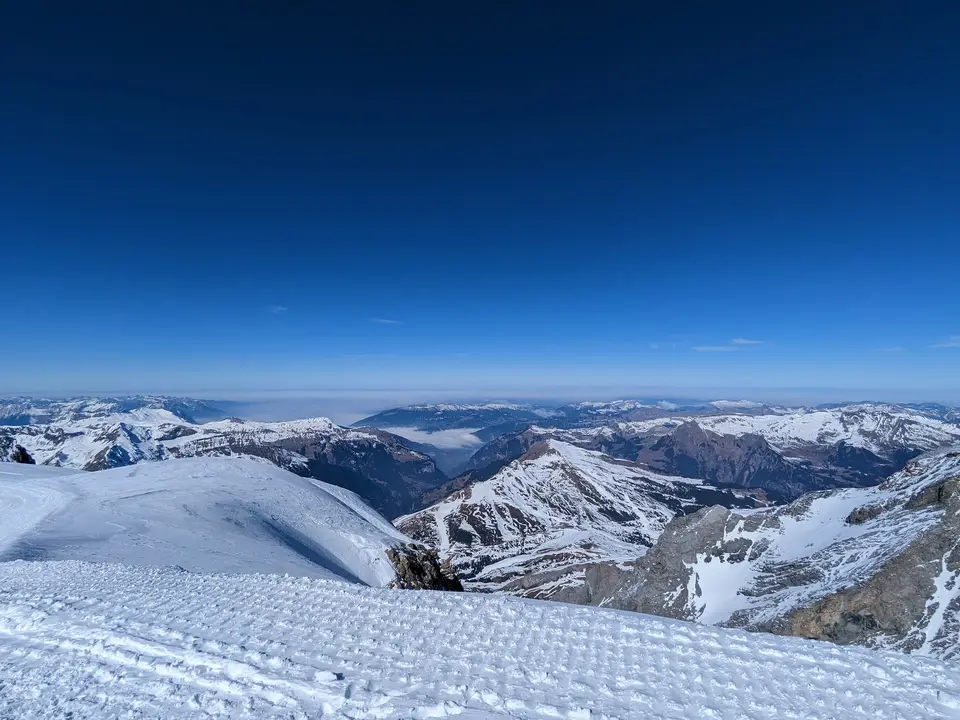
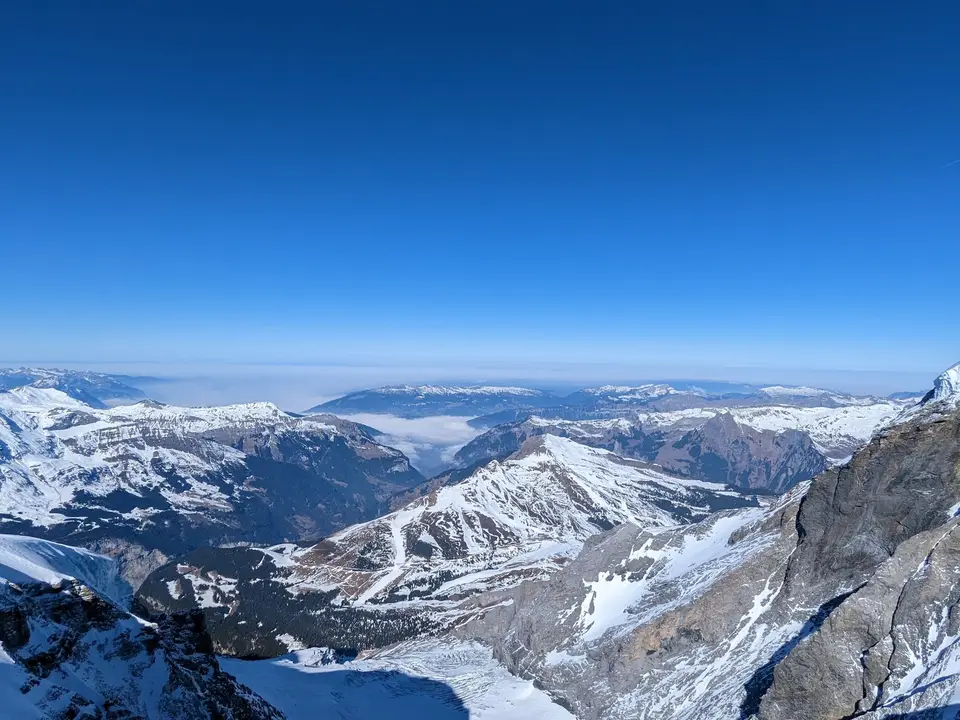
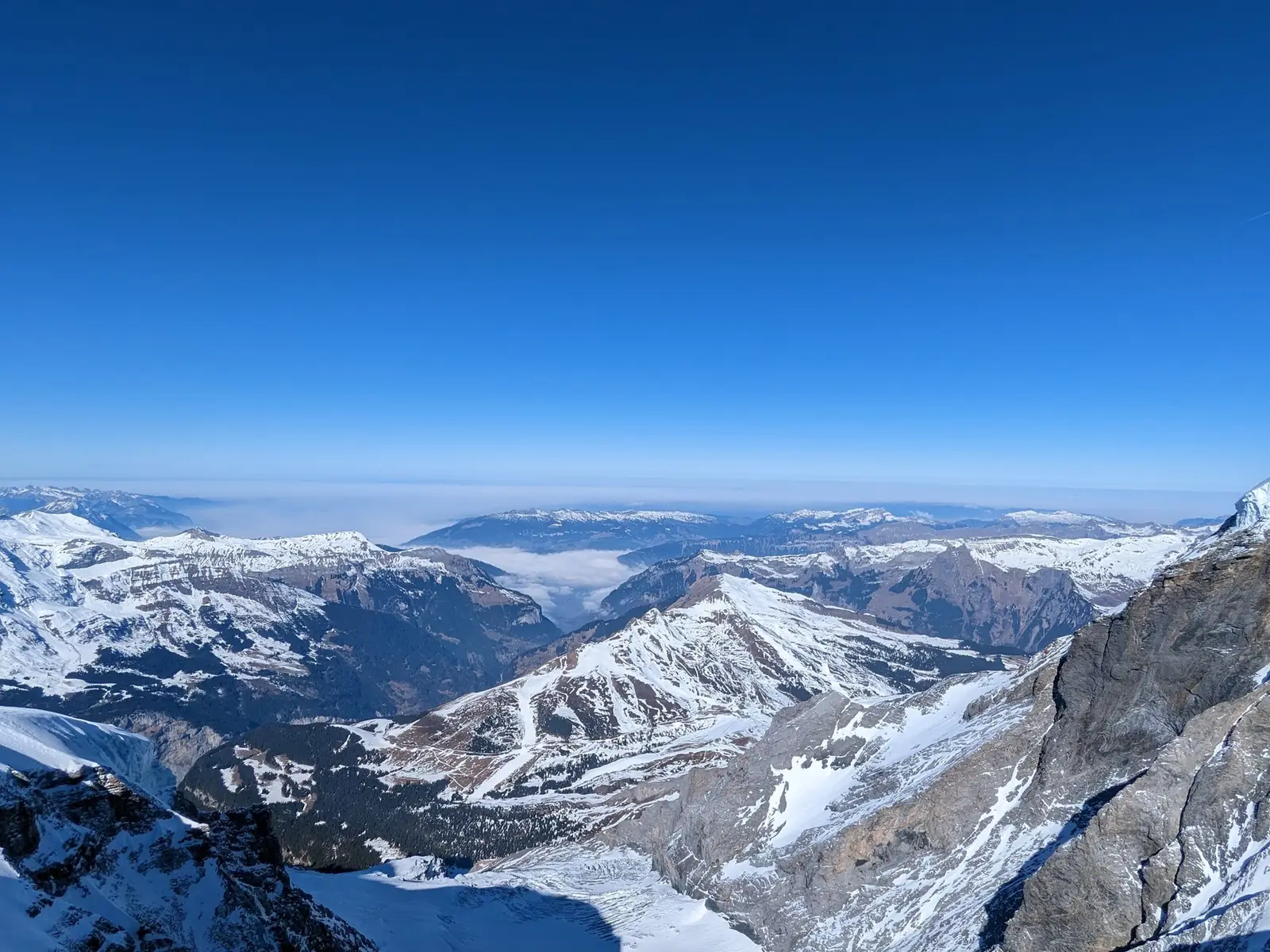
- The Aletsch Glacier runs away south from the Sphinx — the longest glacier in the Alps, and a UNESCO World Heritage site. On a clear day you can see the whole length of it bending out of sight.
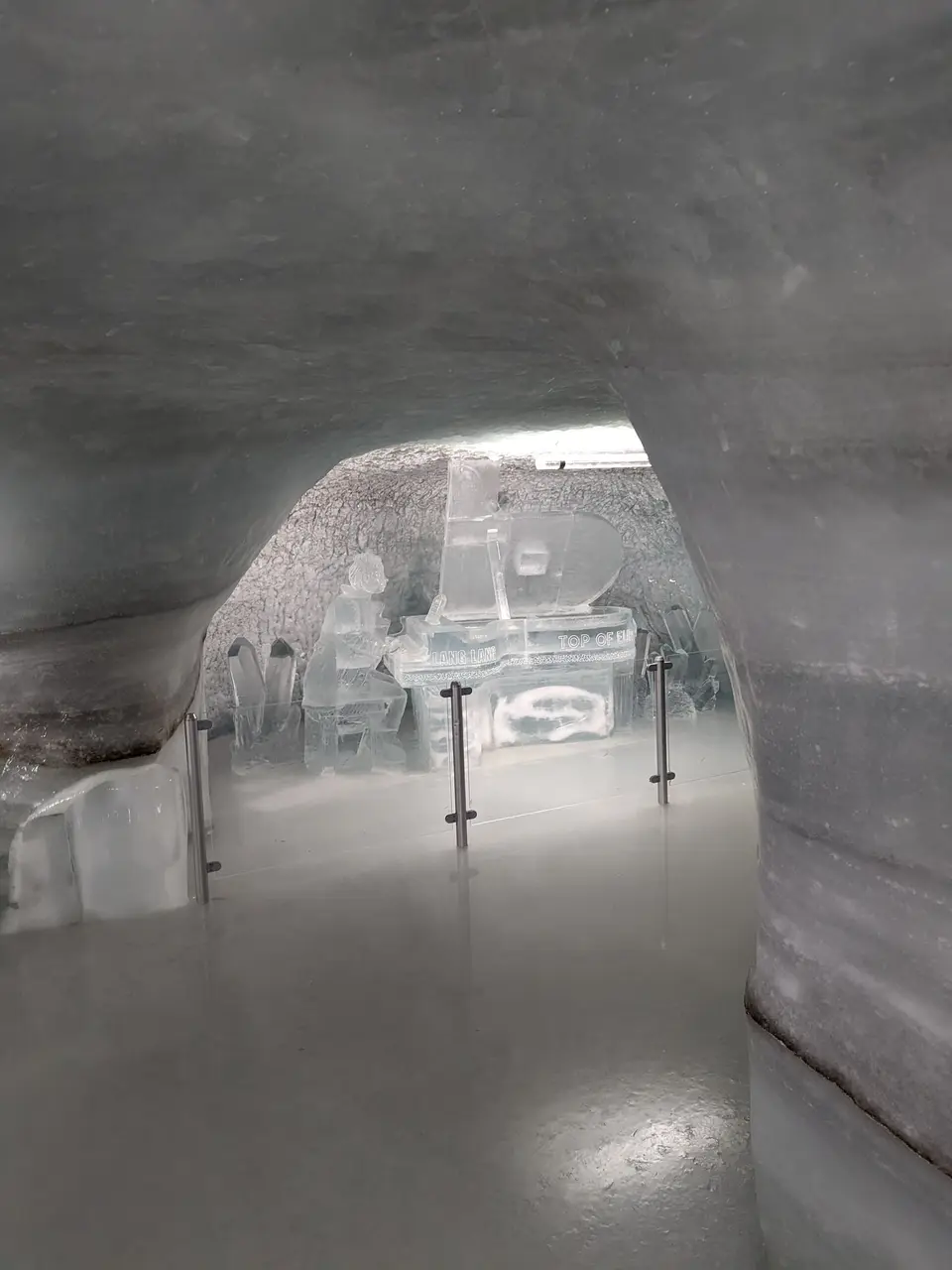
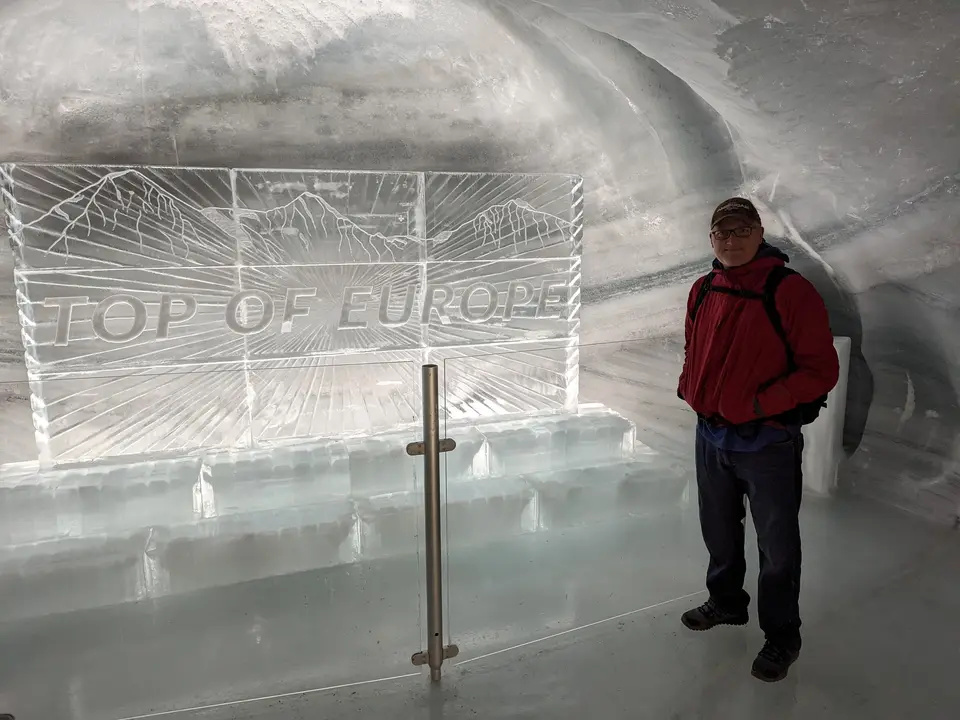
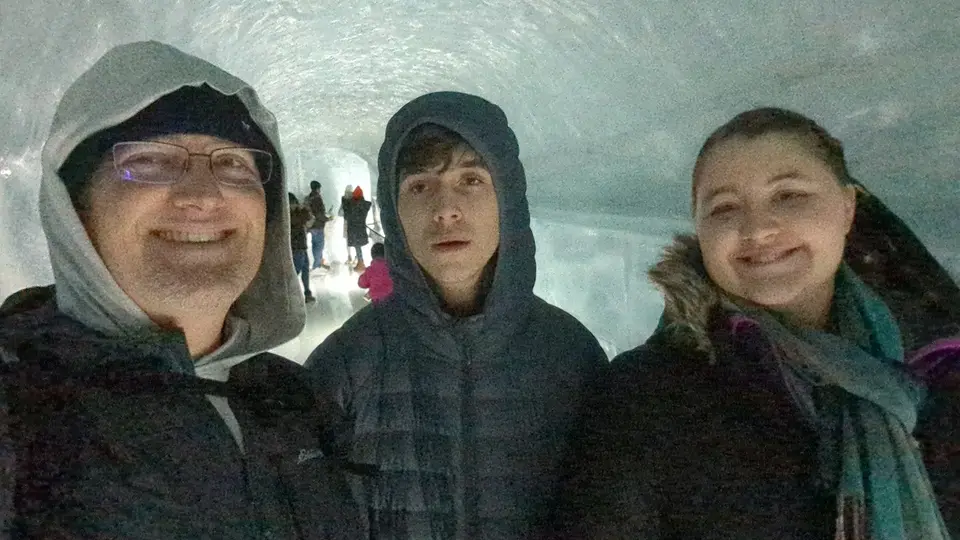
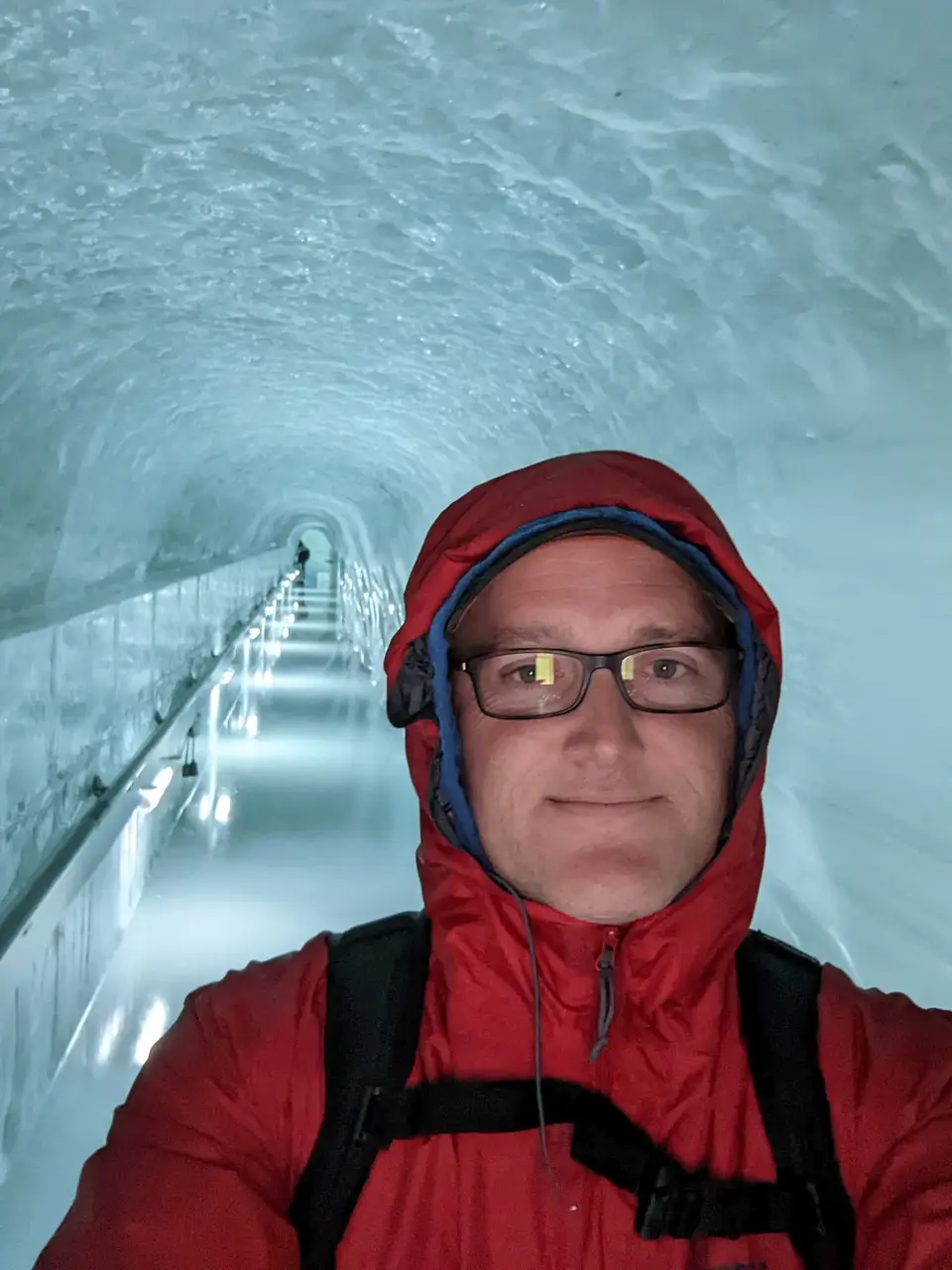
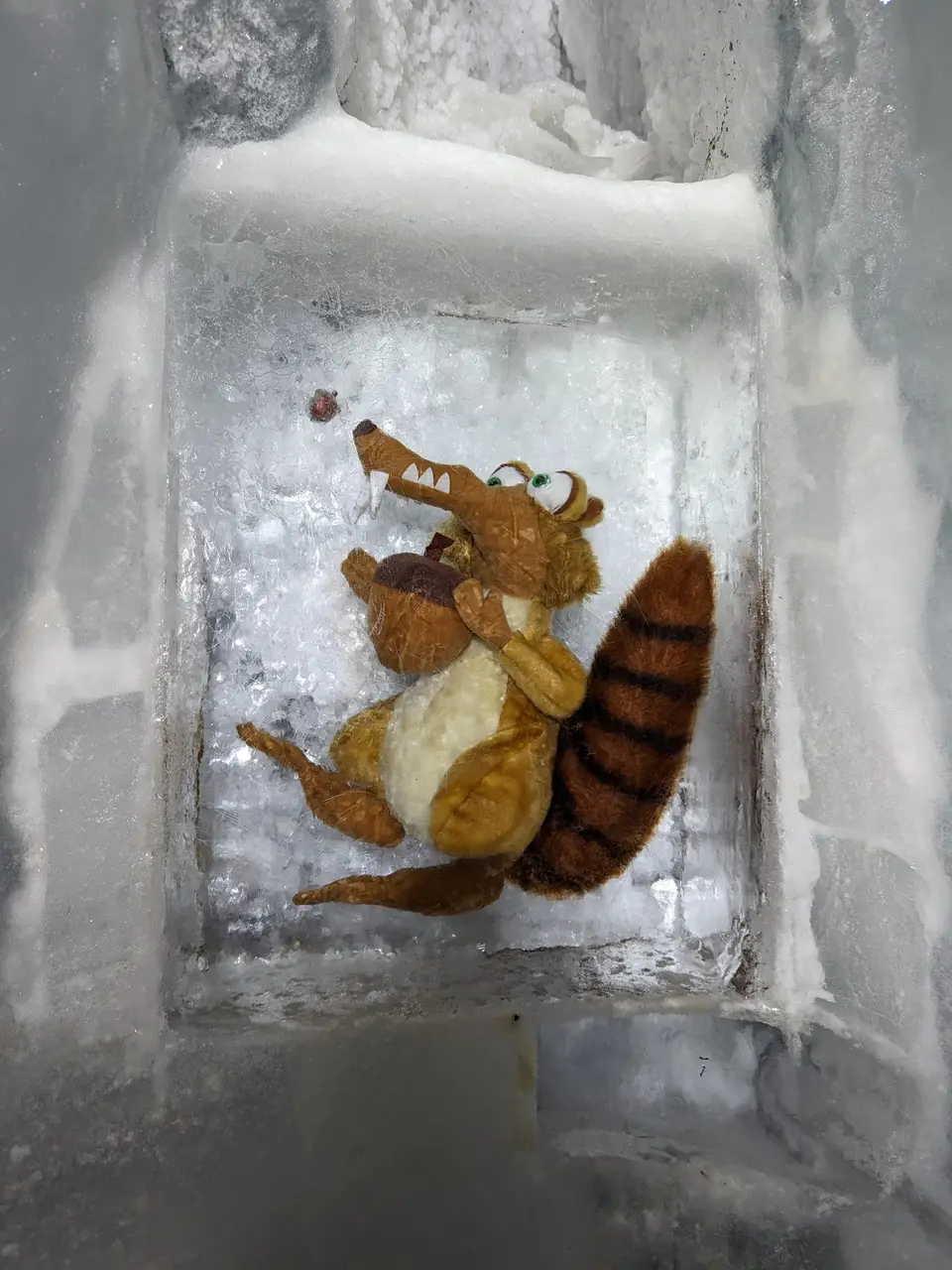
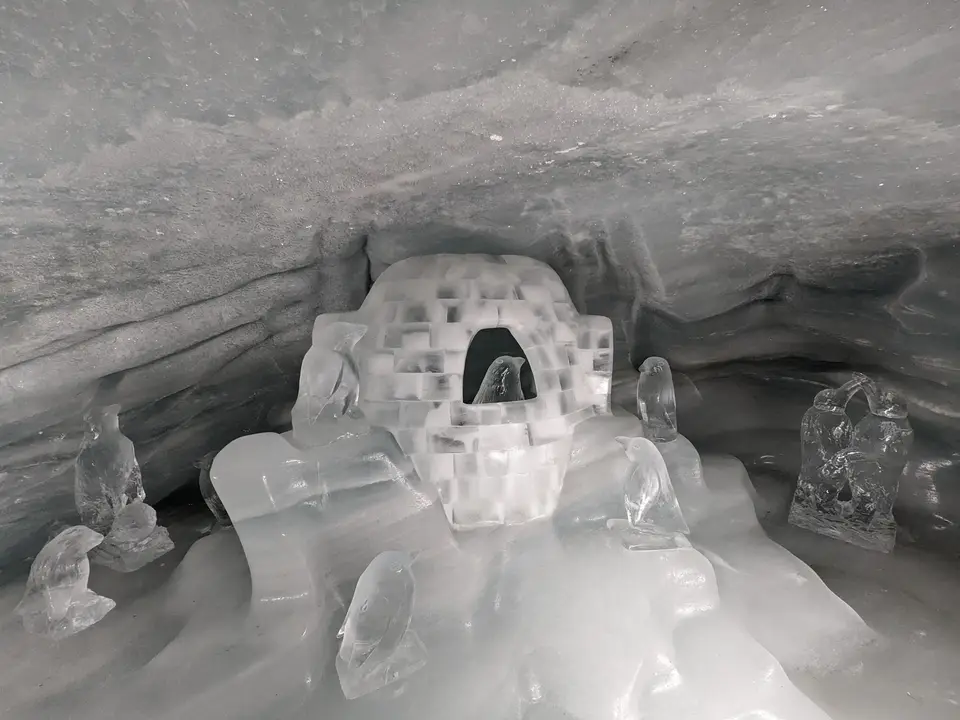
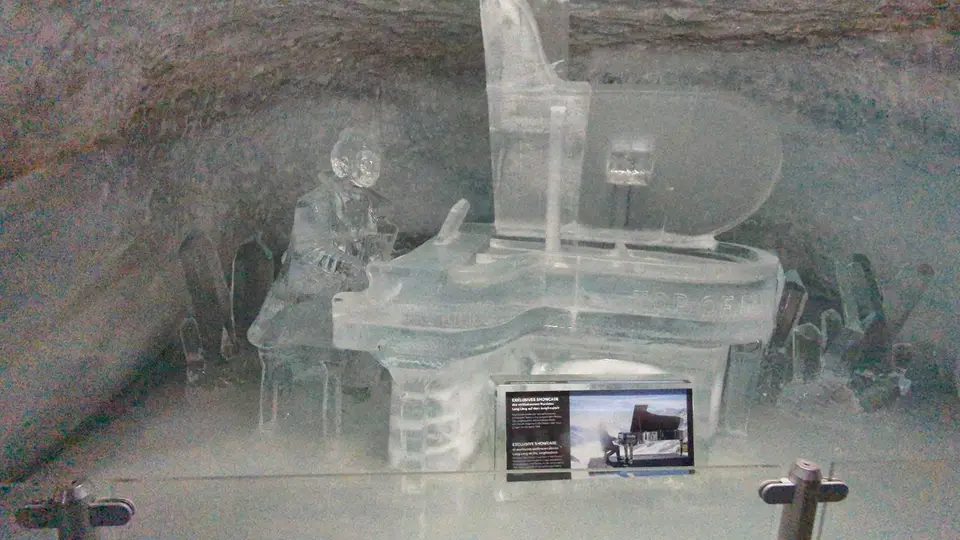
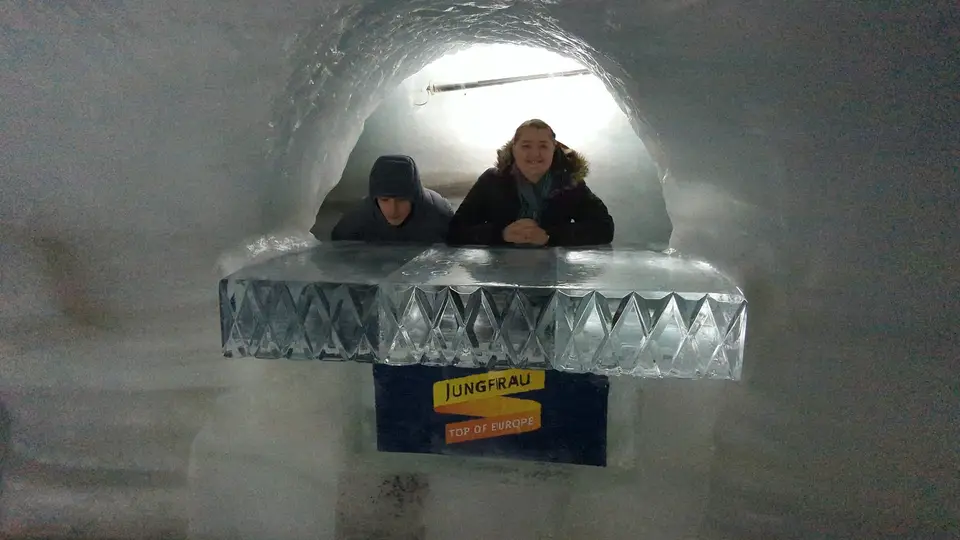
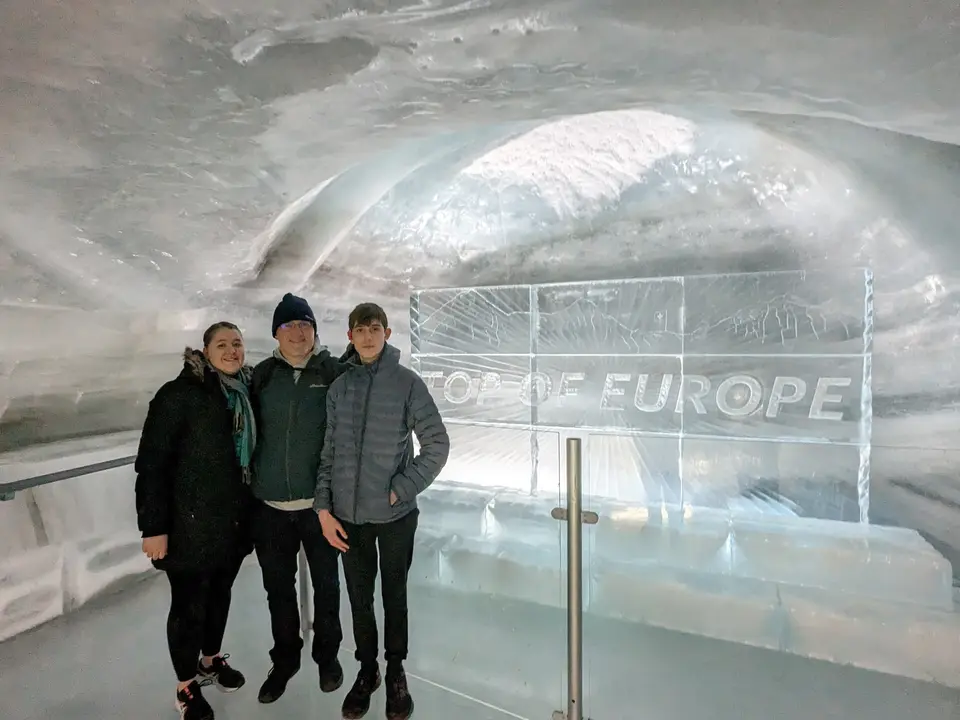
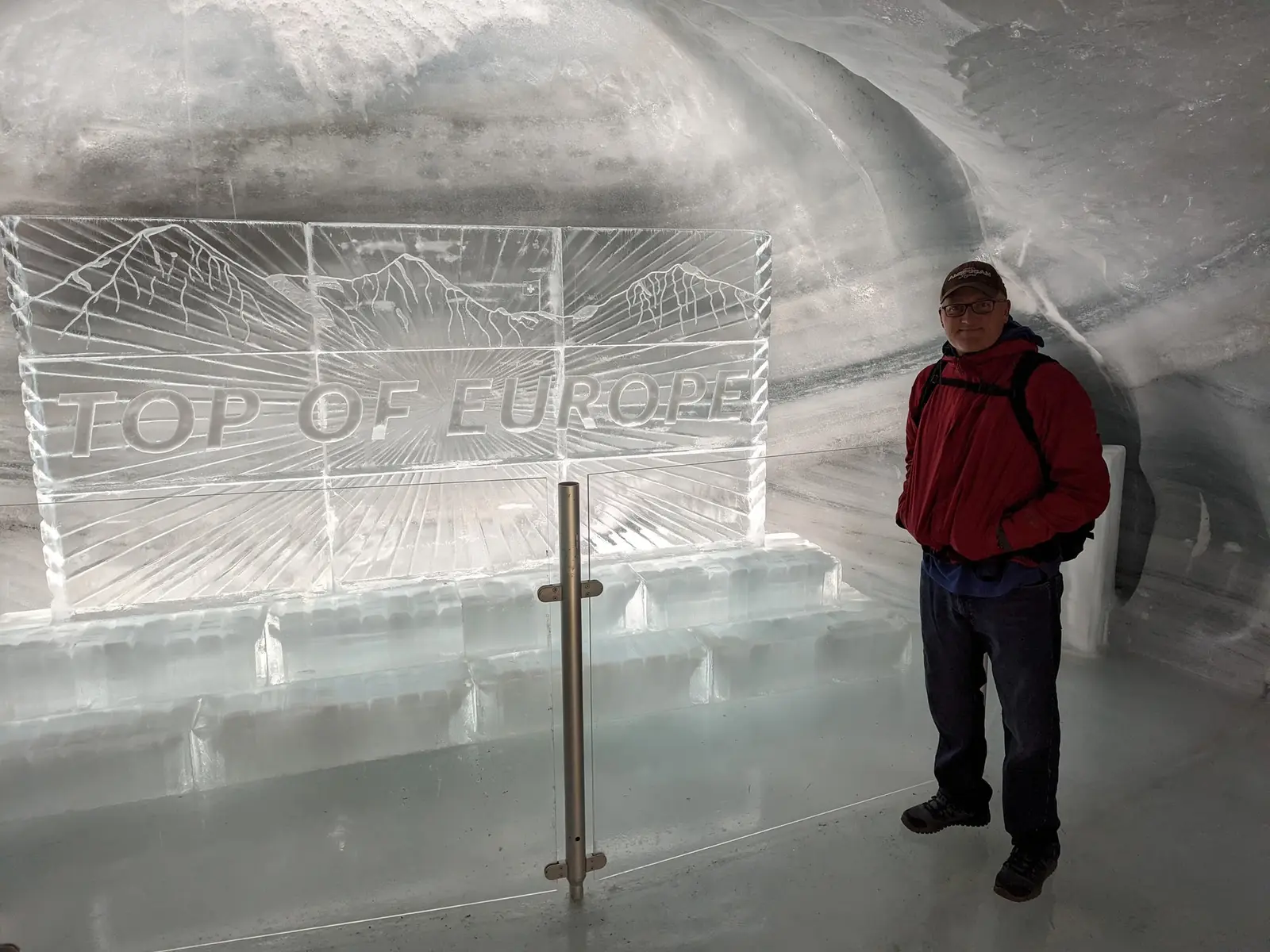
- The Ice Palace is a set of corridors carved into the glacier itself, a few degrees below zero, with sculptures cut into the walls. The photograph of the TOP OF EUROPE block is in there.
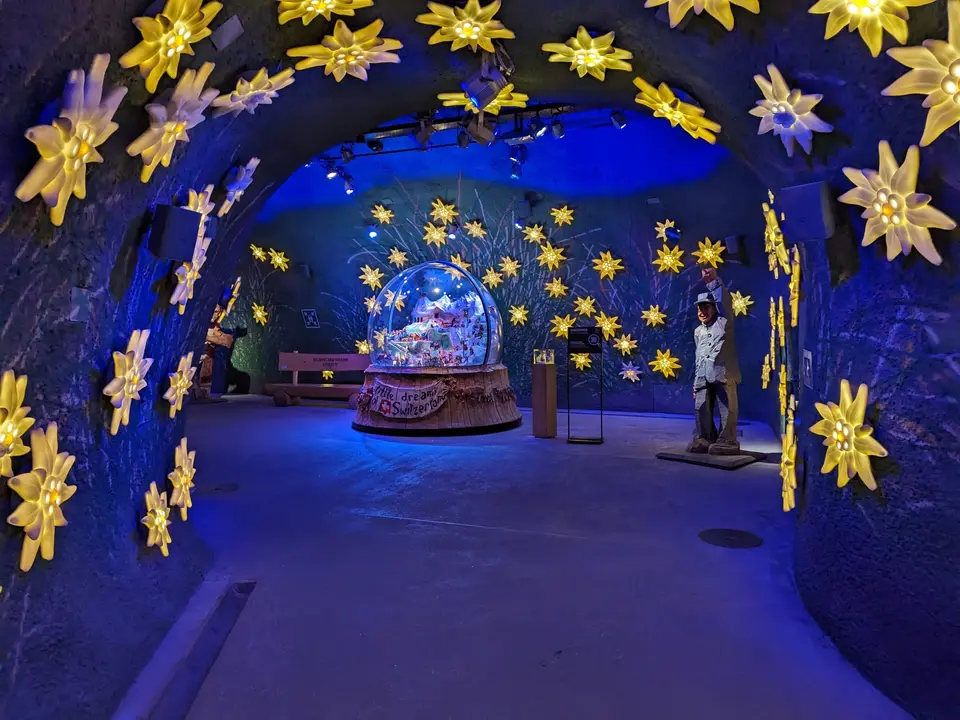
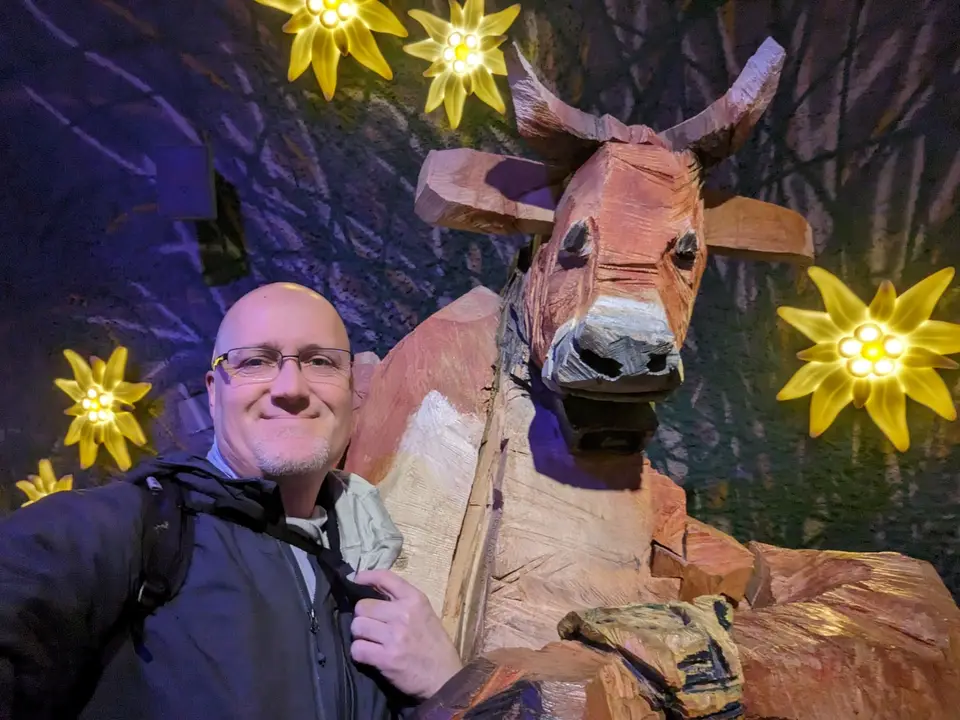
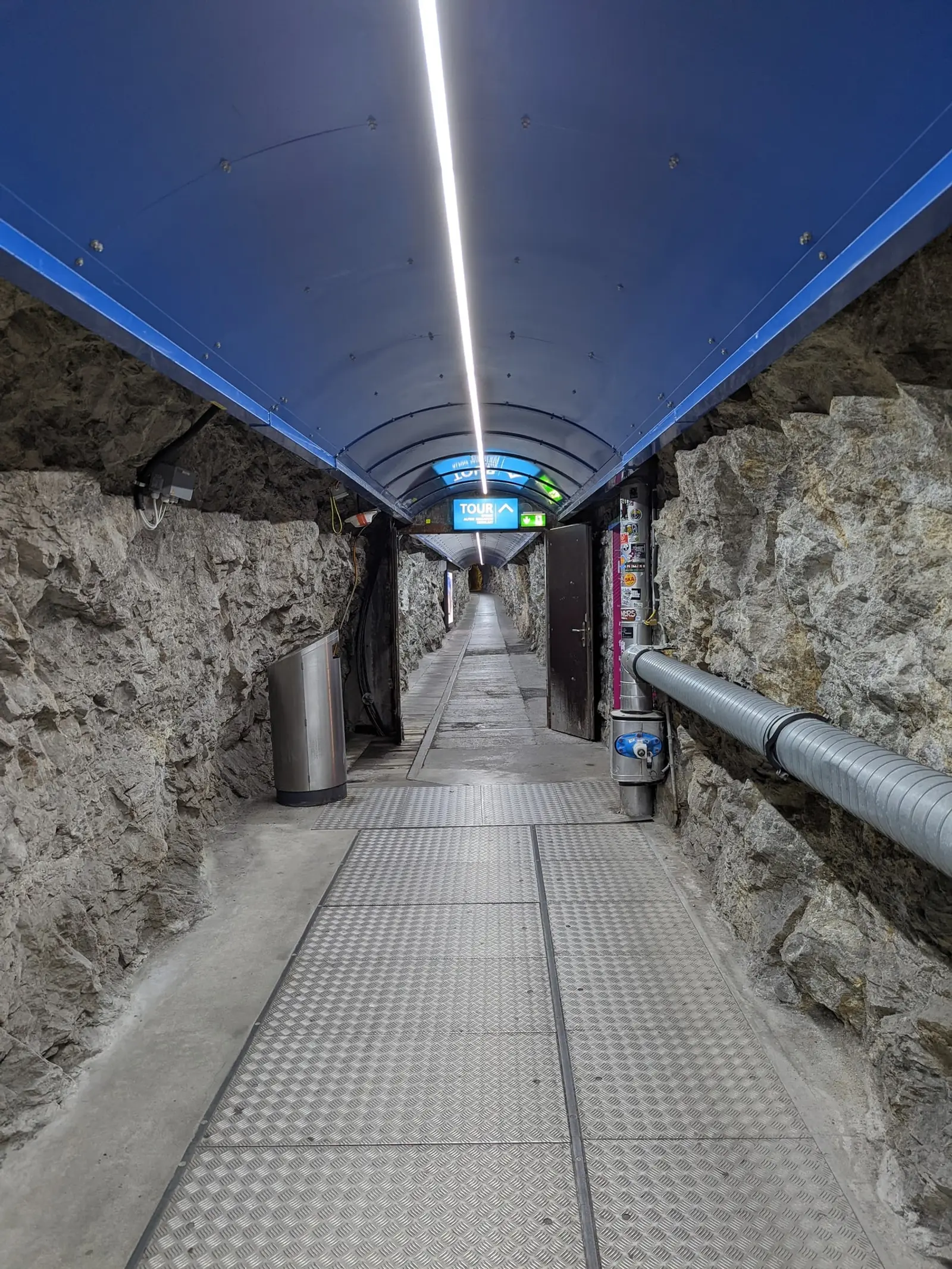
- The Alpine Sensation is the walkway that joins the buildings — a tunnel lit blue and gold with enormous edelweiss along it. It is unashamedly a corridor dressed up, and on a day when the cloud is in it is the best thing up there.
Budget tips
- Nothing at the top costs extra. The Sphinx, the Plateau, the Ice Palace and the Alpine Sensation are all included in the ticket you have already paid a great deal for.
- Eat before you go up, or carry it. Restaurant prices at 3,454 meters are what you would expect, and they know you have no alternative.
- Give it three hours at least. Having paid that much to get there, leaving after forty minutes is the most expensive mistake available on this mountain.
What nobody tells you about the altitude
- 3,454 meters is high enough to feel. Most people notice they are breathing harder on the stairs, and a proportion get a headache. Go slowly for the first twenty minutes, drink more water than you want to, and do not treat the Sphinx lift as a race.
- Anyone with a heart or lung condition should treat this as a medical question rather than a travel one. There is a clinic up there, which tells you something.
- Children feel it too and are worse at saying so.
Which day to pick
Our own two visits were 31 May 2022 and 3 March 2023, and they were completely different mountains.
- Winter is the better bet for clear air and for the snow being genuinely deep on the Plateau — the March photographs on this page, with the Jungfrau against a hard blue sky, are what a good winter day looks like.
- Summer gives you the long light and a warmer Plateau, and much bigger crowds.
- It is open 365 days a year, which is unusual up here and means you can build a trip around it in any month.
- The thing that decides it is not the season. It is the cloud on the morning you go, which is why the first train and the webcam matter more than anything else on this page.