Before you go — the honest problem with Hallstatt
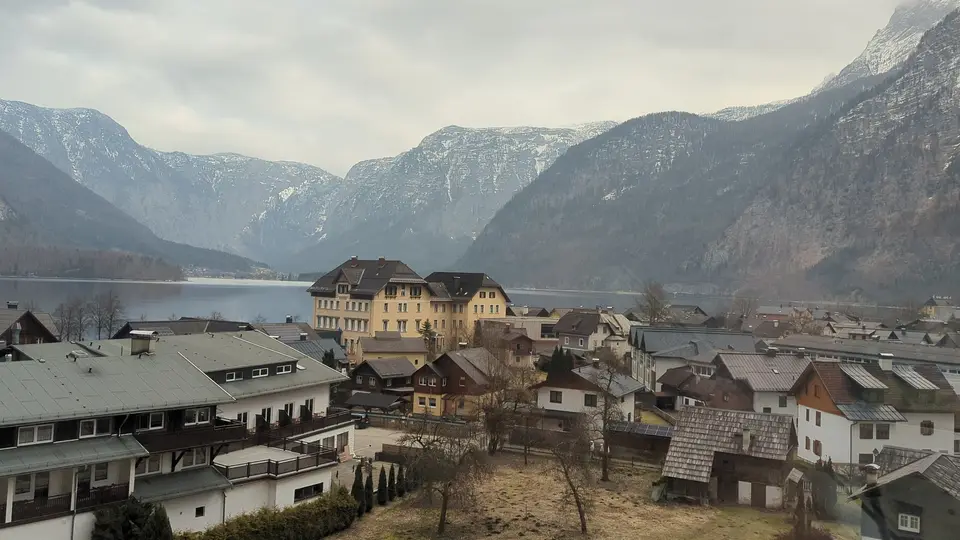
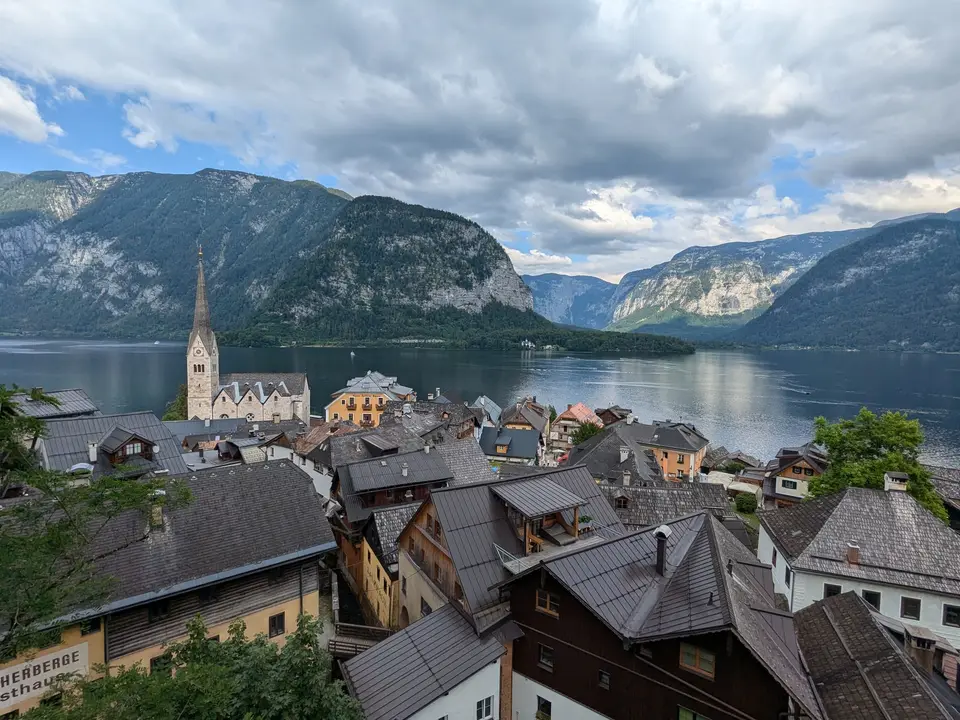
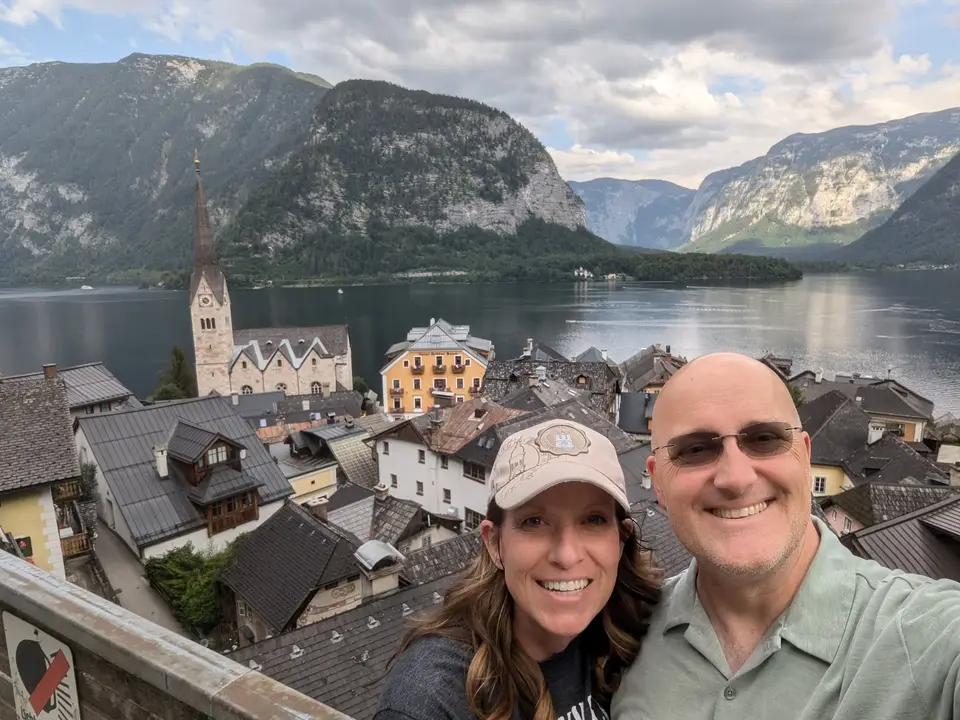
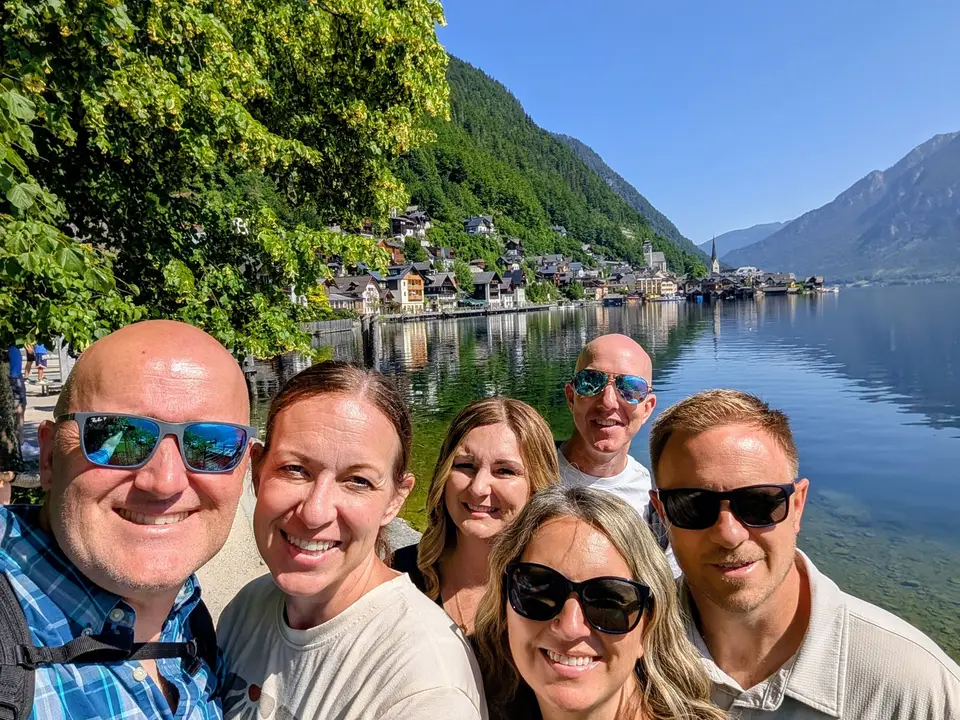
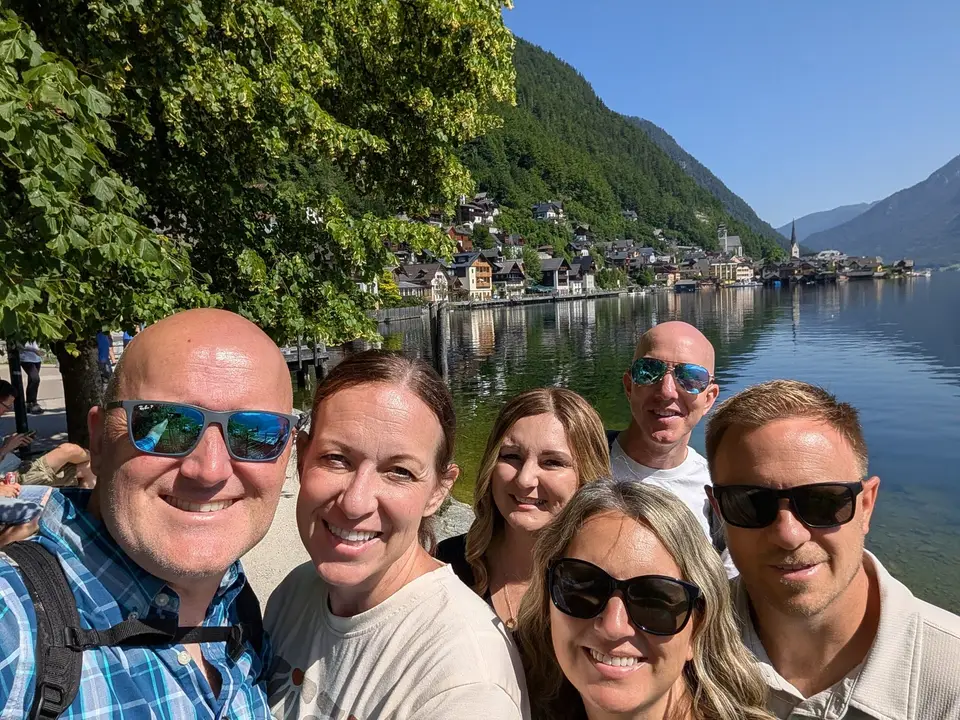
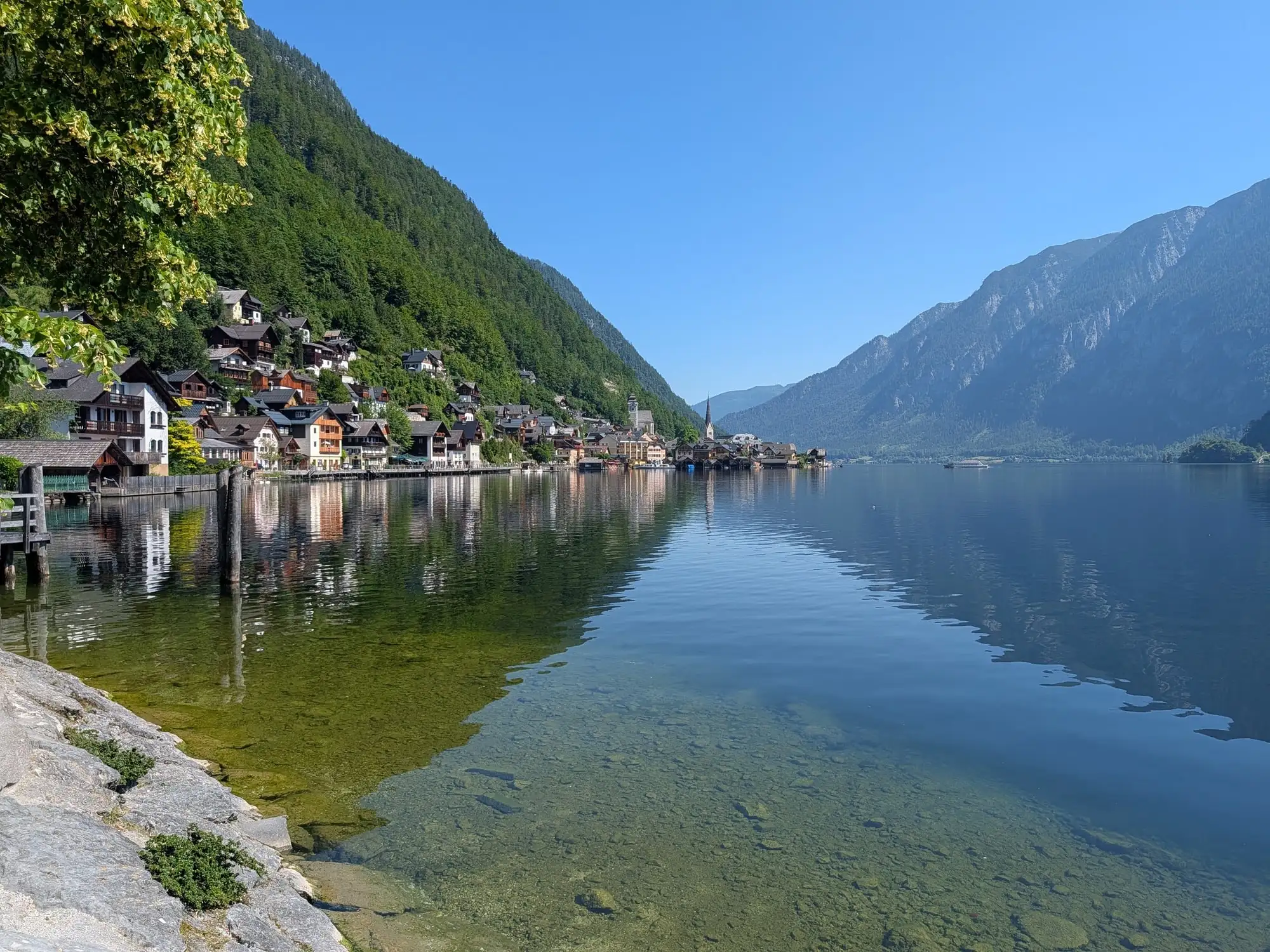
This is the most photographed village in Austria and it is very small. A few hundred people live here. On a summer afternoon the lane along the water is shoulder to shoulder, and the great majority of the people on it arrived by coach within the last hour and will be gone within the next one.
That is a solvable problem, and solving it is most of what this page is for. We have been three times — in March, and twice in late June — and the difference between a good day here and a disappointing one is almost entirely about timing and about going upwards.
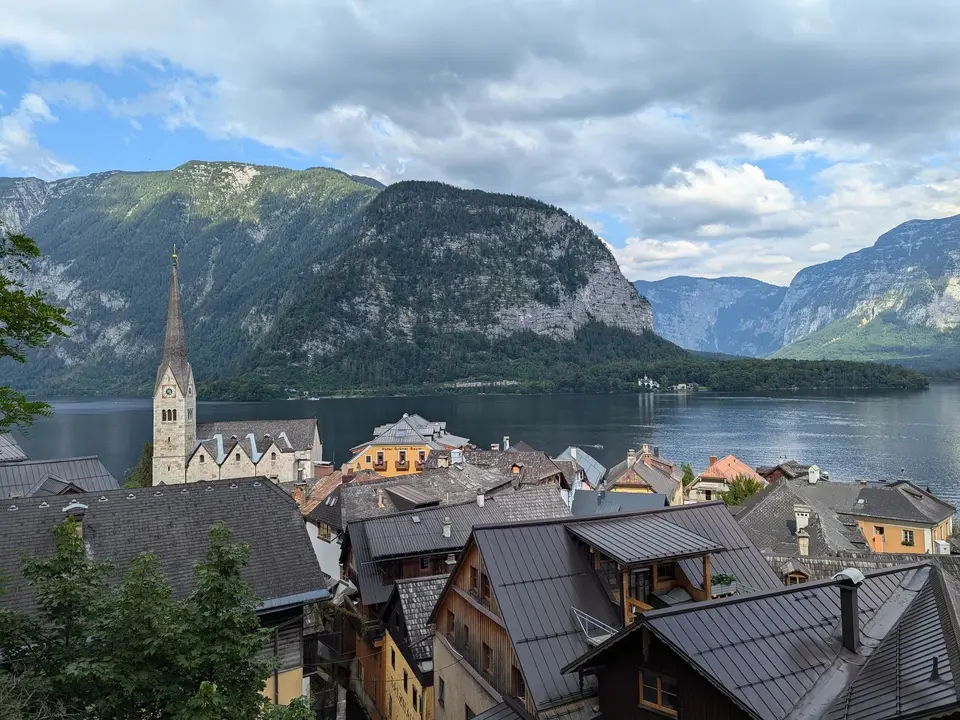
- The village takes an hour. That is not a criticism. It is one street, a church above the water, and a view that deserves its reputation. An hour is genuinely enough for it.
- The mountain takes half a day, and that is where the salt mine, the skywalk and the high meadows are. Most visitors never go up.
- Almost nobody is here before ten or after five. The coaches run in the middle of the day. Both ends of it are quiet, and the light is better at both ends too.
The salt mine — the oldest thing you will do in Austria
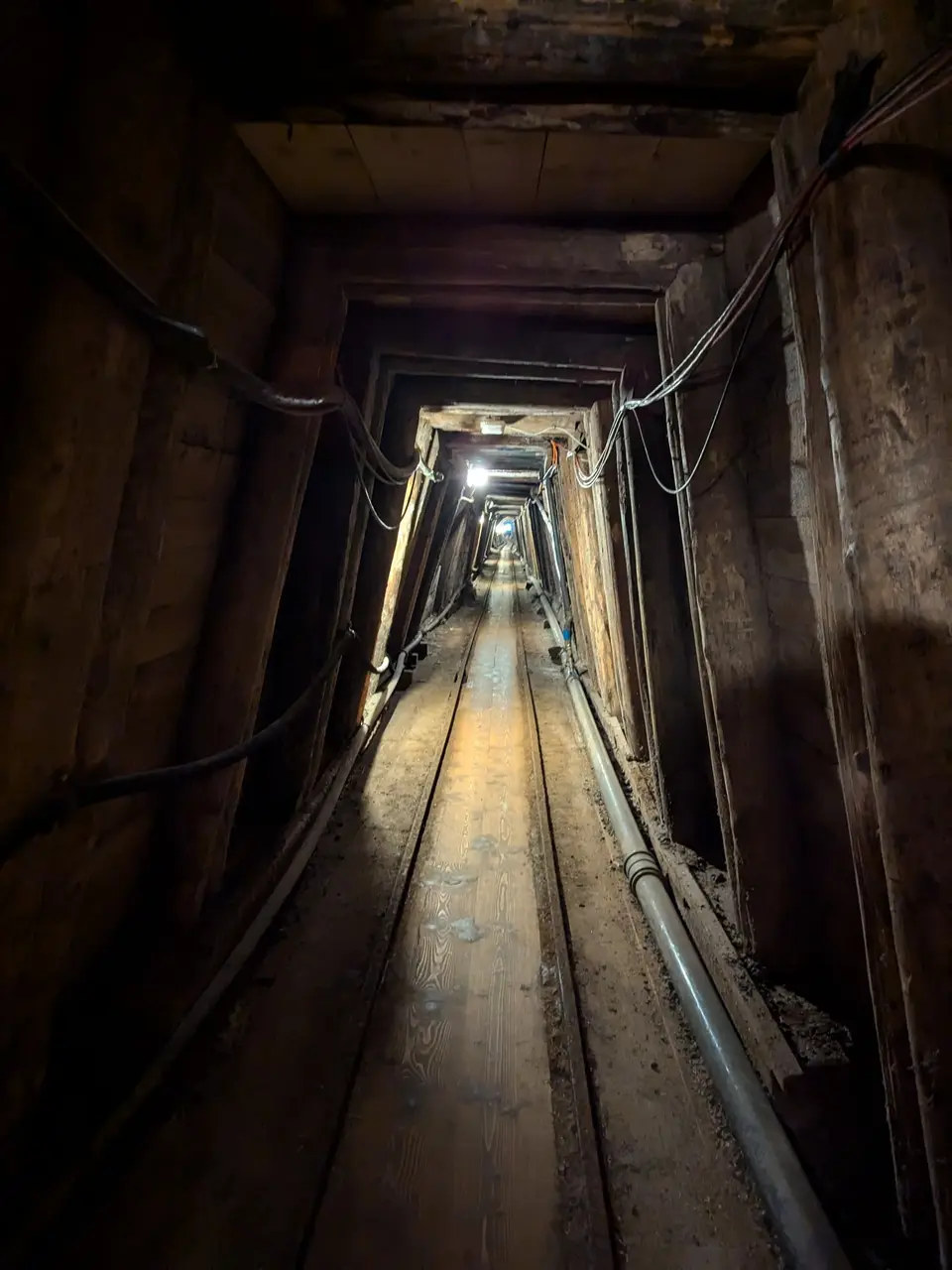
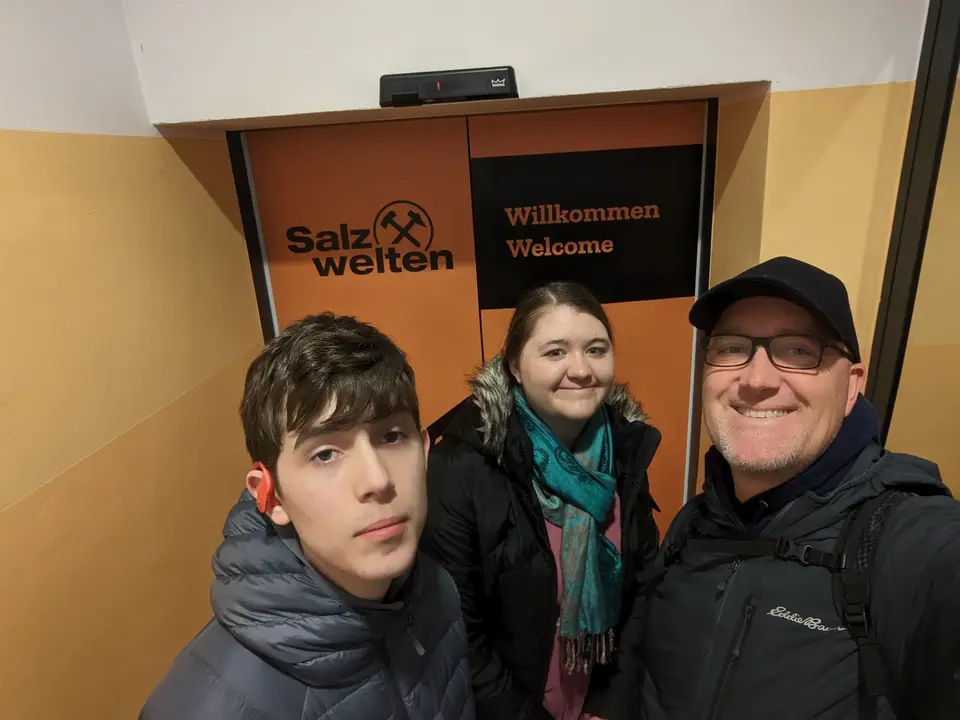
There has been salt mined out of this mountain for something close to seven thousand years, which makes it the oldest working salt mine known anywhere. The village exists because of it. It is also, by a distance, the best half-day in the valley, and it is the reason we have come back.
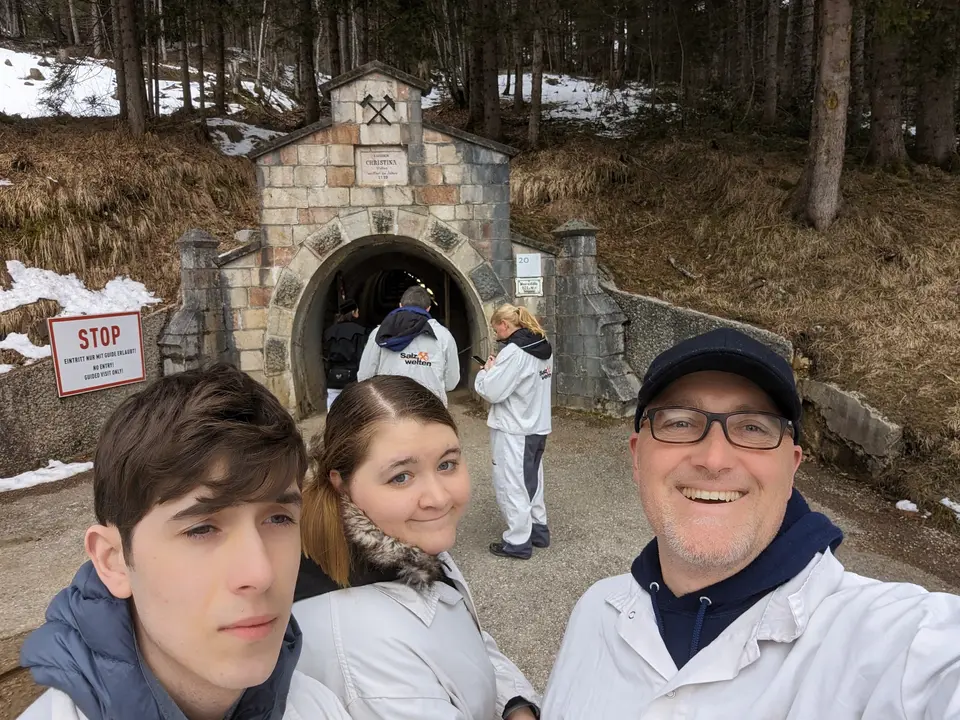
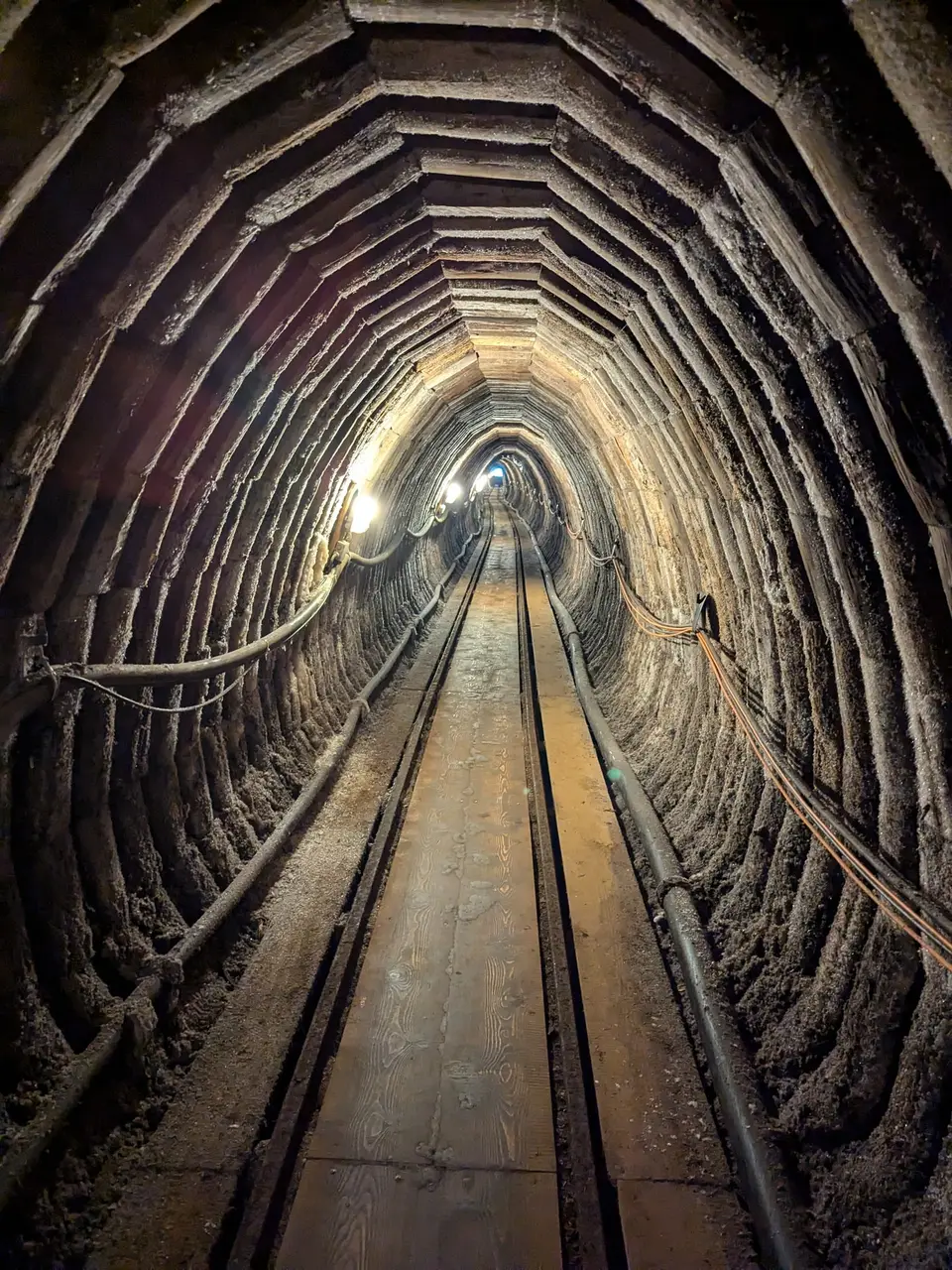
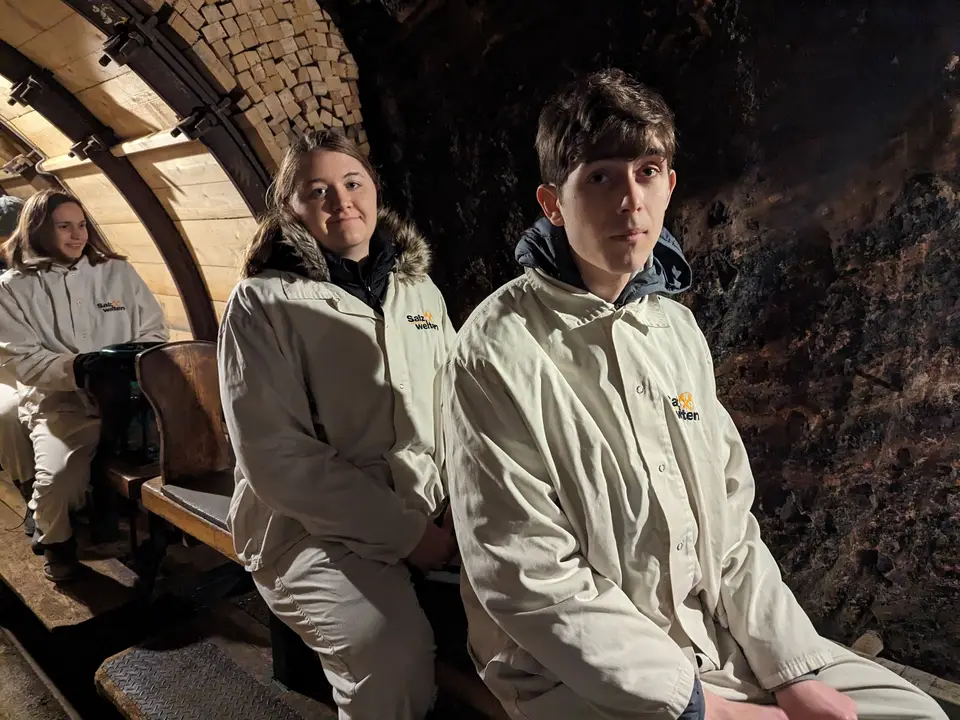
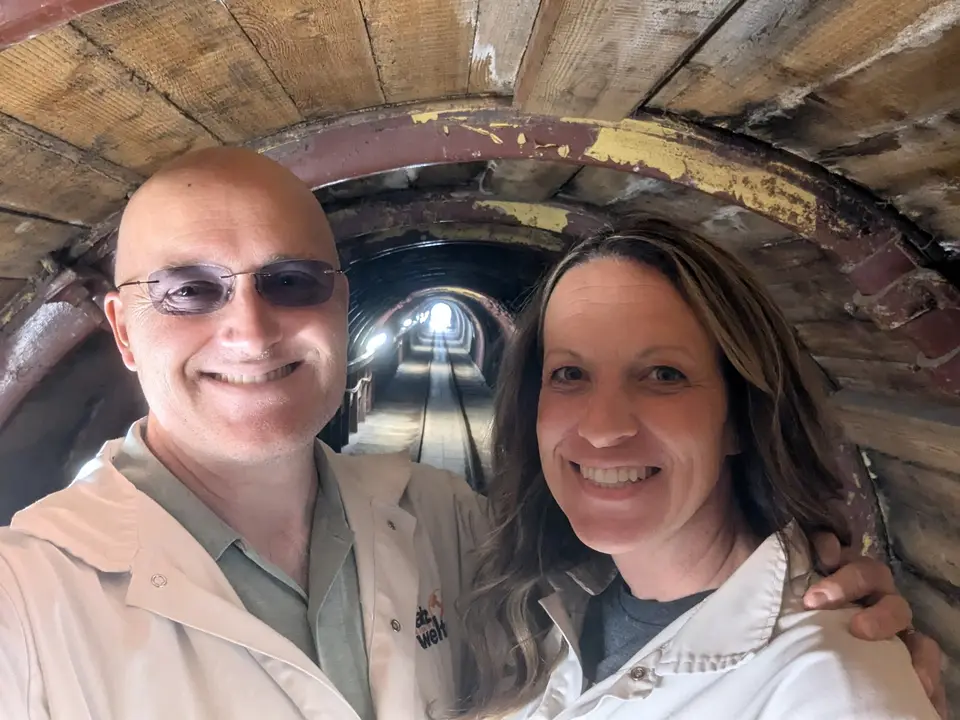
- You go up by funicular and walk in. You are issued overalls, and the tunnels are cold — genuinely cold, all year. Bring a layer in July as well as in March.
- There are two wooden slides between levels and you go down them sitting. This is the part children remember and the part adults are quietly delighted by.
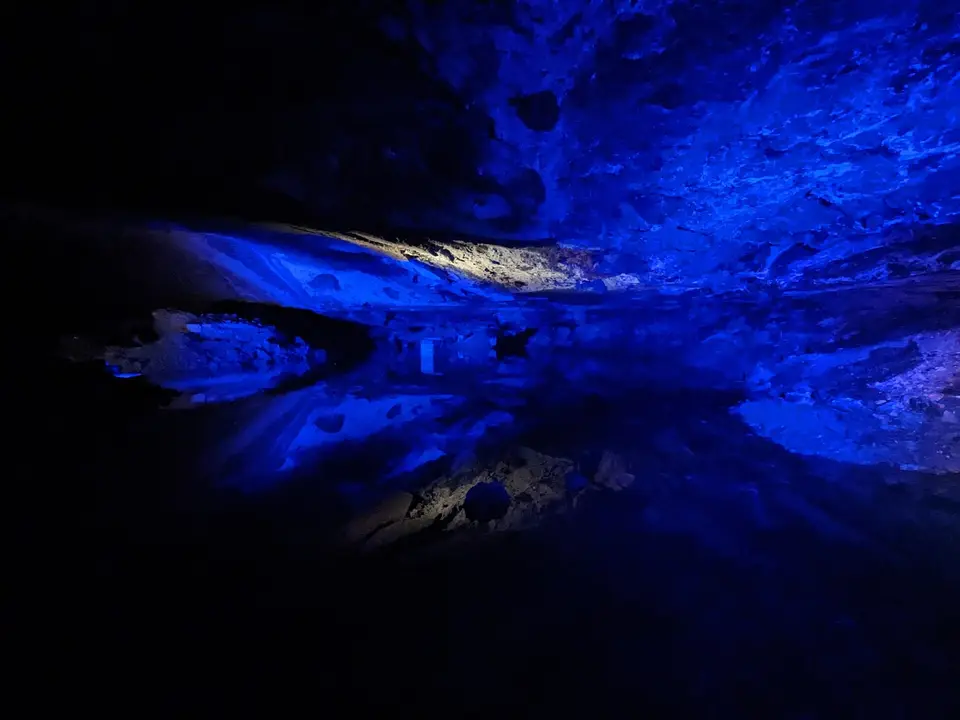
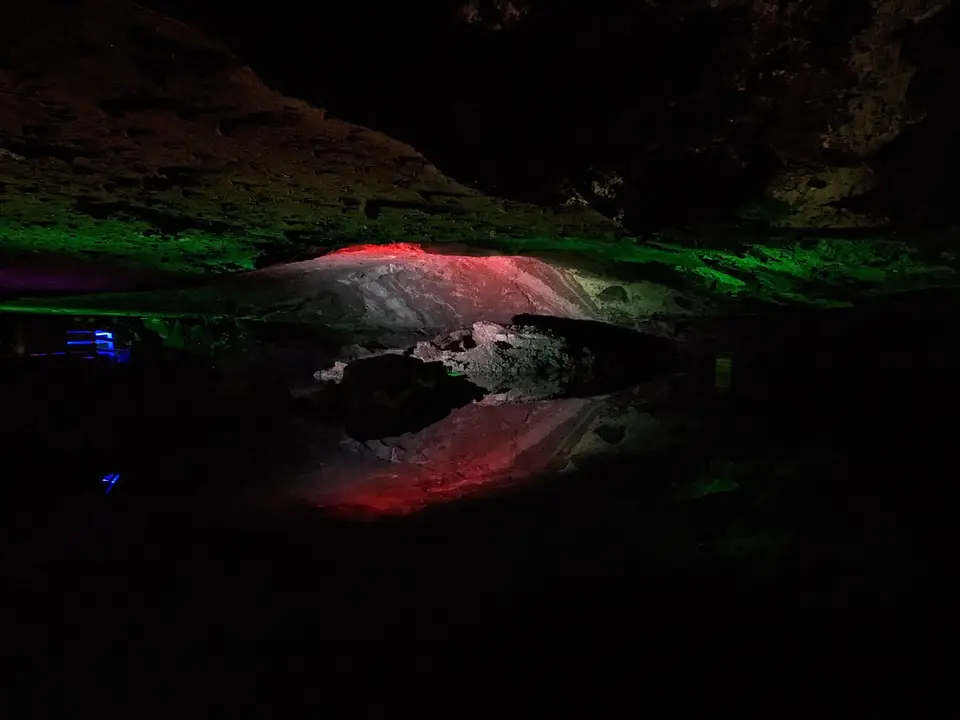
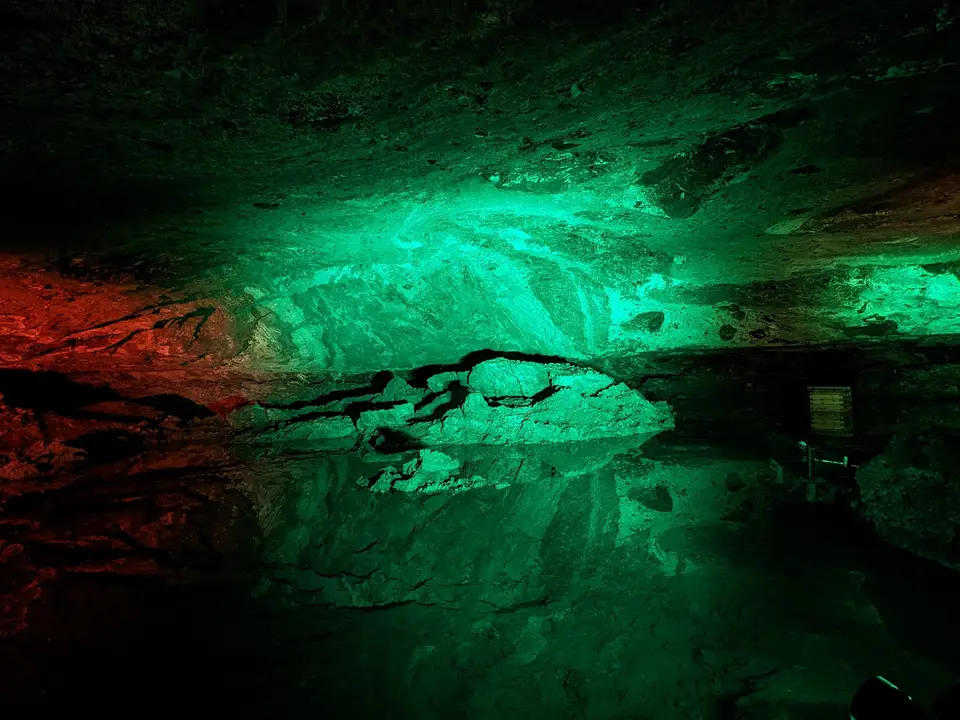
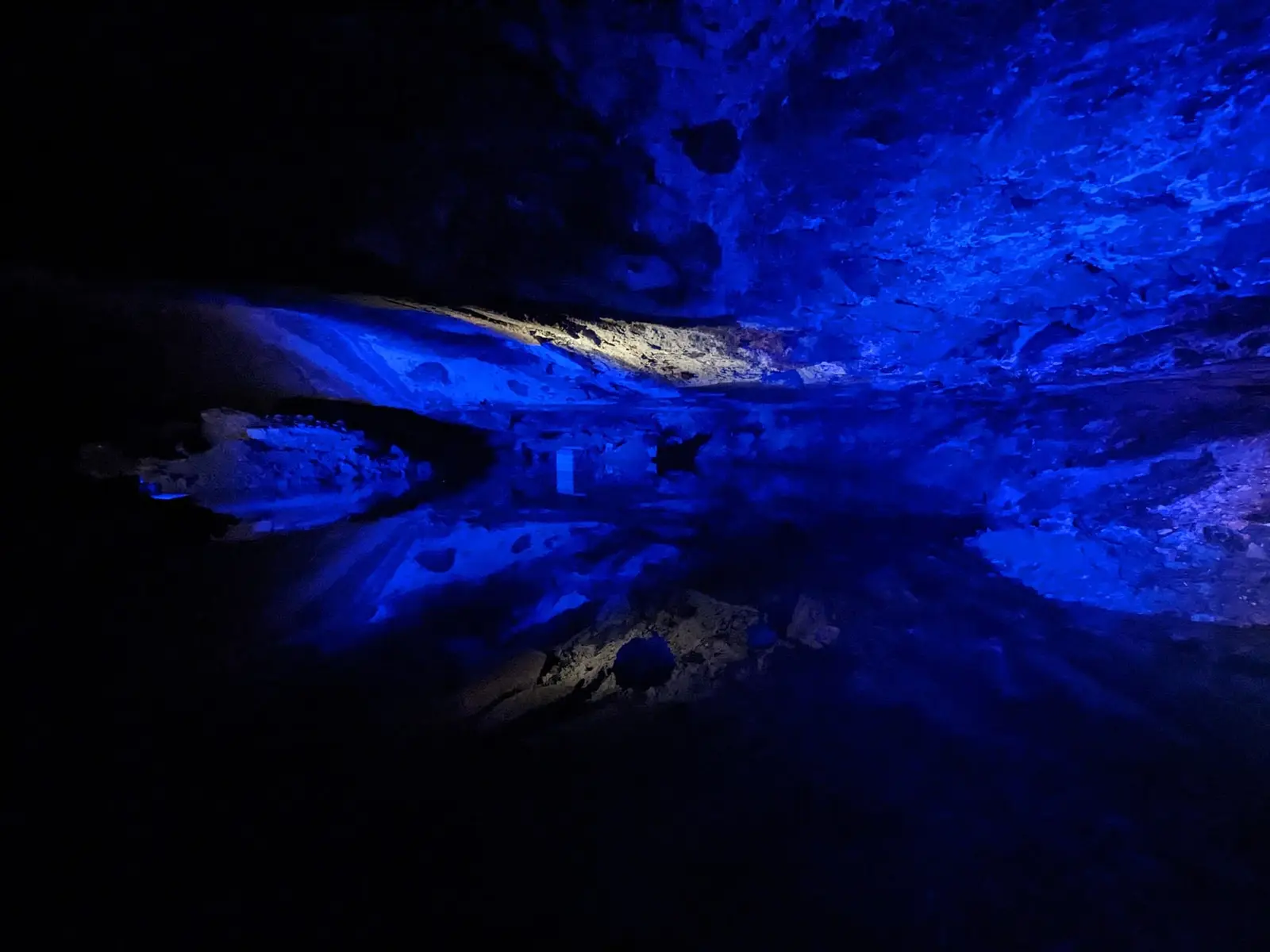
- There is a lake down there. An underground salt lake, lit, in a chamber inside the mountain. Our frames of it are blue and green because that is what it looks like.
- It is not a walk-up. You go in a timed group with a guide. Treat it as a booked, fixed part of the day rather than something to fit in if there is time.
The skywalk, and the view everyone else is missing
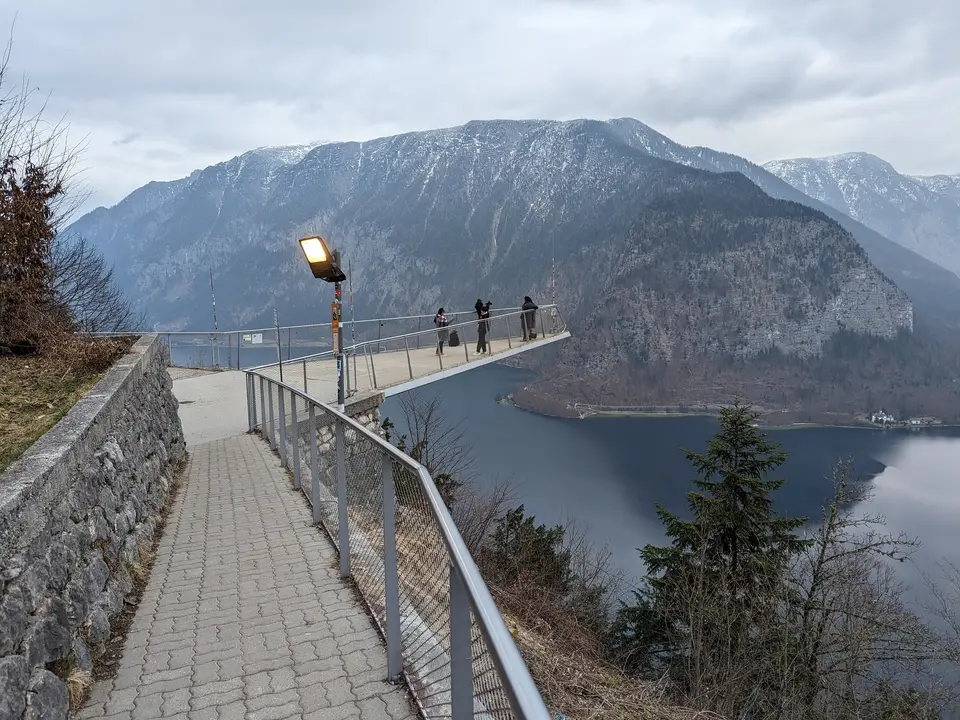
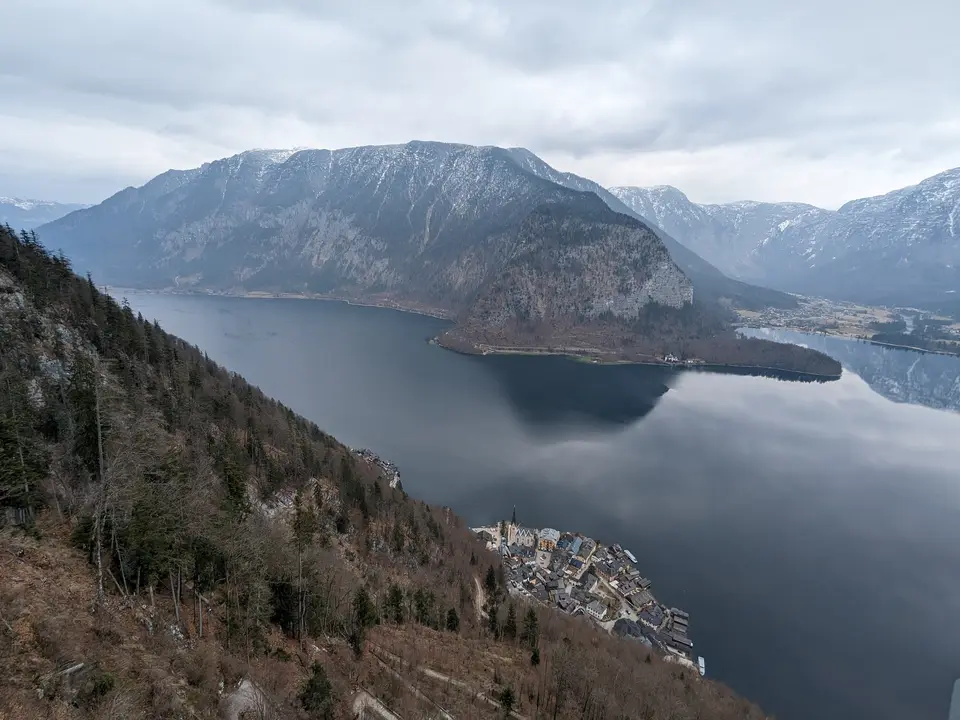
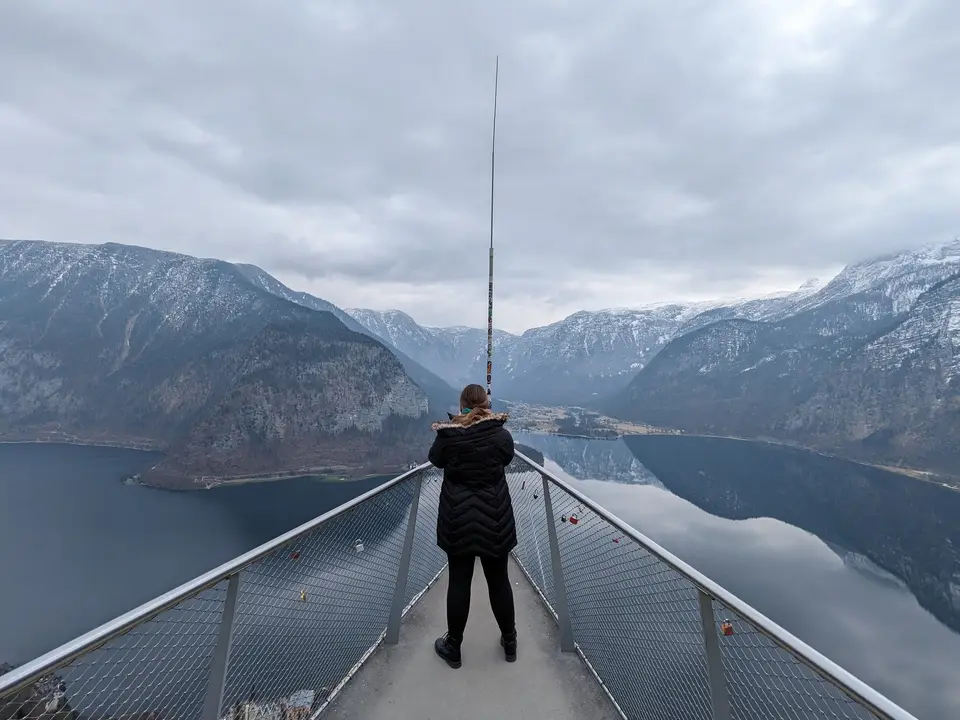
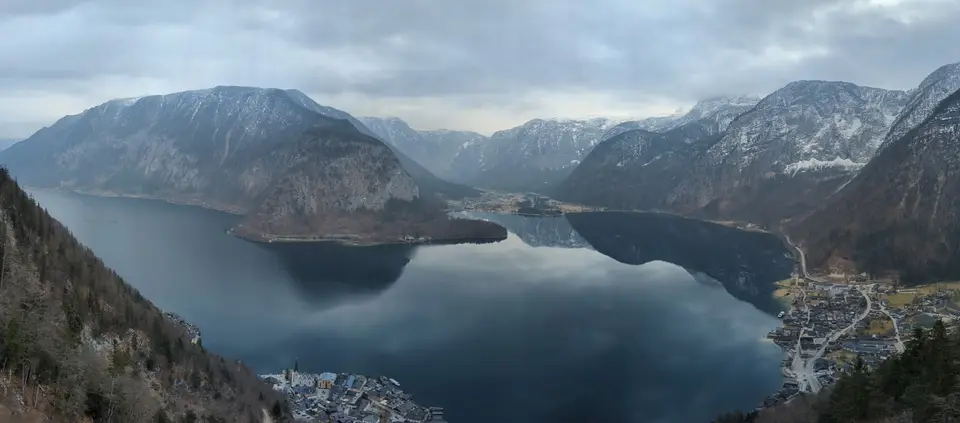
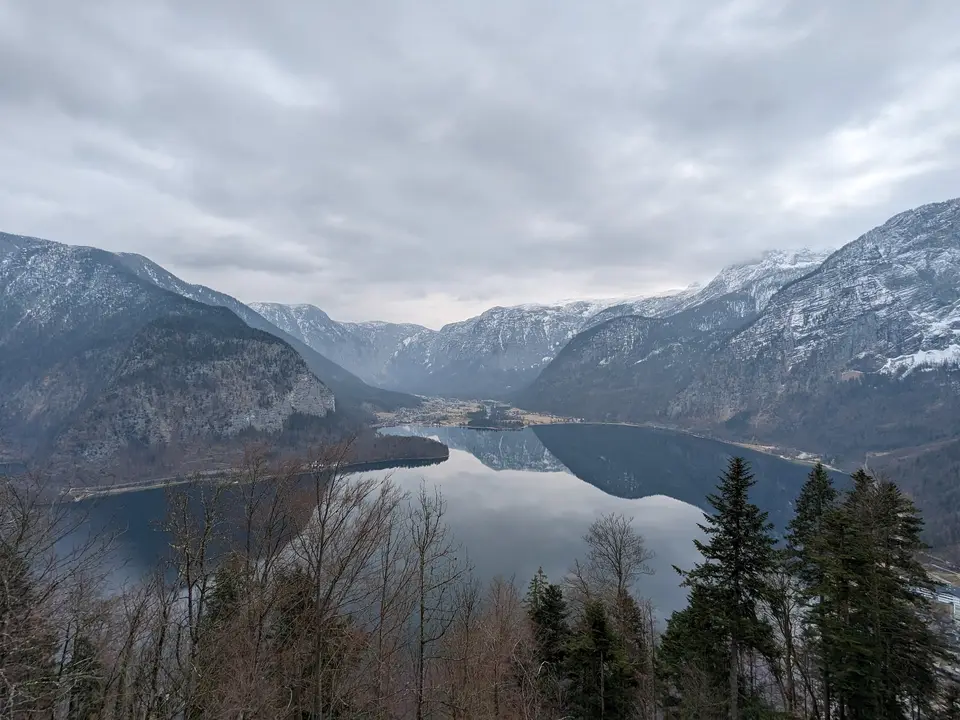
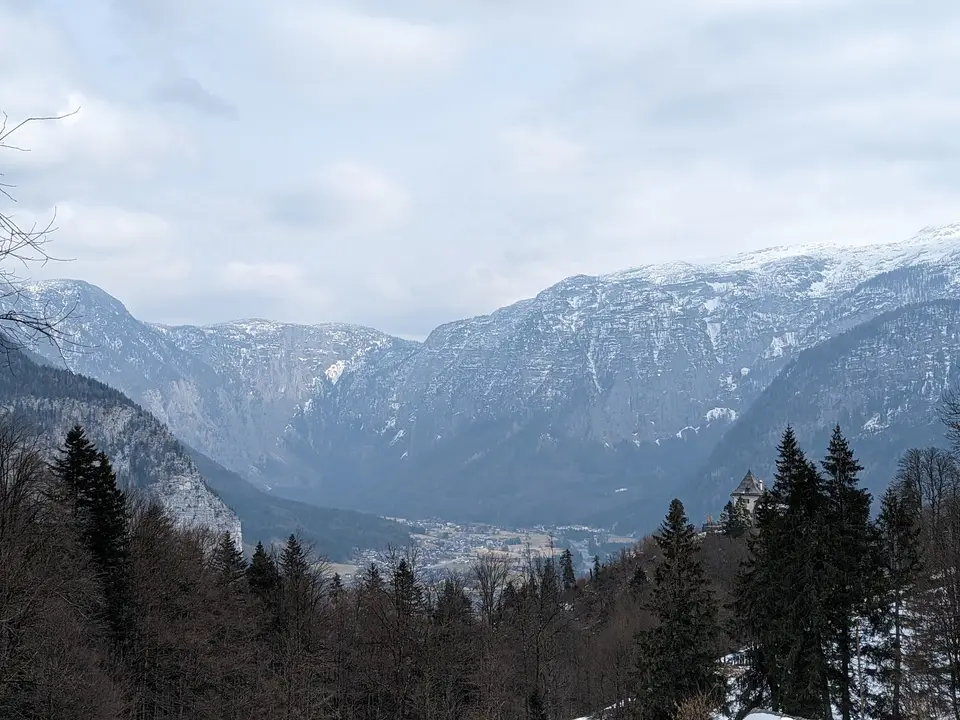
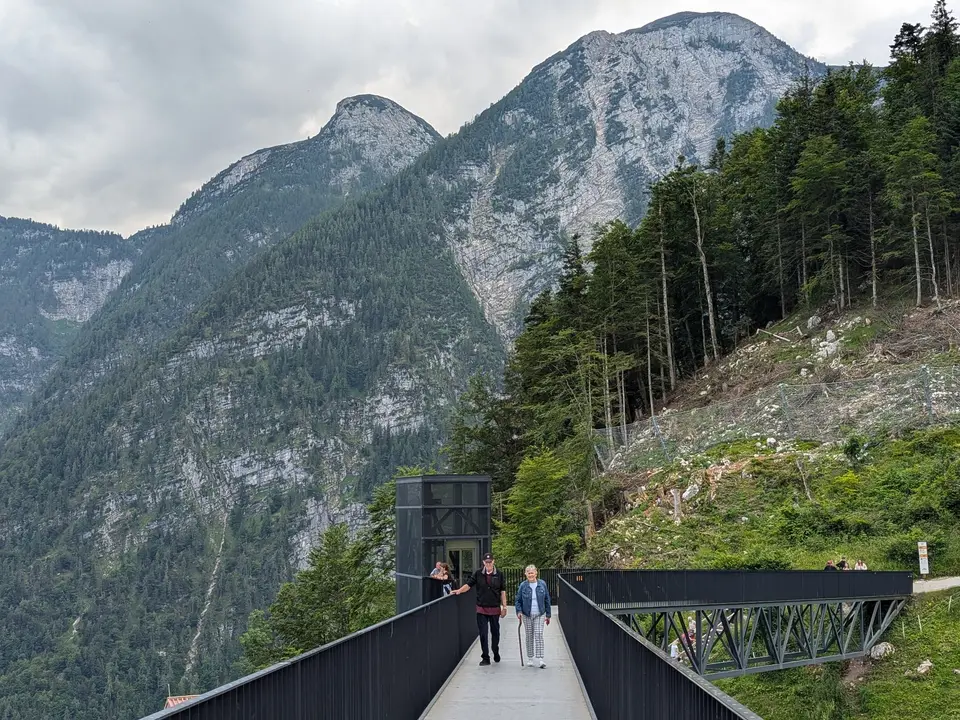
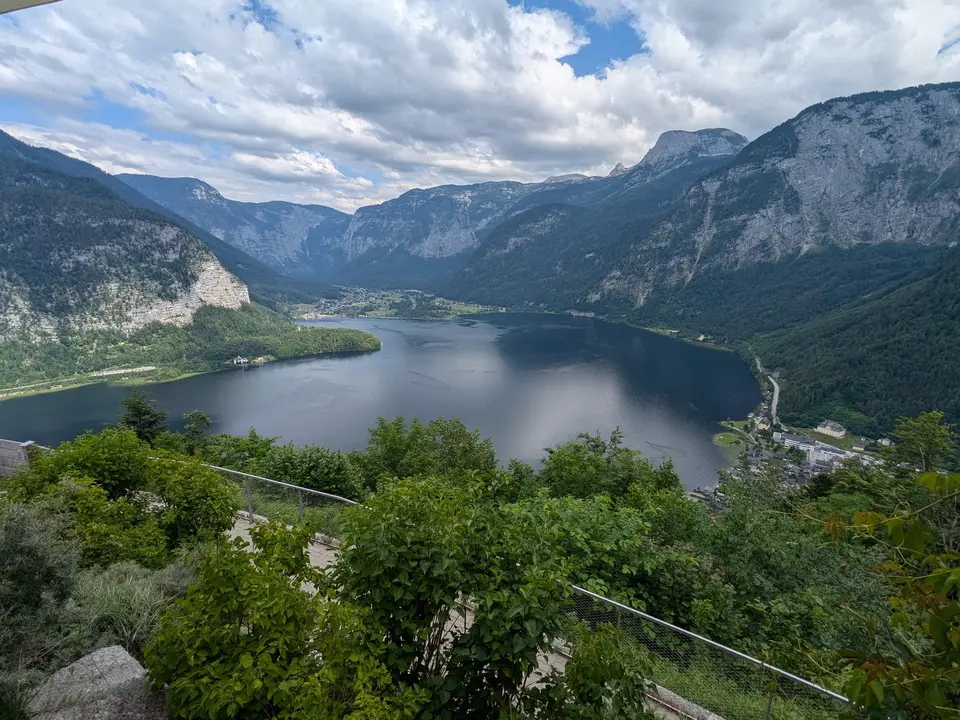
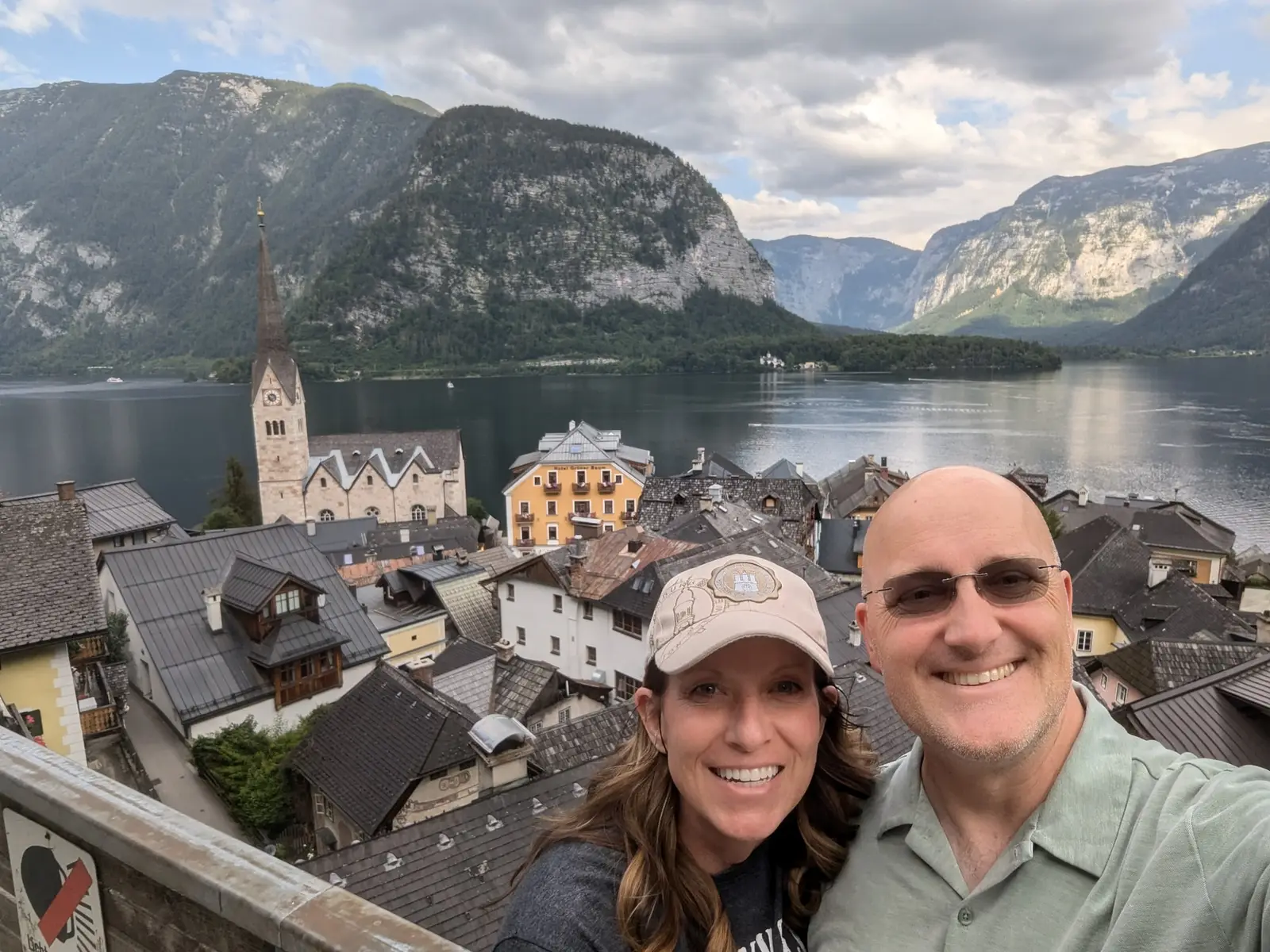
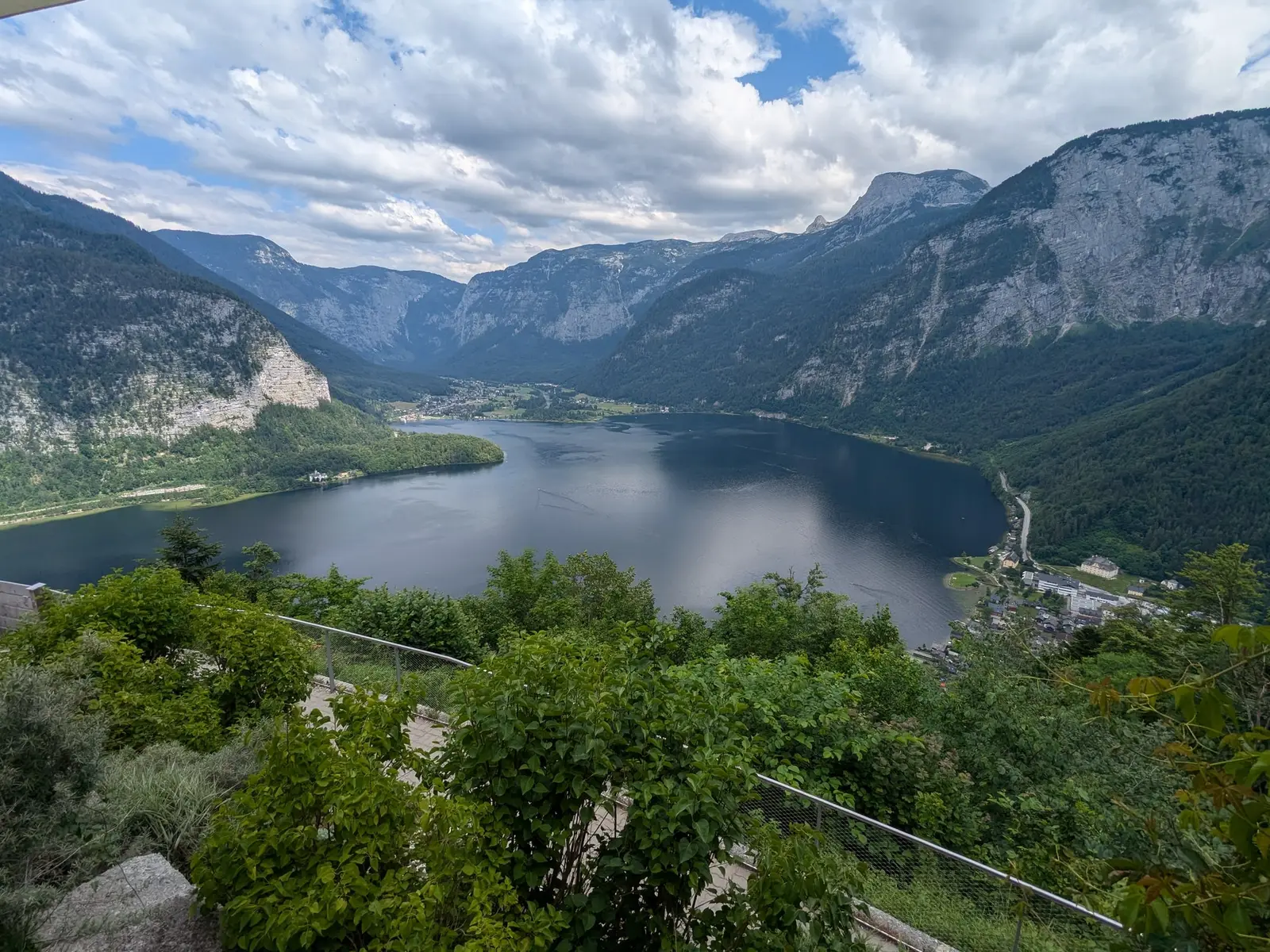
At the top of the funicular a platform runs out over the edge with the whole valley underneath it — the lake, the village strung along the foot of the cliff, and the mountains closing it at both ends. It is the view the postcards are not of, and it is up the same hill as the mine.
- Do the mine and the skywalk in one trip up. They share the funicular. Going up twice is a waste of a morning and of the fare.
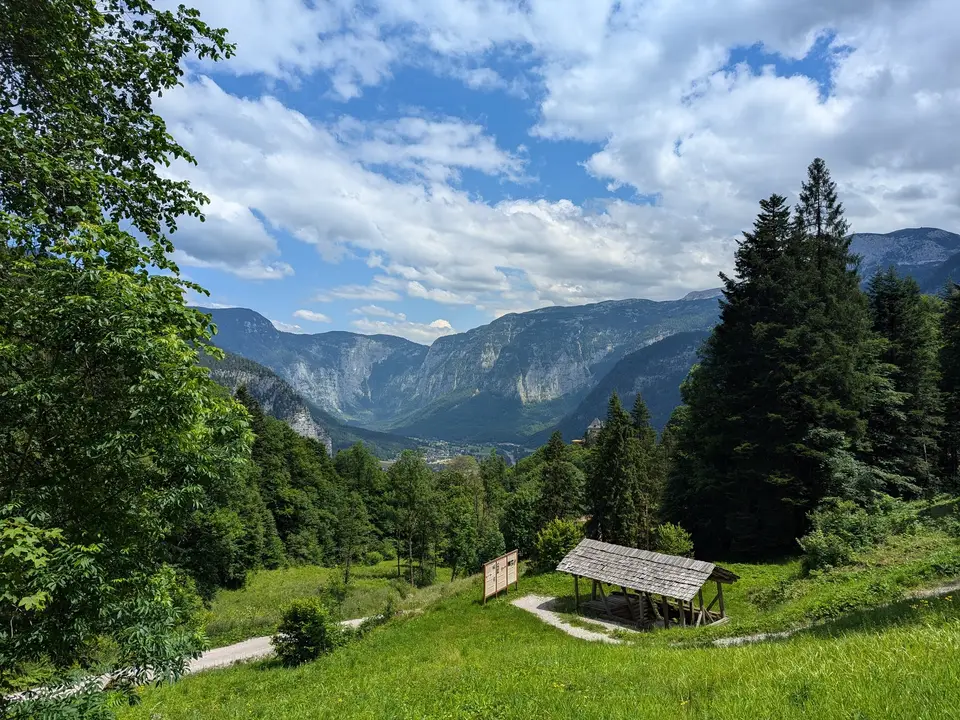
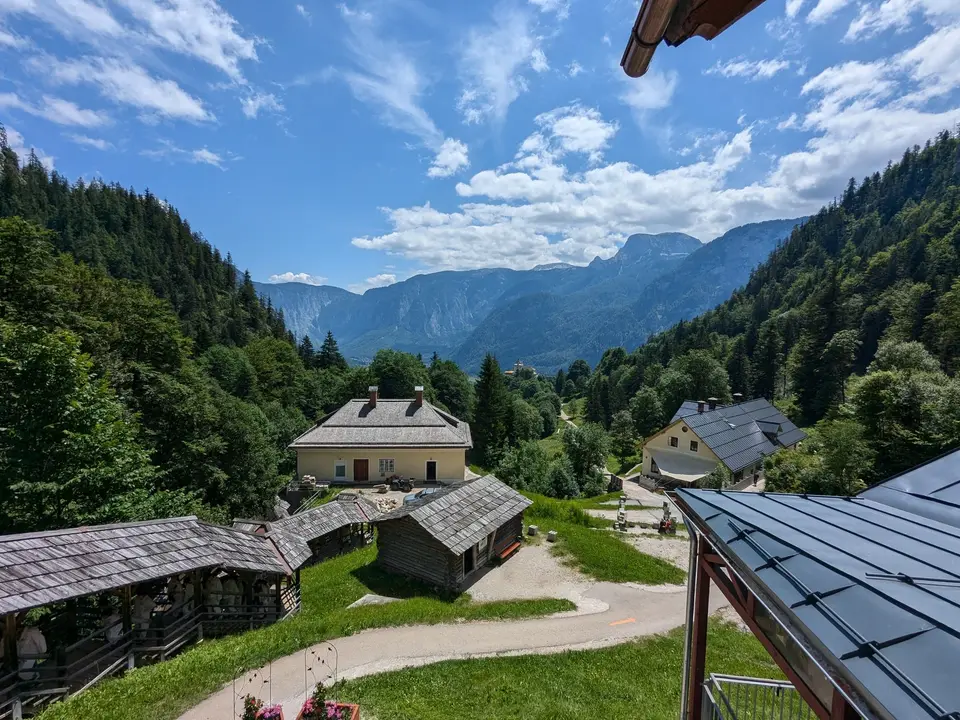
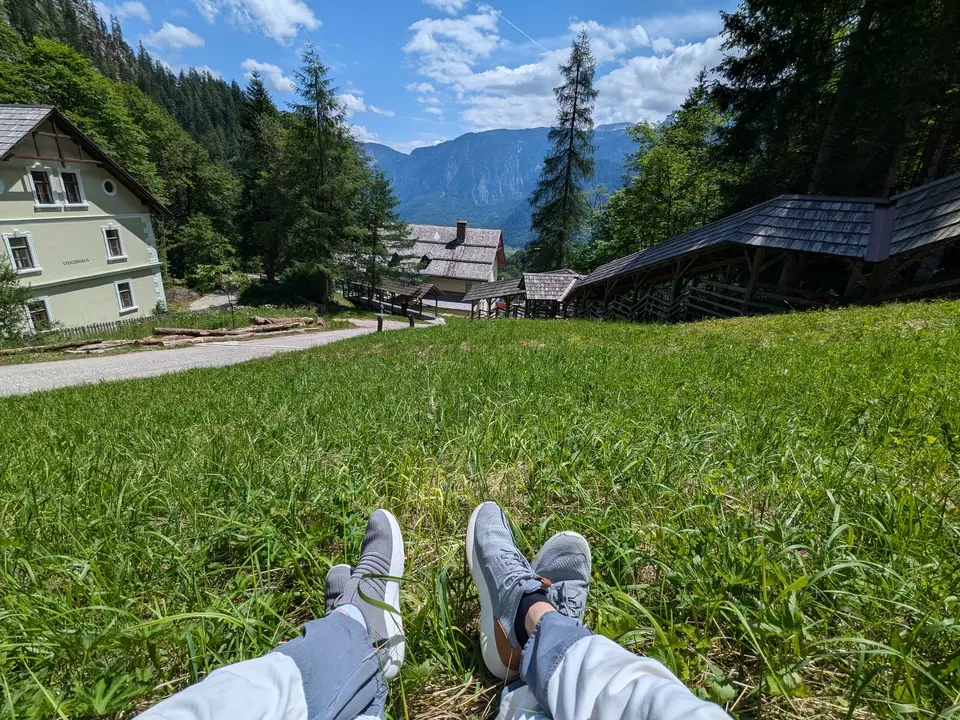
- You can walk down. The path drops through meadows and trees into the top of the village and takes well under an hour. Our June frames of the alp and the meadow path are all from that descent, and it is the best free thing here.
The lake itself
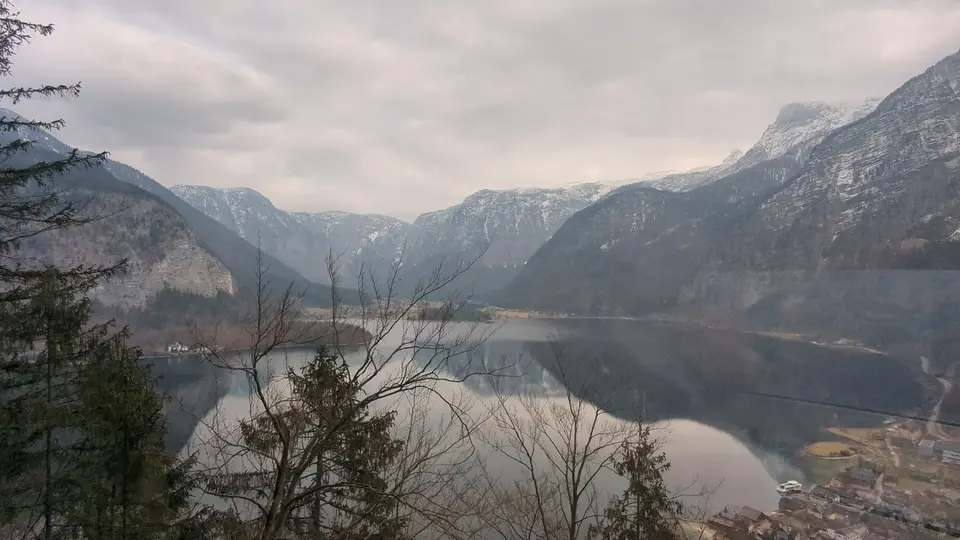
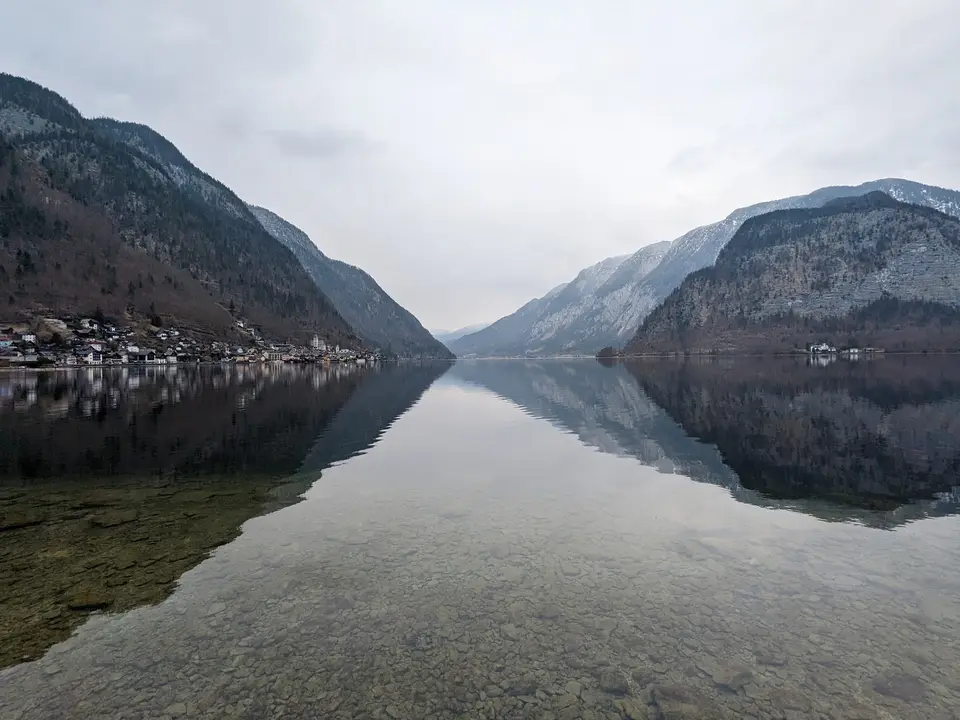
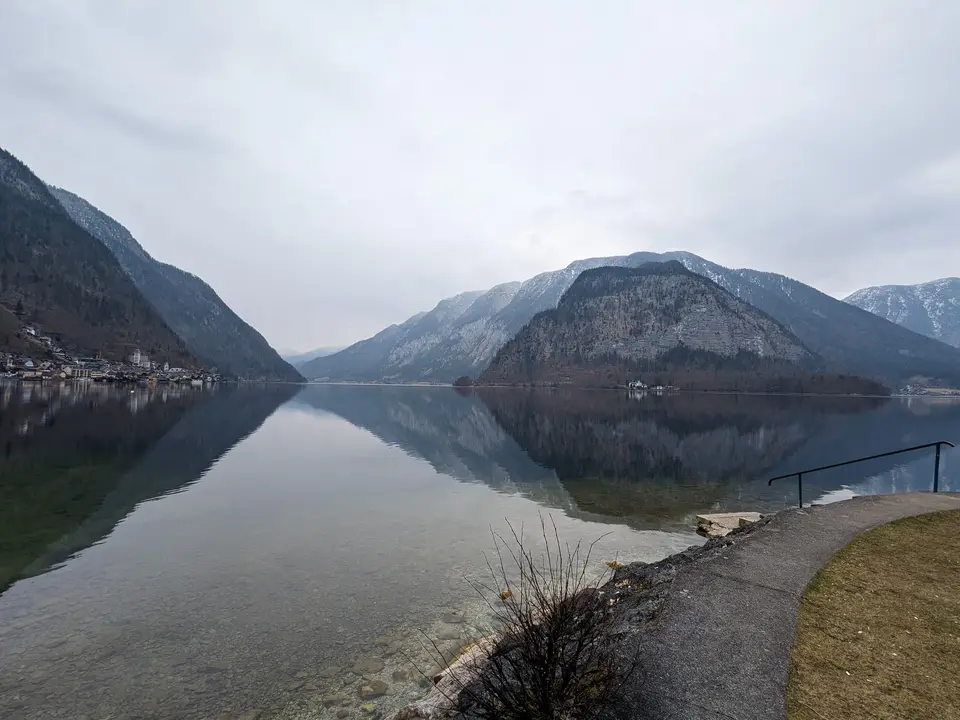
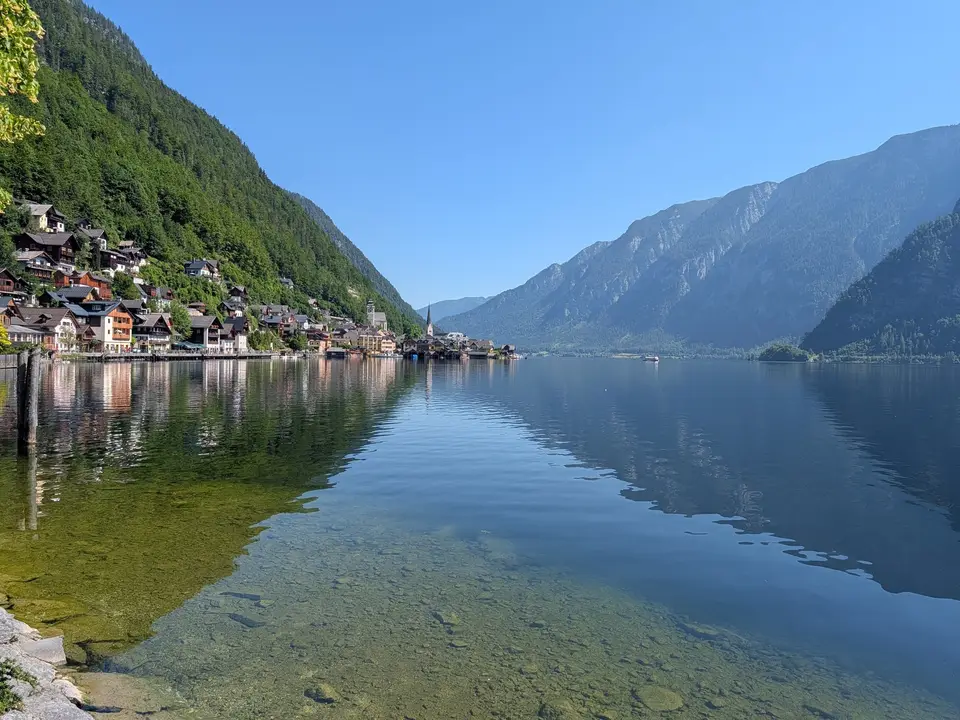
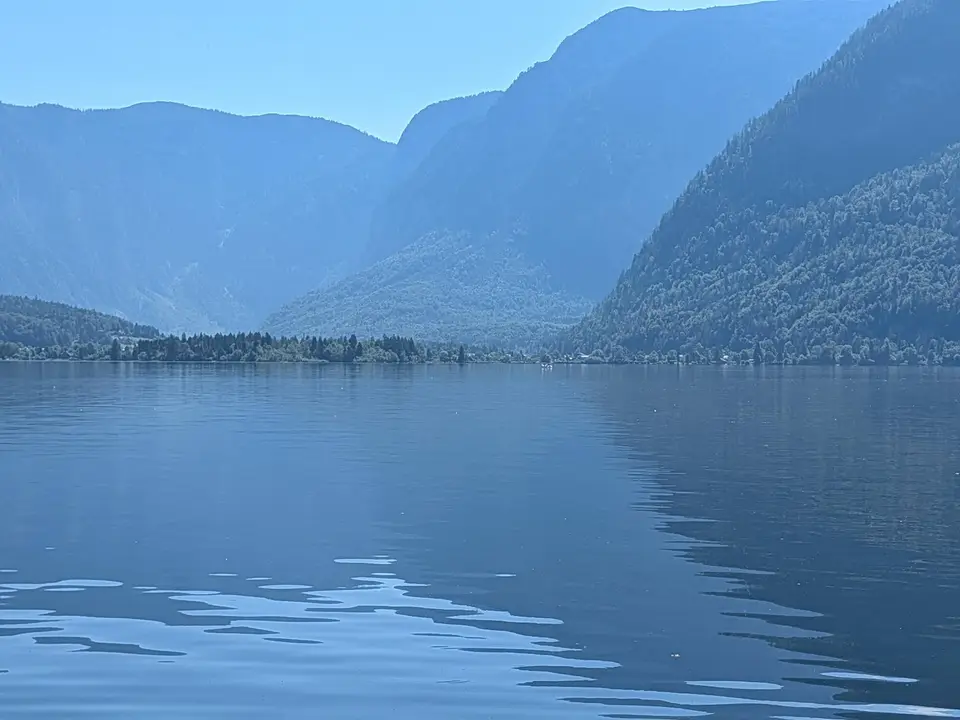
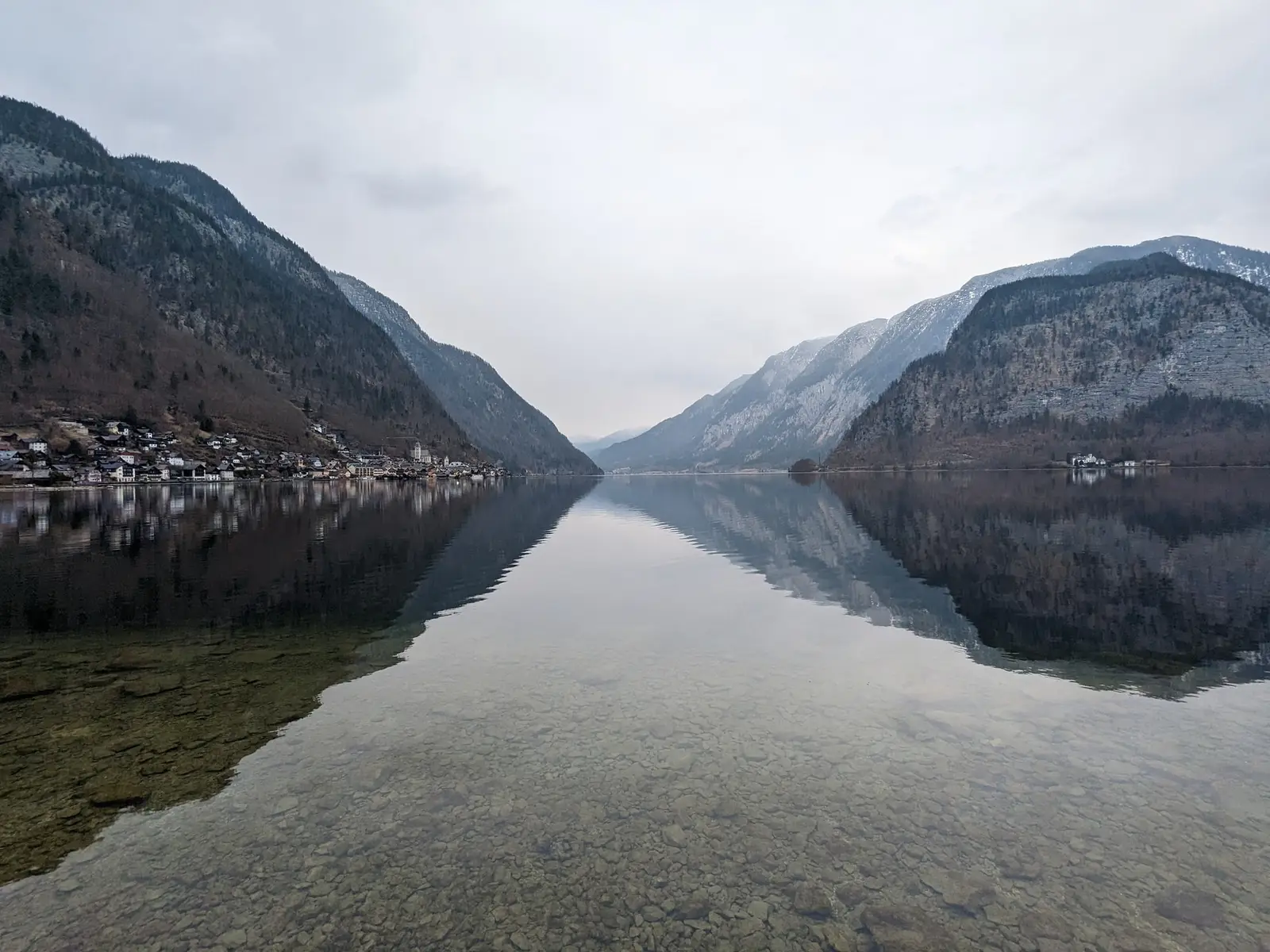
The Hallstätter See is long, deep and hemmed in by rock on both sides, and on a still day it doubles the mountains exactly. Several of our March frames are of nothing but that — flat water, gray light, the peaks repeated upside down.
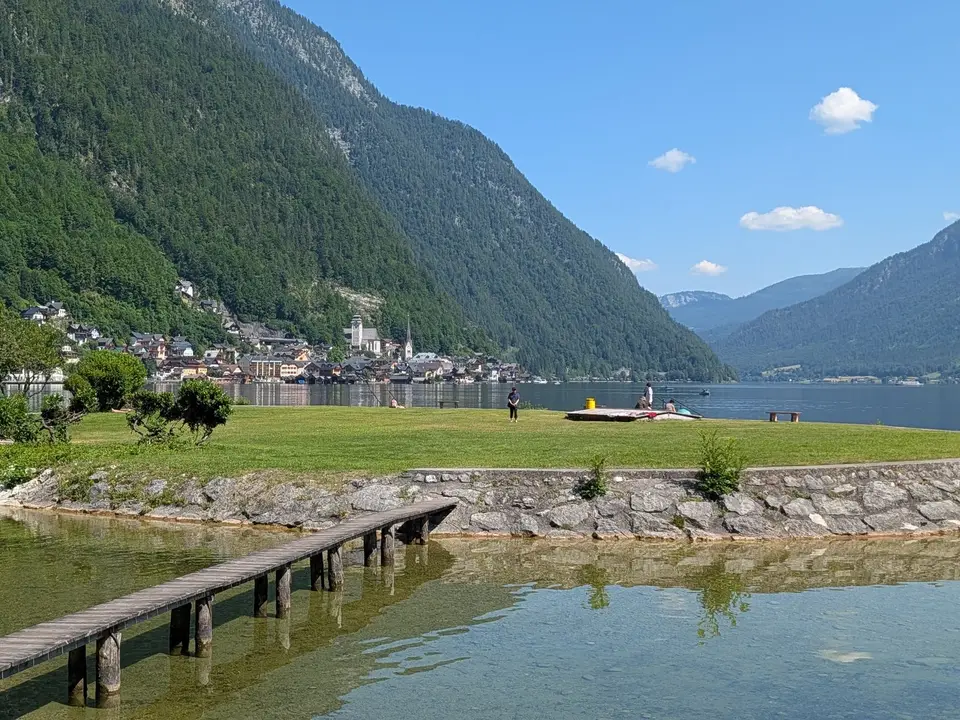
- Walk south along the shore path away from the church. Within ten minutes the crowd is behind you and the view back at the village is the one worth having.
- The boat is worth it if the water is flat. Seeing the village from the water is the only angle that shows how narrow the shelf it stands on really is.
When to come — and why March is on this page
Two of our three visits were in late June and one was in early March. The March day is the one we would repeat.
- Early spring gets you the place almost empty, still water, and cloud sitting in the valley. It is gray, and it is extraordinary. Look at the reflection frames on this page — none of them would be possible on a busy summer afternoon with boat wash on the lake.
- Late June gets you the mountain. Green meadows, the high path walkable, long light. If the skywalk and the walk down matter to you, come in summer.
- What does not change is the mine, which is the same temperature and the same experience in any month, and is the single best reason to give this valley a whole day rather than a stop.
How long?
One full day, and stay the night before or after it. Ours were 6 March 2023, 24 June 2024, and 26 to 27 June 2026.
Sleeping in or near the village is what separates this from the coach version of Hallstatt. It buys you the two hours at each end of the day when the place belongs to the people who live here, and those are the hours worth having.
Would we send you here?
Yes — and with one condition, which is that you give it a night. As a ninety-minute stop between Salzburg and Vienna, Hallstatt is a photograph you already had on your phone before you arrived, taken alongside four hundred other people taking it. As a day with the mountain in it, and a morning before the coaches, it is one of the best things in Austria.
The difference between those two versions is entirely a matter of planning, and it is decided months earlier.