Before you go — this is the Germany nobody's itinerary includes
Ask most people to name a German trip and you get Bavaria, which we have written up separately and which deserves it. The north is a different country: brick instead of stucco, water instead of mountains, and a near-total absence of the crowds that make the castles hard work.
- Hamburg is the second-largest city in Germany and barely appears on American itineraries at all.
- Schwerin joined the UNESCO World Heritage List on 27 July 2024 and almost nobody outside Germany has heard of it.
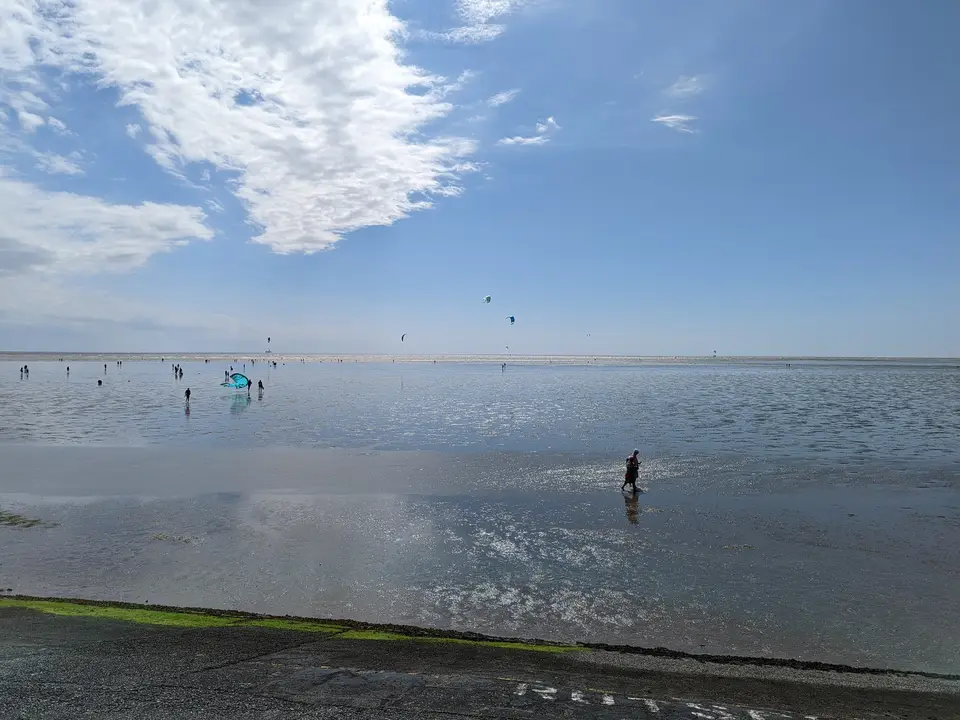
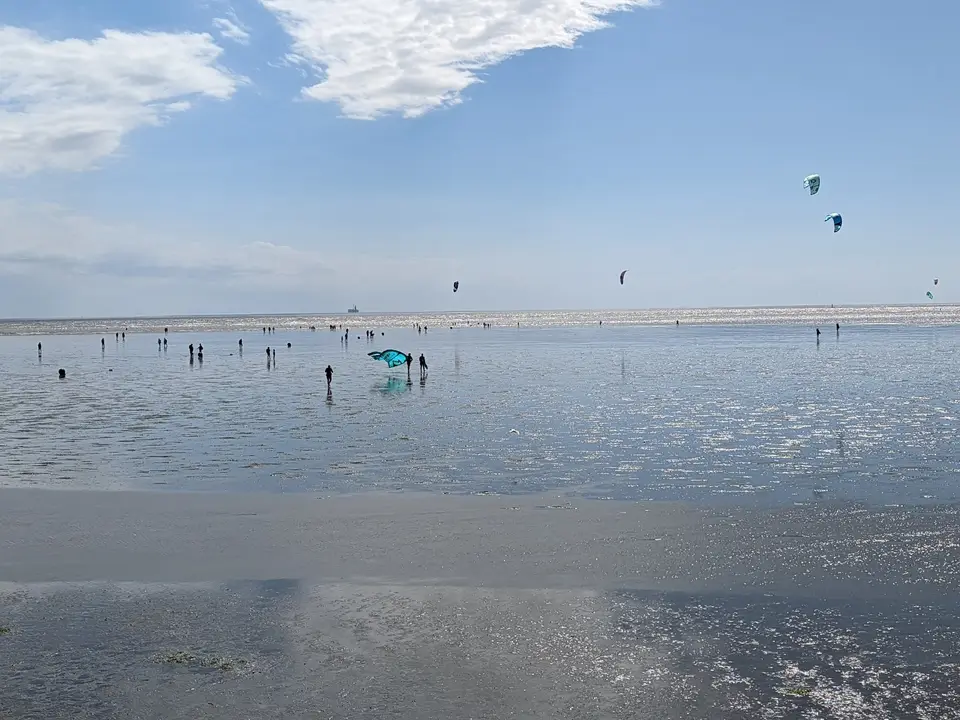
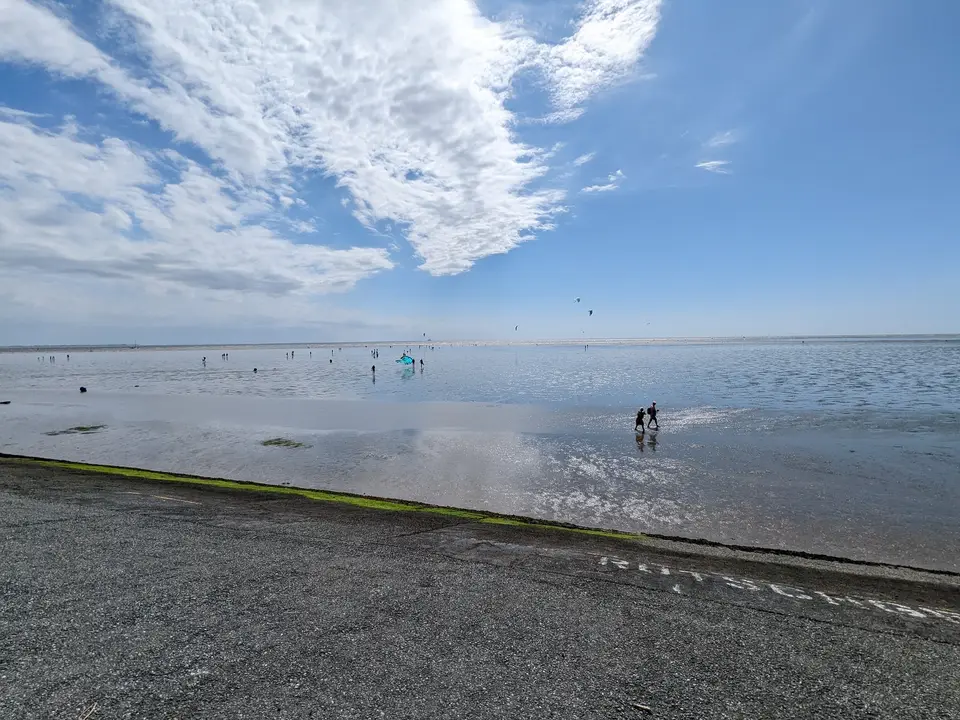
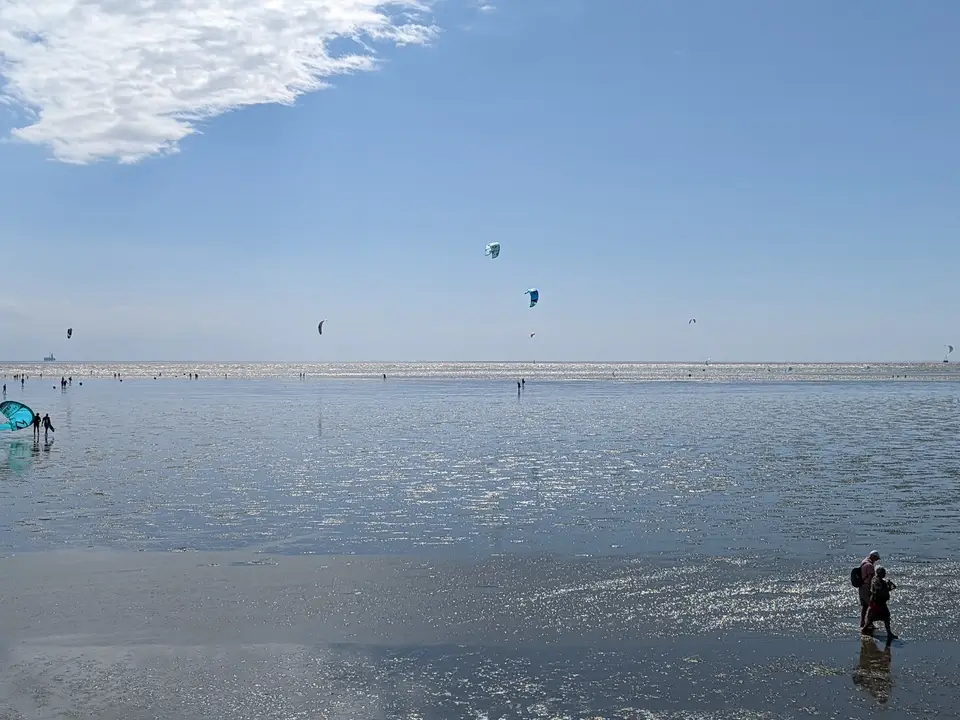
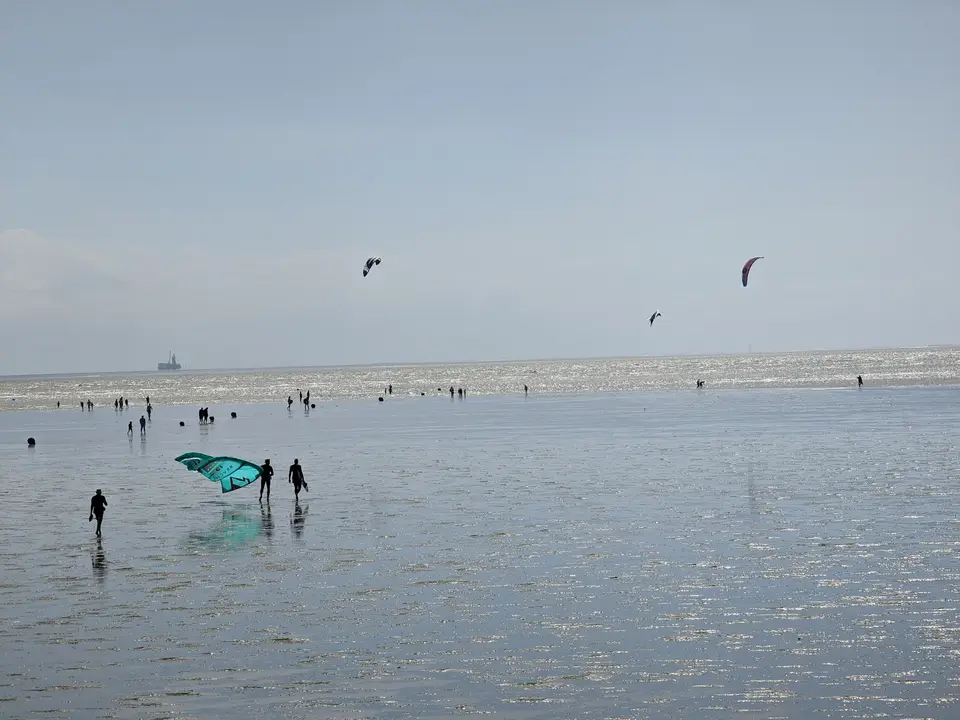
- The Wadden Sea has been UNESCO listed since 2009 — the largest unbroken system of intertidal mudflats on earth, and you can walk out onto it.
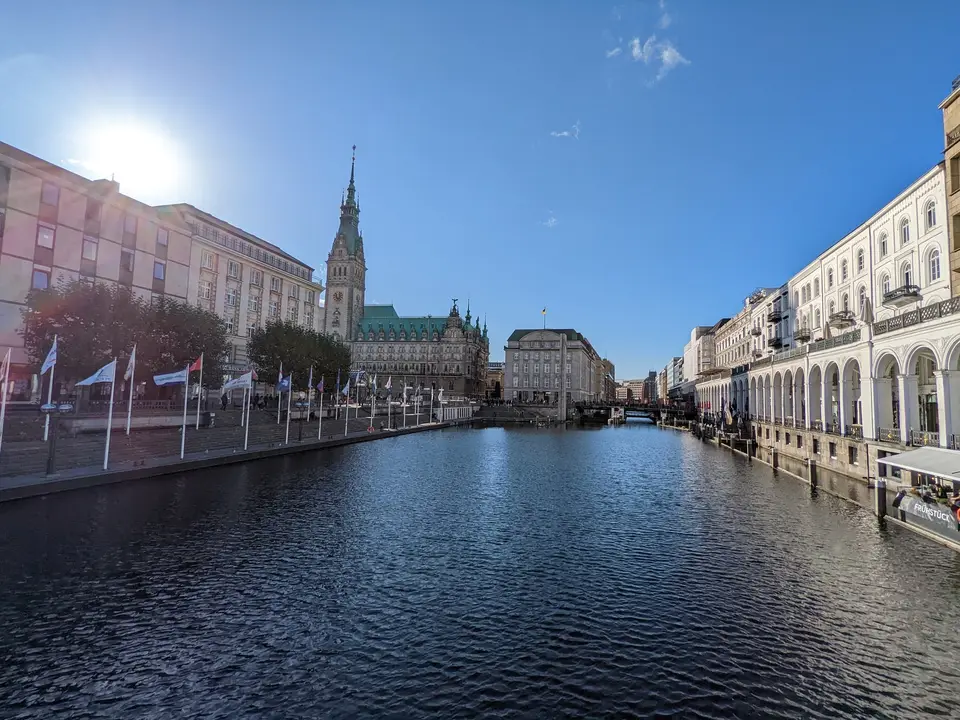
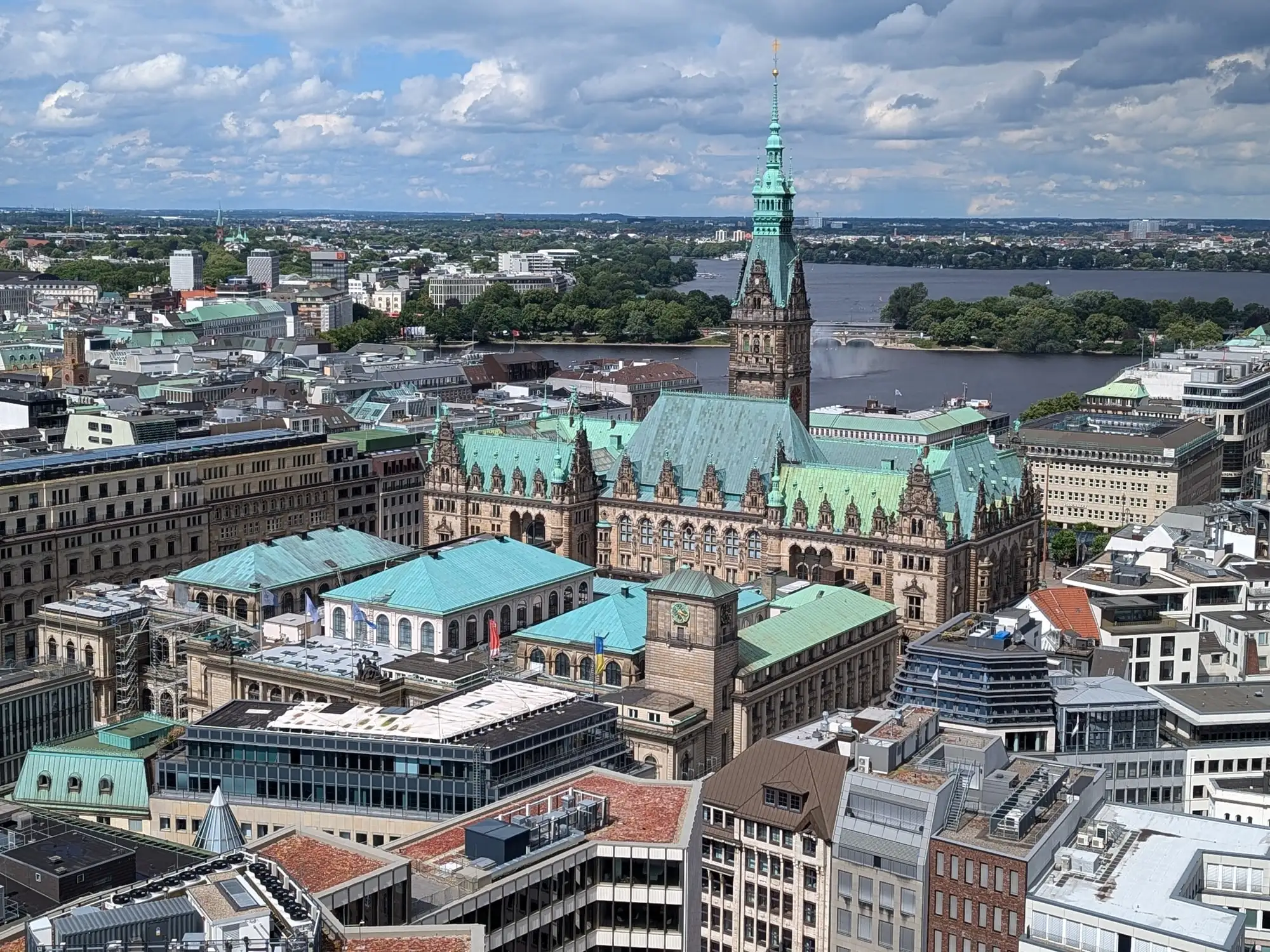
Hamburg — the Rathaus, the Michel and the water
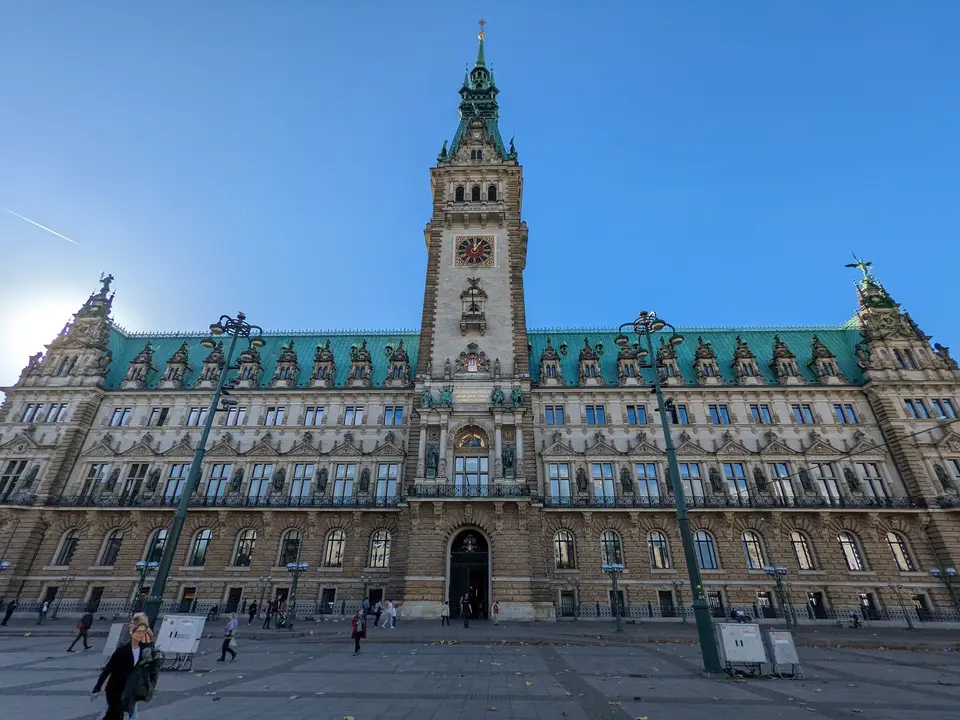
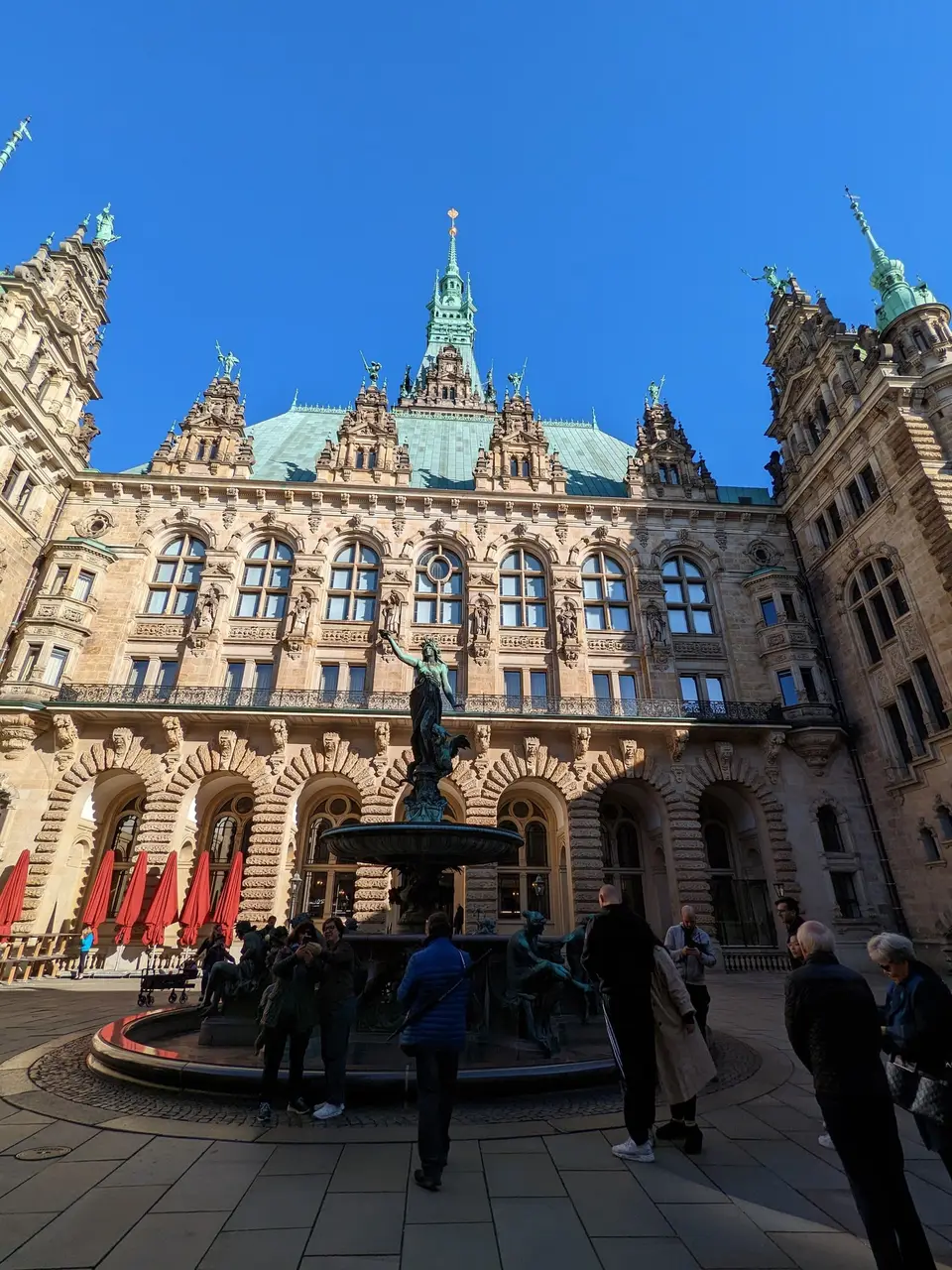
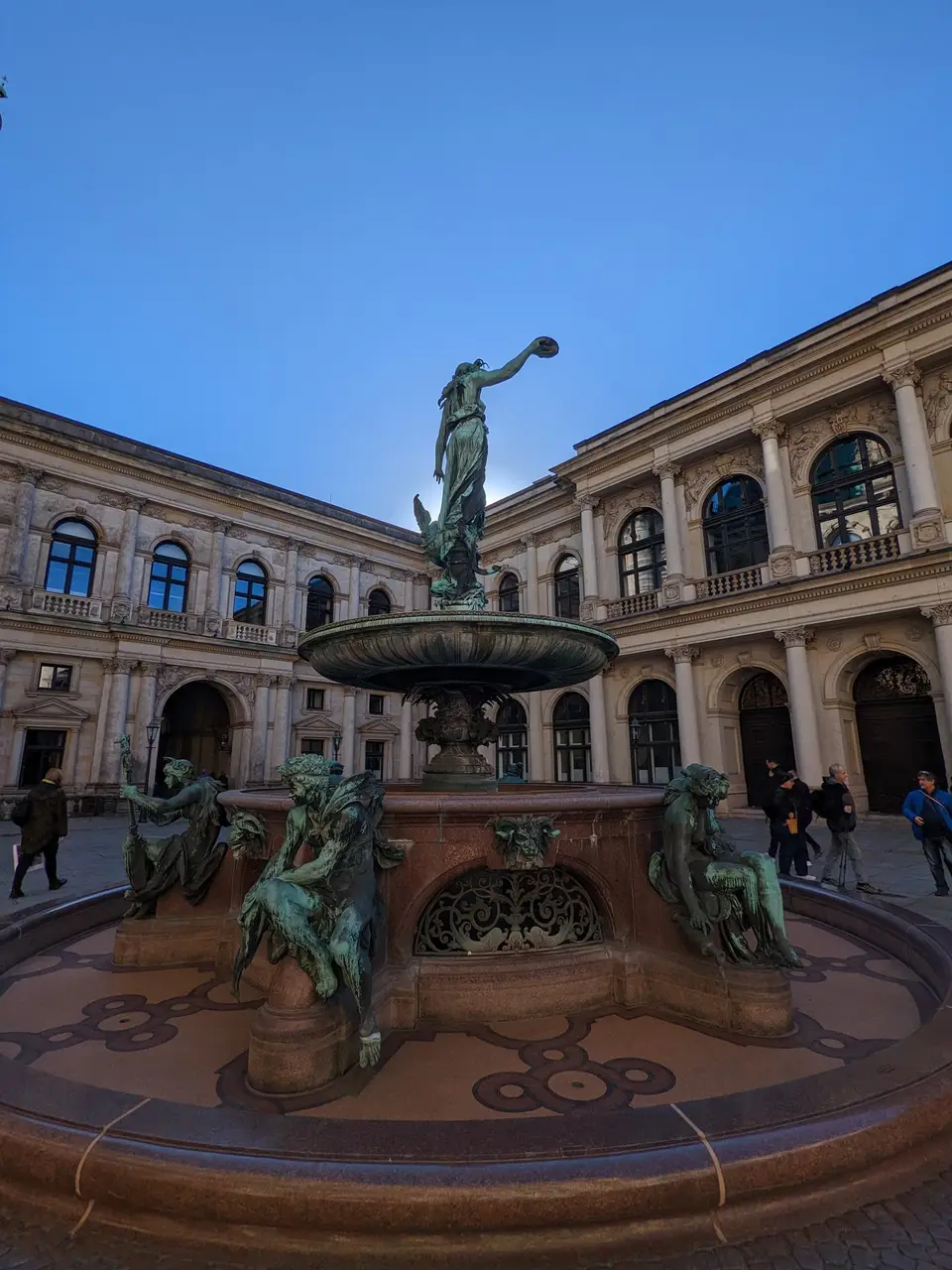
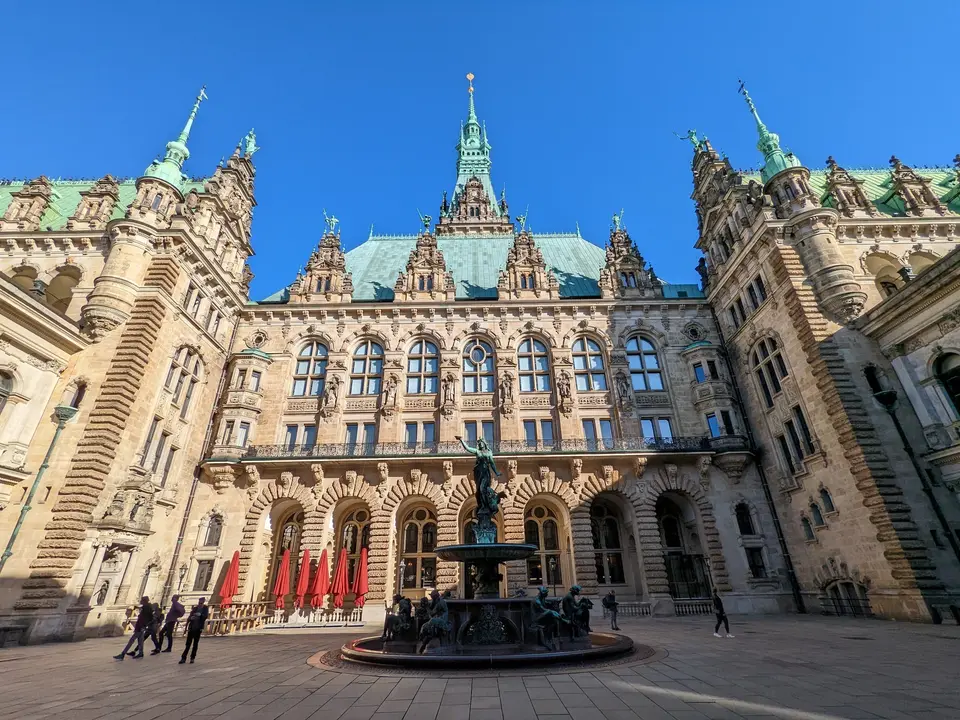
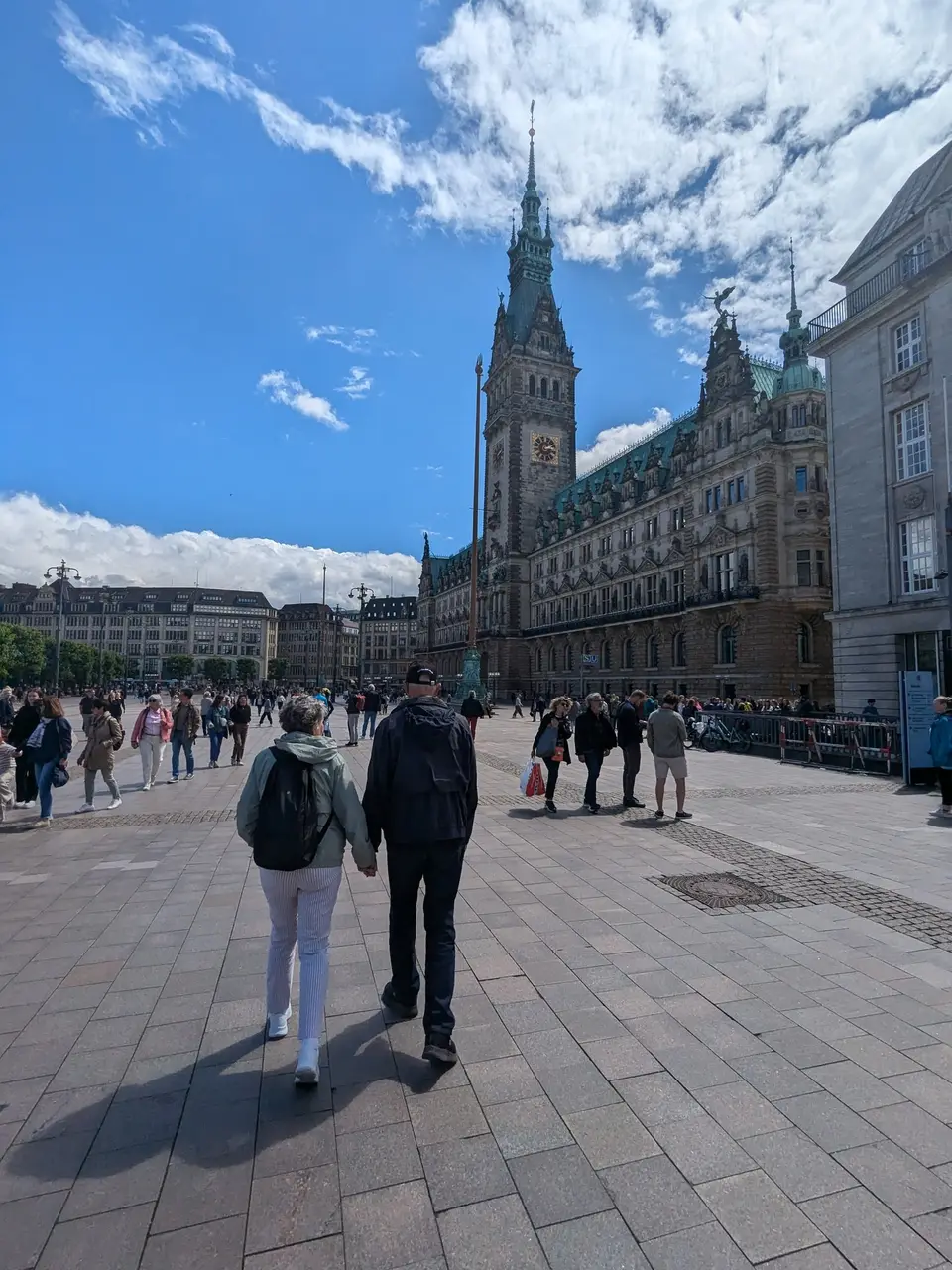
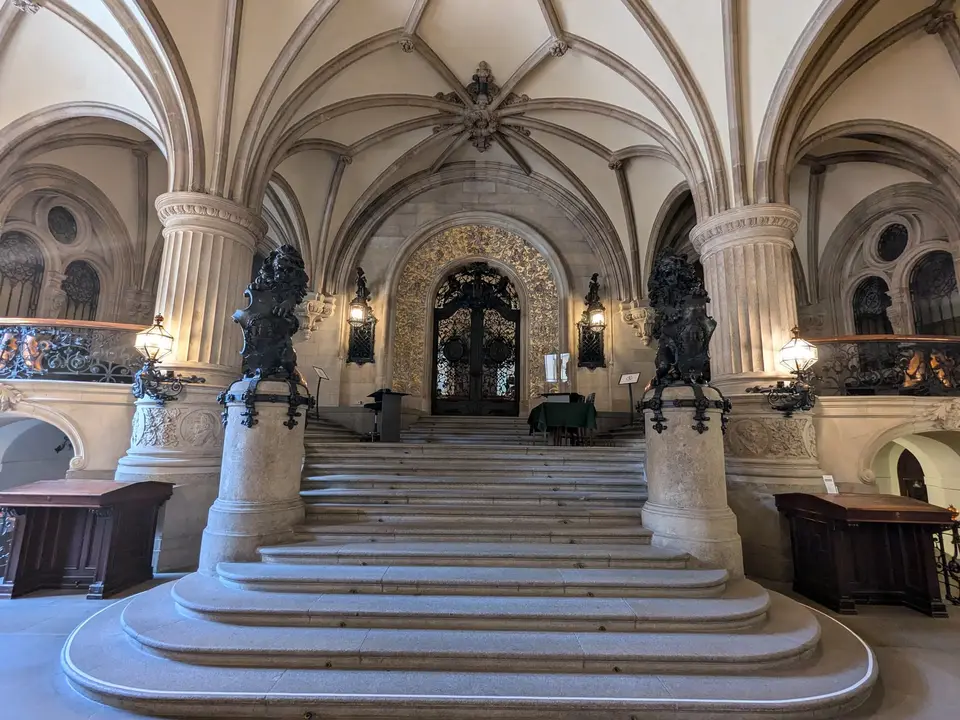
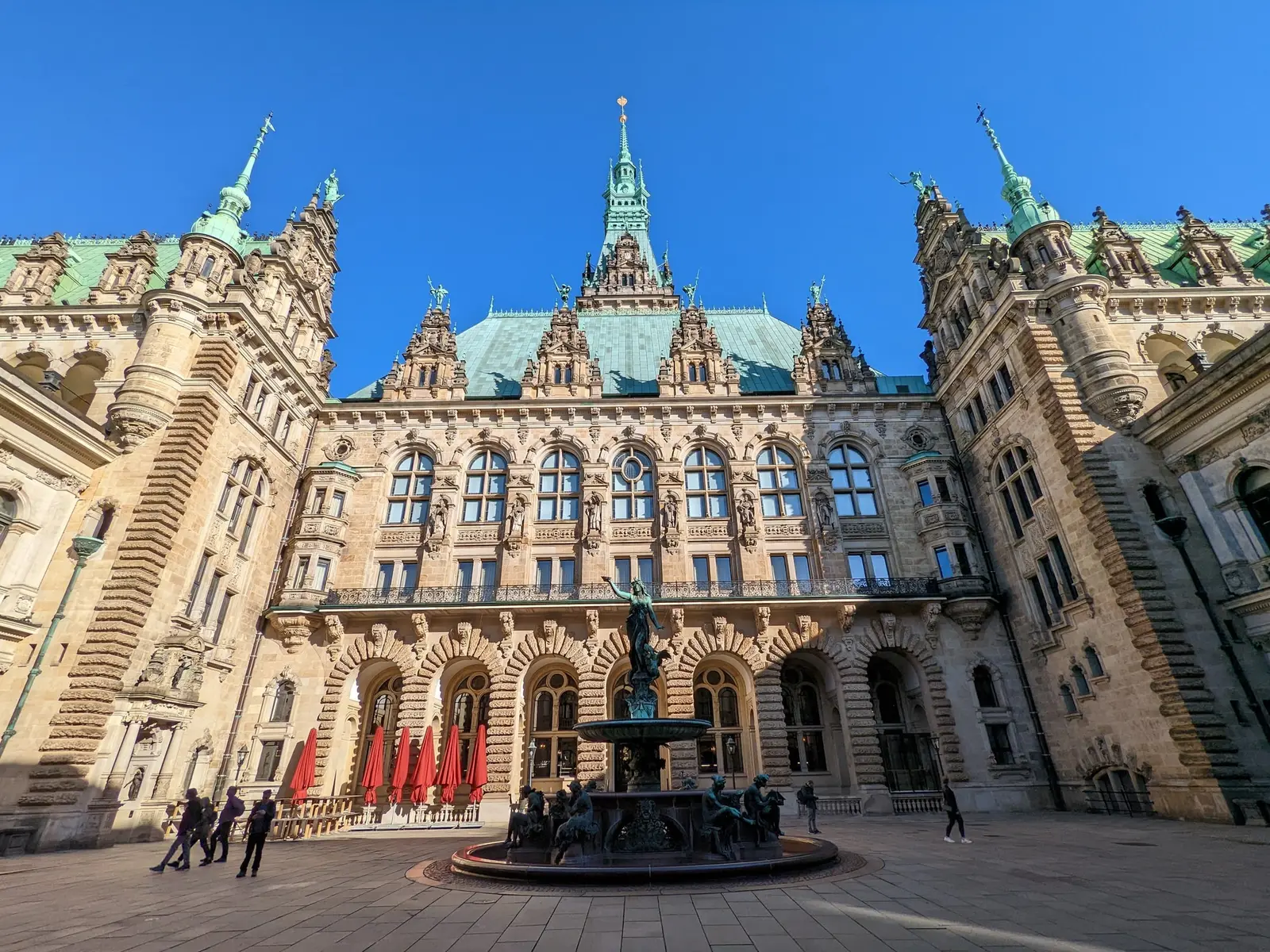
- The Rathaus is the set piece, and the courtyard behind it with the Hygieia fountain is free to walk into. So is the vaulted entrance hall. It is a nineteenth-century town hall built to look like a palace, on a city that never had a king.
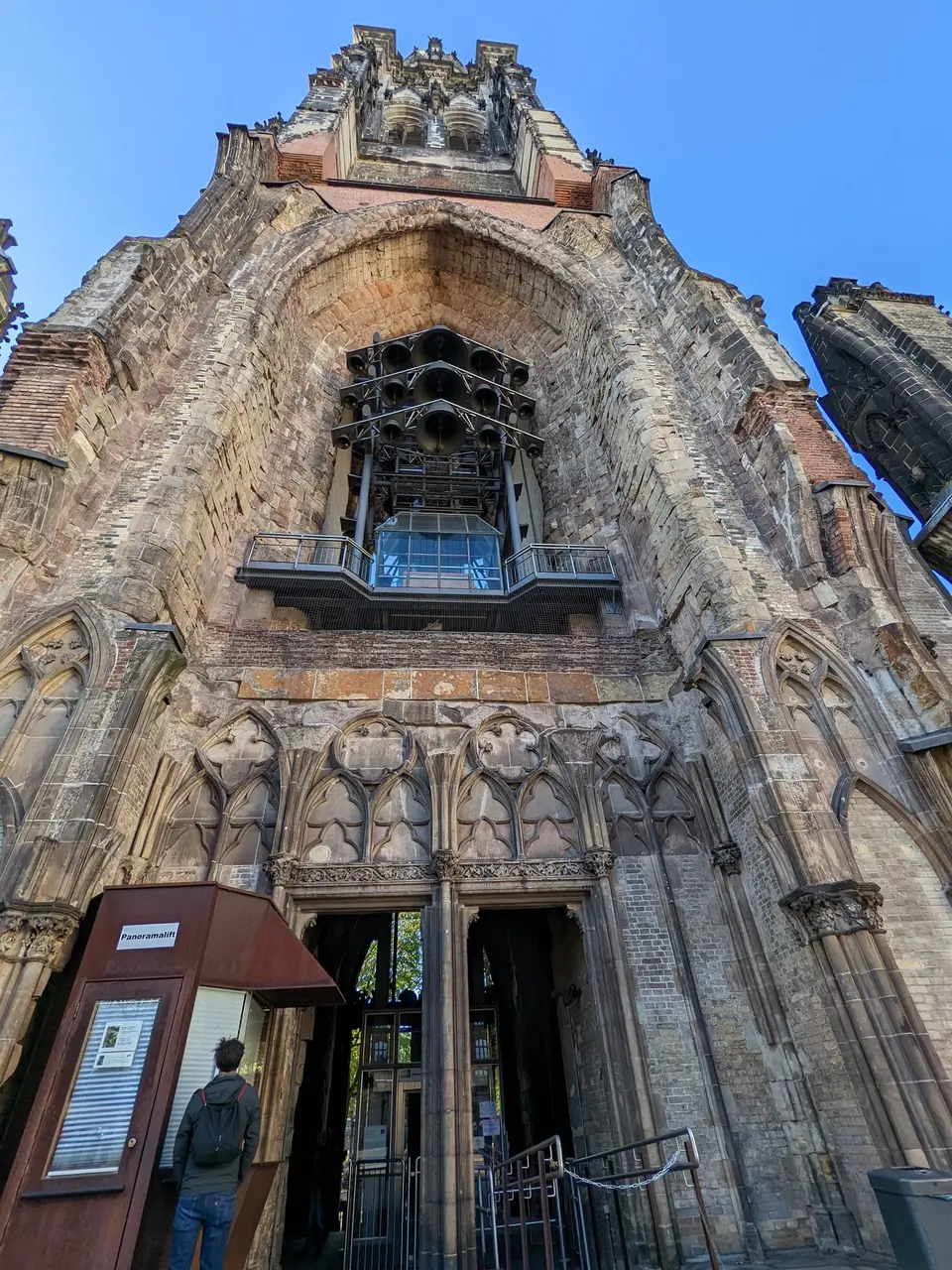
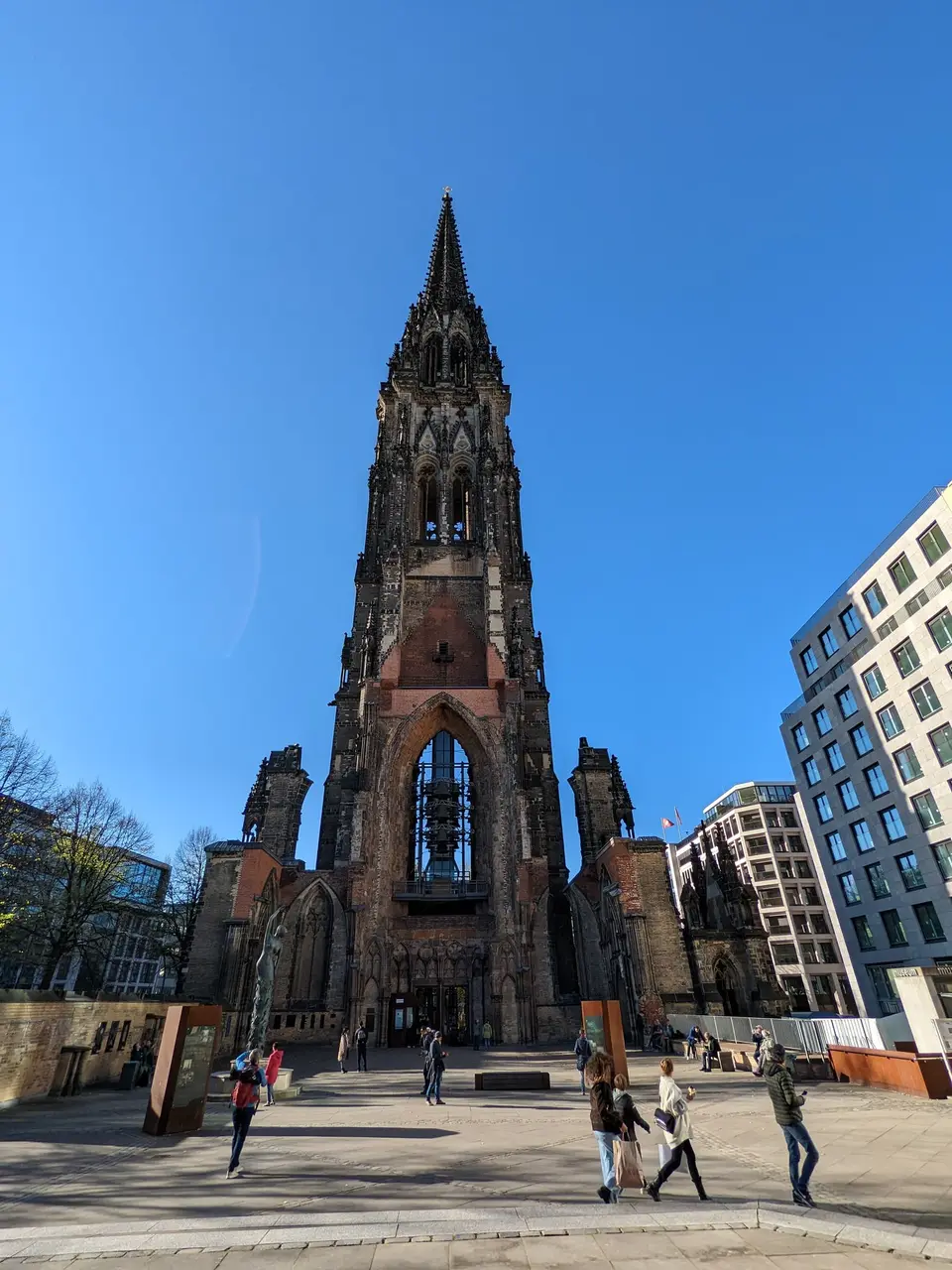
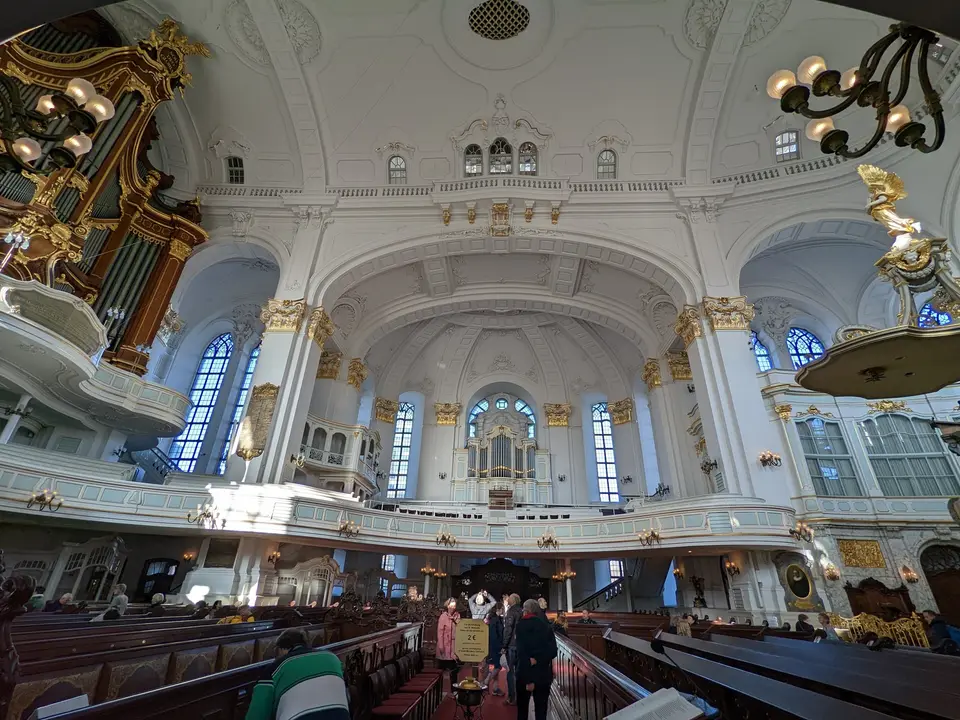
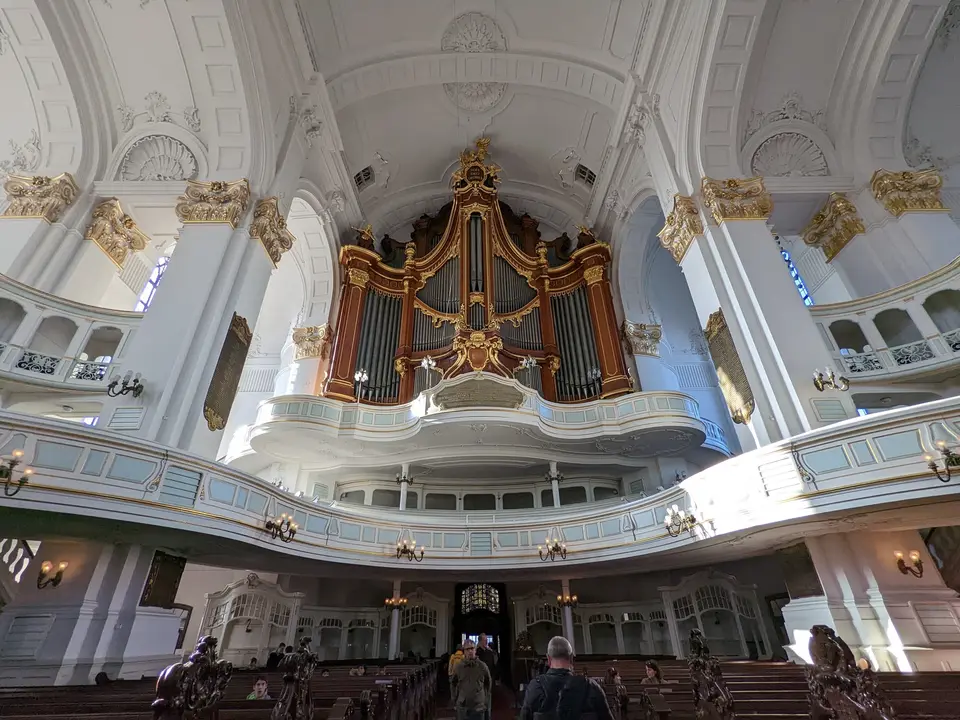
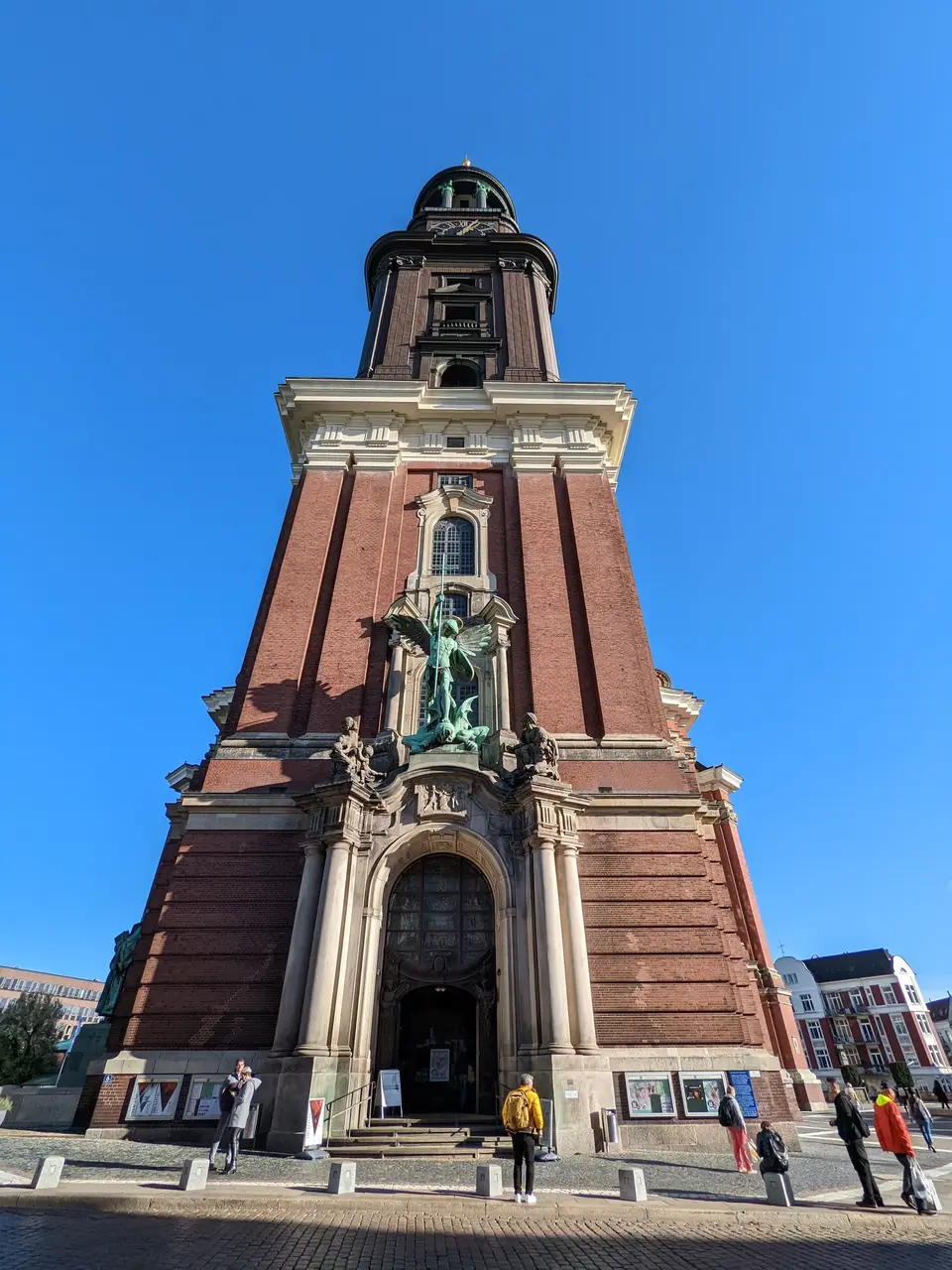
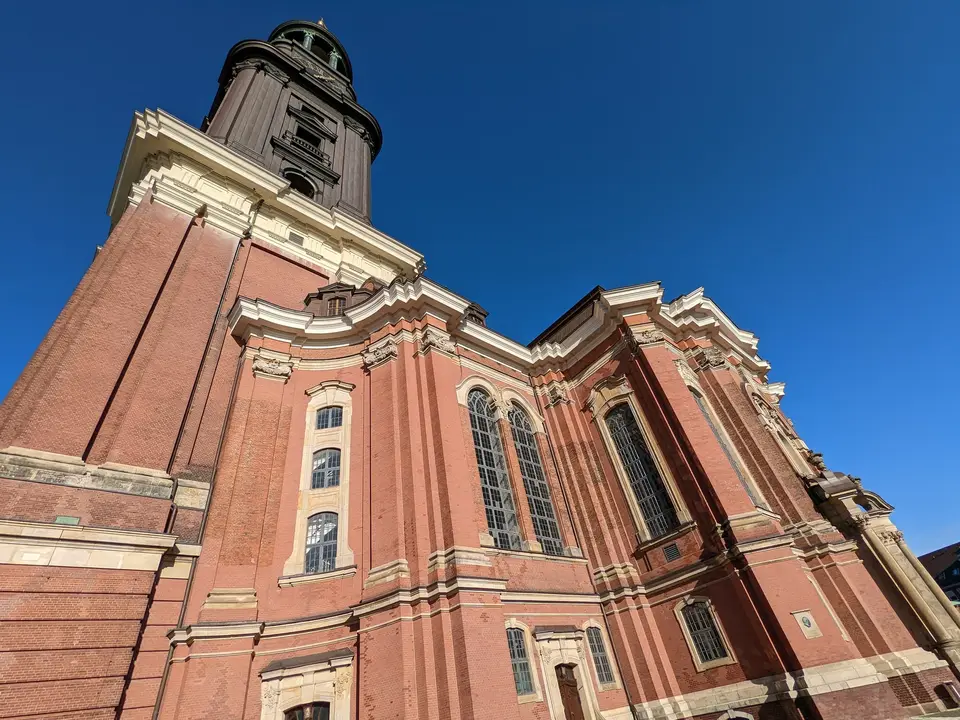
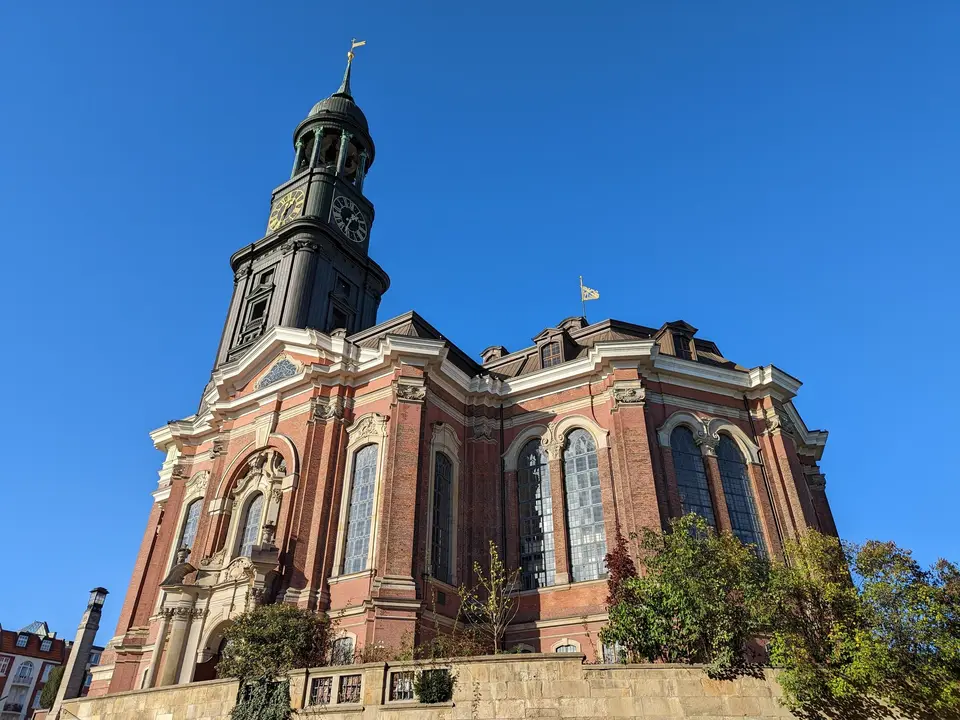
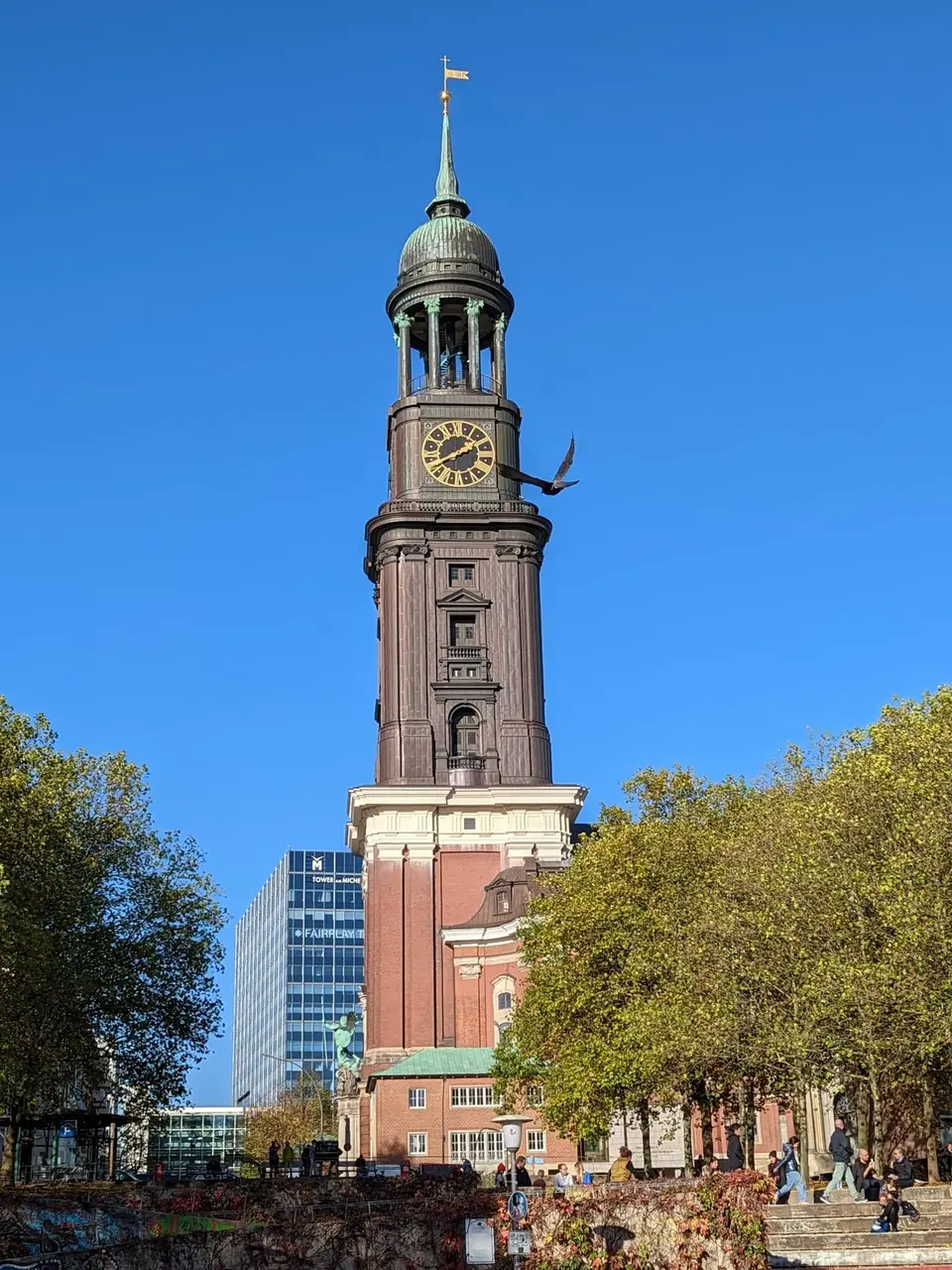
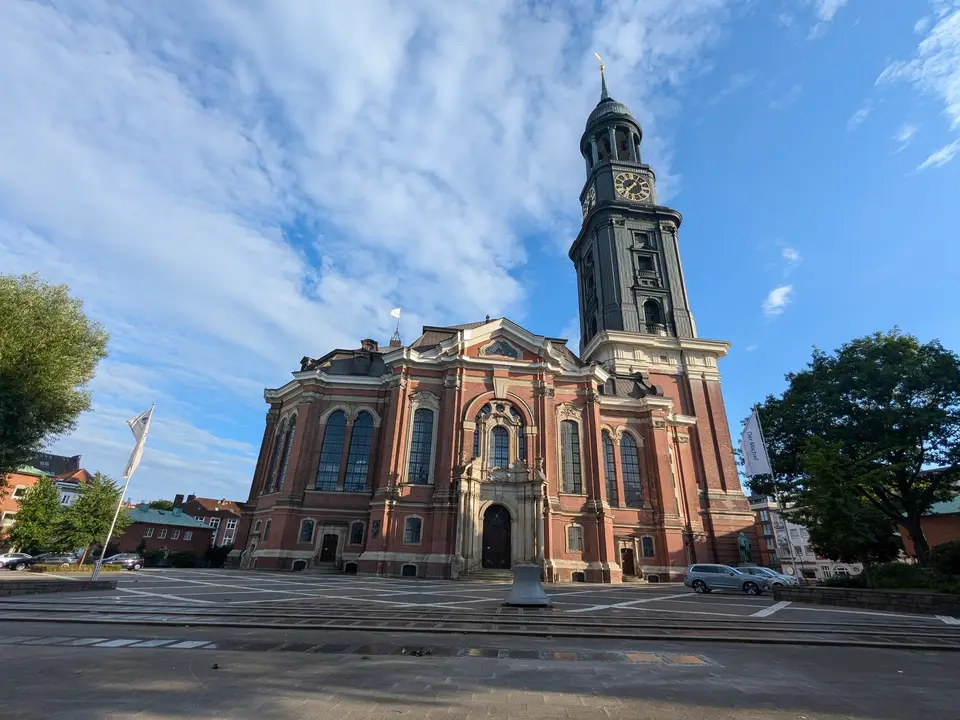
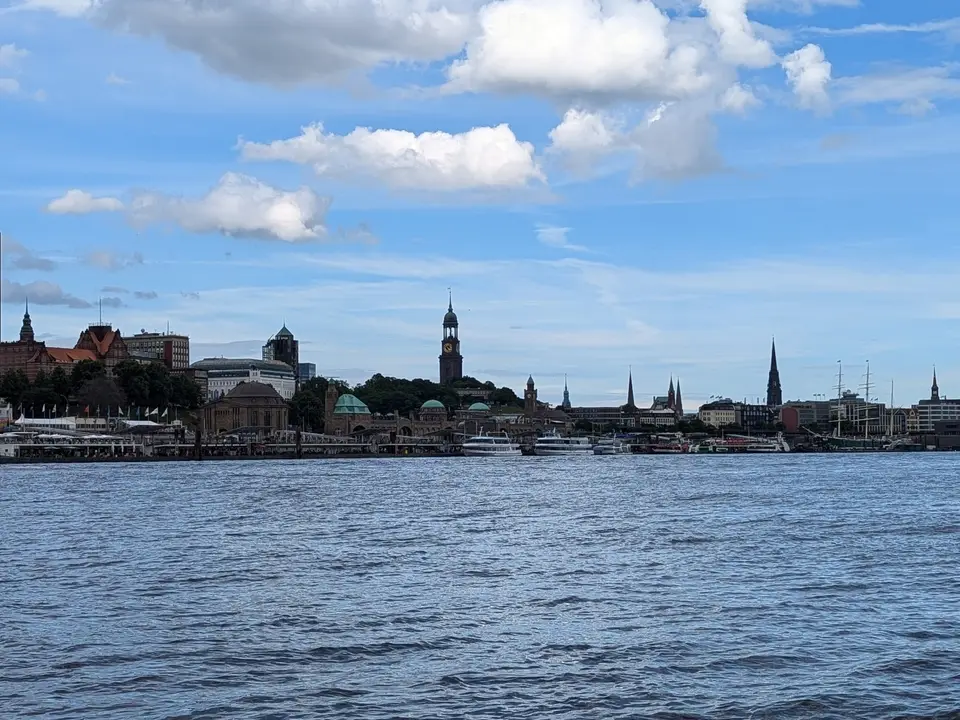
- St Michaelis — the Michel — is the church to climb. A lift goes up the 132-meter tower to a platform with the whole city, the Alster and the working harbor laid out below. €8 an adult, €4 a child, or €6 and €4 with a Hamburg CARD.
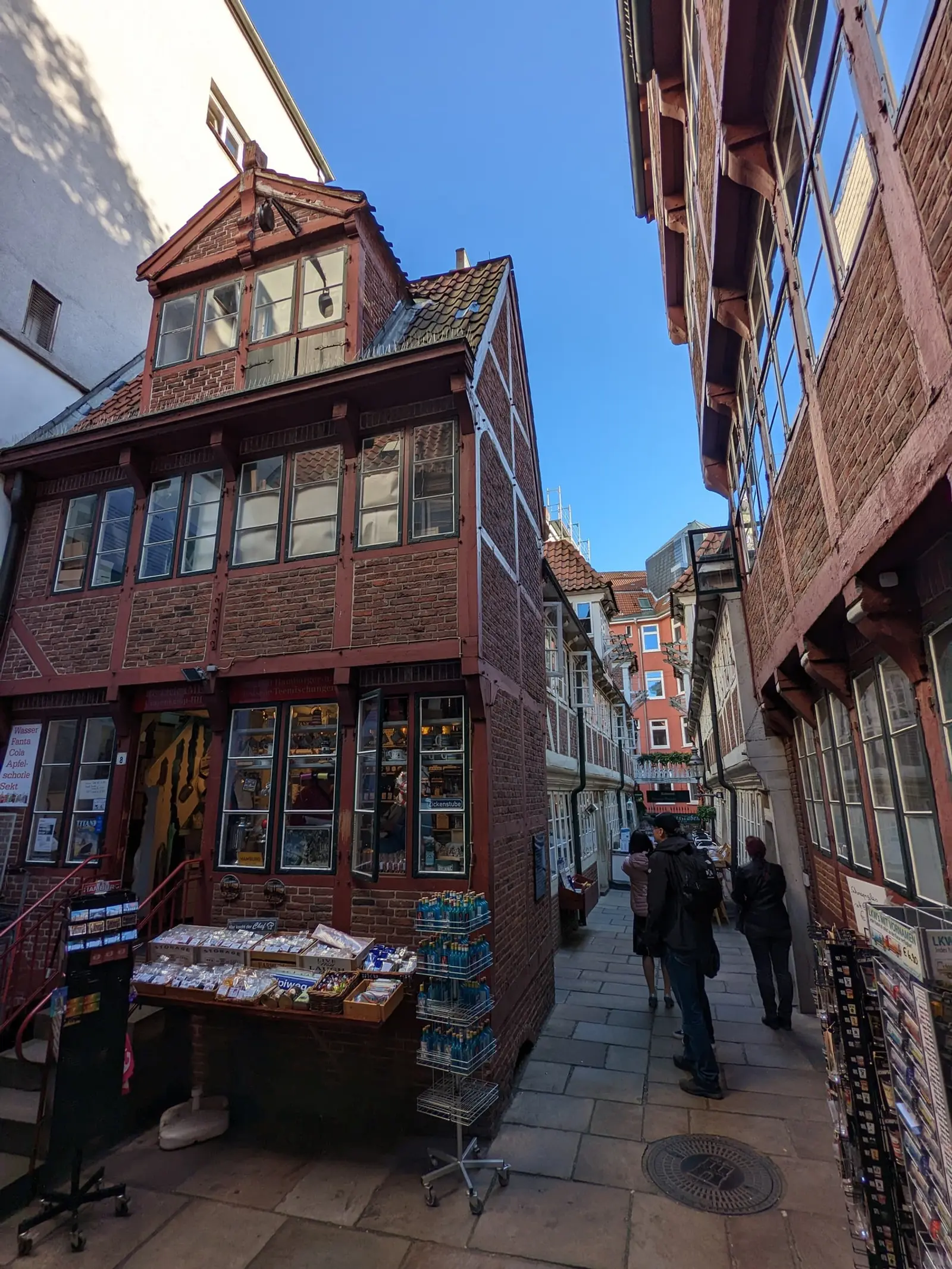
- The Speicherstadt is UNESCO listed — a district of red-brick warehouses on oak piles, cut through by canals. Free, and best walked at dusk when it is lit.
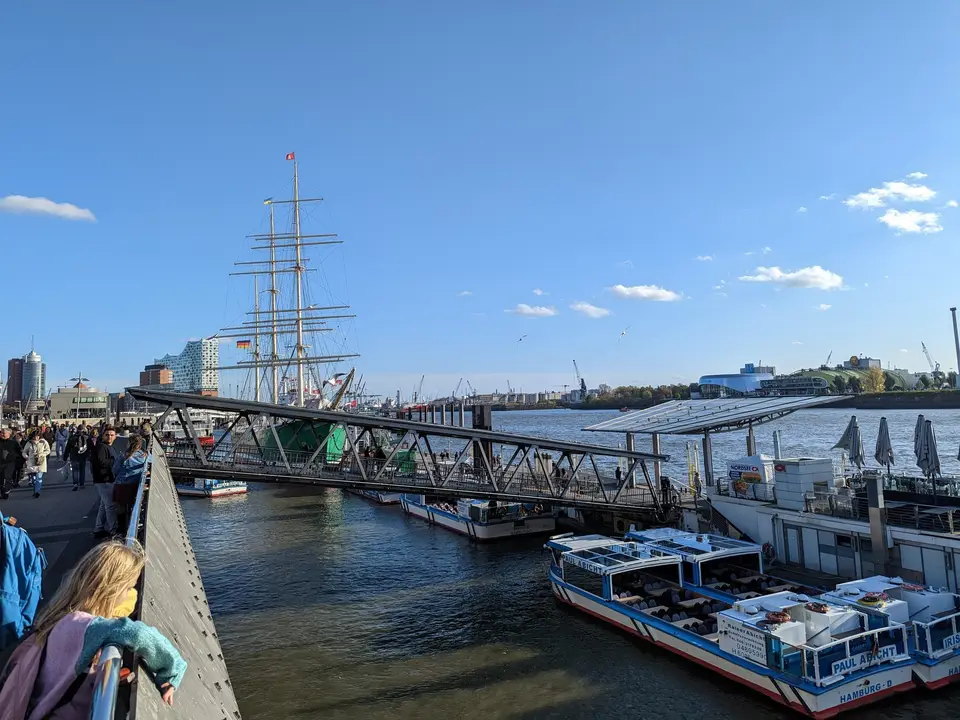
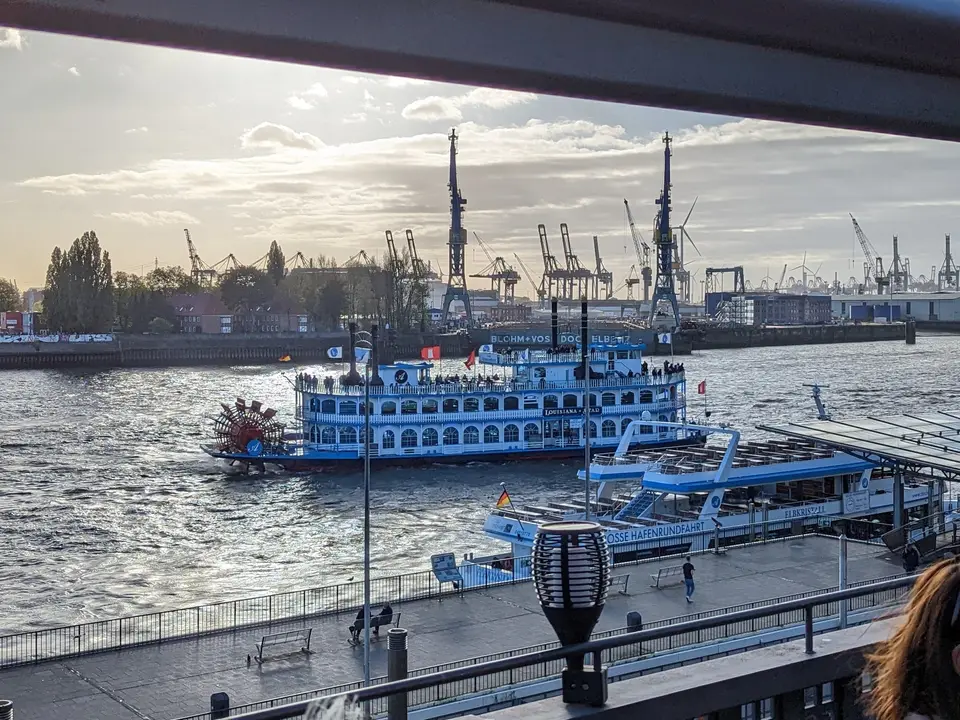
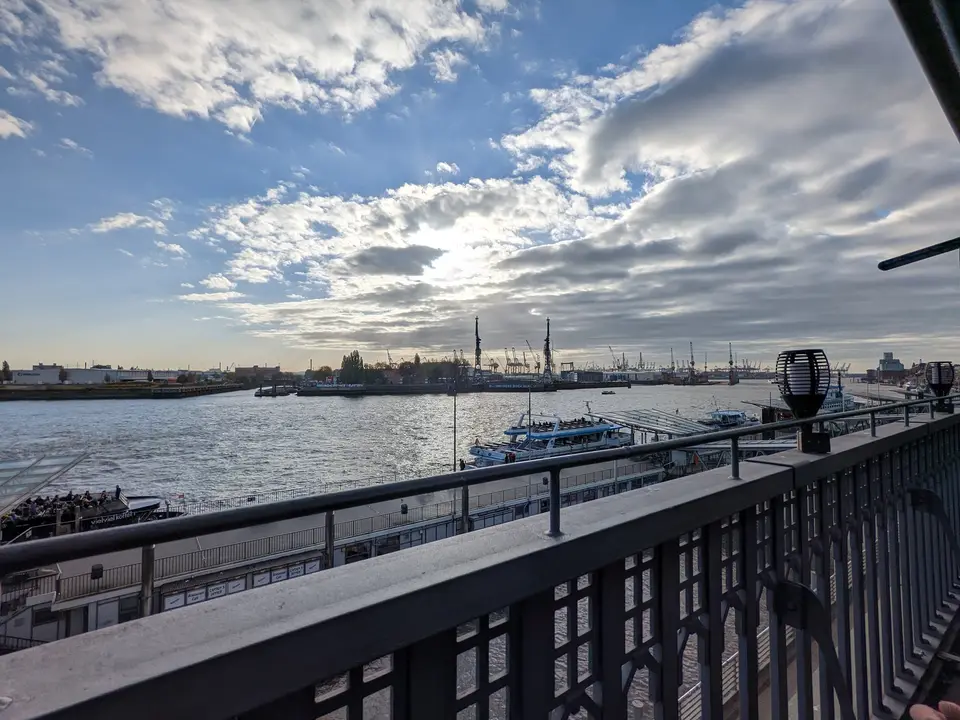
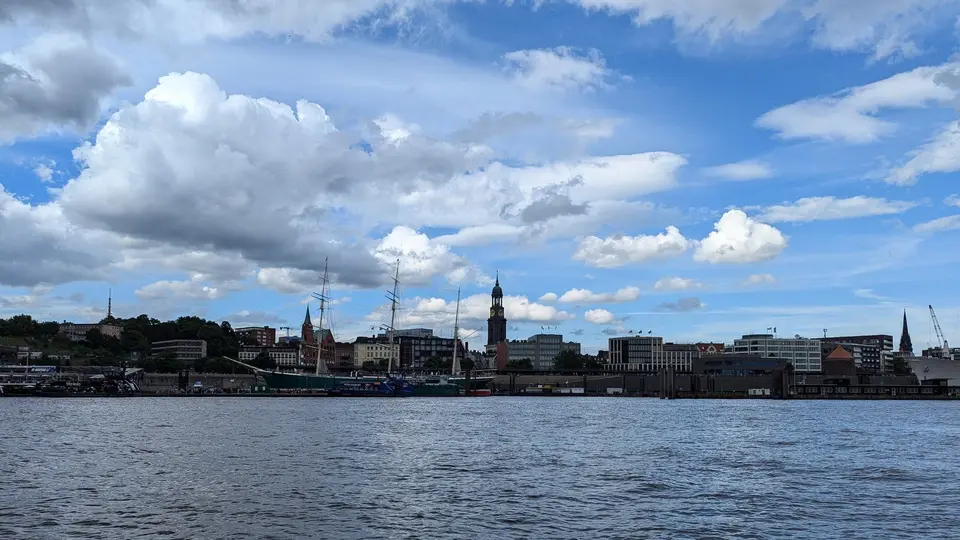
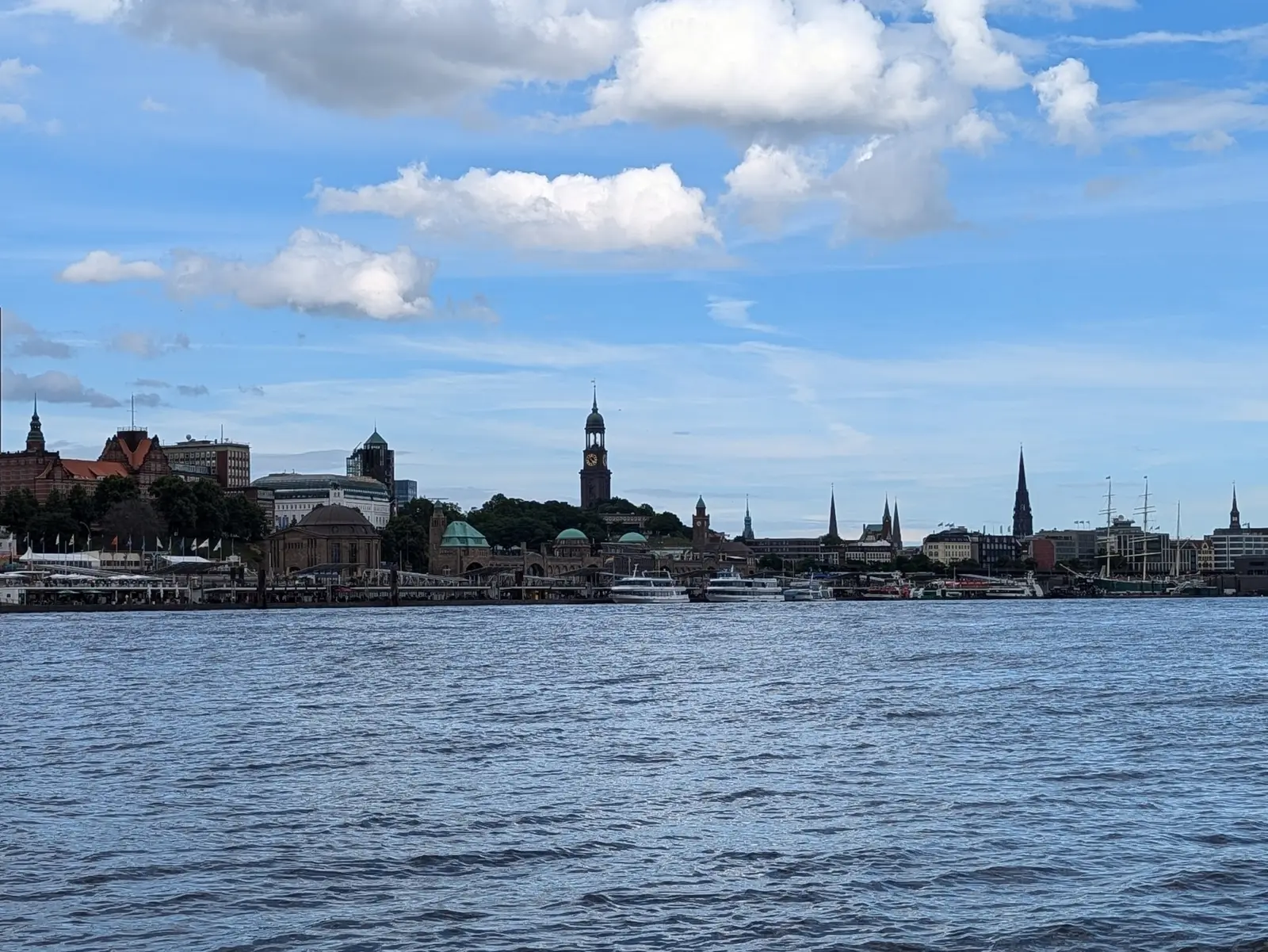
- The Landungsbrücken and the harbor are where the city makes sense. Public ferries run on ordinary transport tickets, which is the cheapest harbor tour in Europe and better than most of the paid ones.
Budget tips
- Take a public ferry instead of a harbor cruise. Line 62 from Landungsbrücken runs on a normal HVV ticket and shows you the container port from the water.
- The Rathaus courtyard, the Speicherstadt, the Alster paths and the Landungsbrücken are all free. The only thing on this list worth a ticket is the Michel's tower.
The Elbphilharmonie Plaza — and a date that matters
The Plaza is the public viewing level between the old brick warehouse and the glass concert hall above it, thirty-seven meters up, wrapping right around the building. It has the best free view in Hamburg.
Except that it stops being free on 5 October 2026. Entry has been free for years, and nearly everything written about Hamburg still says so. From that date it is €5, and the advance booking fee rises from €3 to €5 with it.
- Open 10:00 to midnight, last admission 23:30.
- Before 5 October 2026, a walk-up ticket is free if any are left; pre-booking costs €3. If you are going before that date, just turn up.
- Concert ticketholders get in free two hours before a performance, either way.
- Checked against the Elbphilharmonie's own site, 17 September 2026.
Schwerin — a UNESCO site from 2024 that nobody has heard of
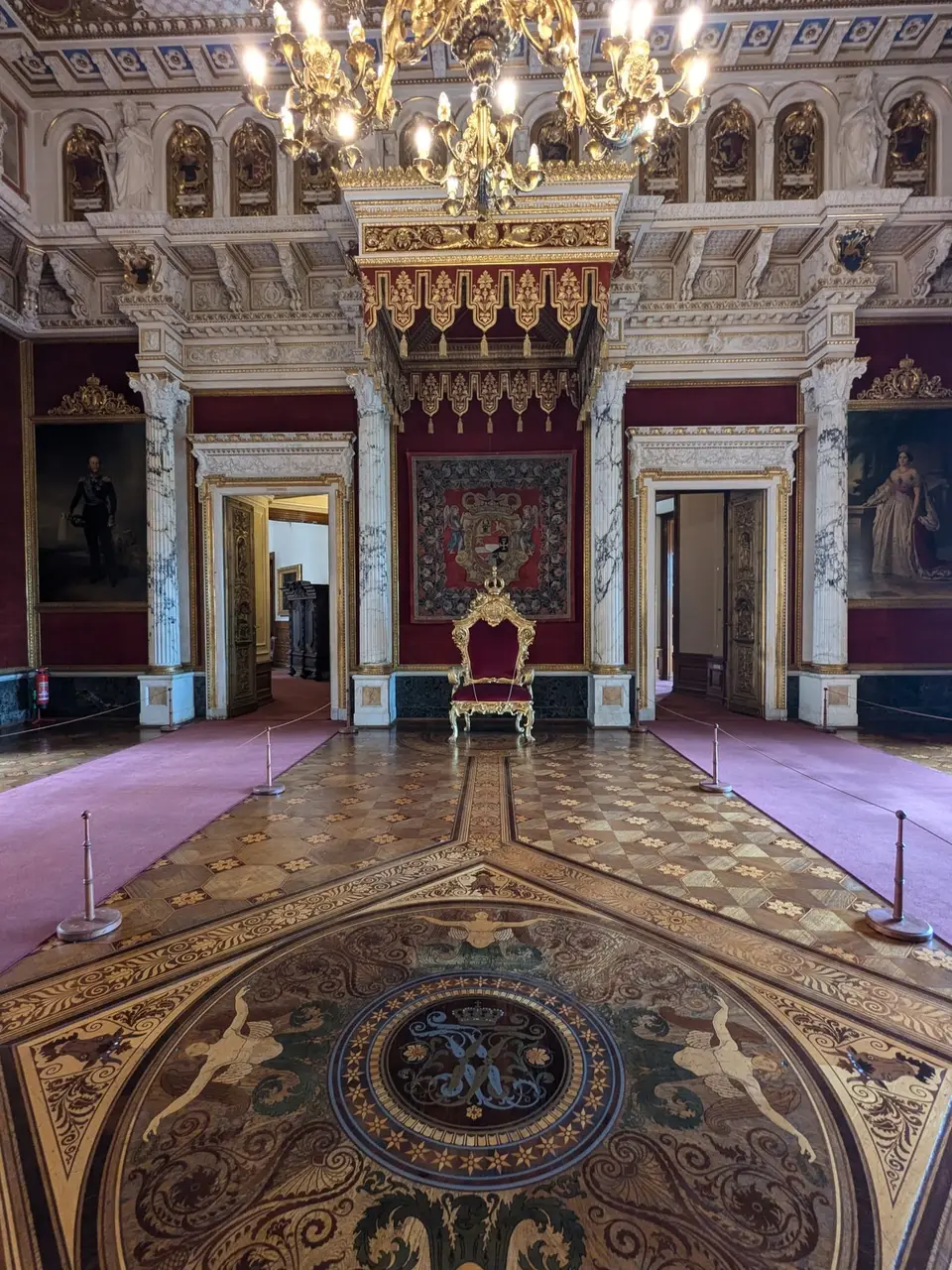
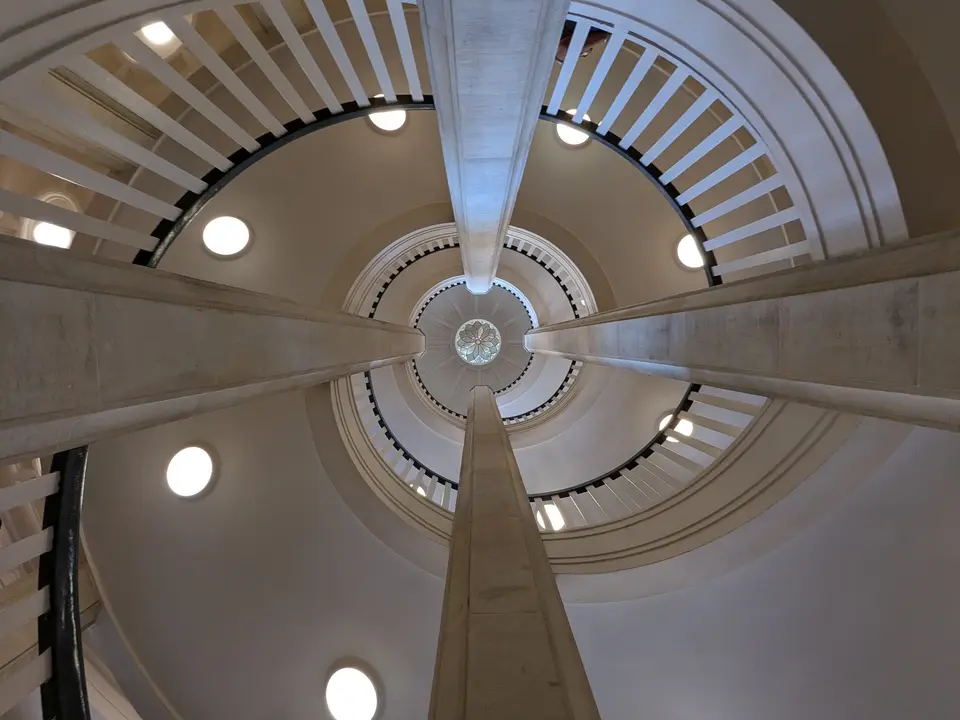
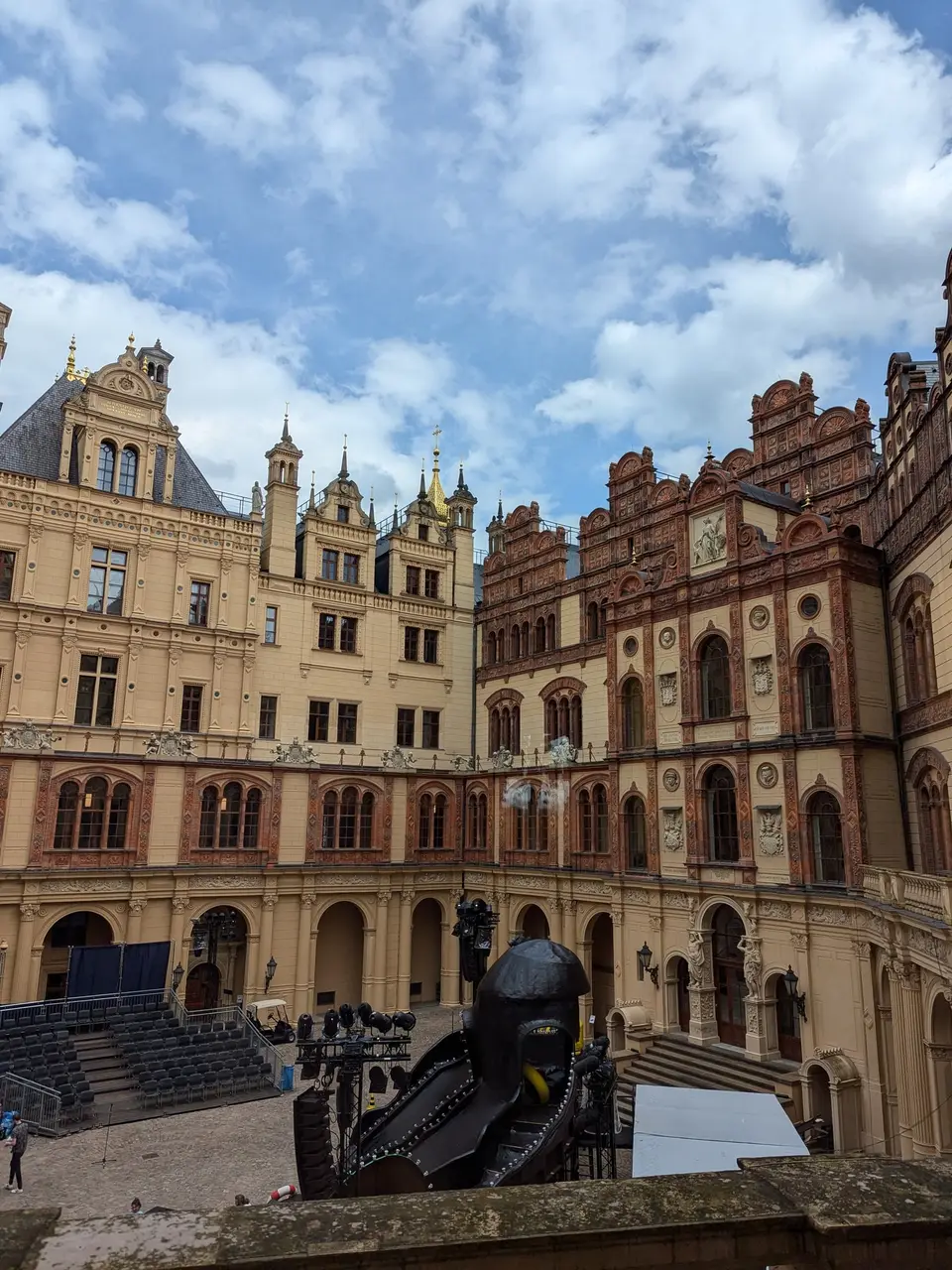
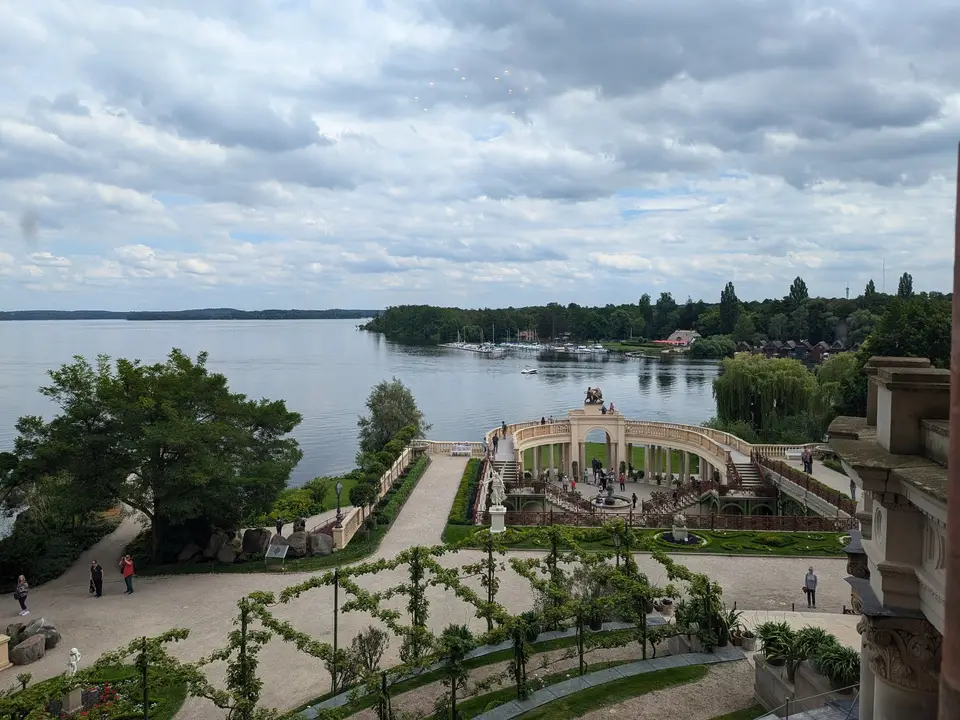
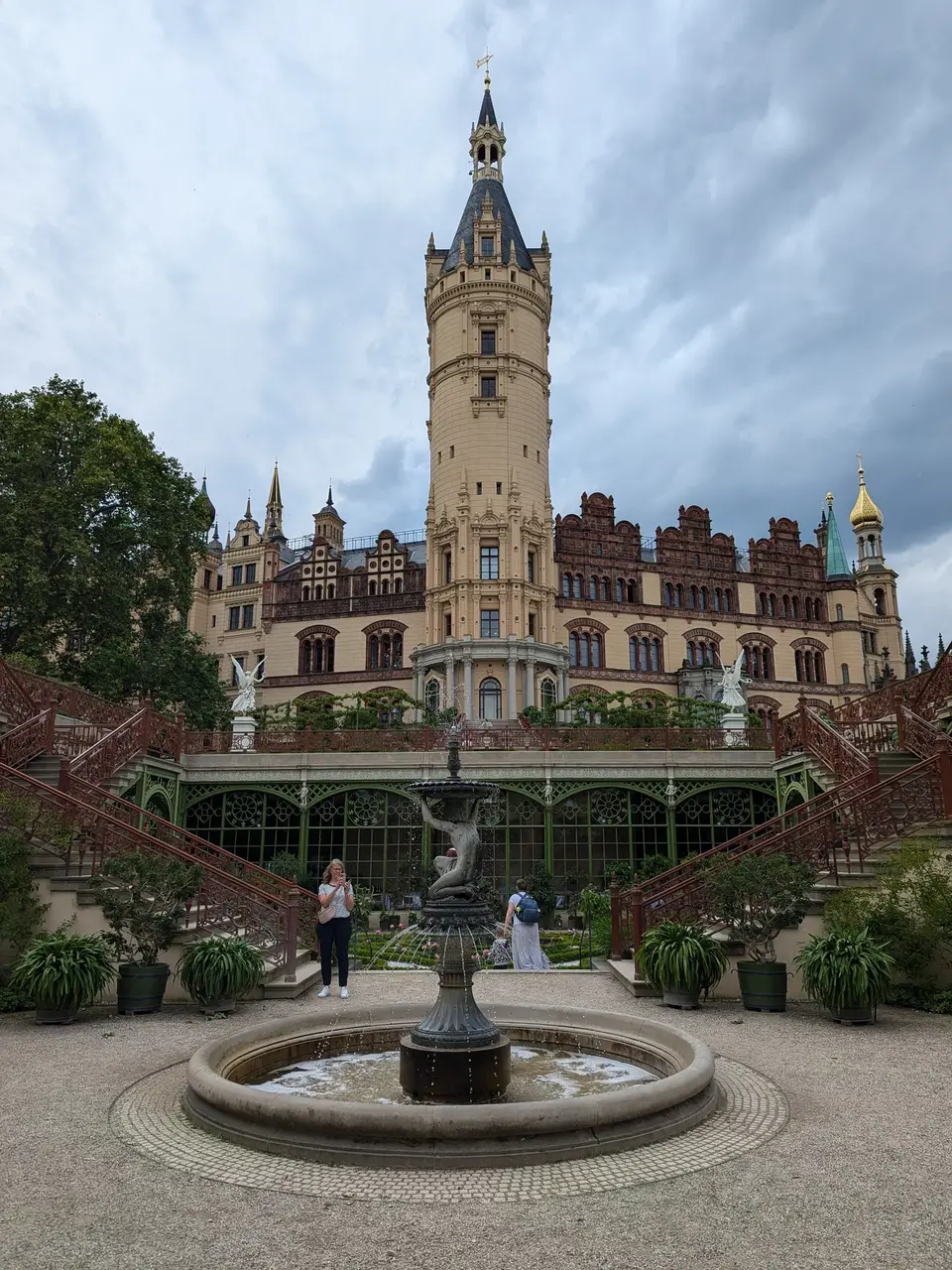
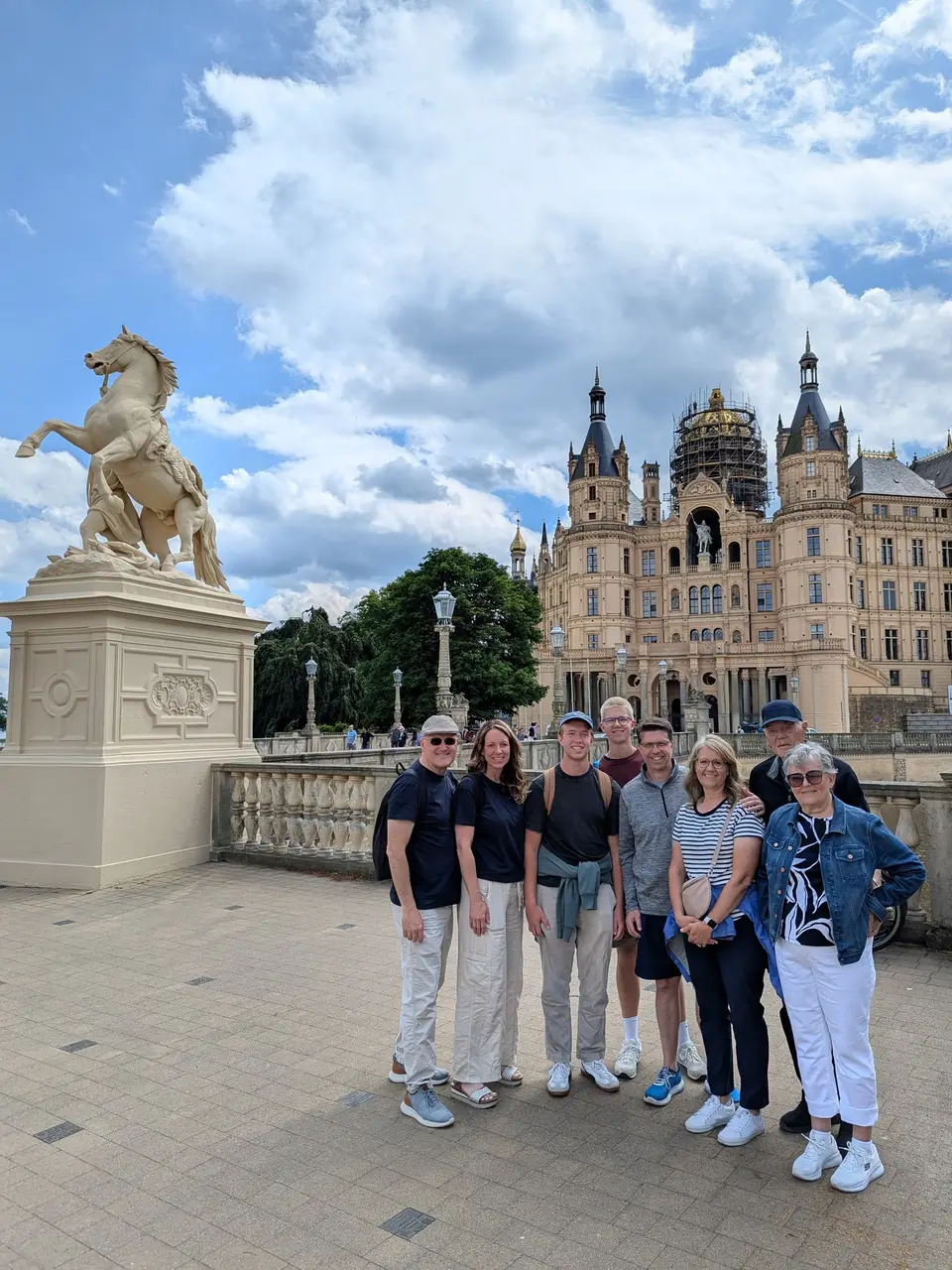
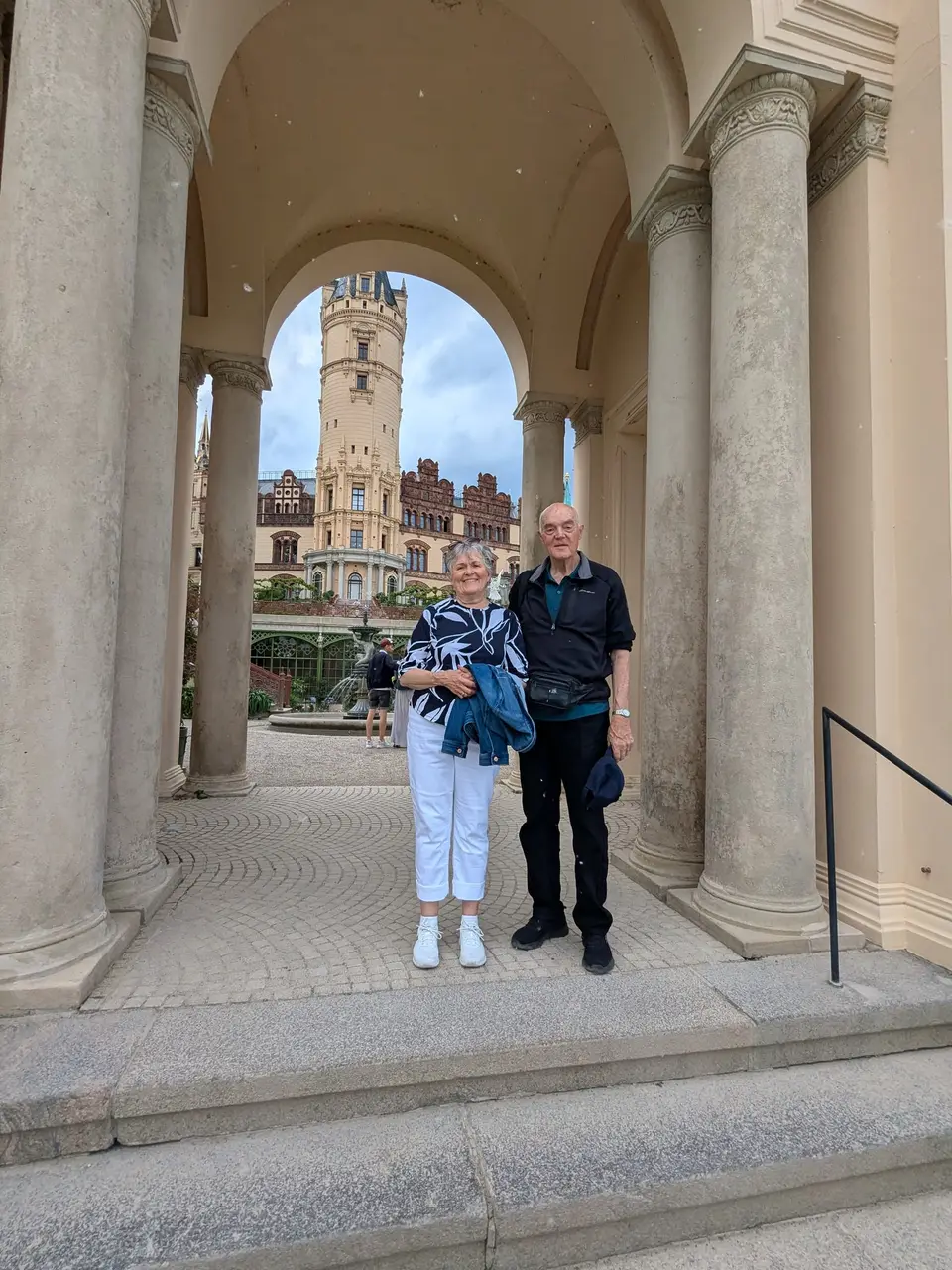
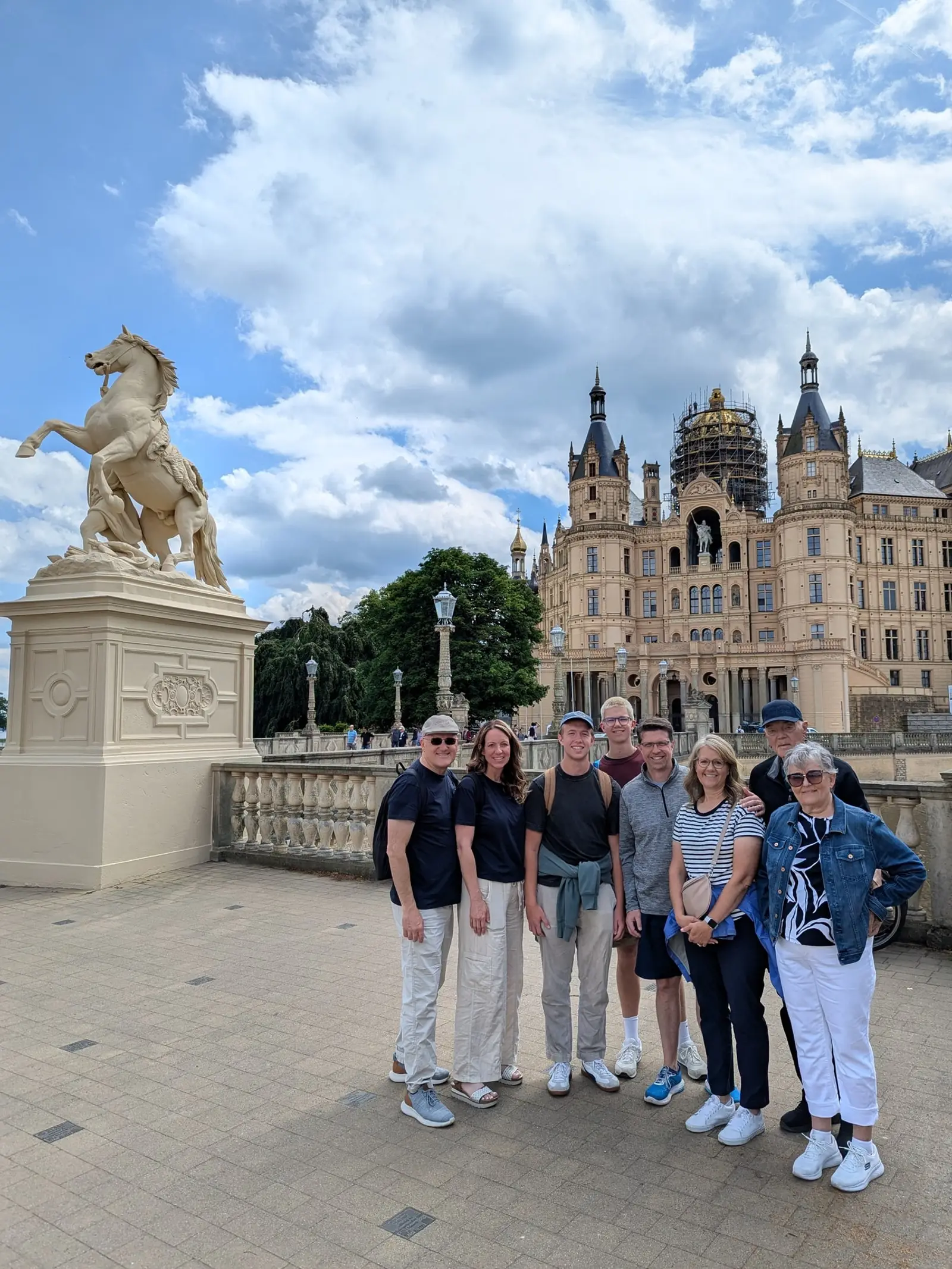
This is the reason to come north. Schwerin Castle sits on its own island in a lake — turrets, gilded domes, a golden throne room and a spiral staircase you look down as if into a shell. It is what people imagine when they say fairytale castle, and it has about a hundredth of Neuschwanstein's line.
On 27 July 2024 the World Heritage Committee inscribed the Schwerin Residence Ensemble — the palace and more than thirty other buildings and gardens — on the UNESCO list. Our photographs are from June 2024, about five weeks before that happened, which is the closest this archive comes to being early to something.
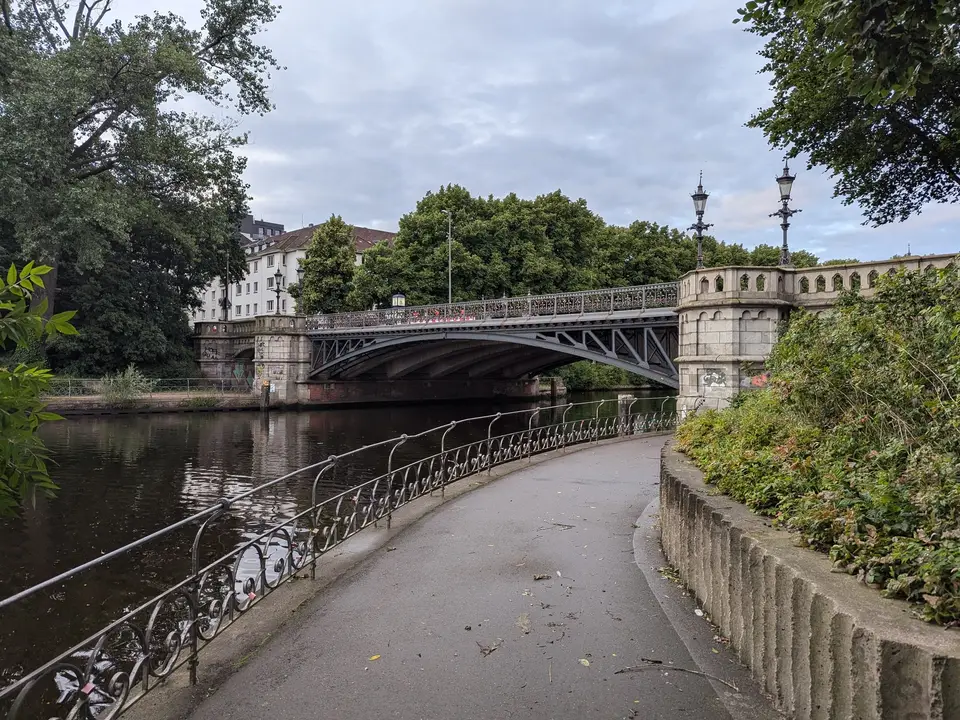
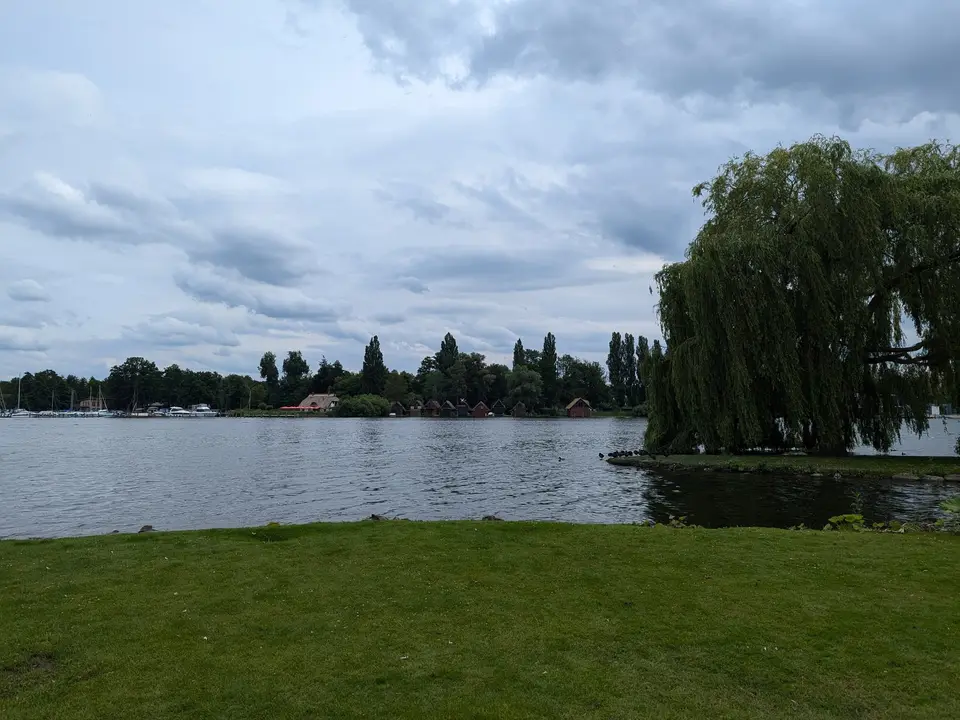
- The gardens and the lakeside are free, and they are half the visit — the orangery, the parterre, and the view back at the castle across the water.
- The palace interior is ticketed. We are not quoting a price here because we could not reach the museum's own site to check one, and a figure we cannot stand behind does not belong on this page.
- Schwerin is a straightforward train from Hamburg and works as a day trip.
Büsum and the Wadden Sea — walking on the seabed
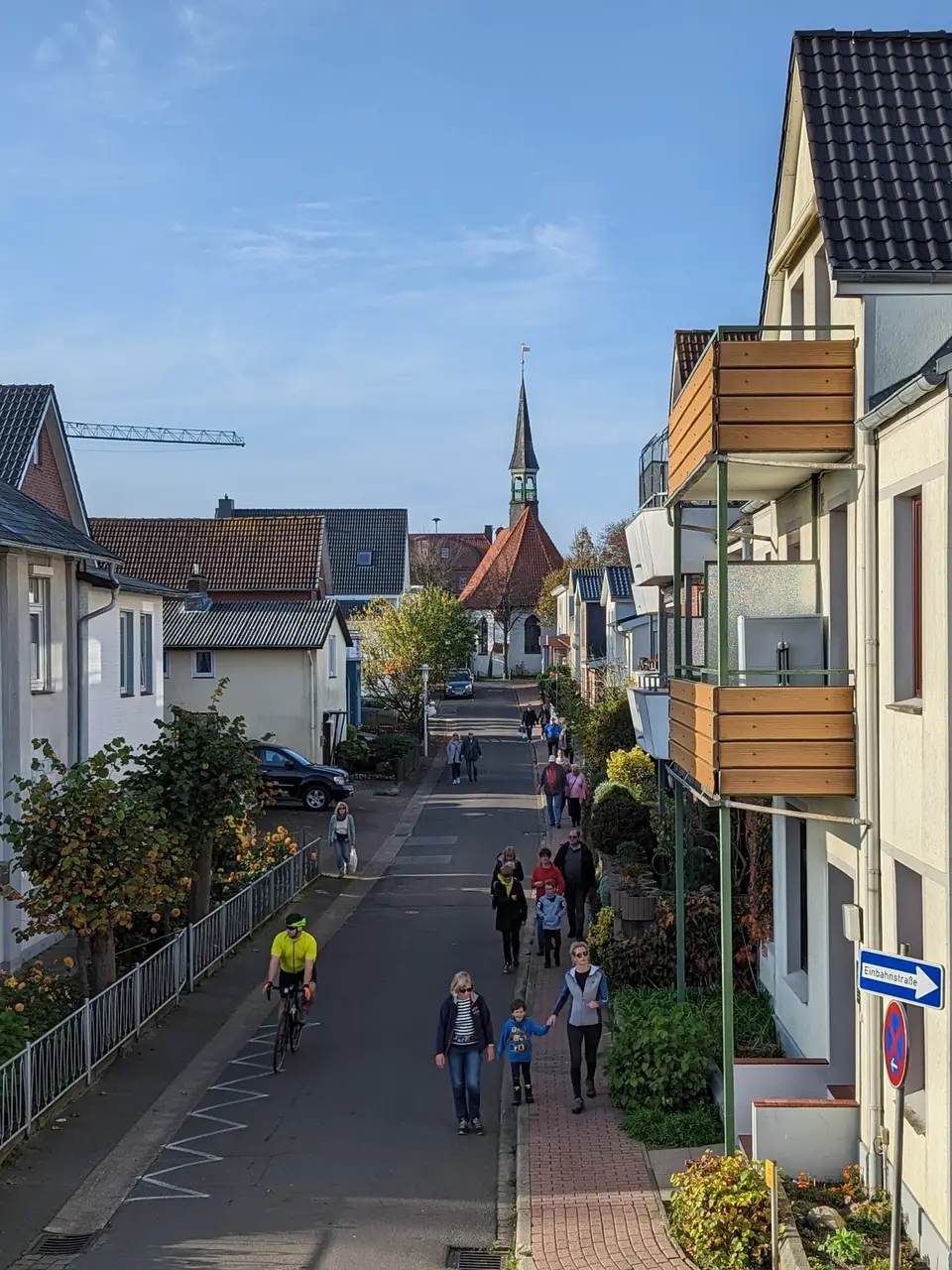
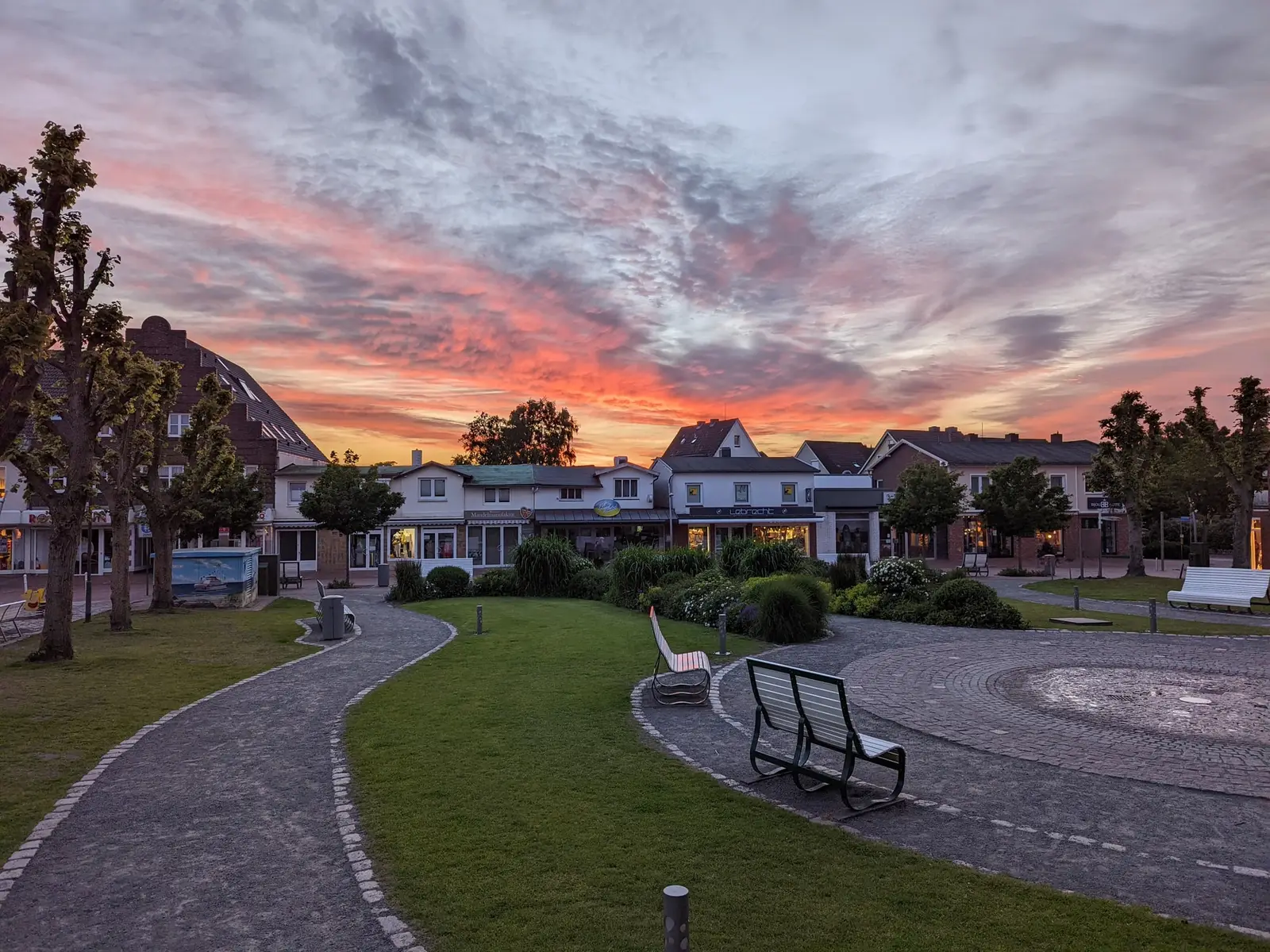
Büsum is a small North Sea harbor town on the Schleswig-Holstein coast, and it is the least famous place on this entire website. It is here because of what is in front of it.
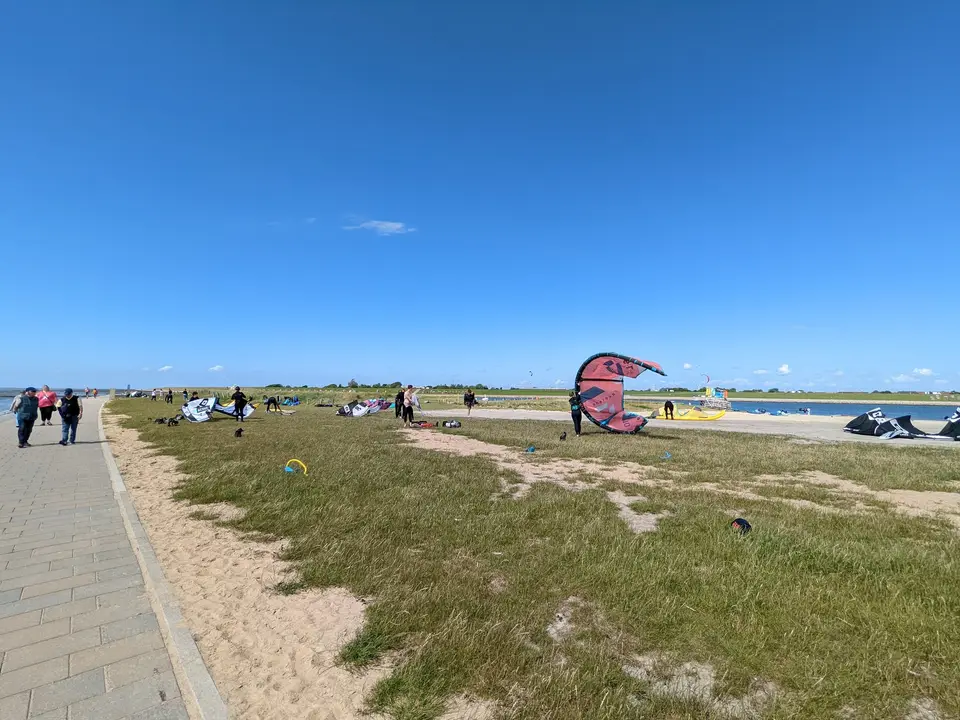
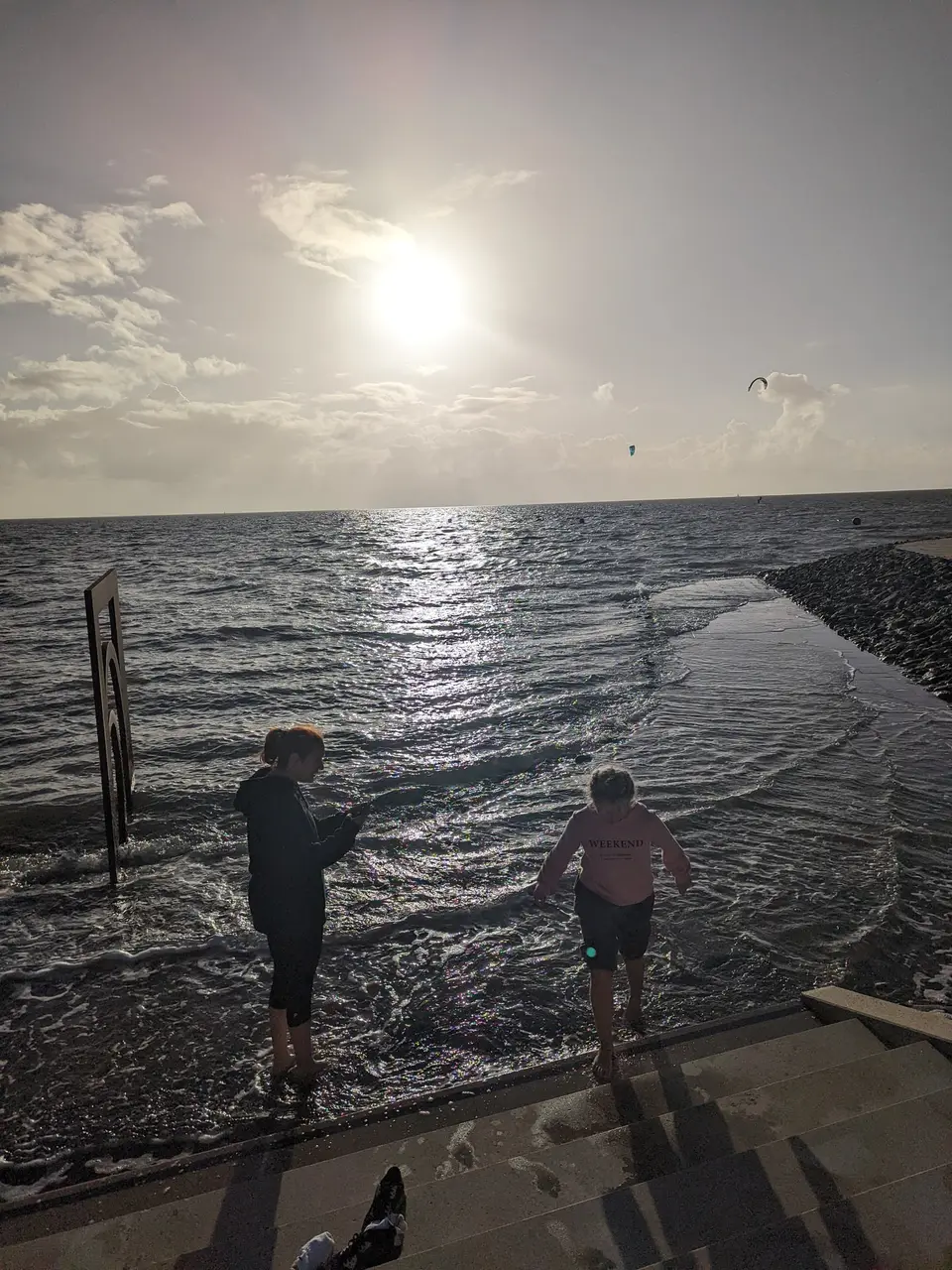
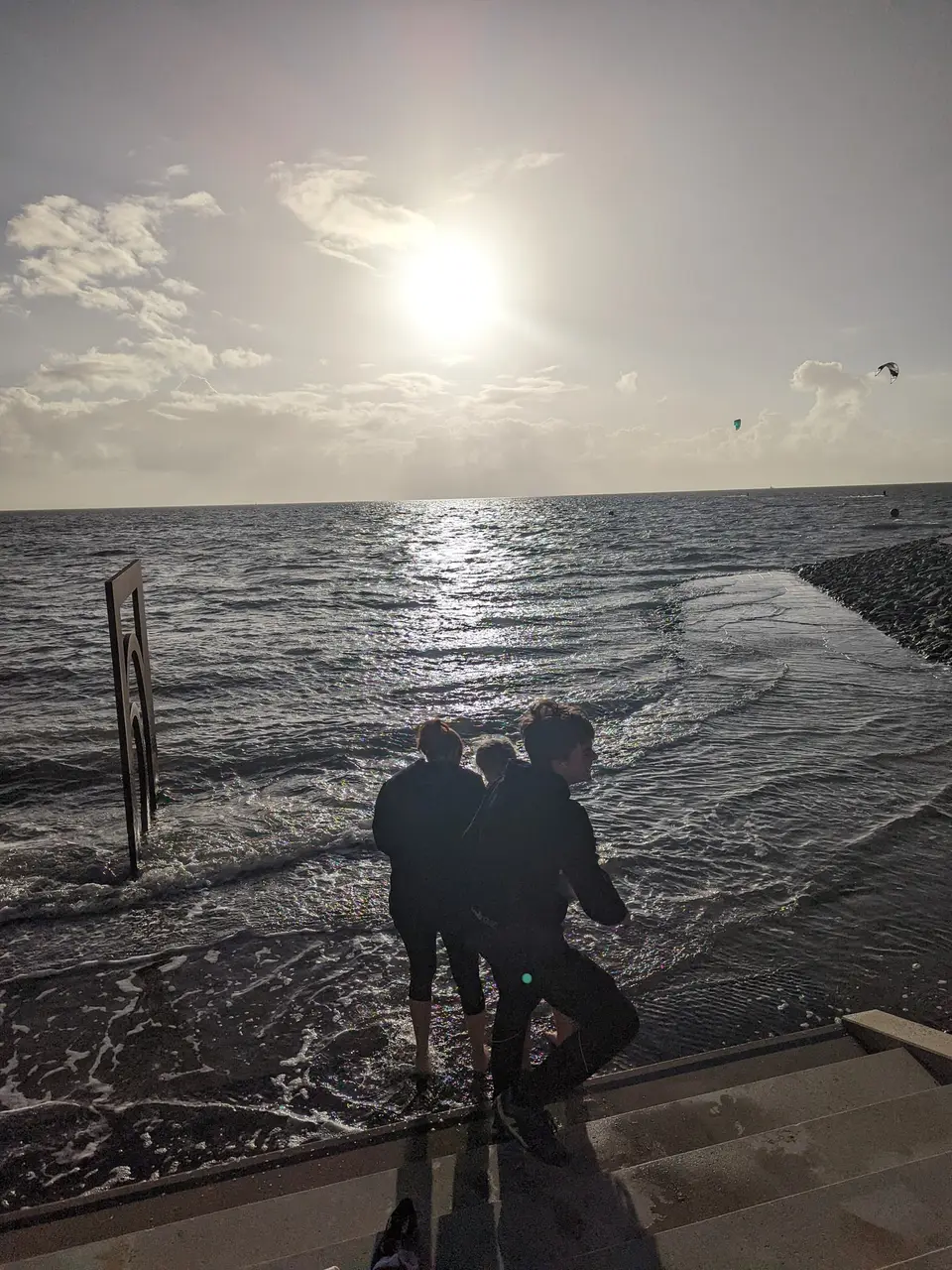
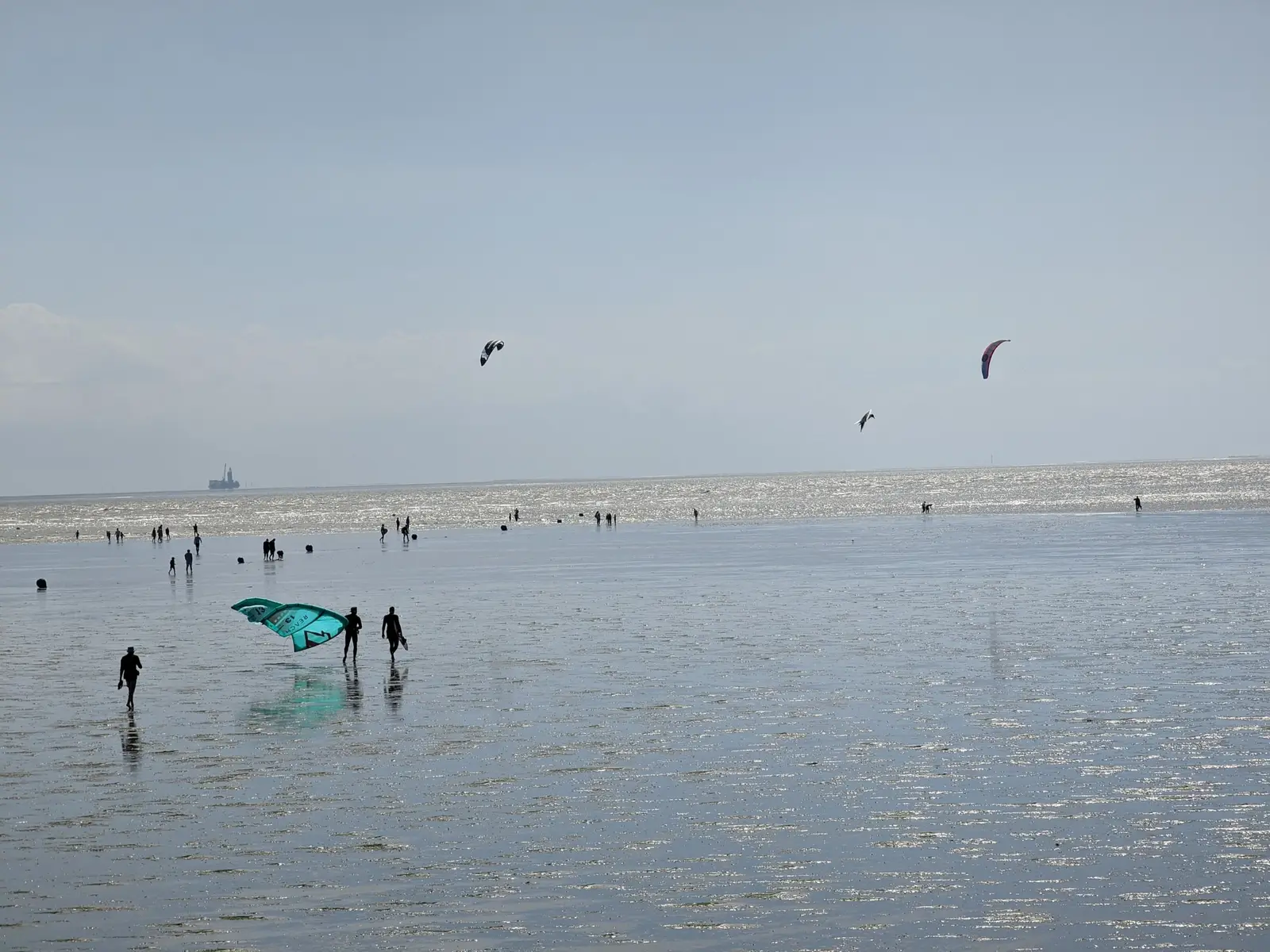
- At low tide the sea goes out and leaves a landscape. Miles of ribbed sand and mud, tidal creeks, birds working it — and people walking out across it. Half our Büsum photographs are of that and nothing else.
- Go with a guide. This is not optional advice. The tide comes in faster than people expect, the tidal creeks run with real current, and fog arrives without warning. Guided Wattwanderungen are the normal way to do it and the only sensible one.
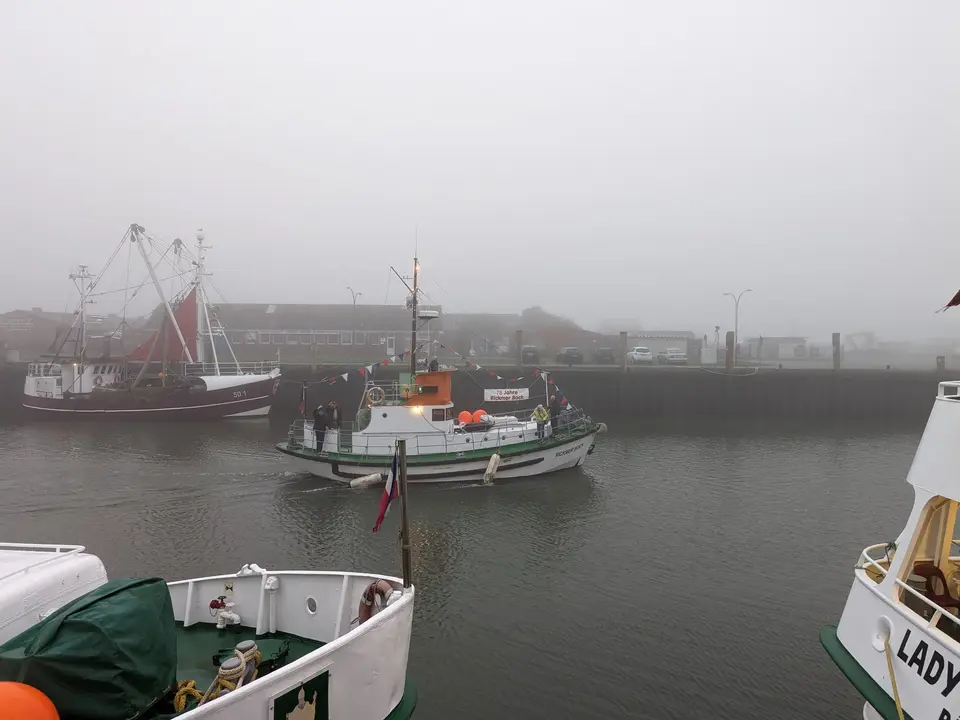
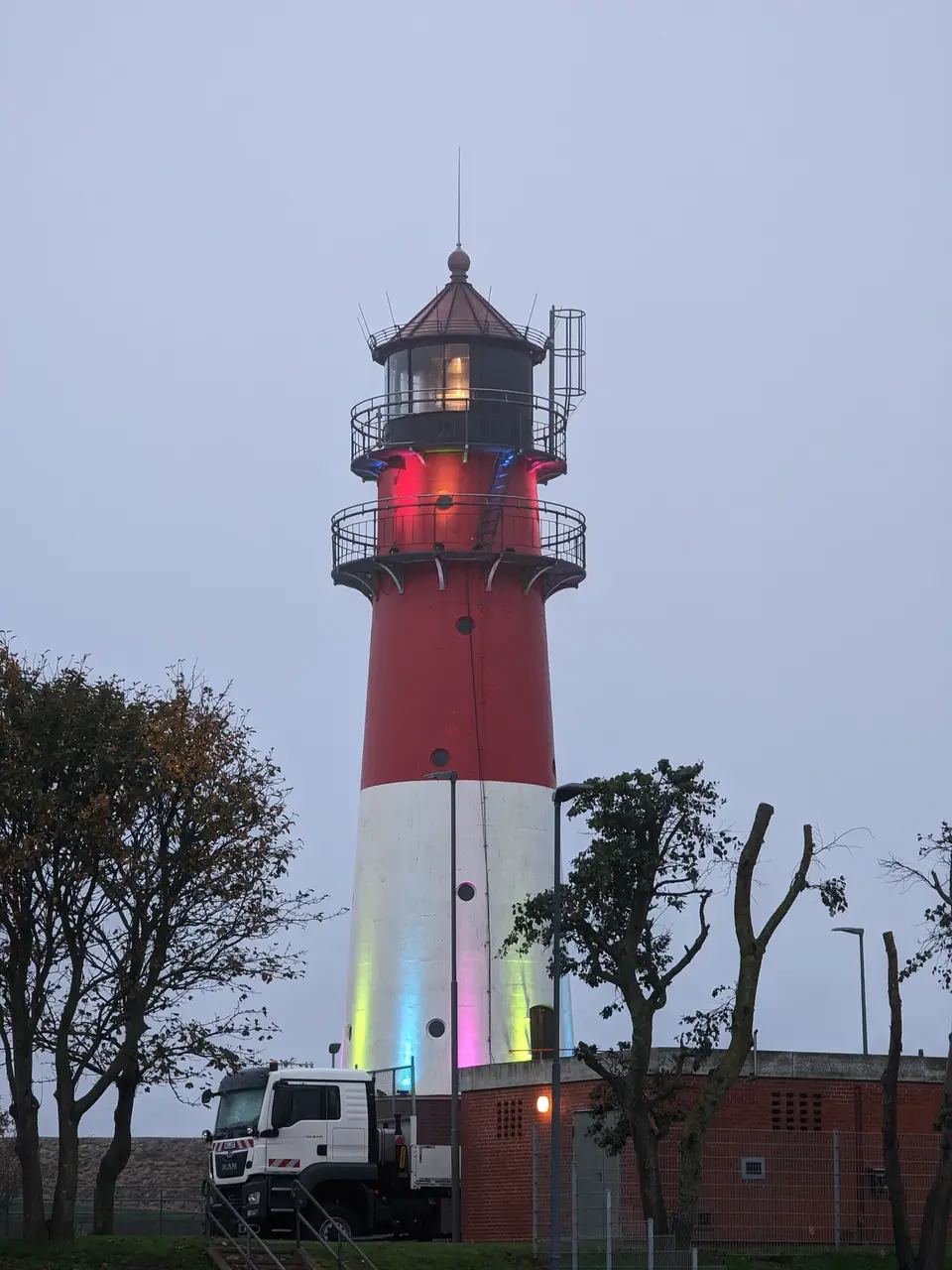
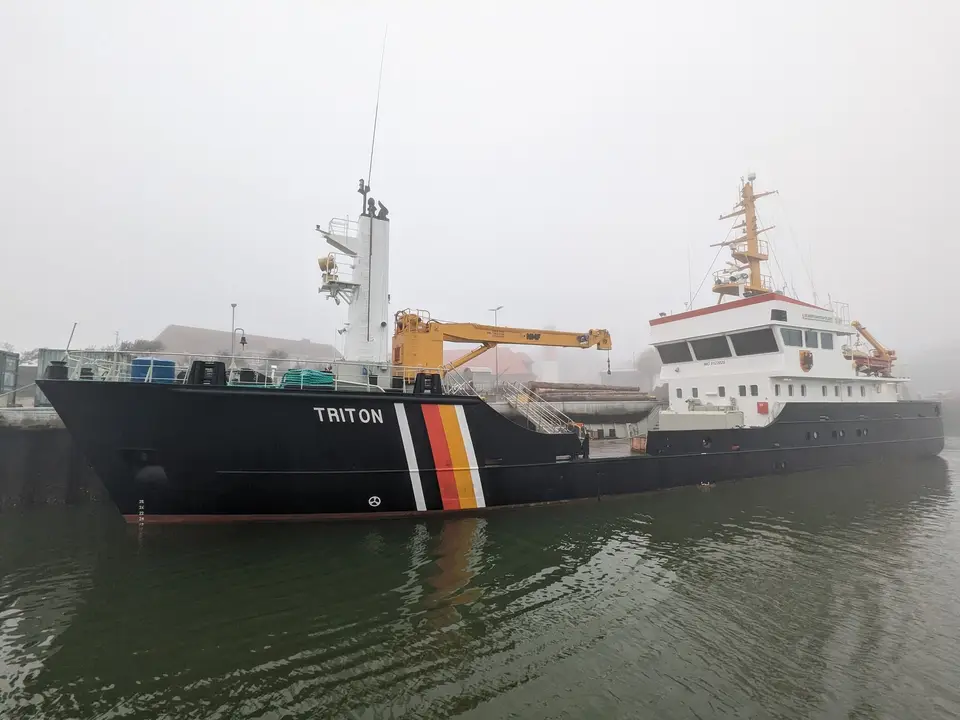
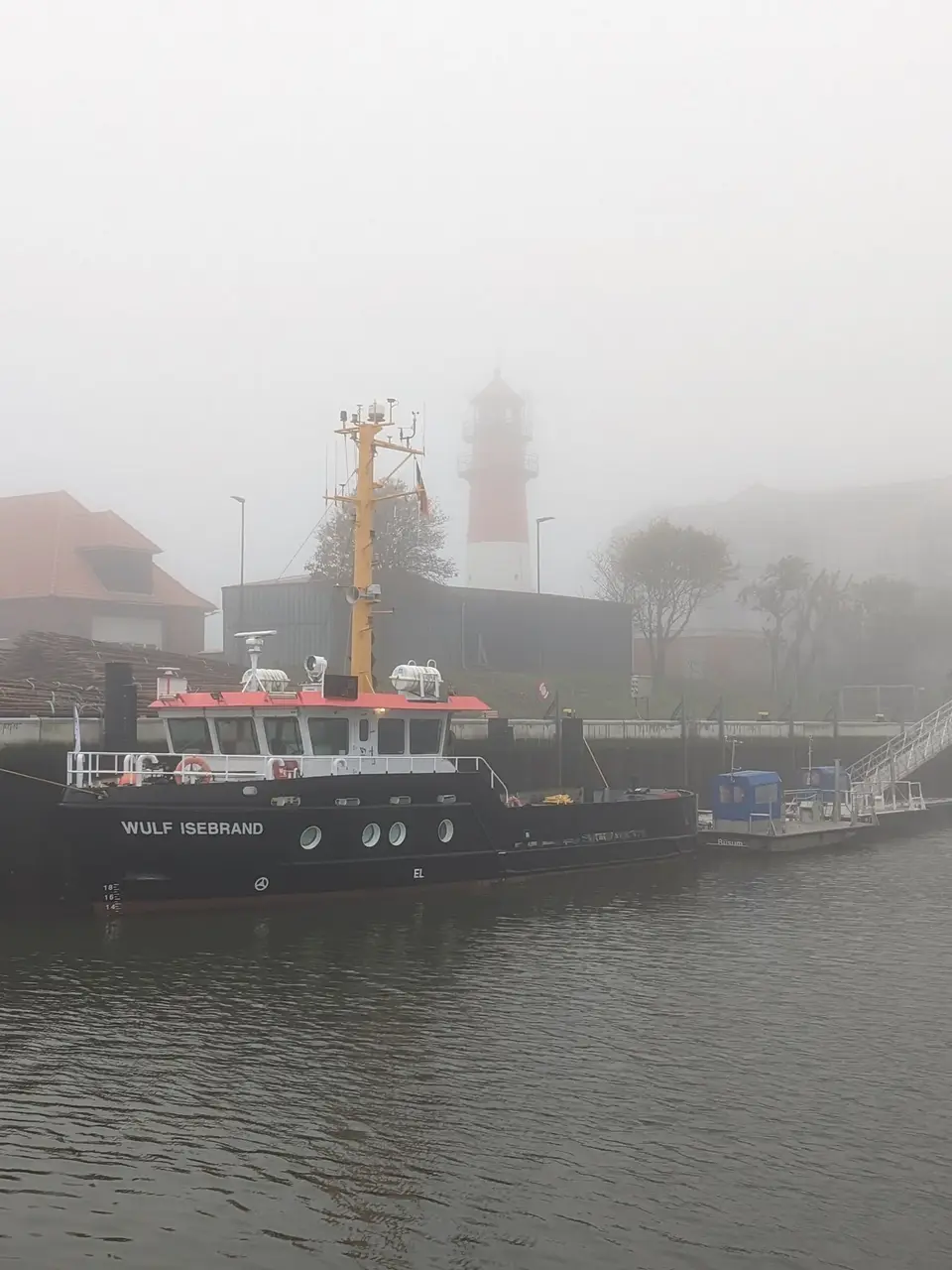
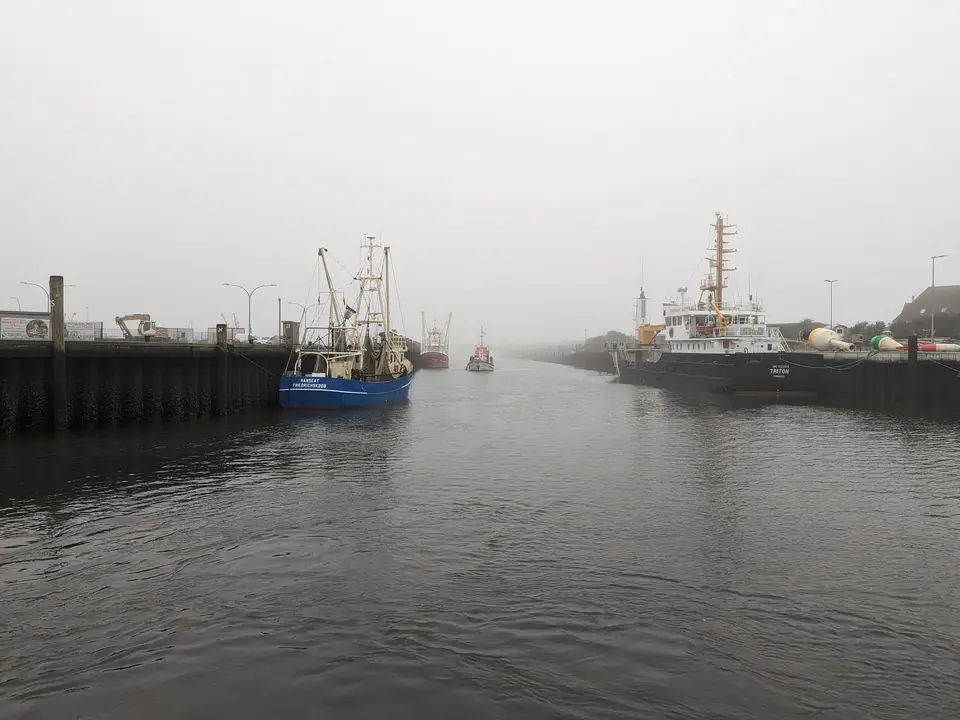
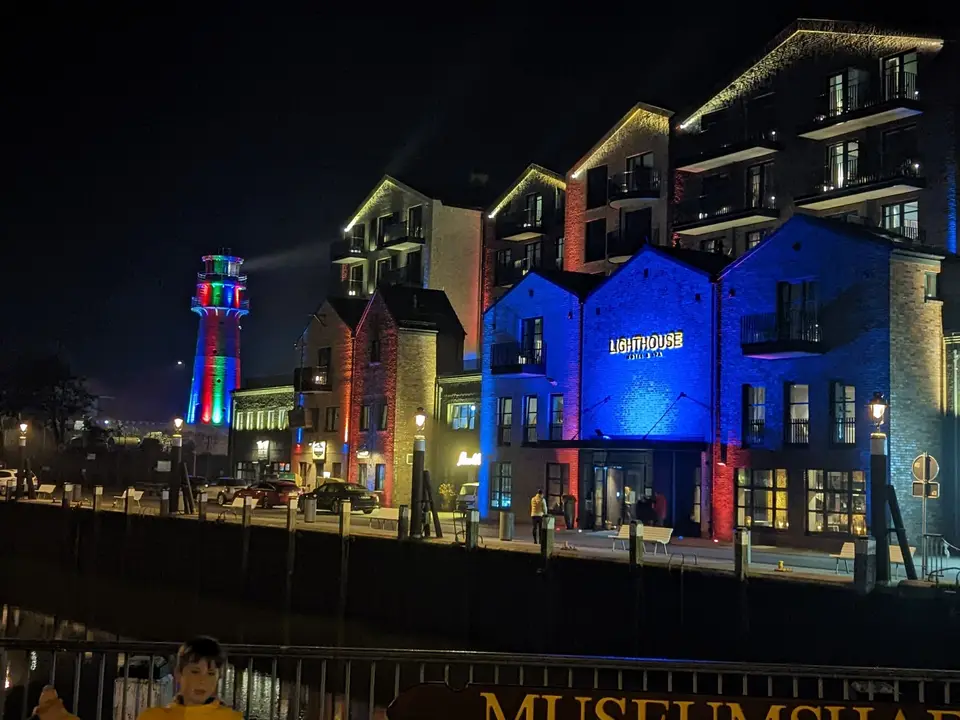
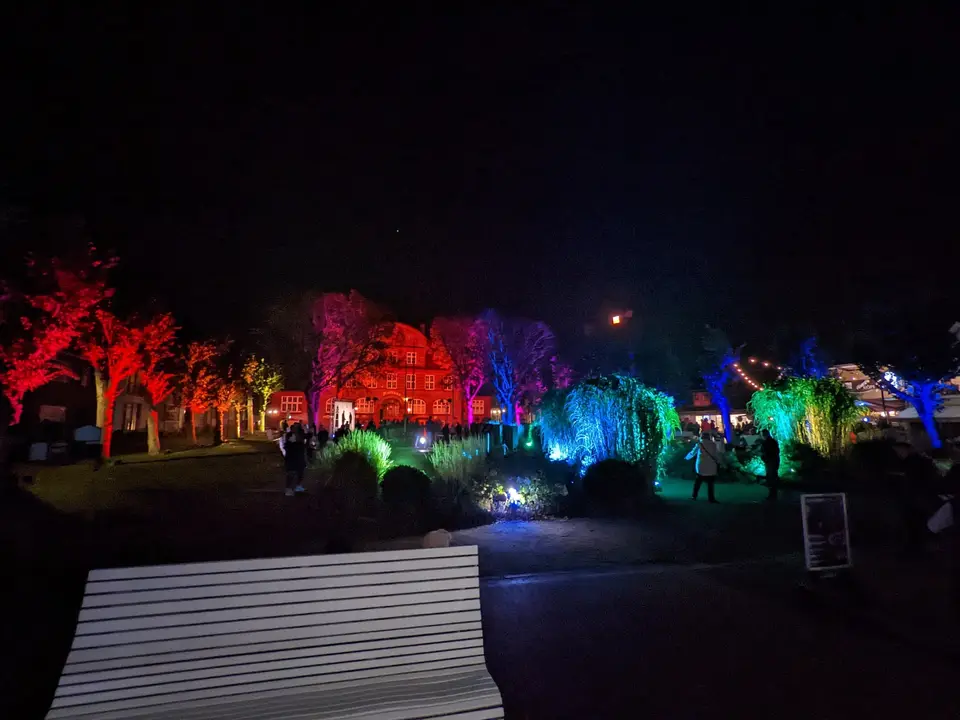
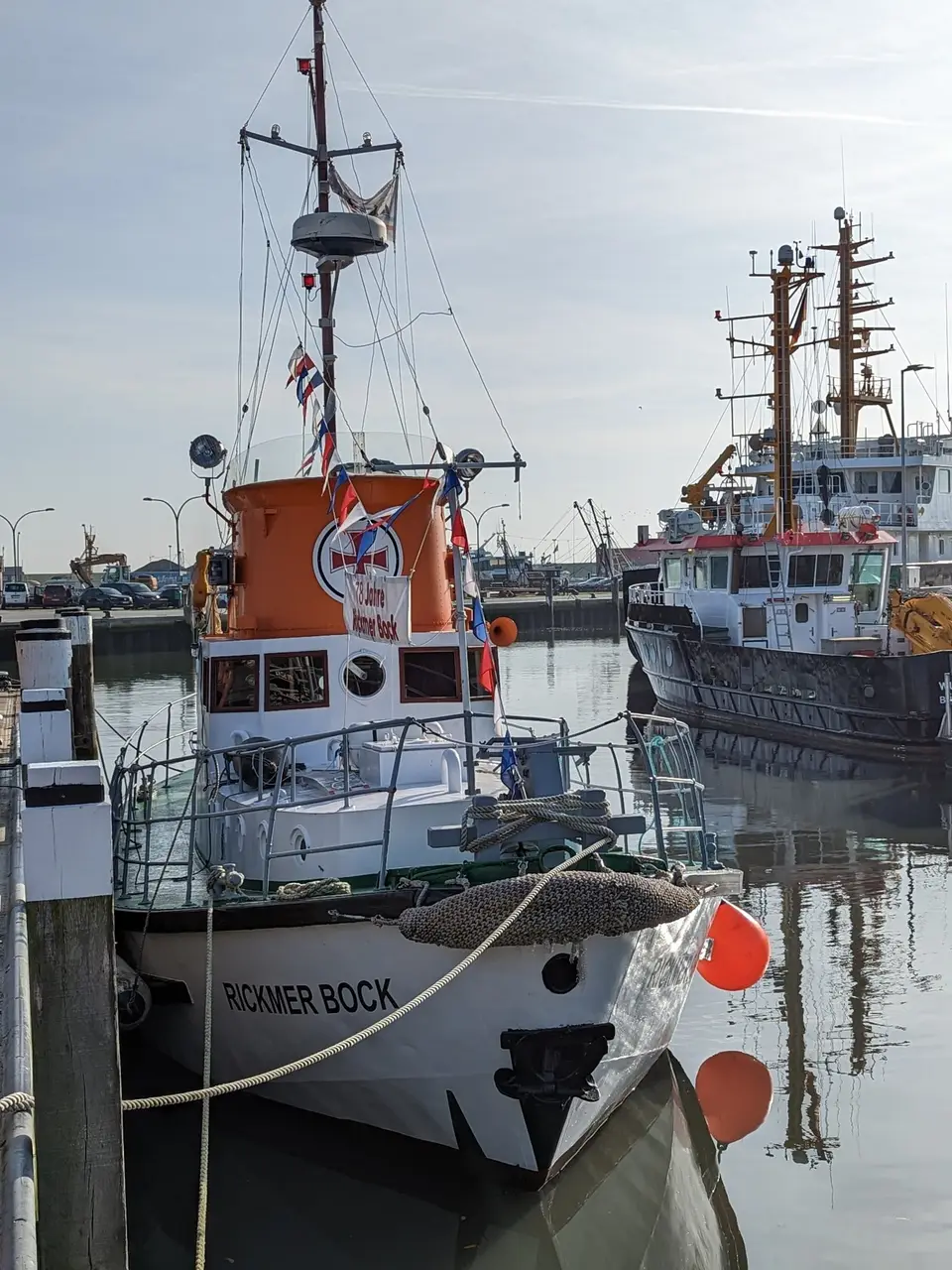
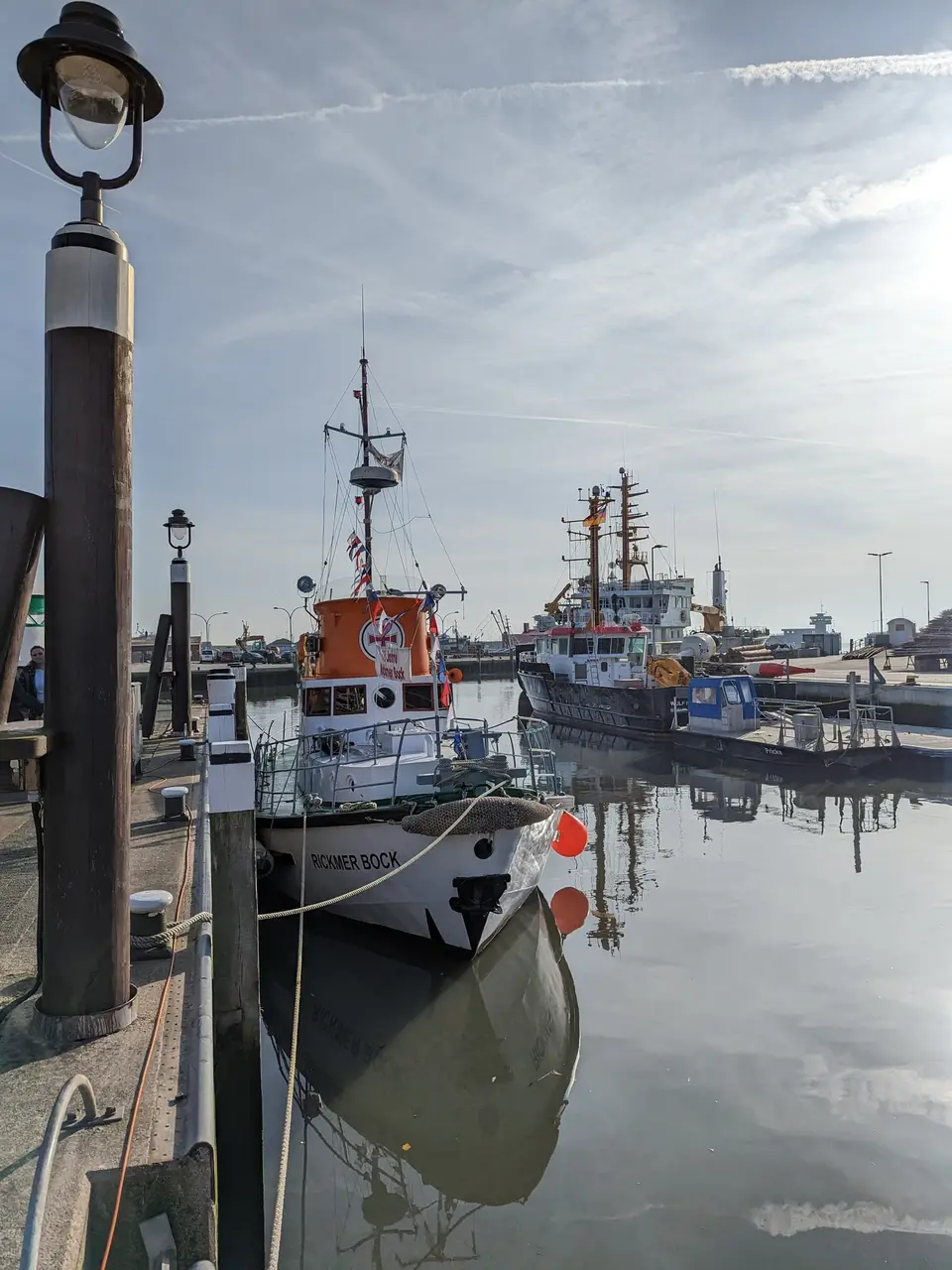
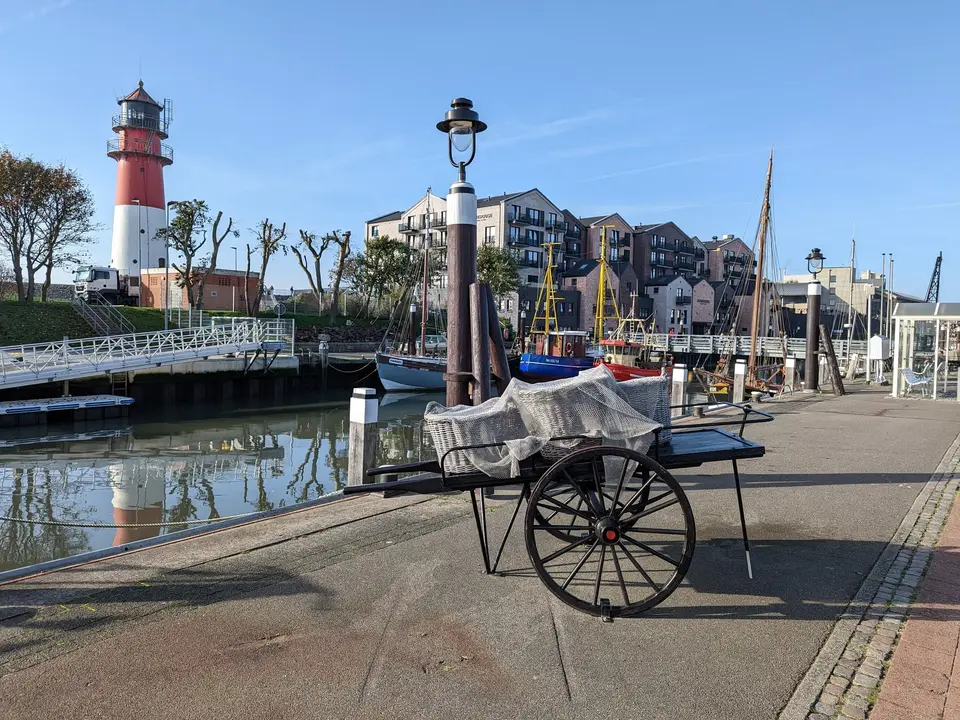
- The harbor is the other half. Working fishing cutters, a red-and-white lighthouse, and the museum harbor lit at night. We have been in June and in October and the October fog was the better of the two.
Budget tips
- The mudflats cost nothing to look at and a guided walk costs very little. This is the cheapest extraordinary thing in this guide.
- Büsum is a German family resort rather than an international one, which shows in the prices and in how few English menus there are.
When to come
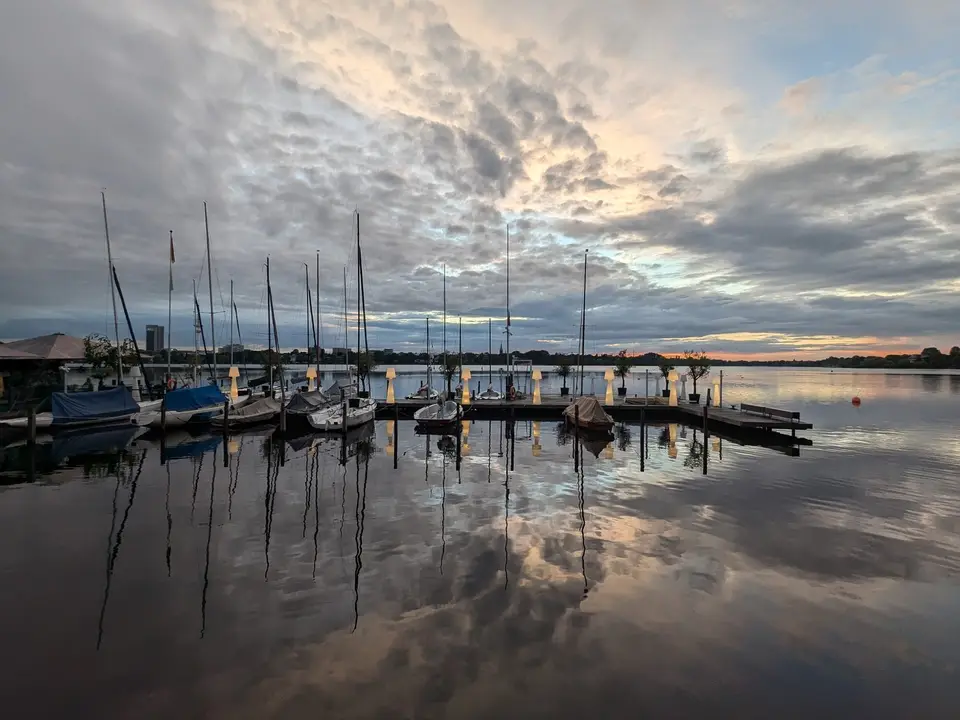
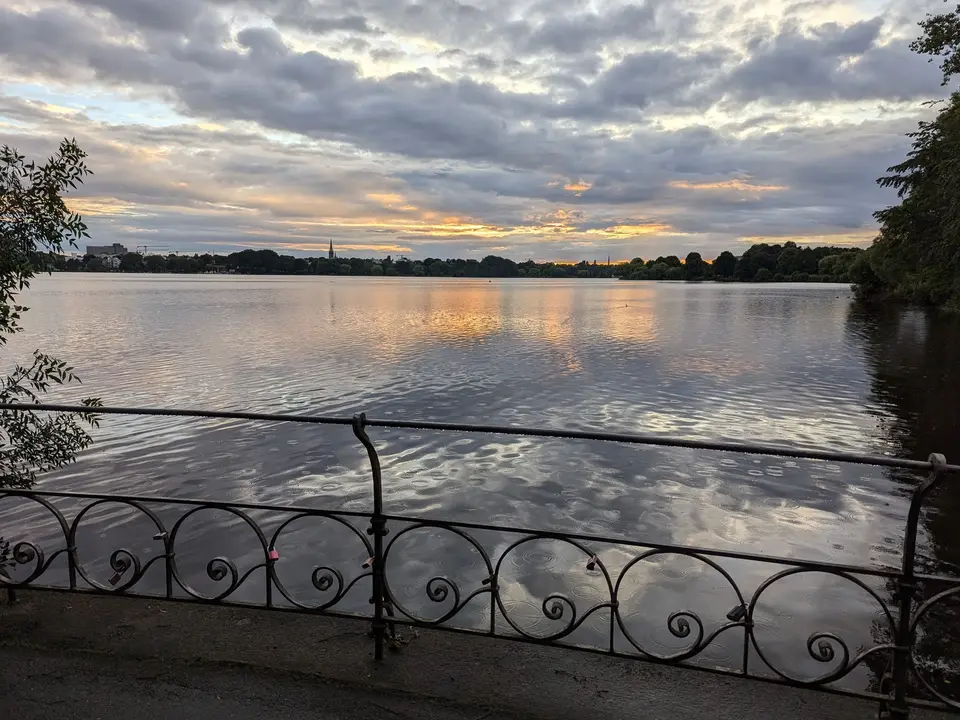
- June for the long northern evenings — it stays light late up here, and the Alster and the mudflats both benefit.
- Late October and November is the version we would actually pick. The light is low, the harbor fogs in, and Hamburg's brick and water suit gray weather in a way Bavaria's mountains do not.
- Tides, not seasons, govern Büsum. Check the tide table before you fix the day — a mudflat at high water is just the sea.
How long?
Three days covers it: two in Hamburg, one for Schwerin as a day trip. Büsum needs a fourth and a car, and it is worth it only if the idea of walking out onto the seabed appeals — in which case it will be the day you remember. All of it combines naturally with Berlin or with Denmark rather than with the south.