Before you go — what this guide is not
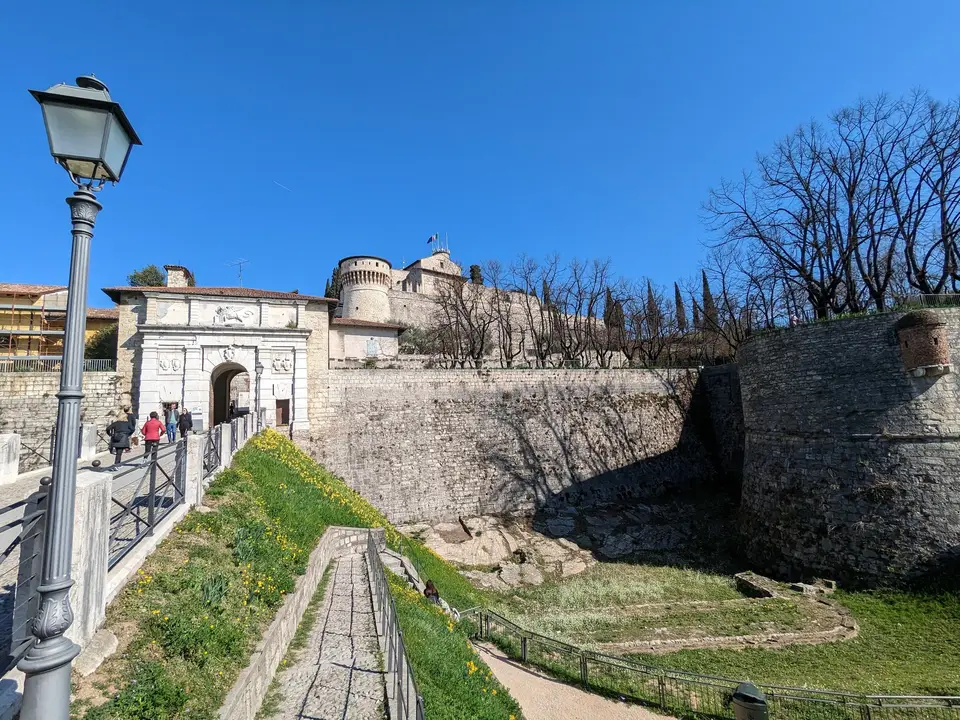
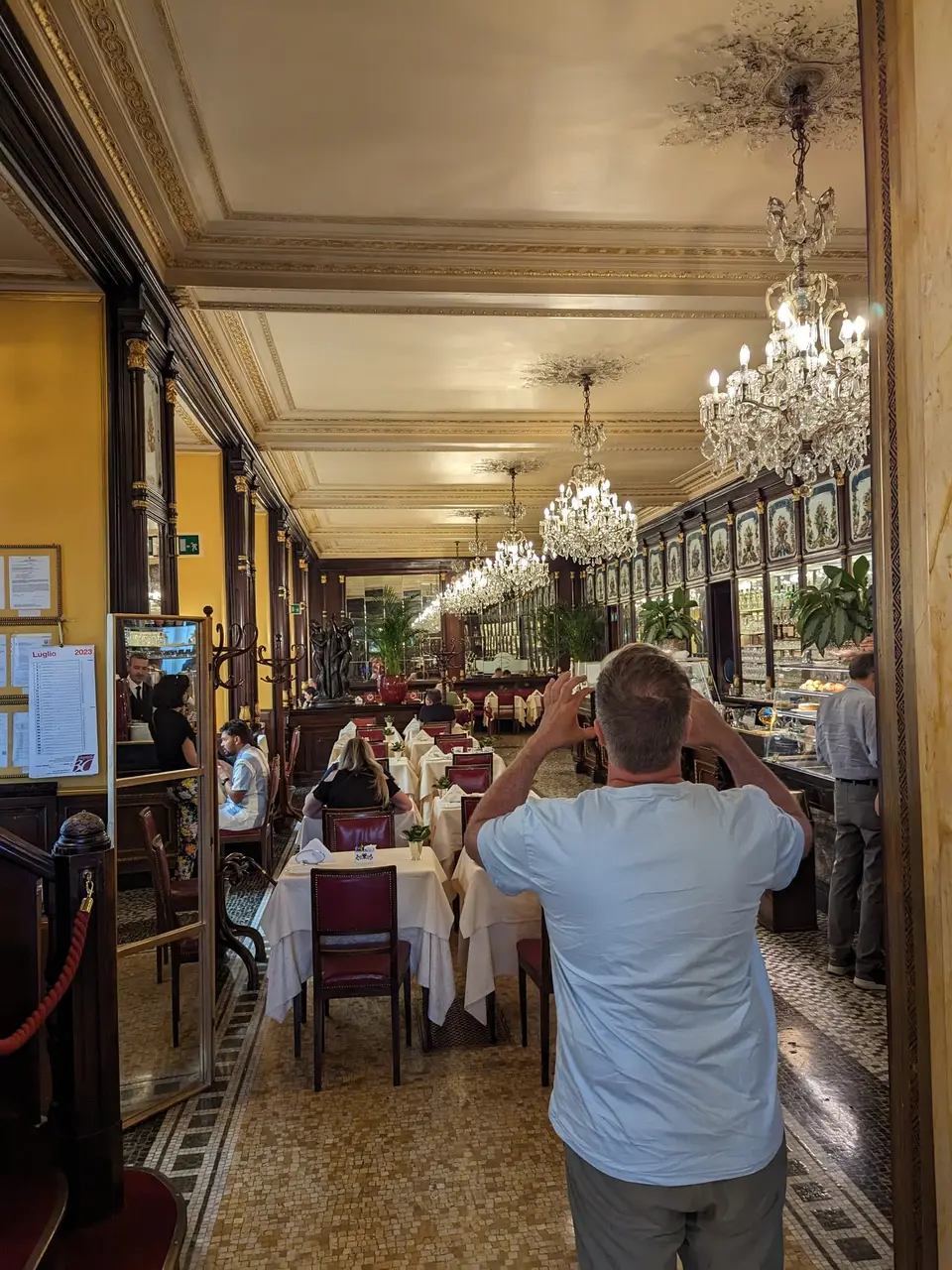
There is no Rome, Florence or Venice here, and no Tuscany or Amalfi coast. We have not been, so there is nothing we can honestly tell you about them. What we have is the north: Milan, Como, Brescia, Turin, Cuneo and Genoa — six cities, five of which almost never appear on a first Italian trip.
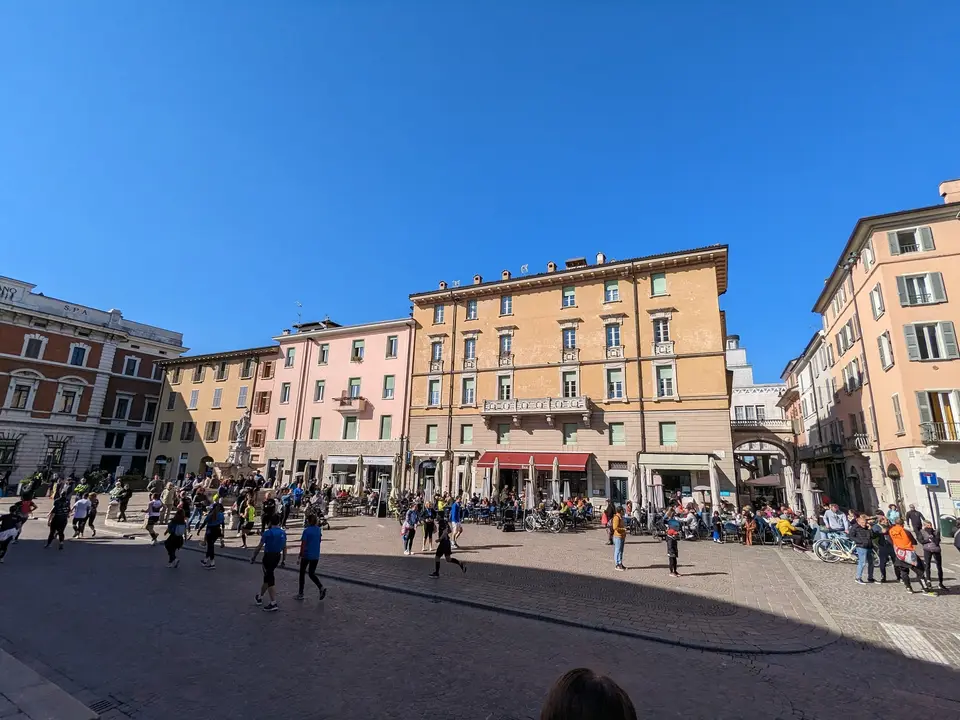
That is a recommendation, not an apology. This is the part of Italy that still works as a place people live in, where a cathedral square at nine in the morning is full of commuters rather than tour groups, and where the food is regional enough that crossing from Piedmont into Liguria changes what is on the menu.
Budget tips
- Trains, not a car. Milan to Turin is under an hour, Milan to Genoa about ninety minutes, Milan to Como forty minutes. A car is a liability in all six of these cities and an expense between them.
- Everything here is cheaper than the Italy people picture. Northern cities price for their own residents; the tourist premium starts further south.
The one booking that decides the trip
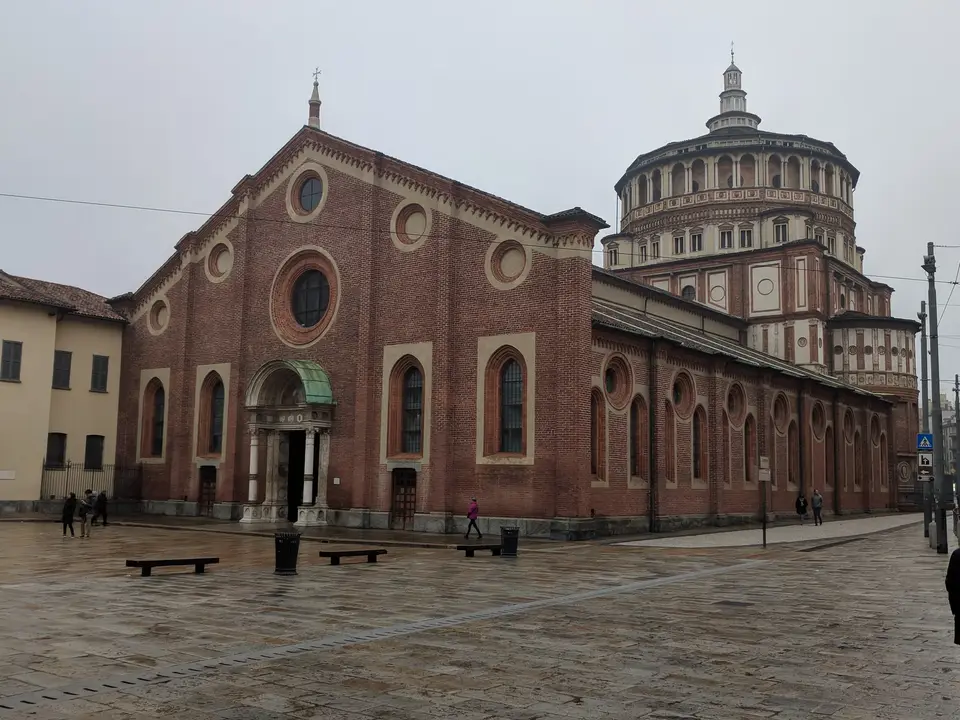
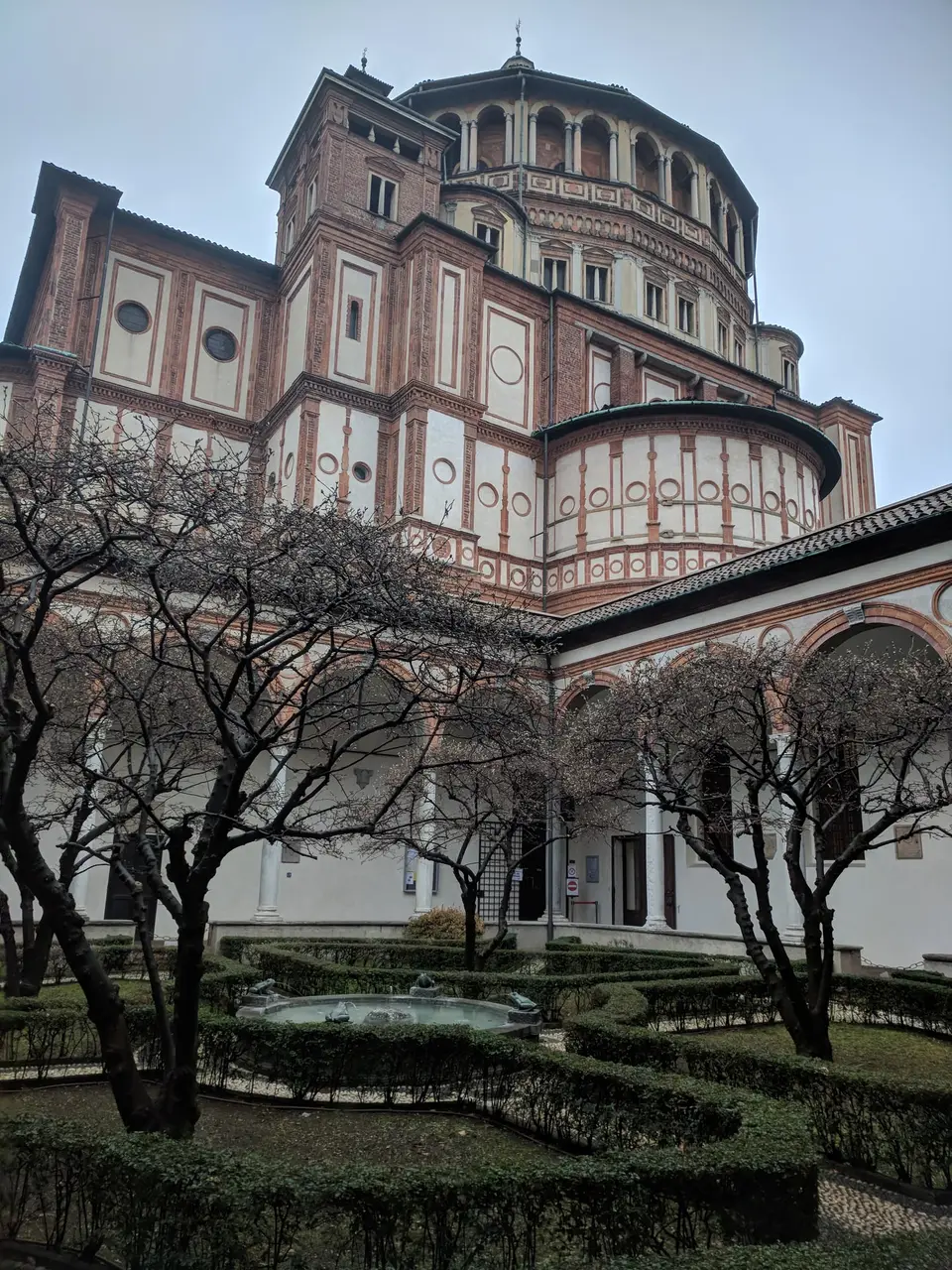
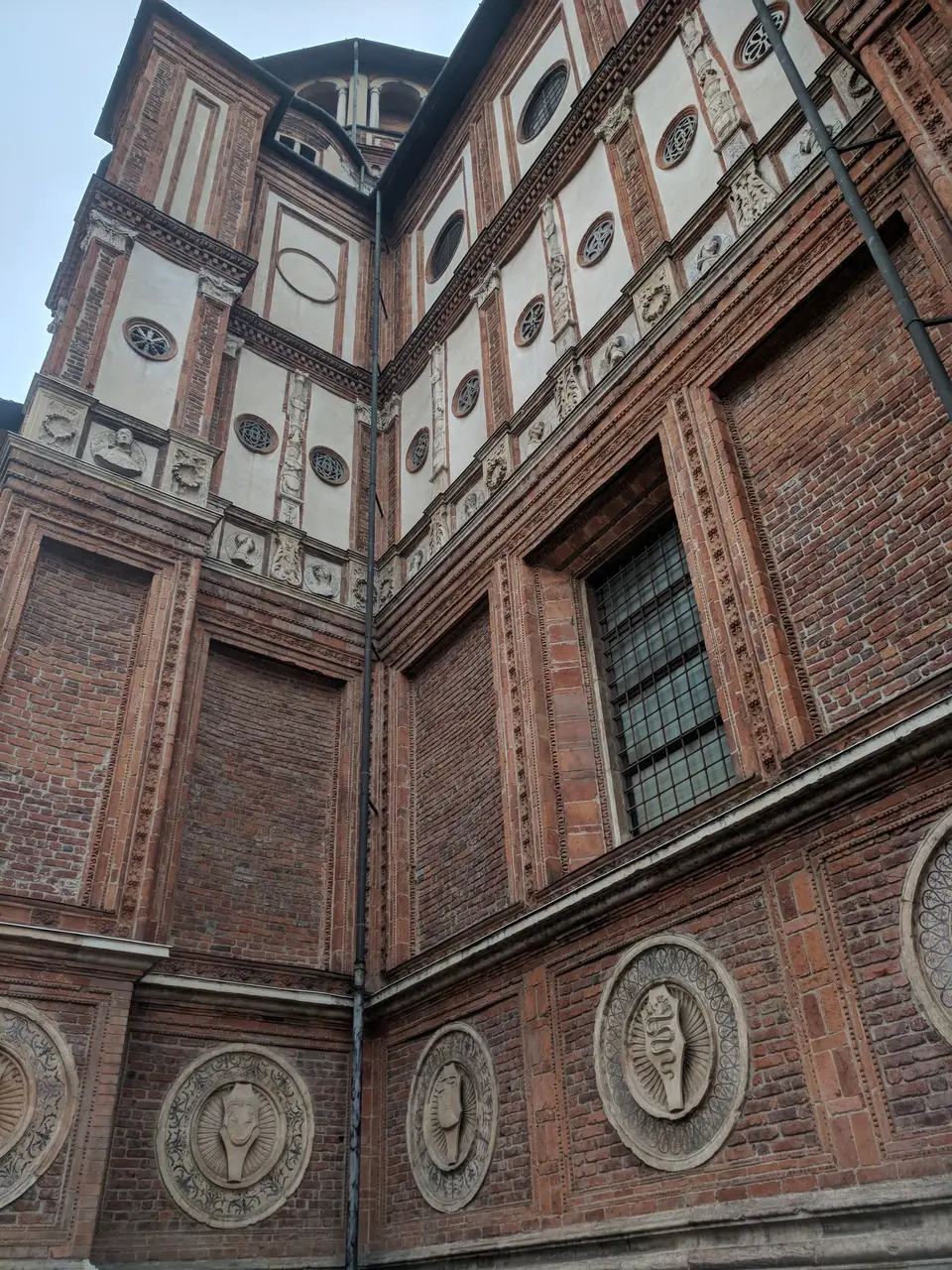
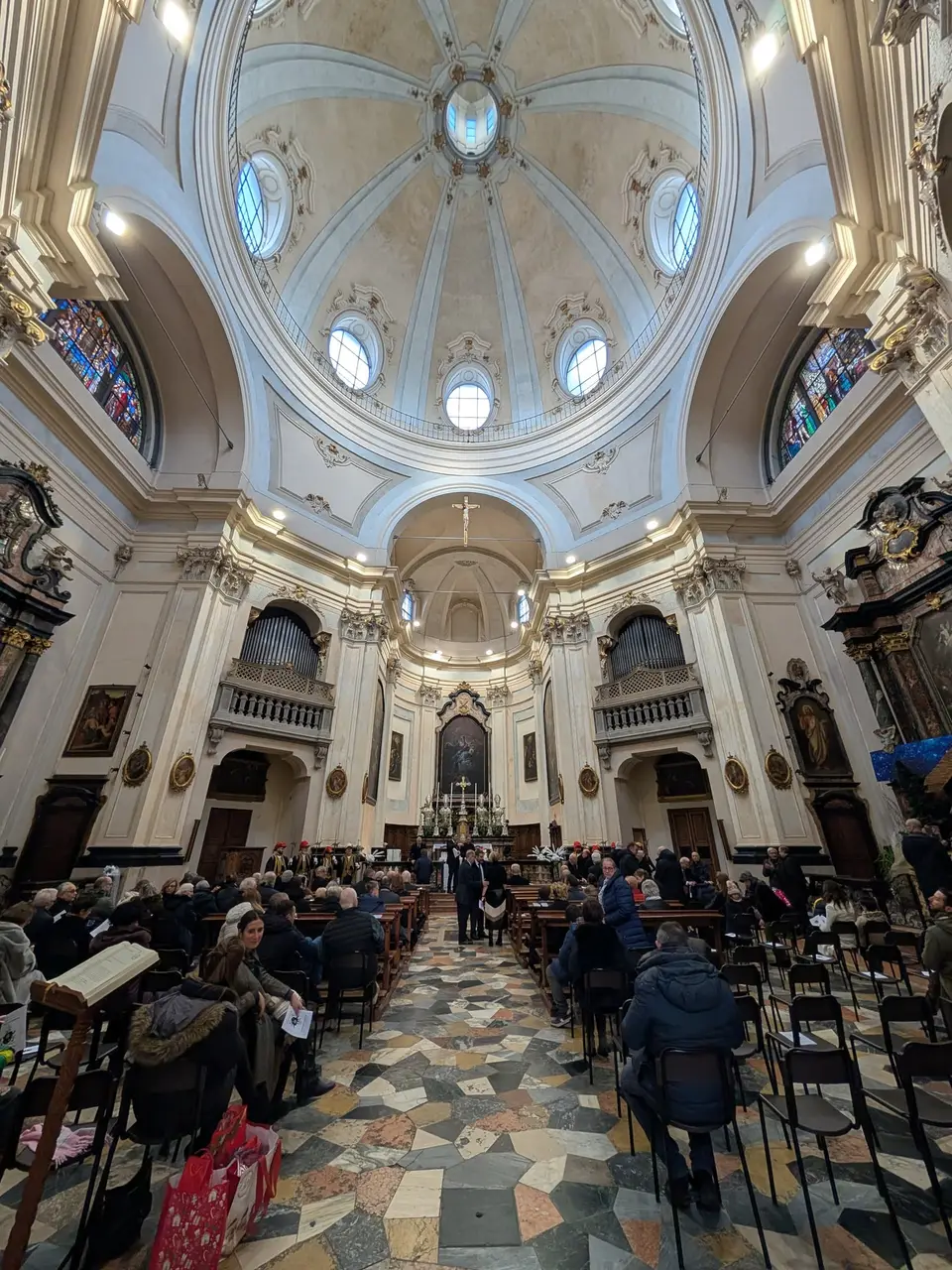
Leonardo's Last Supper is the hardest ticket in this guide and the usual reason a Milan plan collapses. It is on a refectory wall at Santa Maria delle Grazie, fifteen minutes at a time, a maximum of forty people per slot.
- Tickets go on sale quarterly, at noon Italian time — and they are gone in minutes. Not hours. The releases run September for November to January, December for February to April, March for May to July, and June for August to October, so the window opens roughly two months before the block it covers. Know your release date and be at the keyboard for it.
- If you missed the release, there is a second chance every Wednesday at noon, when the museum puts out additional tickets for the following week. It is the least-known thing on this page and it is how most late plans actually get in.
- Arrive thirty minutes early or forfeit the slot. The museum says so plainly and it is not a suggestion.
- €15 full price, which the museum now publishes as one figure rather than the old €13 plus a €2 booking fee. €2 for 18 to 25, free under 18 — but a reservation is compulsory for everyone, infants included. Paid radio guides are sold with the ticket at the desk; the museum does not publish a price for them, so do not budget one.
- Aim three to four months out, and build the rest of Milan around the slot you get rather than the other way around.
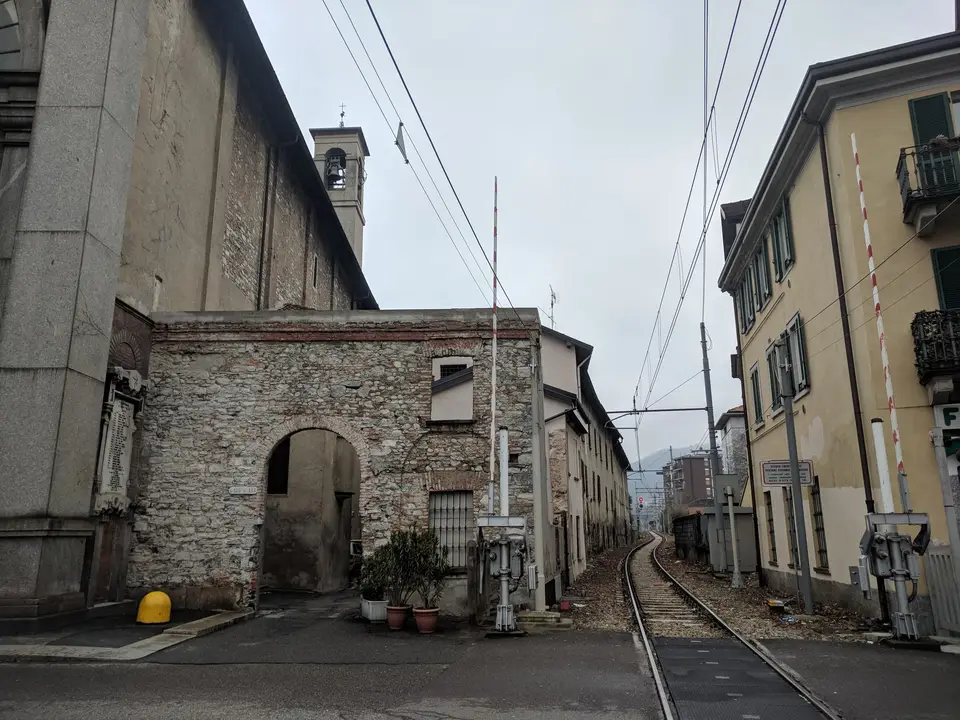
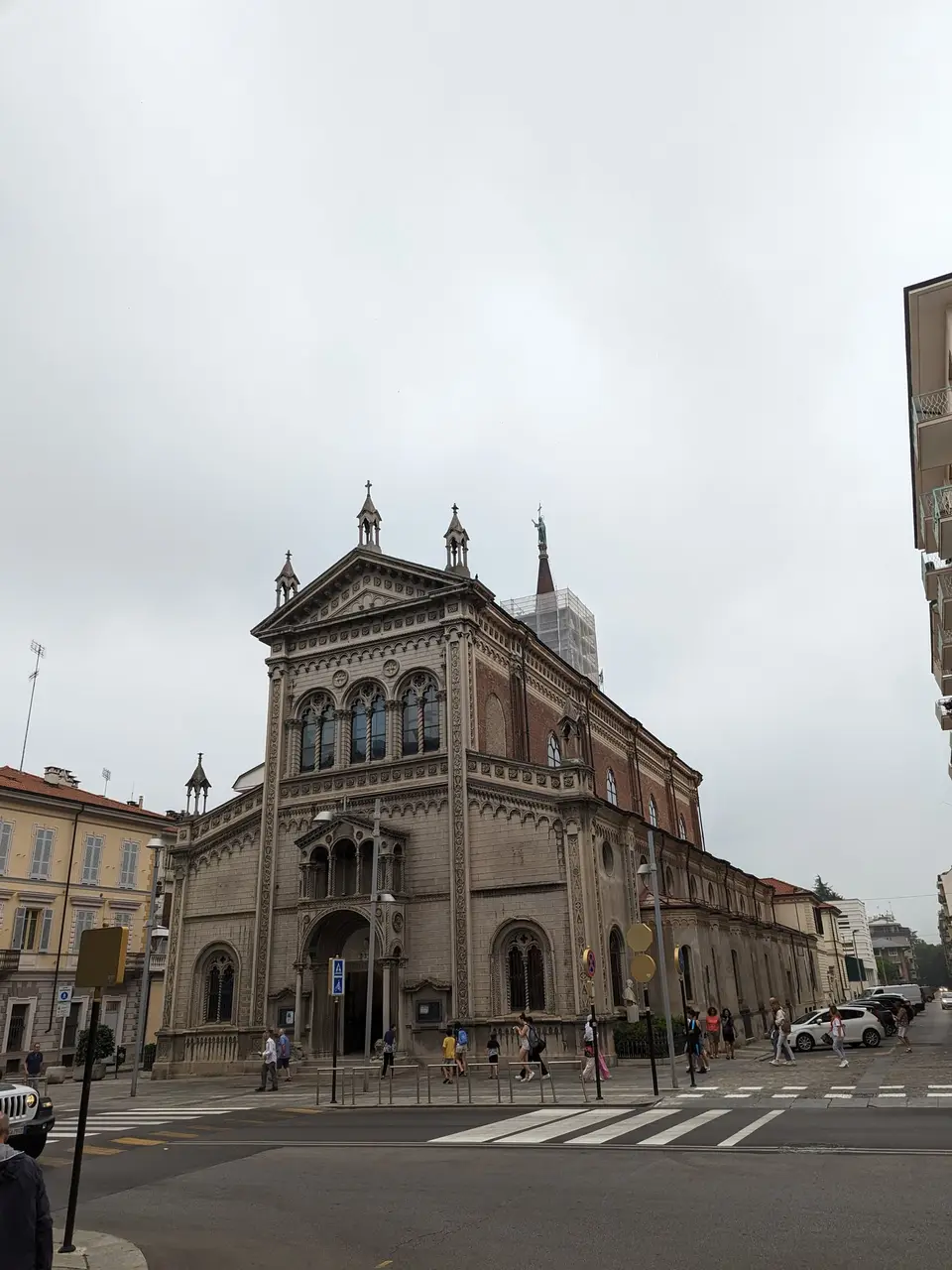
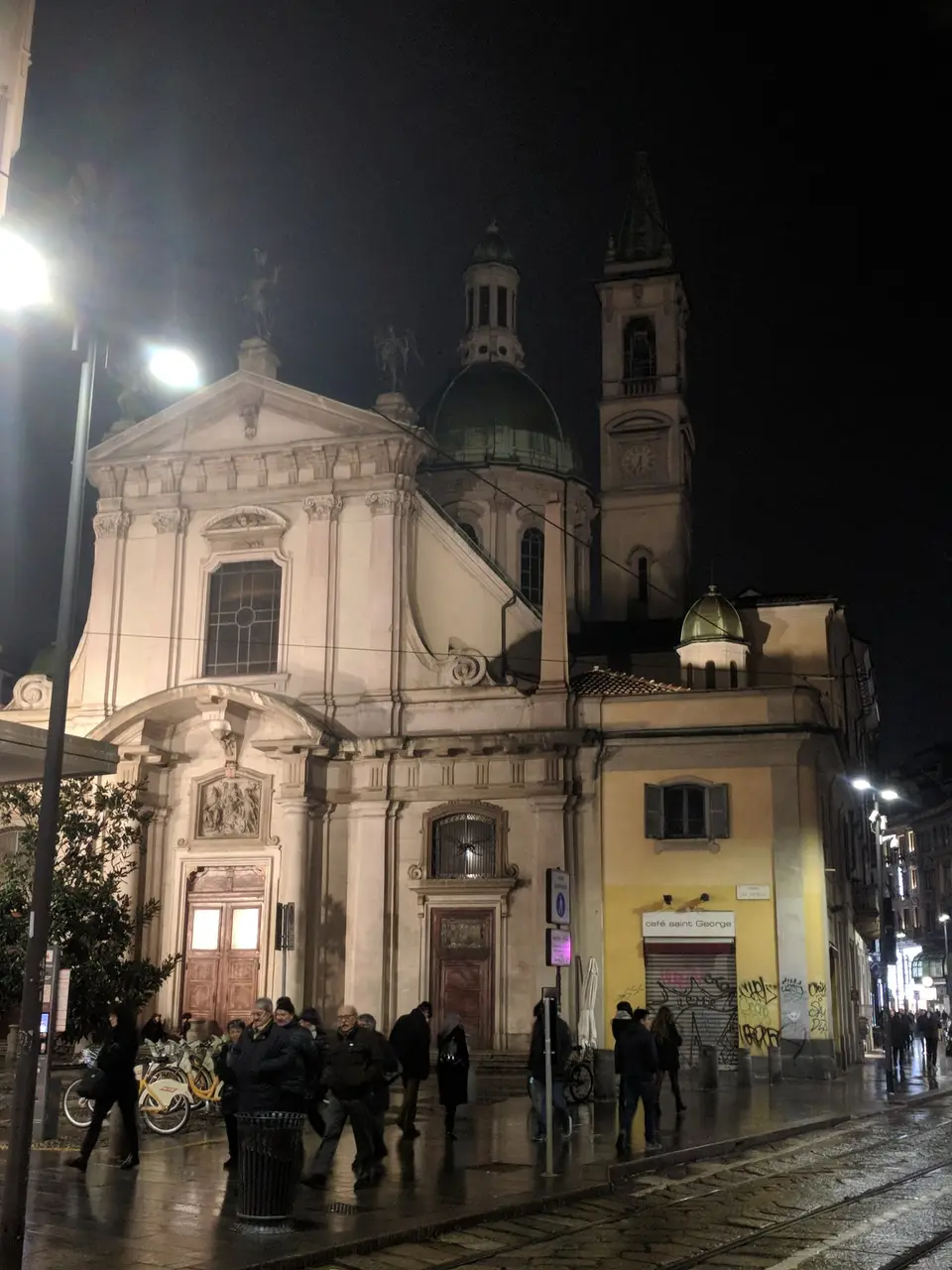
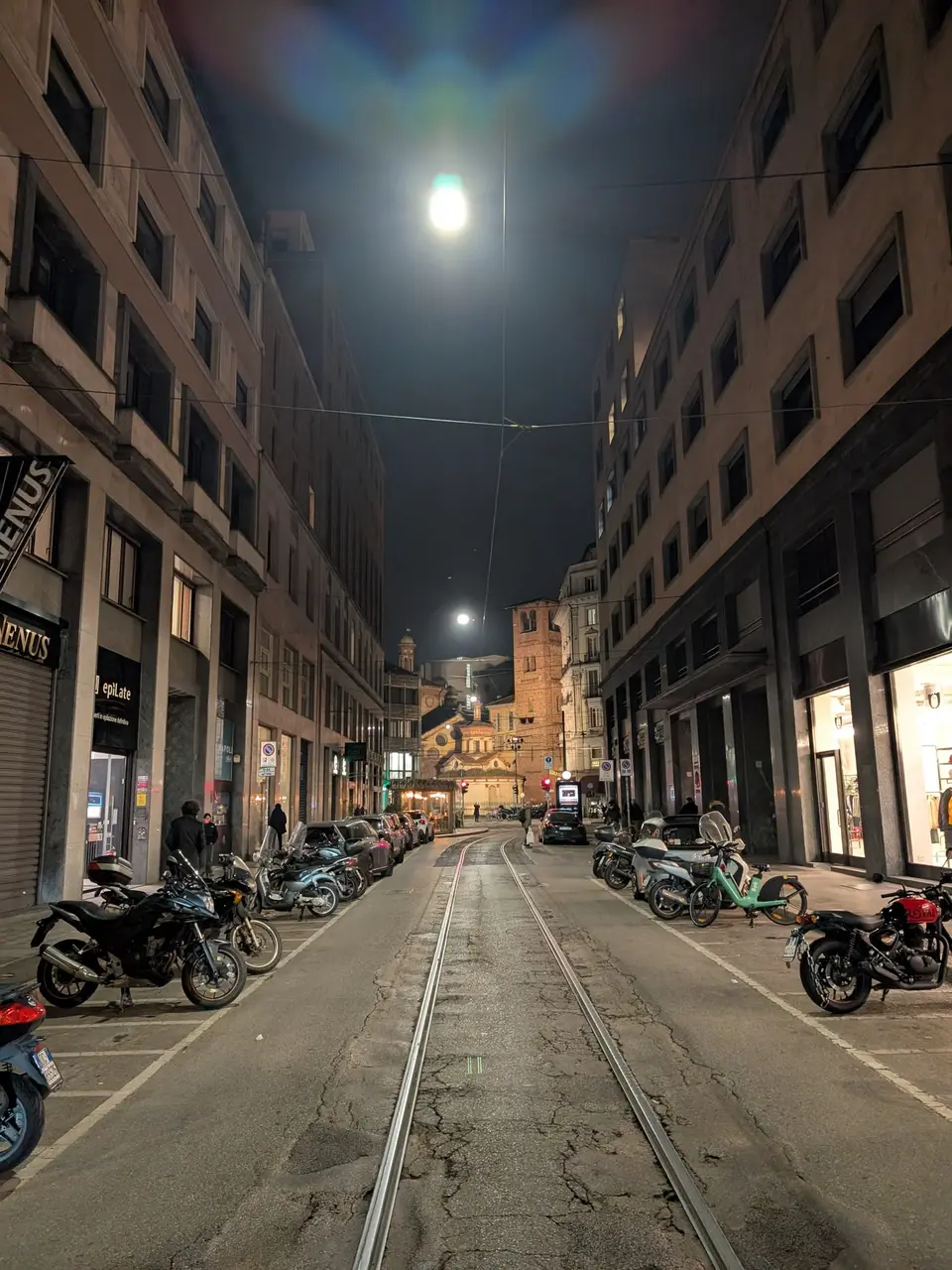
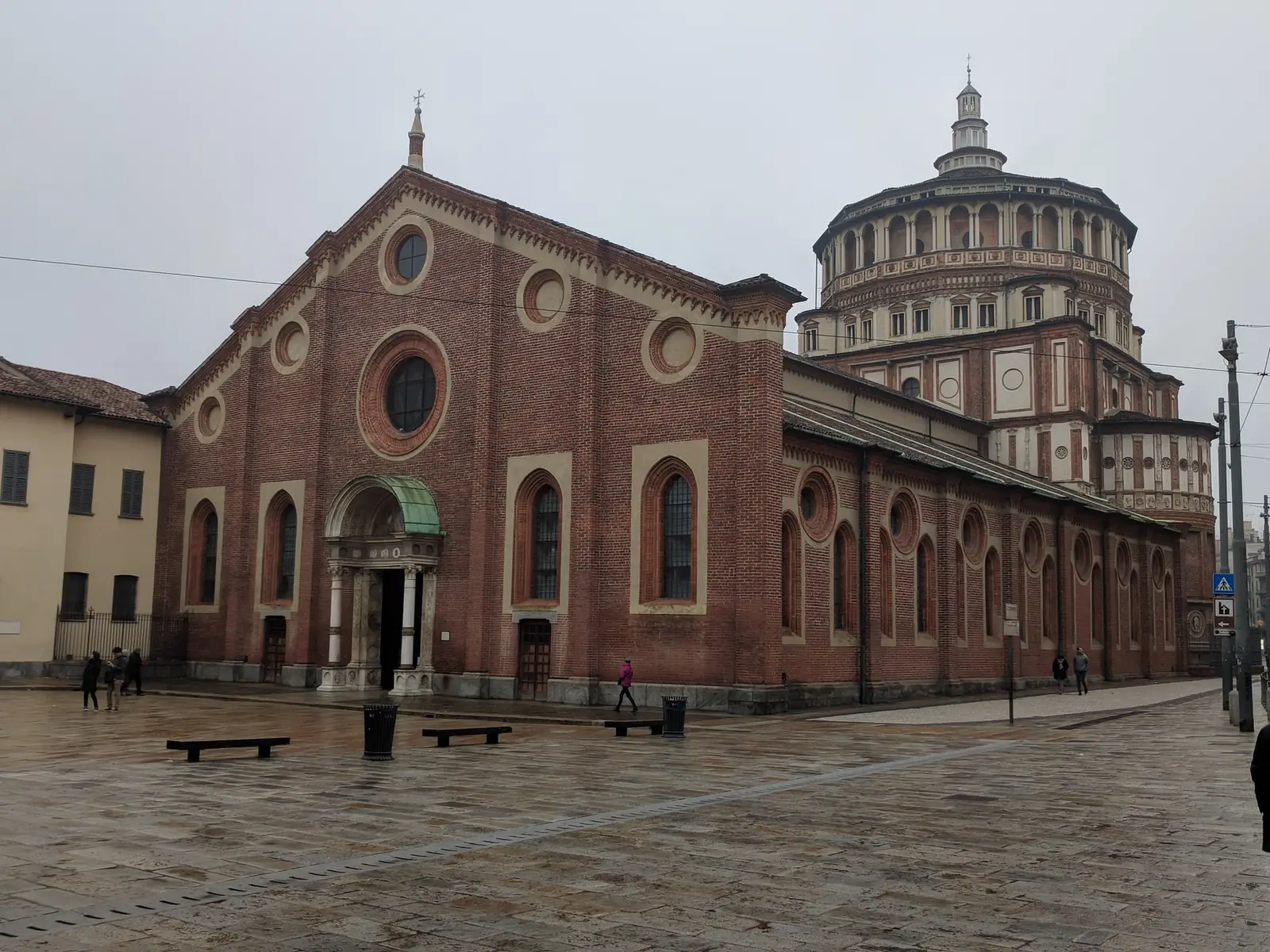
- If you miss it, go anyway — the church itself is free, and the photograph of it on this page is from outside, where most people's is.
Milan — go up on the roof
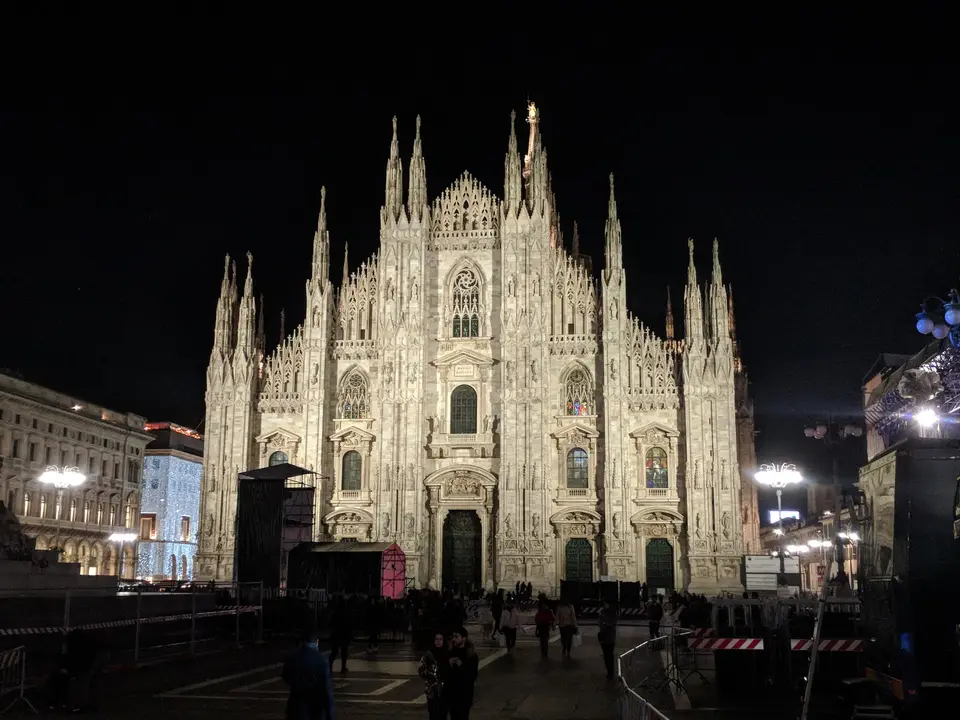
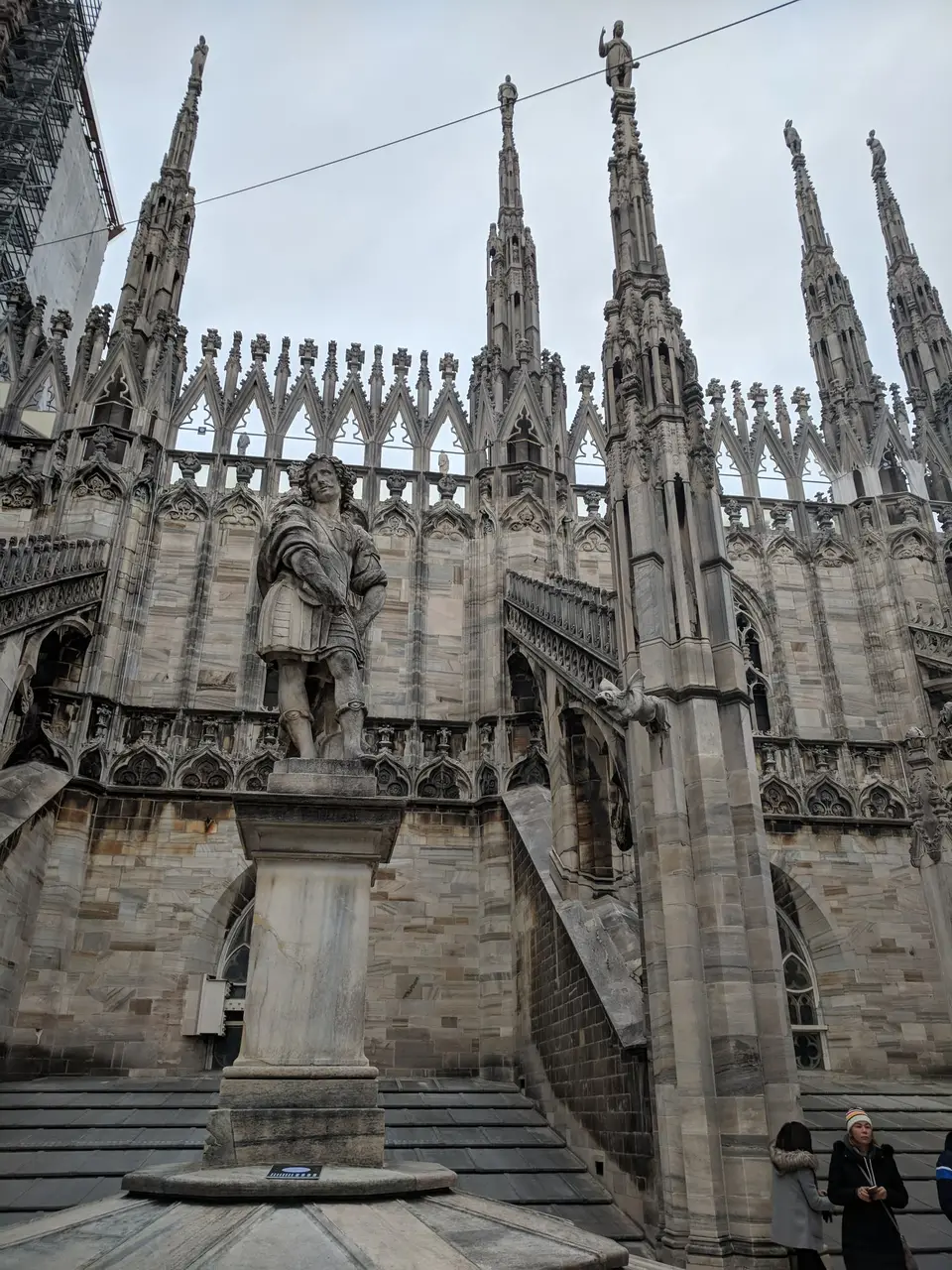
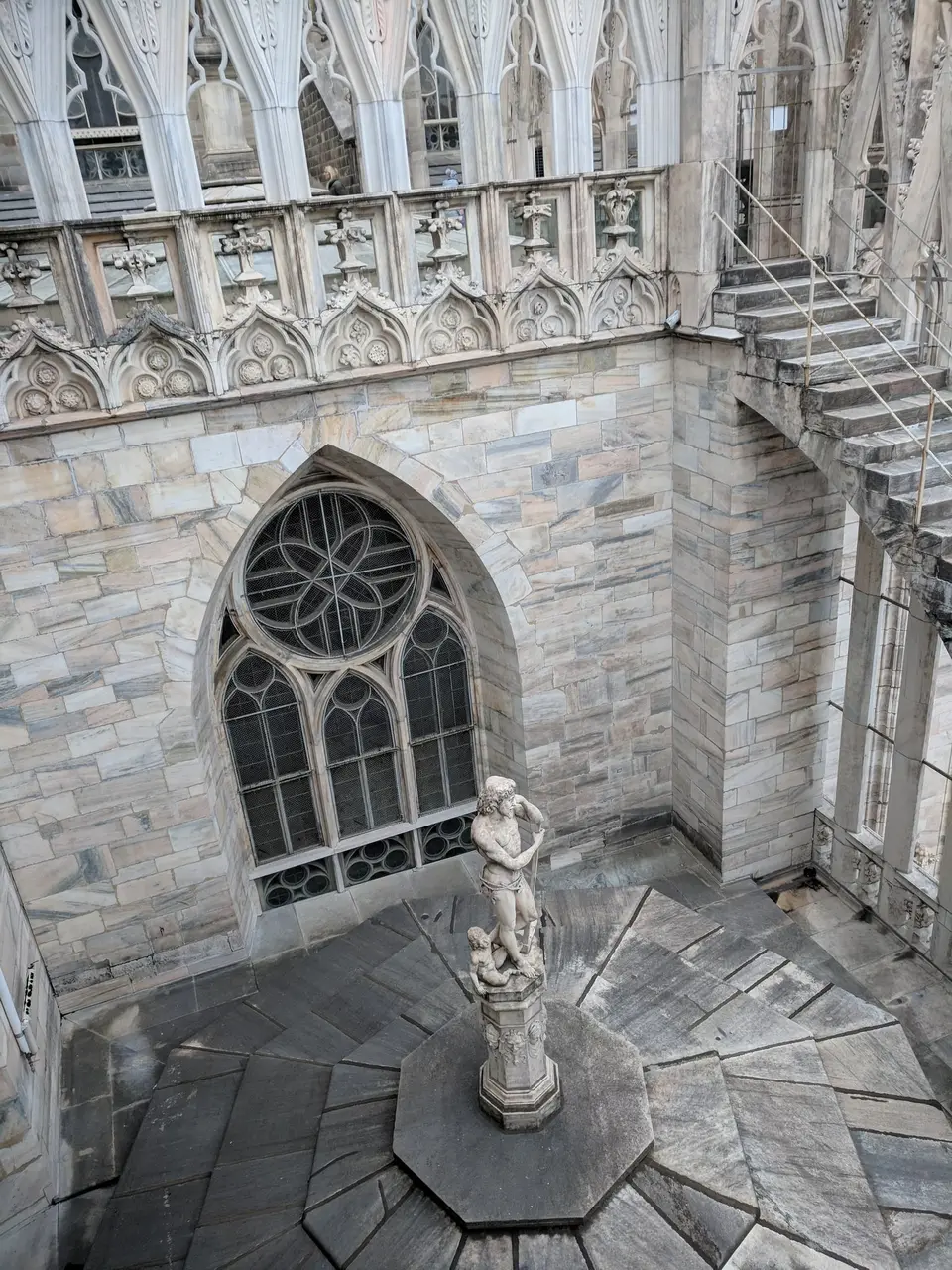
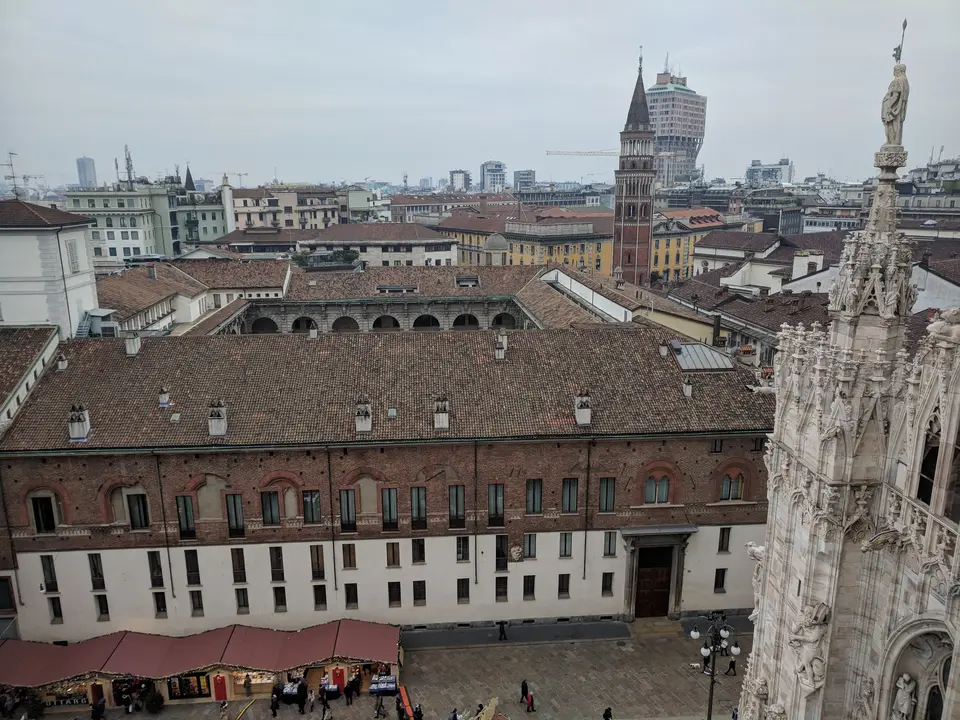
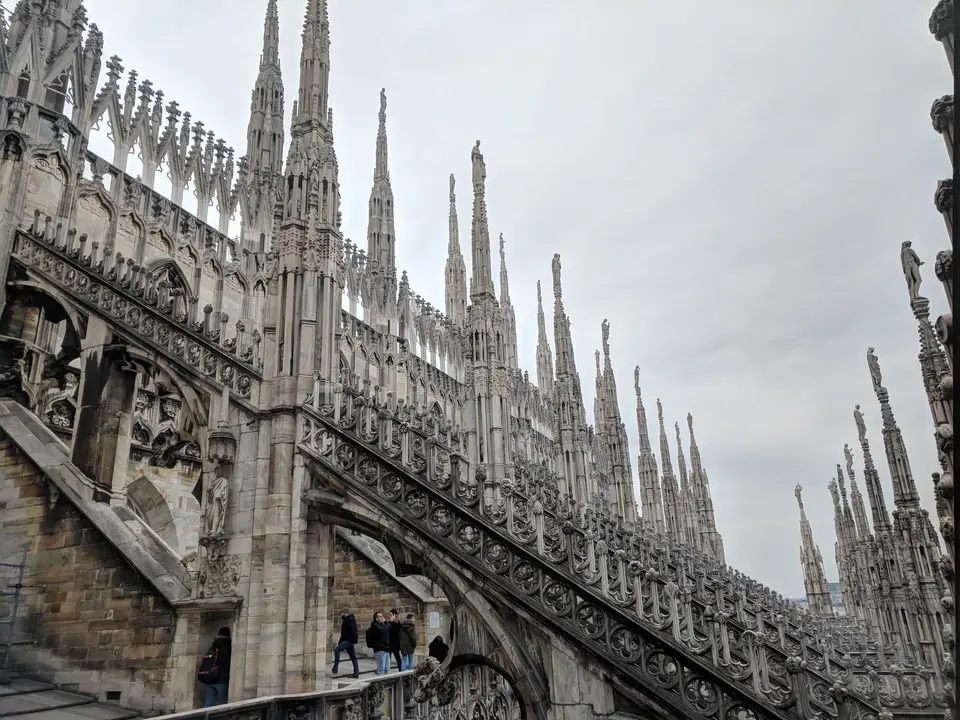
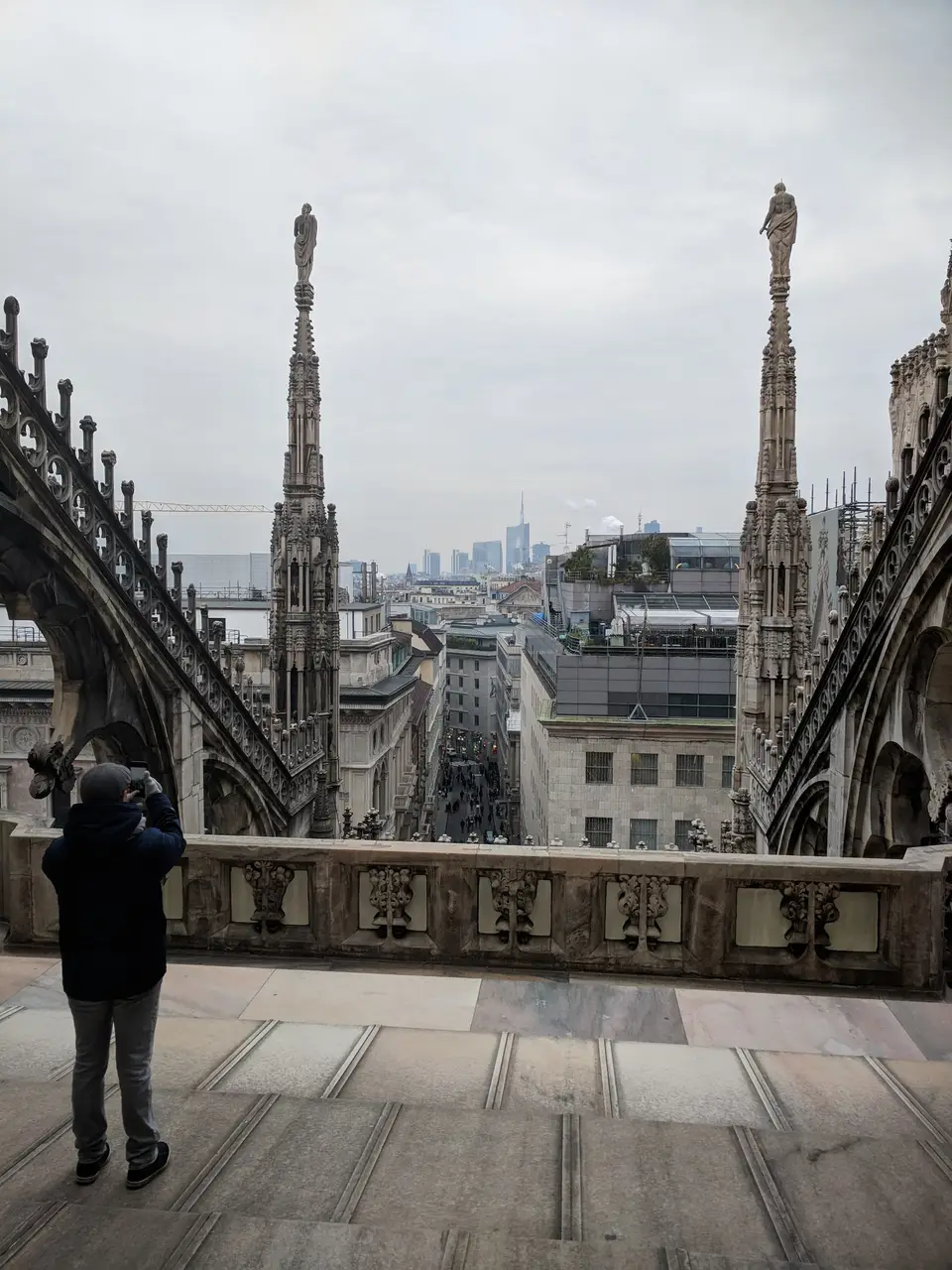
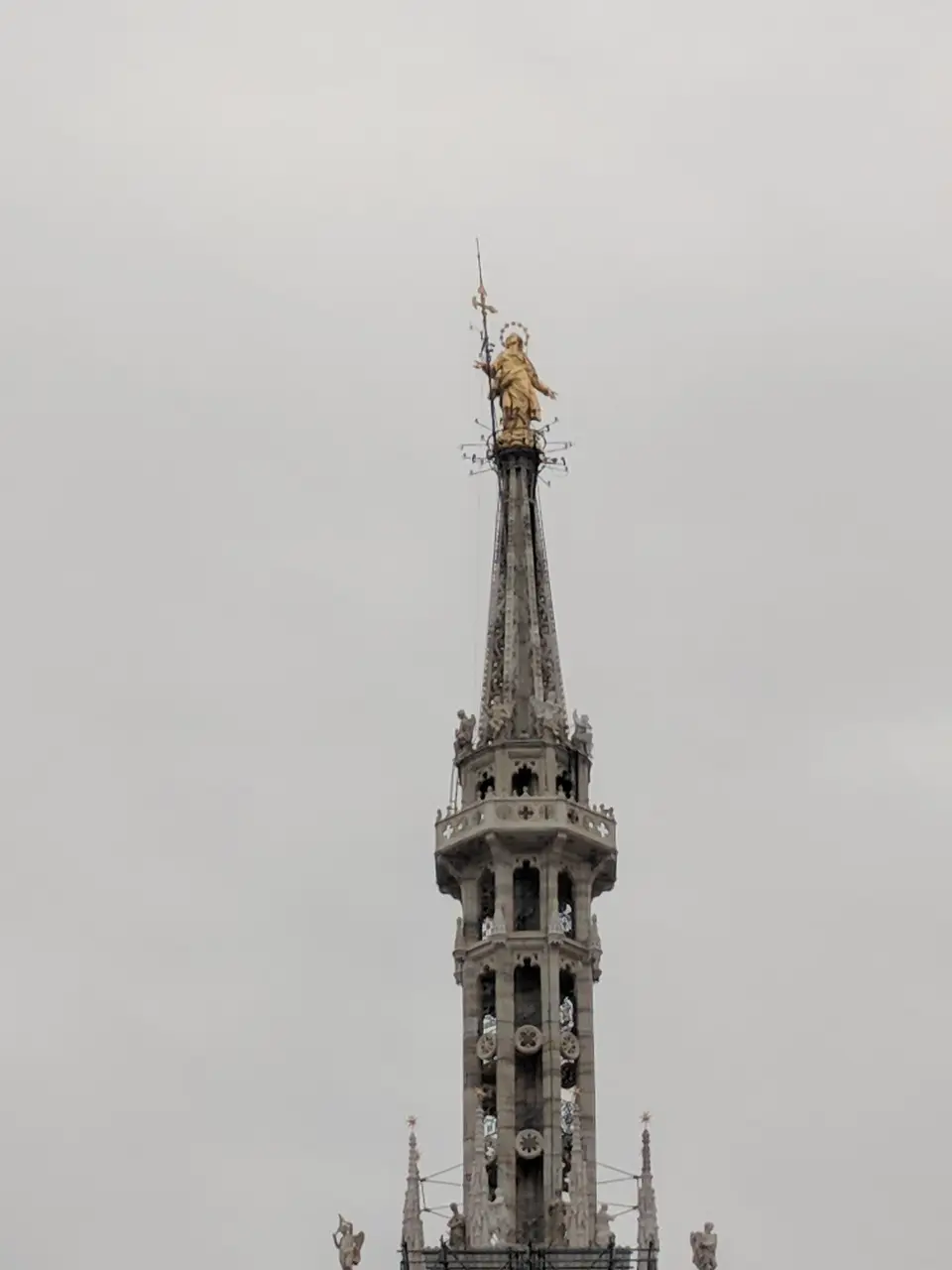
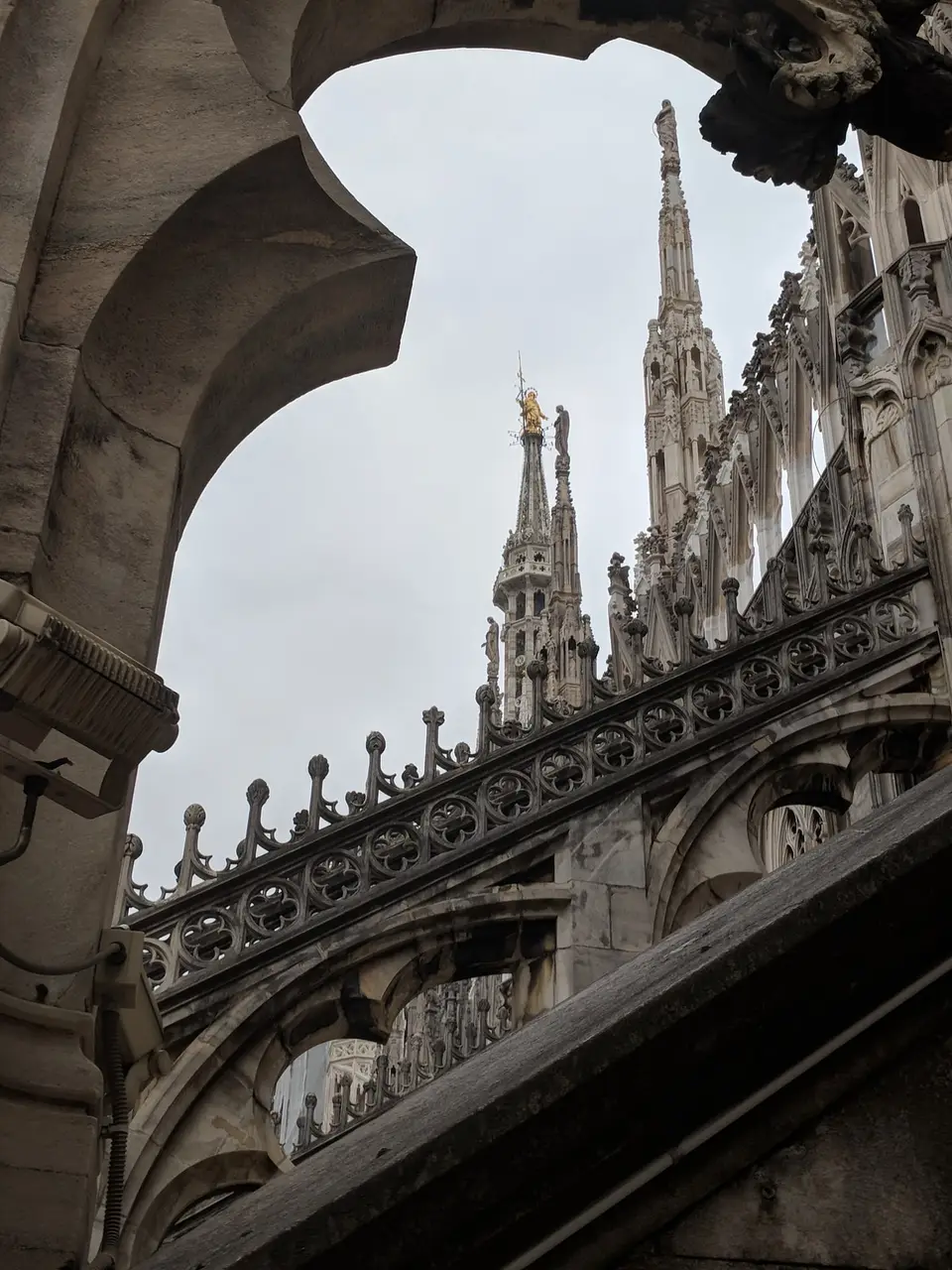
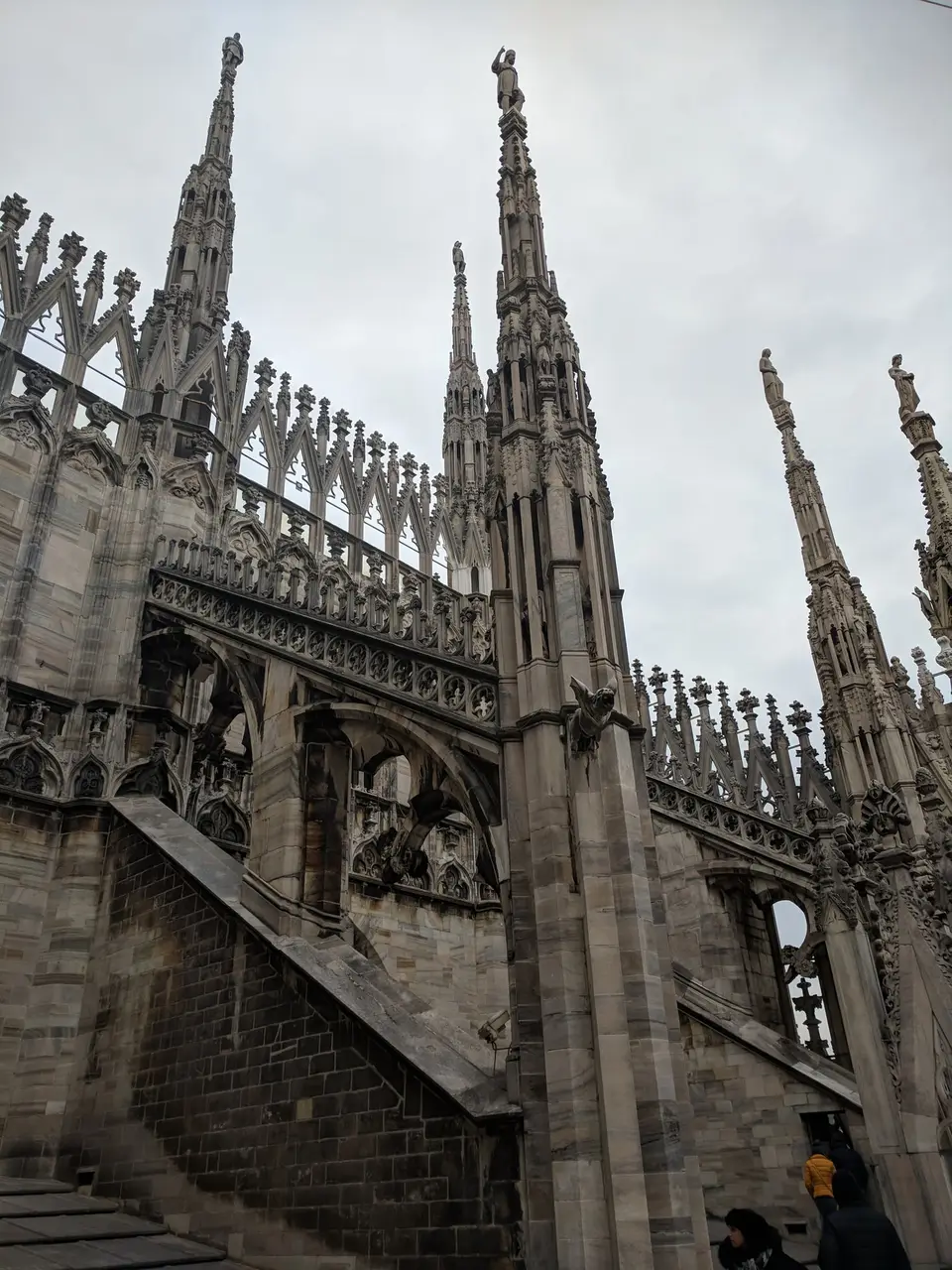
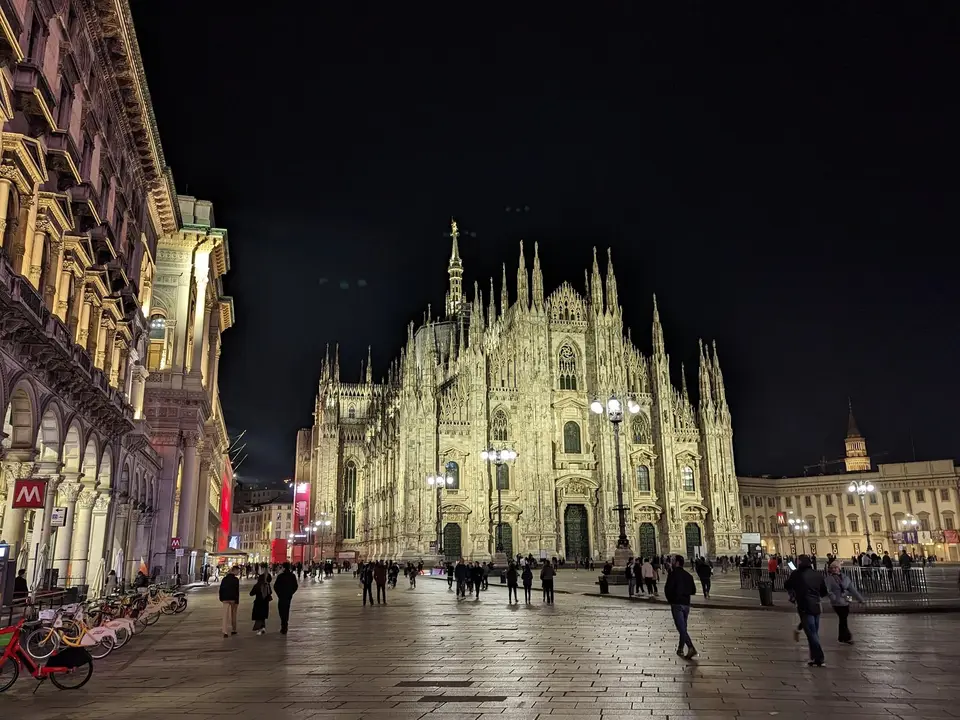
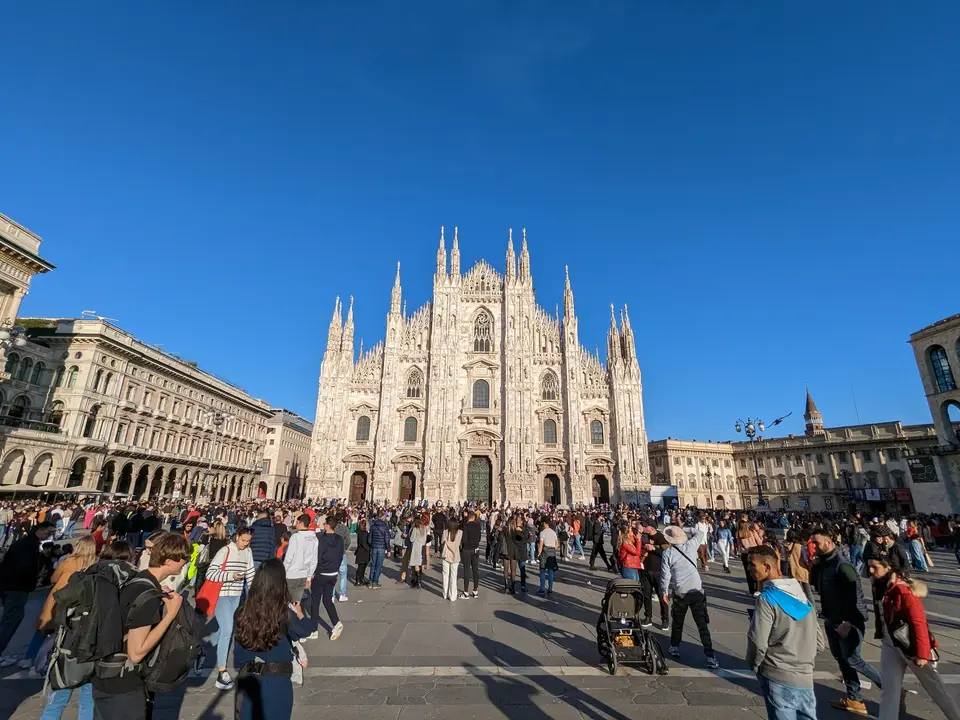
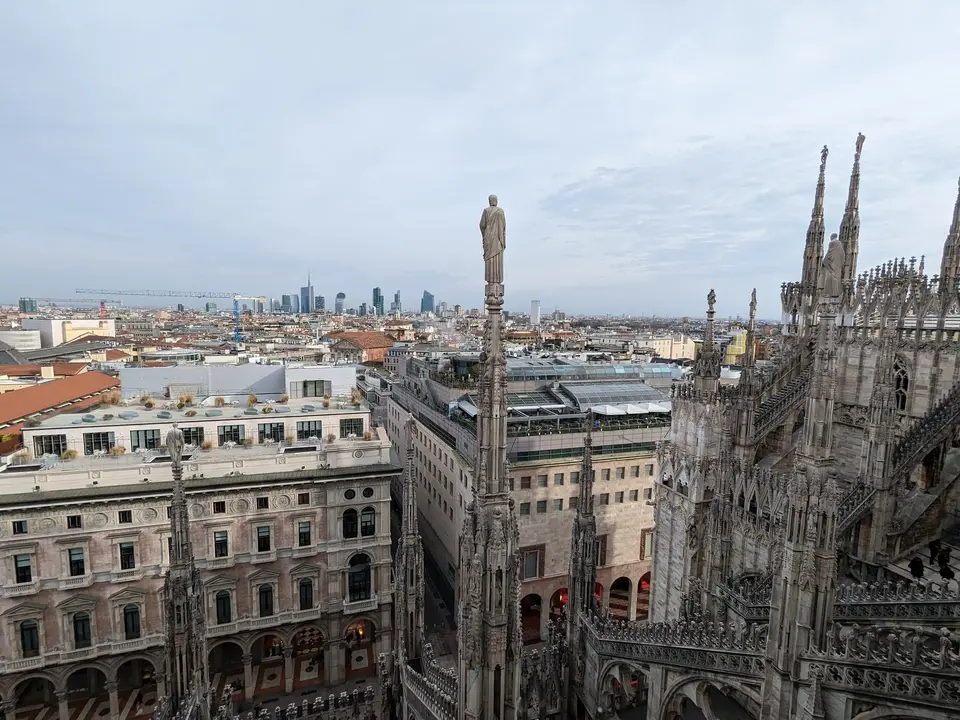
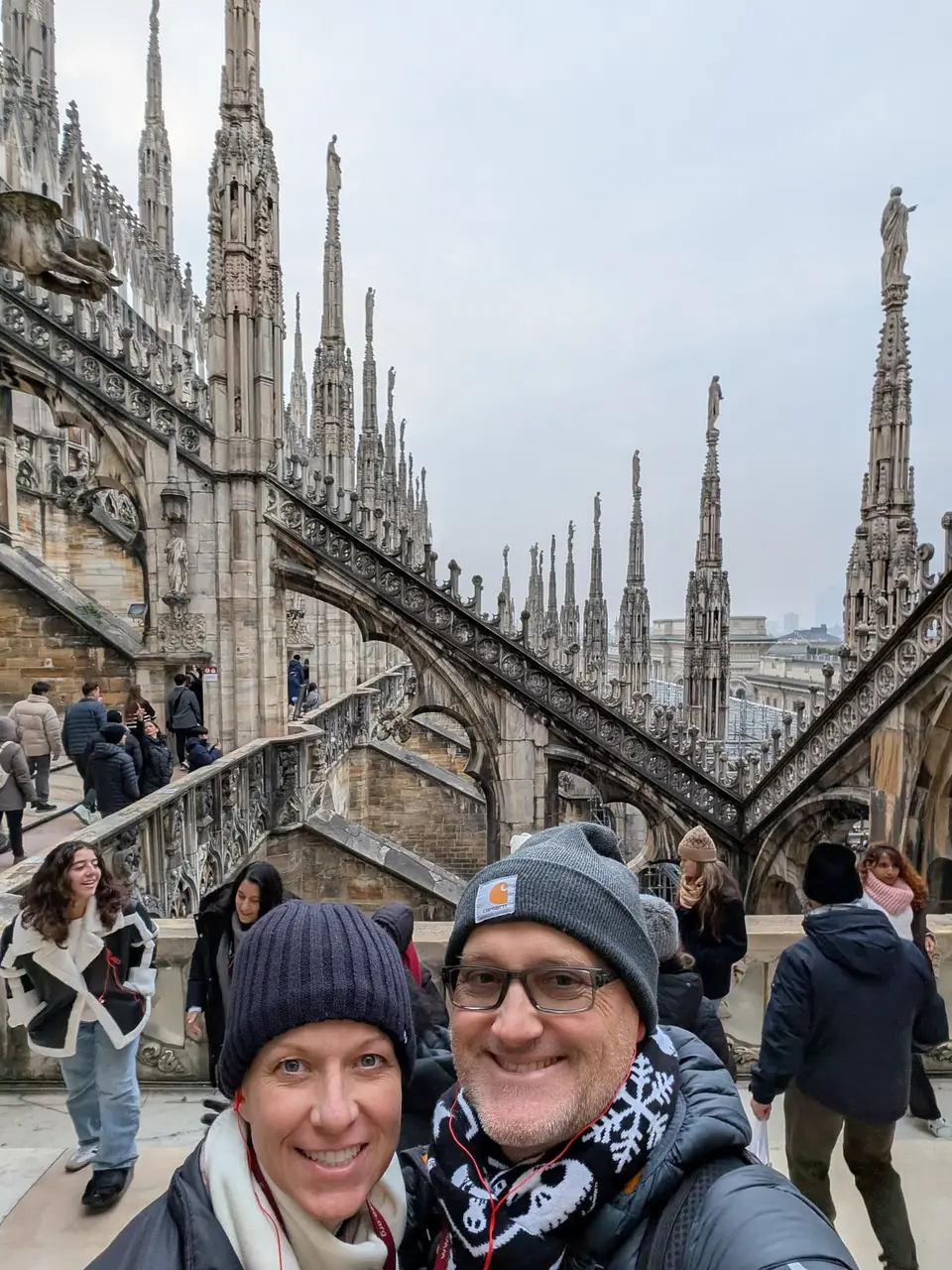
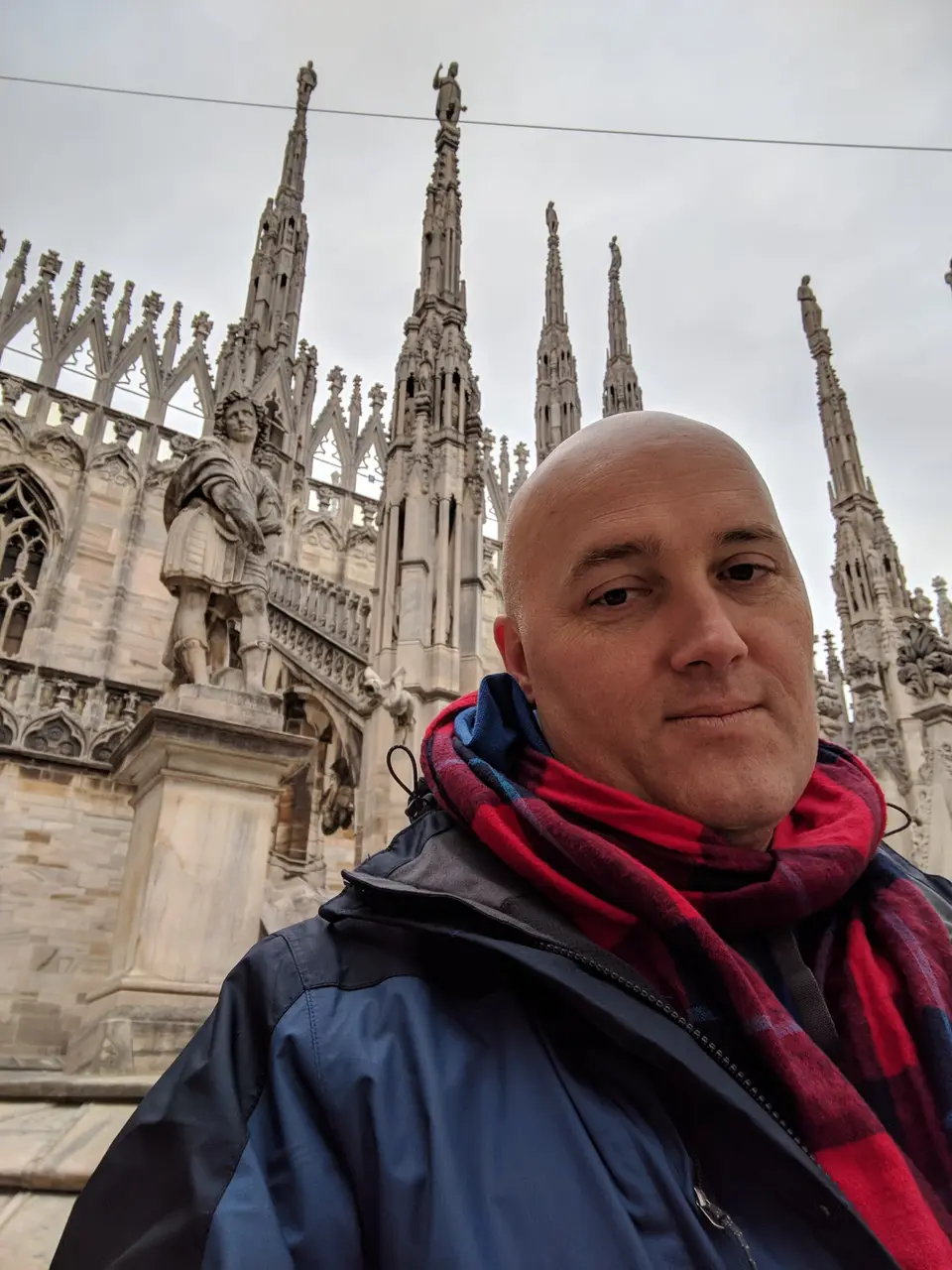
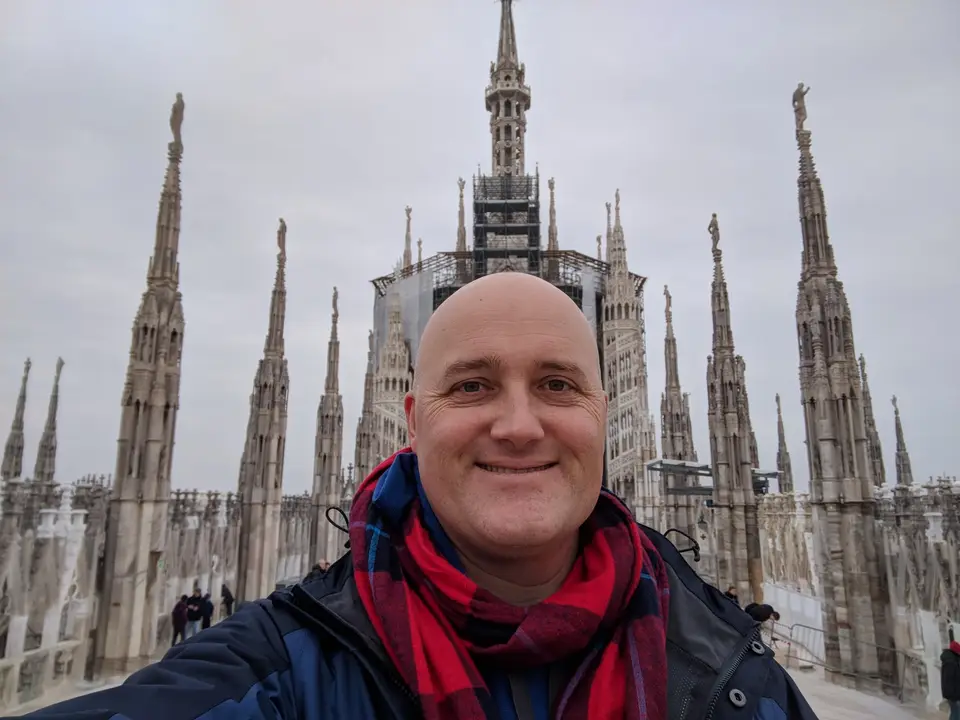
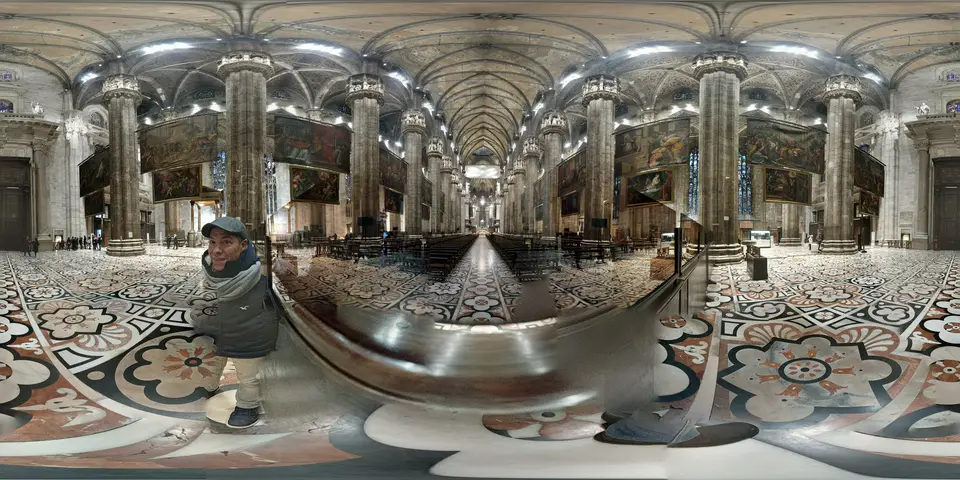
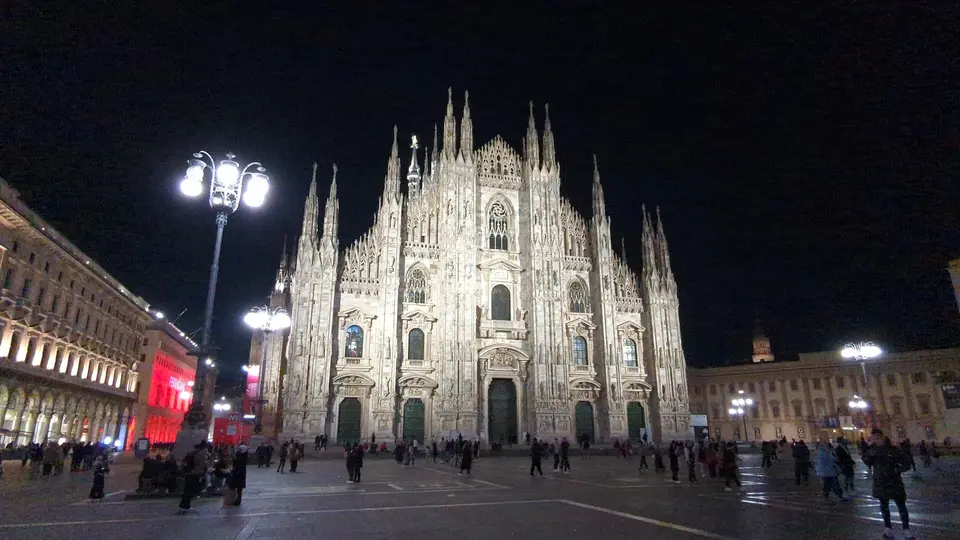
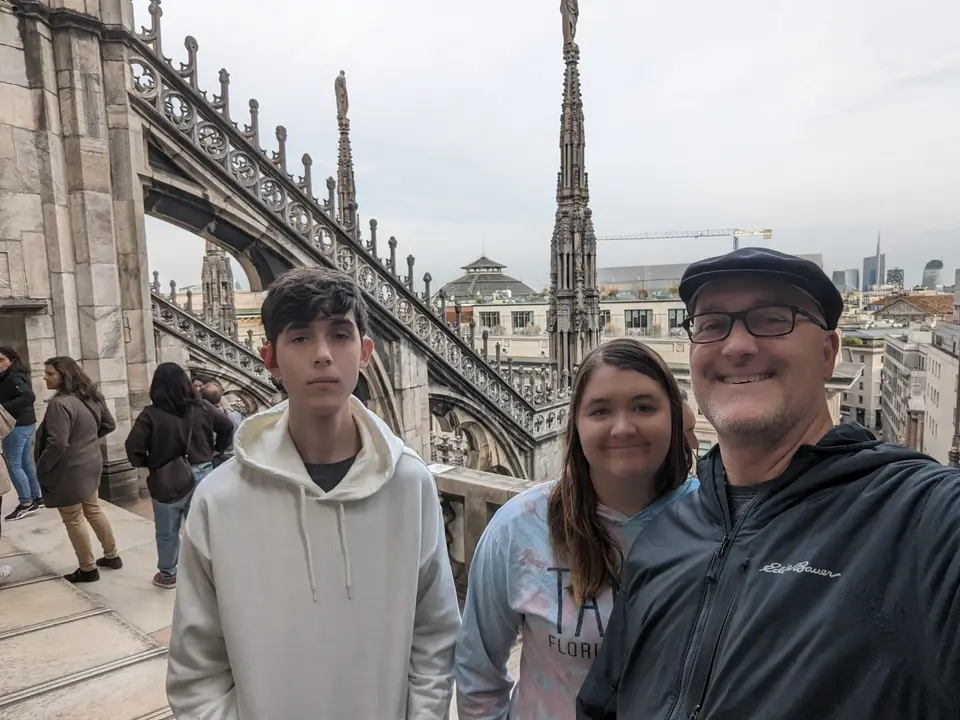
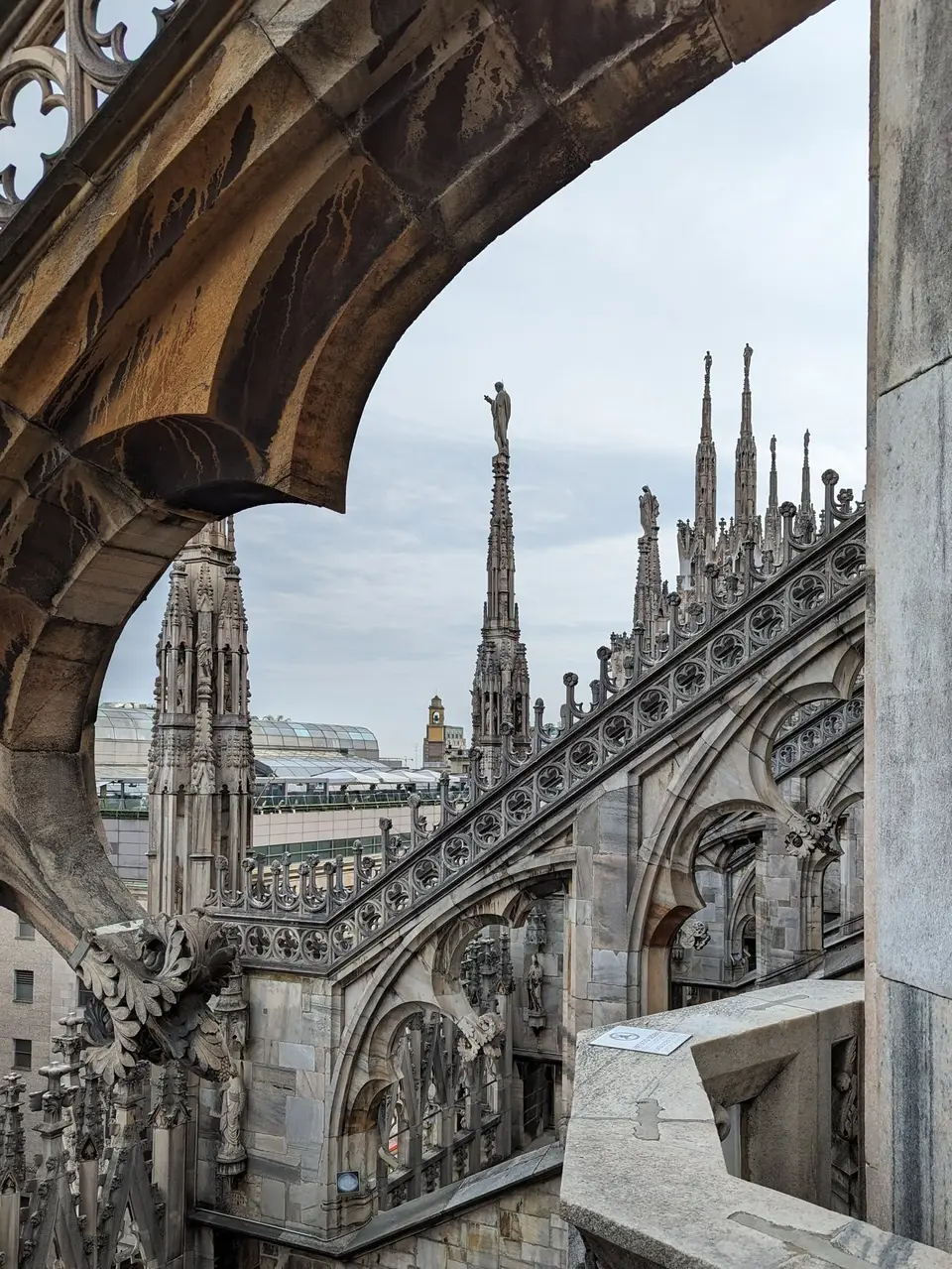
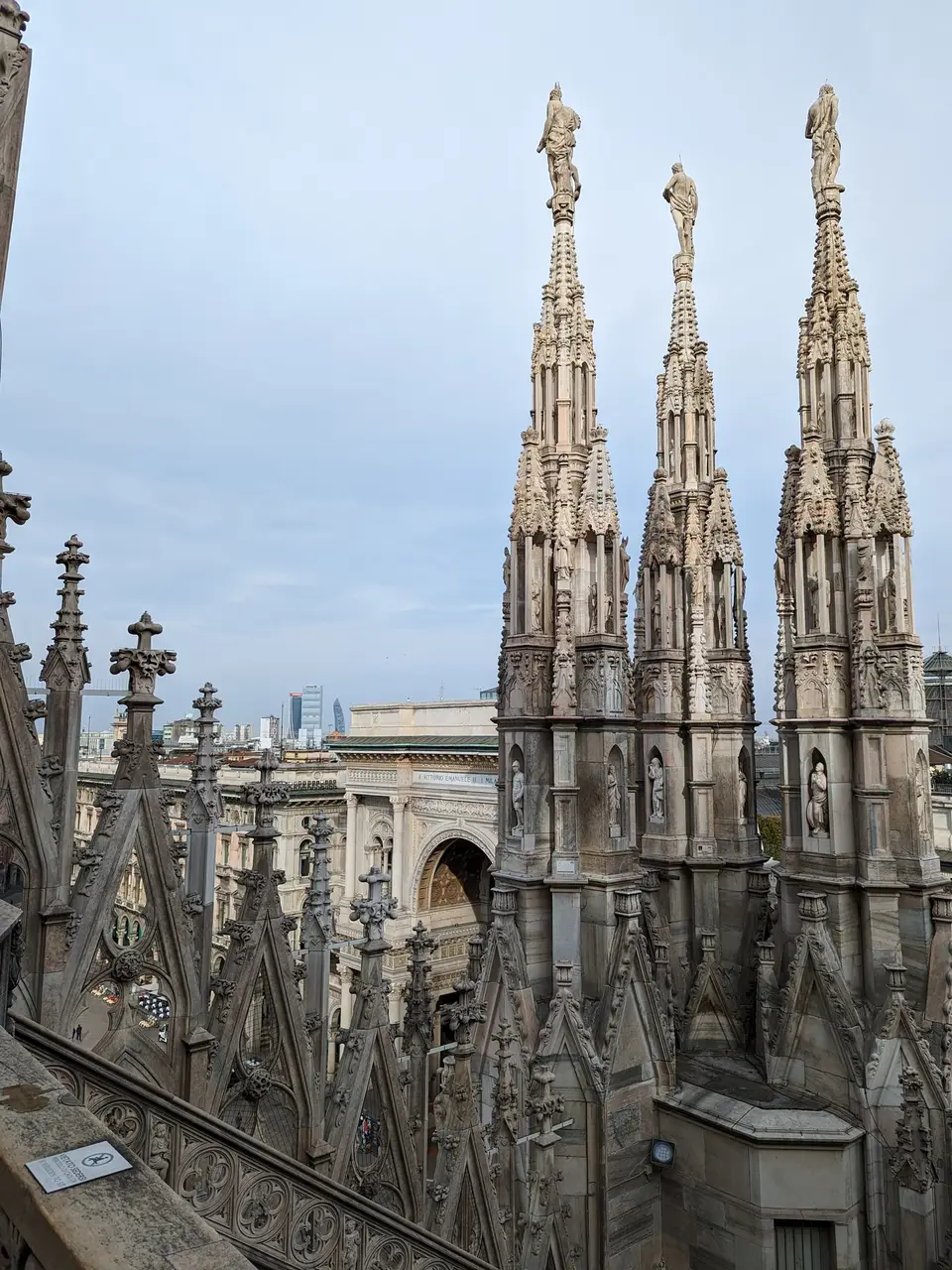
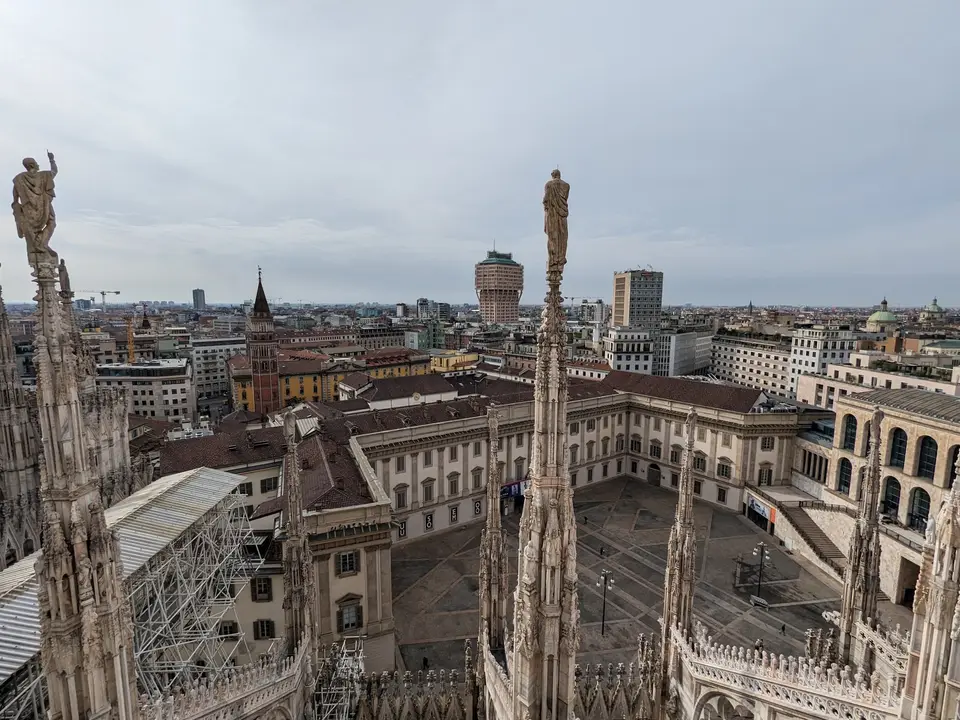
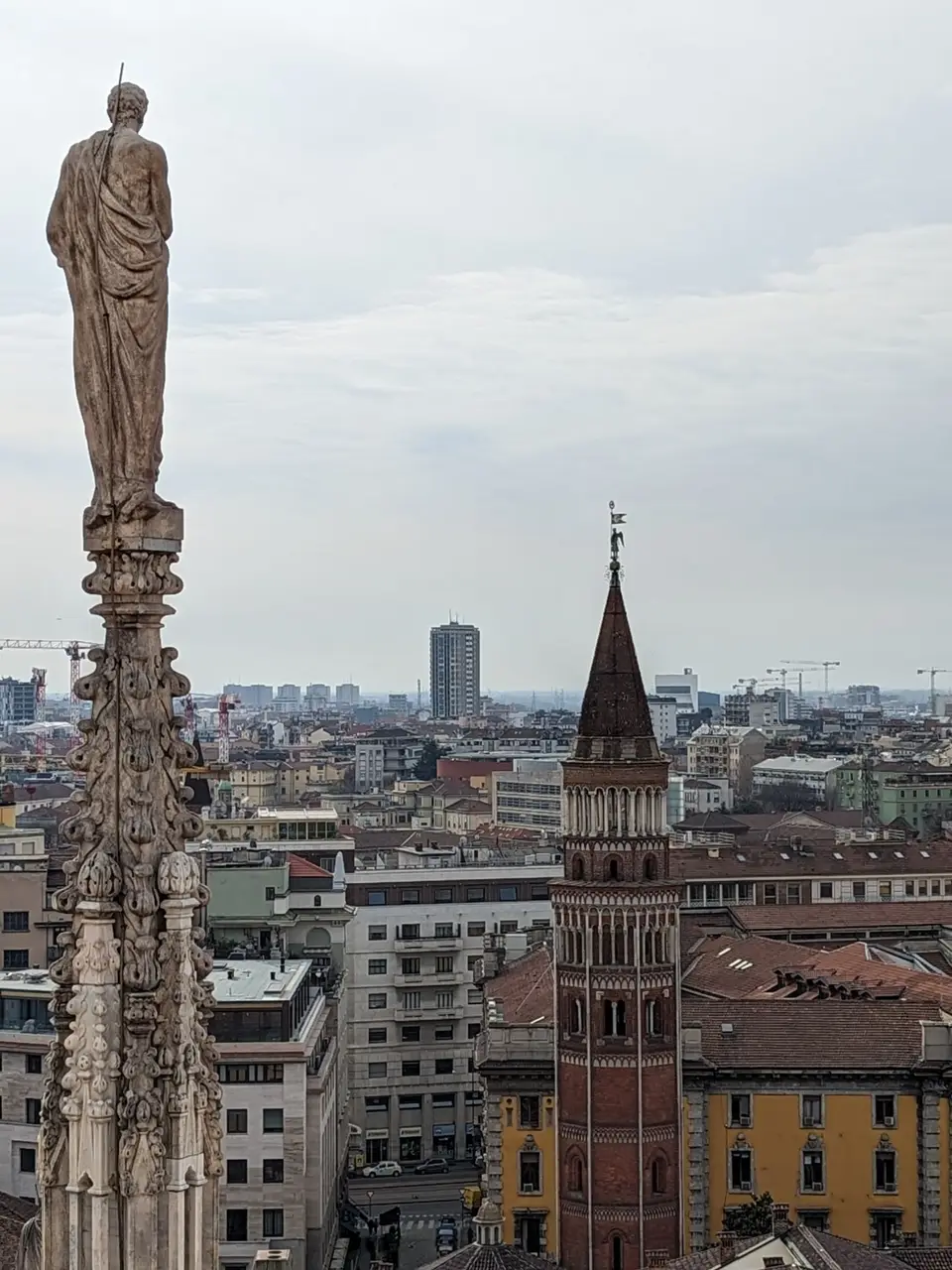
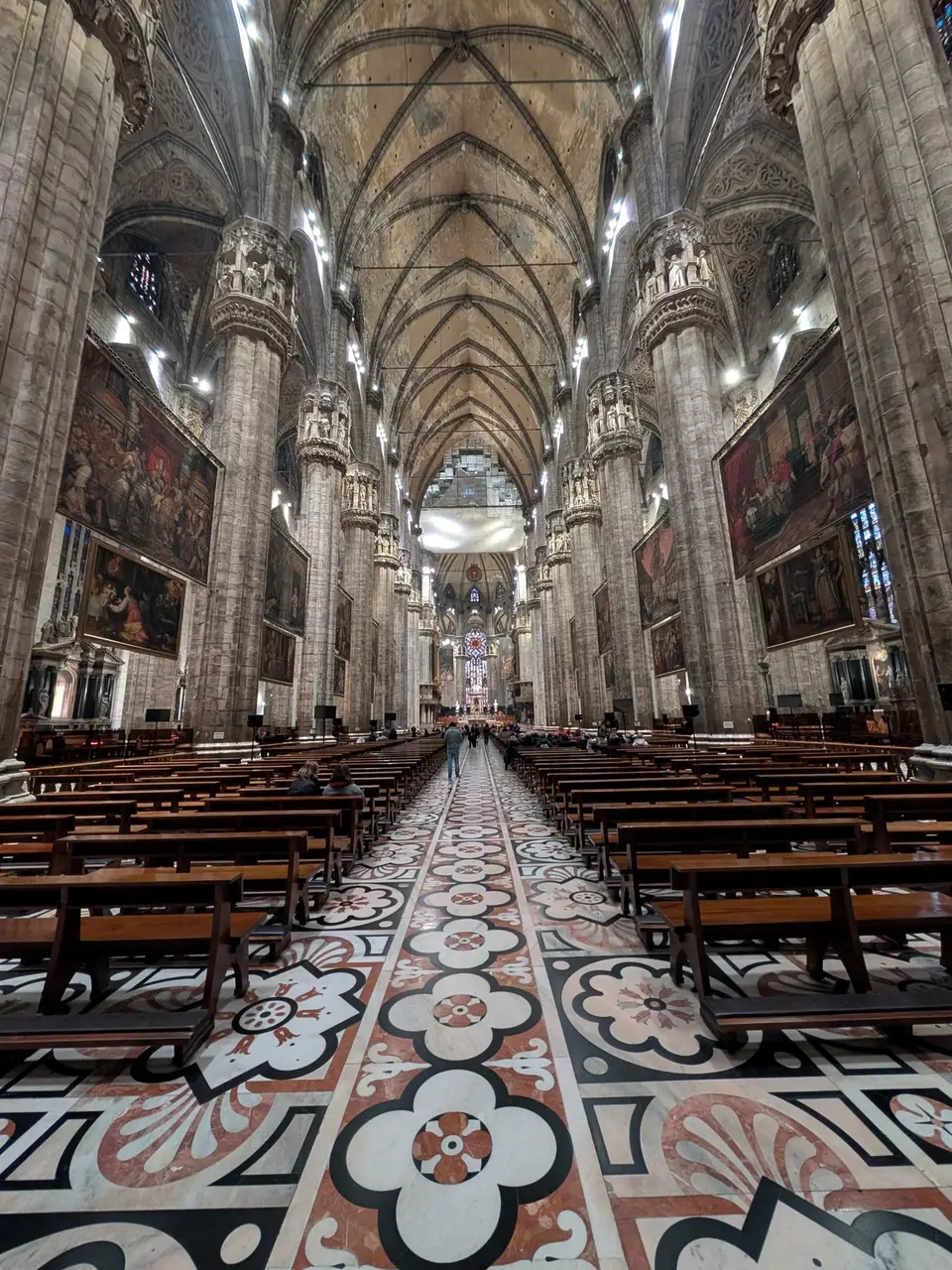
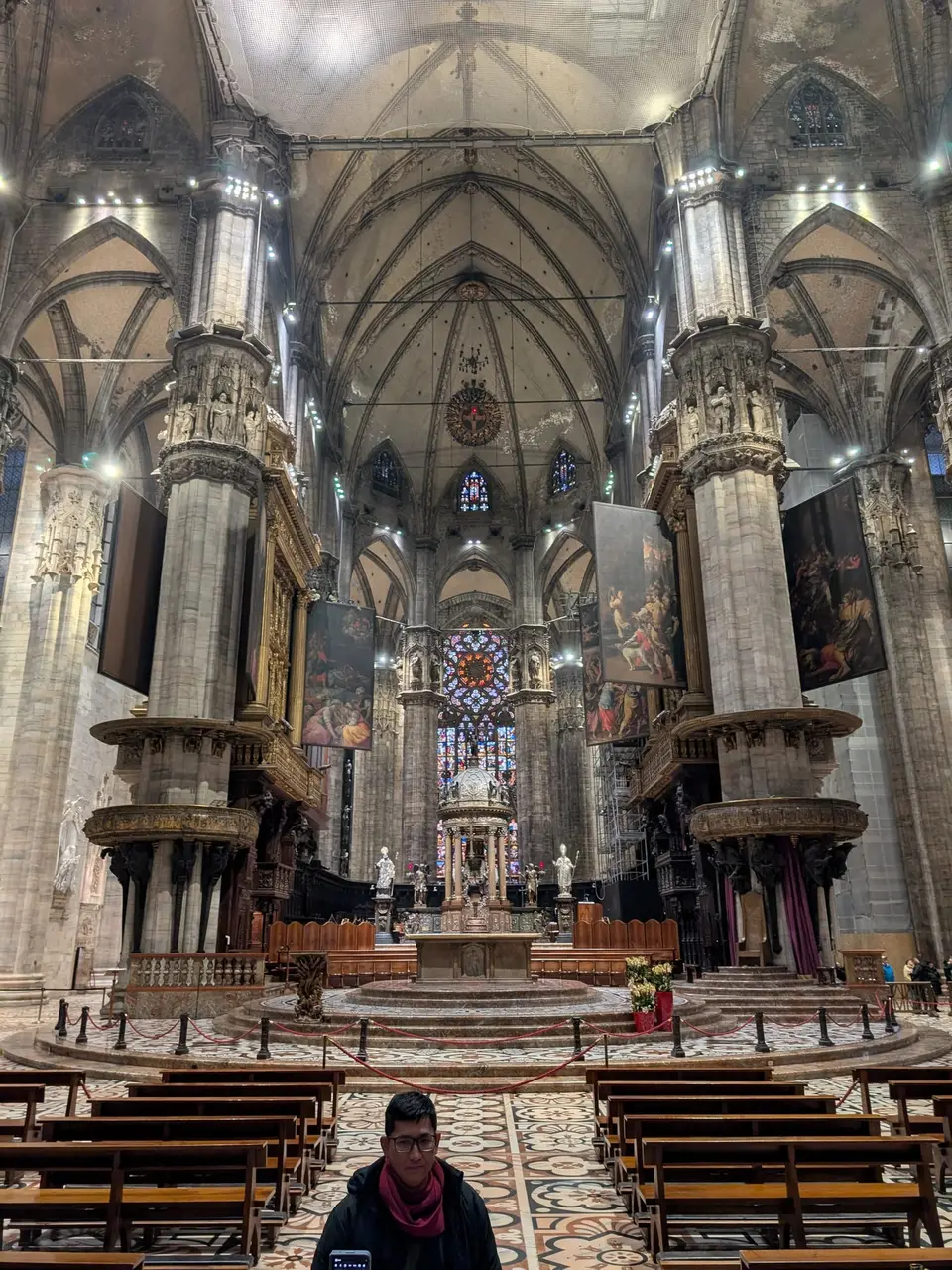
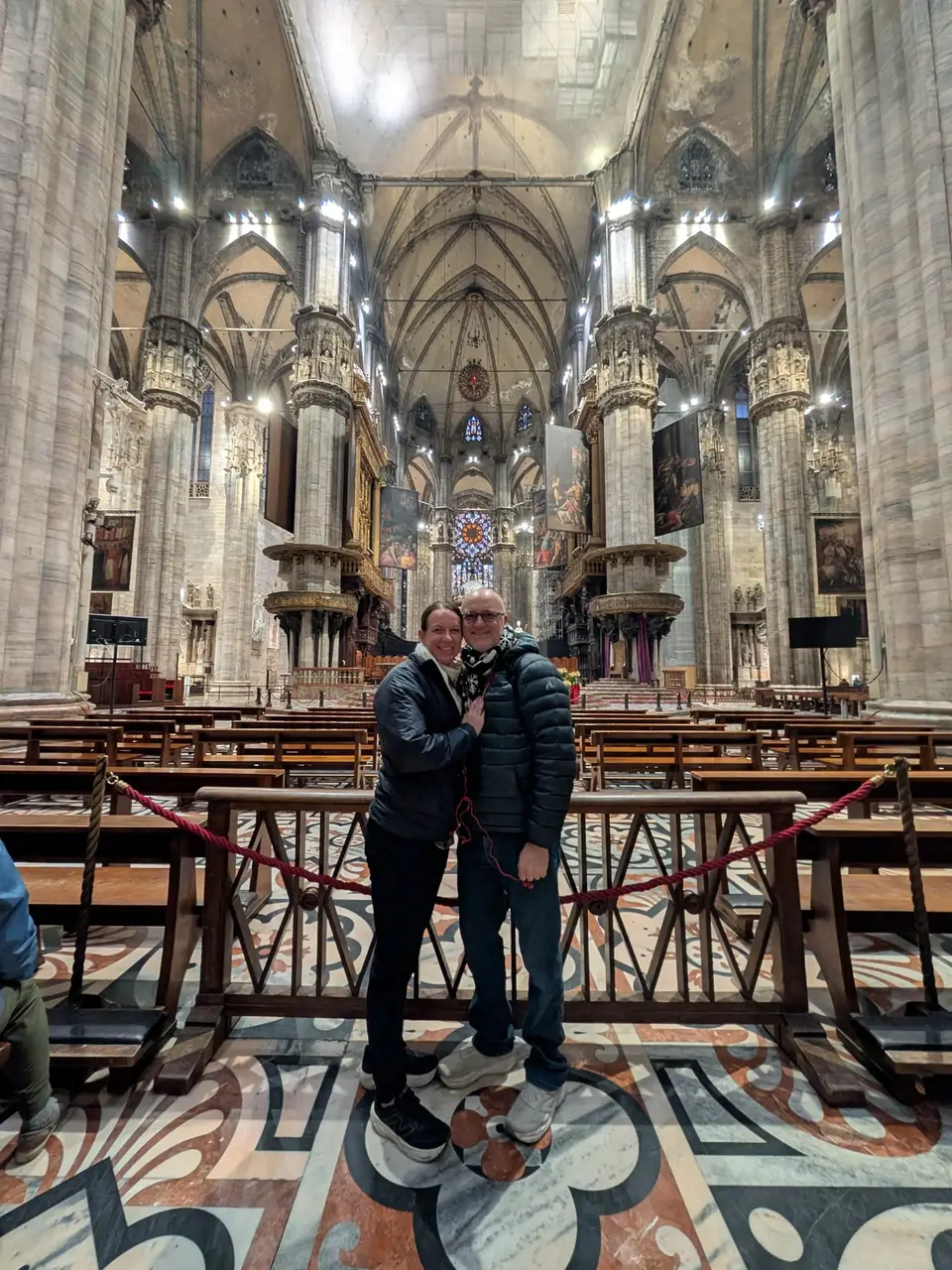
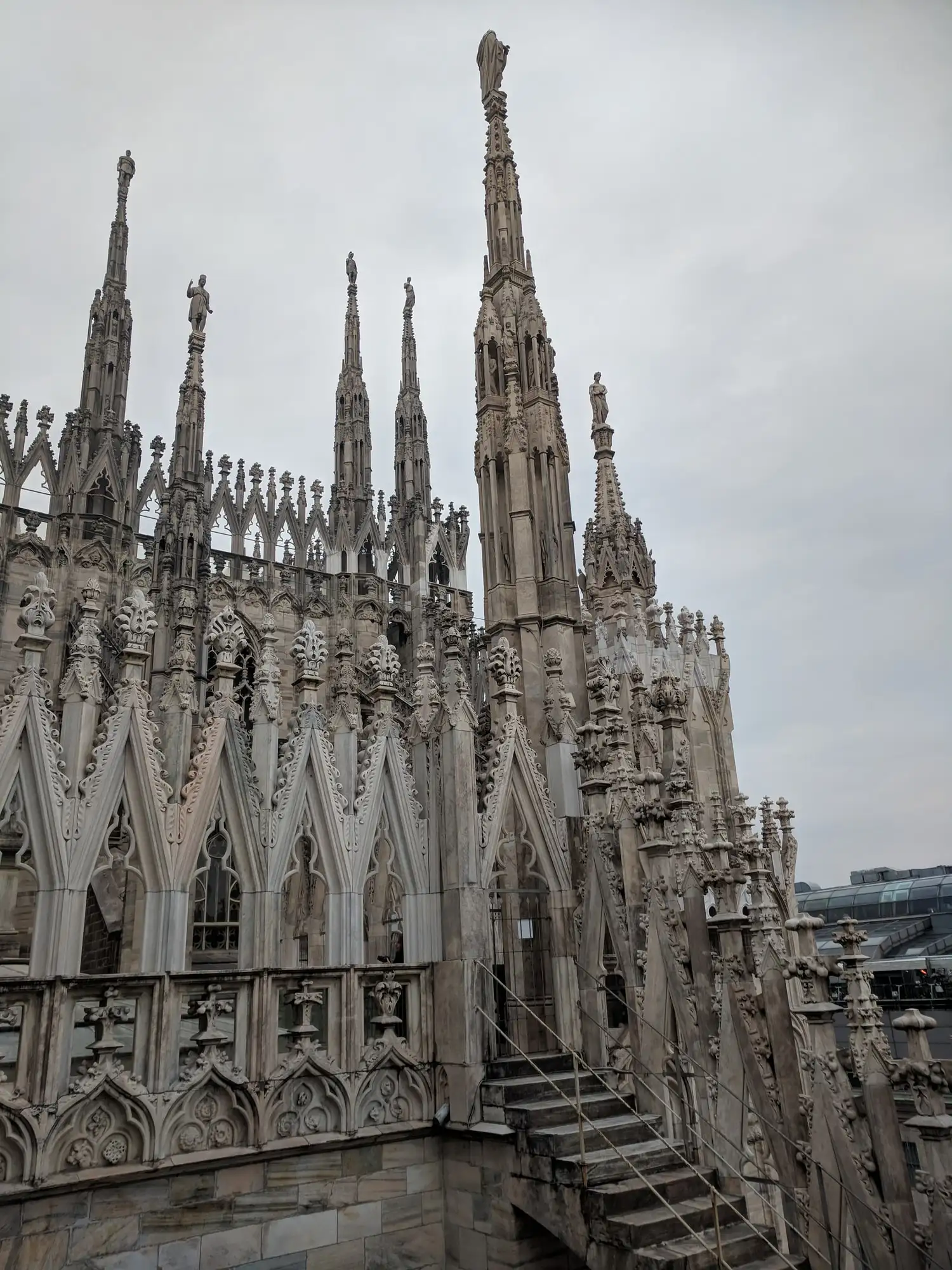
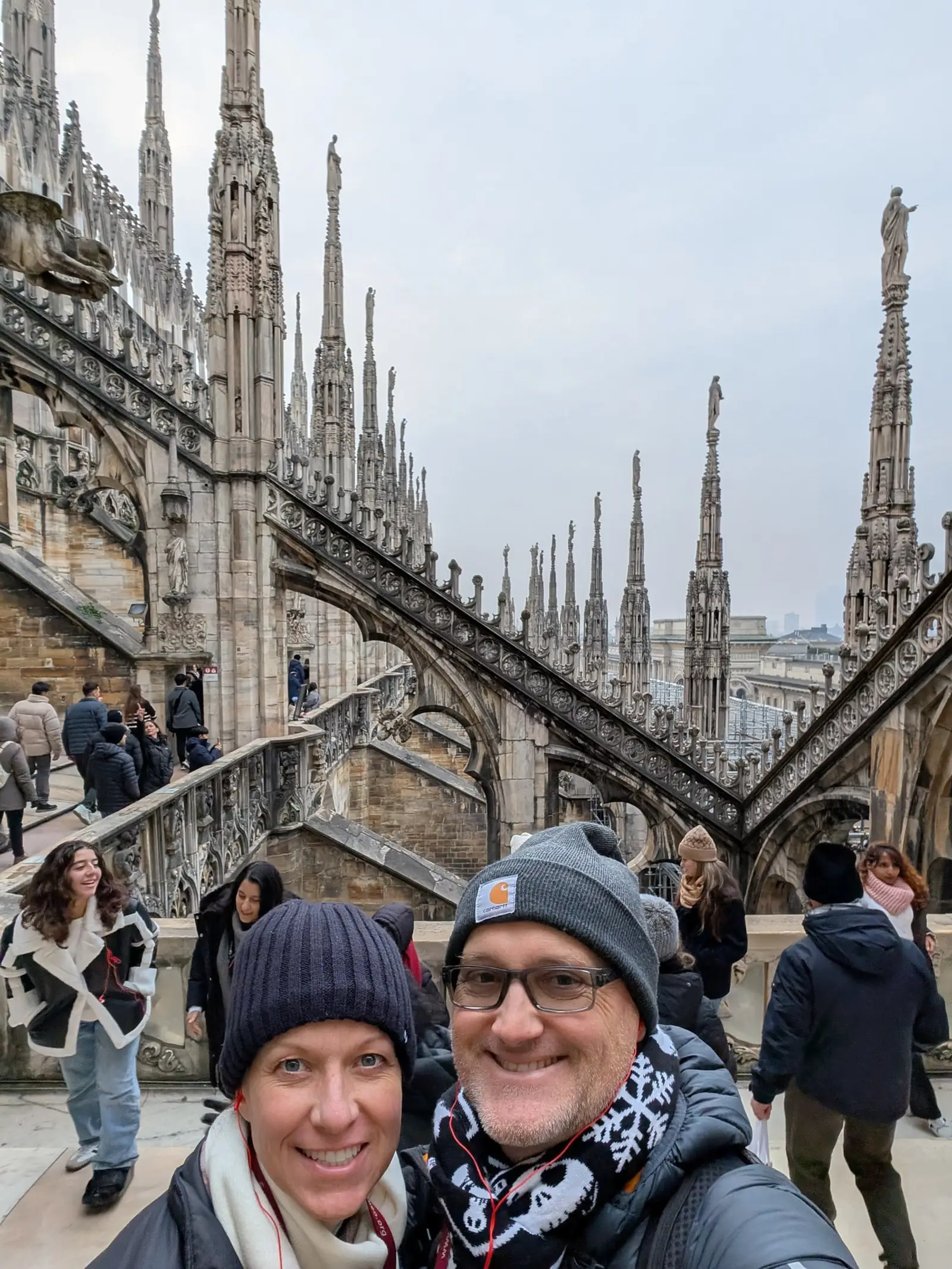
A third of our Italian photographs are Milan, and most of those are from one place: the terraces on top of the Duomo, where you walk among the spires and the statues with the city underneath.
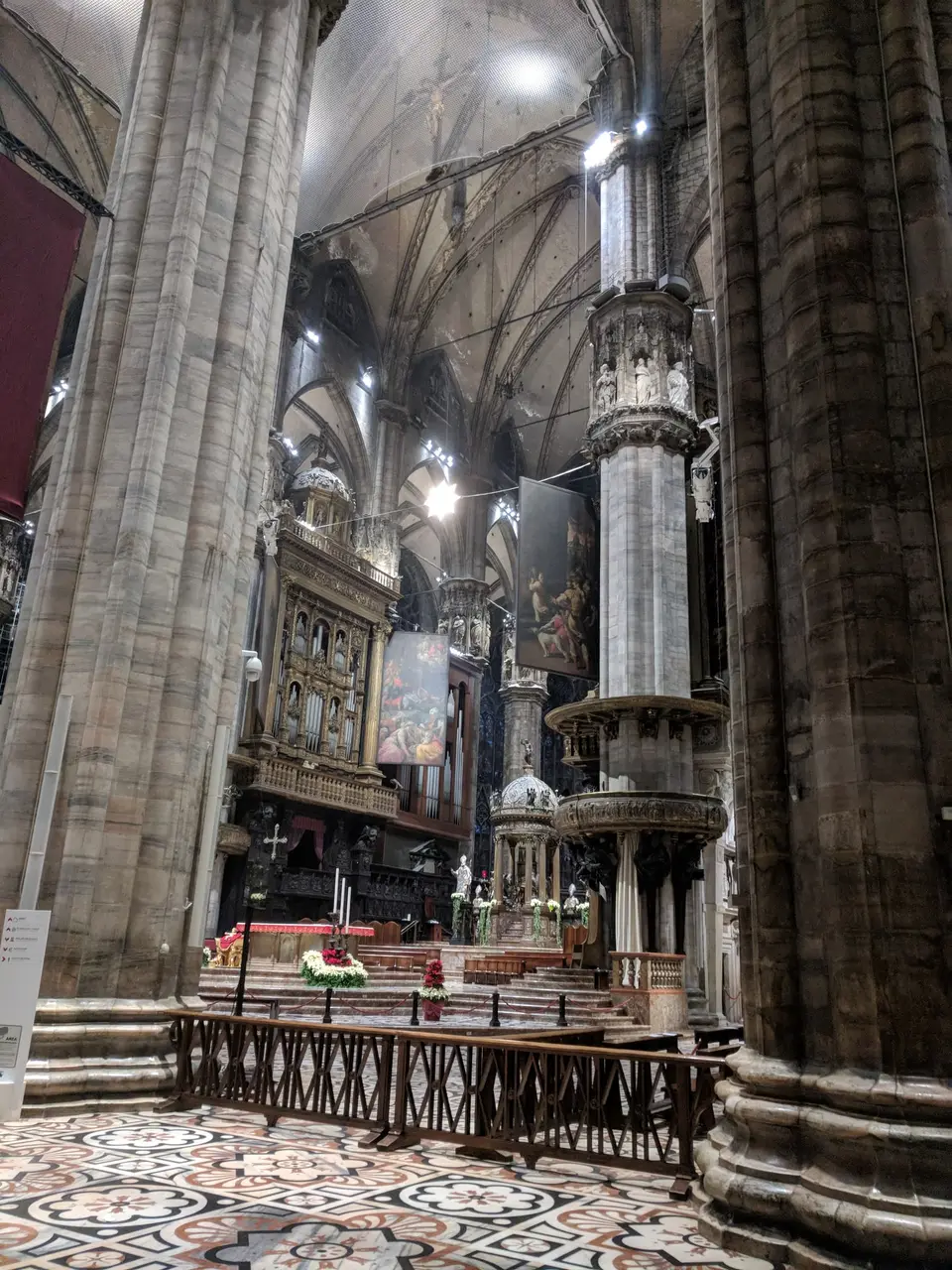
- Rooftop only: €16 by stairs, €18 by lift. Cathedral and rooftop together: €22 by stairs, €26 by lift. Checked 17 September 2026.
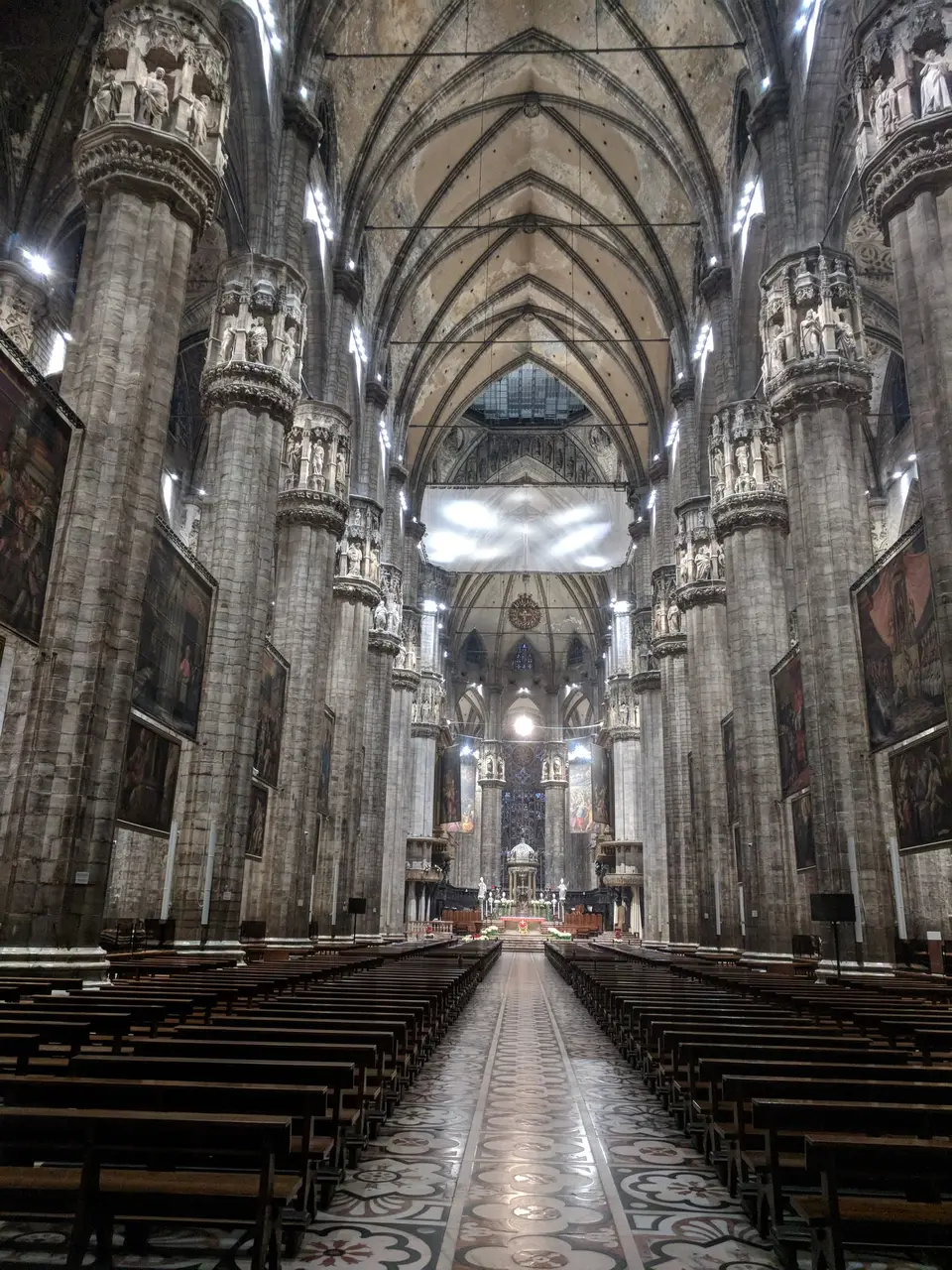
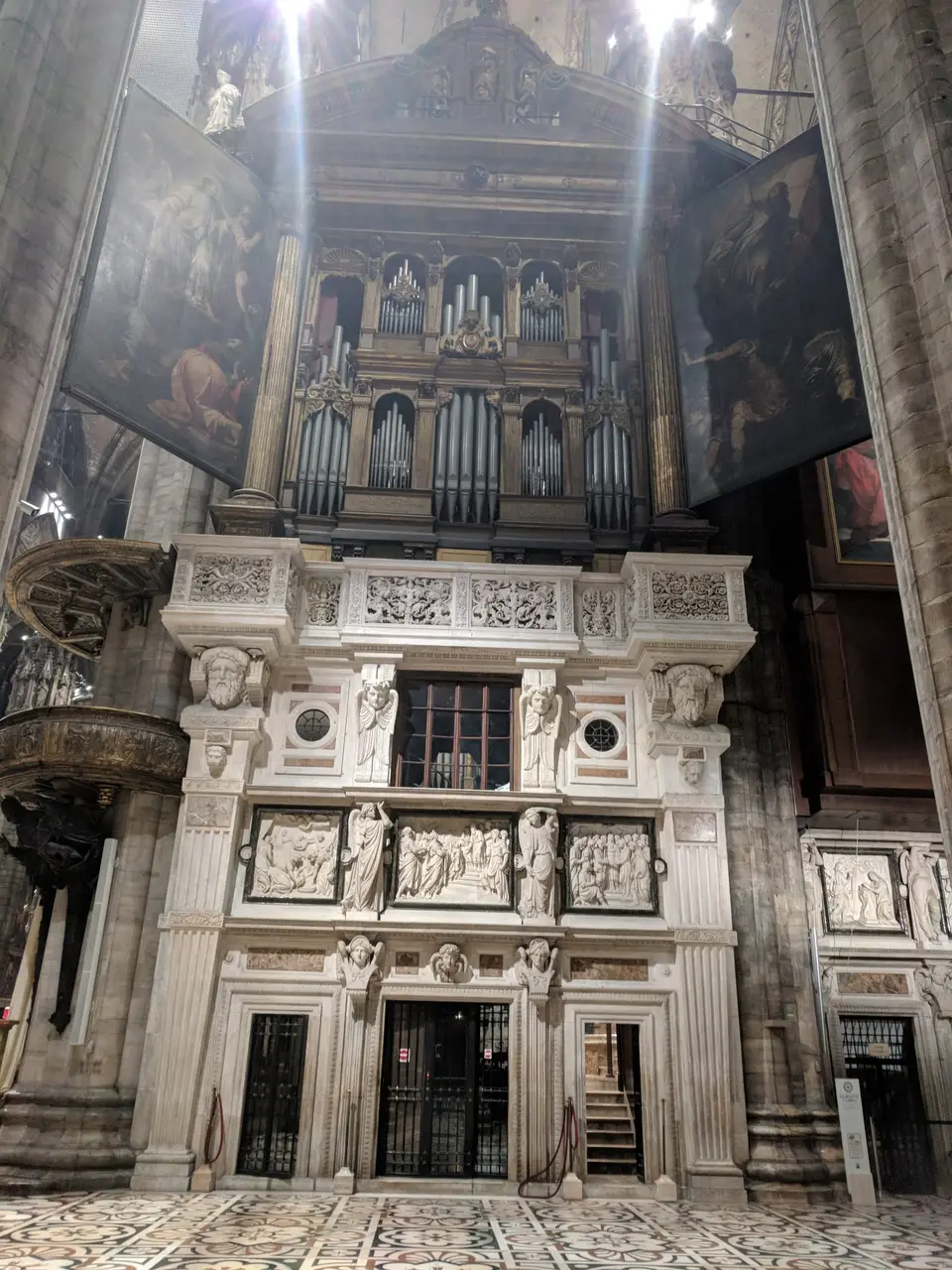
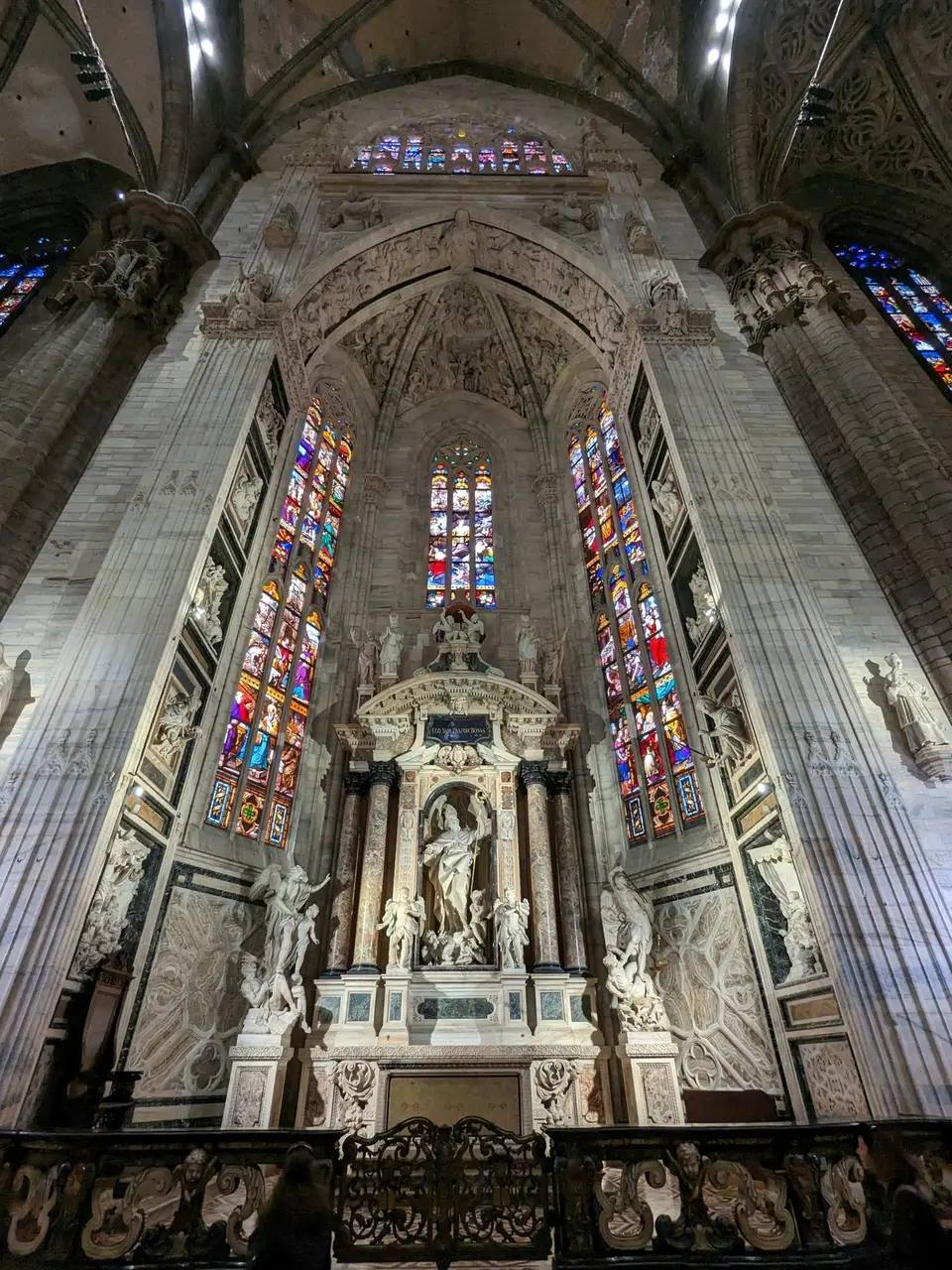
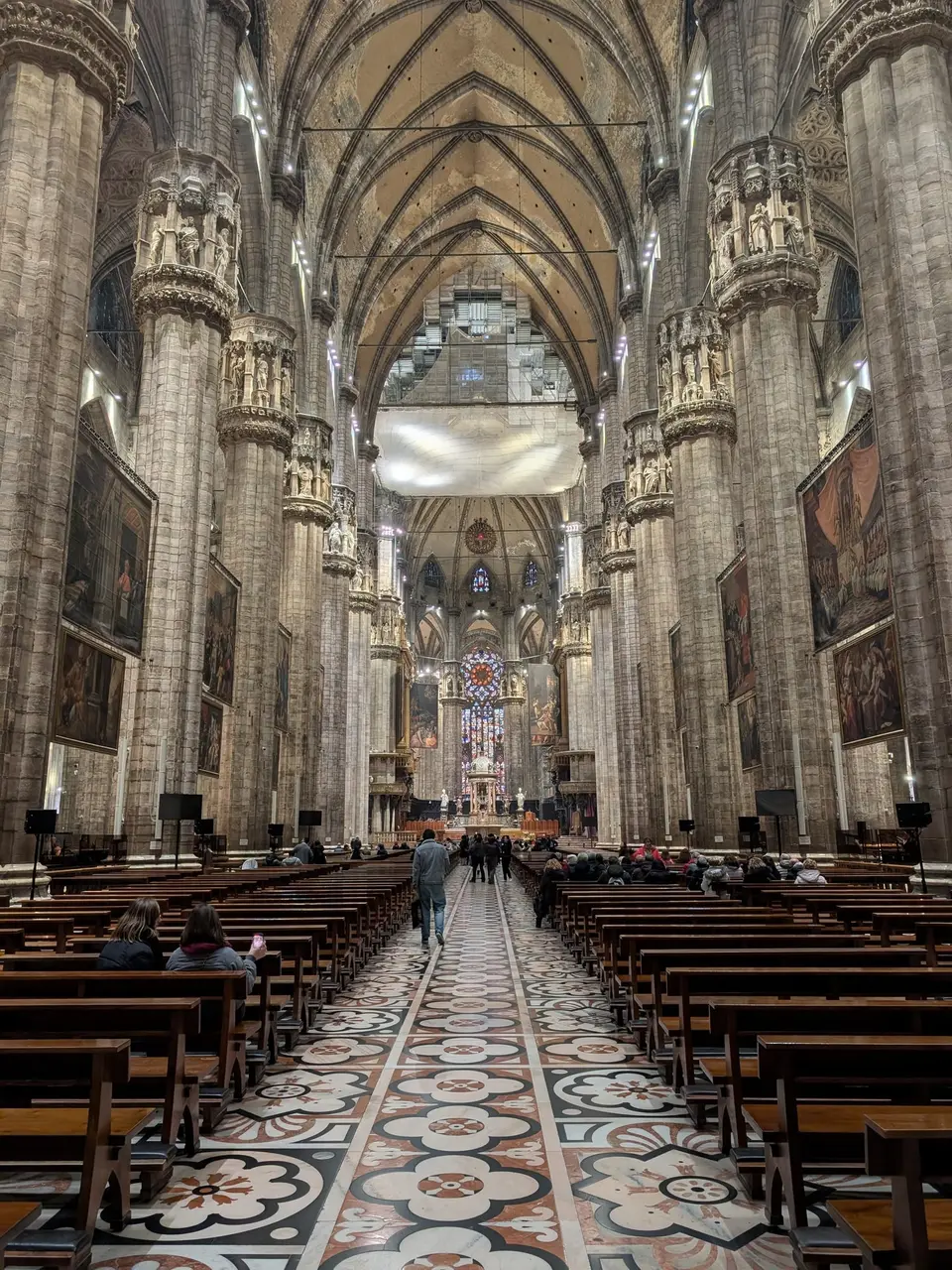
- The museum is not in the €22 ticket, whatever the category heading on the ticket site implies. Cathedral plus museum is its own €10 ticket, and the pass that genuinely bundles cathedral, museum, archaeological area and crypt with the rooftop by lift is €32. The museum is closed on Wednesdays.
- The lift only reaches the first level. The second level of the terraces, and the whole way down, is stairs regardless of which ticket you hold — so the lift buys you less than the four-euro difference suggests.
- Take the stairs if the knees allow. It is about 250 steps, it is two euros cheaper, and you arrive among the buttresses instead of stepping out of a box.
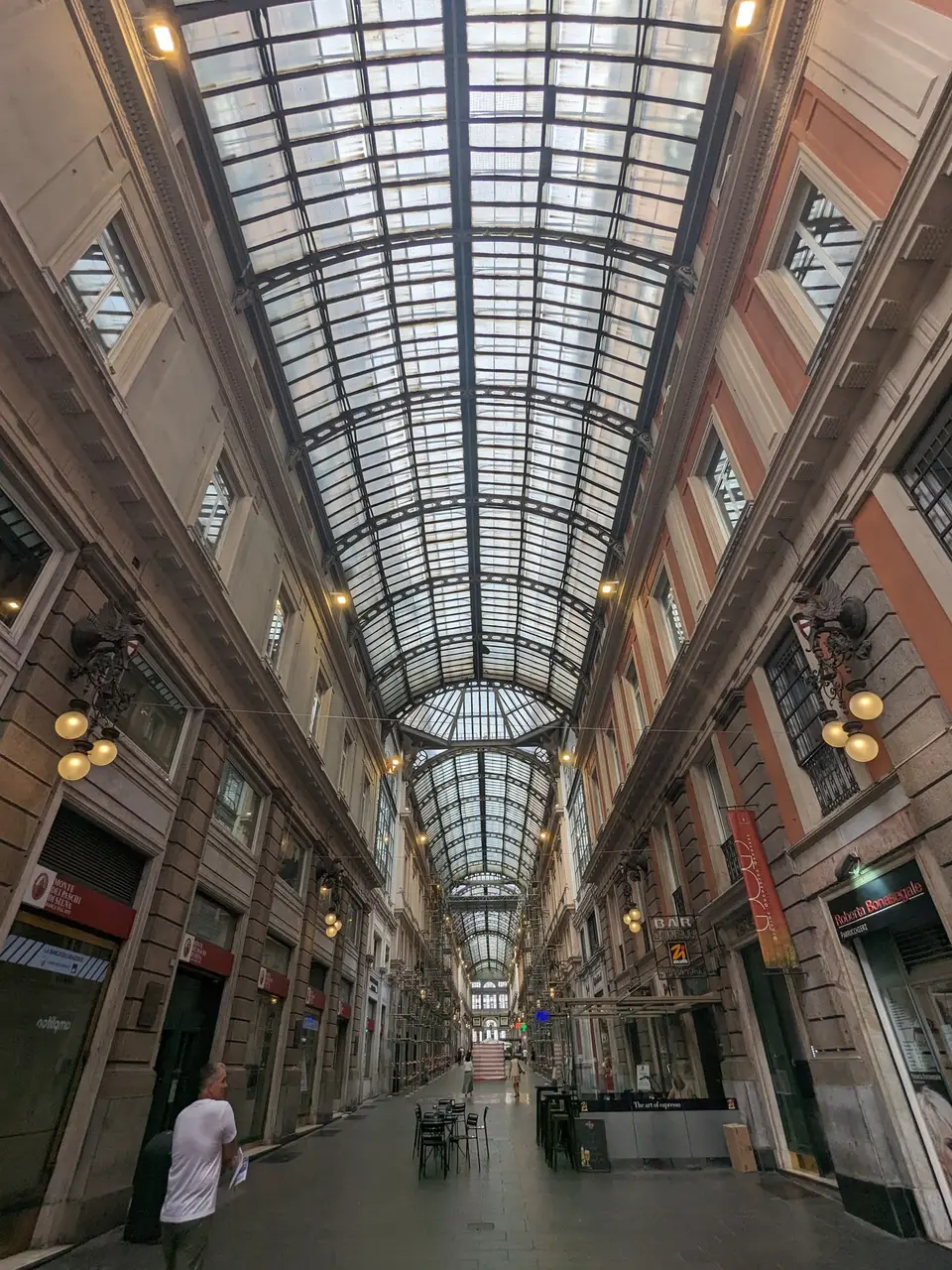
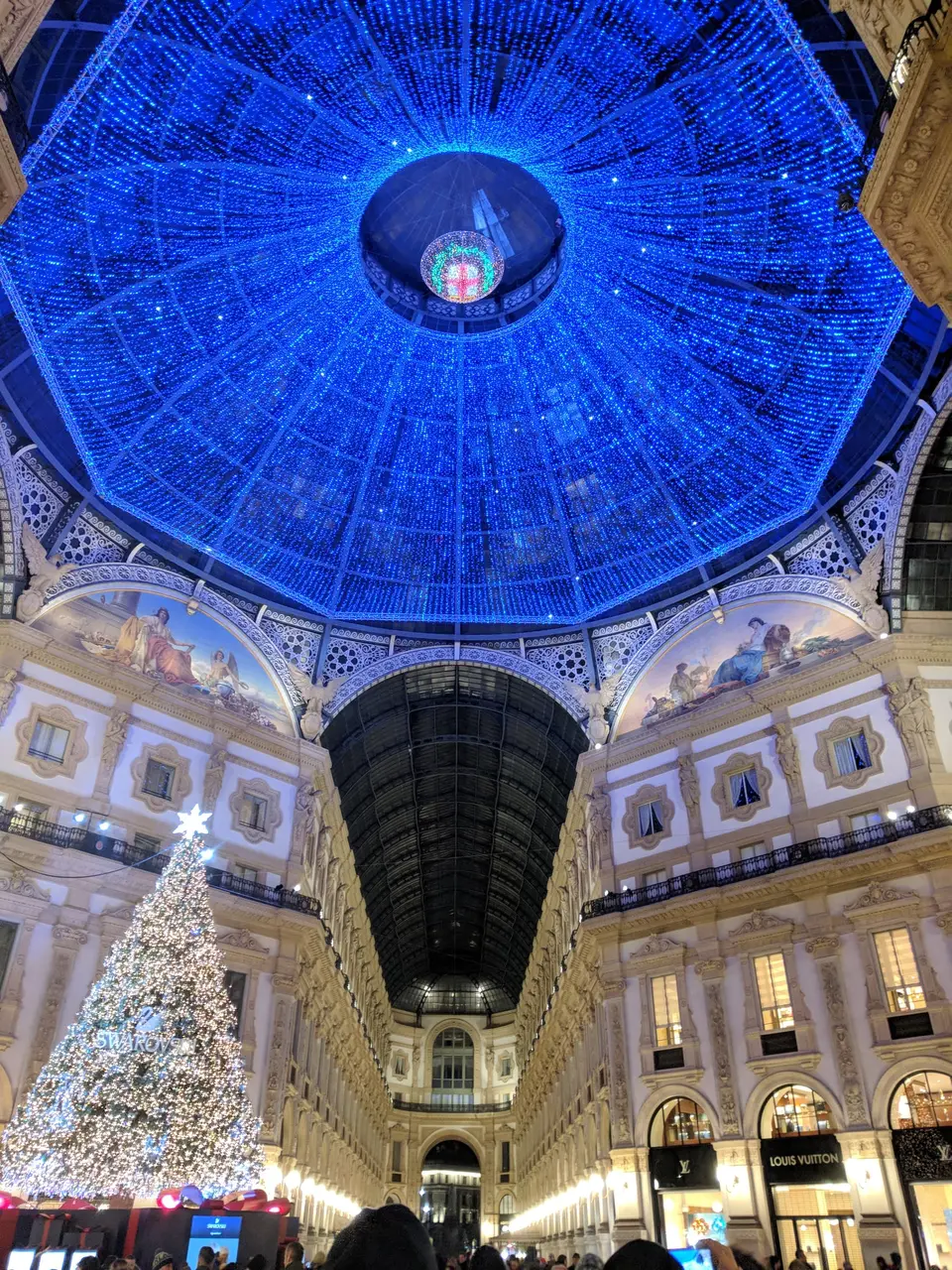
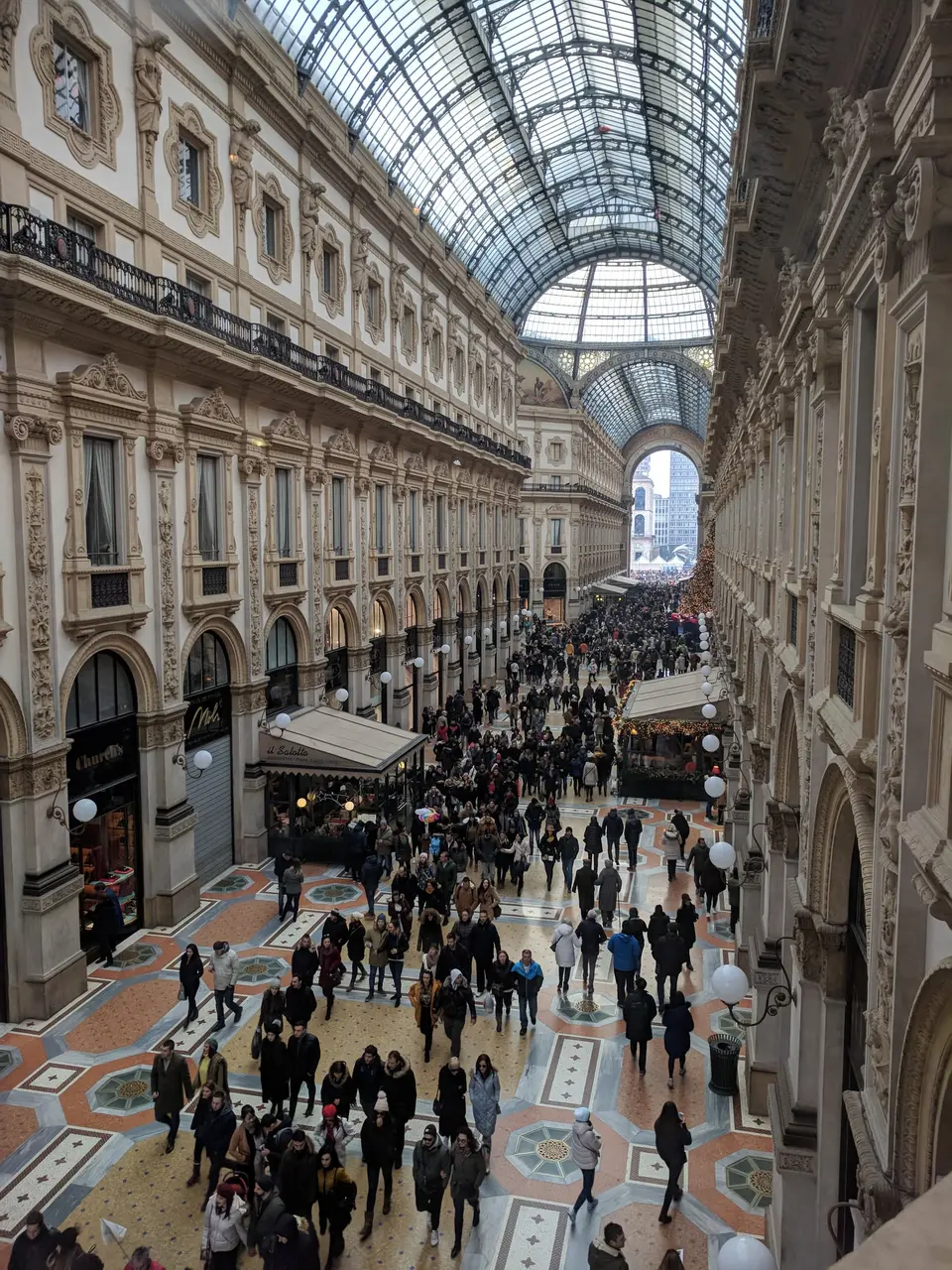
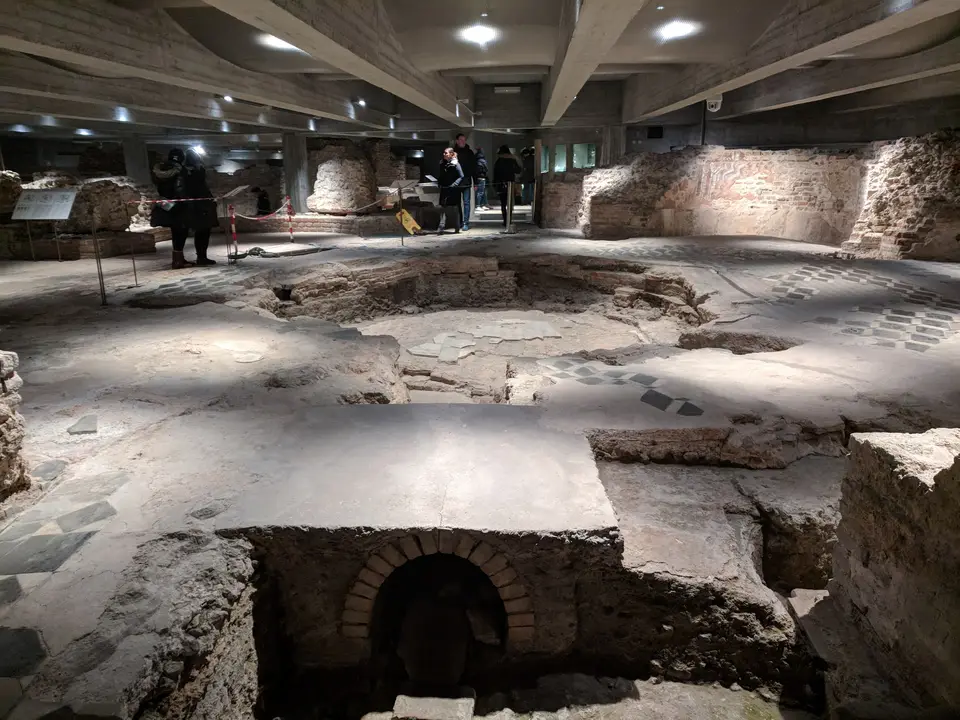
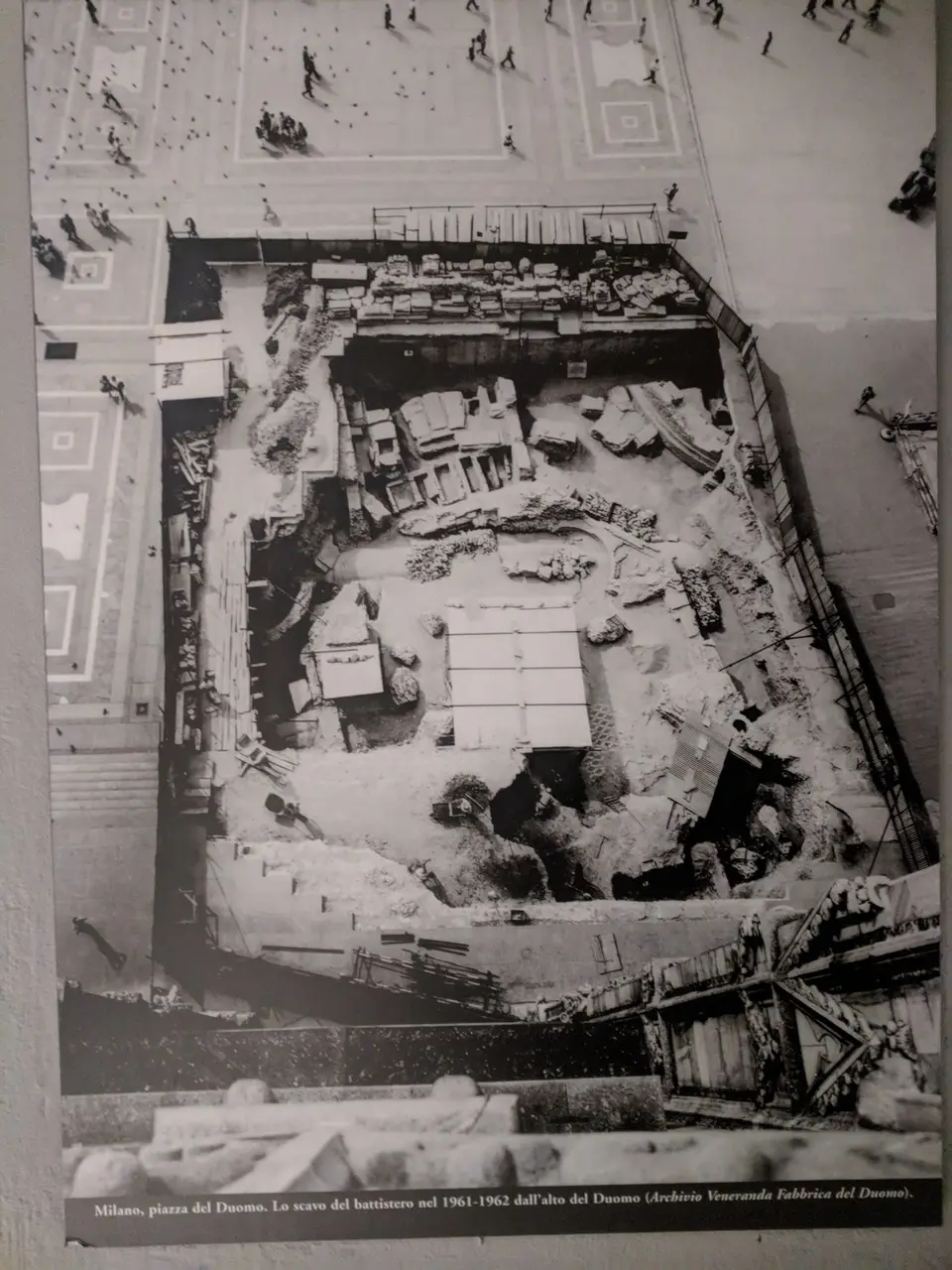
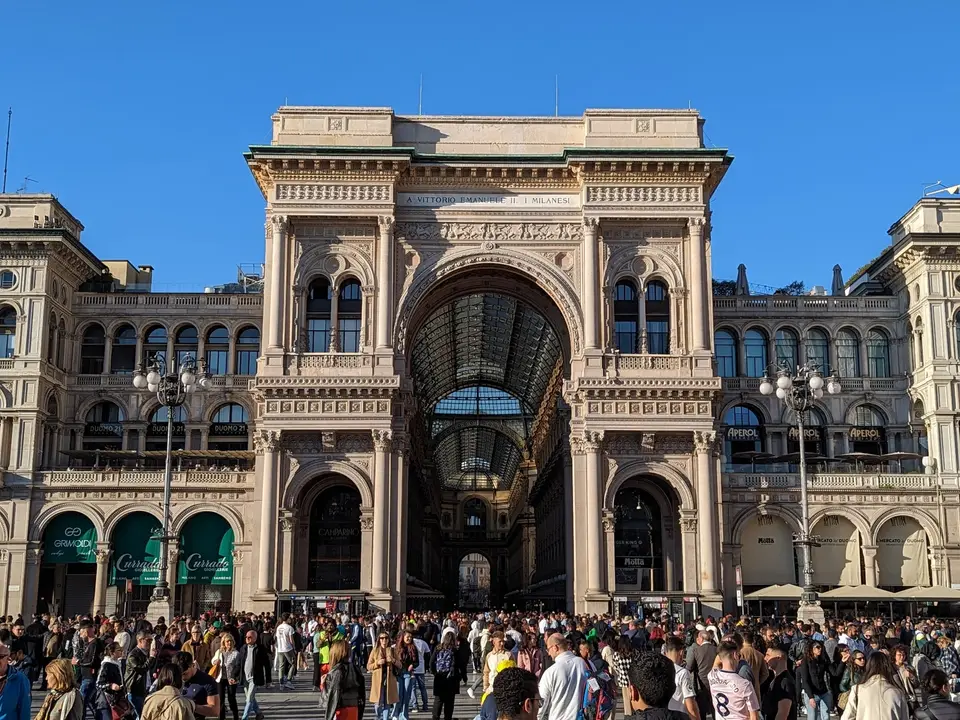
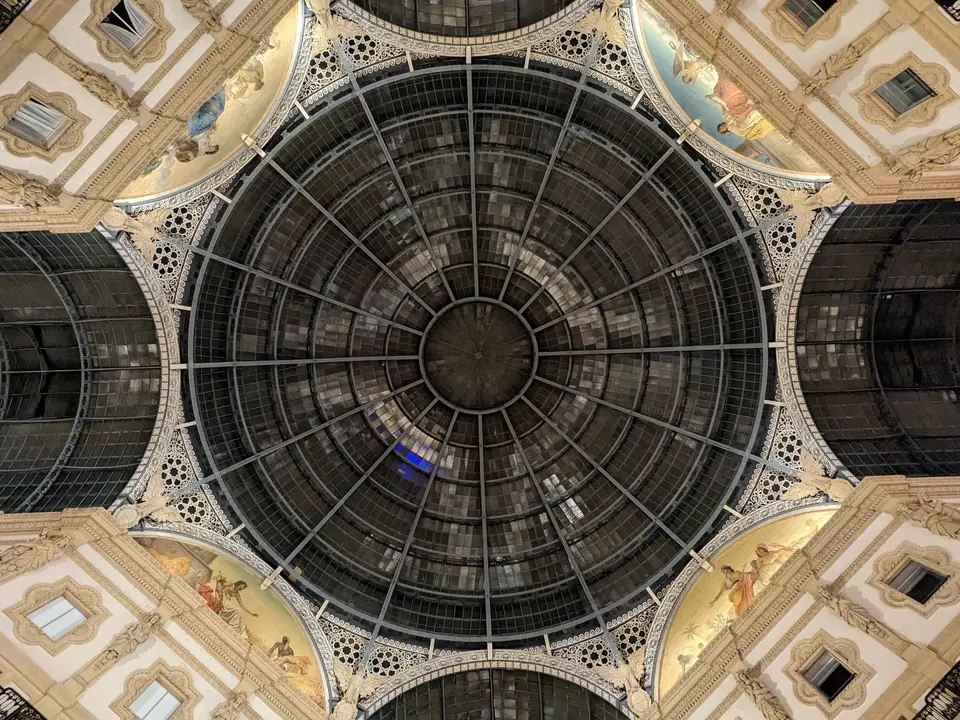
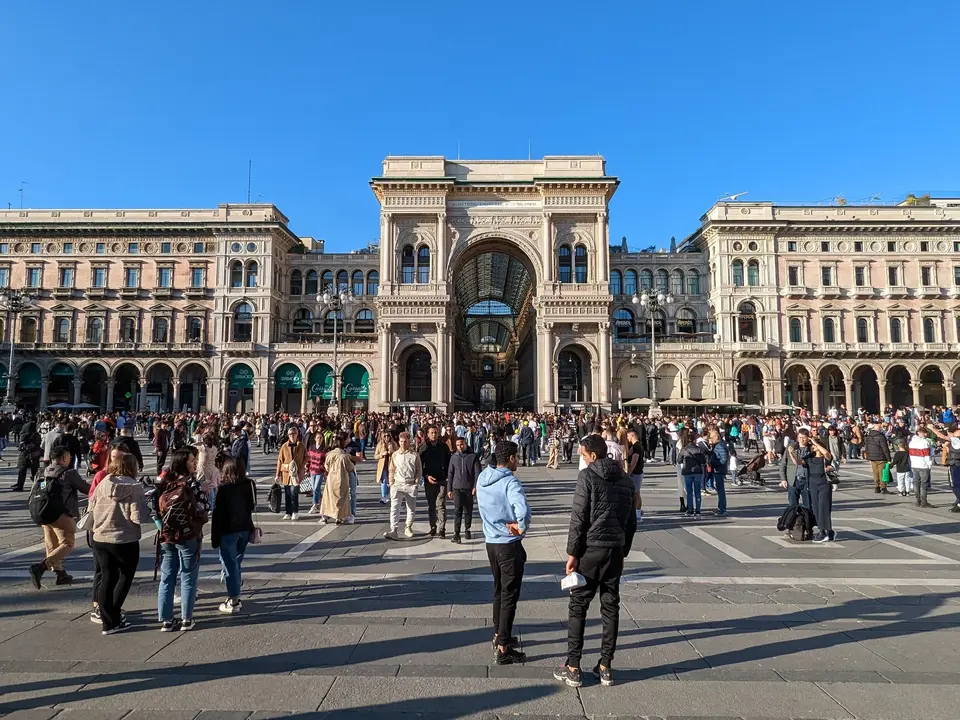
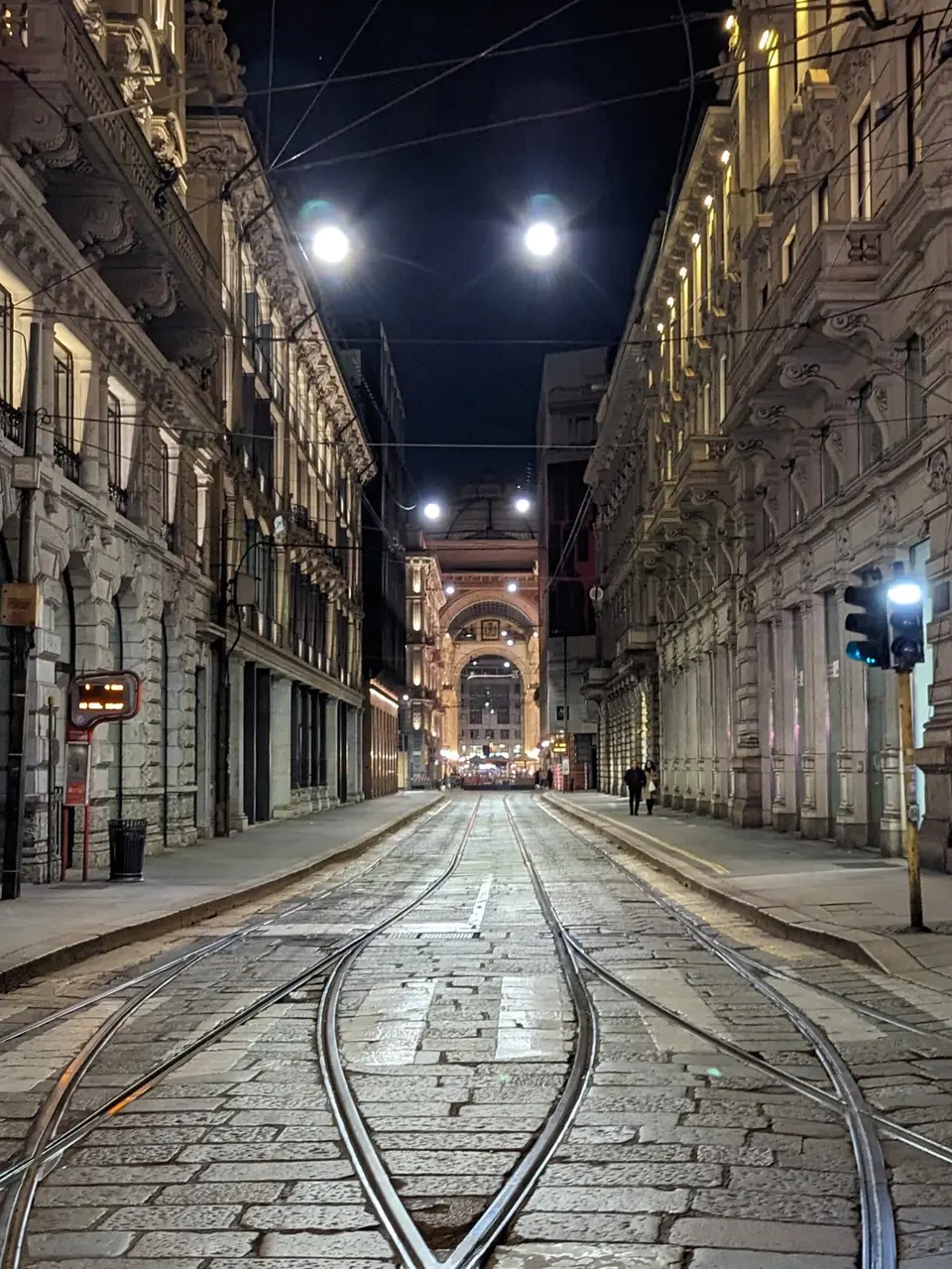
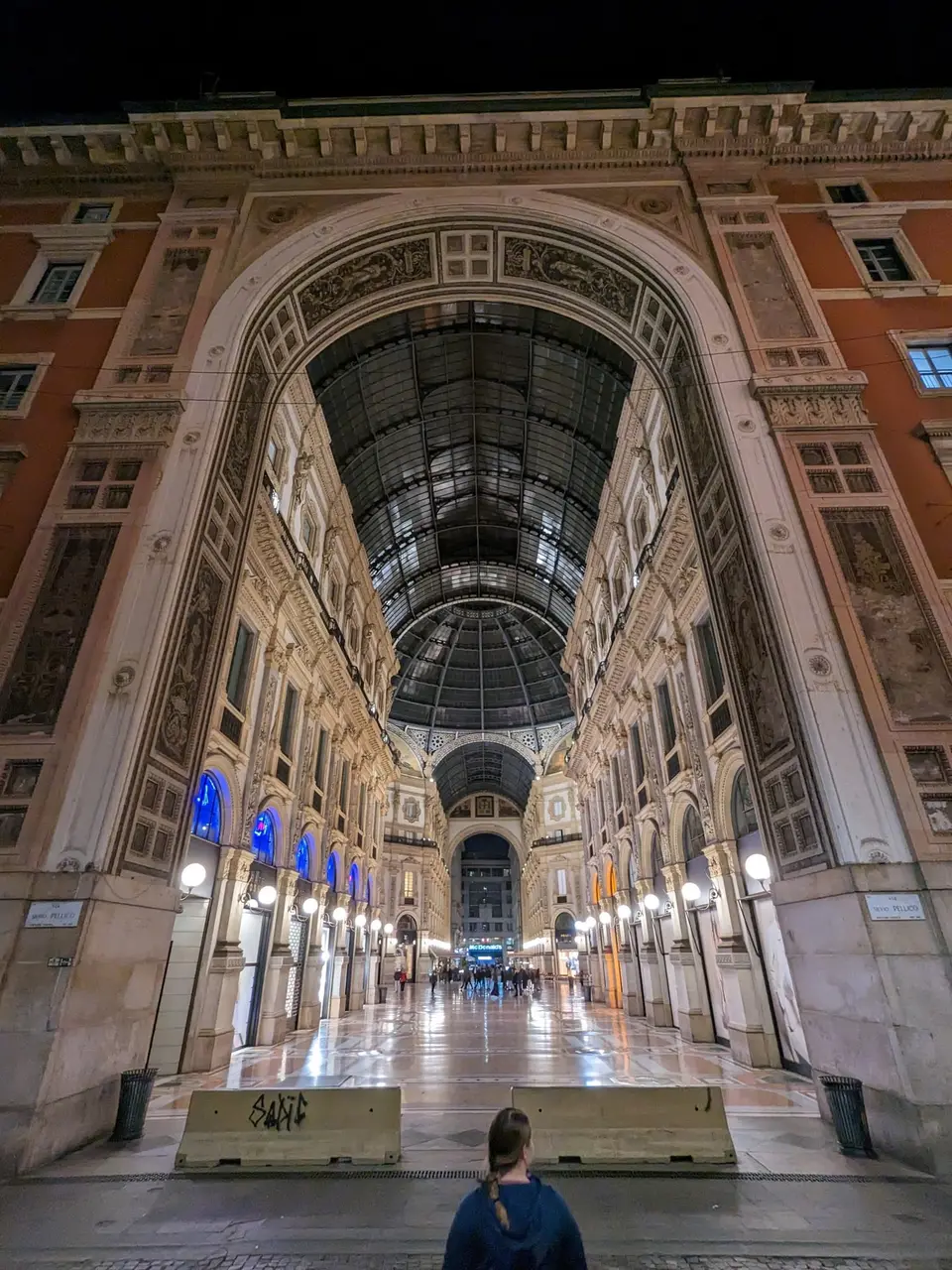
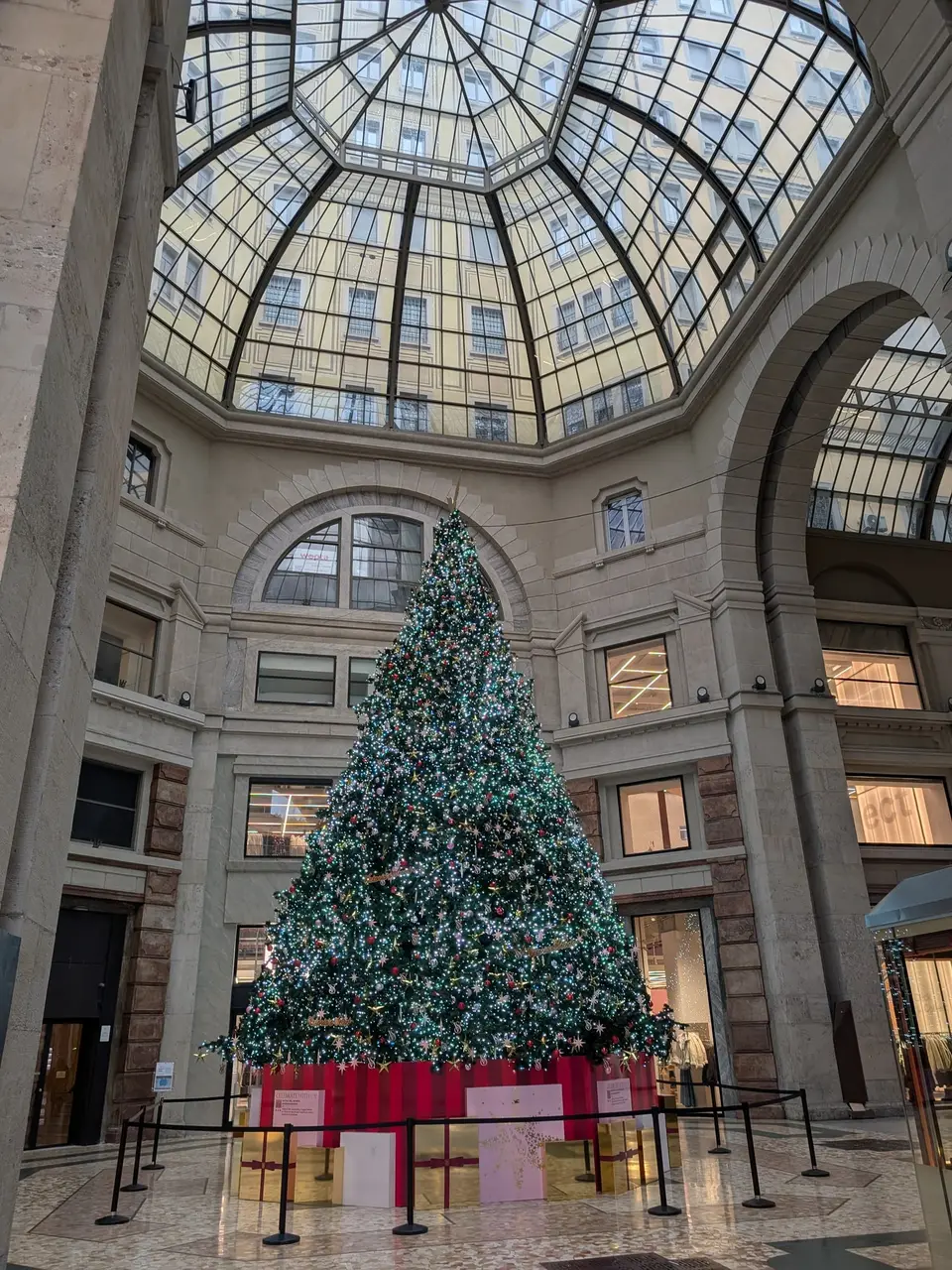
- The Galleria Vittorio Emanuele II next door is free and the glass dome is worth the neck-ache. The archaeological level under the cathedral is worth the detour too, but it is not free — it rides on the €15 Culture Pass or the €32 one, not on the plain rooftop ticket.
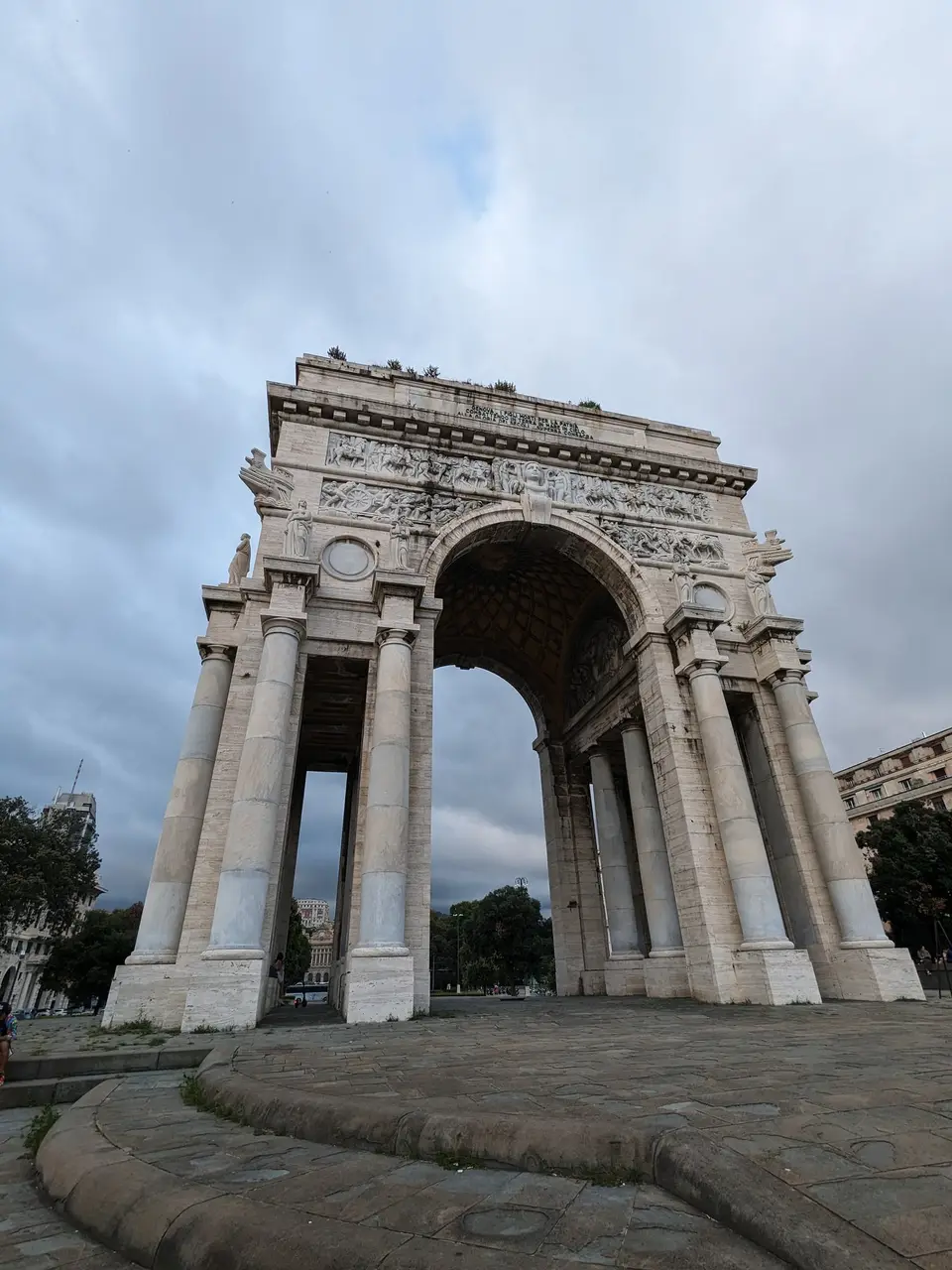
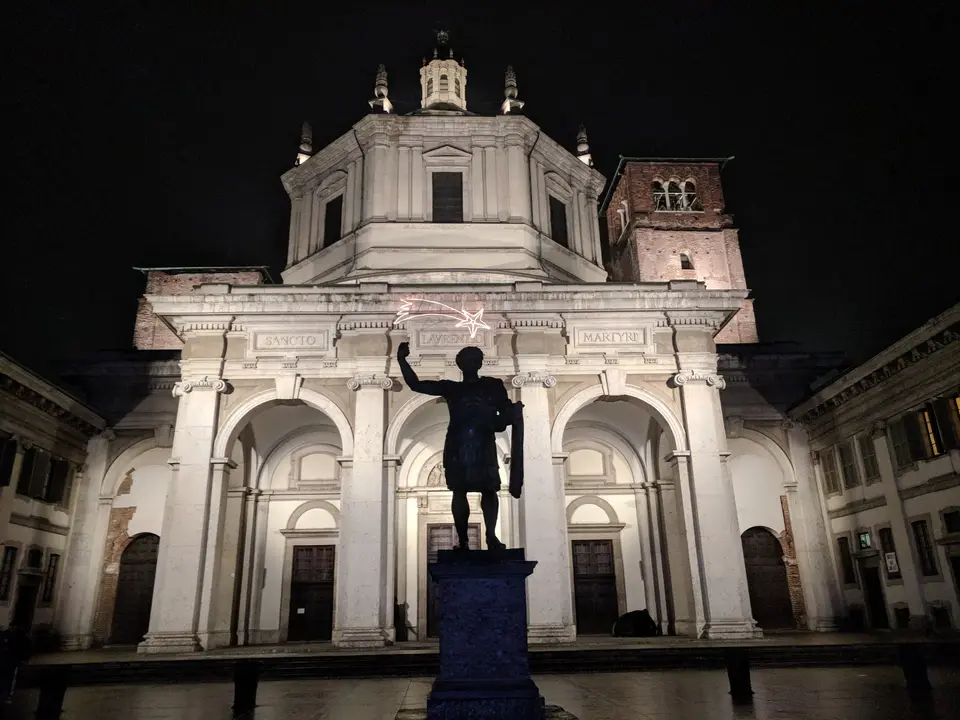
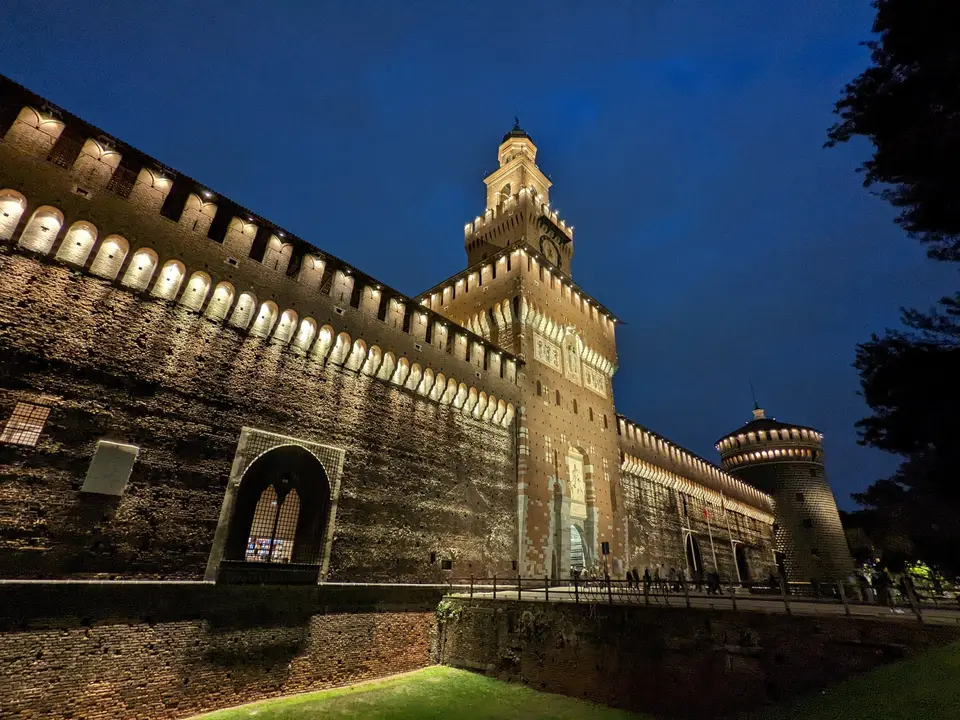
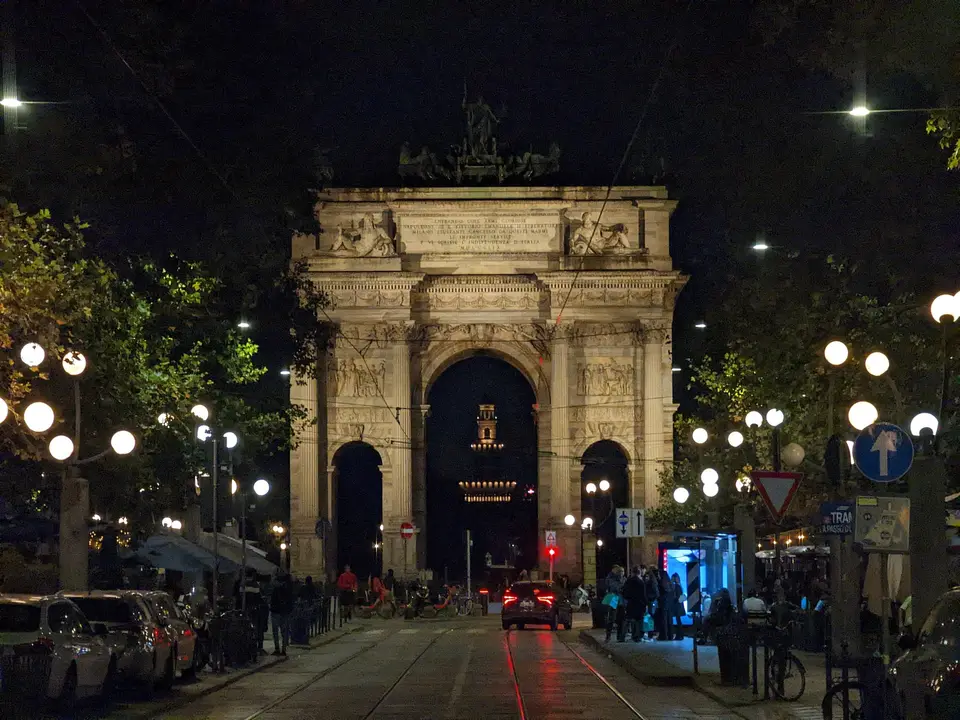
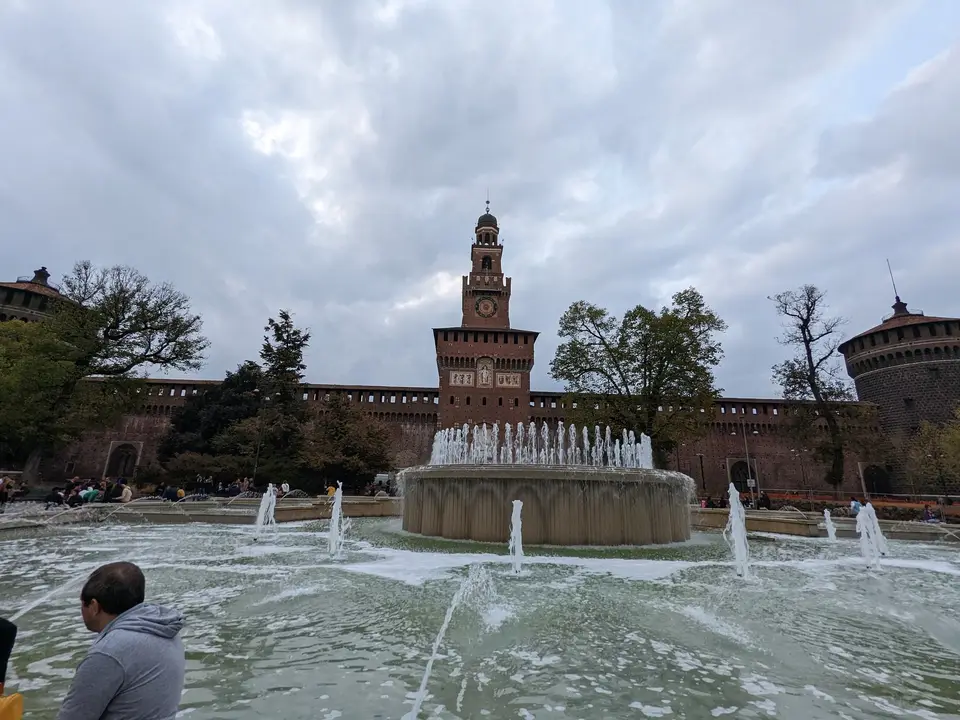
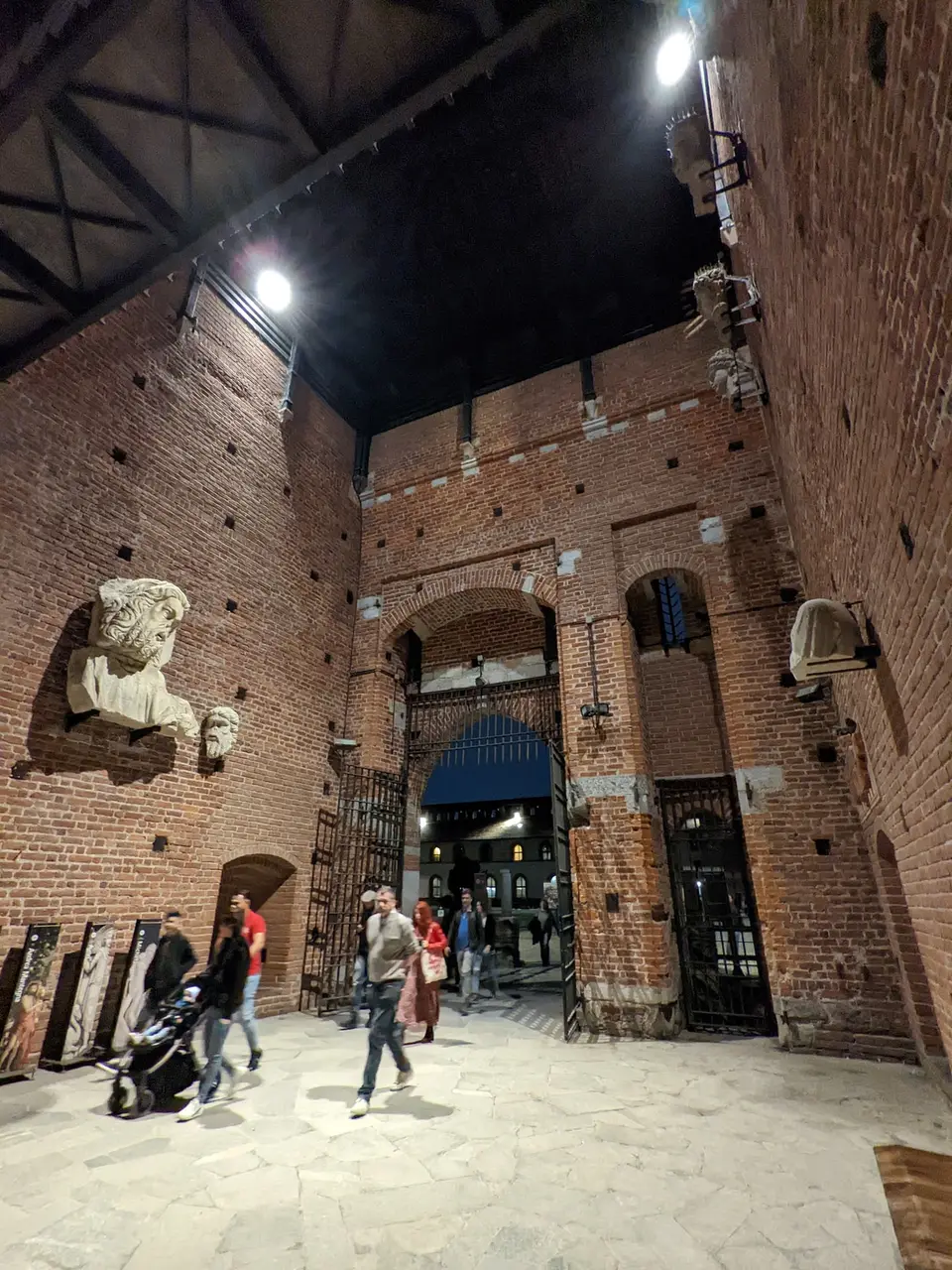
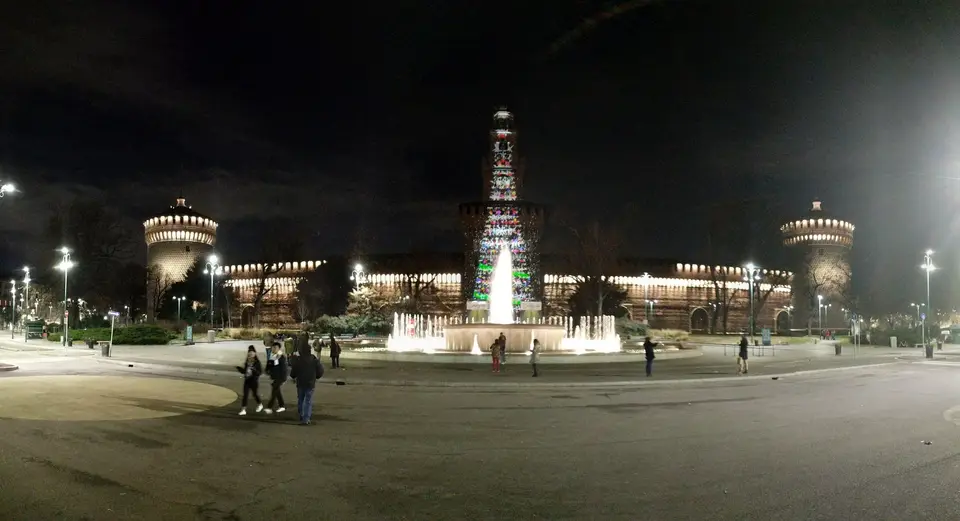
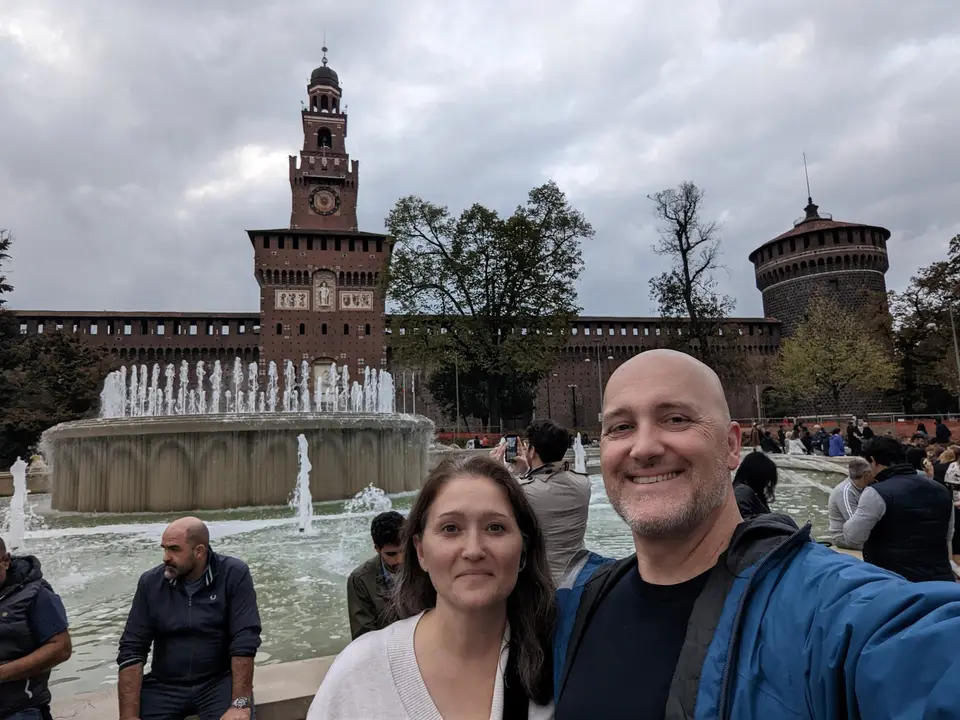
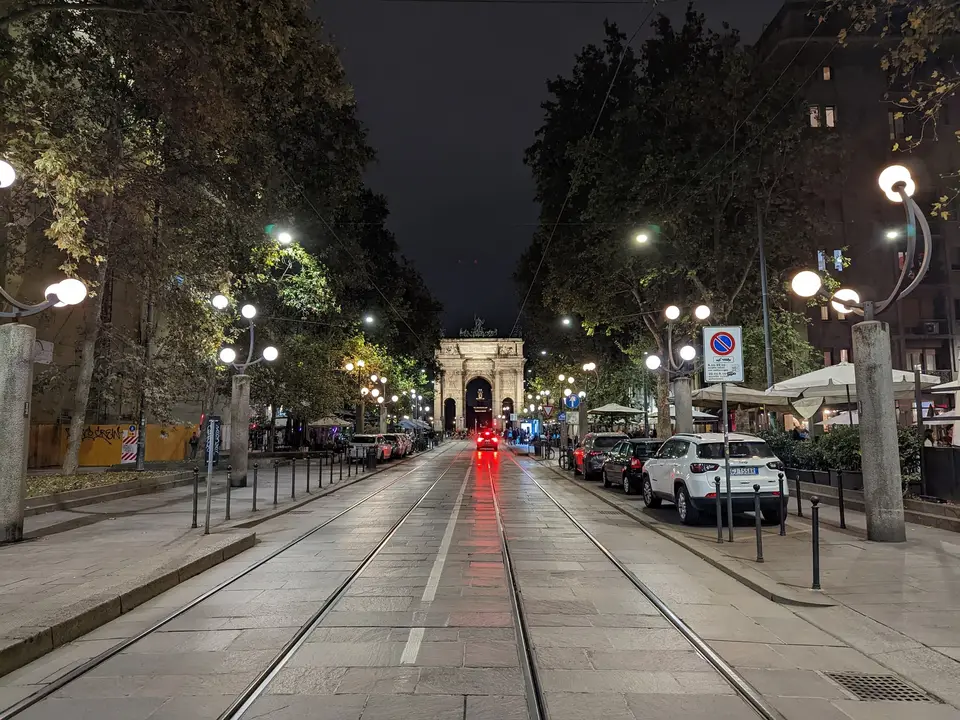
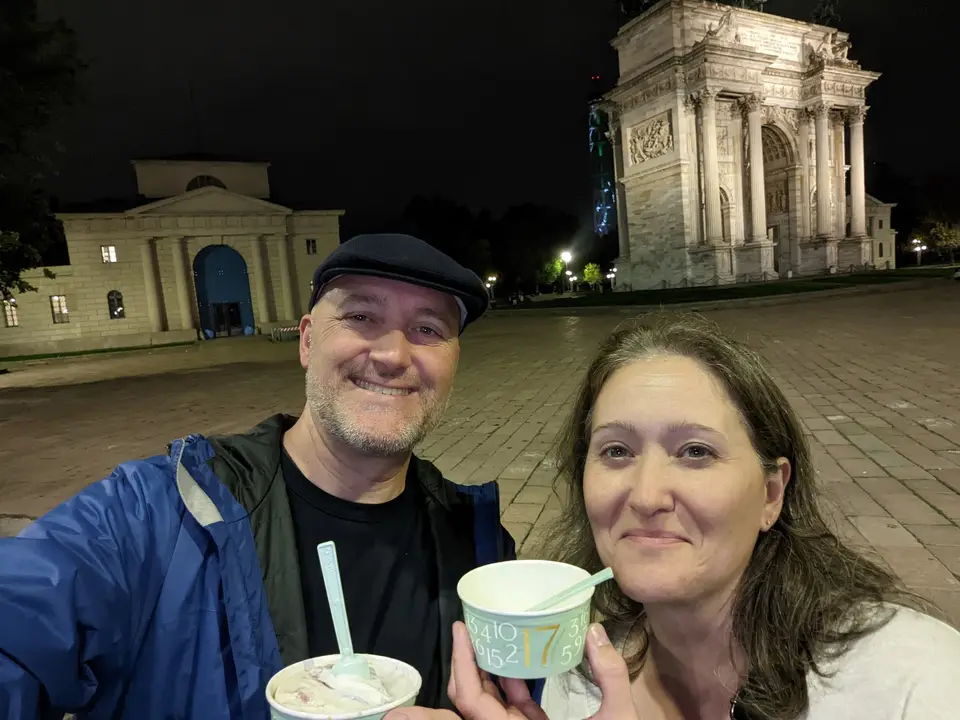
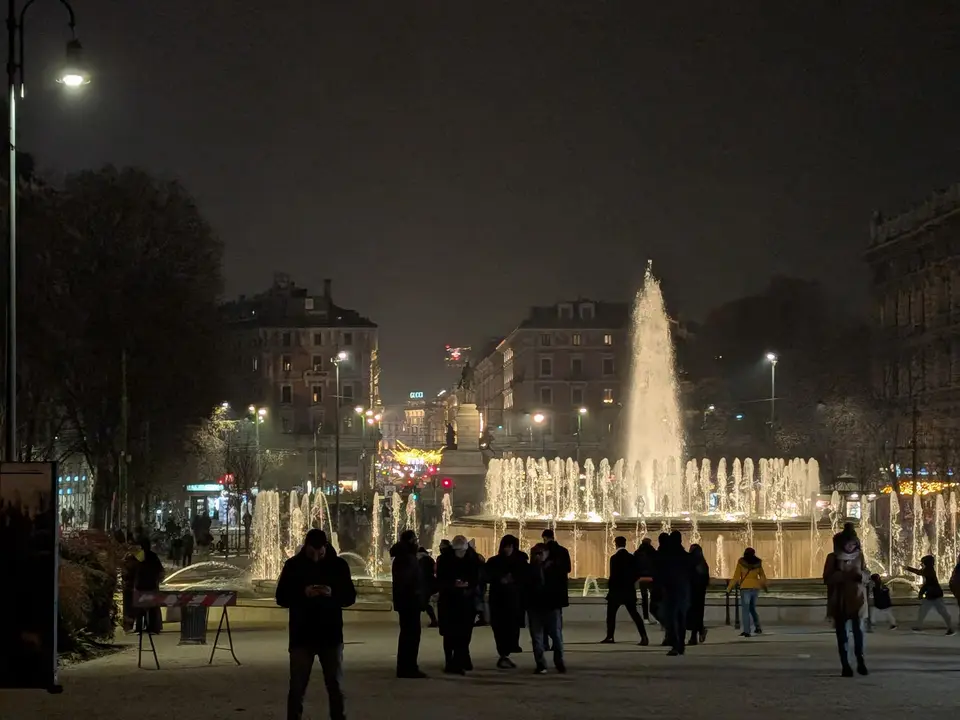
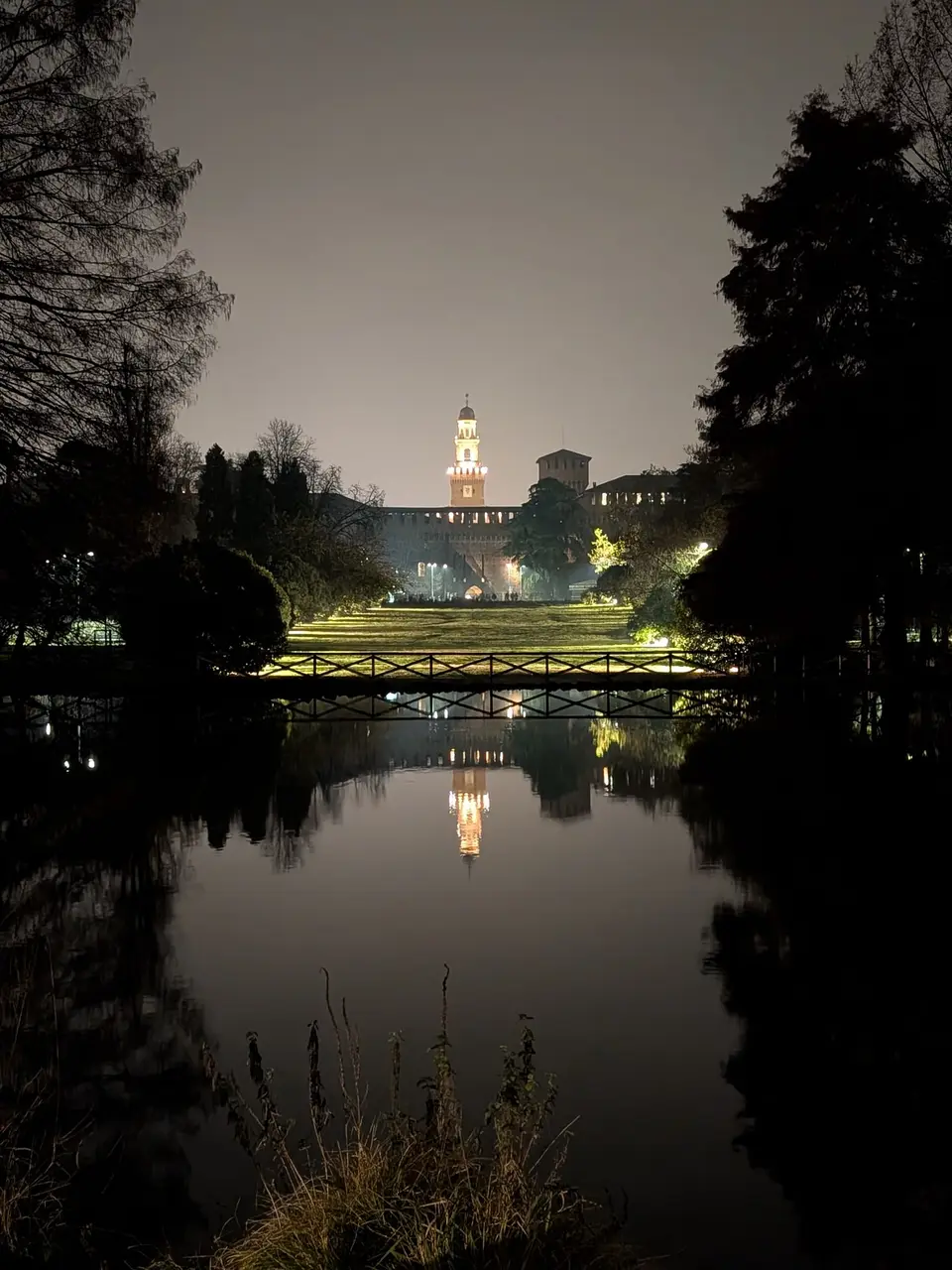
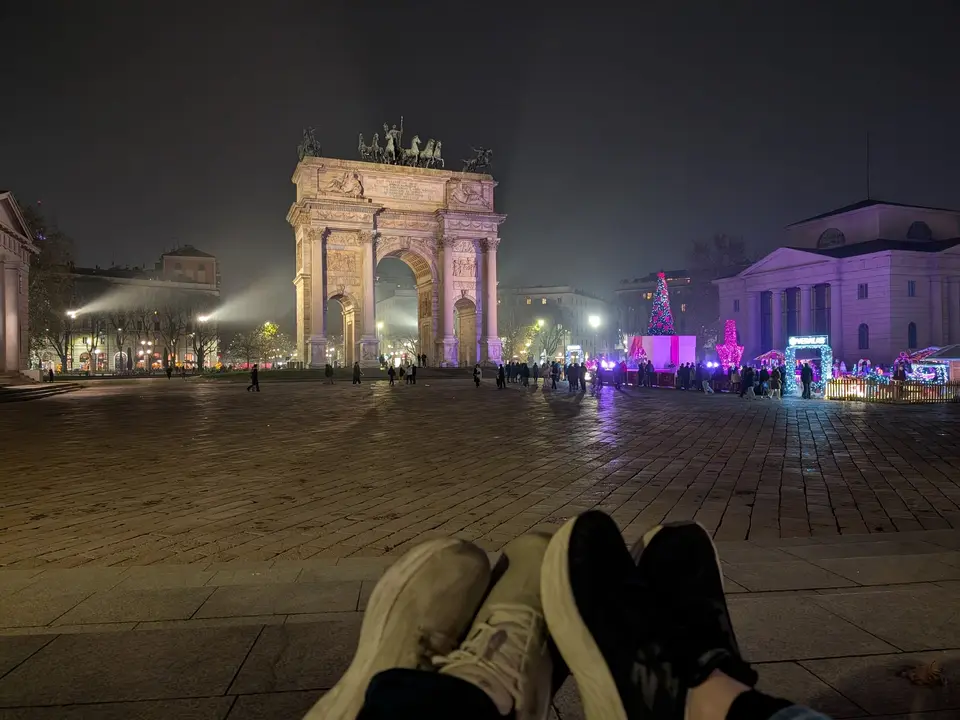
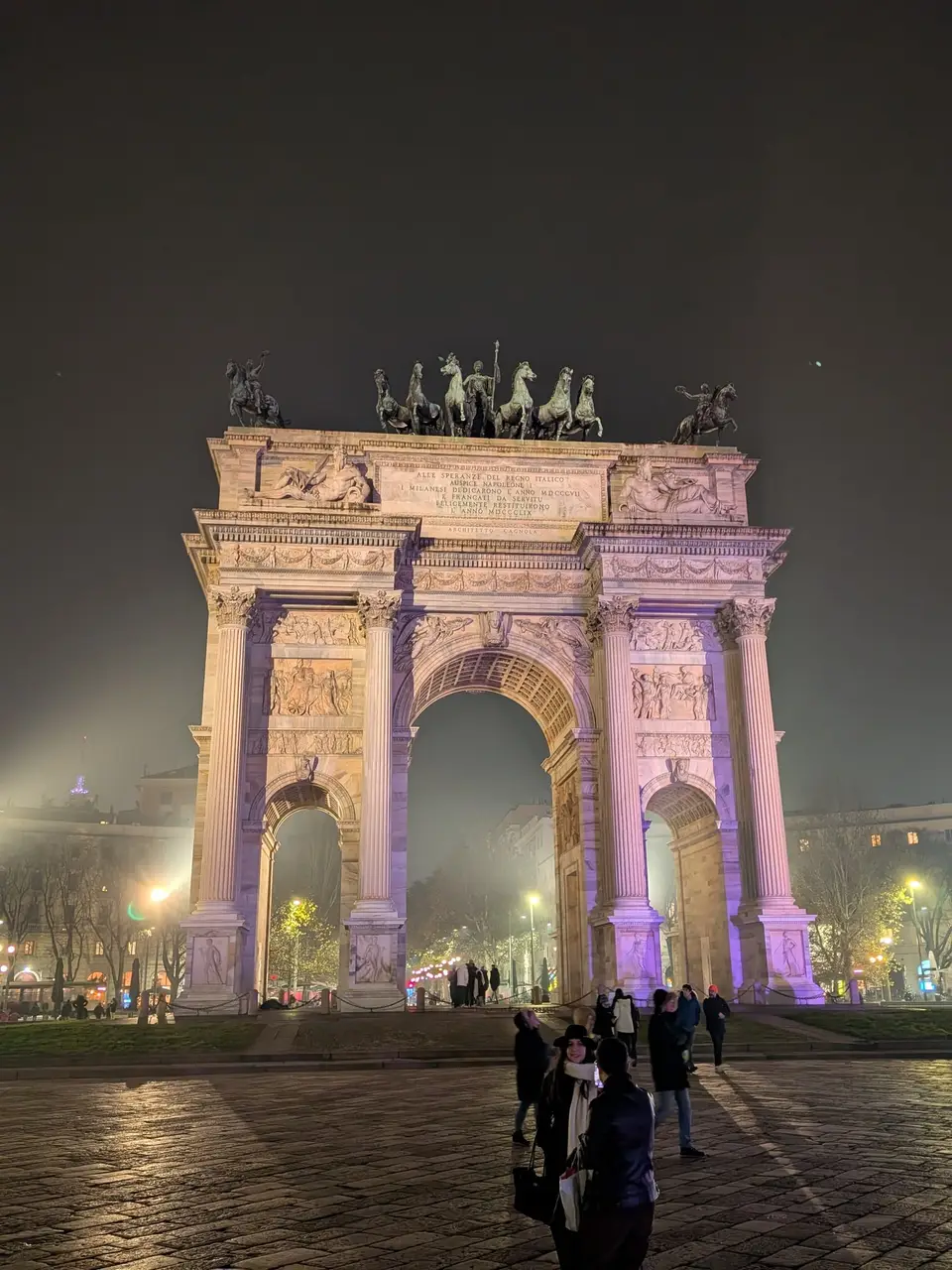
- Beyond the Duomo: the Sforza Castle, the Roman columns at San Lorenzo, Sant'Ambrogio, and the Arco della Pace lit at night. All free to look at.
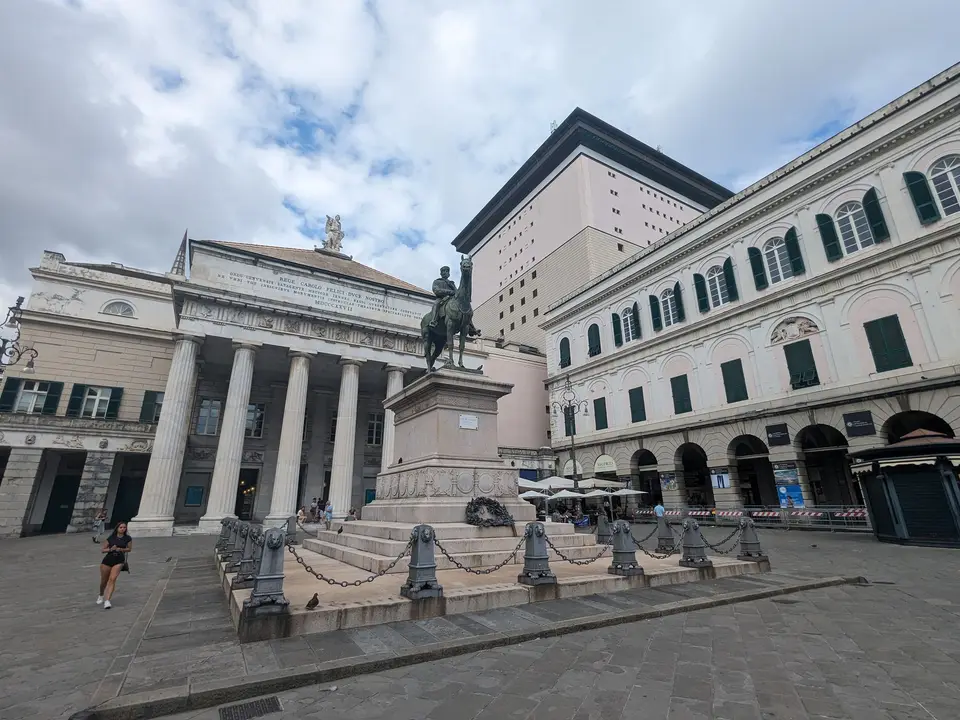
Genoa — and the weekend the palaces open for nothing
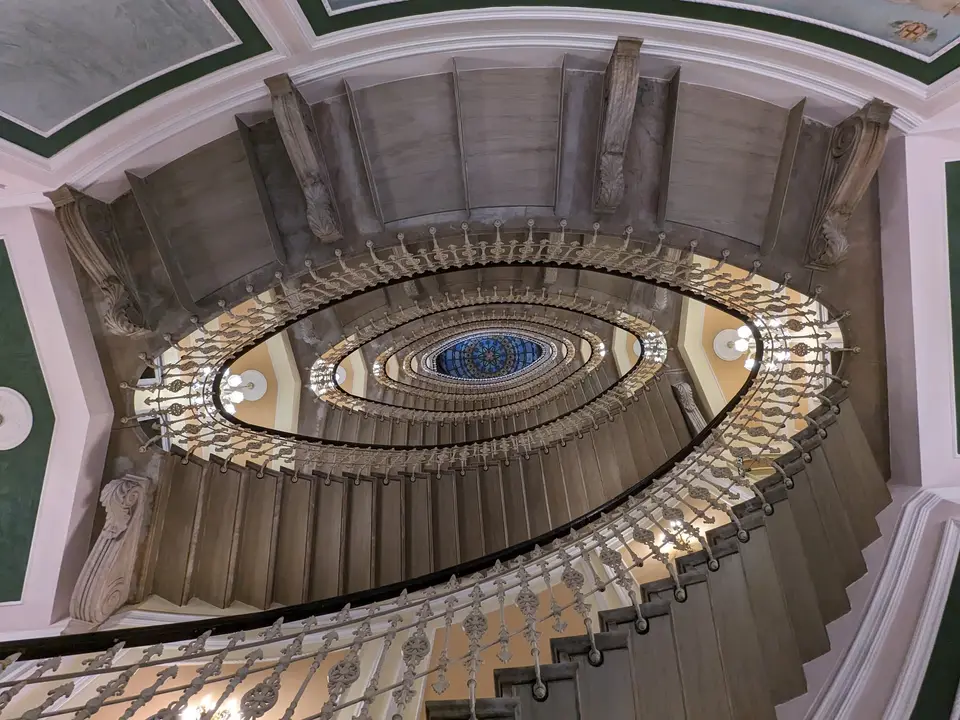
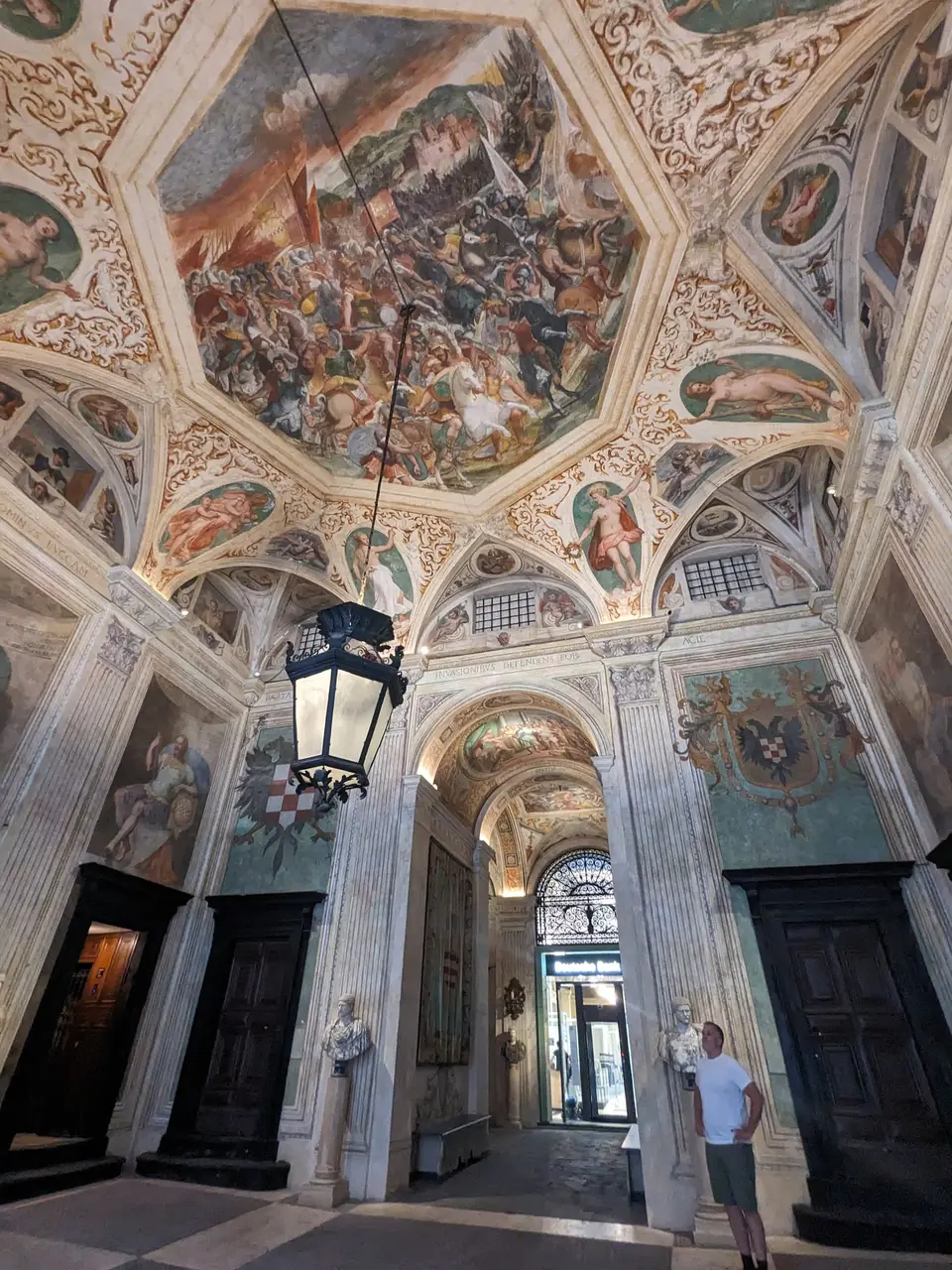
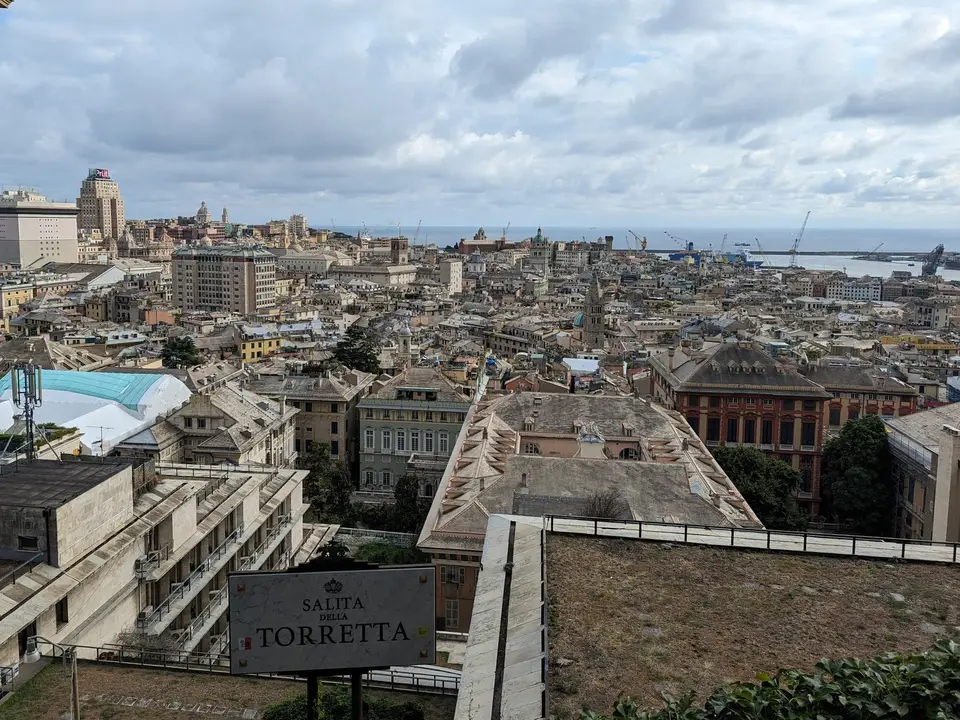
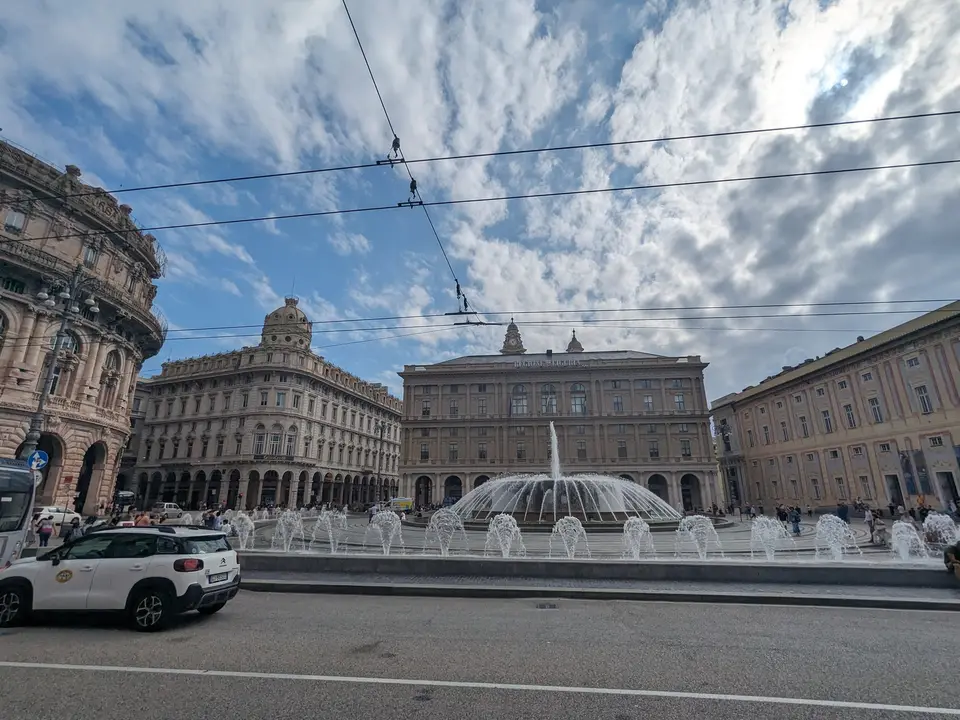
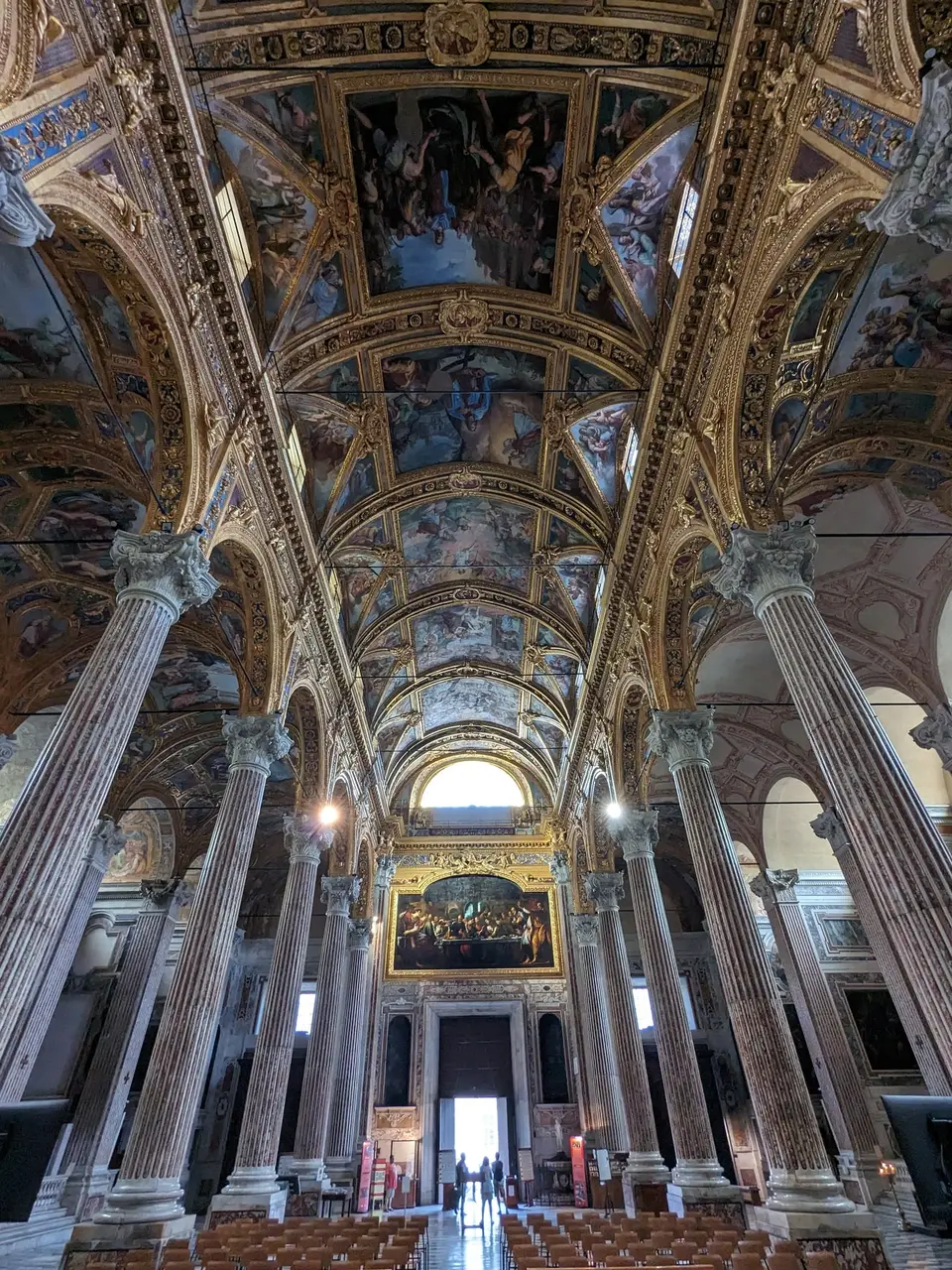
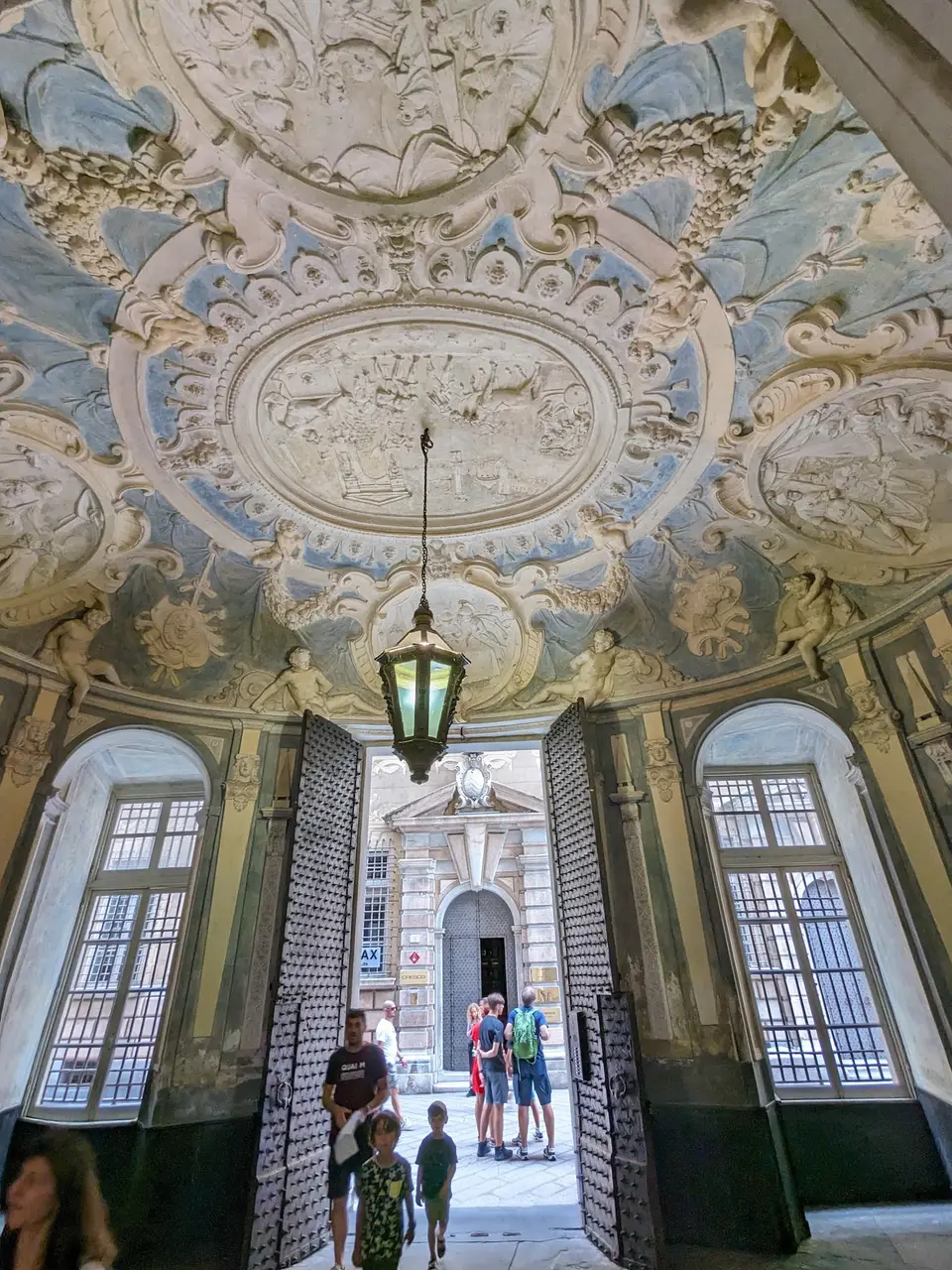
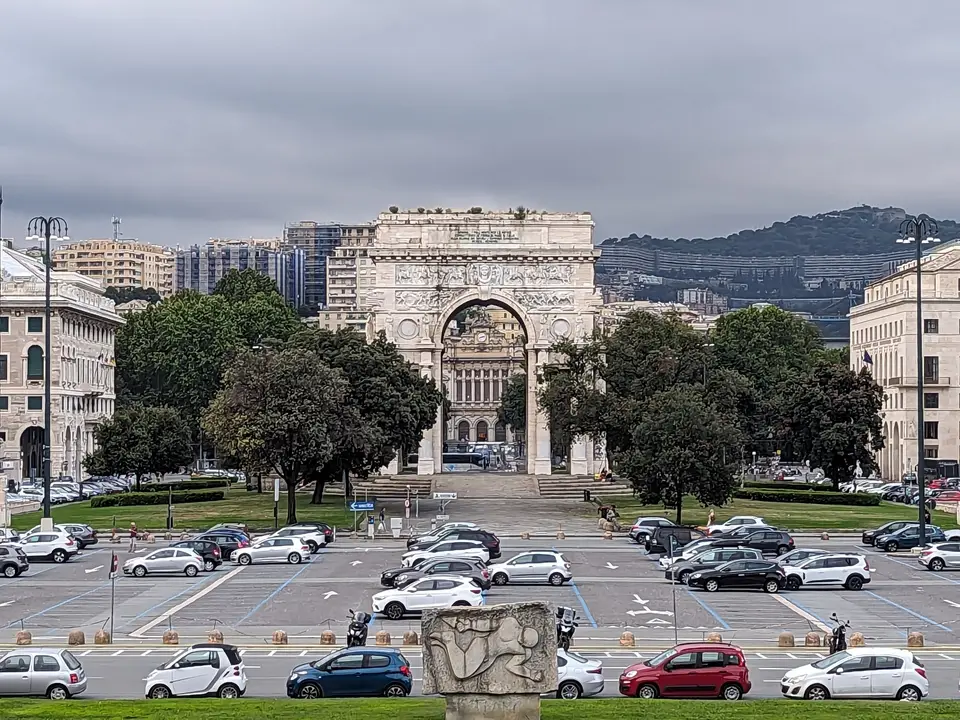
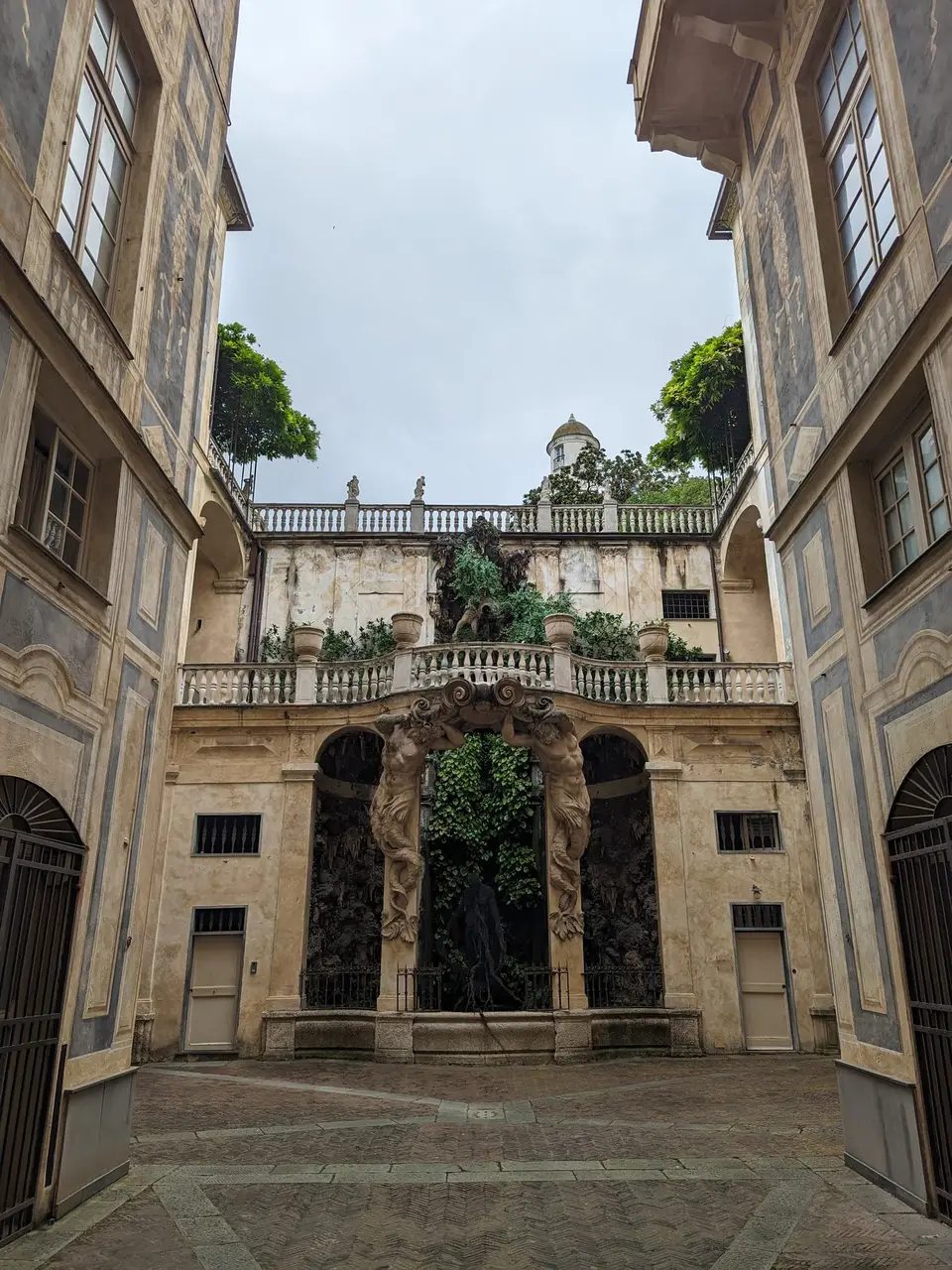
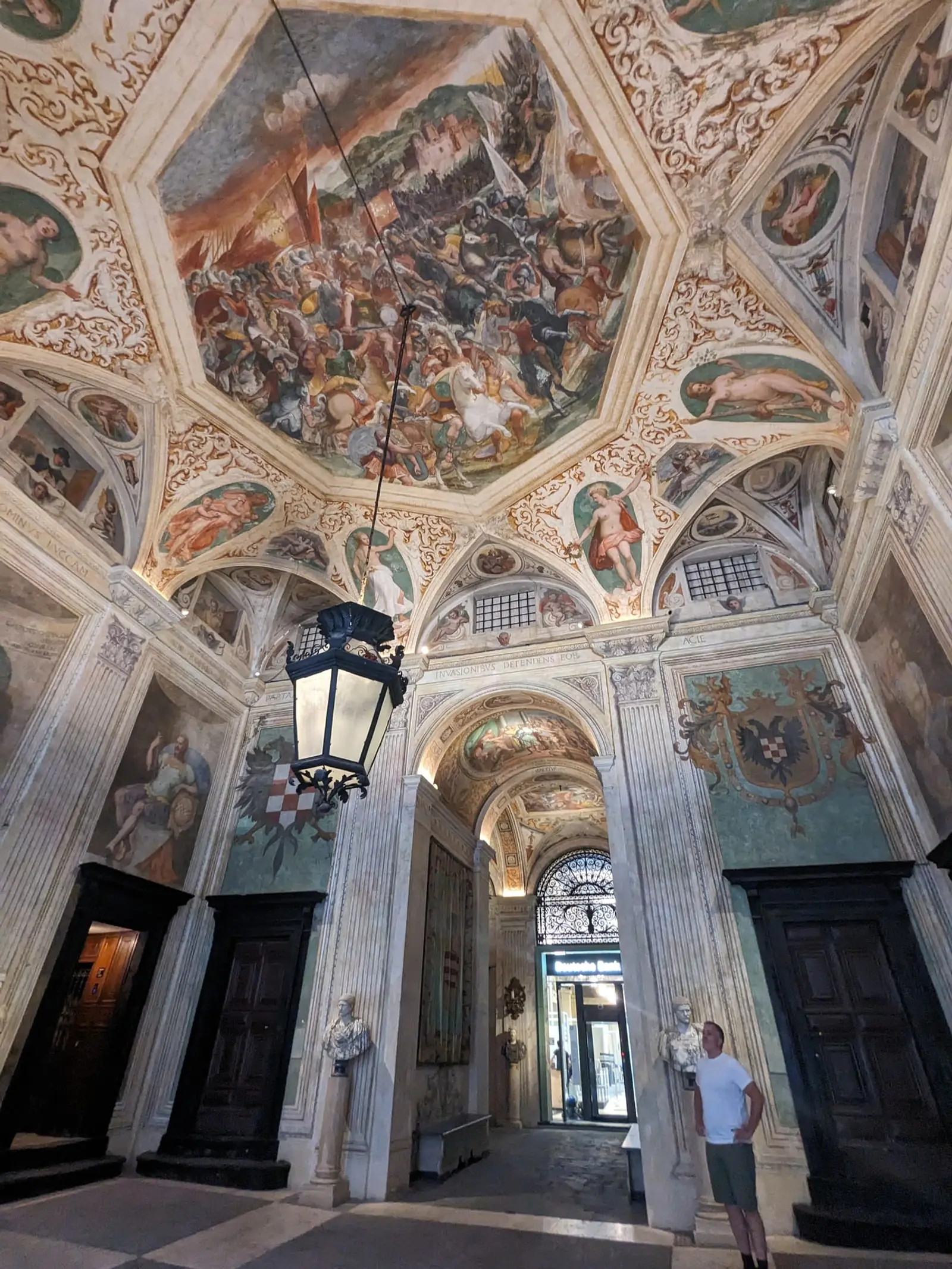
This is the best thing in this guide and the least known. Genoa's merchant families built a street of palaces so grand the city kept an official list — the rolli — of which ones were fit to lodge a visiting head of state. Forty-two of them are UNESCO World Heritage.
- Via Garibaldi is the street, and walking it costs nothing. Several palaces house museums you can pay into on any ordinary day.
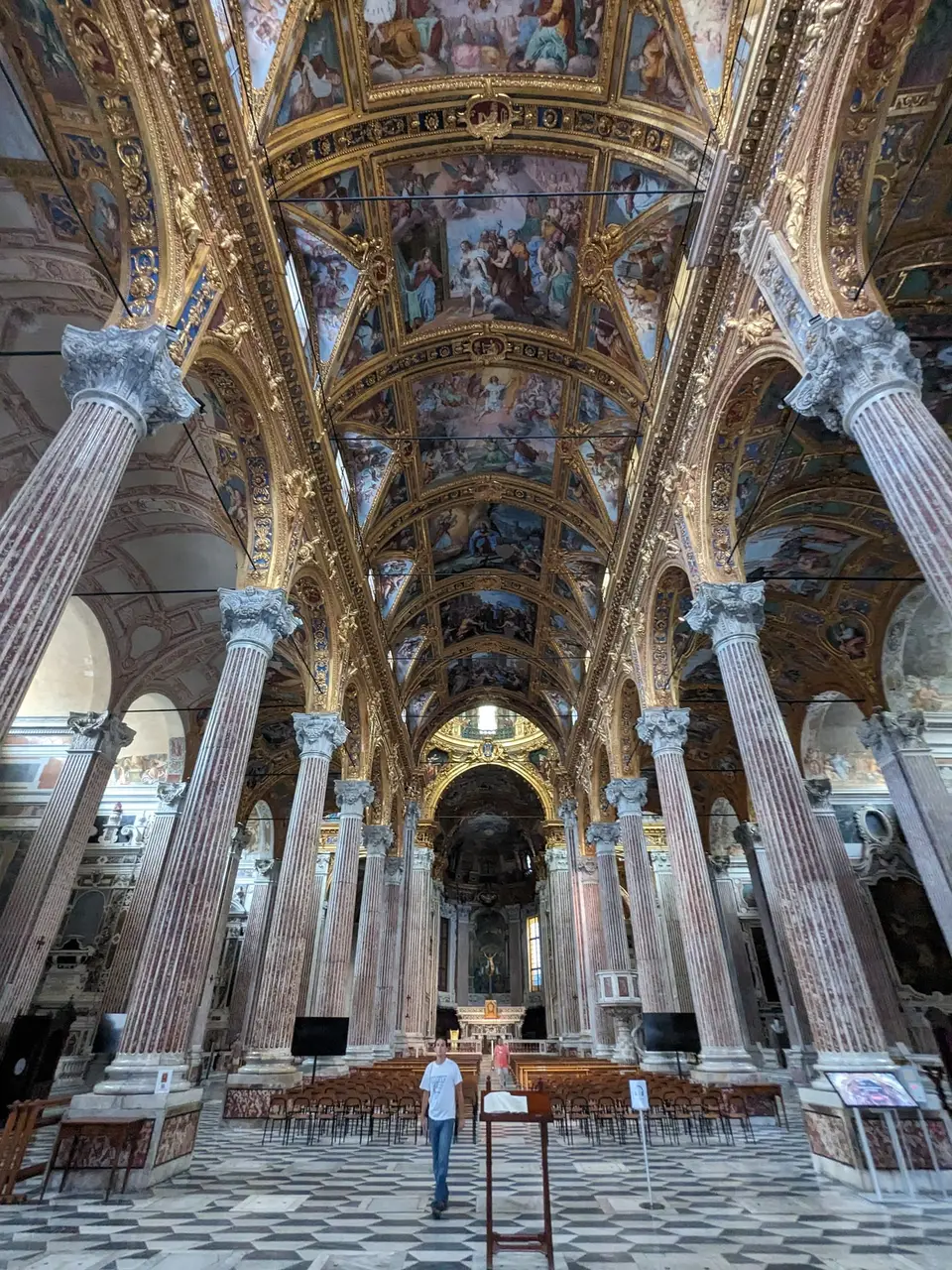
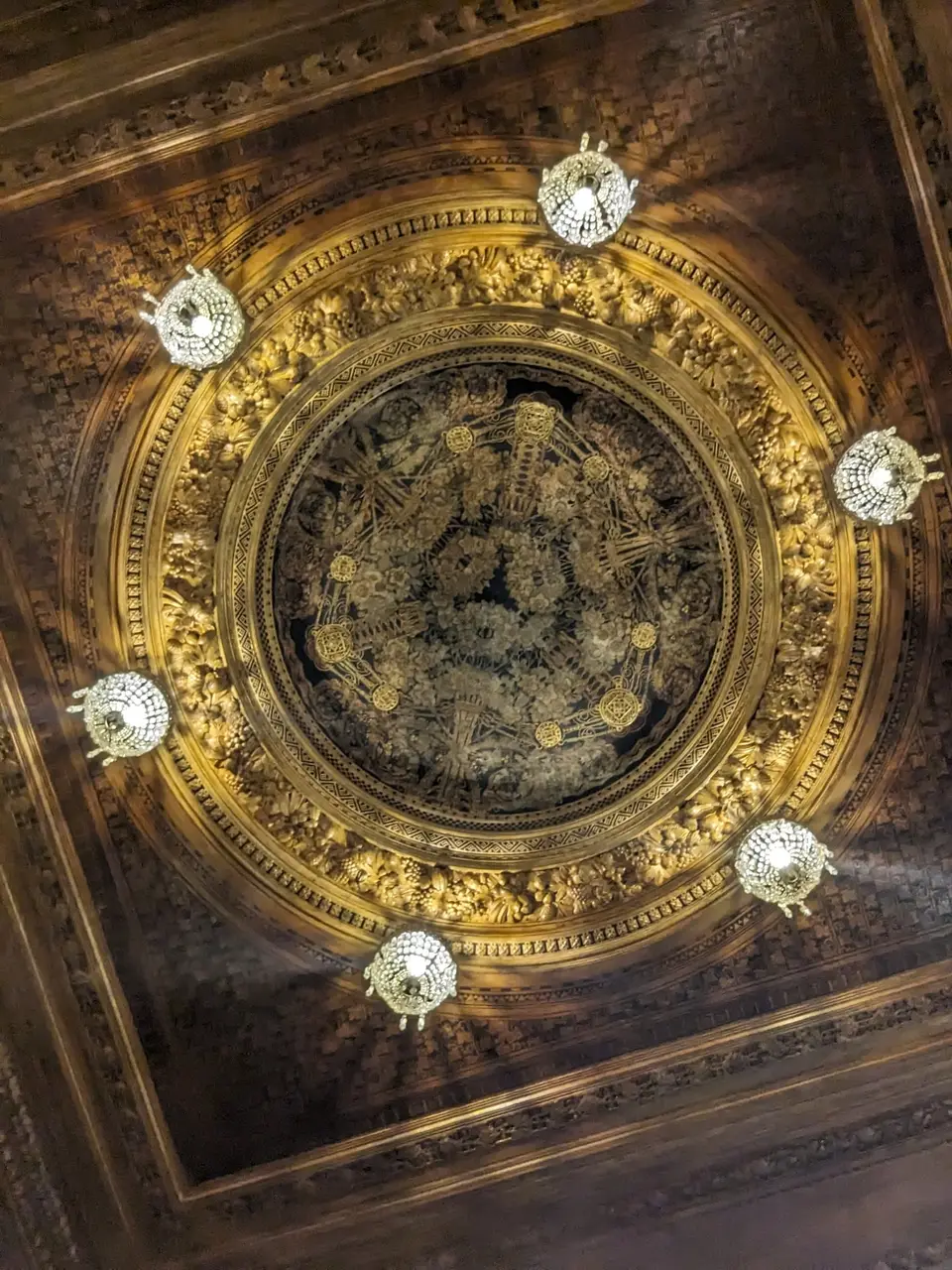
- But Rolli Days is the answer. Twice a year the private palaces open to the public — frescoed ceilings, marble staircases, courtyards nobody normally sees. The spring edition ran 27–29 March 2026 and is gone, but the autumn edition is 16–18 October 2026, under the title Abitare il cambiamento, and 2026 is the twentieth anniversary of the UNESCO listing. The historic aqueduct is in the program for the first time.
- Check the mechanics before you go. Genoa had not published the list of open palaces or the booking arrangements for the October edition as of mid-September, and which palaces need a reservation has varied between editions. The event has been free to enter; do not assume every palace is walk-up.
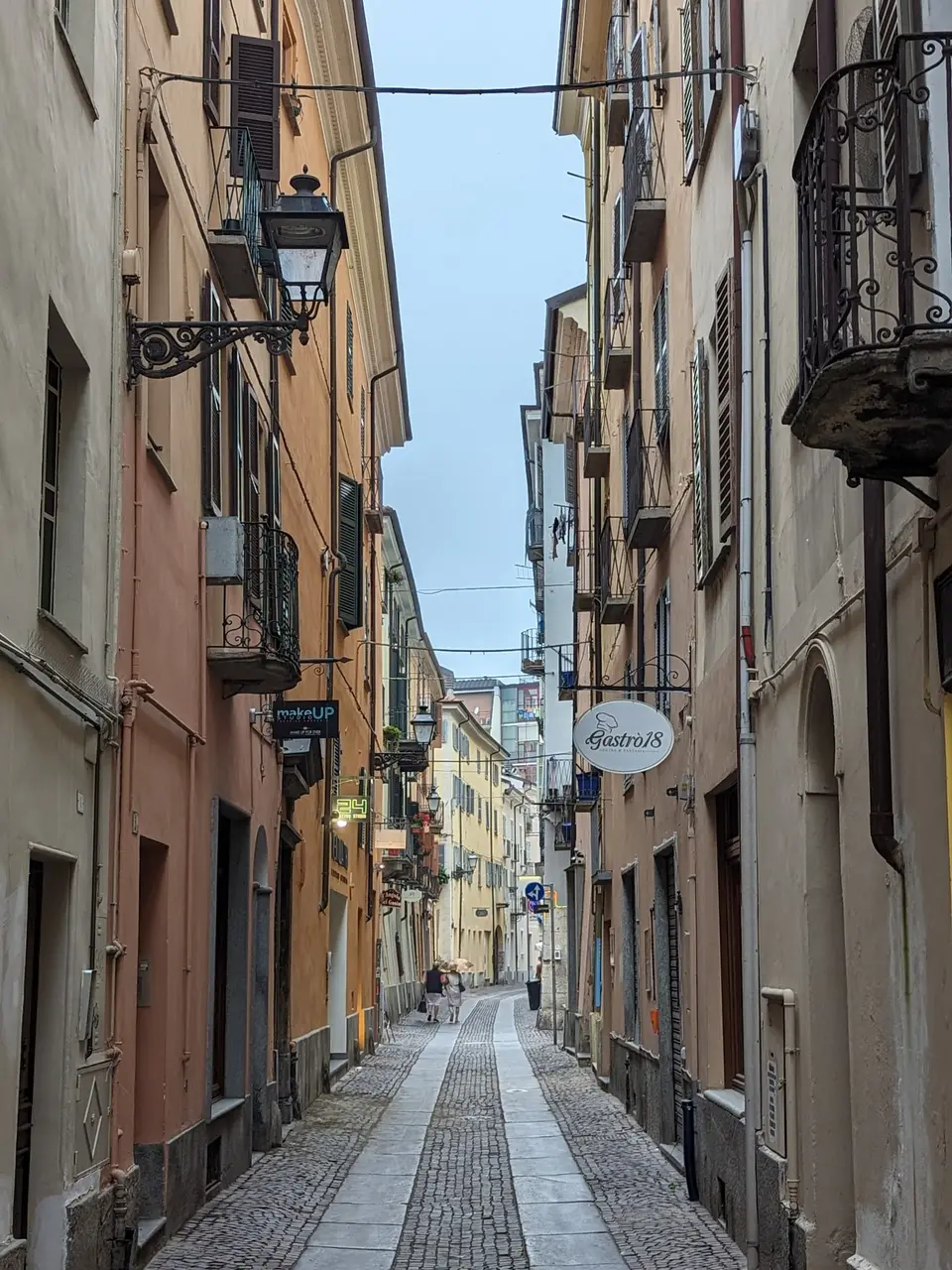
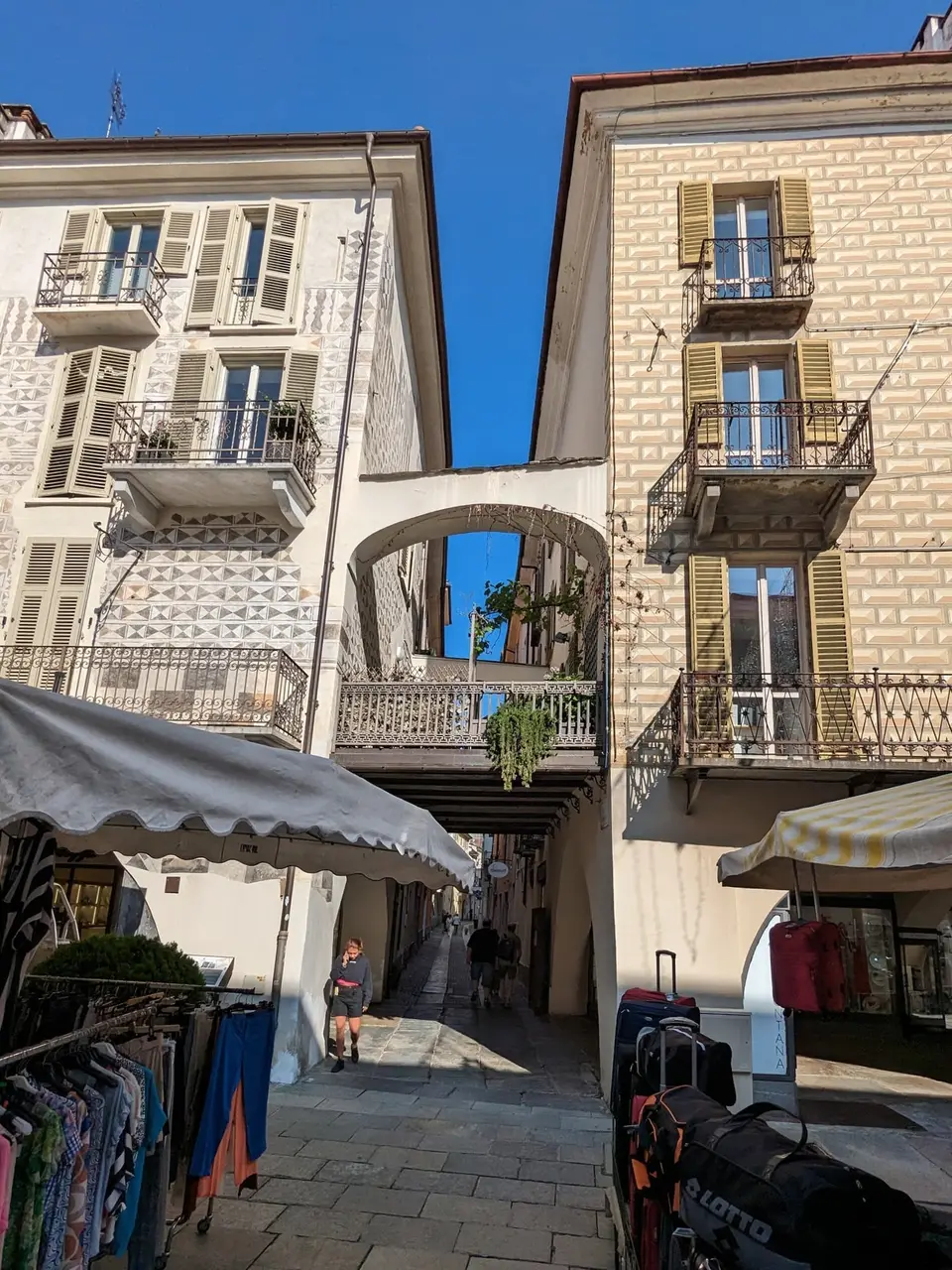
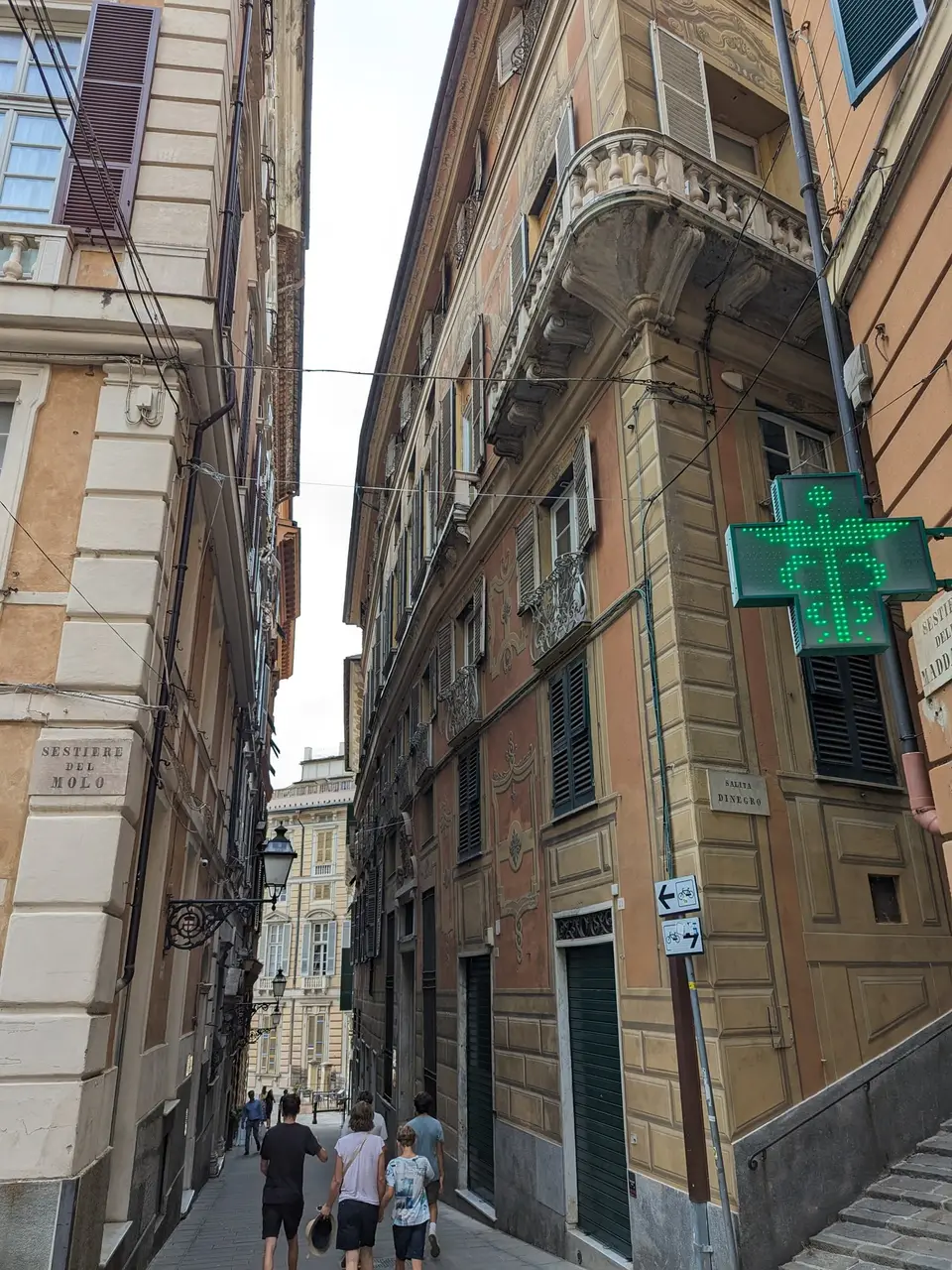
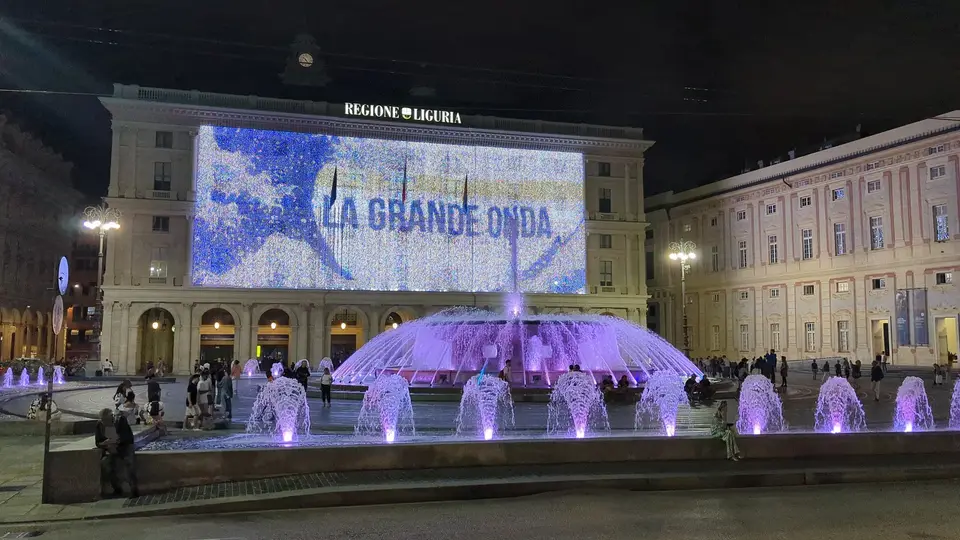
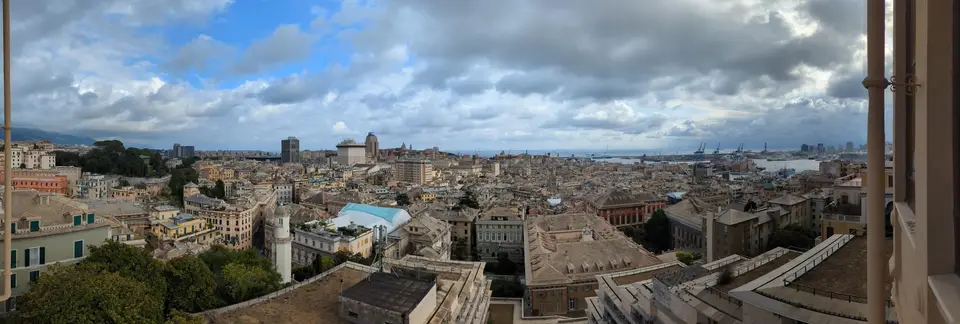
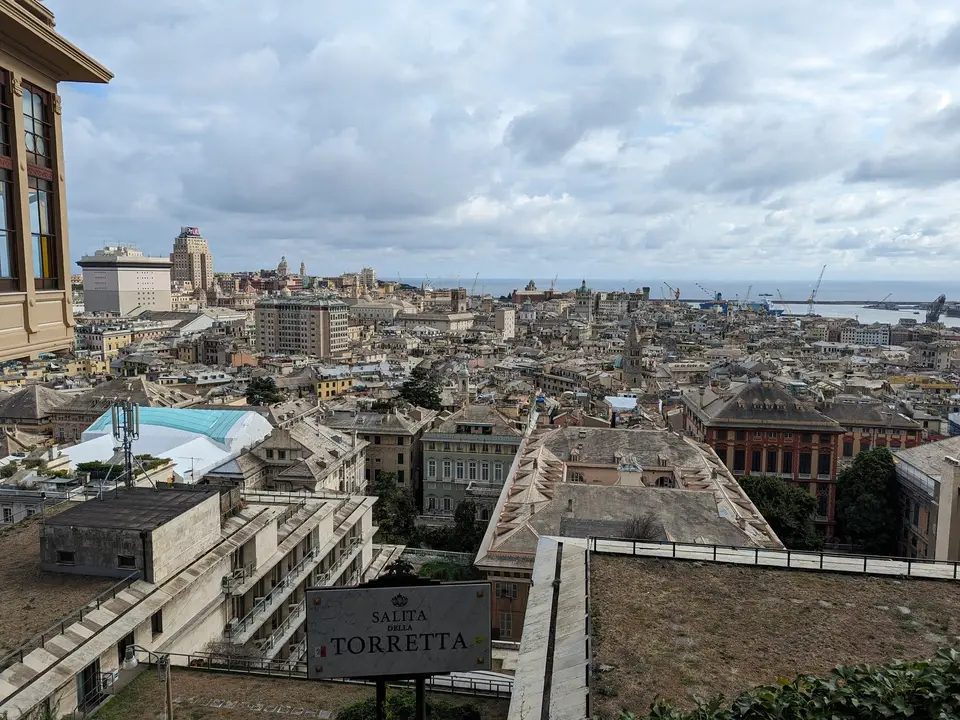
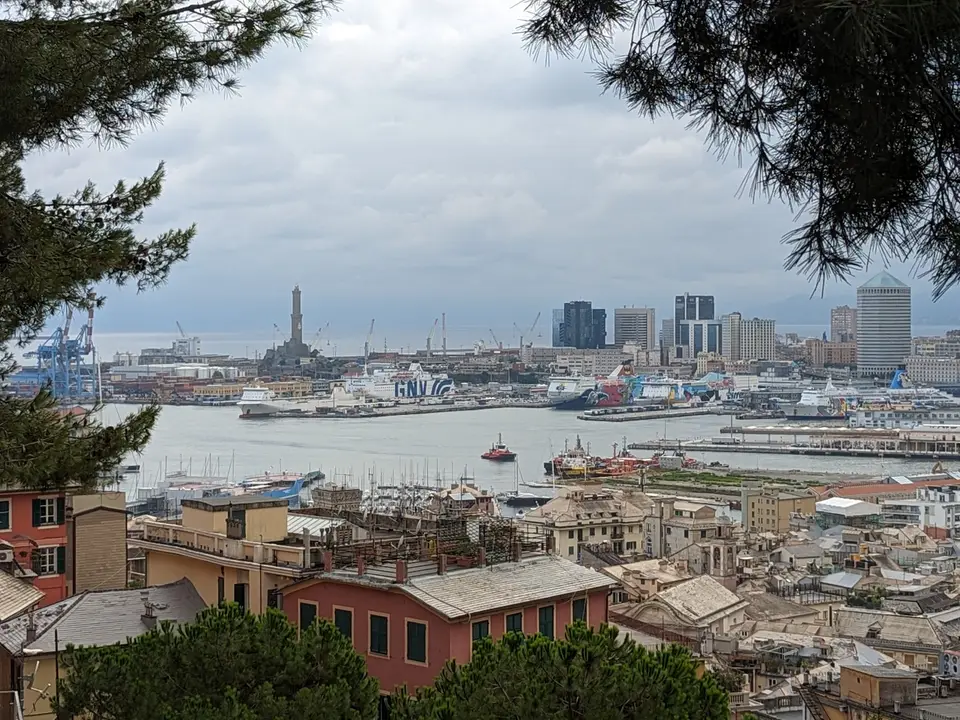
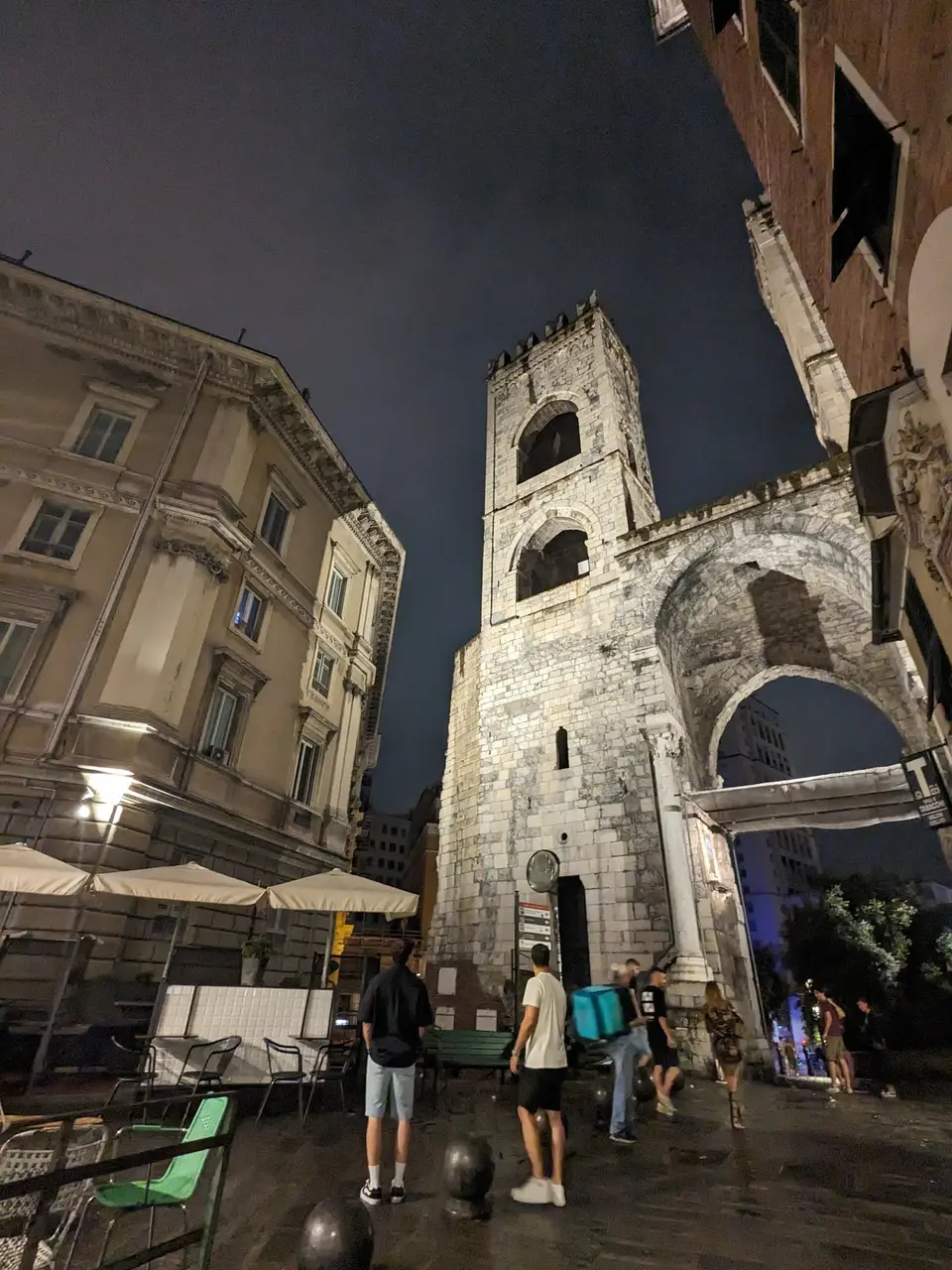
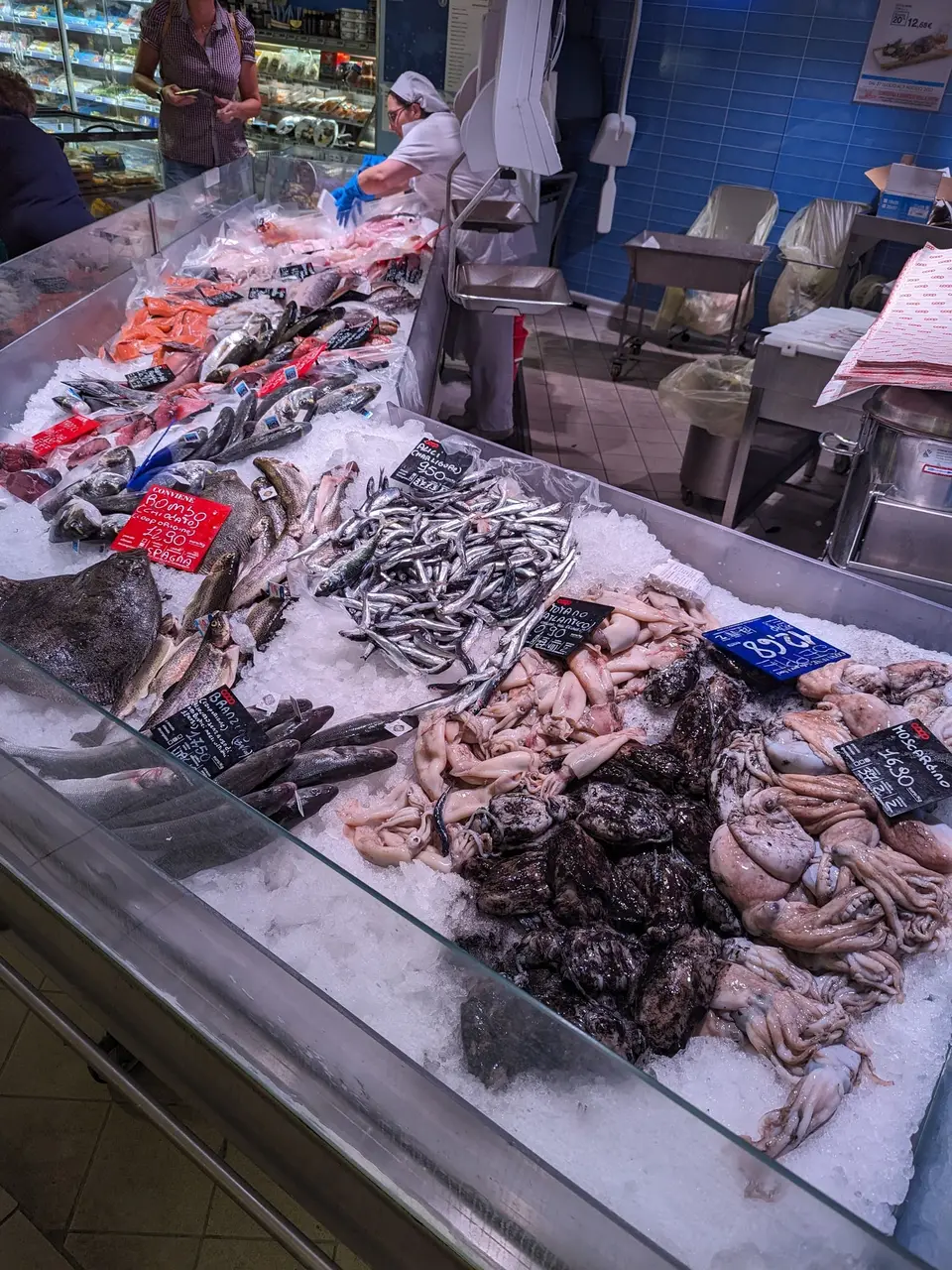
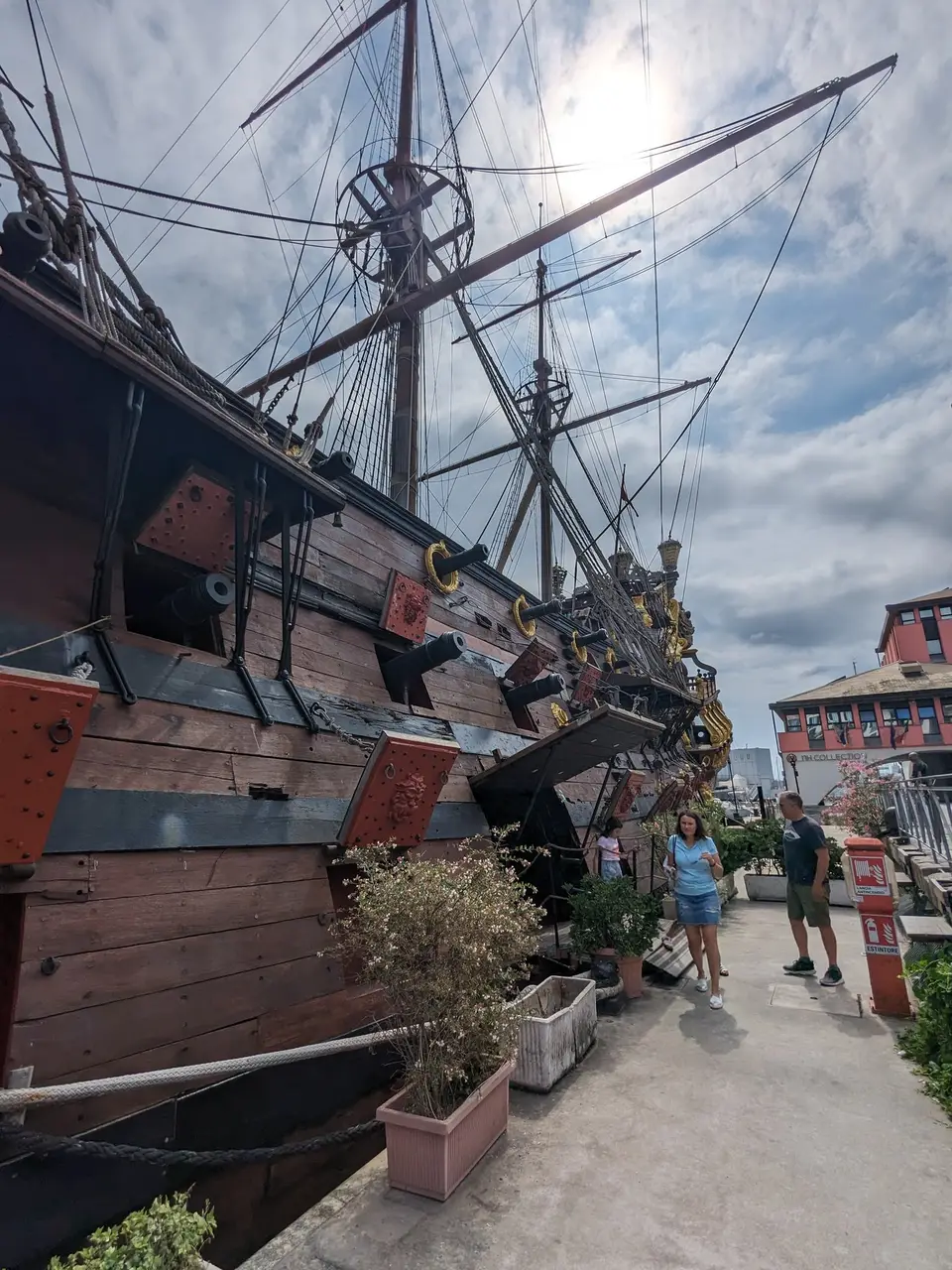
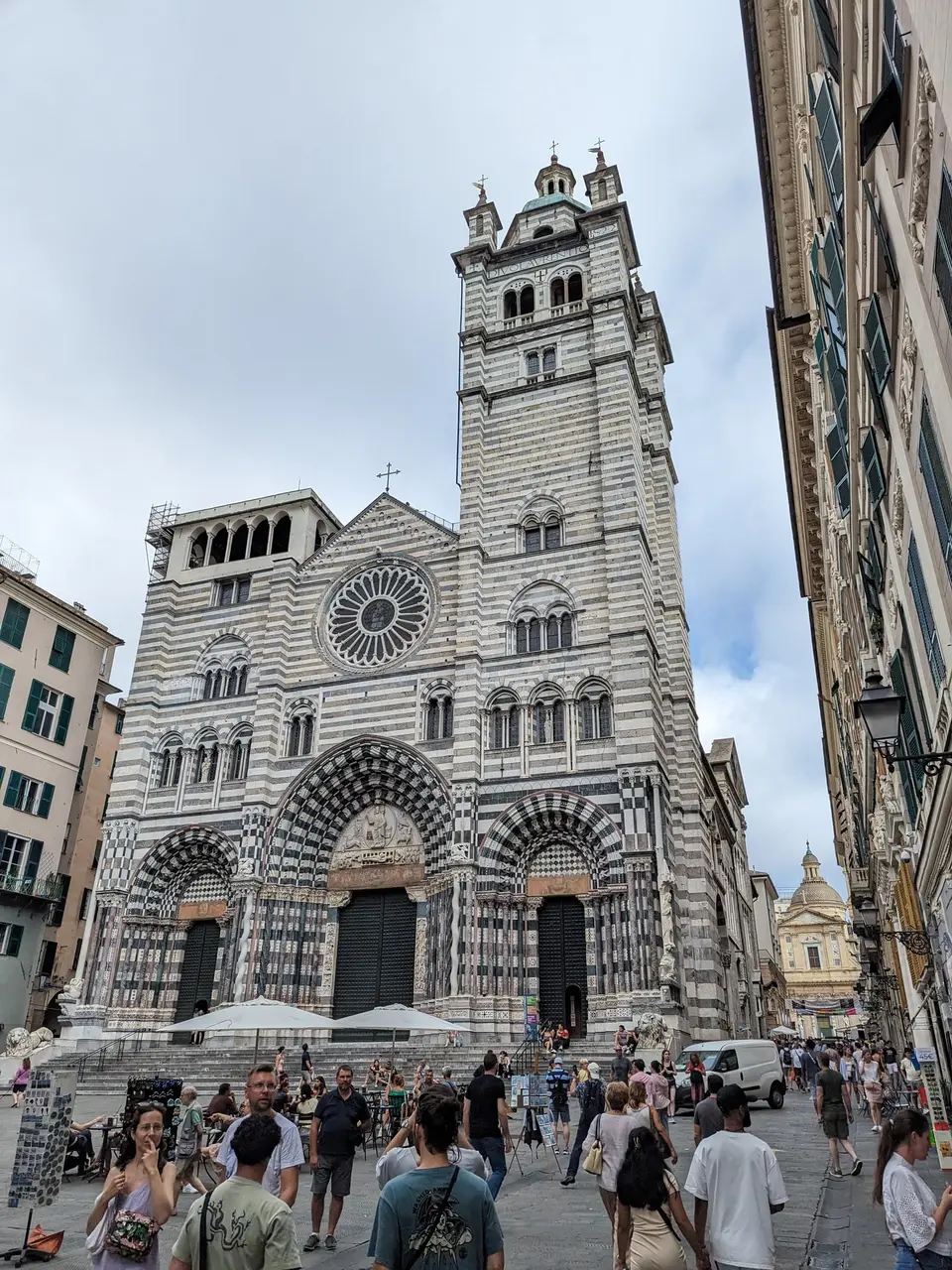
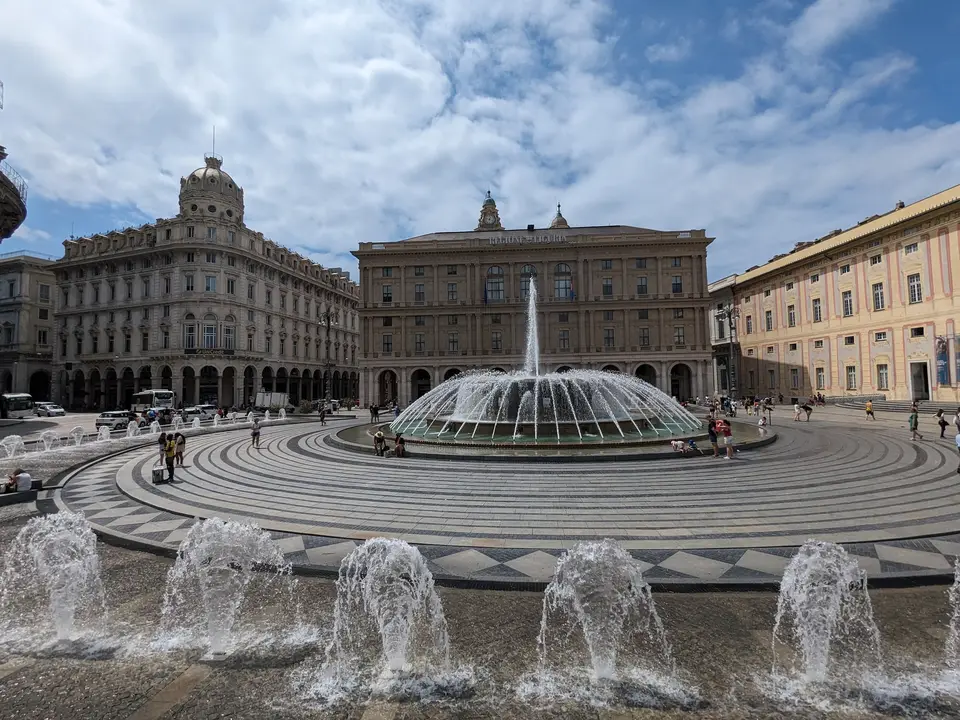
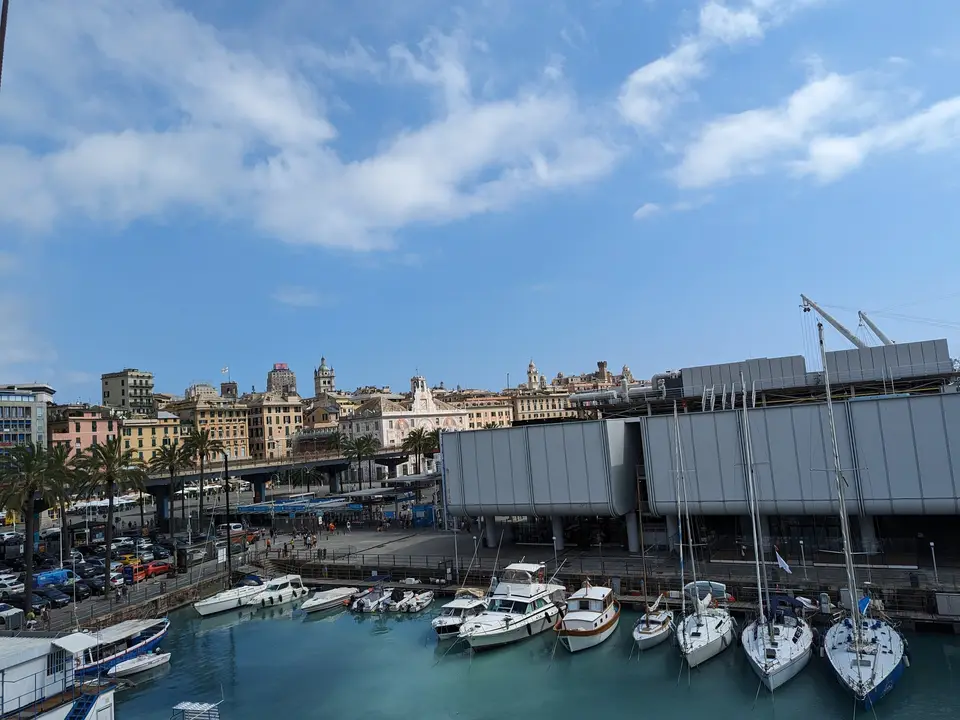
- The rest of Genoa is the opposite of grand and just as good: the caruggi, the alleys of the old town, barely wide enough for two; the fish market; the striped black-and-white cathedral; and the old port with its crane and its aquarium.
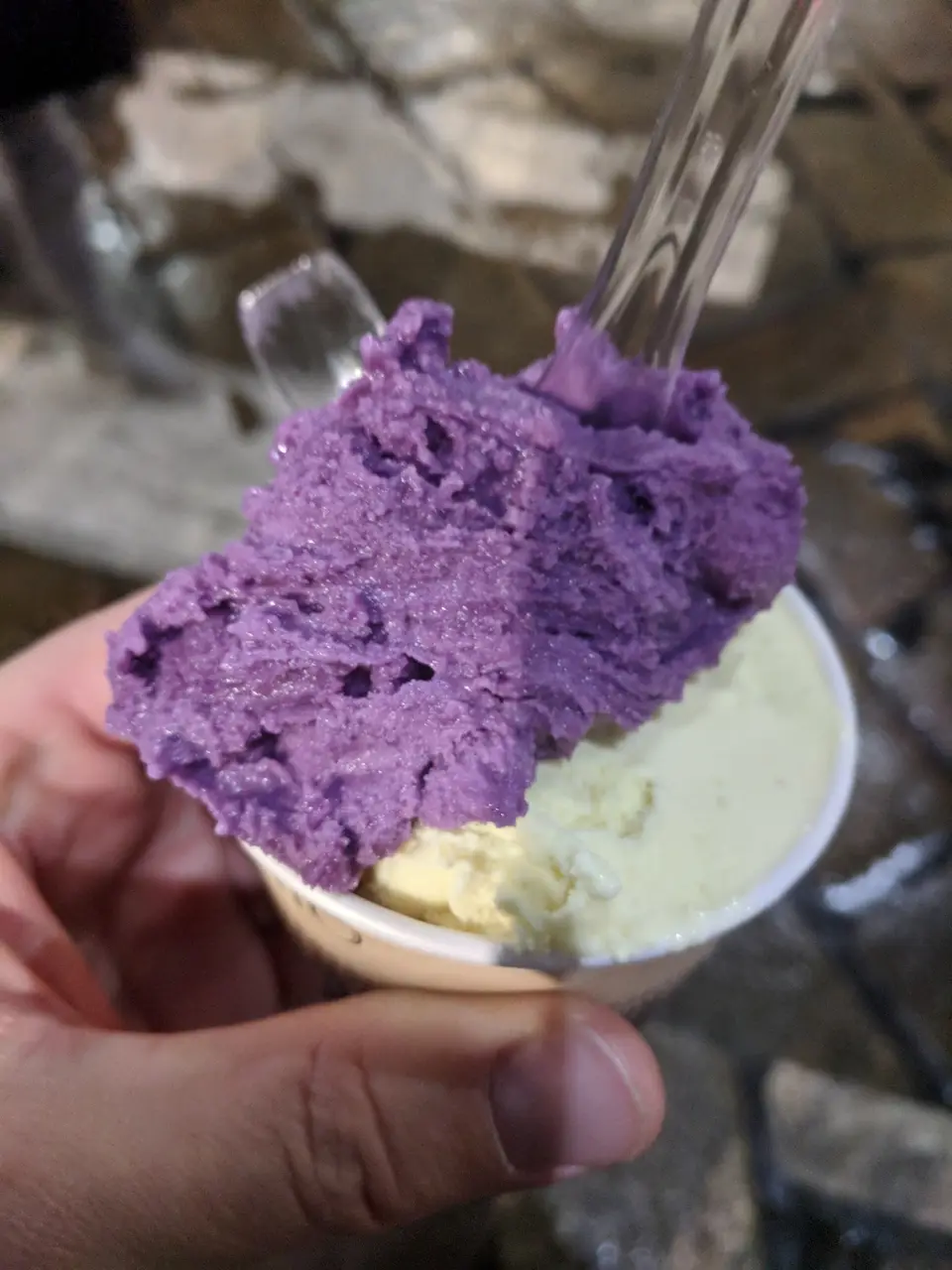
- Eat the focaccia. It is a different food here from the thing sold under that name elsewhere, and it is a breakfast.
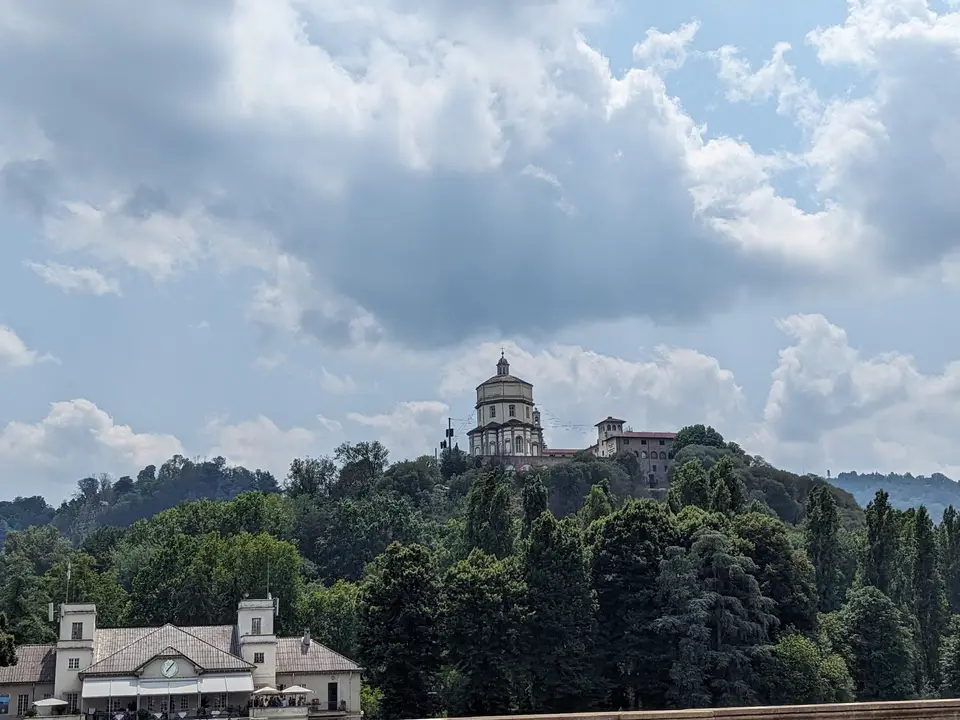
Turin — eighteen kilometers of arcades
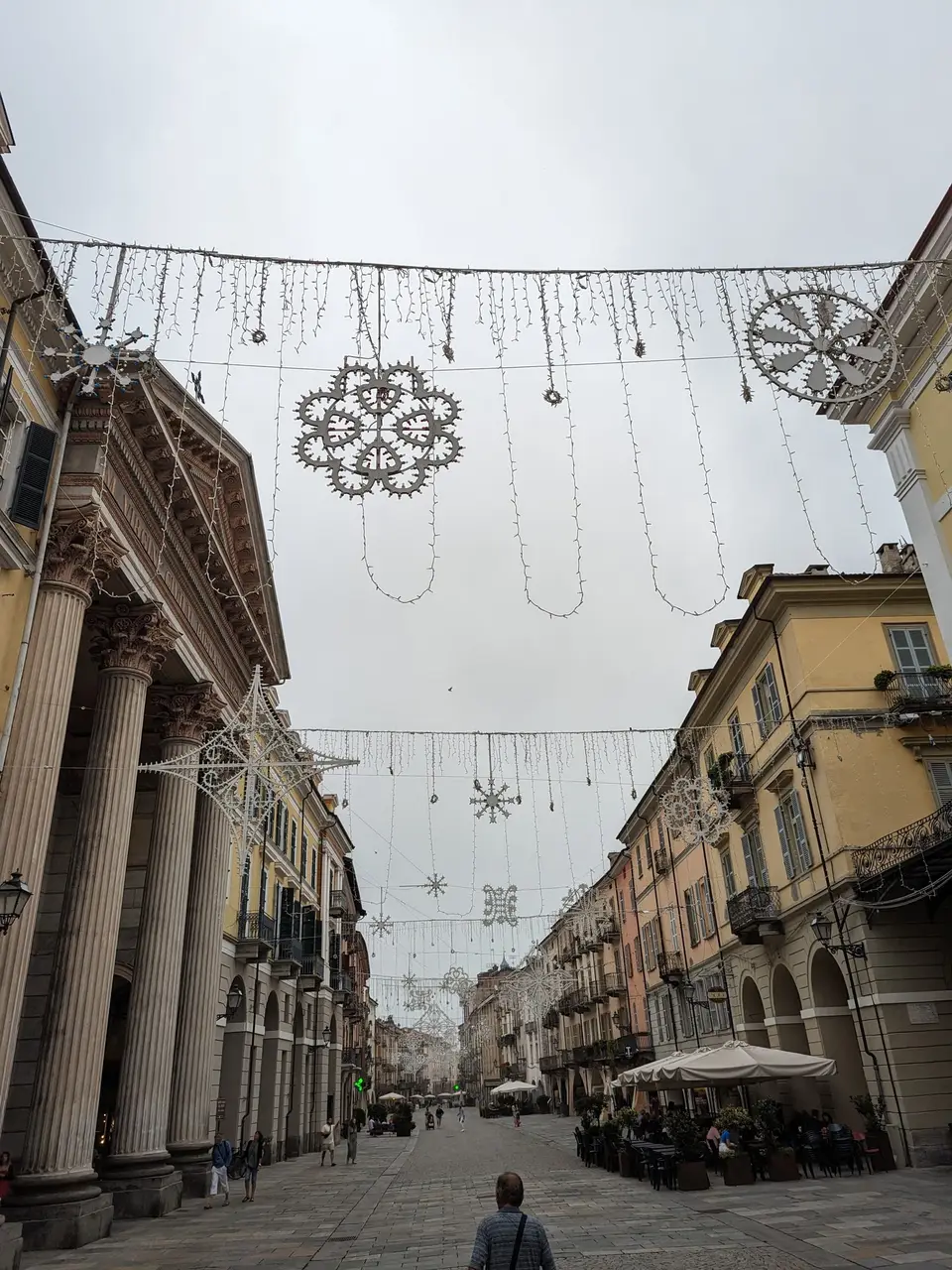
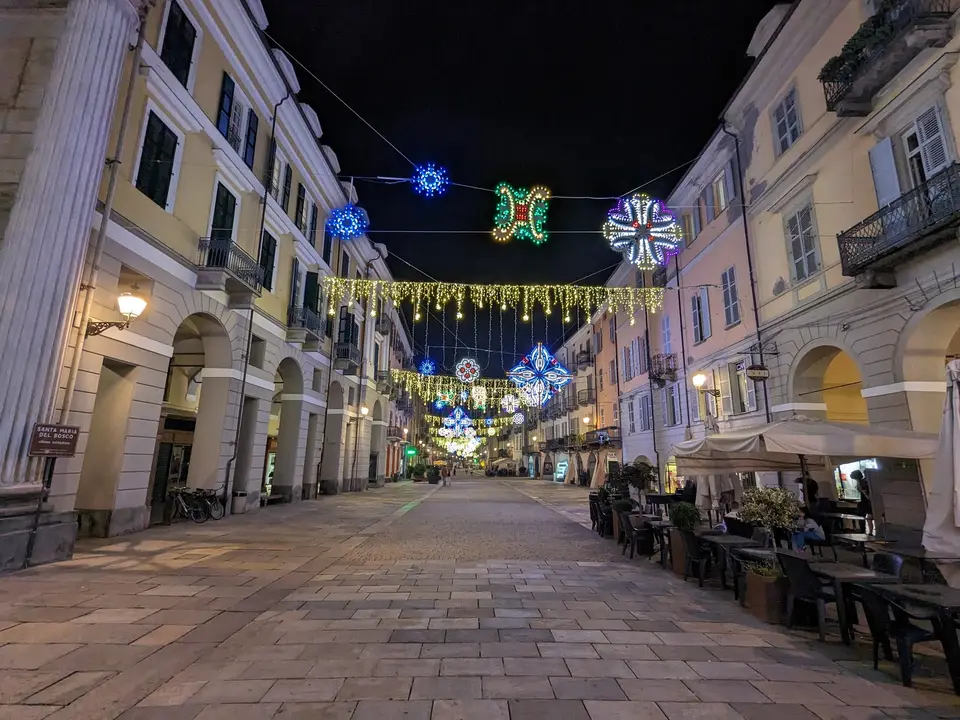
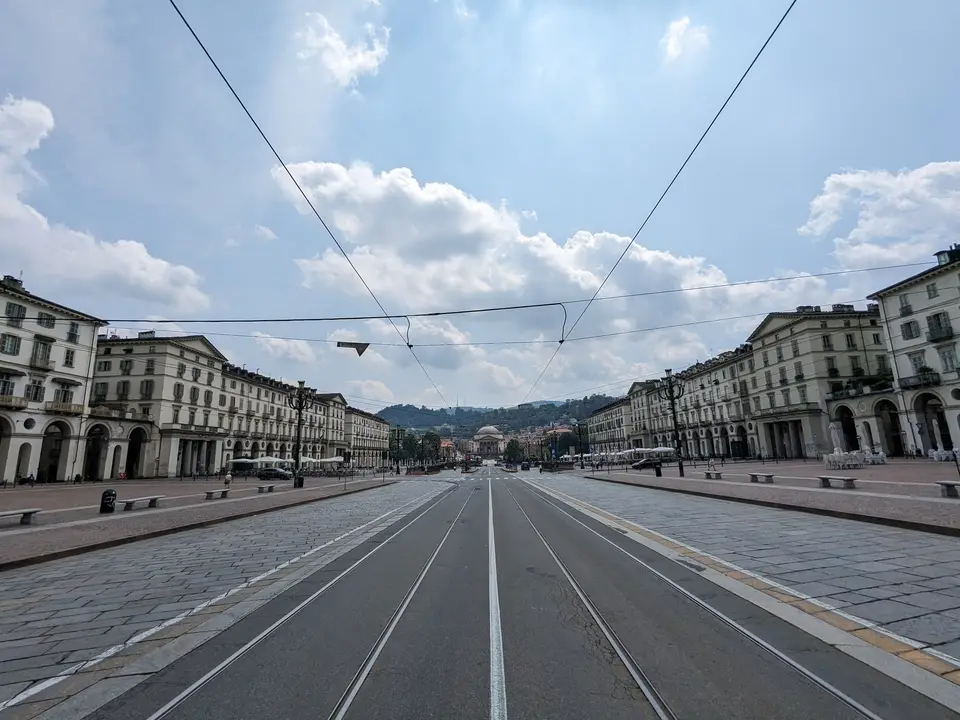
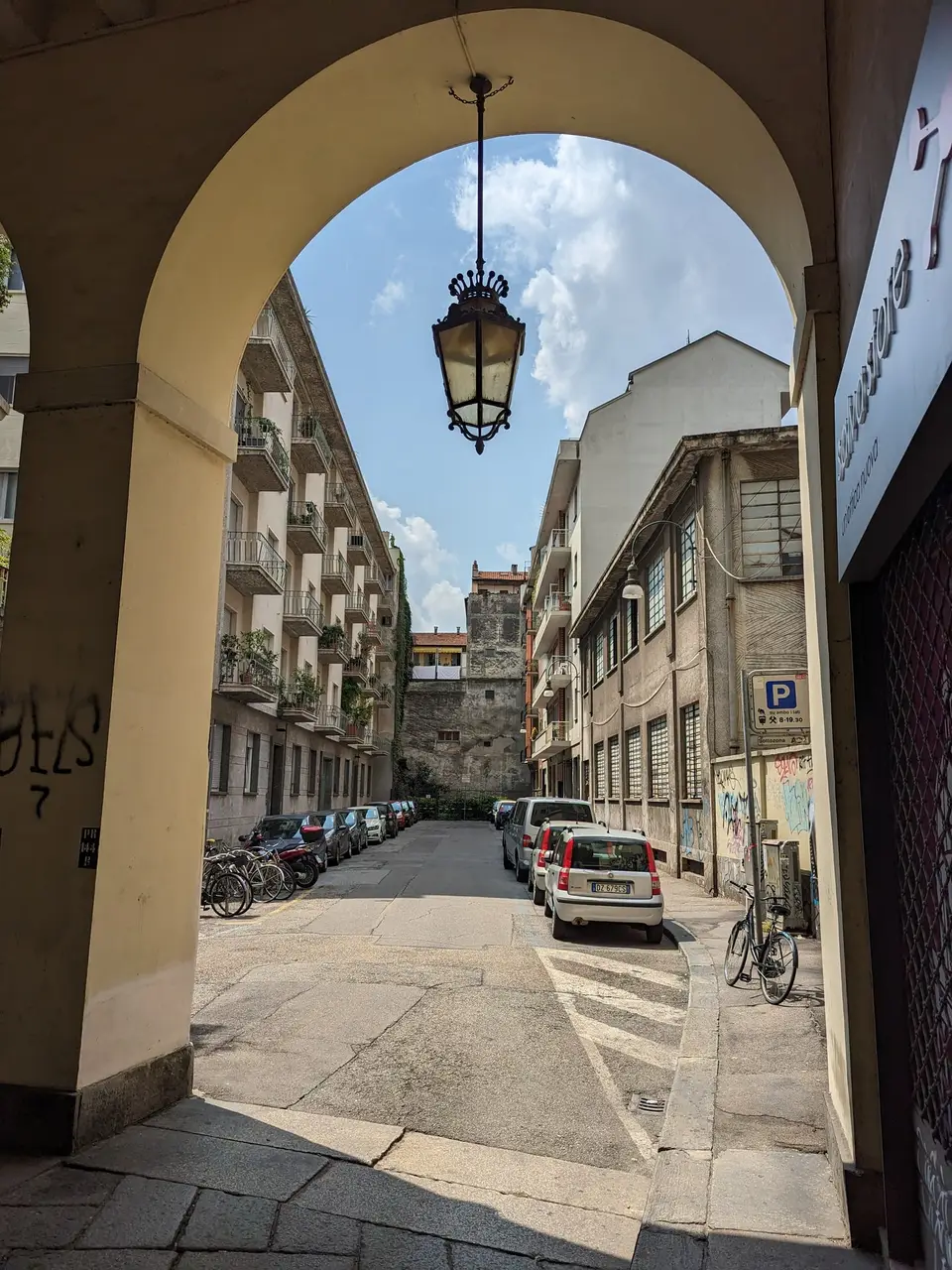
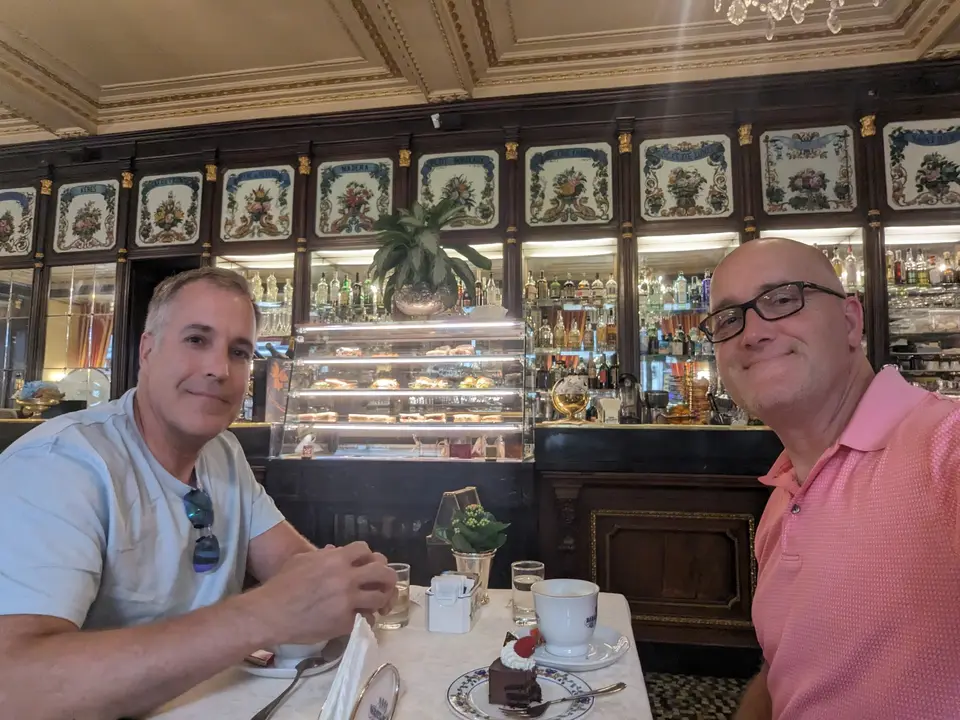
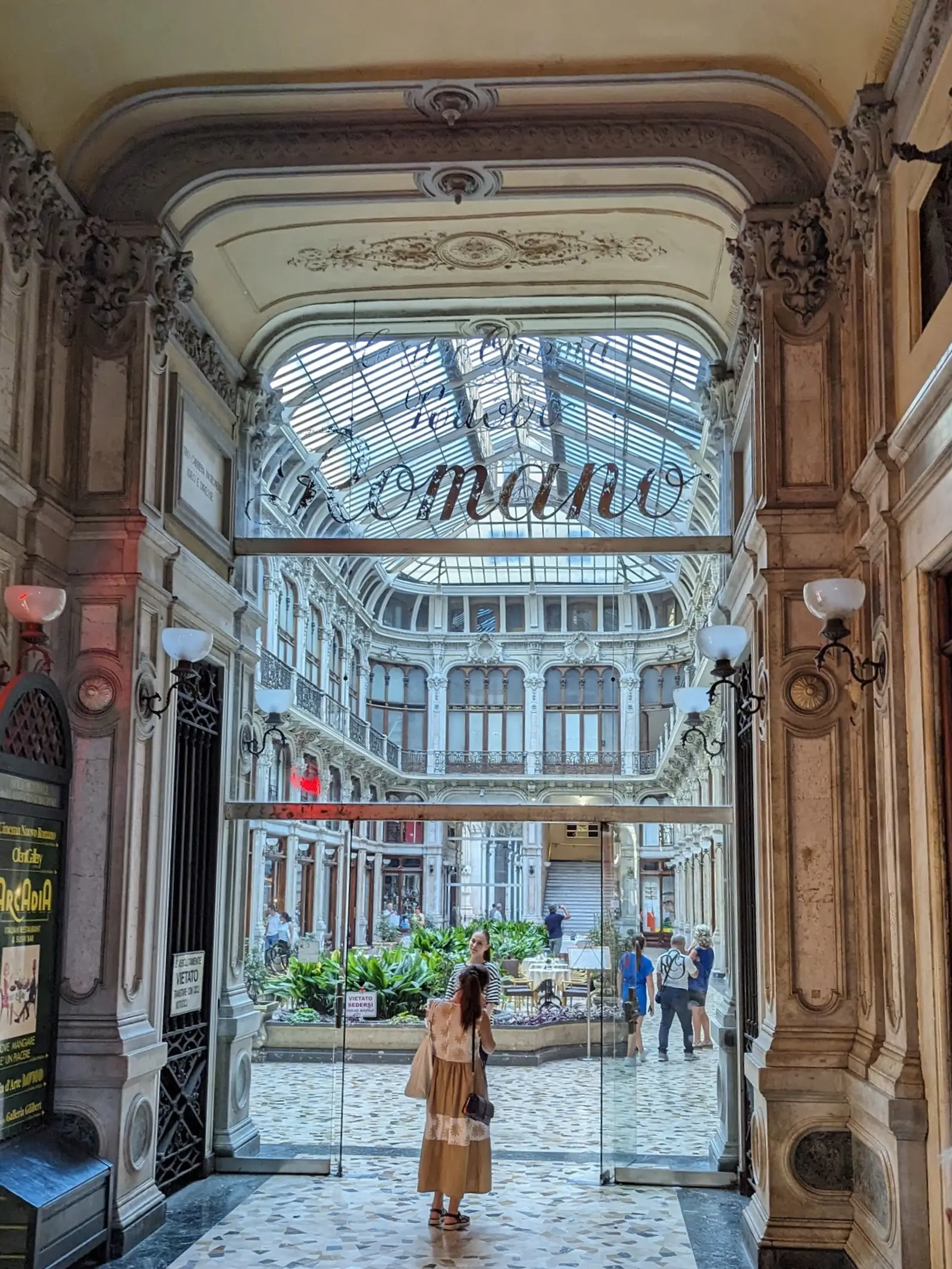
- Turin is built to be walked in the rain. The center has something like eighteen kilometers of porticoes, and the grand cafés under them have been serving the same thing since before Italy was a country.
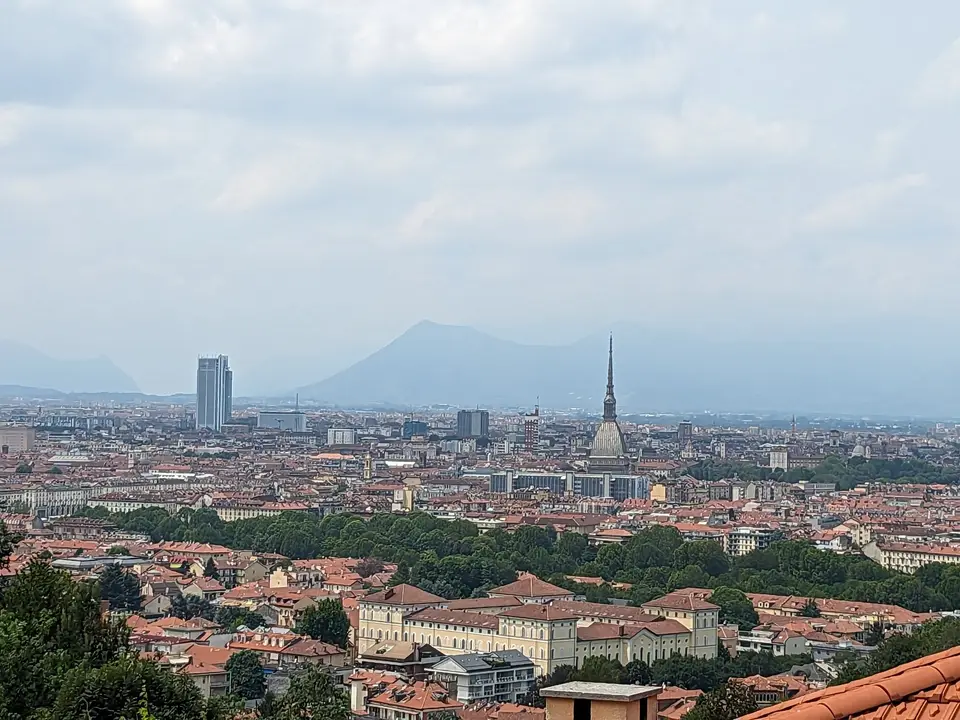
- The Mole Antonelliana is the landmark and holds the National Cinema Museum. Museum €18, panoramic lift €9, both €23 — and the lift up through the middle of the dome is the part to pay for.
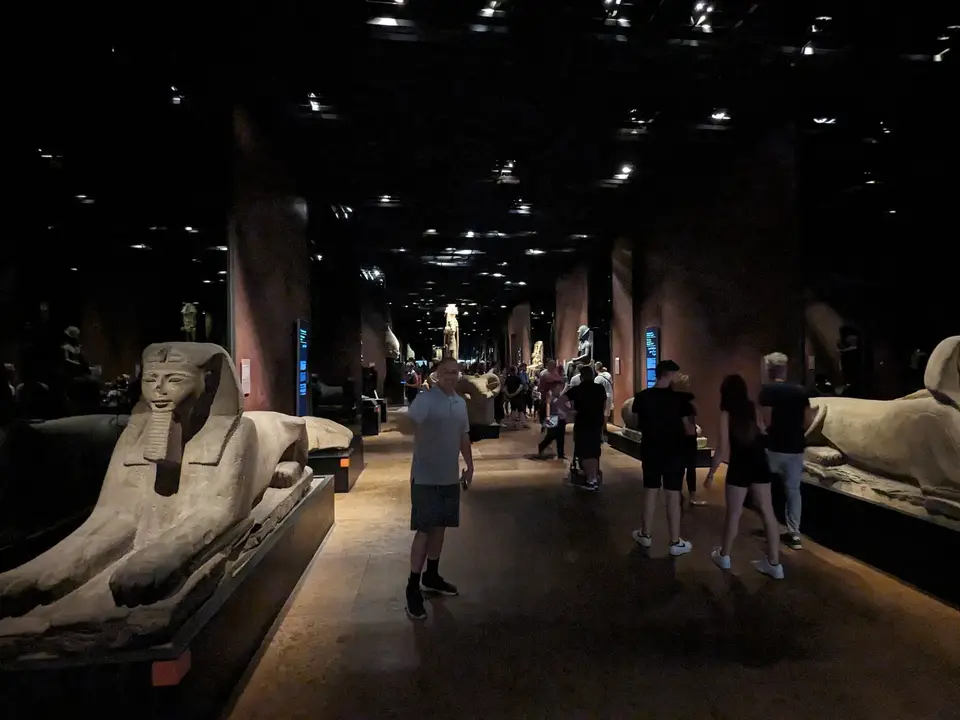
- The Egyptian Museum is the serious one — the largest collection of Egyptian antiquities outside Cairo, in a city most people have never considered visiting.
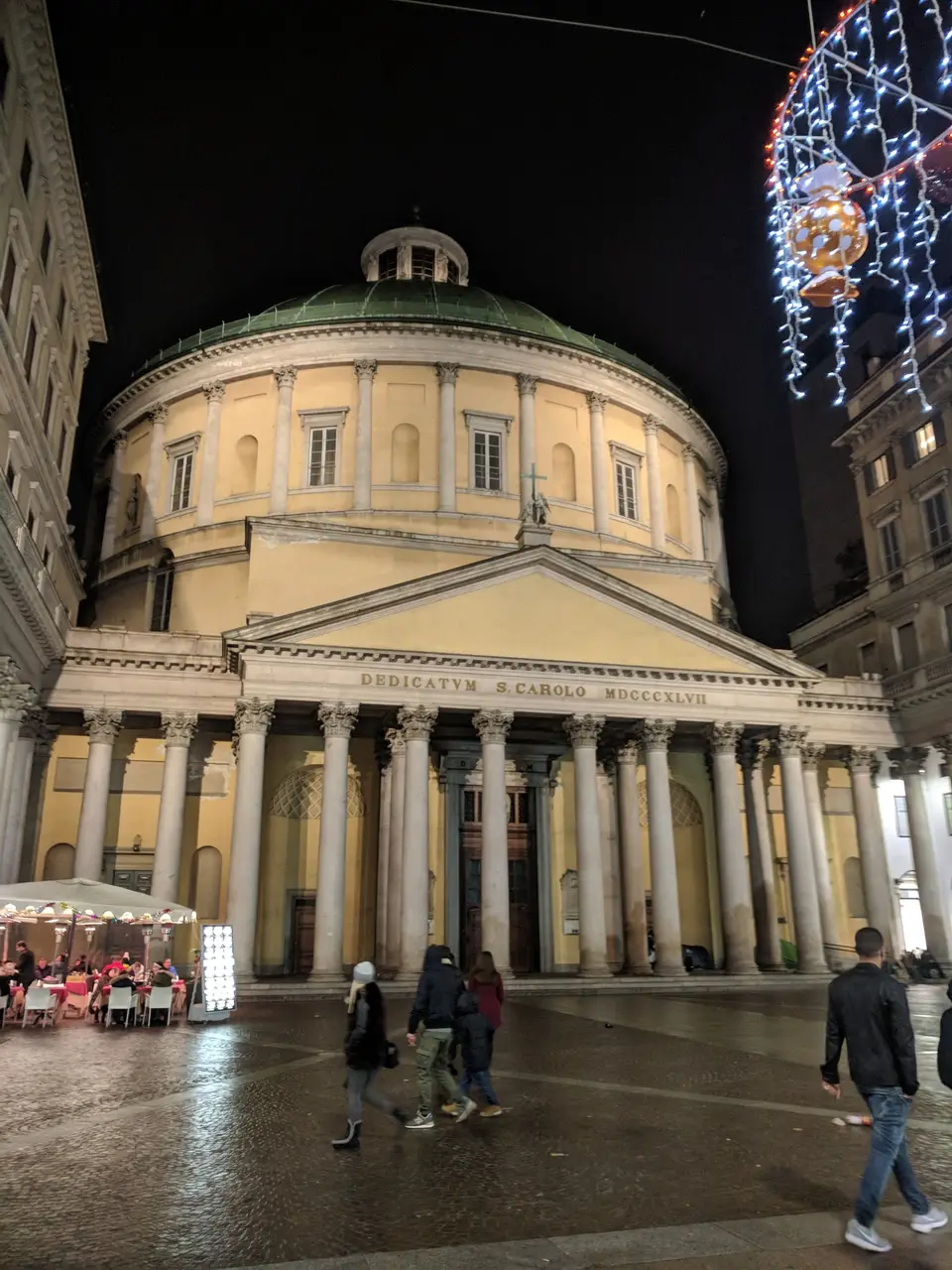
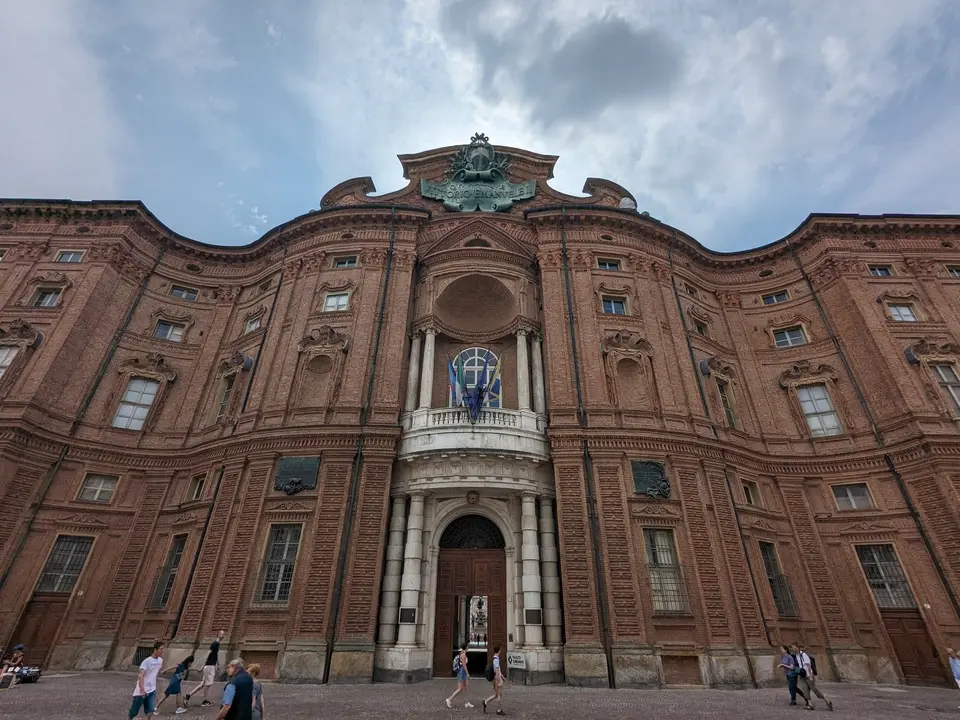
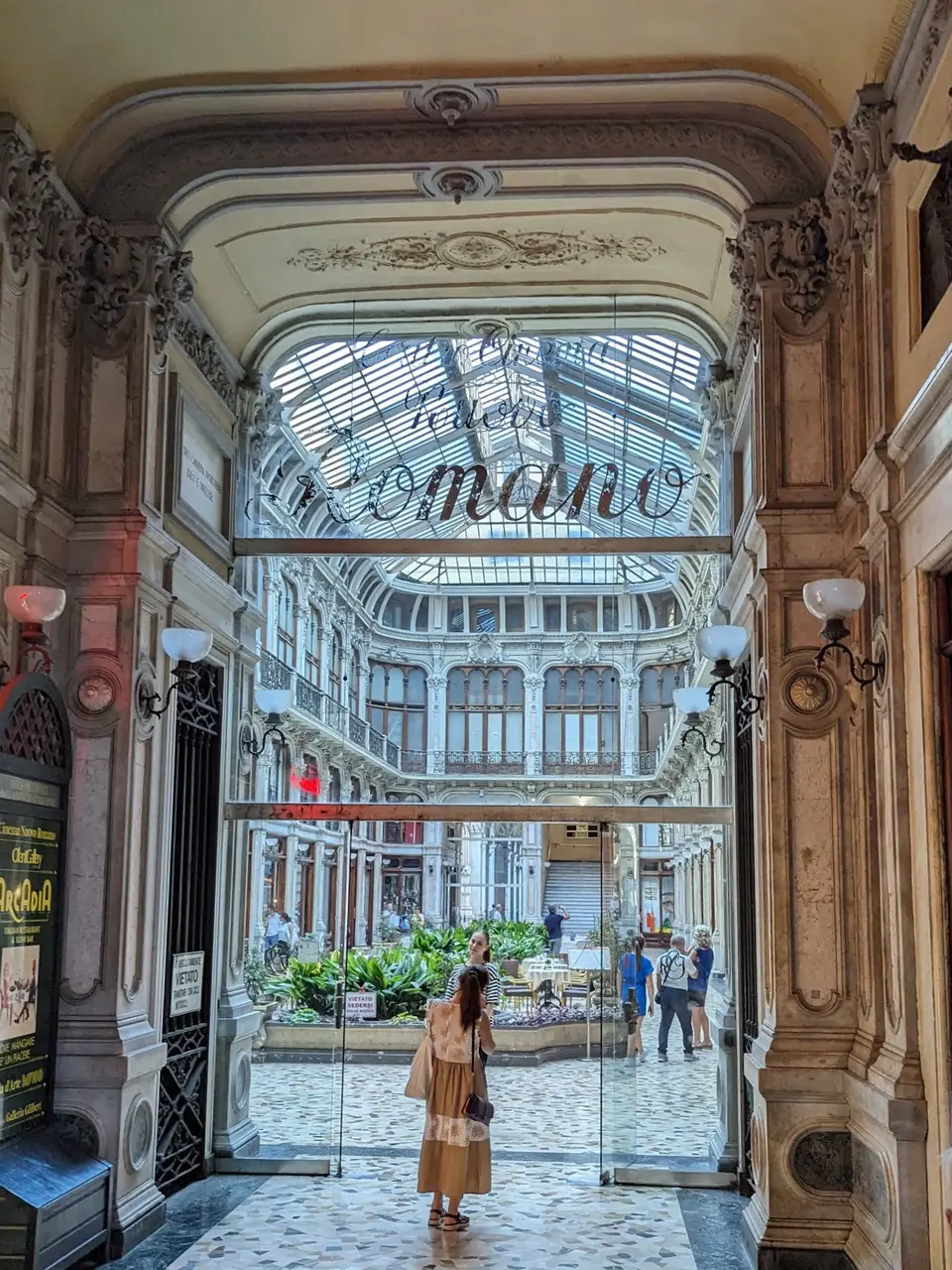
- Piazza San Carlo, the Galleria Subalpina and the Palazzo Reale are all a short walk apart, and the squares are free.
Como, Brescia and Cuneo — the three that surprise people
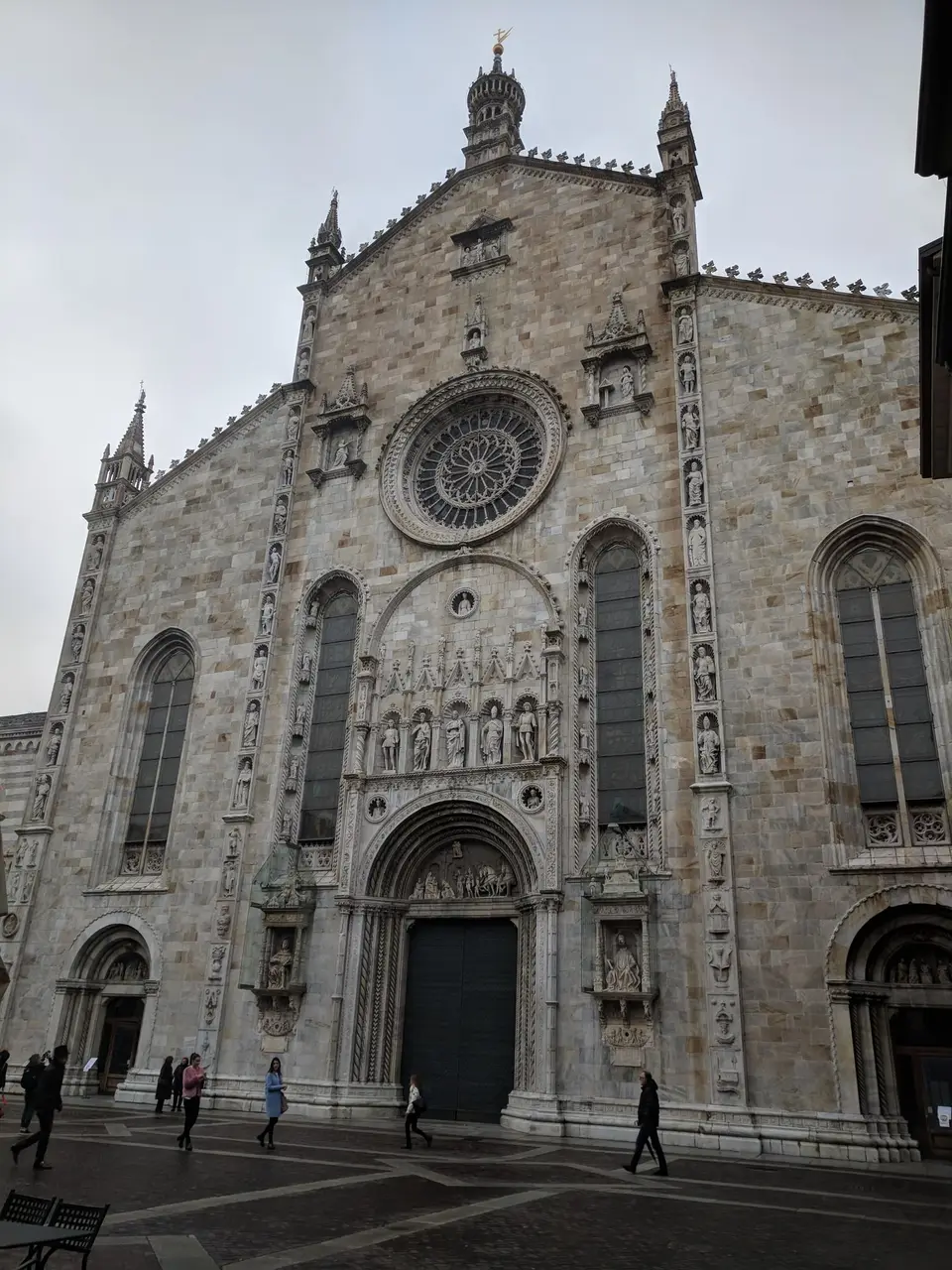
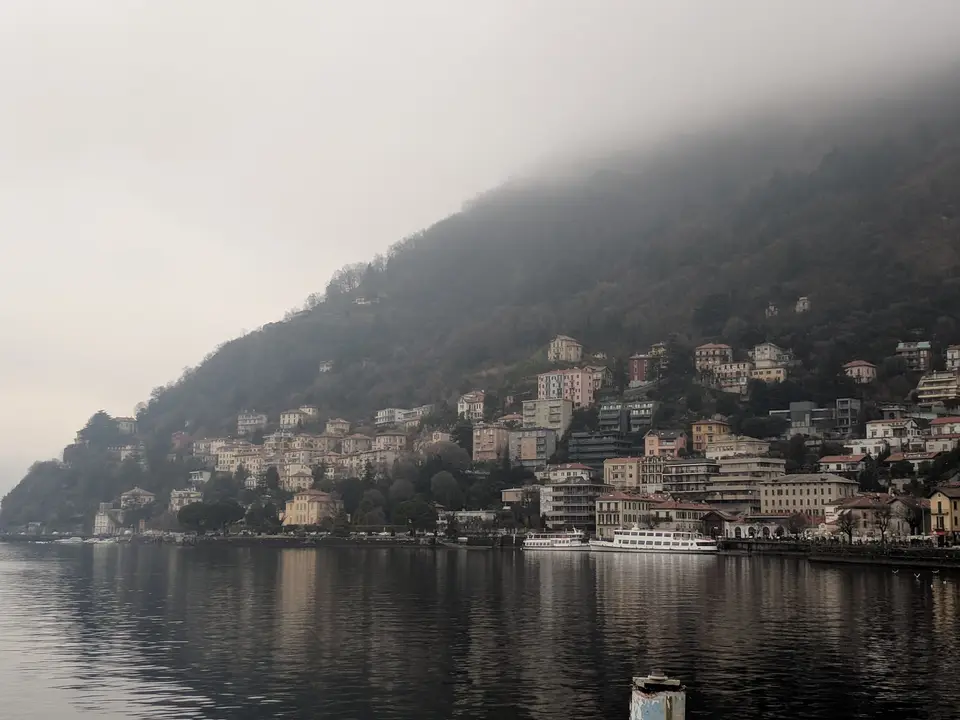
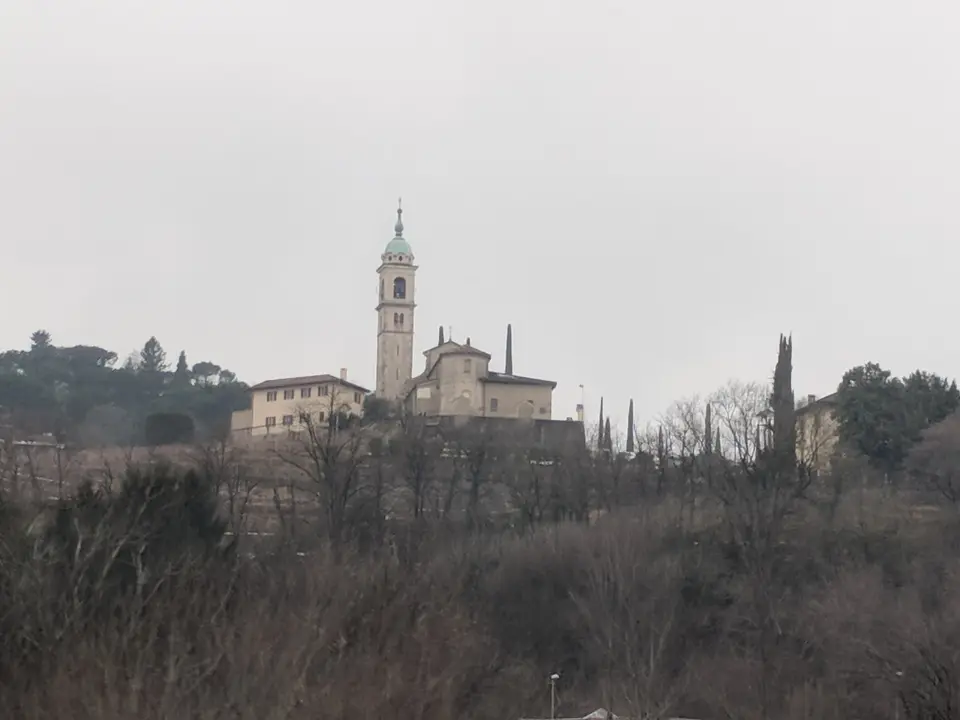
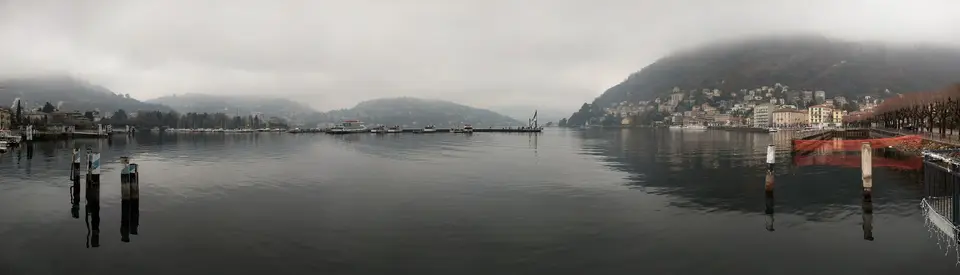
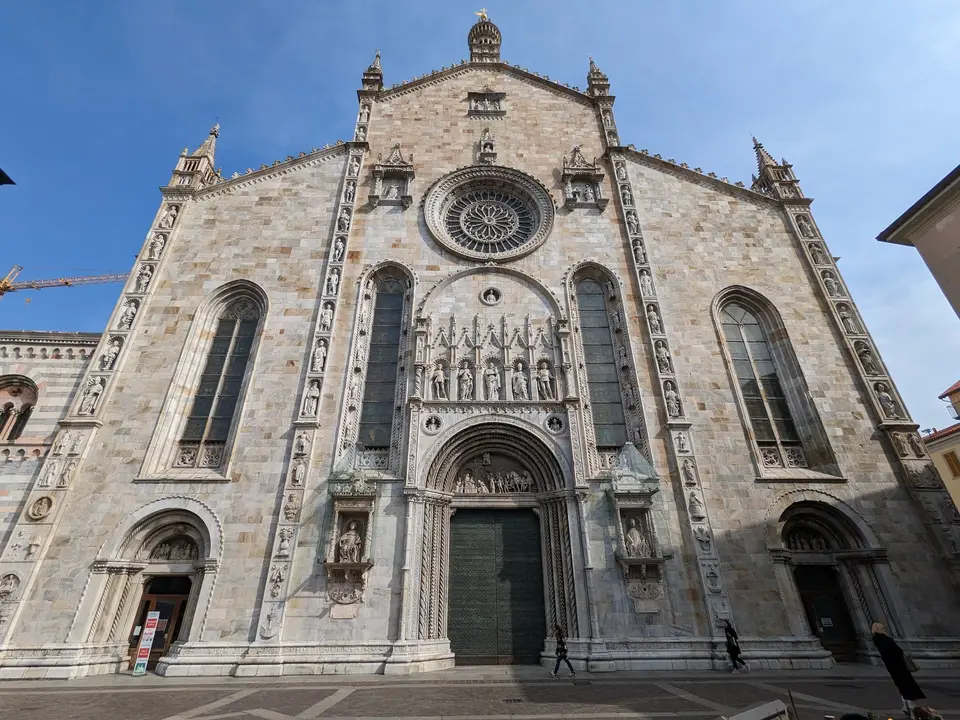
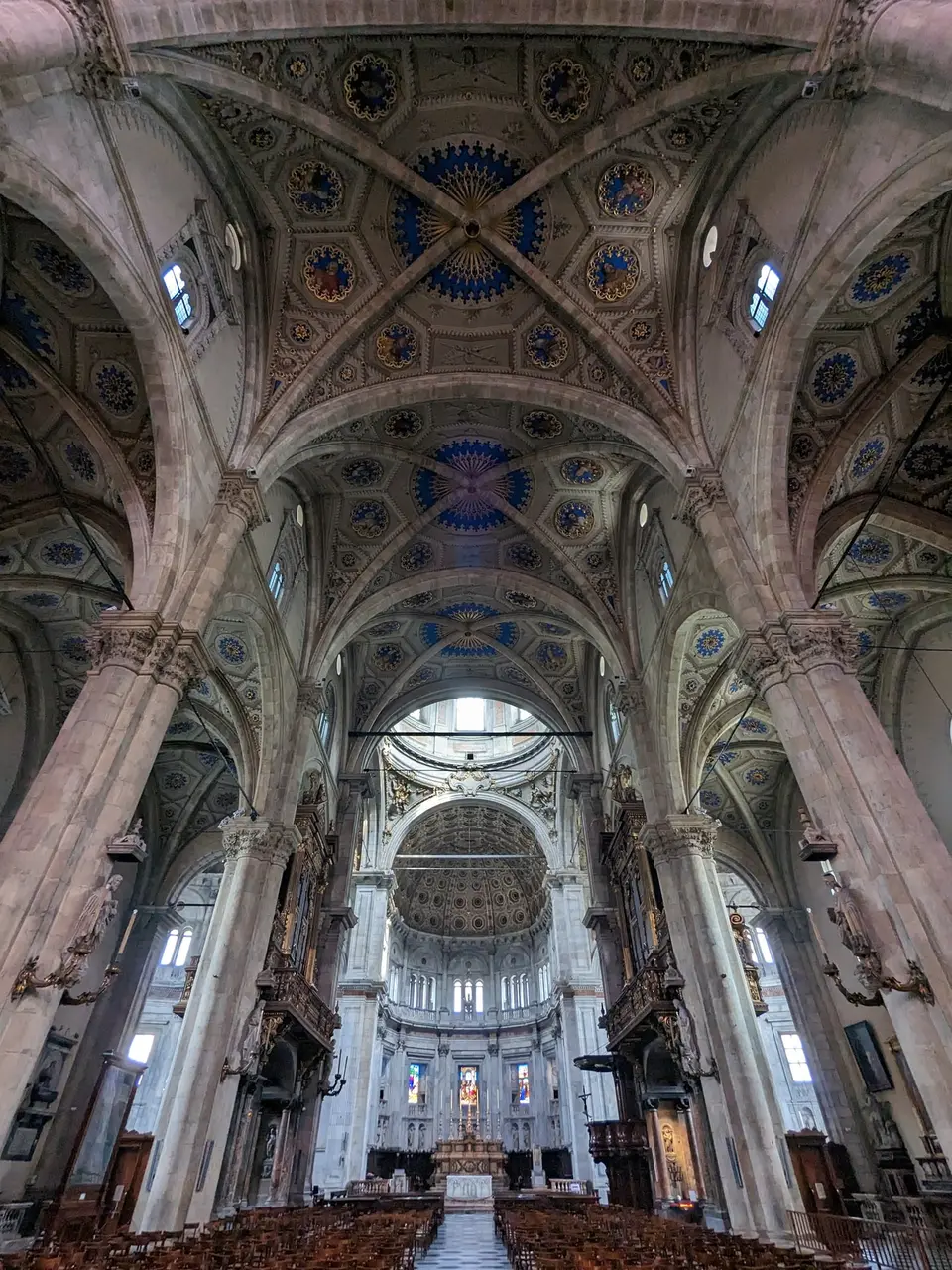
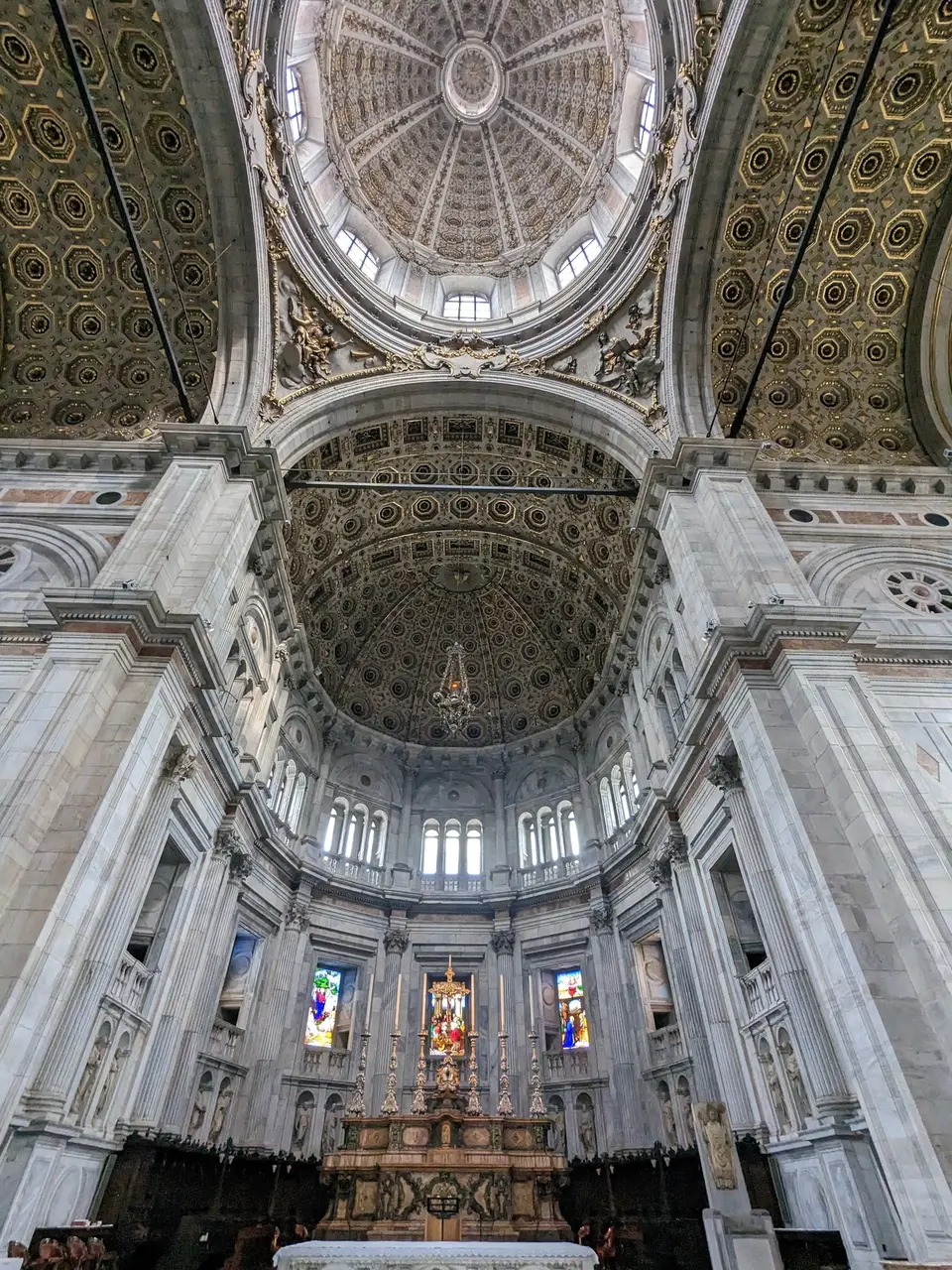
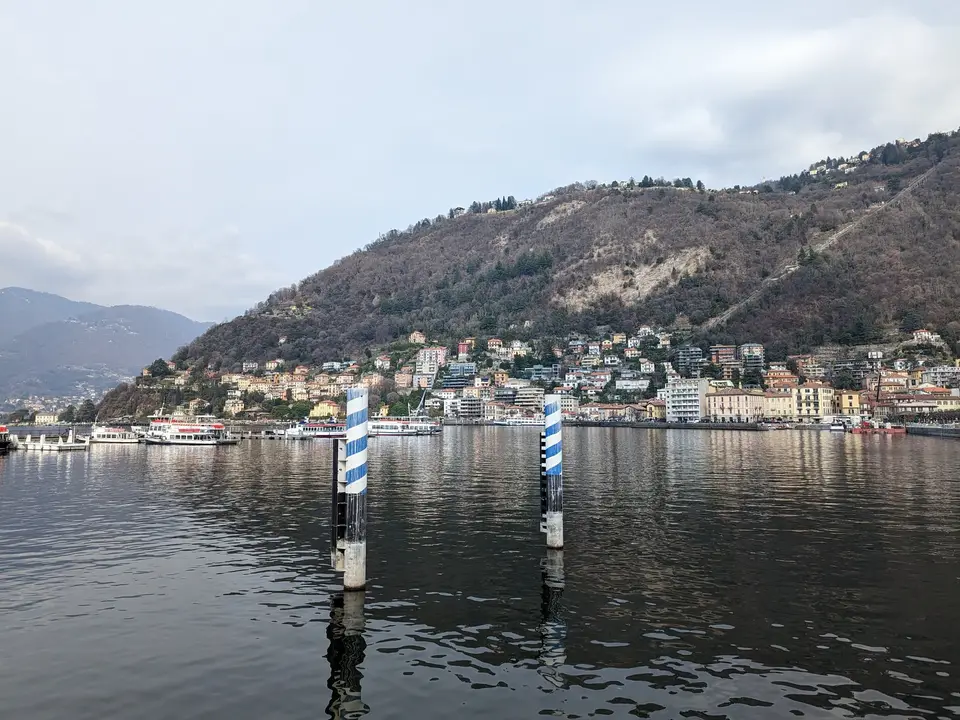
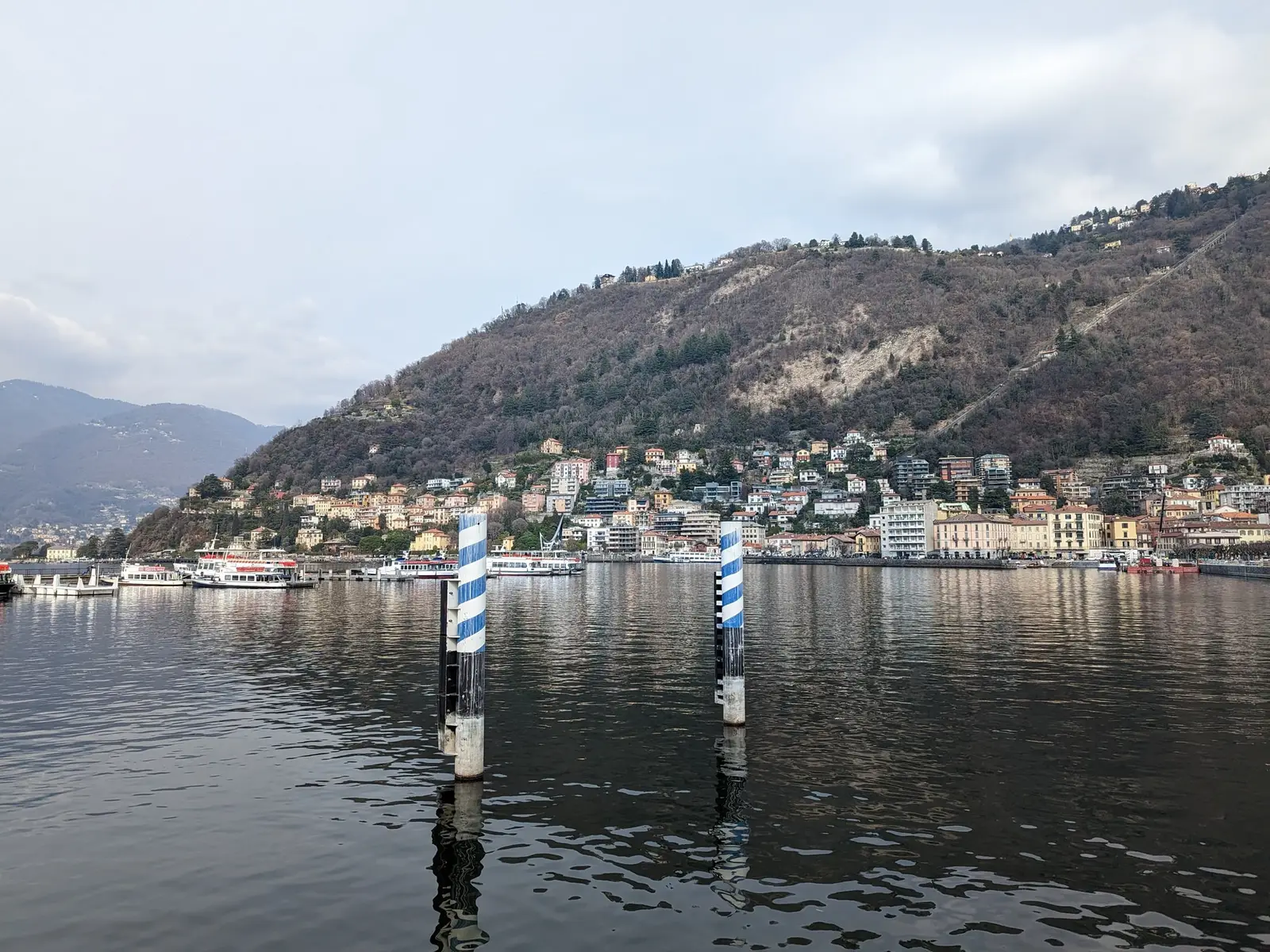
- Como is the lake without committing to the lake. Forty minutes from Milan, a marble cathedral on the waterfront, and a funicular up to Brunate for the view back down. A day trip rather than a stay.
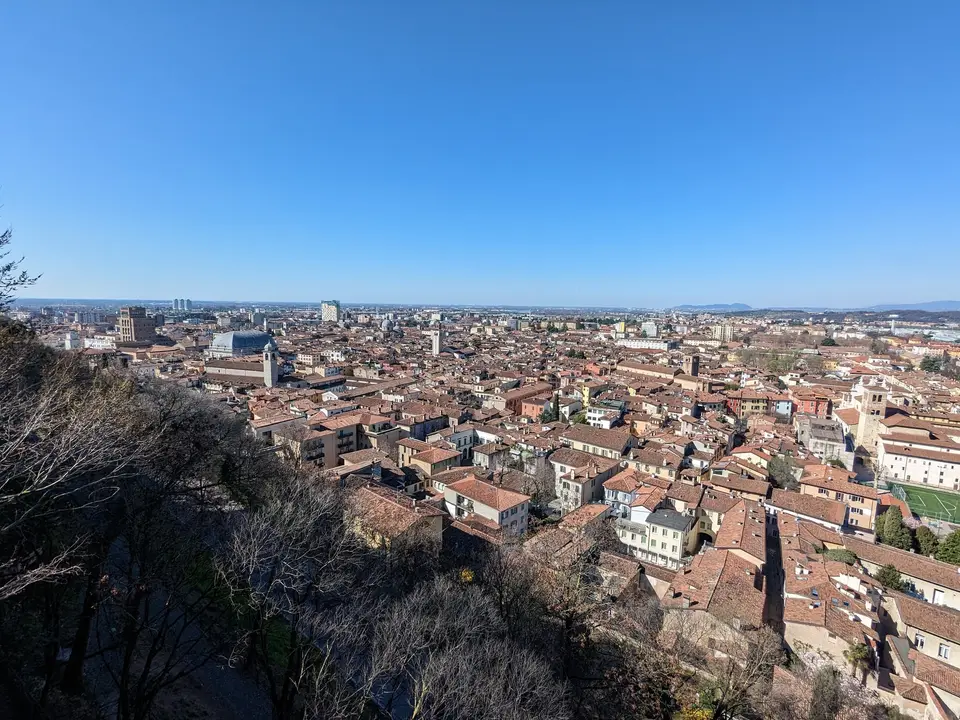
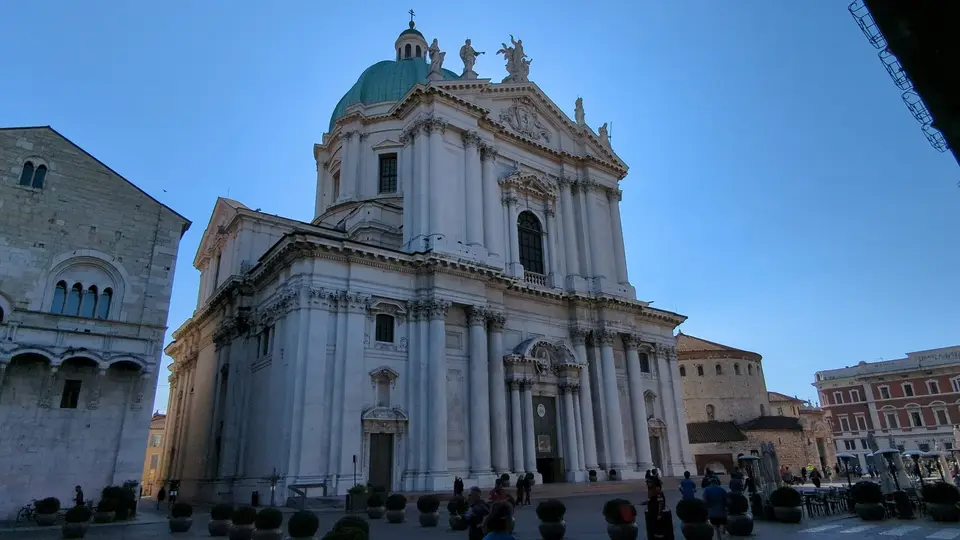
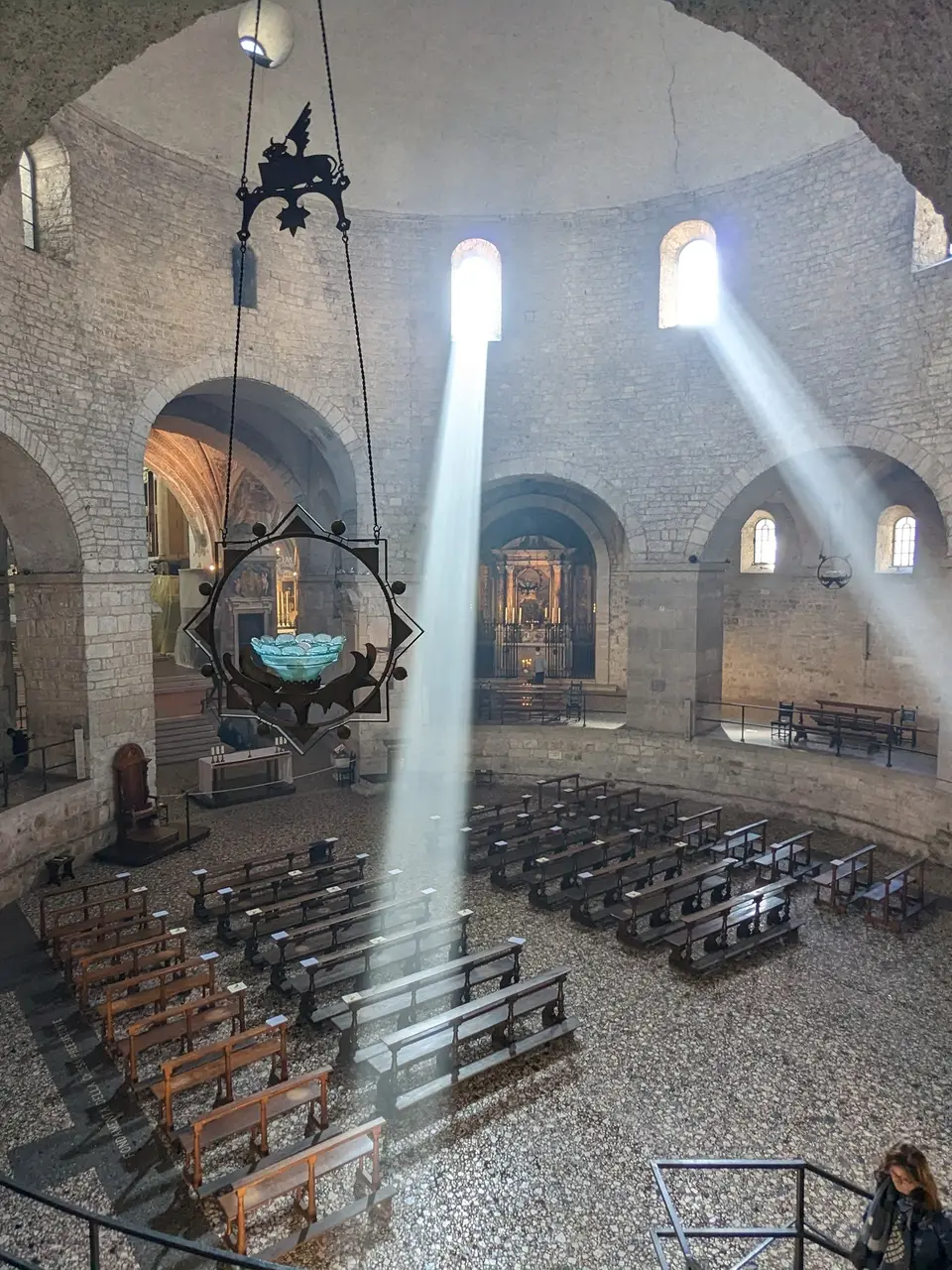
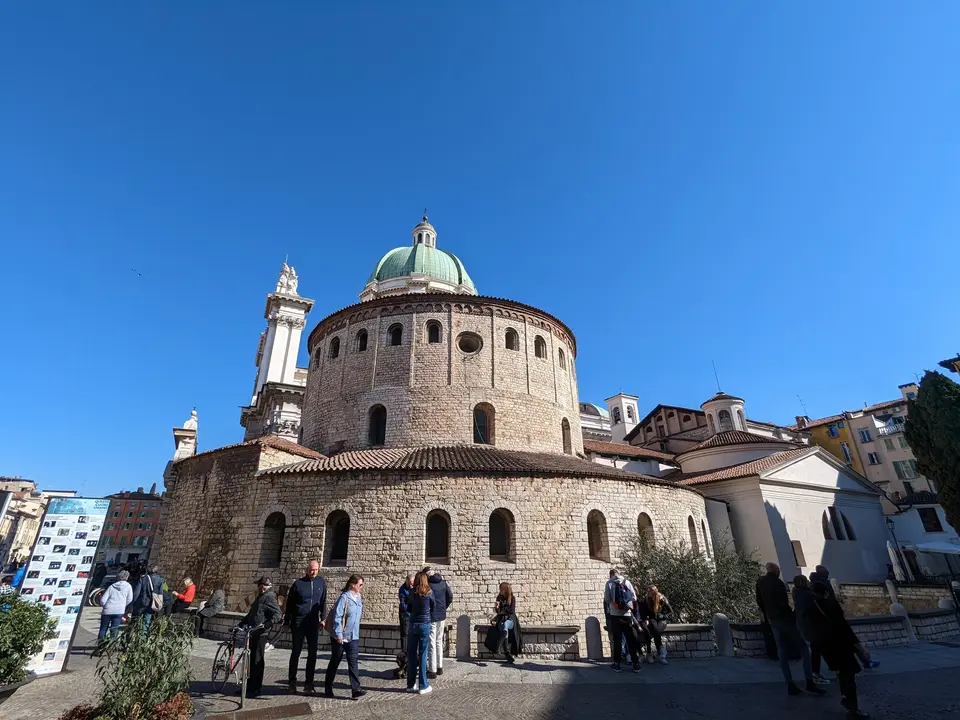
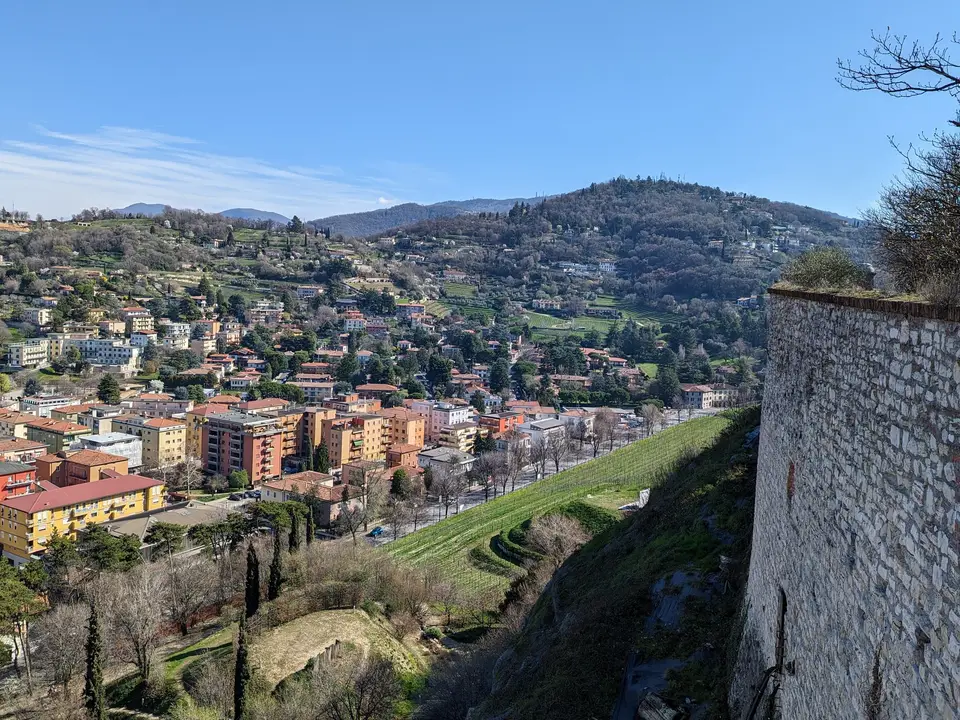
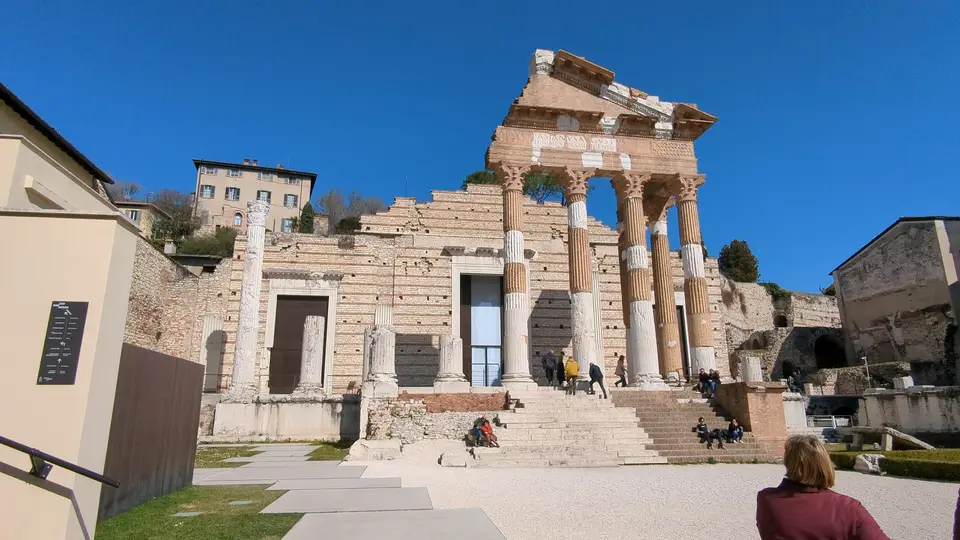
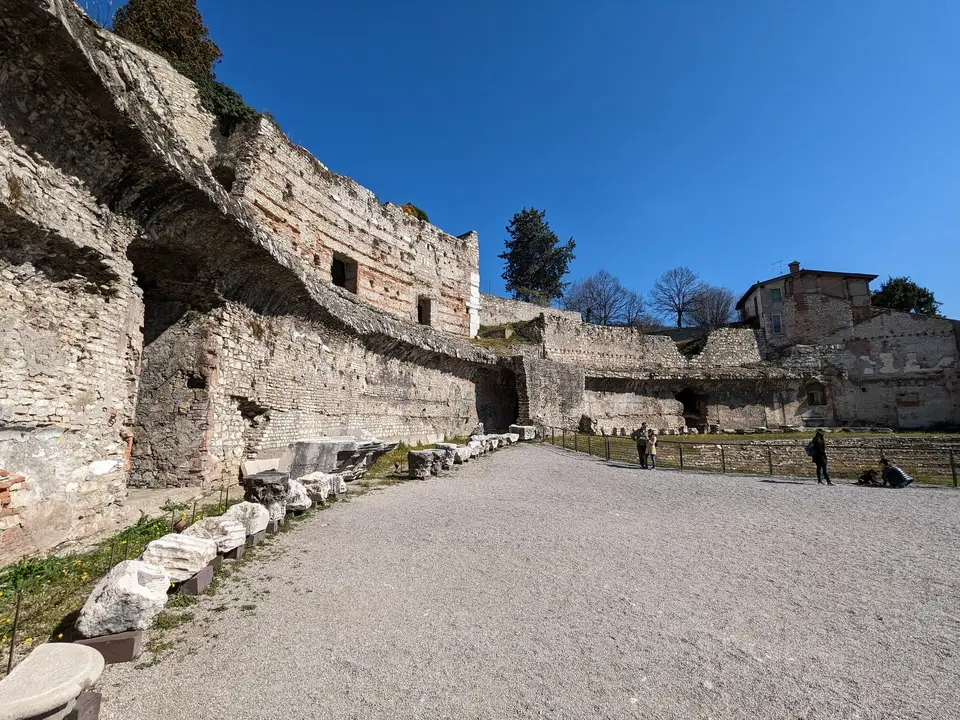
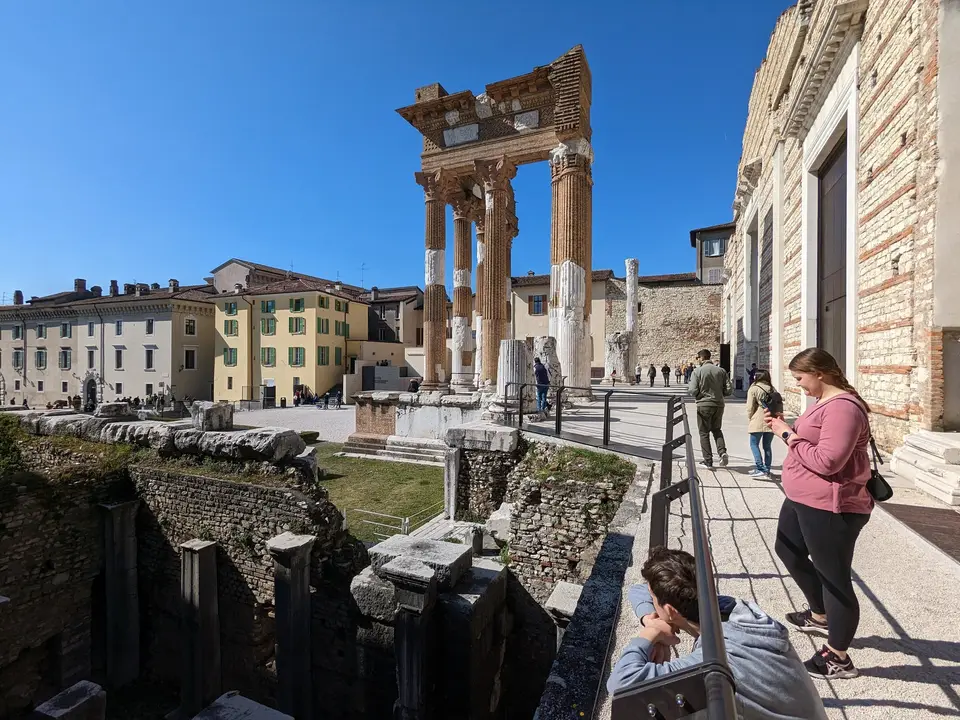
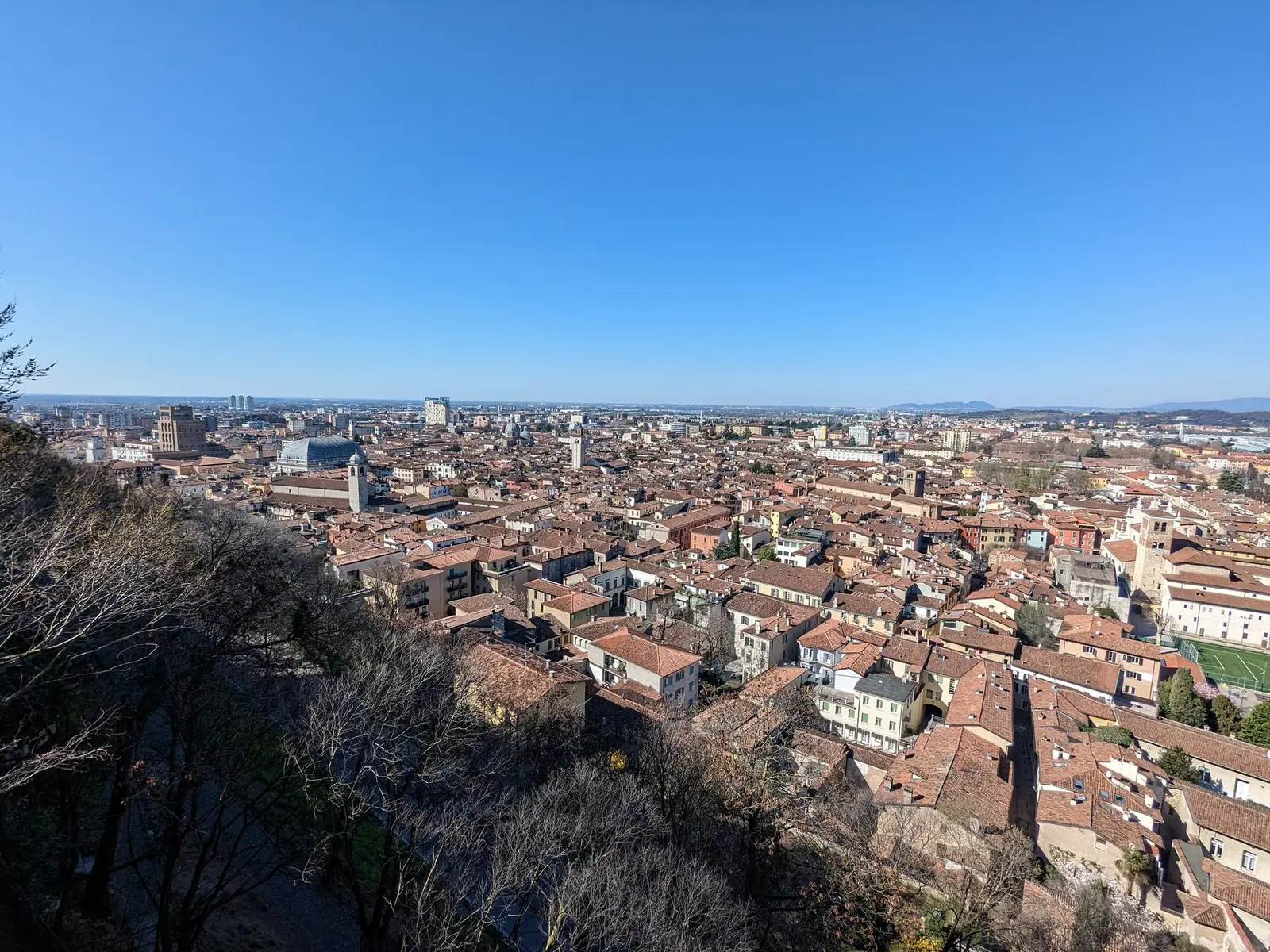
- Brescia has Roman ruins in the middle of it — a temple and a theater, UNESCO listed, standing in the ordinary street grid of a working Lombard city. It is the most unexpected hour in this guide.
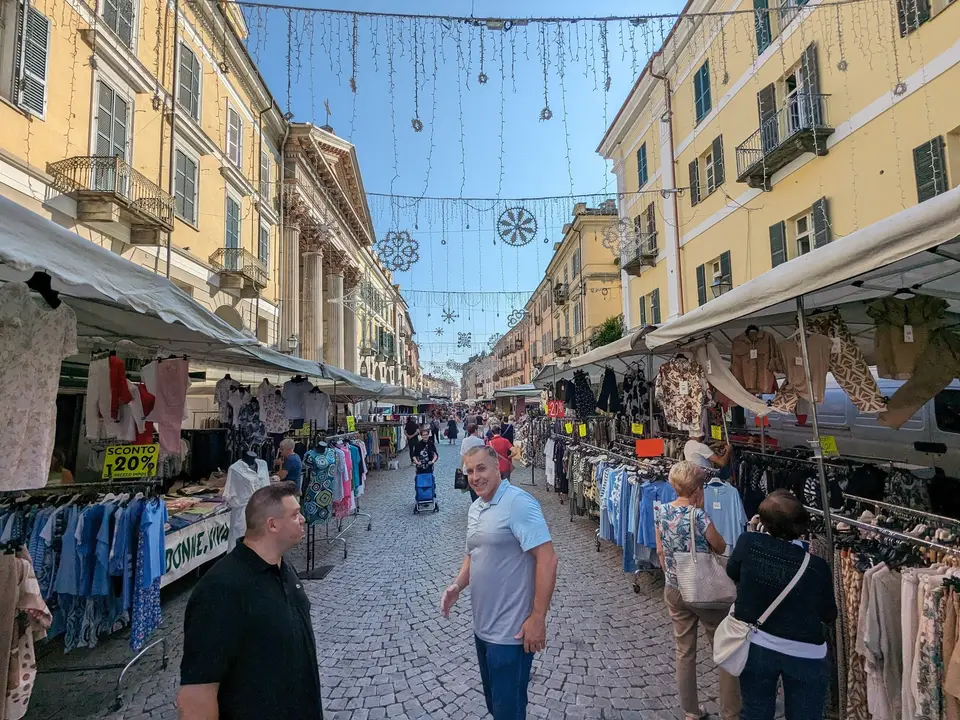
- Cuneo is arcades and nothing else, and that is the point: a single enormous colonnaded street, a Saturday market under it, and no tourists at all. It is where you go if you want to know what Piedmont is like when nobody is performing.
When to come
- Late March or mid-October if Rolli Days matters to you, and it should — it runs twice a year, and October 2026 is the nearer of the two. Our March photographs are cool and gray and the cities carry it well.
- July is when we did Turin, Cuneo and Genoa, and the Ligurian coast is the right place to be hot. Milan in July is not.
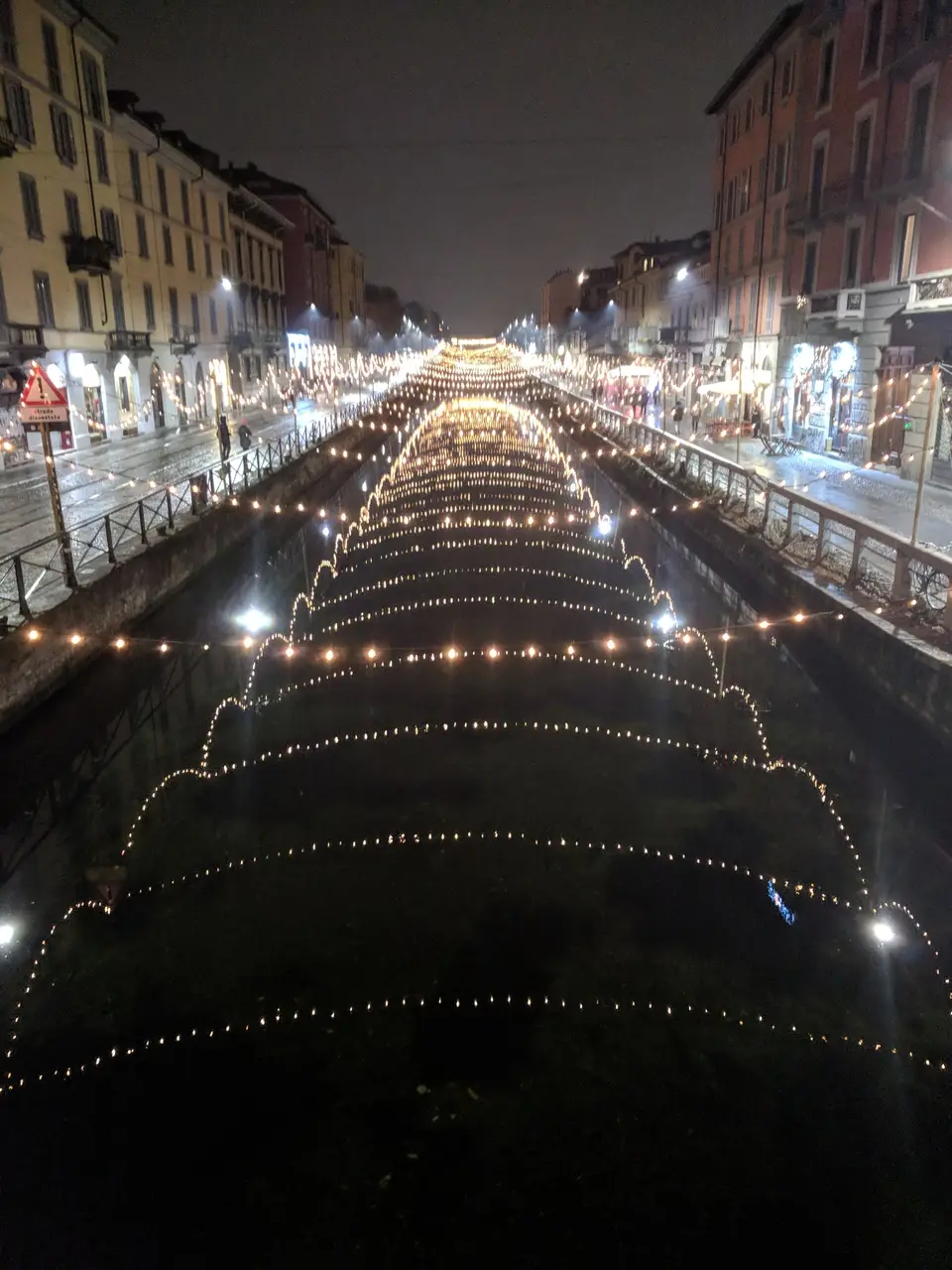
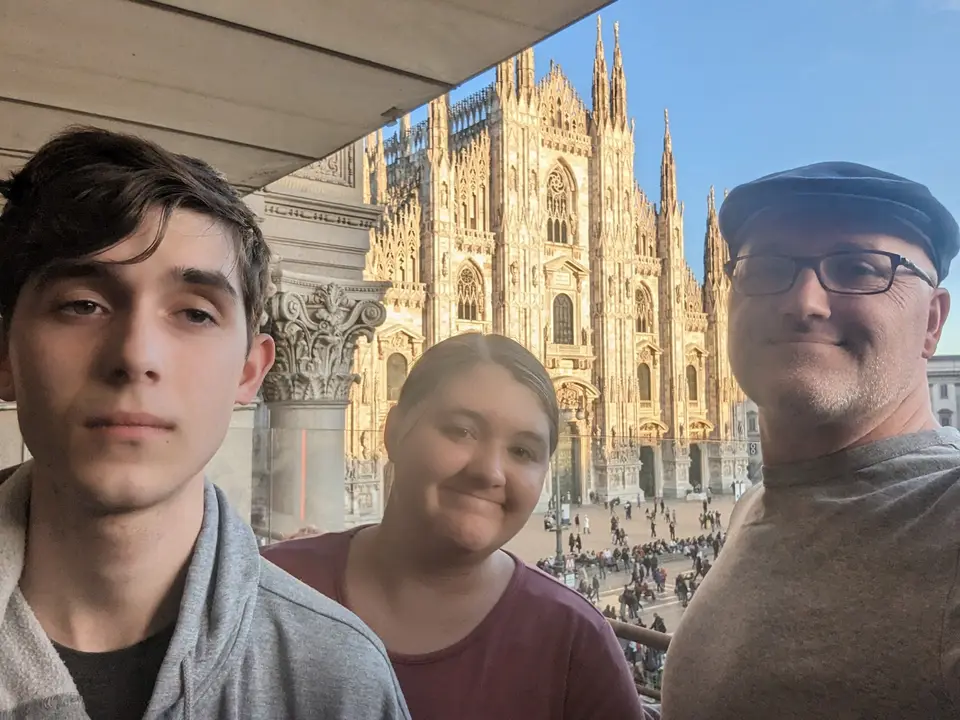
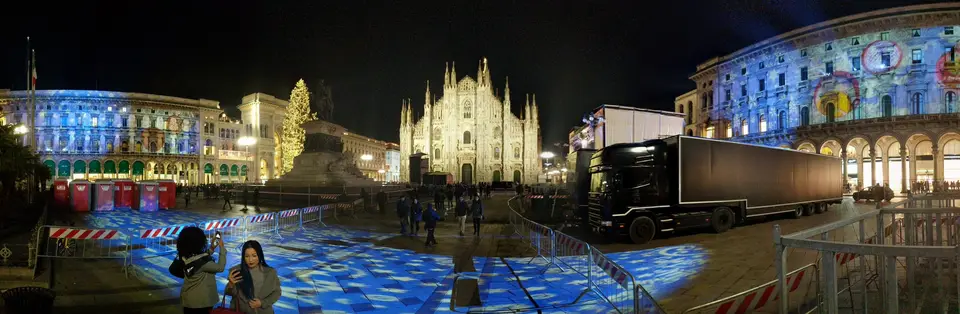
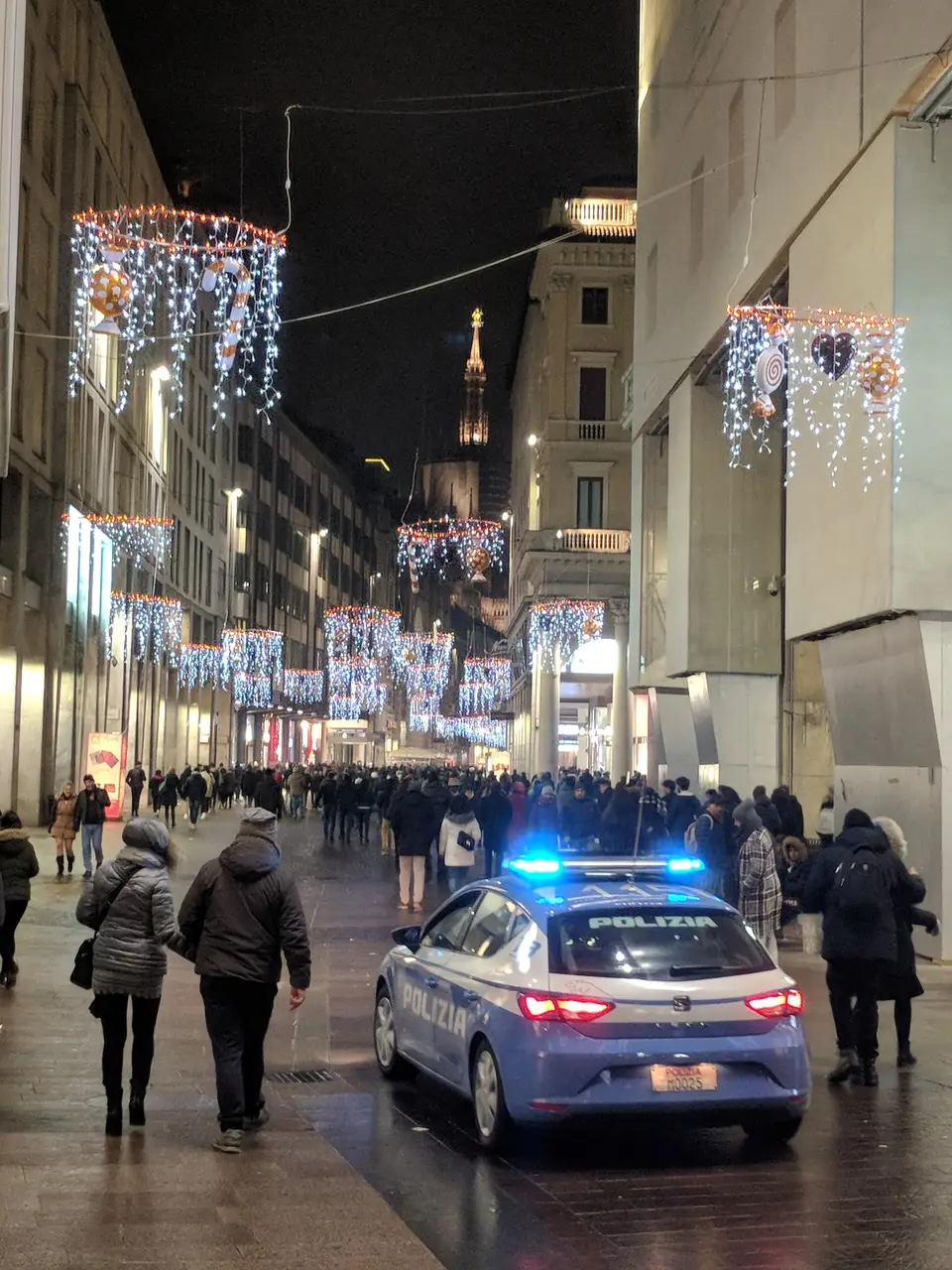
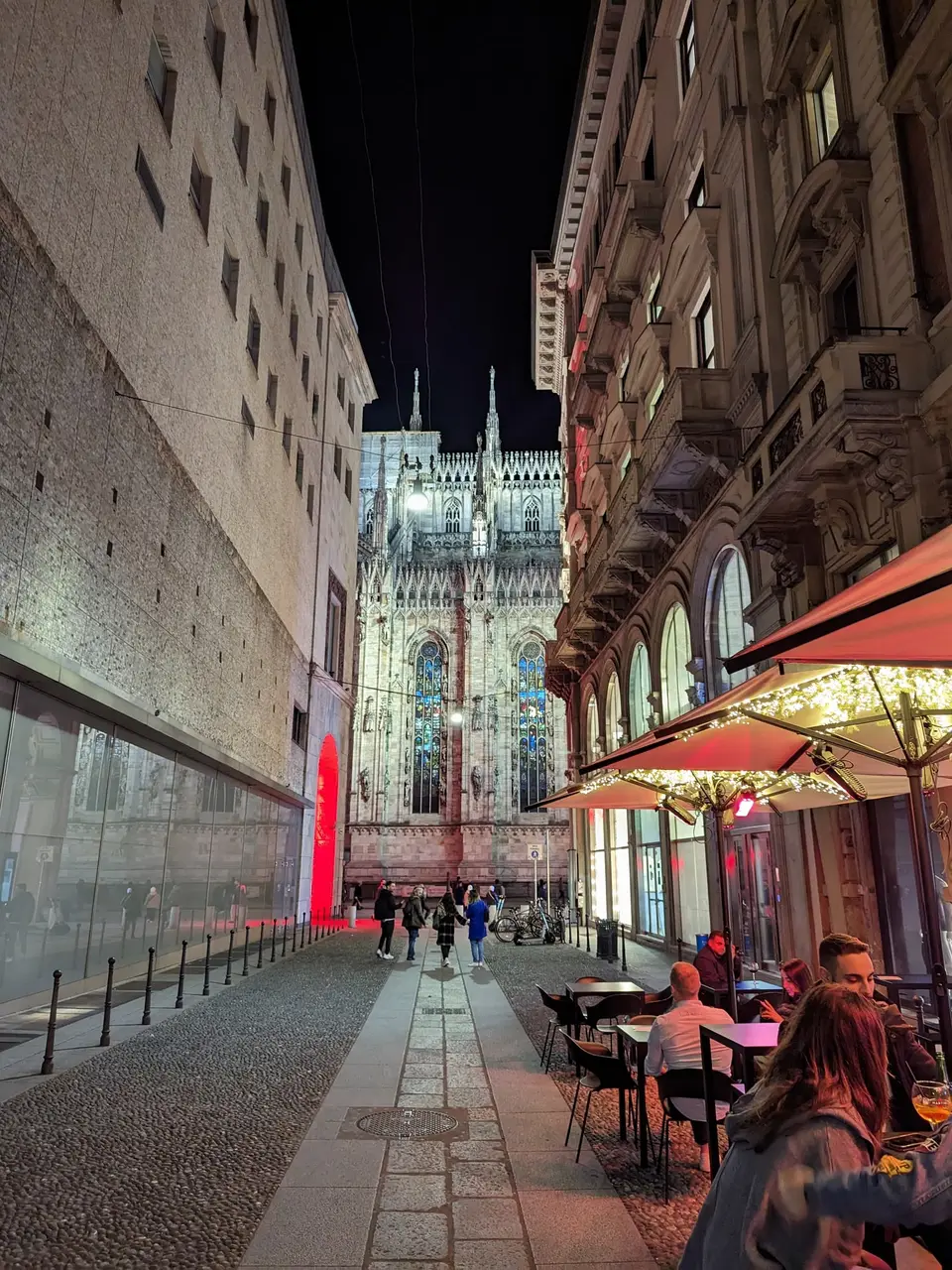
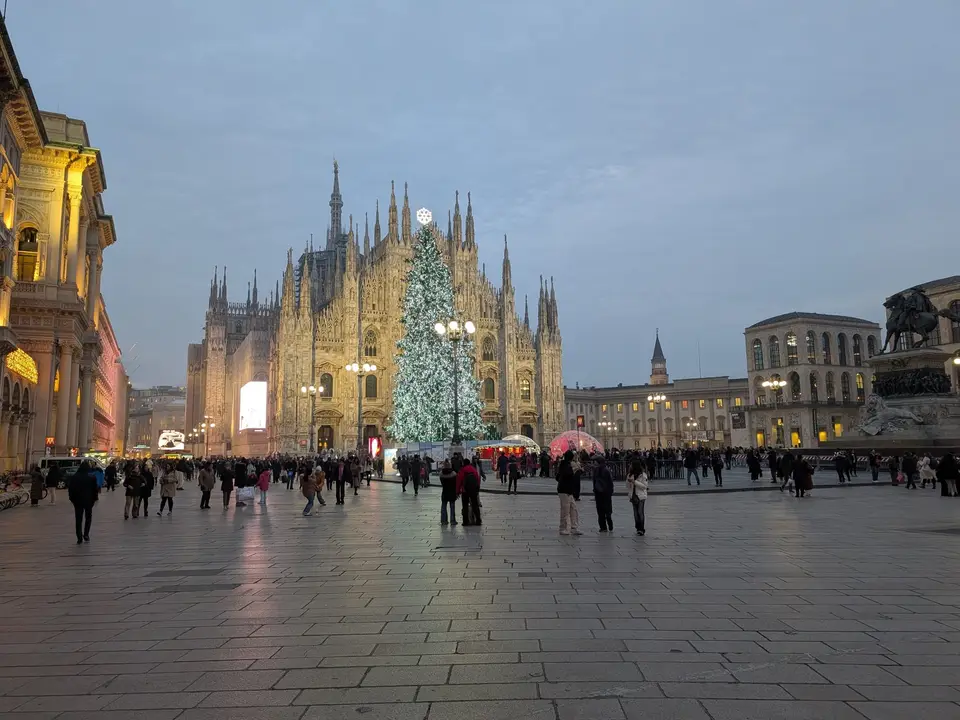
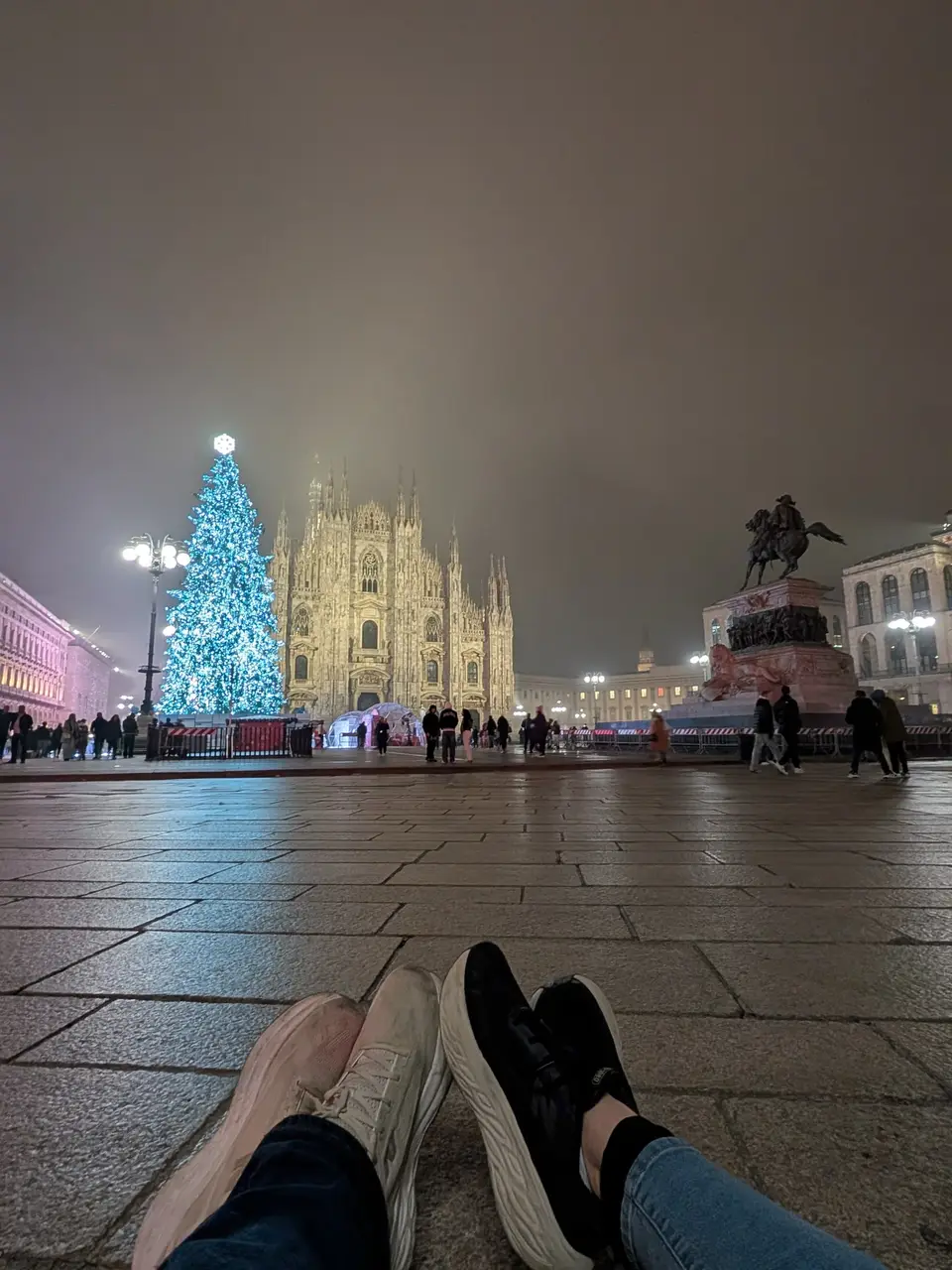
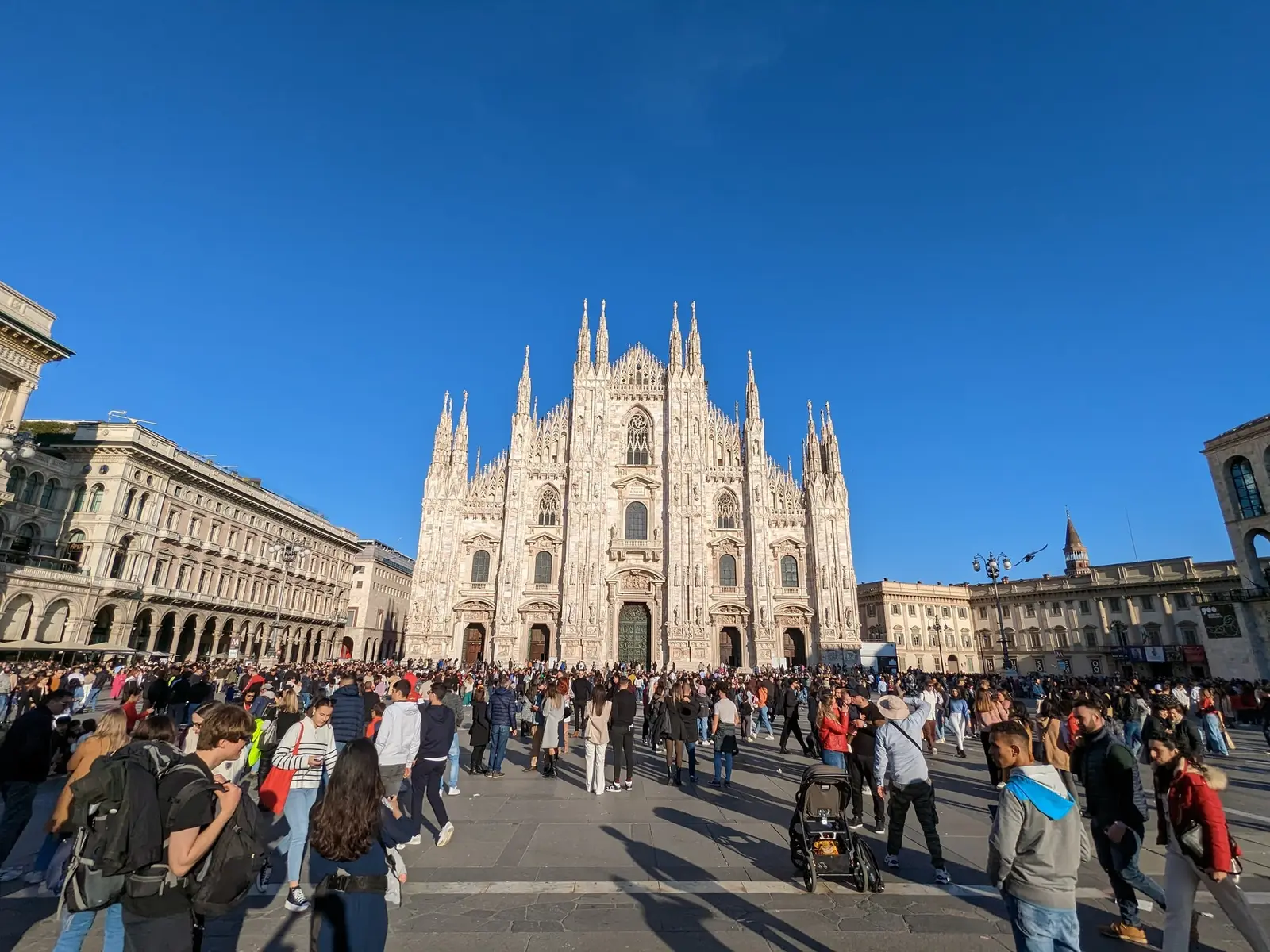
- December we have done twice in Milan. The Duomo square at night with the lights up is genuinely worth a cold evening.
How long?
Five days from a Milan base covers all of it — two for Milan itself, and day trips to Como, Brescia and either Turin or Genoa. Give Genoa two days and a bed of its own if you can; it is the one that rewards staying. And the natural extension is north rather than south: Como sits an hour from the Swiss border and Lugano and the Alps beyond it.