Before you go — a day is genuinely enough, and that is a feature
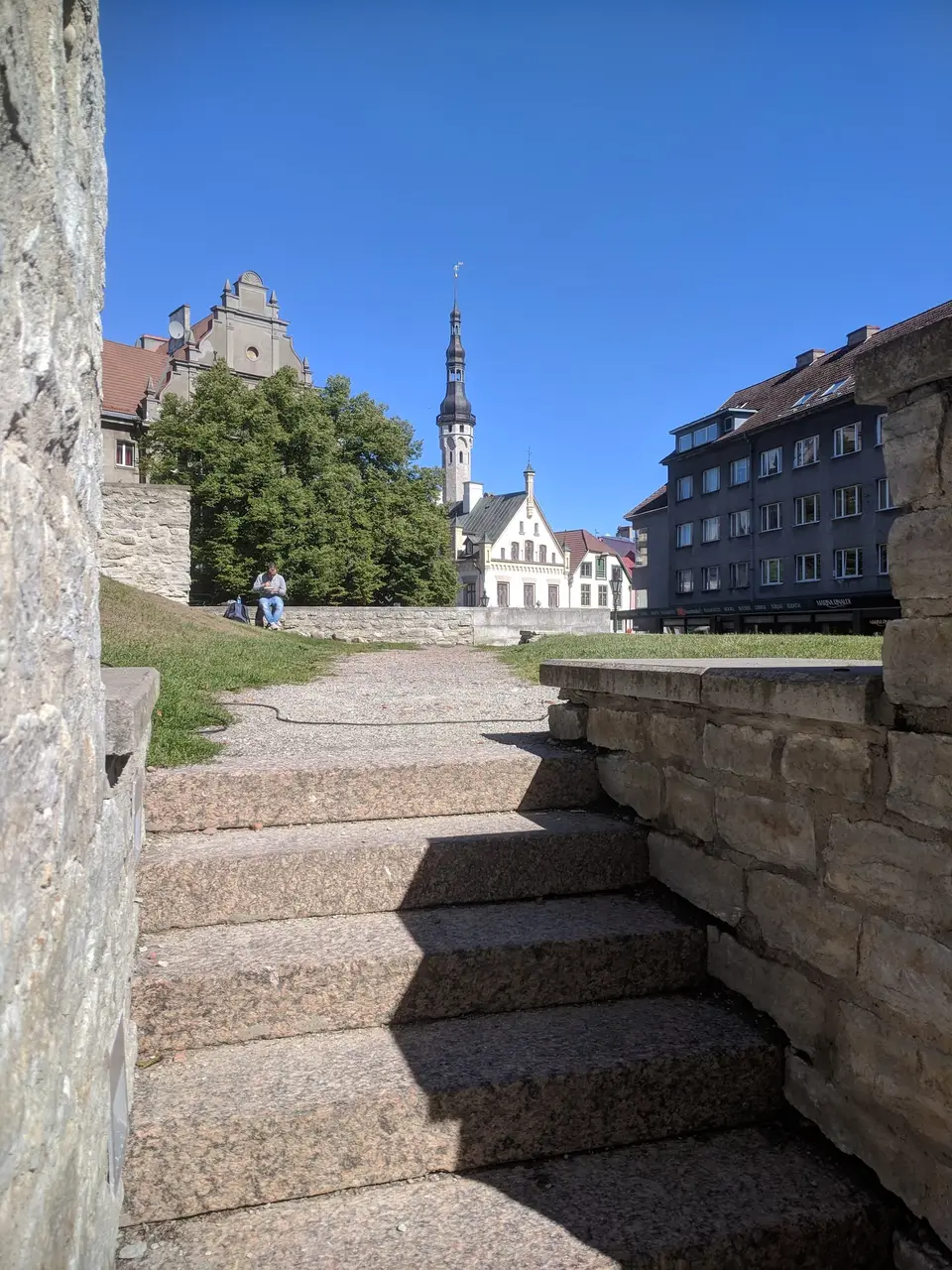
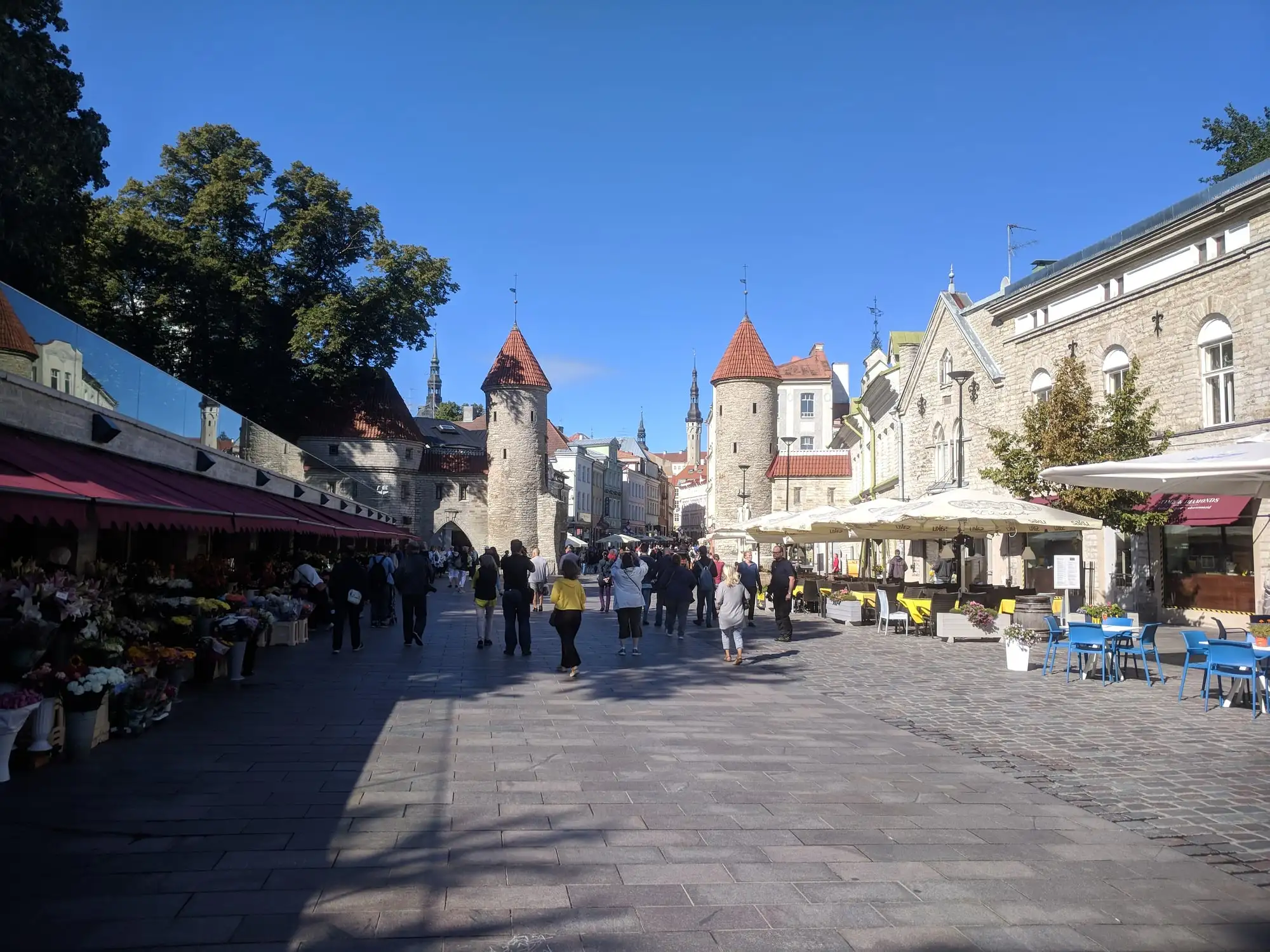
Tallinn is one of the few places we would tell you to do as a day trip without apologising for it. The old town is small, walled, and almost entirely walkable; the two things worth going indoors for are ten minutes apart. Ours was a single day, 21 August 2018, crossing from Helsinki and back.
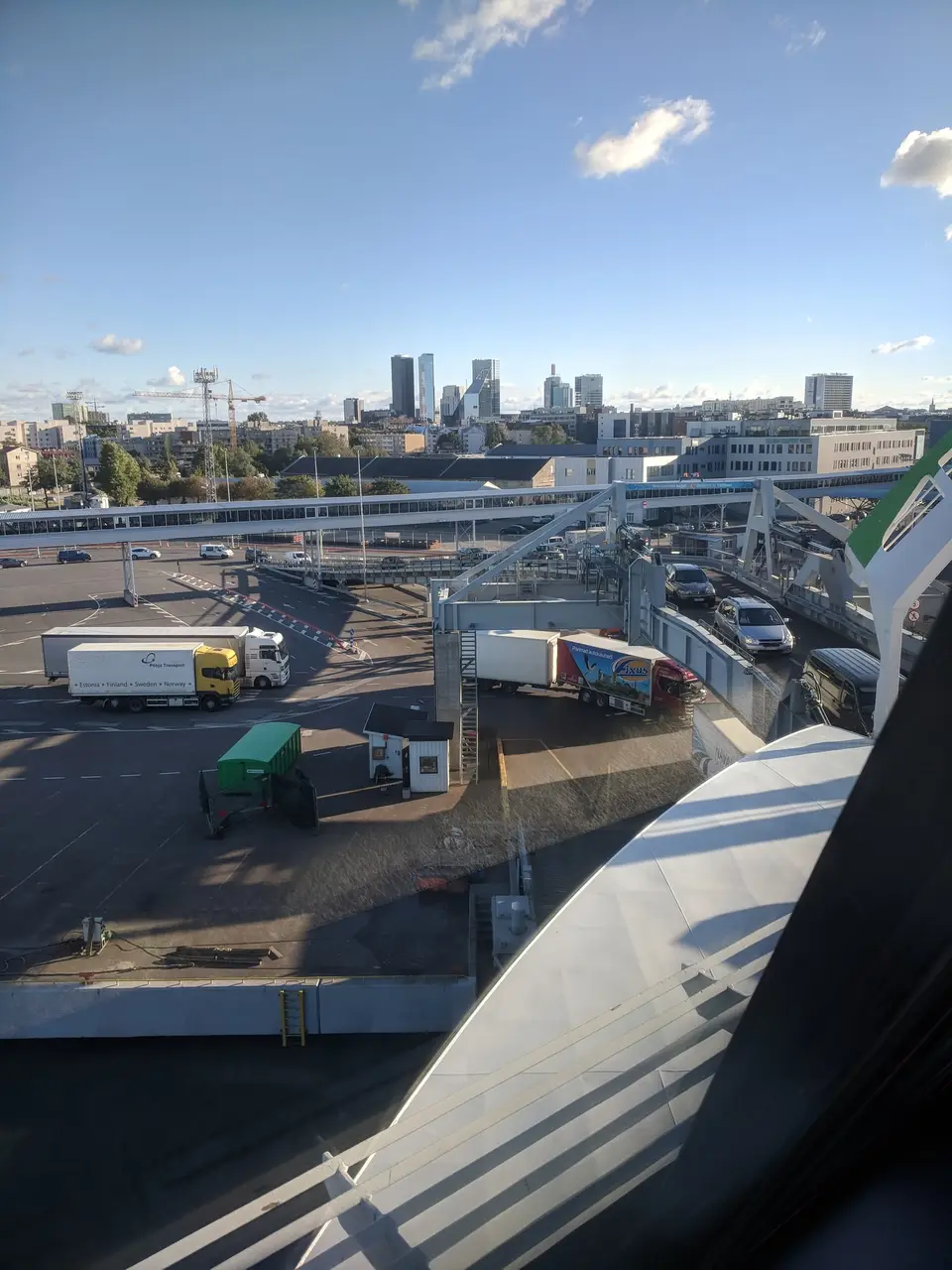
- The ferry from Helsinki takes about two hours and runs many times a day. That is the ordinary way to do it and it works: we were in the old town by eleven and still there at seven.
- Leave the day loose at one end. The one thing on this page that must be booked in advance is in the afternoon, and the whole day is easier if you build around it rather than hope.
- It is also a fine place to stay two nights if you want the old town after the day boats leave, which is a genuinely different town.
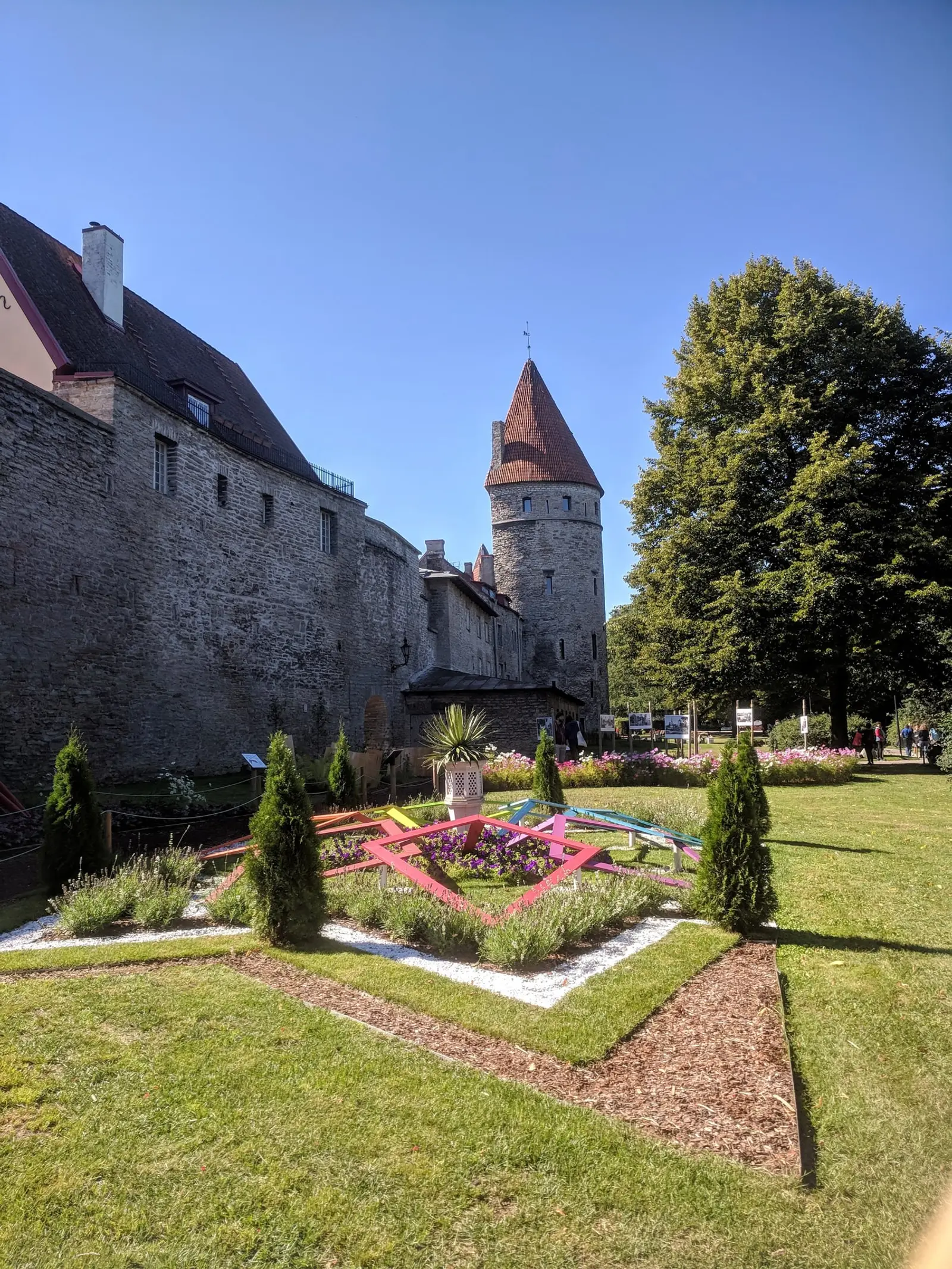
The city wall — the part most visitors walk straight past
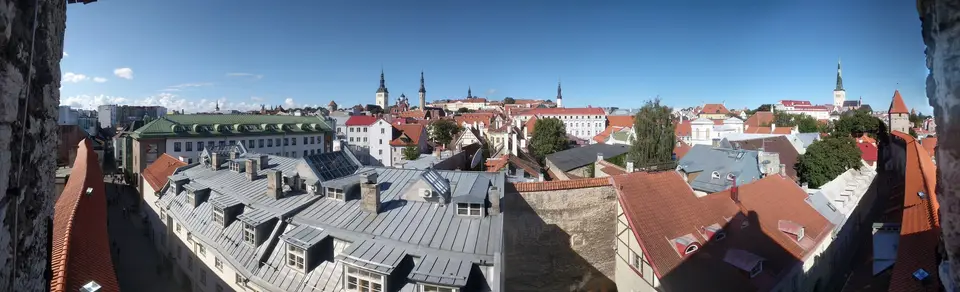
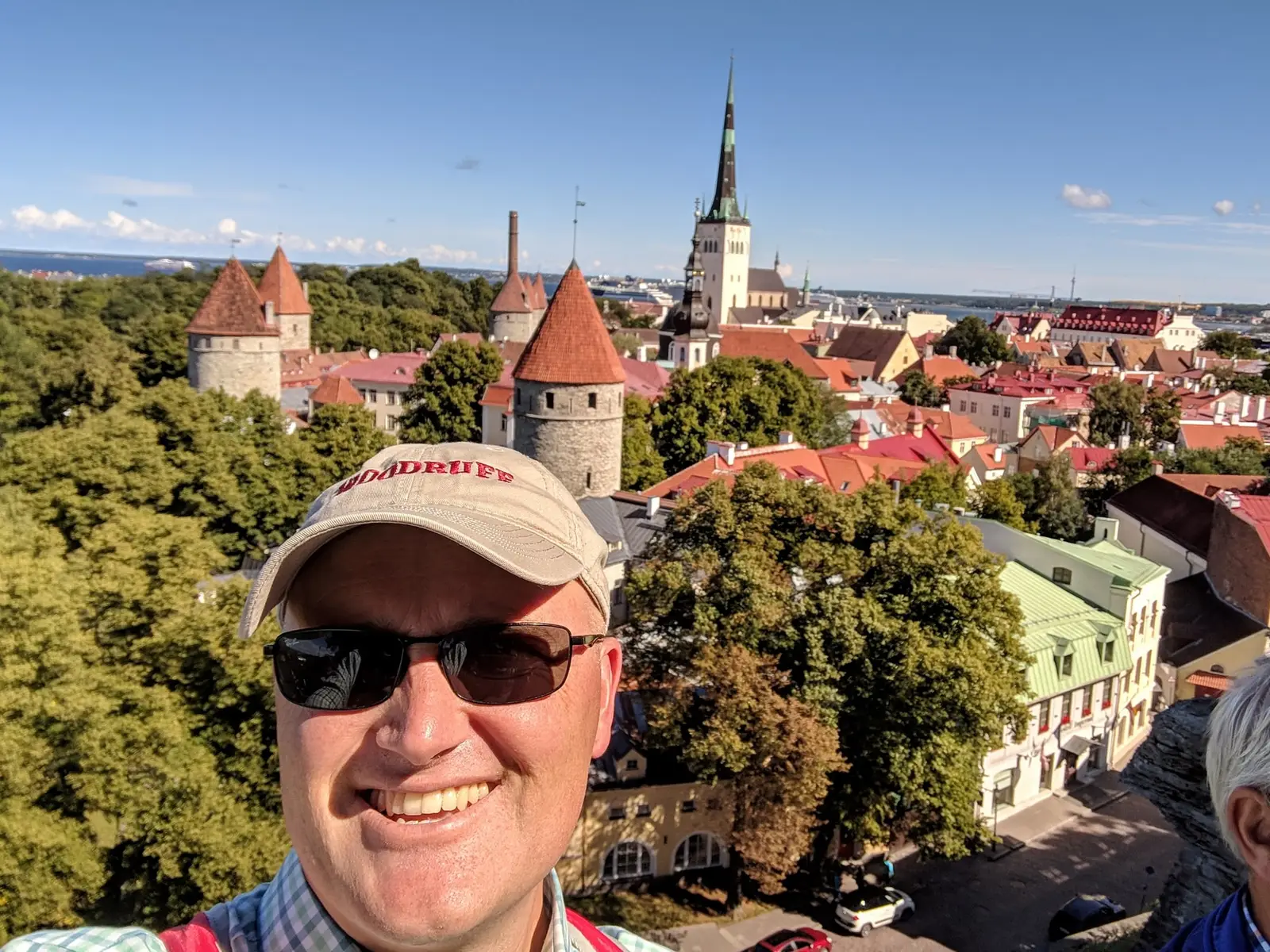
Everyone does Town Hall Square and the viewpoints on Toompea. Rather fewer go up onto the wall itself, which is the best hour in Tallinn.
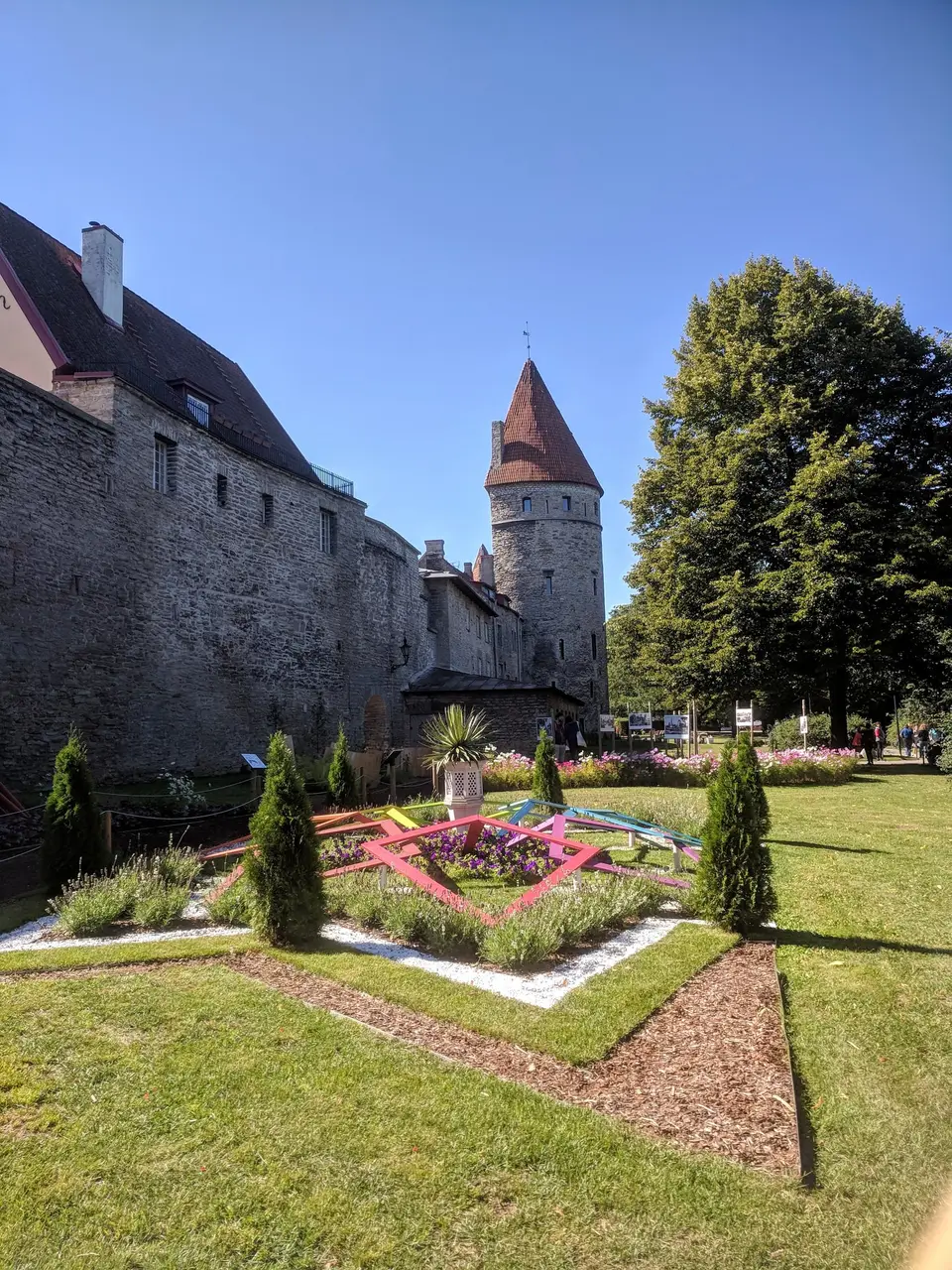
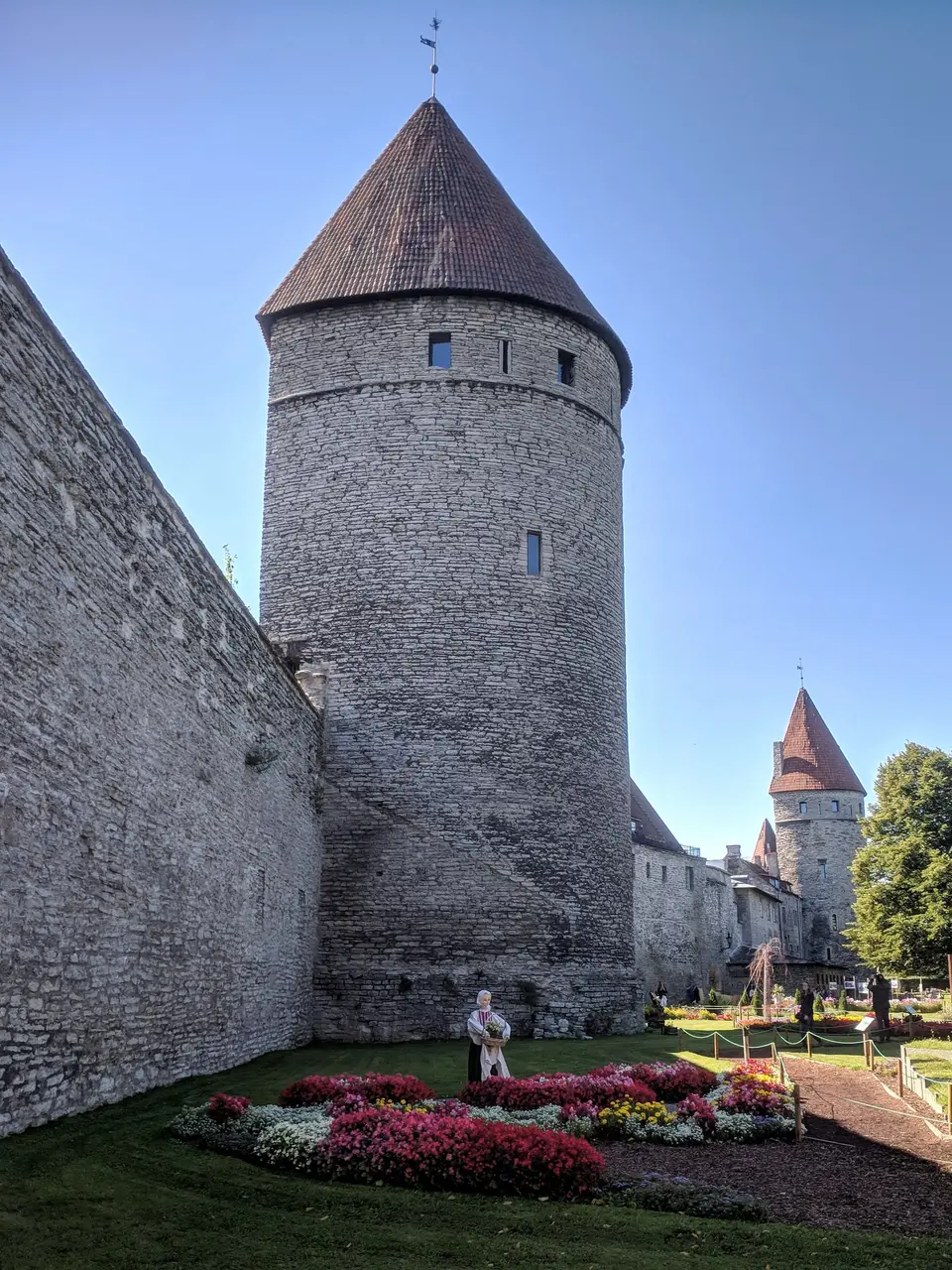
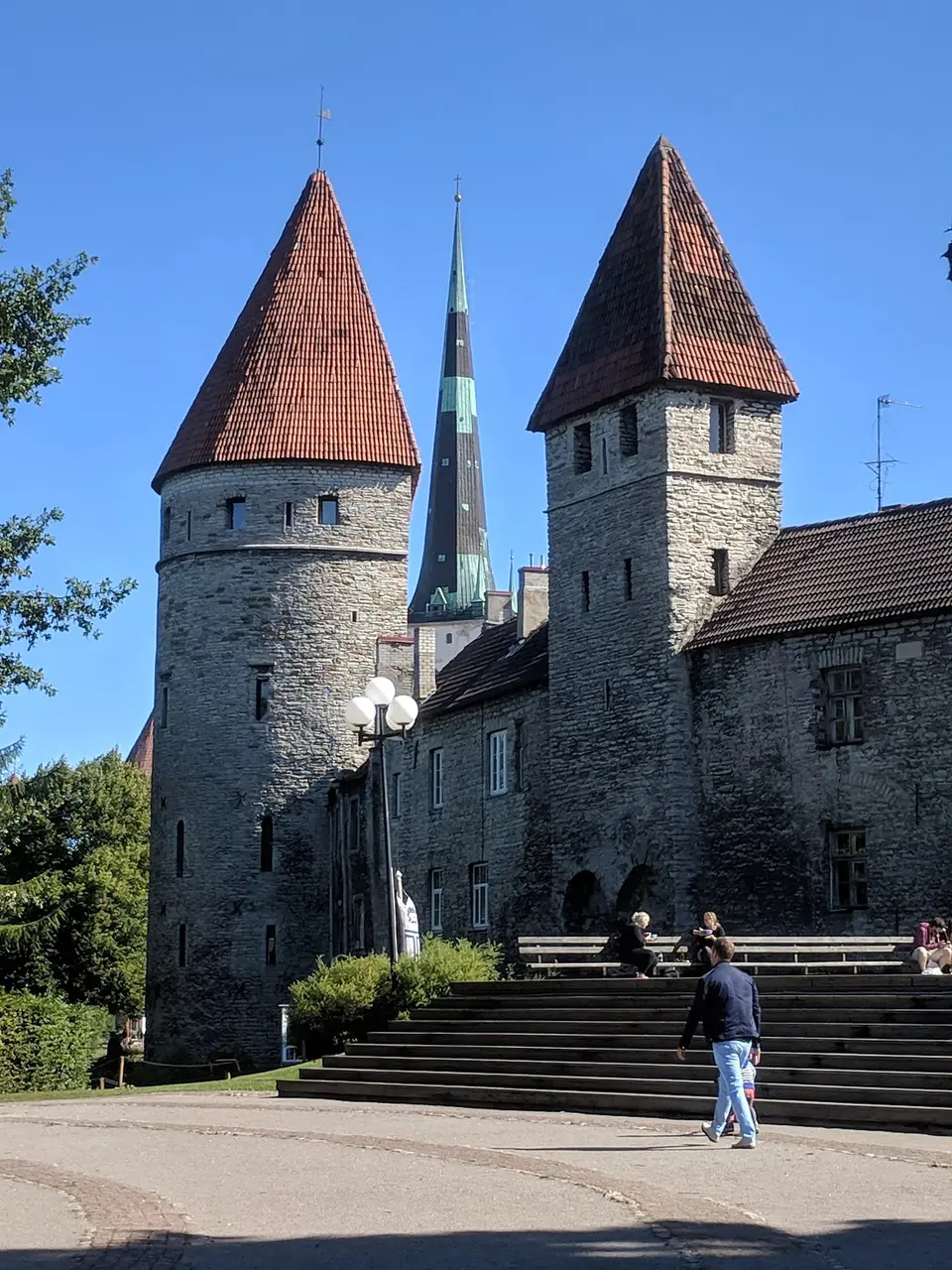
- It was 2.35 kilometers long with 45 wall and gate towers. Today 1.85 kilometers and 26 towers survive — one of the most complete medieval town walls anywhere in northern Europe. Those numbers are off the information board beside it, which we photographed and kept.
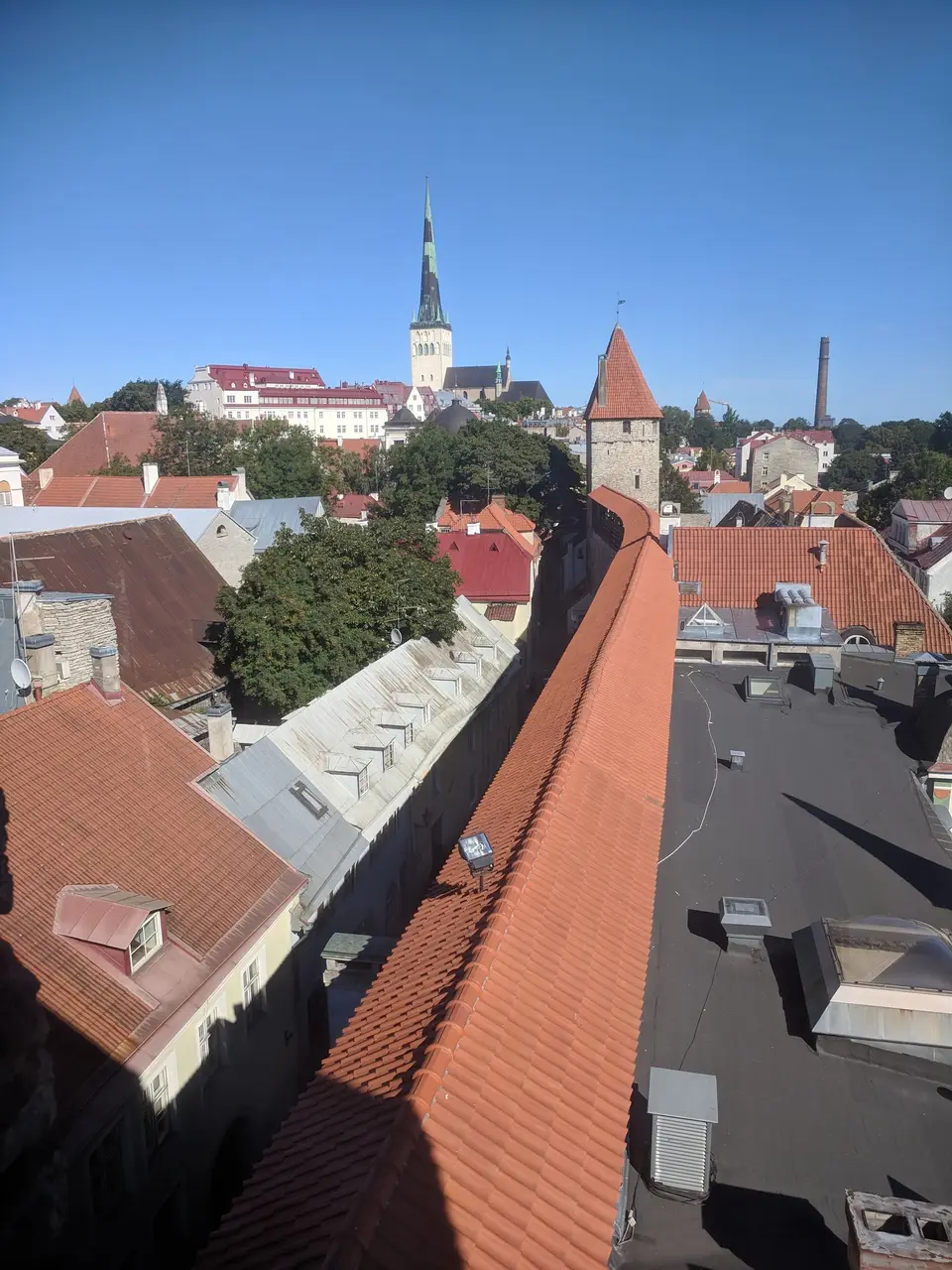
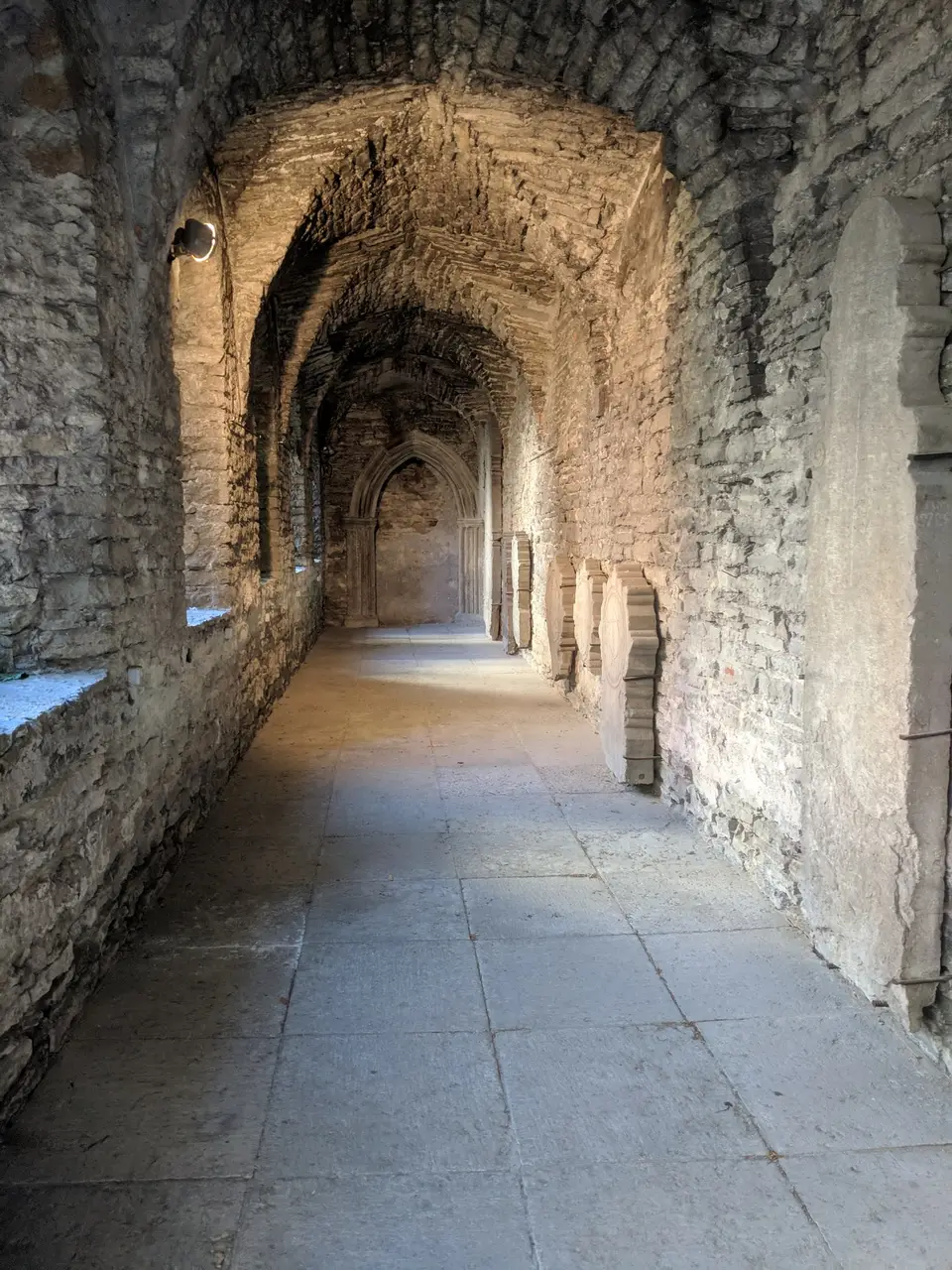
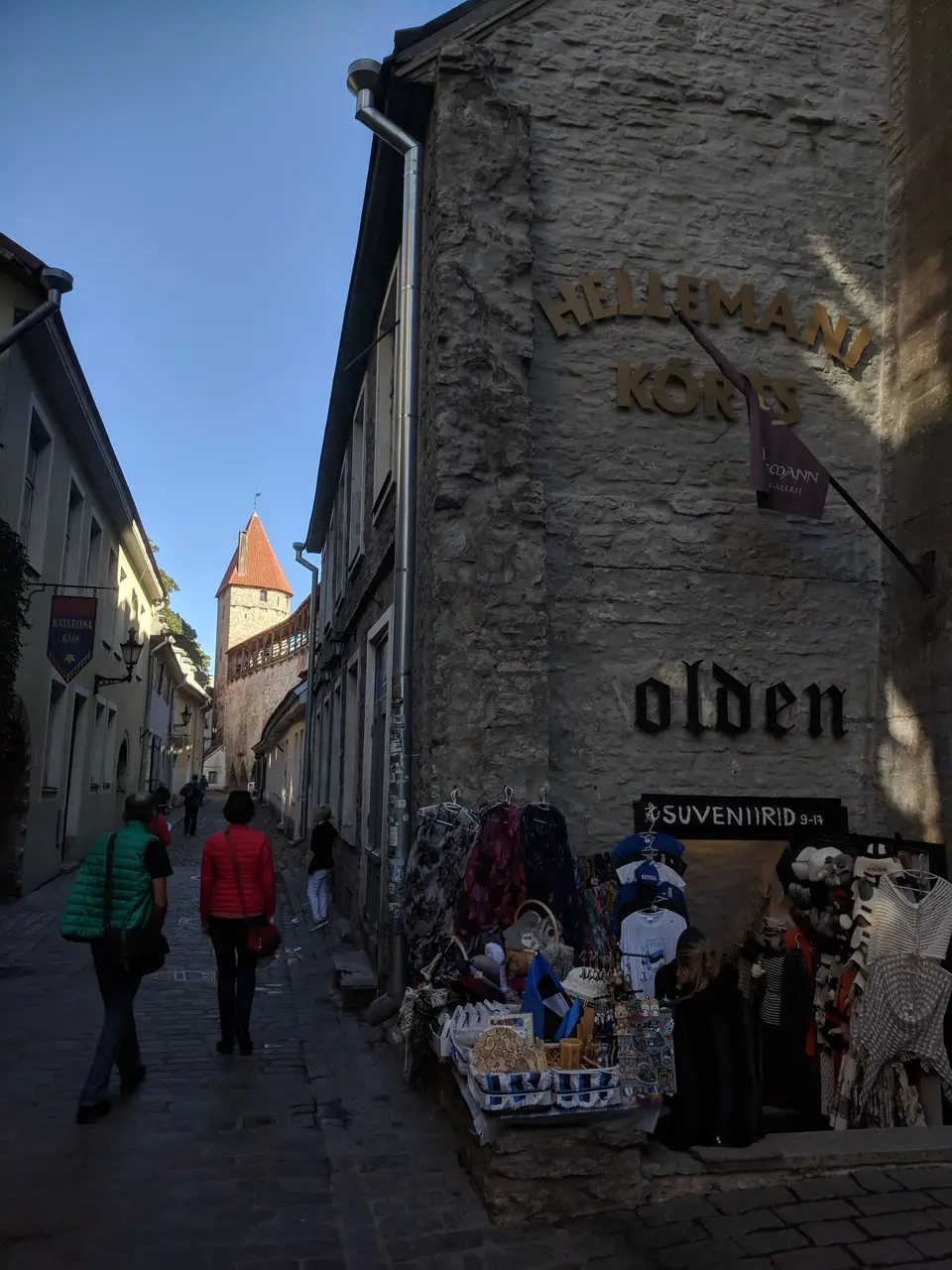
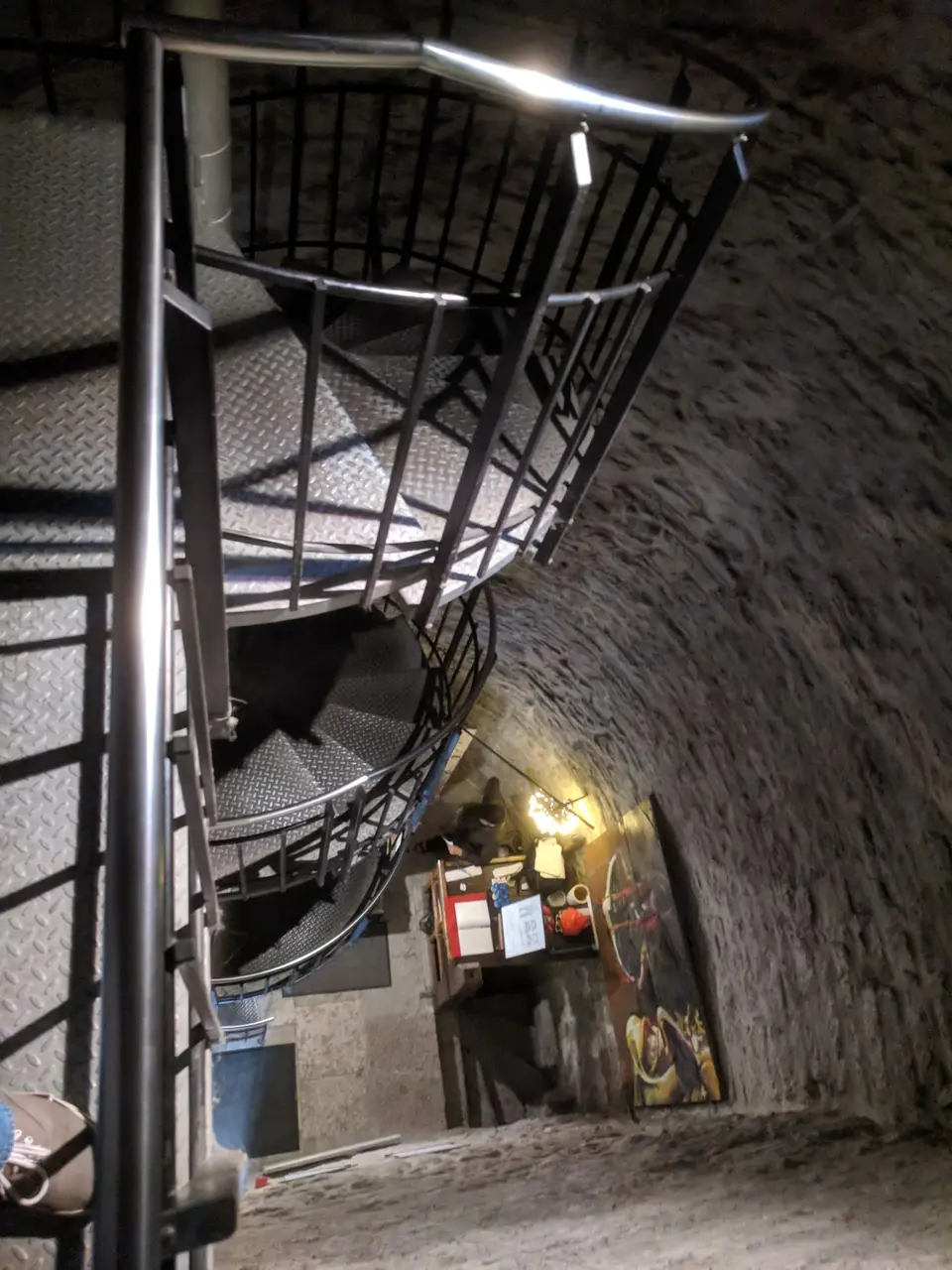
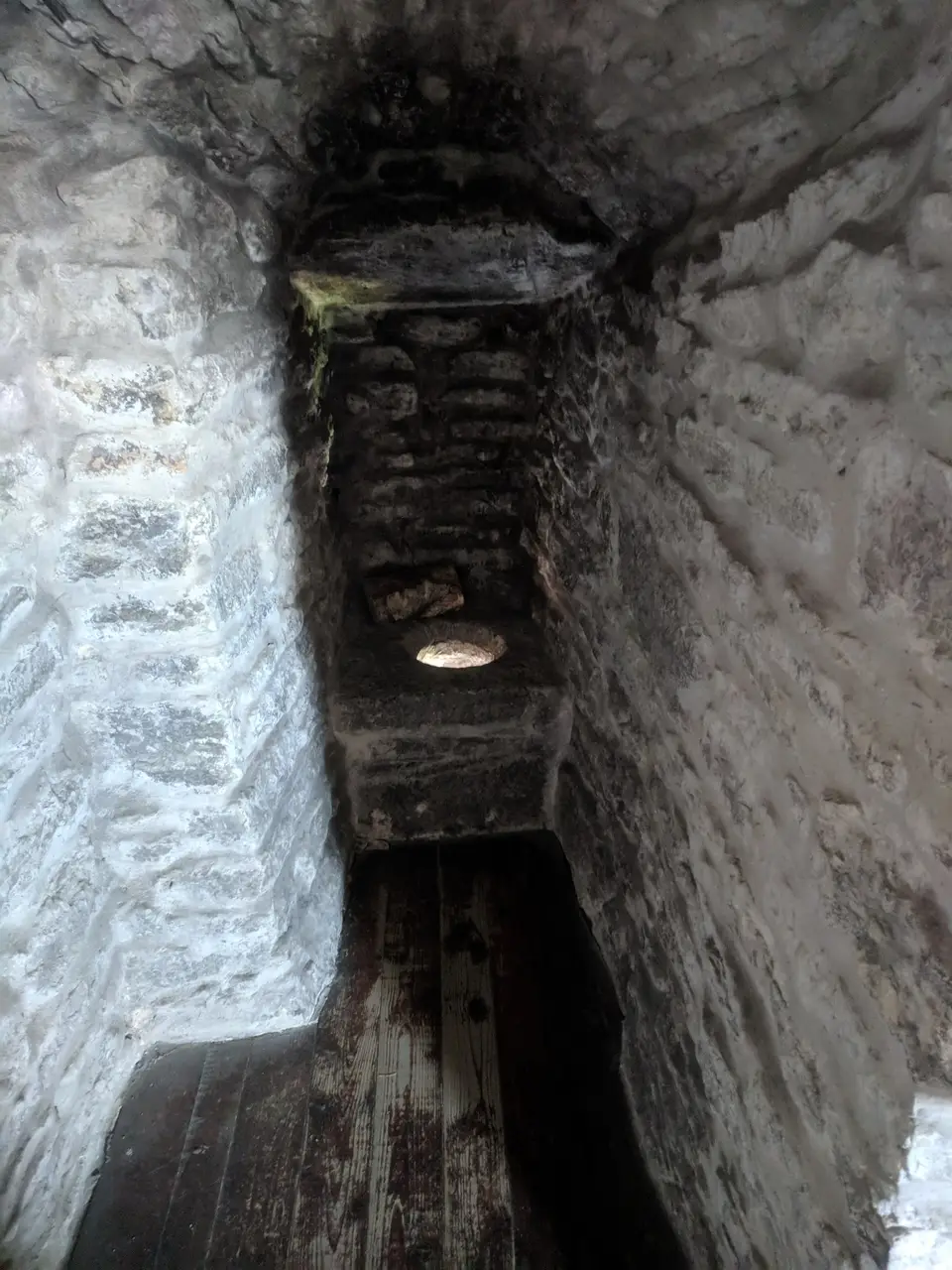
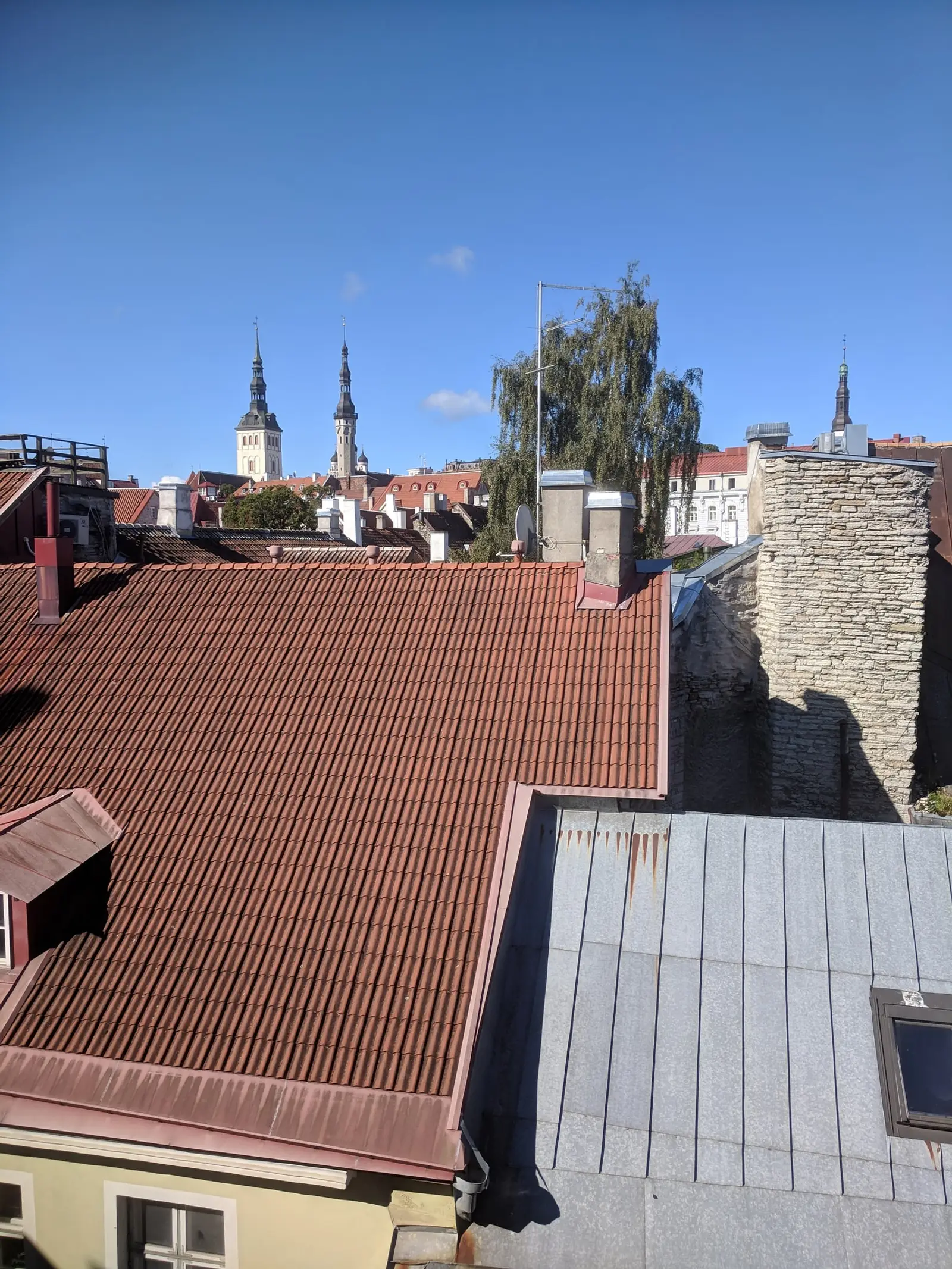
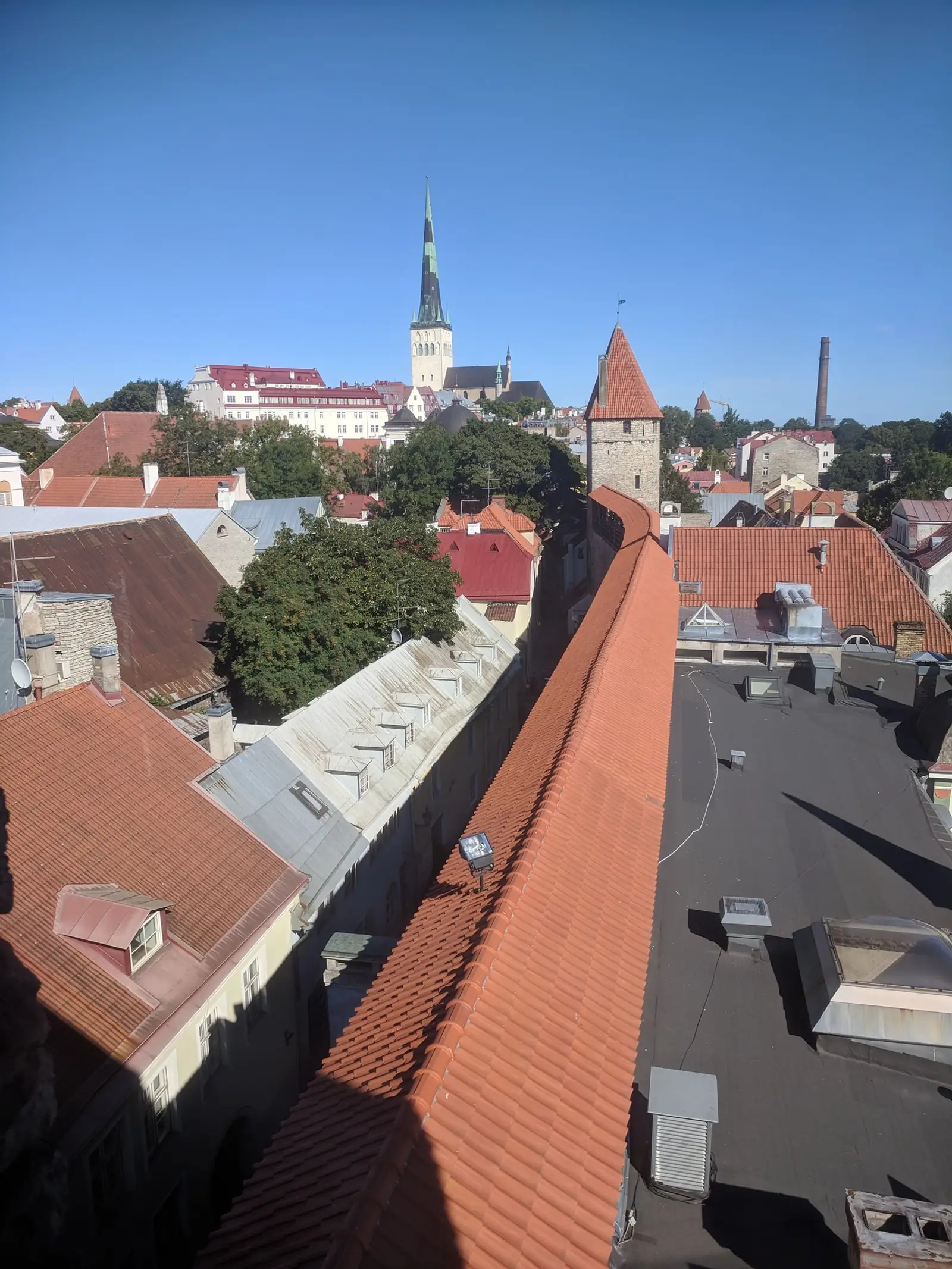
- Go up at Hellemann tower. The same board names it as the longest stretch of wall that is open to the public, and that is the walk in our photographs: a covered rampart, arrow slits, and red tiled roofs dropping away on one side.
- It is cheap and it is quiet. Compared with everything else in a European capital's old town, a walk along the actual fortifications for a few euros is the best value on the day.
The floor that officially did not exist
This is the thing to book before anything else, and the reason to give Tallinn a whole day rather than an afternoon.
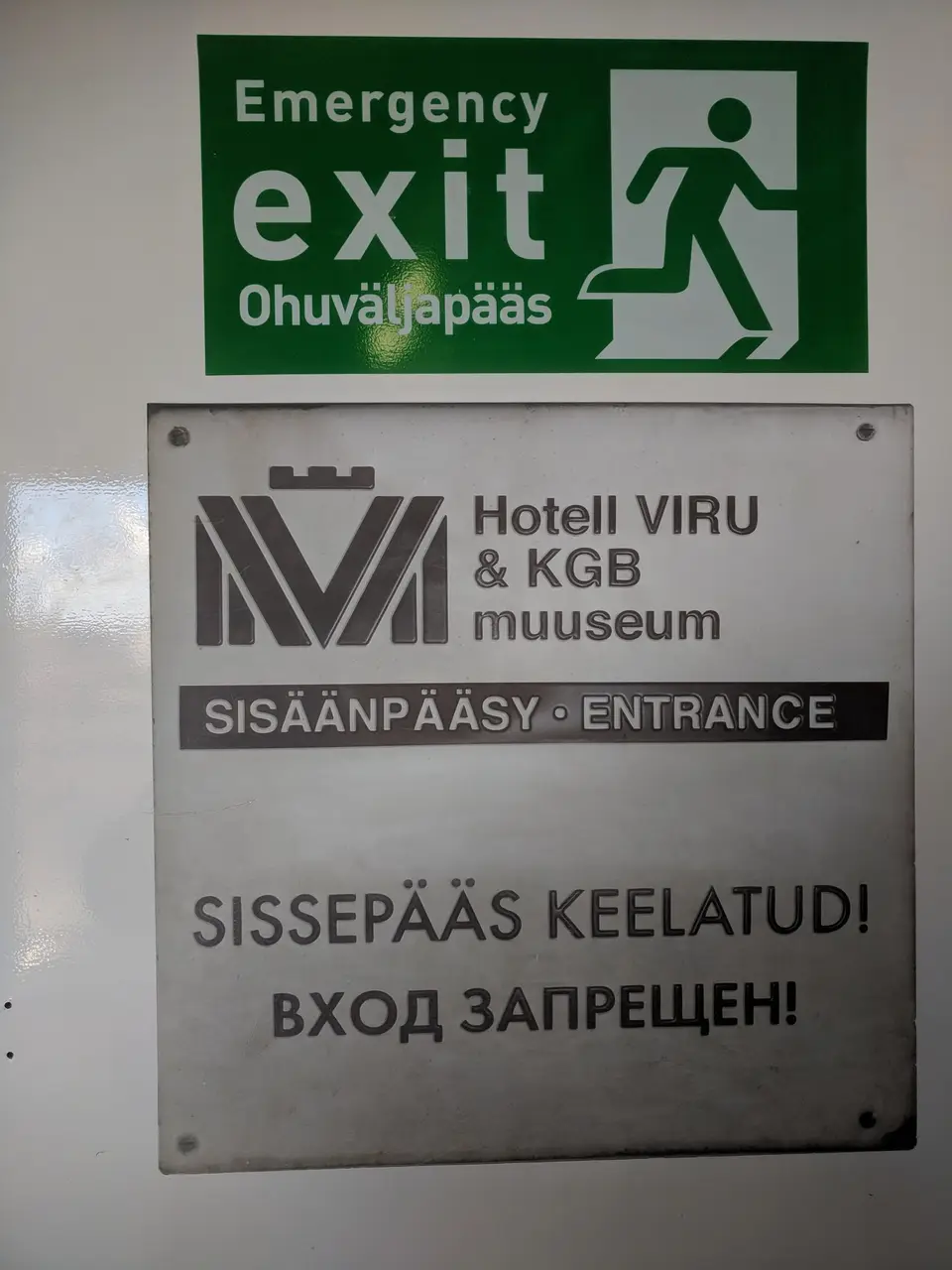
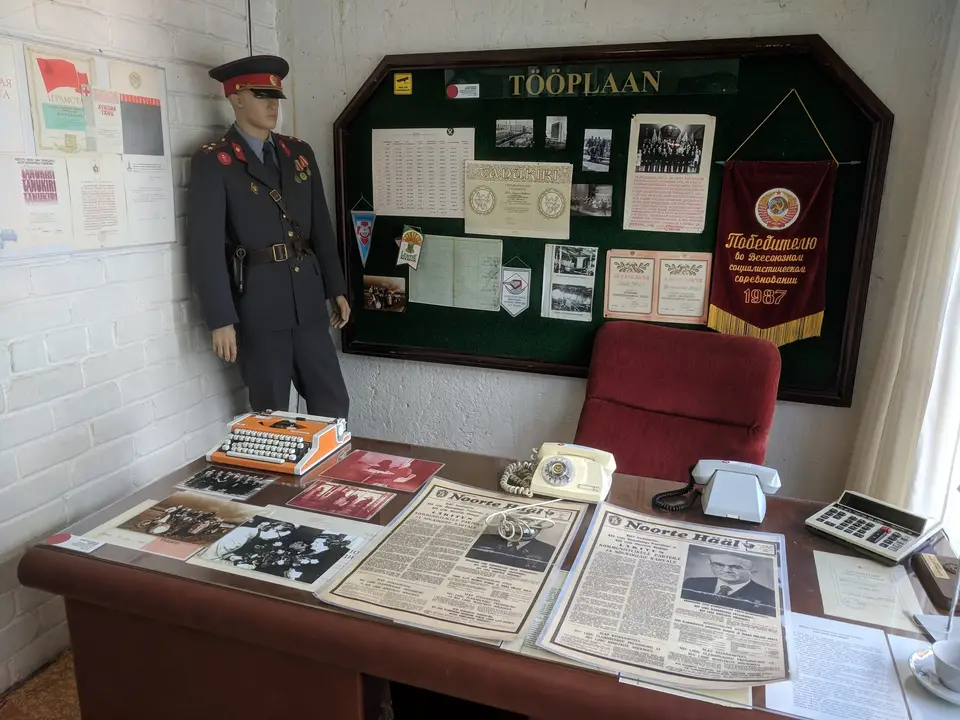
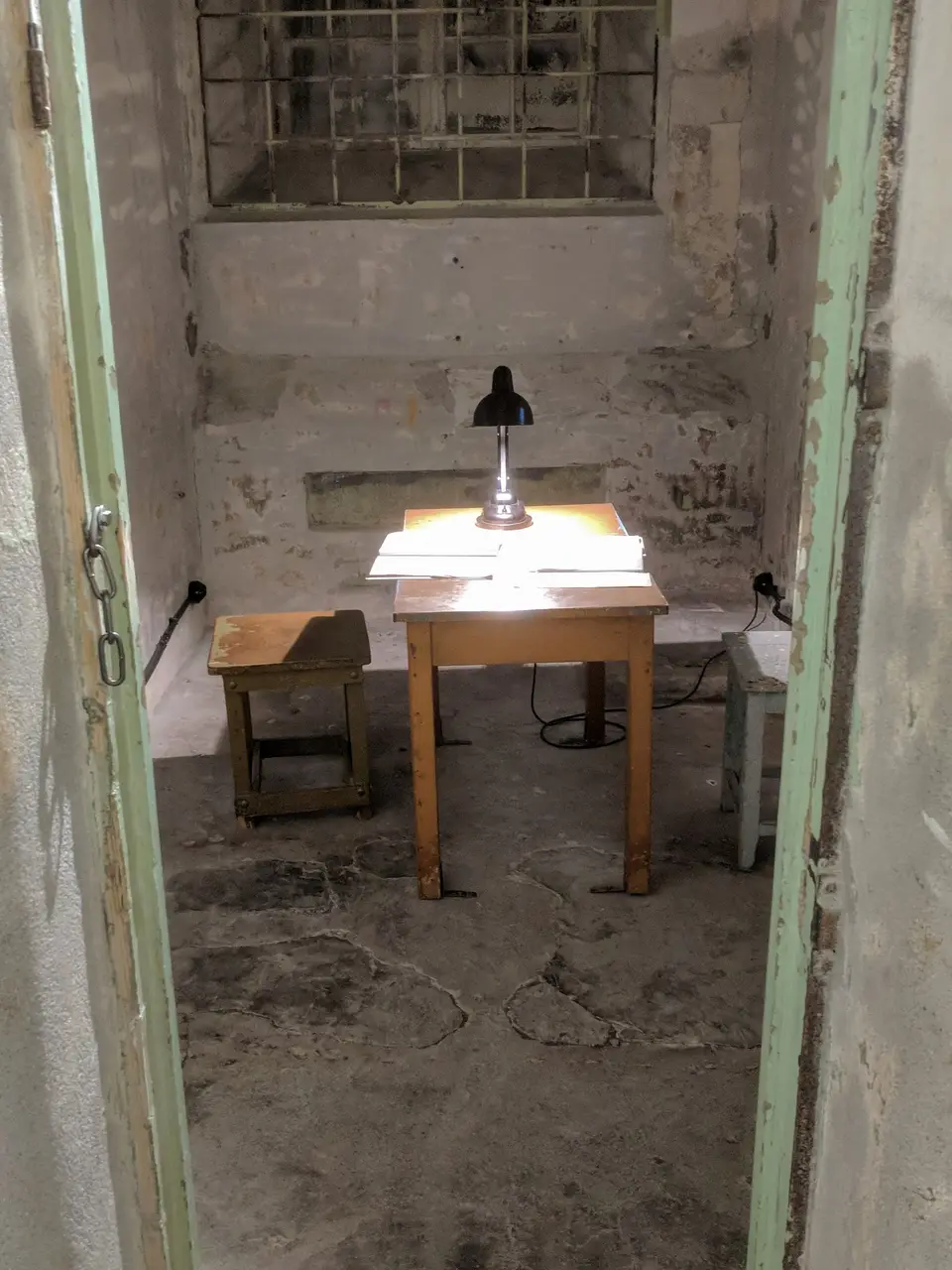
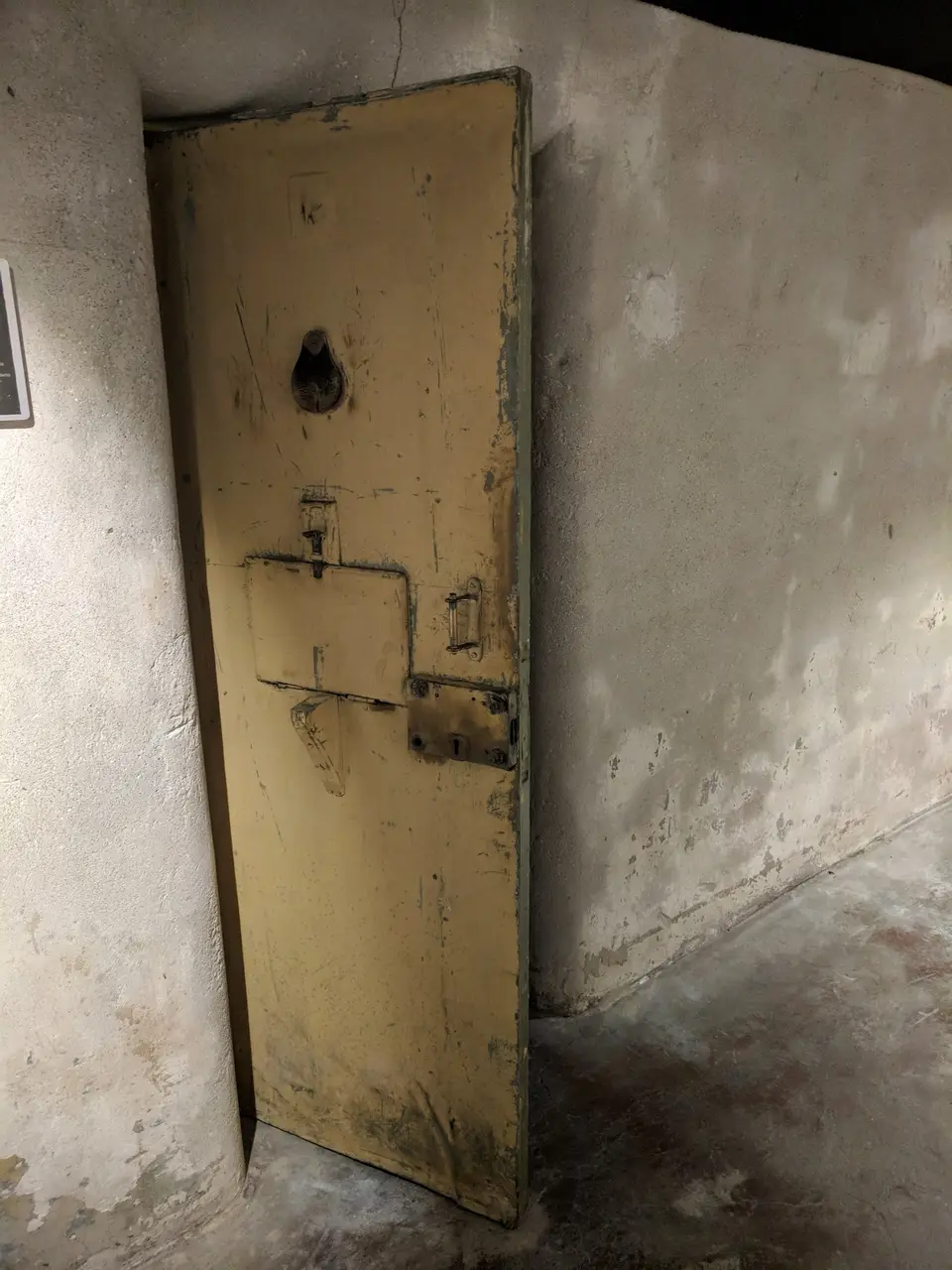
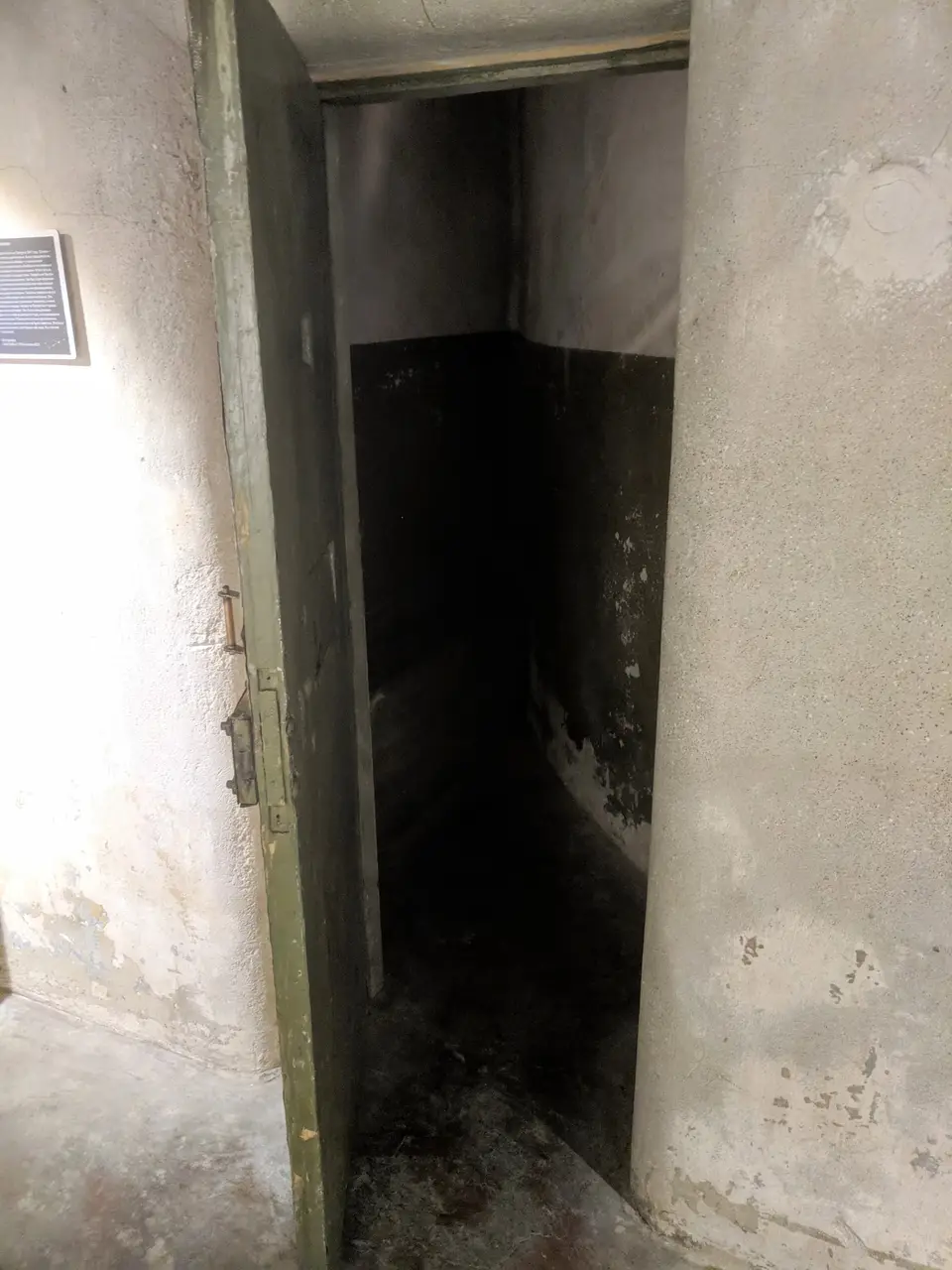
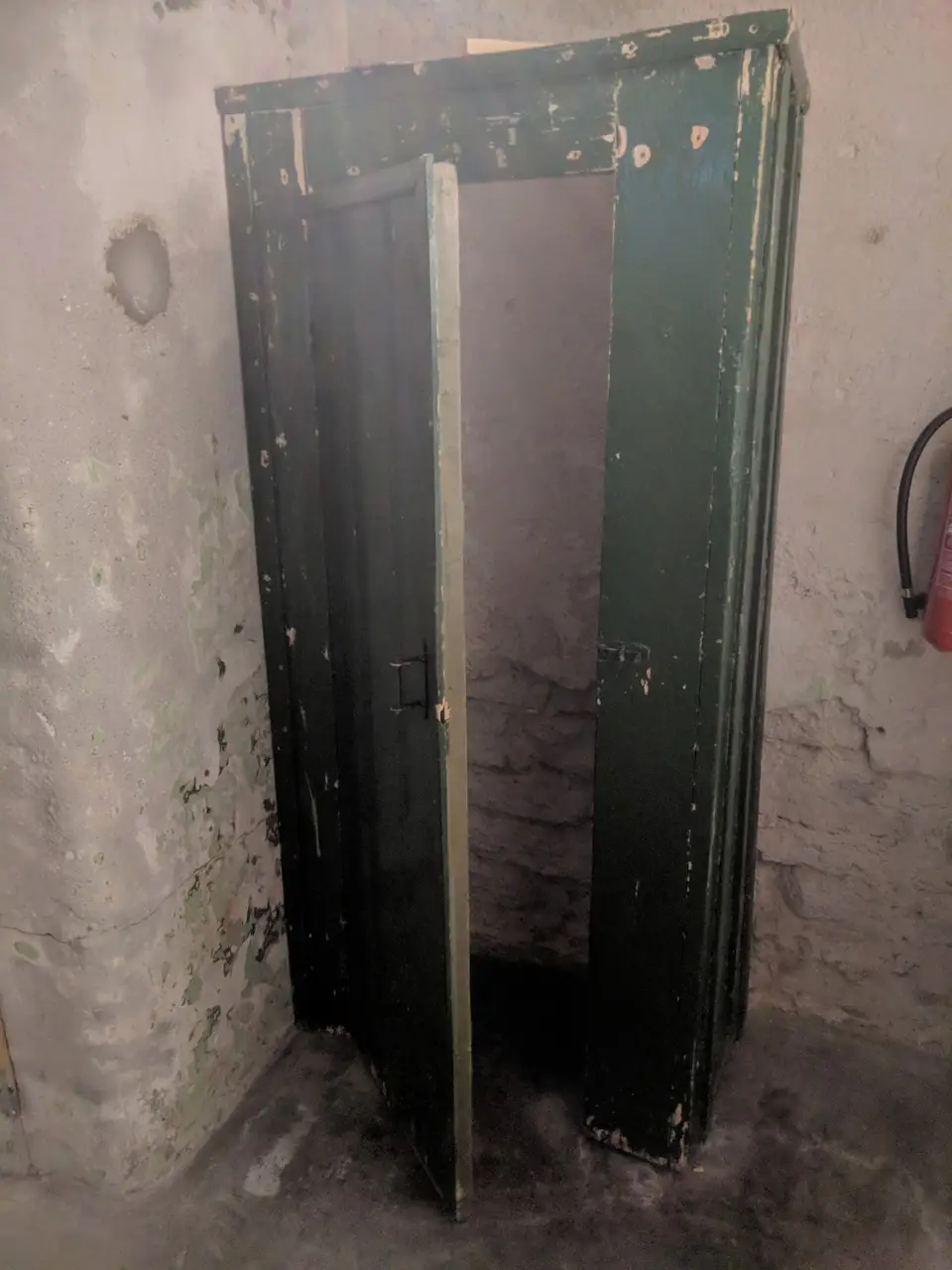
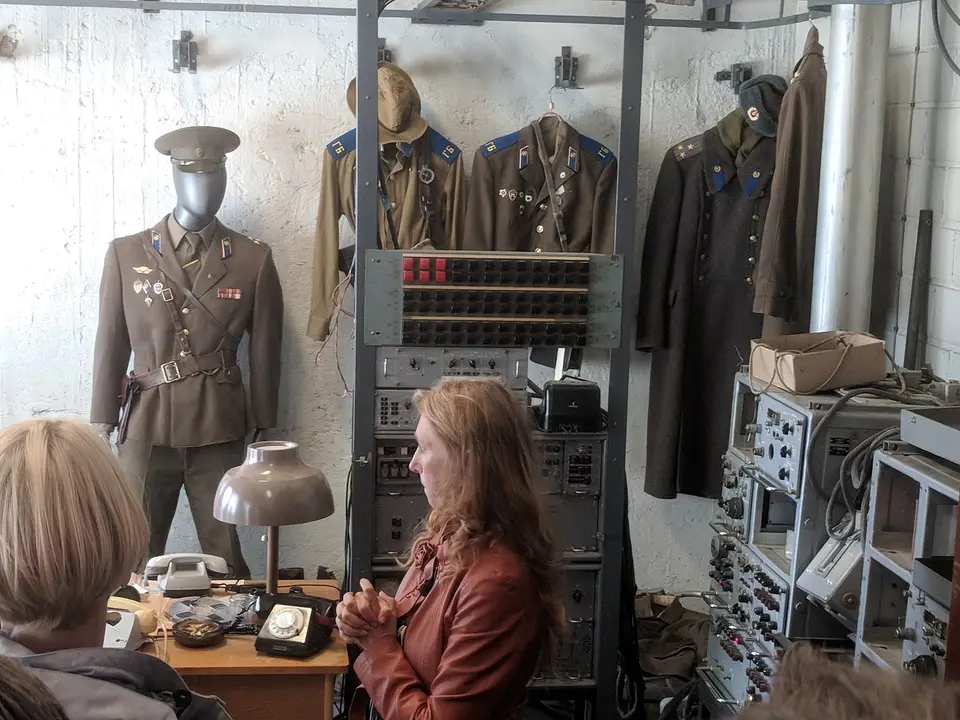
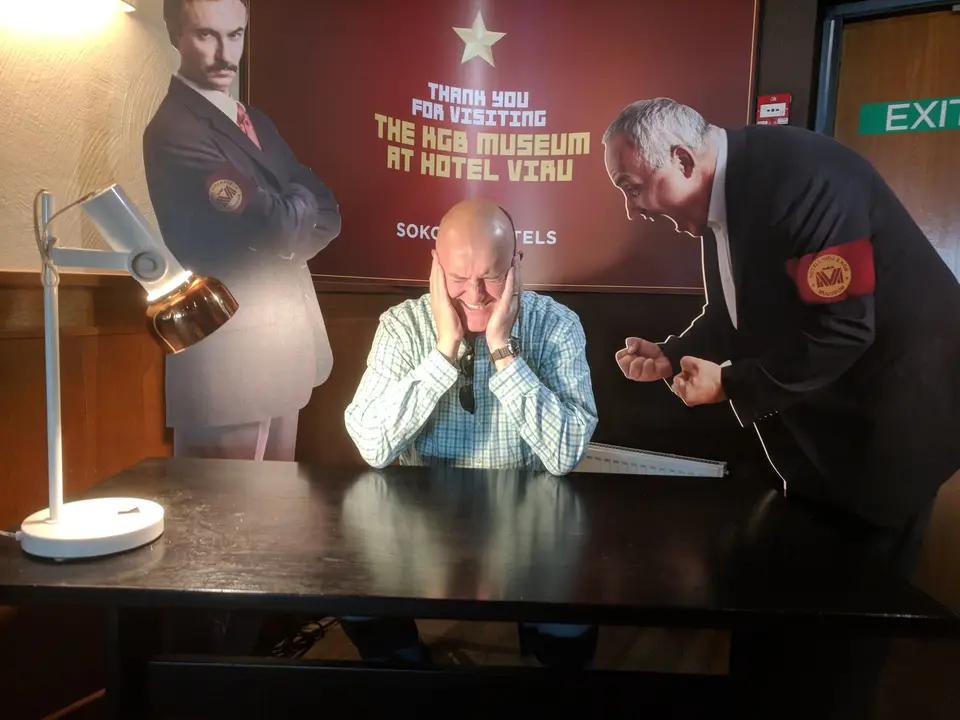
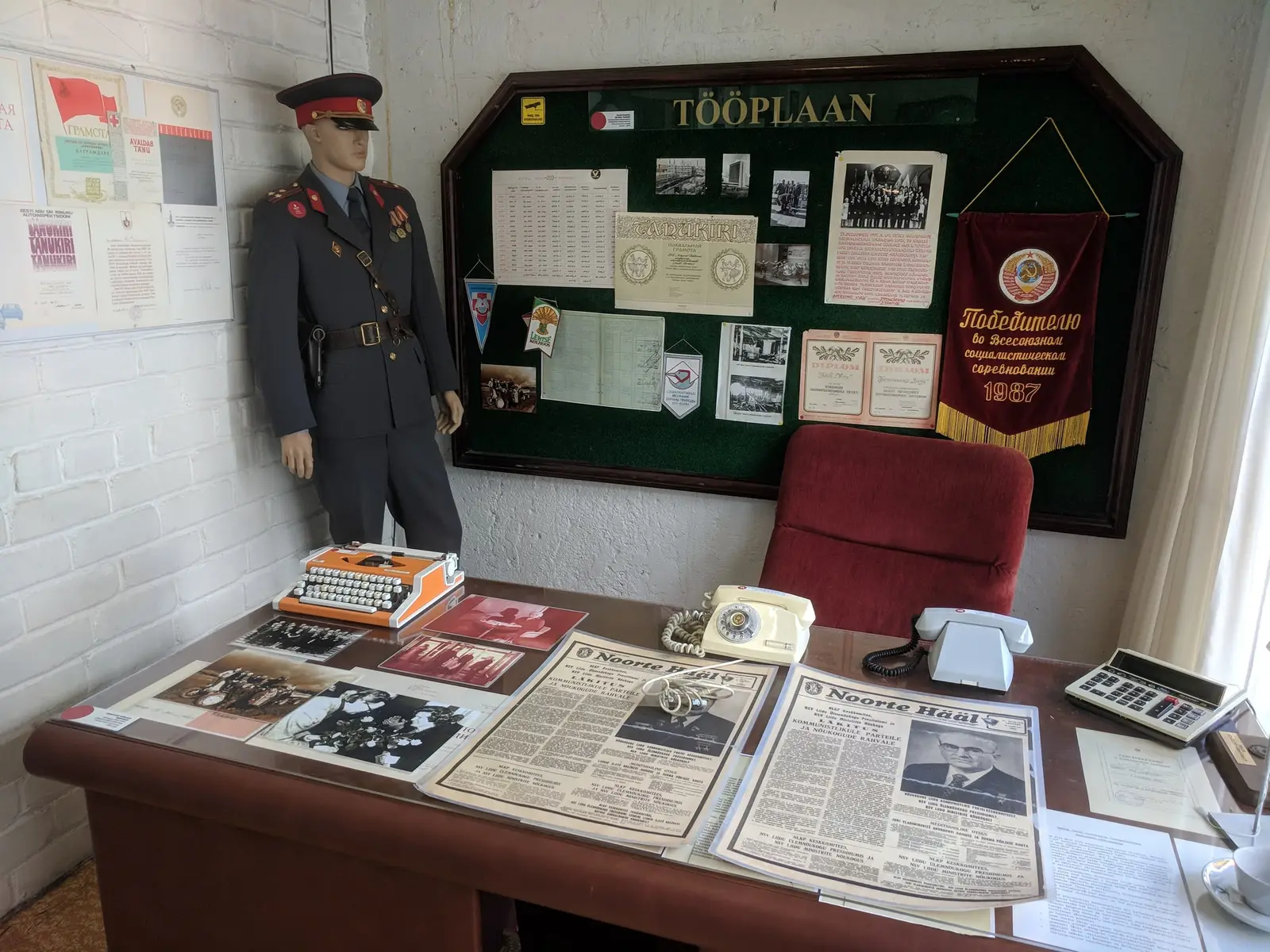
The Hotel Viru opened in 1972, the Intourist hotel where Western visitors were put. It officially had 22 floors. The lift buttons stopped at 22. The building had 23, and the floor that was not on the buttons was a KGB radio room — where conversations from the bugged rooms and restaurant tables below were listened to and written up.
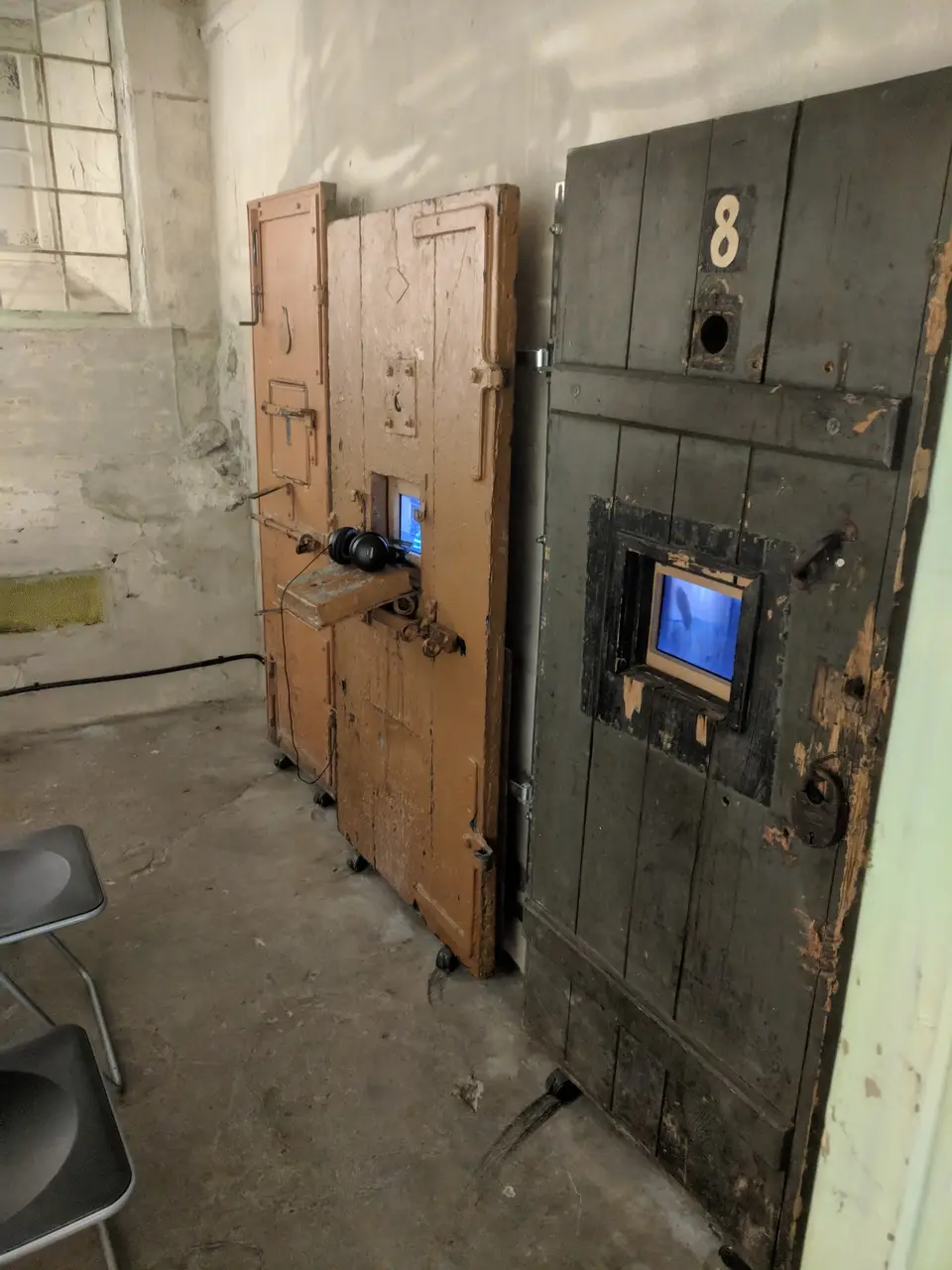
- It was abandoned in 1991 when the KGB left, in a hurry, and simply shut the door. The room stayed as it was — papers on the desks, equipment in the racks — and opened to the public as a museum in 2011.
- You cannot just turn up. It is a guided tour only, roughly an hour, and it must be booked in advance. There is a cap of about 25 people on a tour.
- Check which tour is in English and book that one. Tours run in several languages and the English slots are not continuous. This is the single most common way people miss it — they arrive in Tallinn intending to go and find the day's English tour went at eleven.
- €20 an adult, €10 for children 5 to 11 and free under 5. That is up from the €13 we paid, so check it again when you book rather than trusting a guide — including this one — that was written before your trip.
- Prices and tour times checked against Hotel Viru's own booking system, 22 September 2026.
Vabamu — the other half of the same century
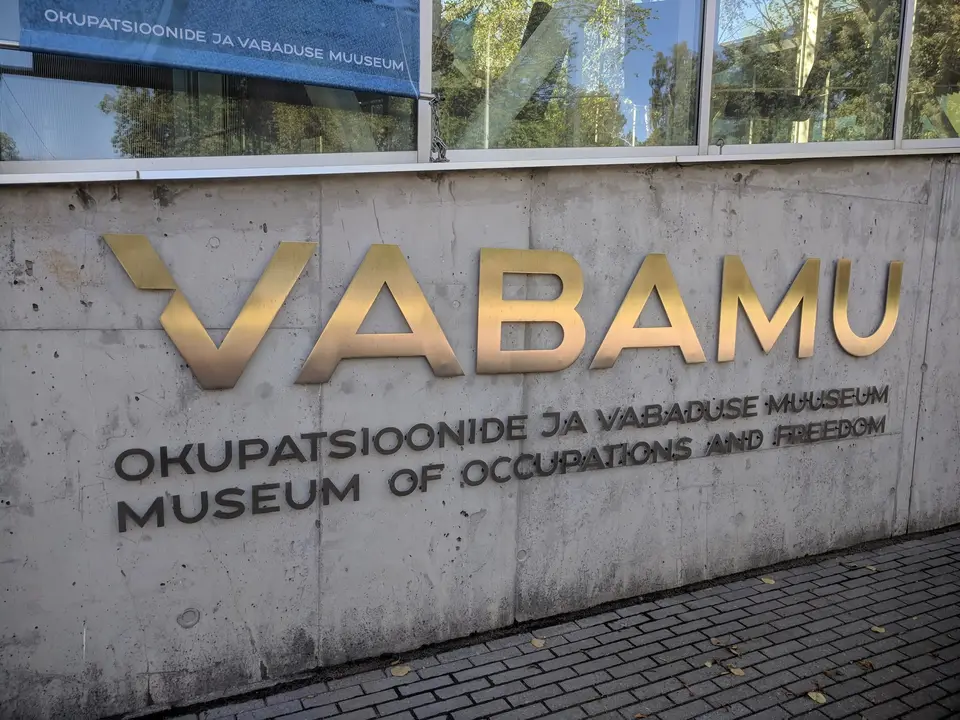
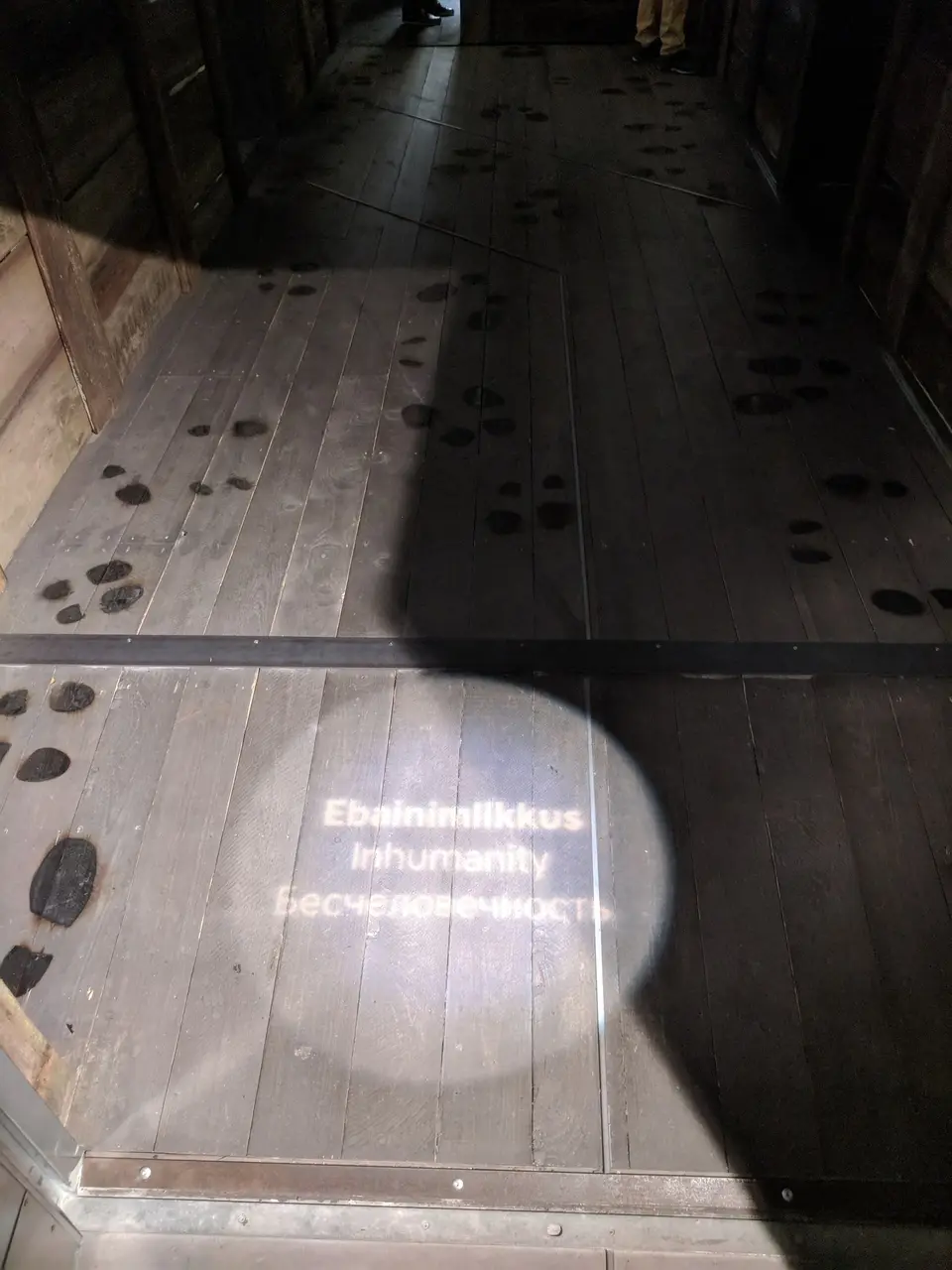
Ten minutes away, Vabamu, the Museum of Occupations and Freedom, covers what the listening room was part of: occupation, deportation, resistance and the recovery of independence.
- Go here and the KGB floor on the same day, in that order. One is a room where it was done; the other explains what was being done and to whom. Separately they are both good. Together they are the reason to come to Tallinn.
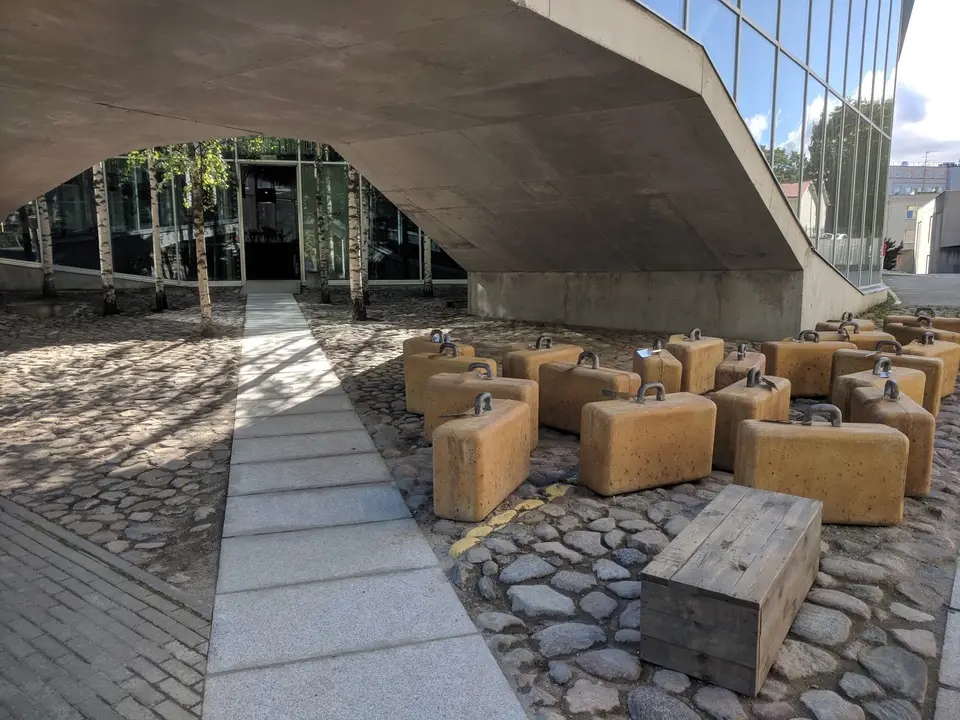
- It is not relentless. One of our photographs is a wall panel asking what the three victories of advanced socialism were — the answer, in the museum's own words, being that food is kind of scarce, queues are kind of long, and life is kind of terrible. A museum confident enough to put the jokes in is one that has thought about how people actually absorb this.
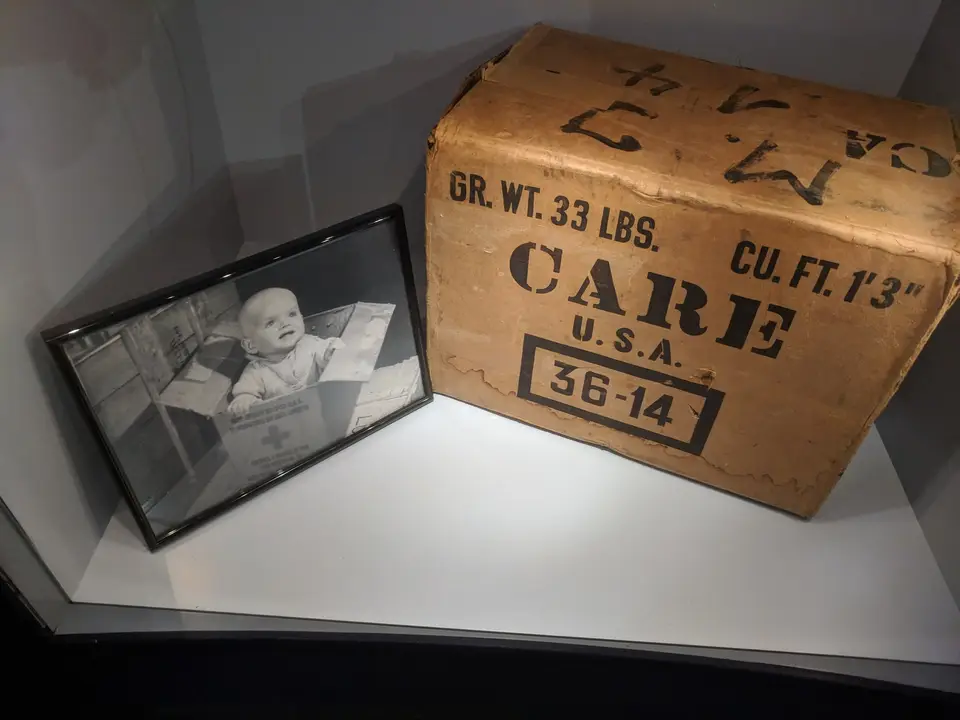
- The object that stays with you is an American CARE parcel in a case beside a photograph of a baby. Thirty-three pounds, stencilled on the side.
The rest of the day, and none of it costs much
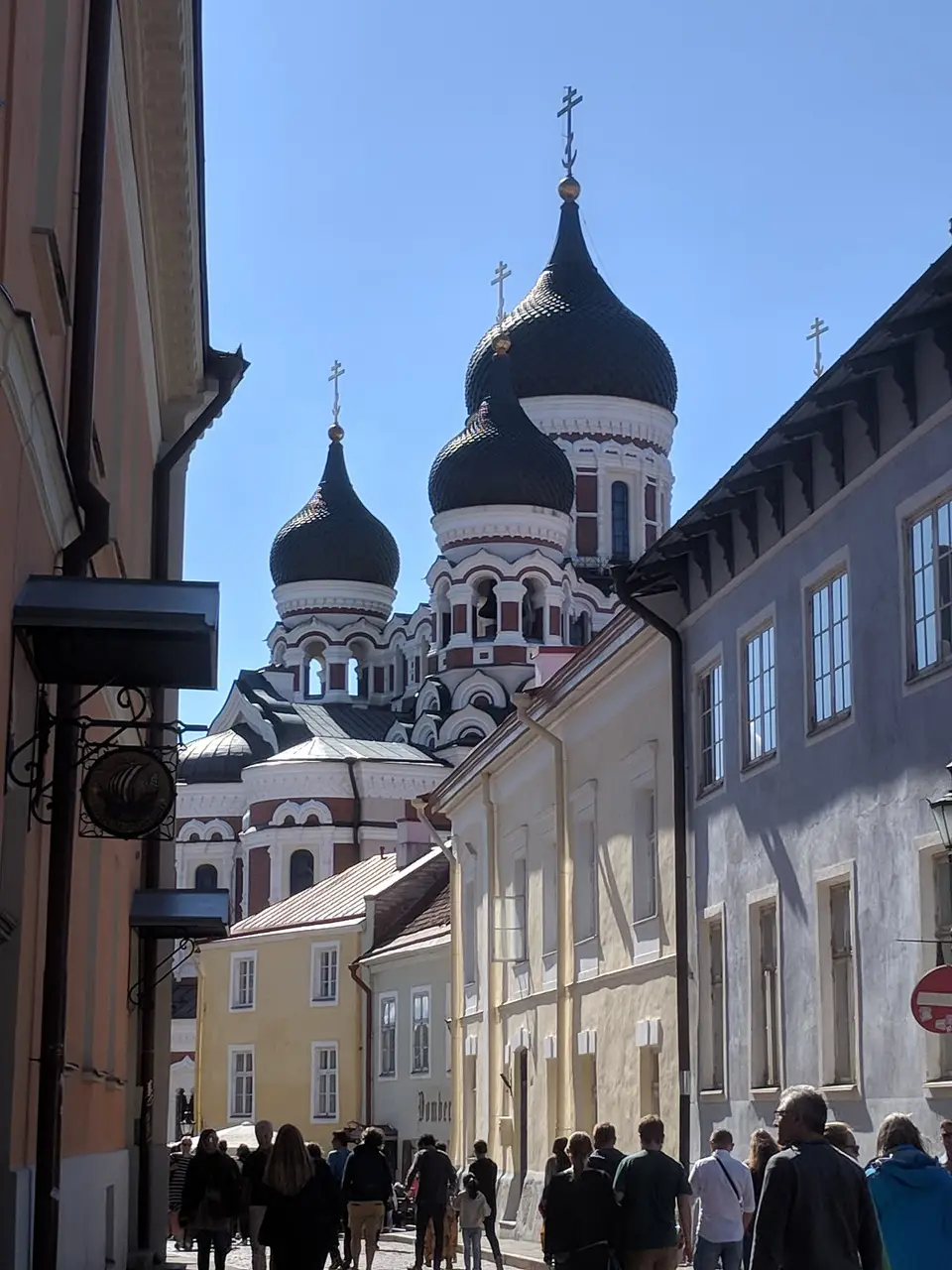
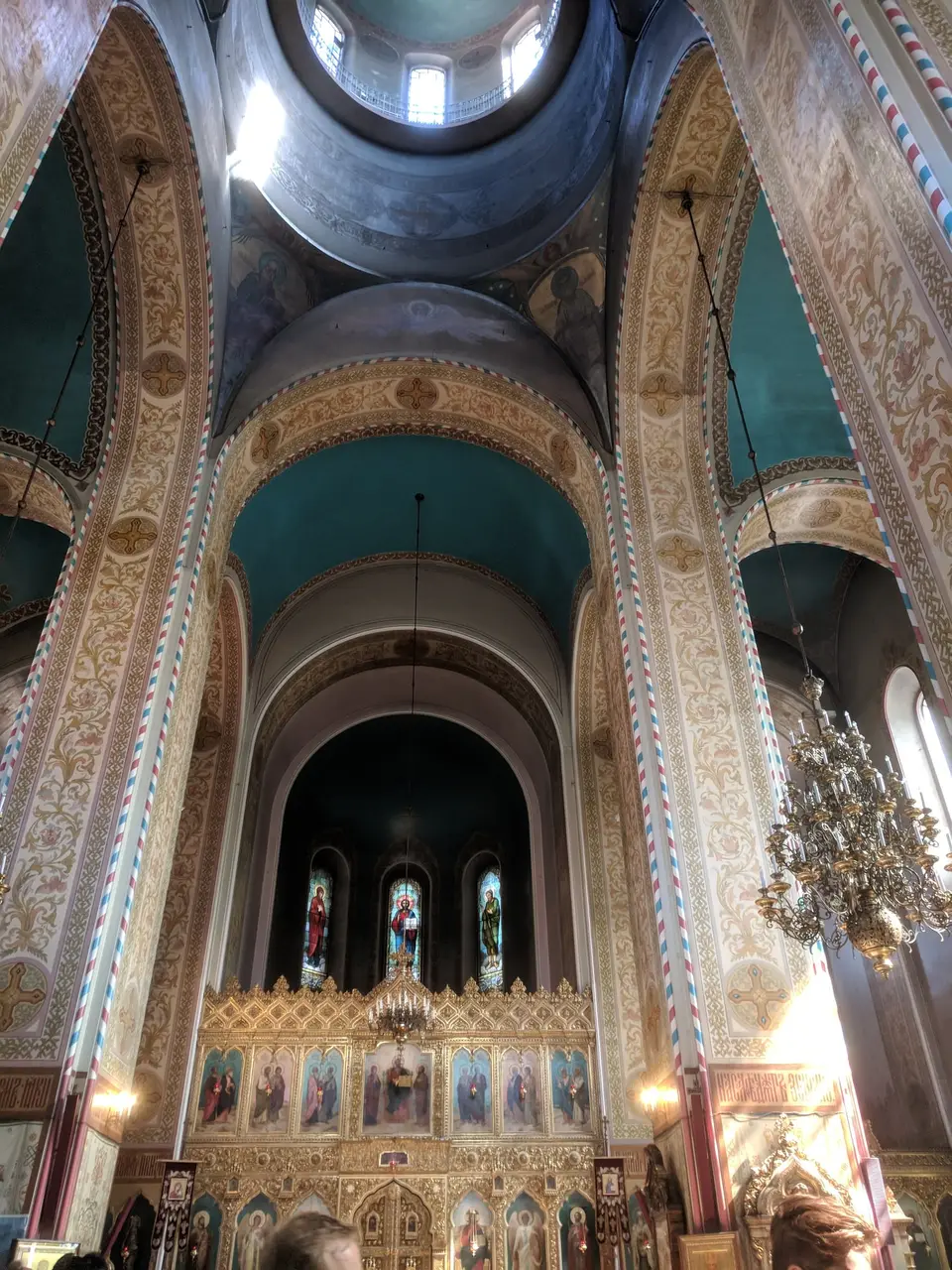
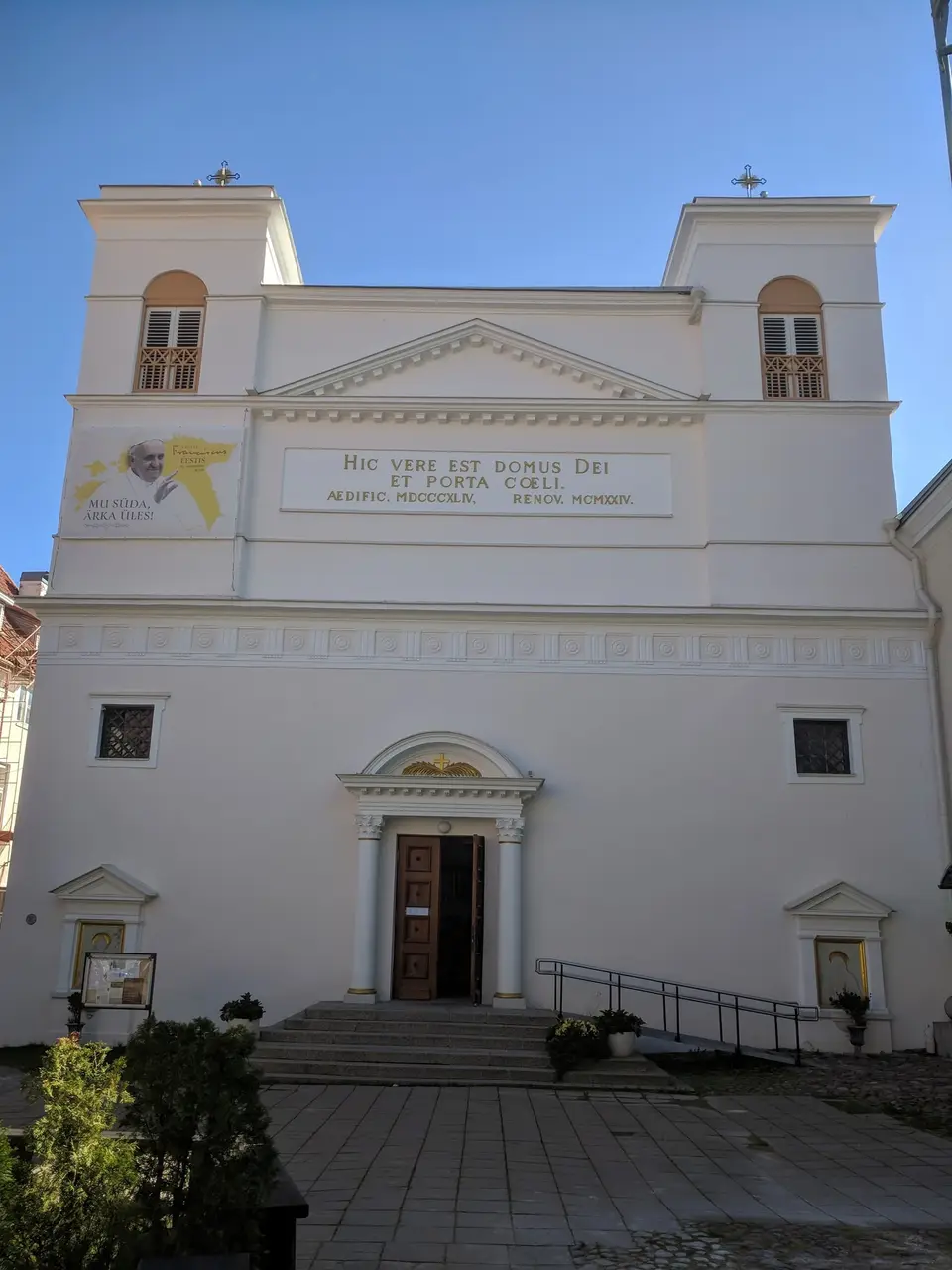
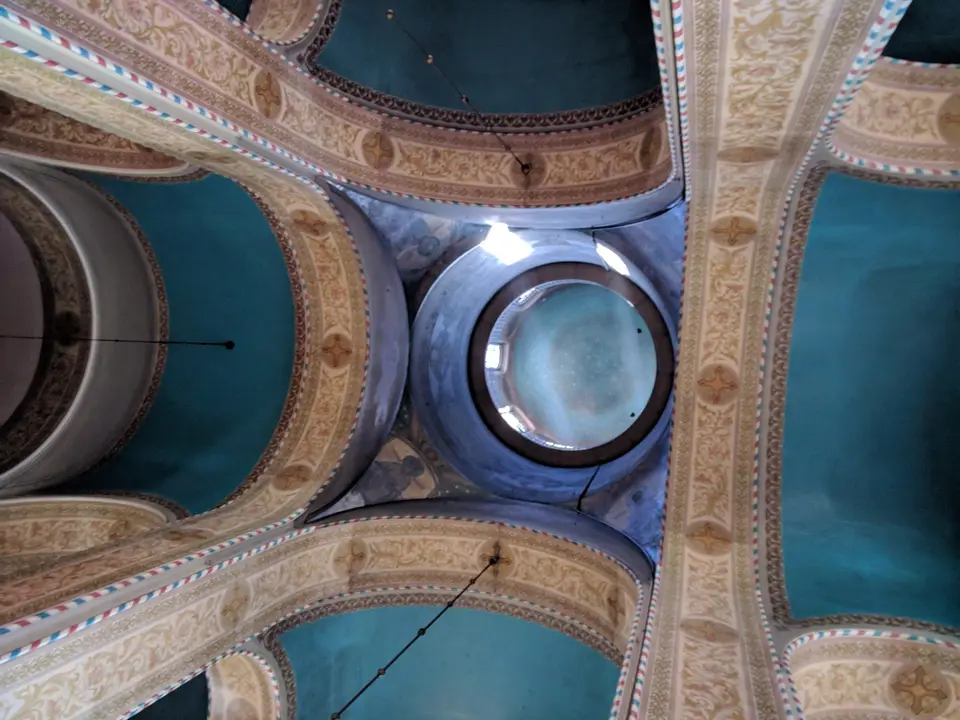
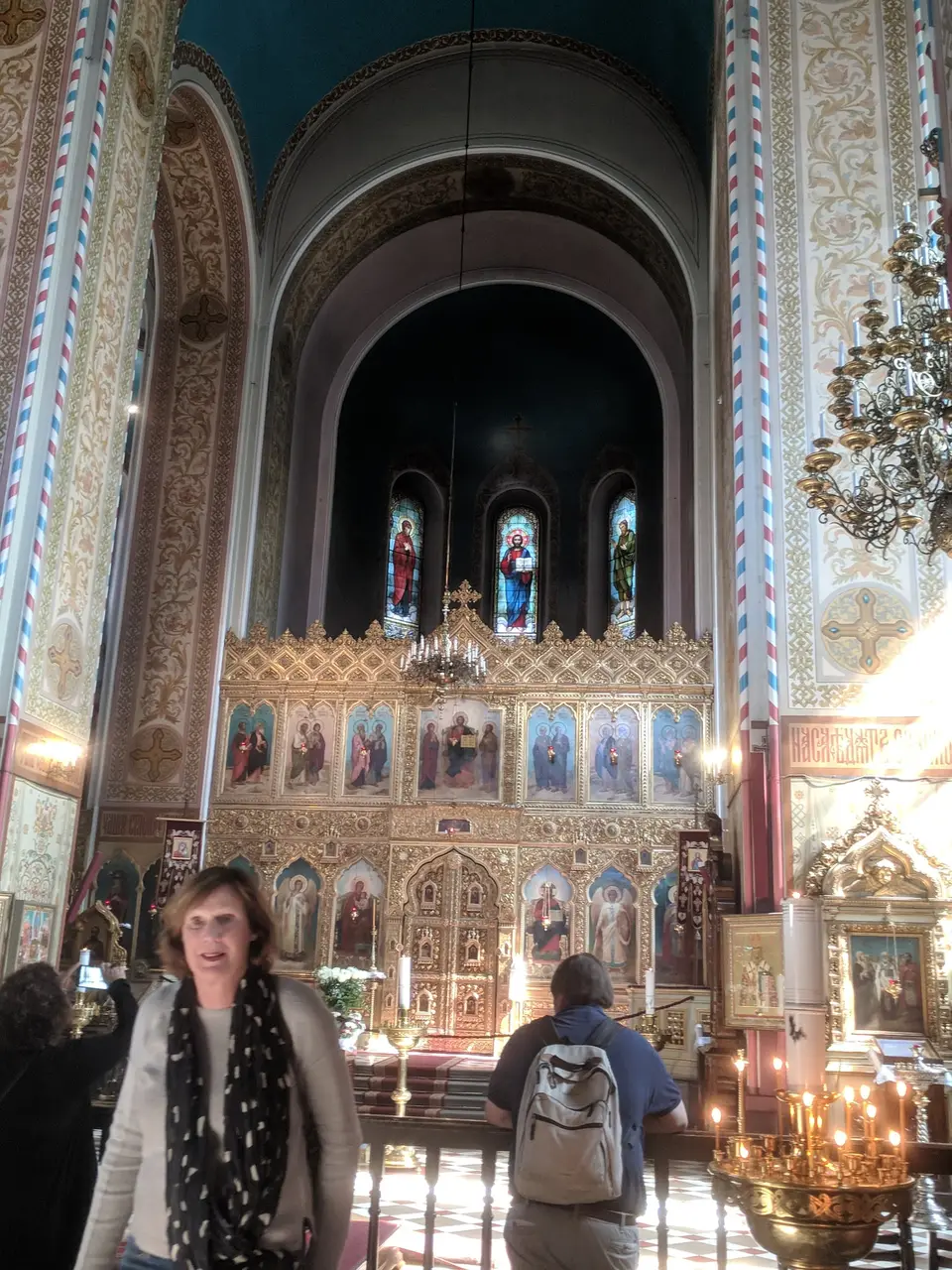
- Alexander Nevsky Cathedral on Toompea — black onion domes outside, teal and gold vaulting inside, and free to enter.
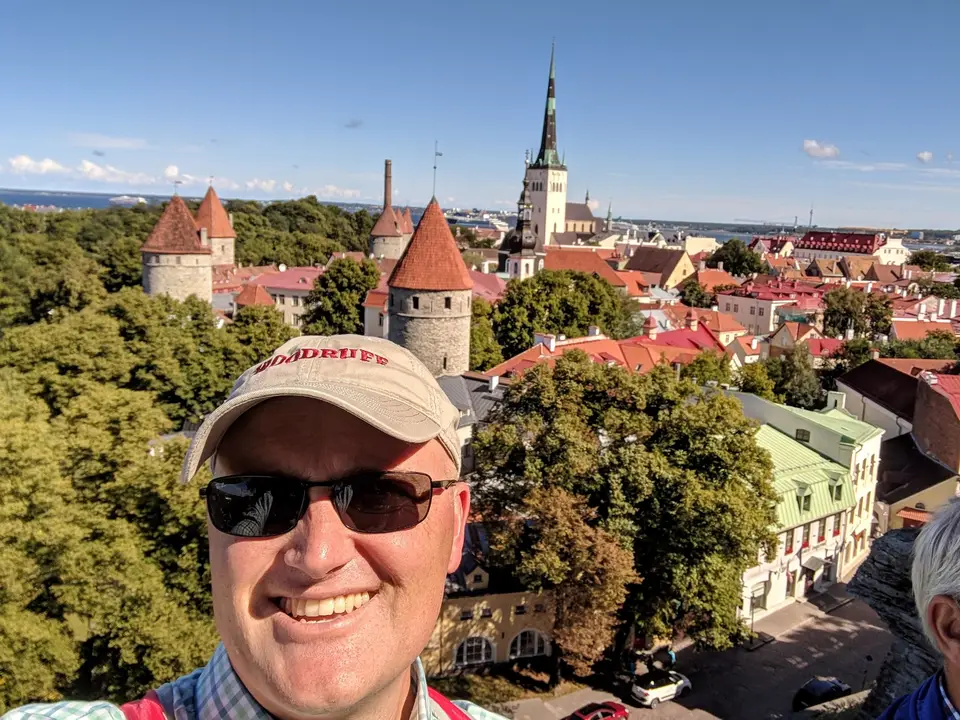
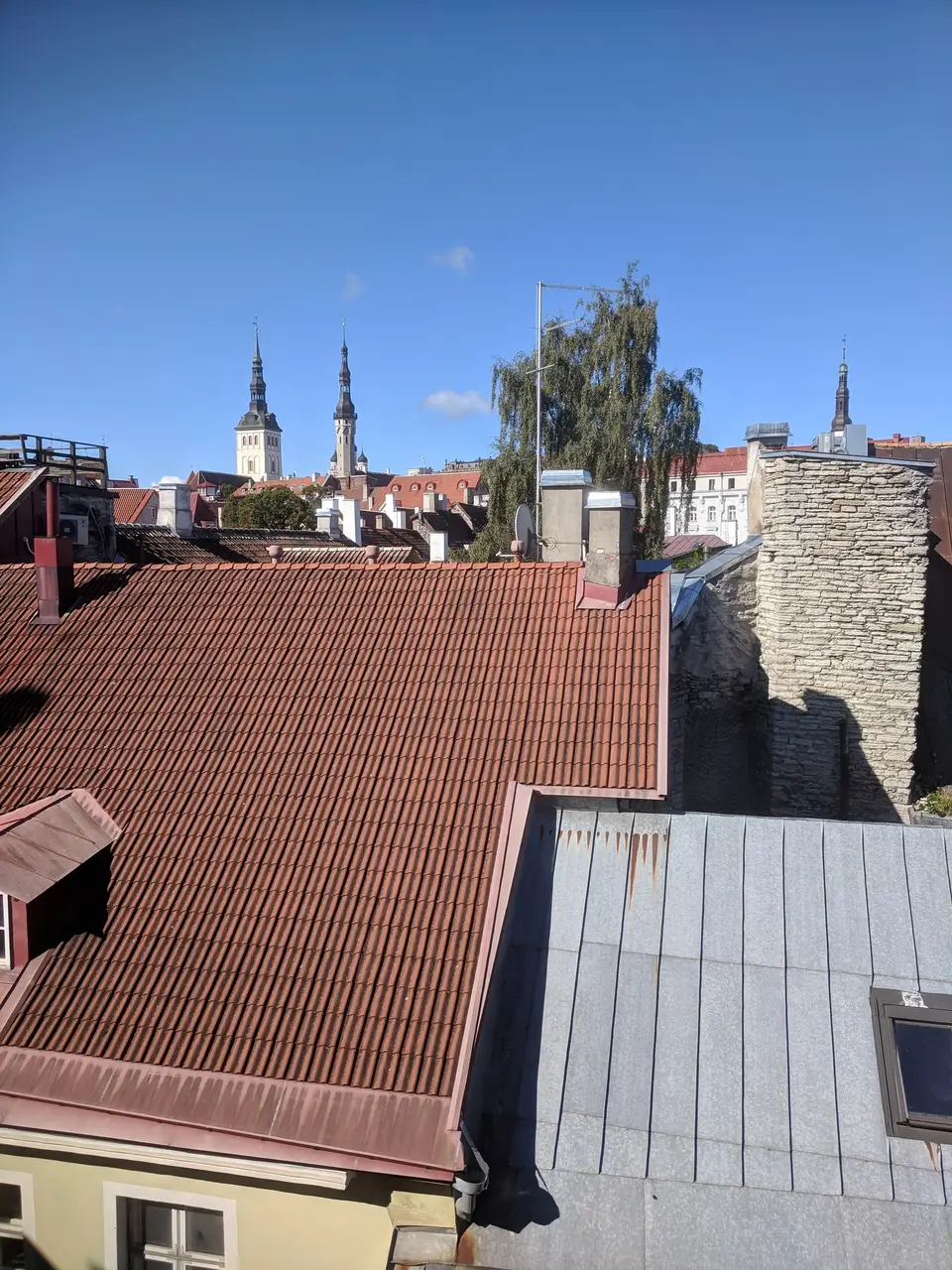
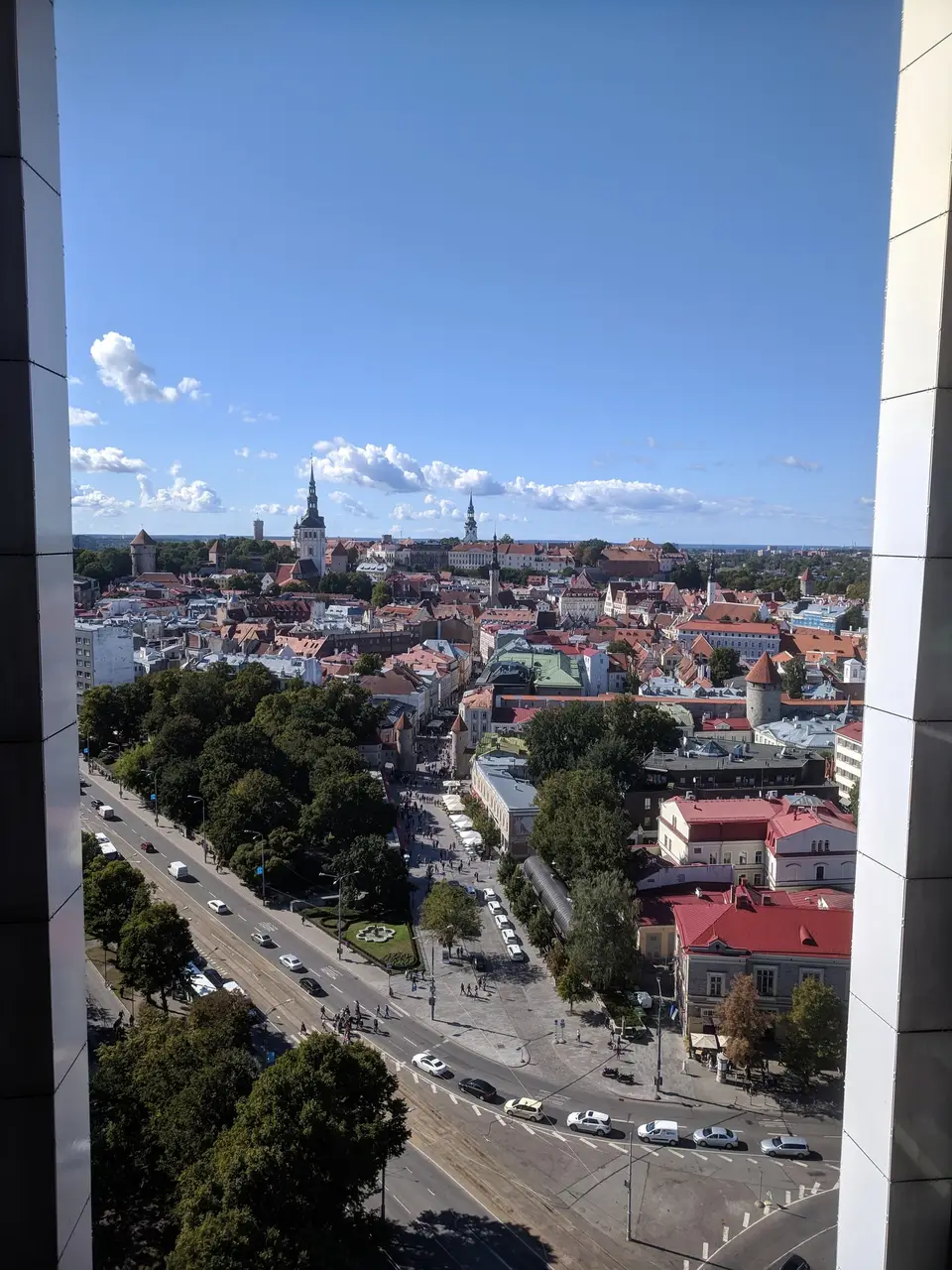
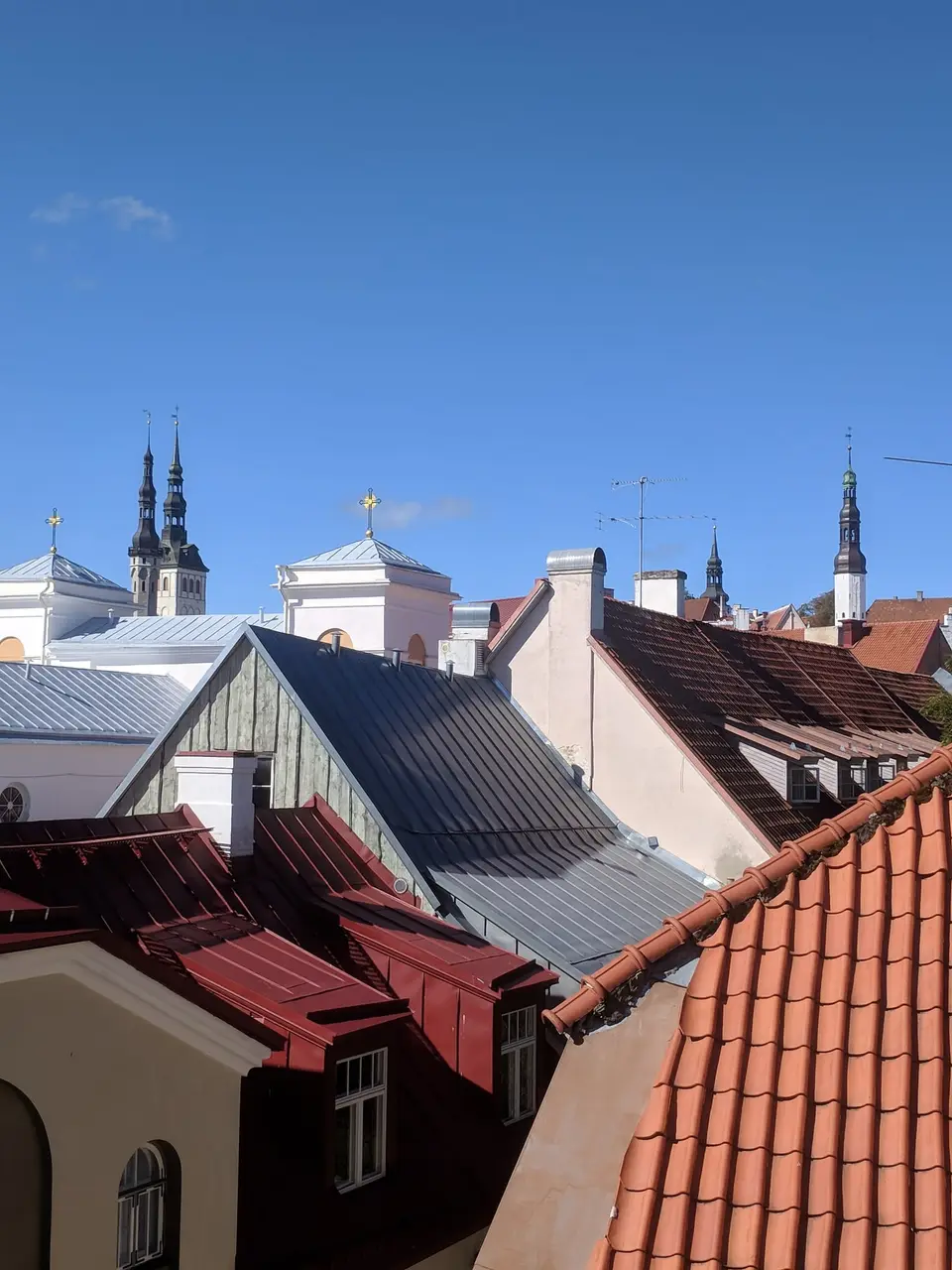
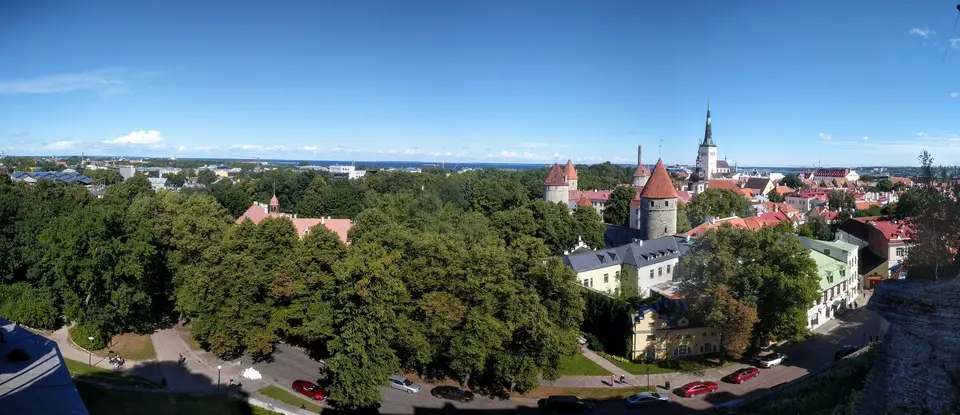
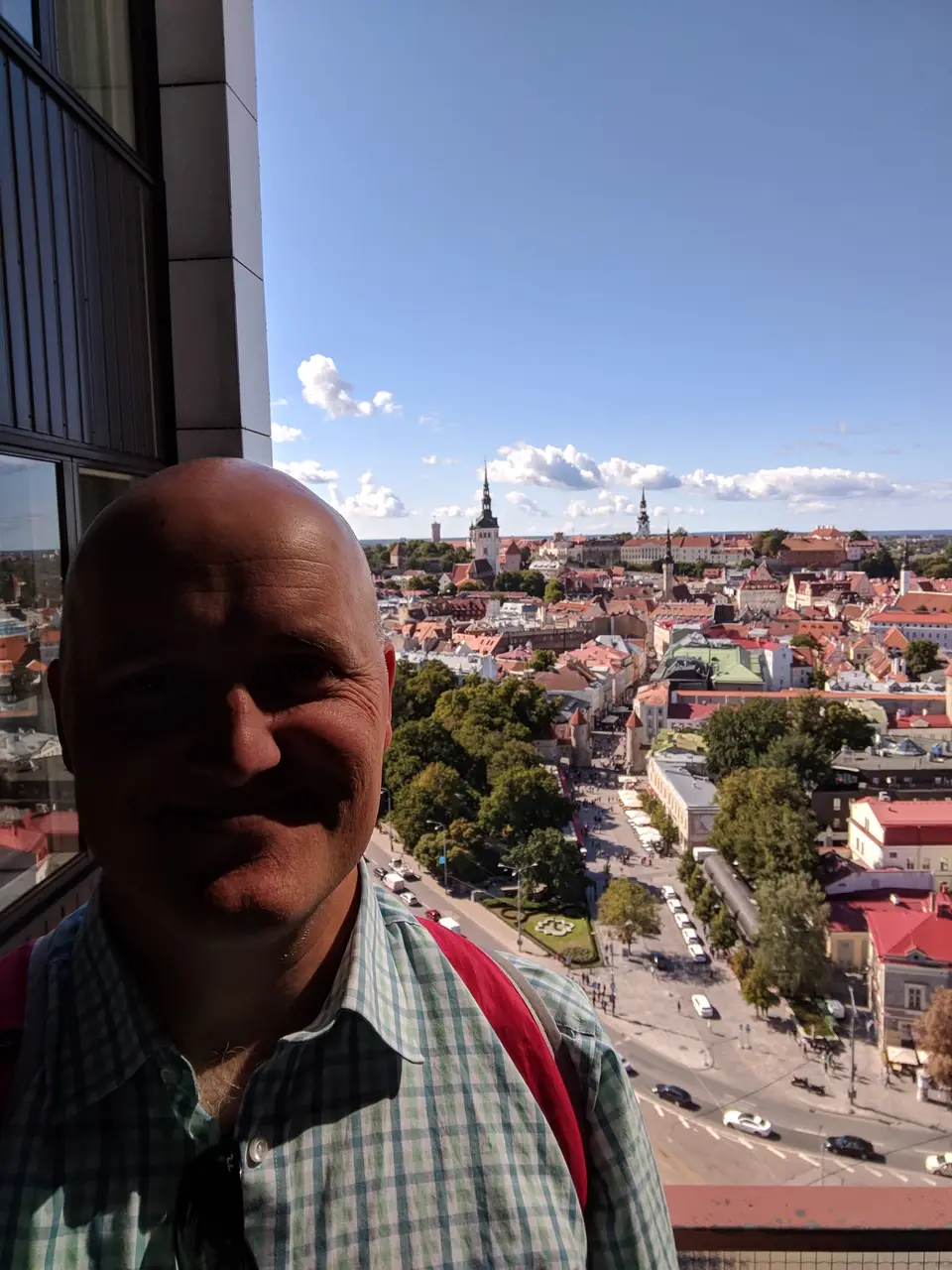
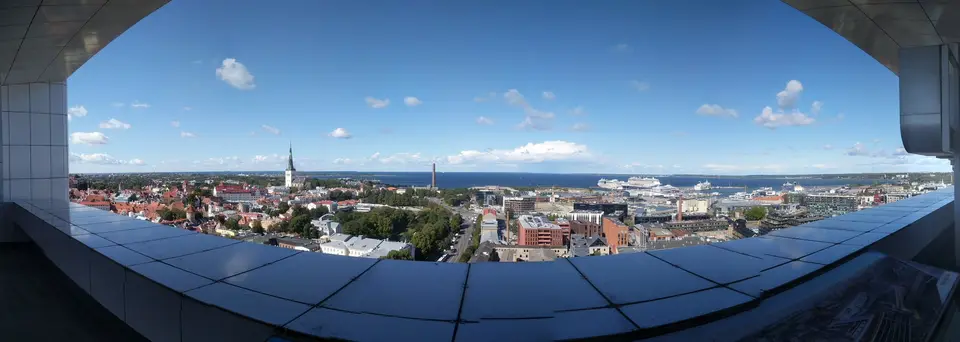
- The Toompea viewpoints. Ten minutes uphill and the whole red-roofed old town is below you with the sea behind it. Free.
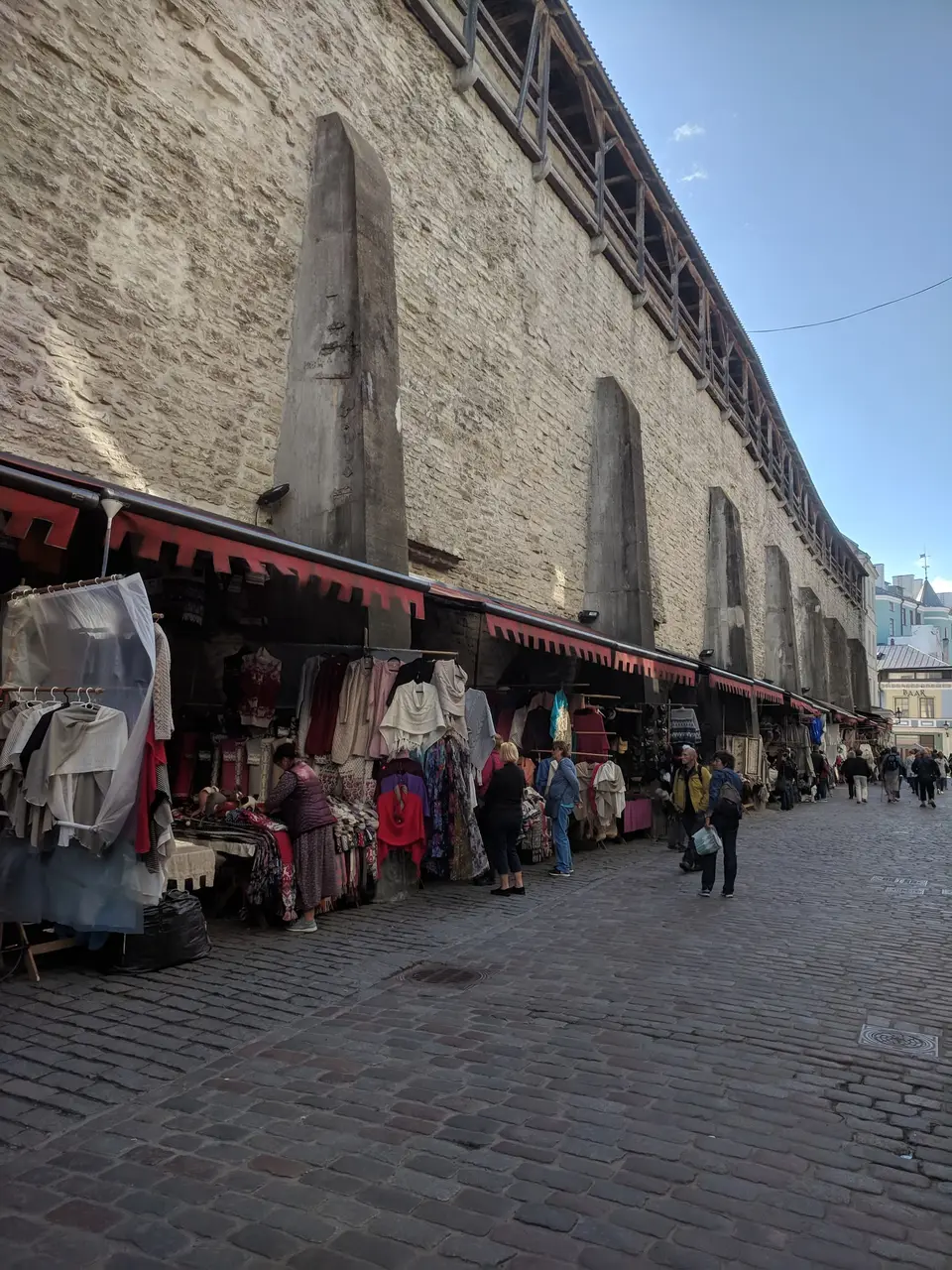
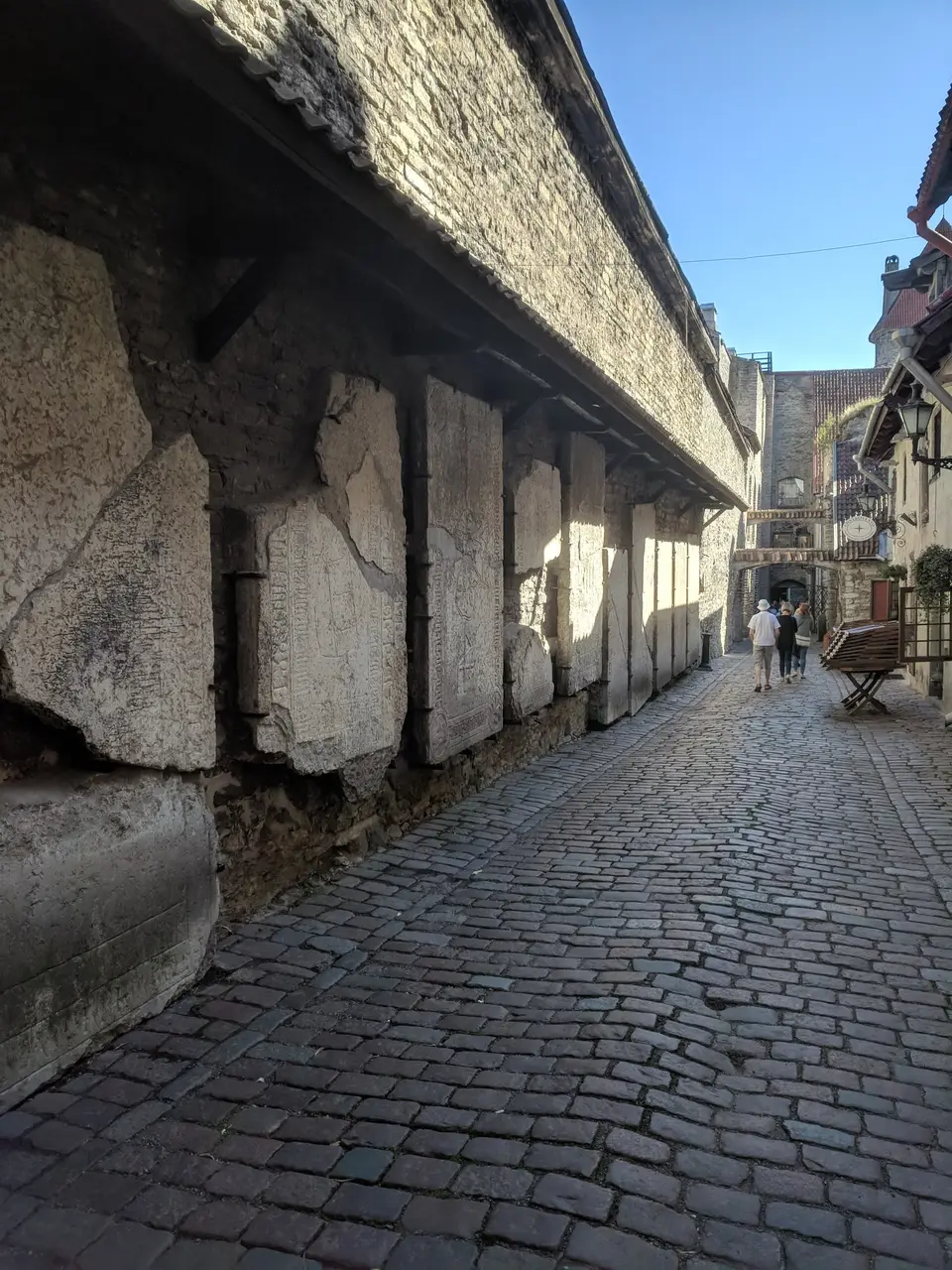
- The sweater wall on Müürivahe — knitwear sold from stalls backed onto the medieval wall itself, which is a better souvenir than anything in the square.
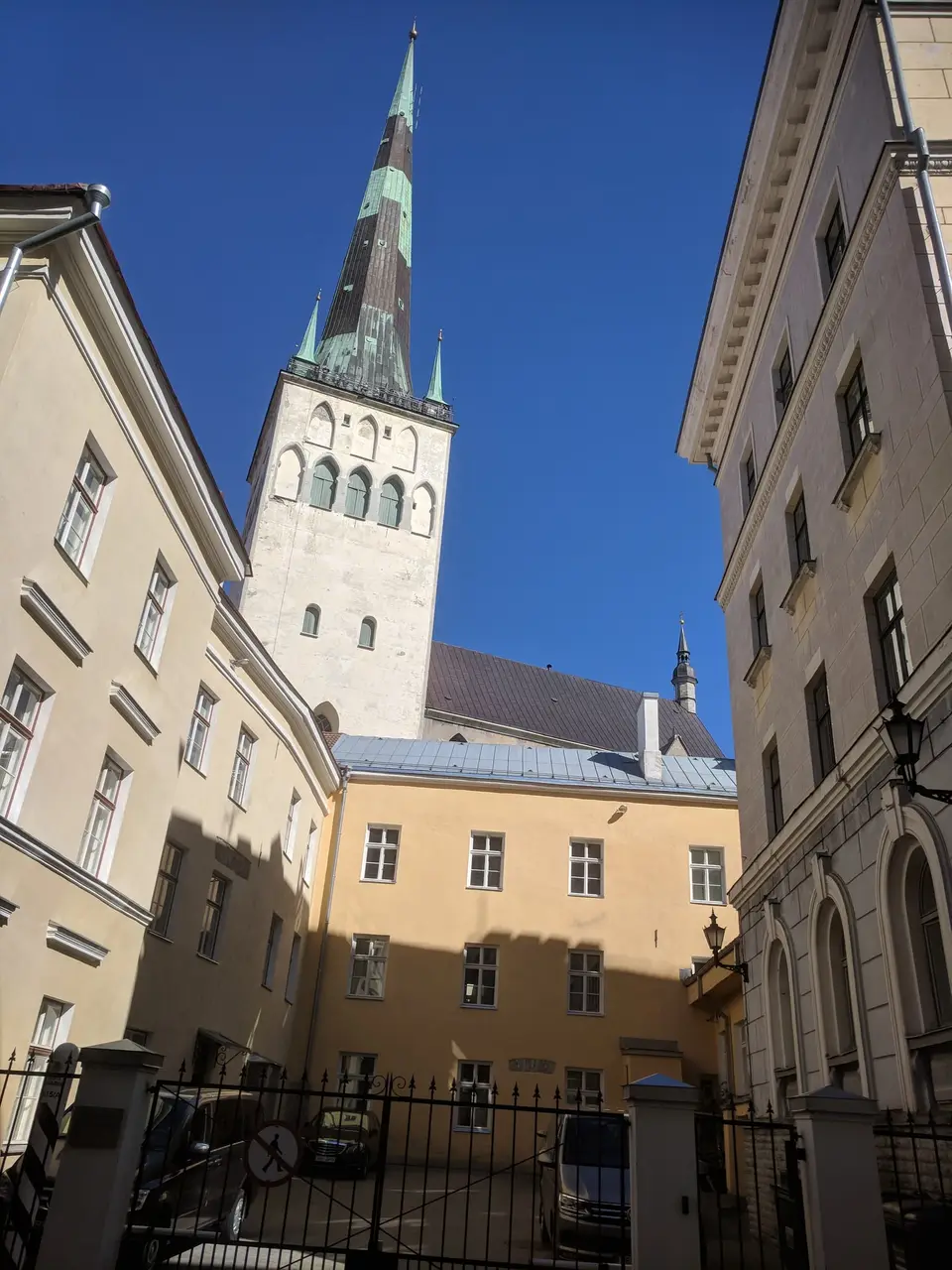
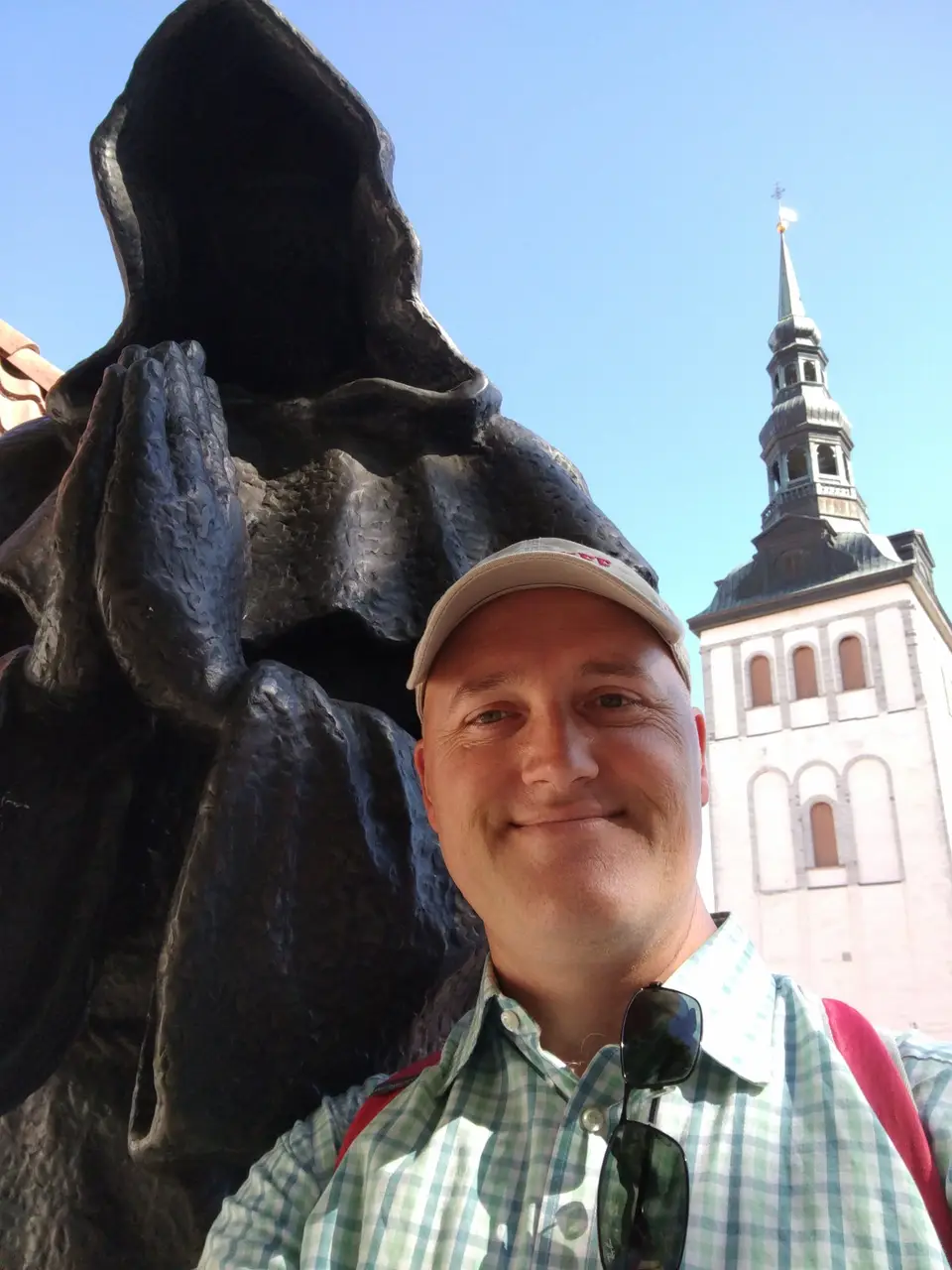
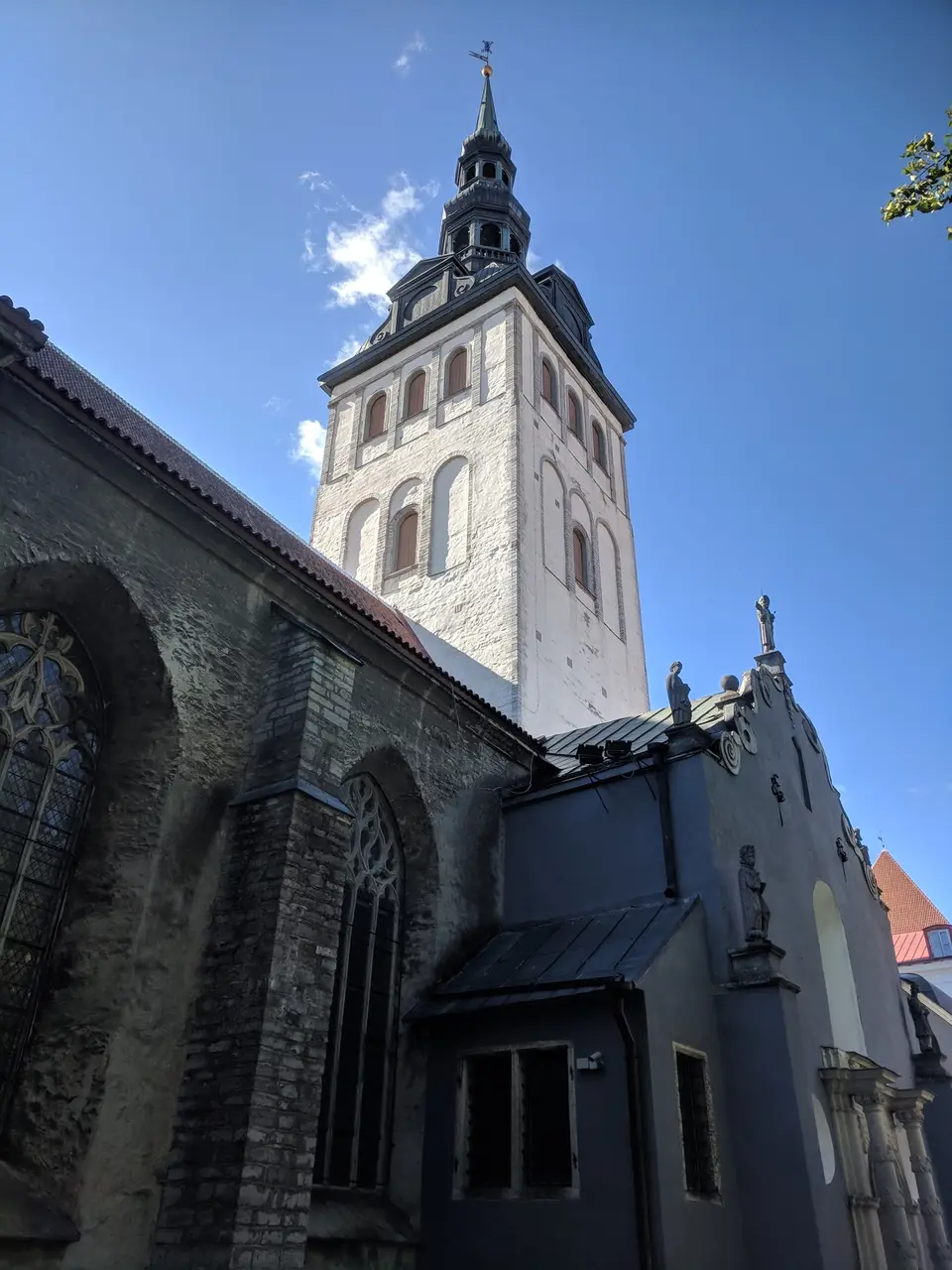
- St Olaf's church, briefly the tallest building in the world by some accounts, with a tower you can climb in season.
When to come
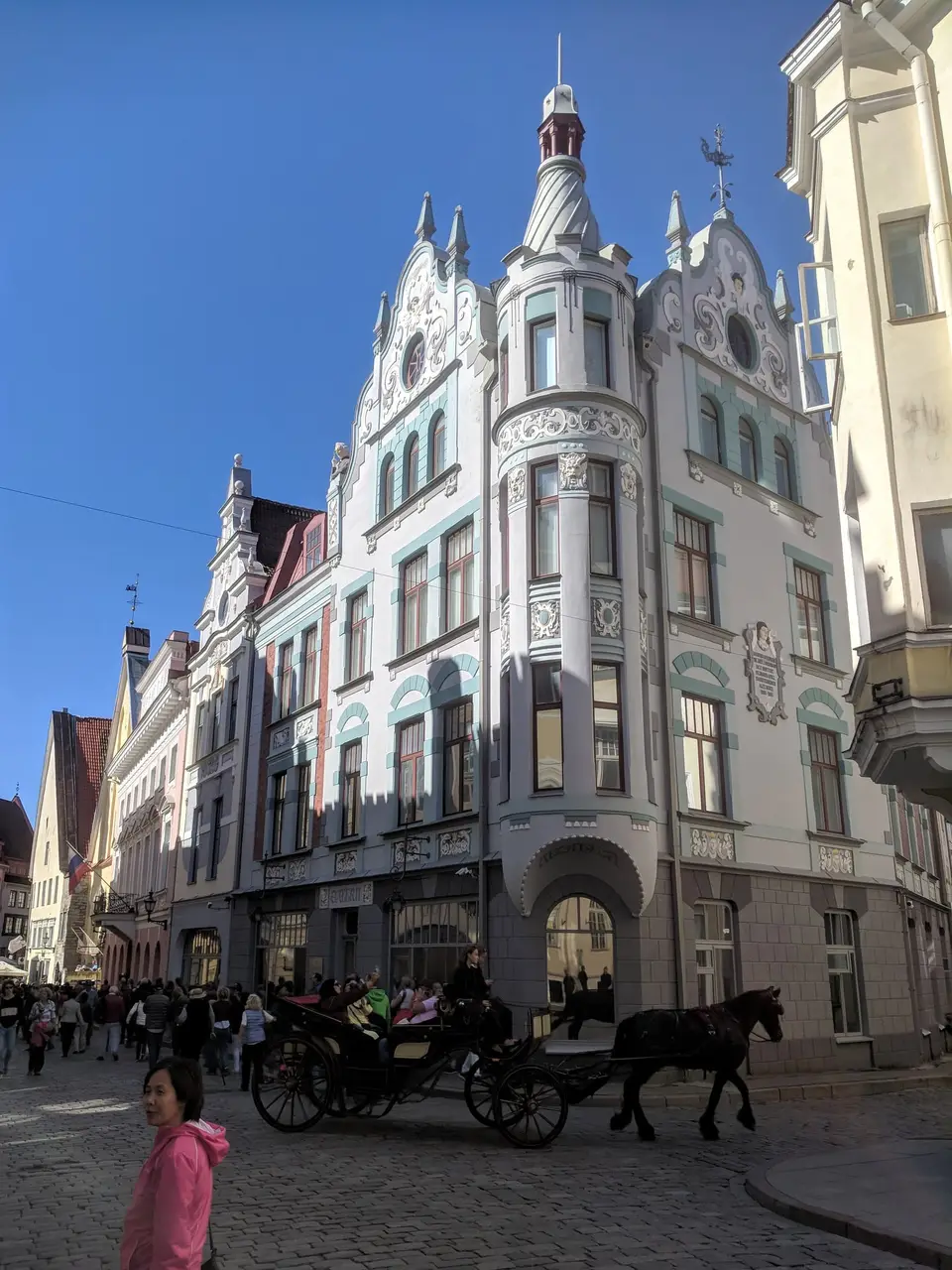
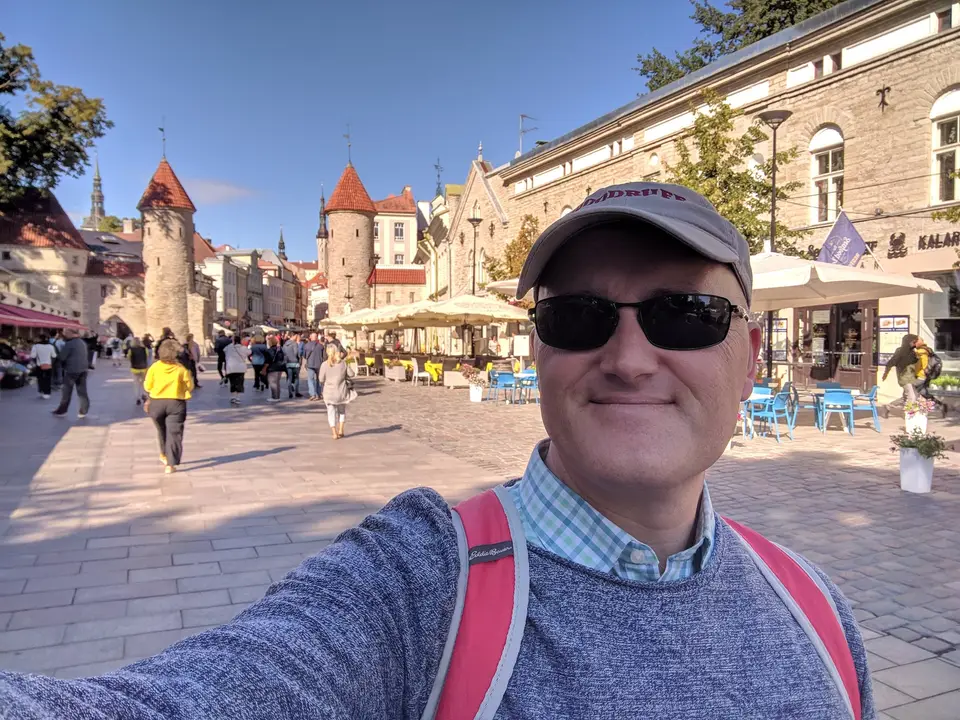
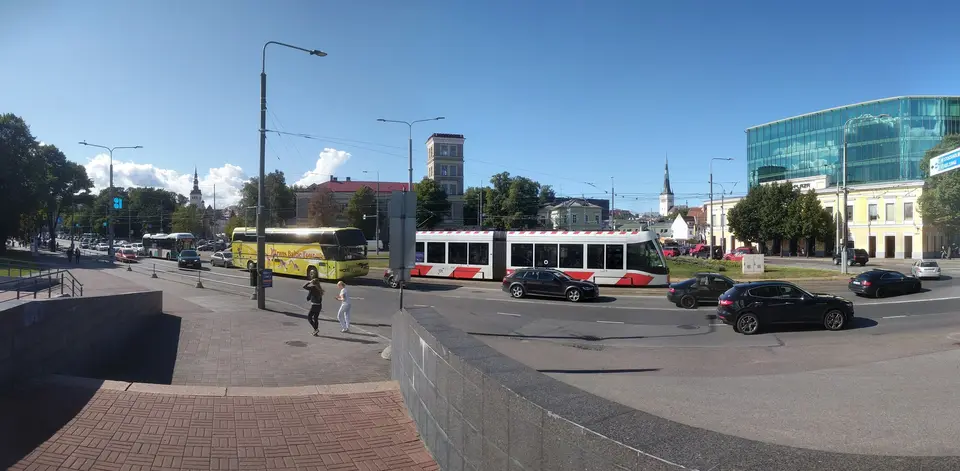
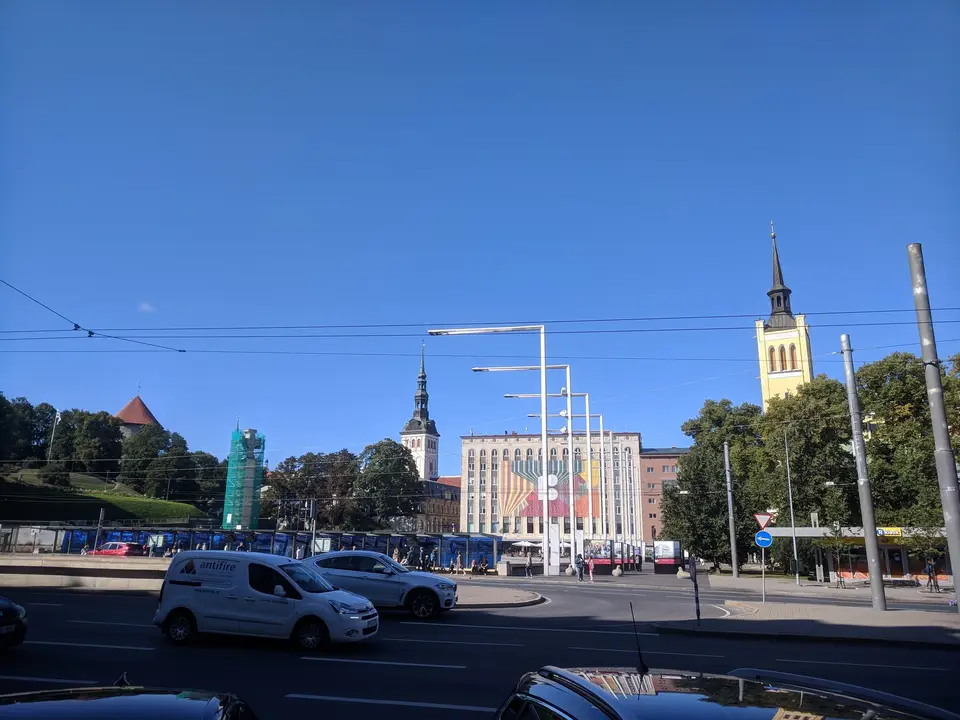
- Late August was close to ideal — our photographs are hard blue sky and long light, and the old town was busy but not unbearable. May to September is the window.
- Winter is dark and genuinely cold, and the counter-argument is the Christmas market in Town Hall Square, which has a real claim to being among the oldest in Europe. We have not been in December, so that is information rather than a recommendation.
How long, and what it goes with
One full day at minimum; two nights if you can. The natural pairing is the one we did — Helsinki on one side of the gulf, Tallinn on the other, two hours apart — and it is a genuinely good trip because the two cities are nothing alike. Tallinn also sits at the top of the Baltic run down through Riga and Vilnius, which is the longer version.