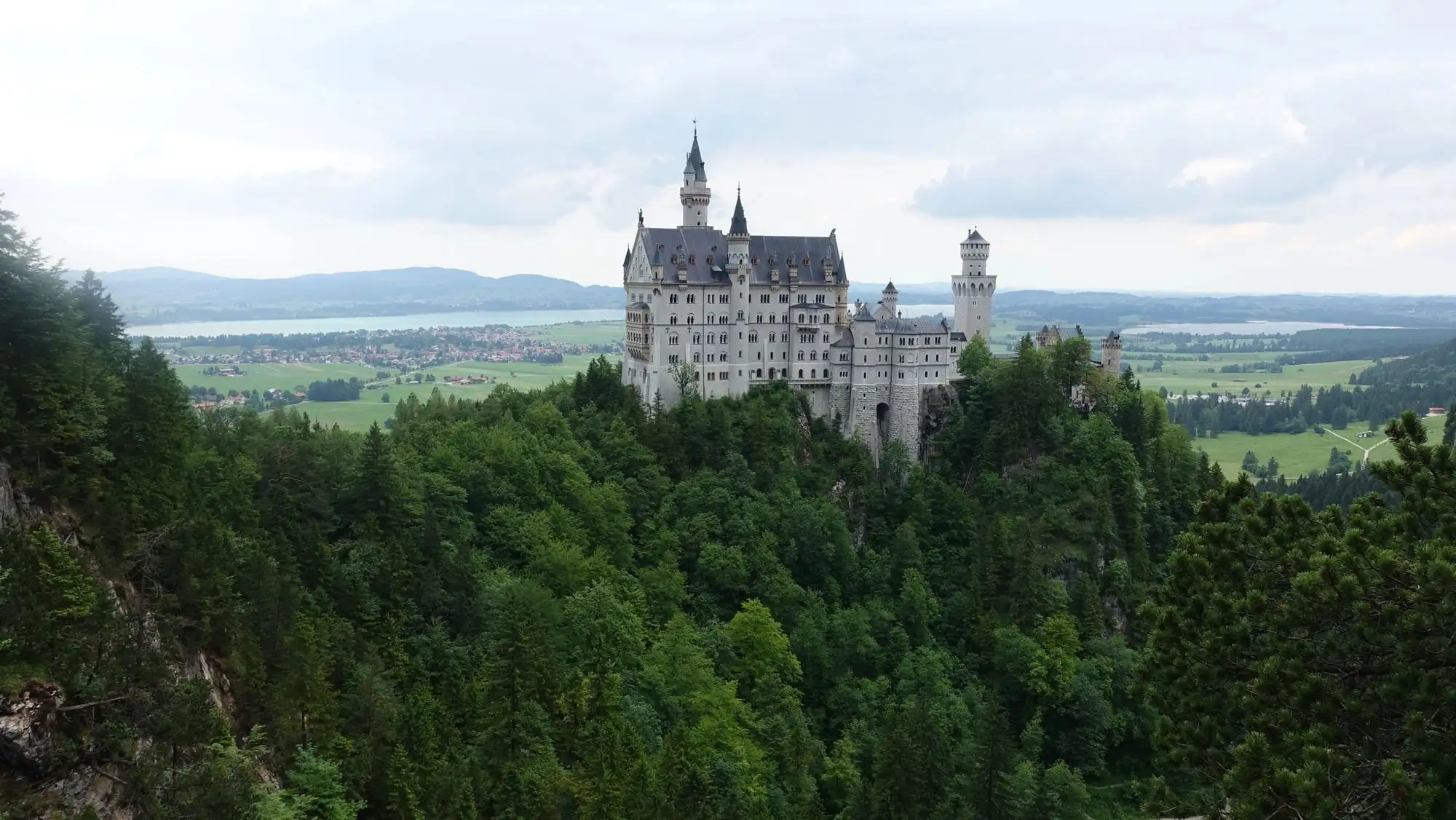
Before you go — the one thing that has to be booked early
Almost nothing in this guide needs advance planning. Neuschwanstein does, and it is the thing that ruins Bavarian itineraries. Timed entry, a fixed number of places per day, and it sells out — the official advice is to buy in good time, and in summer that means months rather than weeks.
- Book Neuschwanstein first and build the rest of the trip around the slot you get. Not the other way around. Everything else here is flexible; that is not.
- Children under 18 go free — but they still need a ticket, with the same €2.50 booking fee. Families get caught by this at the gate.
Budget tips
- Neuschwanstein is €21 an adult, €20 reduced, plus €2.50 to book online. Under-18s free with a booked ticket — but they still pay the €2.50. Checked 17 September 2026.
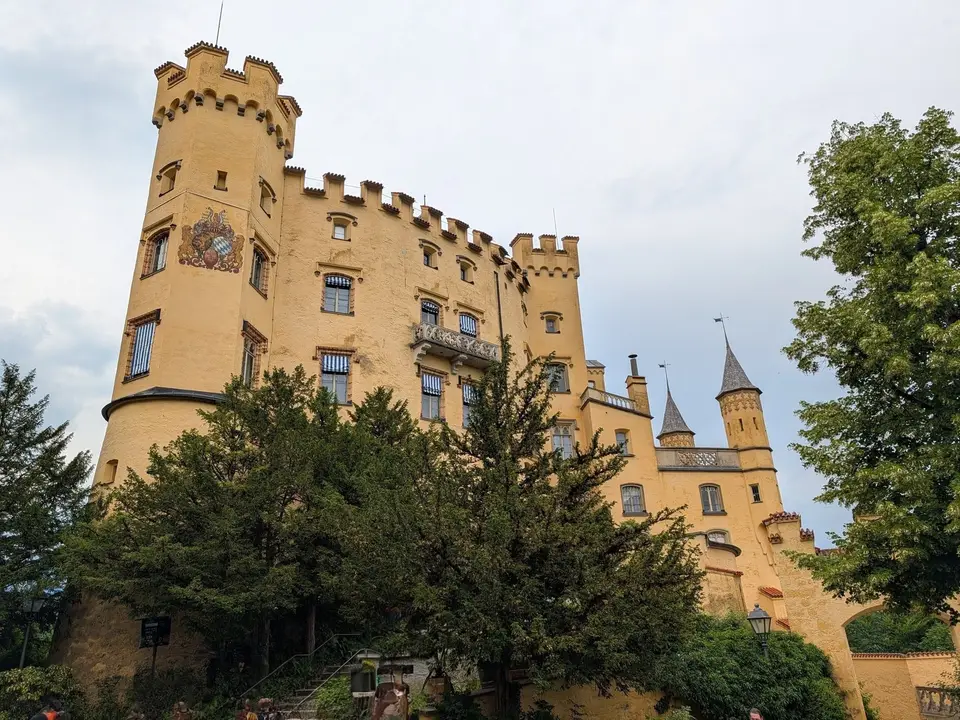
- Hohenschwangau next door is €23.50 (€19.50 reduced). Children under 7 are free and 7 to 17 pay €12 — unlike Neuschwanstein, where under-18s go free. A family is the wrong way round here, so check the sum before you add it on.
- The Museum of the Bavarian Kings is the €14.50 one (€13.50 reduced, under-18s with an adult free). It is a separate building by the lake and is often confused with the castle above it.
- Box-office tickets exist and are usually gone early in the day. Do not plan around them.
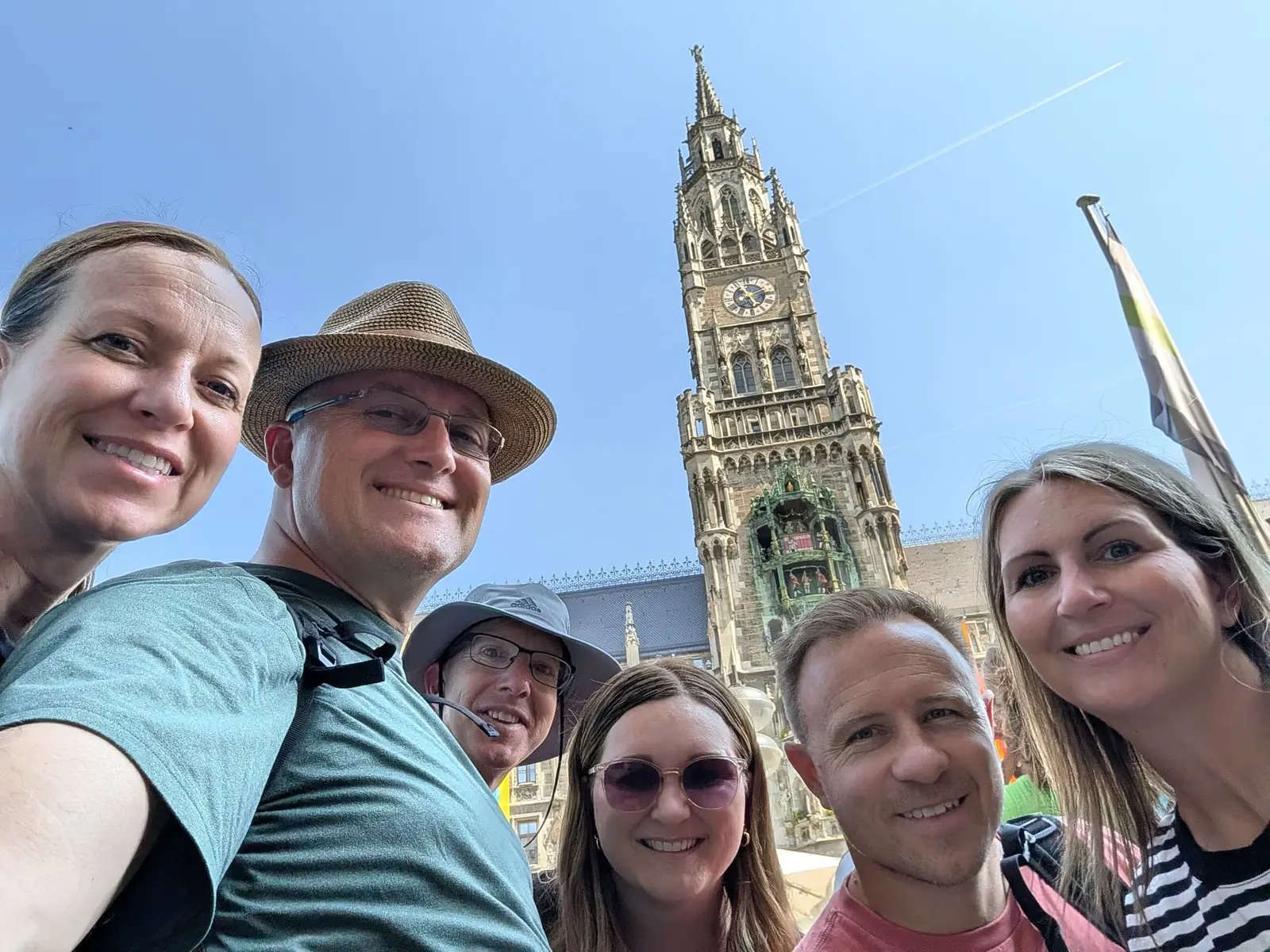
Munich — the base, and it should be
Everything below is a day trip from Munich, which is the argument for staying put and driving out rather than moving hotels three times.
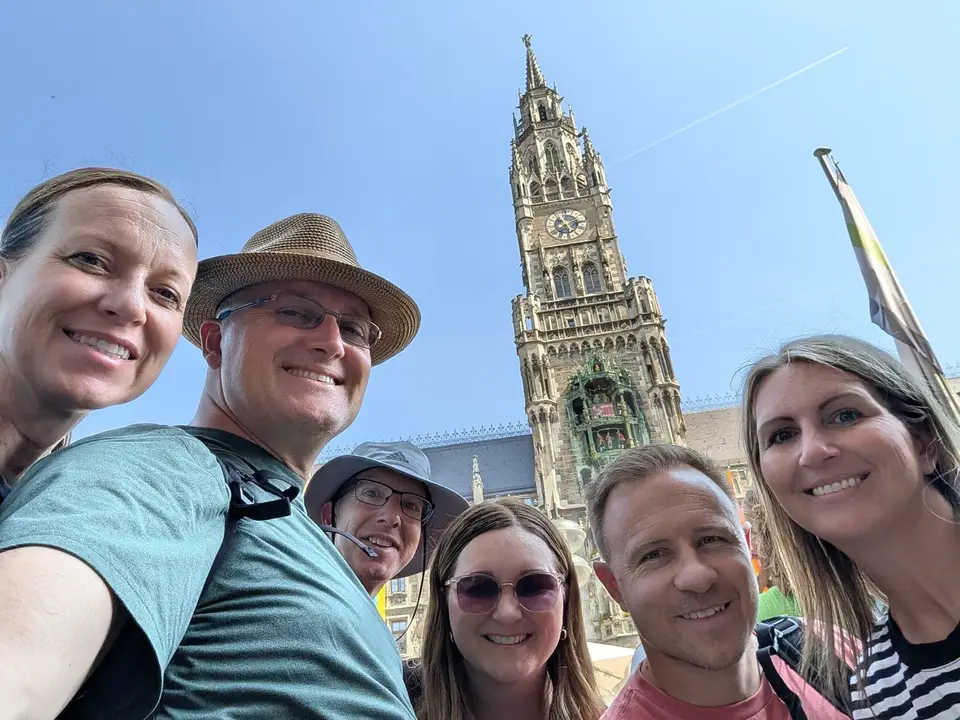
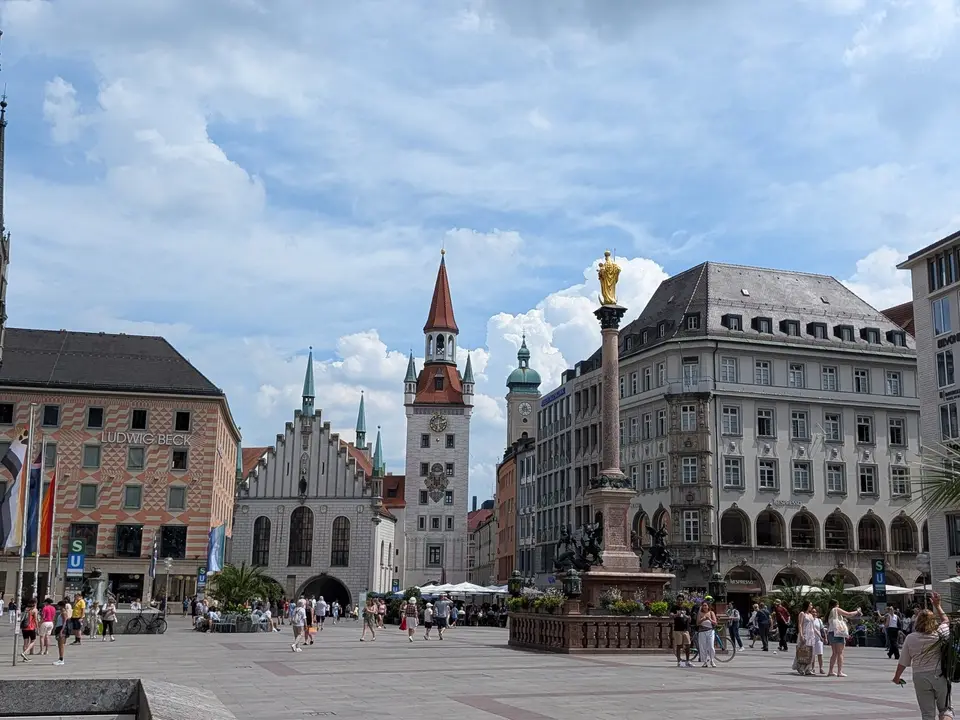
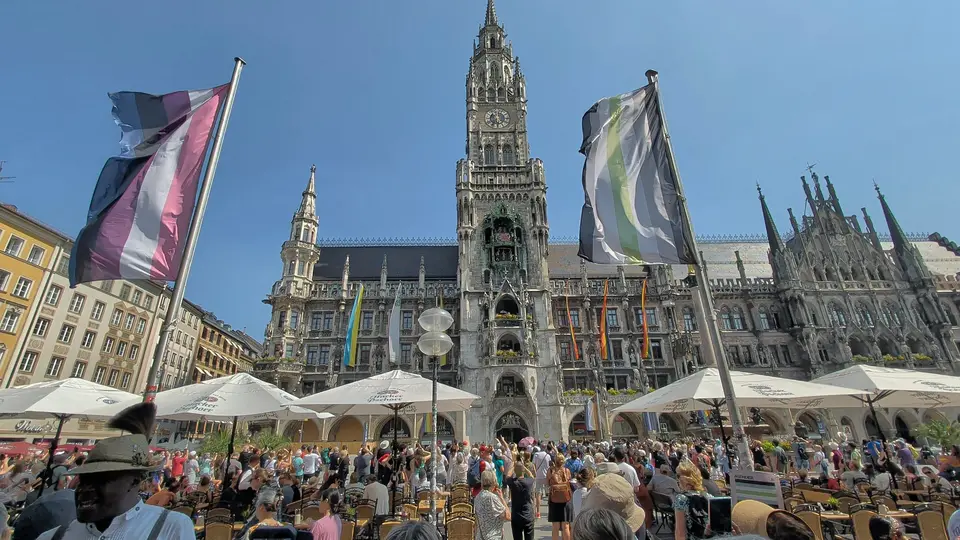
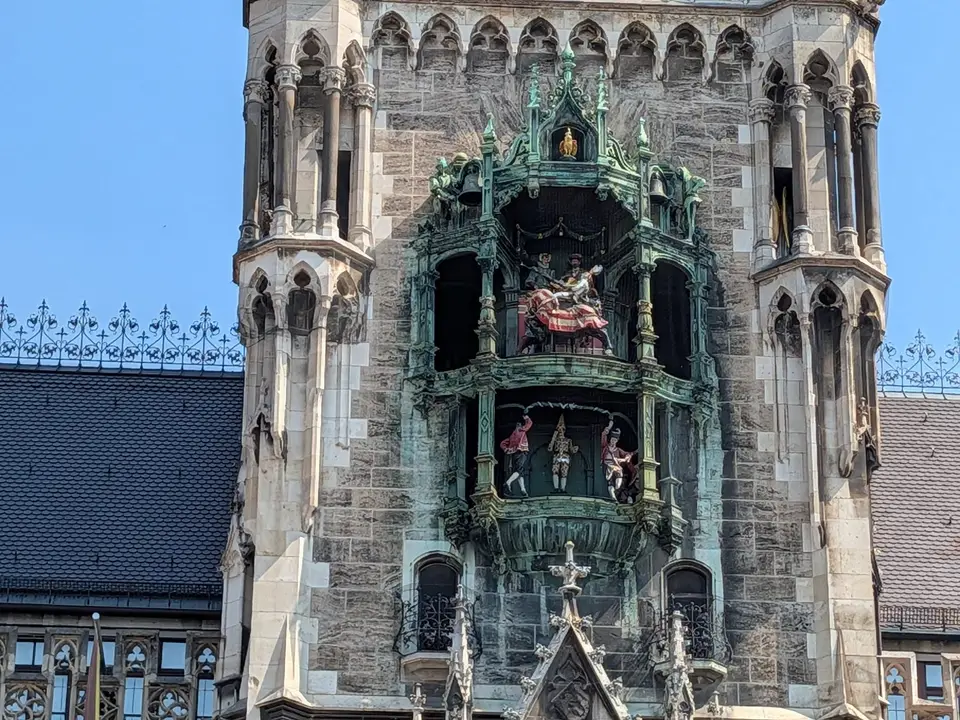
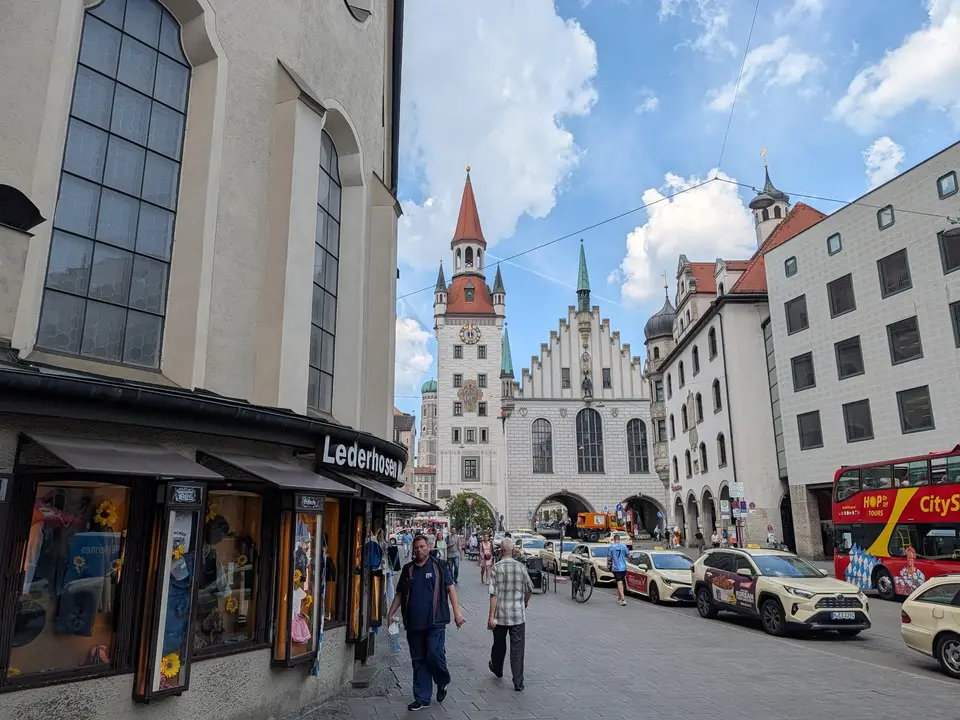
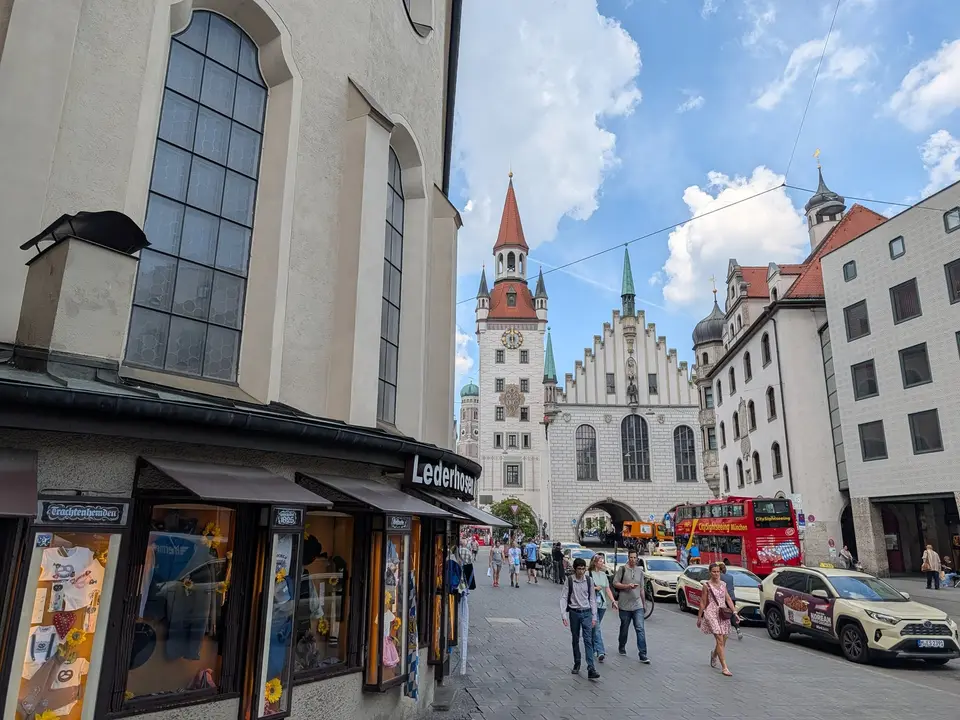
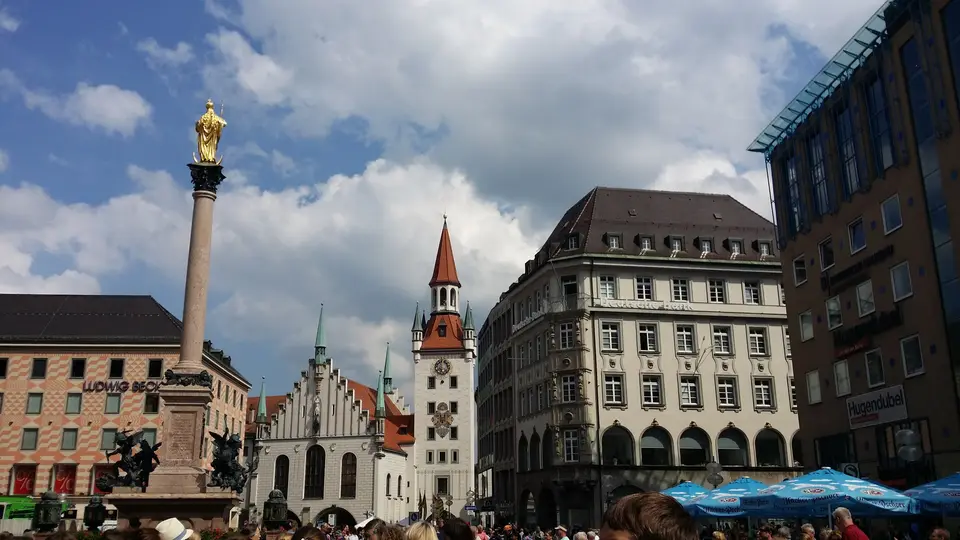
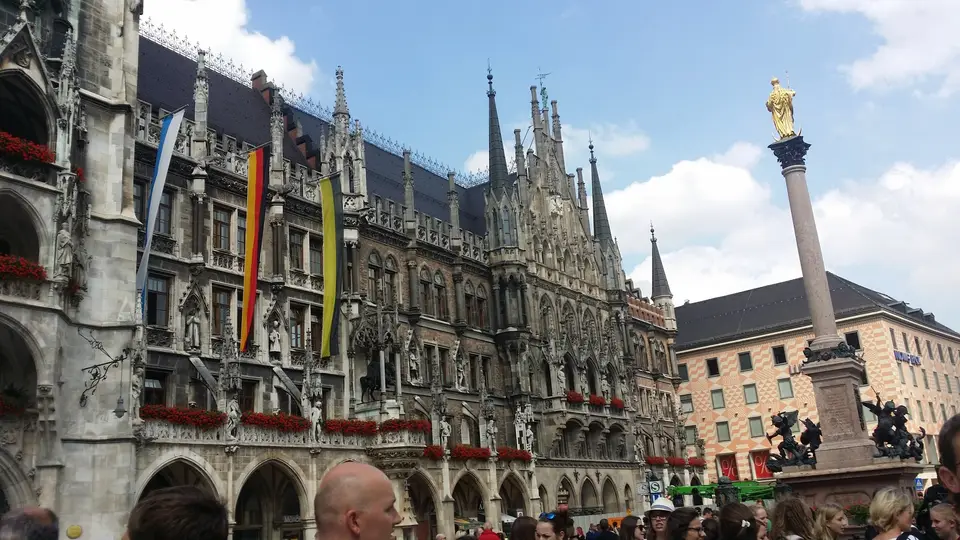
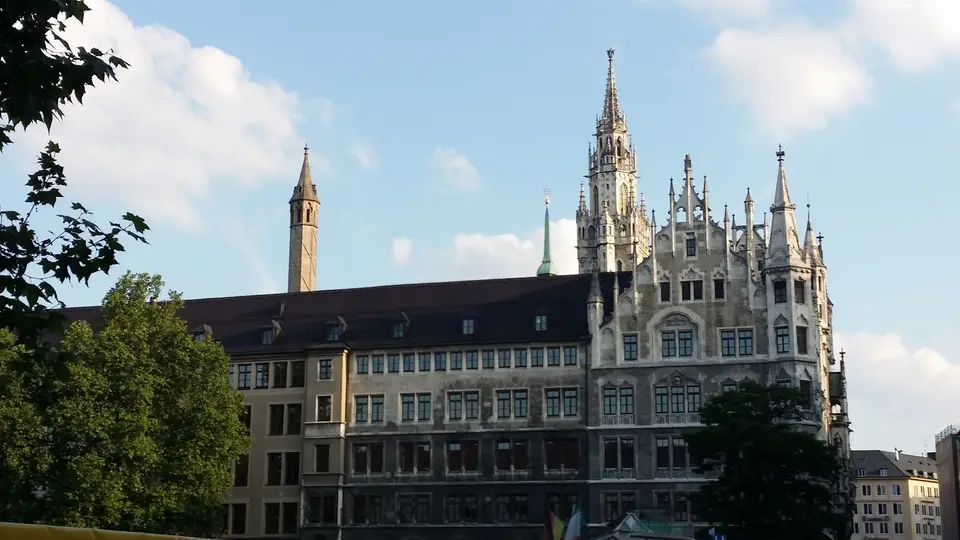
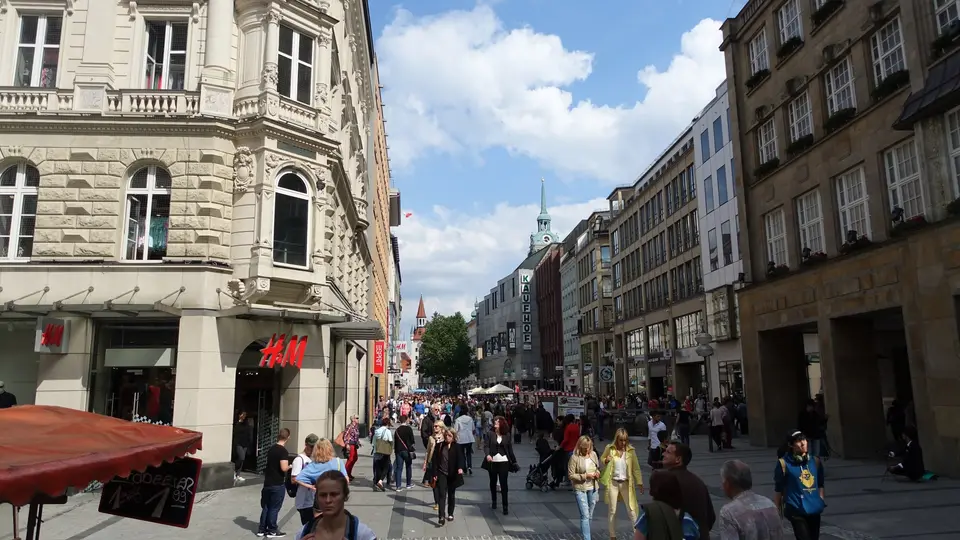
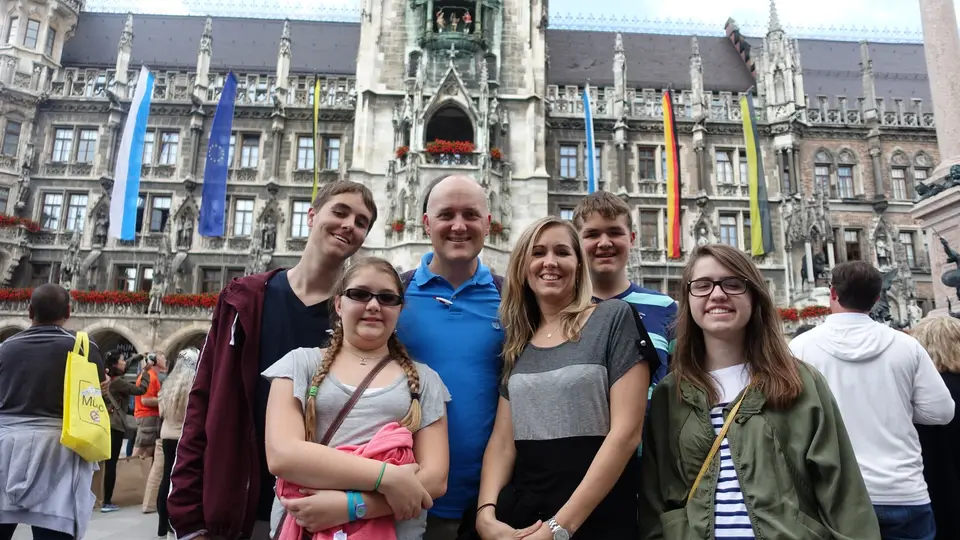
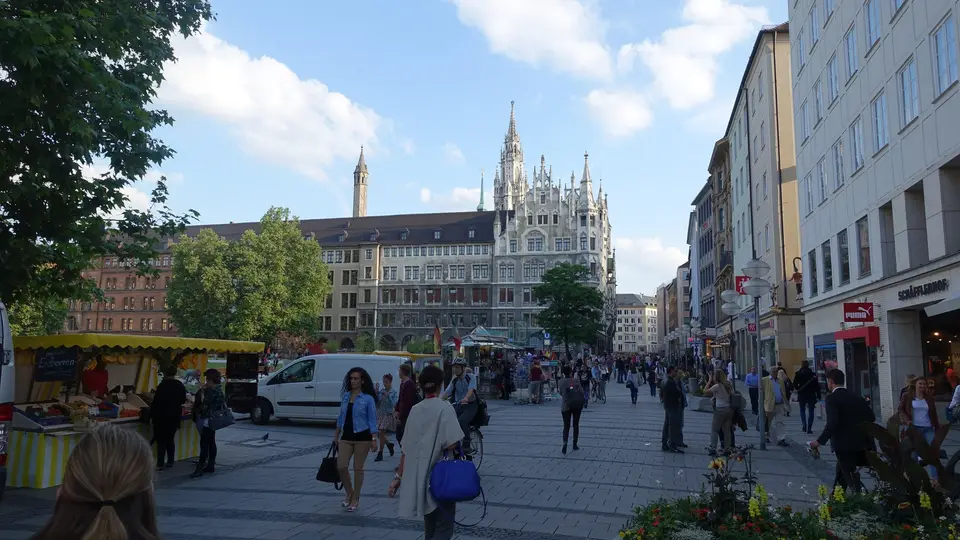
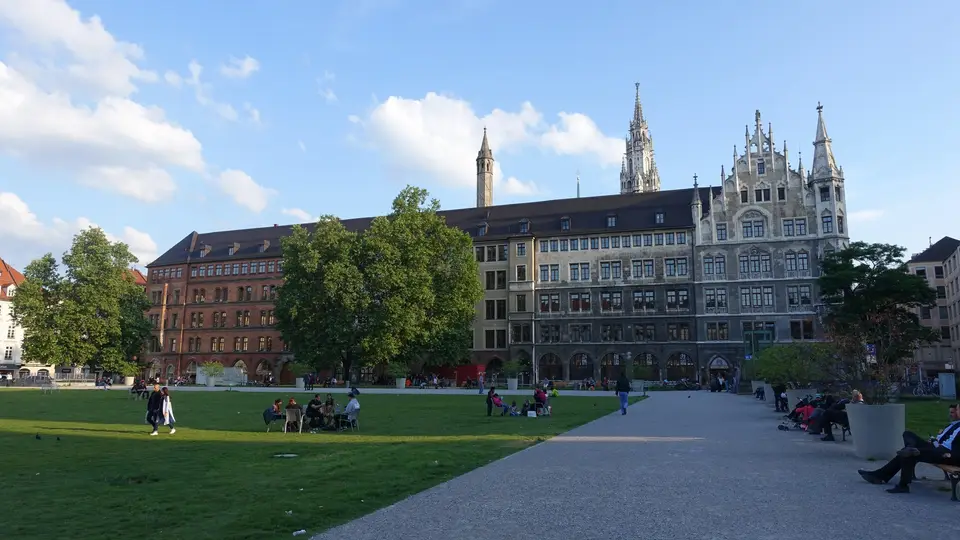
- Marienplatz and the Glockenspiel cost nothing. The New Town Hall's neo-gothic front is the photograph everyone takes, and the figurines perform at 11am and noon year-round, with a third show at 5pm in summer.
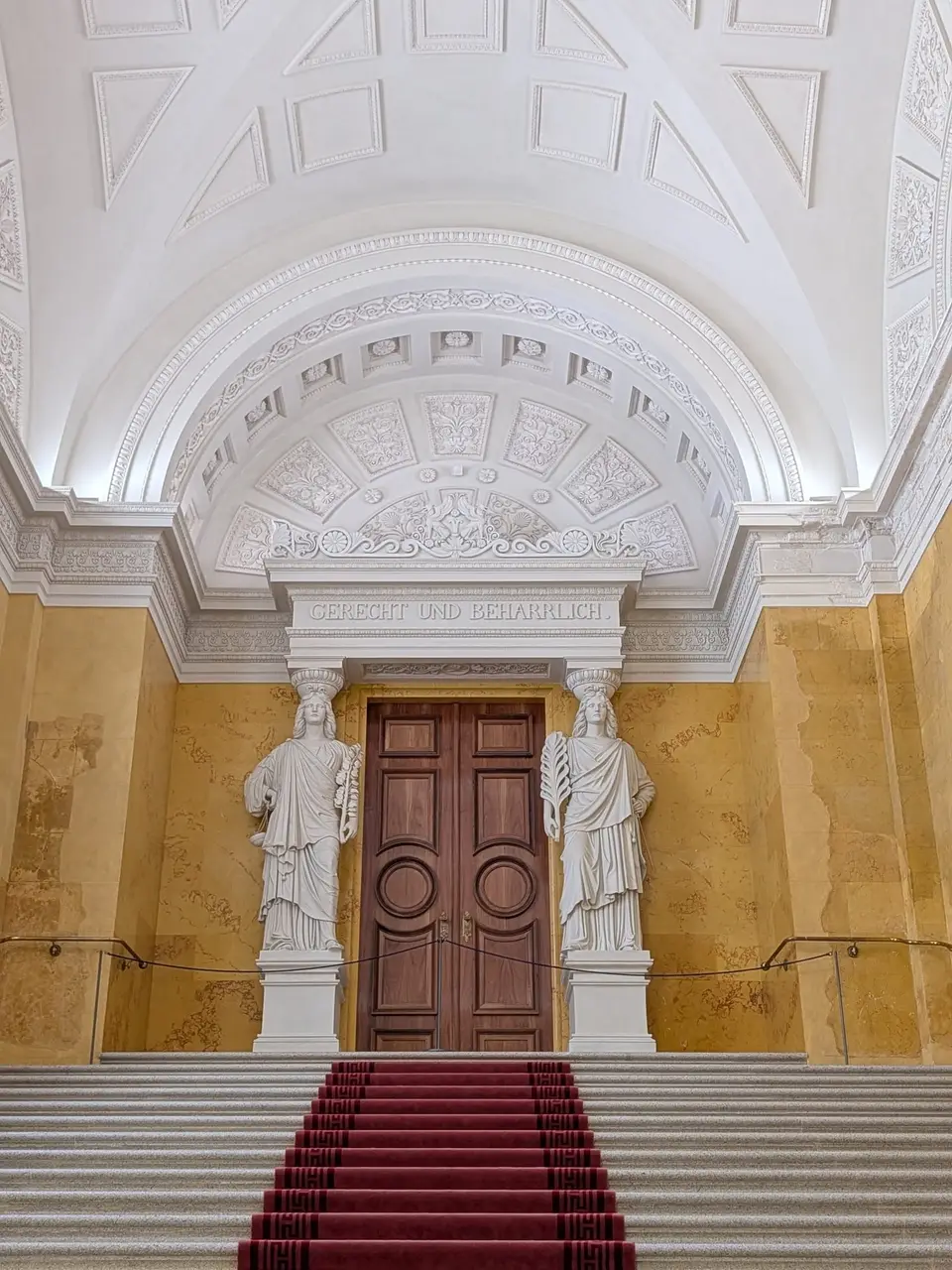
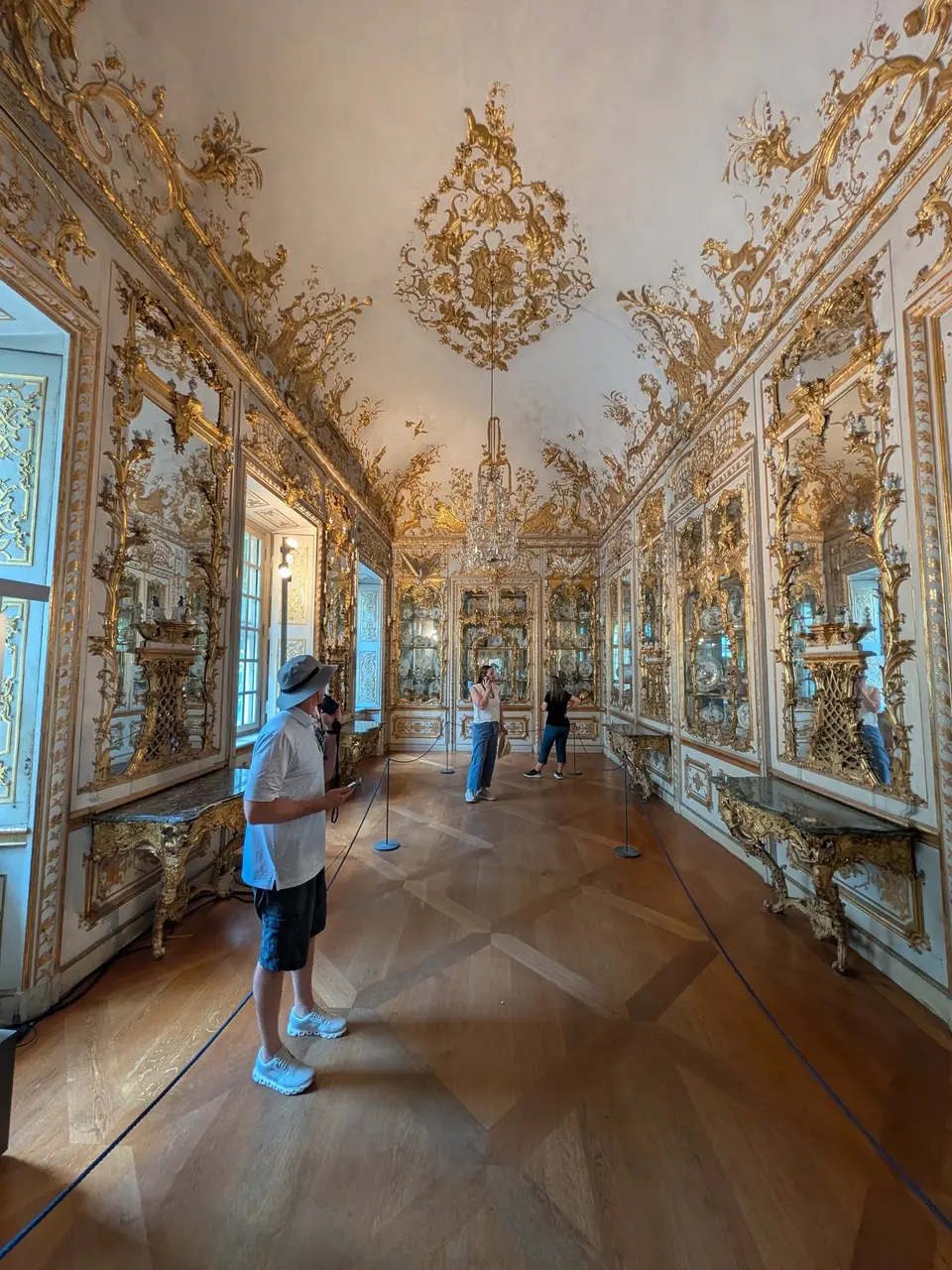
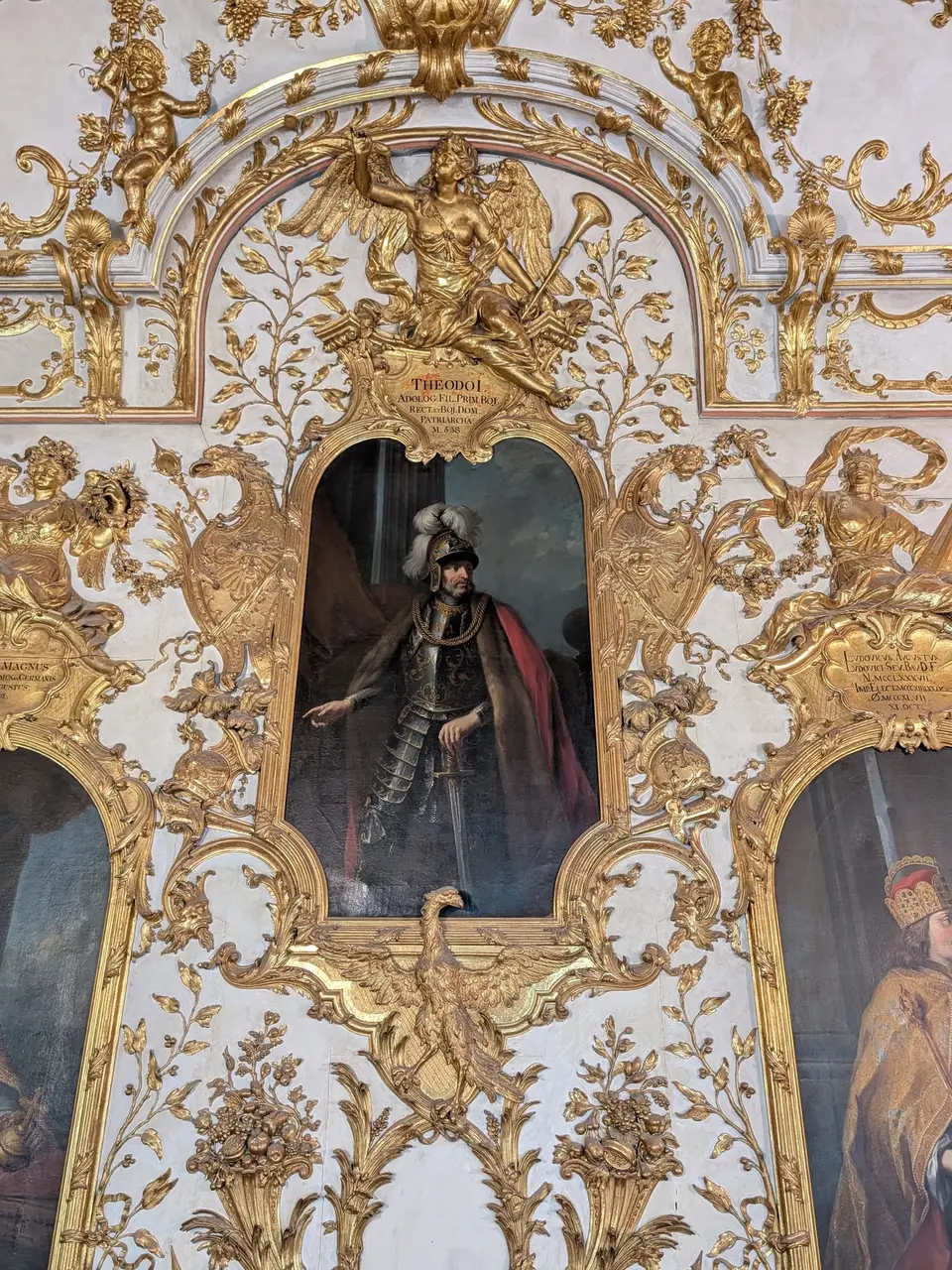
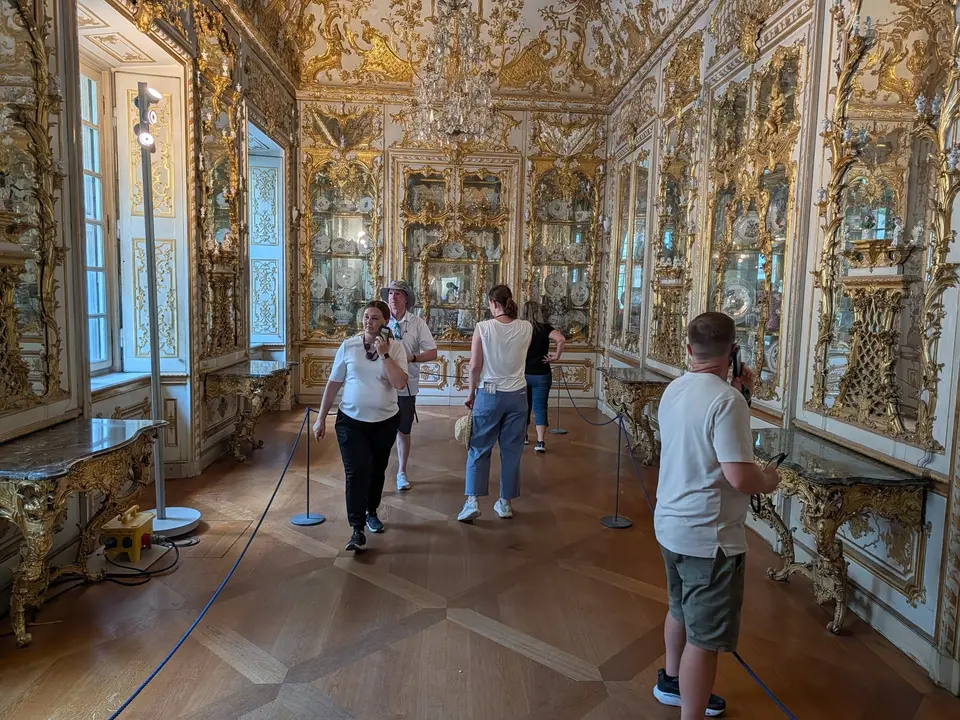
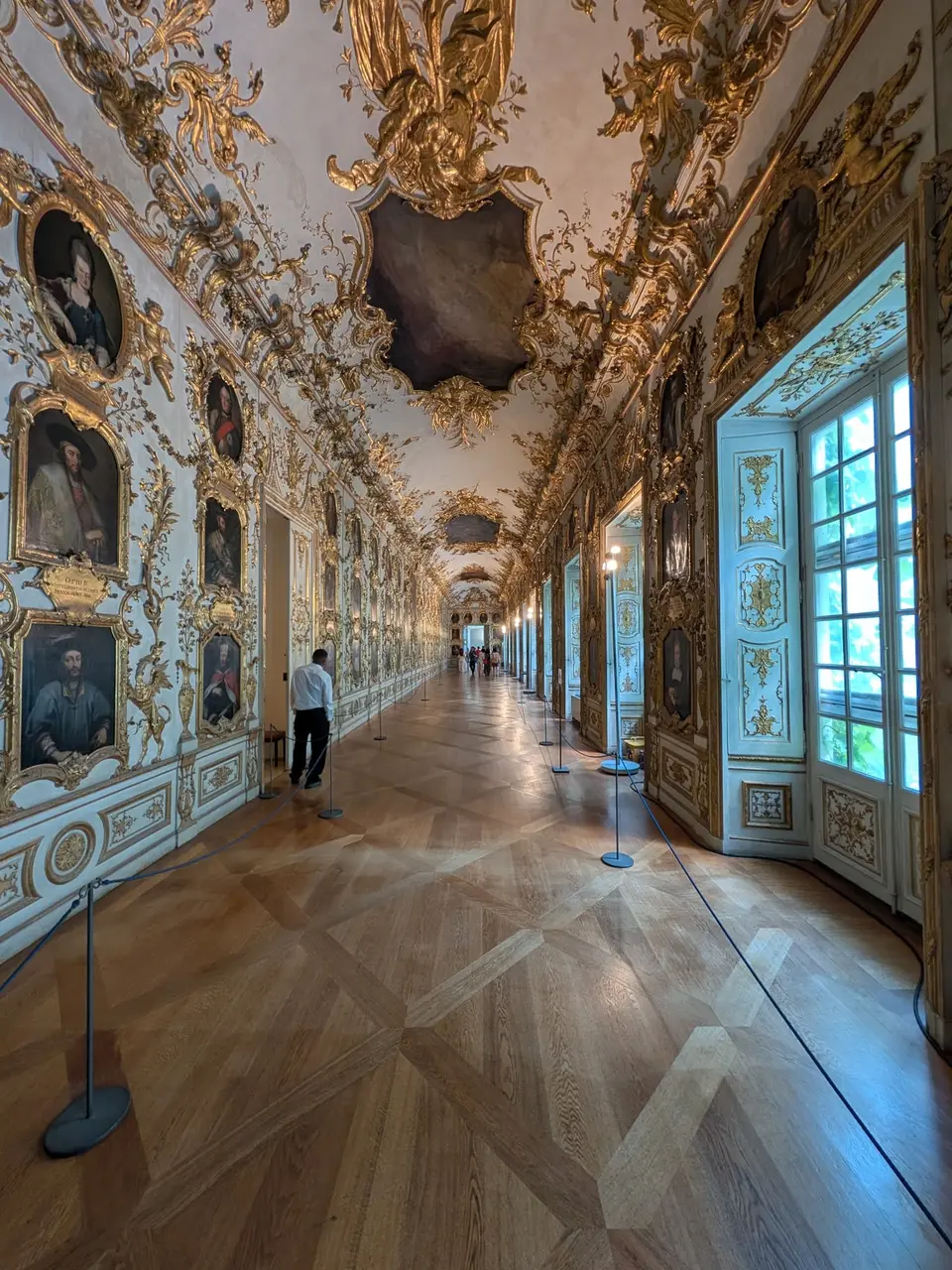
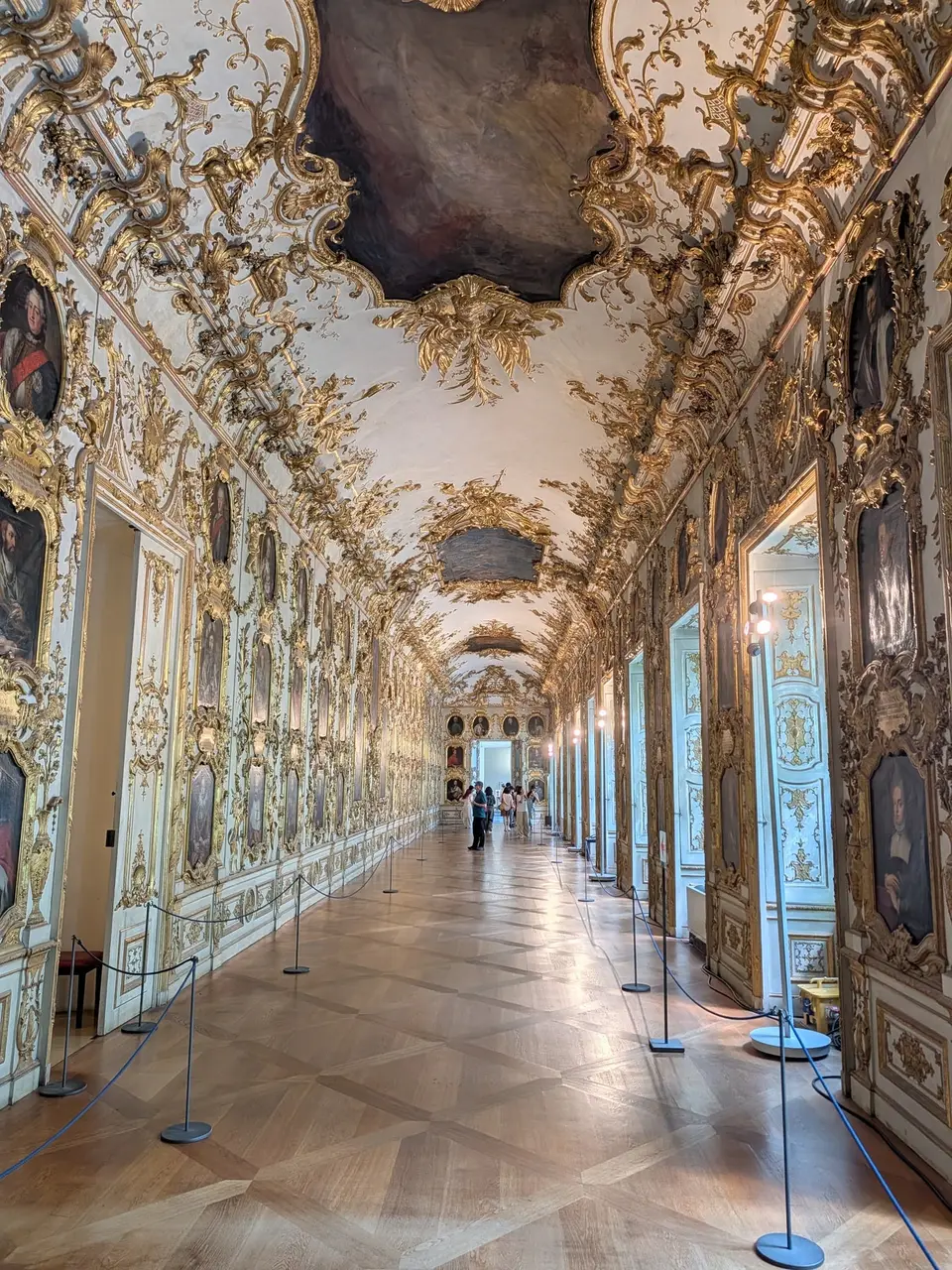
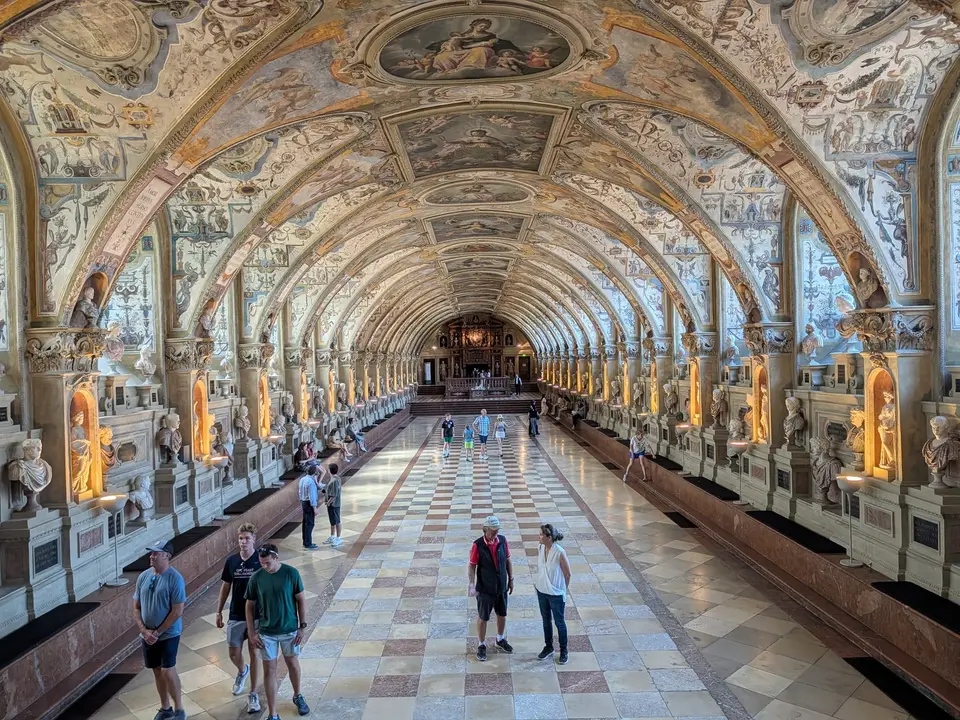
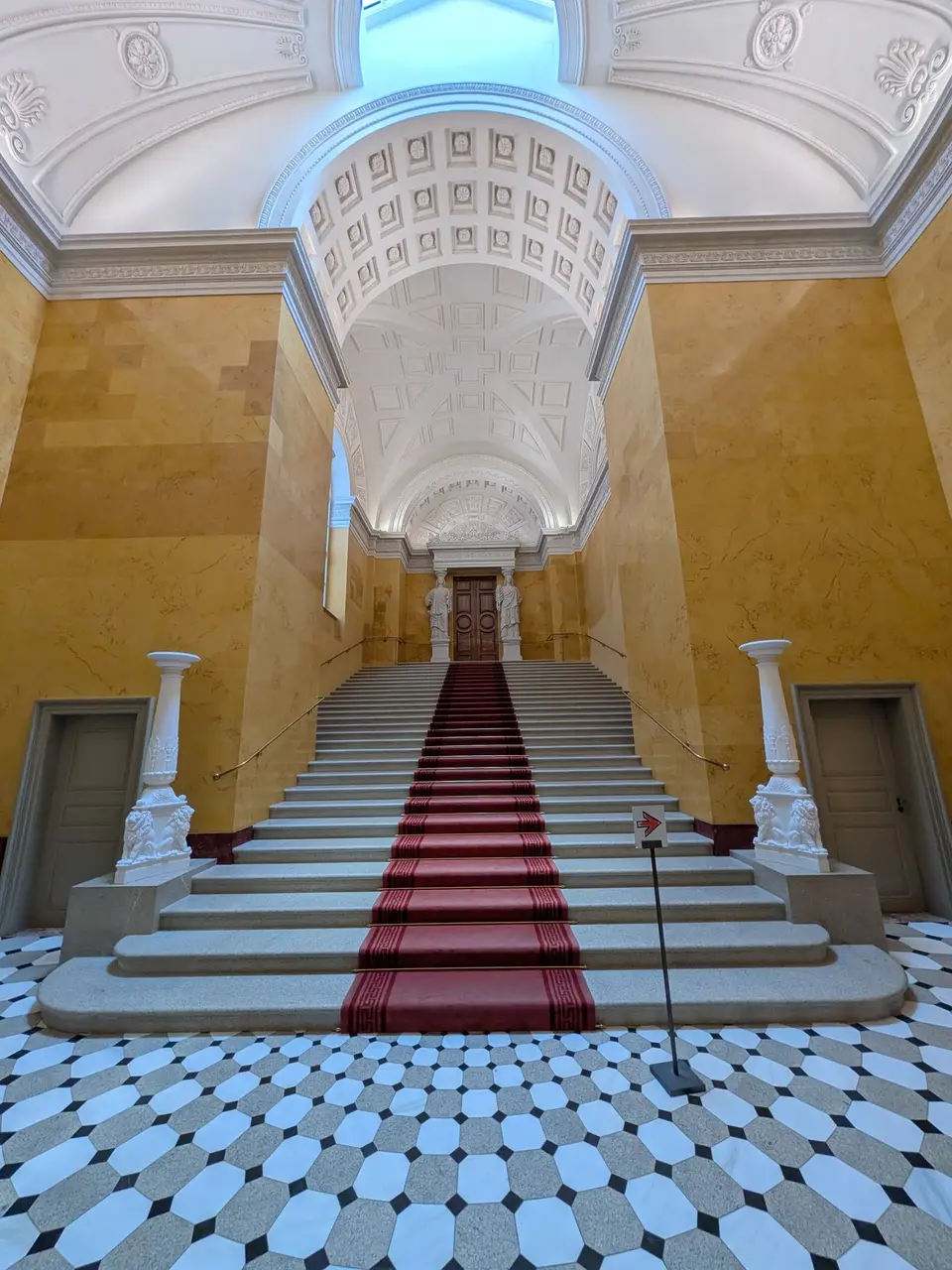
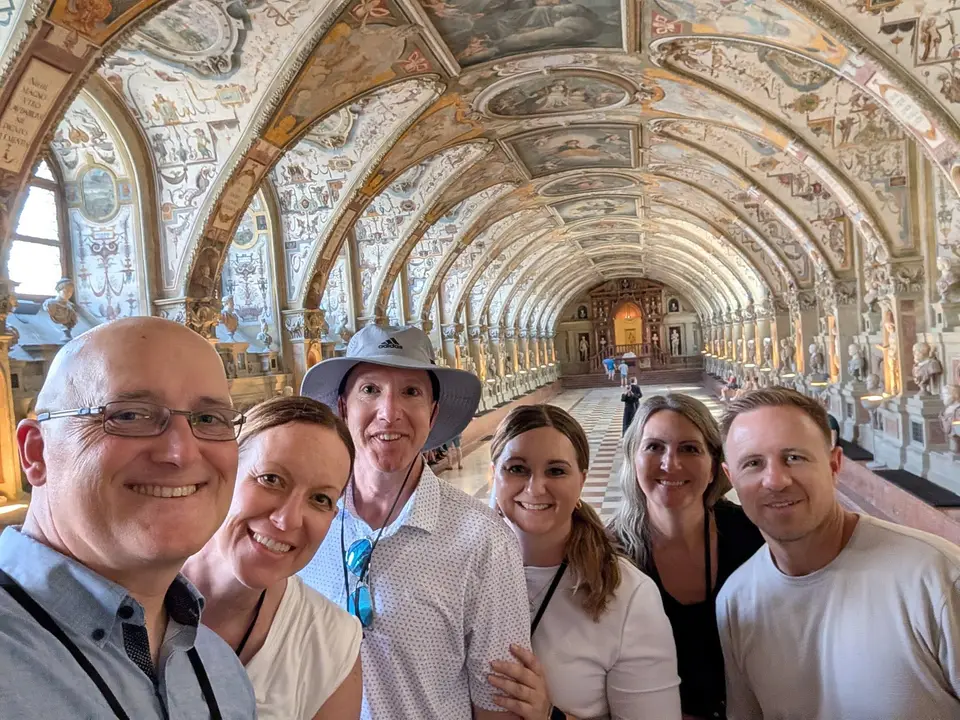
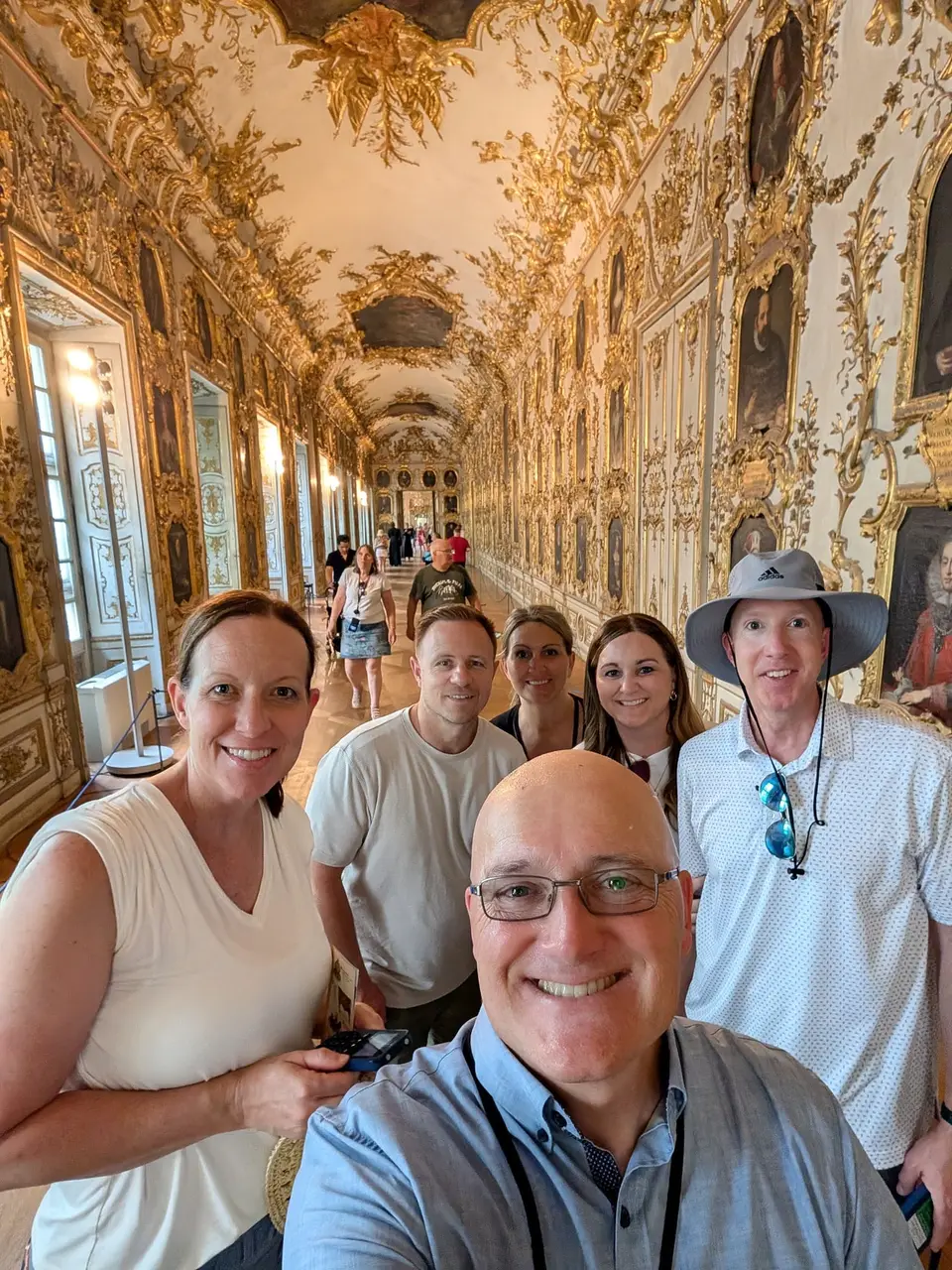
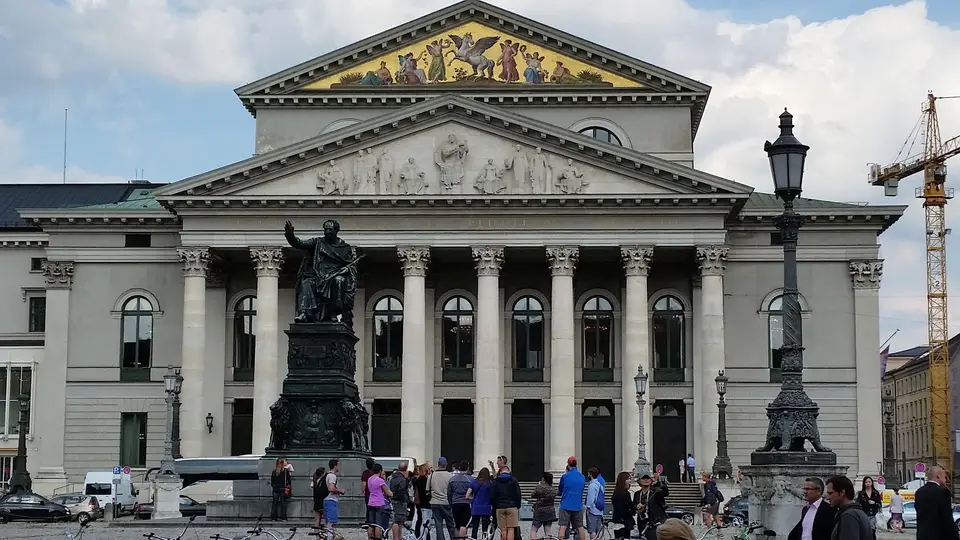
- The Residenz is the big paid interior if the weather turns, and the Antiquarium — a barrel-vaulted painted hall the length of a street — is the reason to go in.
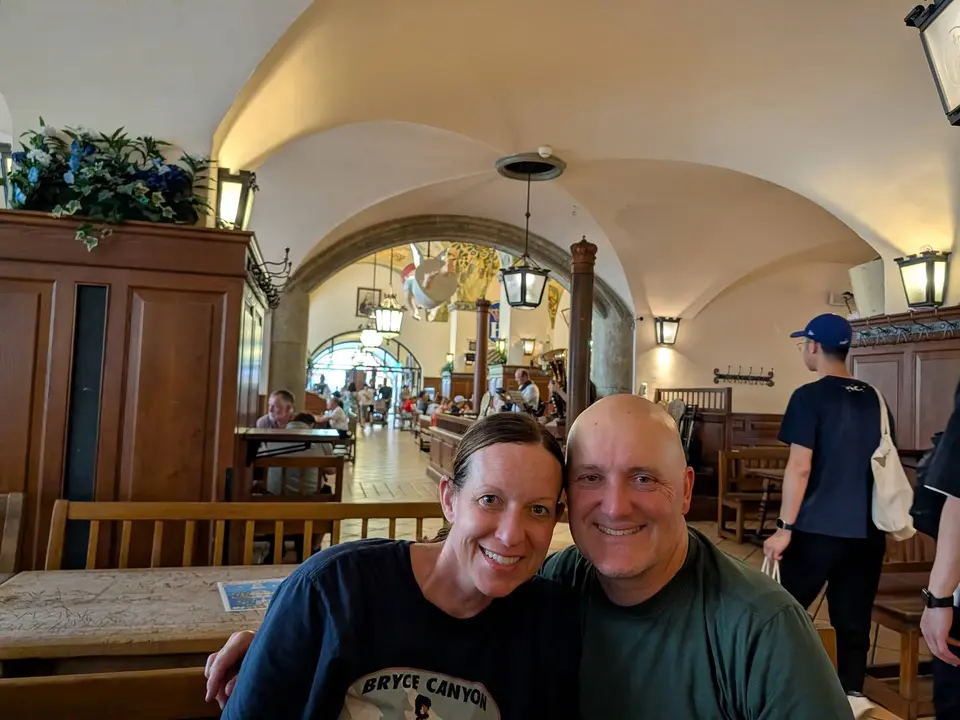
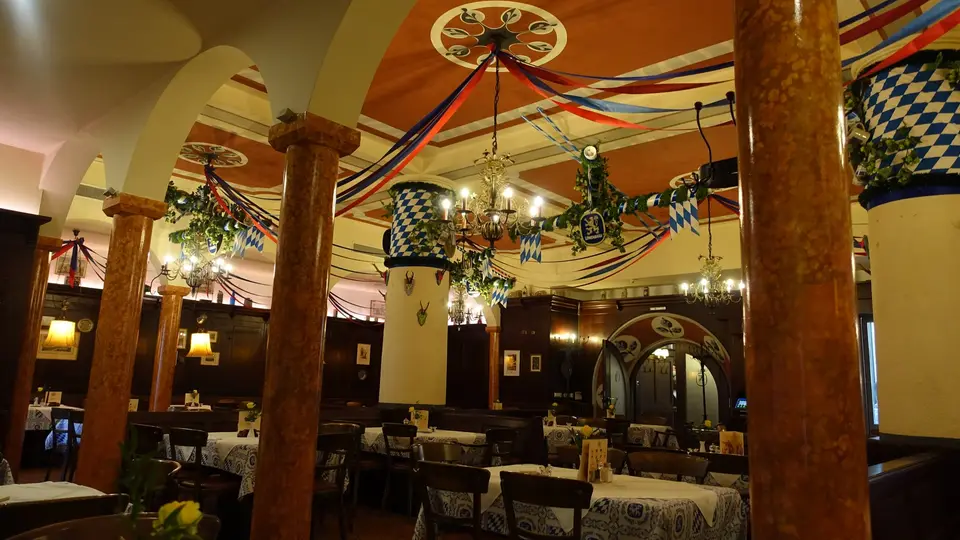
- The Hofbräuhaus is exactly as touristed as you have heard and still worth one evening. Sit in the main hall rather than the upstairs rooms.
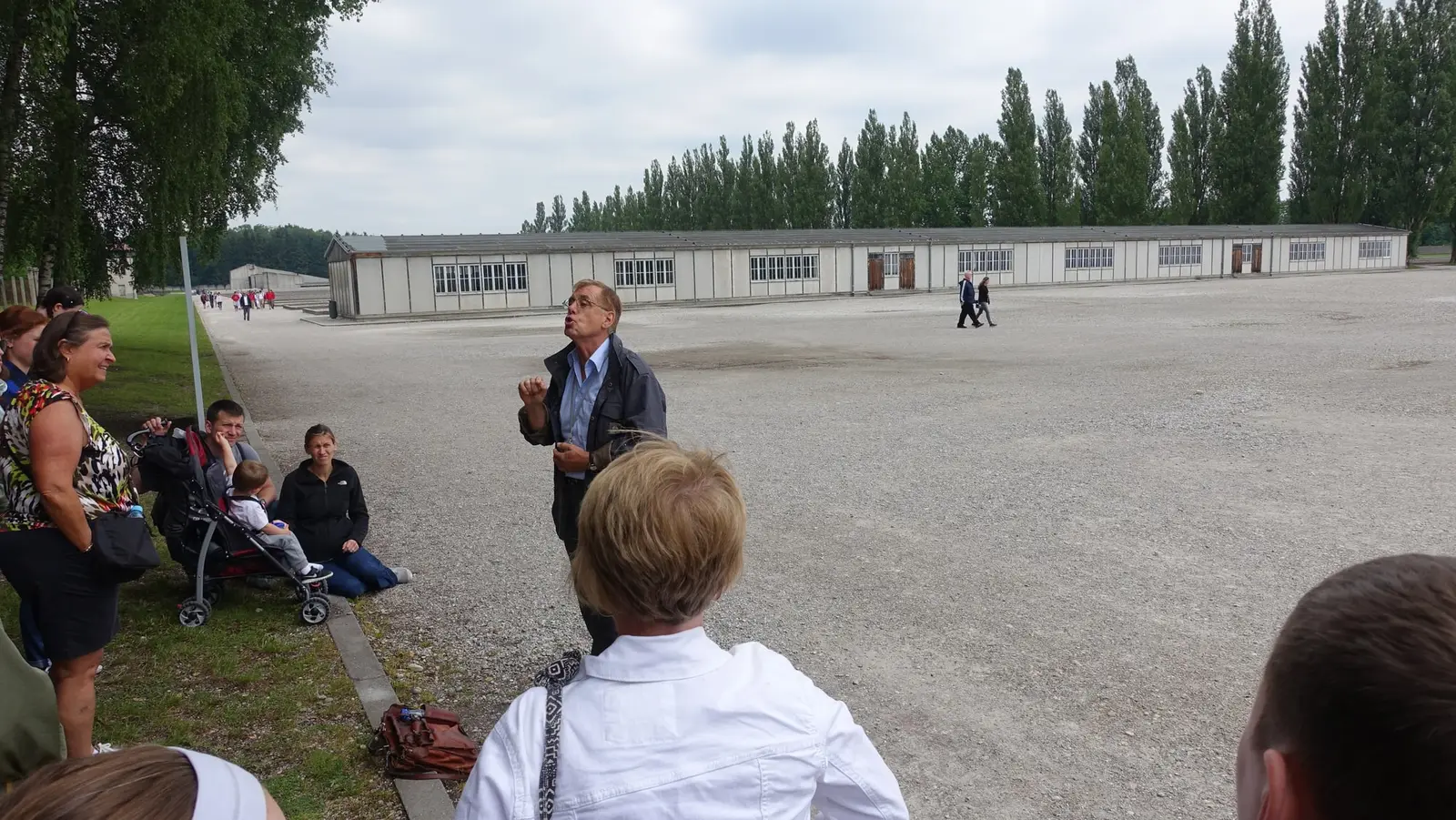
Dachau
Twenty minutes out on the S2, and free. It is a memorial rather than a sight, so what follows is only what is useful for planning it.
- Take the guided tour. Two and a half hours, and it is the difference between understanding the place and simply being upset by it. Walking the site alone with a leaflet is the version people regret.
- Go in the morning and give it half a day. There is a café at the visitor center and nowhere to eat inside the grounds.
- It is not a place for small children, and there is no obligation on anybody. If you would rather it were not on the itinerary, say so when we plan and it will not be. Nobody needs a reason.
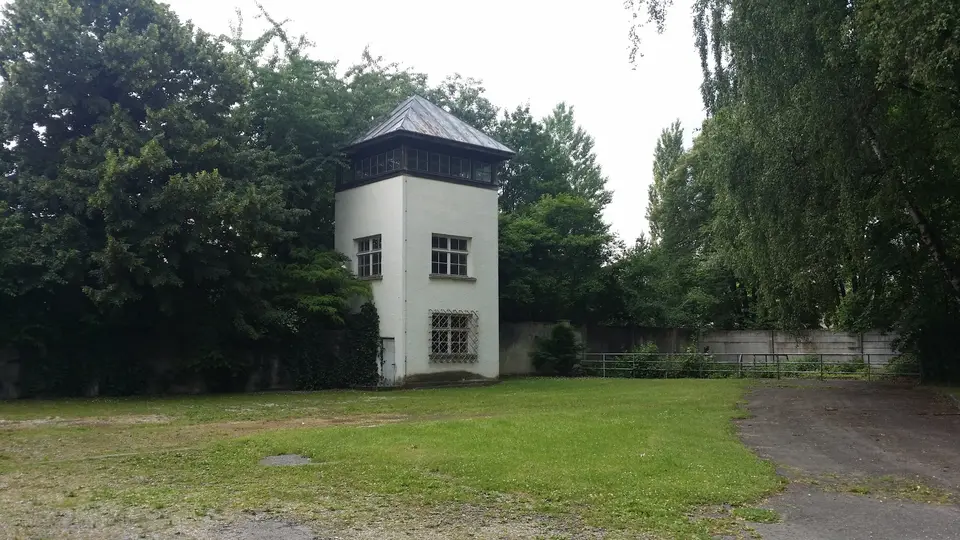 The perimeter guard tower from inside the wire
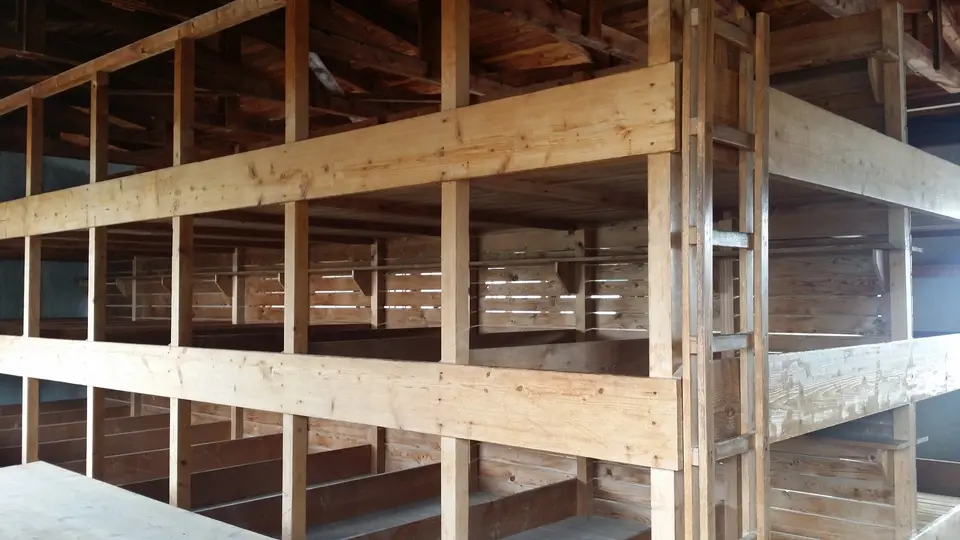 Bunks in the reconstructed barrack
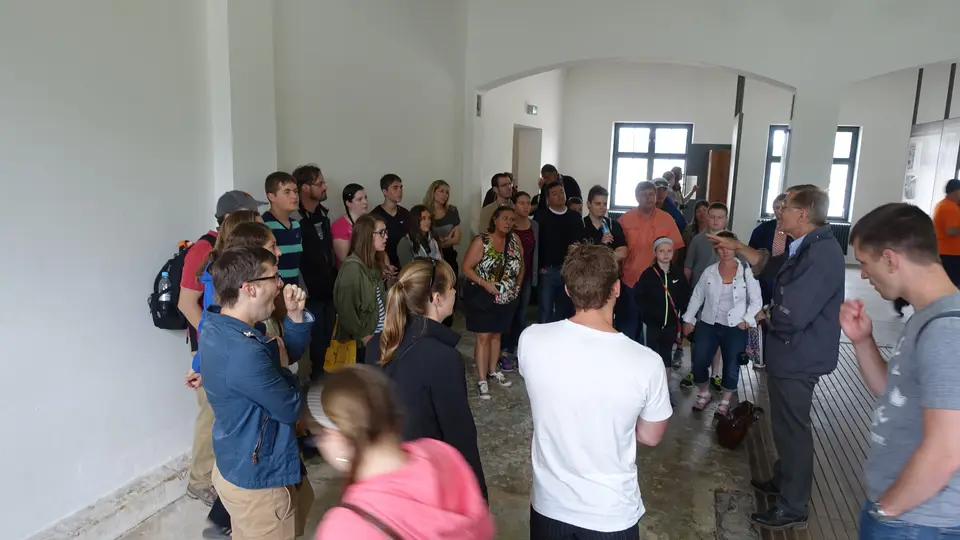 The group listening inside the memorial building
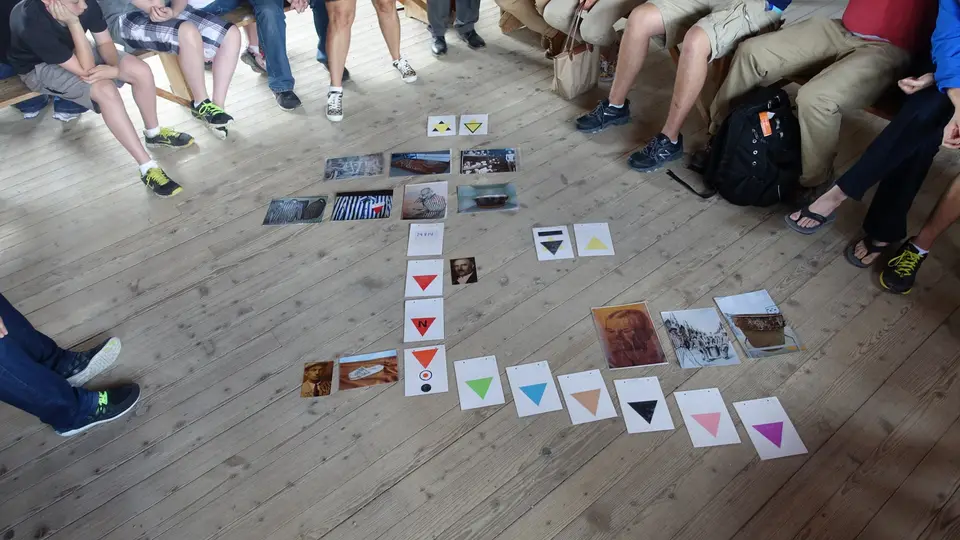 The badge chart laid out on the floor
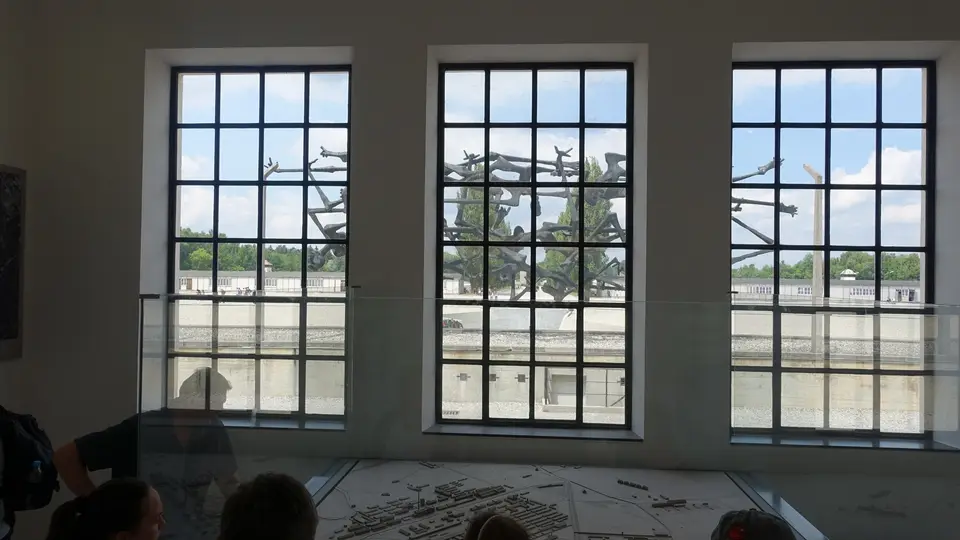 The memorial sculpture through the window
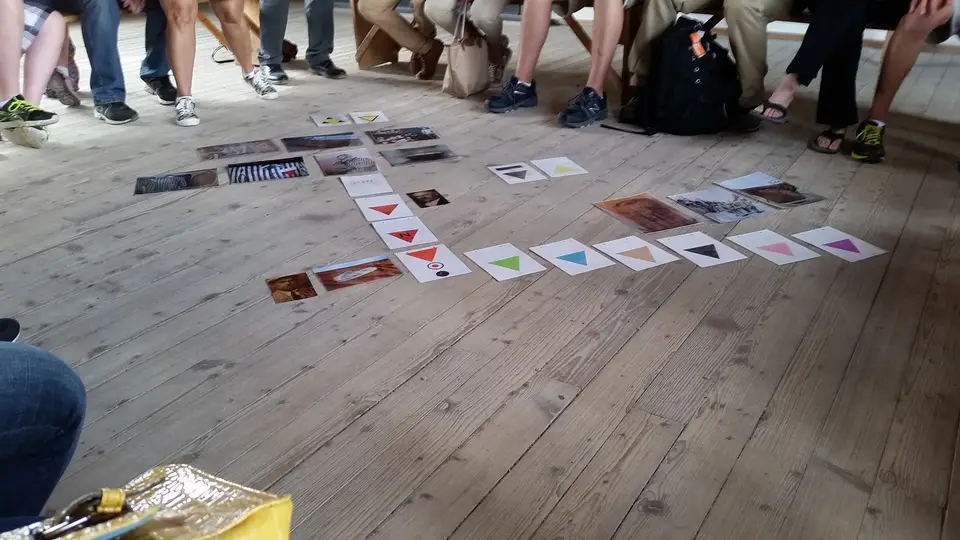 The same chart from the other side of the room
 The roll-call ground, empty
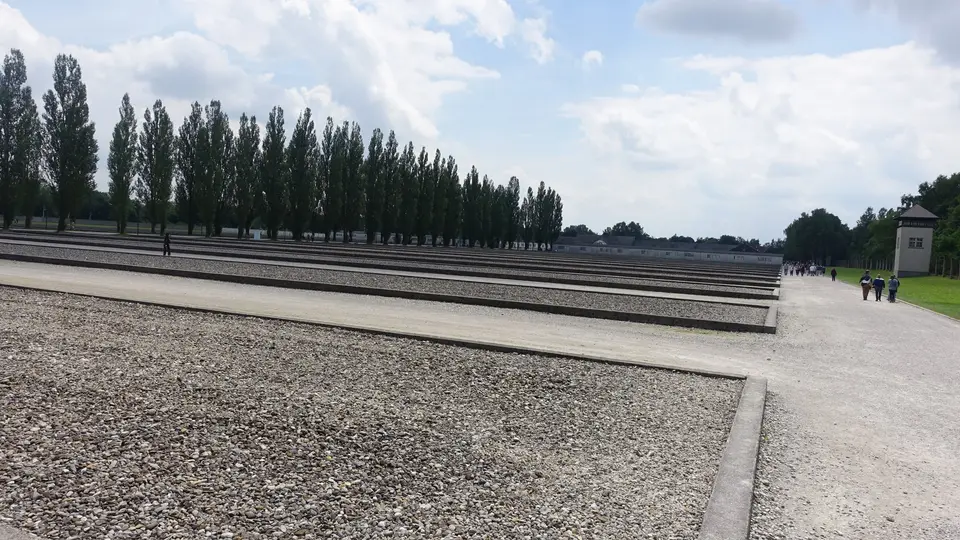 Gravel outlines where the barracks stood, running to the treeline
The castle day — Neuschwanstein and Hohenschwangau
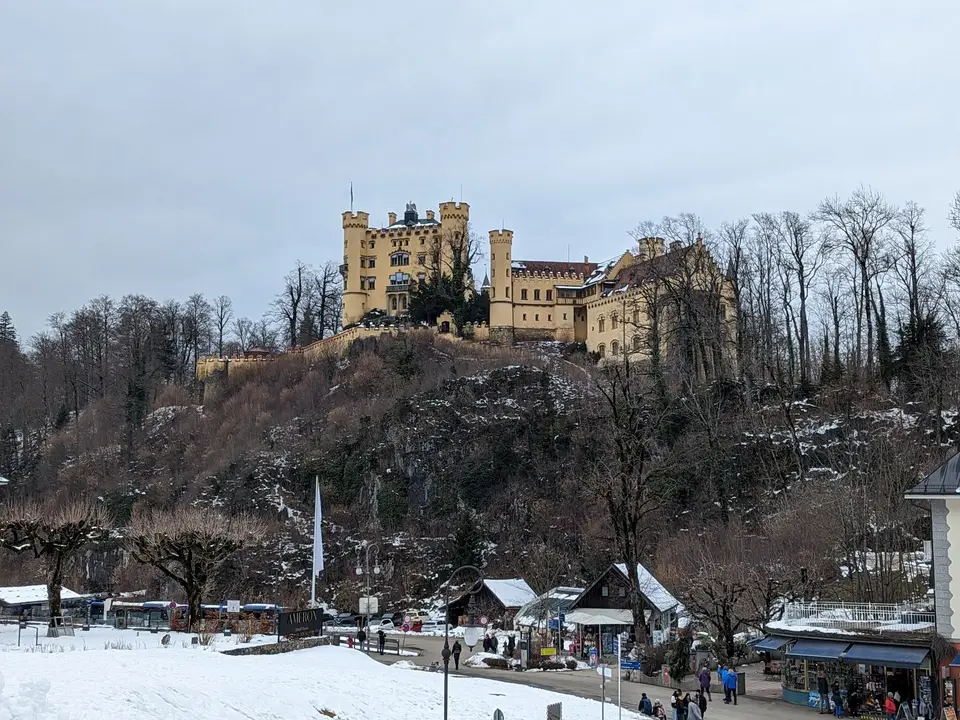
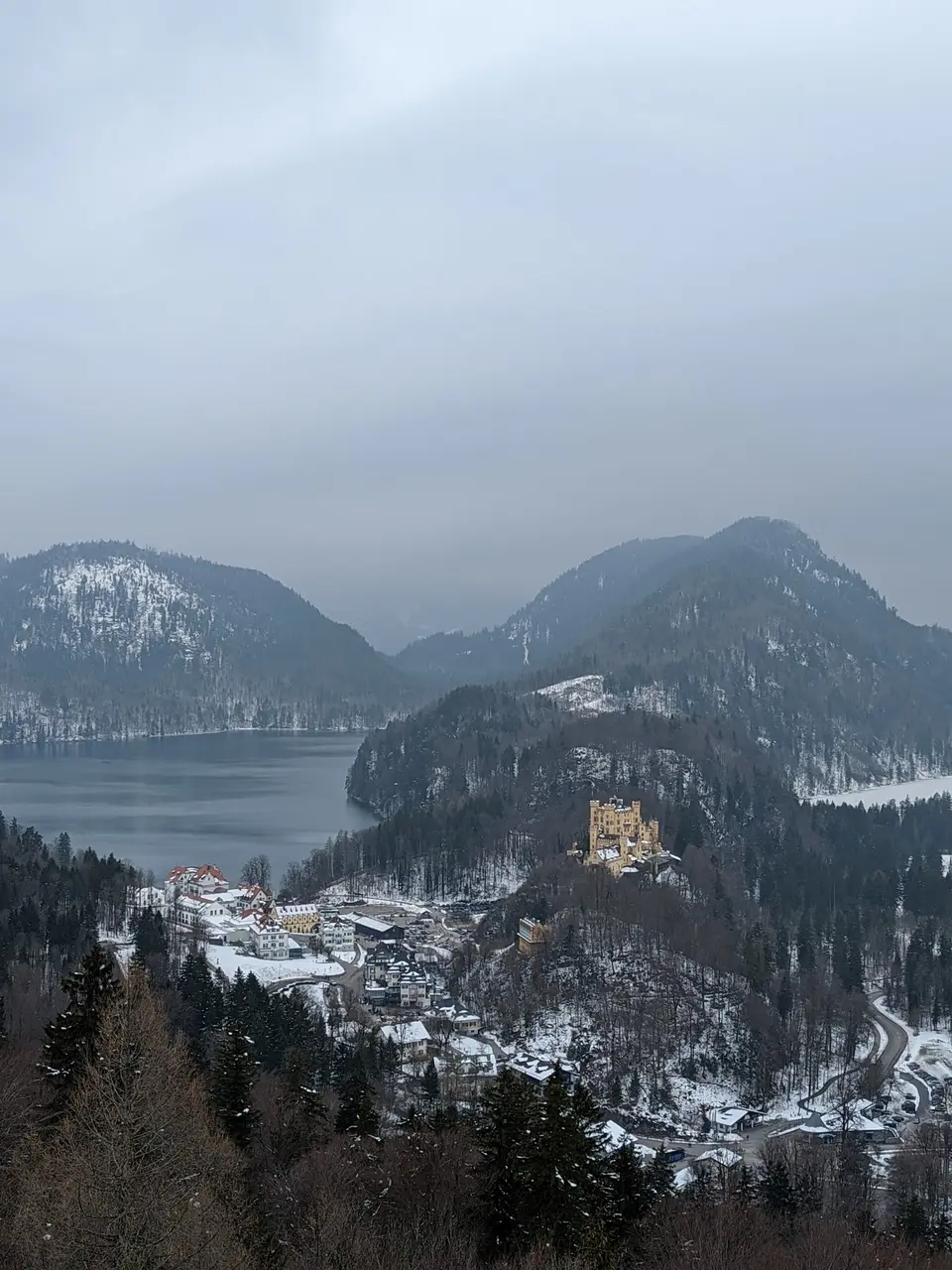
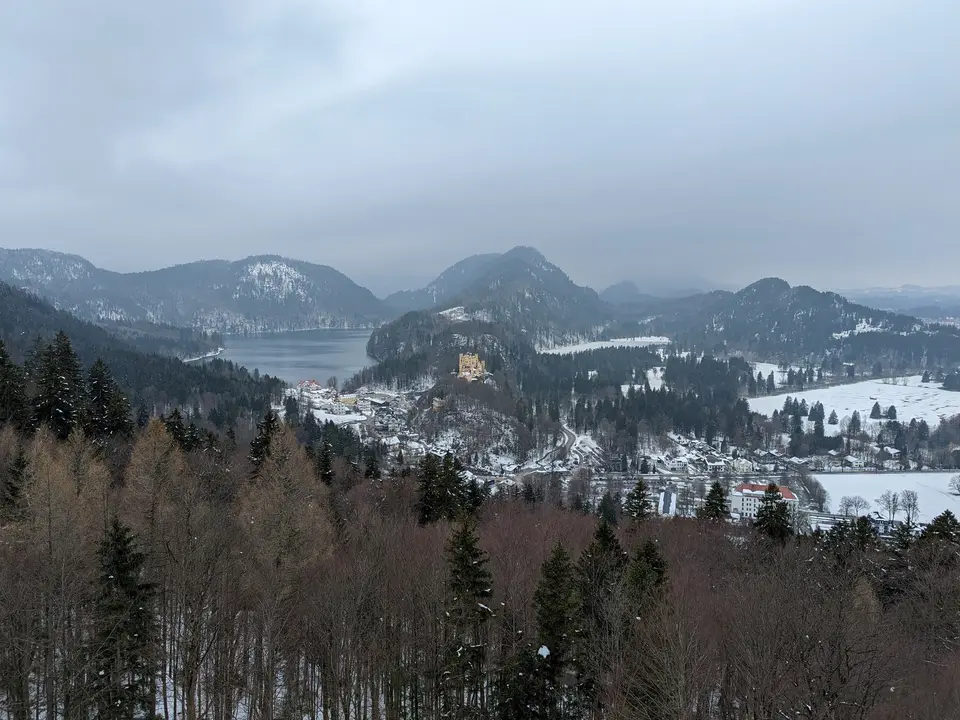
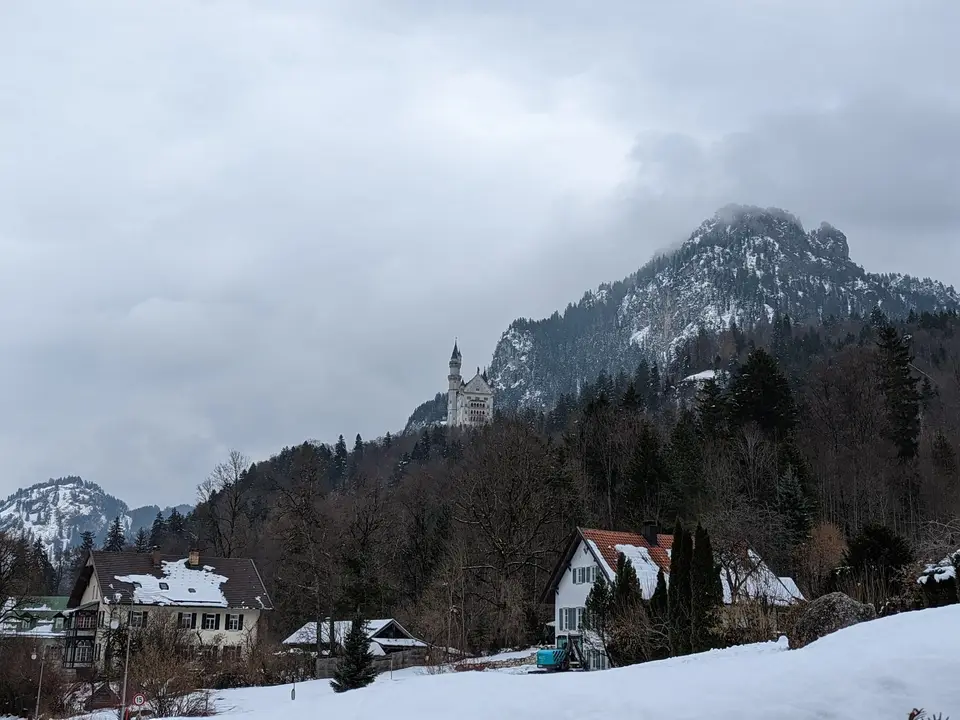
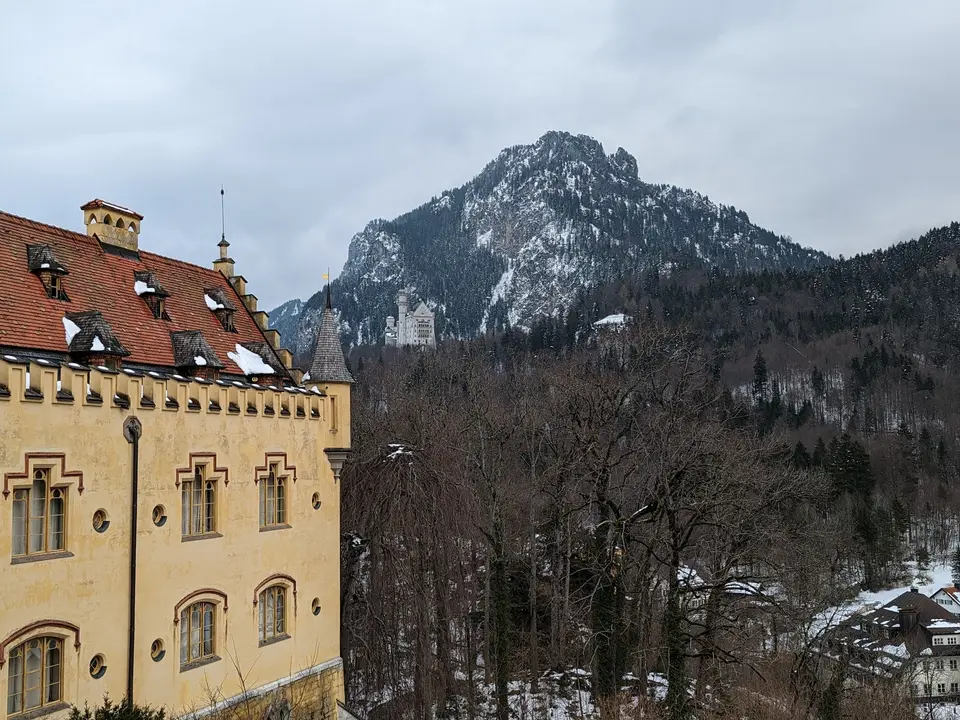
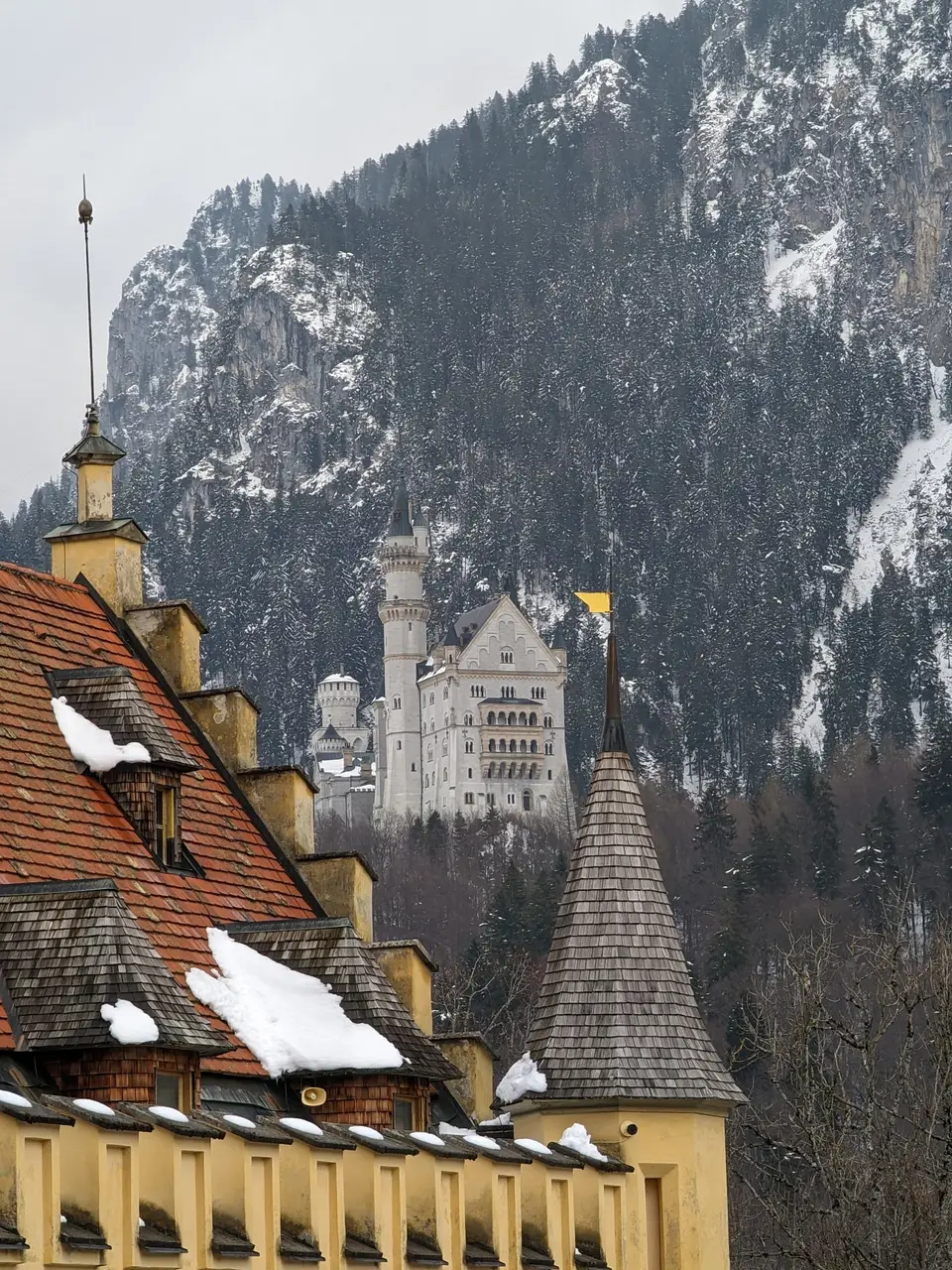
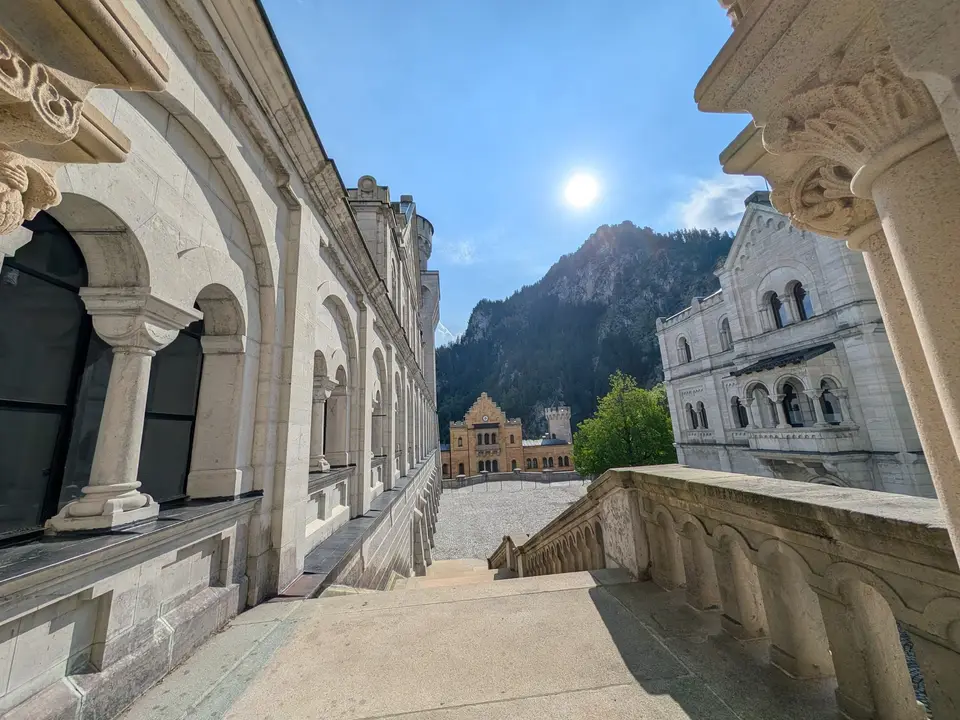
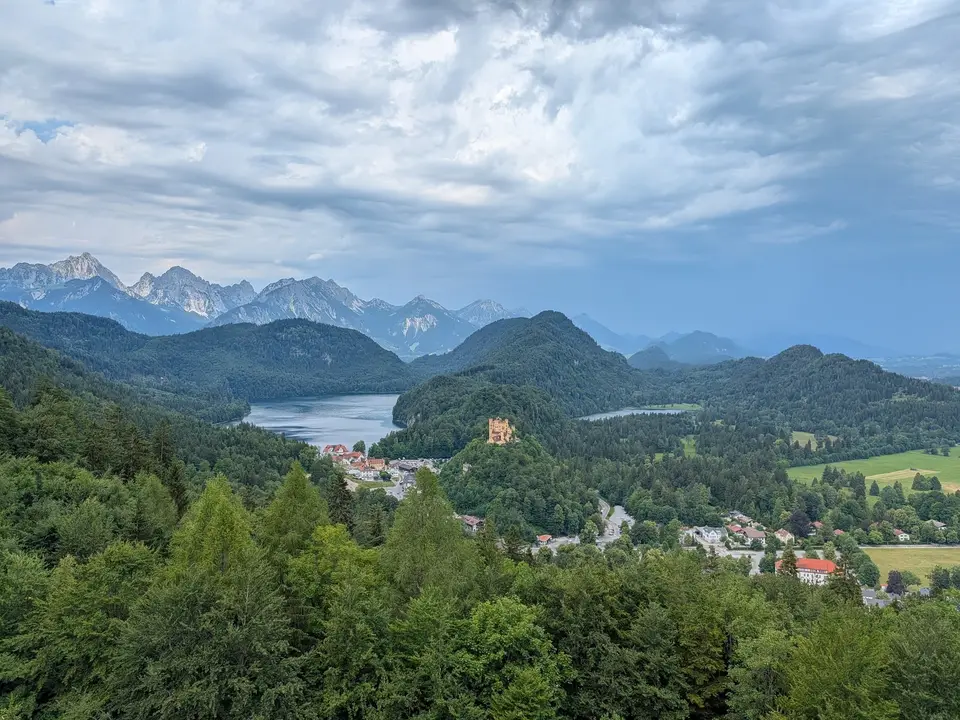
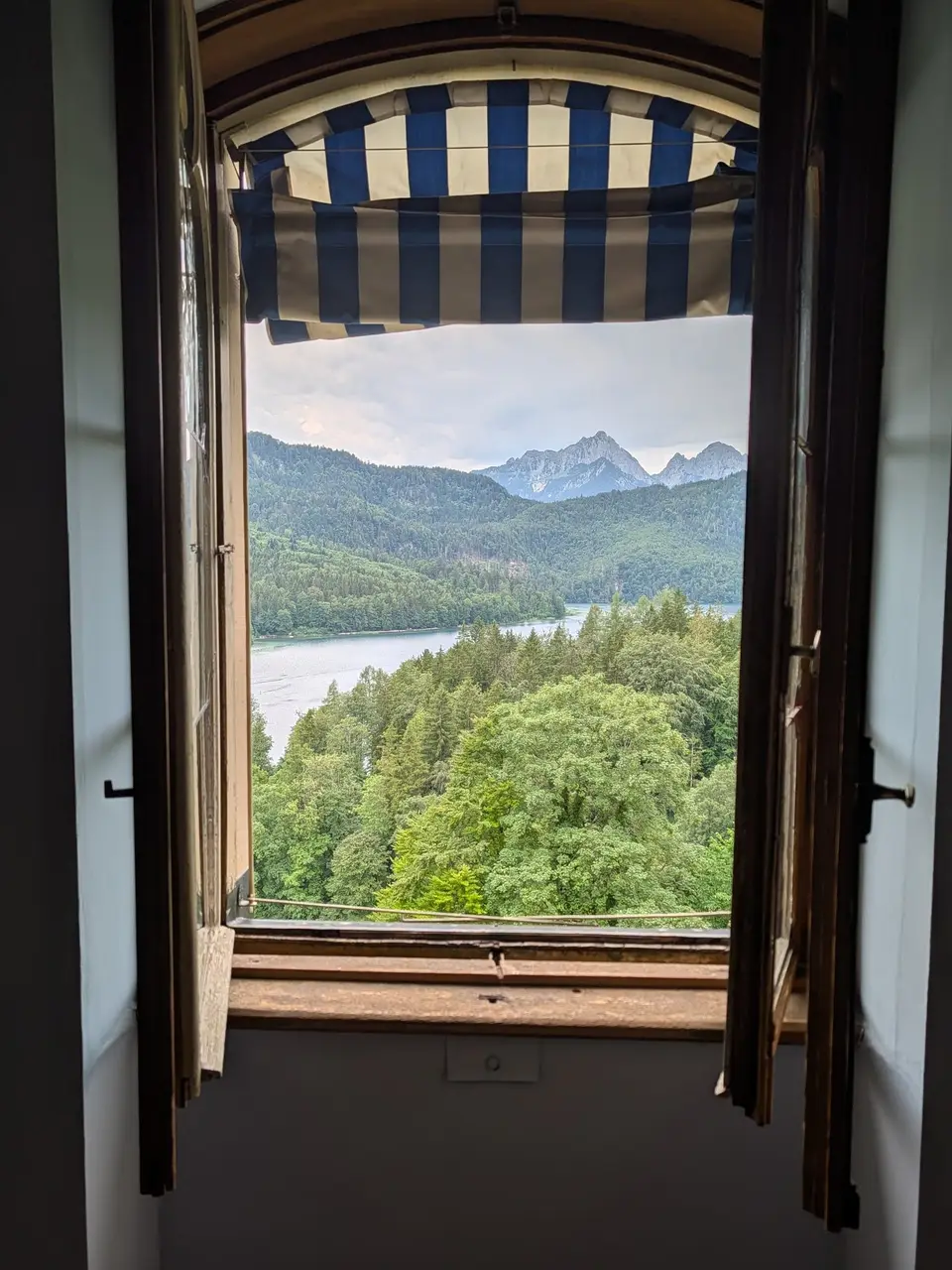
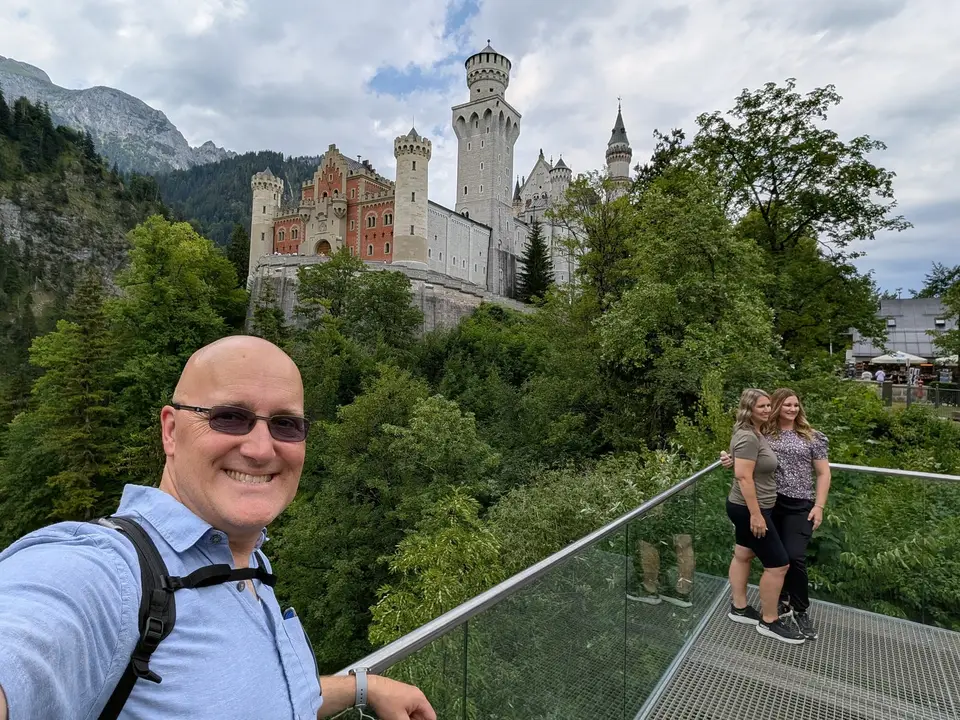
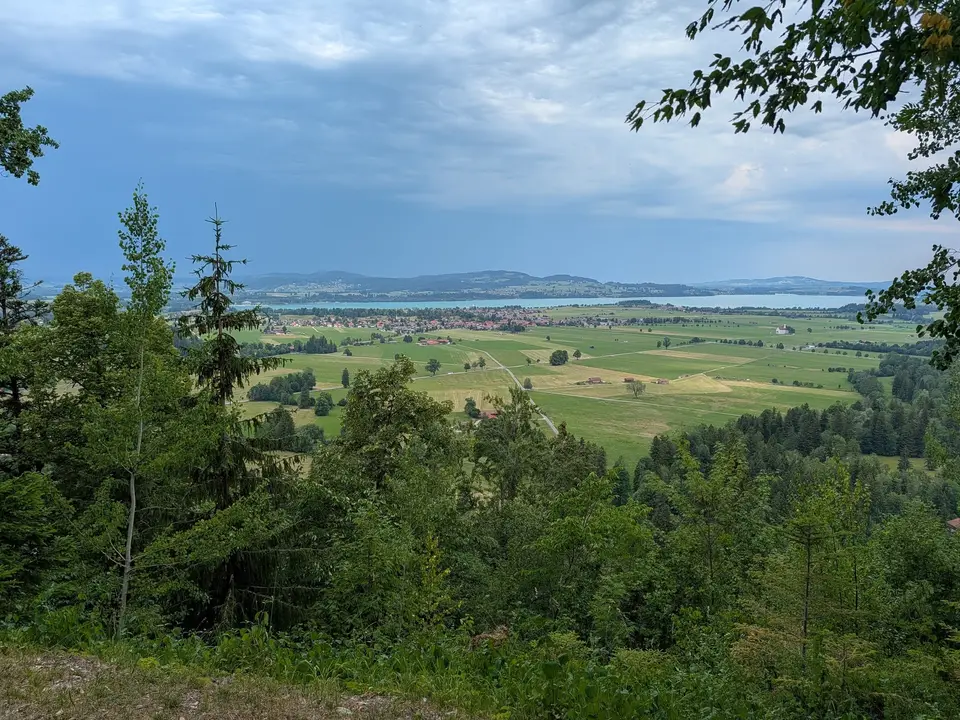
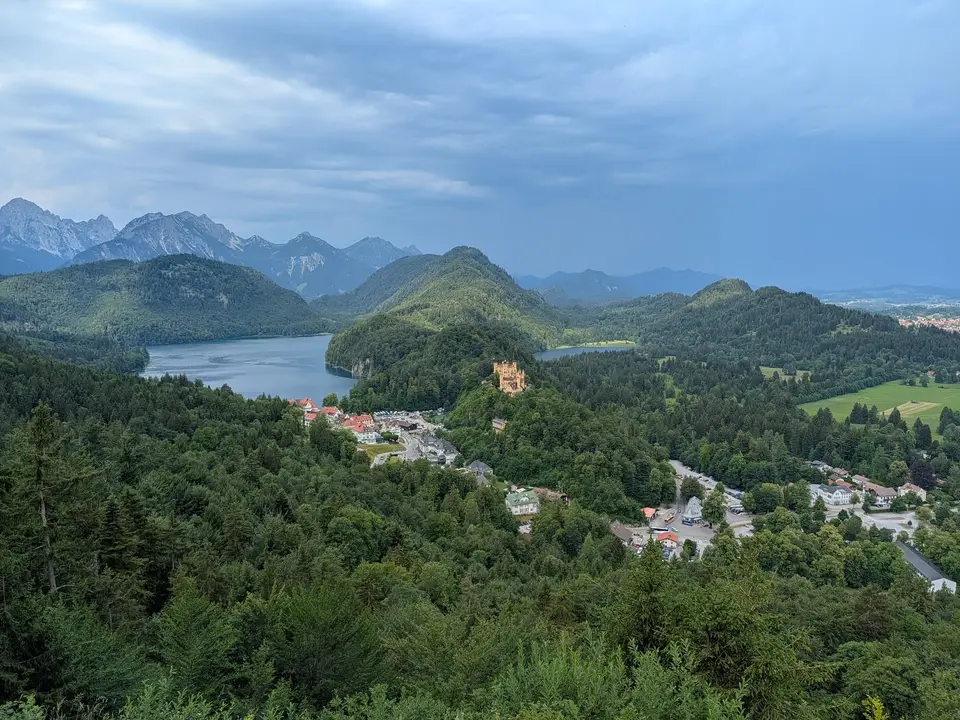
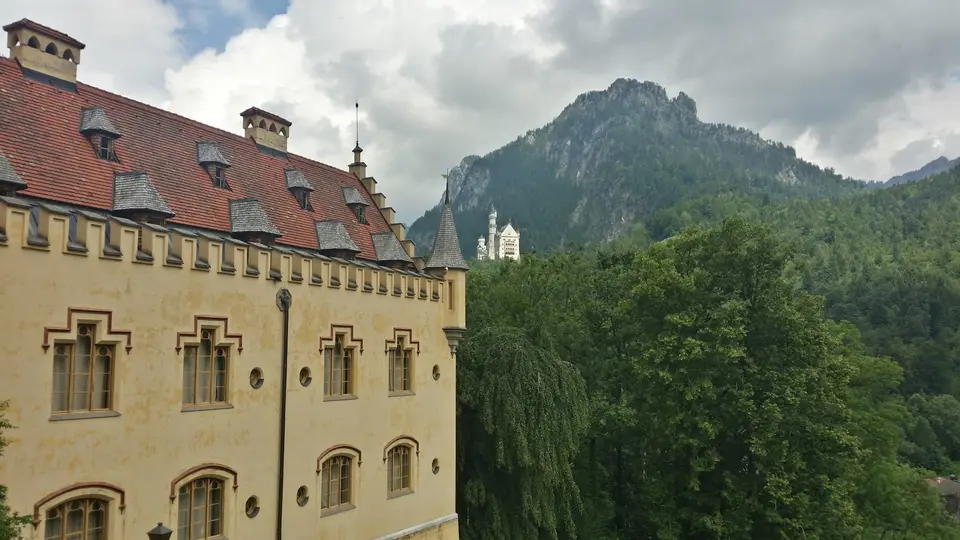
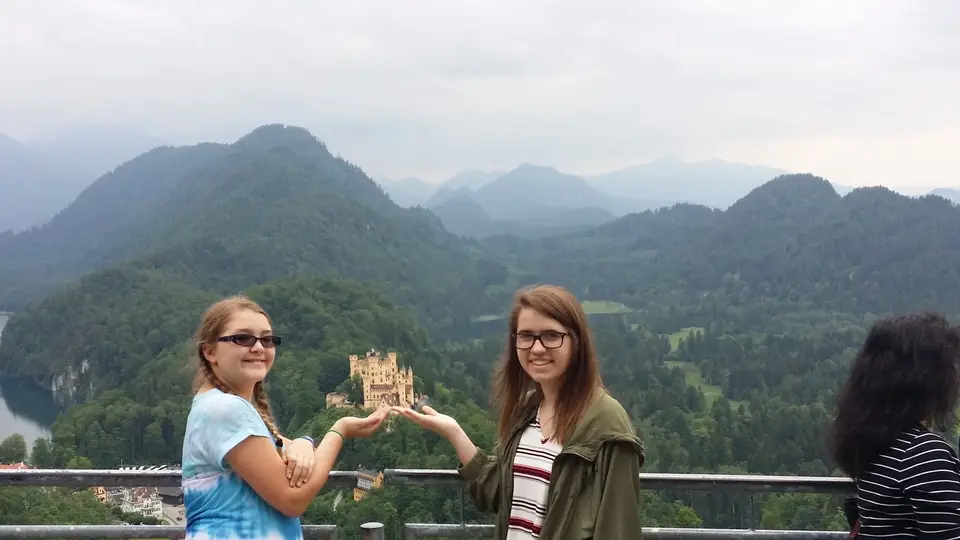
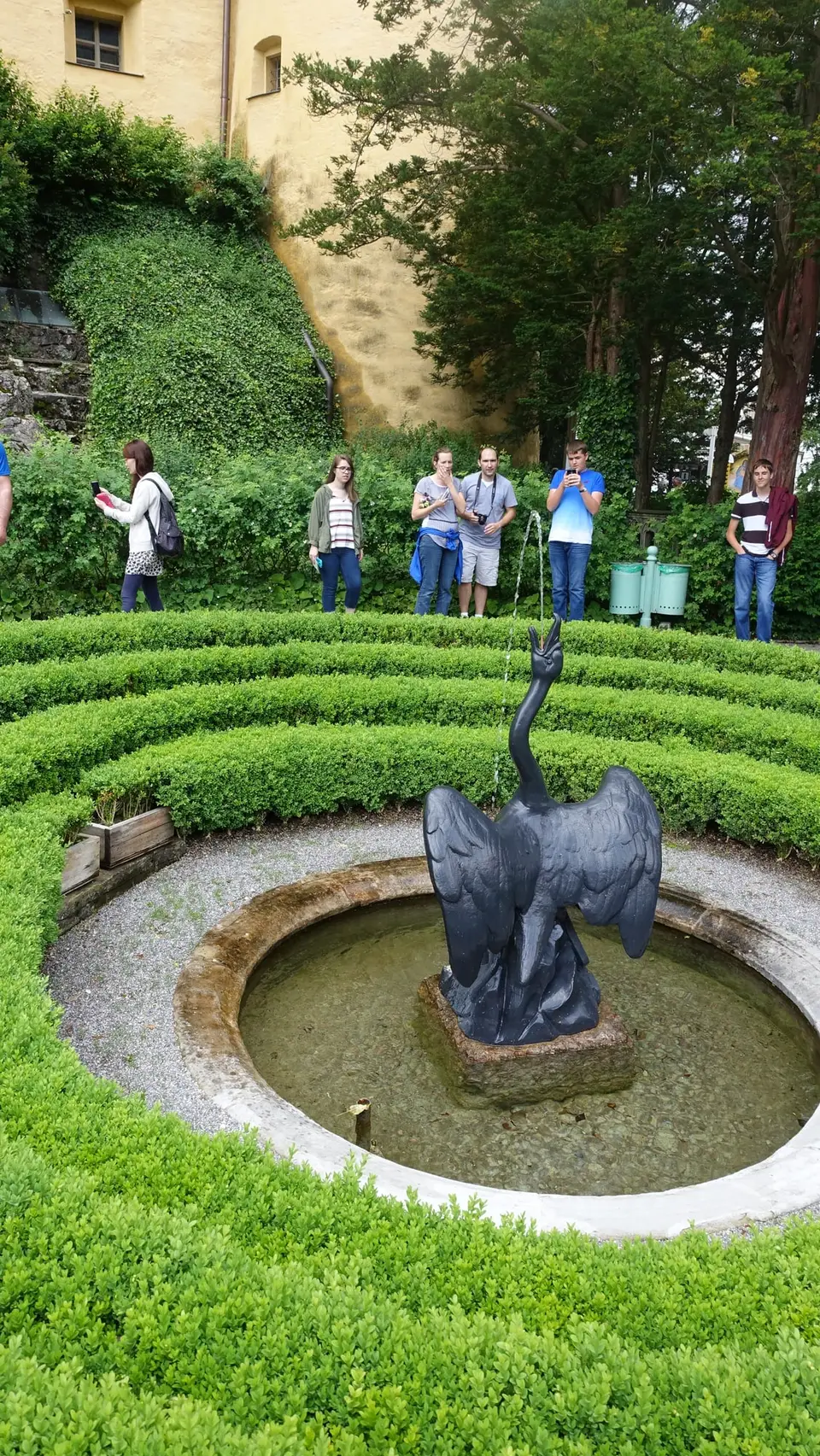
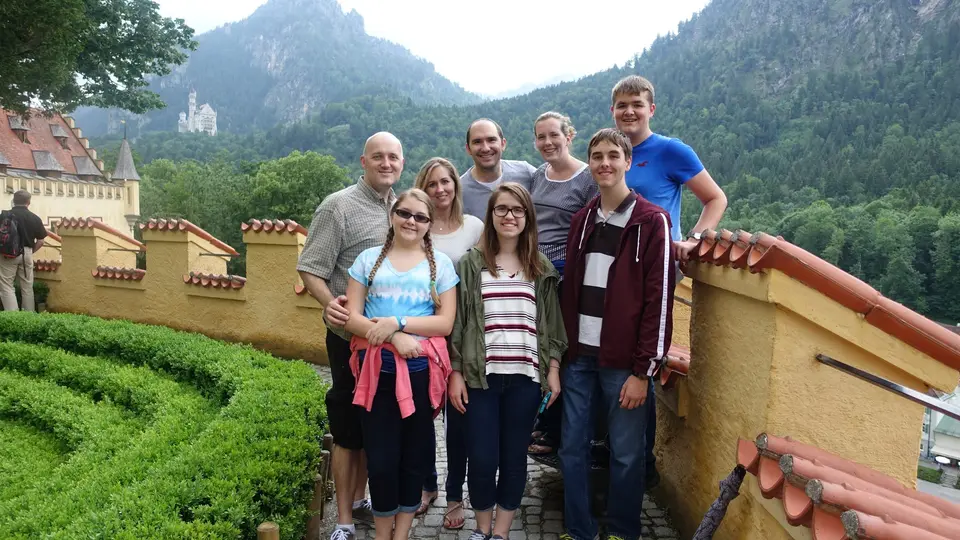
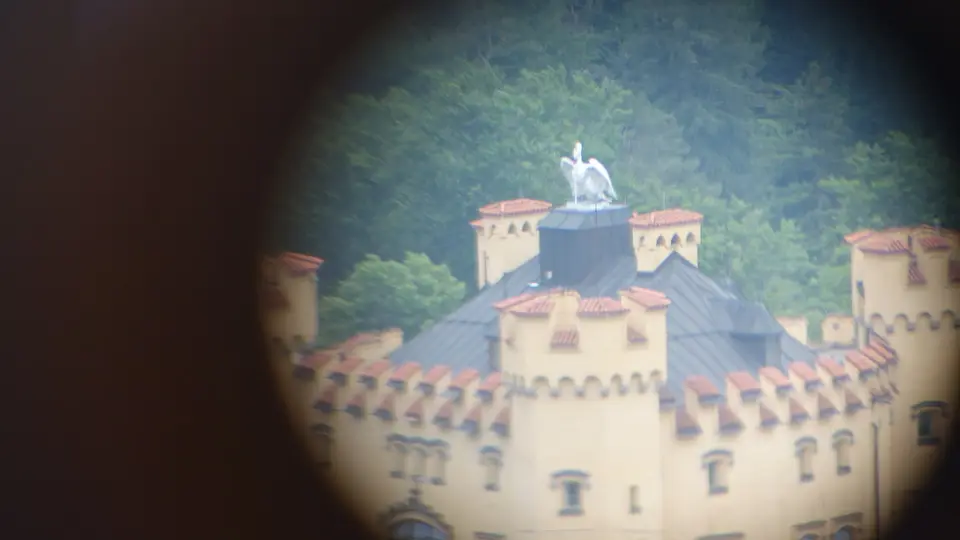
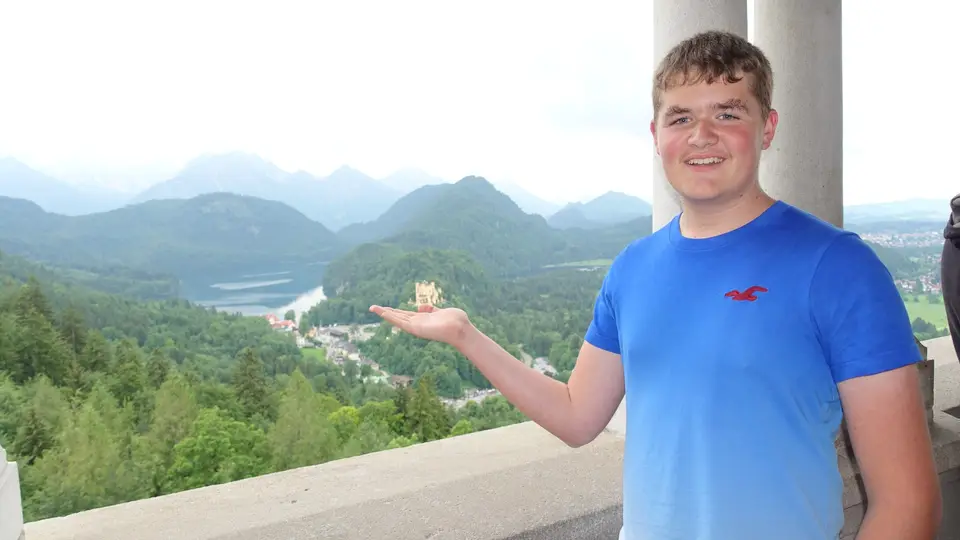
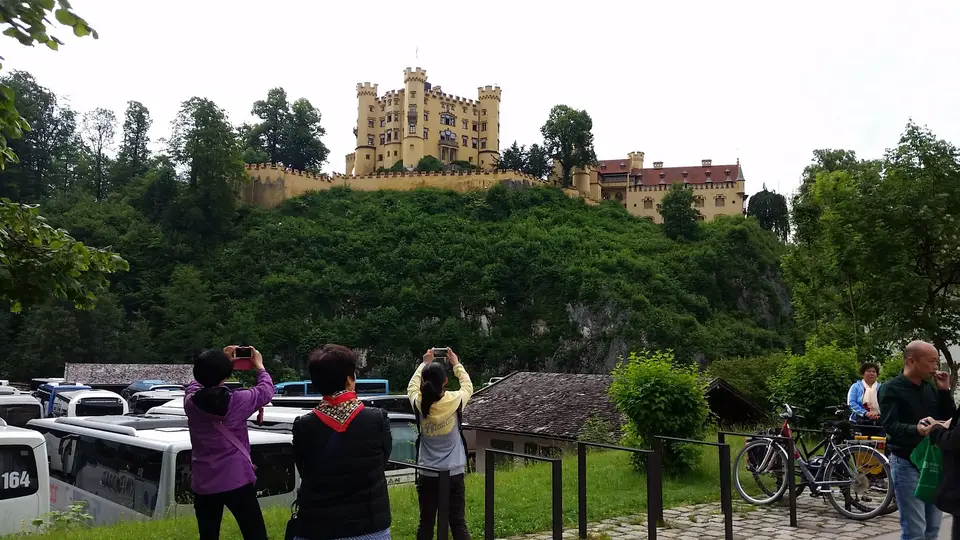
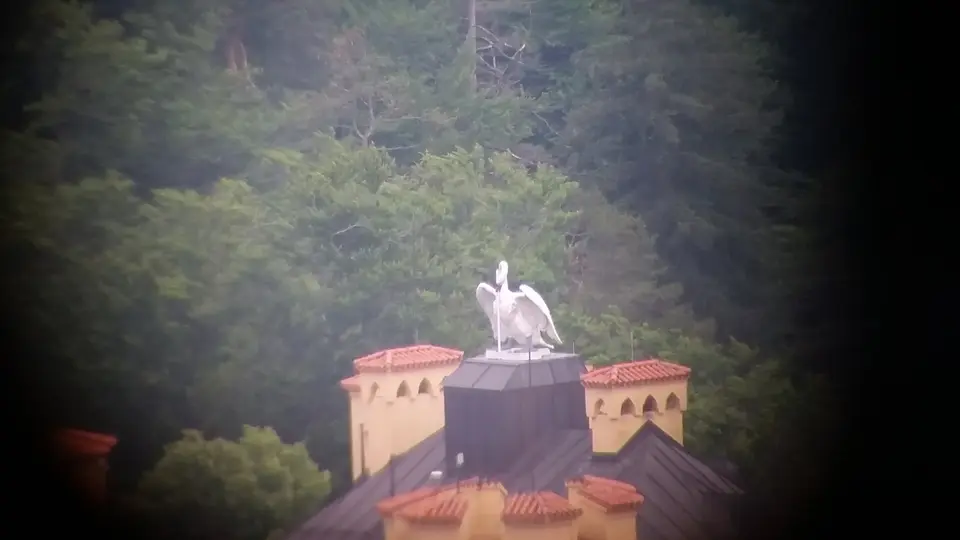
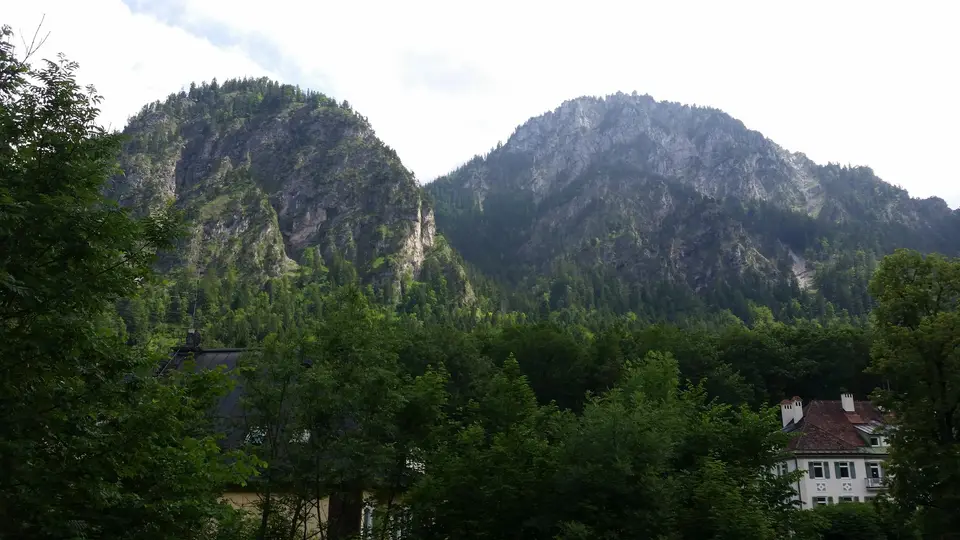
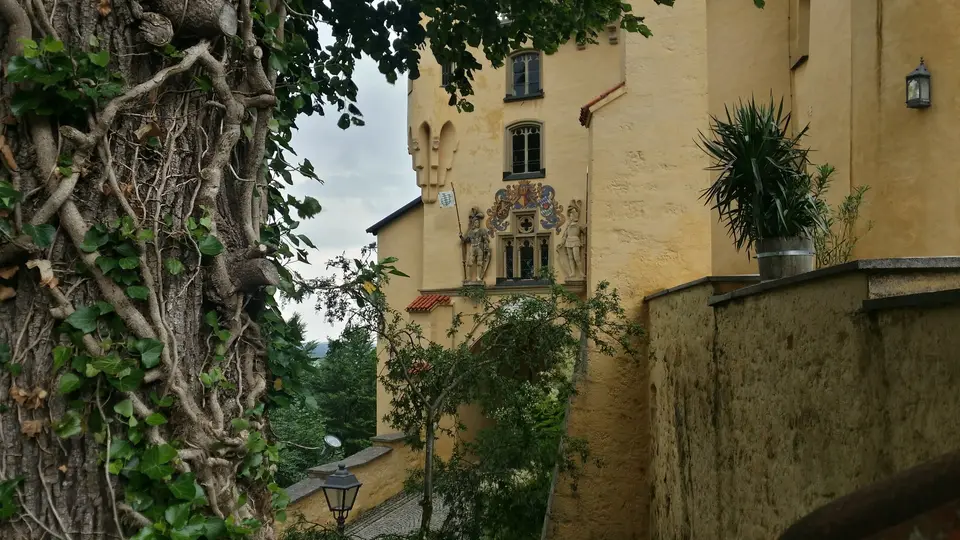
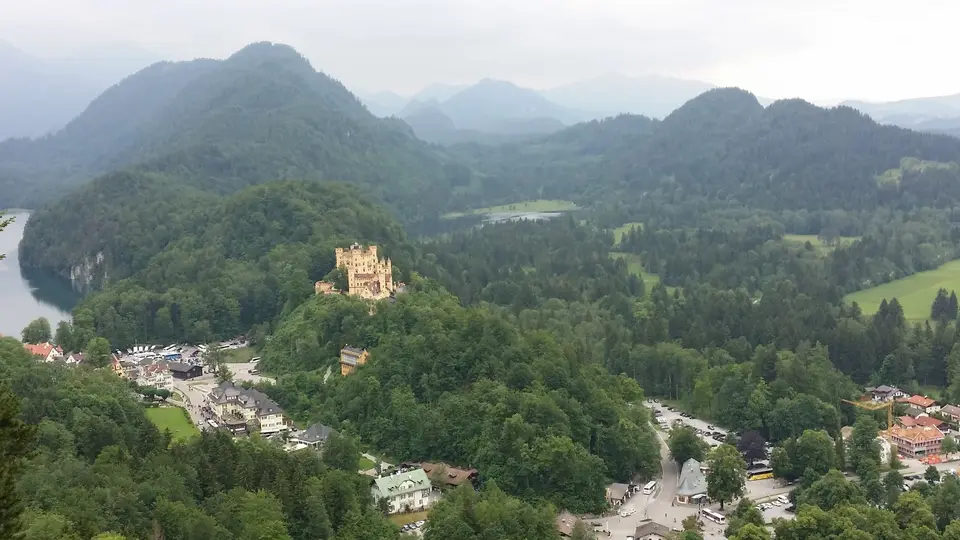
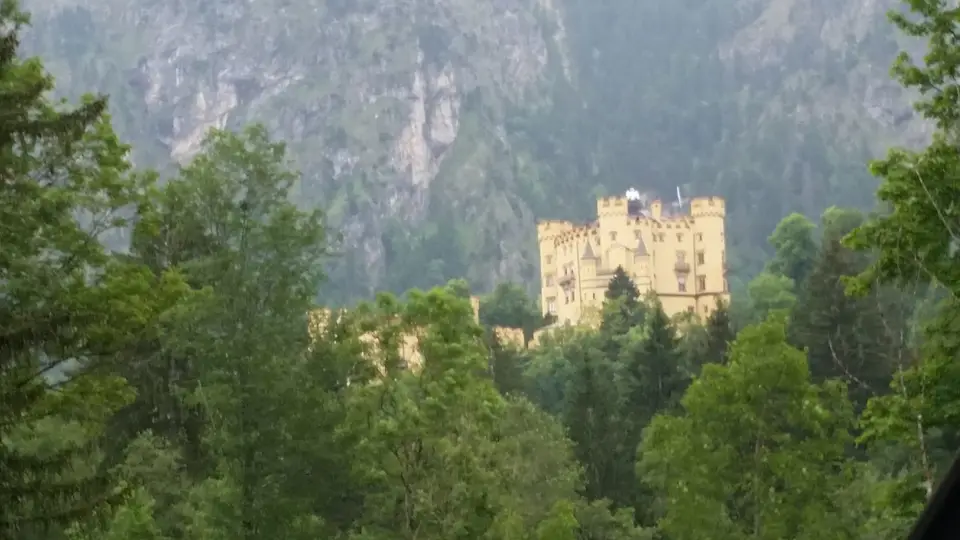
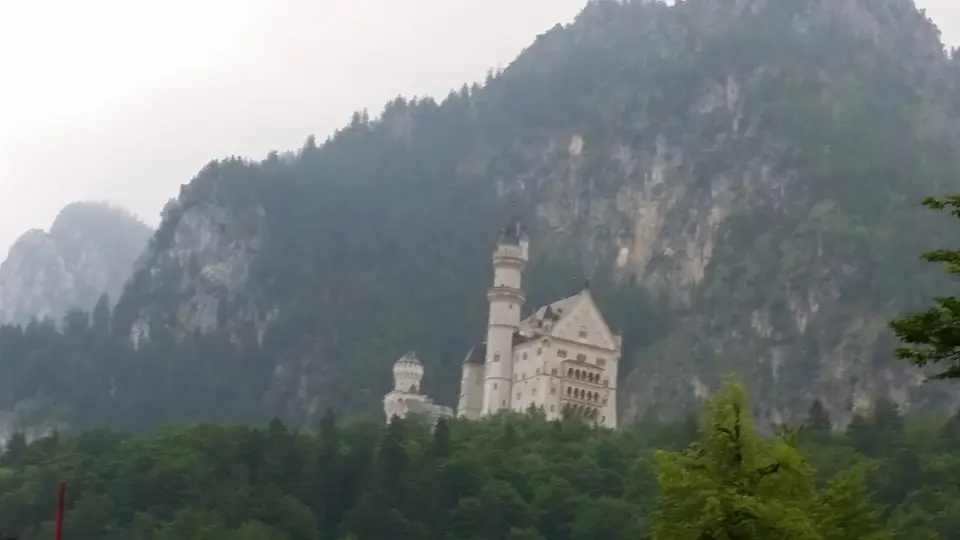
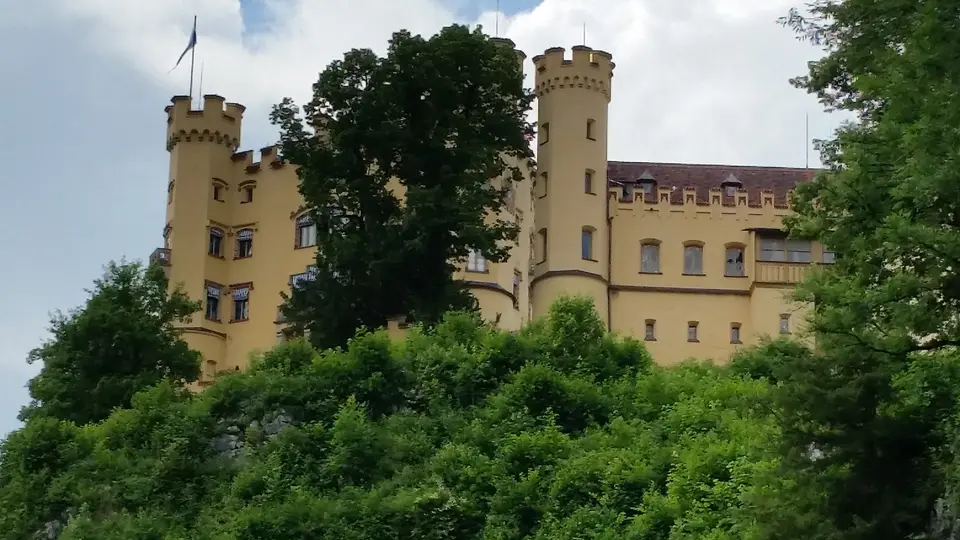
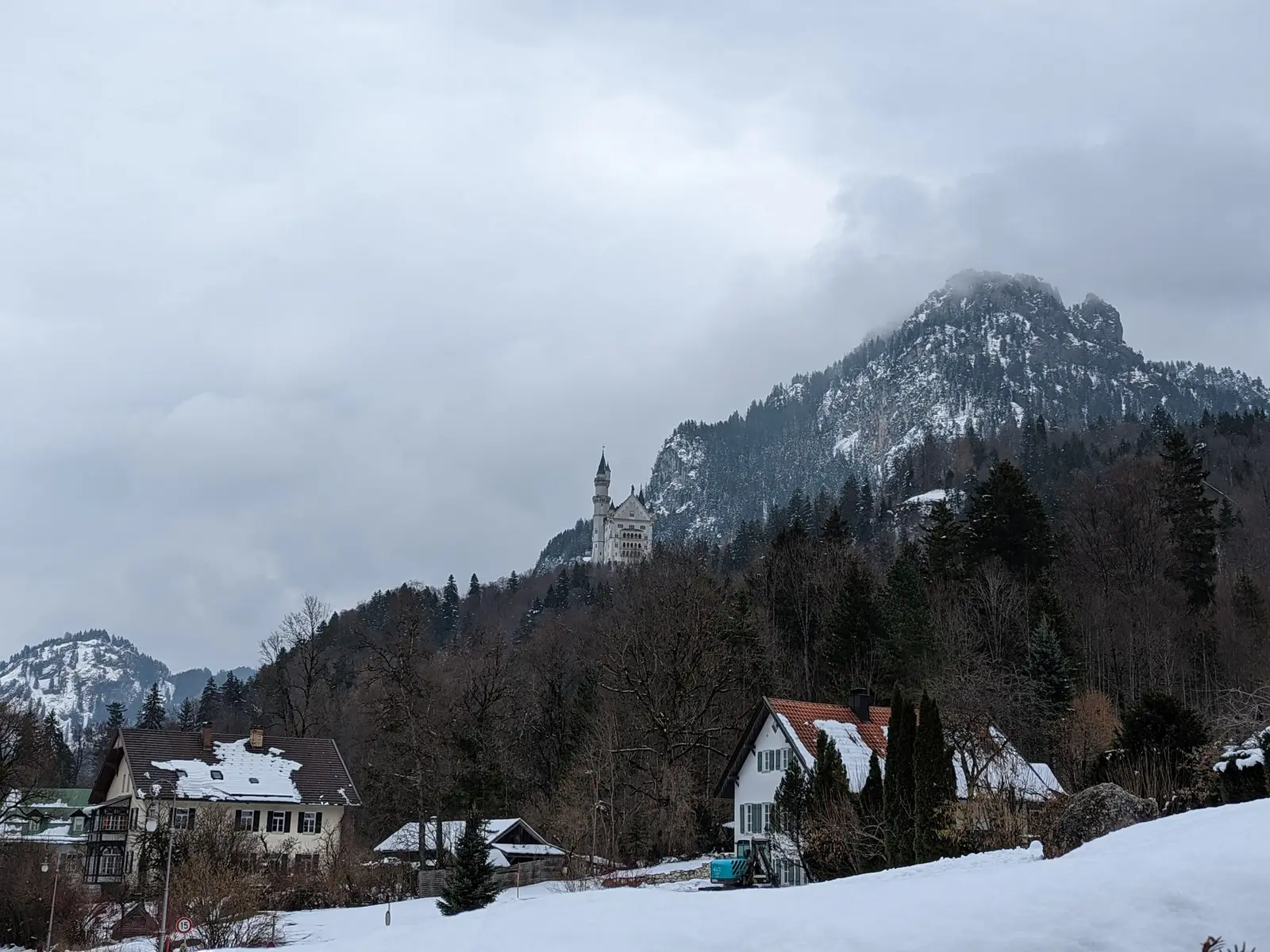
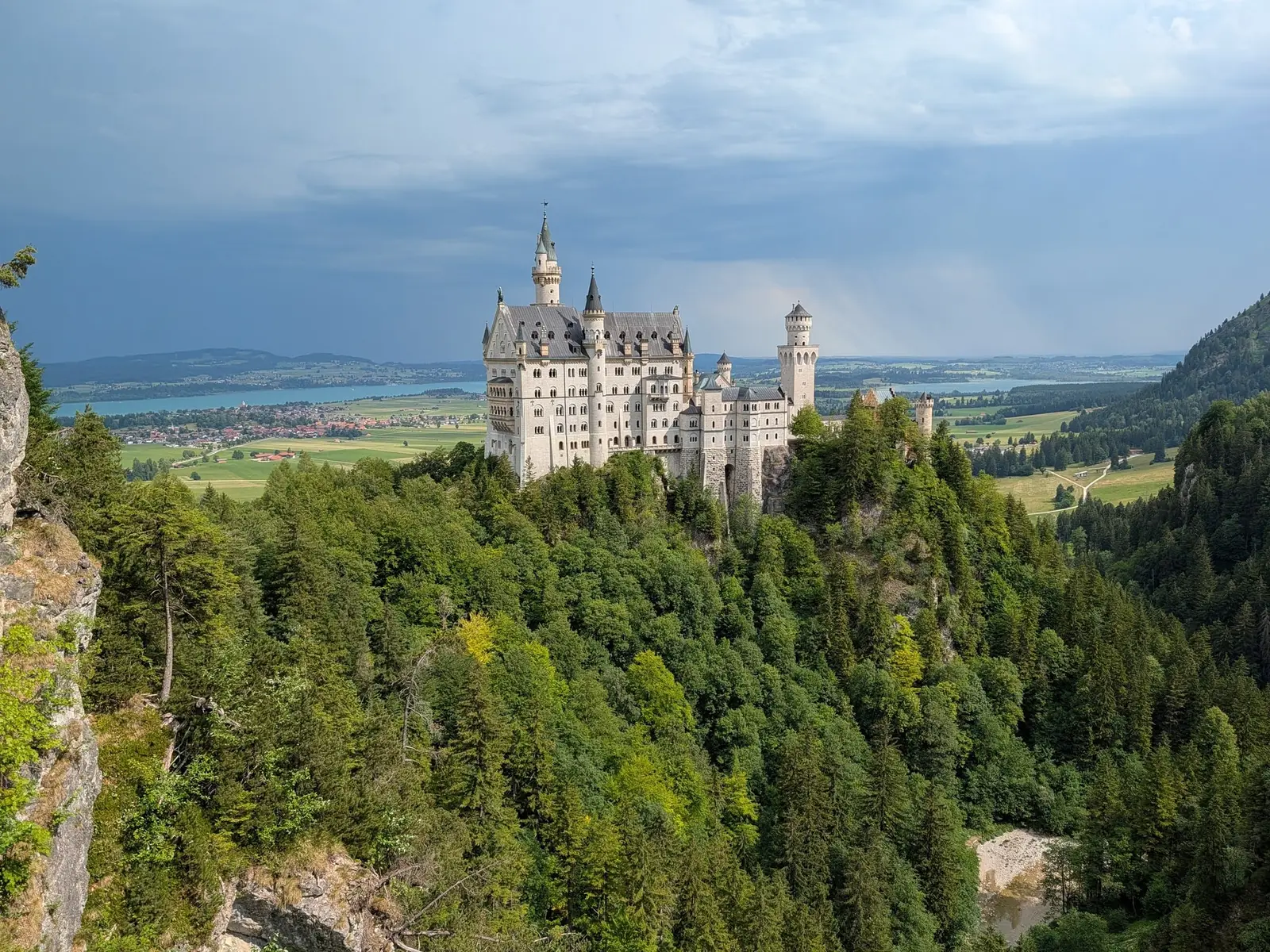
- They are two castles in one valley, facing each other across it, and most people do both in a morning. Hohenschwangau is the yellow one below and it is where Ludwig actually grew up.
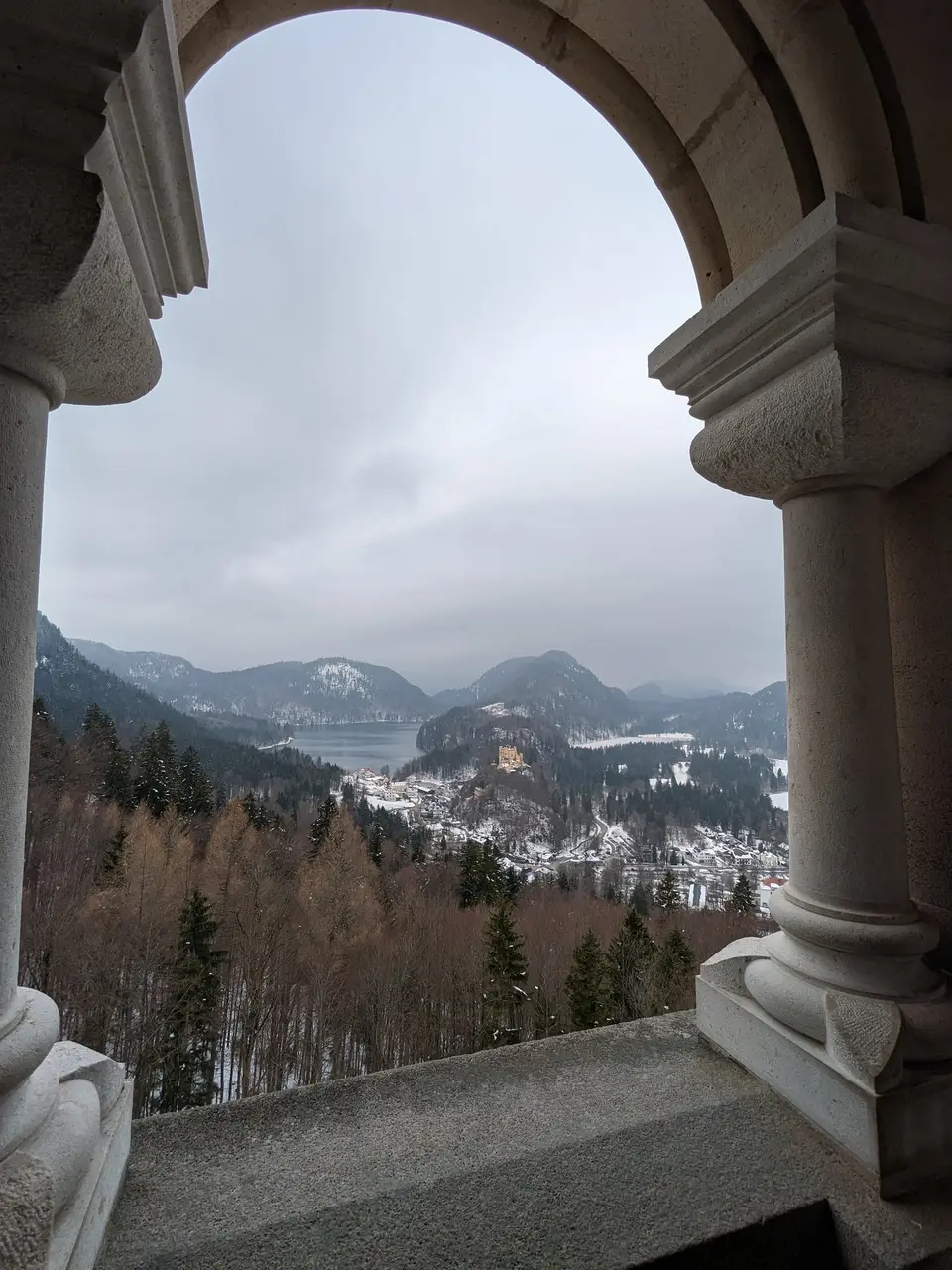
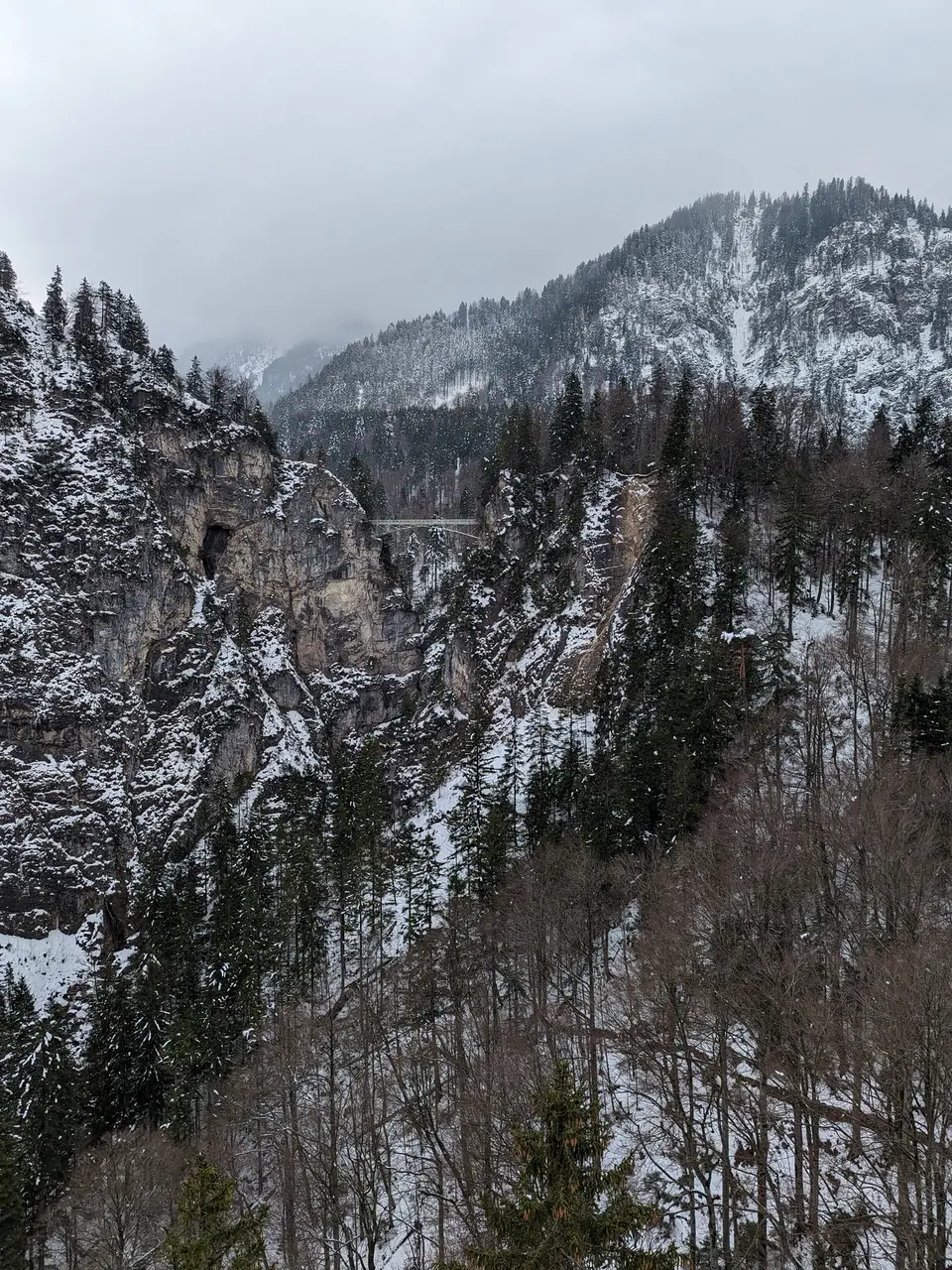
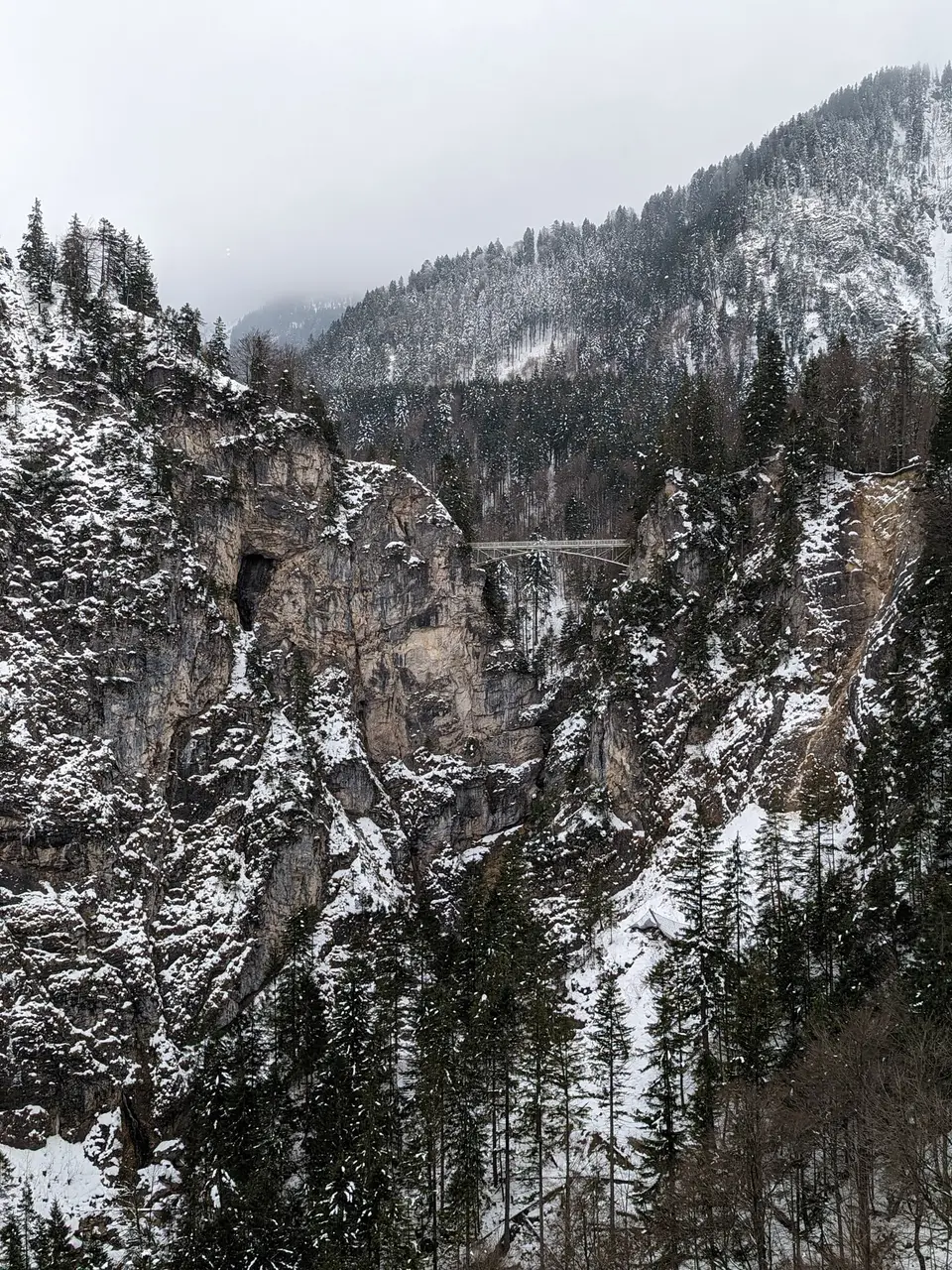
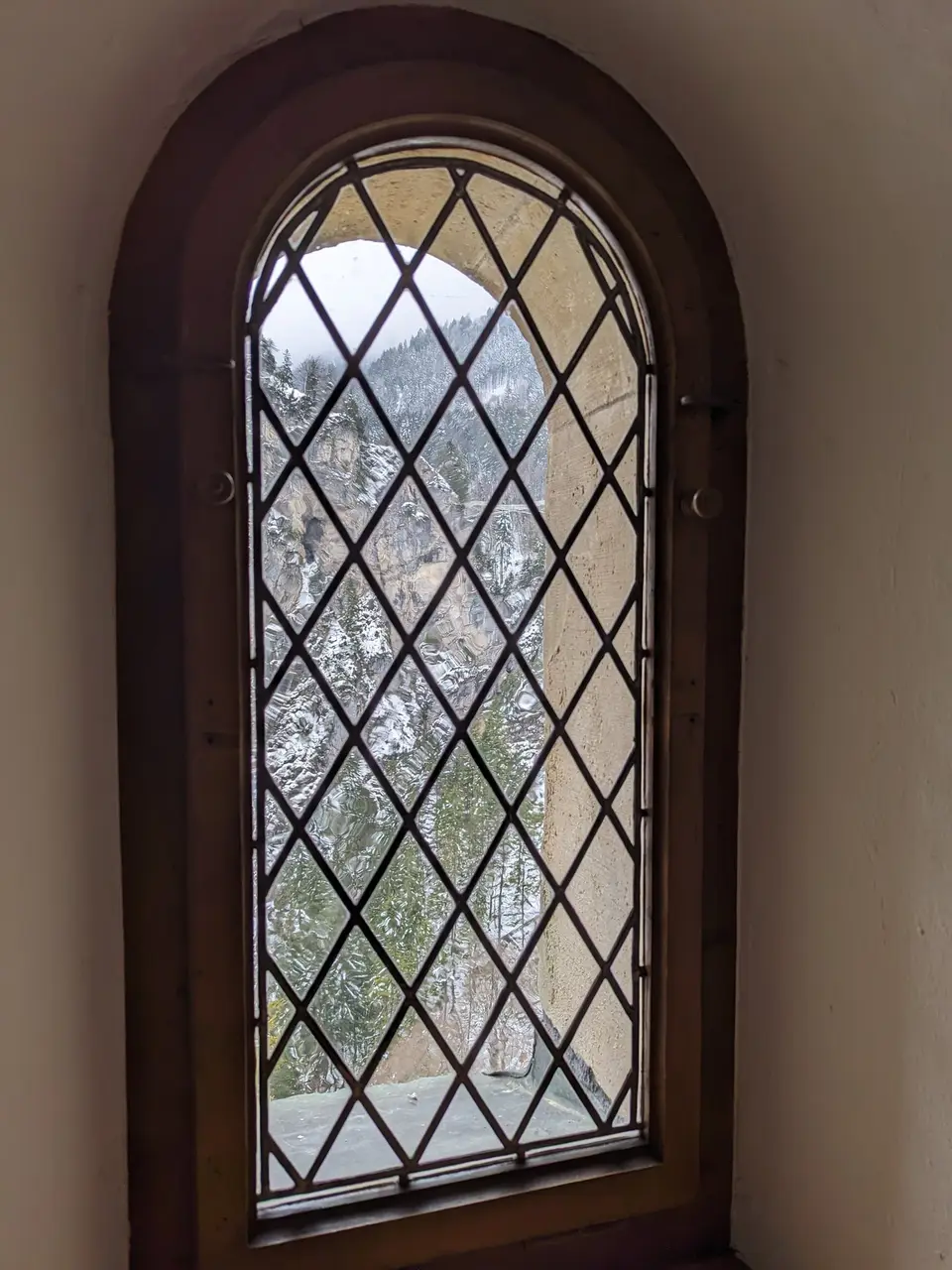
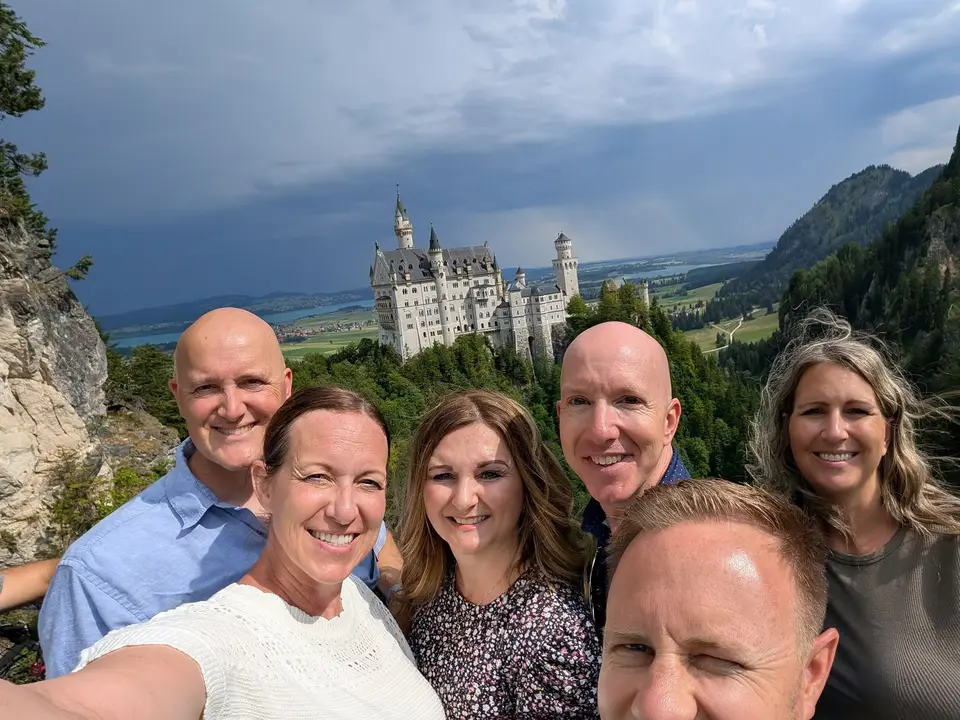
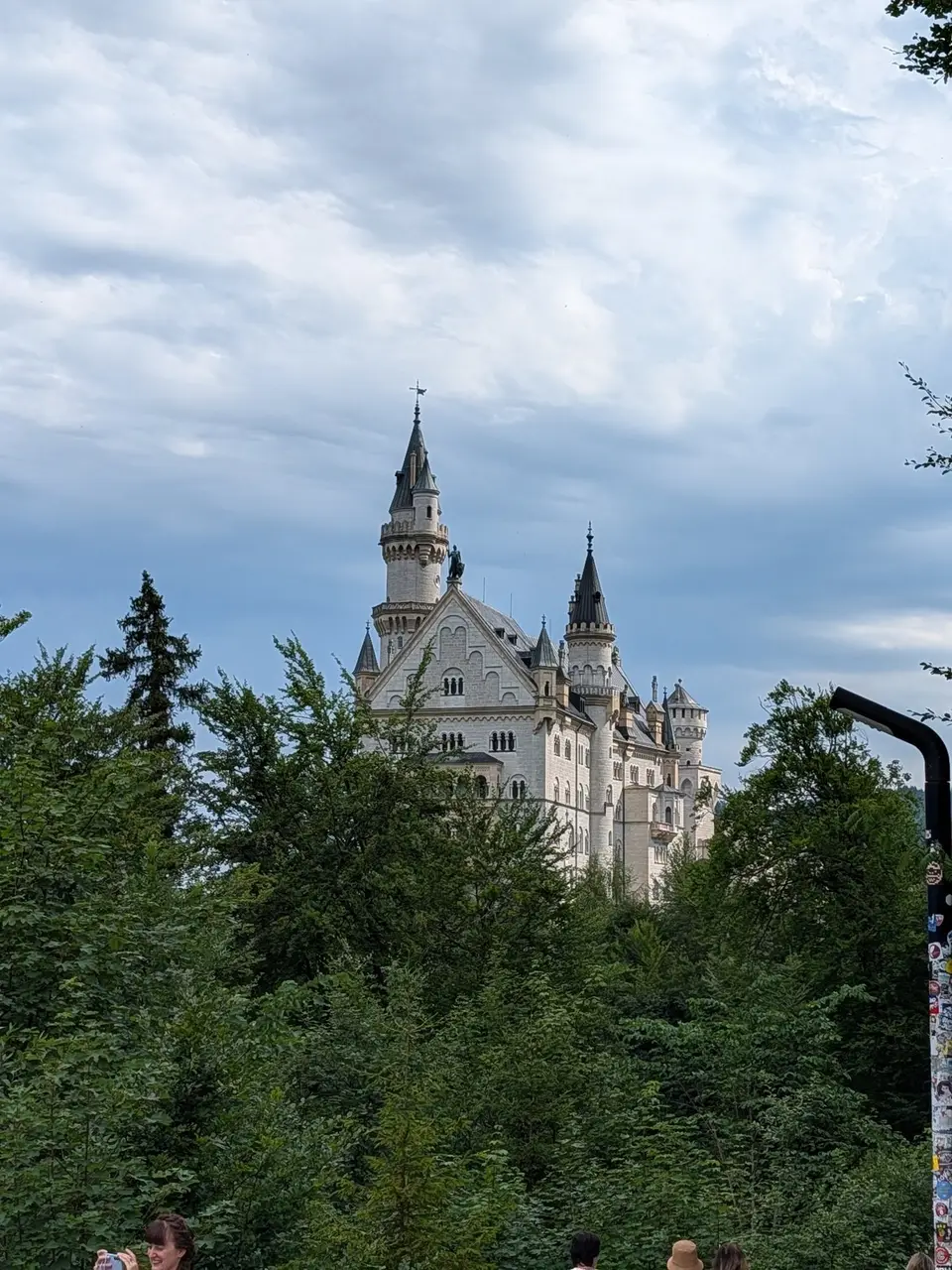
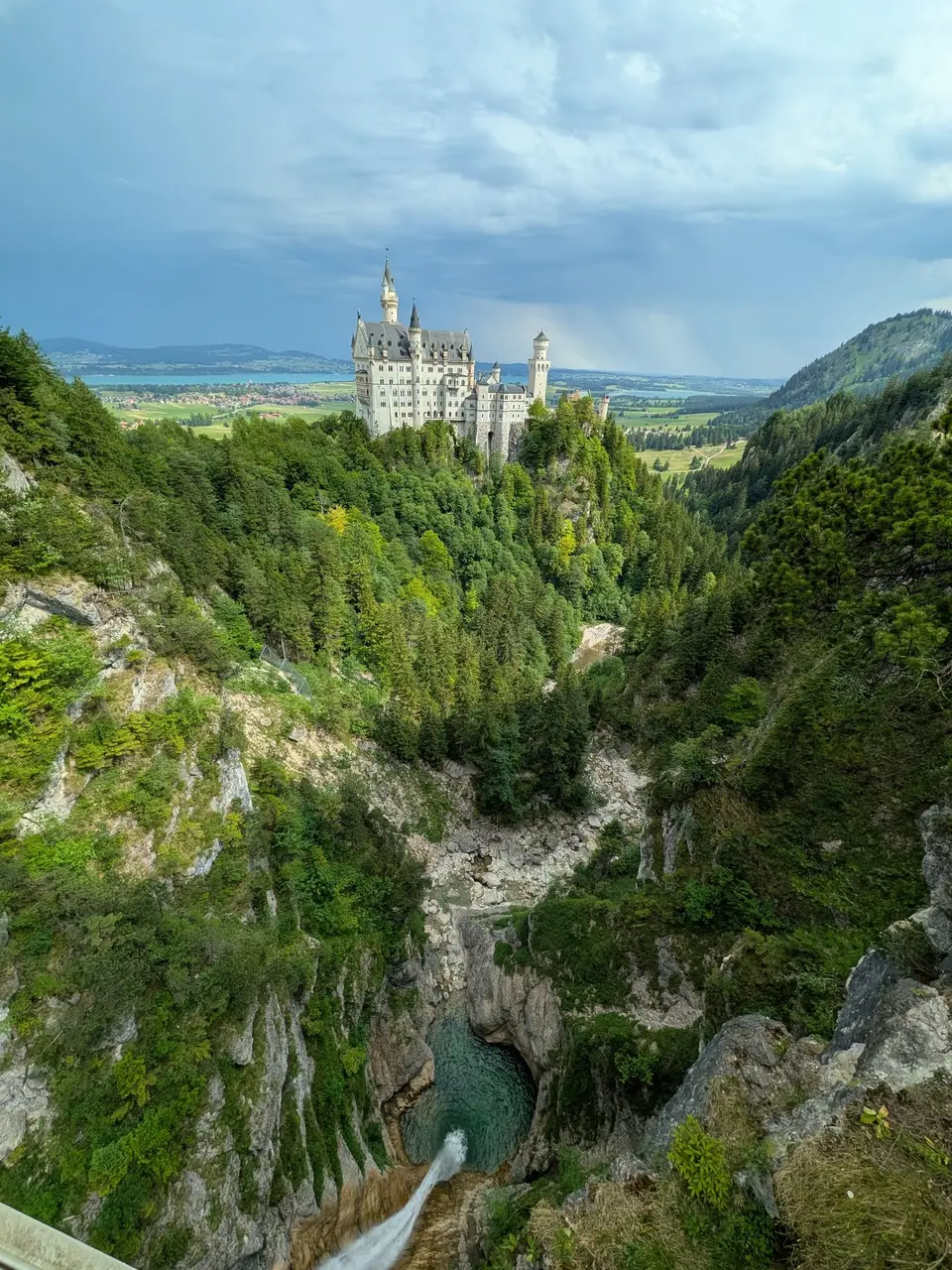
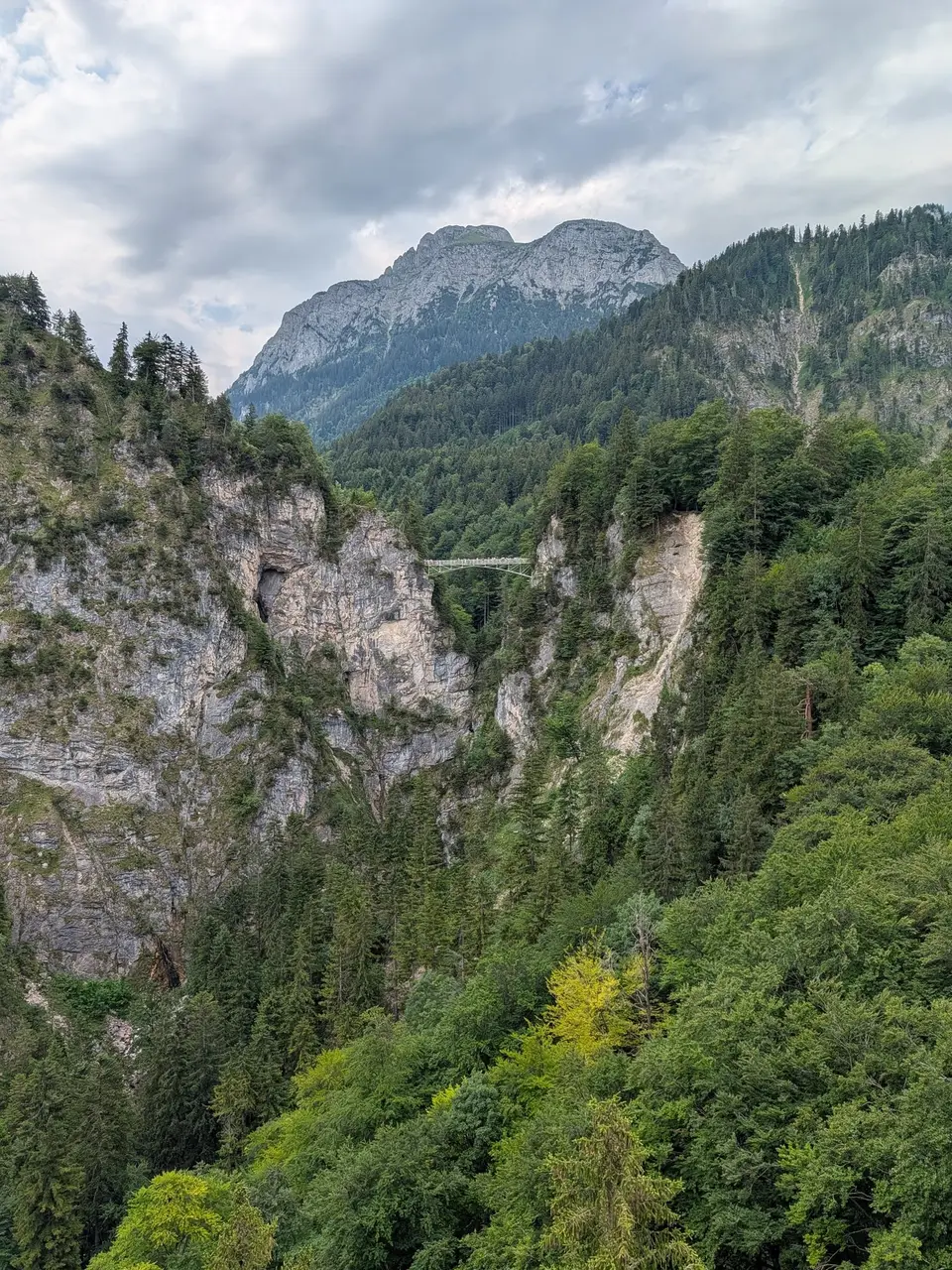
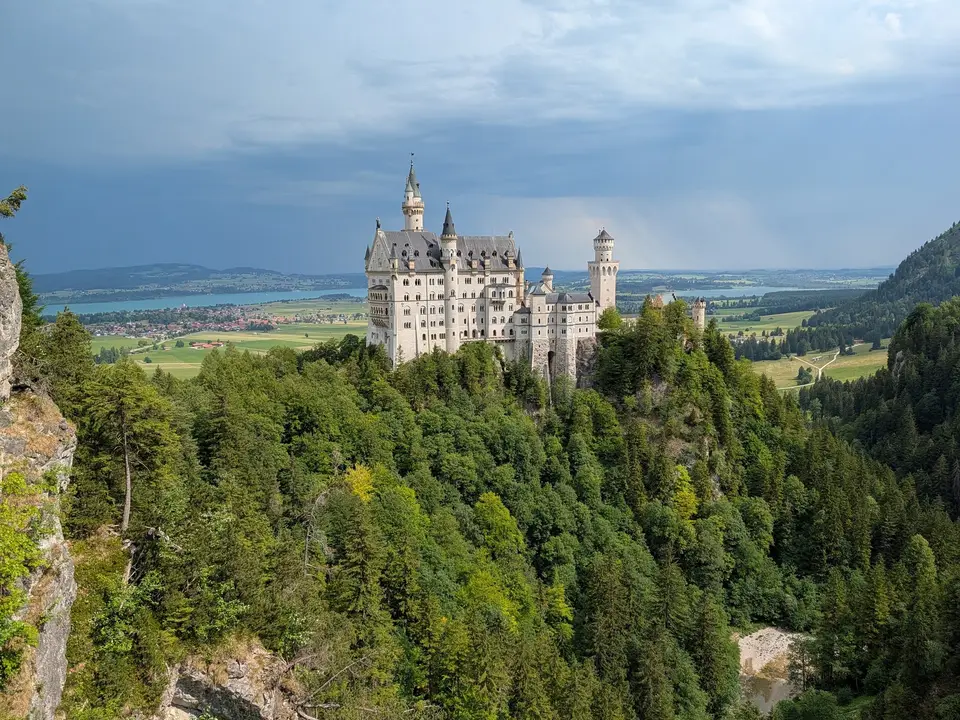
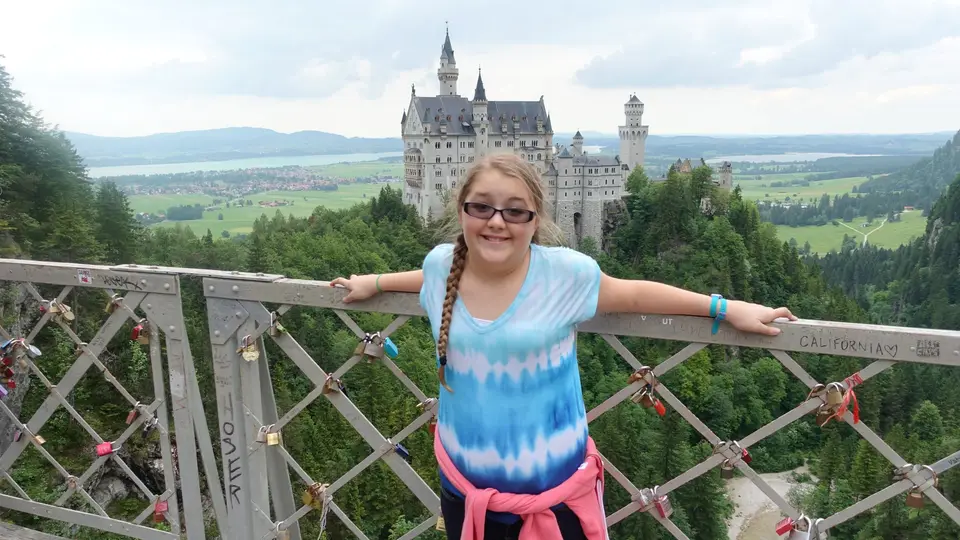
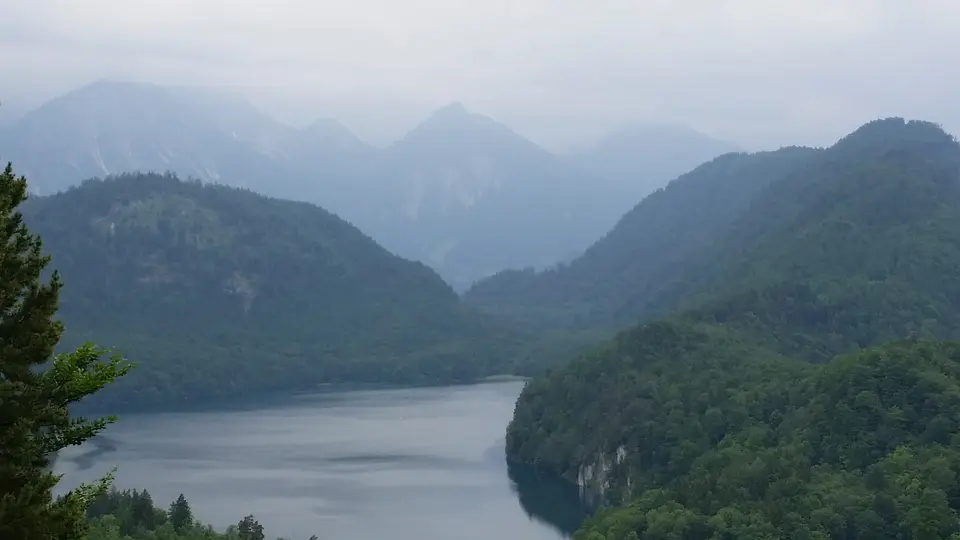
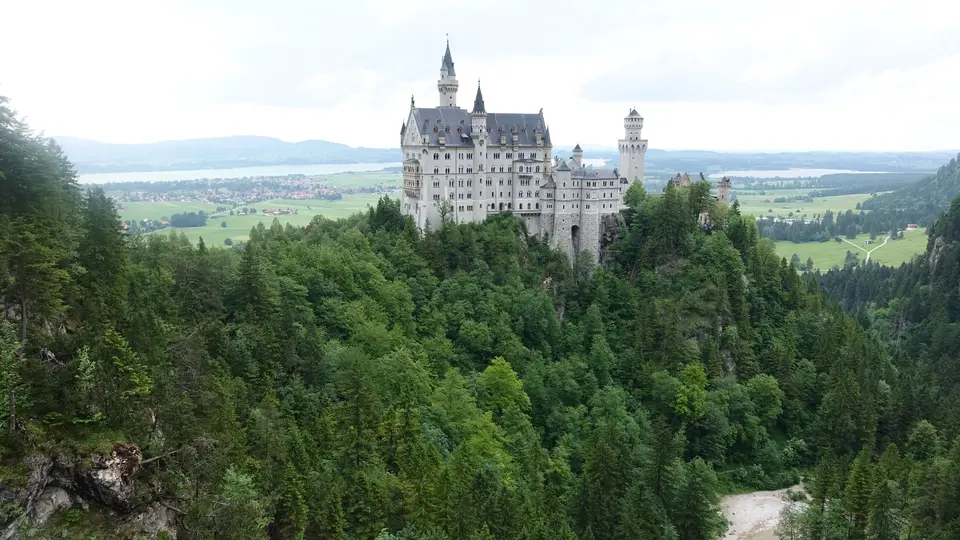
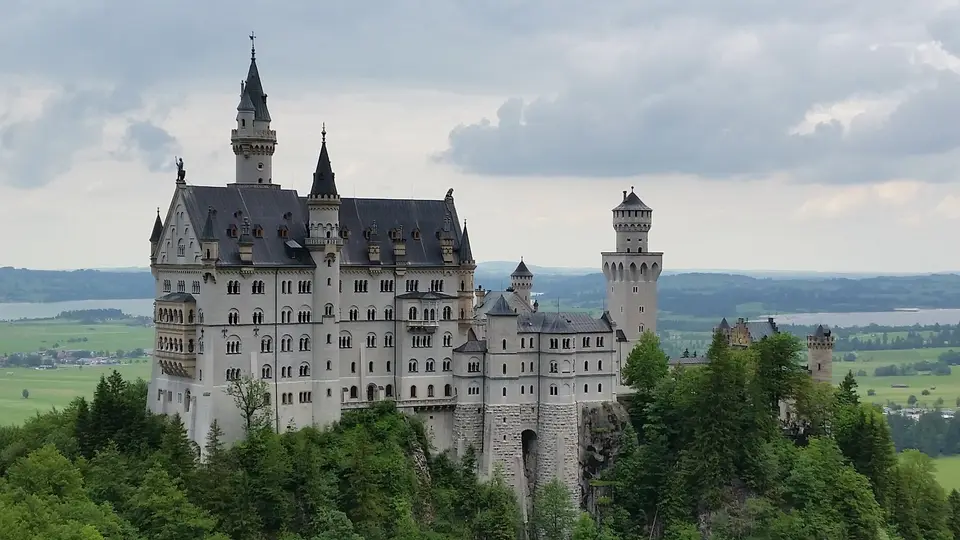
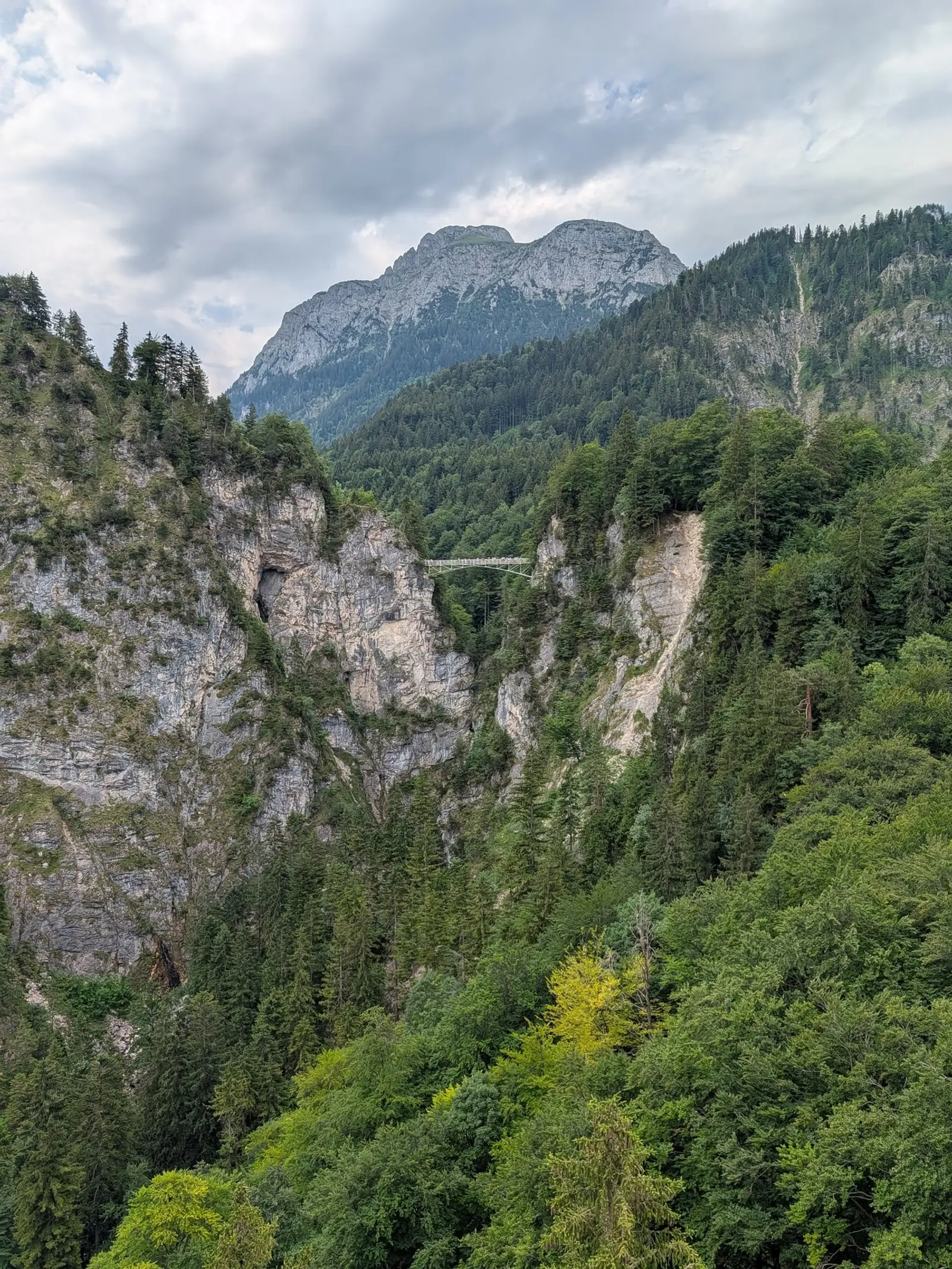
- The famous view is not from the castle. It is from the Marienbrücke, the footbridge over the gorge behind it — which is free, and which closes without much notice for weather and repairs. Check before you go and do not build the day around it.
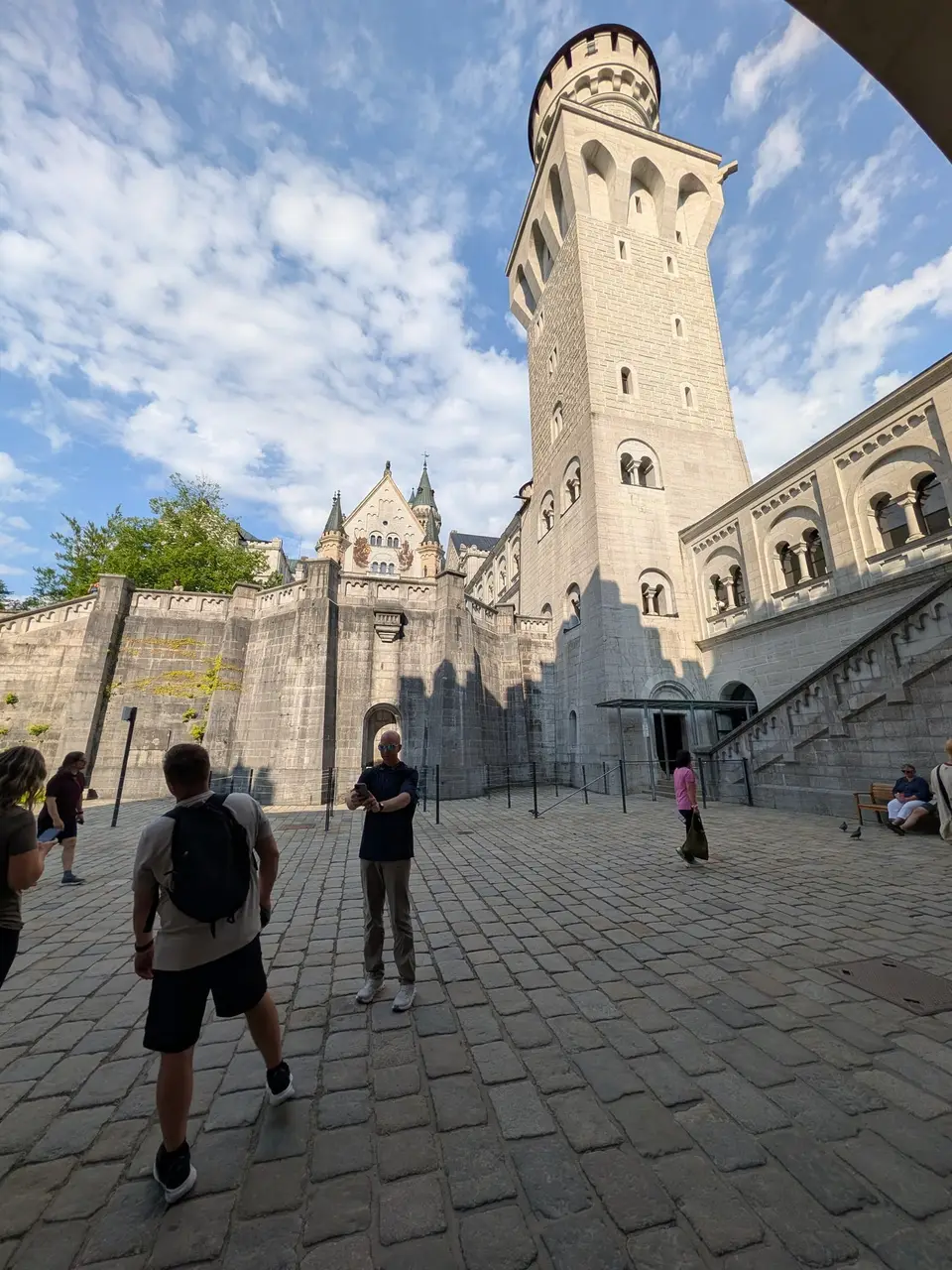
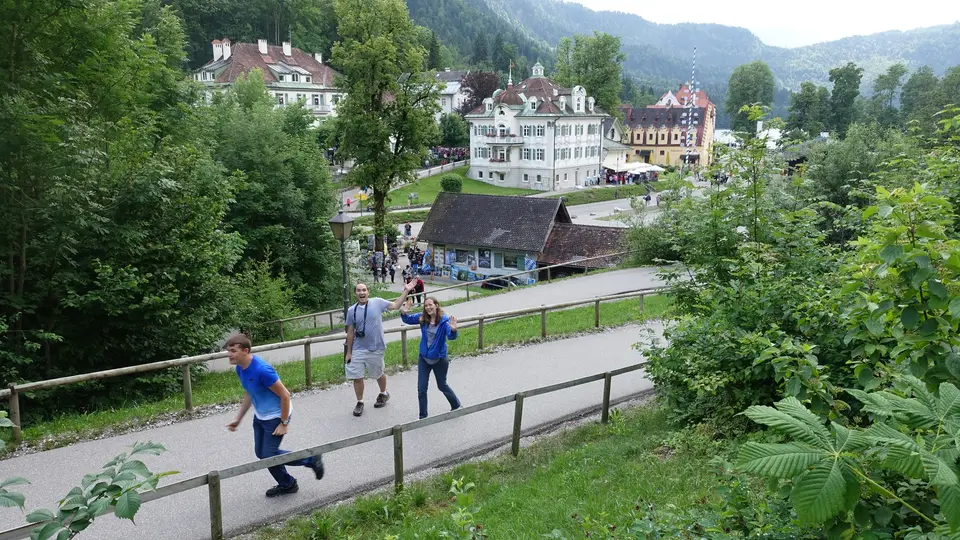
- Getting up the hill: walk it in about 30–40 minutes, take the shuttle bus for about €3 up, or the horse carriage at €8 up and €4 down, April to October. None of them drops you at the door.
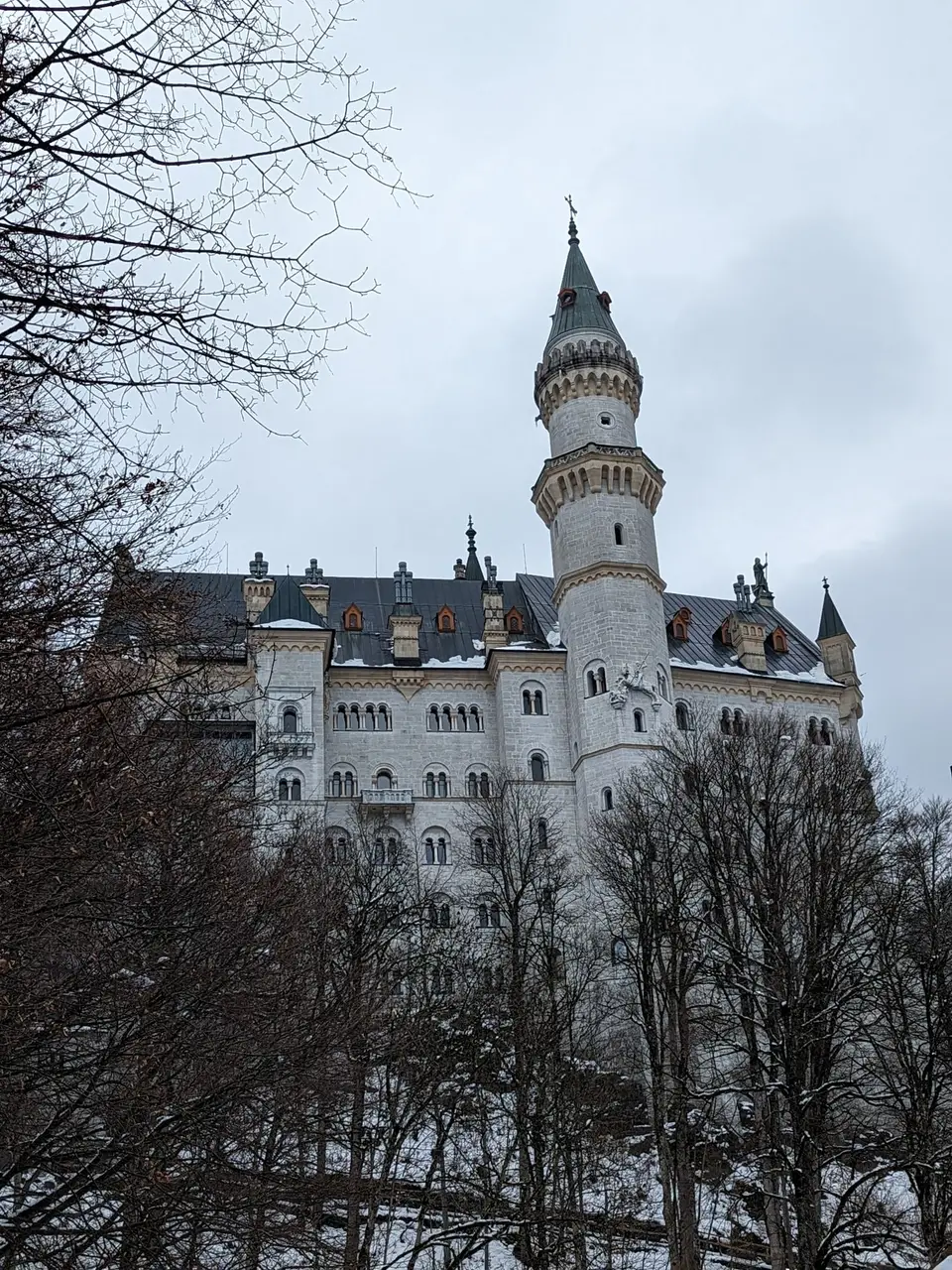
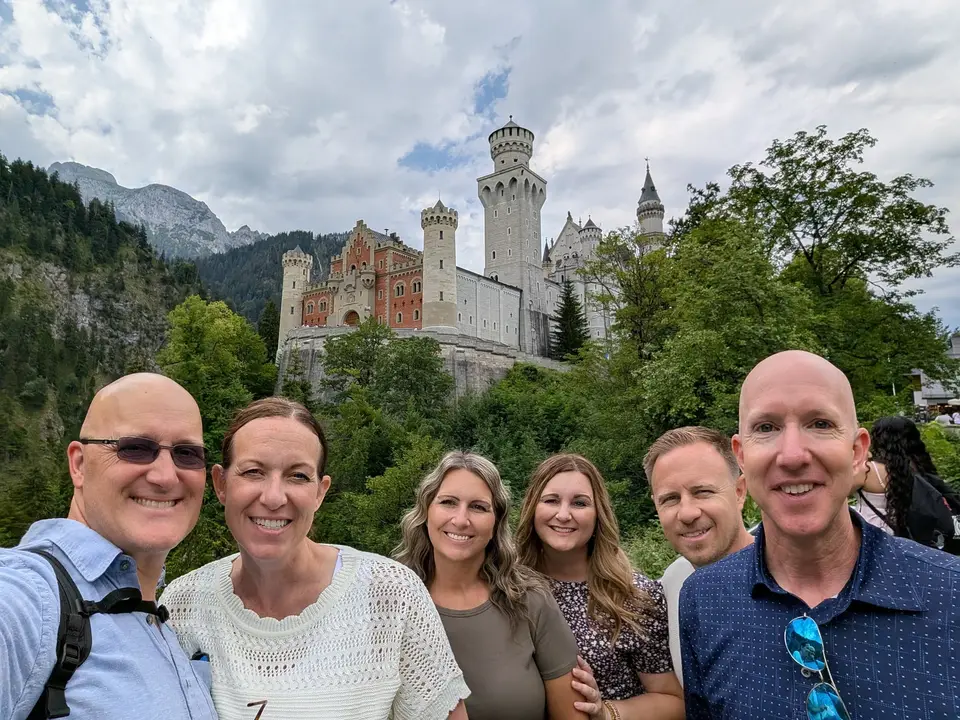
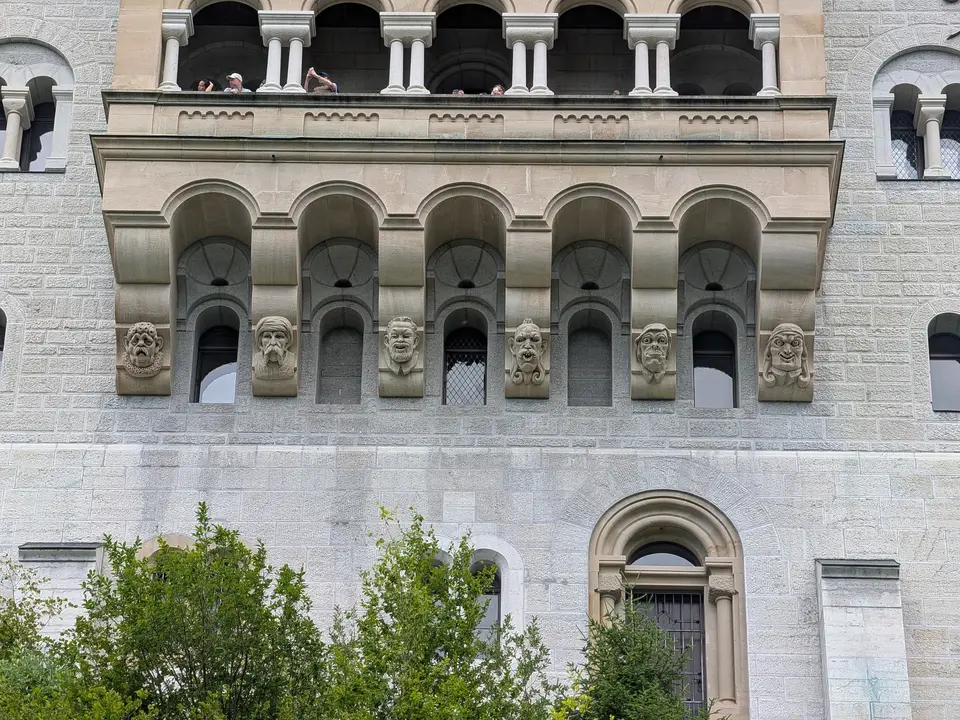
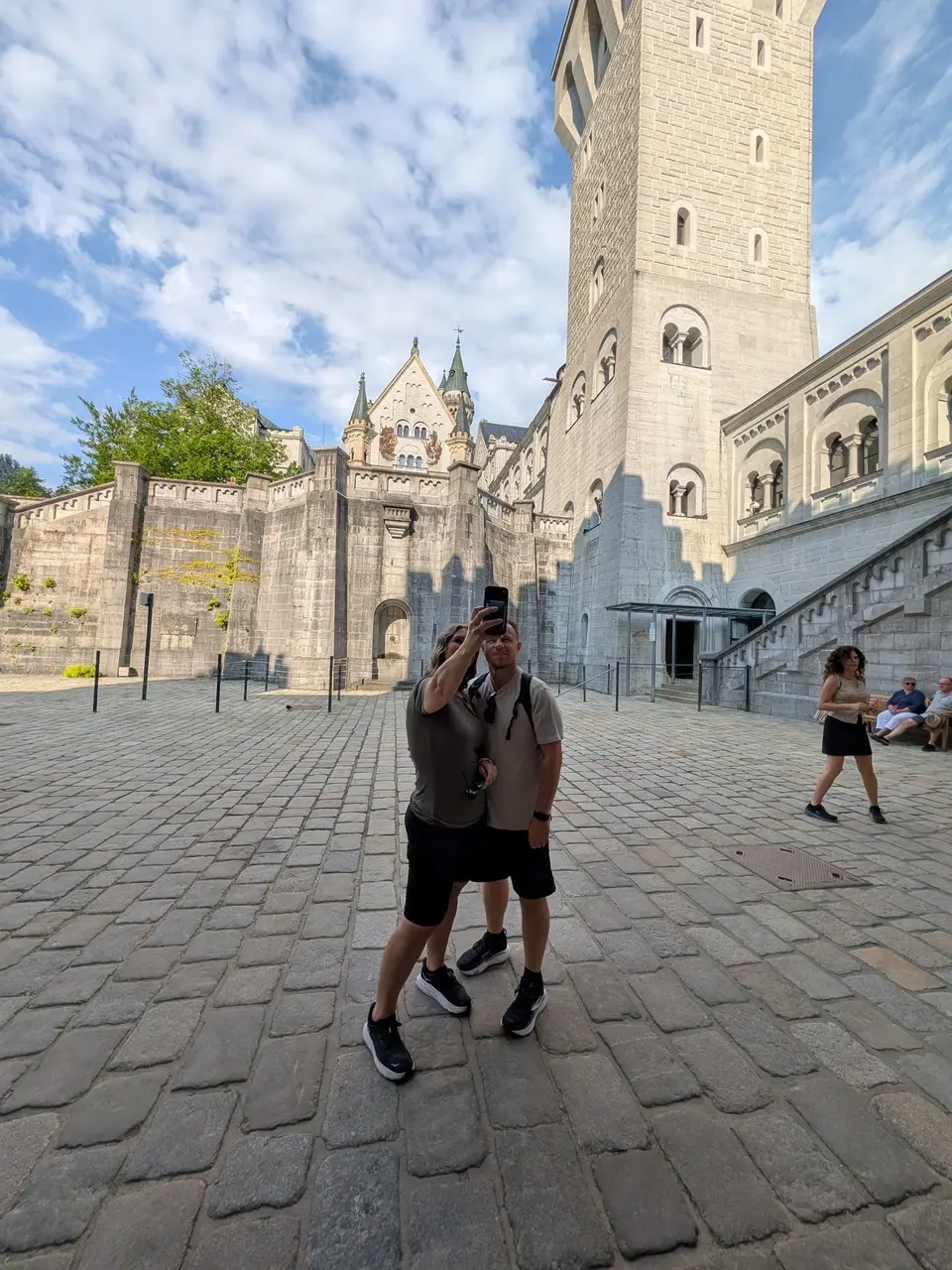
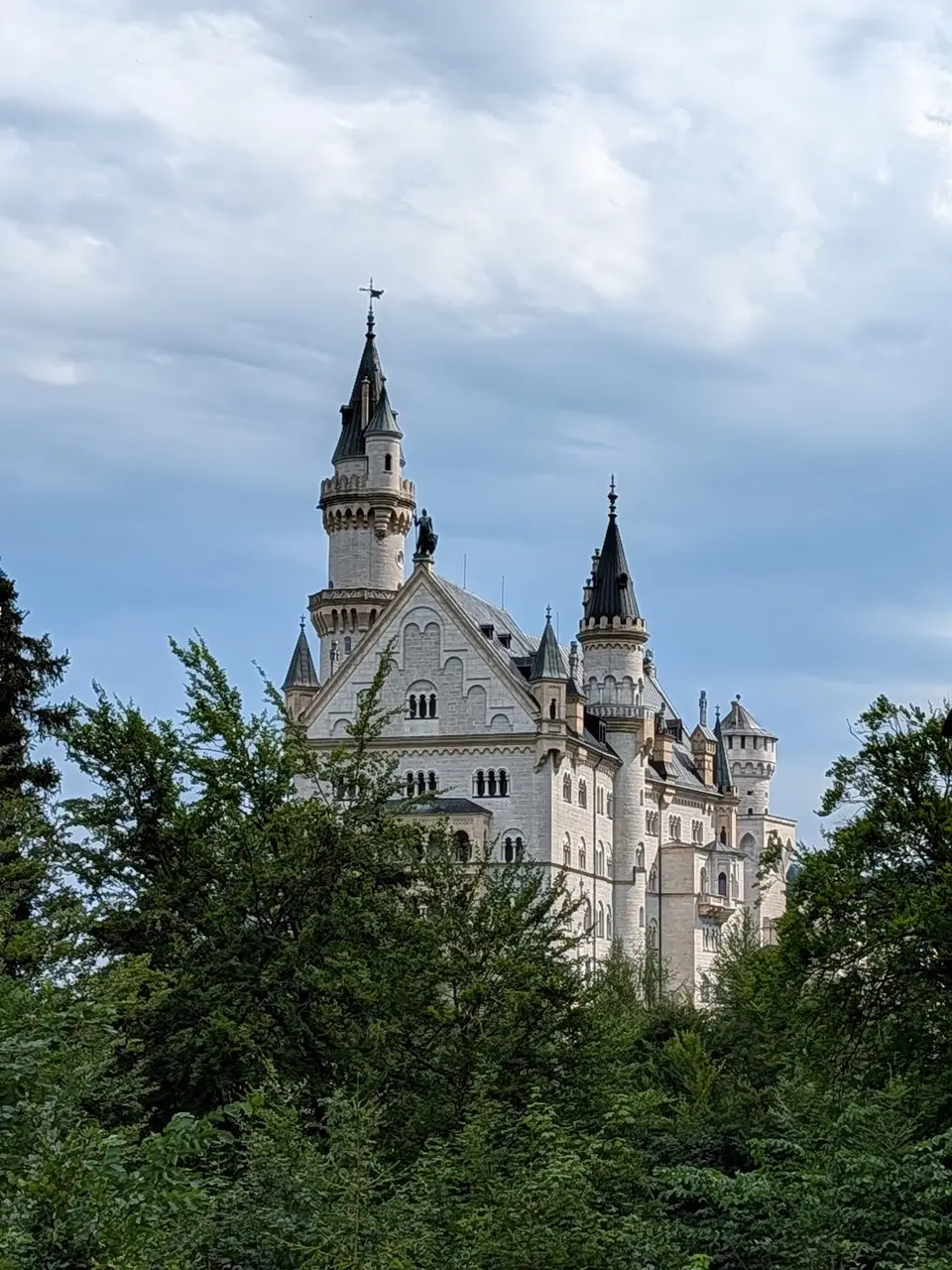
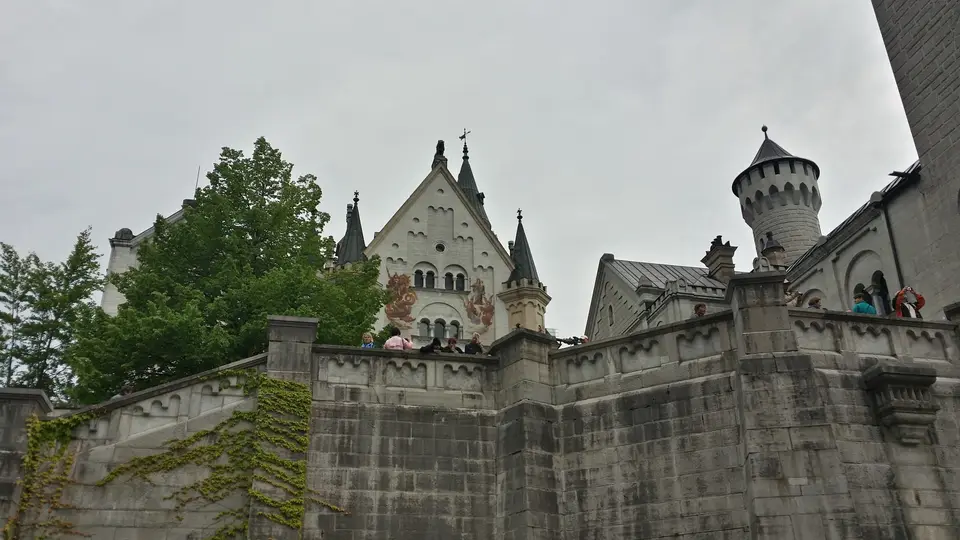
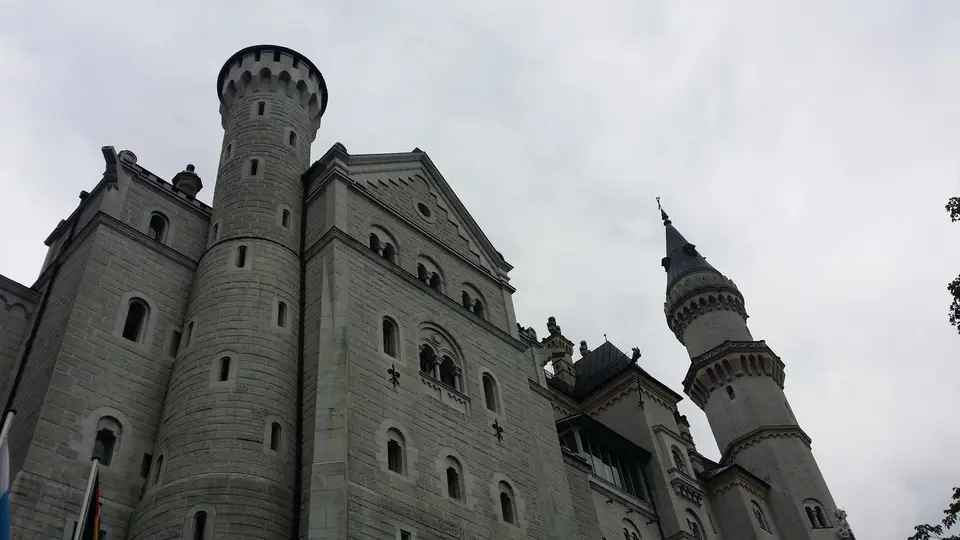
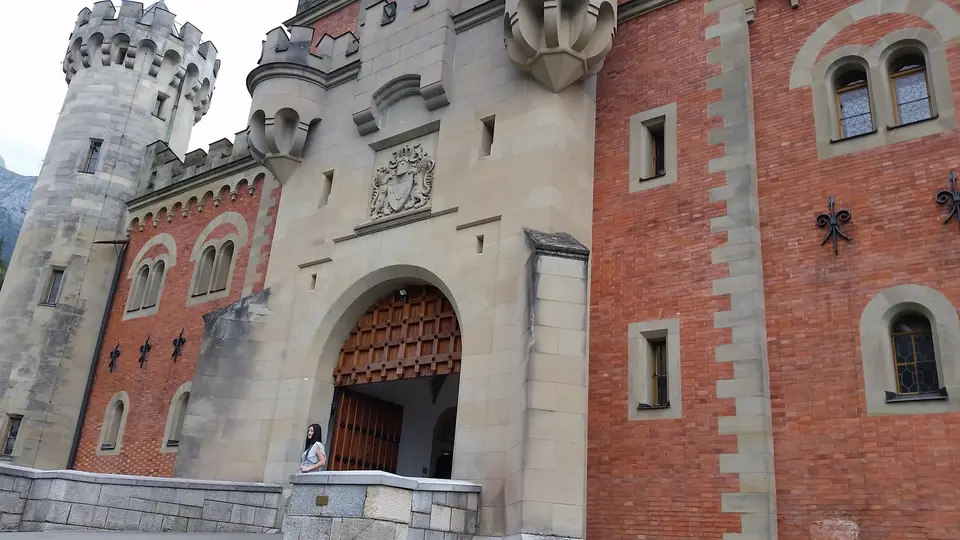
- The interior tour is short and guided and you cannot linger. Nearly everyone's best photographs are from outside, which is worth knowing before you decide how much of the day to give it.
Budget tips
- The walk up is free and the view from the Marienbrücke is free. A day in this valley without buying a castle ticket at all is a perfectly good day, and it is the one most people never consider.
- Build in more time than the ticket suggests. Between parking, the climb and the line, a 30-minute tour eats three hours.
Linderhof — and the grotto that reopened while nobody was looking
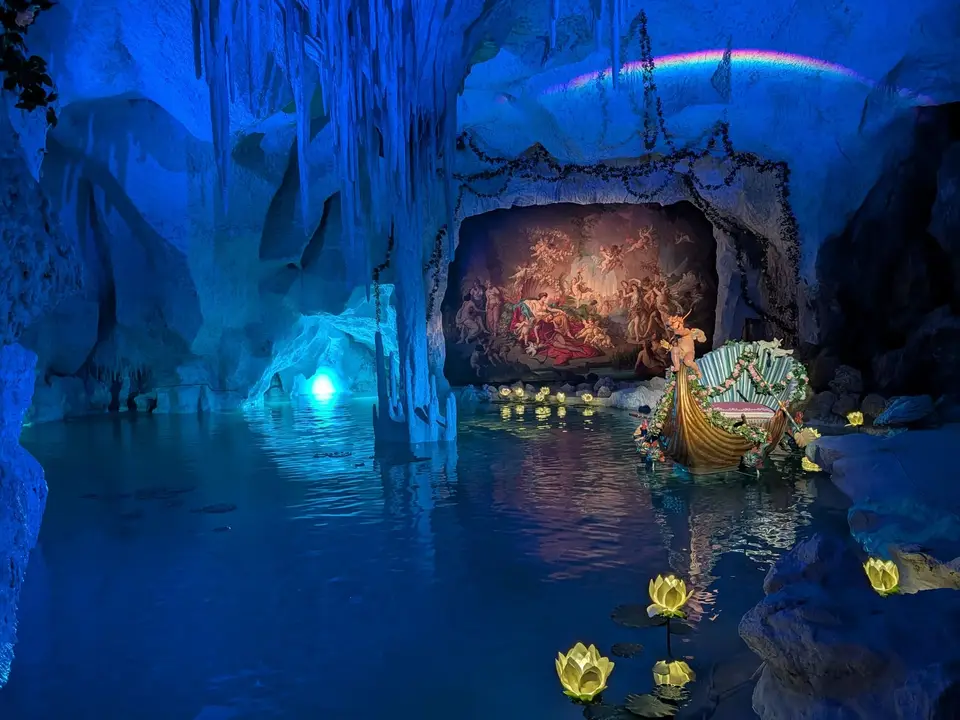
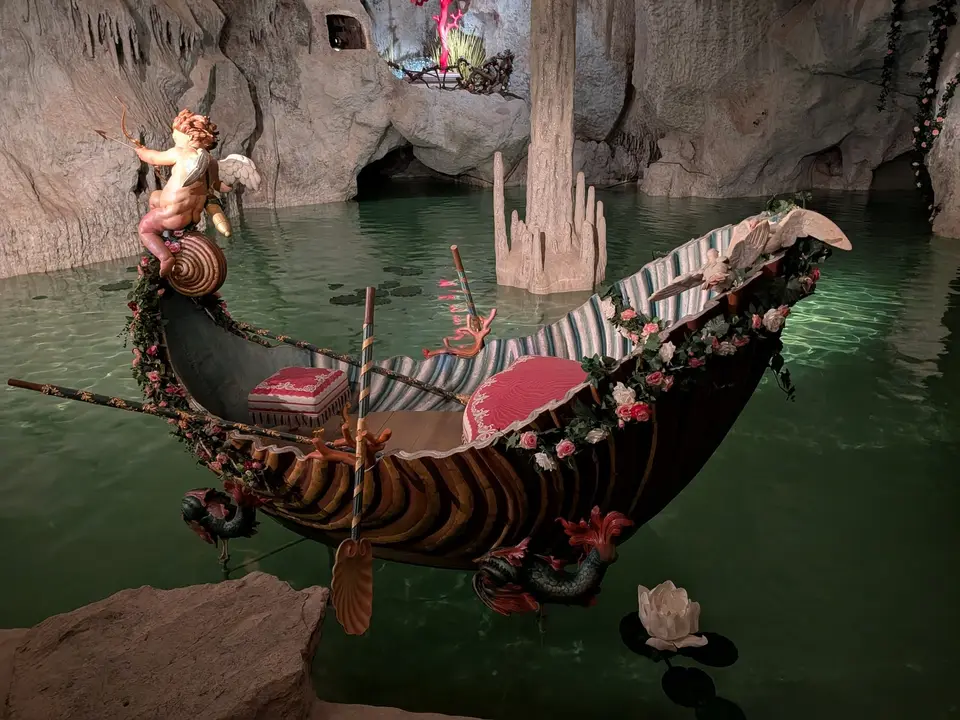
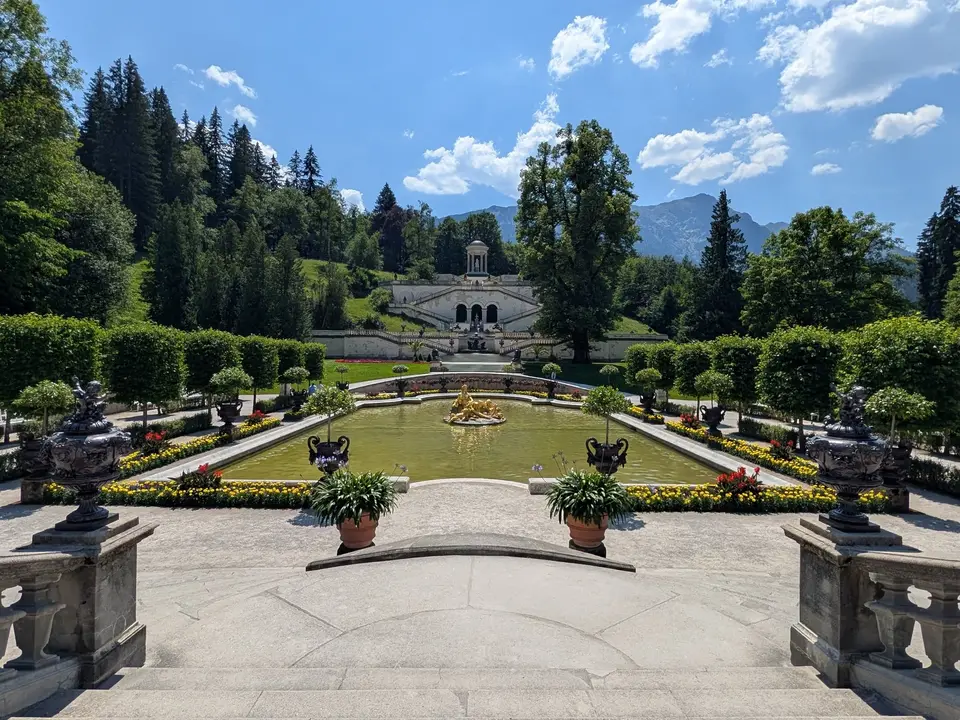
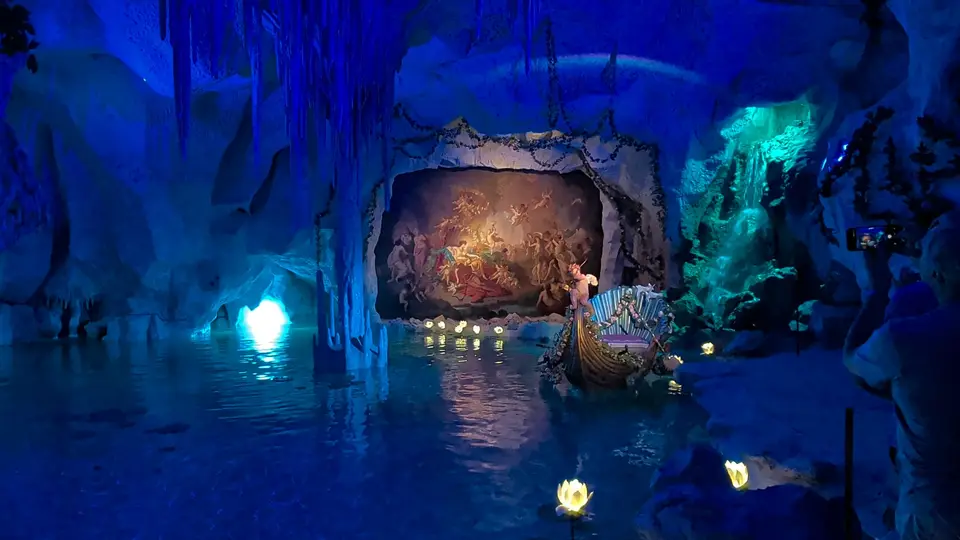
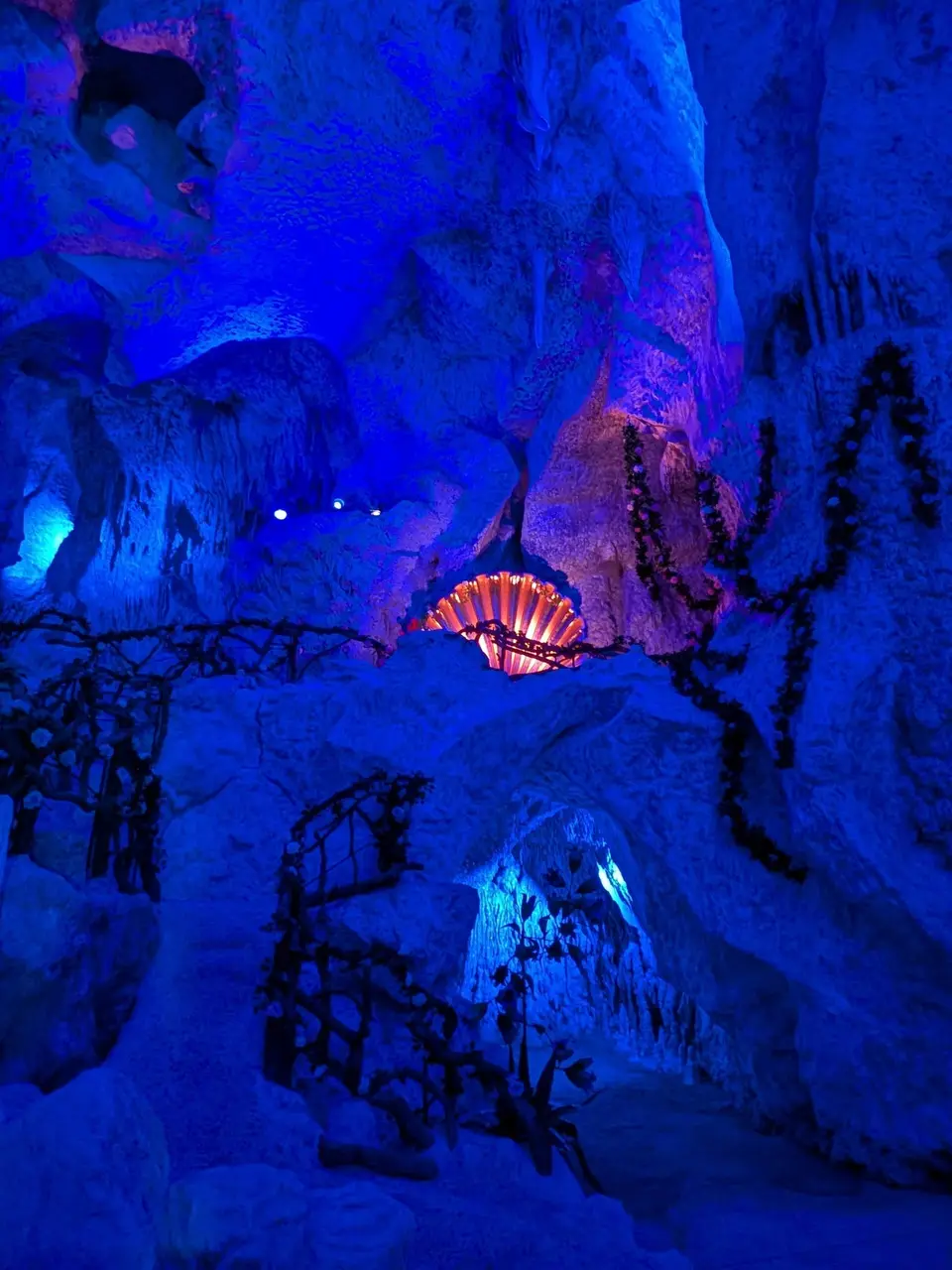
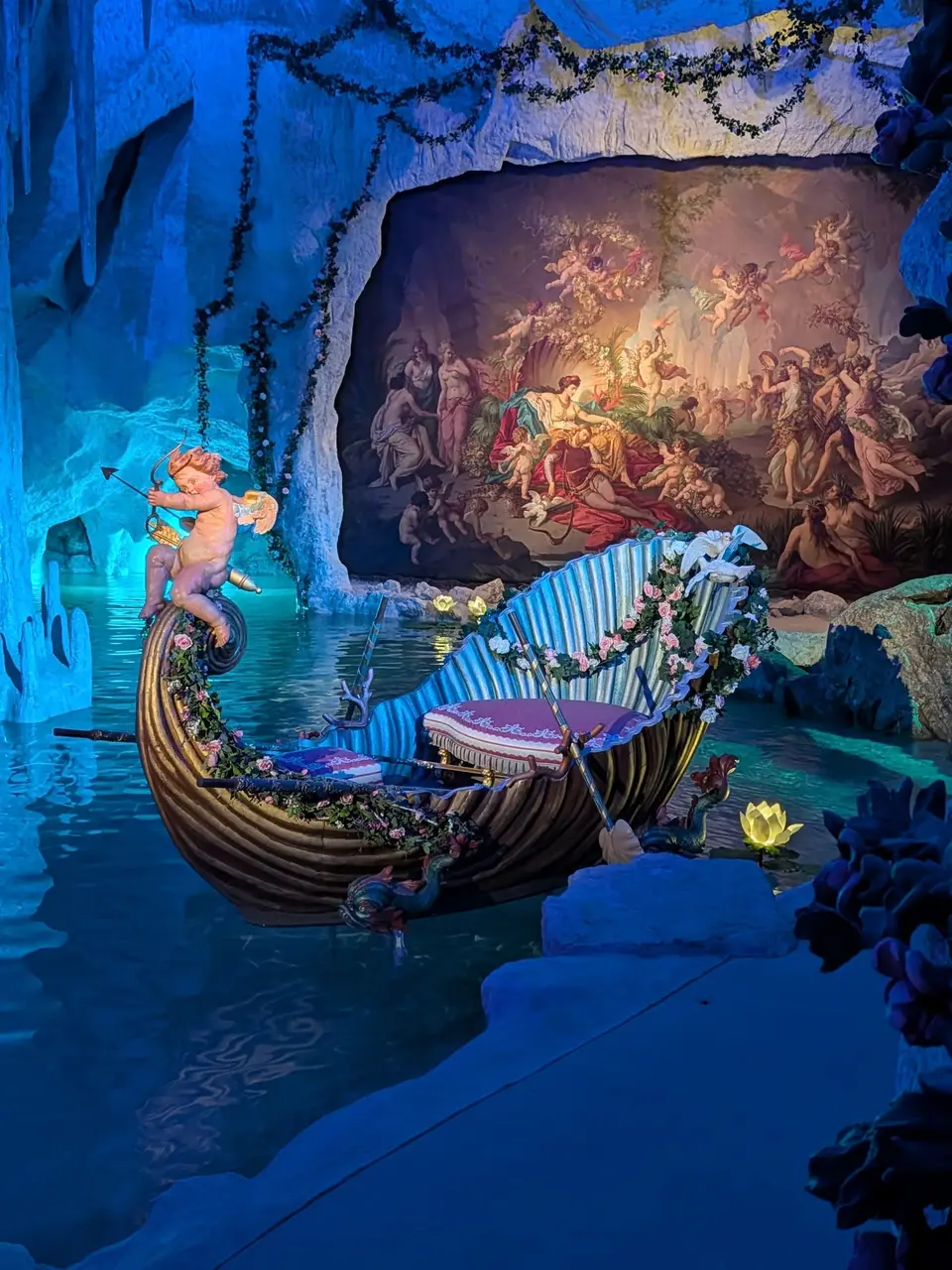
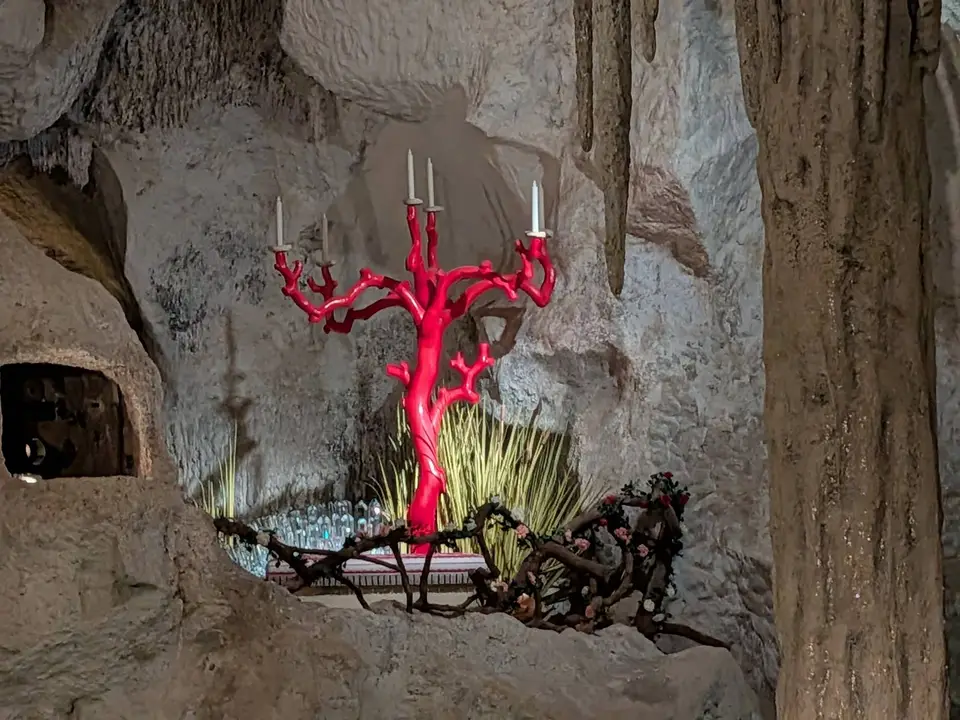
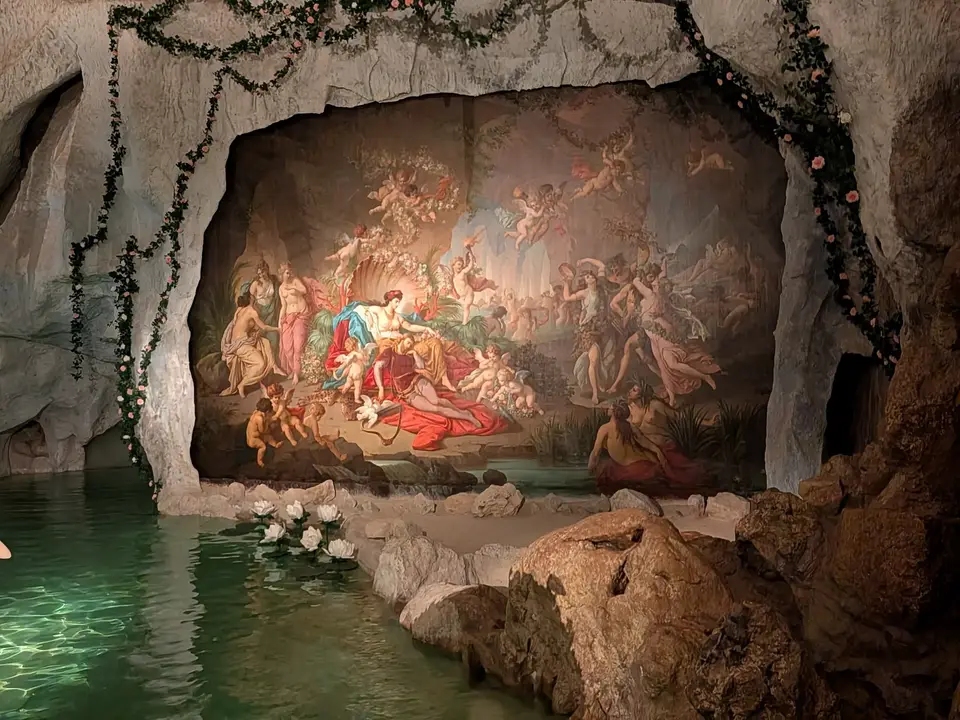
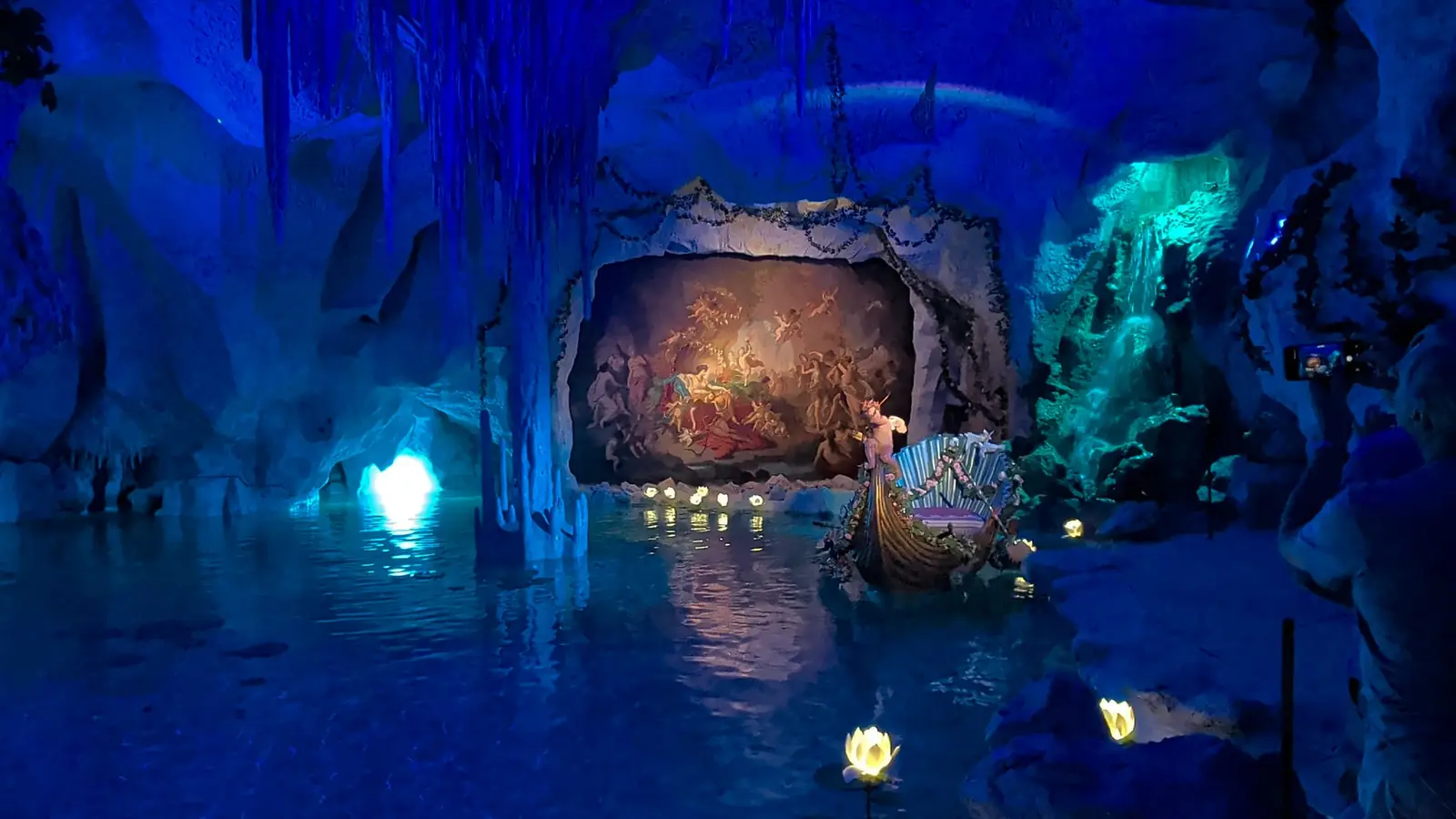
This is the section worth reading if you think you know Bavaria. Ludwig's smallest palace has, in its grounds, an artificial cave built as a stage set for Wagner — a lake you can float a gilded shell boat on, colored electric light in the 1870s, a painted Tannhäuser backdrop, and a throne made to look like coral.
It was closed from 2016 to 2024 for restoration and reopened in 2025. A great deal of advice online still says it is shut. Seven of our seventeen Linderhof photographs are inside it, and they were taken in June 2026 — after it came back.
- Palace €11 (€10 reduced), grotto €9 (€8), or both for €18 (€16). Checked 17 September 2026.
- The grotto's season is 15 April to 15 October in 2026, and it is shut the rest of the year — the palace stays open, the grotto does not. It is an outdoor structure in a mountain park and is not a year-round proposition — check the dates before counting on it.
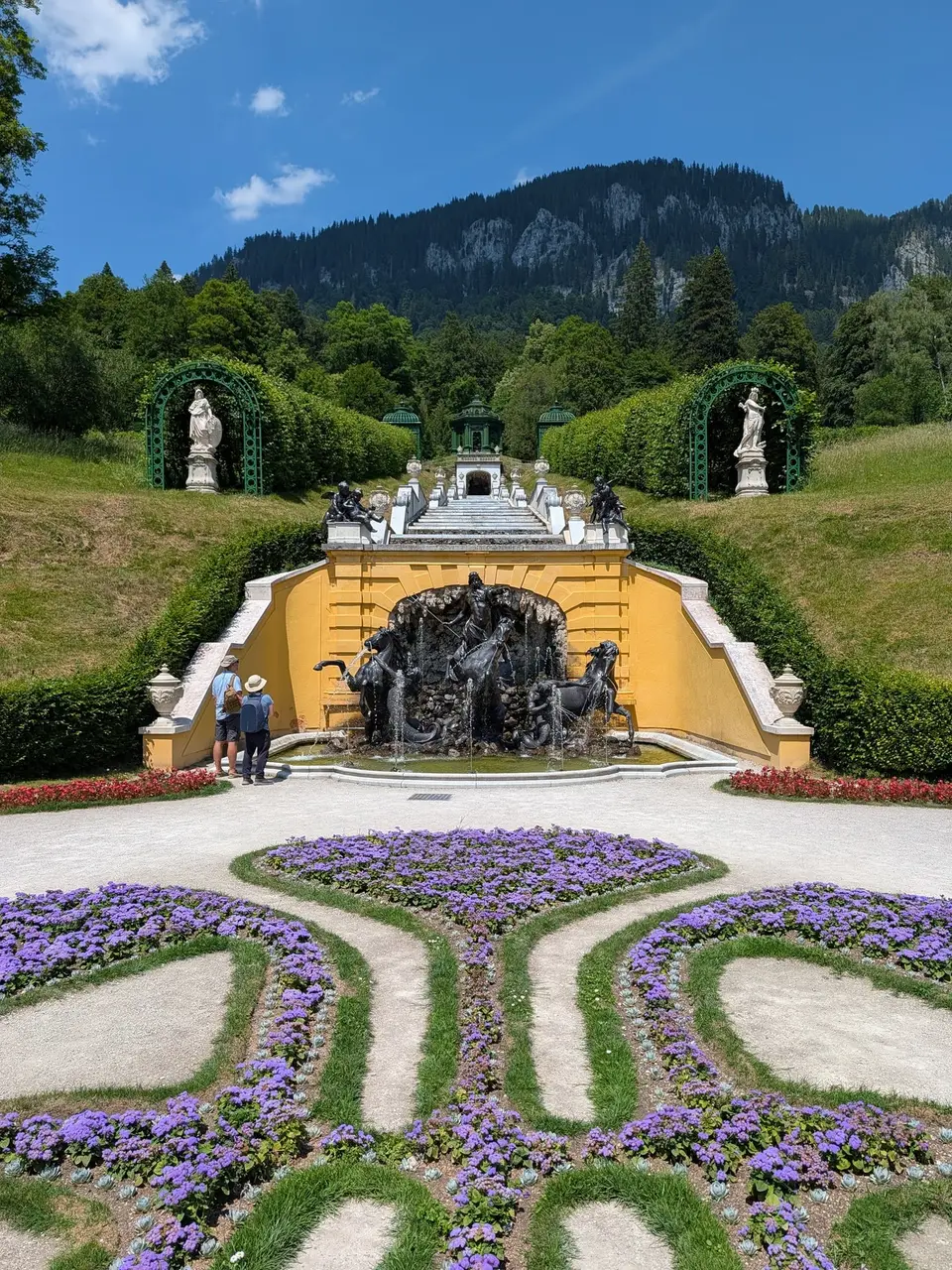
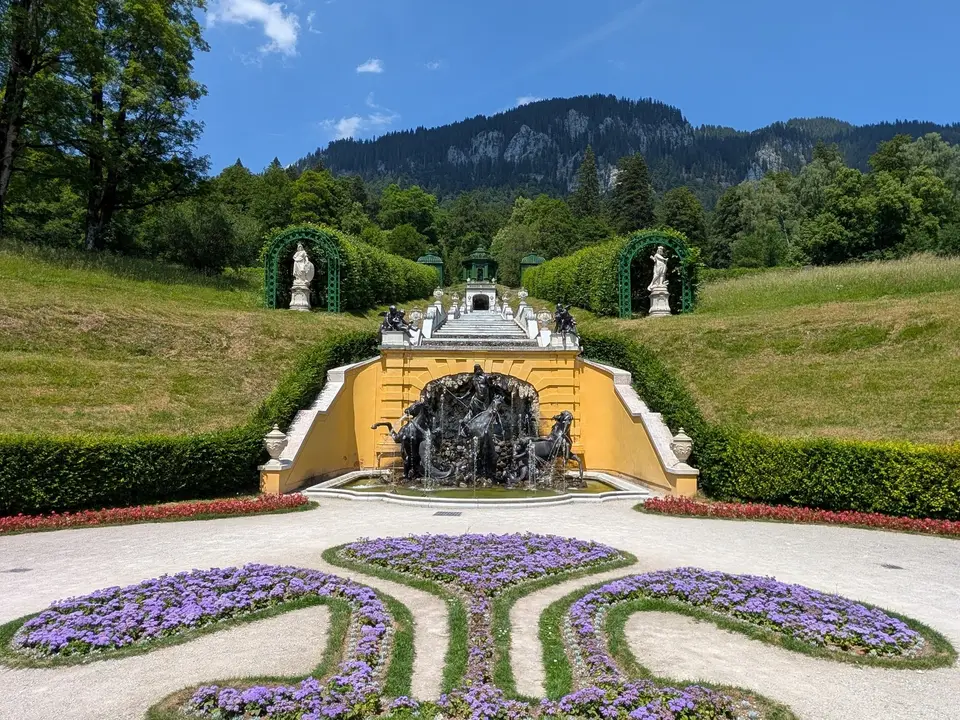
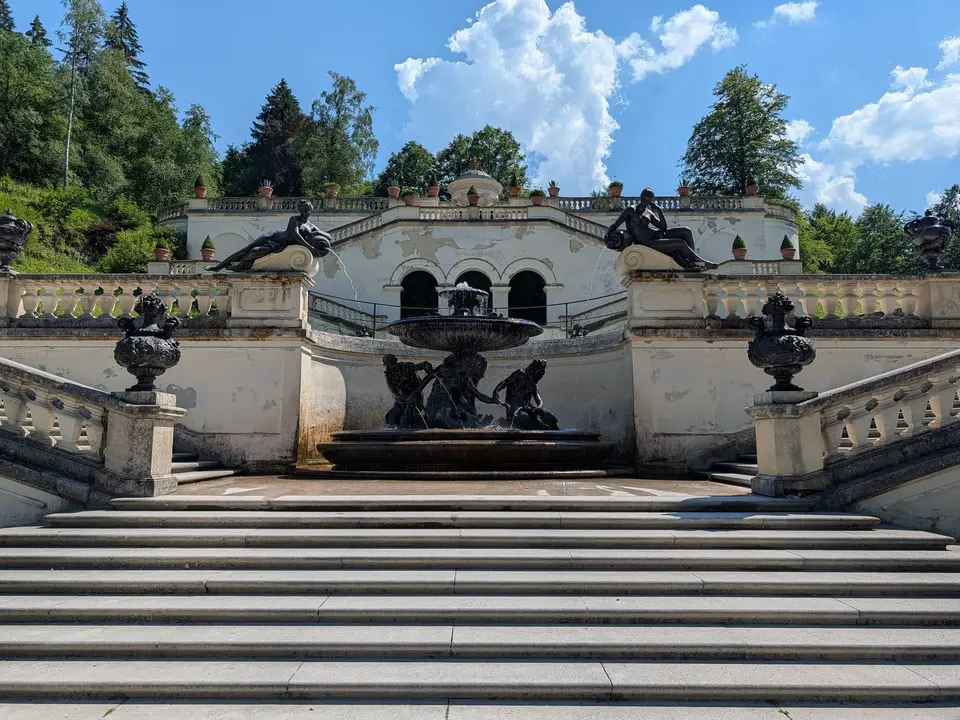
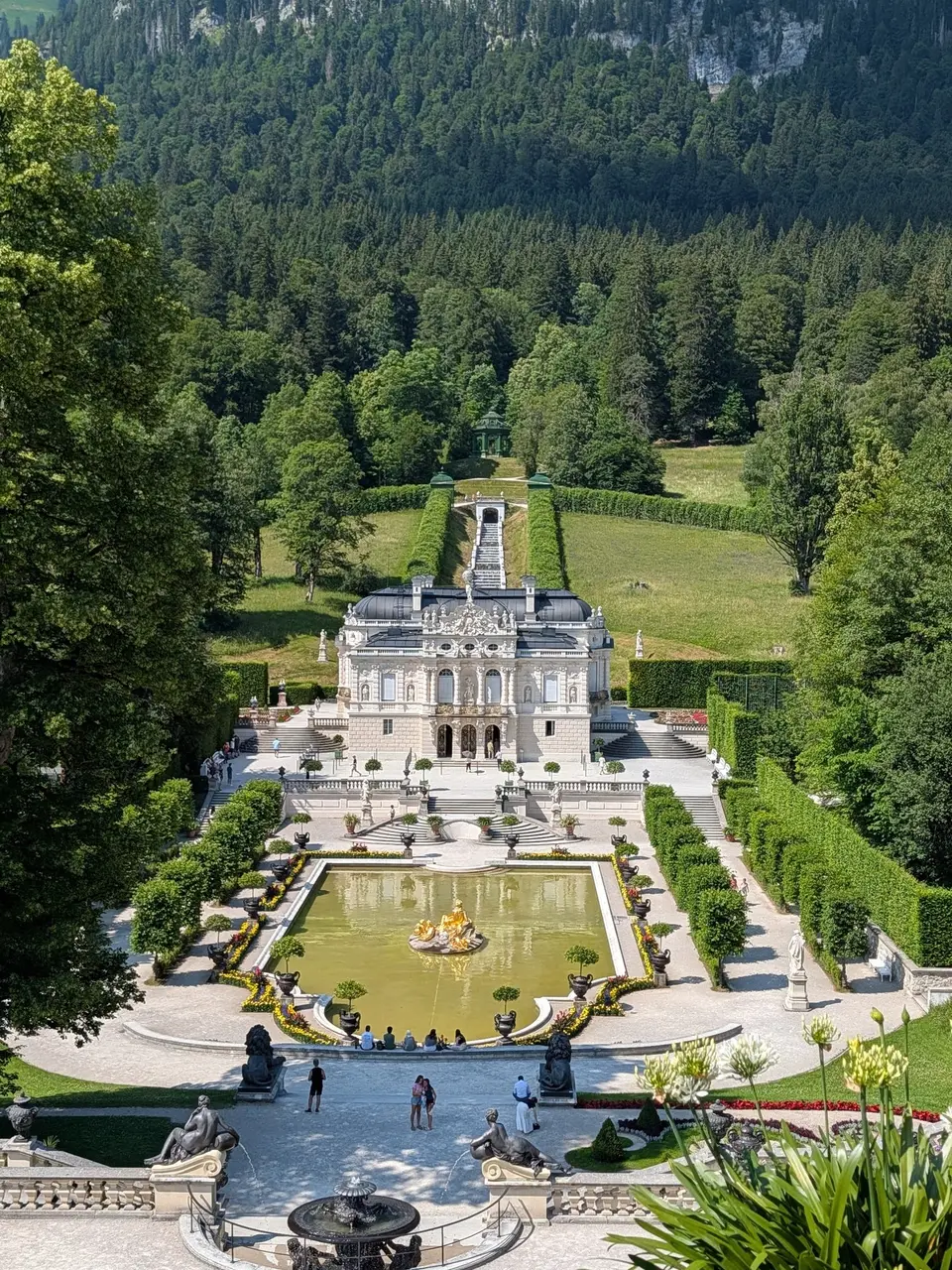
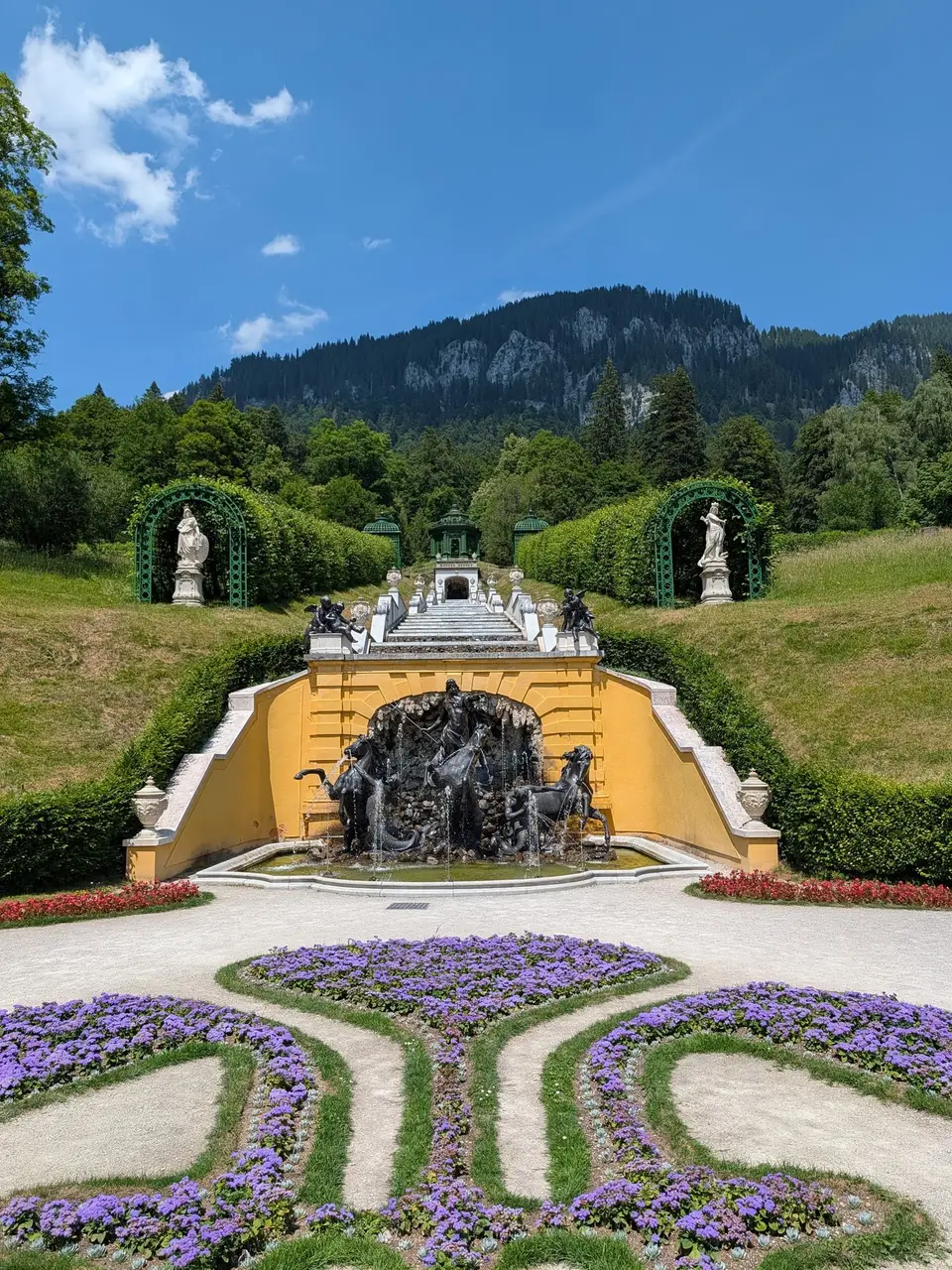
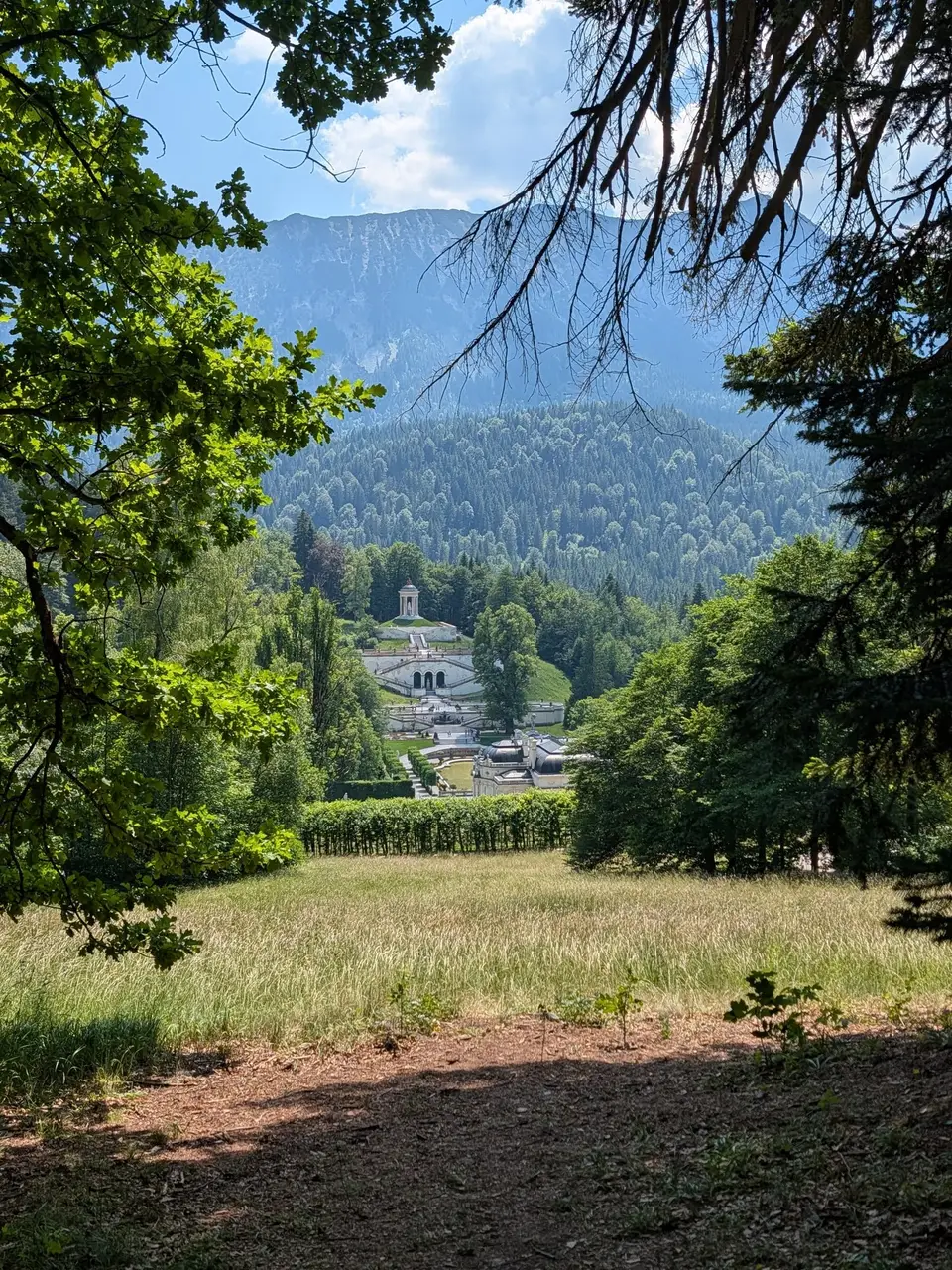
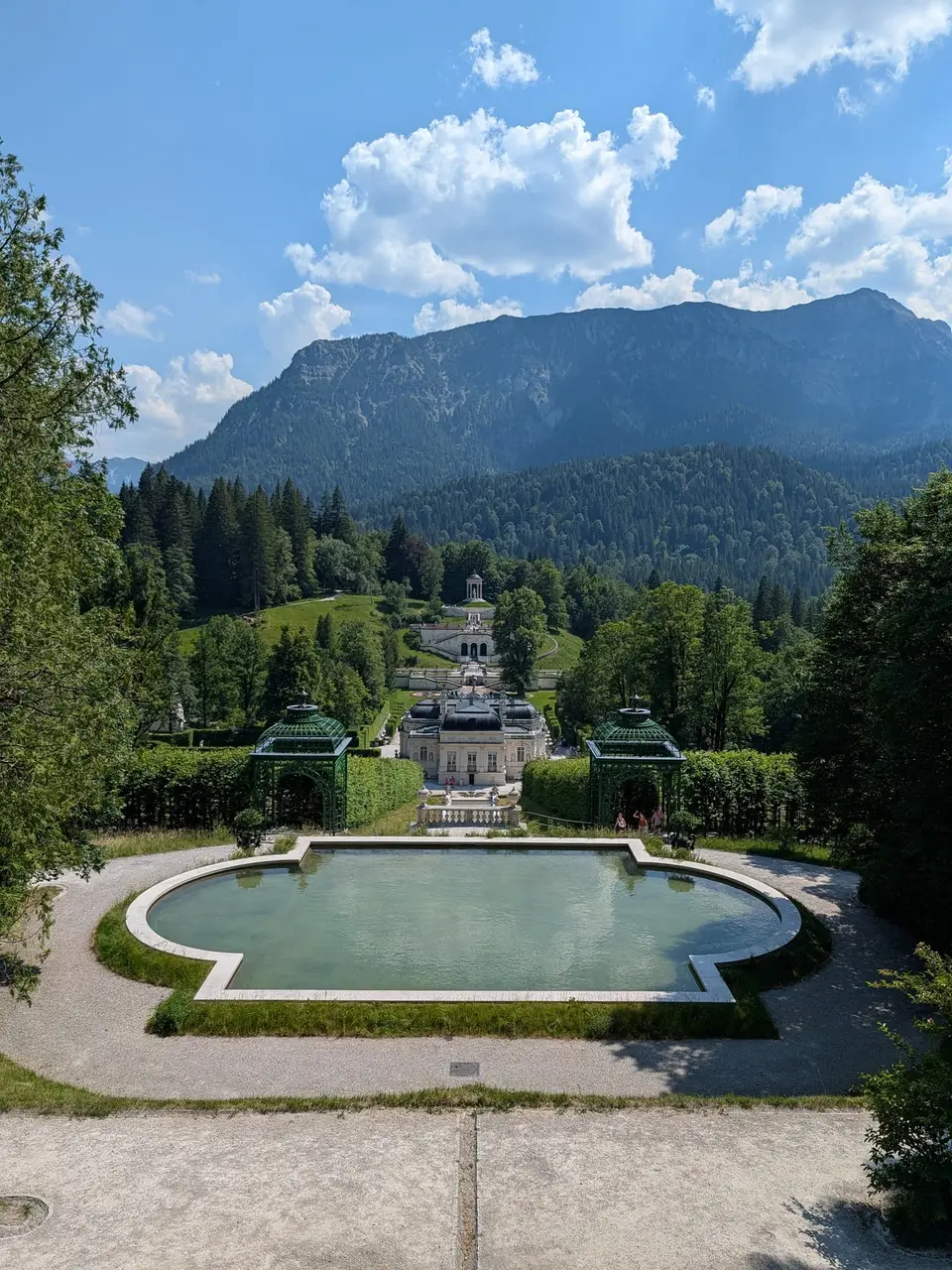
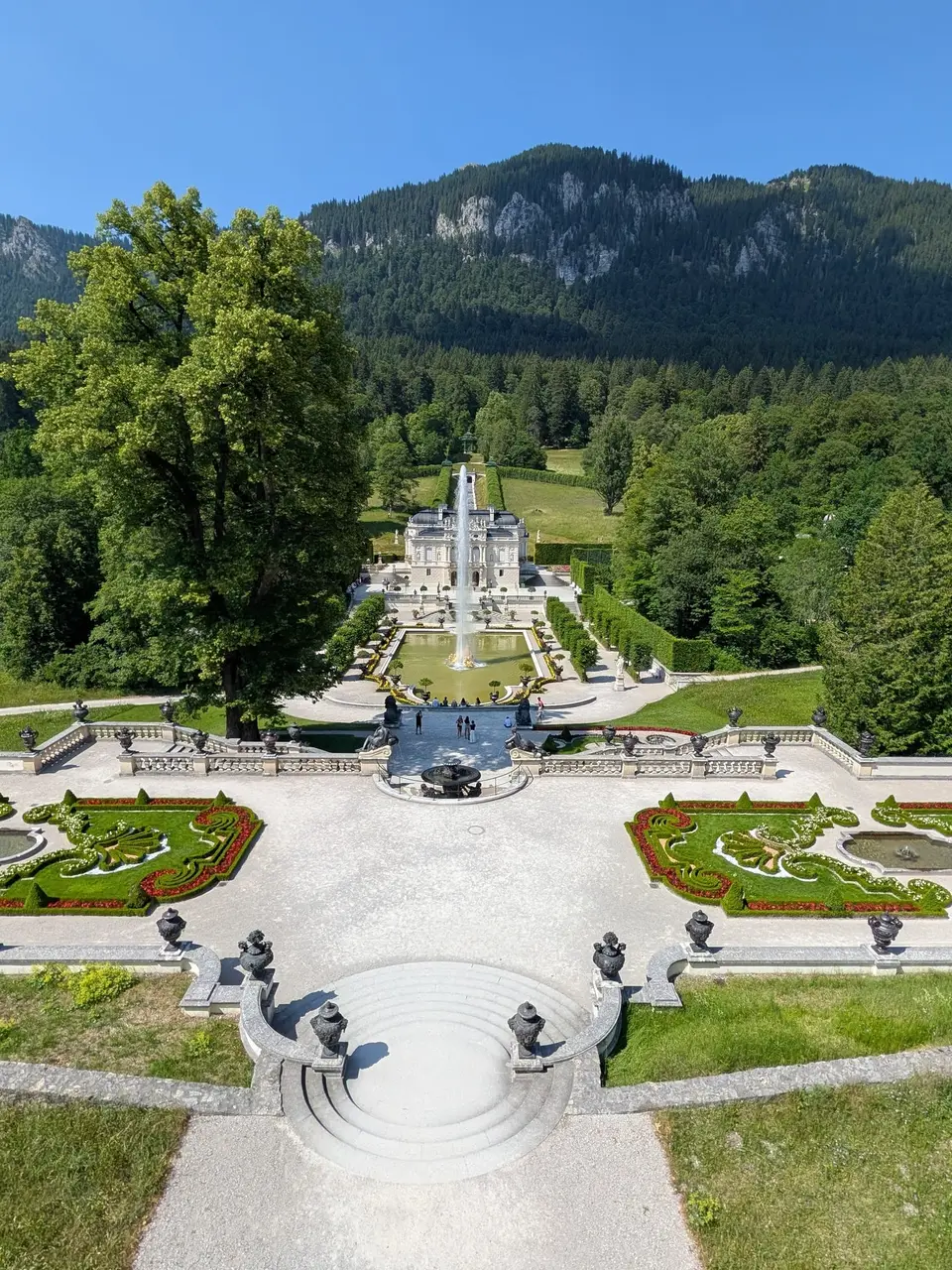
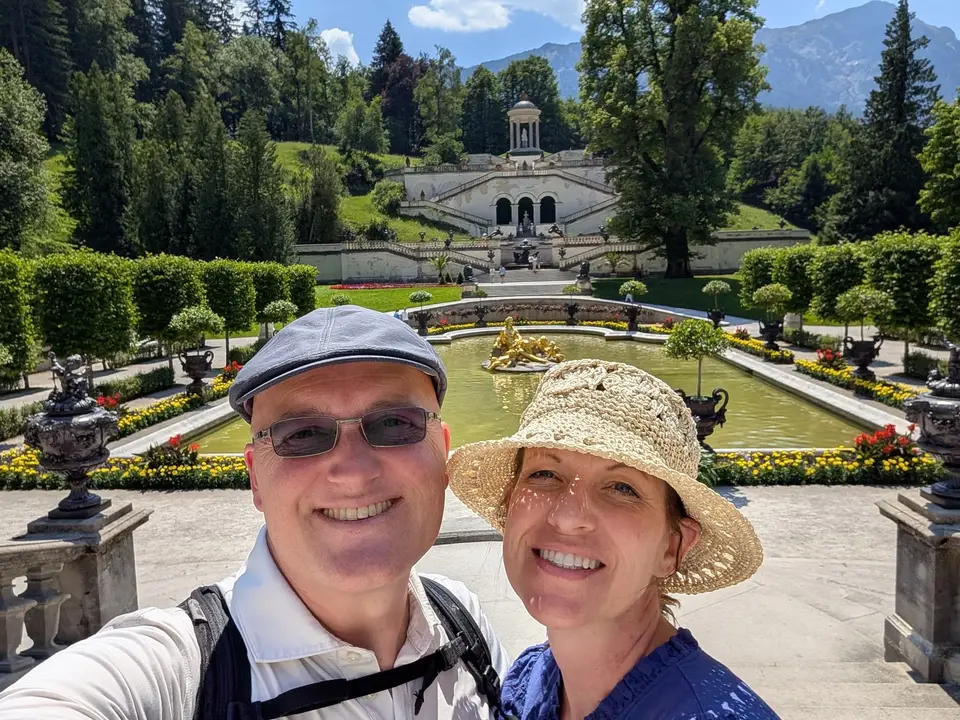
- The palace itself is small and takes half an hour. The grounds are the other half of the visit — the cascade and its steps, the parterre, and the pavilions up the wooded slope.
Budget tips
- If you only buy one ticket here, buy the grotto. The palace is a handsome small house; the grotto is unlike anything else in Europe, and at €9 it is the best value in this guide.
- Linderhof pairs naturally with Neuschwanstein in one long day by car, and the two together are the actual Ludwig itinerary rather than the marketed one.
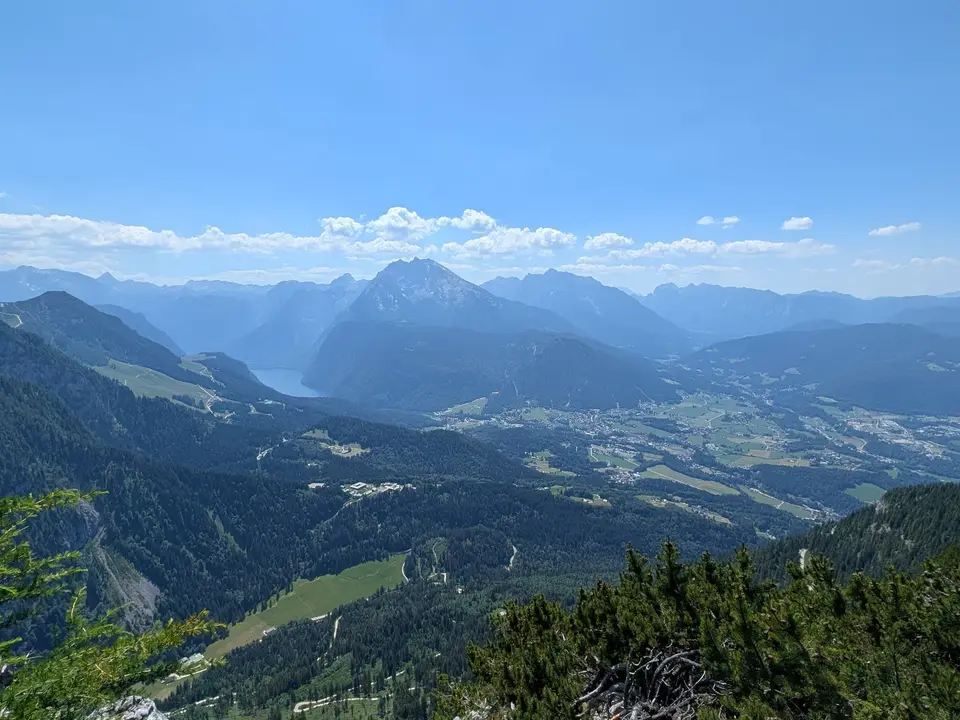
Berchtesgaden and the Eagle's Nest
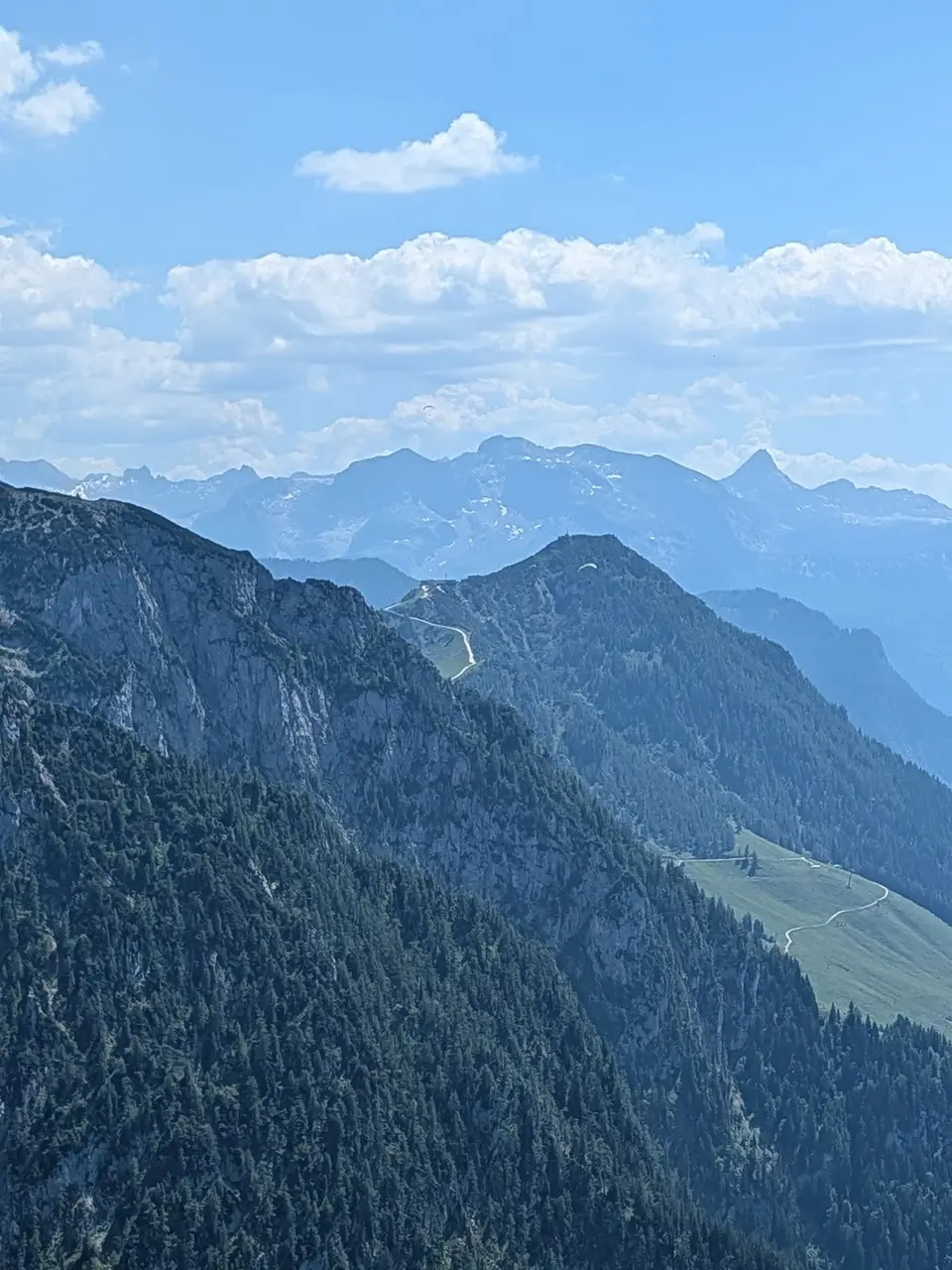
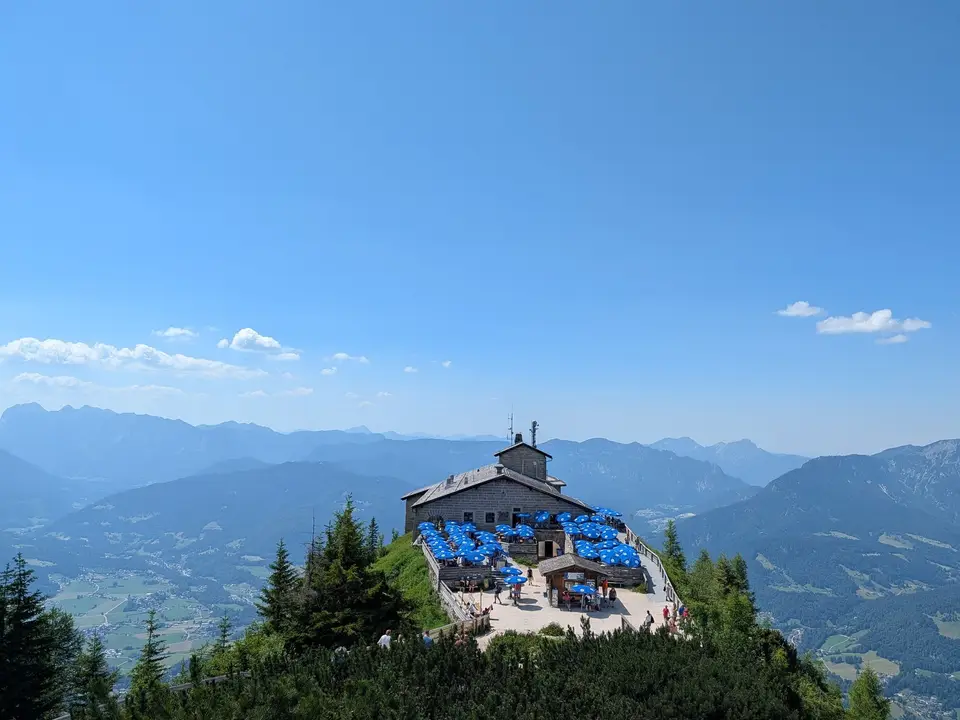
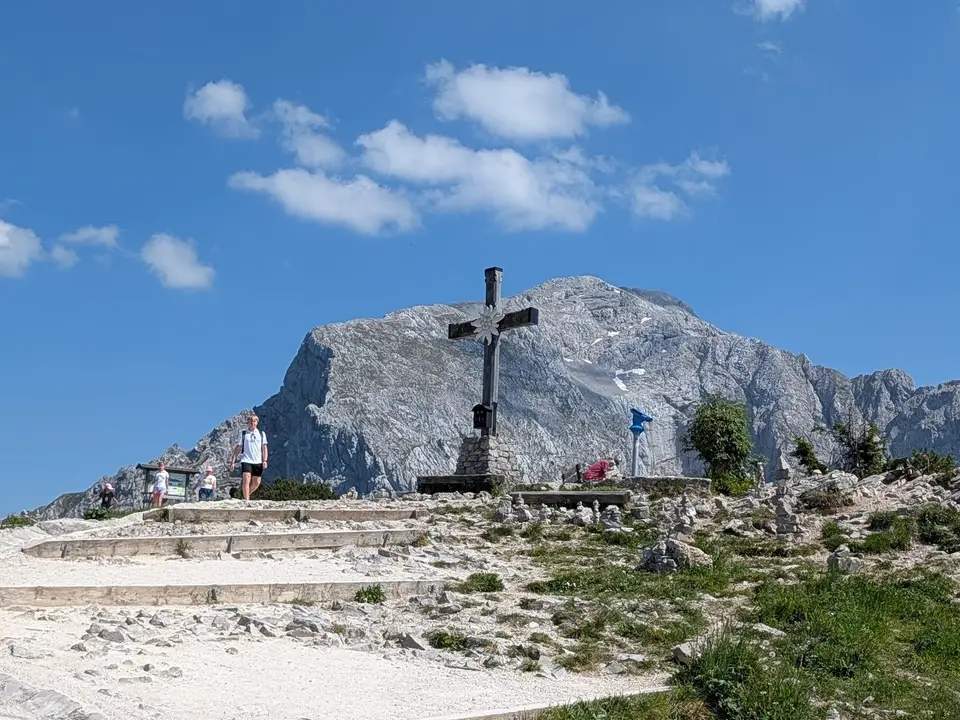
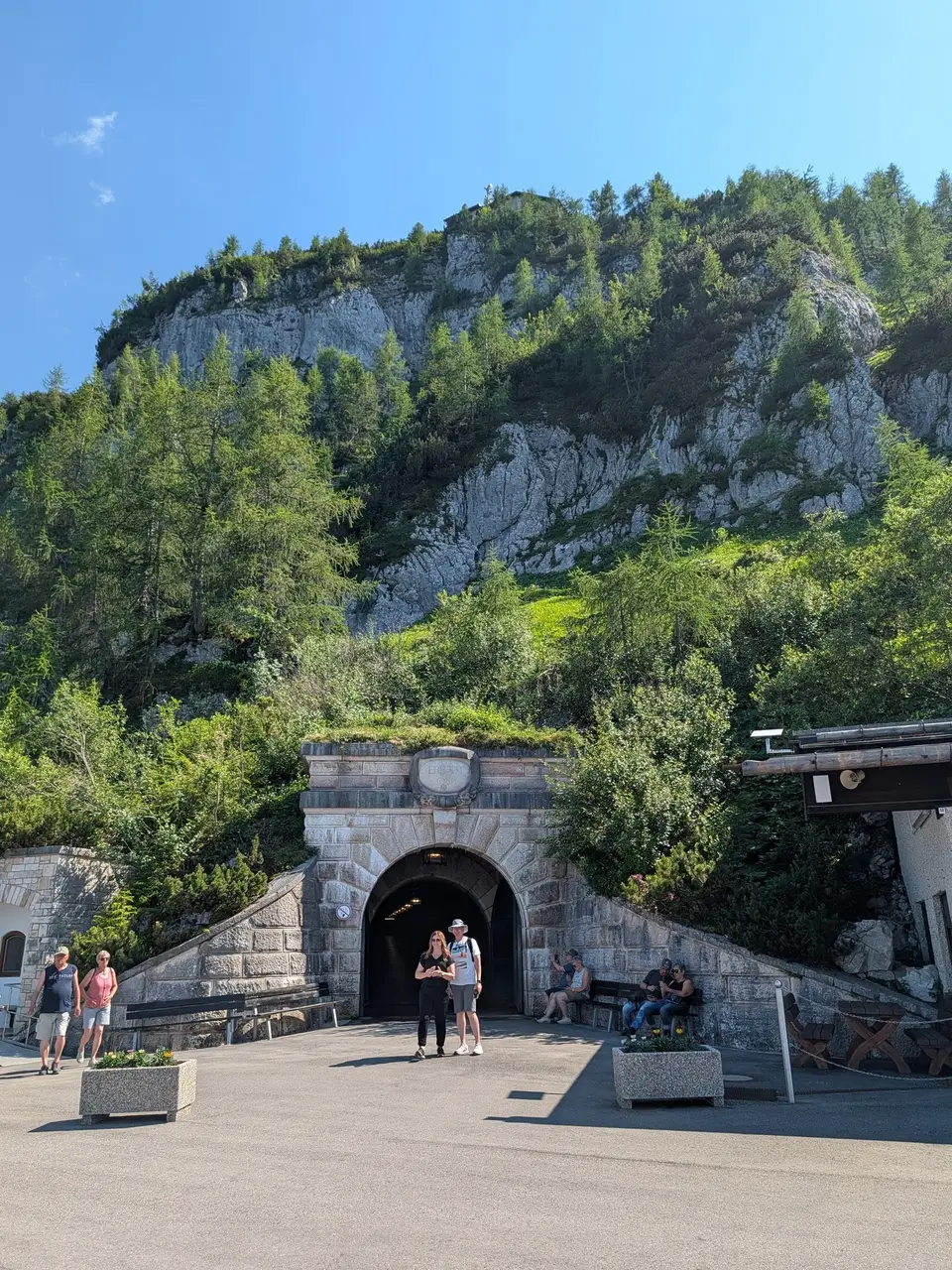
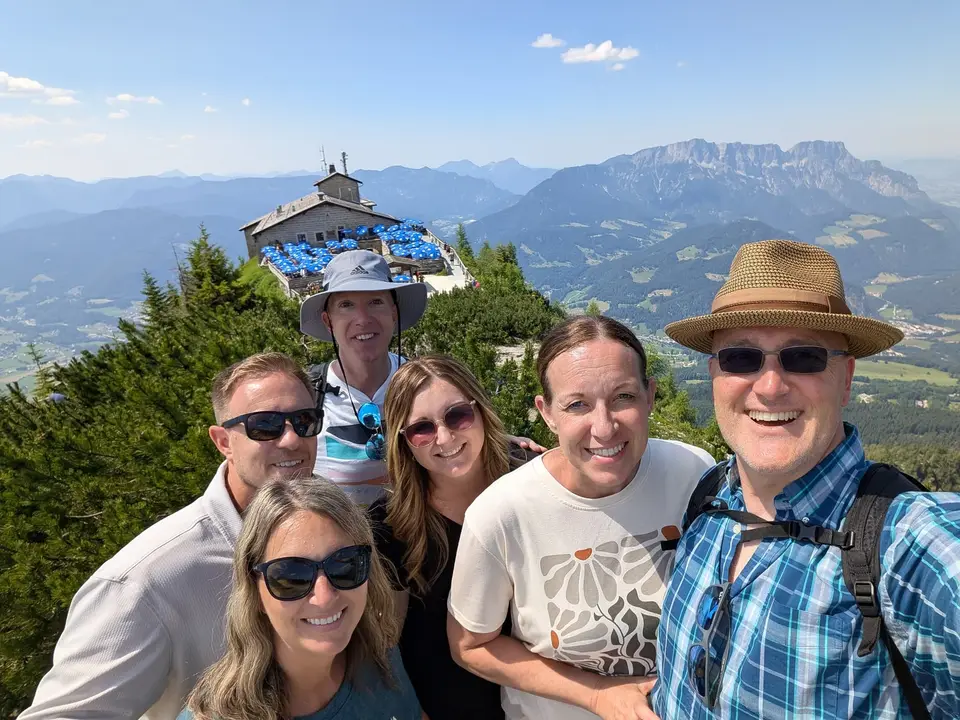
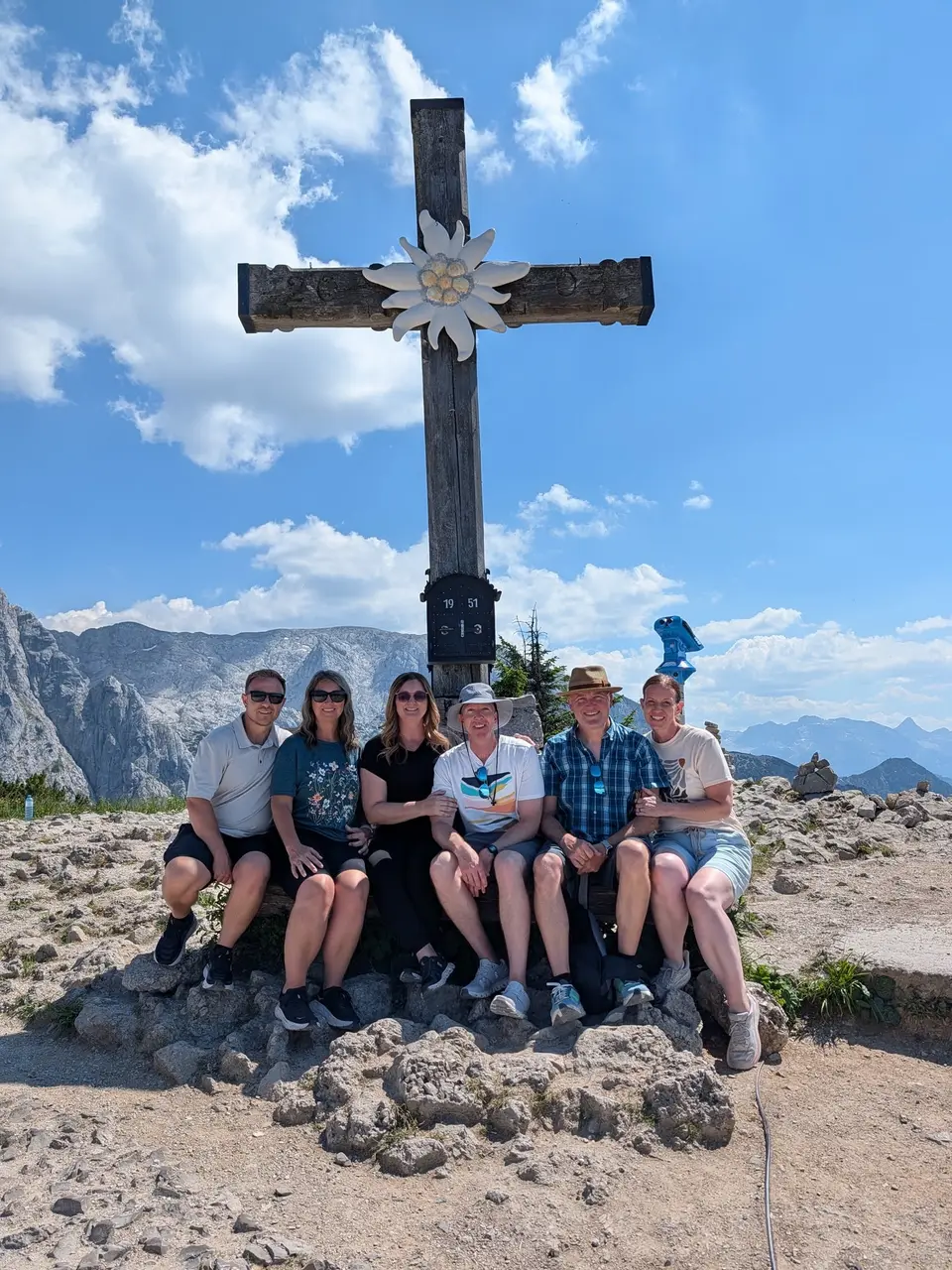
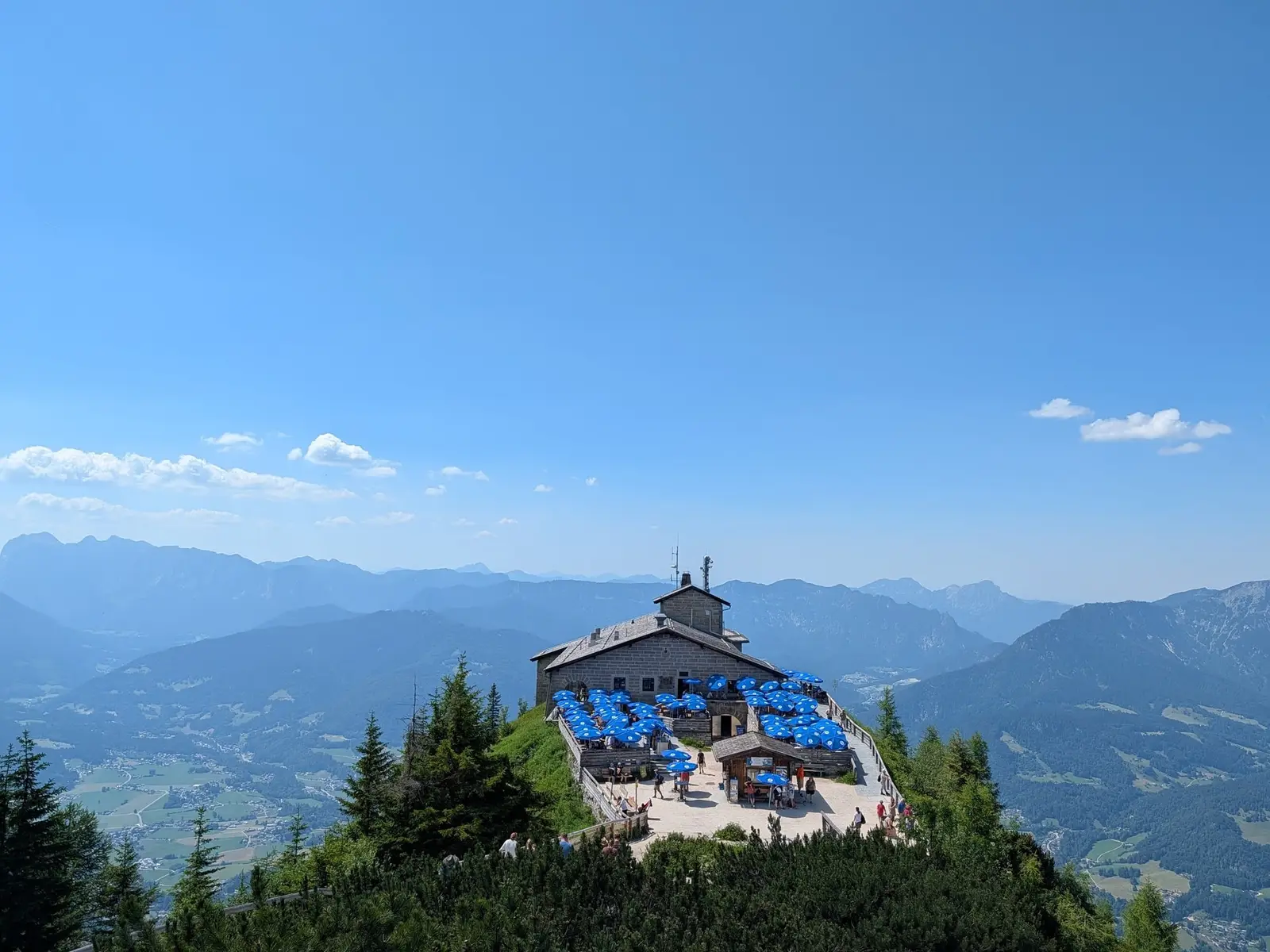
- The Kehlsteinhaus sits on a ridge at 1,834 meters and the way up is the point: a road cut into the mountain in the 1930s, a special bus that is the only vehicle allowed on it, then a brass-lined lift driven up through the rock into the building itself.
- 8 May to 8 November in 2026, and nothing outside it. The road is shut in winter for avalanche risk and there is no alternative way up — it is closed to cars, bikes and walkers alike, not just to the buses.
- €34.70 an adult for the bus, which includes the lift and admission — there is no separate entry fee. It also covers the Dokumentation Obersalzberg on the same day, which is at the bus departure point and is the serious half of what you came for. Allow two hours for the round trip rather than the one the timetable implies.
- You cannot drive it. Park at Obersalzberg and take the Kehlsteinbus; from Berchtesgaden station it is bus 838 first.
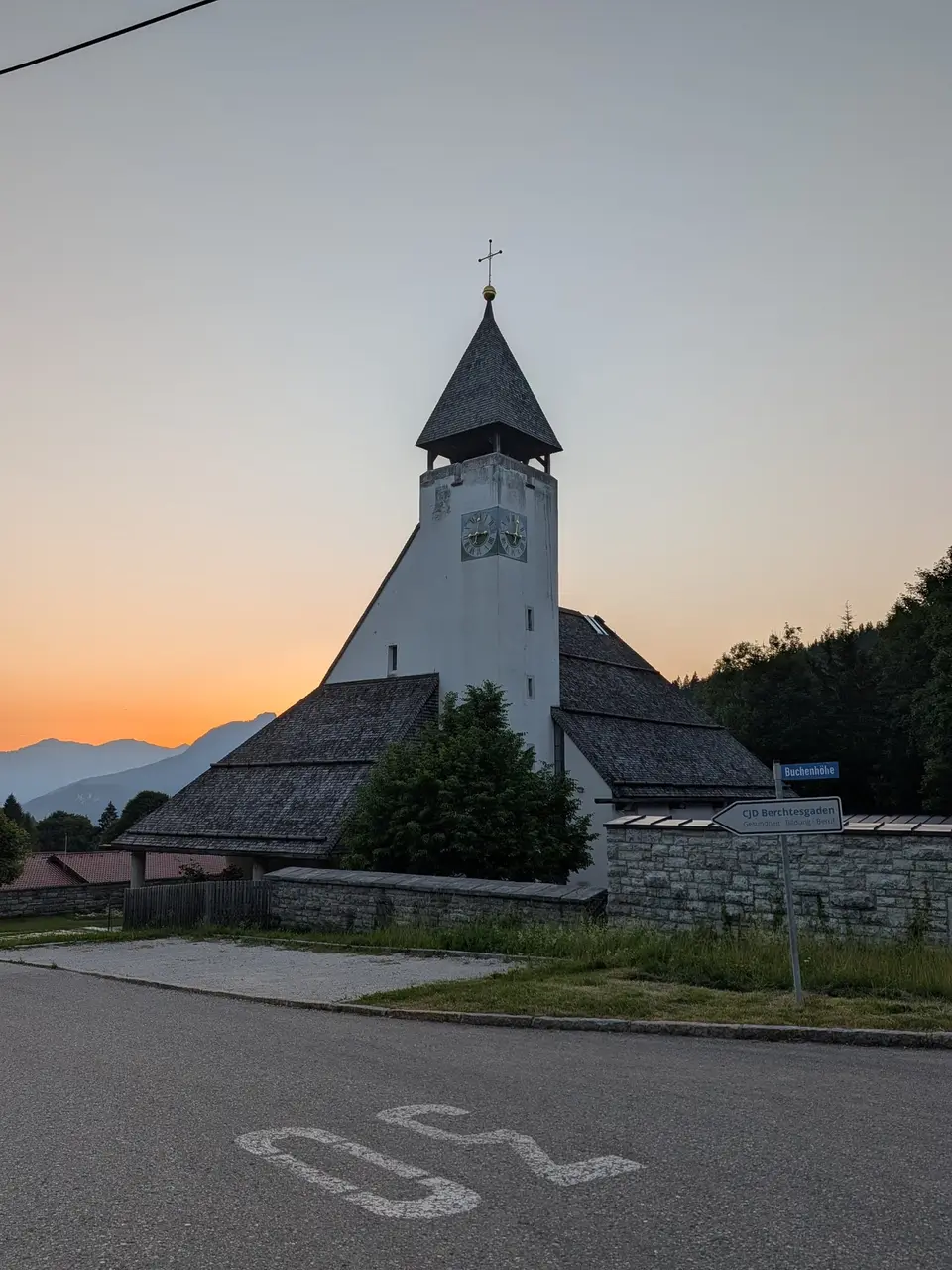
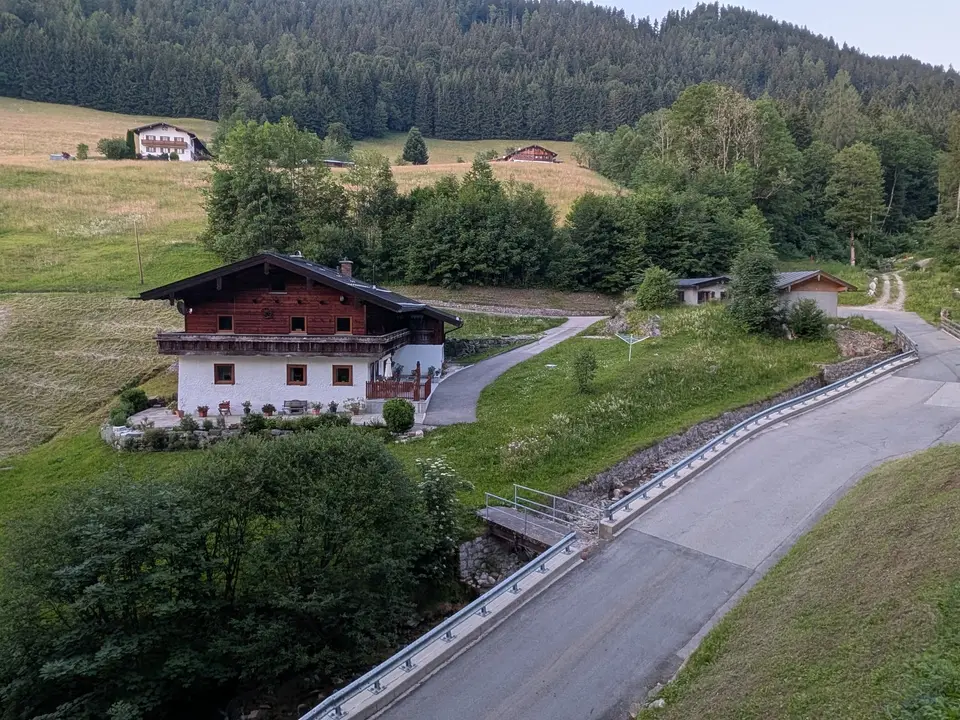
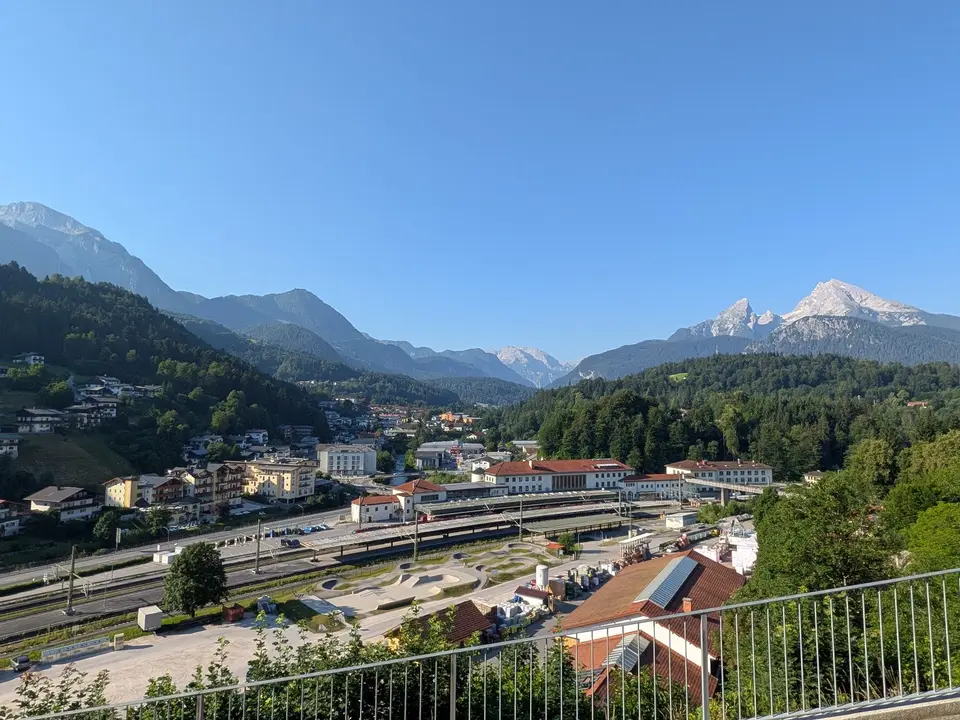
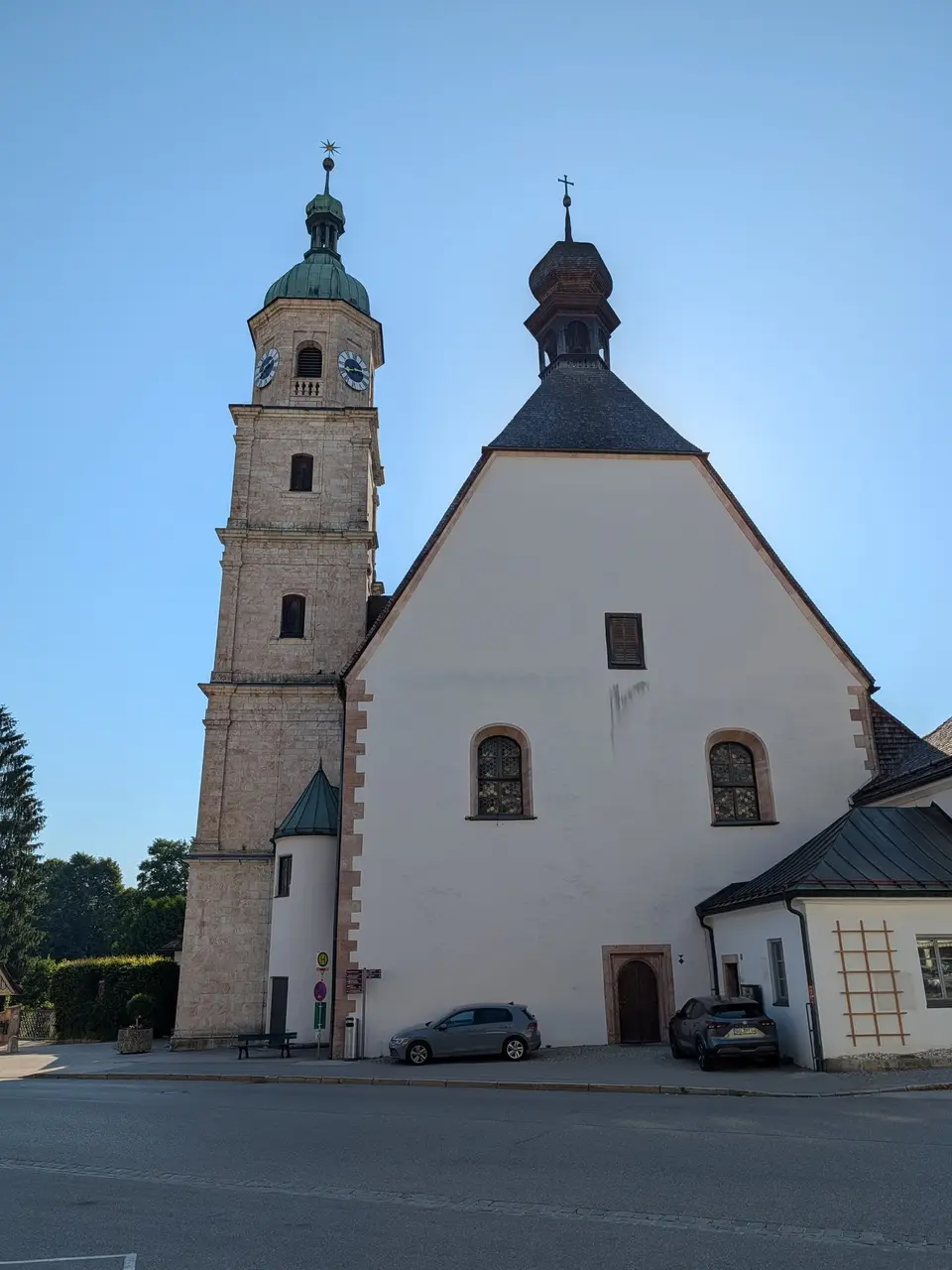
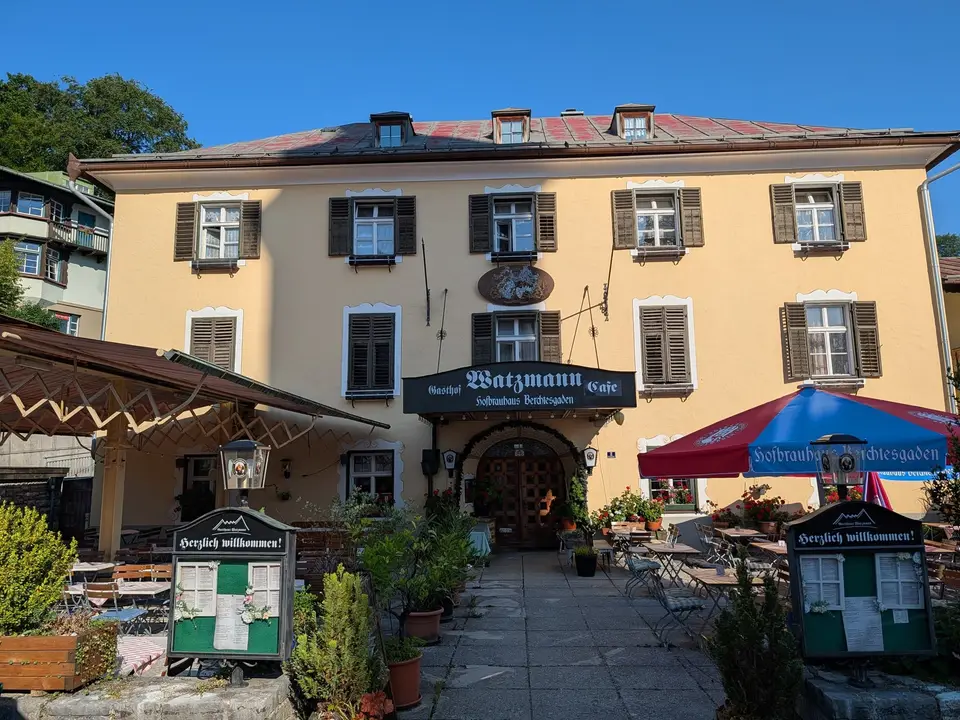
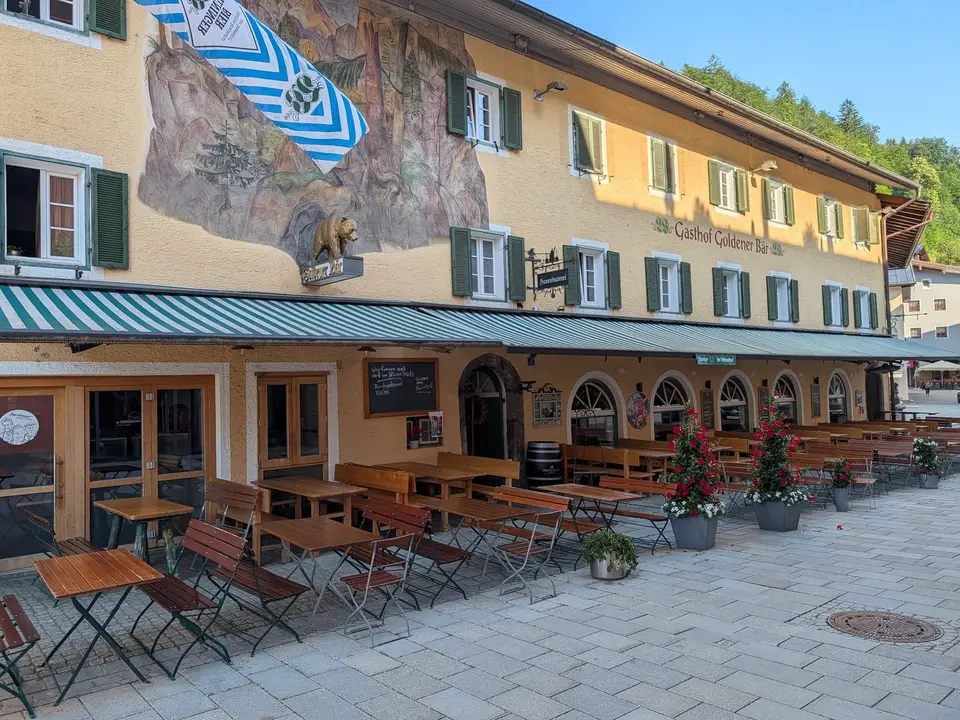
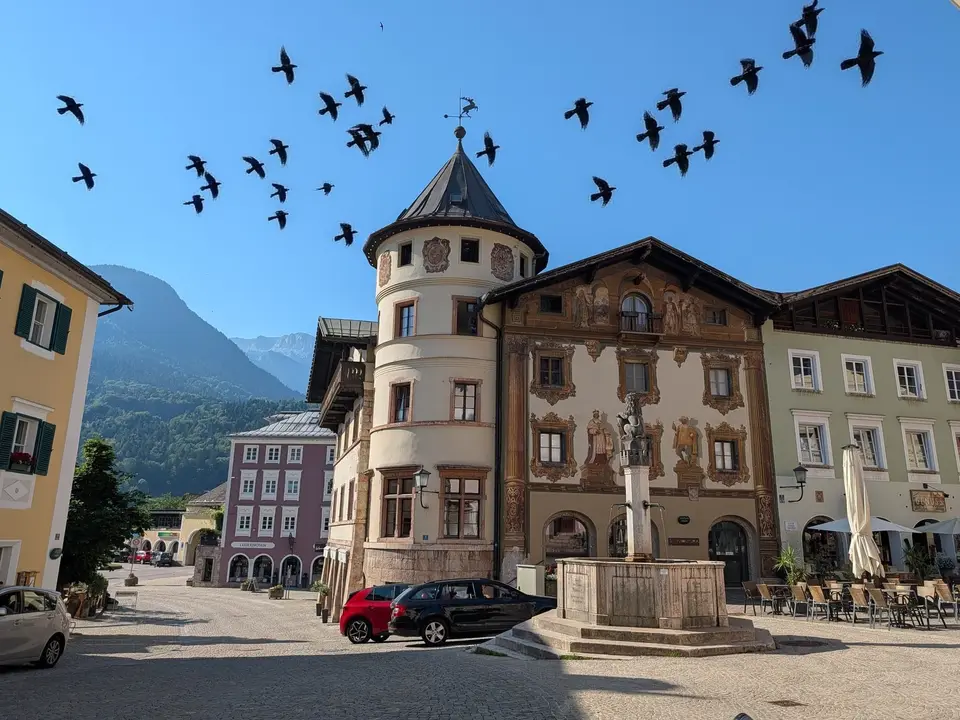
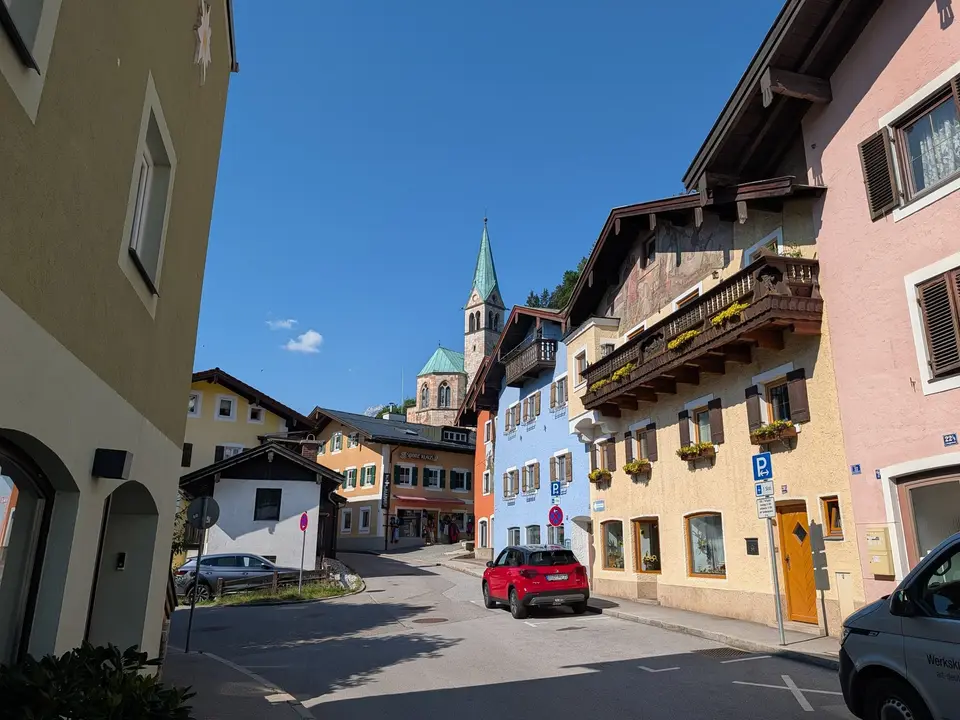
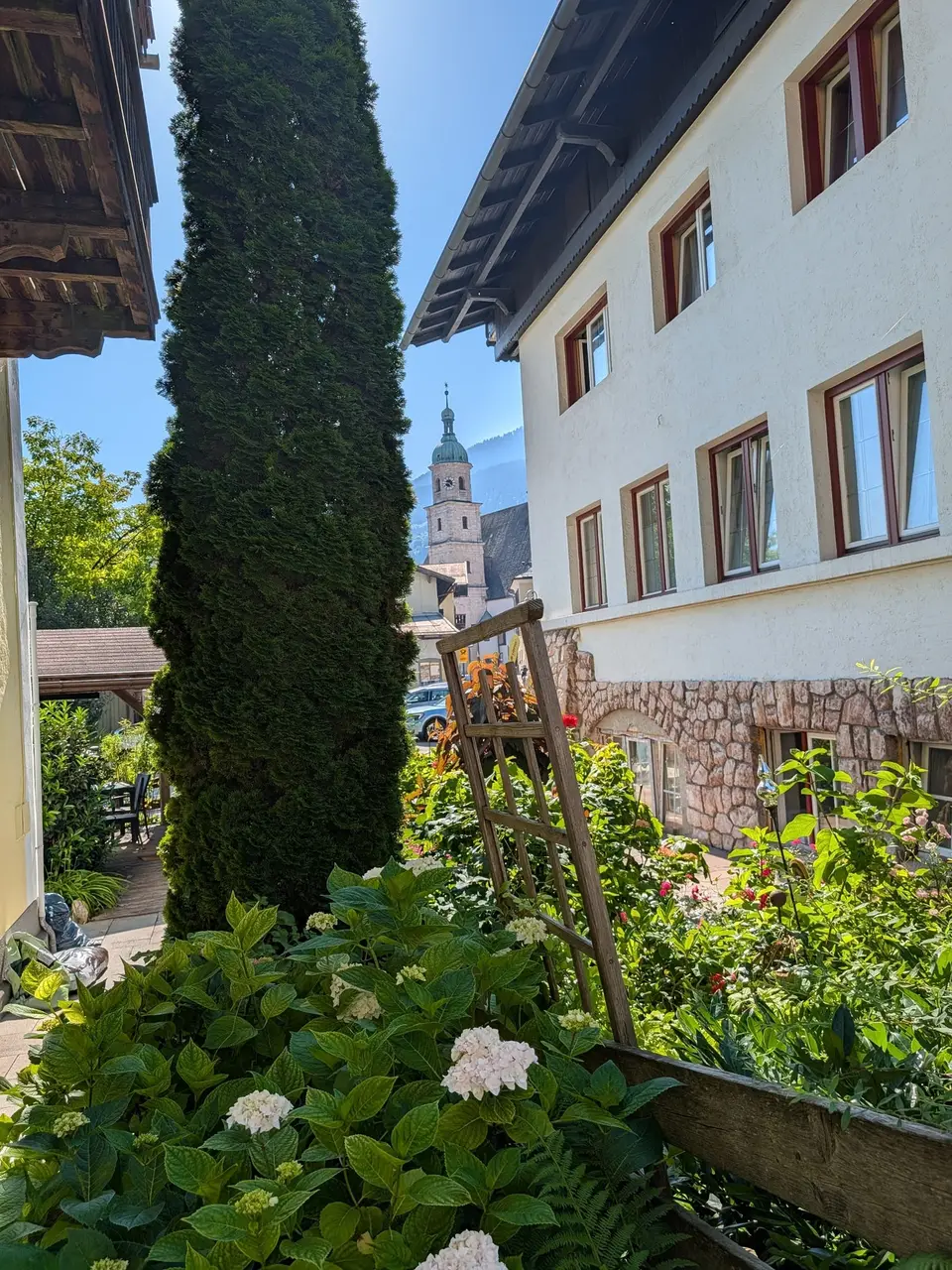
- The town below is worth an hour in its own right — painted facades around the market square, the abbey church with its two towers, and the Watzmann standing over all of it.
When to come
- Late June is what most of these photographs are: everything open, the Eagle's Nest road clear, Linderhof's gardens planted, long evenings.
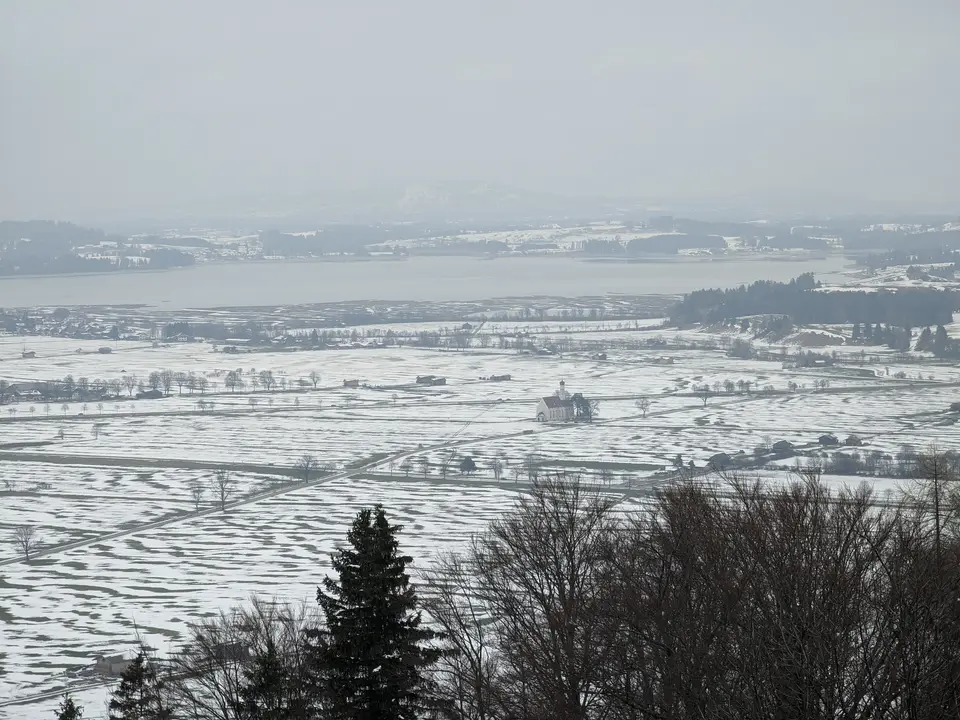
- Early March we have also done, and it is a different trip — Neuschwanstein in snow is arguably better than in summer, but Linderhof's grotto season has not started and the Eagle's Nest is inaccessible. Two of the four stops on this page simply are not available.
- The season is the real constraint in Bavaria, more than the weather. Work out what is actually open on your dates before you fix the route.
How many days?
Four is comfortable from a Munich base: one for Munich itself, one for Neuschwanstein and Linderhof together, one for Berchtesgaden, and one spare — which you will want, because this is a driving route and the days are long. Three works if you cut Munich to an evening. Berchtesgaden also sits forty minutes from Salzburg, which is why the two so often end up on the same trip.