Before you go — the two decisions that shape the trip
- Three days at least. This is not a city you pass through on the way to somewhere else, and people try. Two days will get you the buildings and none of the rest of it — the baths alone are half a day each and you will want both.
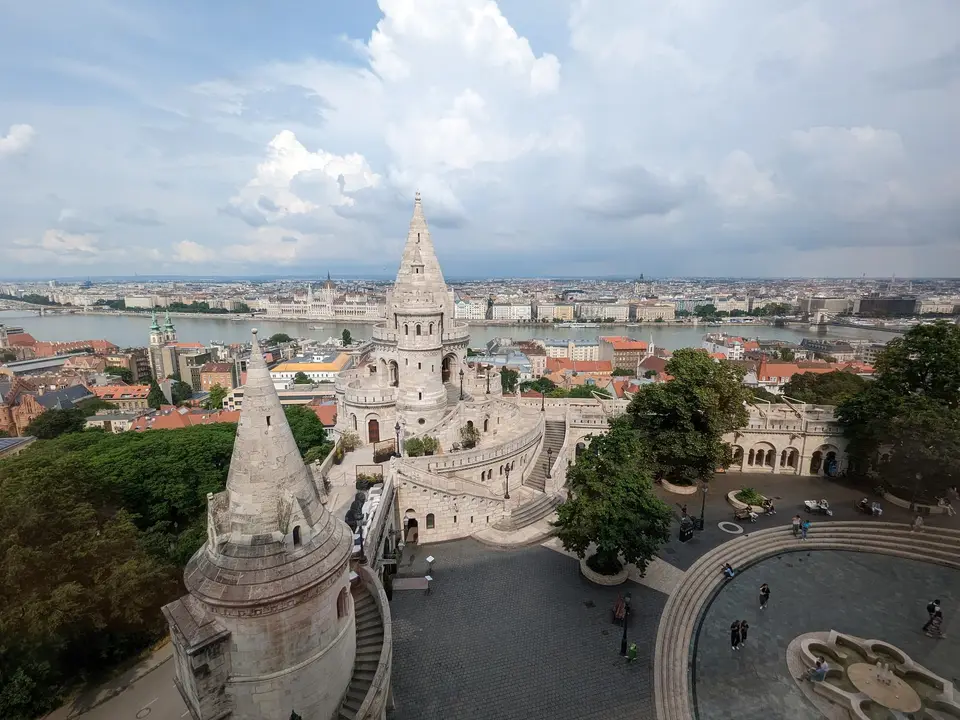
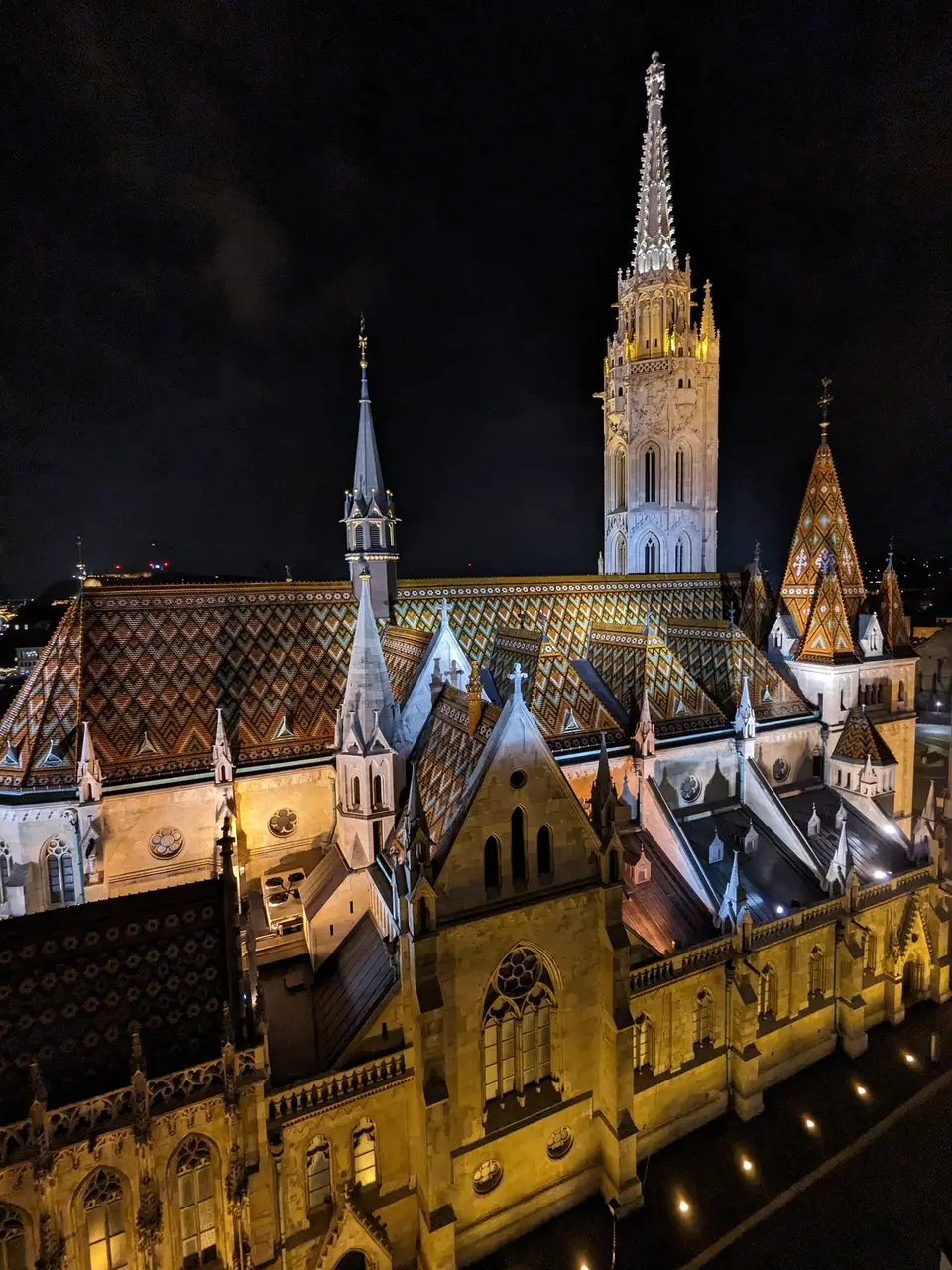
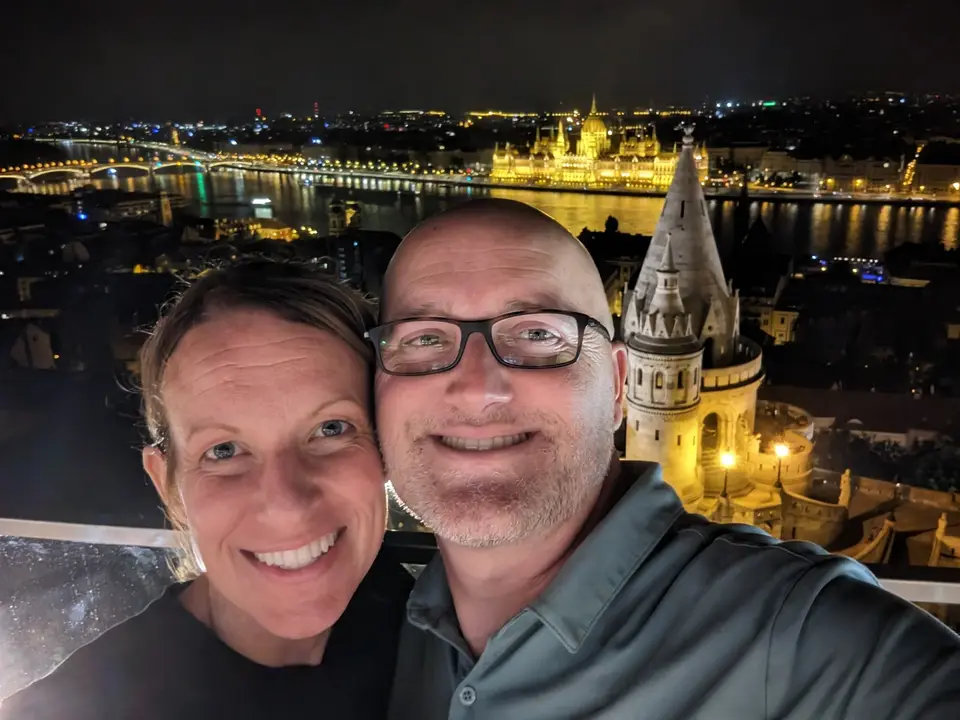
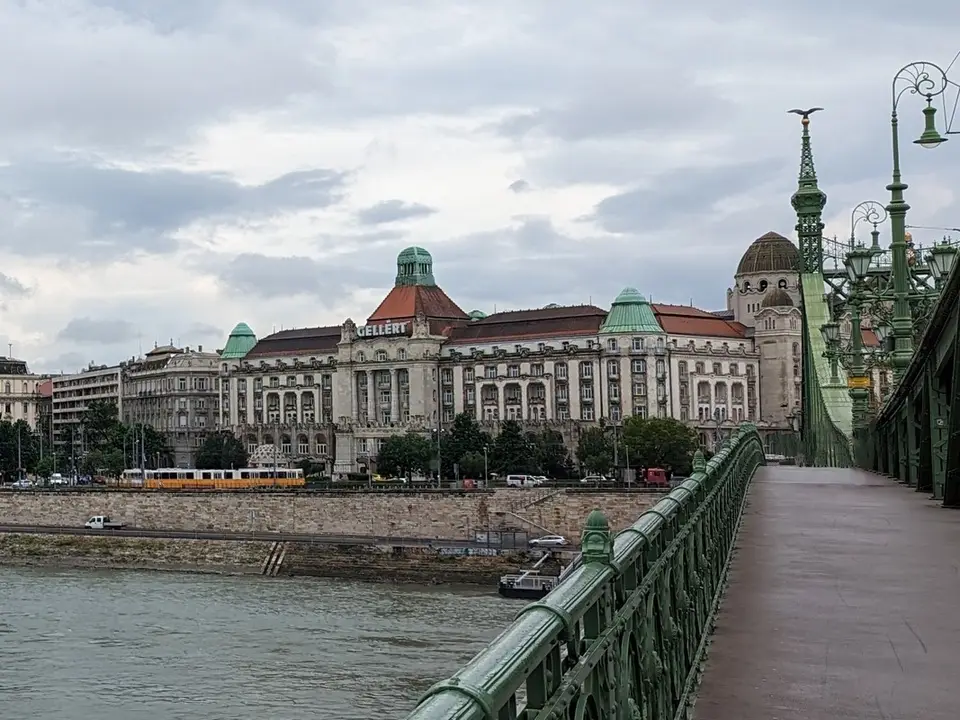
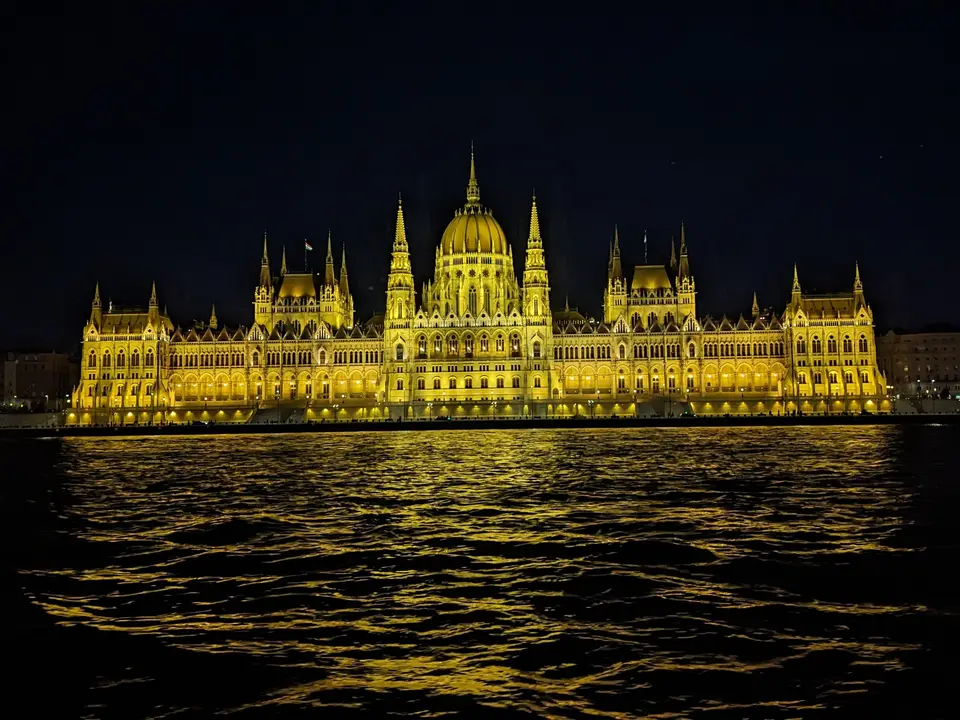
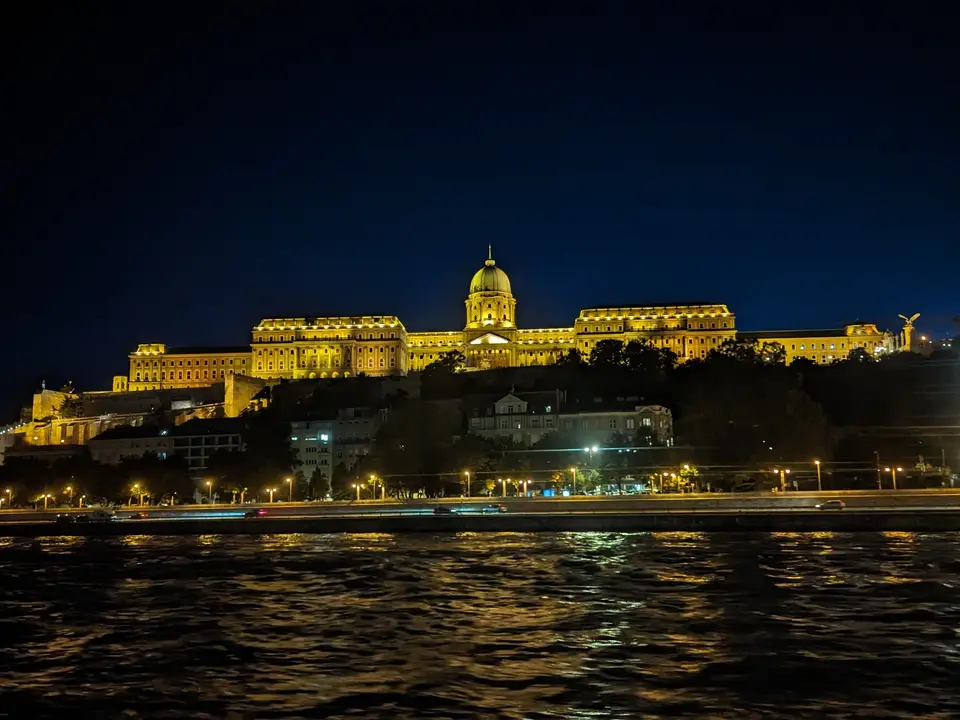
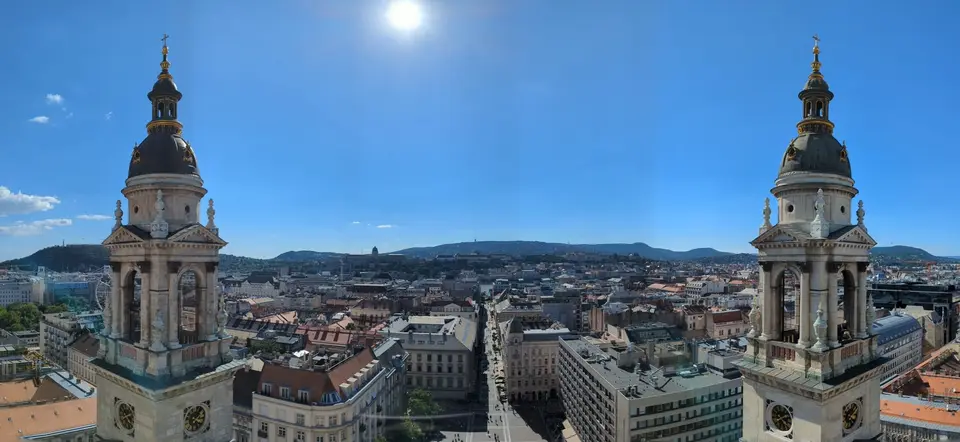
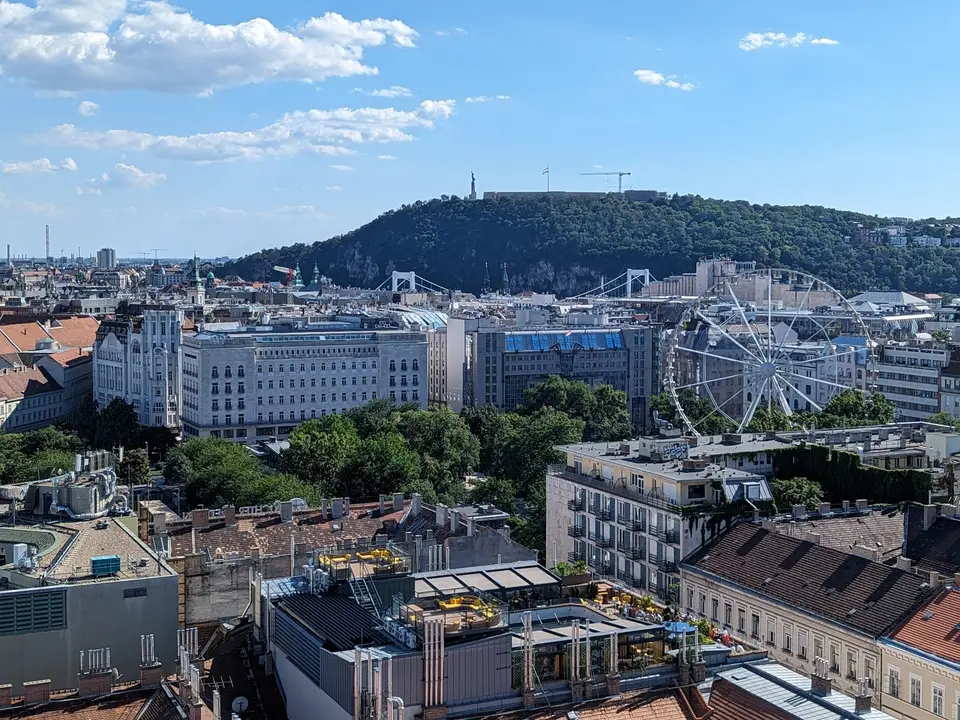
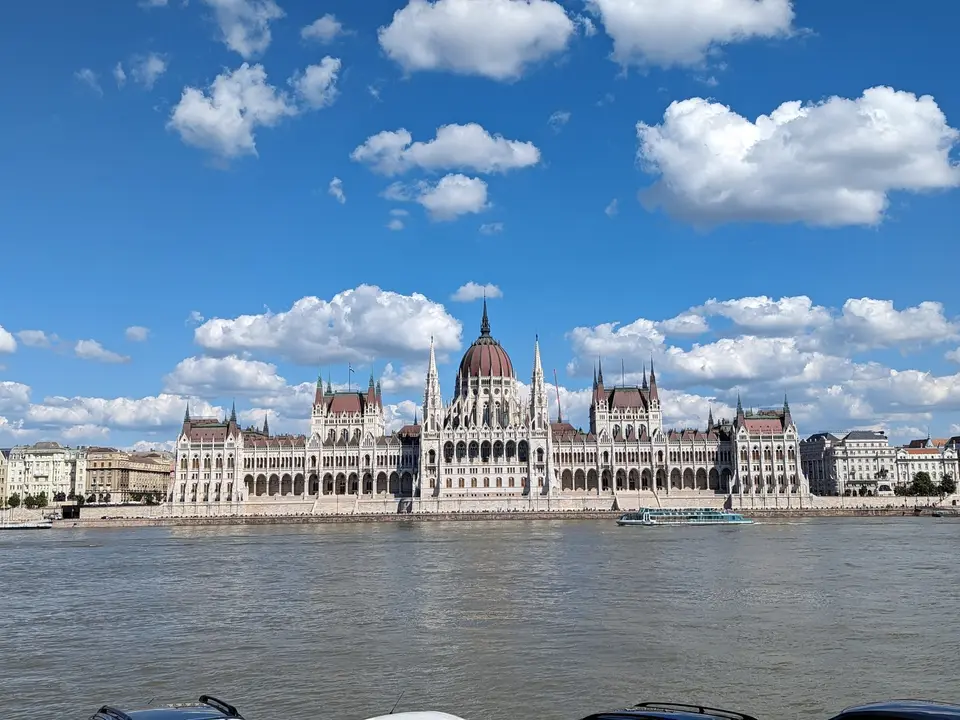
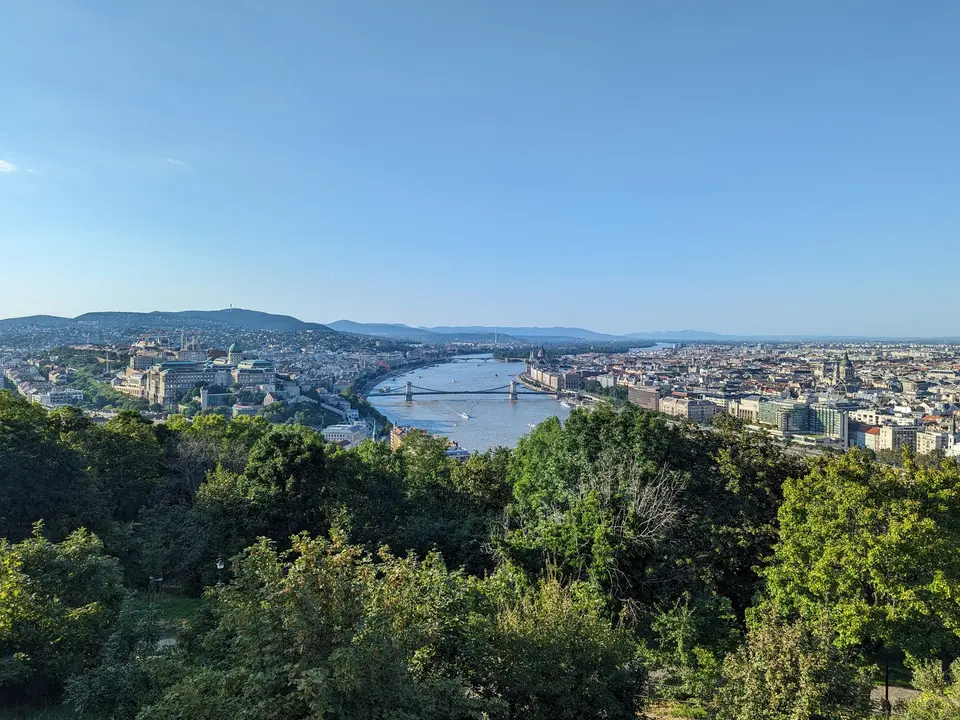
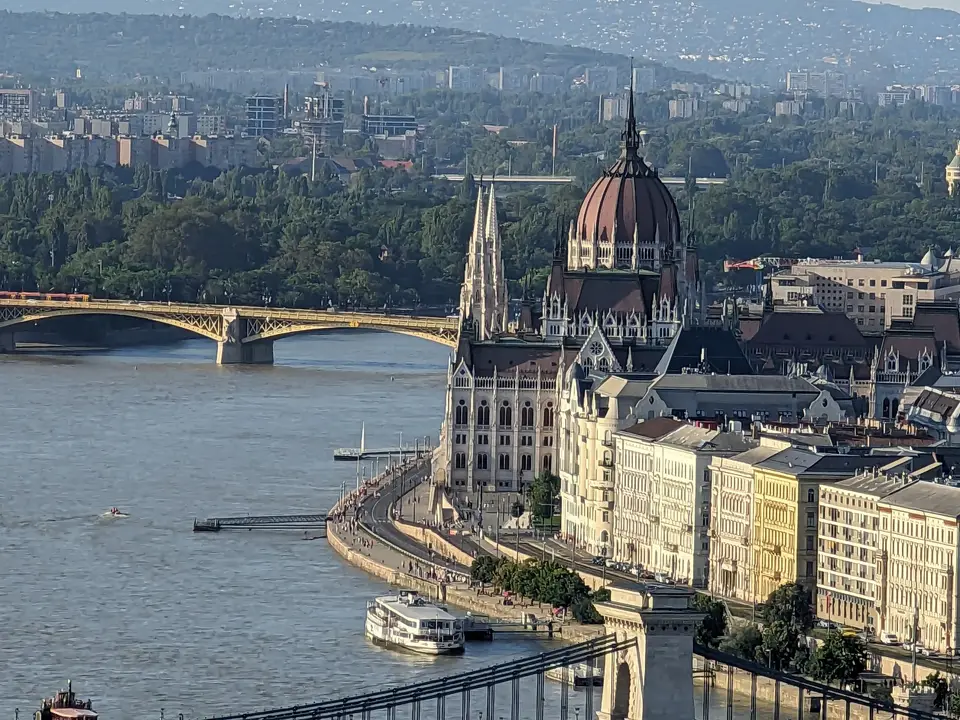
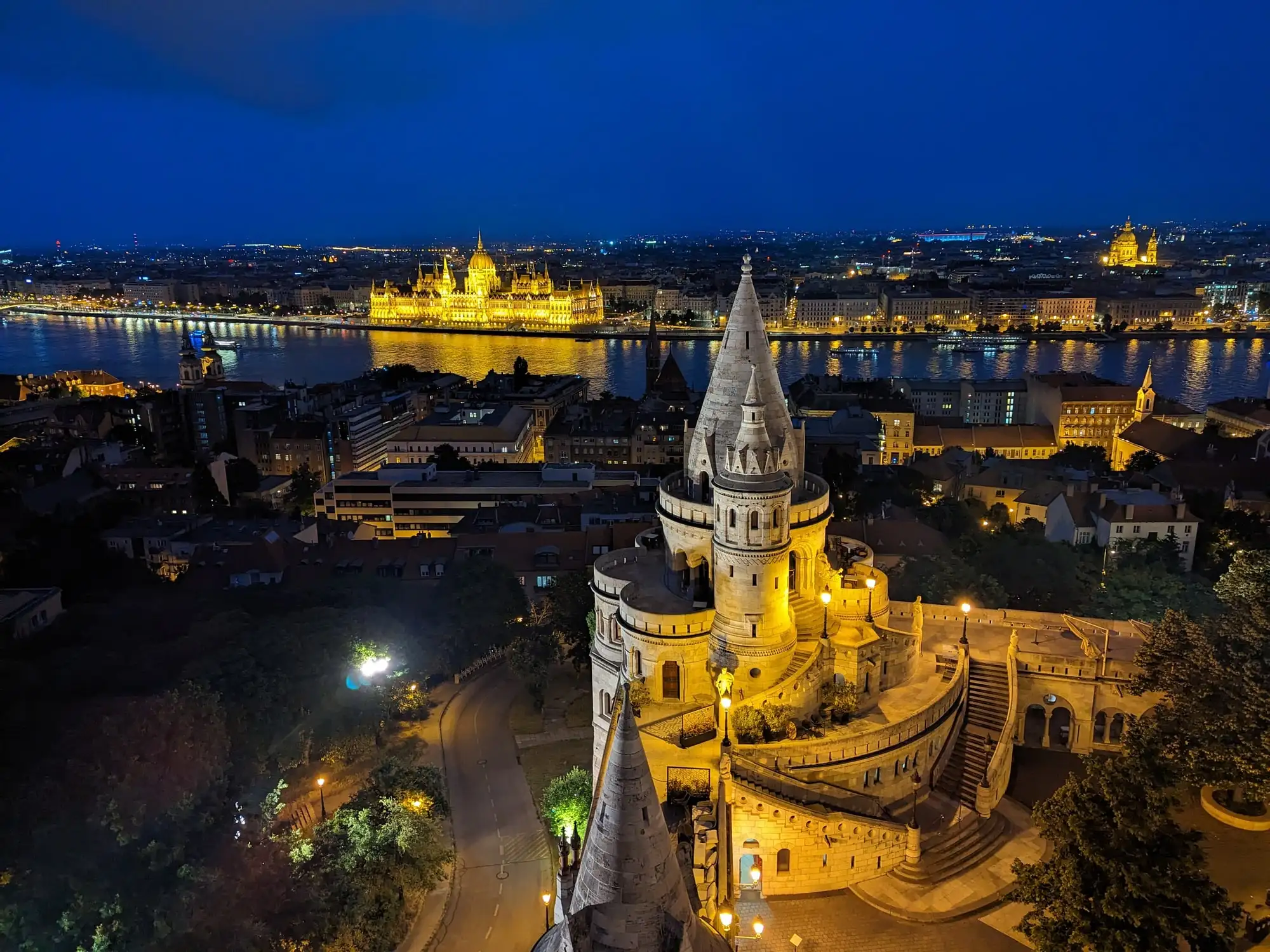
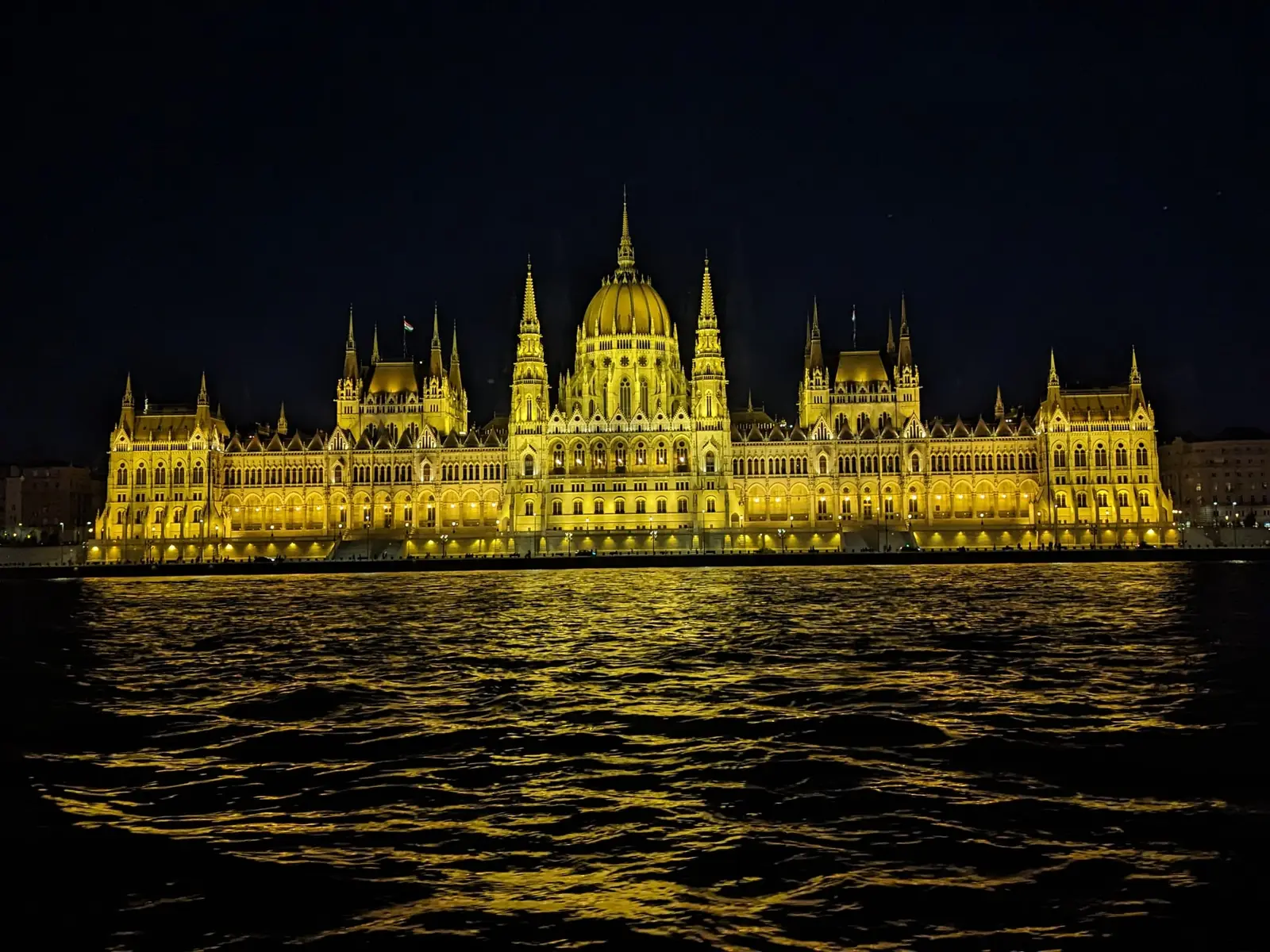
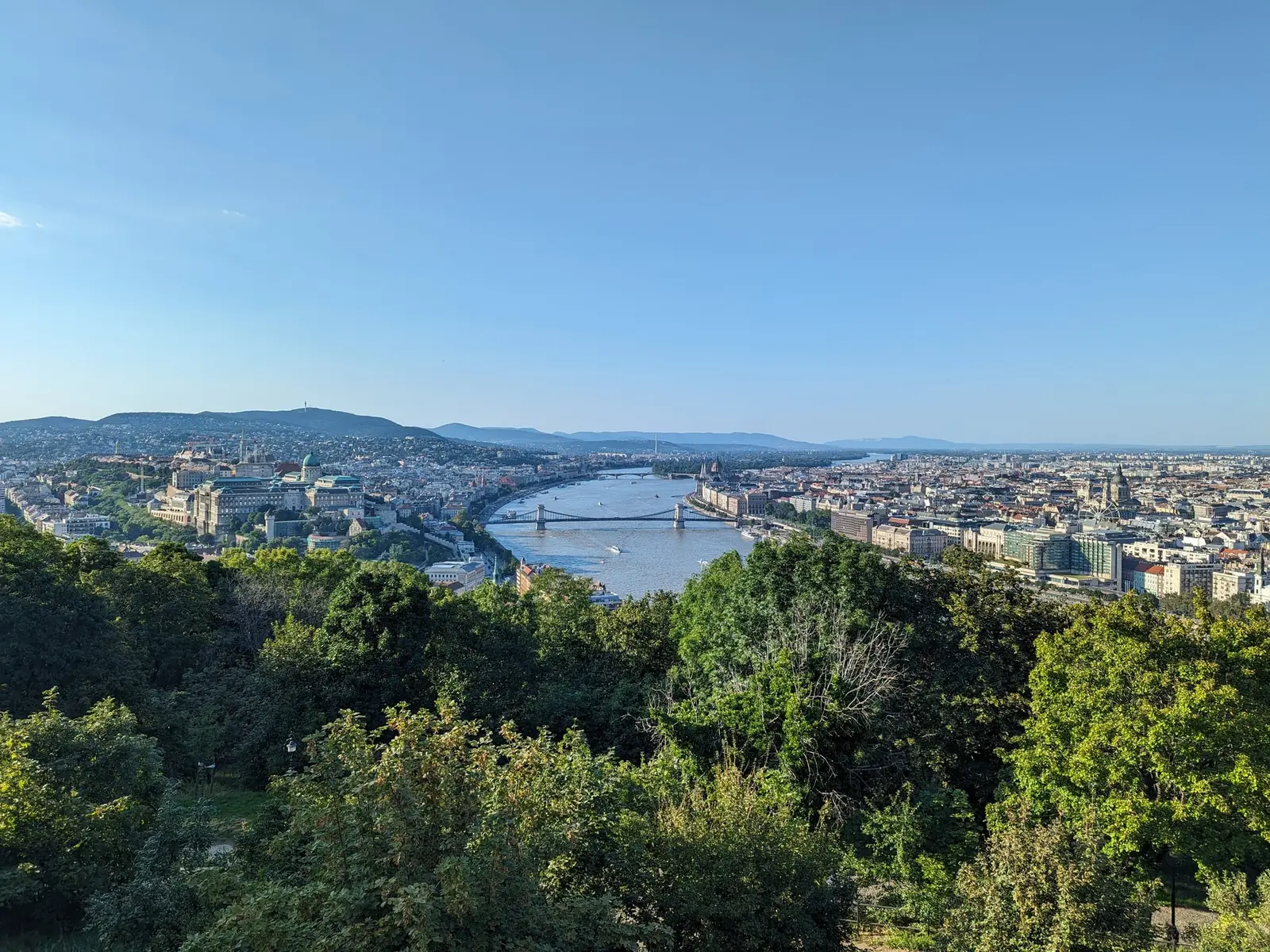
- Sleep on the Buda side. Pest has the restaurants and most of the sights, and it is where almost everyone books. Buda has the evenings. From up here the whole of Pest is laid out across the river with the Parliament lit along the water, and you walk out of your hotel into it rather than making a trip of it. The photograph at the top of this page is that view.
The Parliament is worth every cent
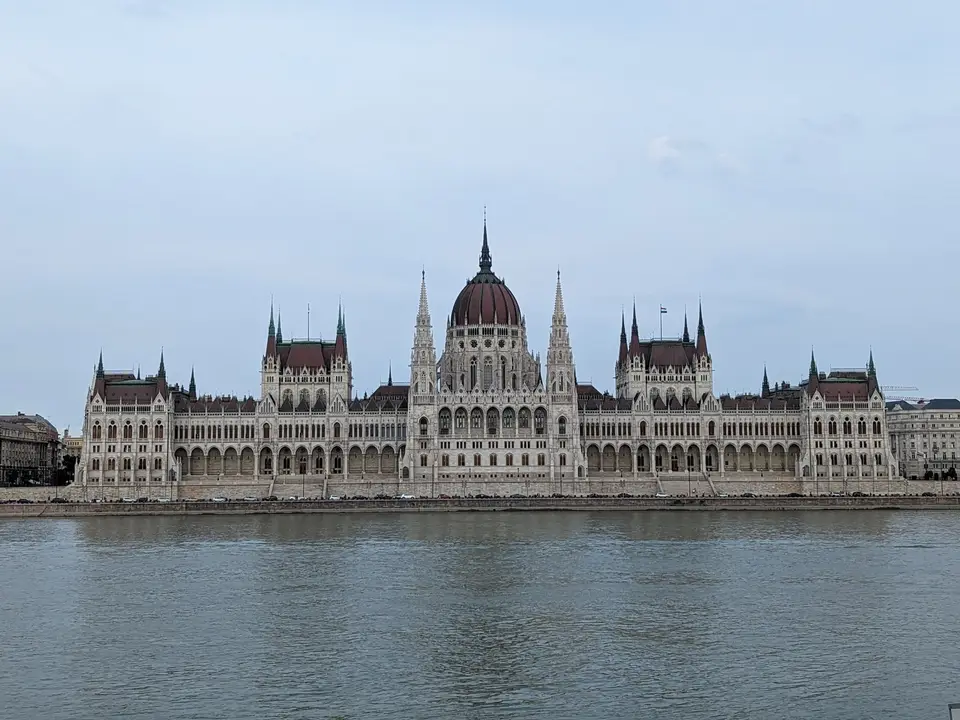
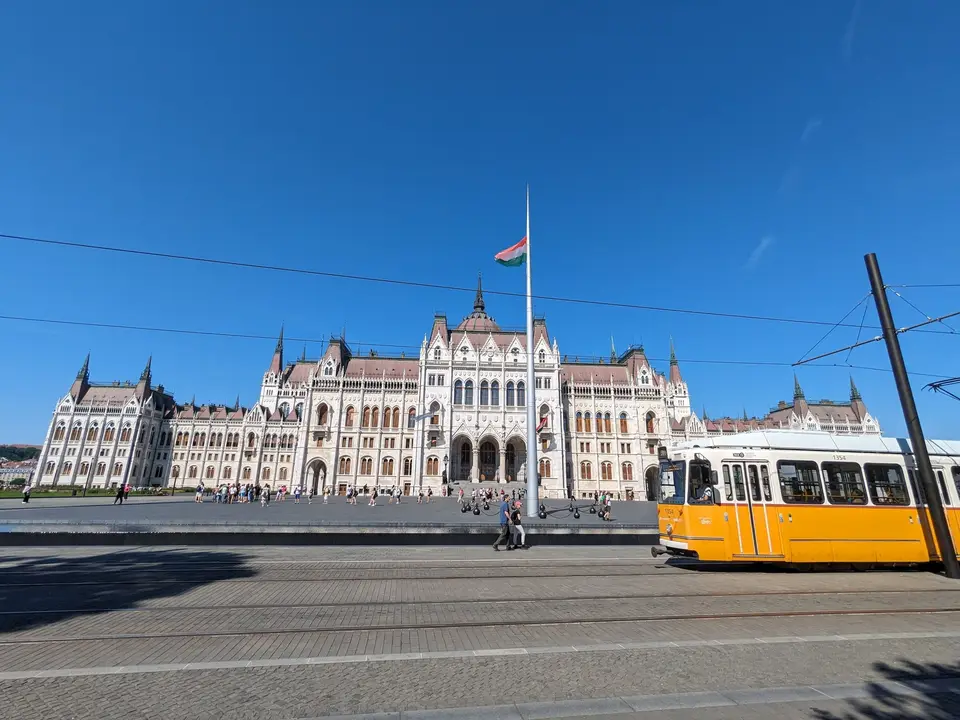
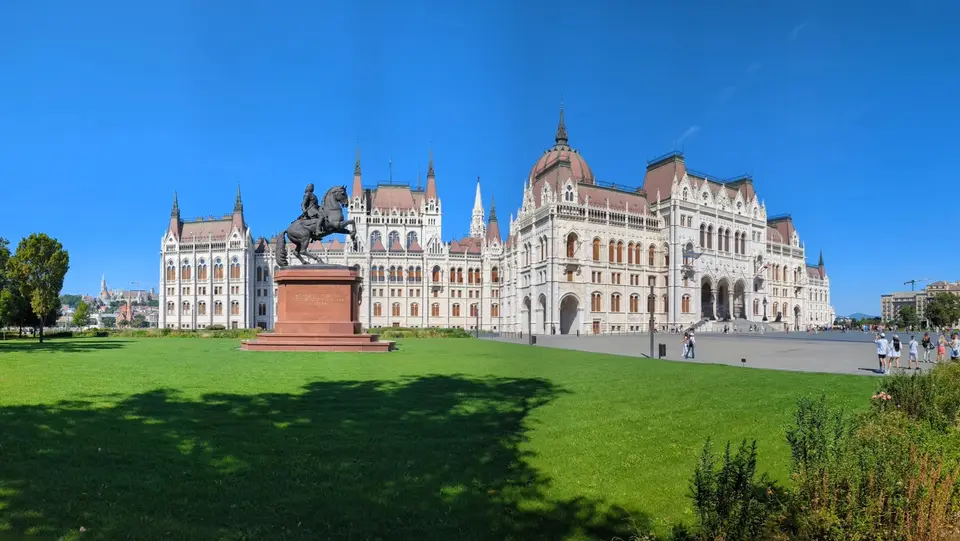
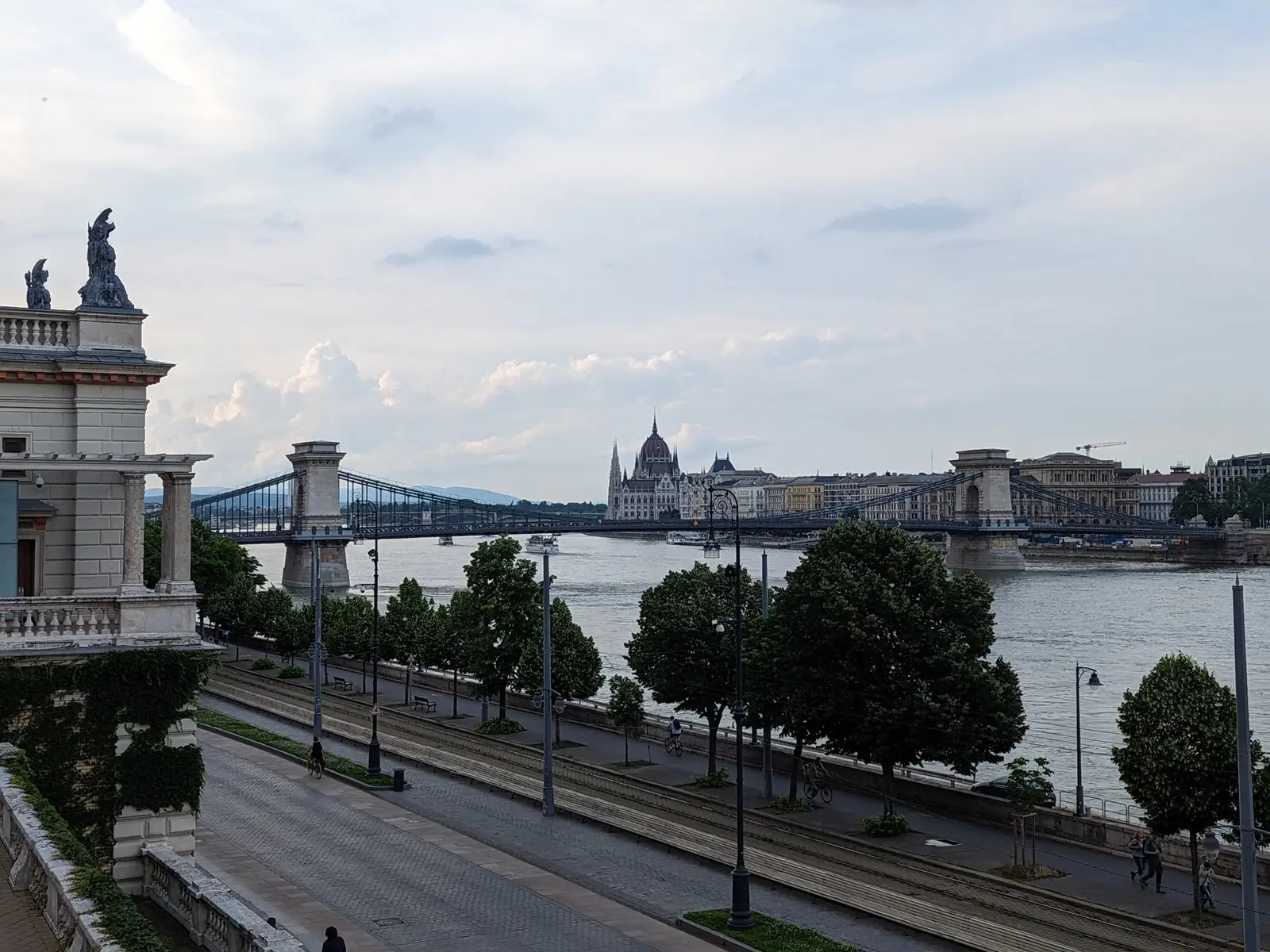
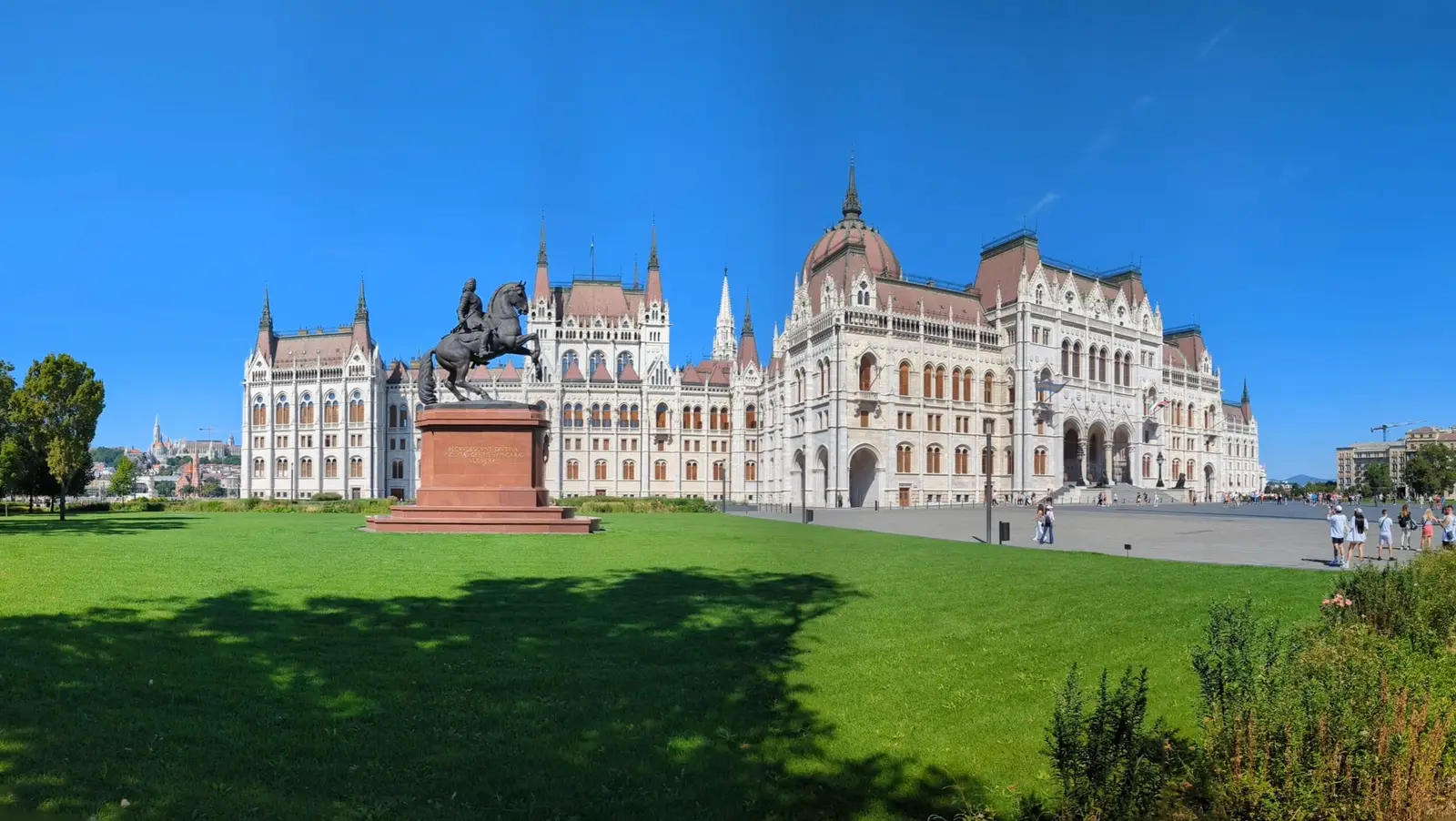
- This is the one ticket in Budapest we would tell you to buy without thinking about it. It is the most photographed building in Hungary from the outside and almost nobody who photographs it goes in, which is the mistake.
- The tour is 45 minutes, with a guide or an audioguide, and it runs in English among other languages.
What it costs — checked September 2026
- About HUF 14,000 for a non-EEA adult, which is most visitors from outside Europe, and HUF 7,000 if you hold an EEA passport. Students aged 6–24 pay half either way.
- Book ahead through the official seller, jegymester.hu. It sells out from May through September, and the resellers who appear above it in a search charge more for the same ticket.
- Open 08:00–18:00 from April to the end of October, 08:00–16:00 through the winter.
The baths — two of them, and they are not the same outing
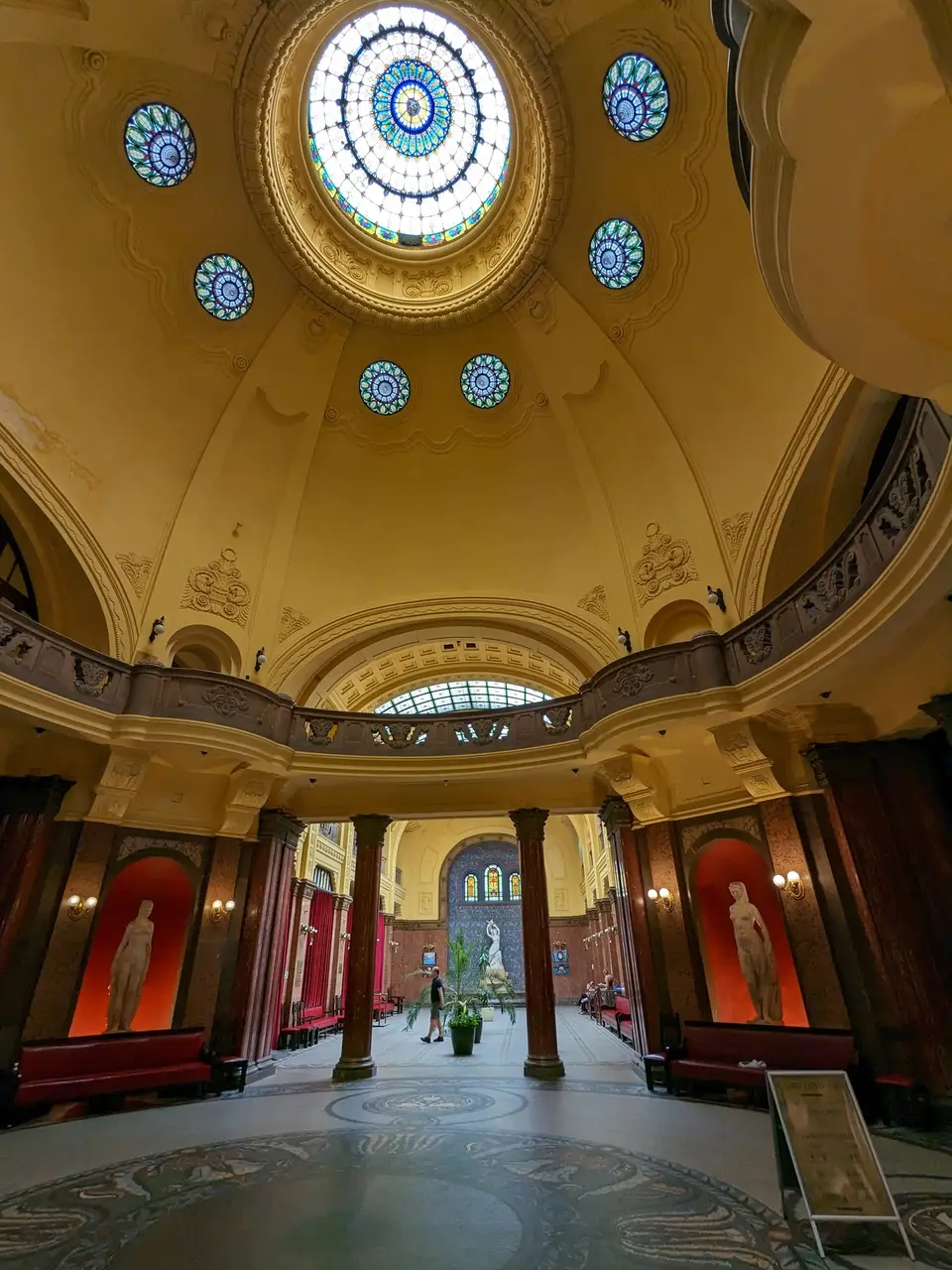
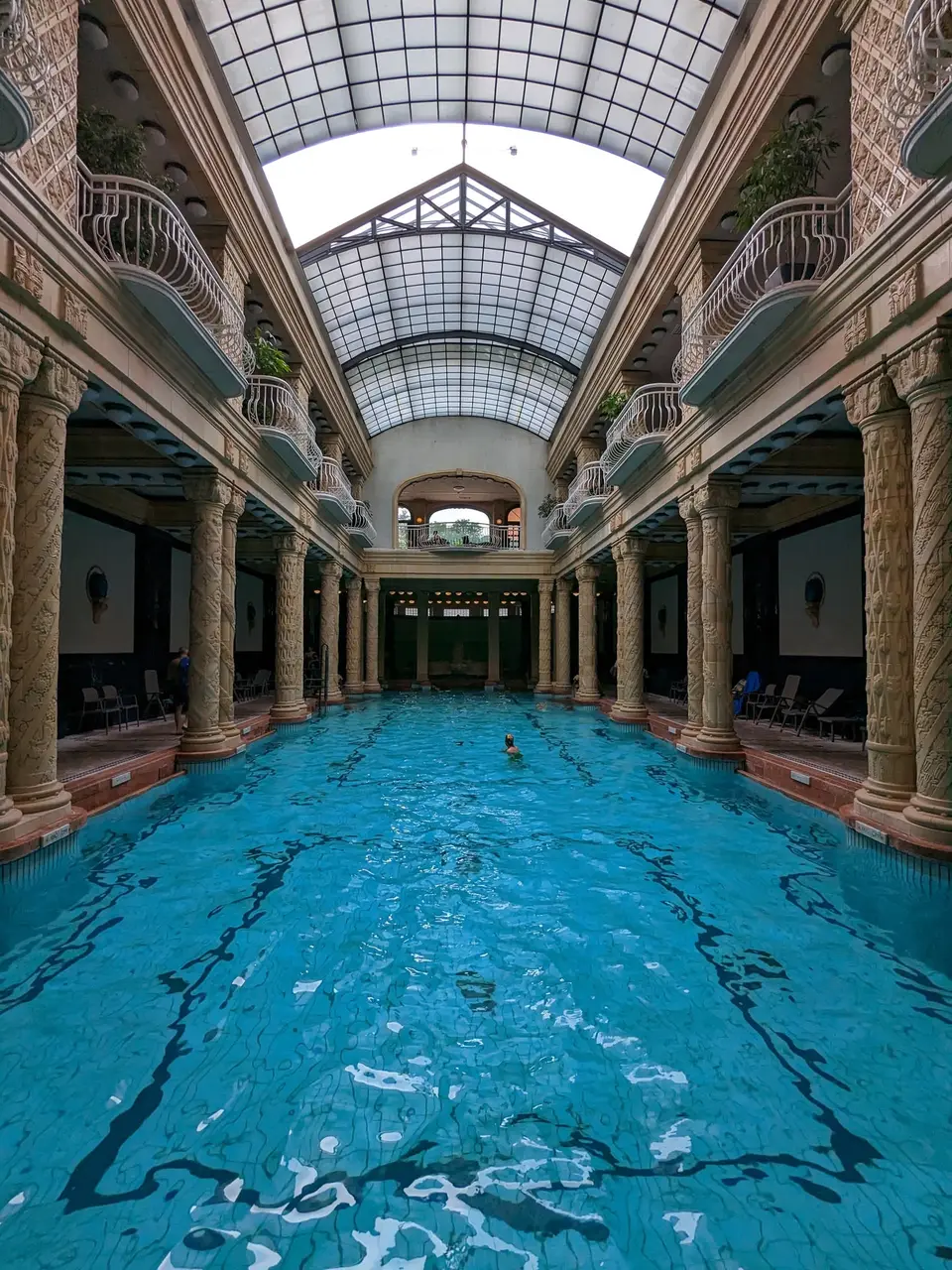
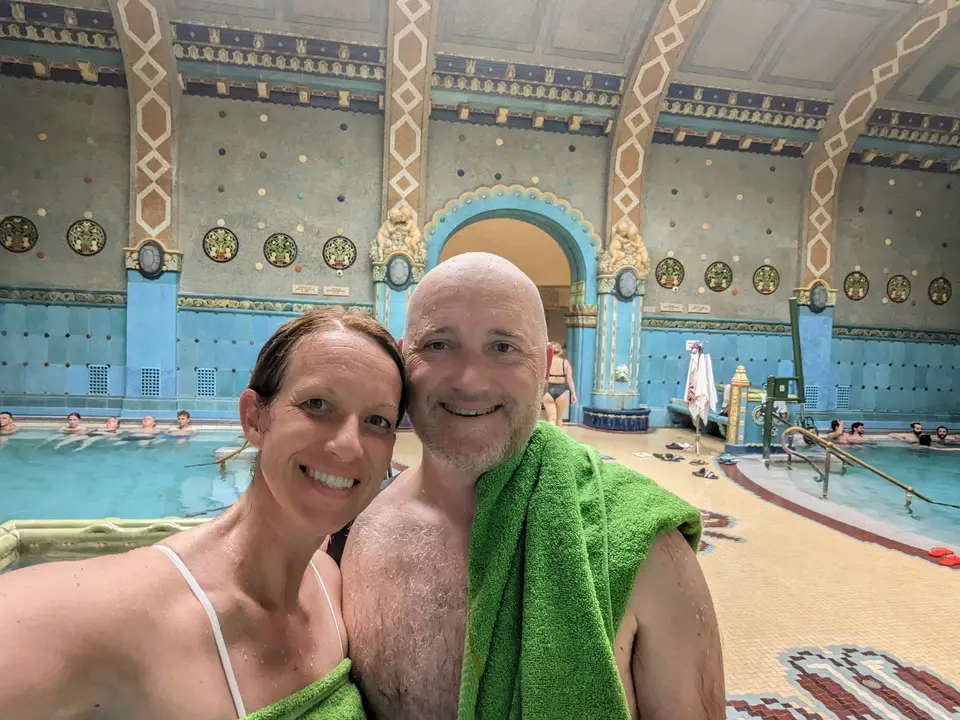
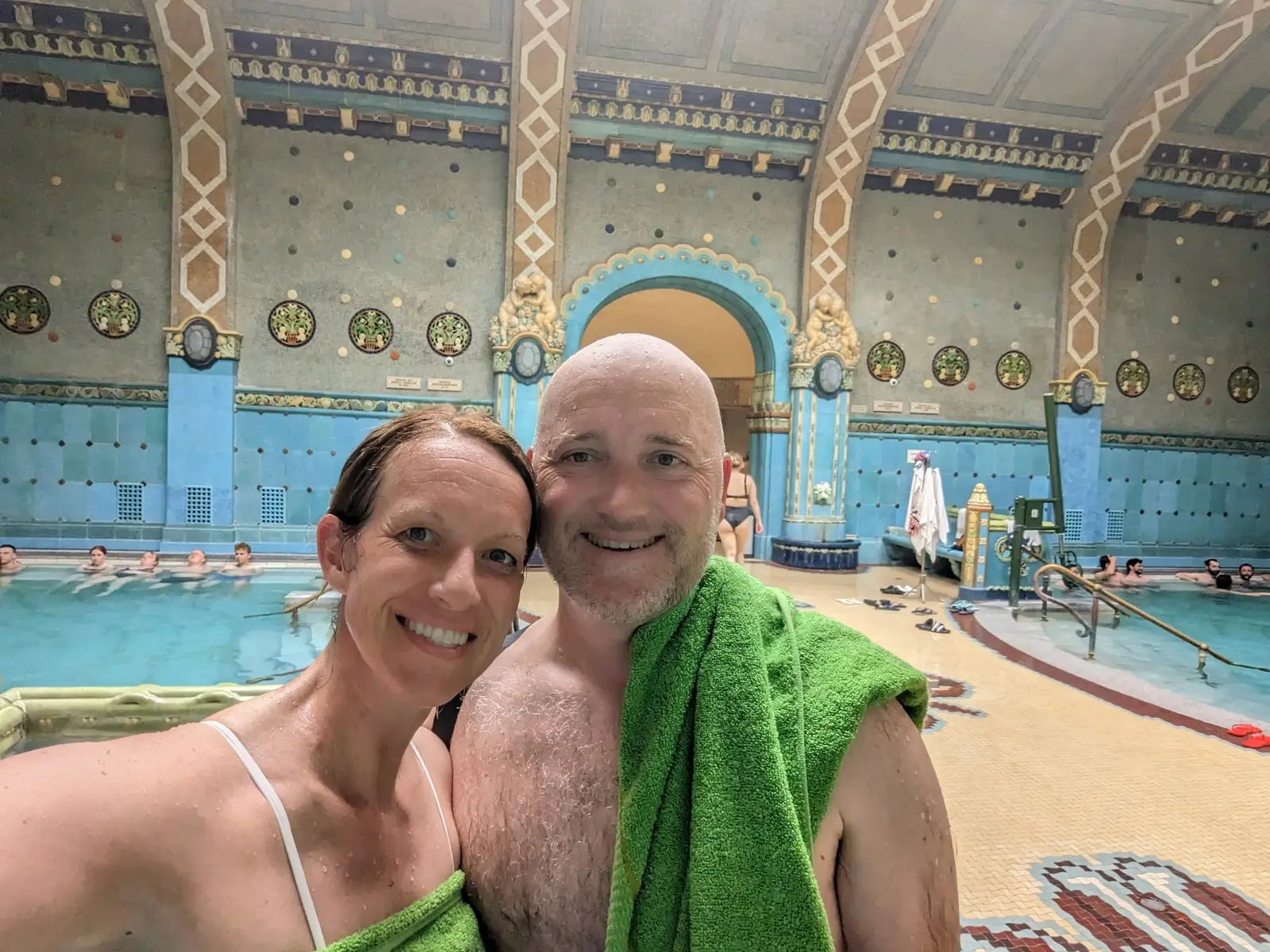
- Gellért is the one along the river. Art Nouveau, under a domed hall of stained glass, with a columned indoor pool beneath an arched glass roof that is the most photographed room in the city after the Parliament. It is the more ornate one and the more touristic one, and it costs more. It is worth the extra money.
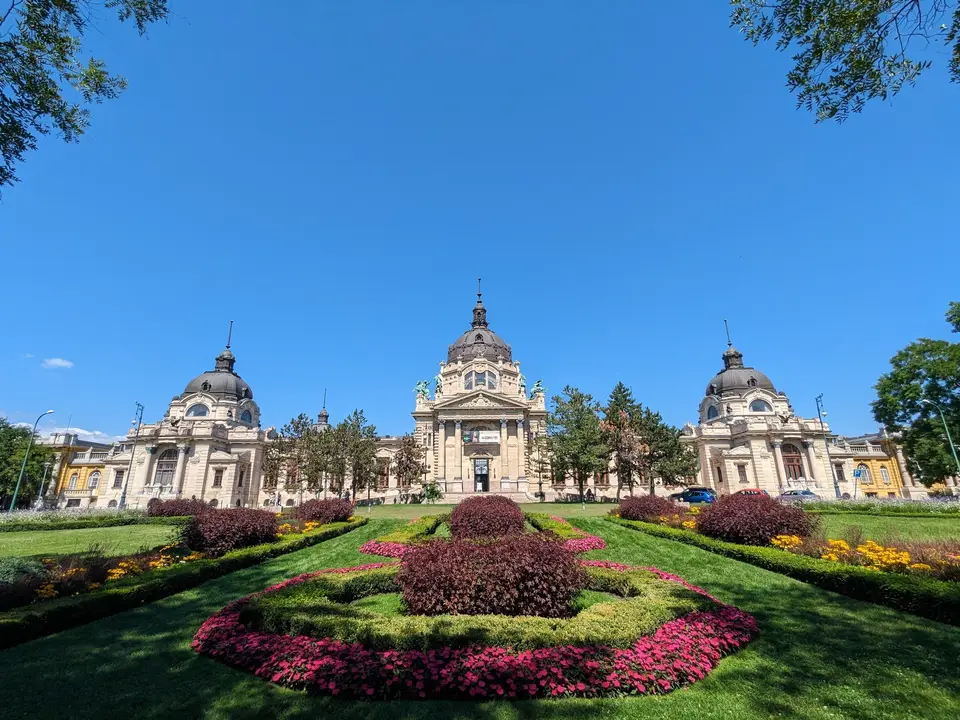
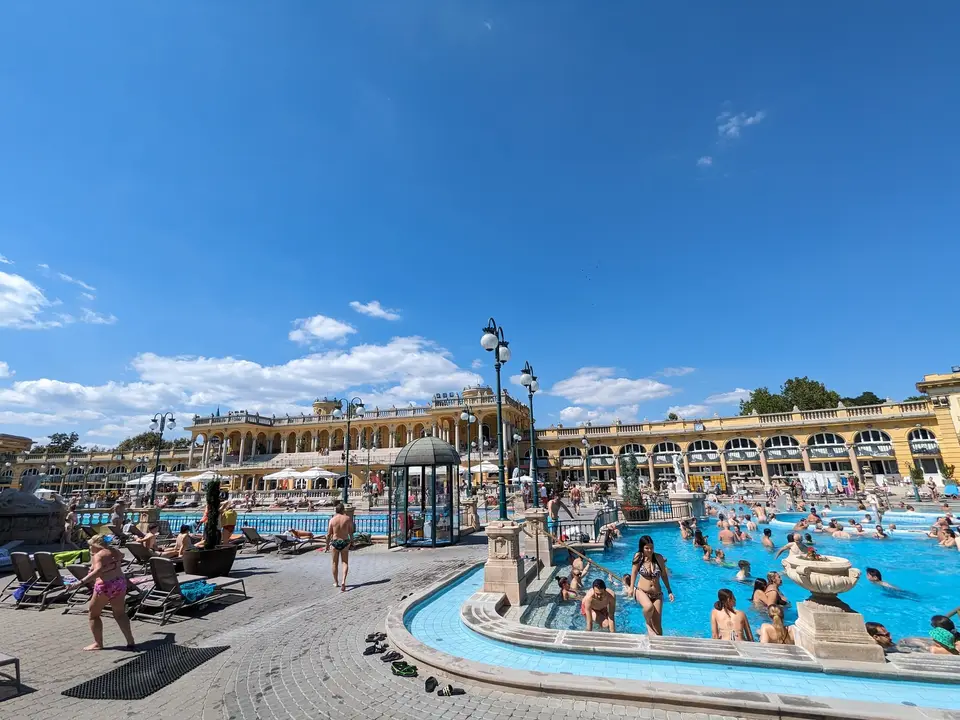
- Széchenyi is the city bath. Out in the Városliget, a great yellow neo-baroque block around open-air pools full of people who live here. It is just as nice as the other one and well worth the money, and it is where you go if you would rather swim with locals than with a line.
- Do not treat them as interchangeable and do not try to do both in a day. One is a building you are visiting; the other is an afternoon you are spending.
An evening on the Danube
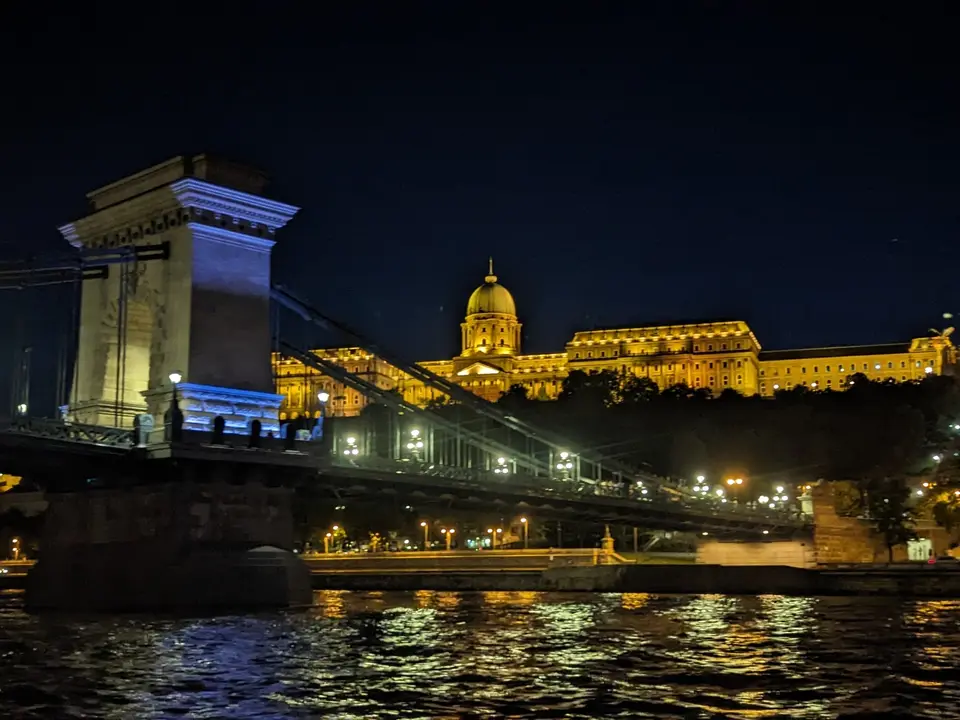
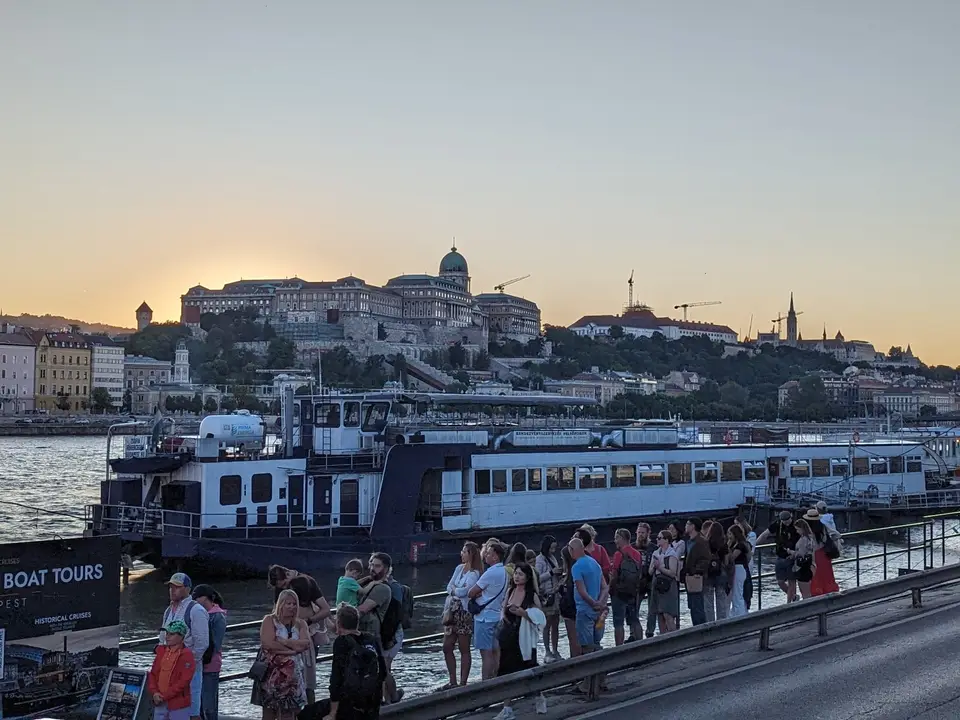
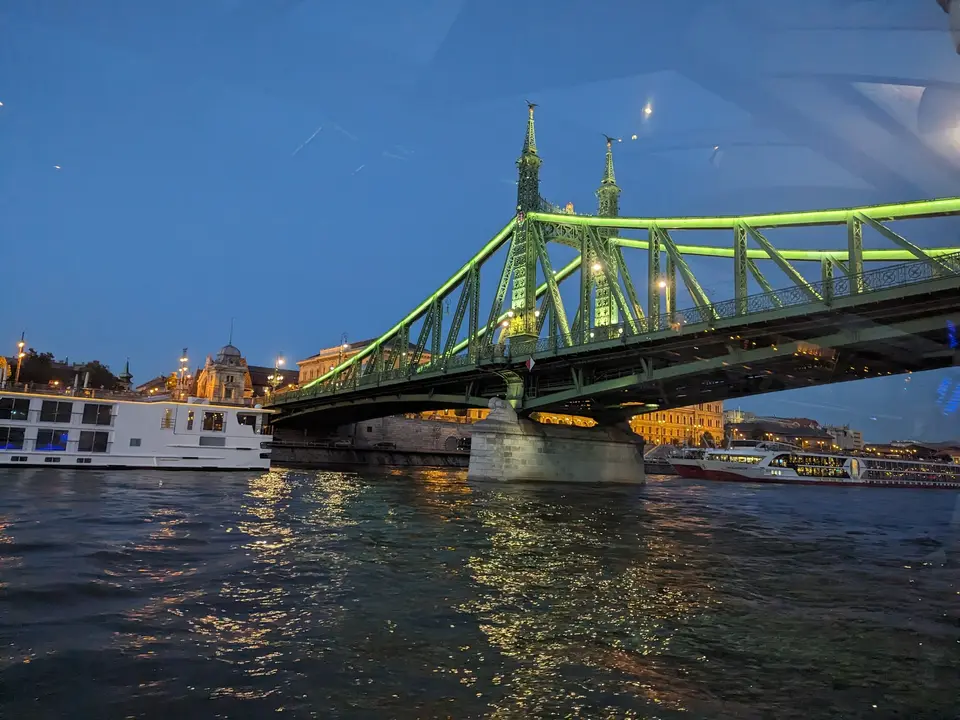
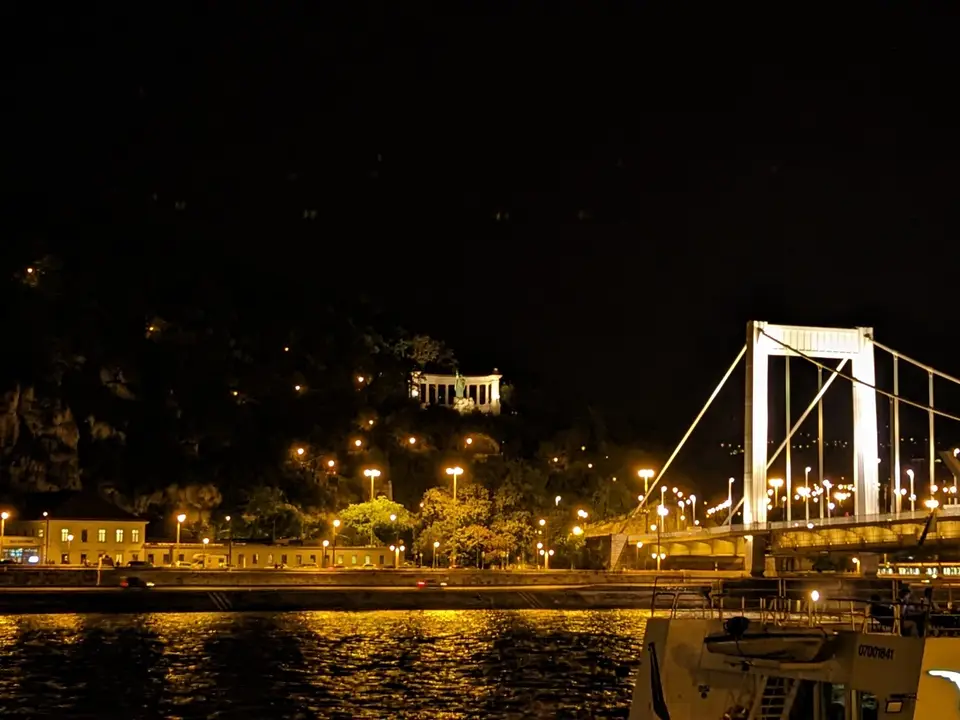
- The river cruise is a relaxed and pleasant evening, and we say that having told you elsewhere on this site that the equivalent boat trip in Basel is the most overpriced thing in that city. The difference is what there is to look at. Budapest put its Parliament, its castle, its bastion and seven bridges along one stretch of water and lights all of it after dark; you are not paying to see riverbank from further away.
- Go after sunset rather than in daylight. The whole point of it is the lighting.
Where to eat
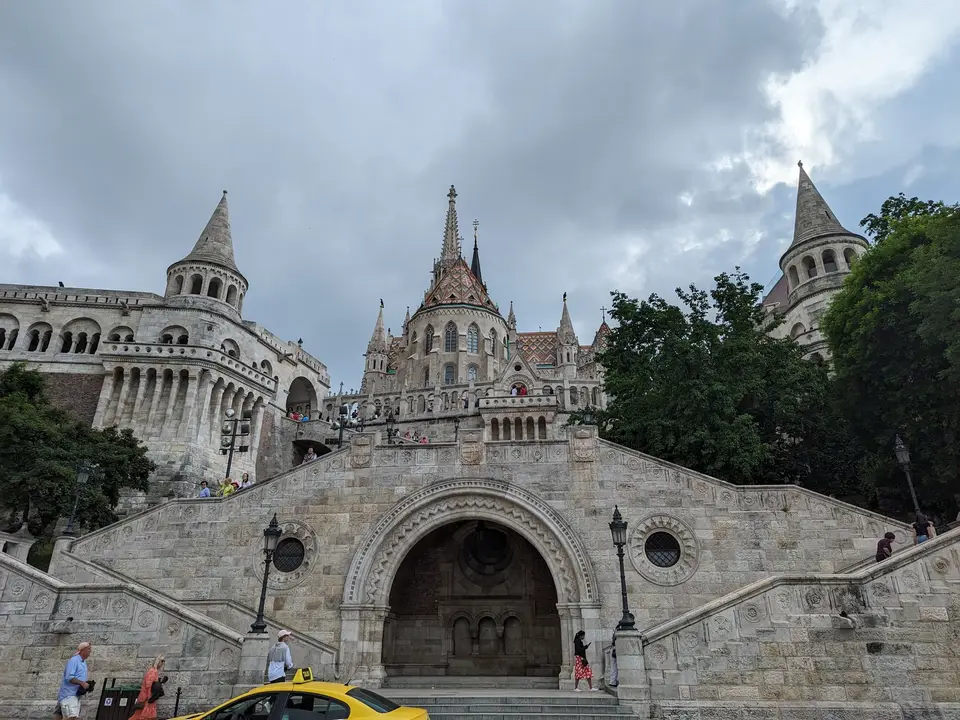
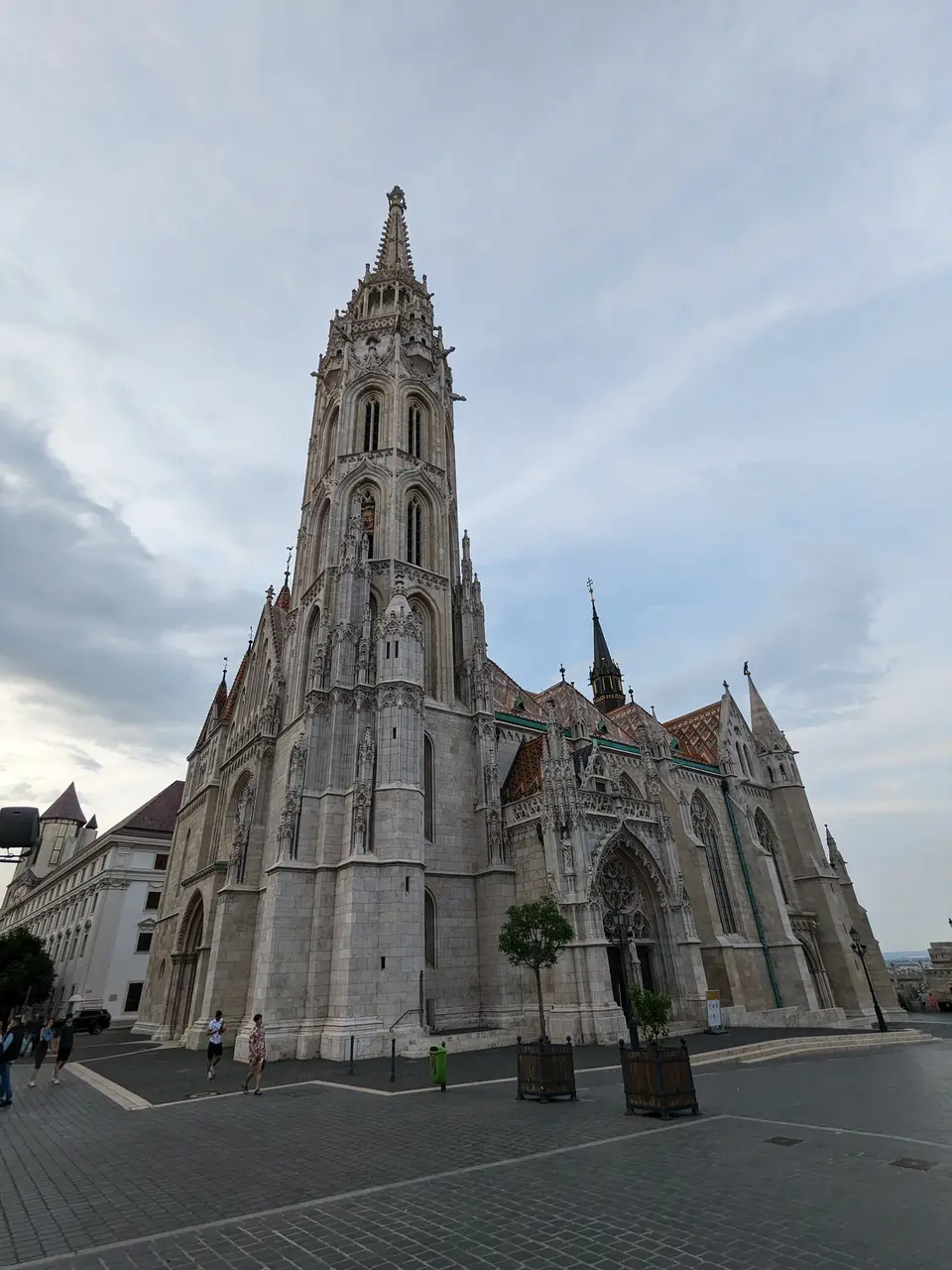
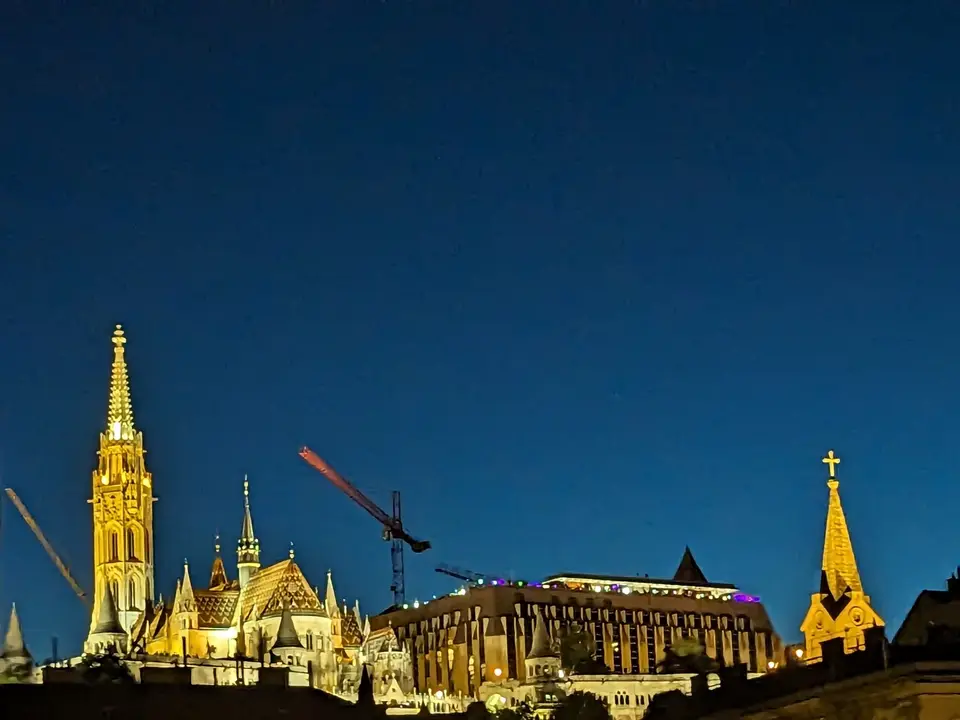
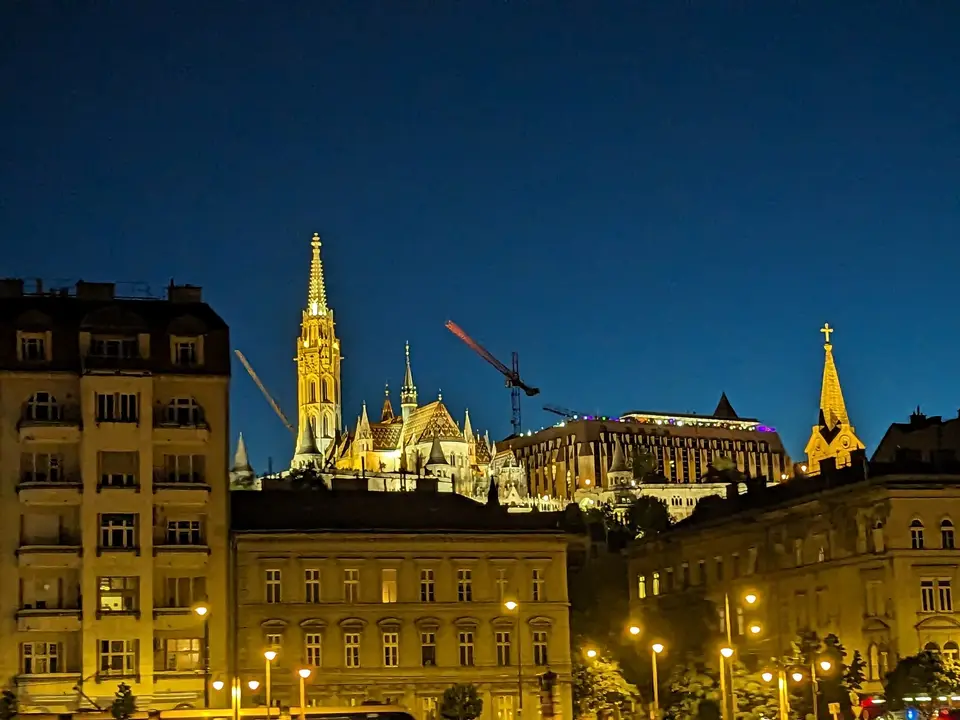
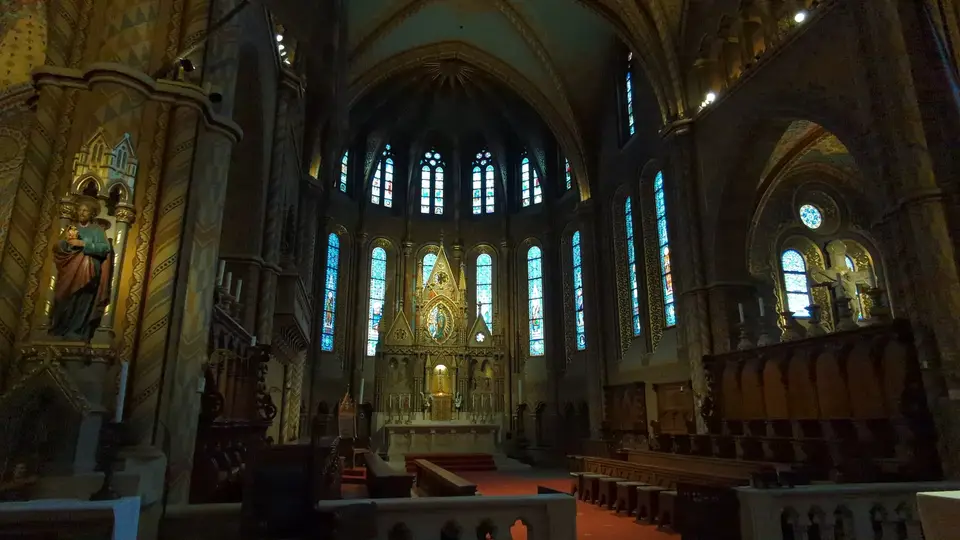
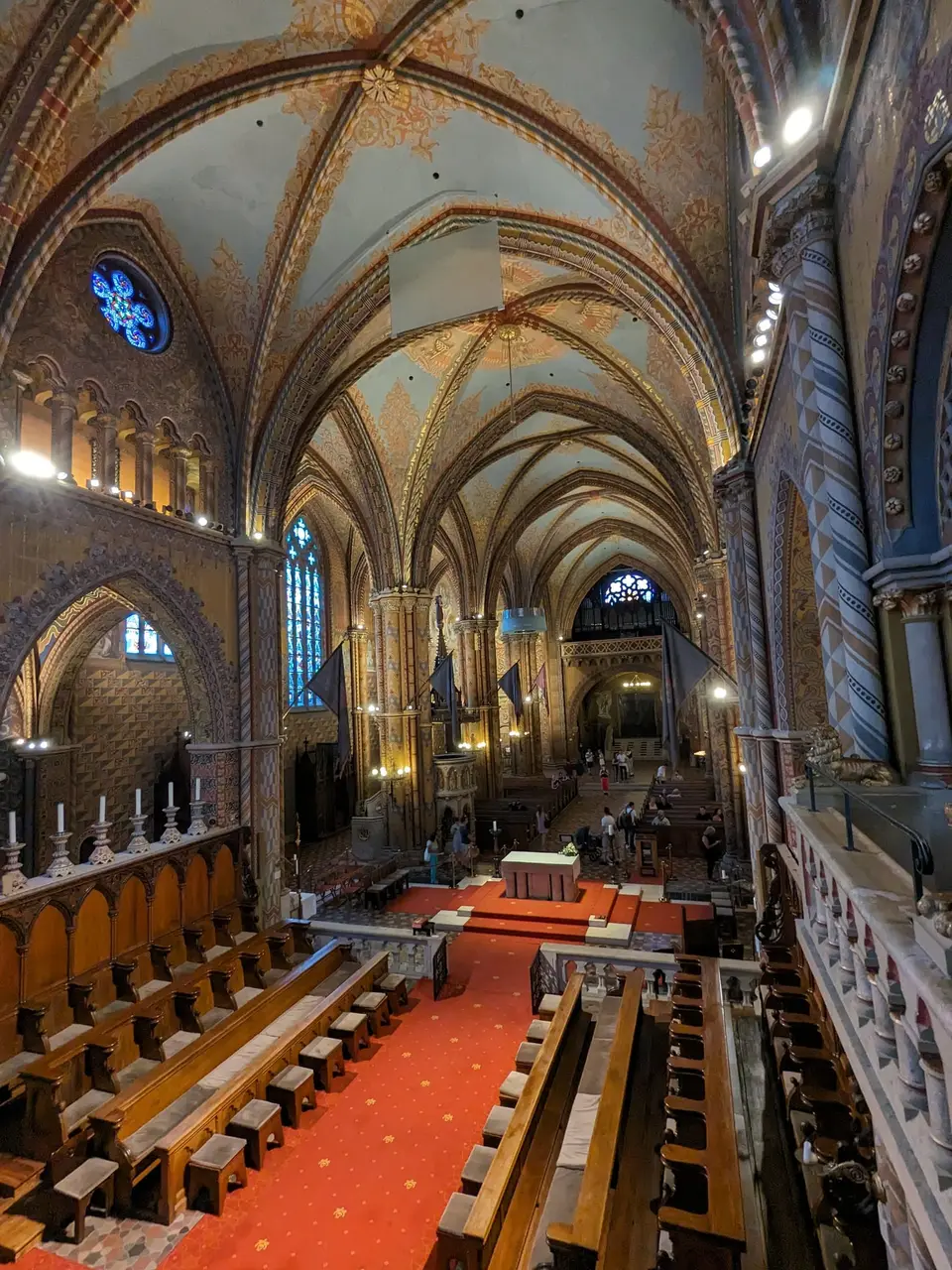
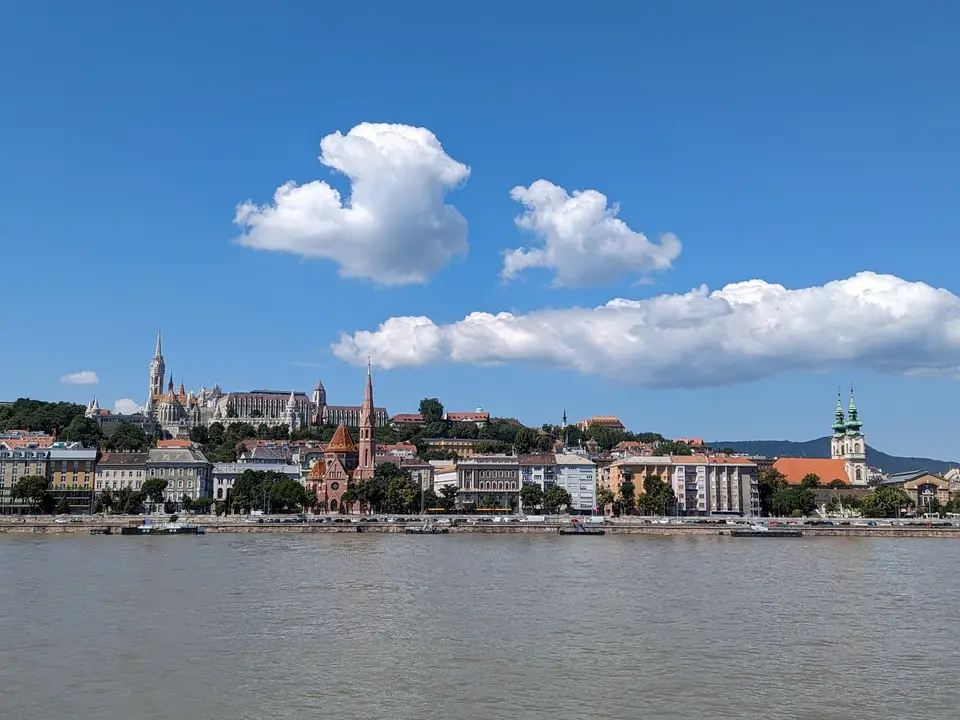
- Pest-Buda, on Fortuna utca in the Castle District — around the corner from the Hilton on the Buda side, with its terrace on the Hilton's own square, looking at the spires of Matthias Church. Traditional Hungarian cooking, done properly.
- There has been an inn in that building since 1696, which is not a marketing line, and it serves from breakfast through to late.
- It is a two-minute walk from where we have just told you to sleep, which is most of why the Buda side works.
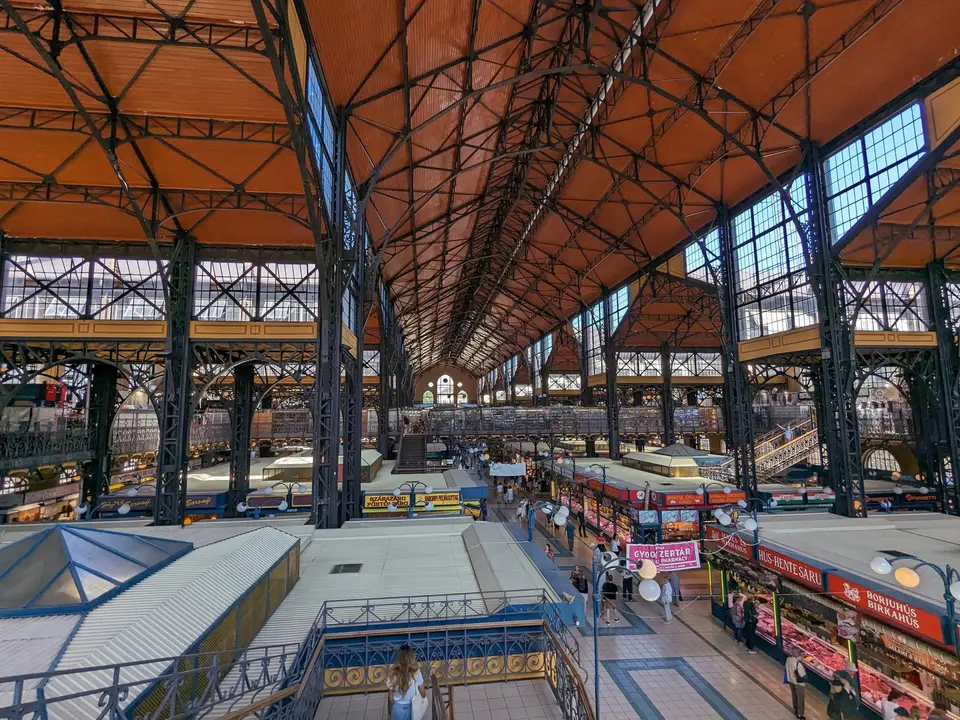
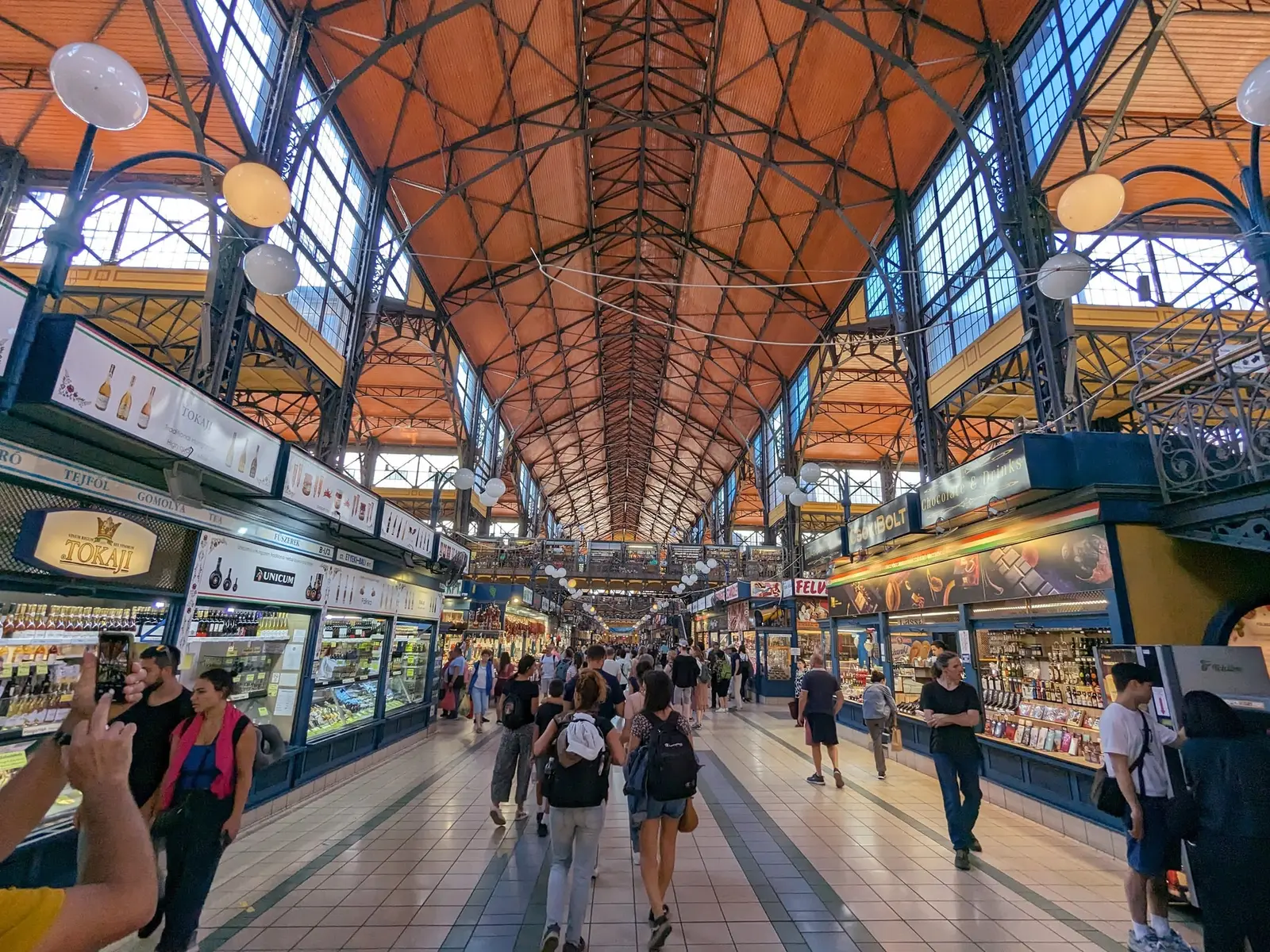
The Great Market Hall — go for lunch, not for souvenirs
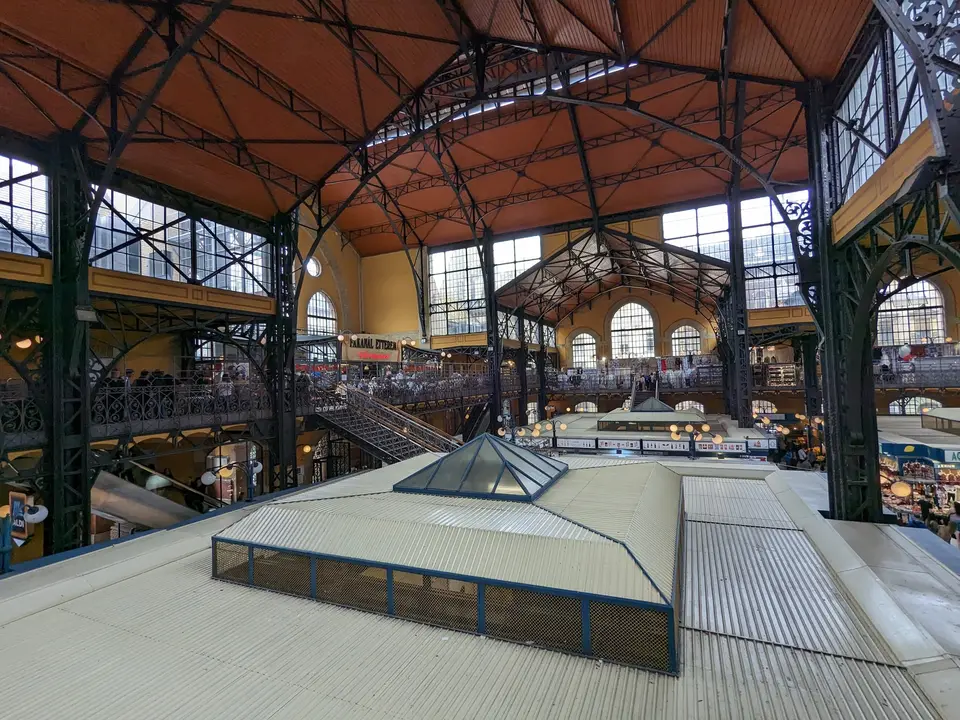
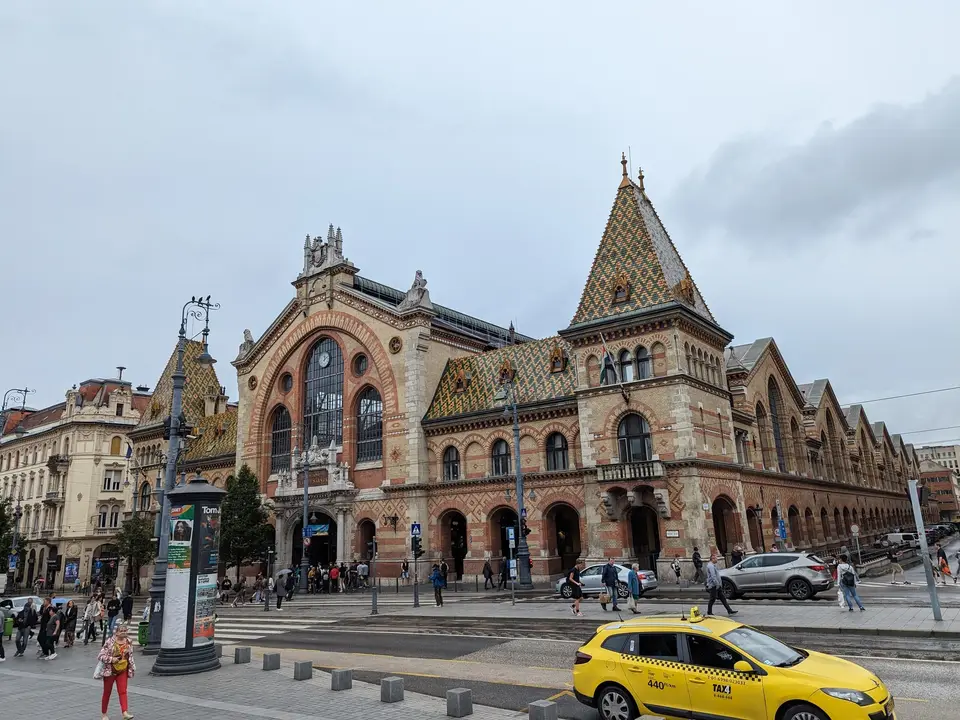
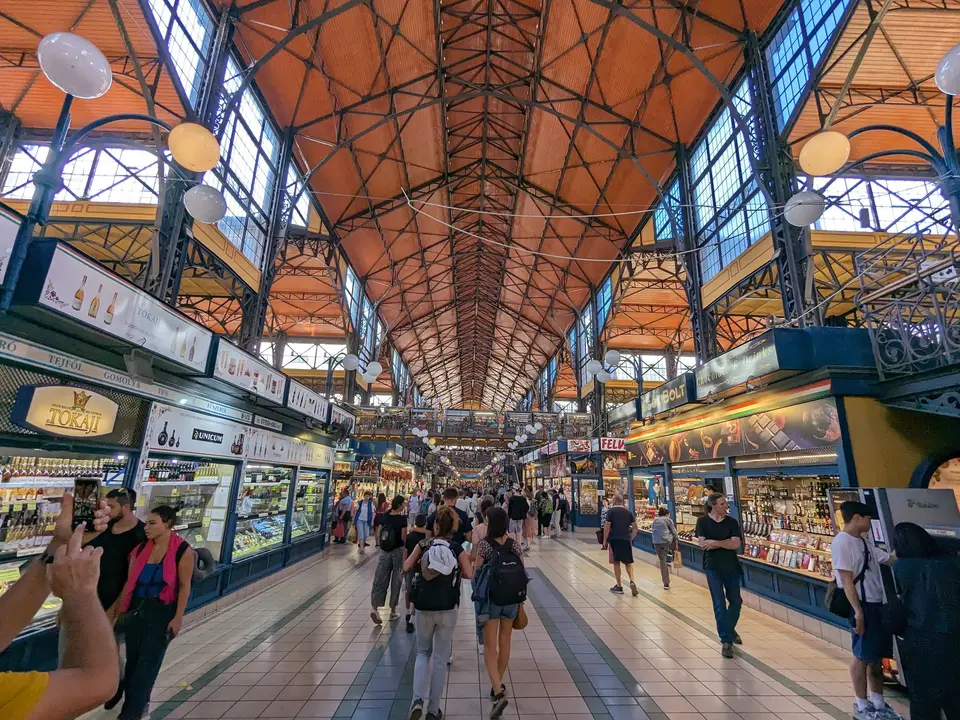
- The hall itself is still worth walking into, and lunch upstairs is the reason to go. That much has not changed.
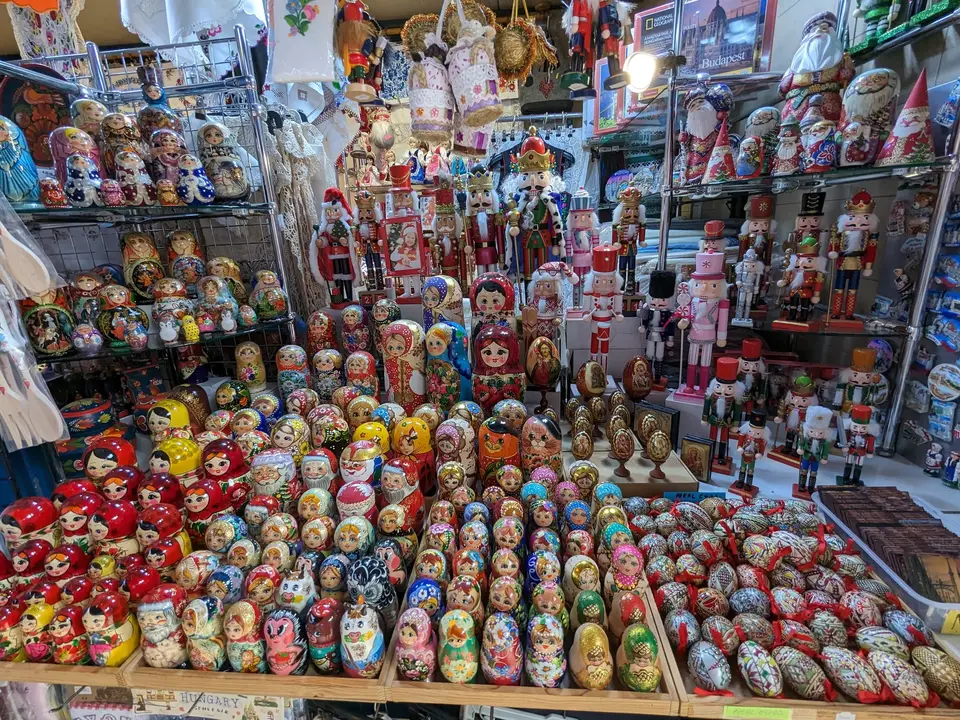
- What has changed is the shopping. A great deal of the upper floor is a souvenir hall now, and a great deal of what is sold there as Hungarian was made in China. Paprika, embroidery, lace, painted boxes — look at them properly before you pay for them.
- This is not a reason to skip it. It is a reason to eat there and buy your presents somewhere else.
The best of Budapest costs nothing
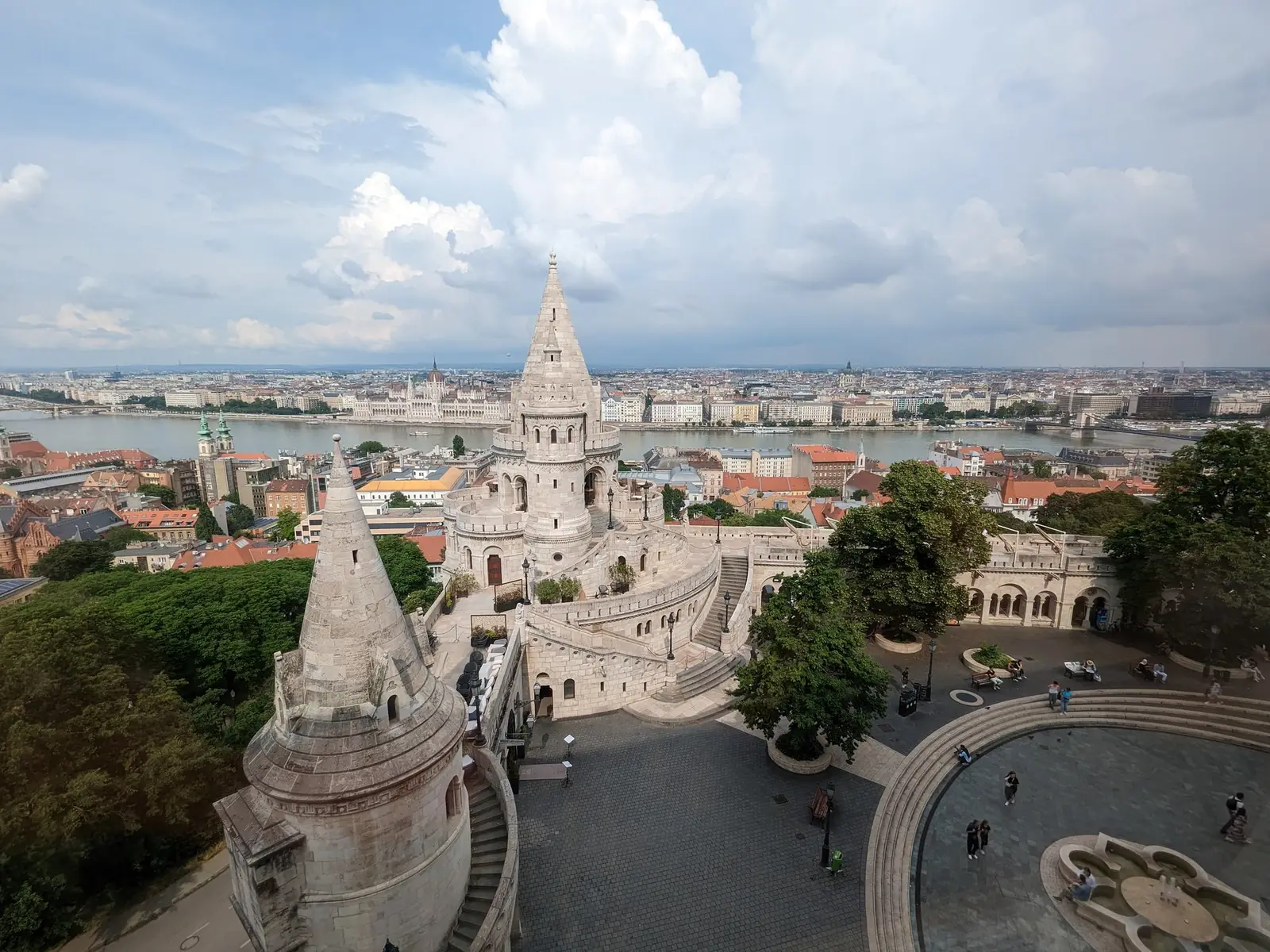
- Walk the park above the river on the Buda side. It runs along the top with the city opening up below you the whole way, and it is the single most beautiful free hour in Budapest. Do it in the evening if you can.
- Then cross the river, because the two things worth standing still for are on the Pest bank. They are a short walk apart and both cost nothing.
On the Pest side, within ten minutes of each other
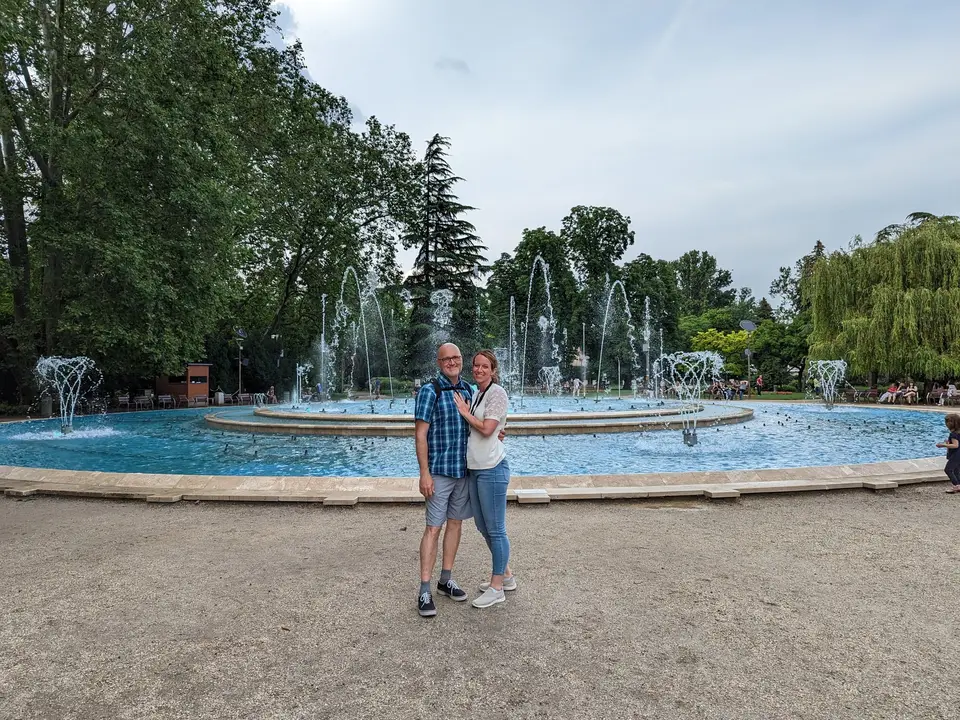
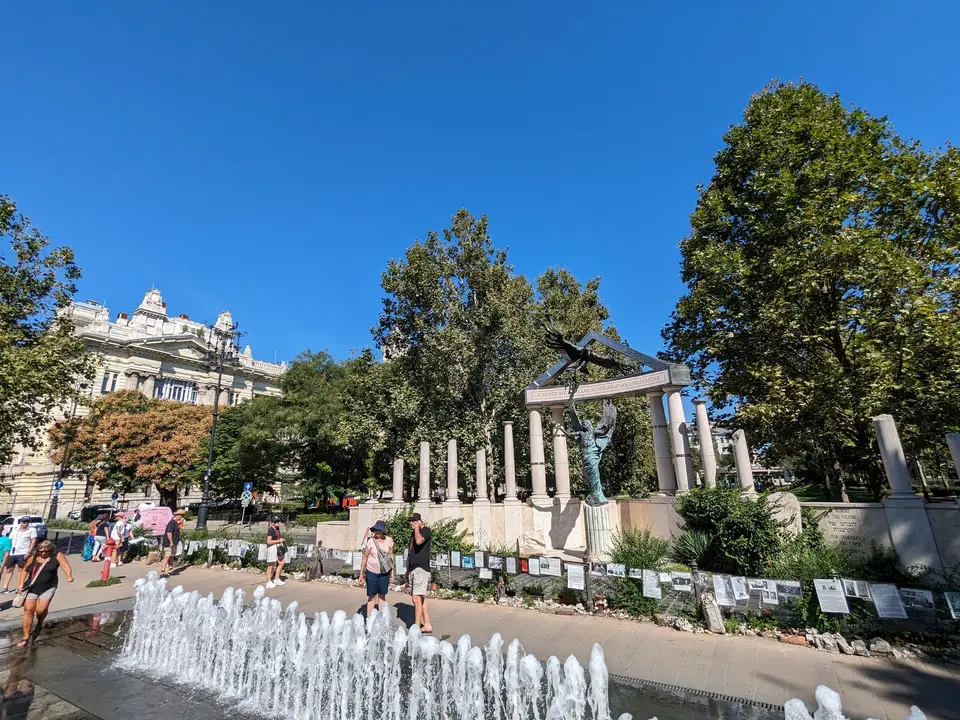
- Szabadság tér. There is a fountain, and behind it a colonnade — the Memorial to the Victims of the German Occupation, put up in 2014. It is contested, and it is worth knowing why before you look at it: it shows Hungary as a victim of Germany, and says nothing about Hungary's own part in the deportation of more than 400,000 Hungarian Jews. The answer to it is on the ground in front of it. Families of the dead have been laying photographs, documents, stones and personal objects there since 2014, and that unofficial line of things is the memorial most people actually stand and read. Give it the time it asks for.
- The Ronald Reagan statue is in the same square, a few steps away, put up in 2011 and facing the American embassy. Most visitors have no idea it is there. Find it while you are standing in Szabadság tér rather than making a separate trip.
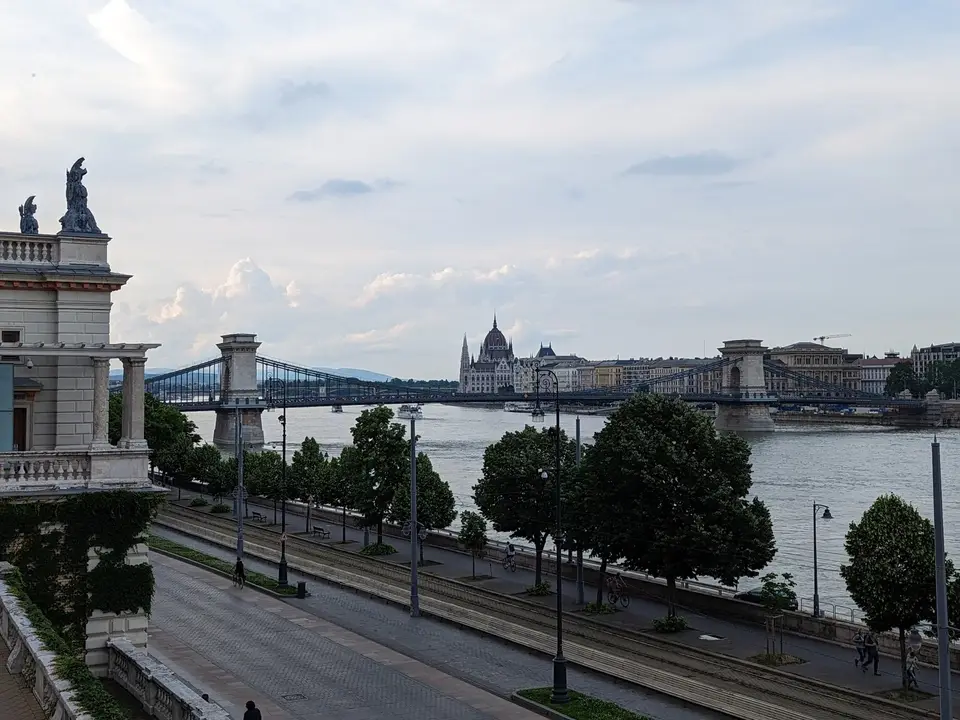
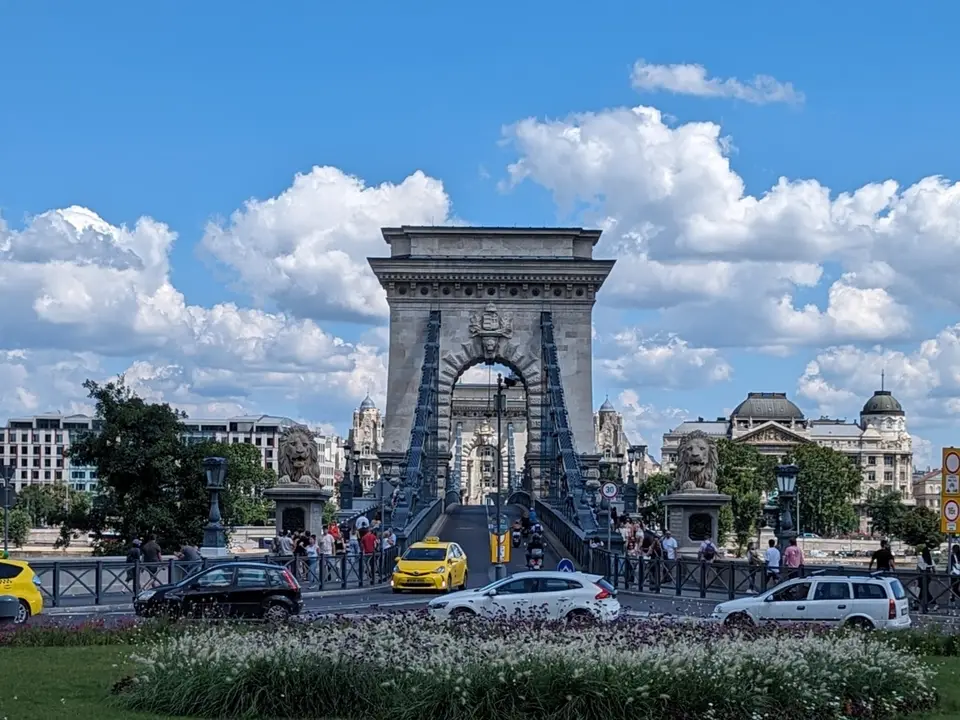
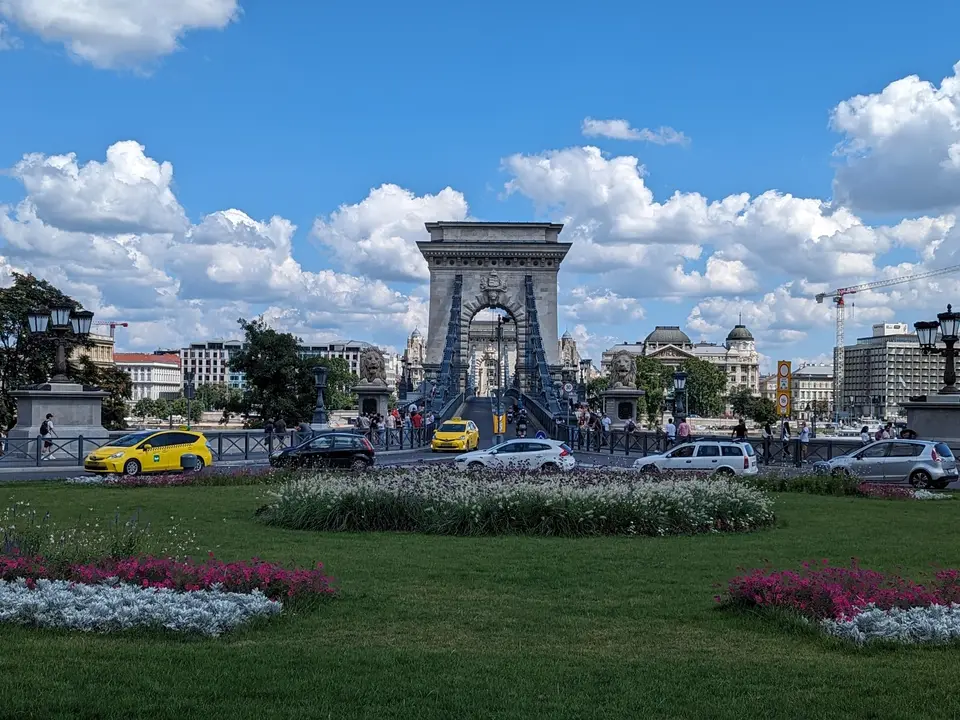
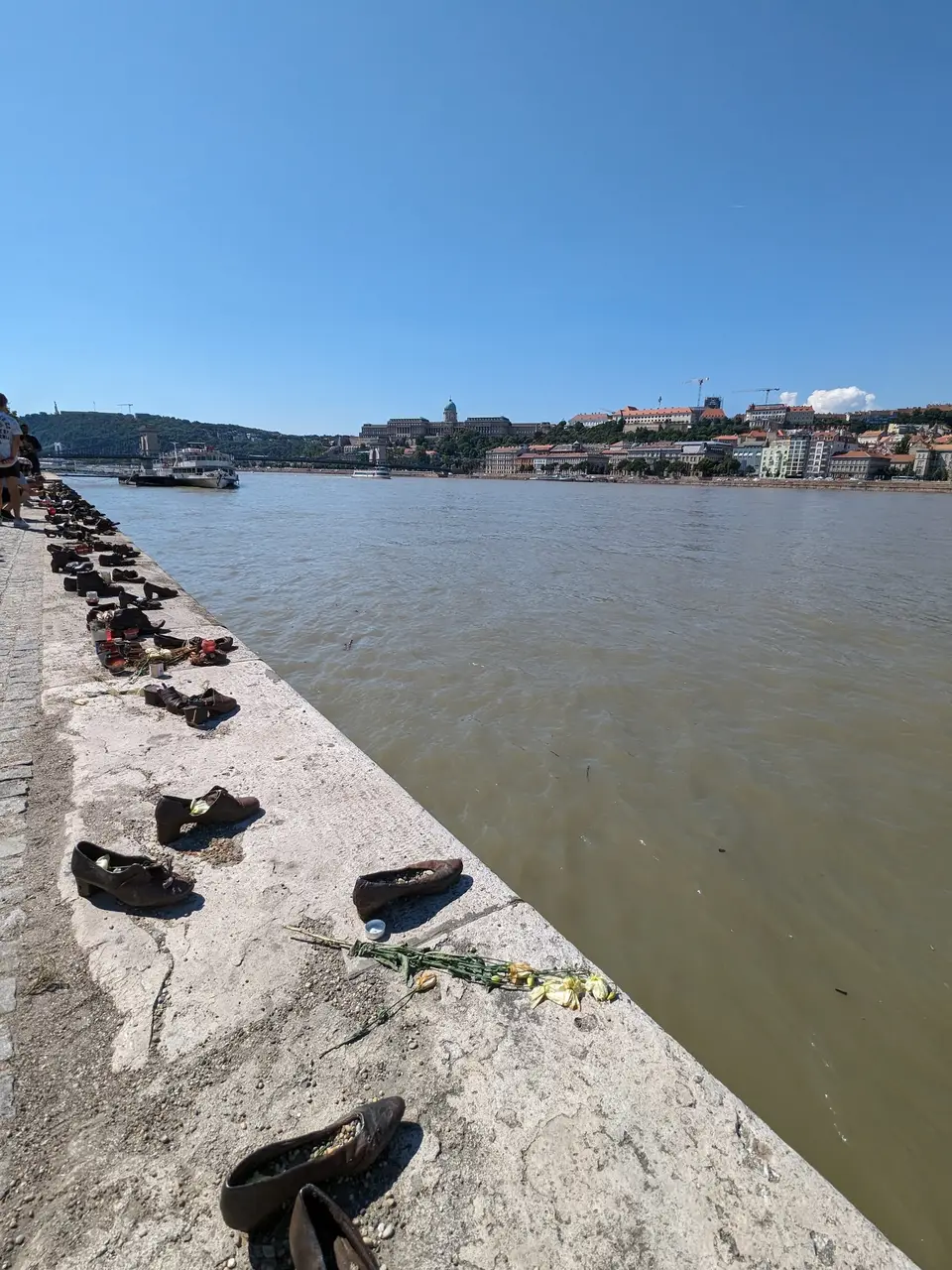
- Shoes on the Danube Bank. Sixty pairs of iron shoes on the embankment below the Parliament, for the people shot into the river here in 1944 and 1945 and made to take their shoes off first. It is on the Pest embankment, not the Buda one — walk north along the water from the Chain Bridge and you will reach it.
When to come
- June is noticeably cooler than August, and if you are choosing between the two, take June.
- Be aware that the older buildings commonly have no air conditioning. That includes a lot of the handsome apartment conversions people book precisely because they are handsome and old. In August that is the difference between a good week and a bad one, so ask before you book rather than after.
- It is also the argument for the baths and the river in the afternoon and the walking in the evening, rather than the other way around.
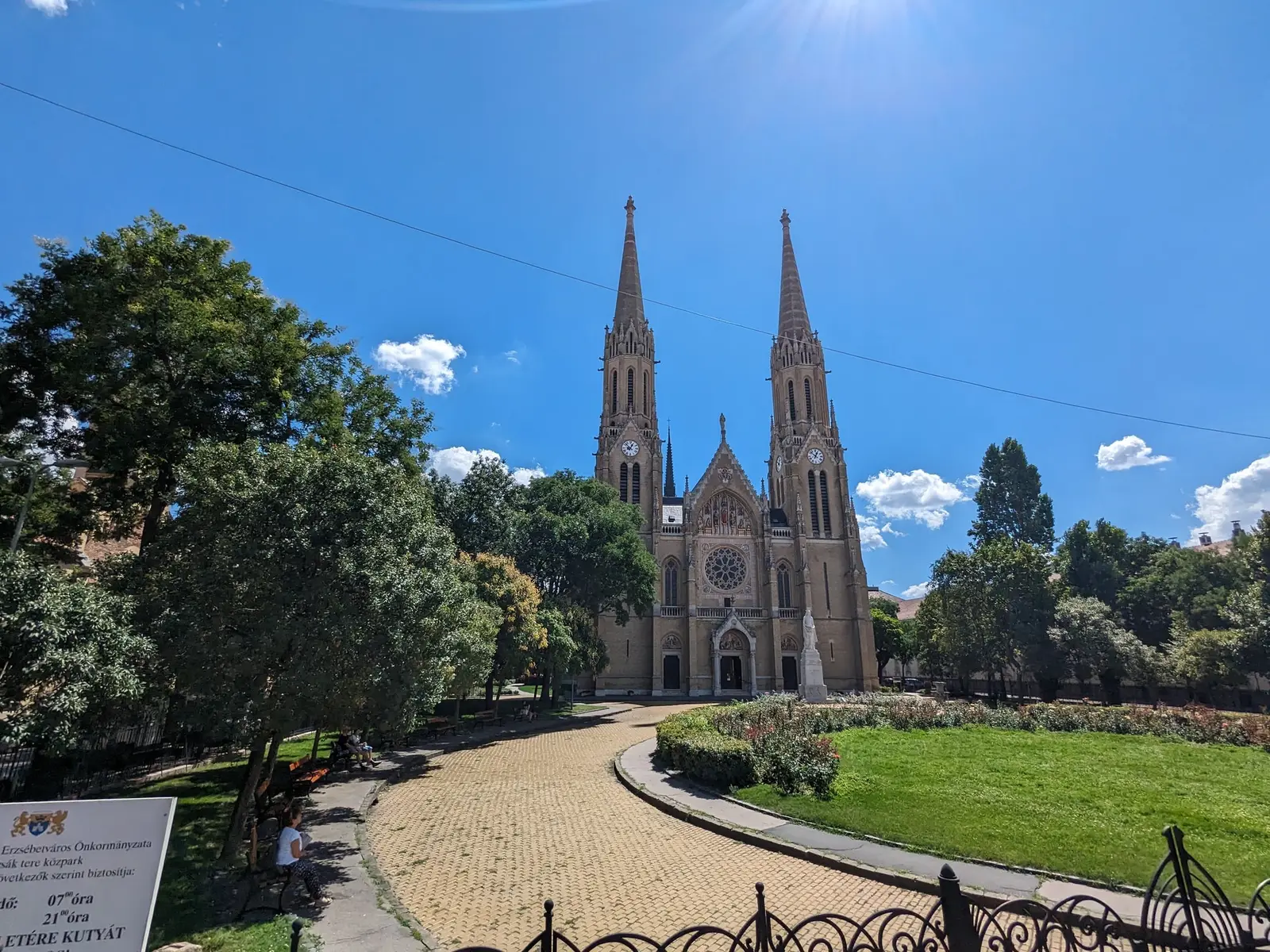
Three things we are not going to tell you
- We have no ruin bar recommendation, because we did not go. They are one of the first things anyone mentions about Budapest and we have nothing on them — not whether Szimpla is still worth the line, not which of the others is better. If that is the Budapest you are after, this page is not the one to plan it from.
- We do not have an overpriced-thing-everyone-books for this city, and we do not have a skip-it-outright either. The Vienna guide on this site has a section called The one thing to say no to, and it is the most useful thing on that page. Budapest has not earned one from us yet.
- Three gaps is better than three opinions we borrowed from somebody else. Everything above this is a place we have actually stood in, and the only way that is worth anything is if we say so when we have not.
Would we plan these exact three days for you?
- Not necessarily these ones. This is what we do in Budapest, which is a different thing from what you should do in Budapest — you may not care about Parliament interiors and you may want two baths and no boat.
- What does not change is the shape of it: three days at least, slept on the Buda side, with the paid things booked before you arrive and the free things left loose.