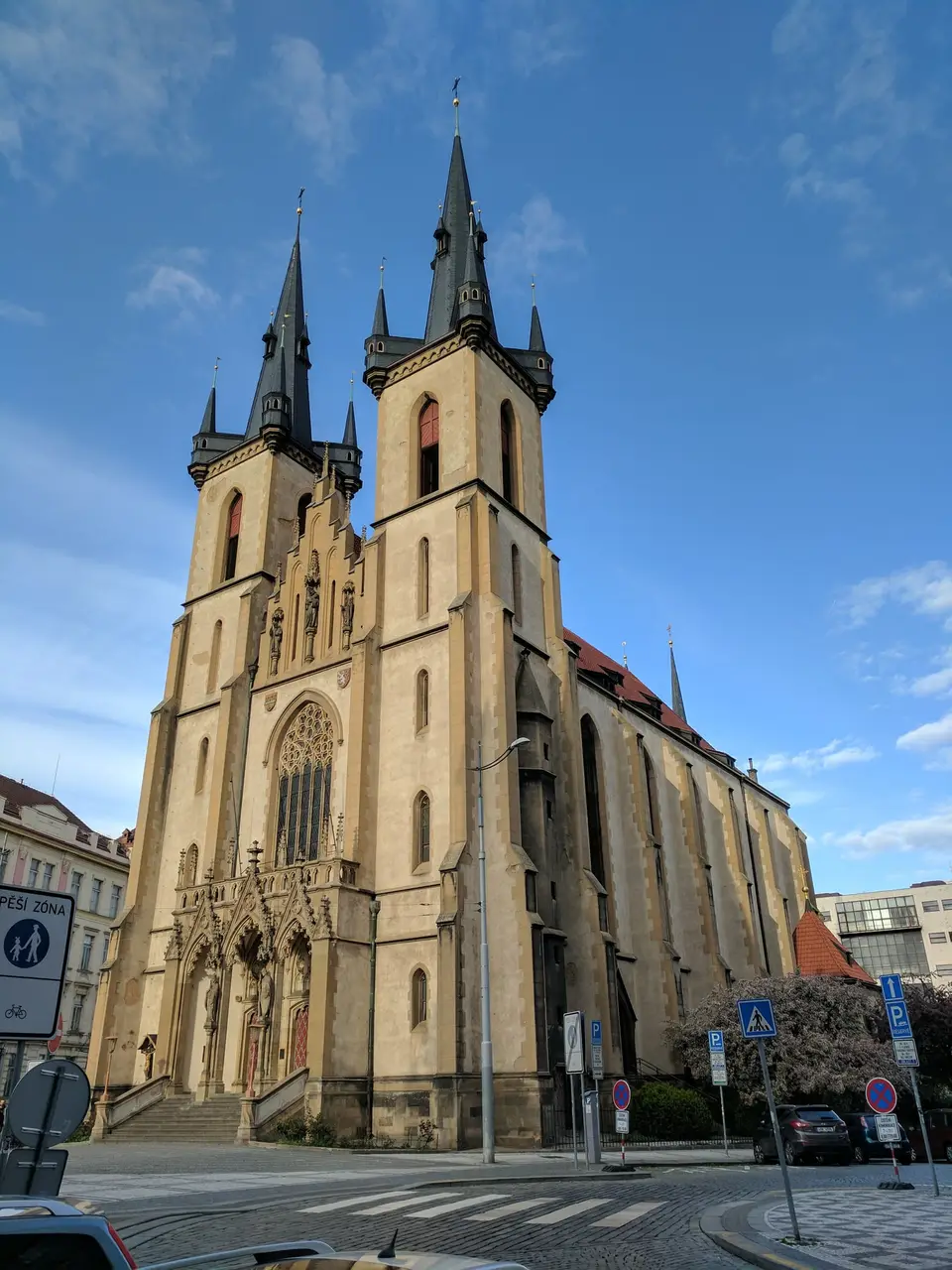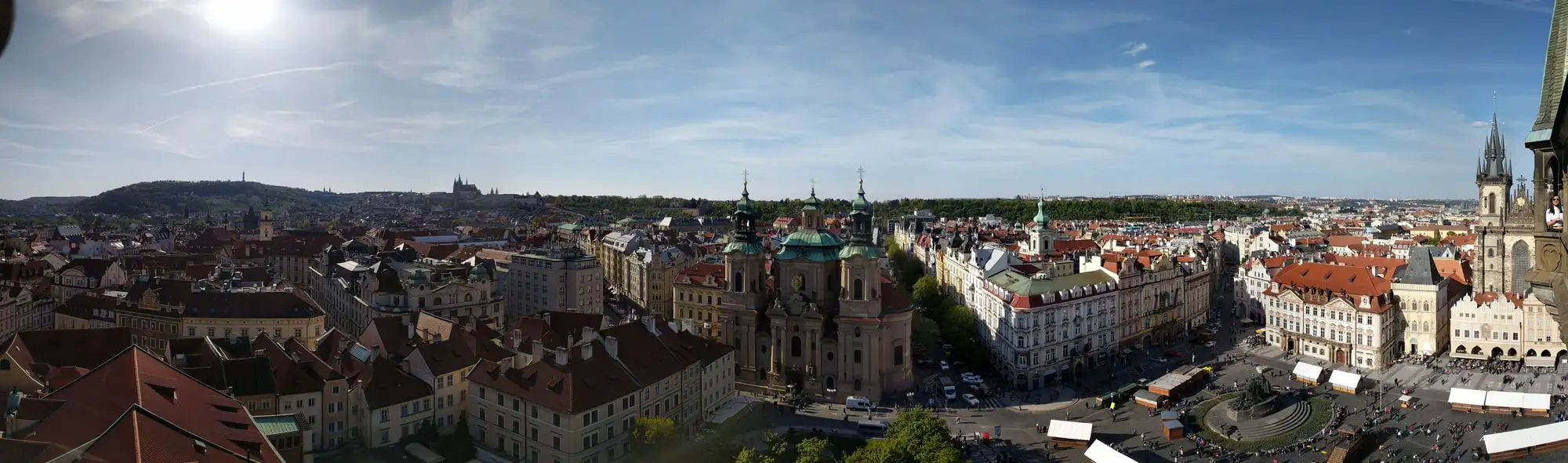
Before you go — what is free here, which is nearly all of it
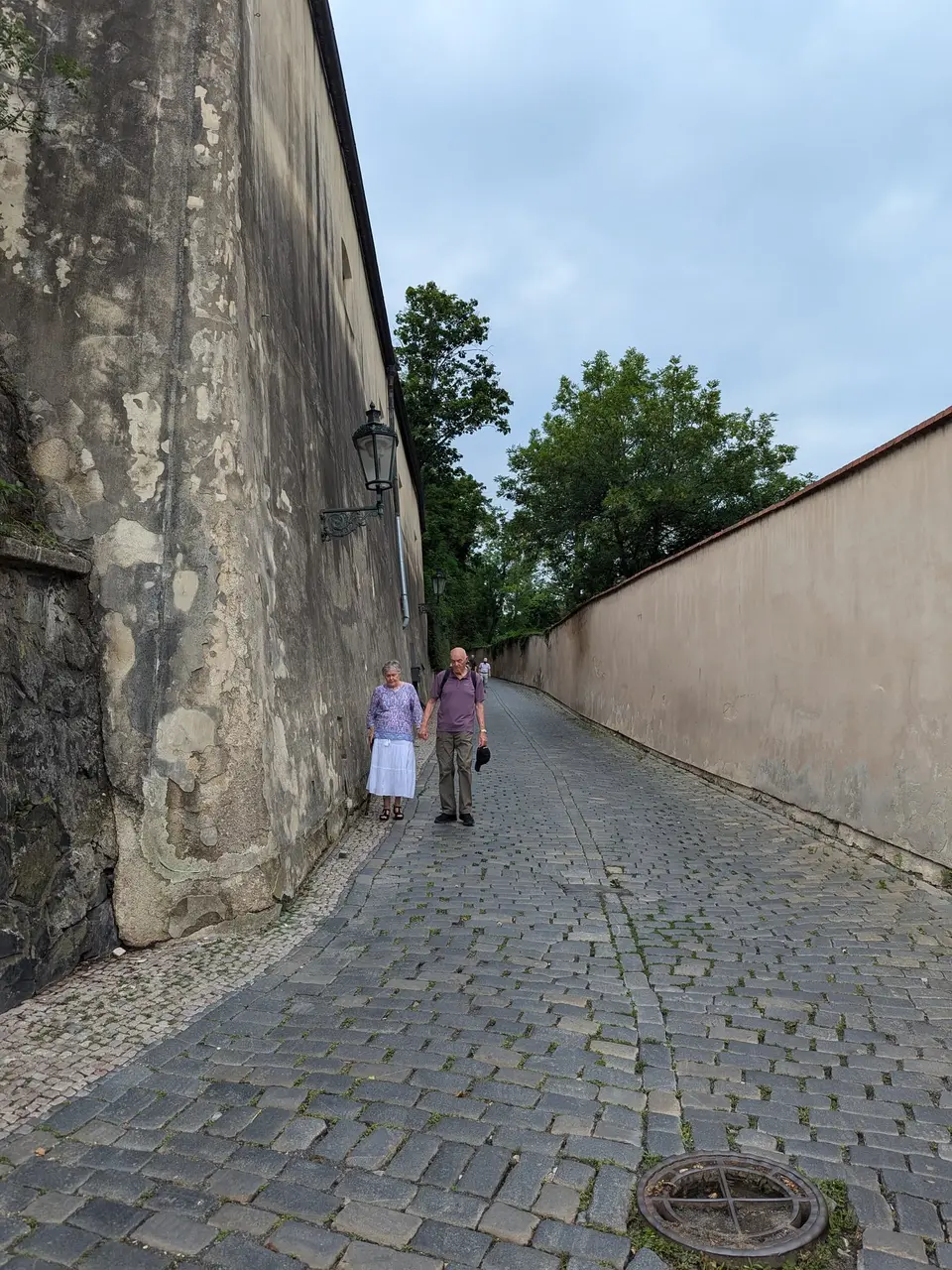
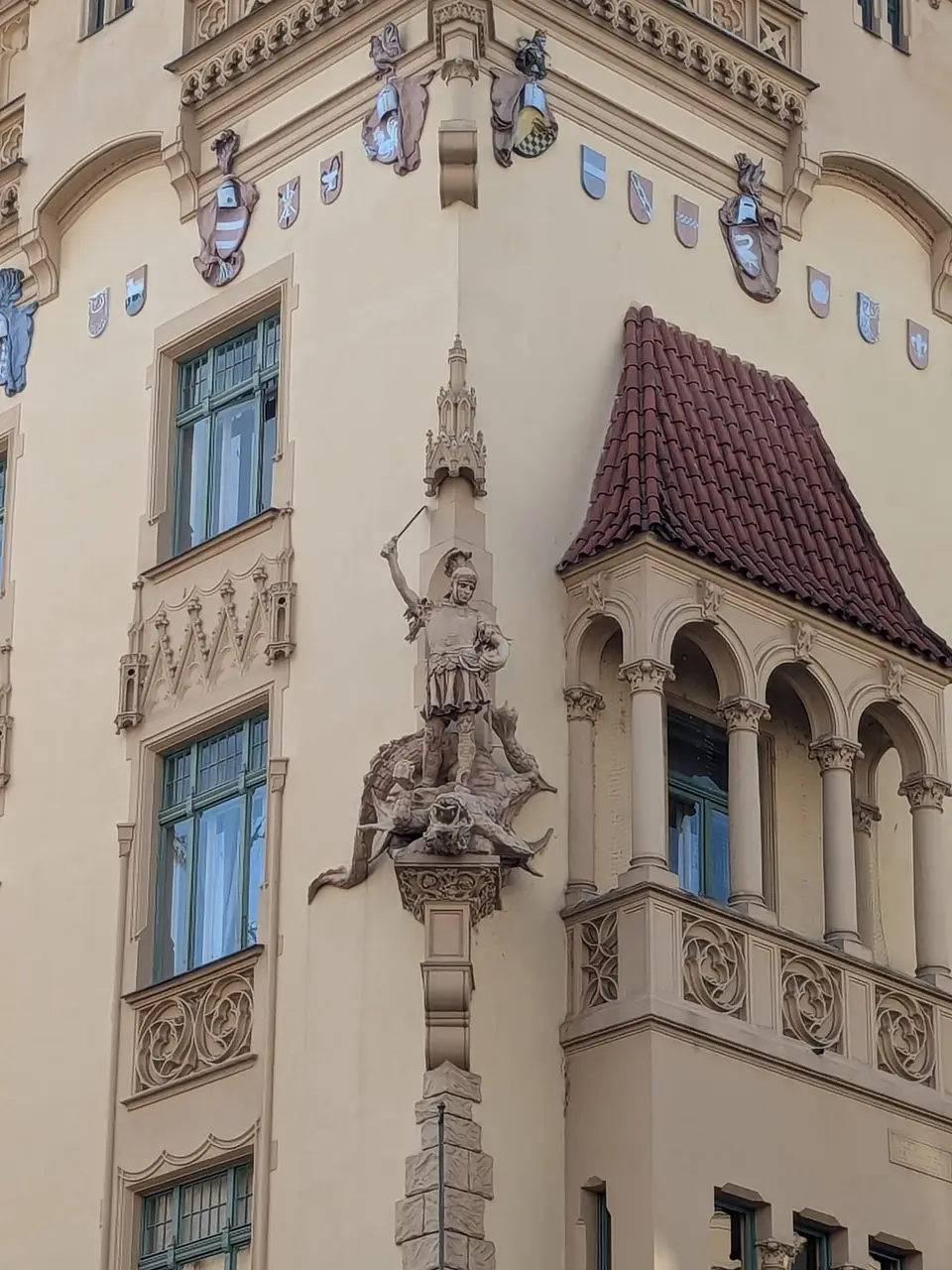
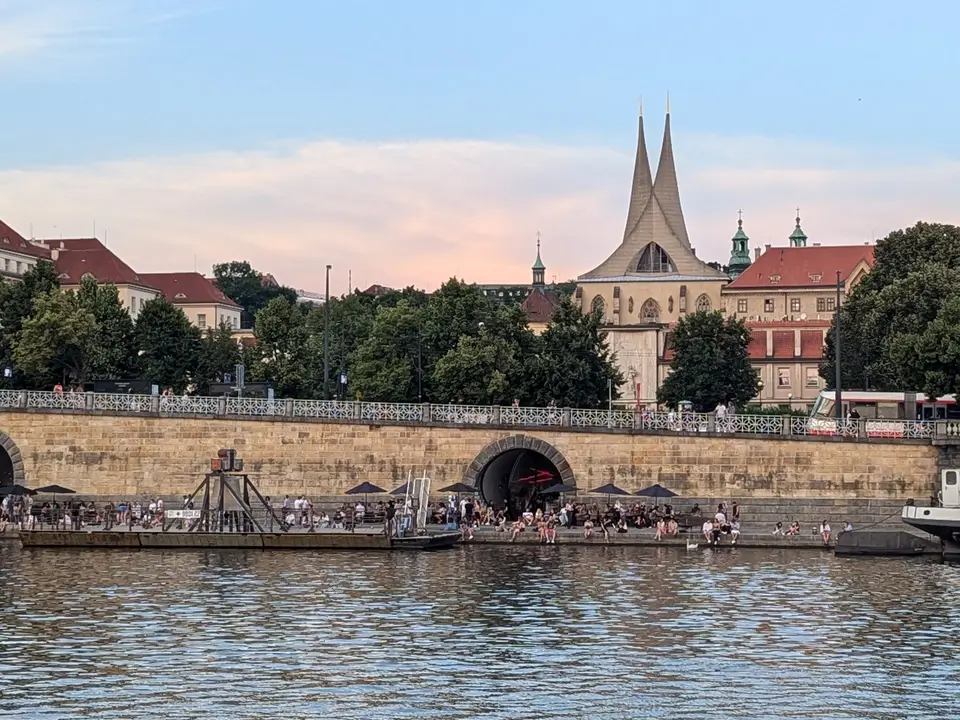
This is the unusual thing about Prague and almost nobody leads with it. The famous sights are the outsides of buildings, and the outsides are free. You pay to go inside things and to get above them. Everything else — the walking, the squares, the bridge, the river, the castle grounds — costs nothing at all.
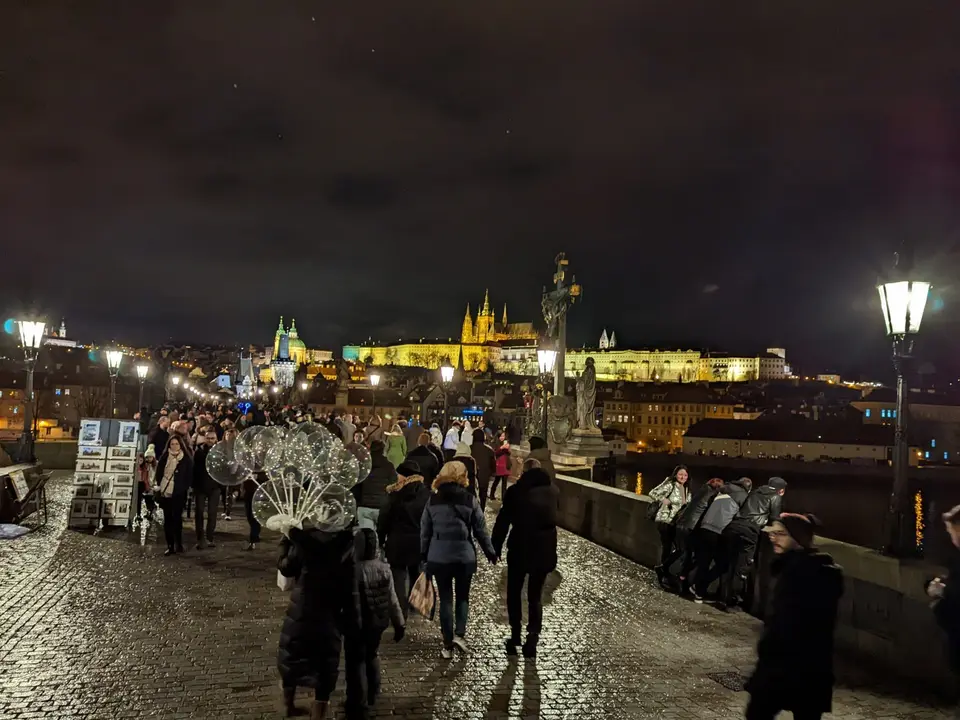
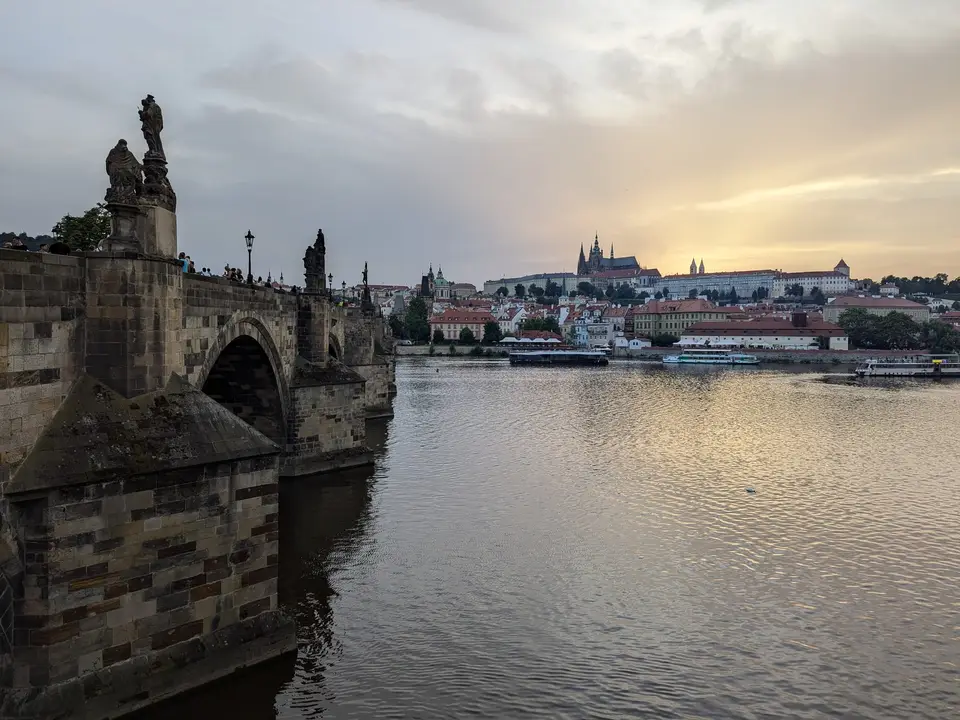
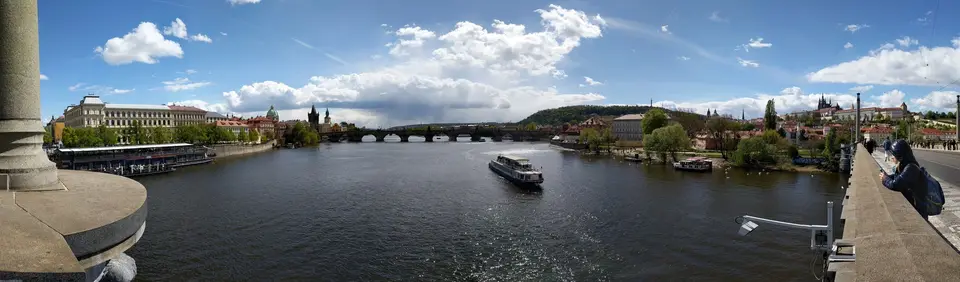
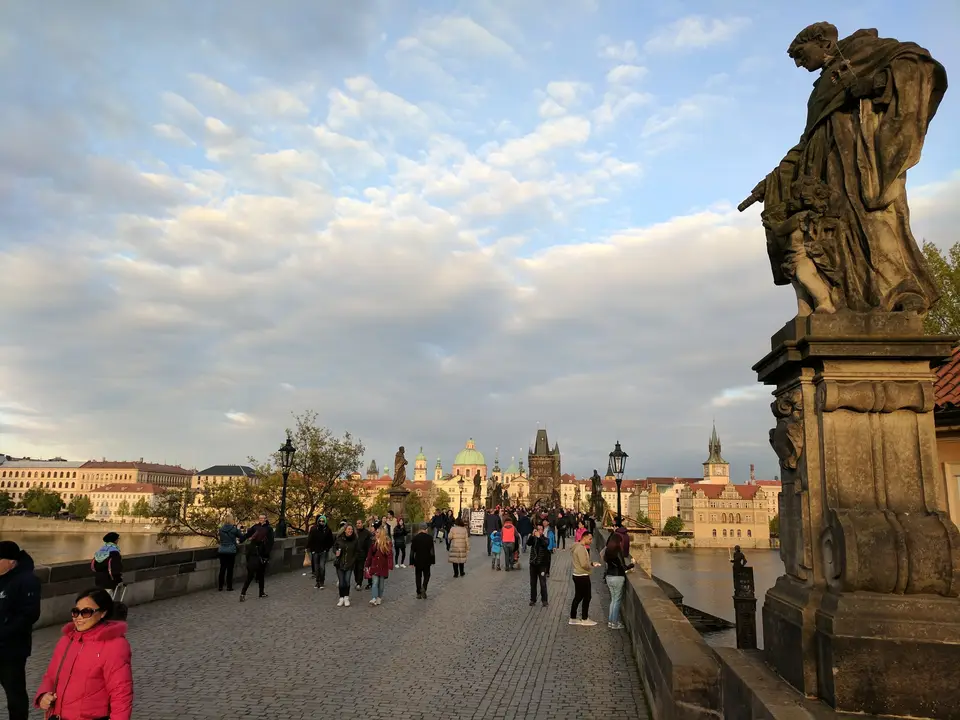
- The Charles Bridge: free, always, and open all night.
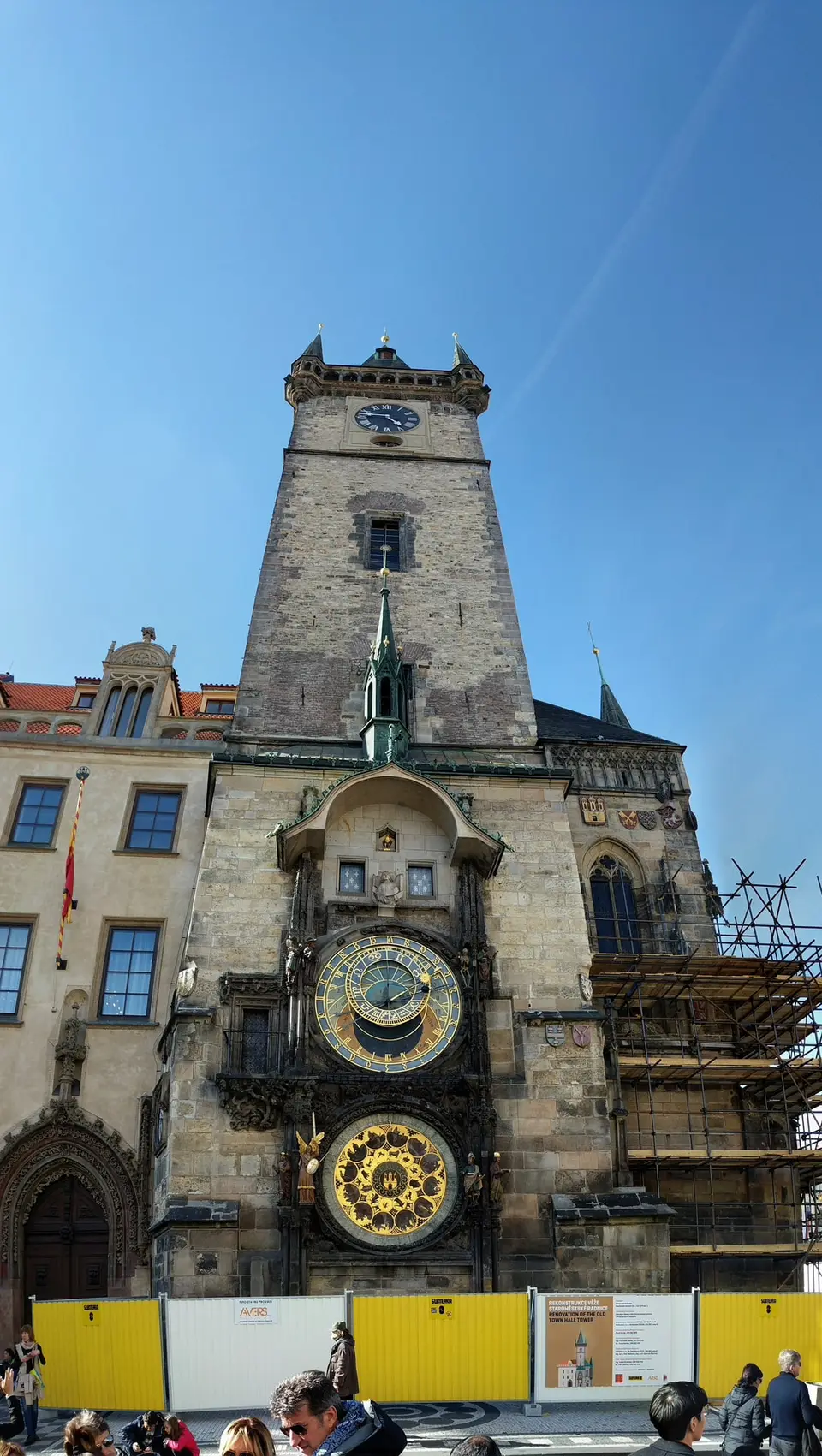
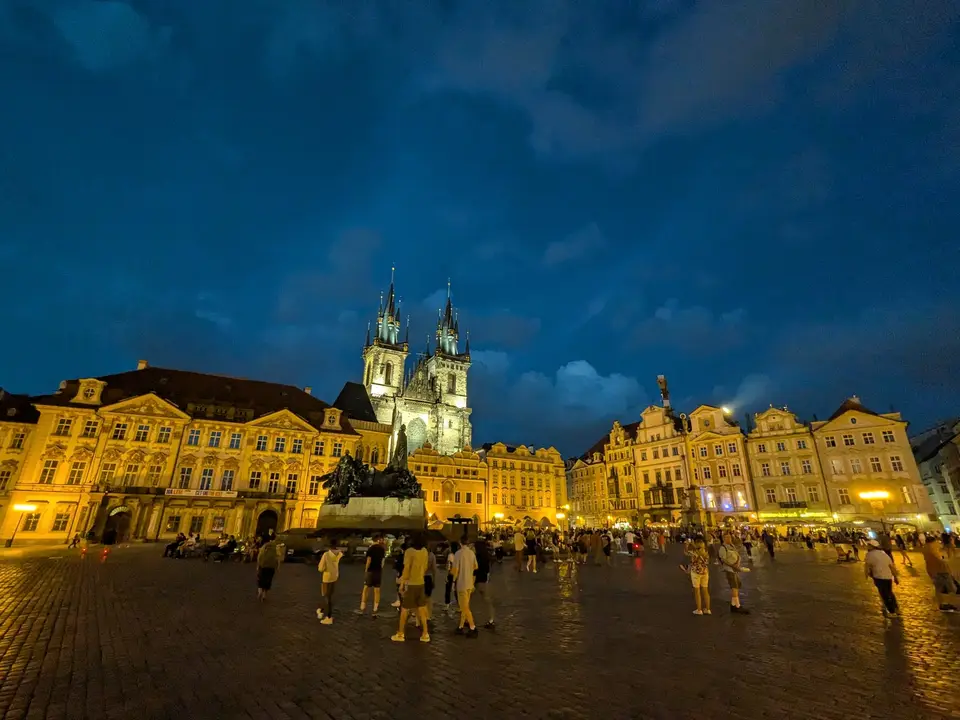
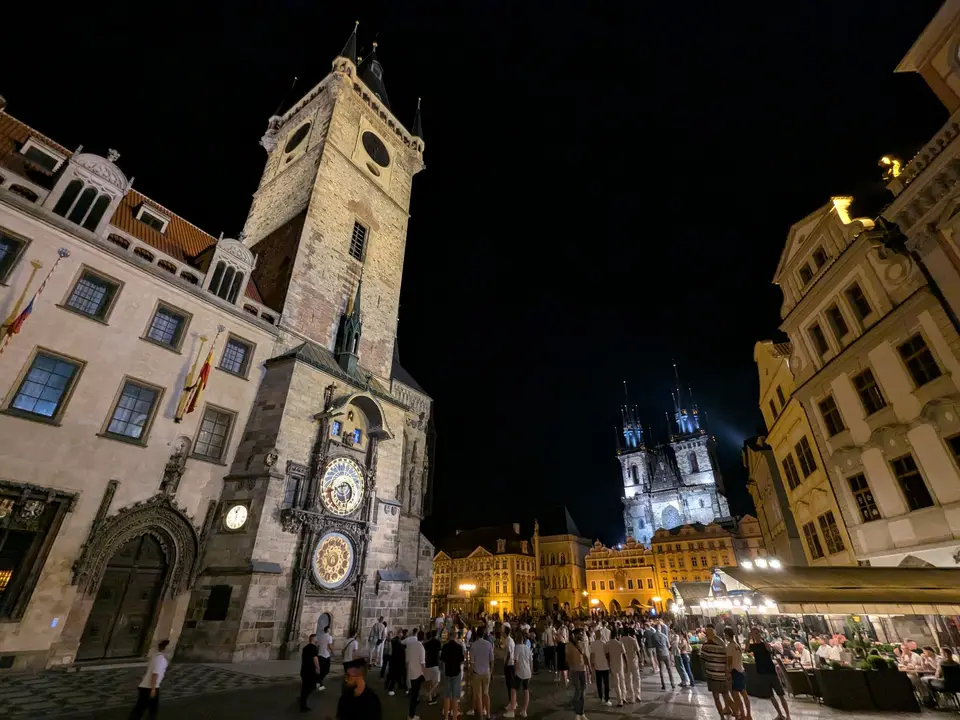
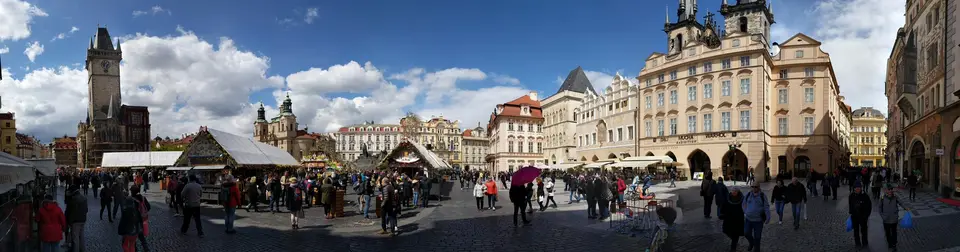
- The Old Town Square and the astronomical clock: free to stand in front of.
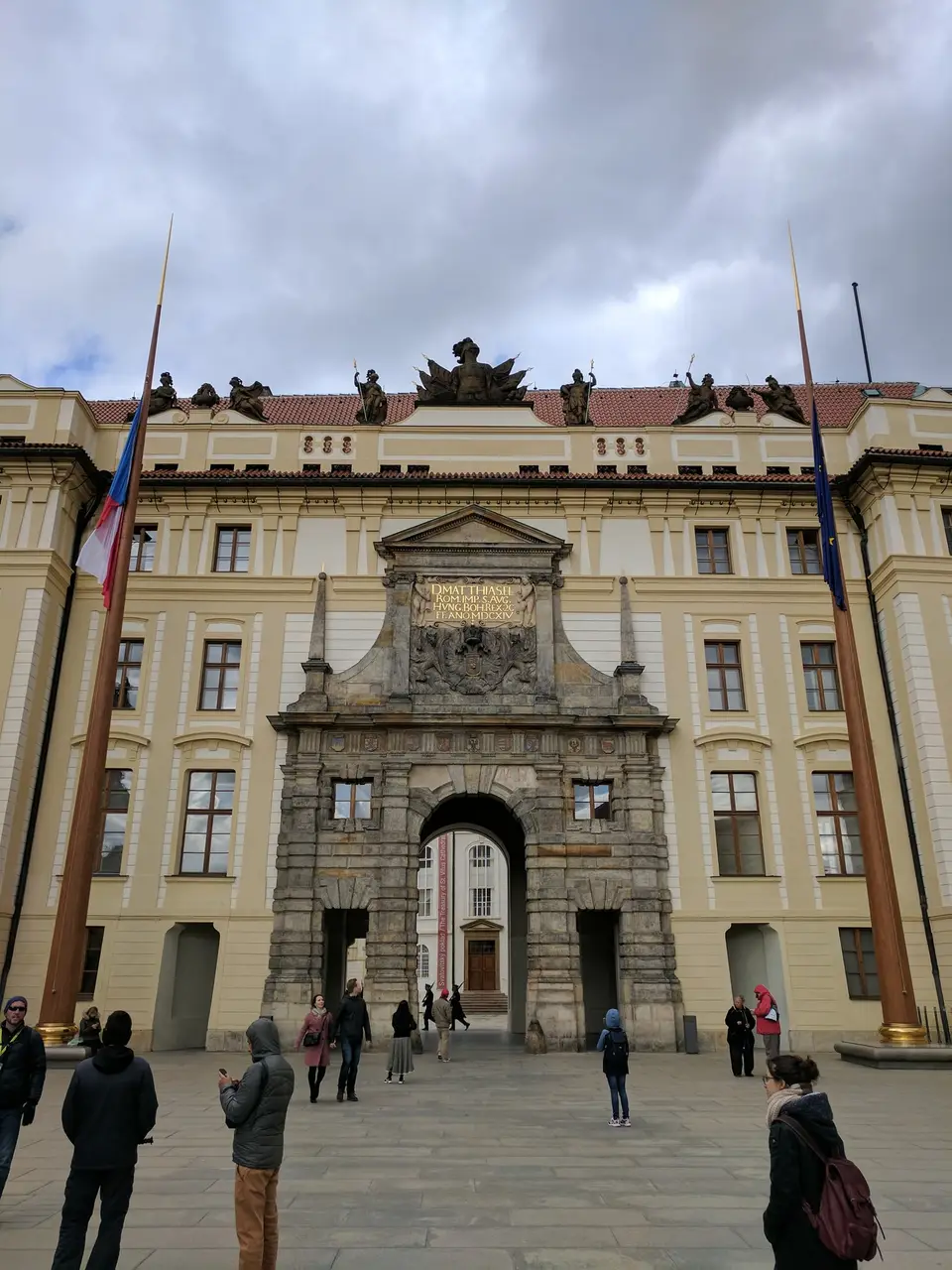
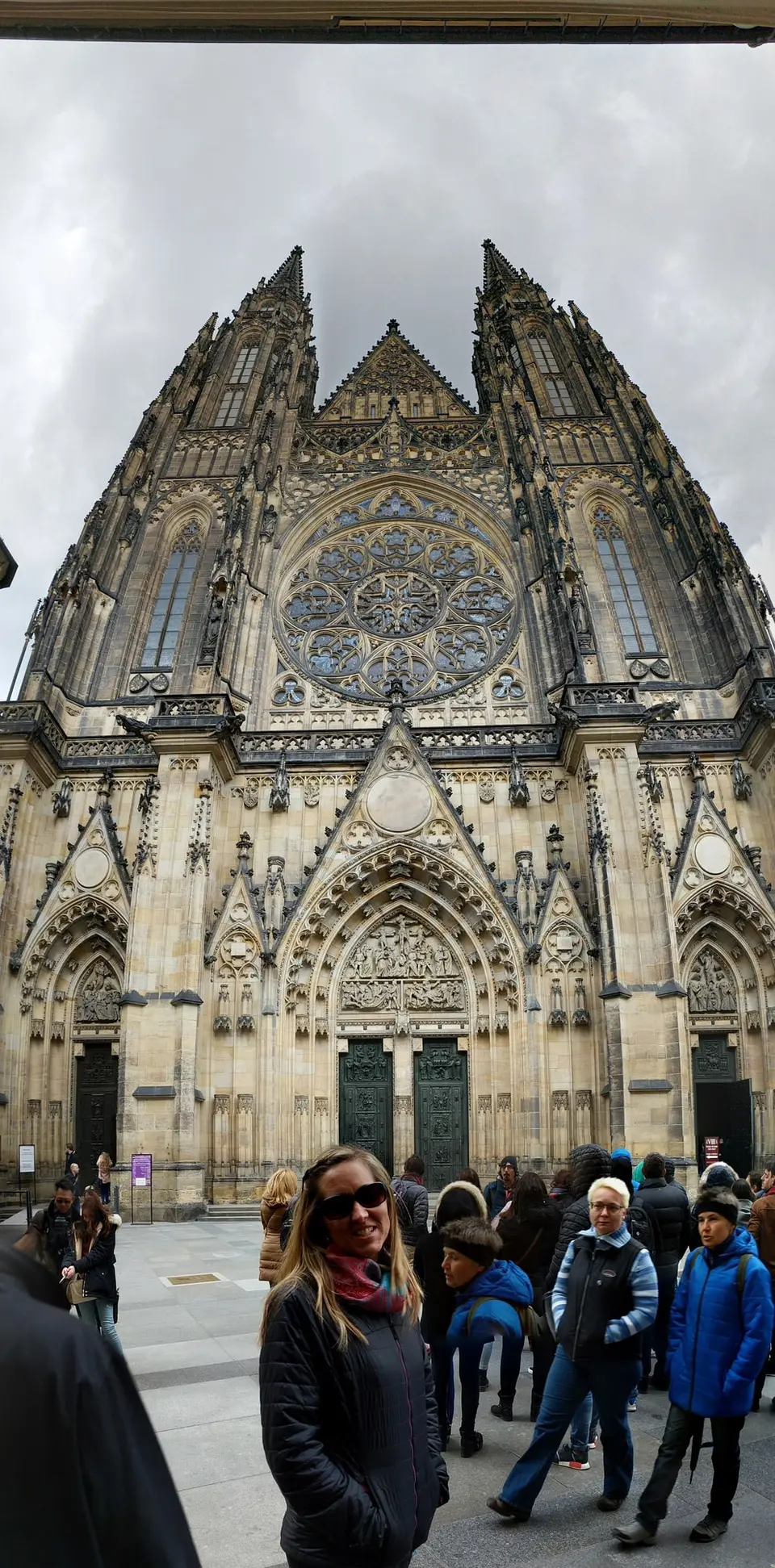
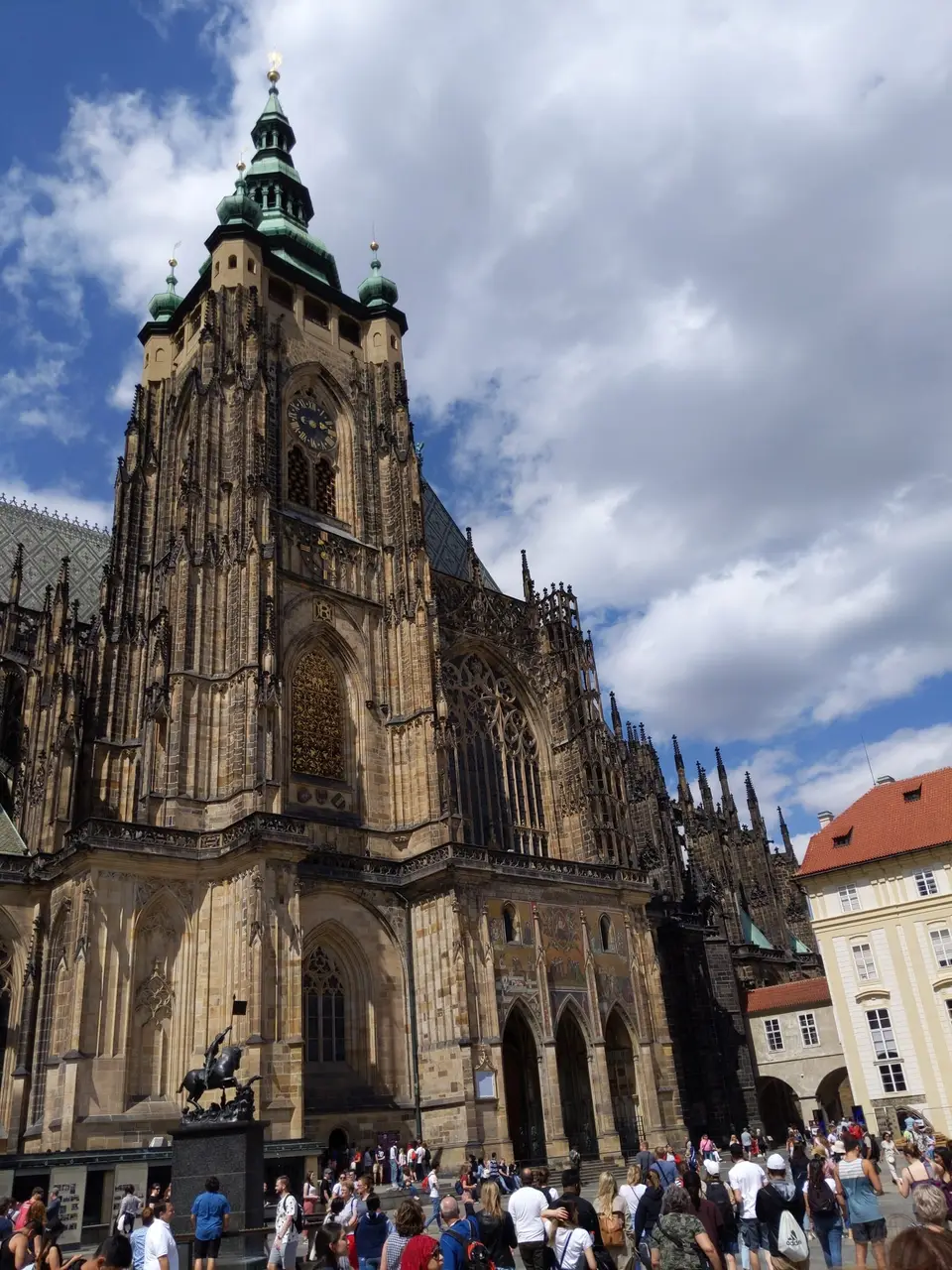
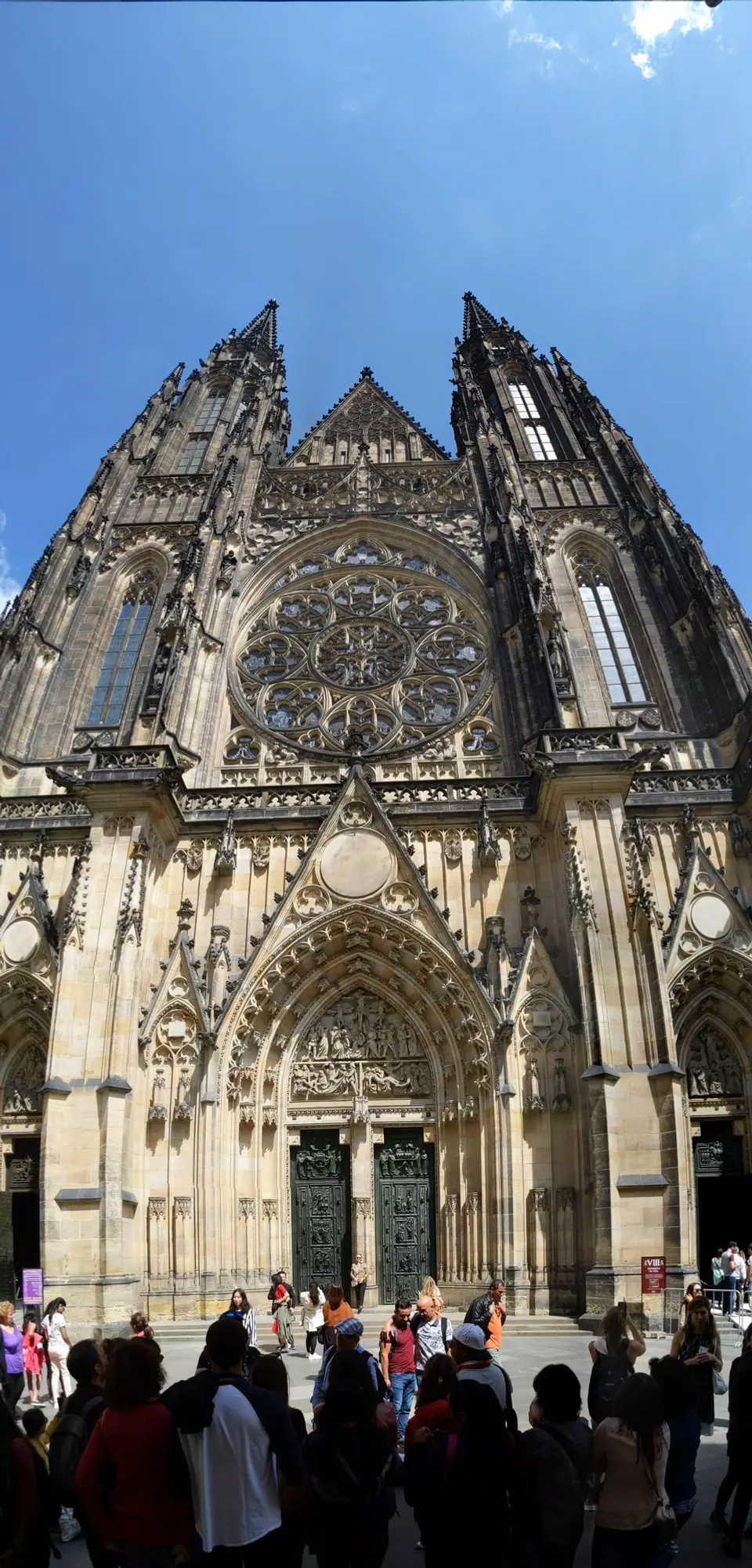
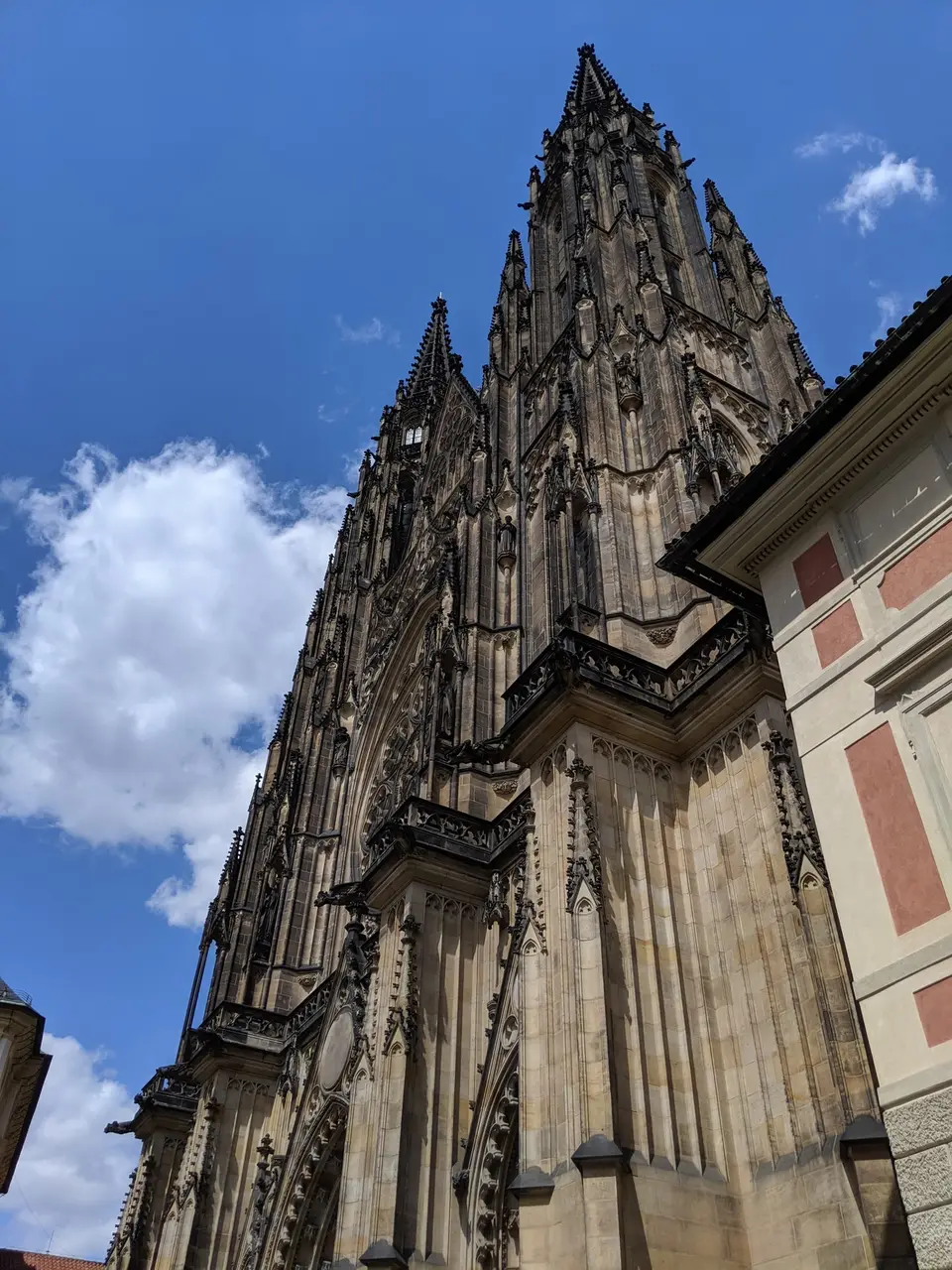
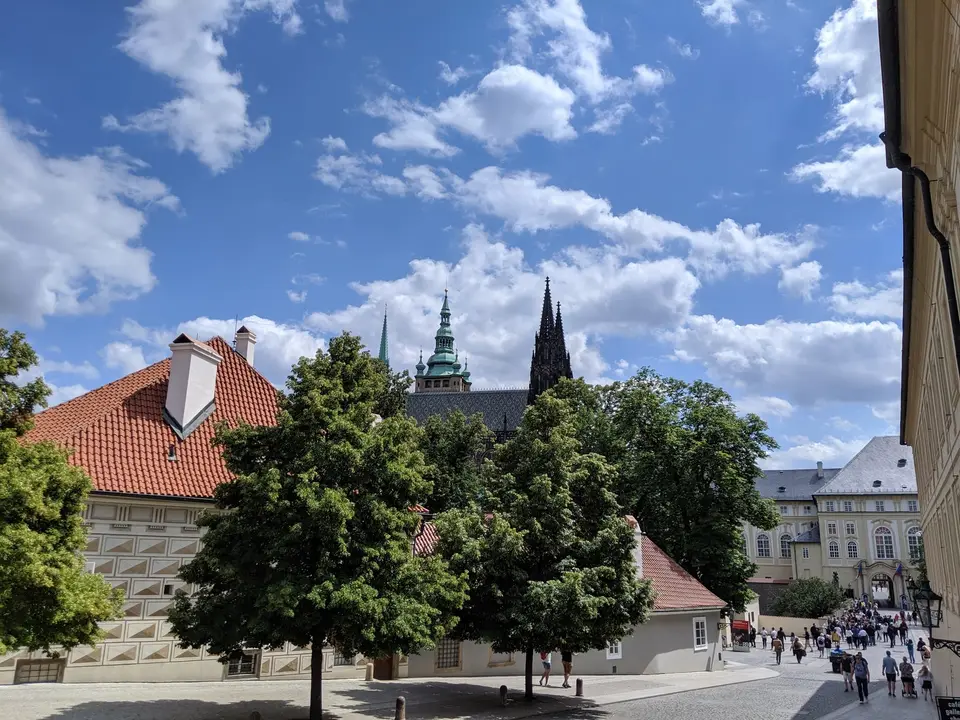
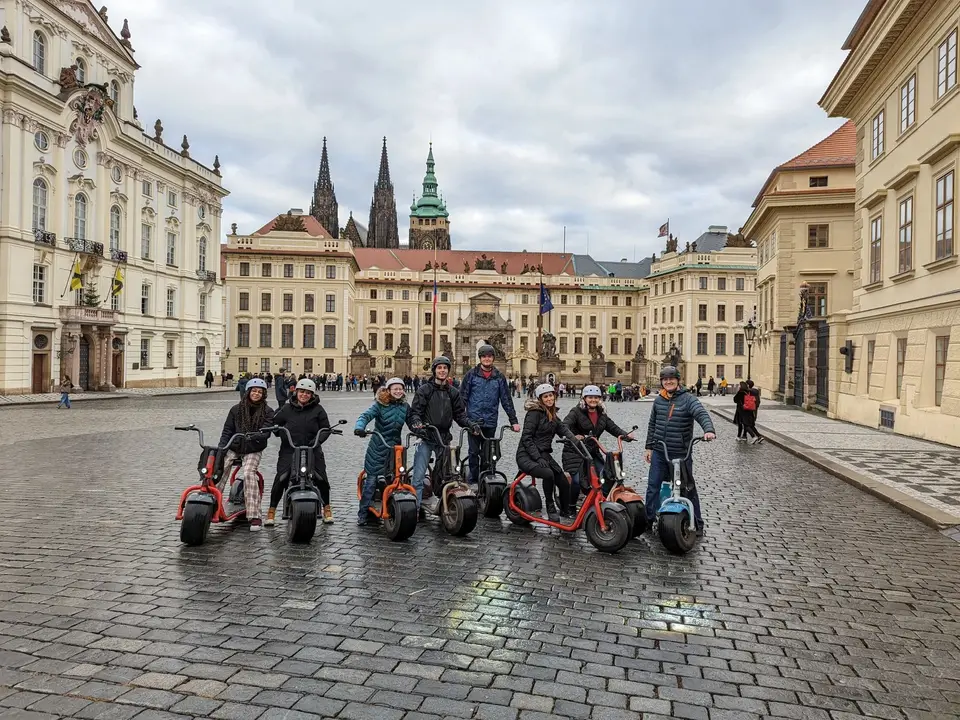
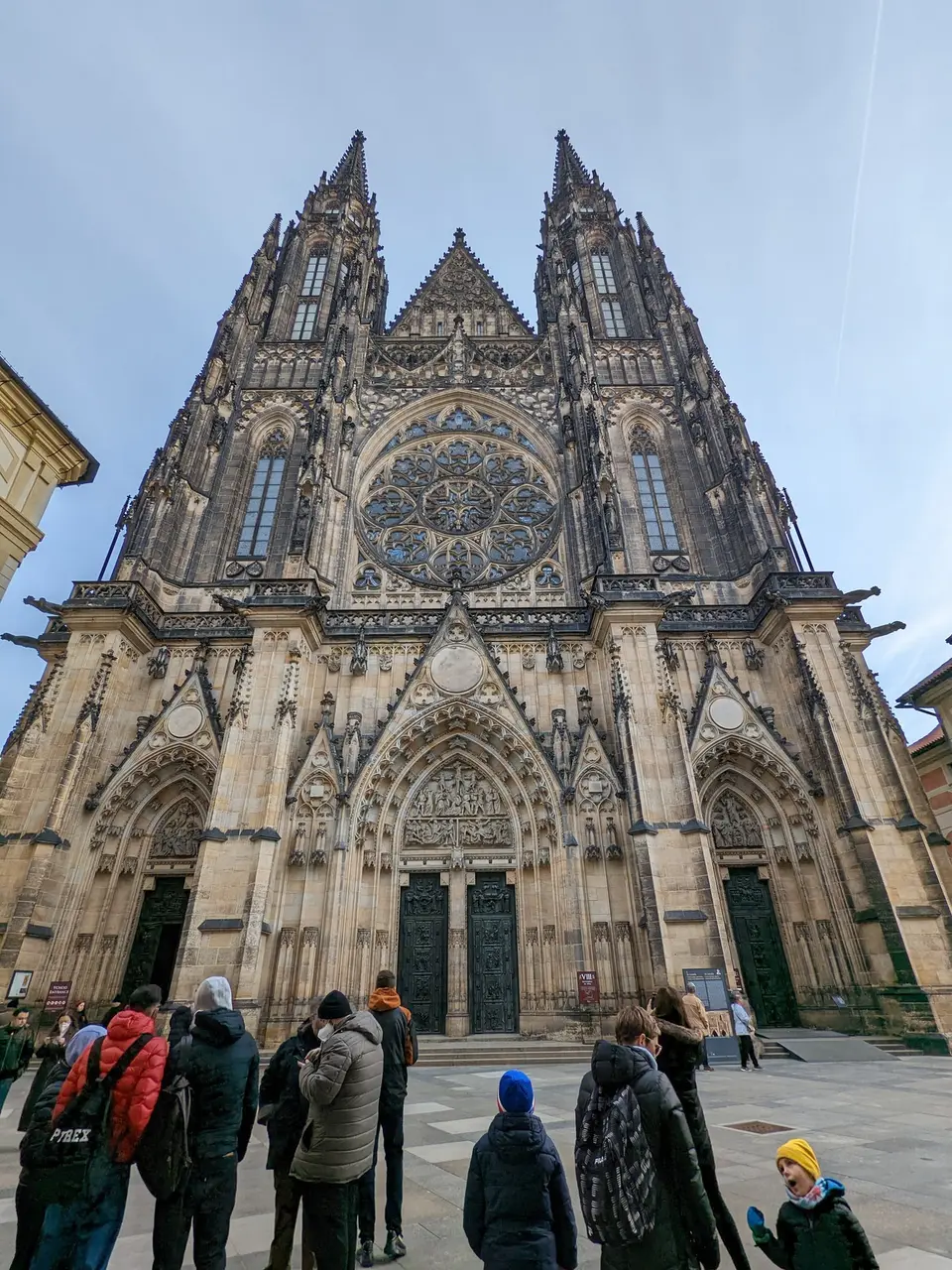
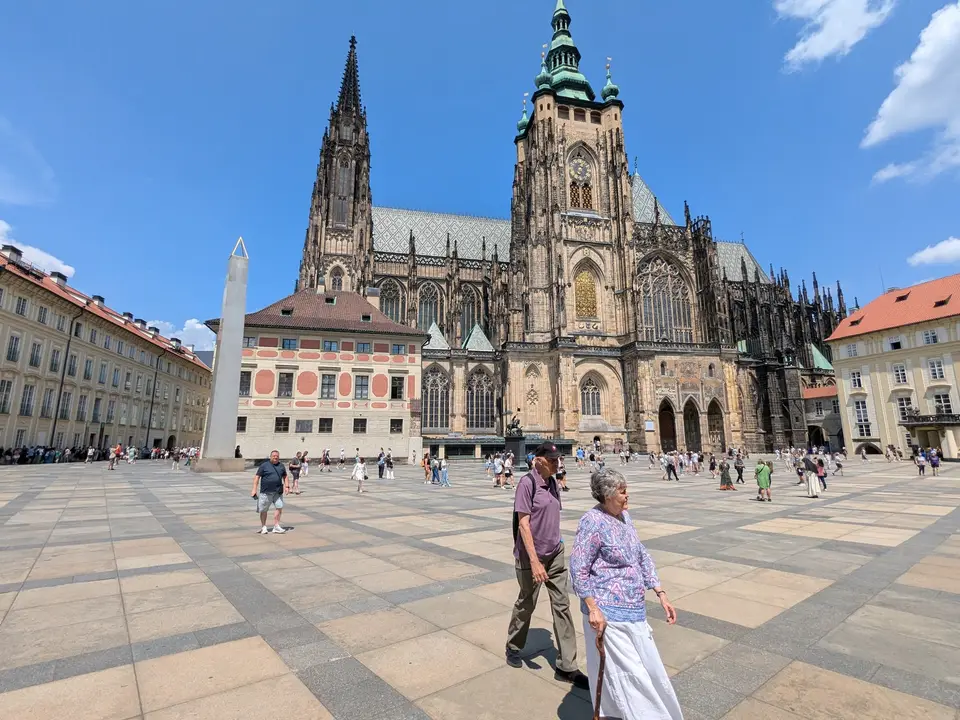
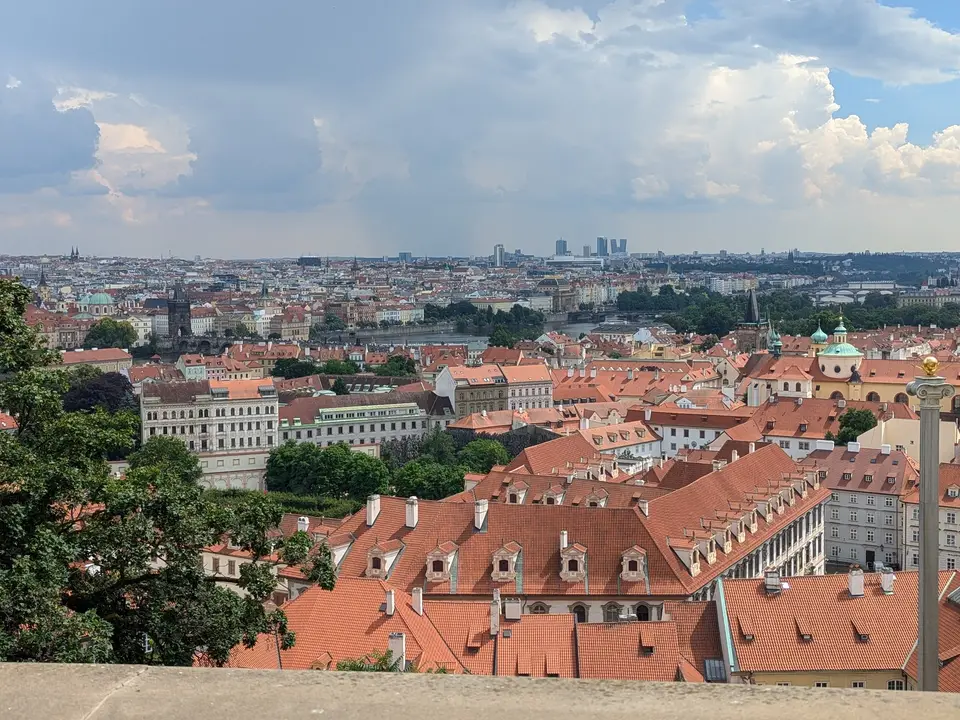
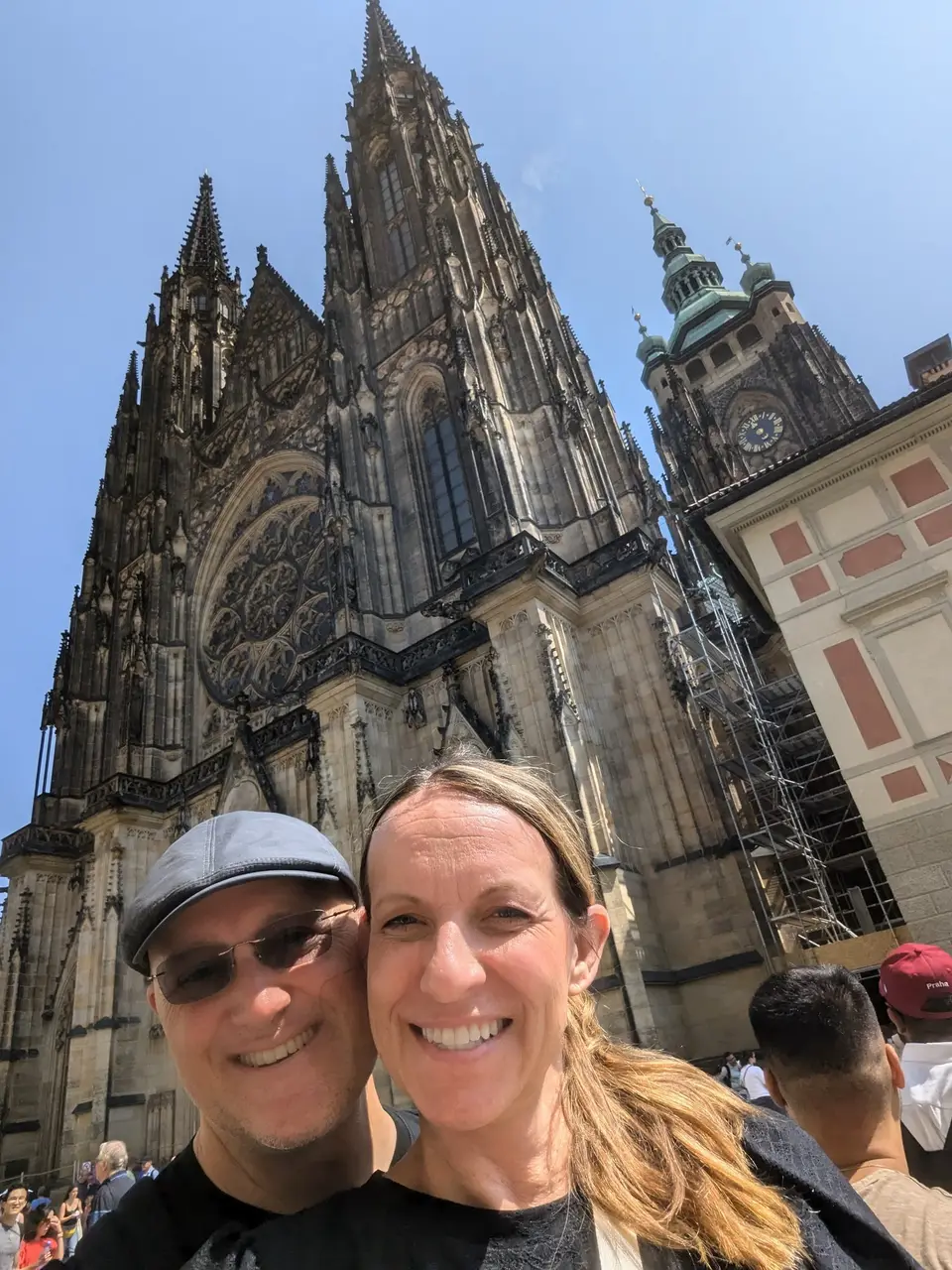
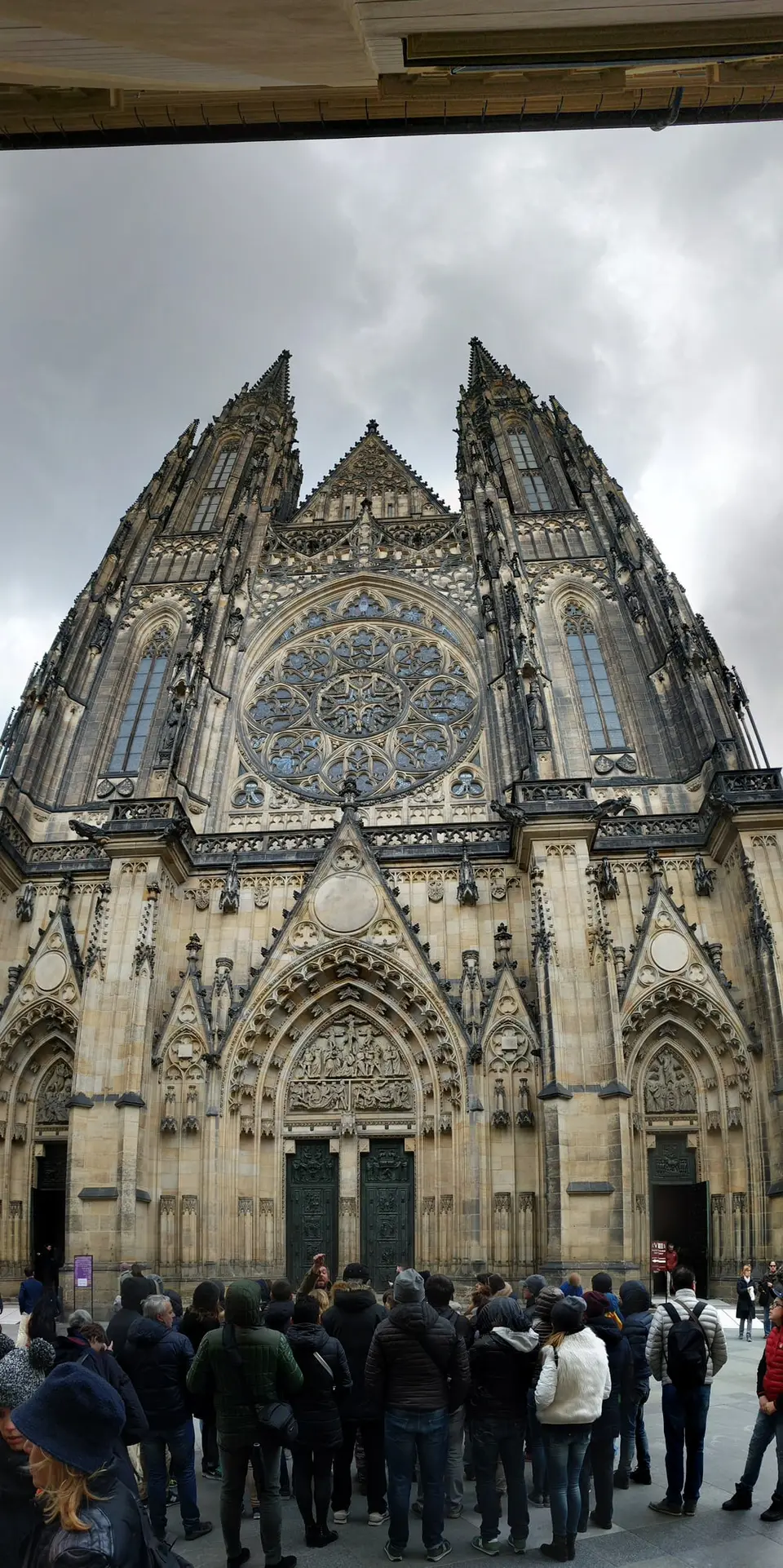
- The Prague Castle grounds: free, and open 6am to 10pm daily. You can walk the courtyards, stand under St Vitus and look out over the whole city without buying anything.
- Vyšehrad: the grounds, the ramparts and the views are free.
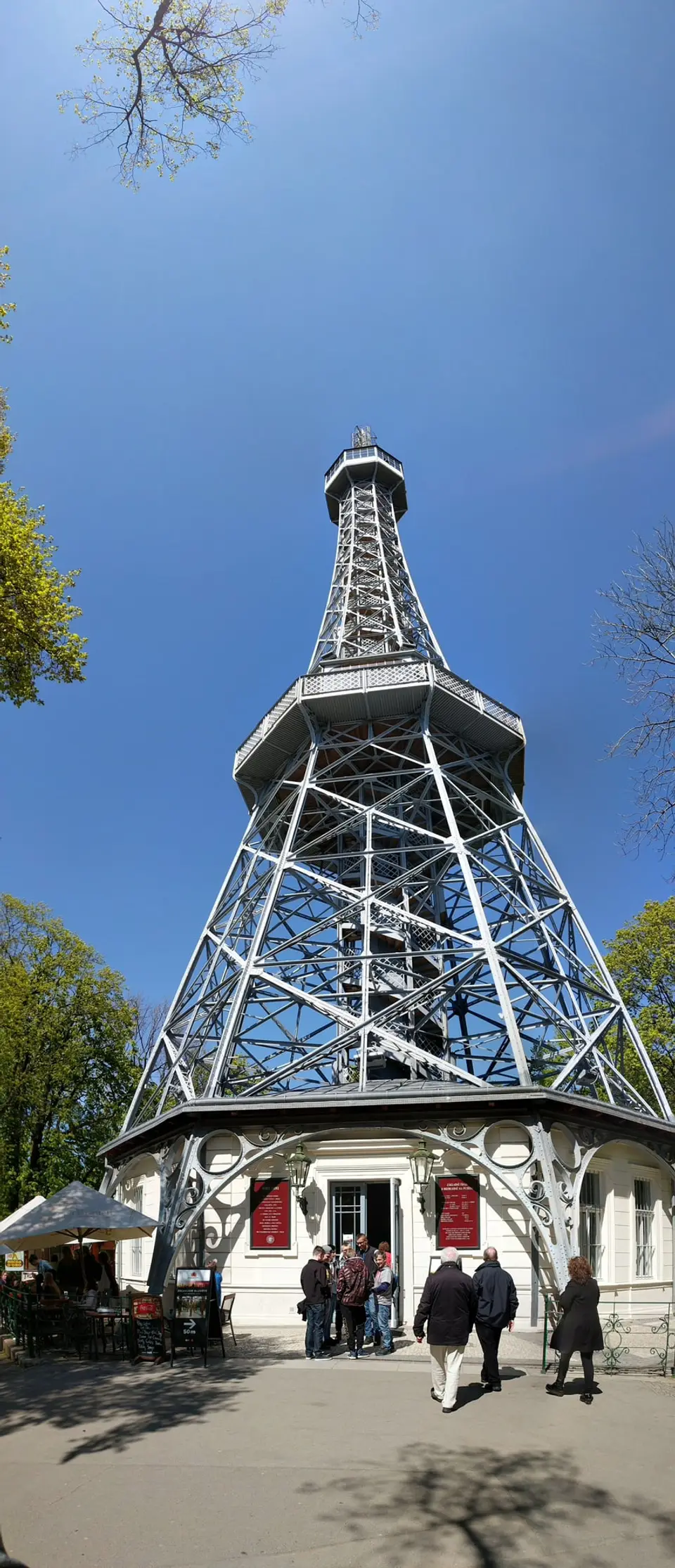
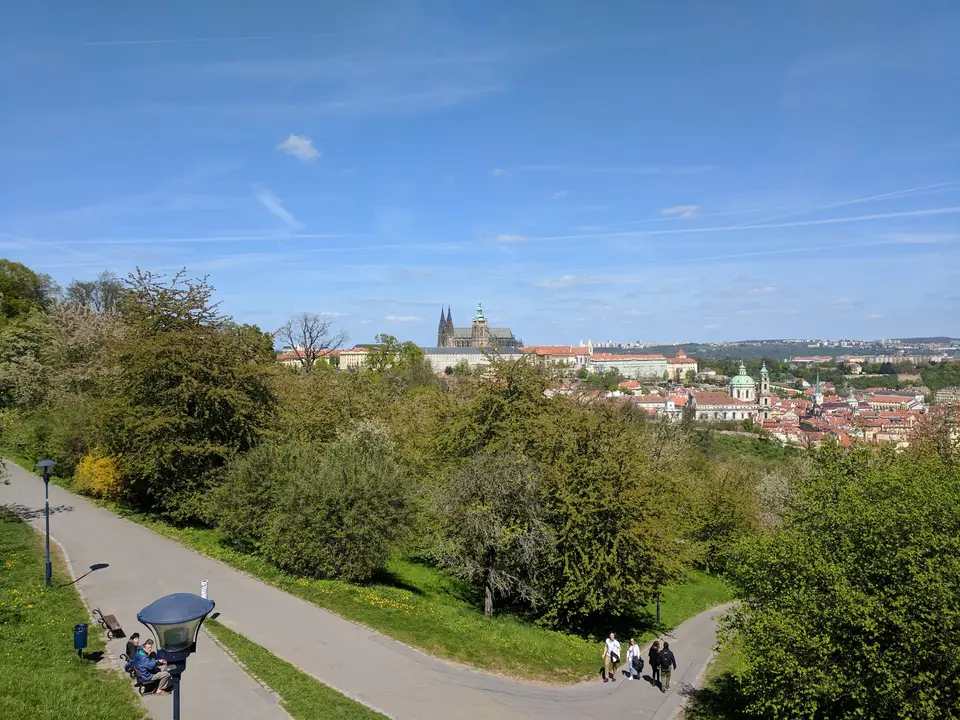
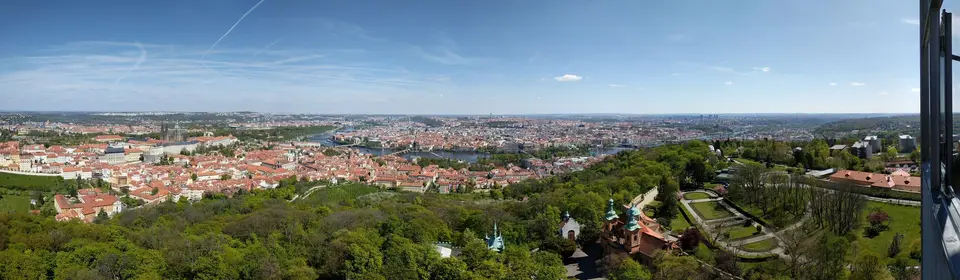
- Petřín park: free and open around the clock. Only the lookout tower and the mirror maze are ticketed.
Budget tips
- A 24-hour transport pass is 150 CZK (140 in the PID Lítačka app) — roughly €6 — and covers the metro, trams, buses and the Petřín funicular. It is the single best-value ticket in the city and the one most visitors skip in favor of walking everywhere.
- Decide what you want to go inside before you arrive. The interiors are where the money goes, and a day spent only outdoors here is not a compromised day.
- Prices and hours on this page were checked on 22 October 2026 against Prague Castle's own price list and opening hours, and the PID transit fares. They are quoted in Czech crowns, because that is what you will pay in. Treat them as the shape of the cost.
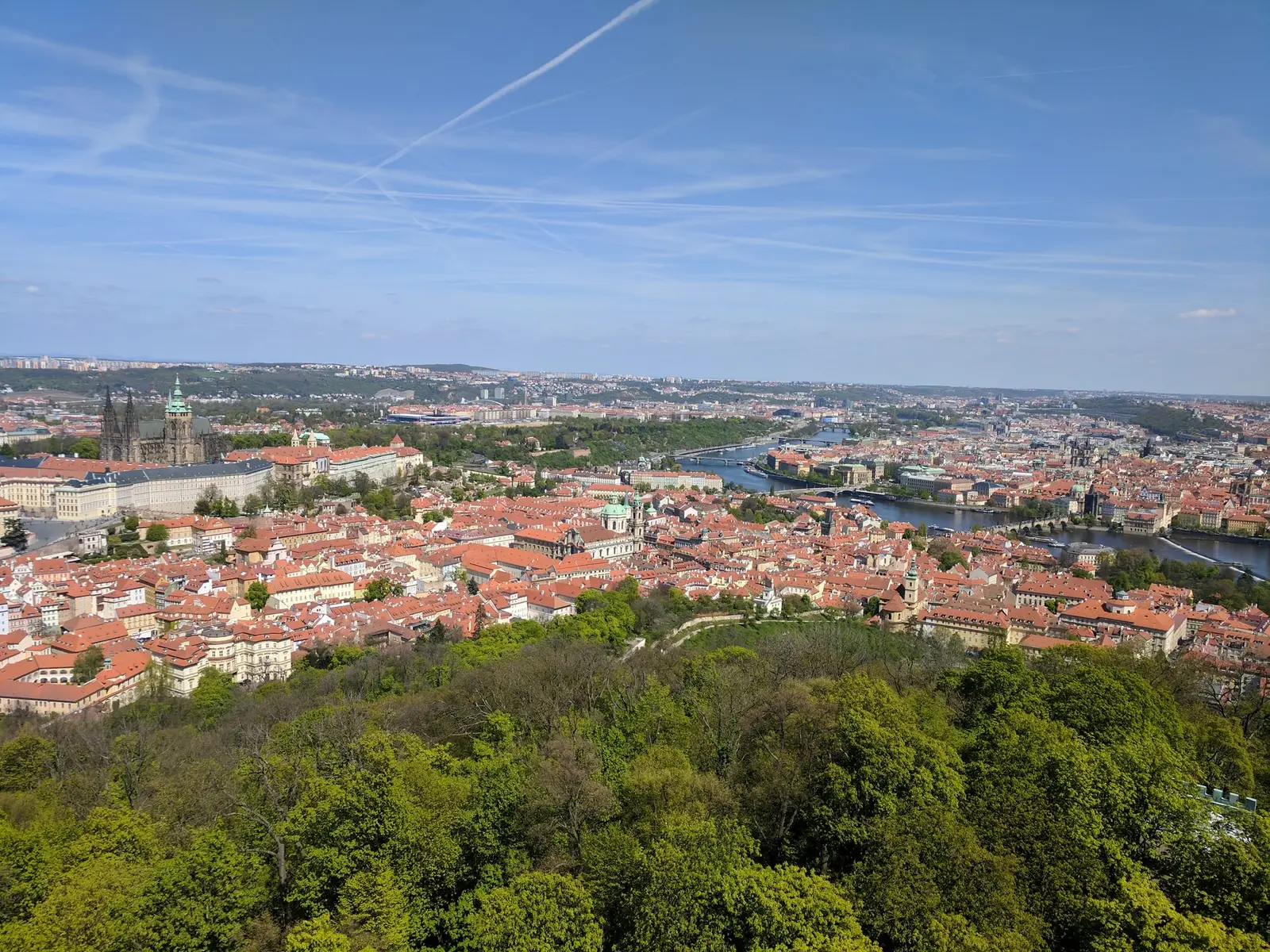
Morning — the castle, and which ticket is the right one
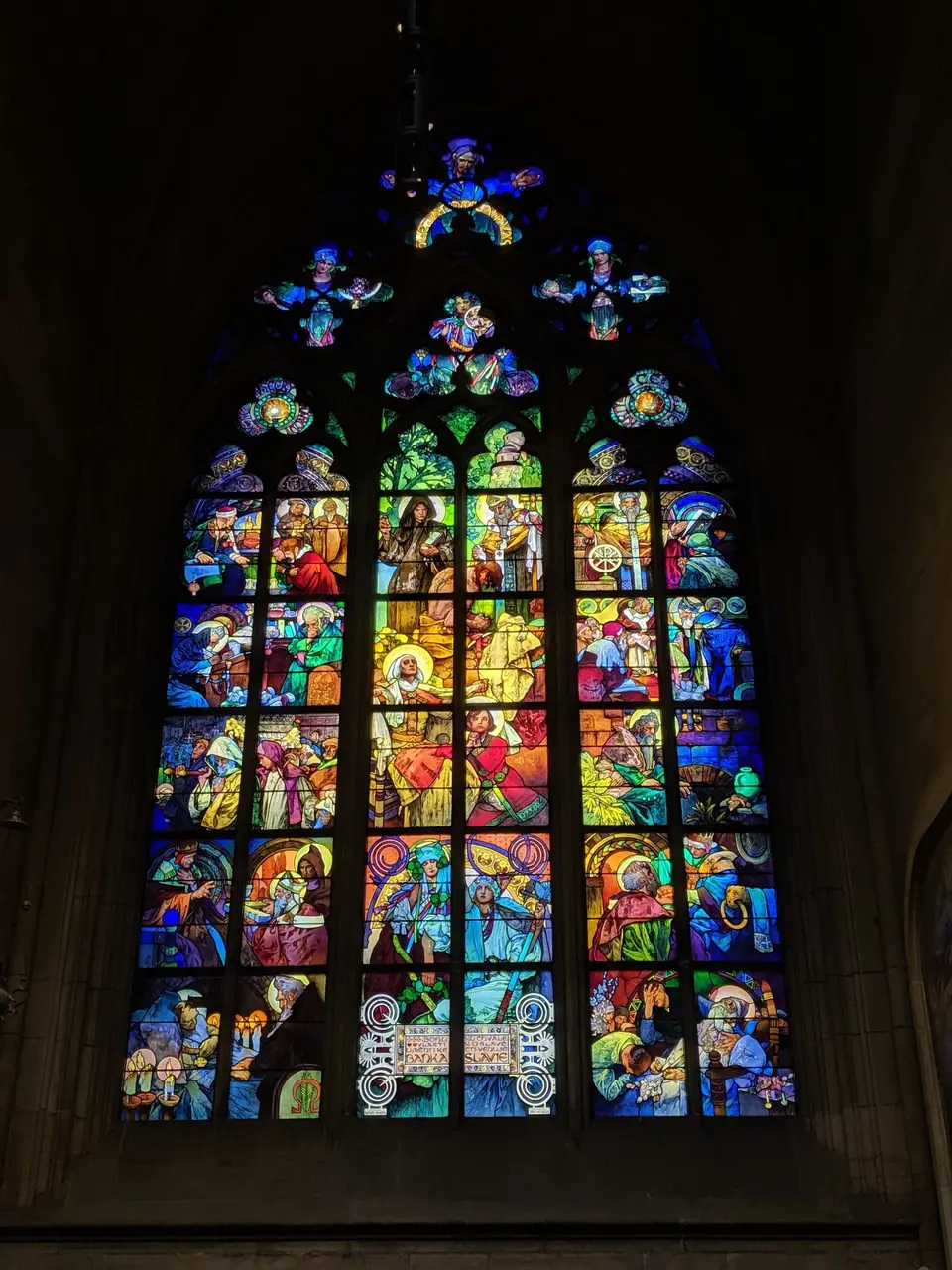
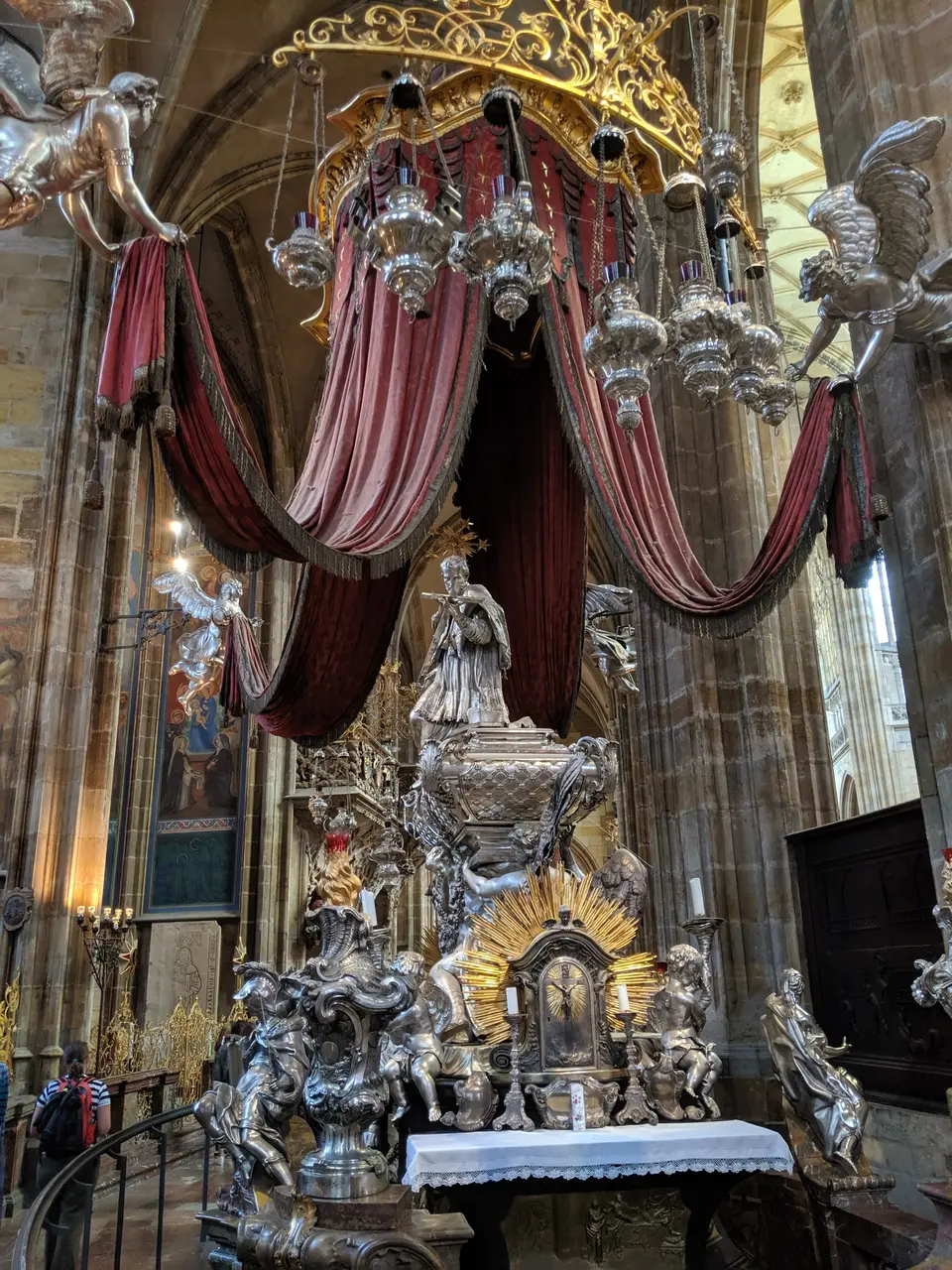
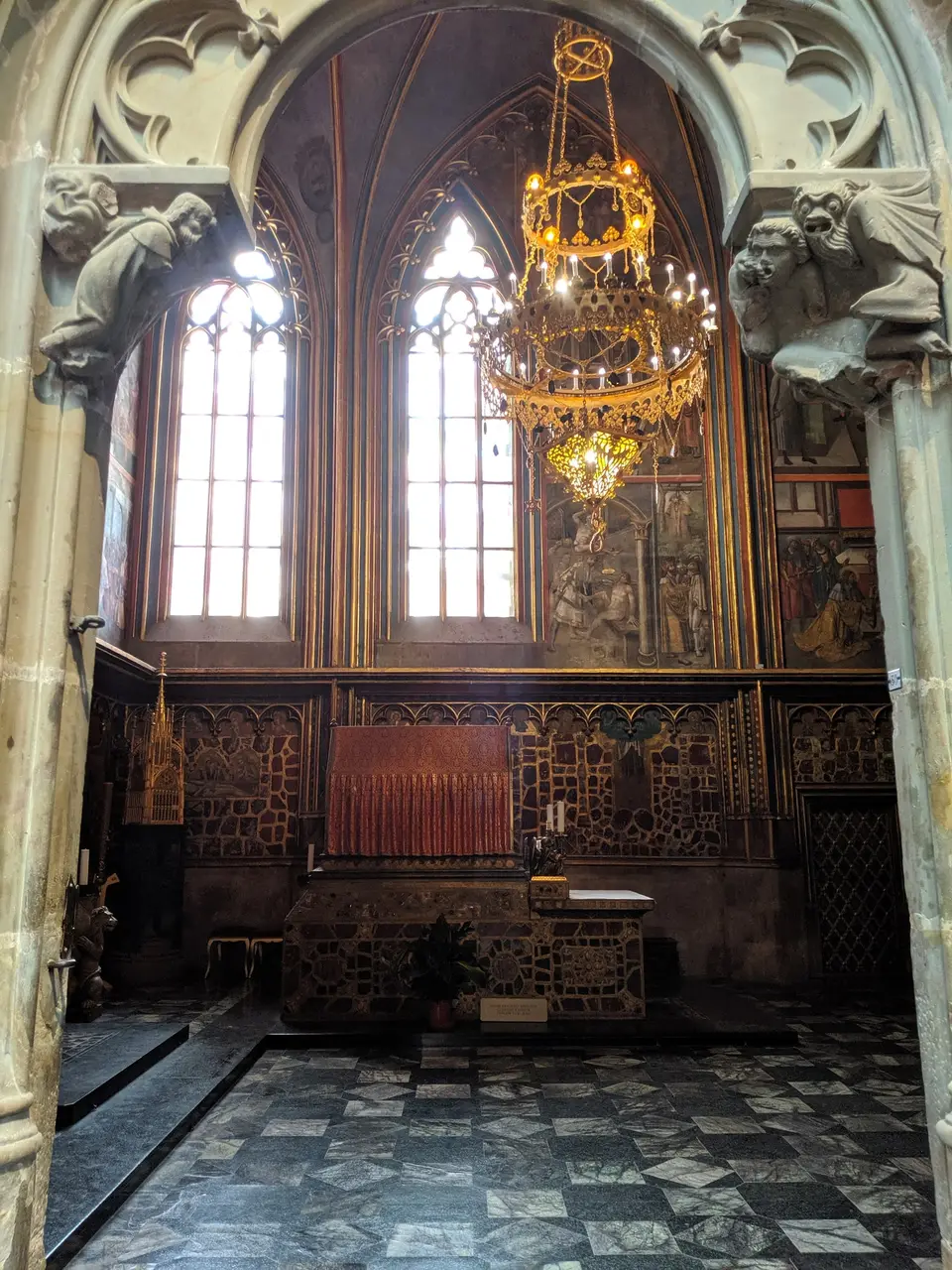
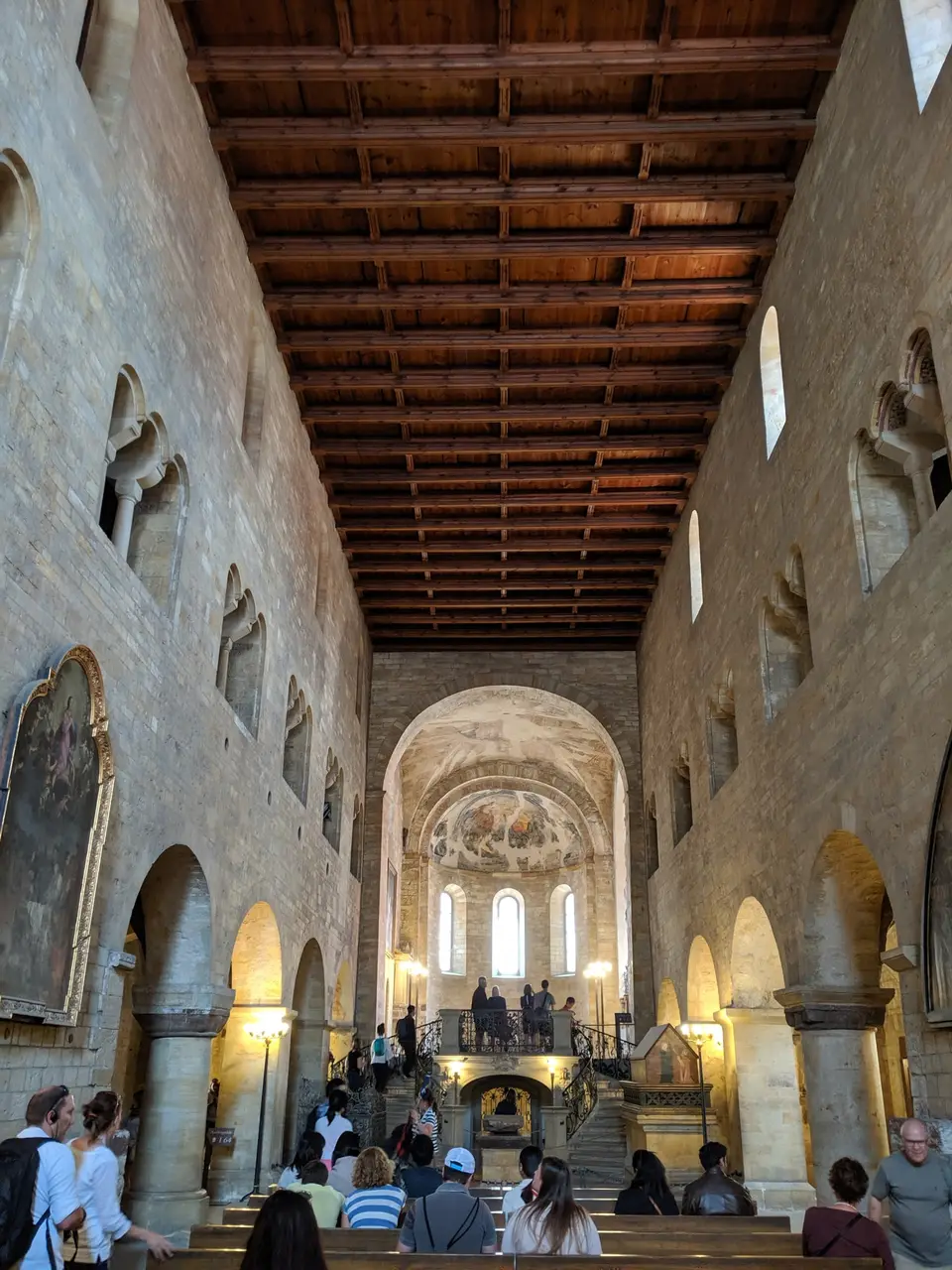
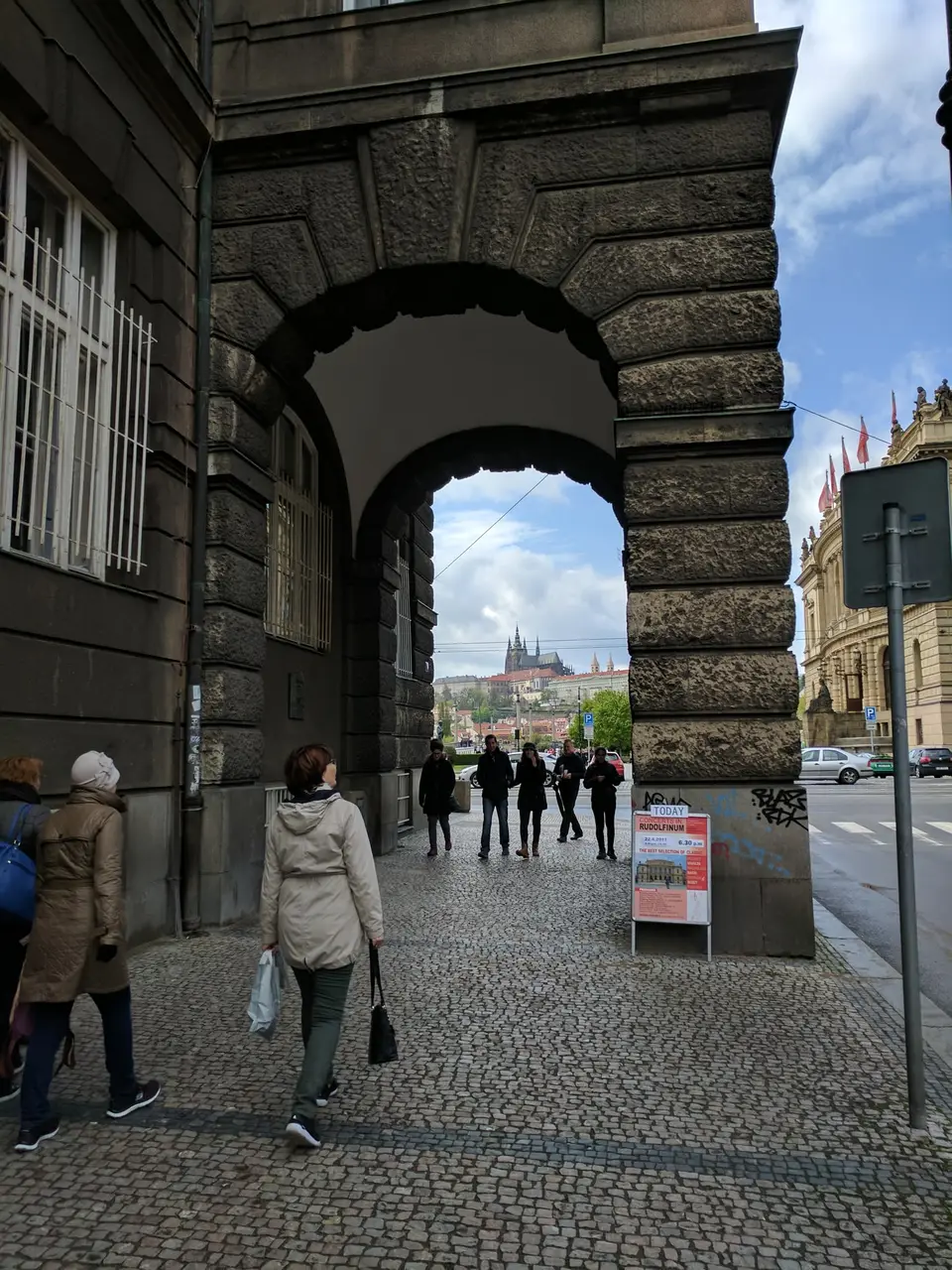
33 of our 102 photographs were taken at the castle and St Vitus, which is a fair reflection of how long it takes. Go early; it is the one place in Prague where the line genuinely matters.
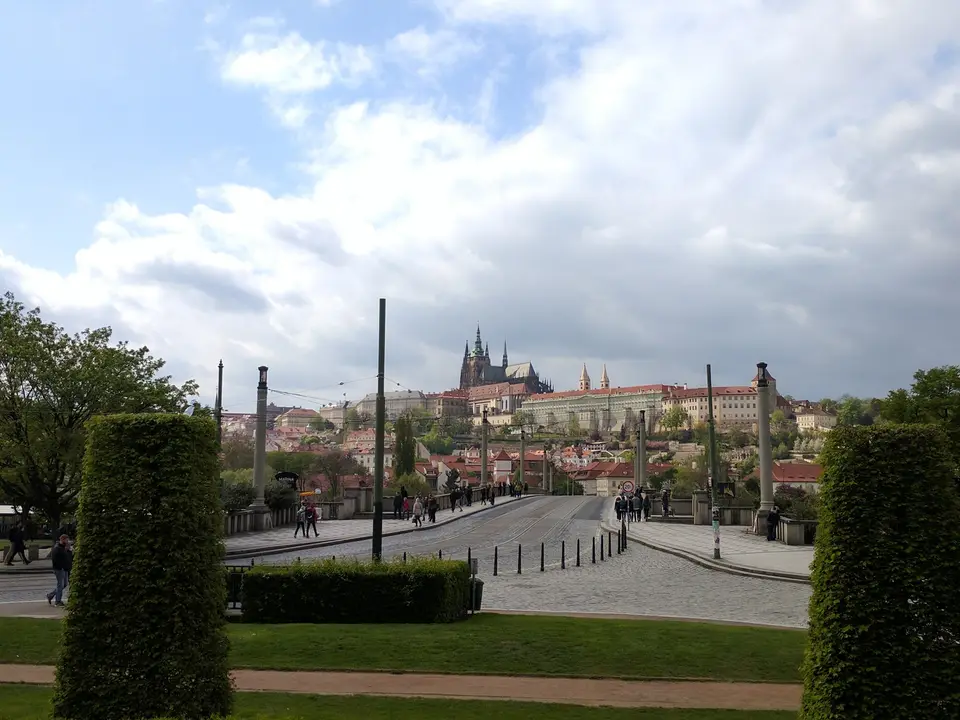
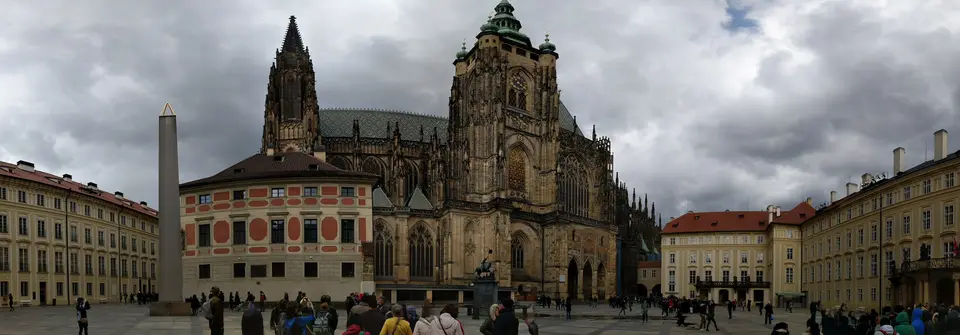
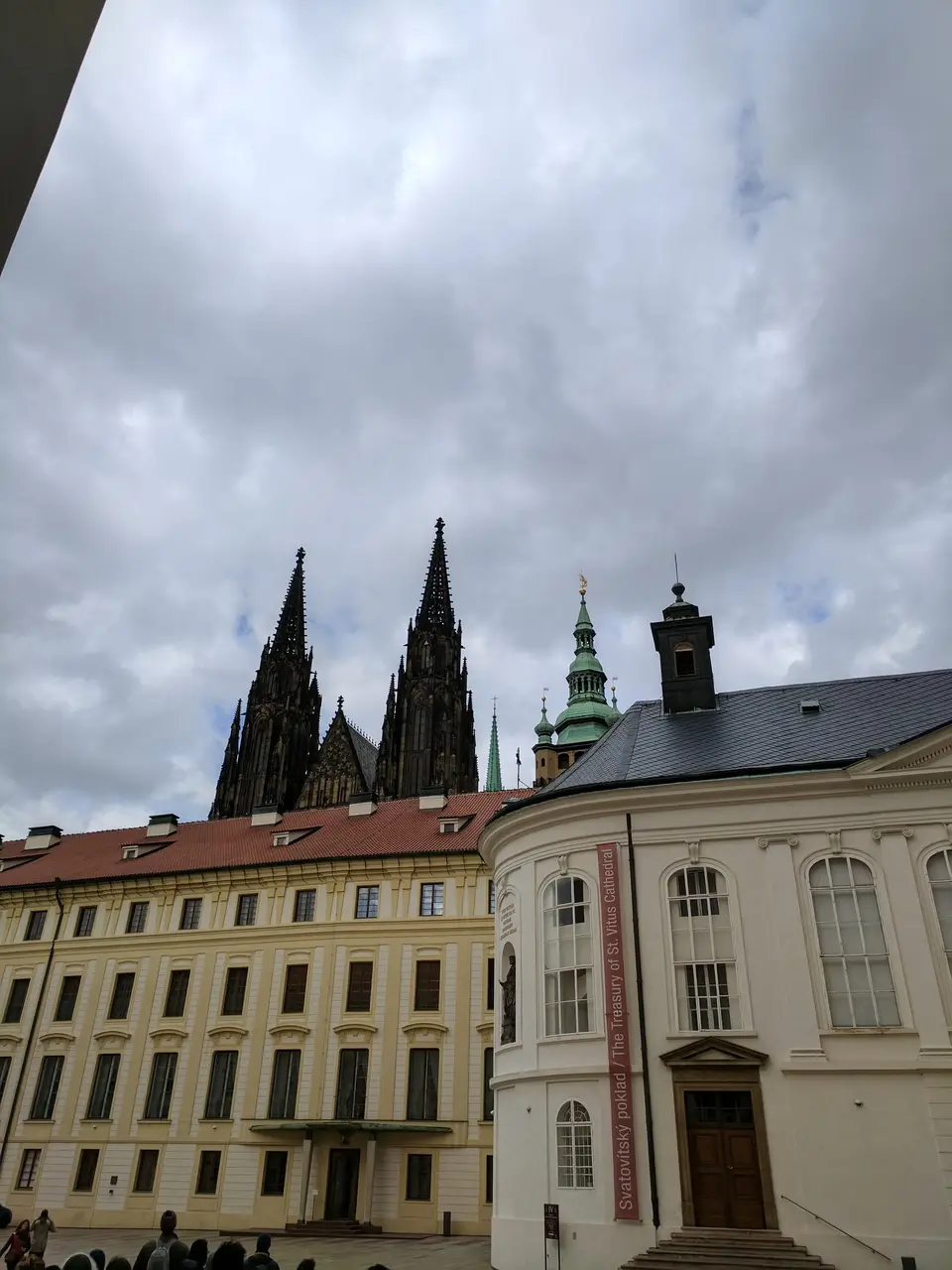
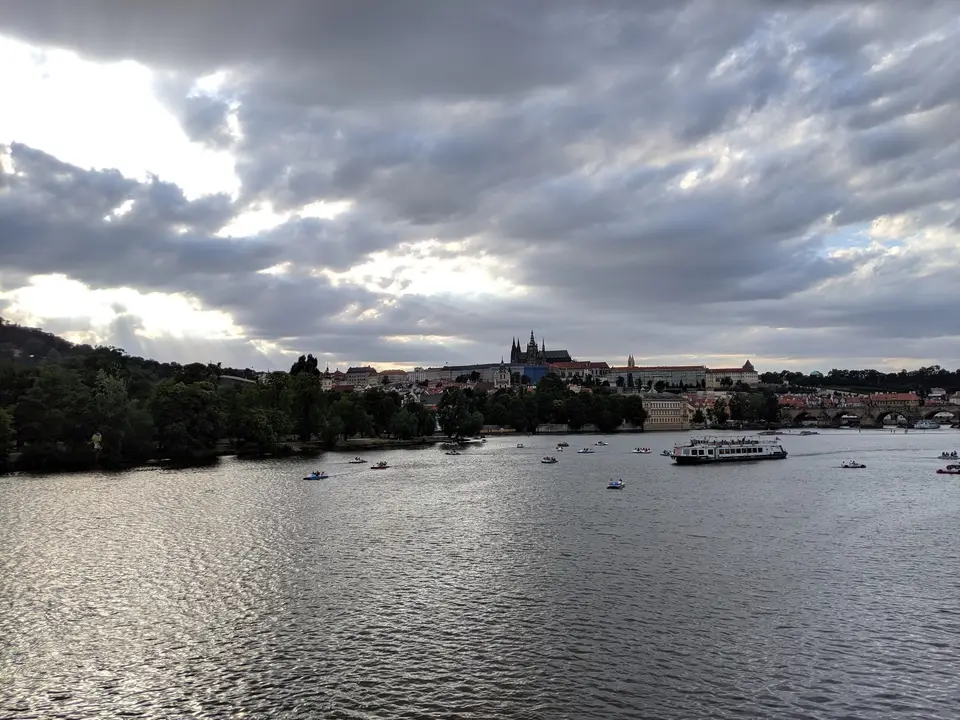
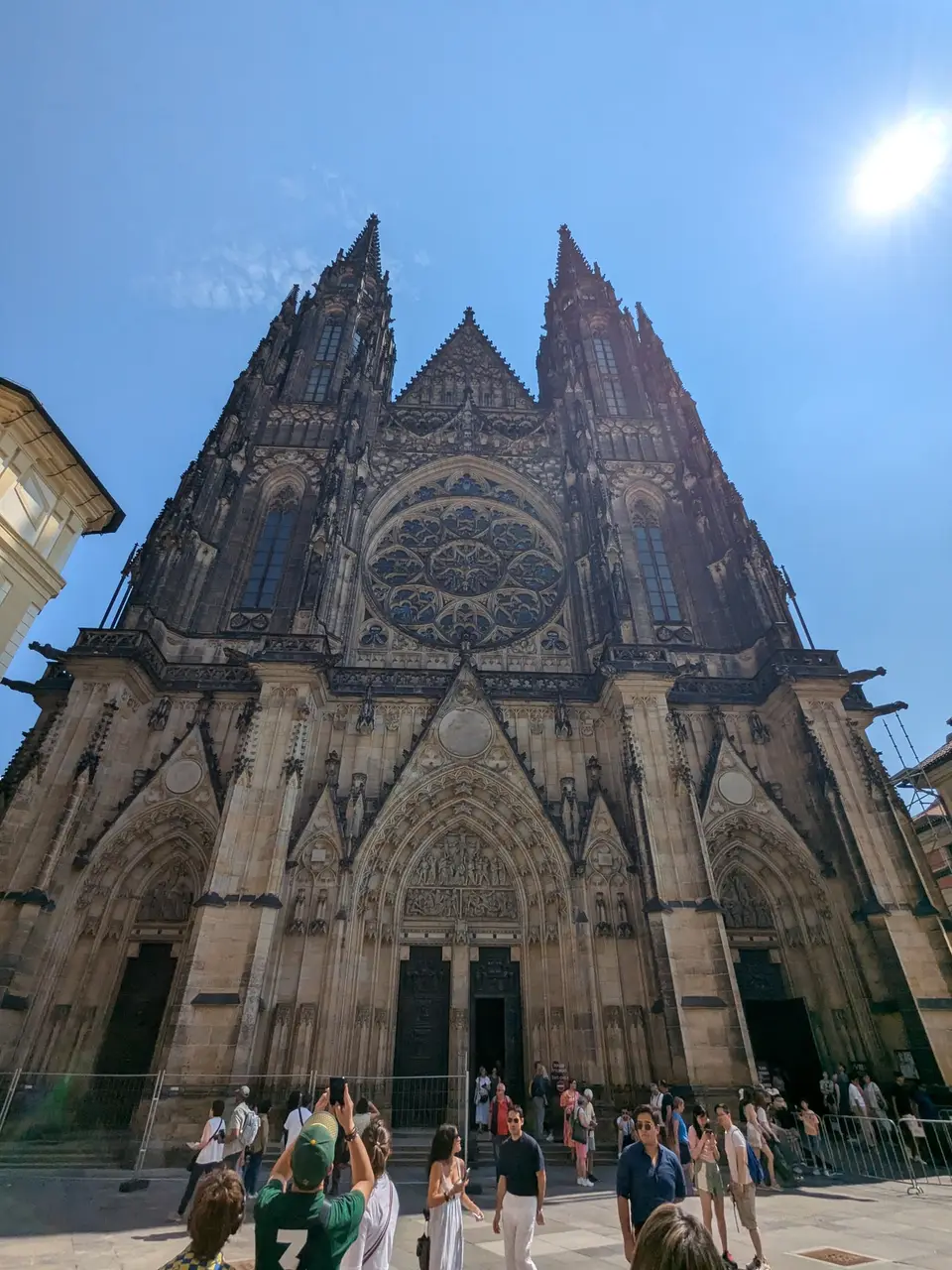
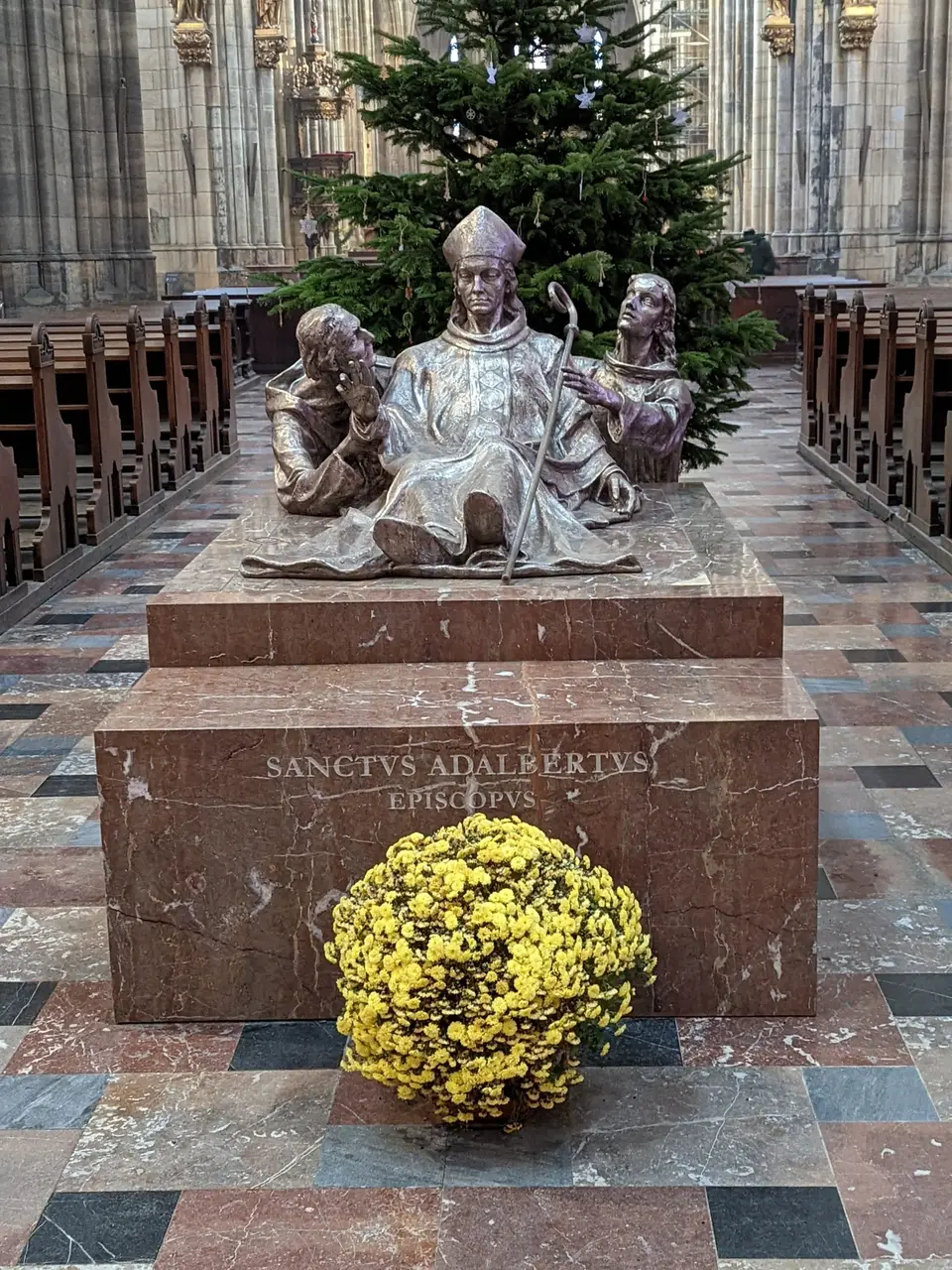
- The grounds are free and the cathedral's exterior is the best of it. St Vitus from the third courtyard, gothic and far too big for the space it stands in, costs nothing to look at.
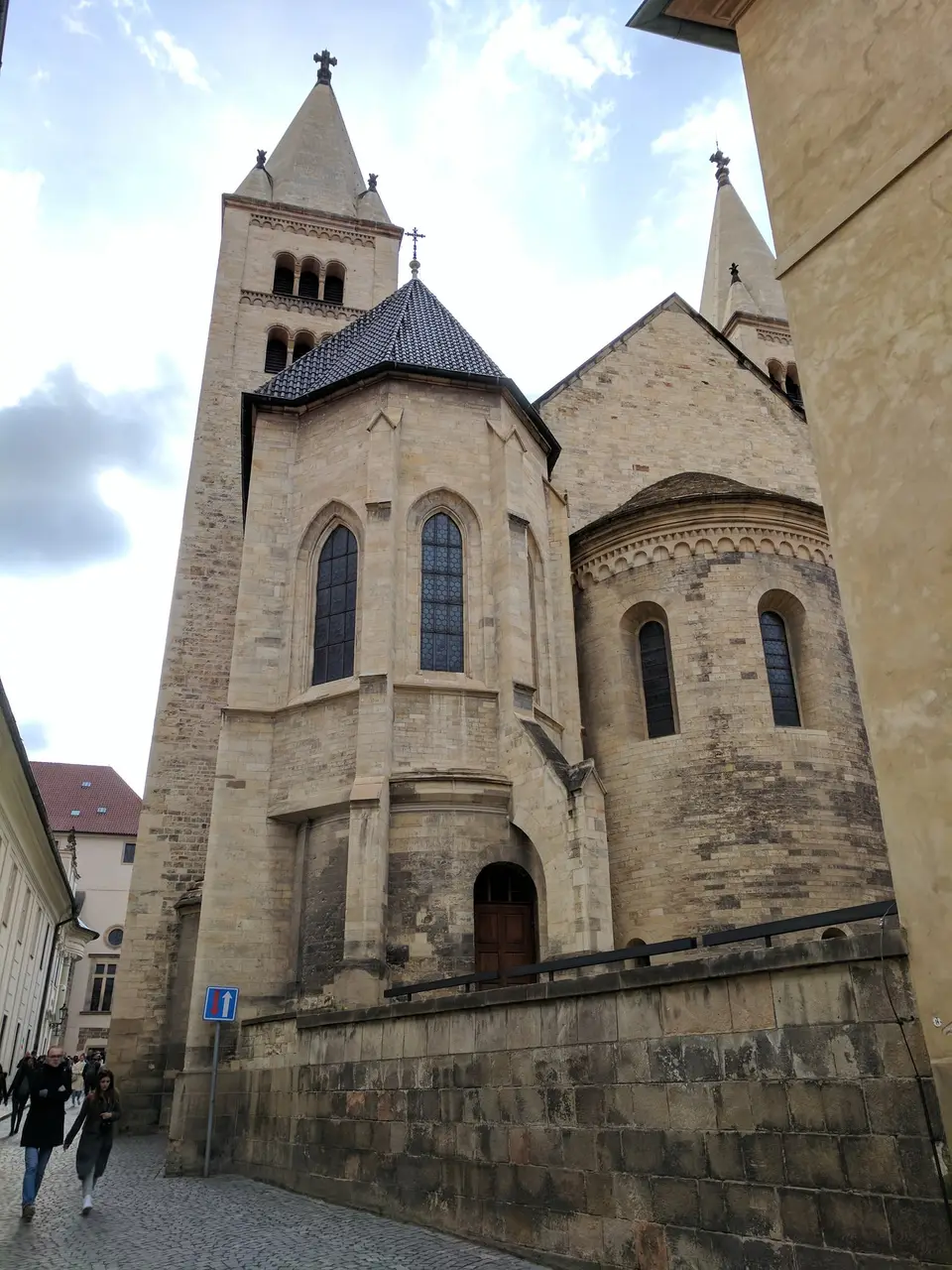
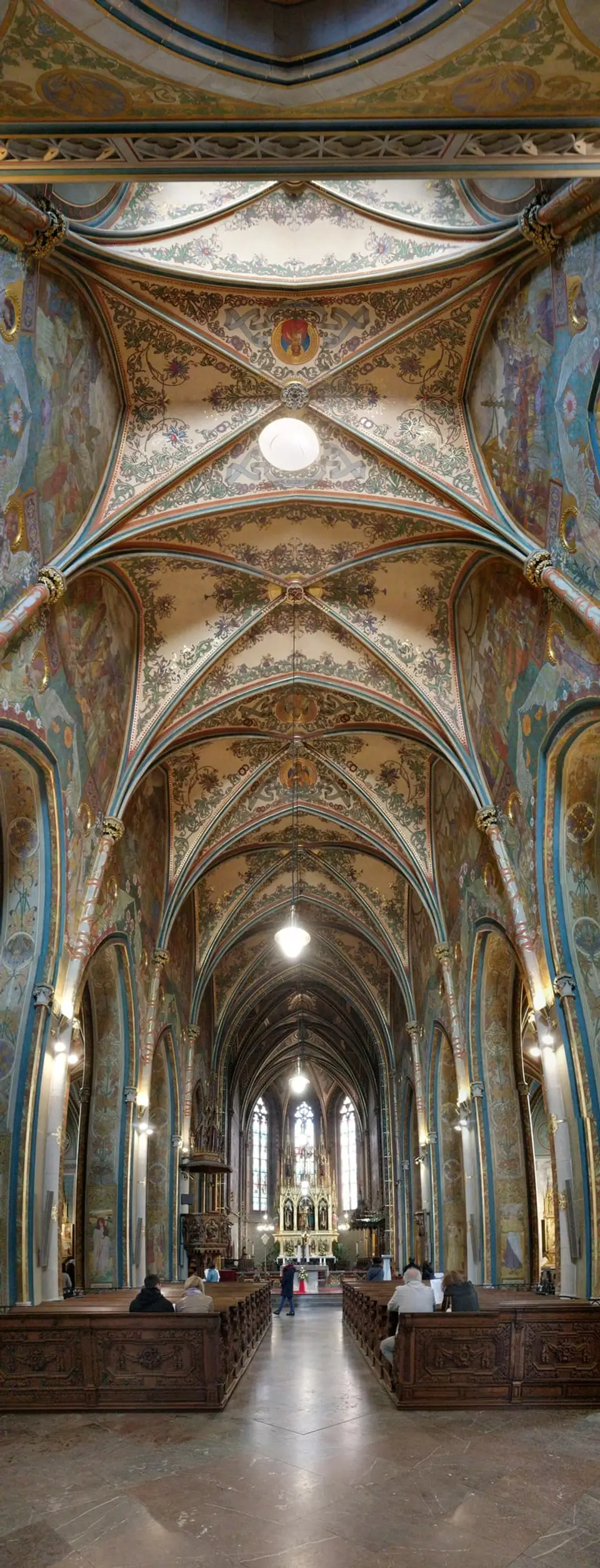
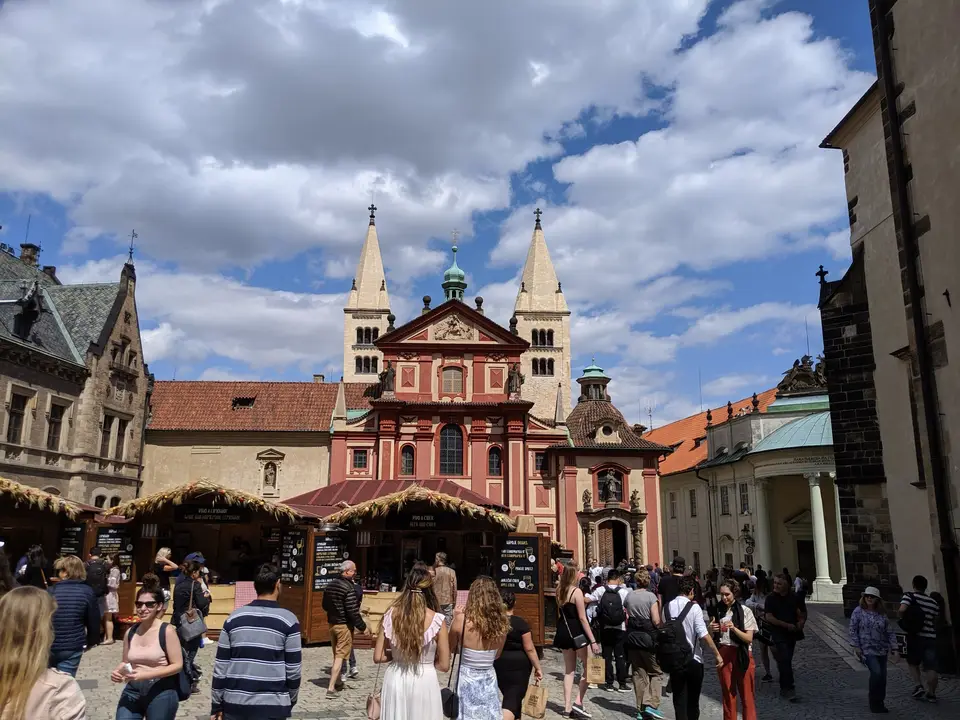
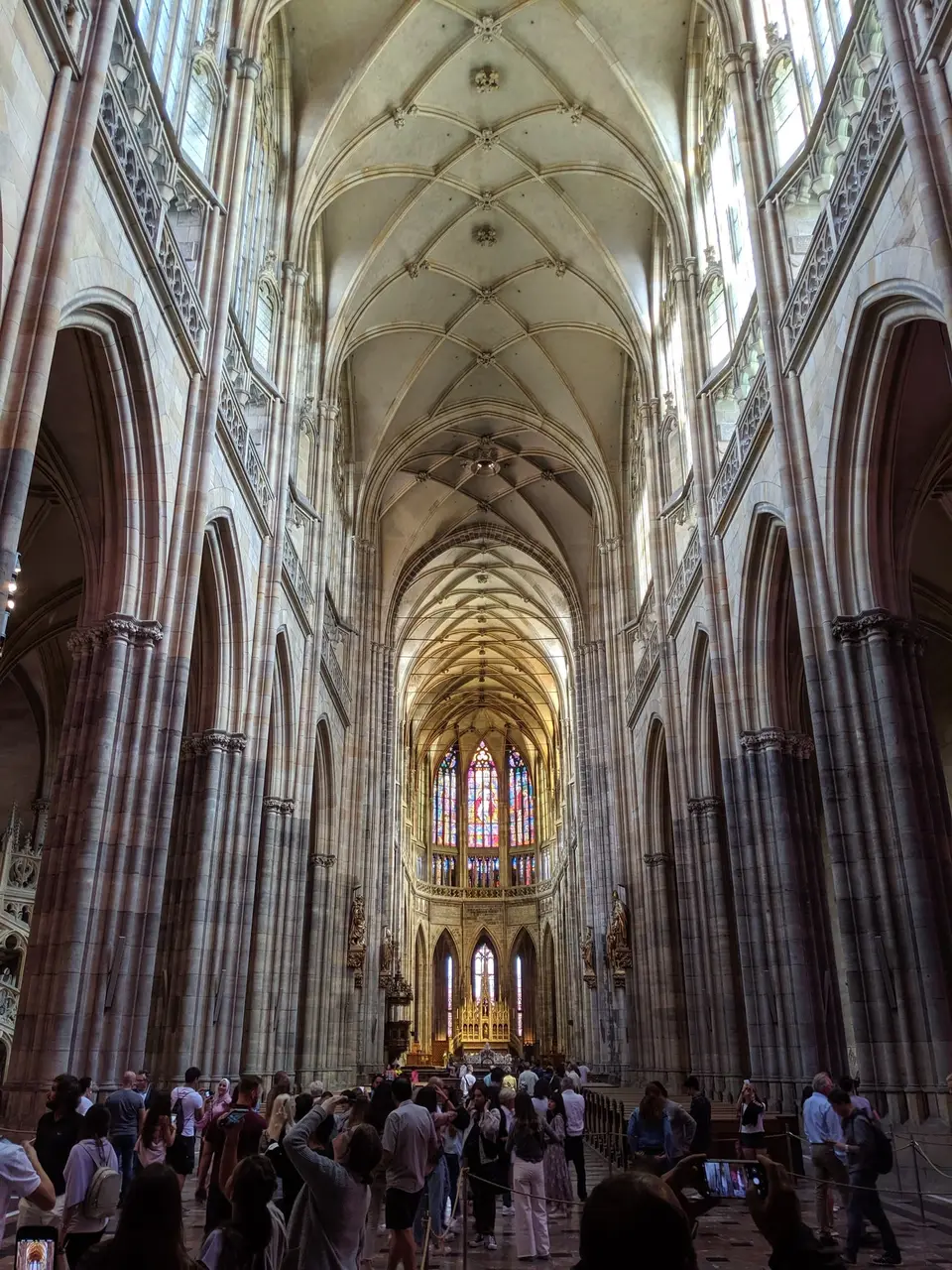
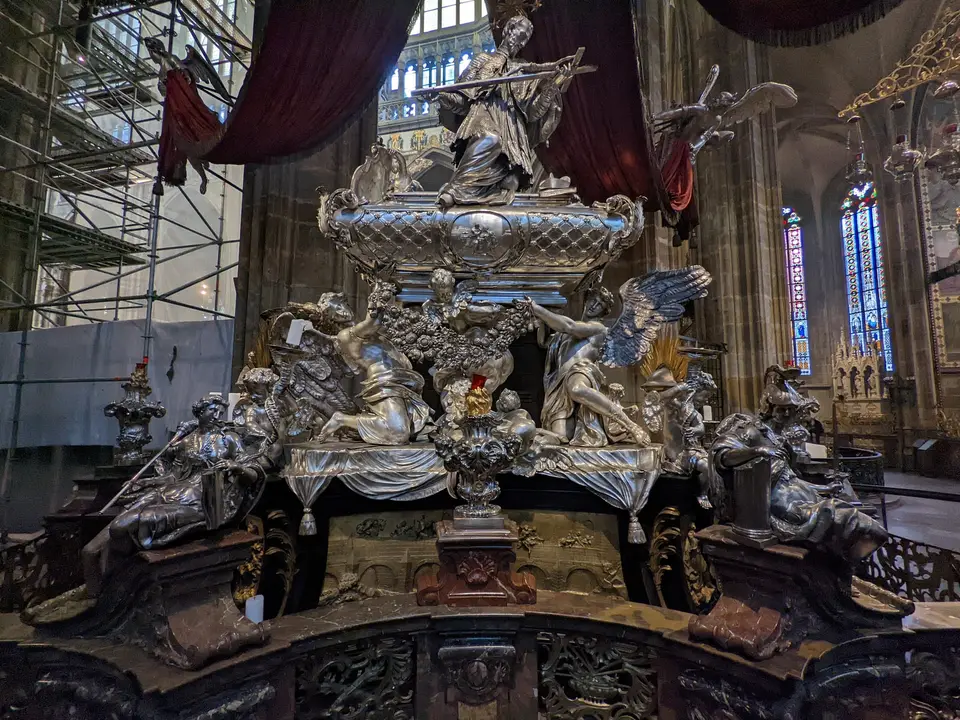
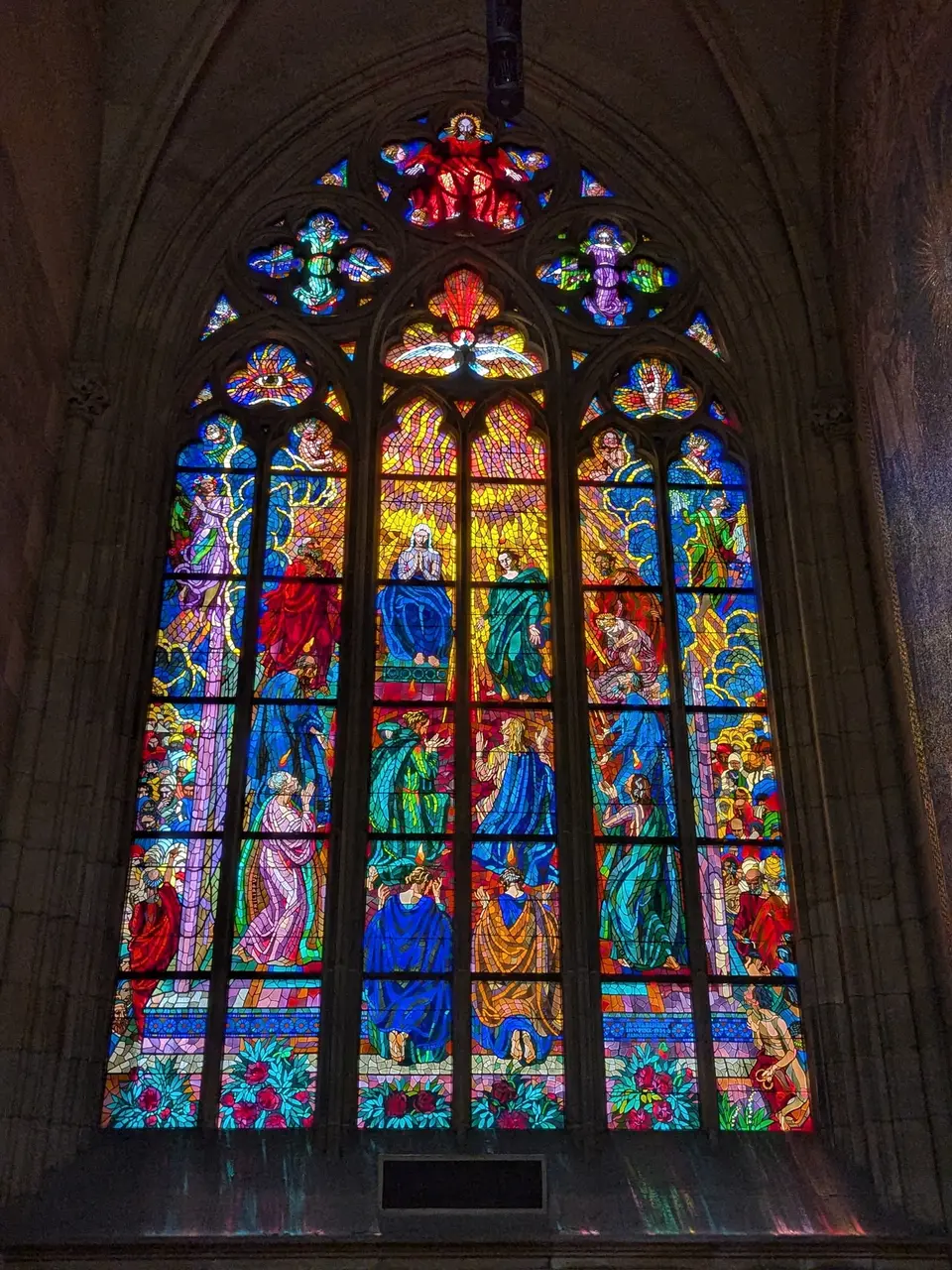
- The Main Circuit is 450 CZK (300 reduced, 950 family) and covers the Old Royal Palace, St George's Basilica, the interior of St Vitus, and Golden Lane with the Daliborka Tower. St Vitus opens only at noon on Sundays. It is valid for two days, one entry per building — which is more generous than it sounds, and worth planning around.
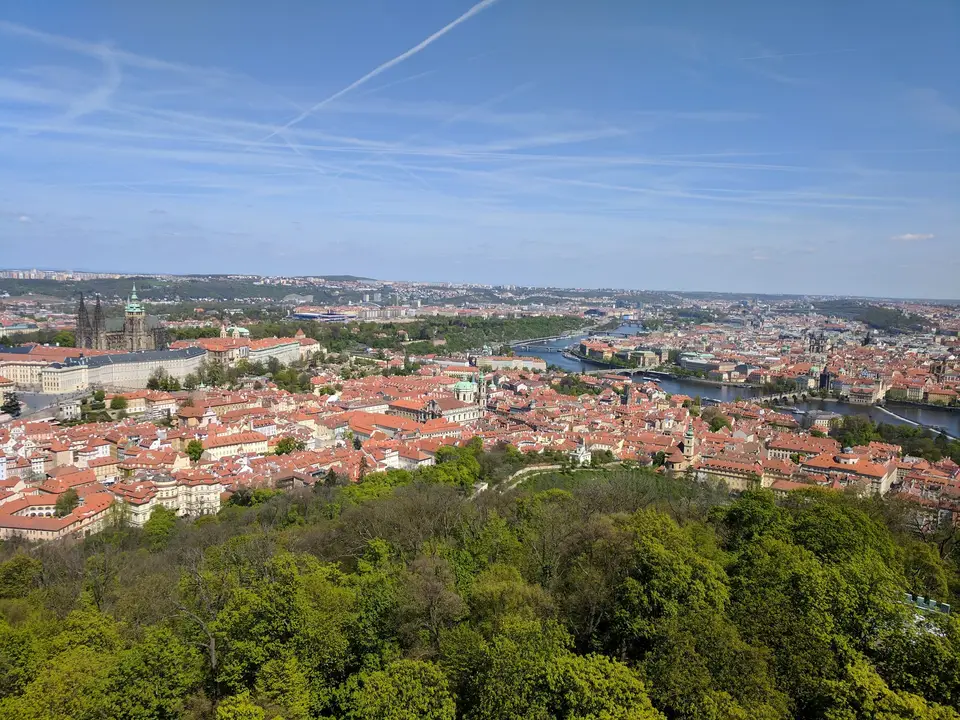
- The St Vitus tower is a separate 200 CZK (150 reduced), and that is the one to think hardest about: it is a long climb to the best view of the city.
- The Permanent Exhibitions ticket is 300 CZK — the Story of Prague Castle, the Castle Guard exhibition, the Picture Gallery and Rosenberg Palace. Add it only if the weather has turned.
- Hours are shorter than you think in winter: buildings 9:00–16:00 November to March, 9:00–17:00 April to October. The grounds stay open until 22:00 all year, so the castle at dusk is free and empty.
Budget tips
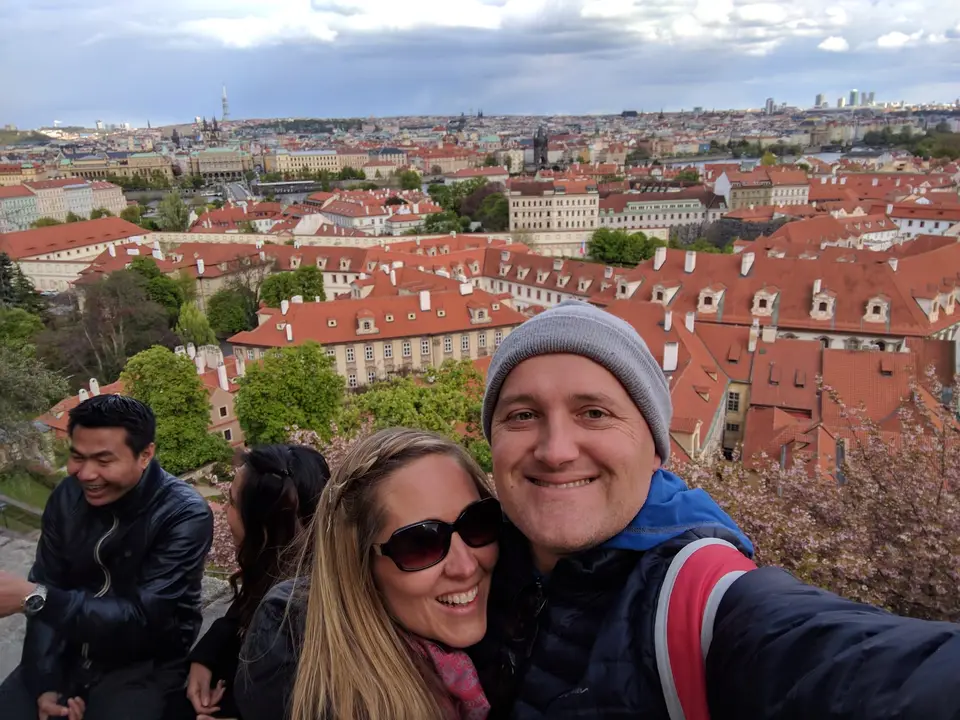
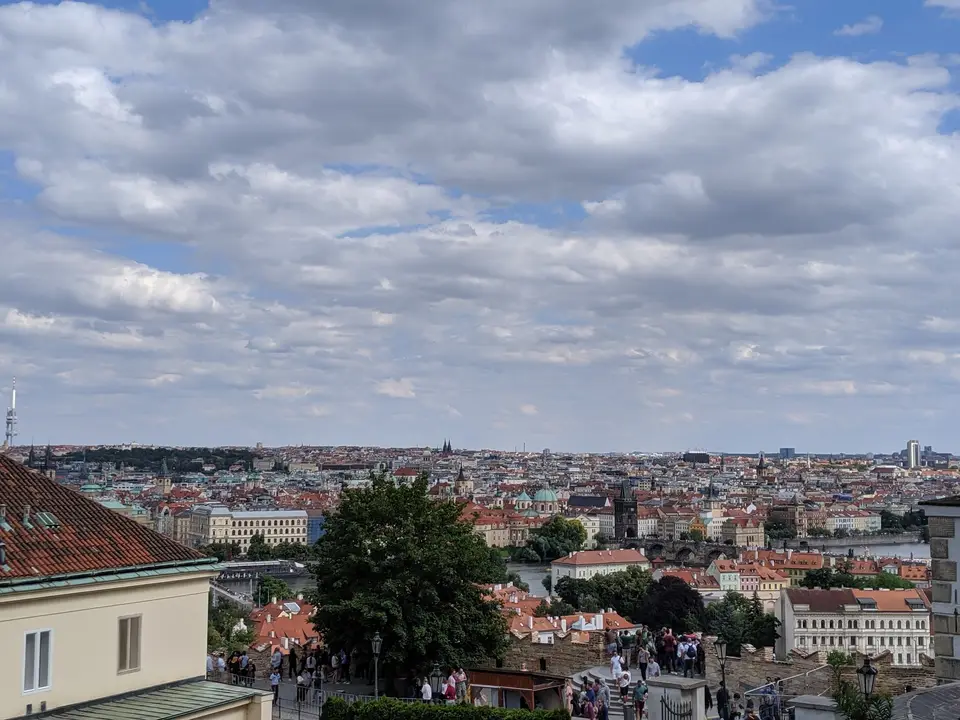
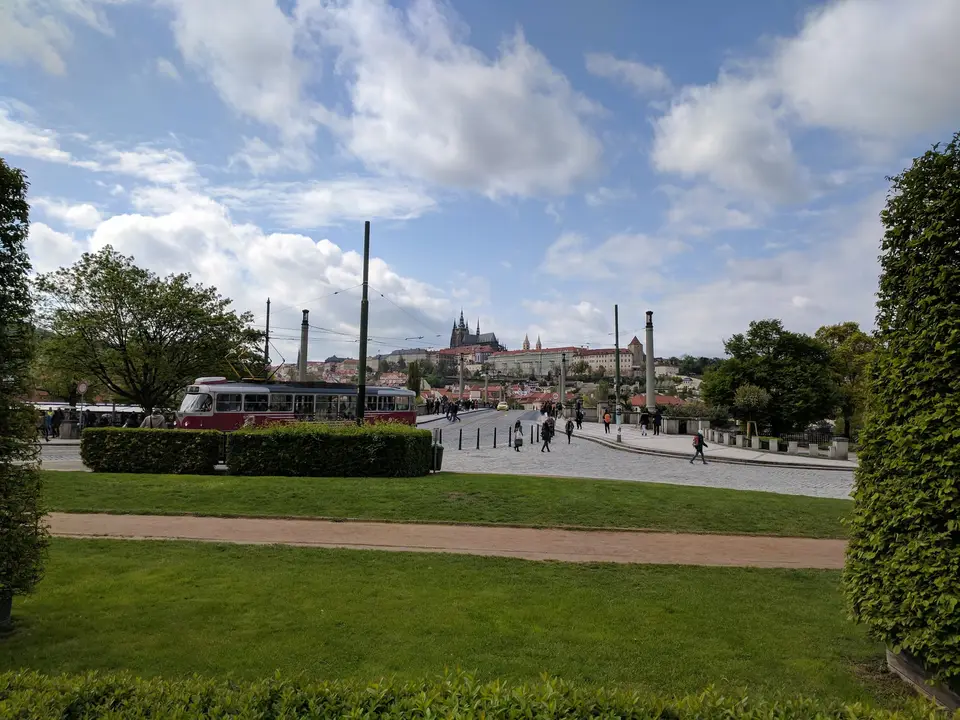
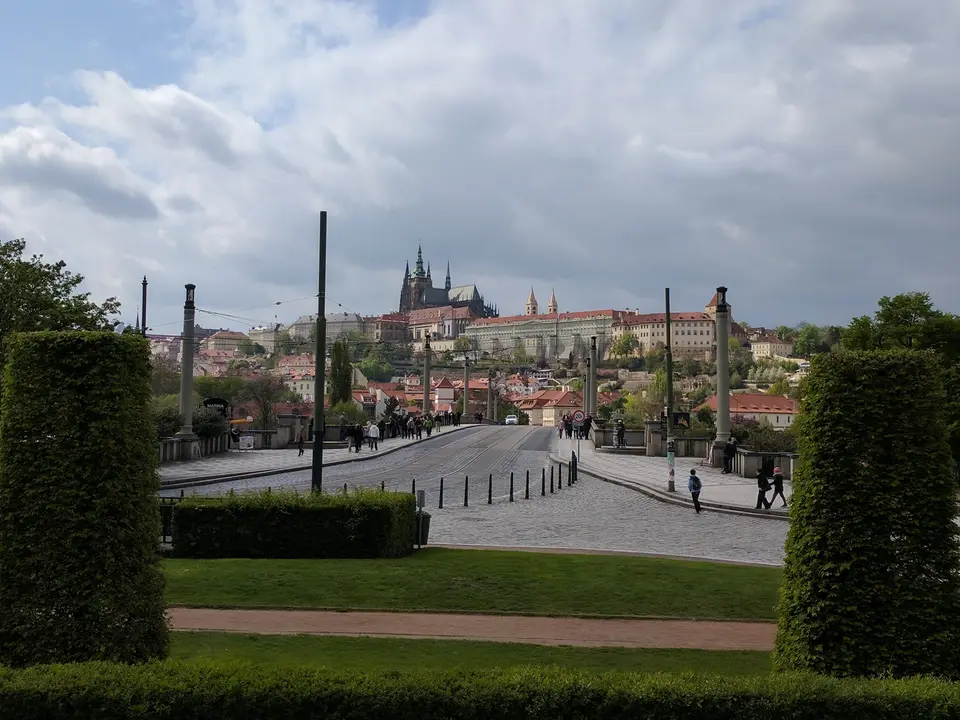
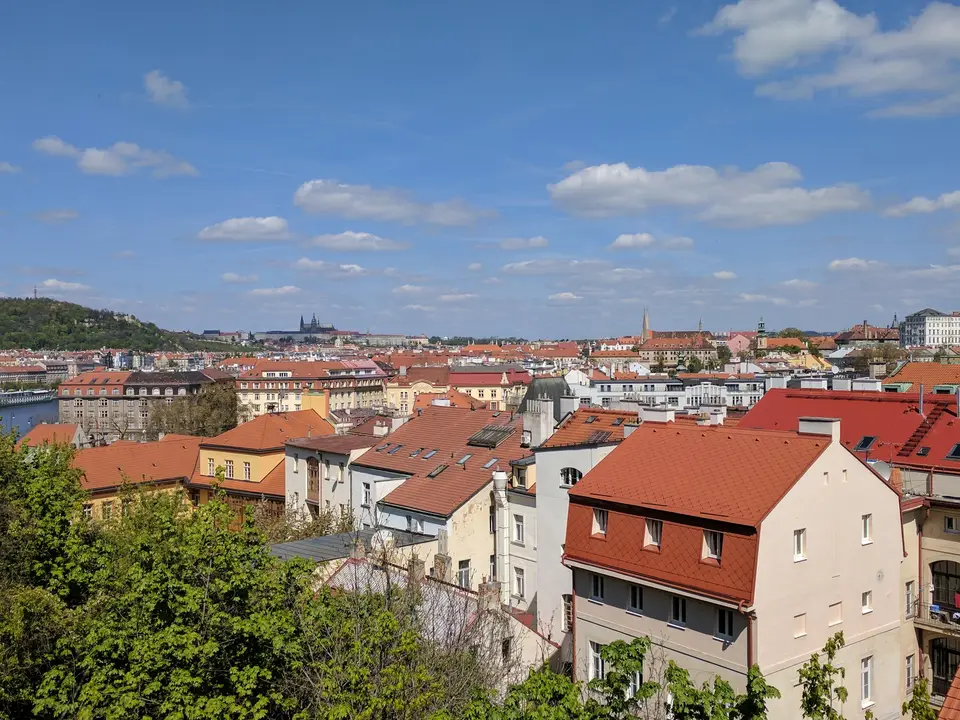
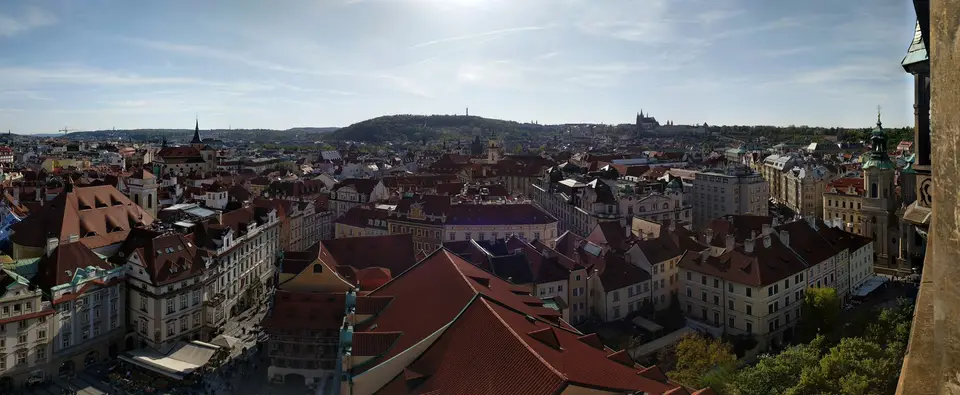
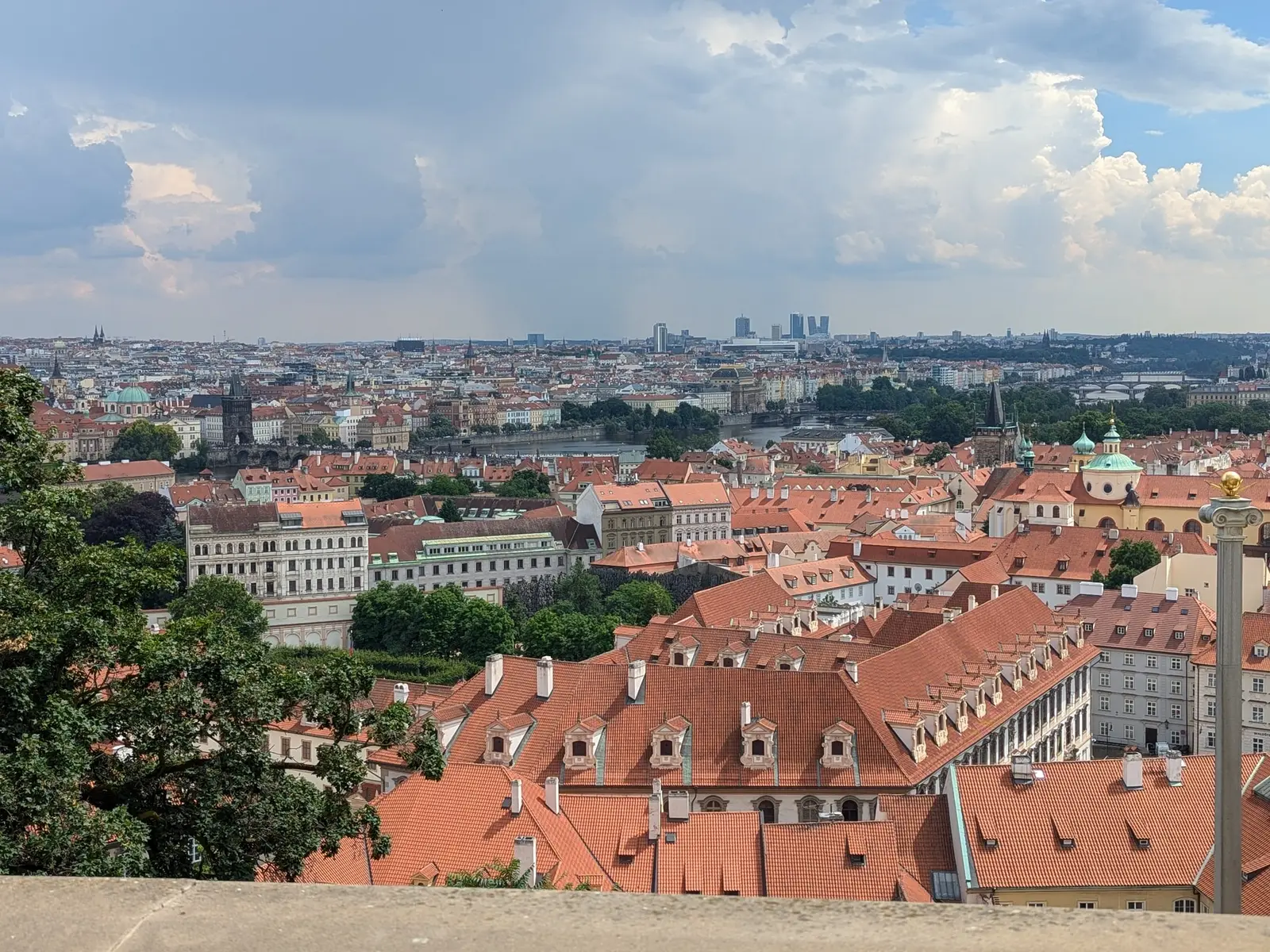
- You can have a full castle morning for nothing. Grounds, courtyards, the cathedral from outside, the changing of the guard, and the view down over the red roofs. If the interiors are not your thing, do not let anyone tell you that you have missed the castle.
- Two-day validity is the trick. Buy the Main Circuit on the first afternoon, do half of it, and come back the next morning when the coaches have not arrived yet.
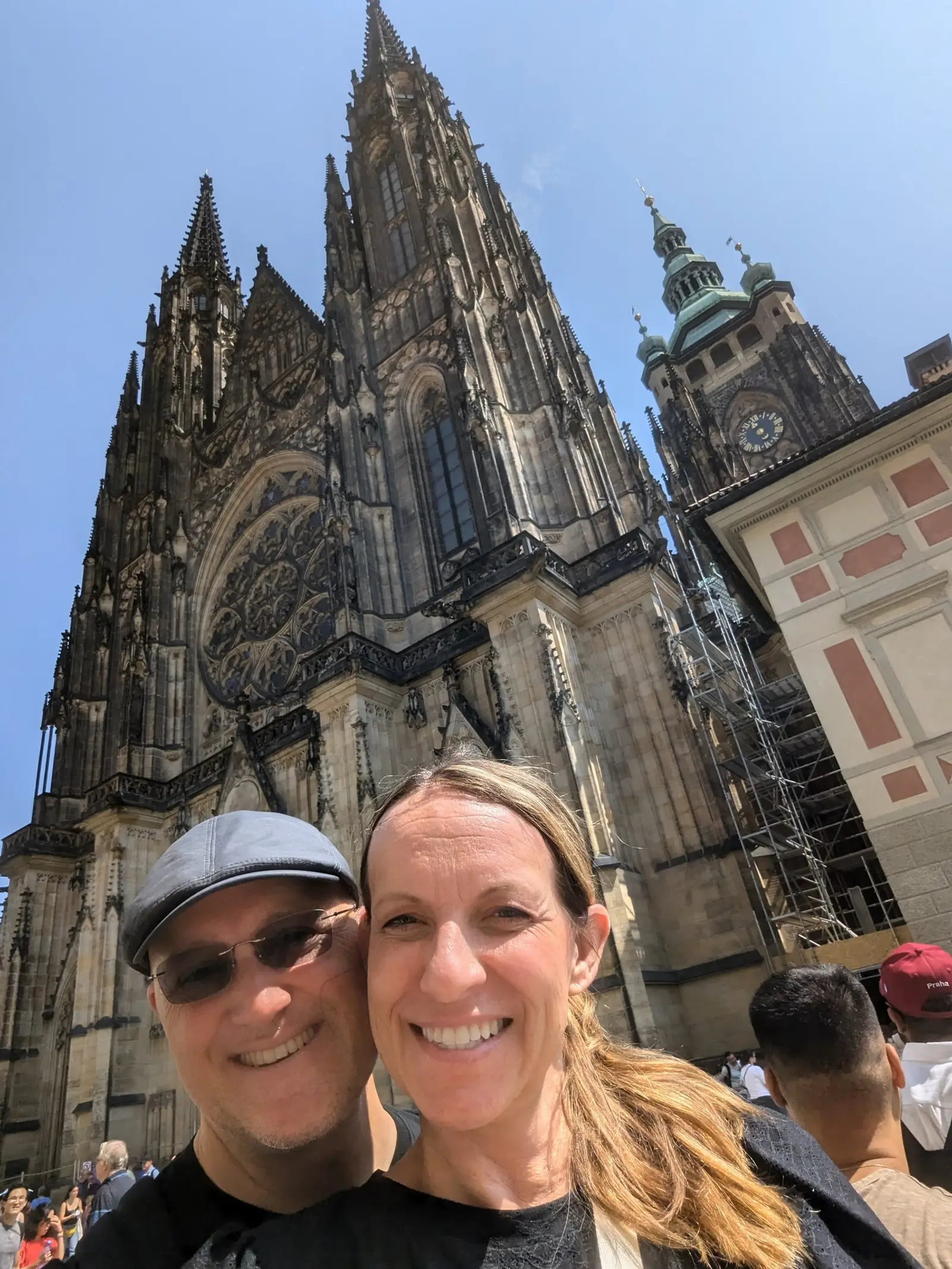
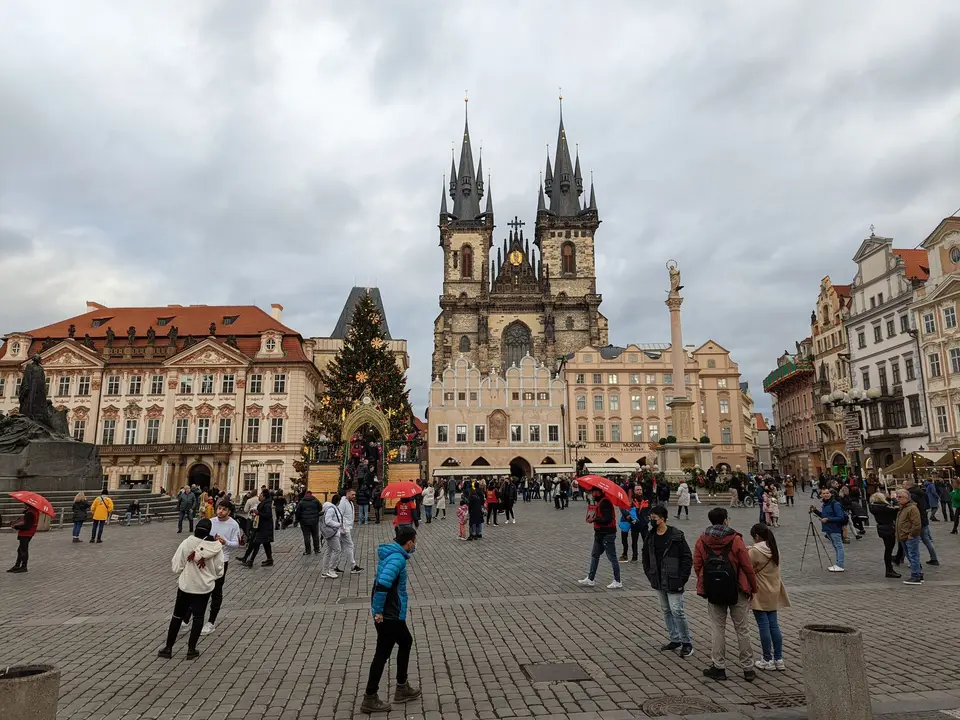
Midday — the Old Town Square, and the clock
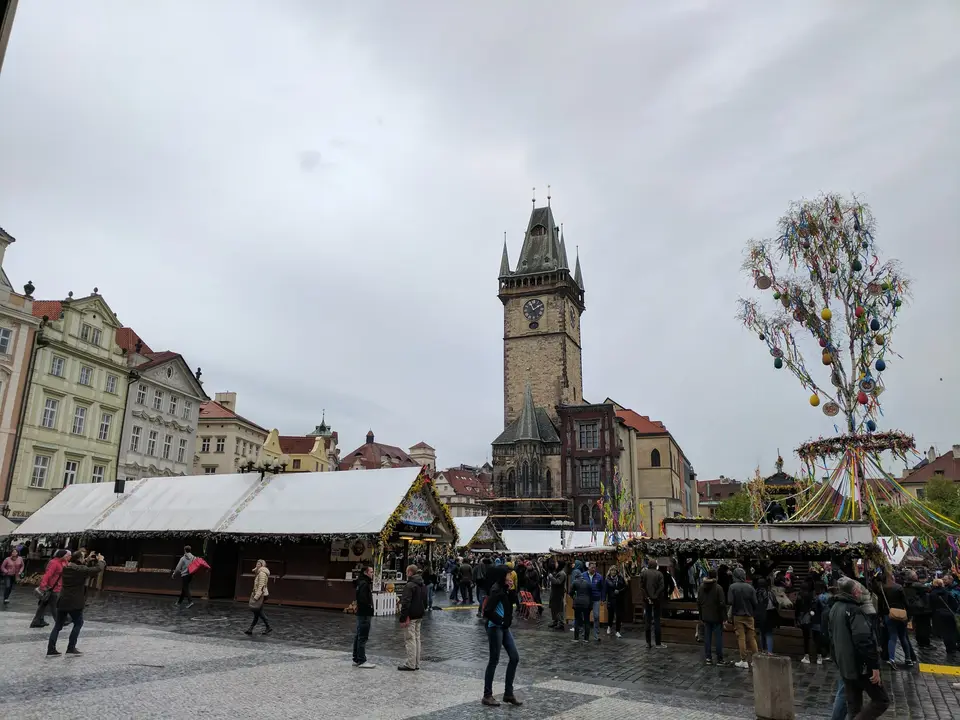
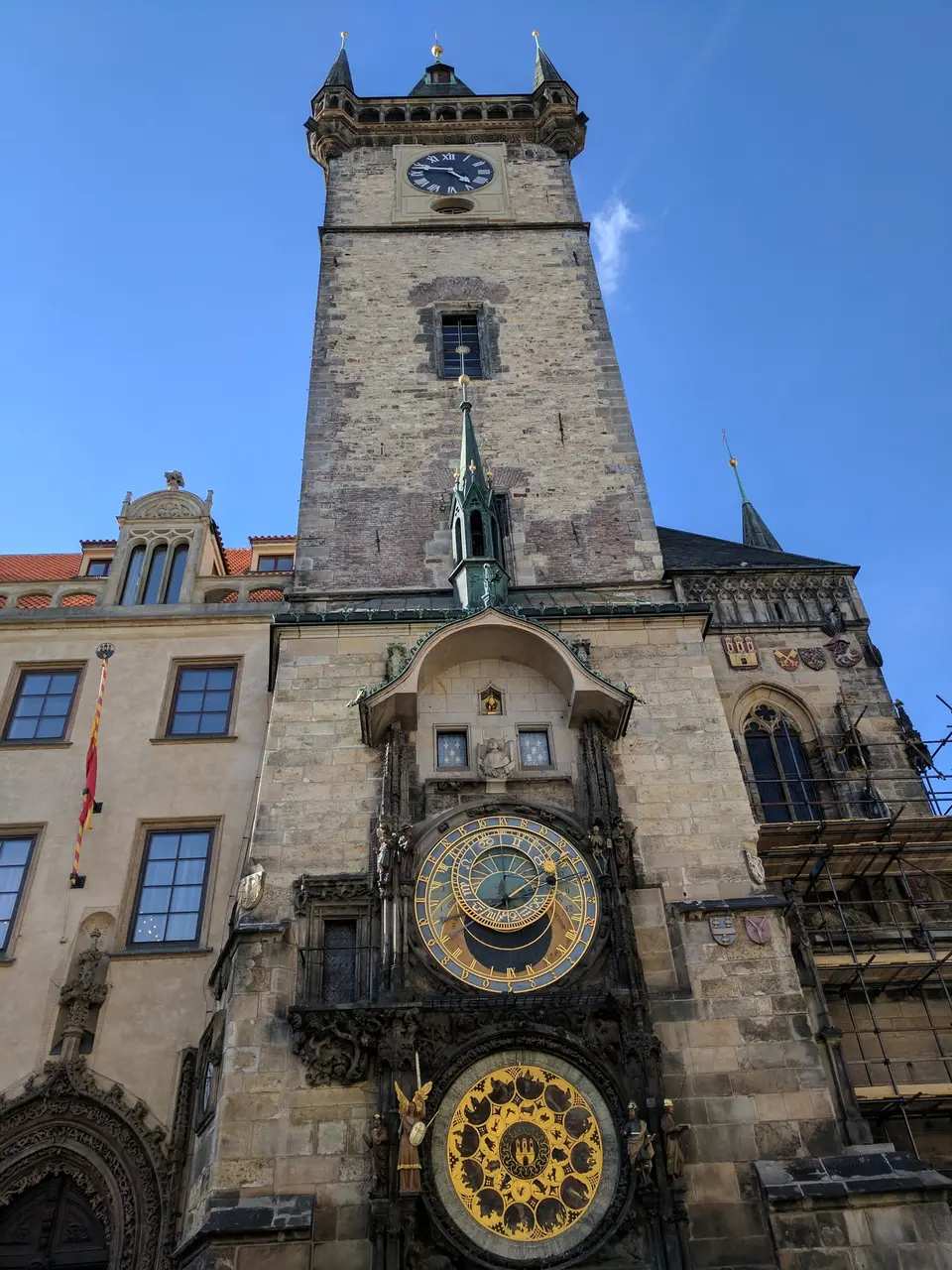
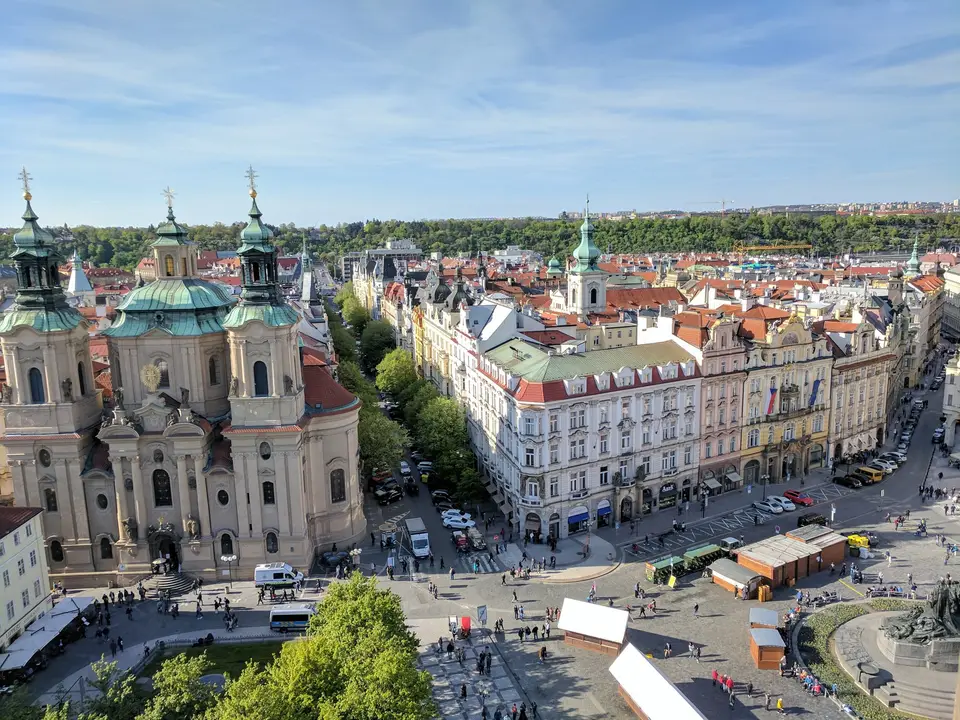
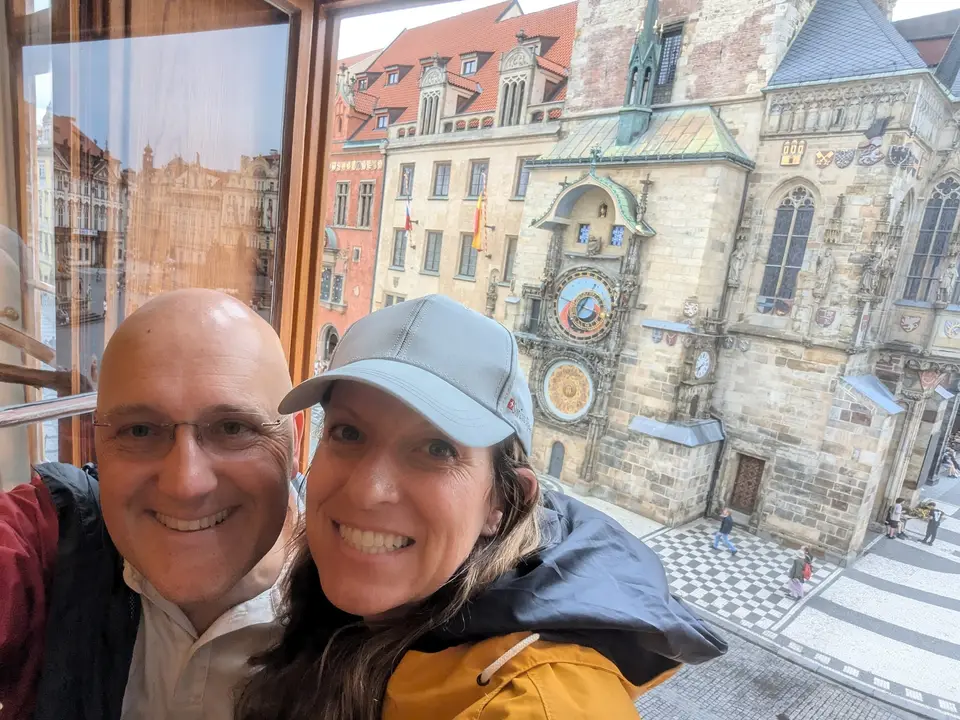
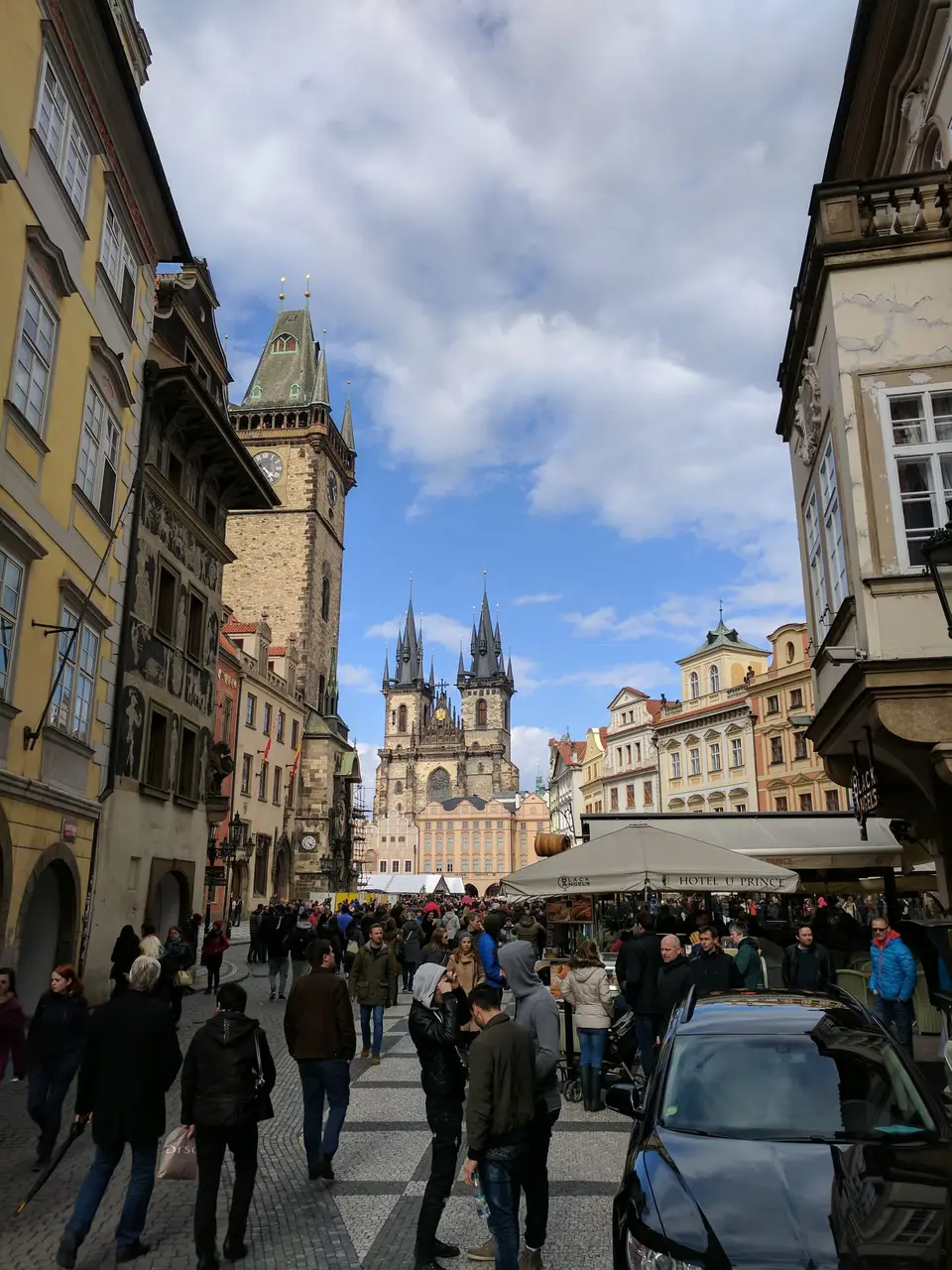
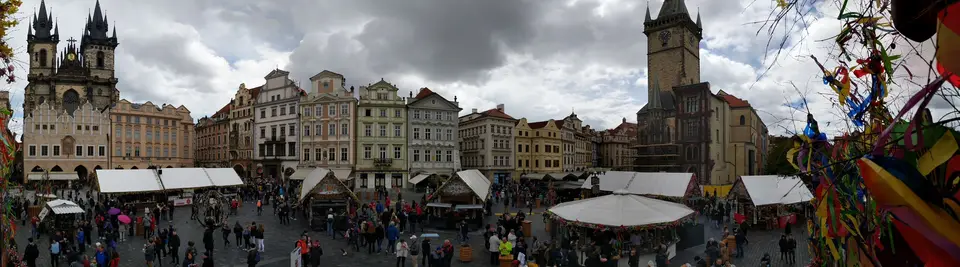
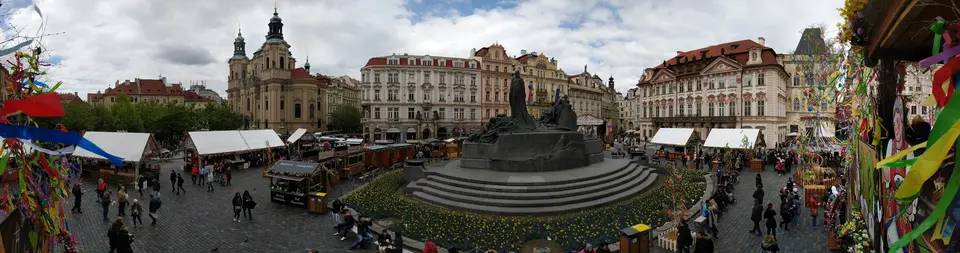
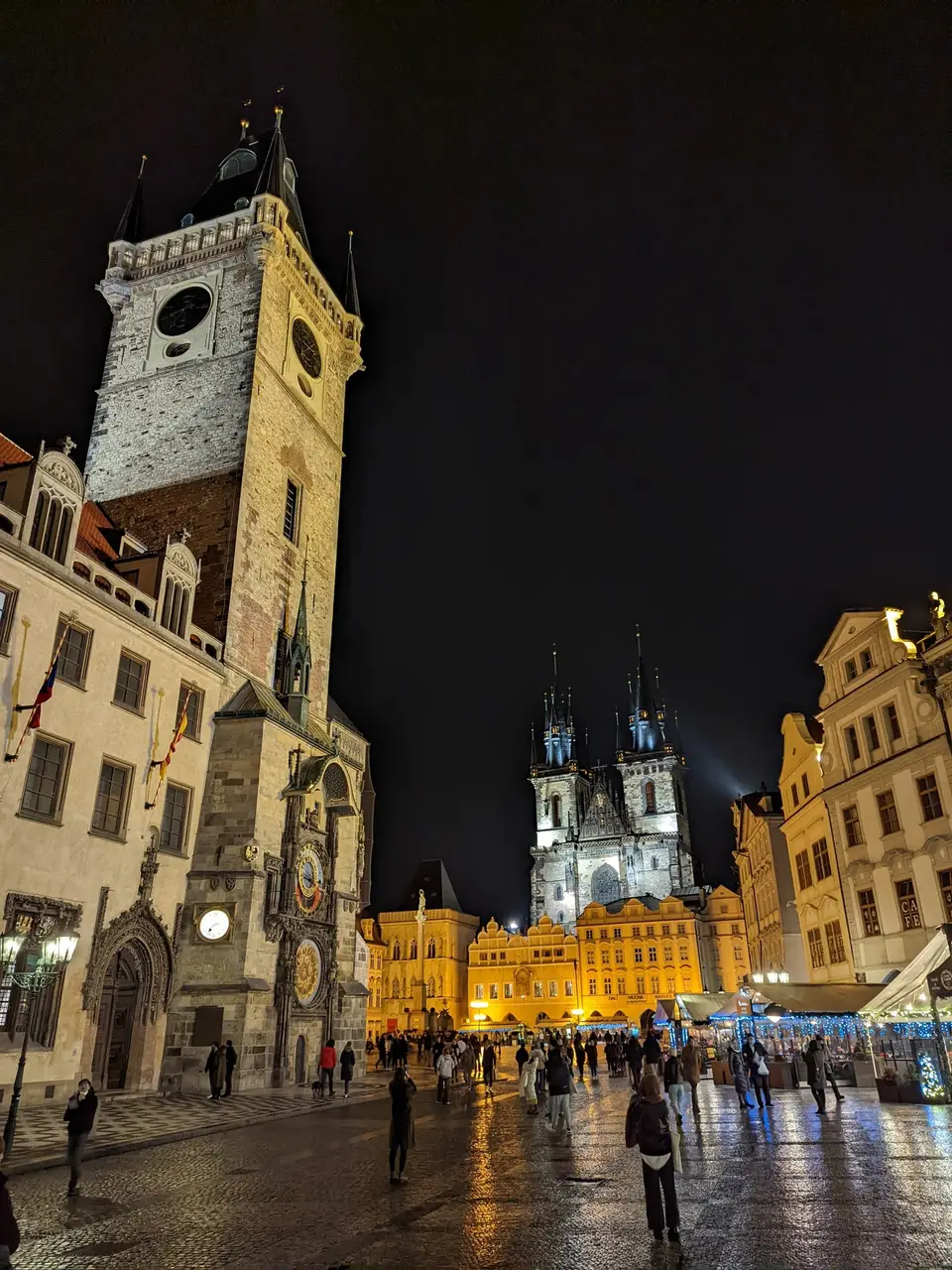
- The astronomical clock has been running since the fifteenth century and the hourly procession of apostles is free to watch from the square. It is also short, and the crowd assembles ten minutes beforehand — so the honest version is: see it once, do not plan a day around it.
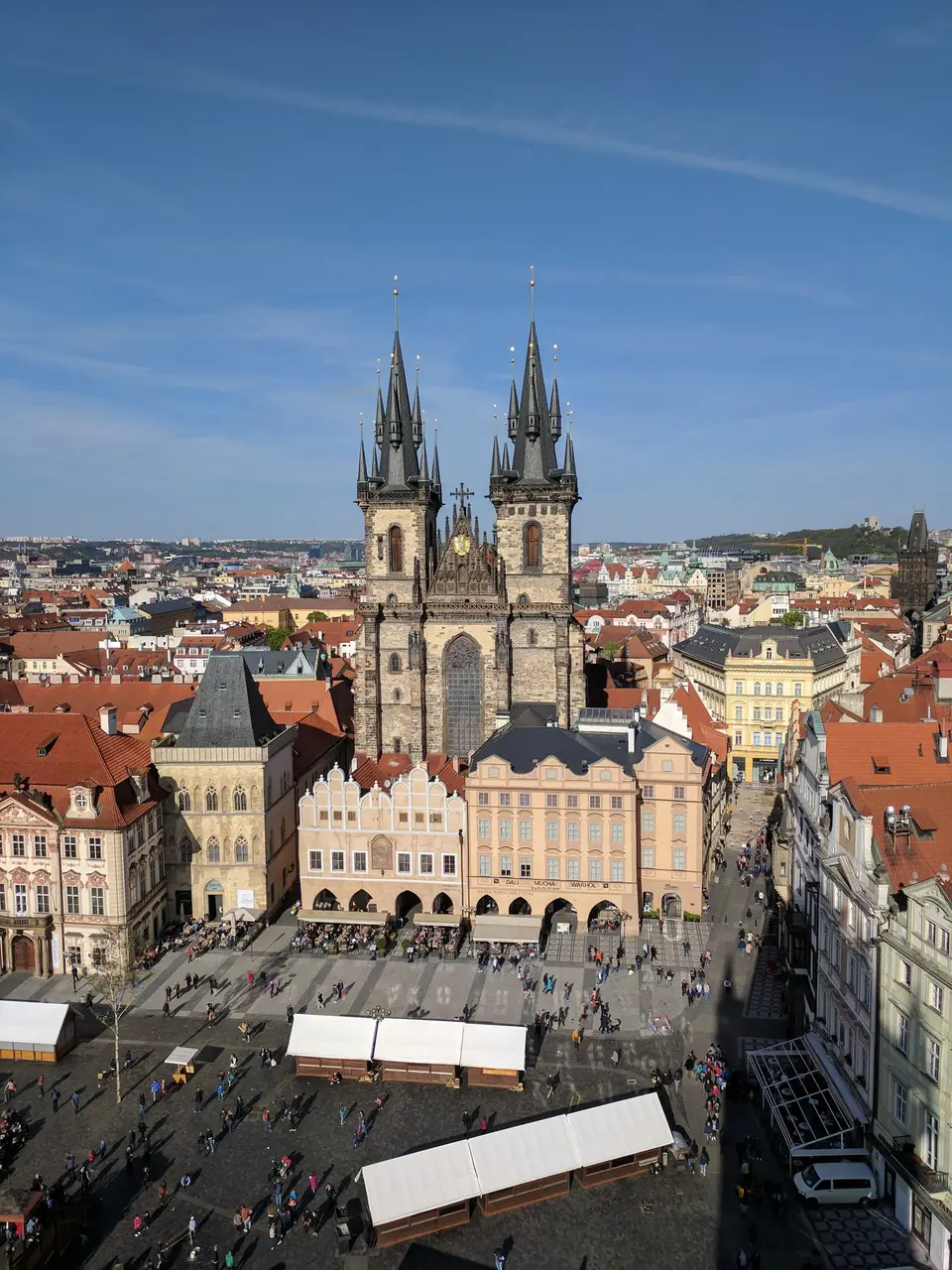
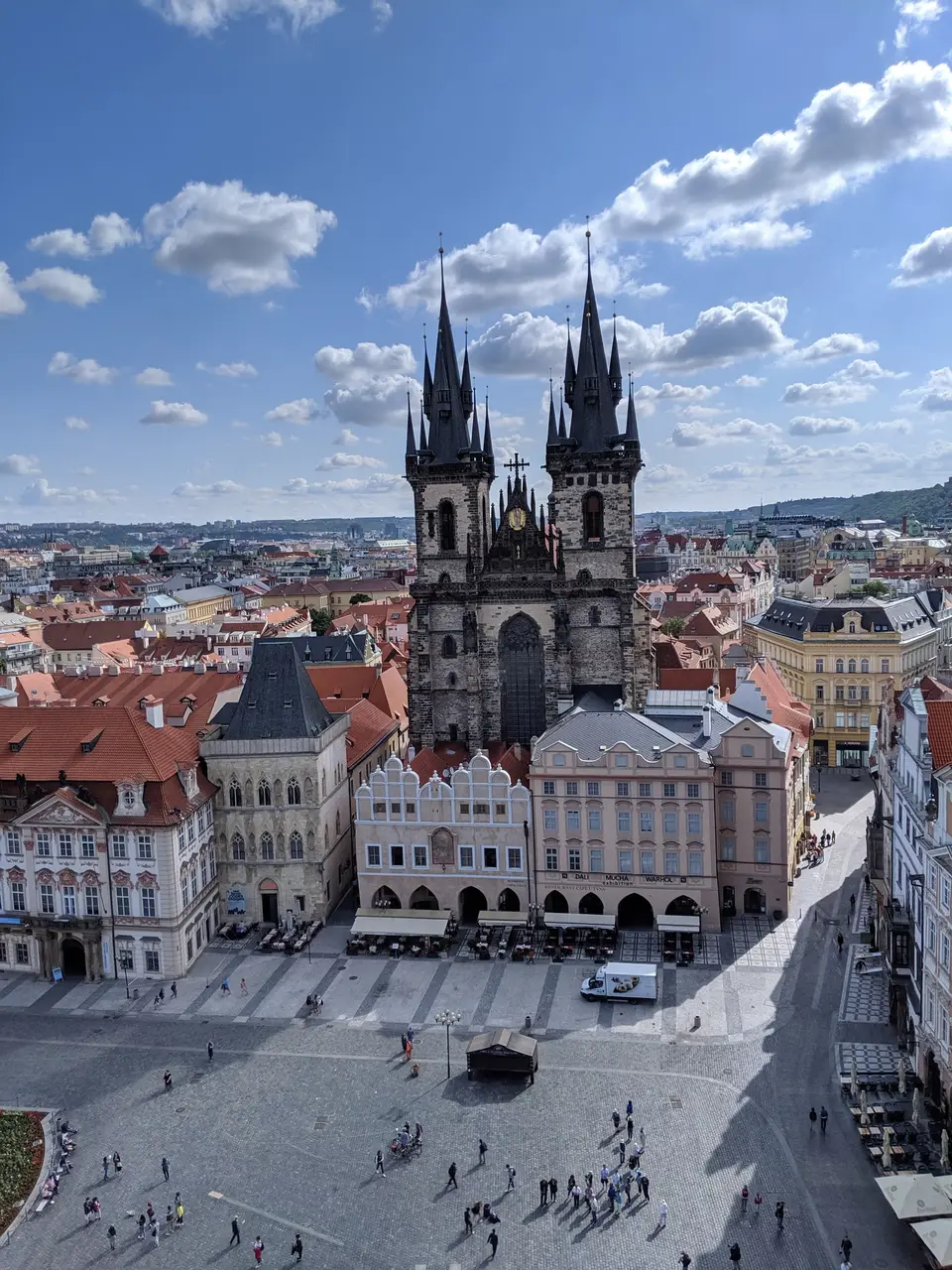
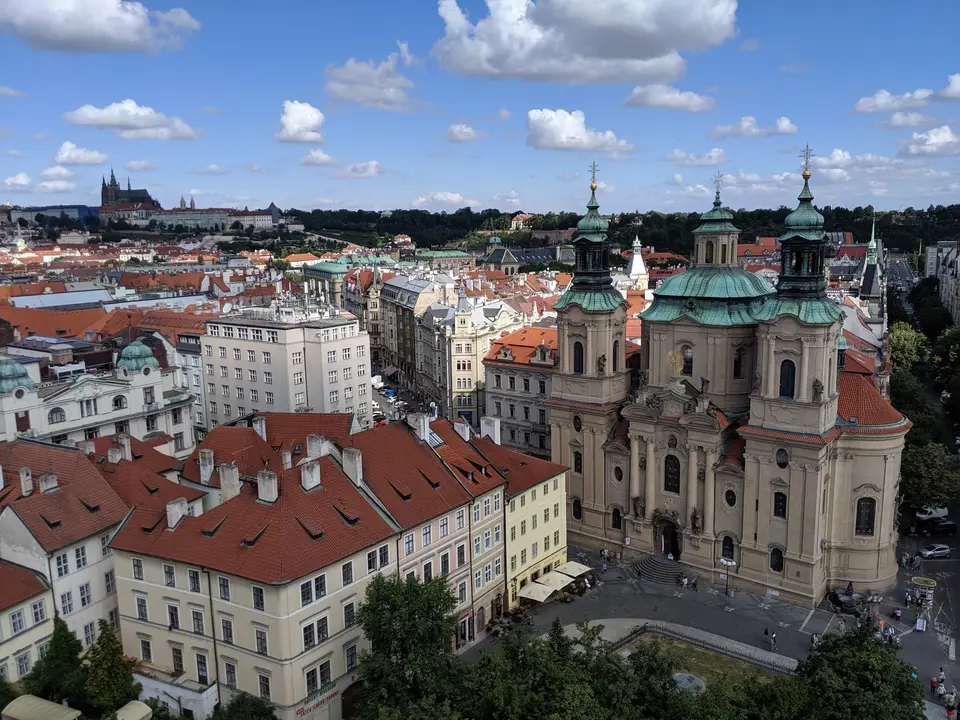
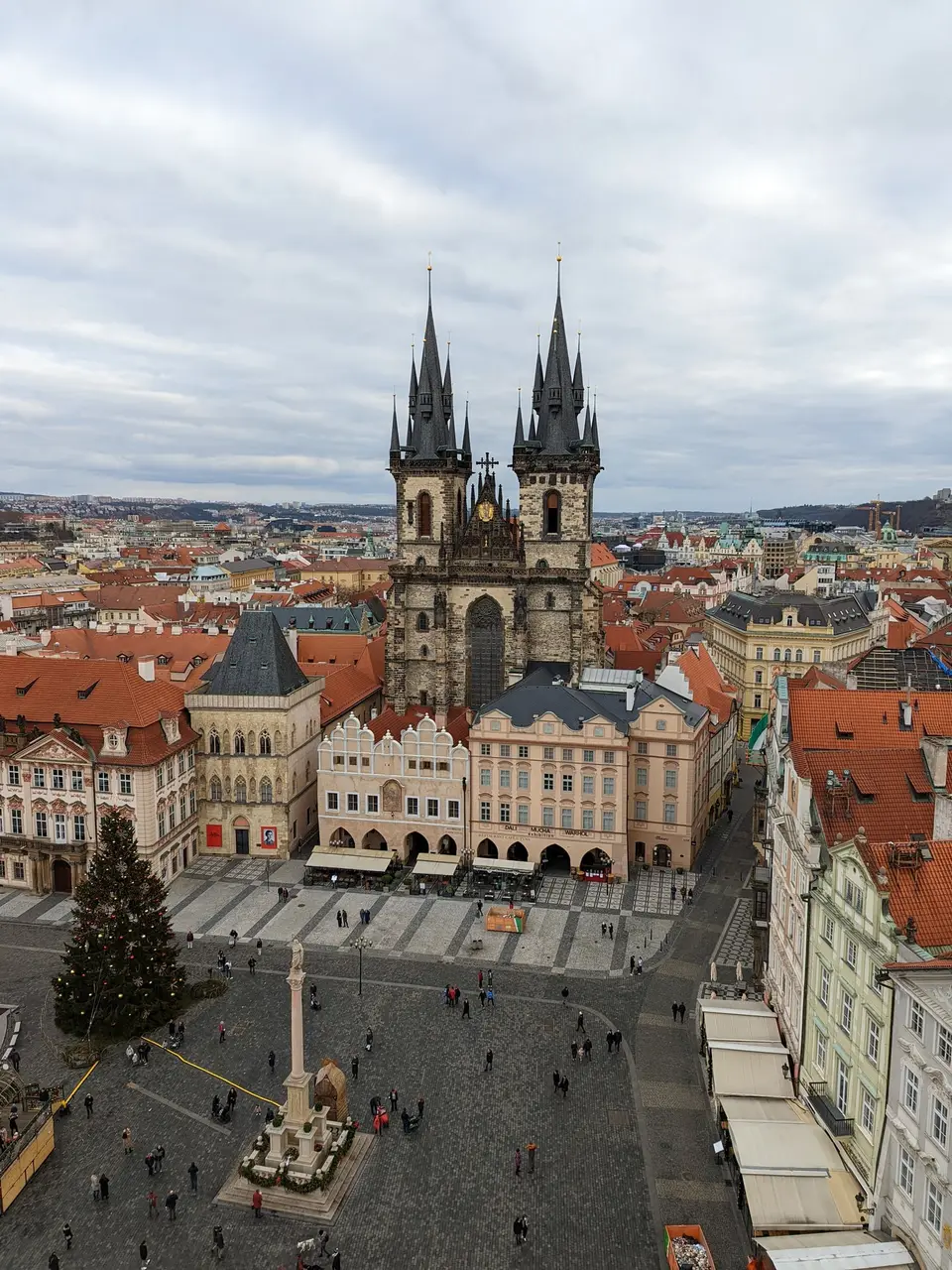
- The tower climb is the paid part and the better part. It puts you above the square, looking down on the Týn church and out over the roofs, and there is a lift.
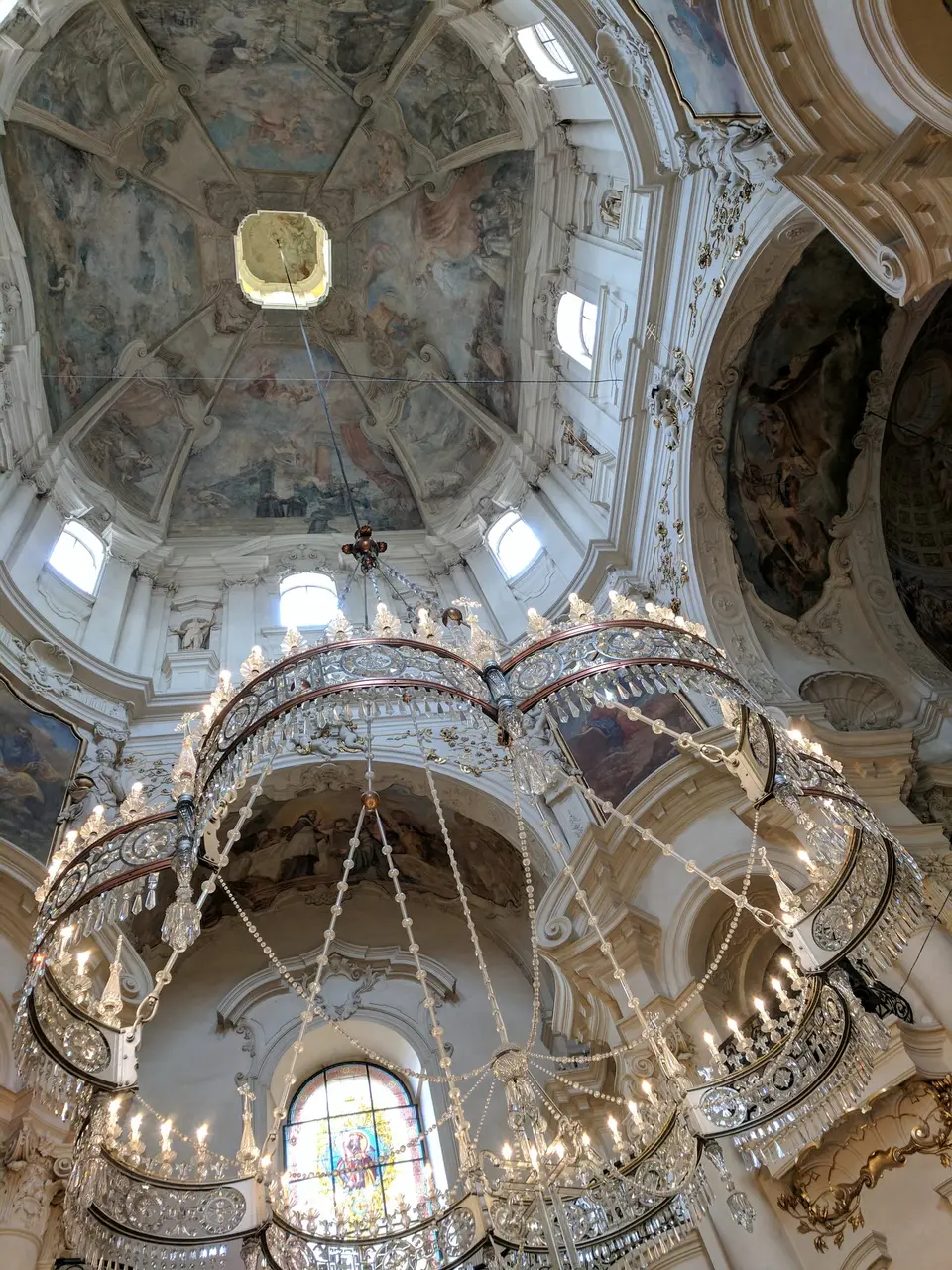
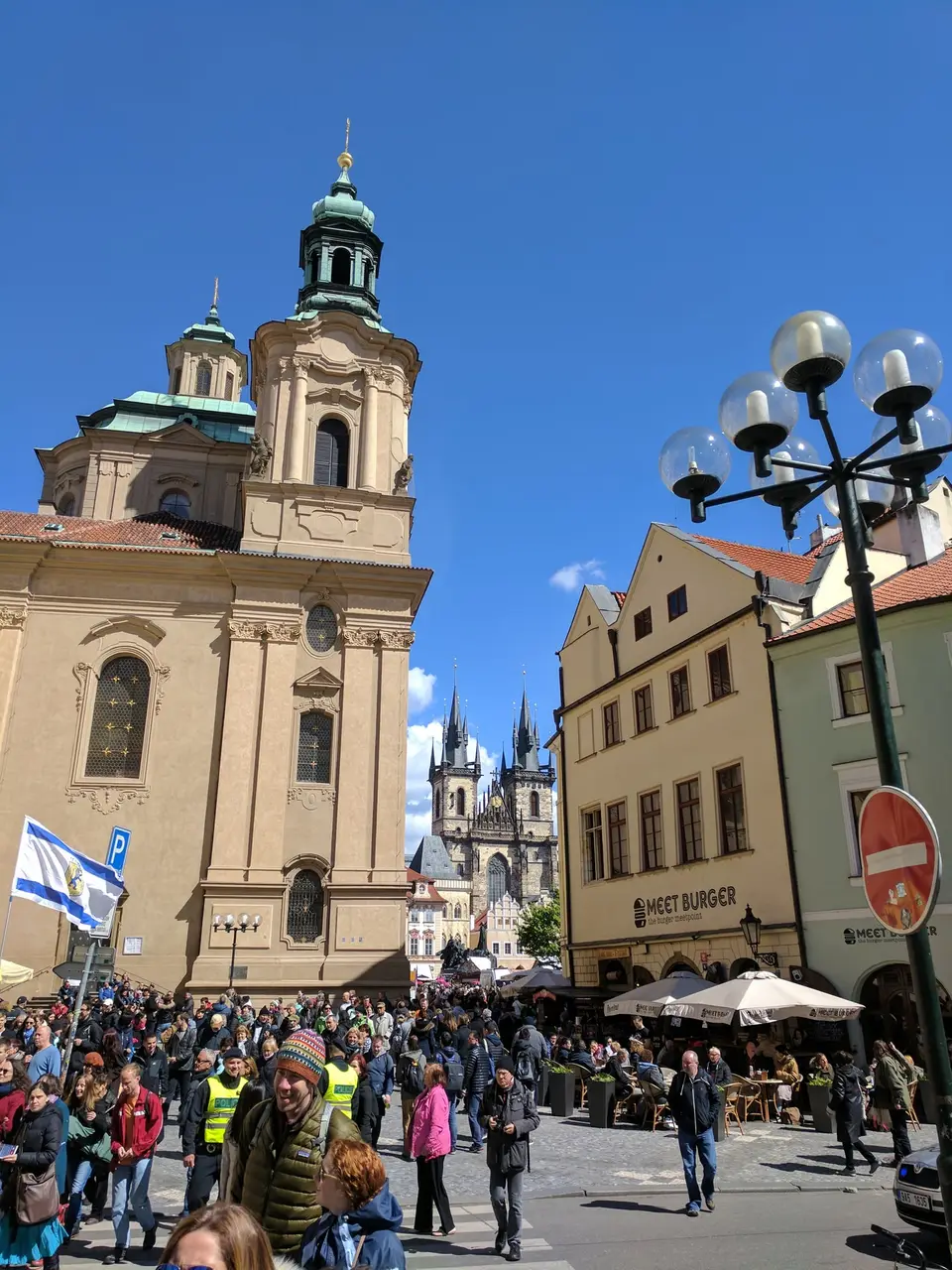
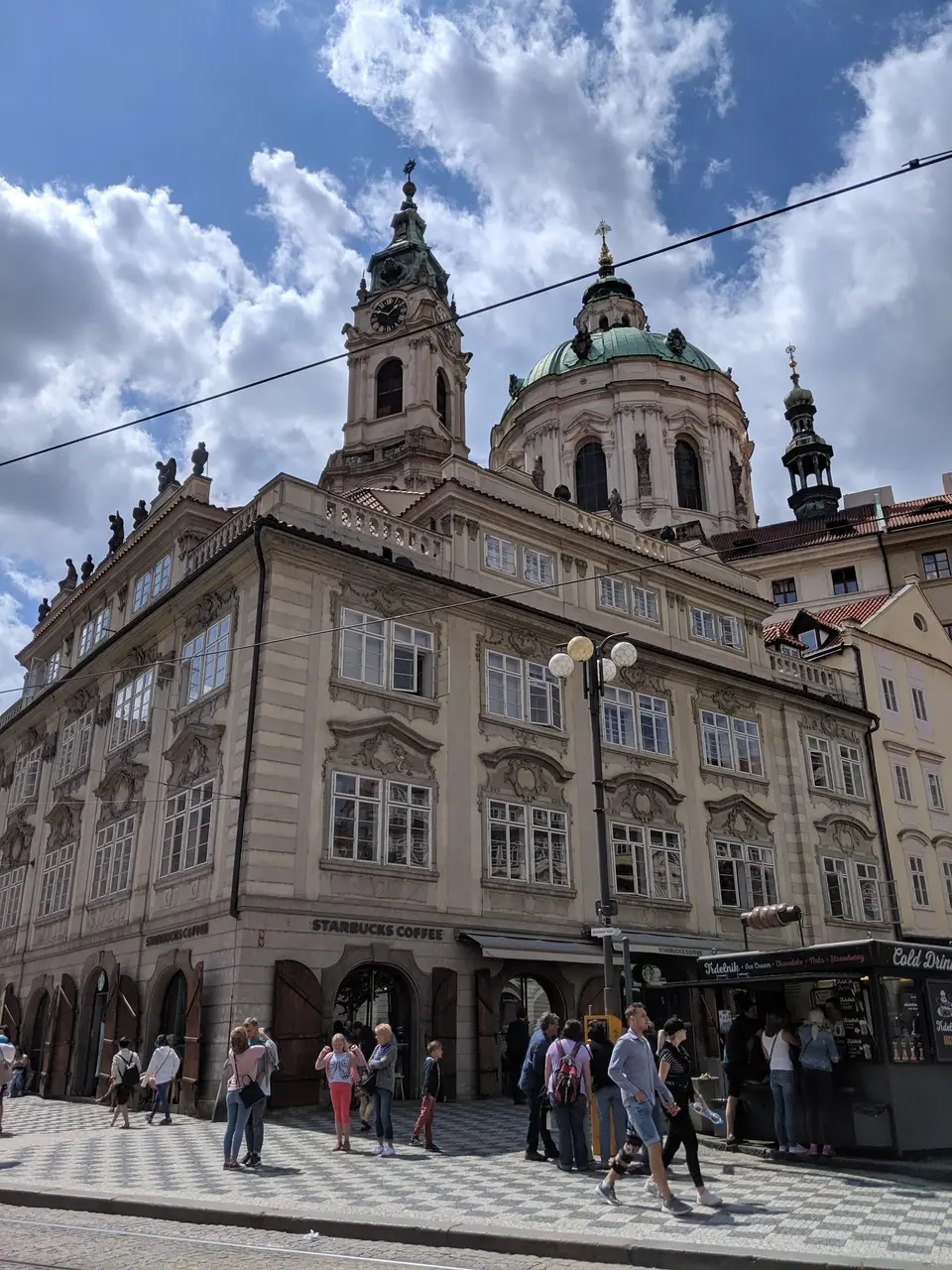
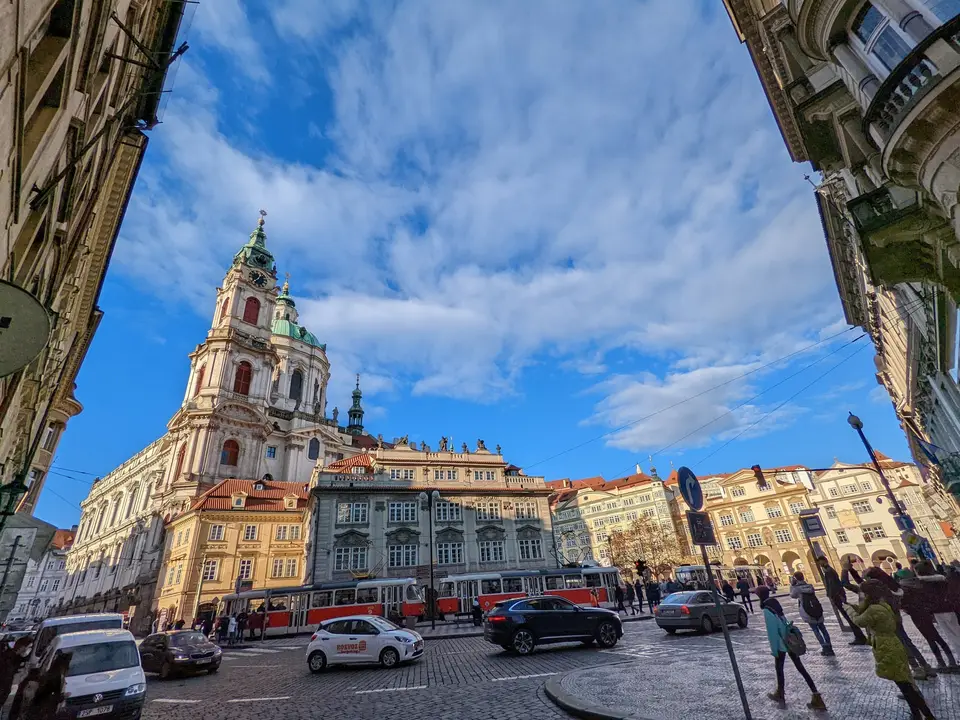
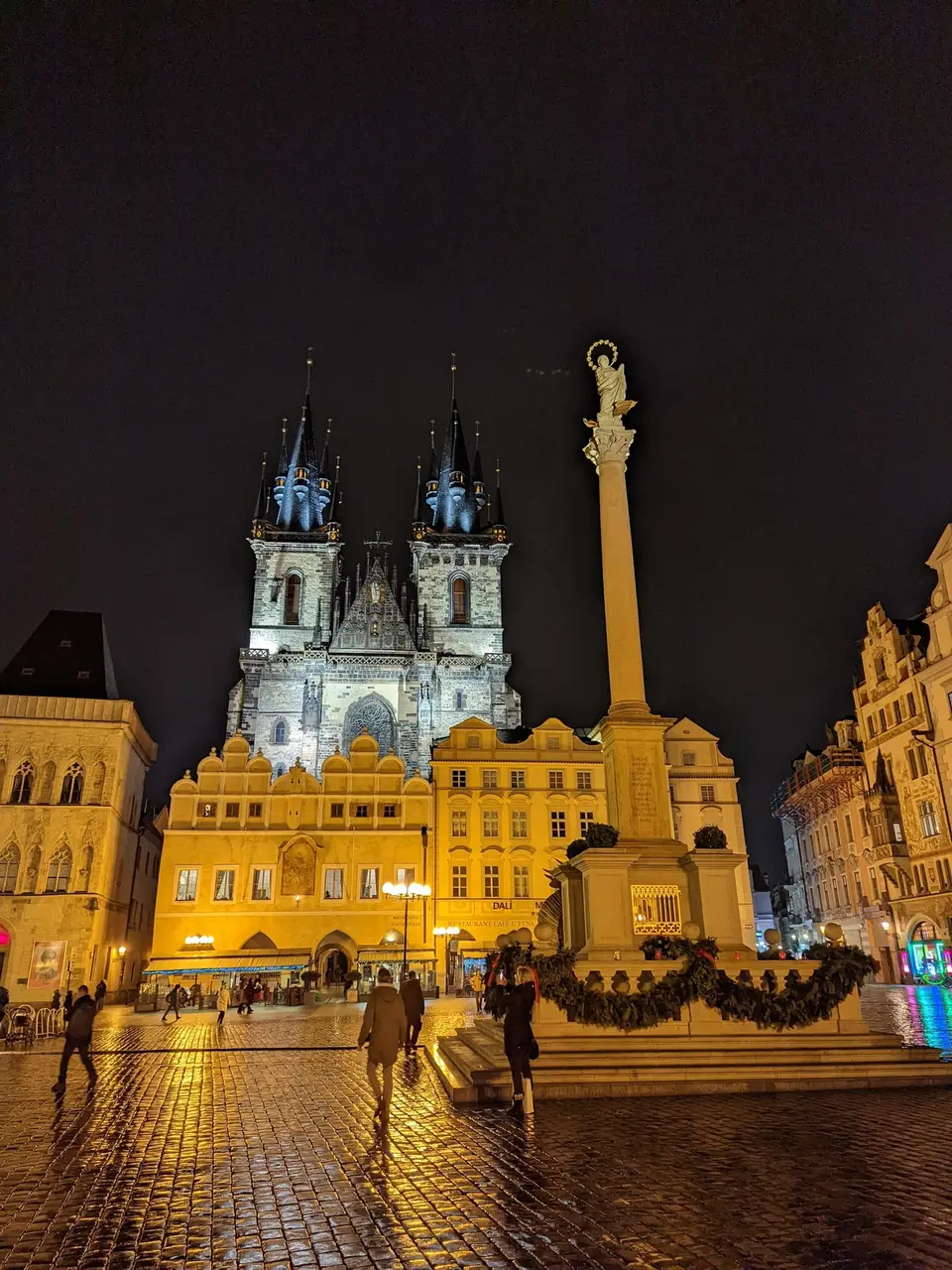
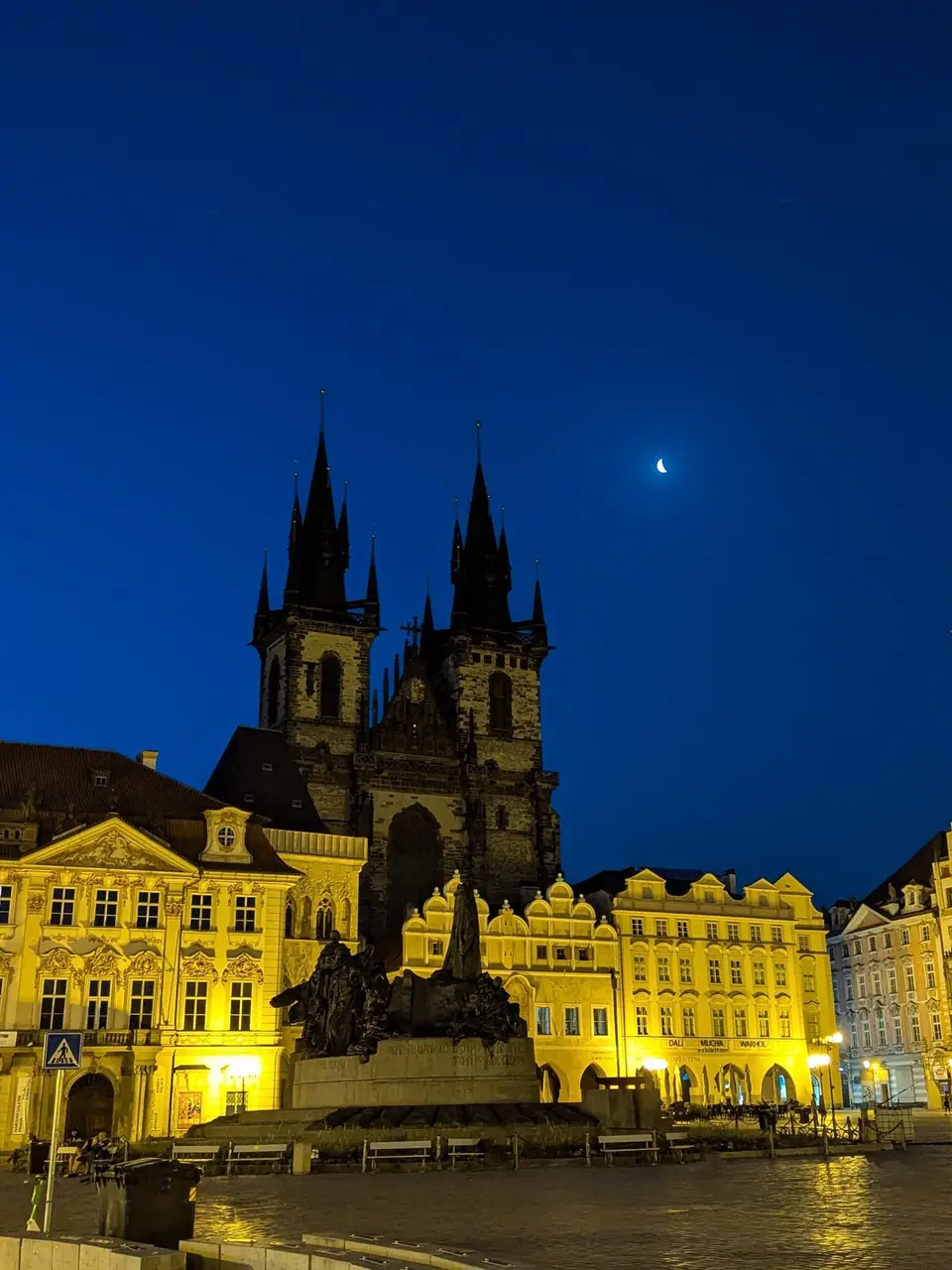
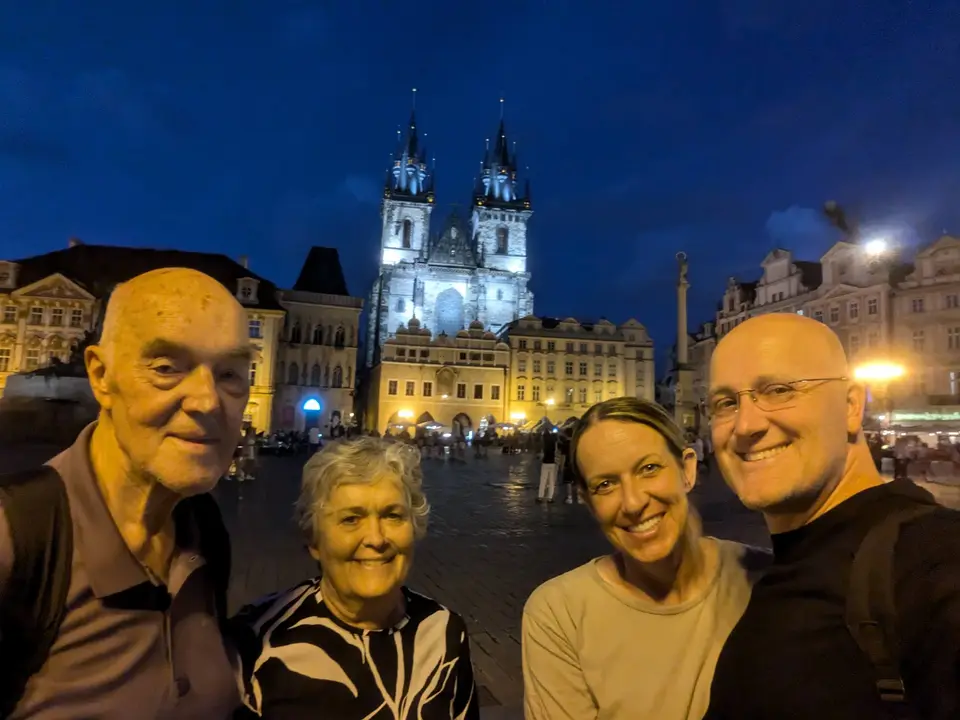
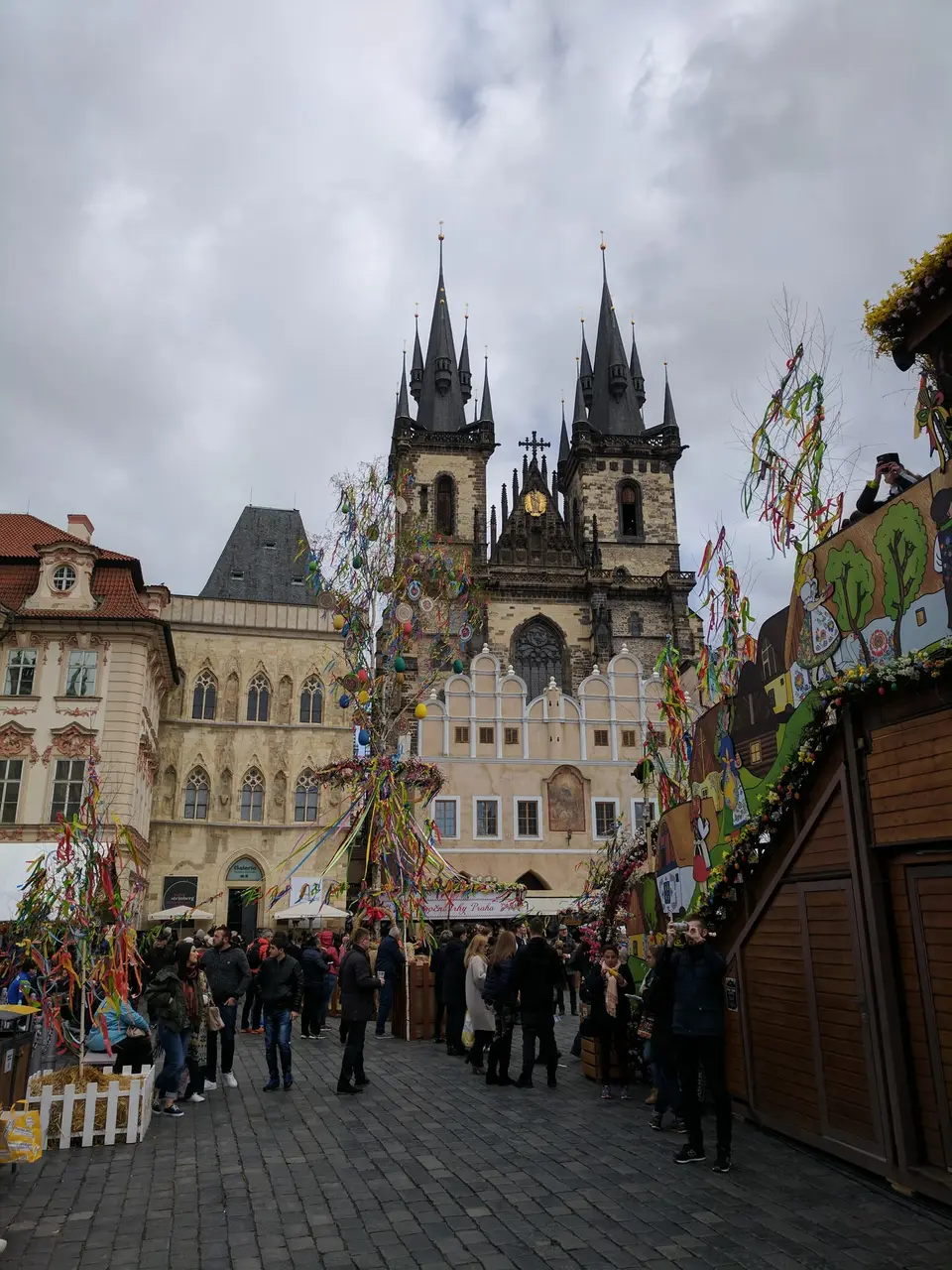
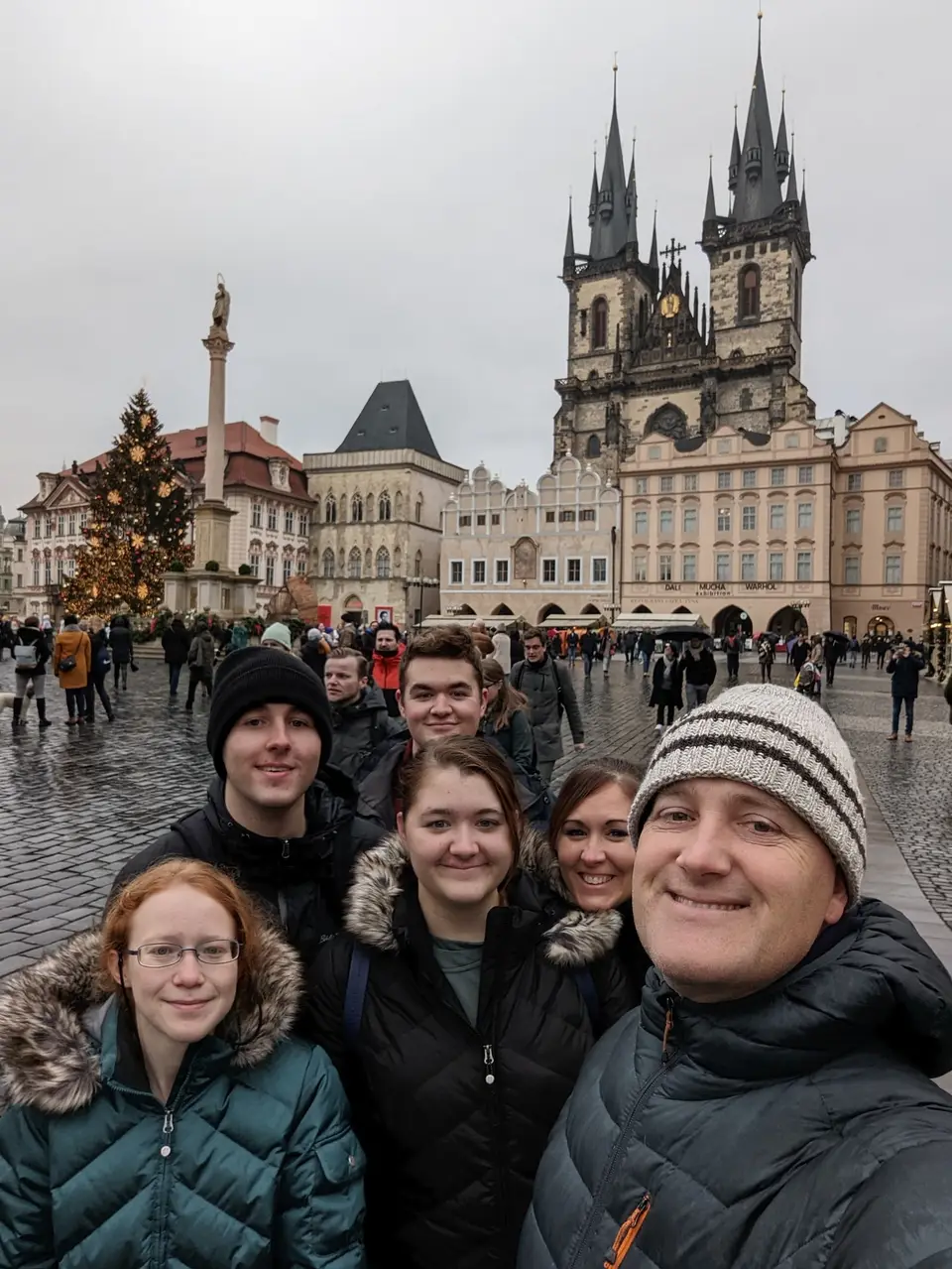
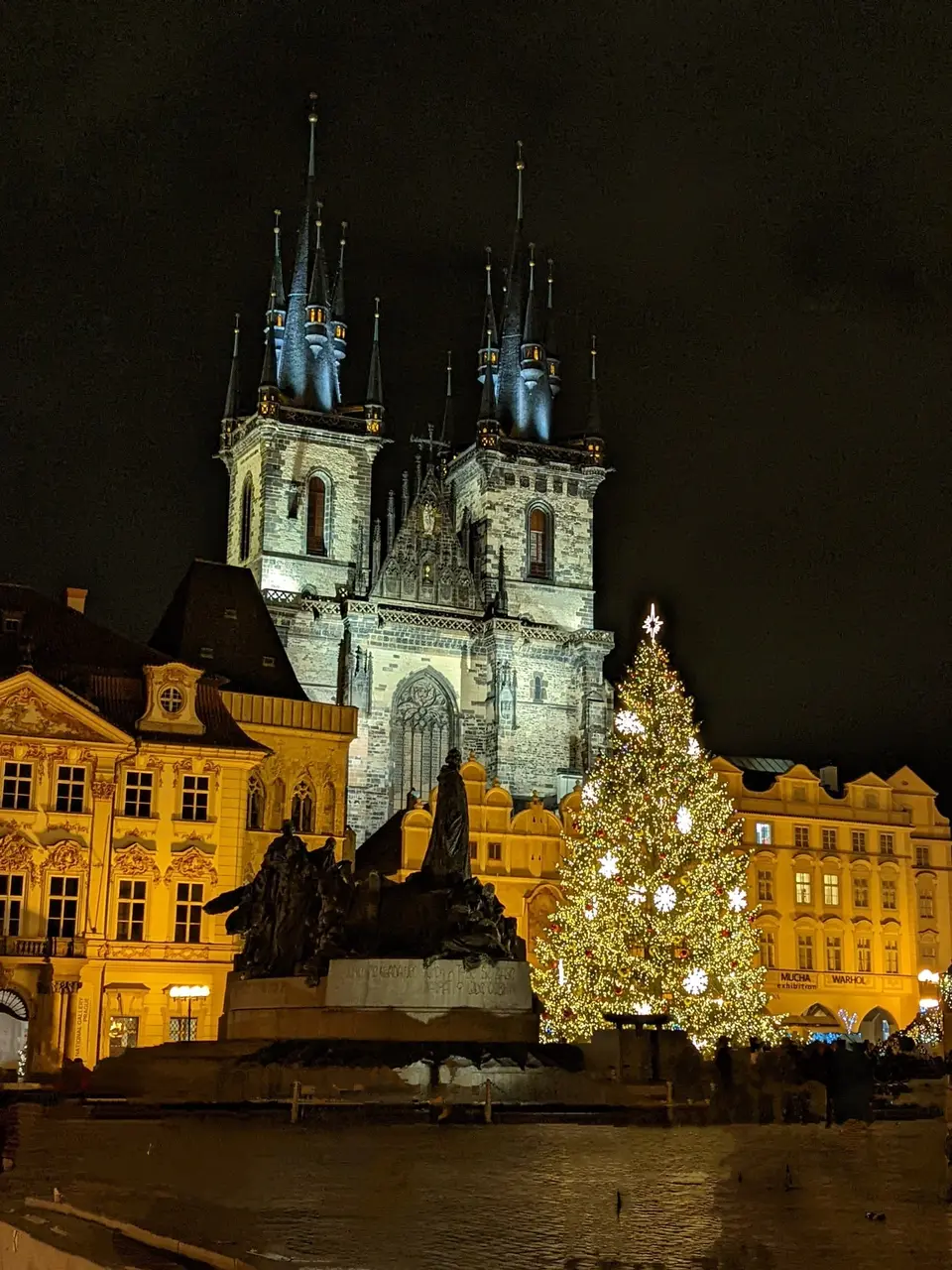
- The square itself, the Týn church's twin spires and St Nicholas are all free, and the square is at its best early — before about nine it is nearly empty, which is when several of the photographs on this page were taken.
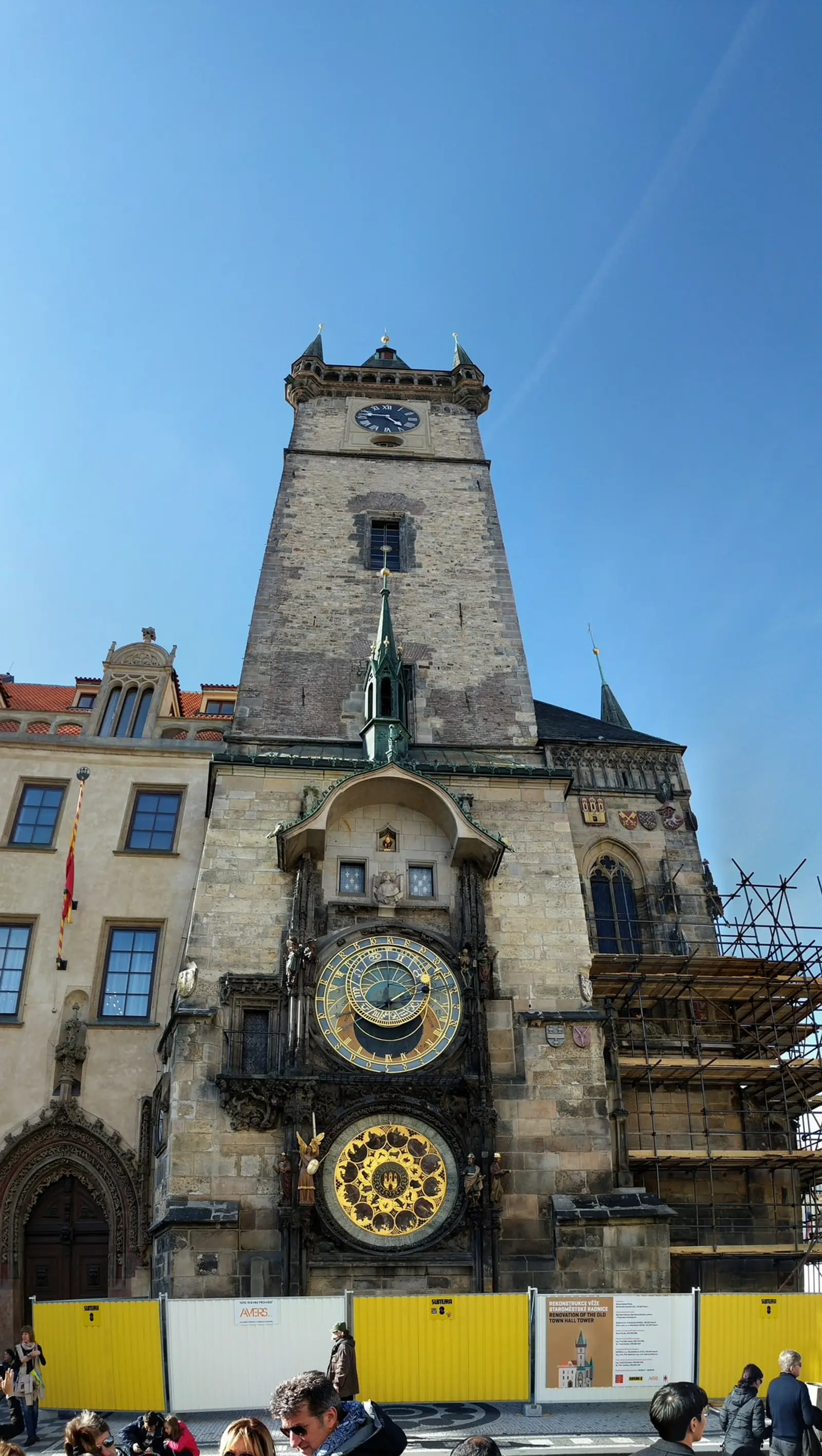
Afternoon — Charles Bridge, and when to actually walk it
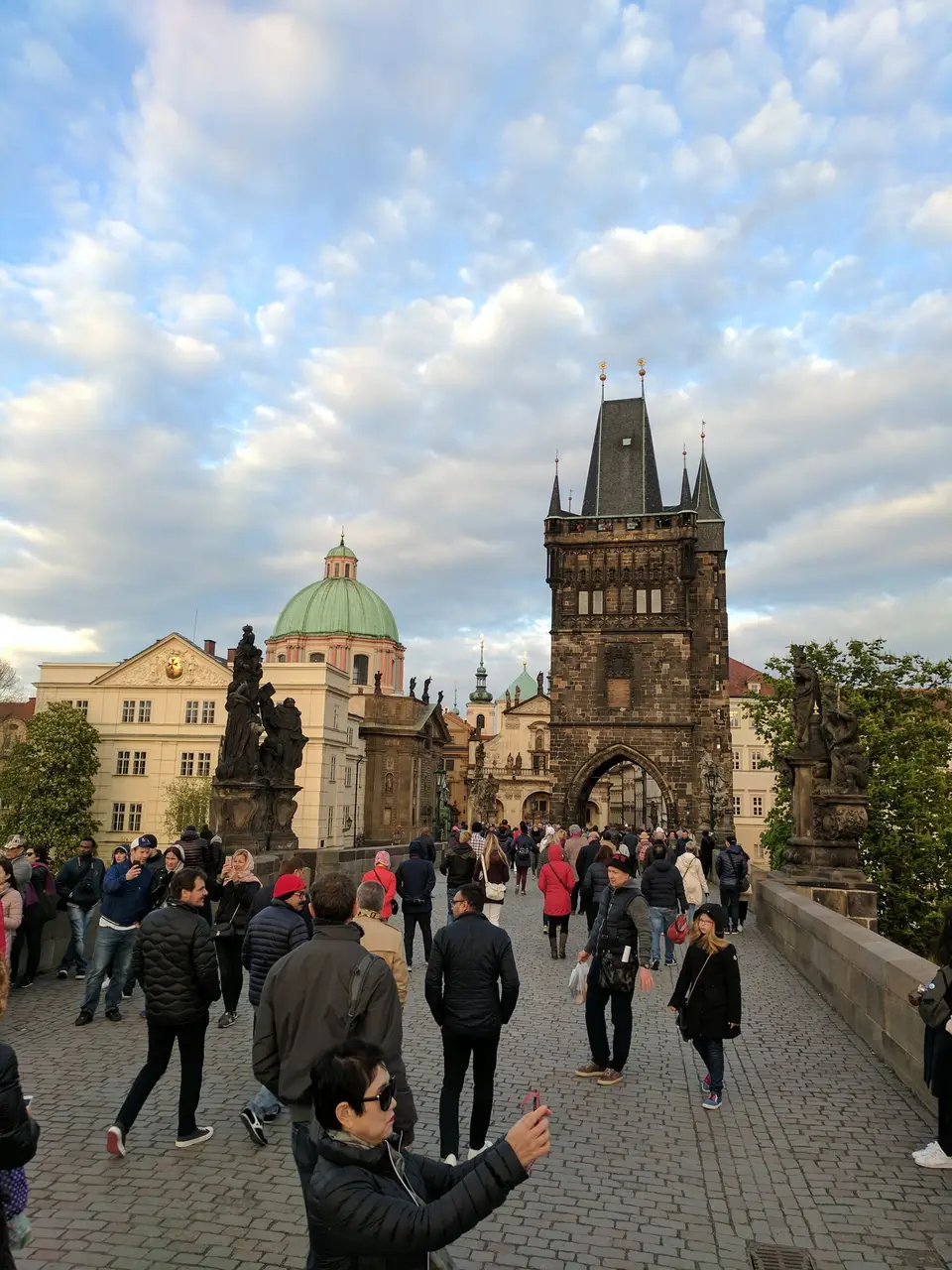
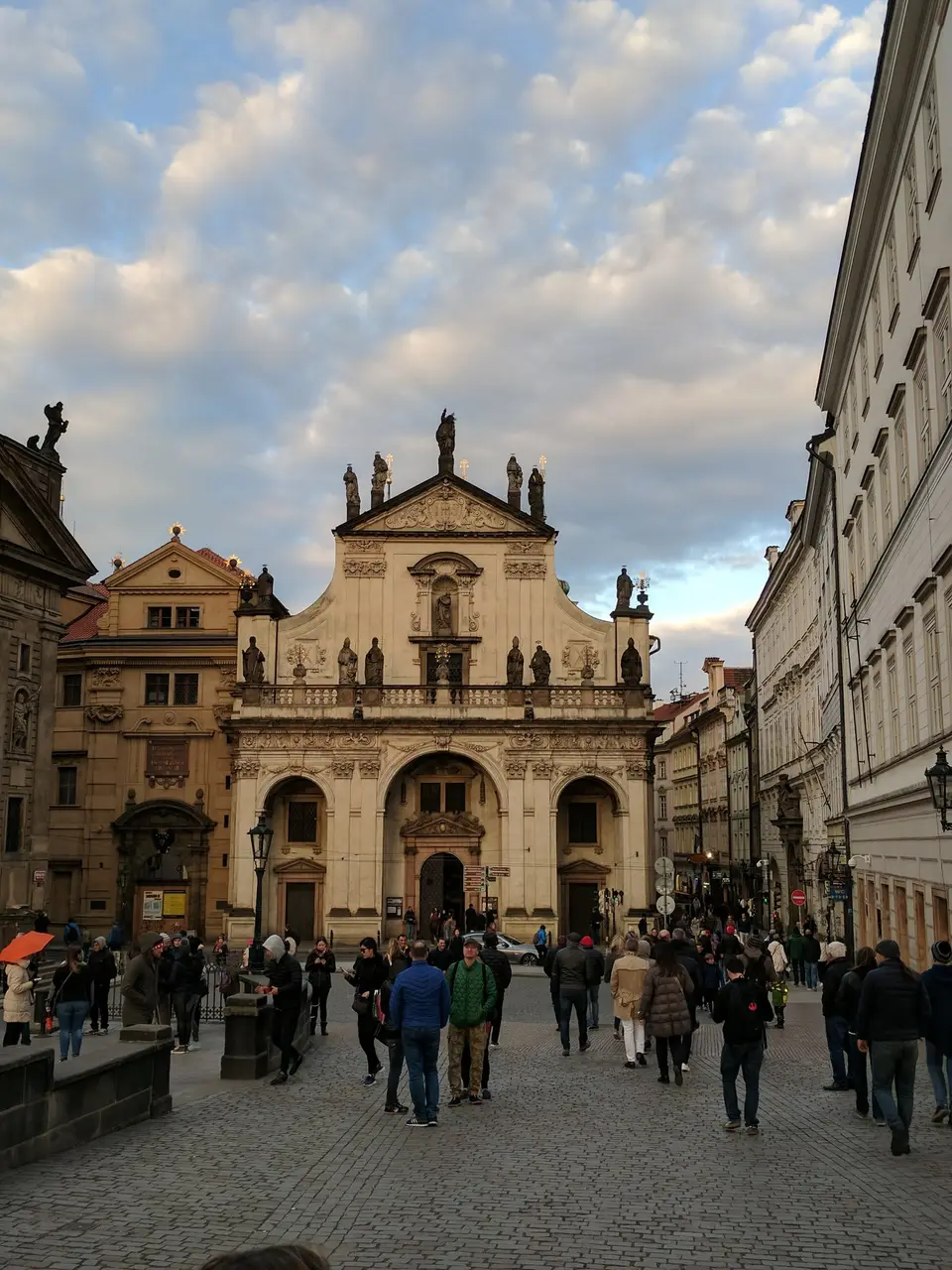
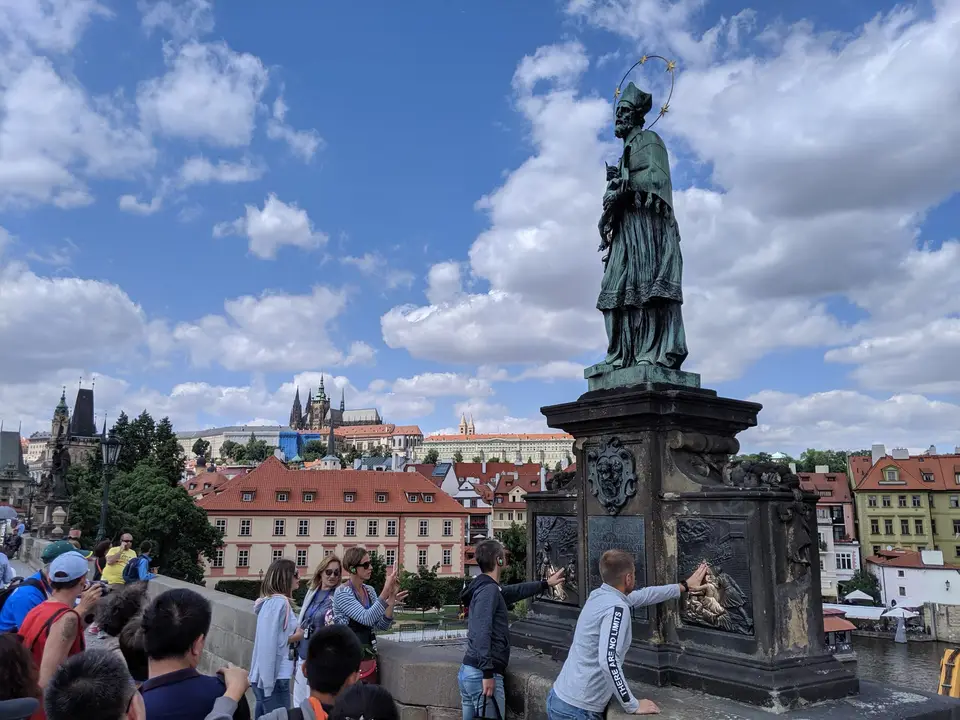
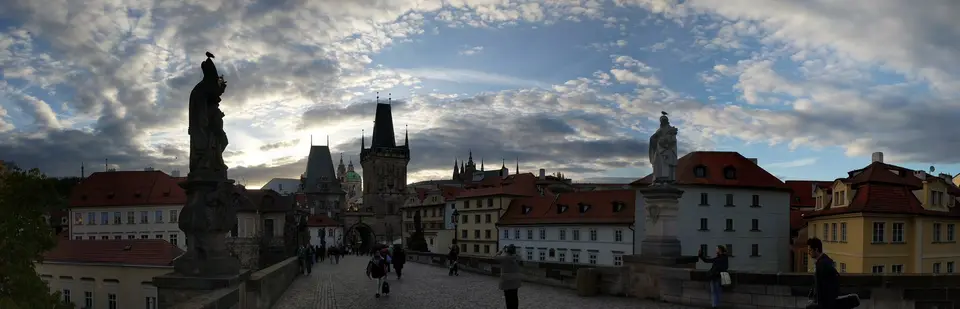
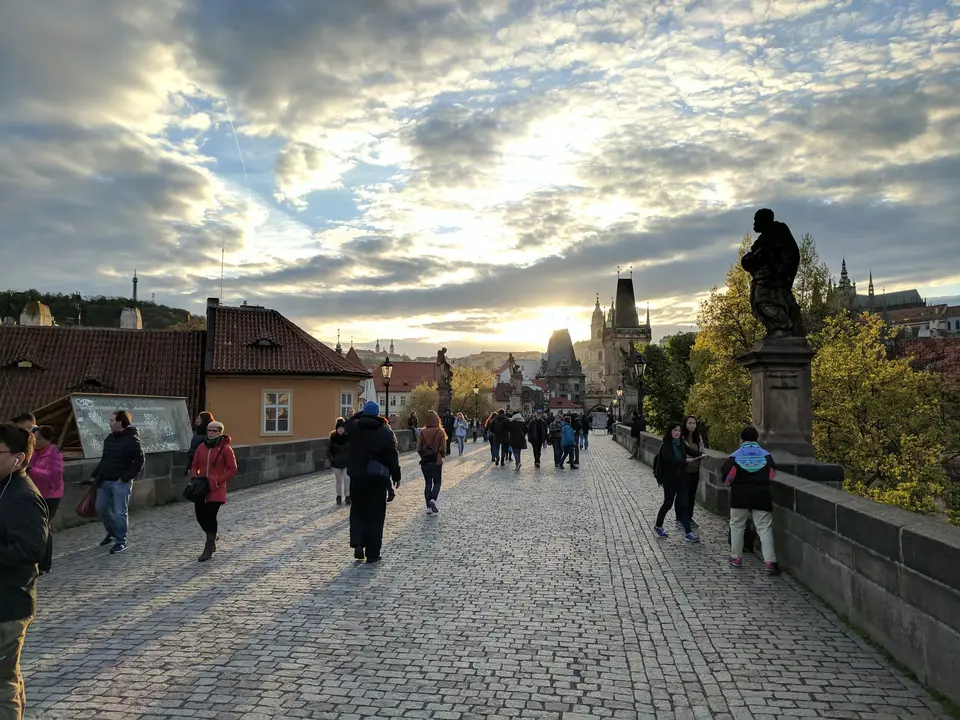
- The bridge is free and it is never closed, which is the whole key to it. Between about ten and six it is a slow-moving crowd with caricaturists in it.
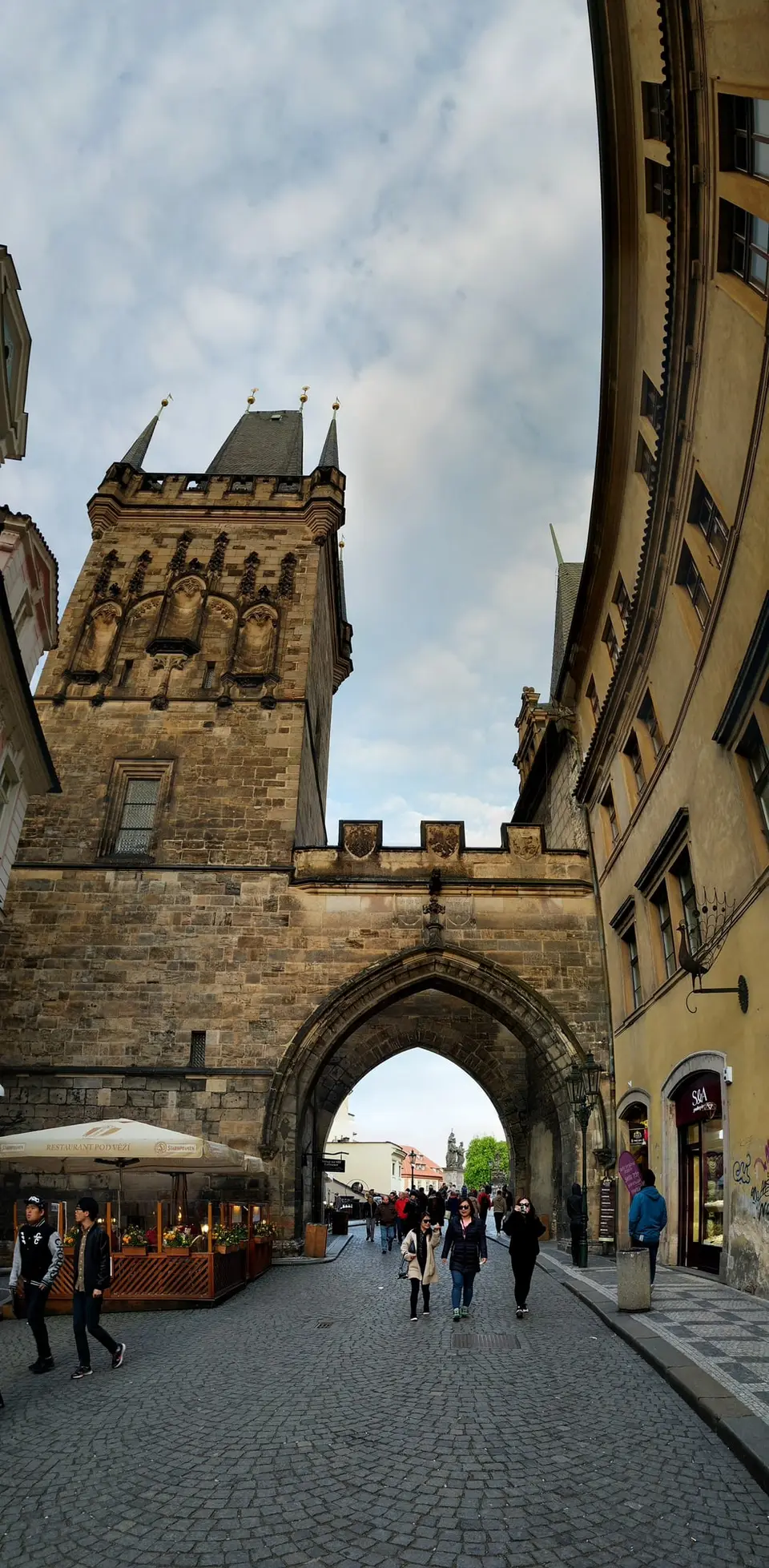
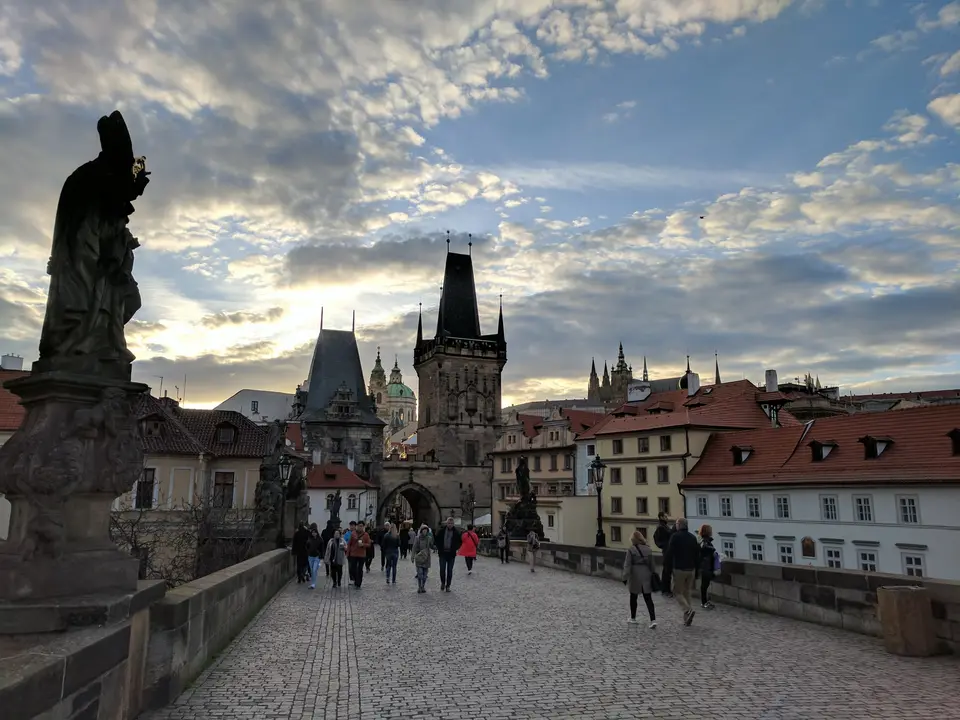
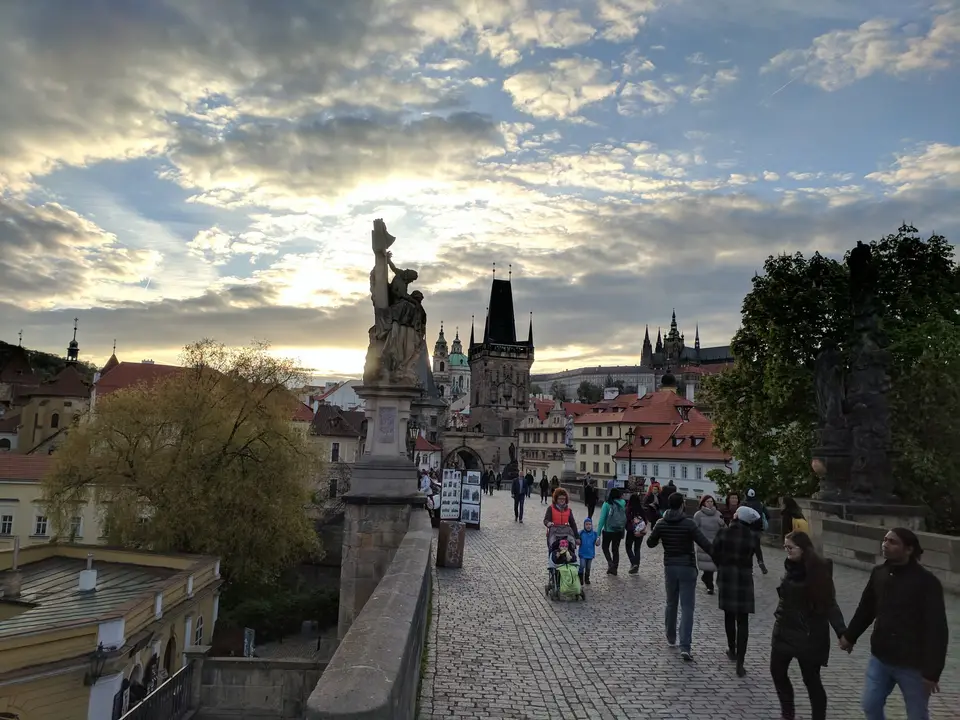
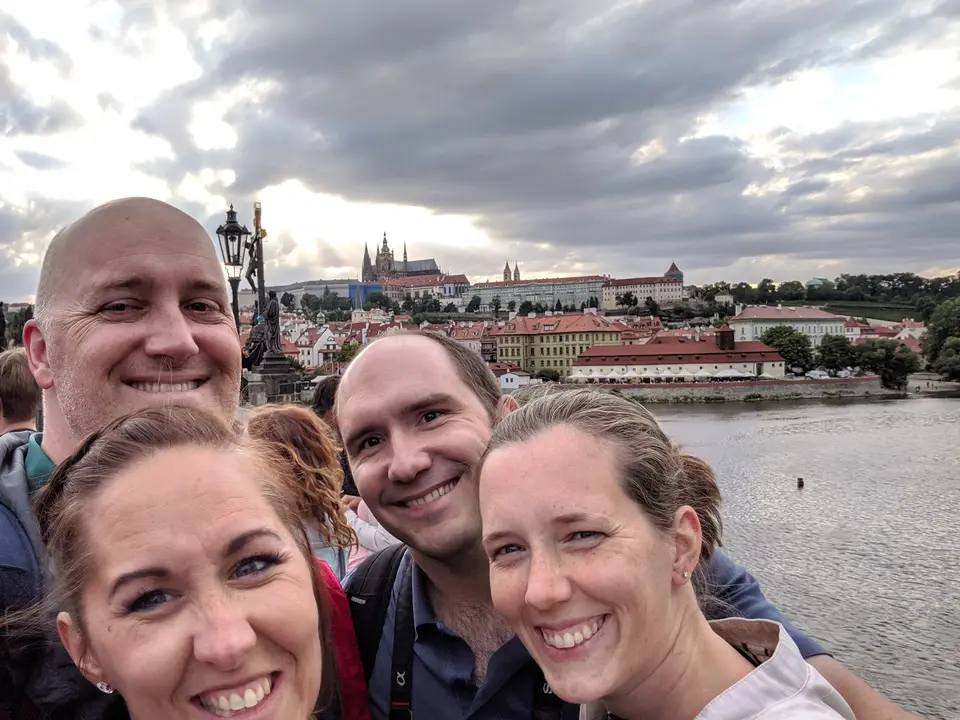
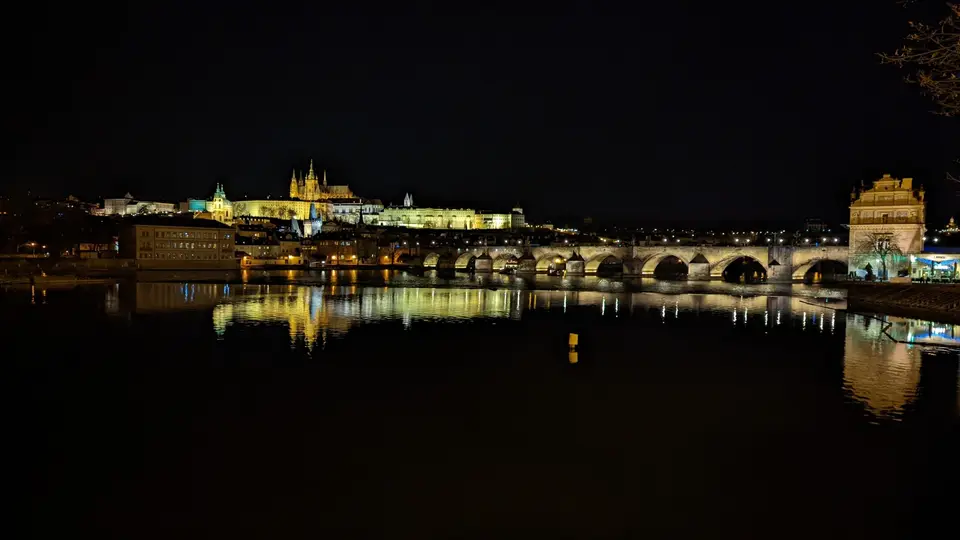
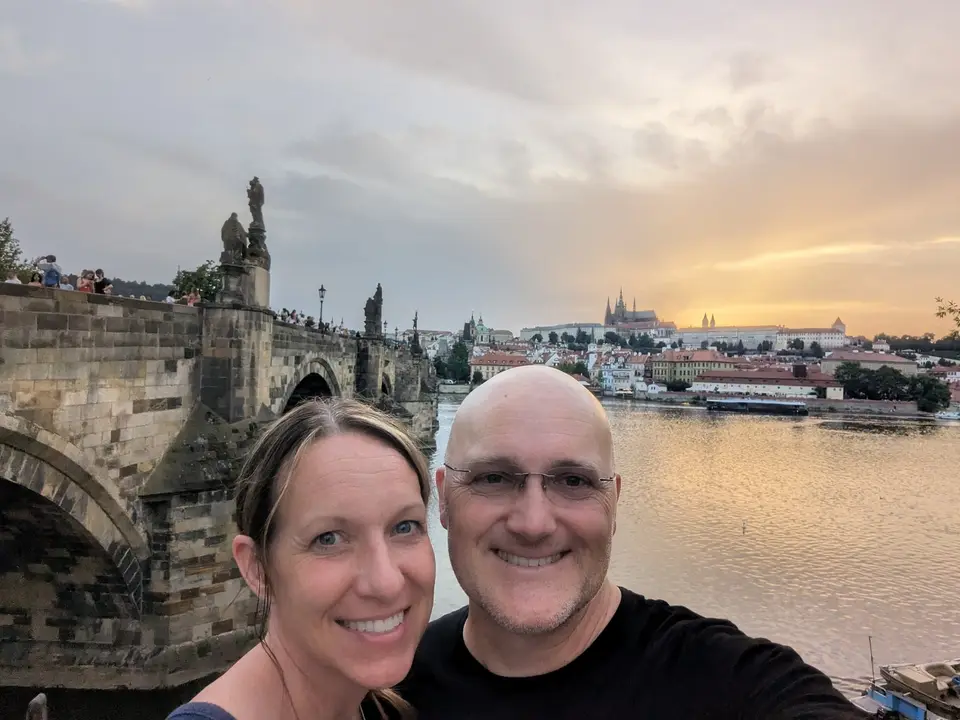
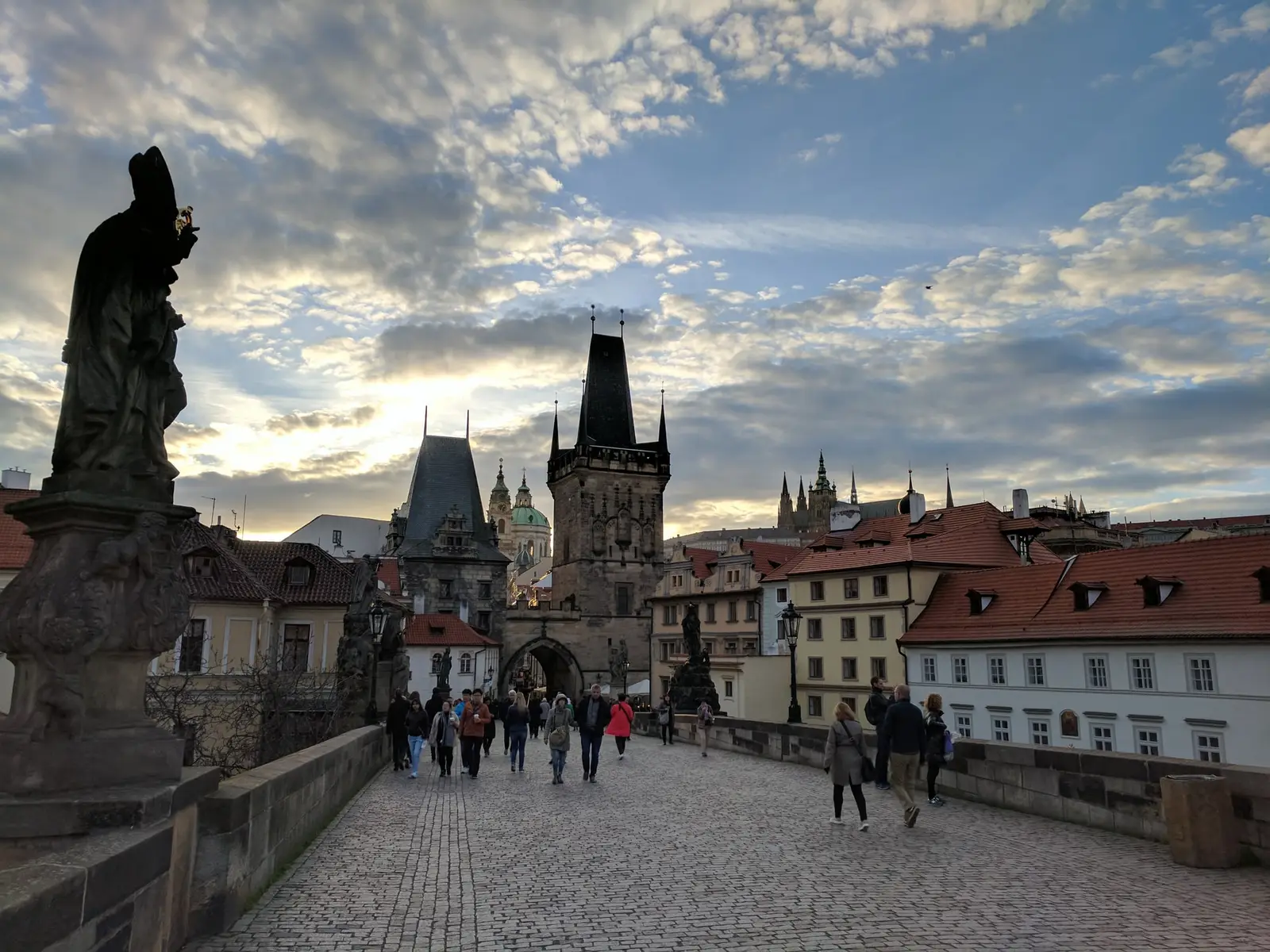
- Go at dawn or at dusk. Our best frames of it — the statues in silhouette, the Malá Strana towers ahead, the castle catching the last light on the right — were all taken outside the middle of the day. It costs nothing to come back twice.
- Walk it east to west, Old Town to Malá Strana, so the castle is in front of you rather than behind.
Vyšehrad — the one we keep going back to
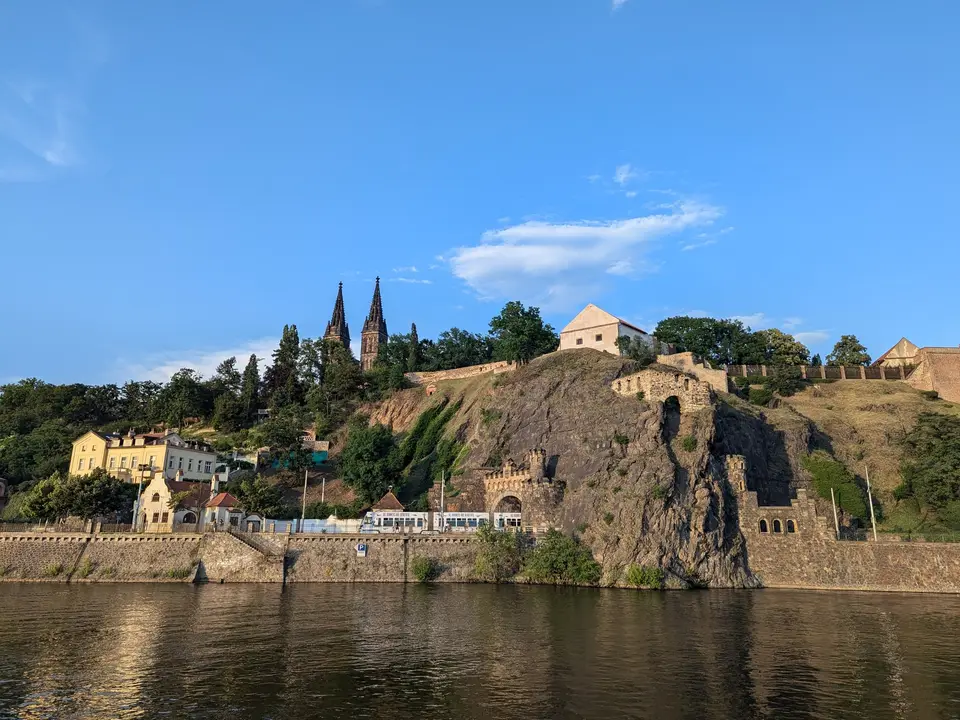
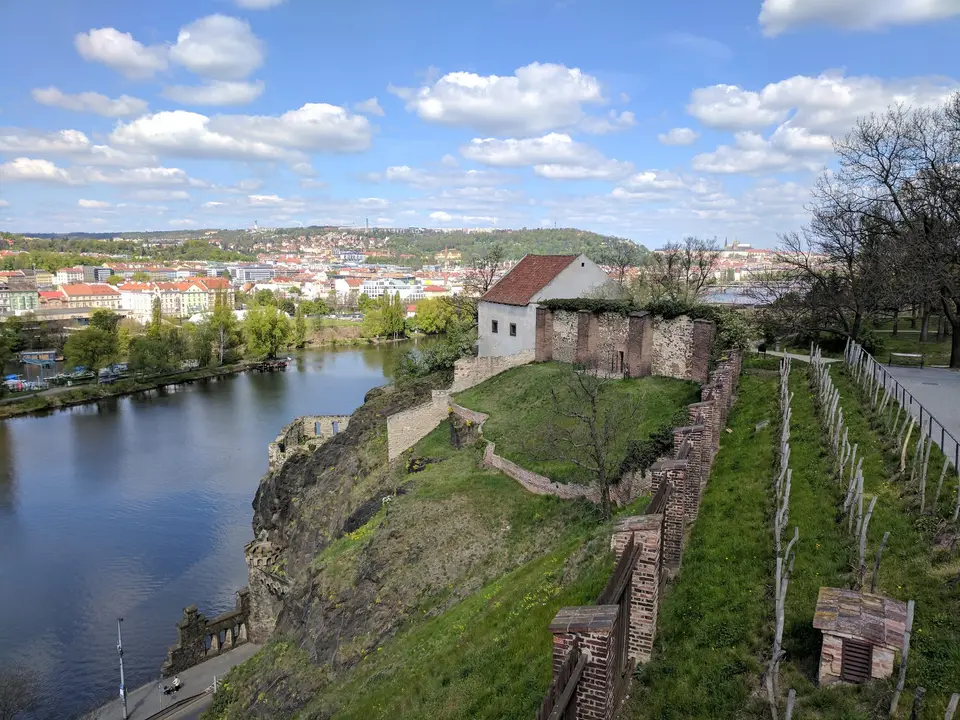
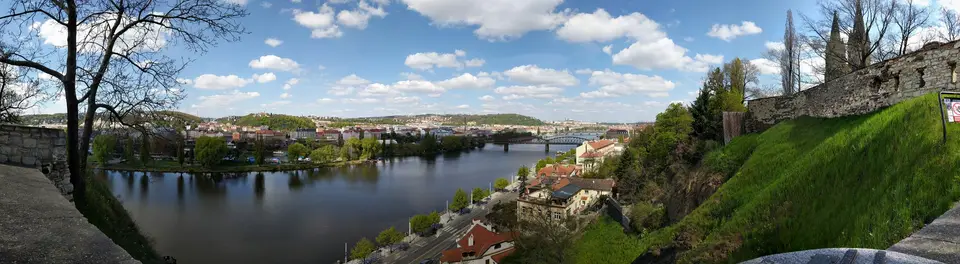
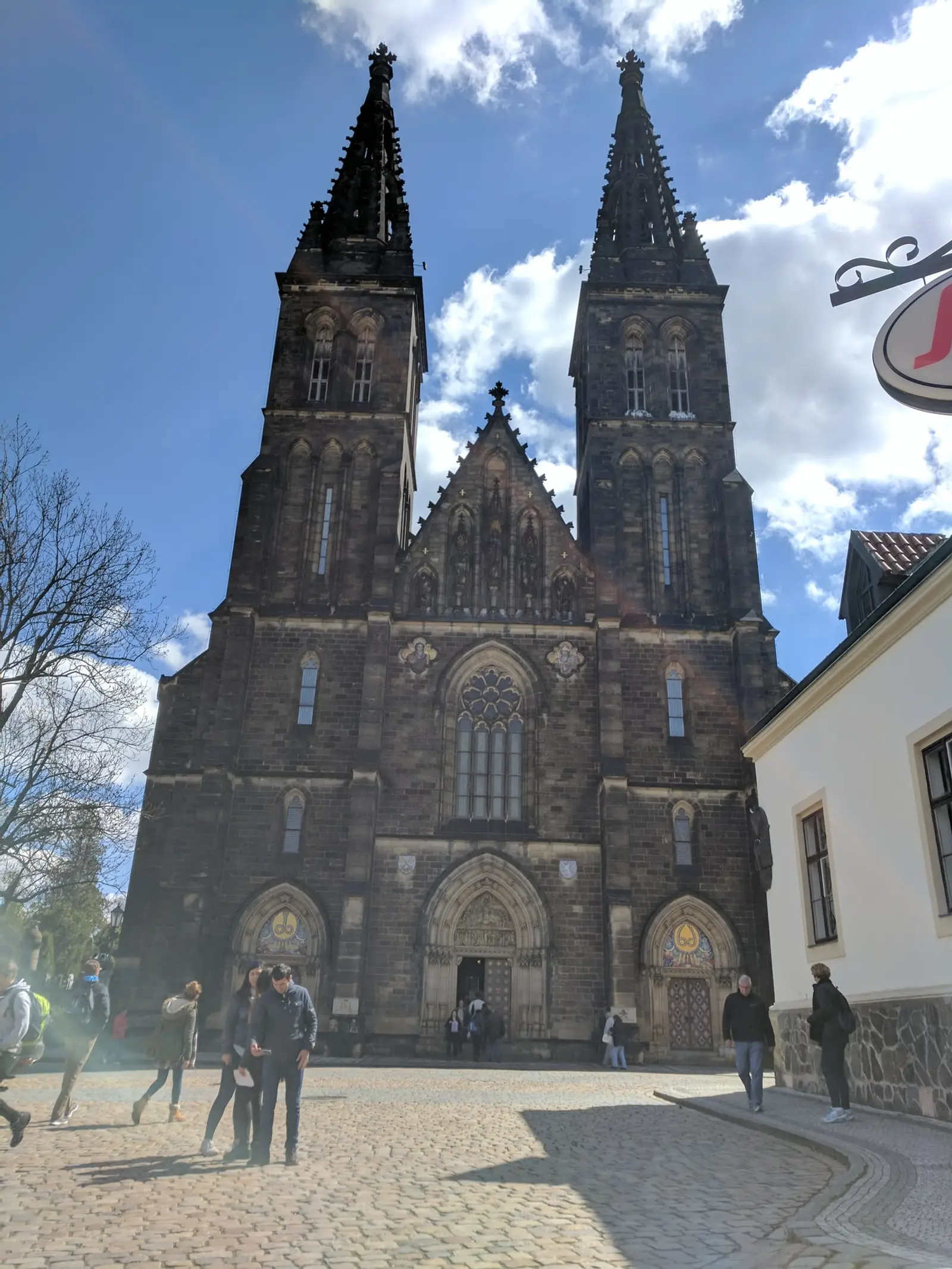
This is the recommendation on this page that is ours rather than everyone's. Vyšehrad is the older fortress, about two kilometers upriver from the Charles Bridge, and almost nobody walks there. Six of our photographs are from up there across different trips, which for a place that appears on no standard itinerary tells you what we think of it.
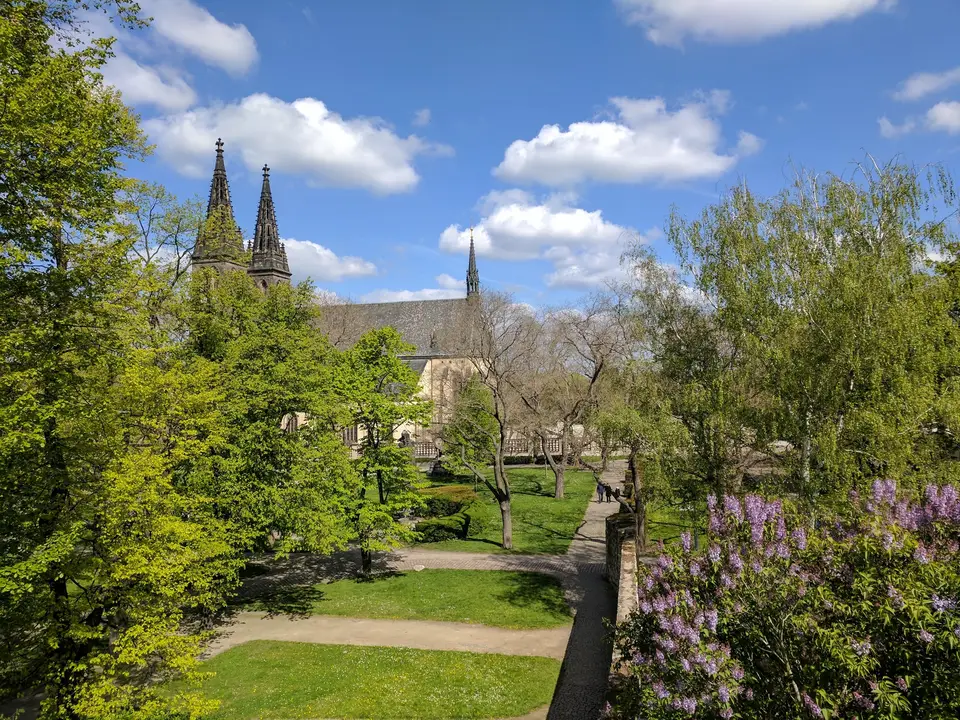
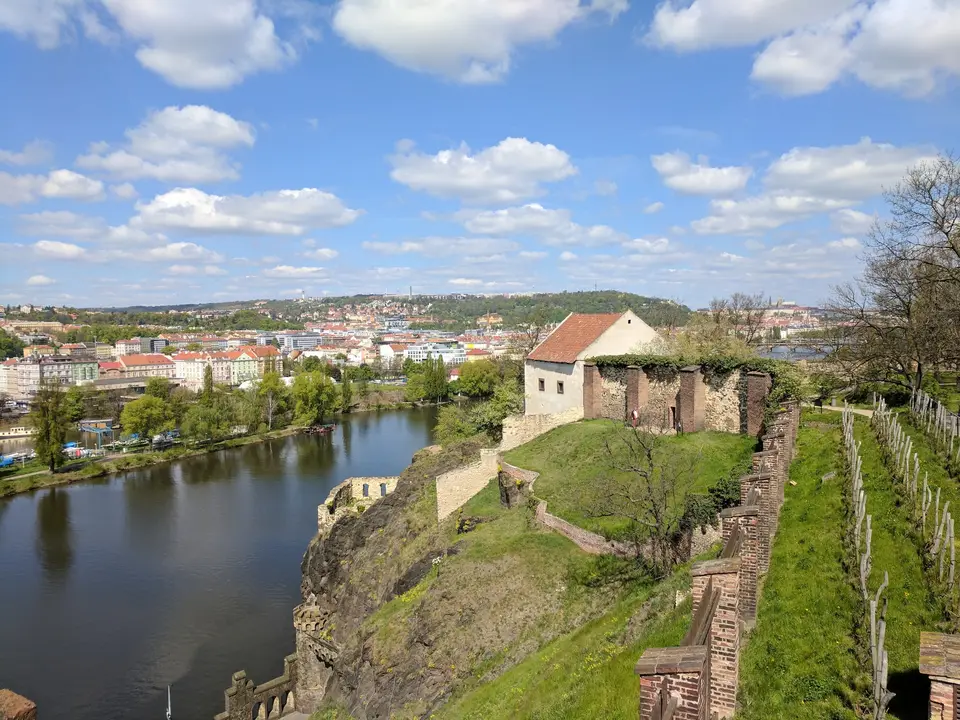
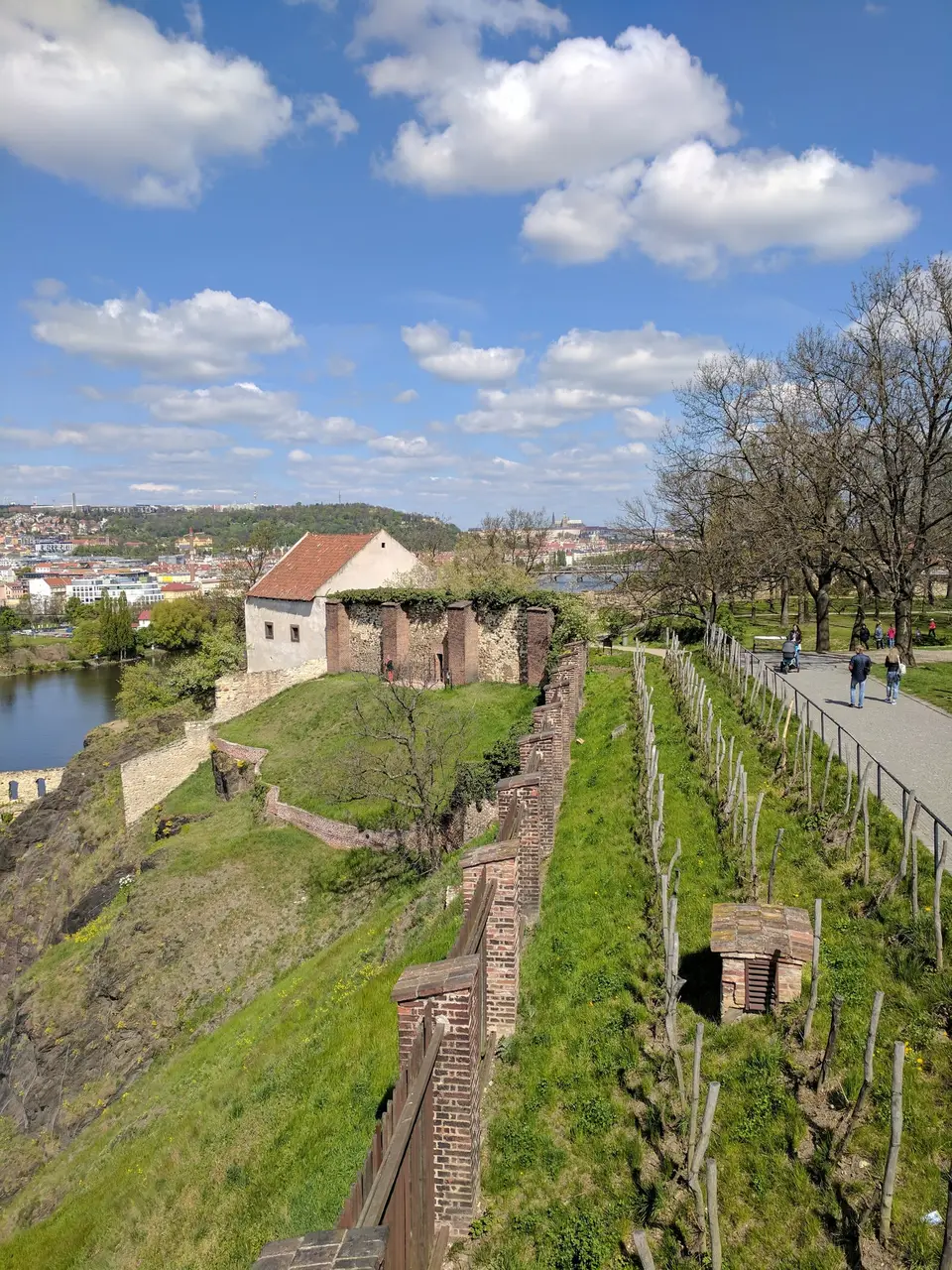
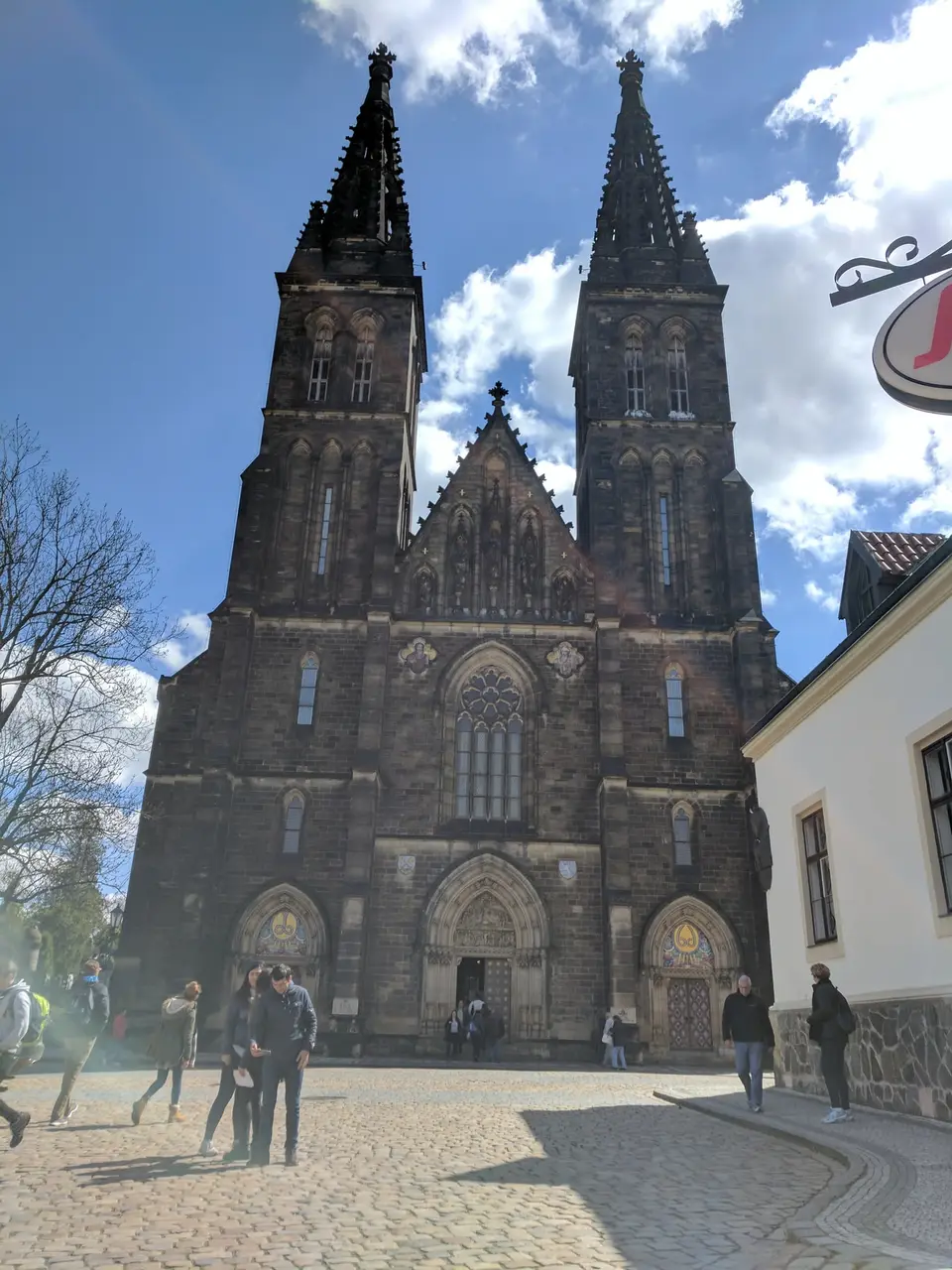
- The grounds are free. Ramparts you can walk the whole way round, a working vineyard on the south slope, lawns, and the twin spires of the basilica in the middle of it.
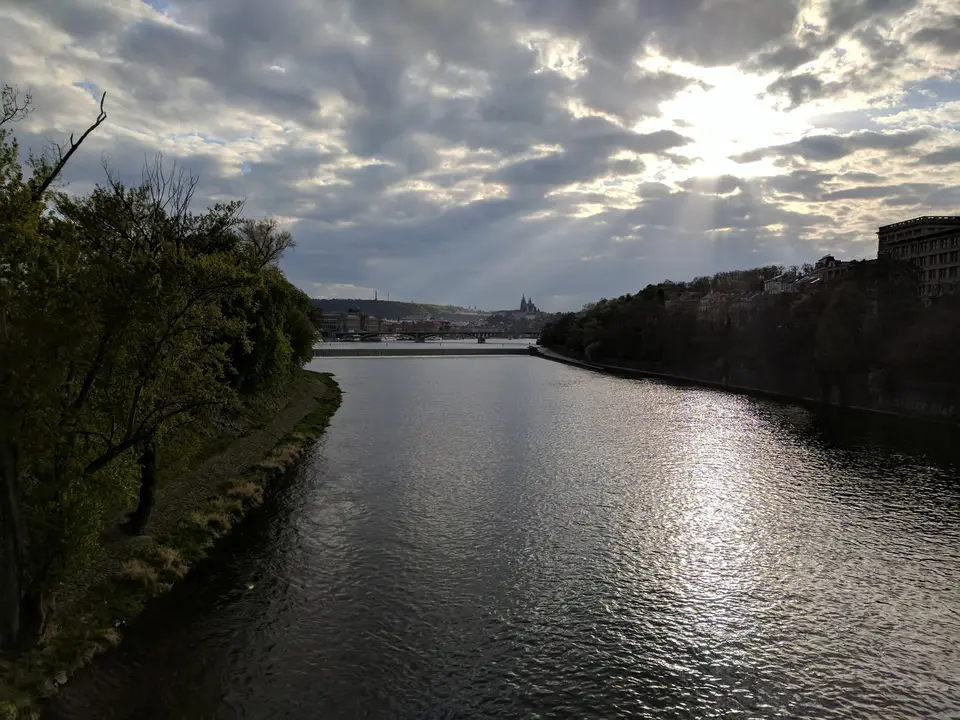
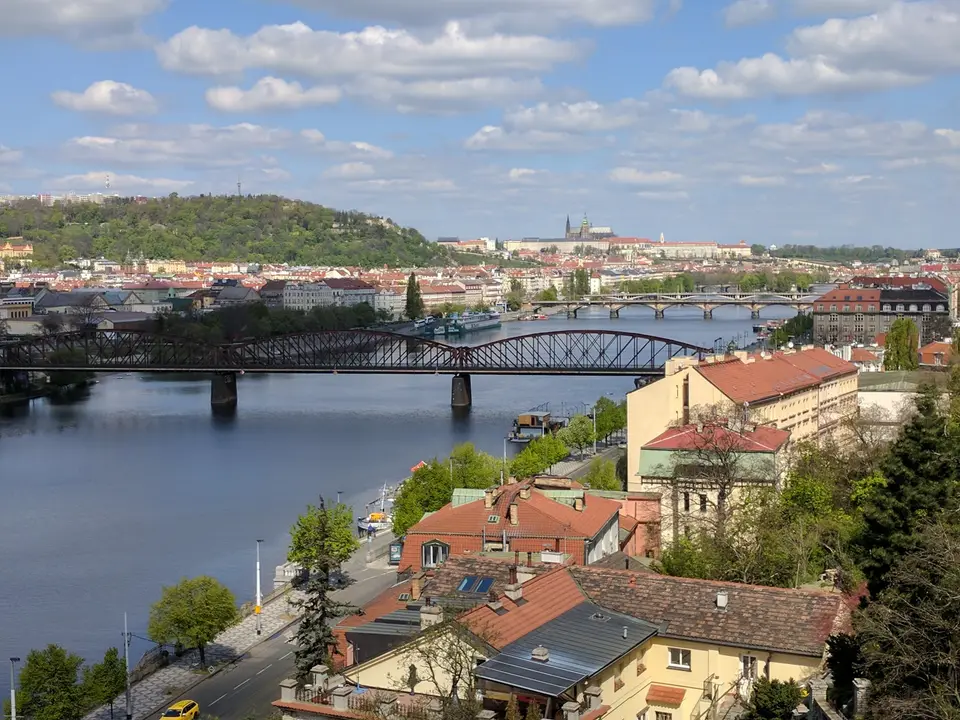
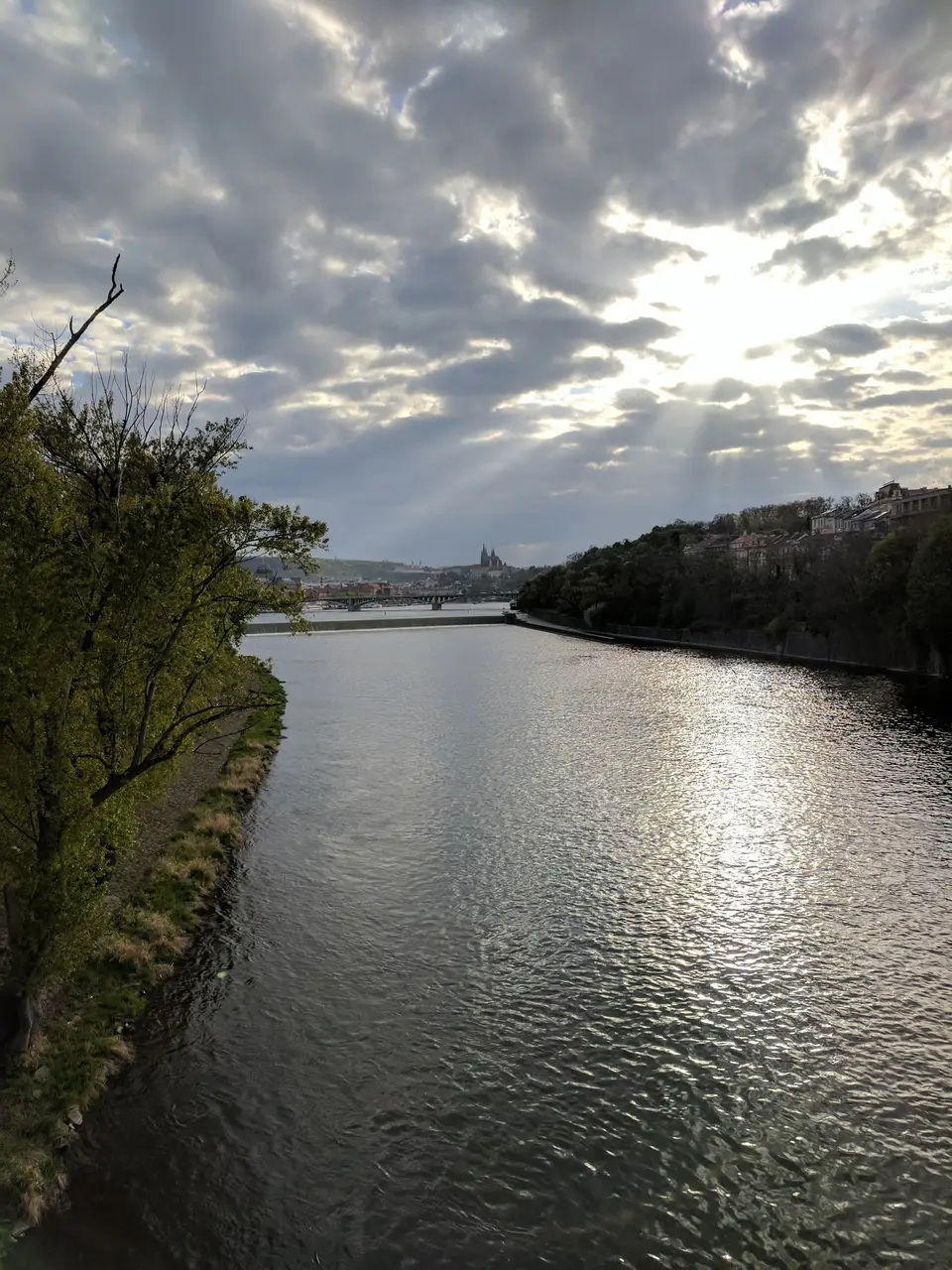
- The view is the point. From the walls you look down the Vltava at the whole city — the bridges in a row, the castle on its ridge in the distance — and you will be sharing it with almost nobody.
- The cemetery beside the basilica is where Dvořák and Mucha are buried, and it is free to walk into.
- Take the metro out and walk back. Vyšehrad has its own station; the walk back along the river into the old town is about forty minutes and is the best hour of a Prague afternoon.
When to come — we have been five times
April 2017, July 2019, December 2021, January 2022 and June 2024. More often than anywhere outside Switzerland and Germany, and the seasons are genuinely different cities.
- April and late June are the long-light versions: the gardens open, the river walkable, the bridge bearable at either end of the day.
- July is the crowded one. Everything above still works, but the Old Town Square in the middle of the day stops being pleasant.
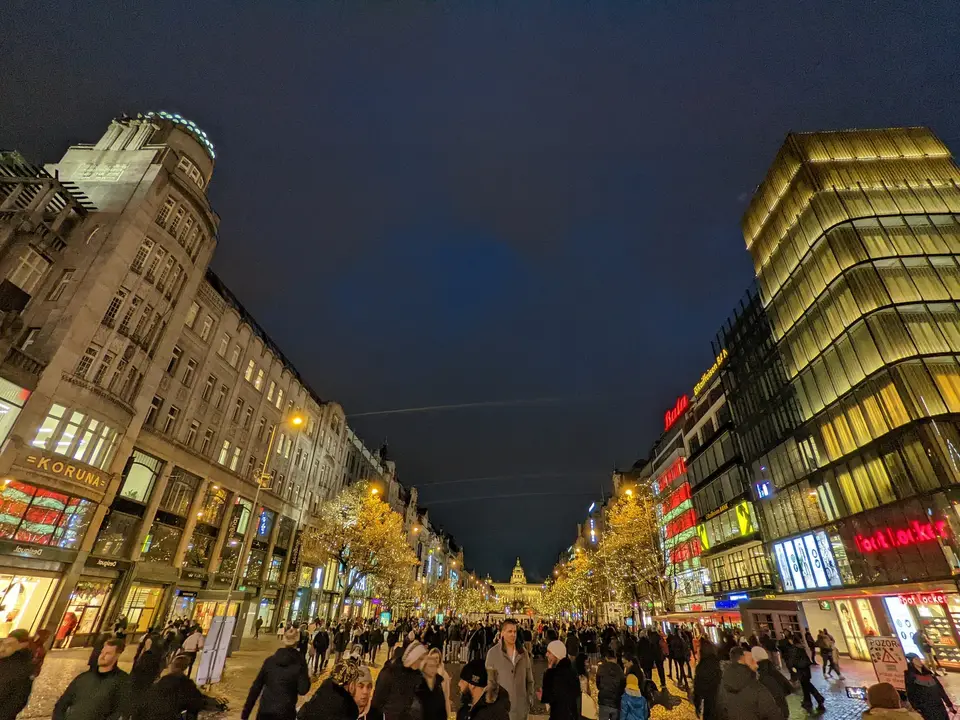
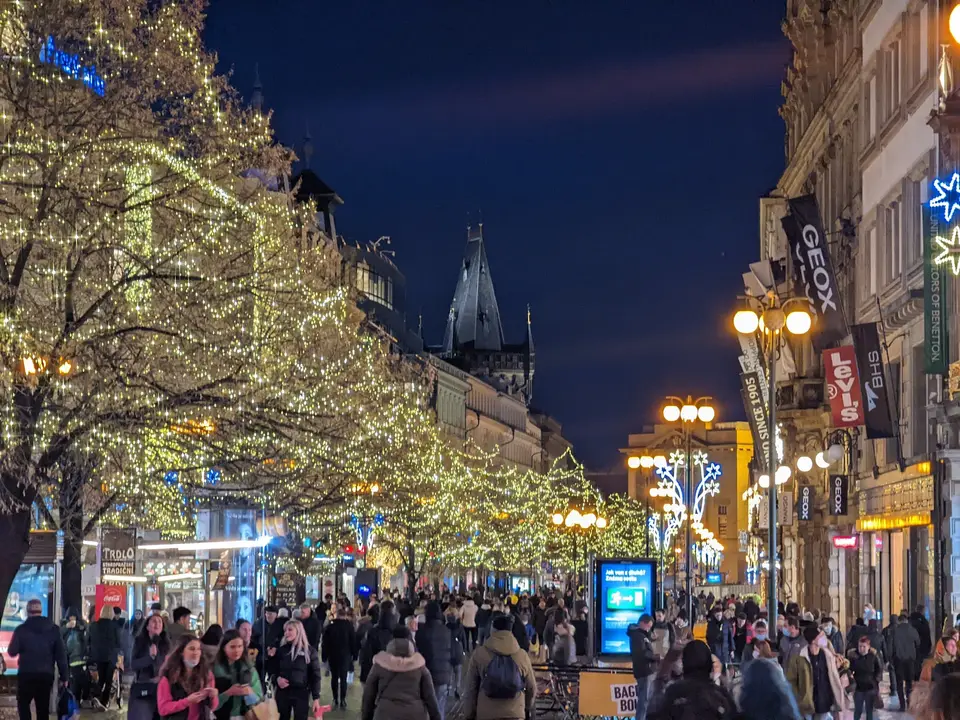
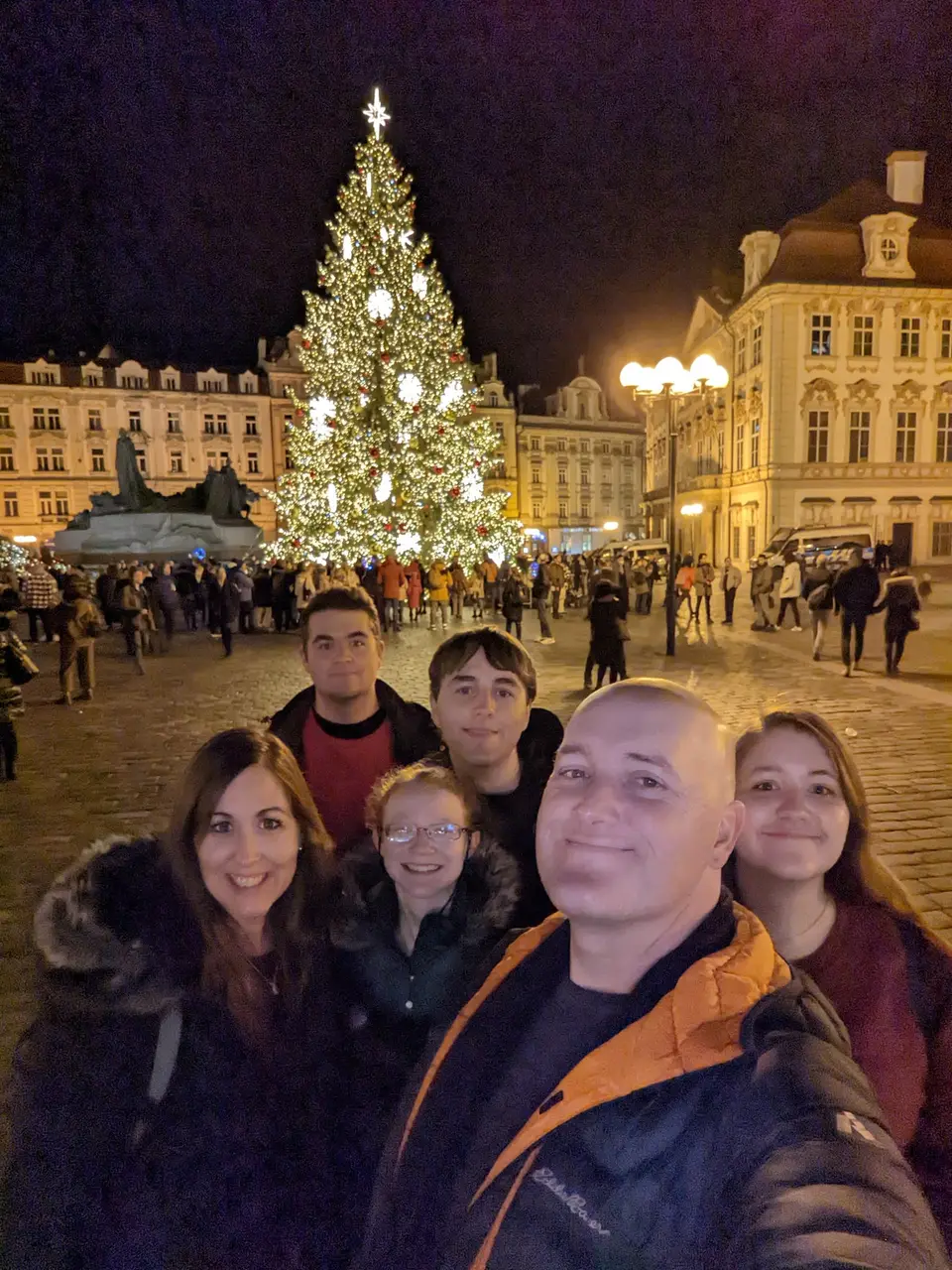
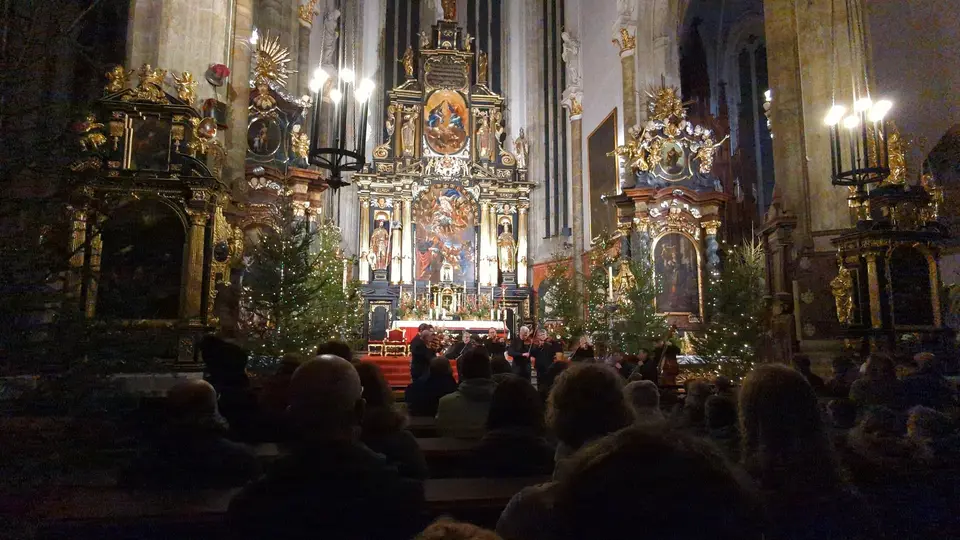
- December and the turn of the year are our favorite, and they are their own thing — the squares become markets and the whole center changes character. We have written that trip up separately on the Christmas markets page, with the photographs from it.
Two days, or more?
Two covers everything on this page comfortably, and it is the right answer for most people: one day on the castle side of the river, one on the old town side with Vyšehrad in the afternoon. A third day earns its place only if you want the Jewish Quarter properly, a day trip out to Kutná Hora or Karlštejn, or simply a slower version of the same two days — which, in a city this walkable, is a perfectly good use of it.