Before you go — do the Salzburg Card arithmetic, because it decides the day
Salzburg sells a city card, every guide recommends it, and whether it is a good idea depends entirely on which version of this day you are having. Here is the sum nobody does for you. All of it checked 17 September 2026.
- The card is €38 for 24 hours in high season, 1 April to 31 October, and €19 for a child from 6 to 15. Out of season it is €35 and €17.50. Forty-eight hours is €45, seventy-two is €49.
- It covers one admission to each of the city's paid sights — the fortress and its funicular, Mirabell, Mozart's Birthplace — plus public transport and the Mönchsberg lift.
Now the two days it has to beat. The expensive version: the fortress all-inclusive ticket with the funicular is €19.20, Mozart's Birthplace is €18. That is €37.20 before you have taken a single bus, against €38 for the card — so on those two sights alone the card now loses, by eighty cents. It takes a third thing to pay for itself: a second museum, a rainy afternoon, or enough bus rides to matter. Mozart's Birthplace went from €15 to €18 and that is what moved it.
The cheap version is the one worth knowing about. Walk up to the fortress instead of riding, skip the Mozart house, and the day costs almost nothing at all — because the old town, the cemetery, the cathedral, the Mirabell gardens and the river are free, and they are the best of it. Buy the card for that day and you have spent €38 to save nothing.
Budget tips
- Decide which day you are having before you buy, not after. That is the whole trick and it takes two minutes.
- The fortress charges from age six. Its published rates run adult and child 6–14 (€19.20 and €7.30 all-inclusive) with nothing below that, so a younger child is not a ticket. Family arithmetic changes the answer completely.
- Salzburg's old town is compact enough that public transport is a convenience, not a necessity — which removes one of the card's better arguments if you are staying centrally.
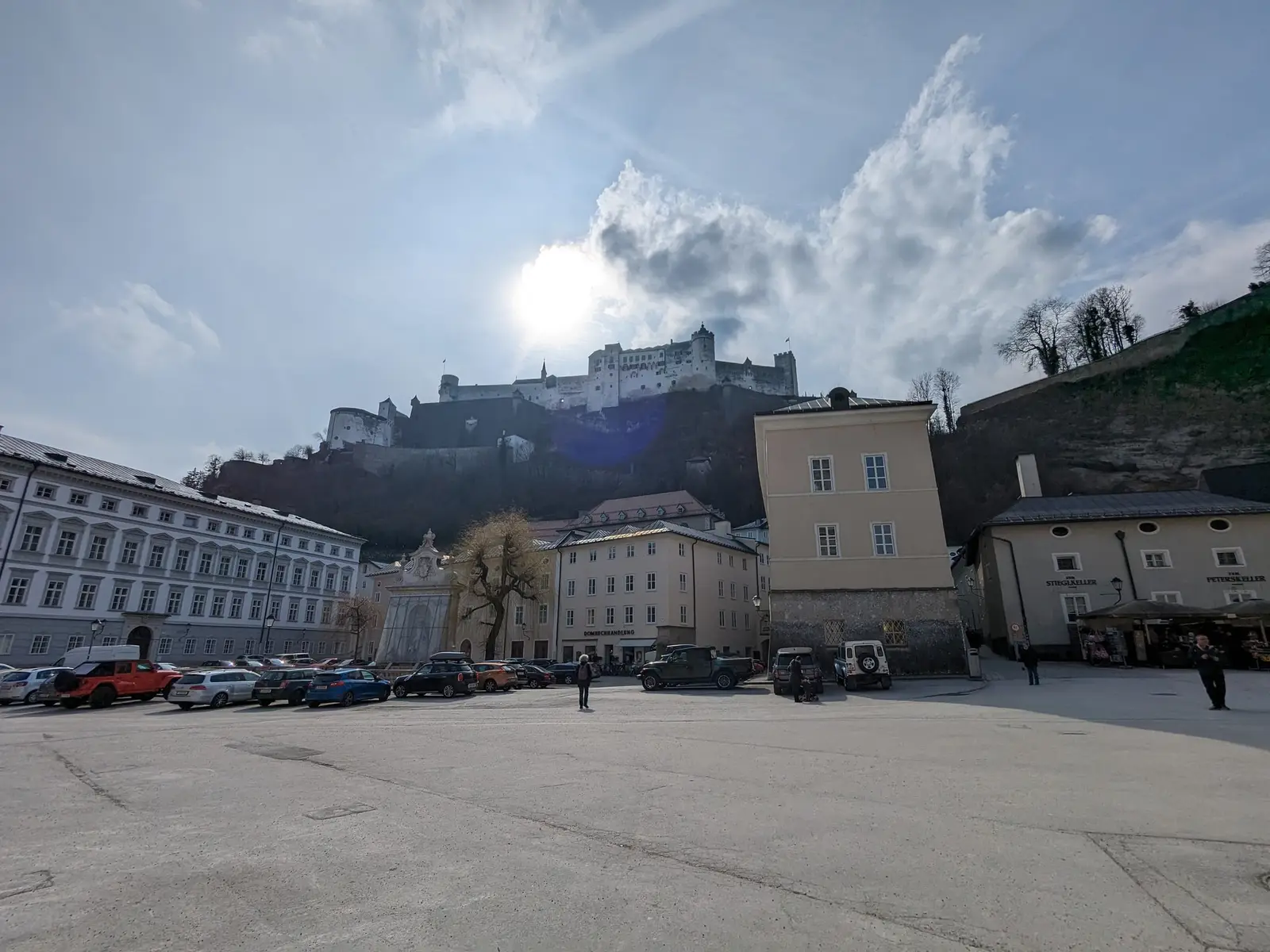
Morning — the fortress, and whether to pay for the ride up
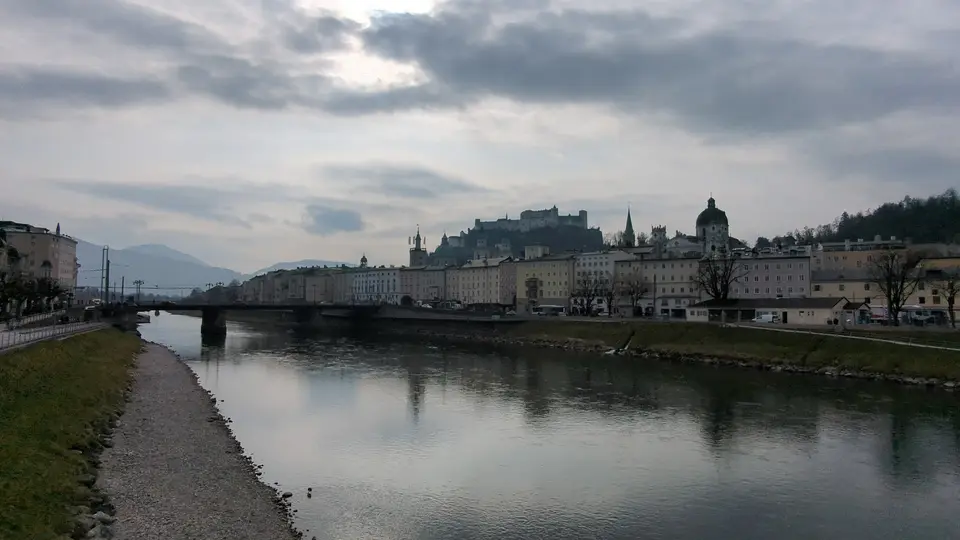
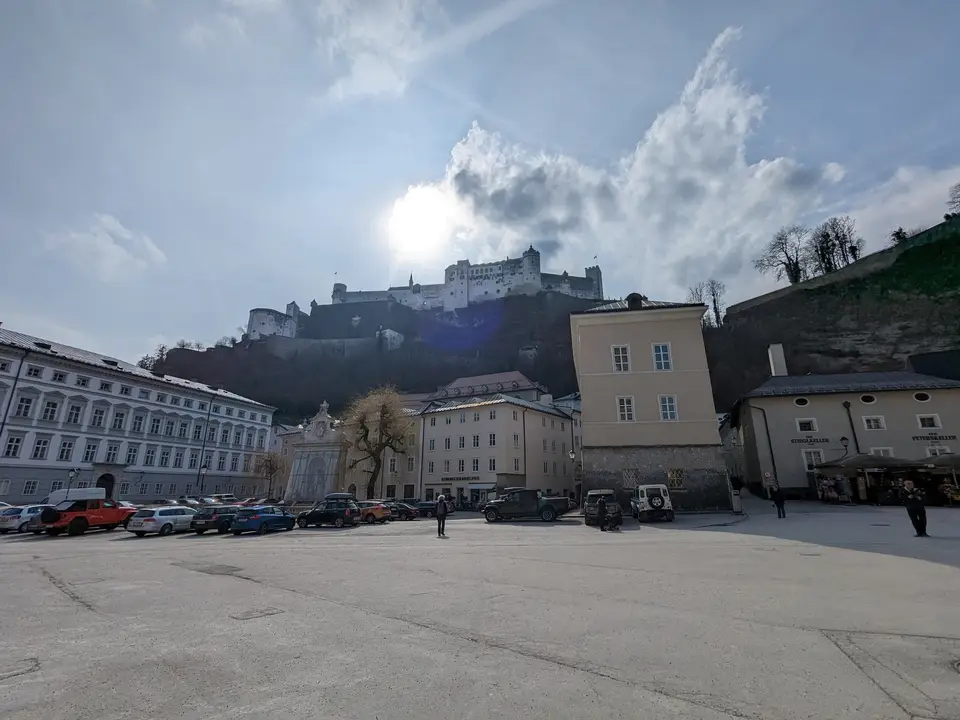
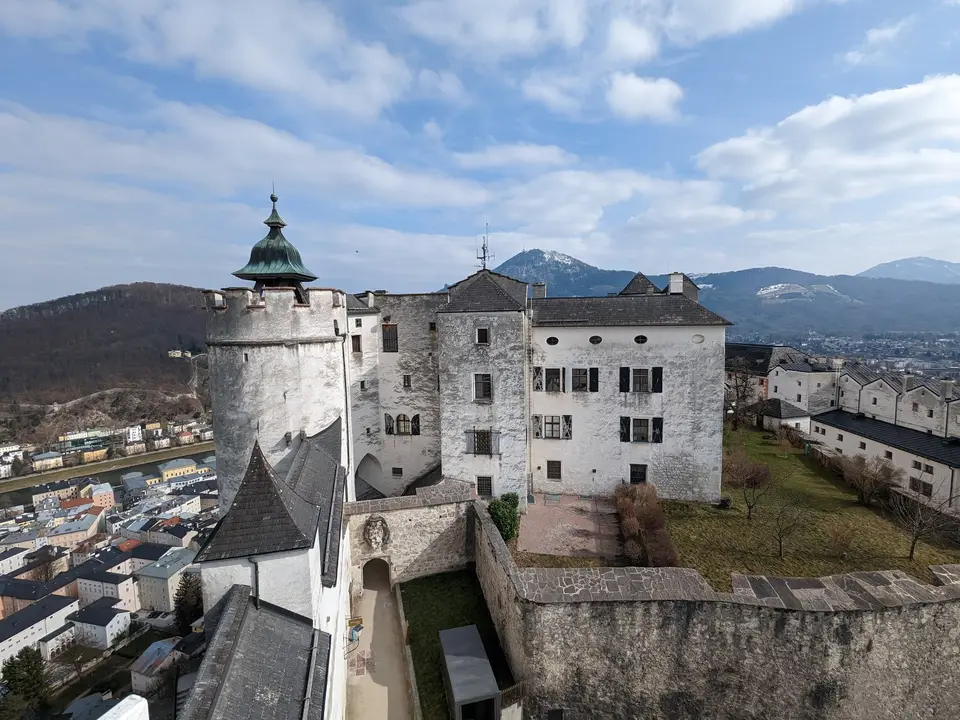
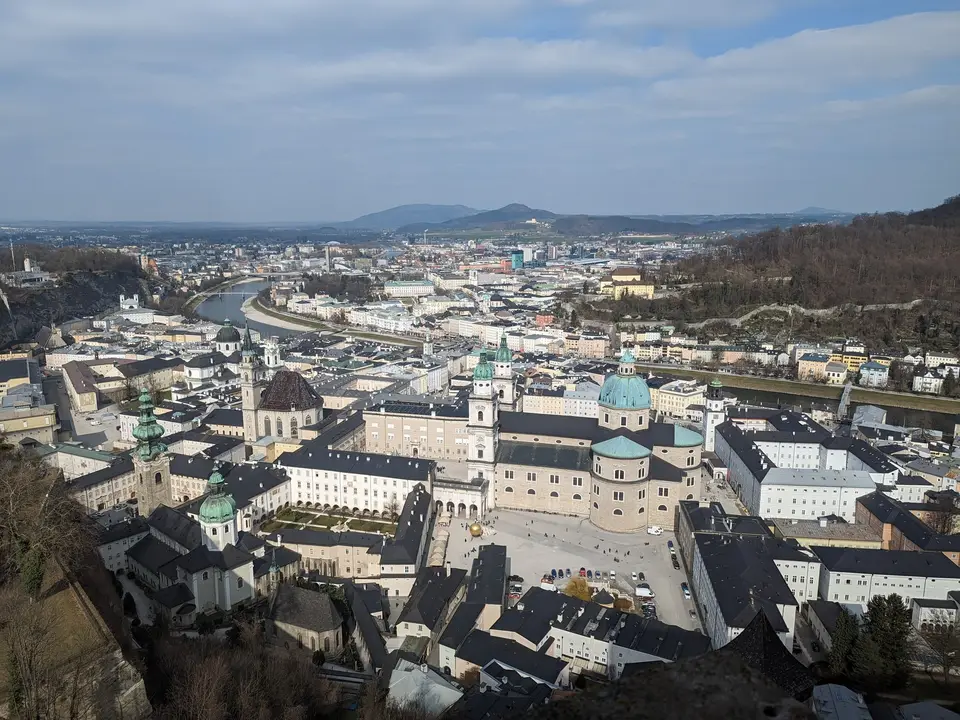
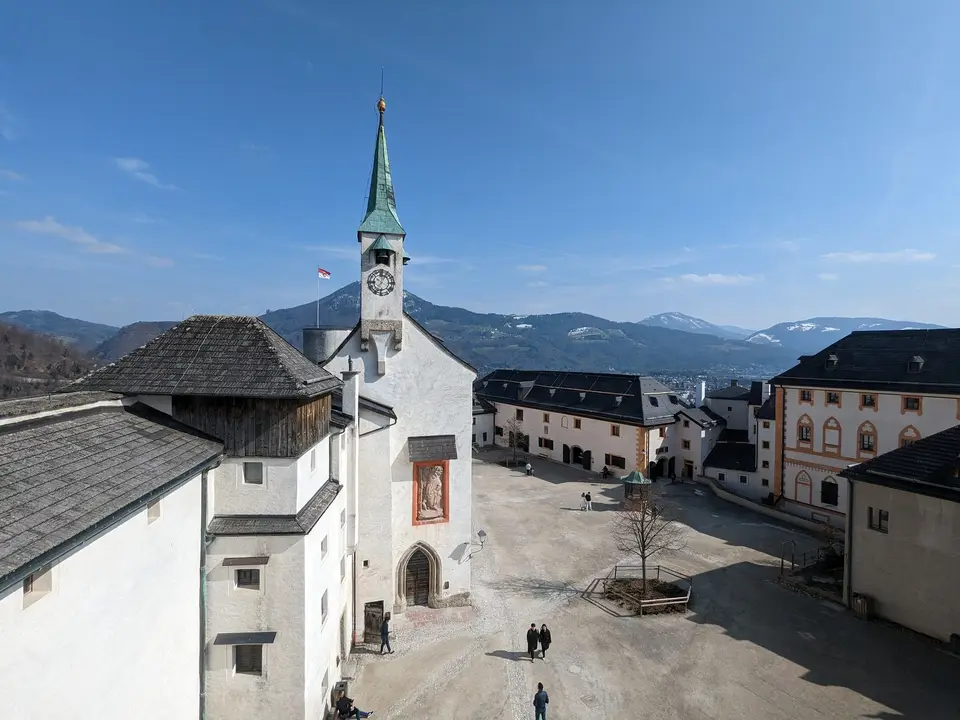
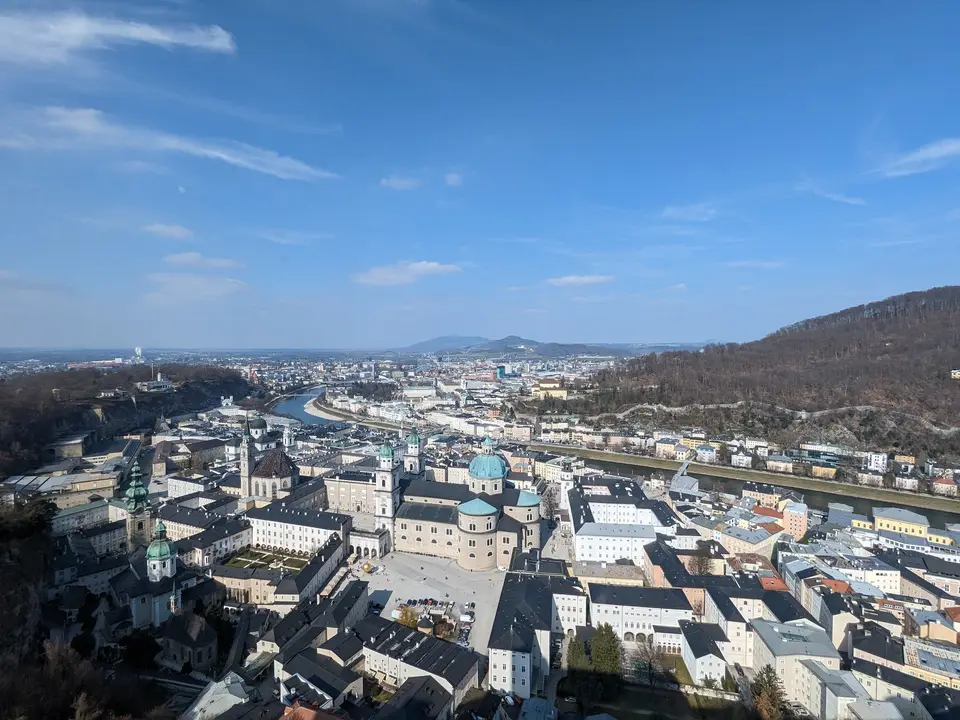
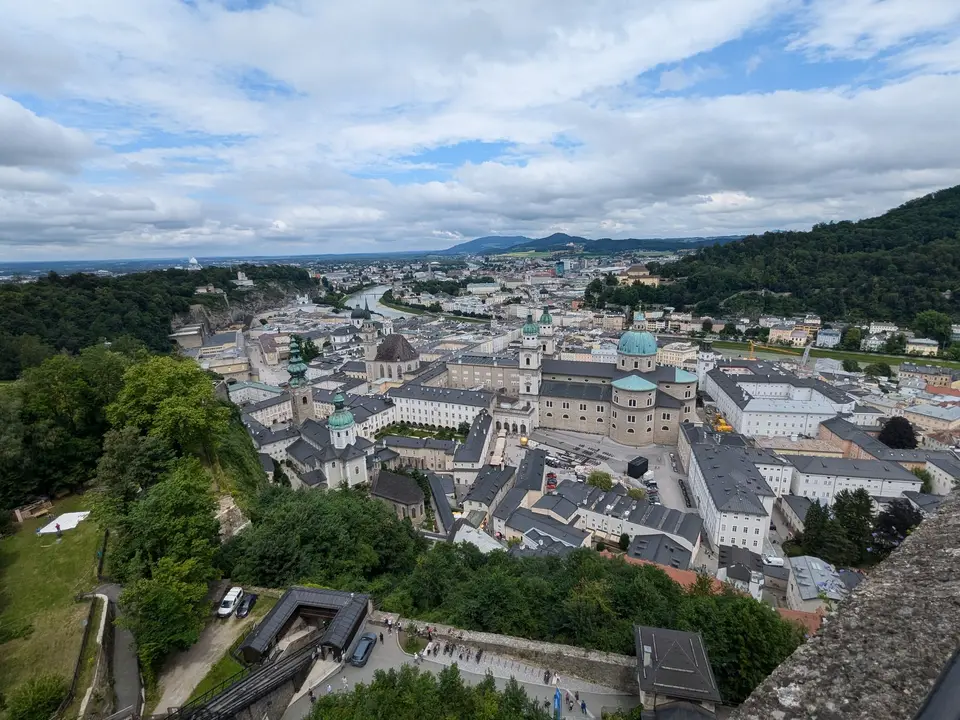
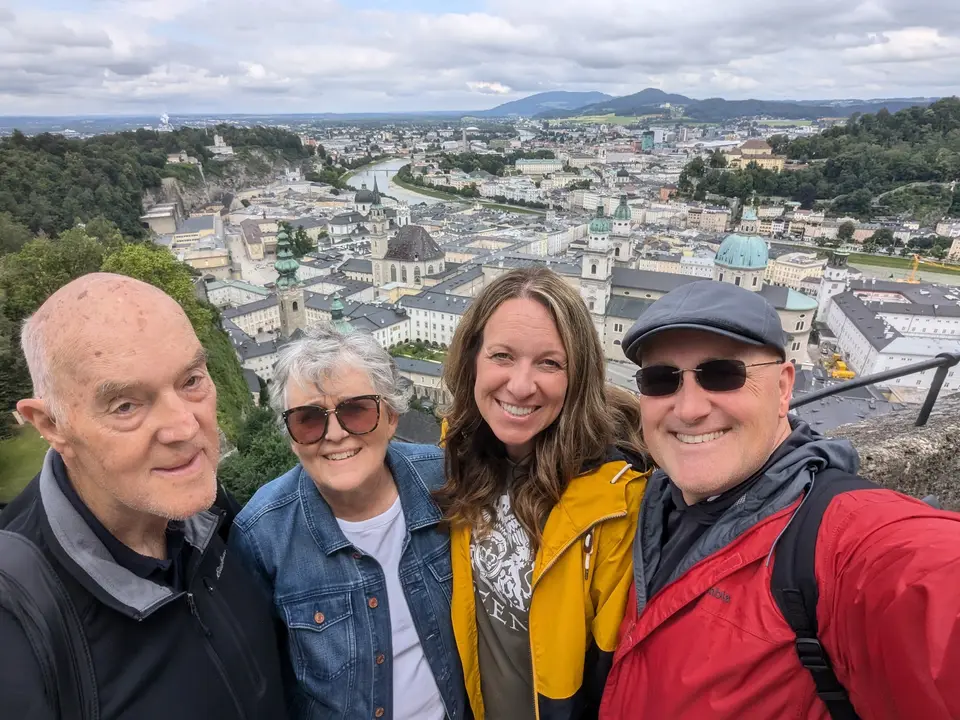
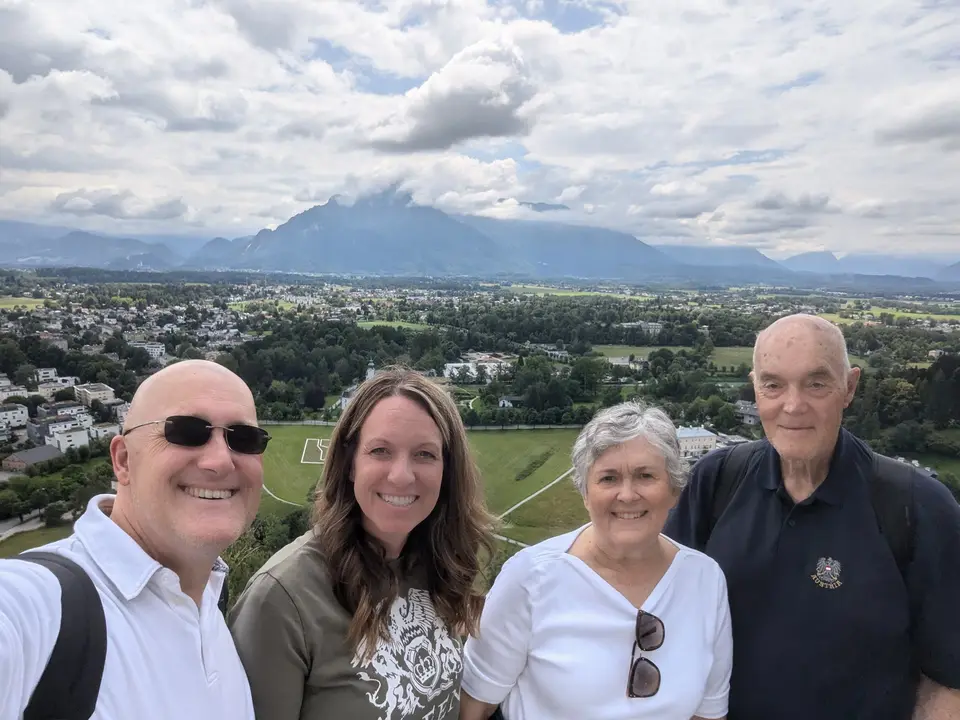
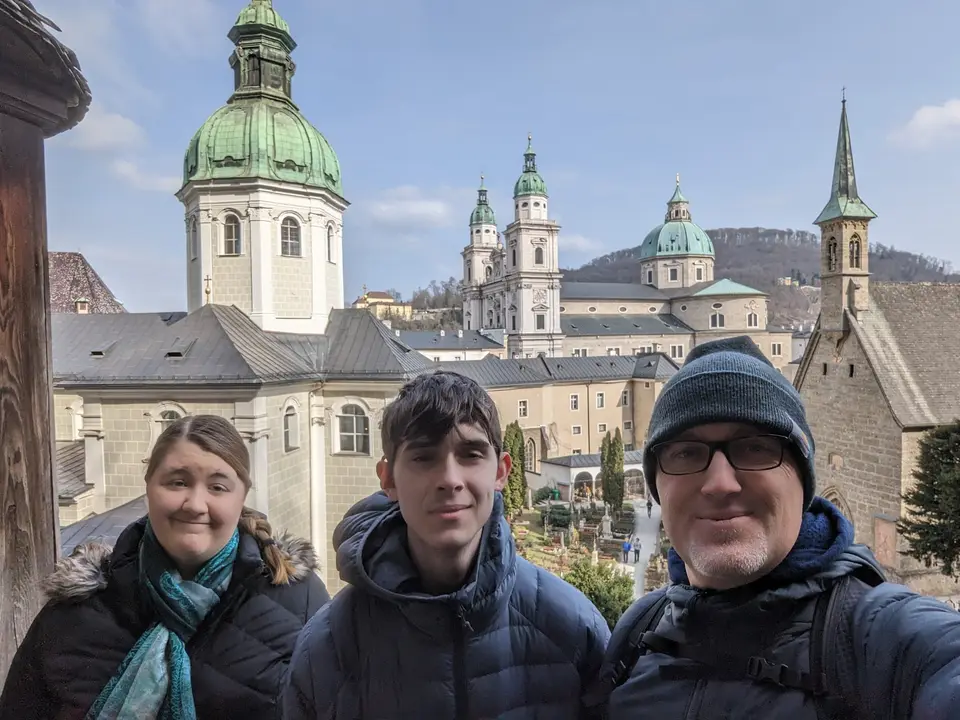
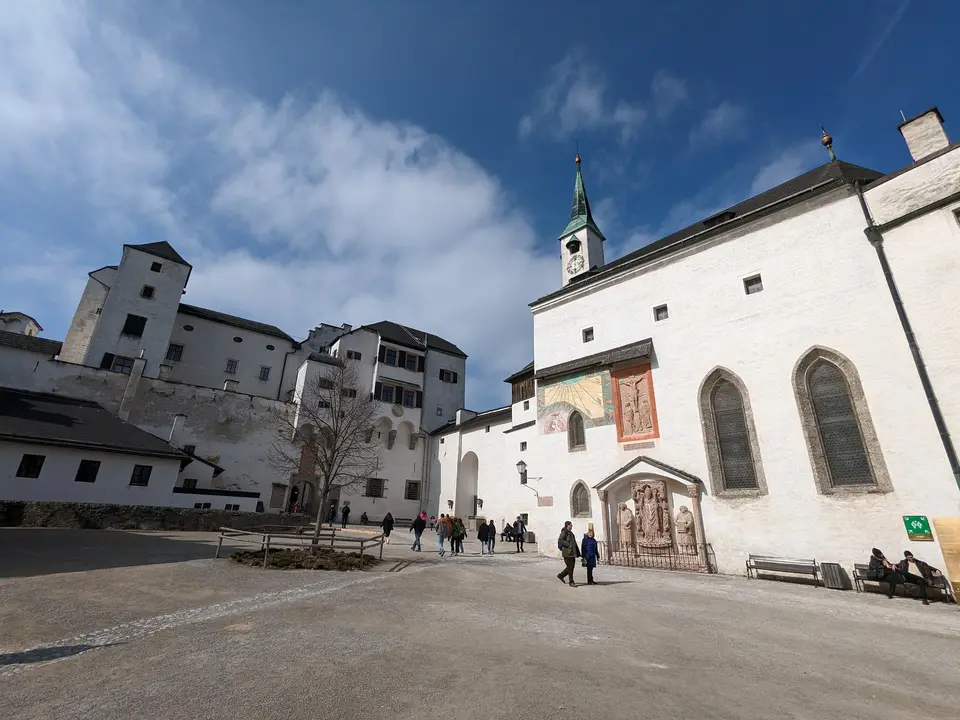
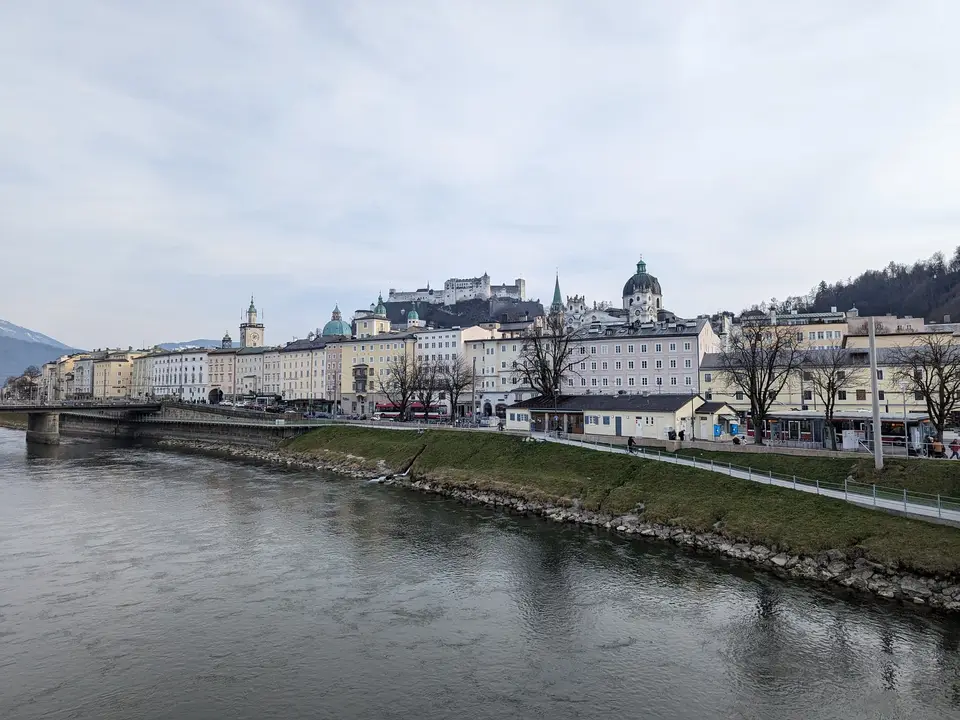
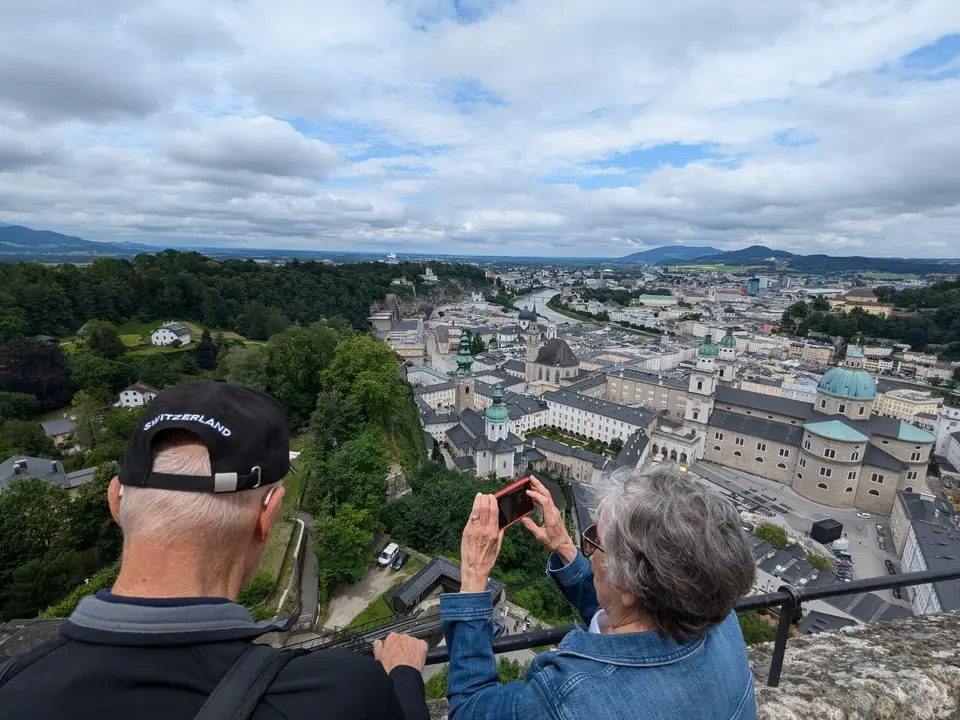
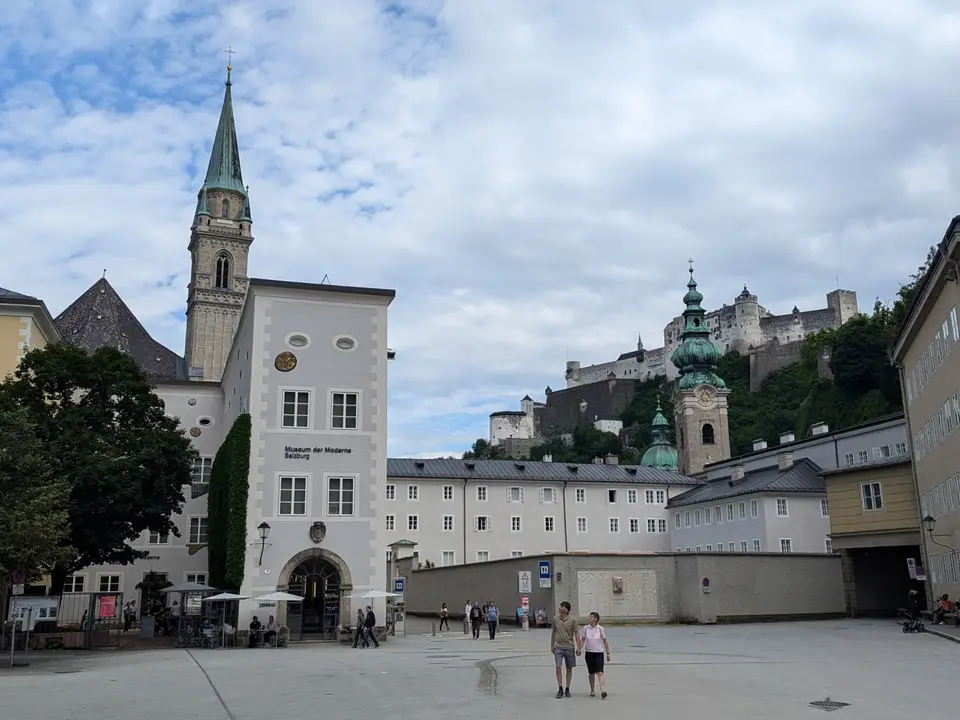
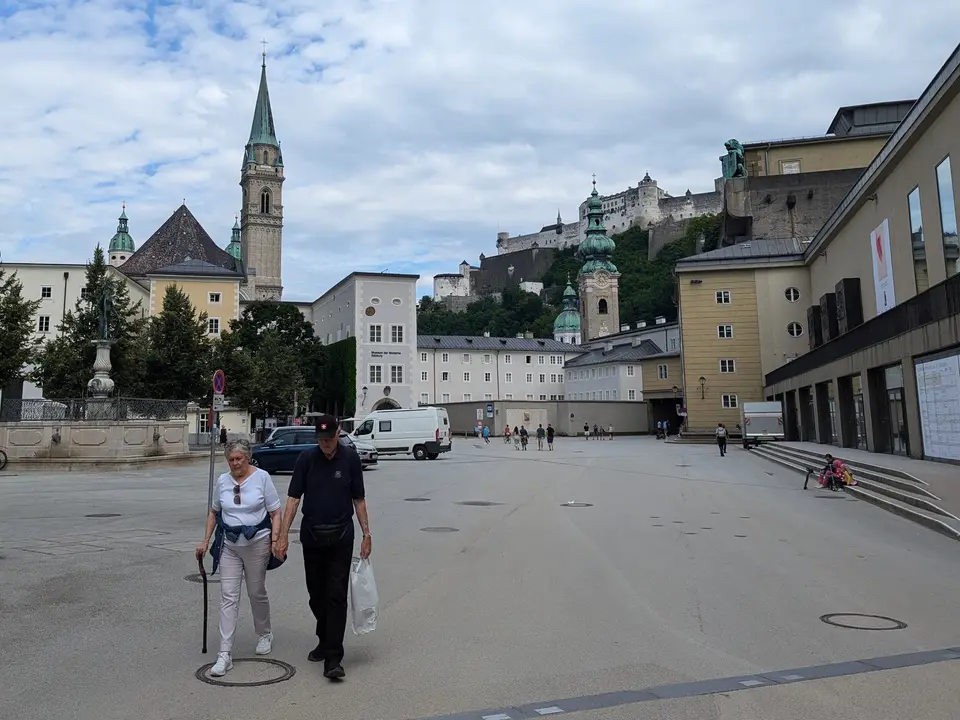
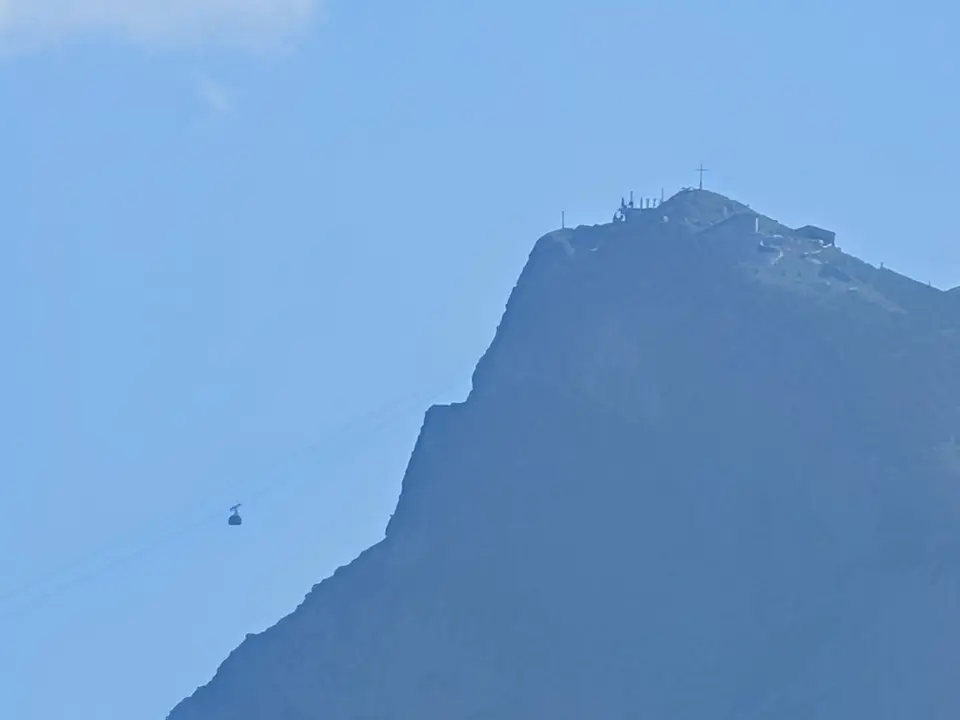
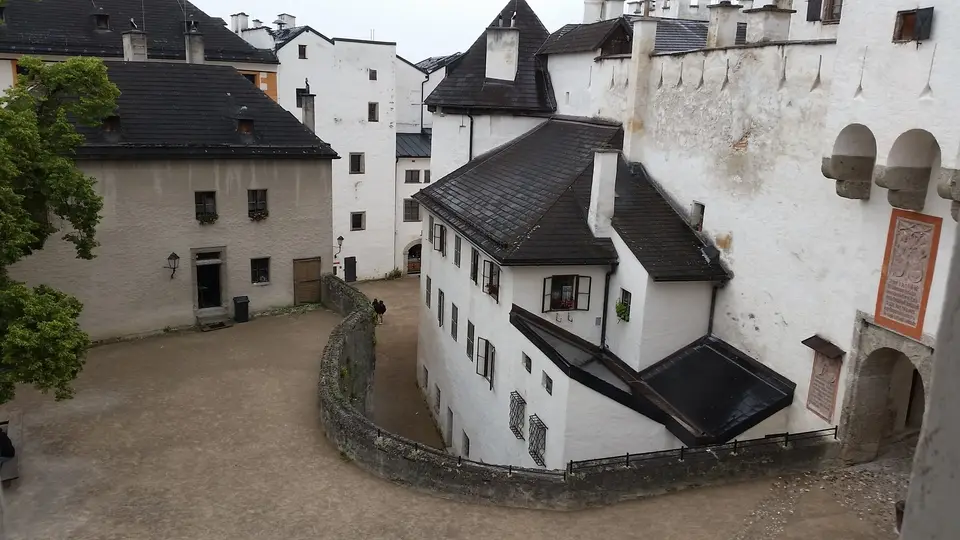
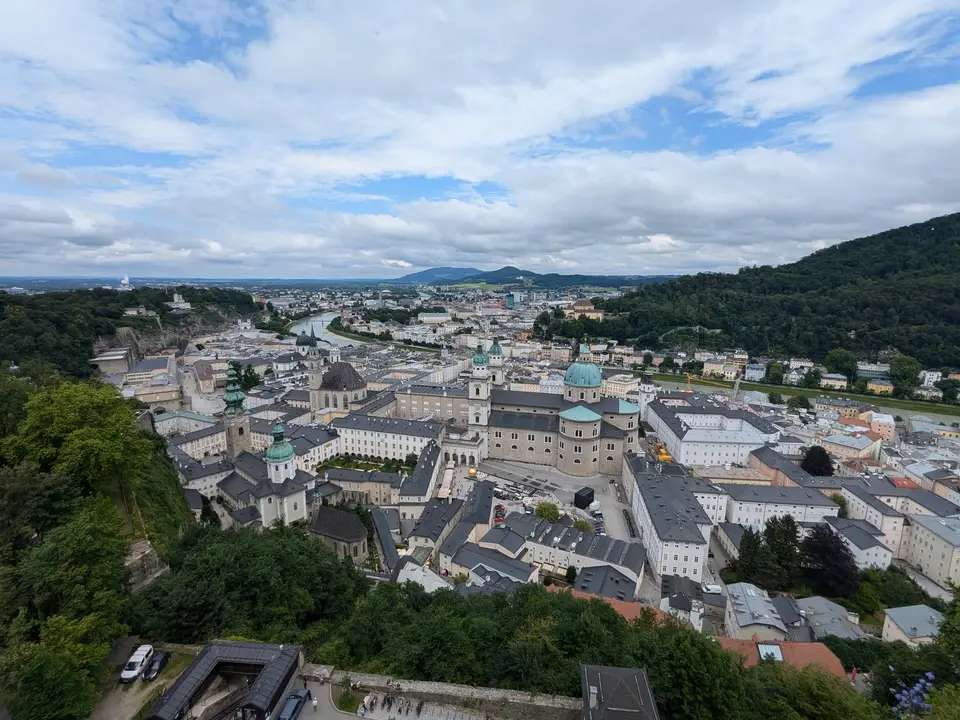
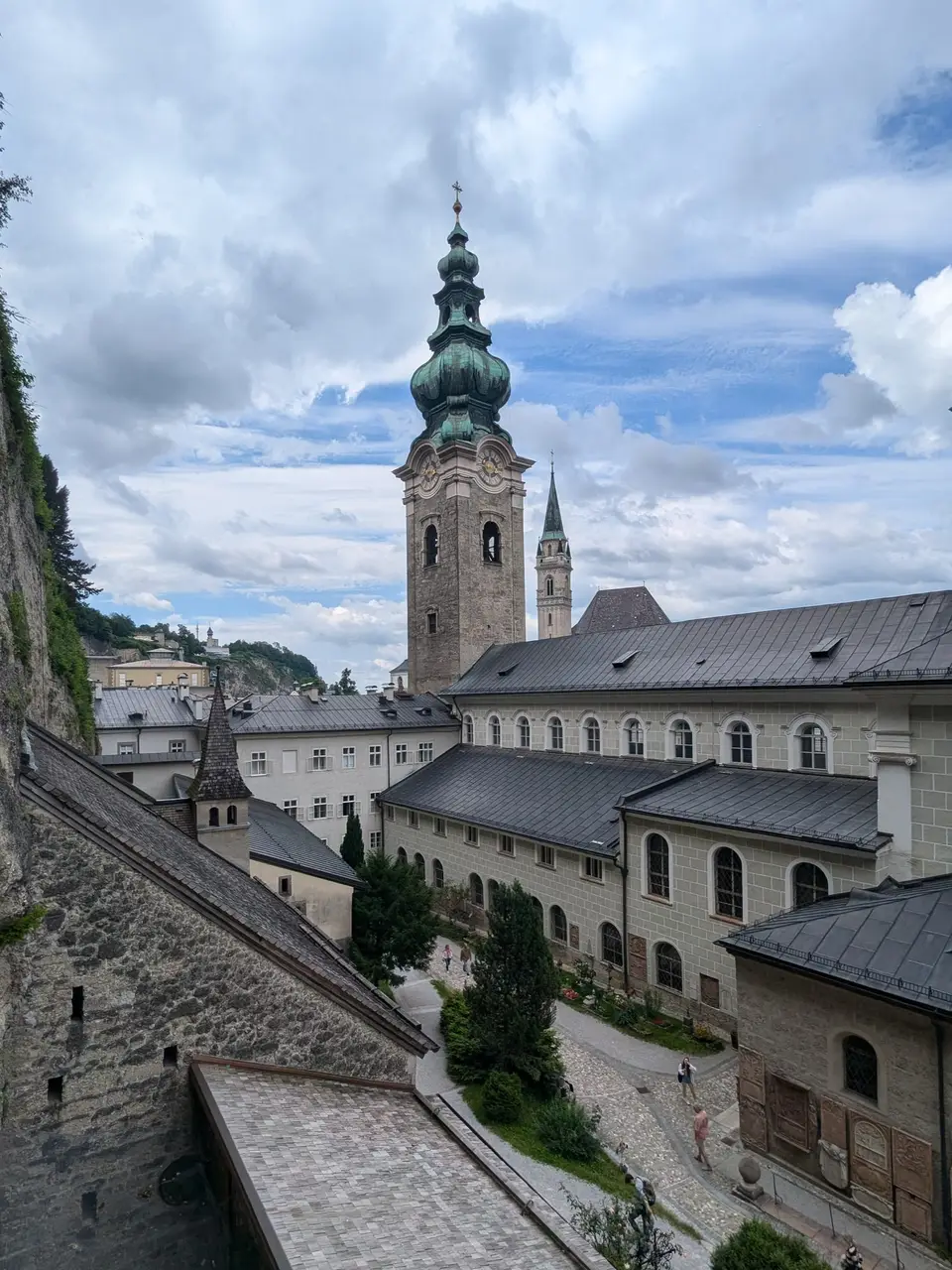
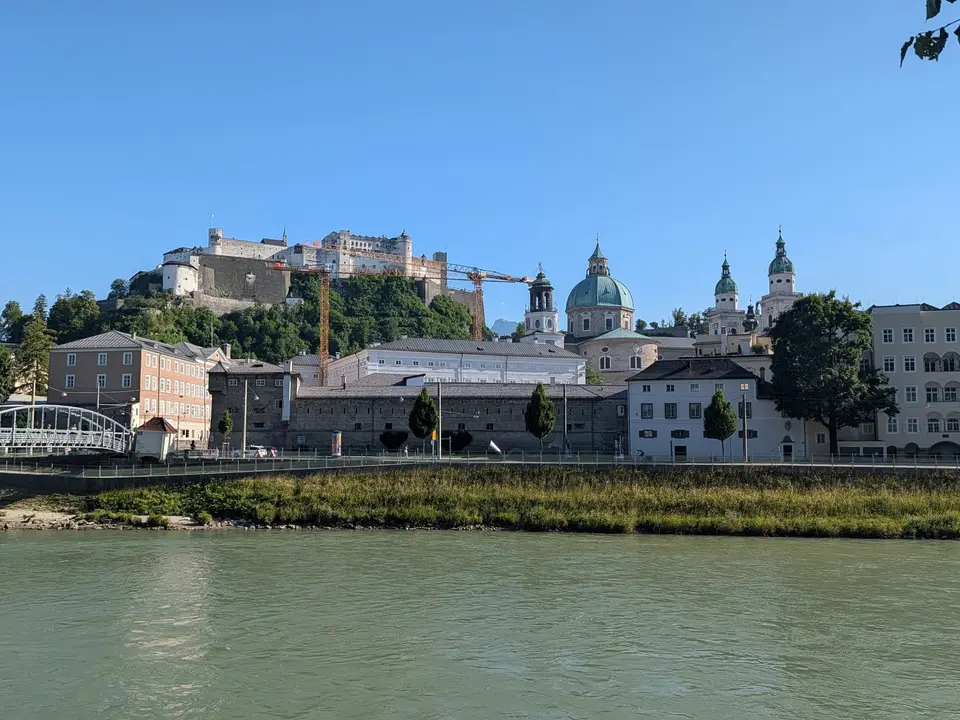
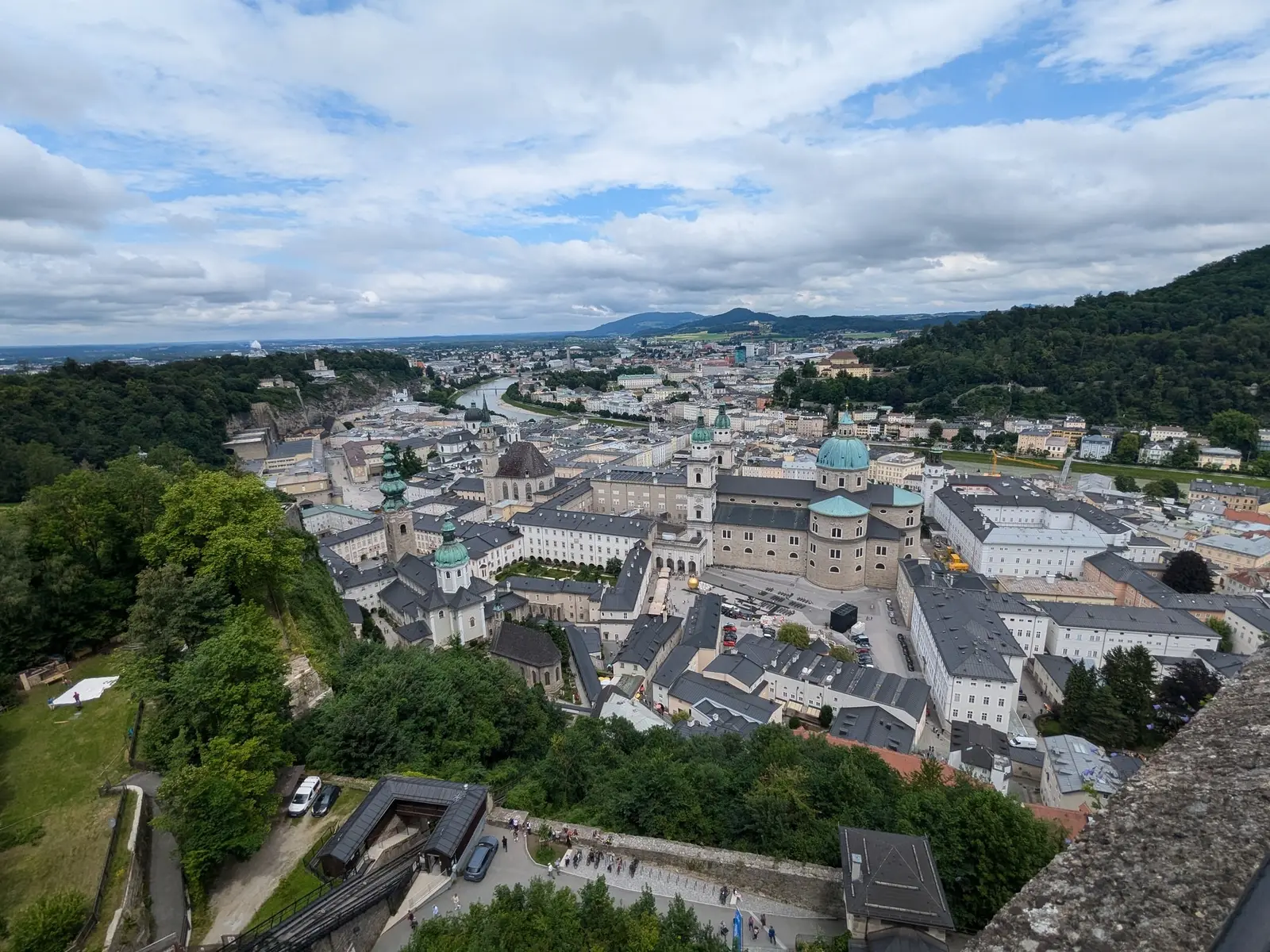
Hohensalzburg sits on the ridge over the old town and it is the whole skyline. 35 of our 142 Salzburg photographs were taken up there, which is a fair reflection of how much of a day it takes if you let it.
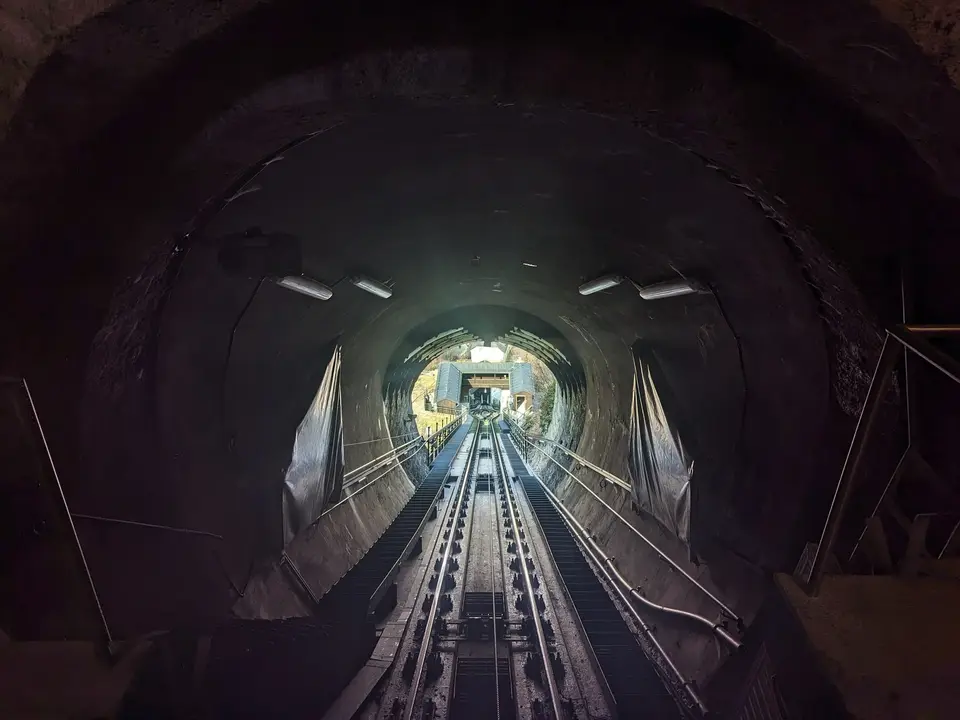
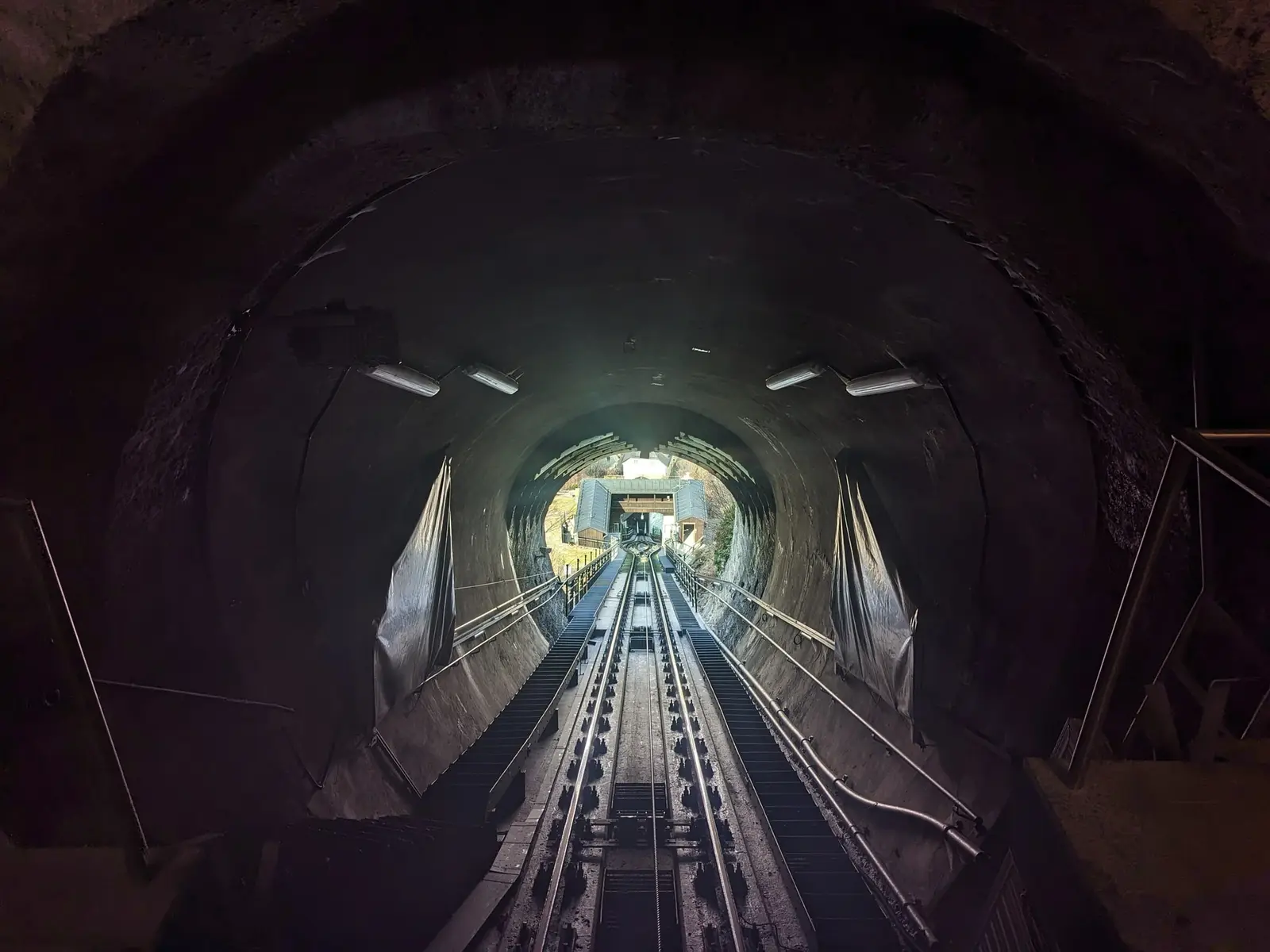
- The funicular runs up through a tunnel in the rock — the photograph here looking down the lit shaft with the car climbing is that ride. It is short, and it is the part most people remember paying for.
- You can also walk. It is a steep ten to fifteen minutes up the Festungsgasse and it is free. If the legs are willing, walk up and ride down: the climb is the hard direction and the view is the same either way.
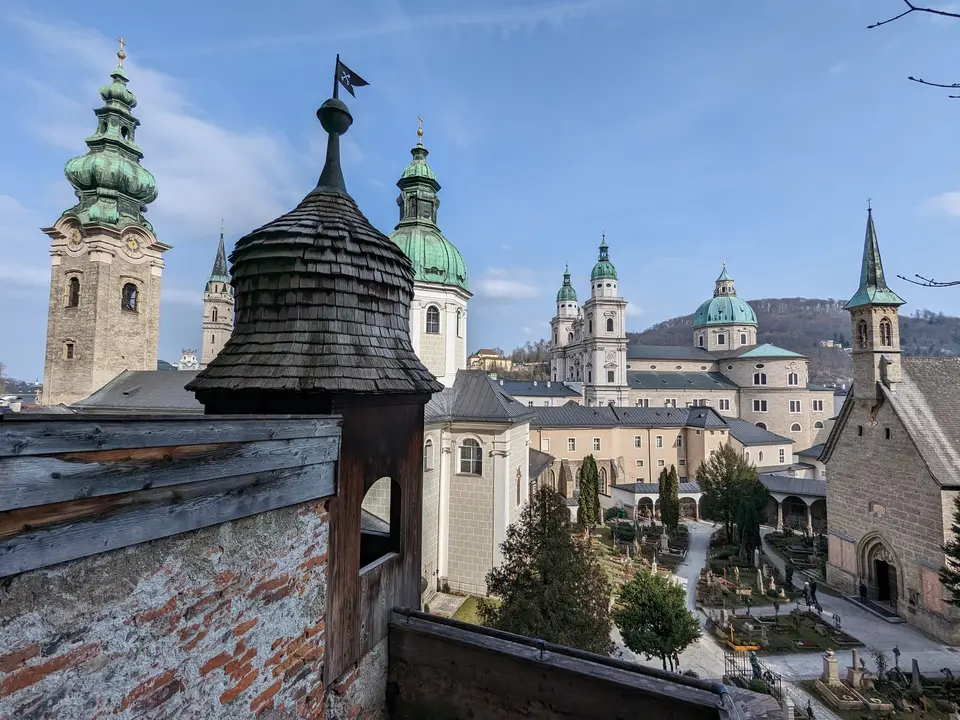
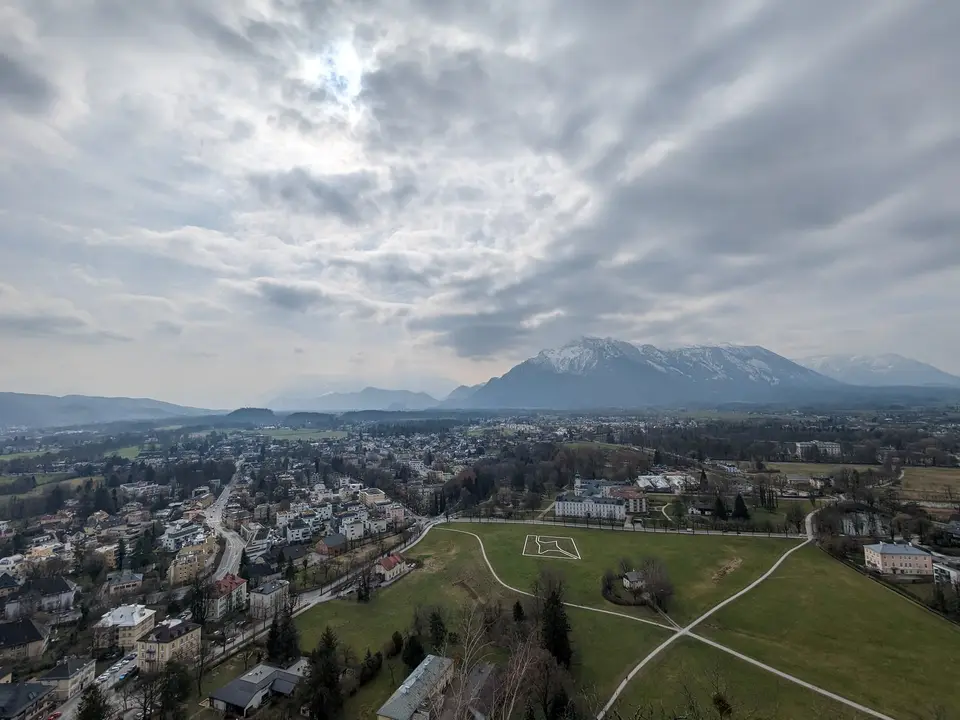
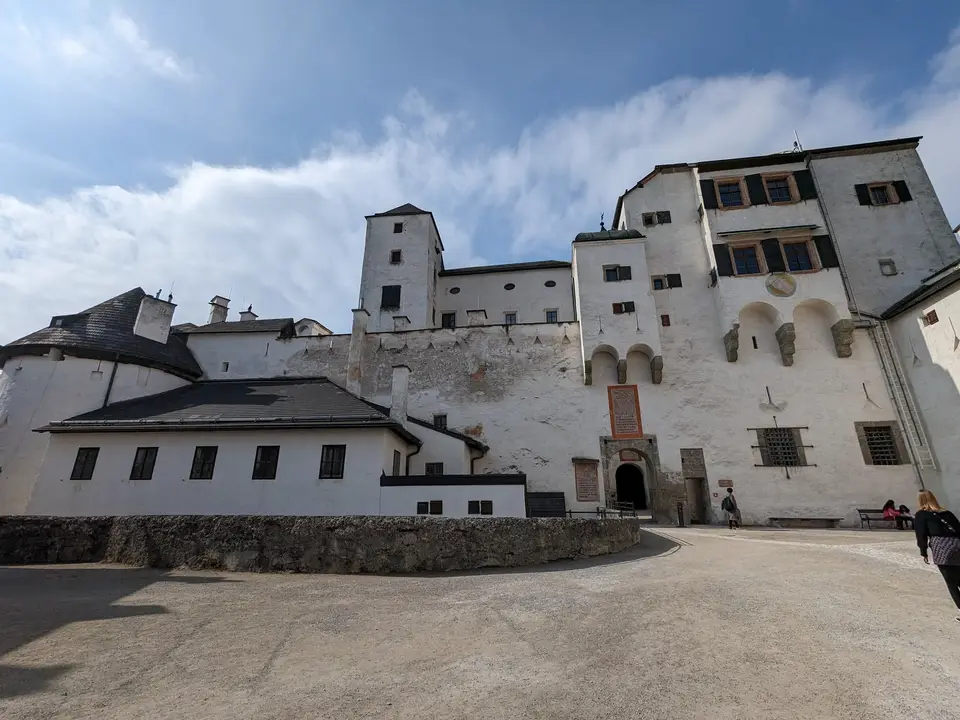
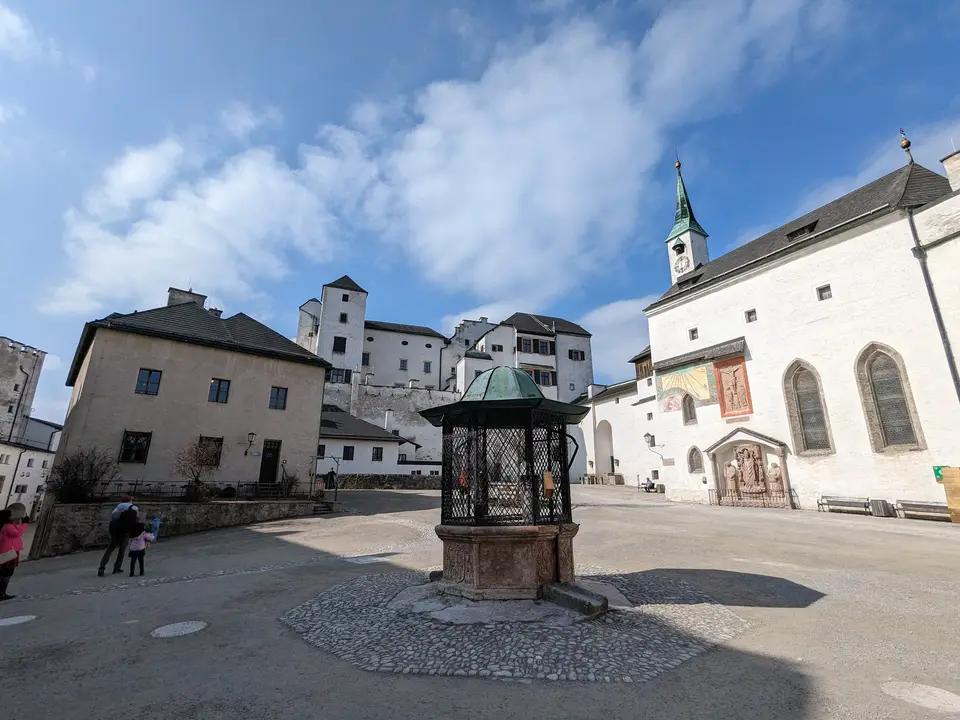
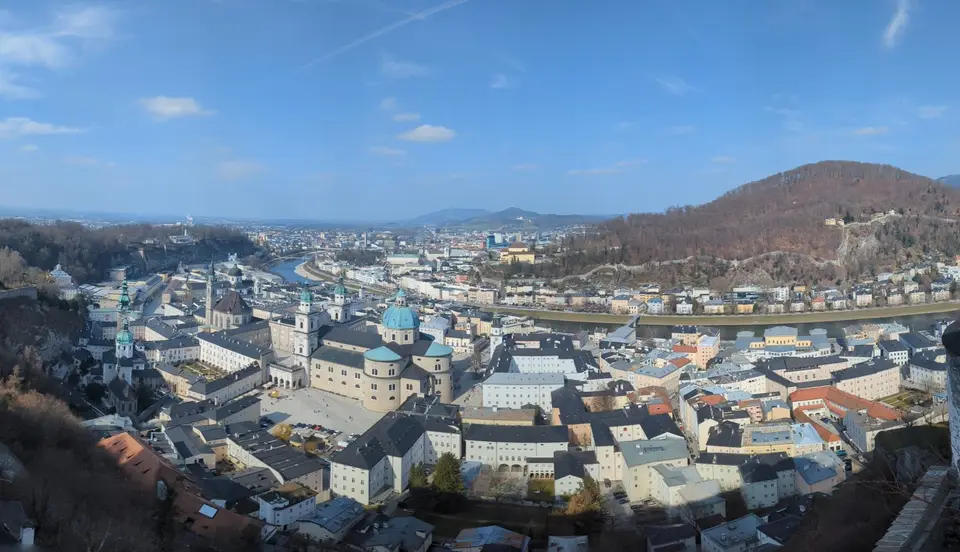
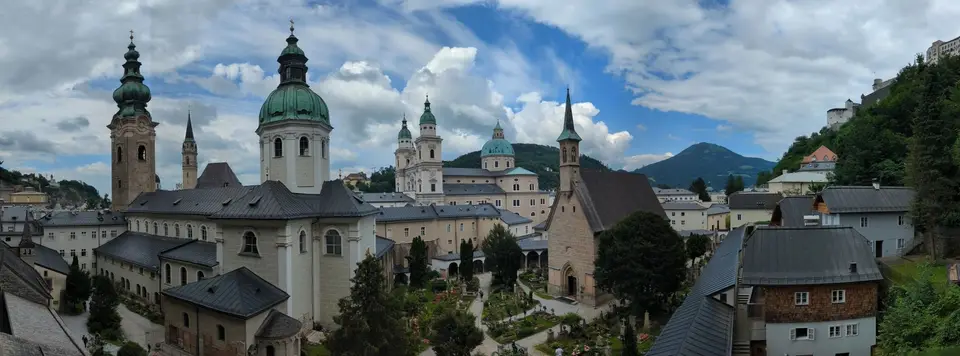
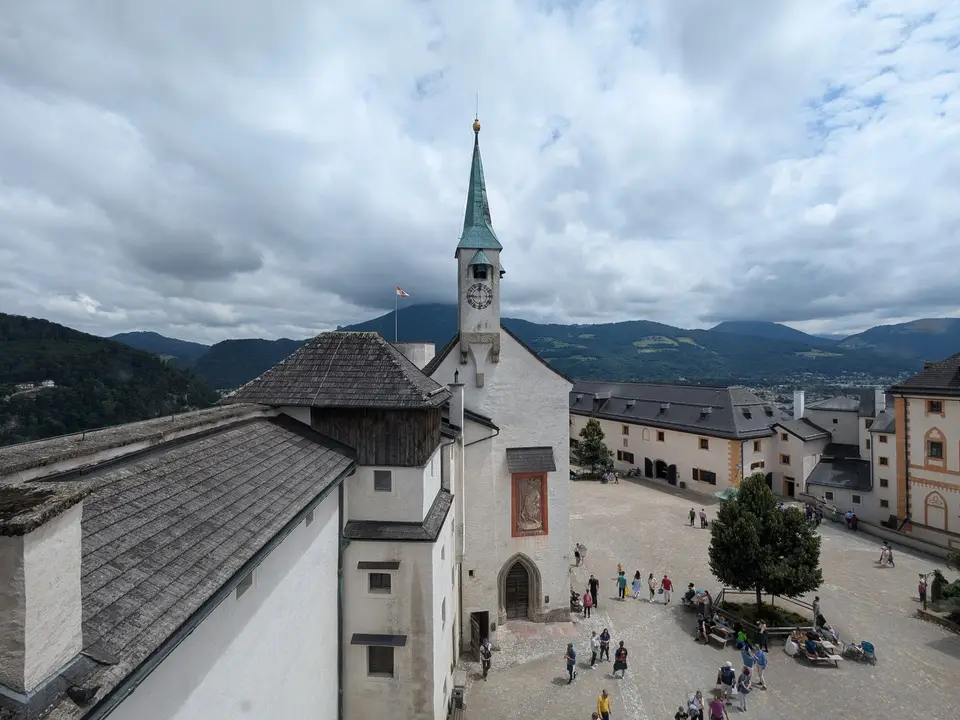
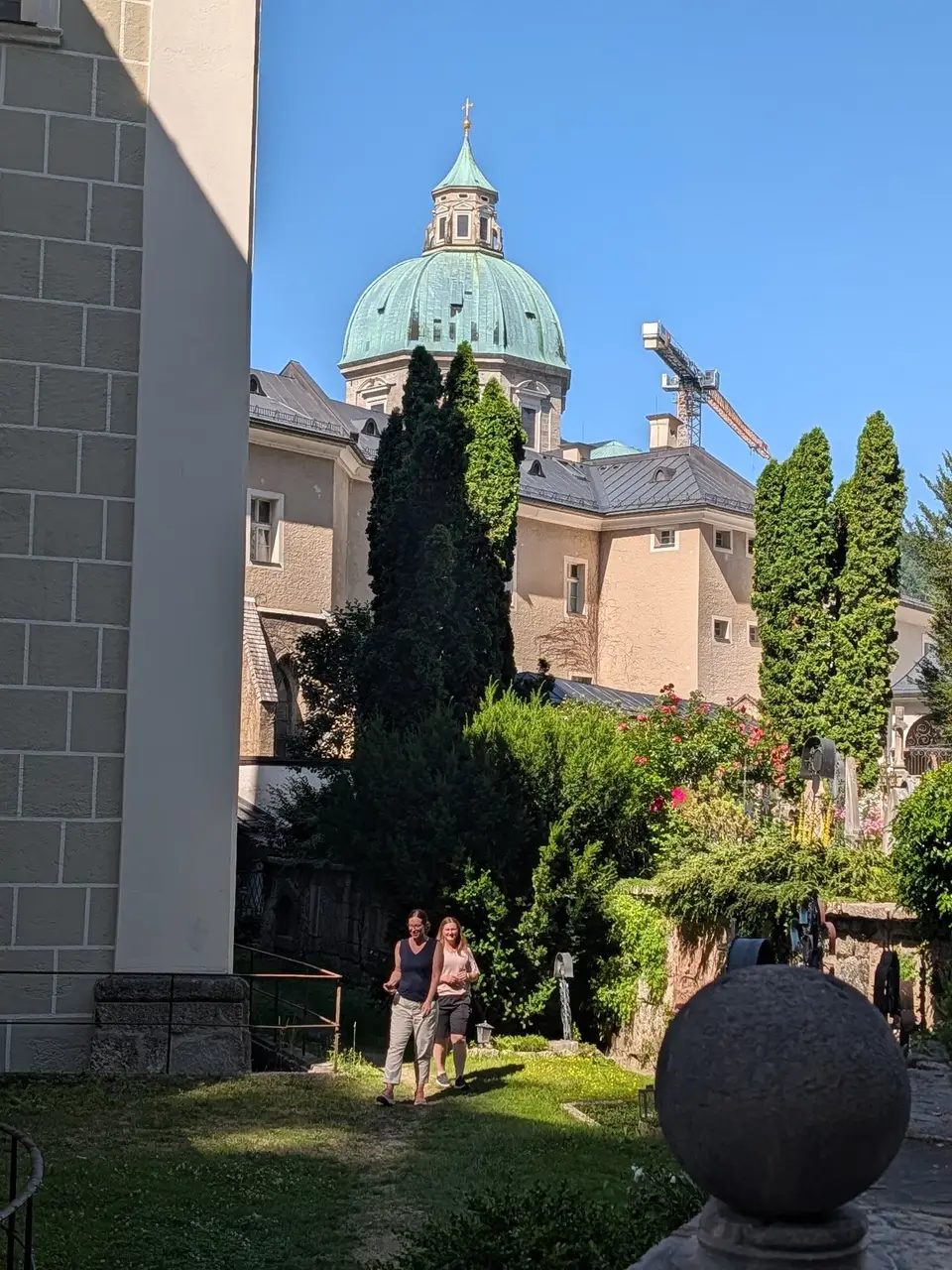
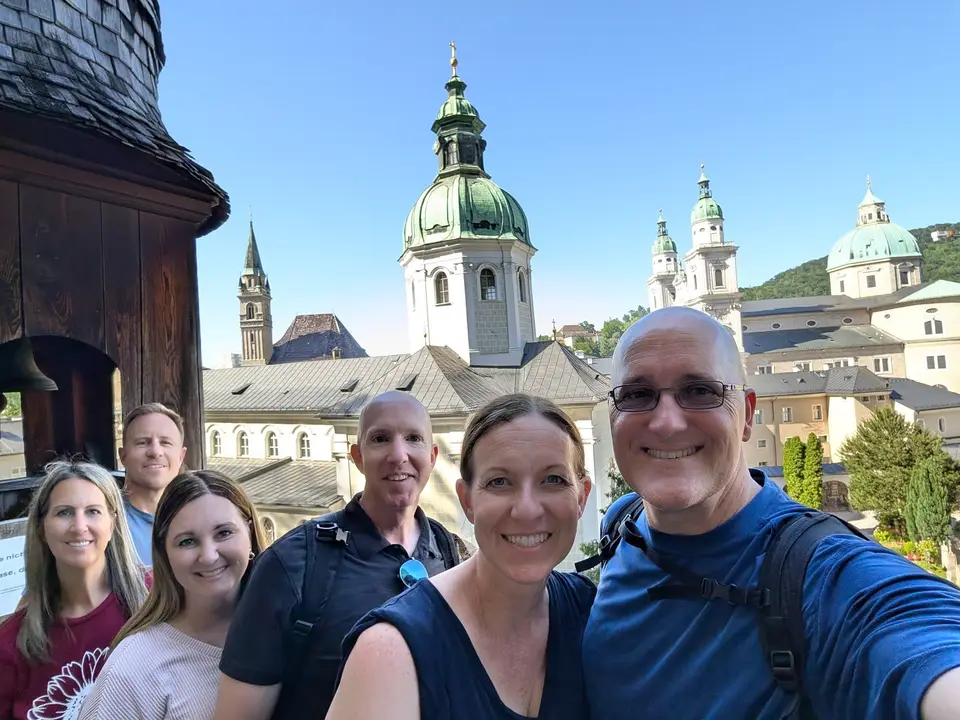
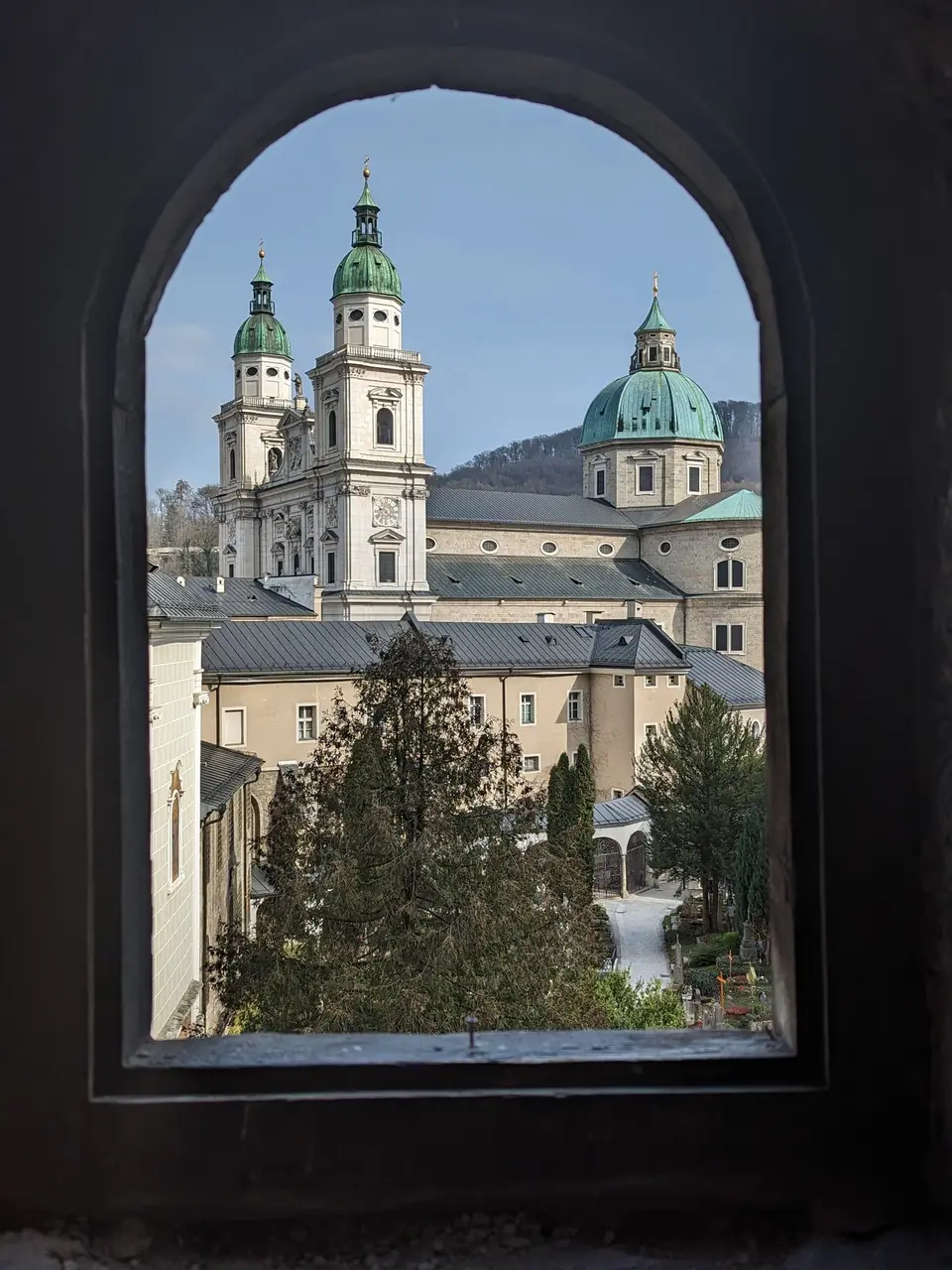
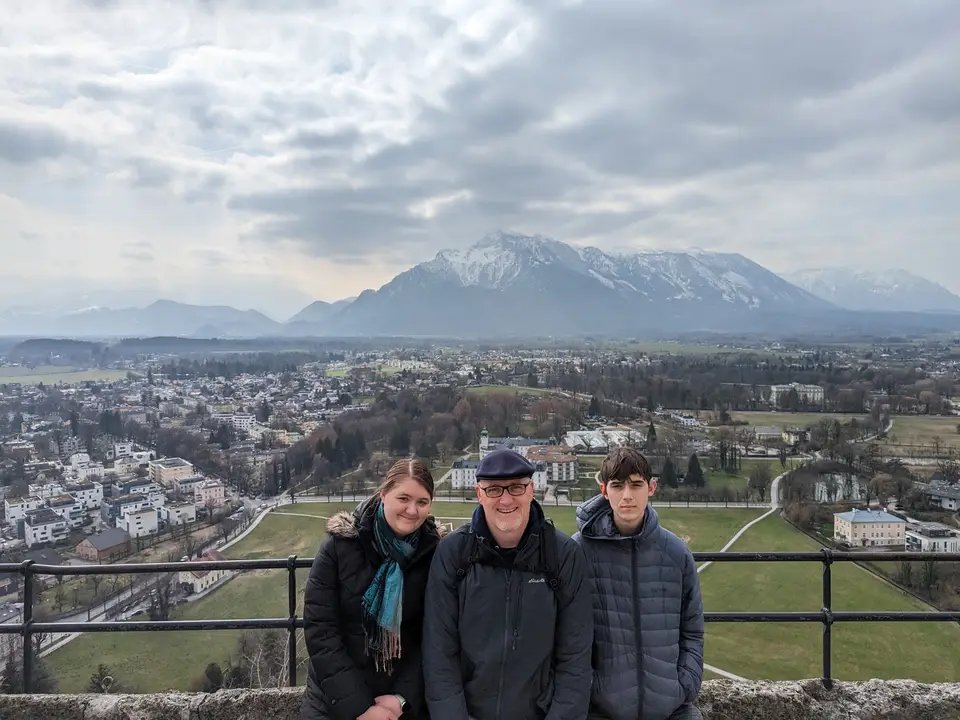
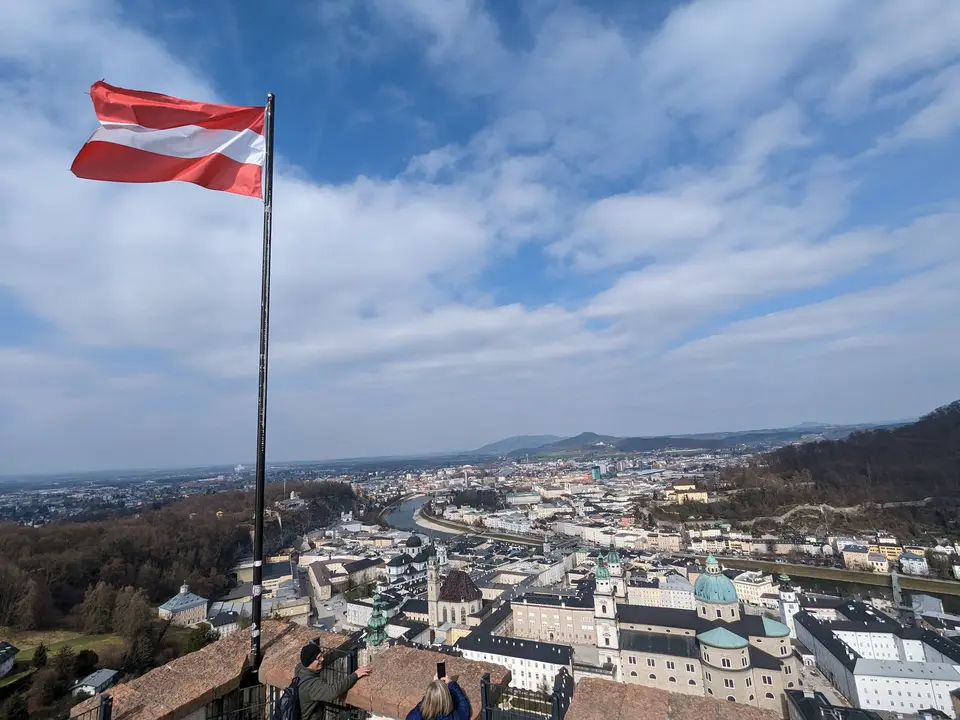
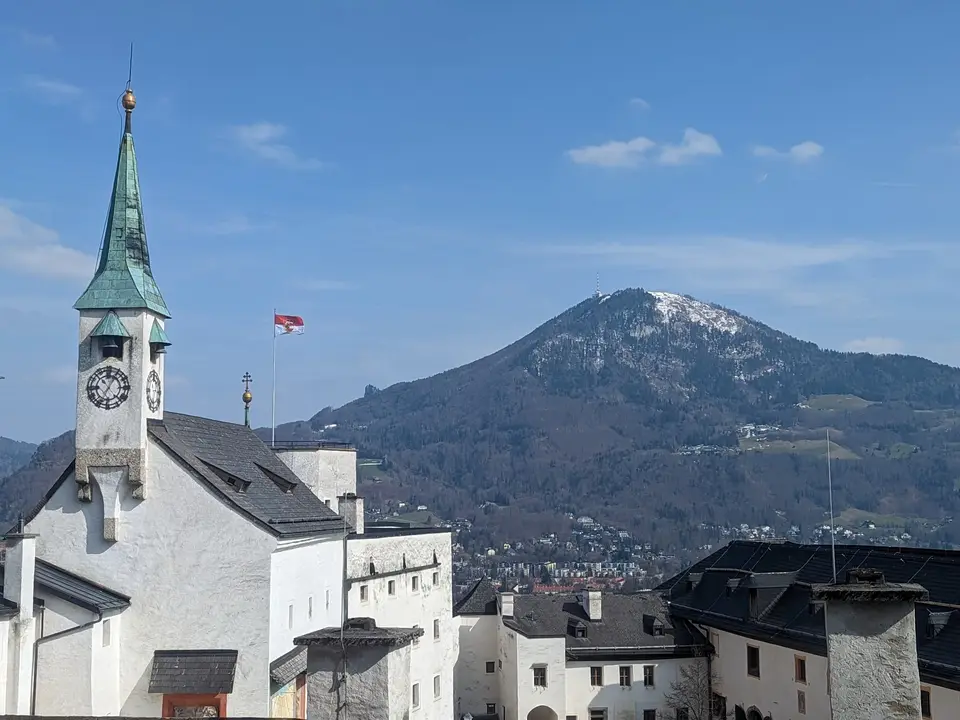
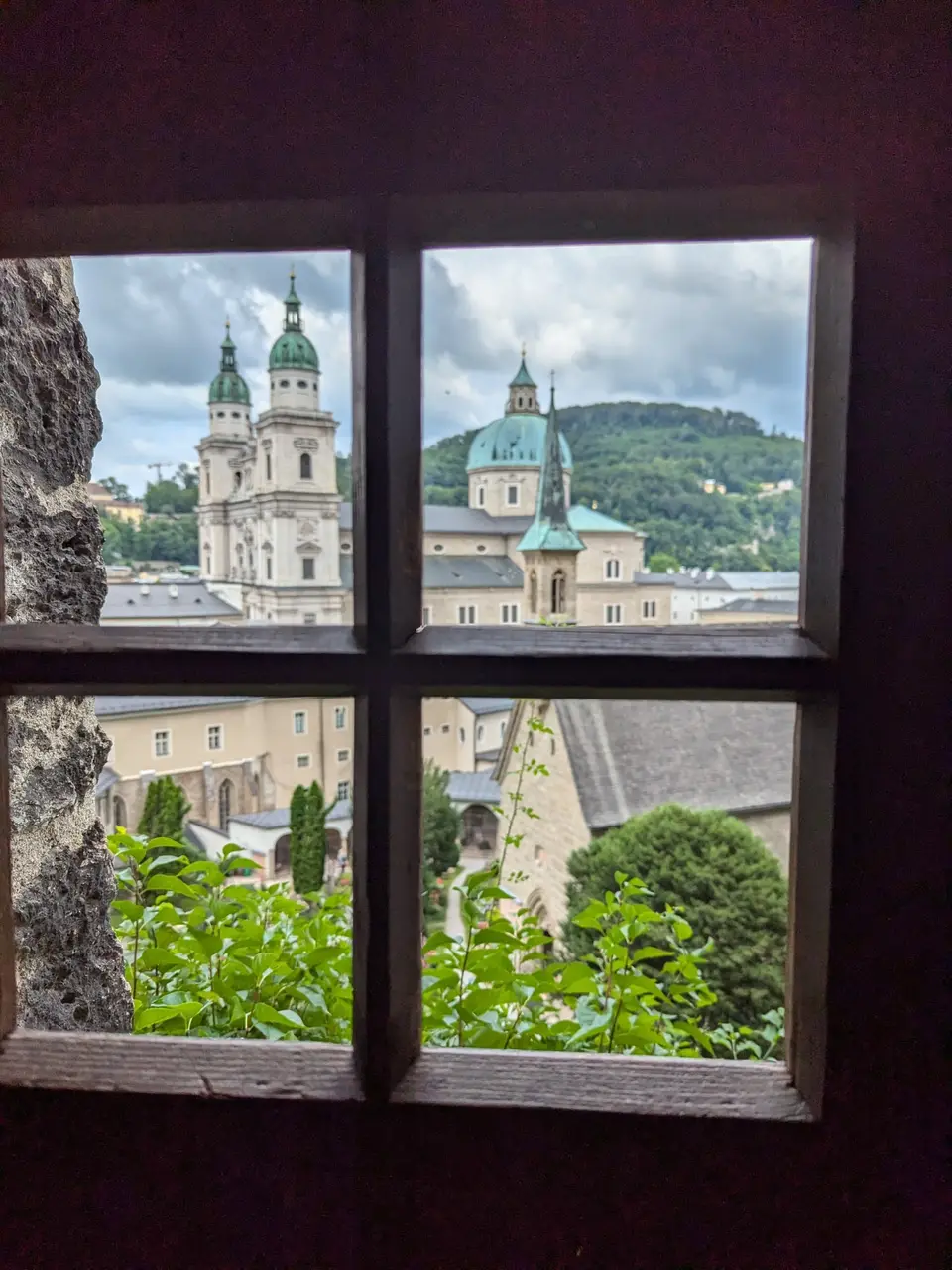
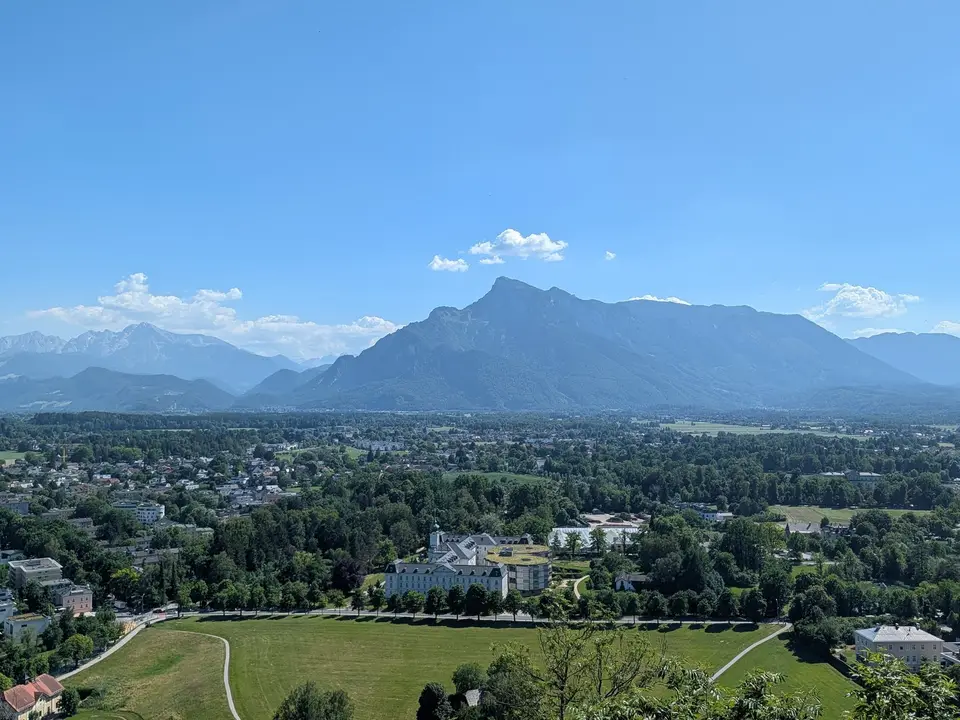
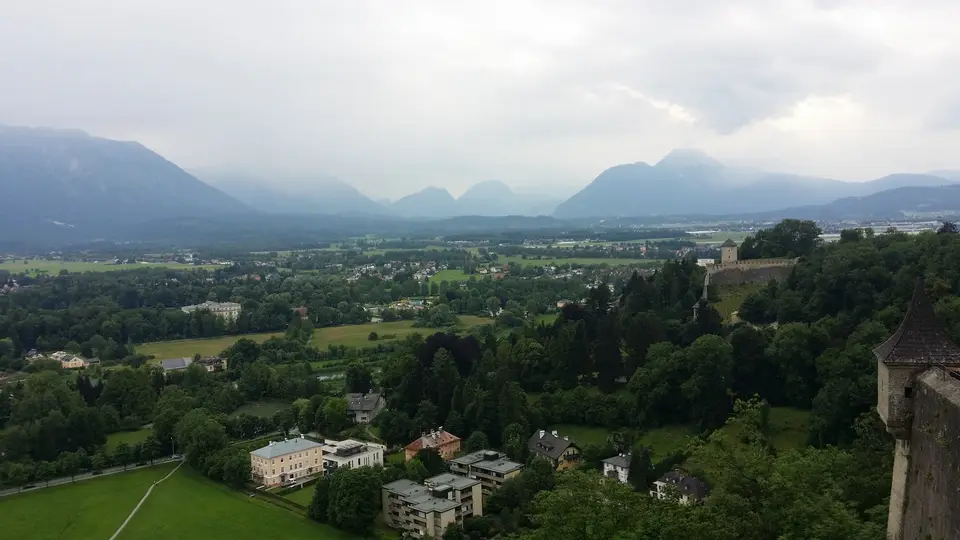
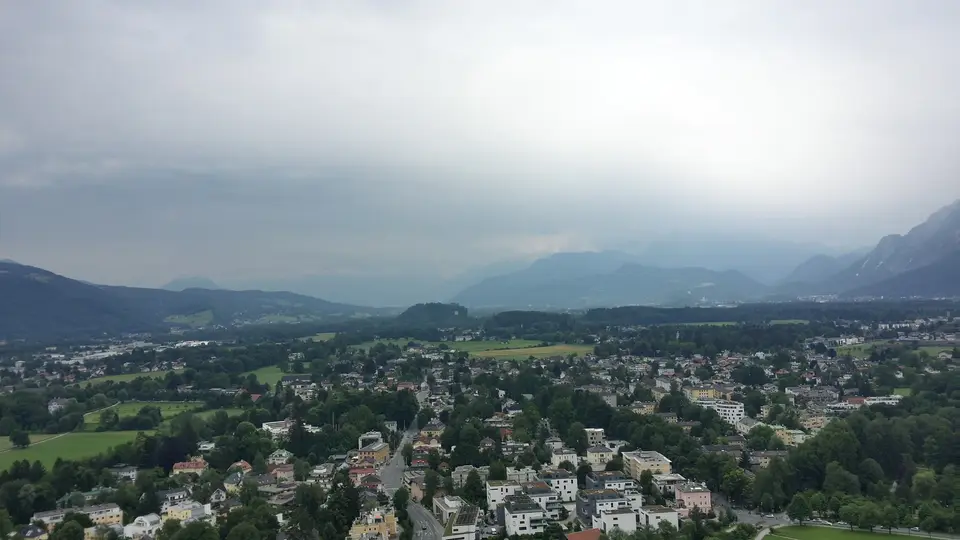
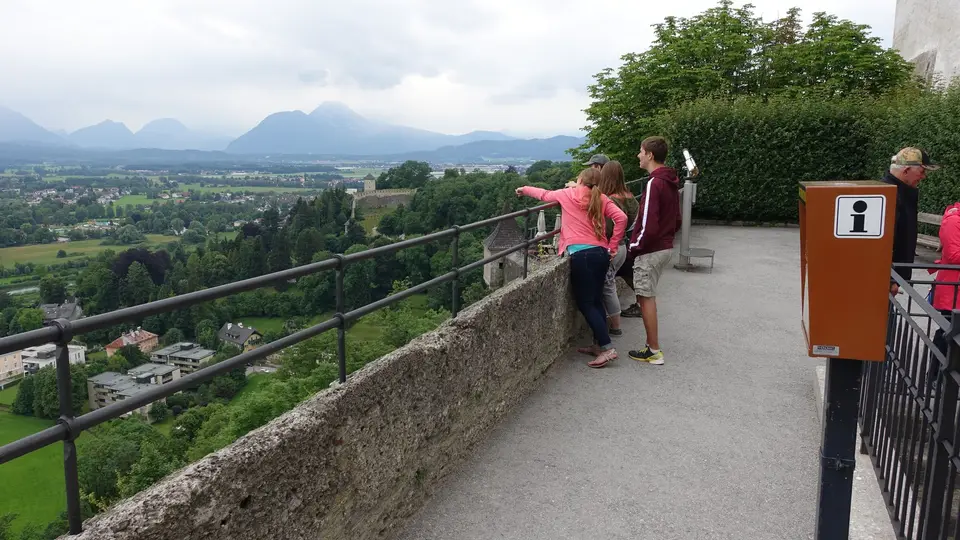
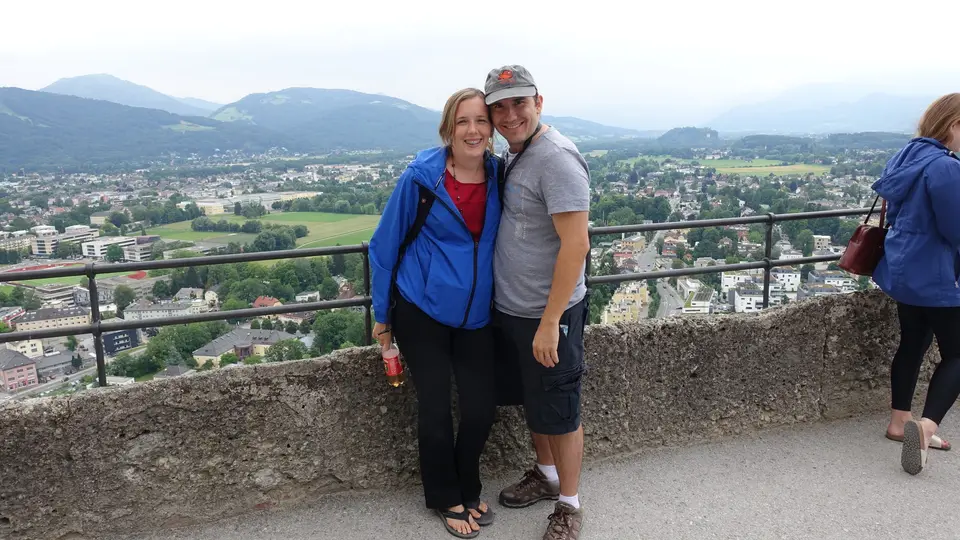
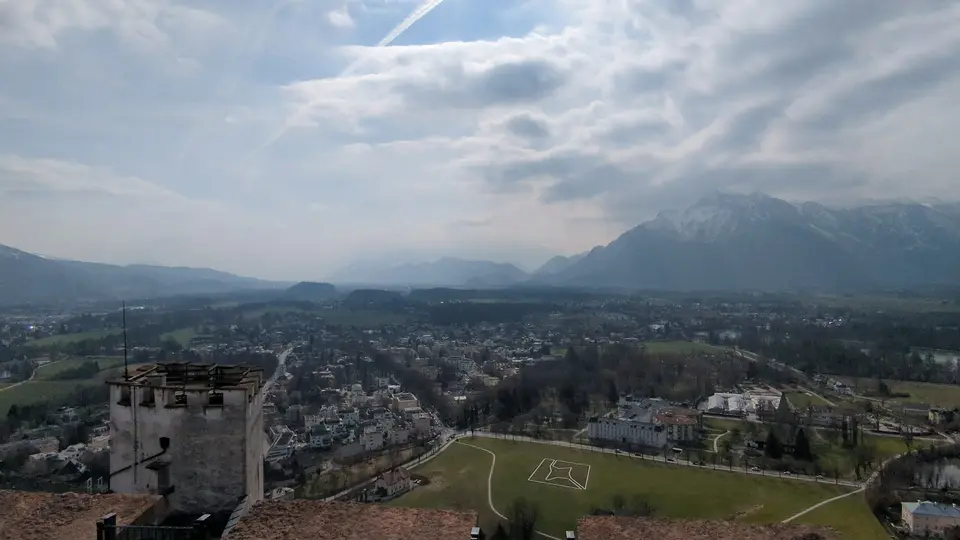
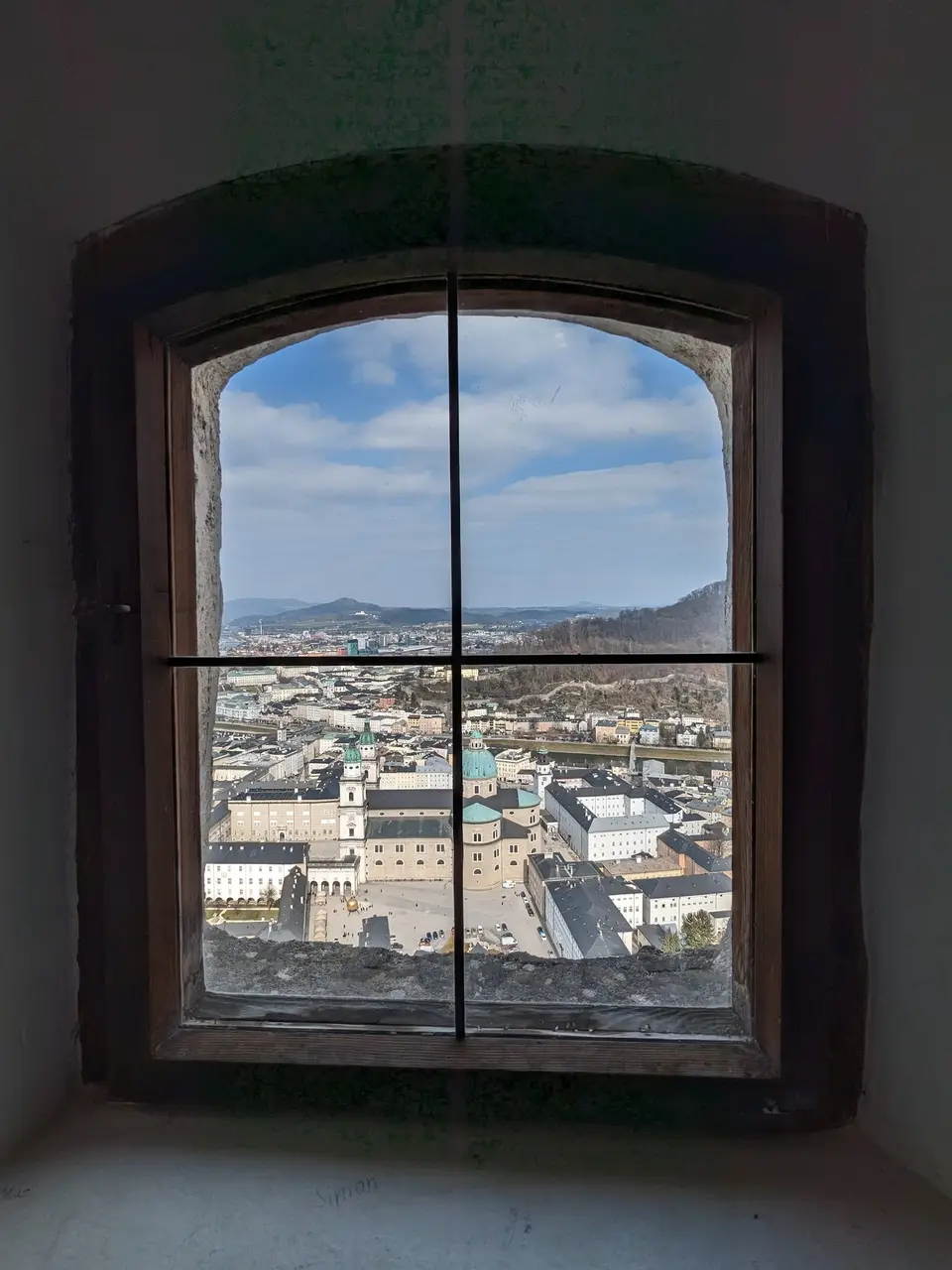
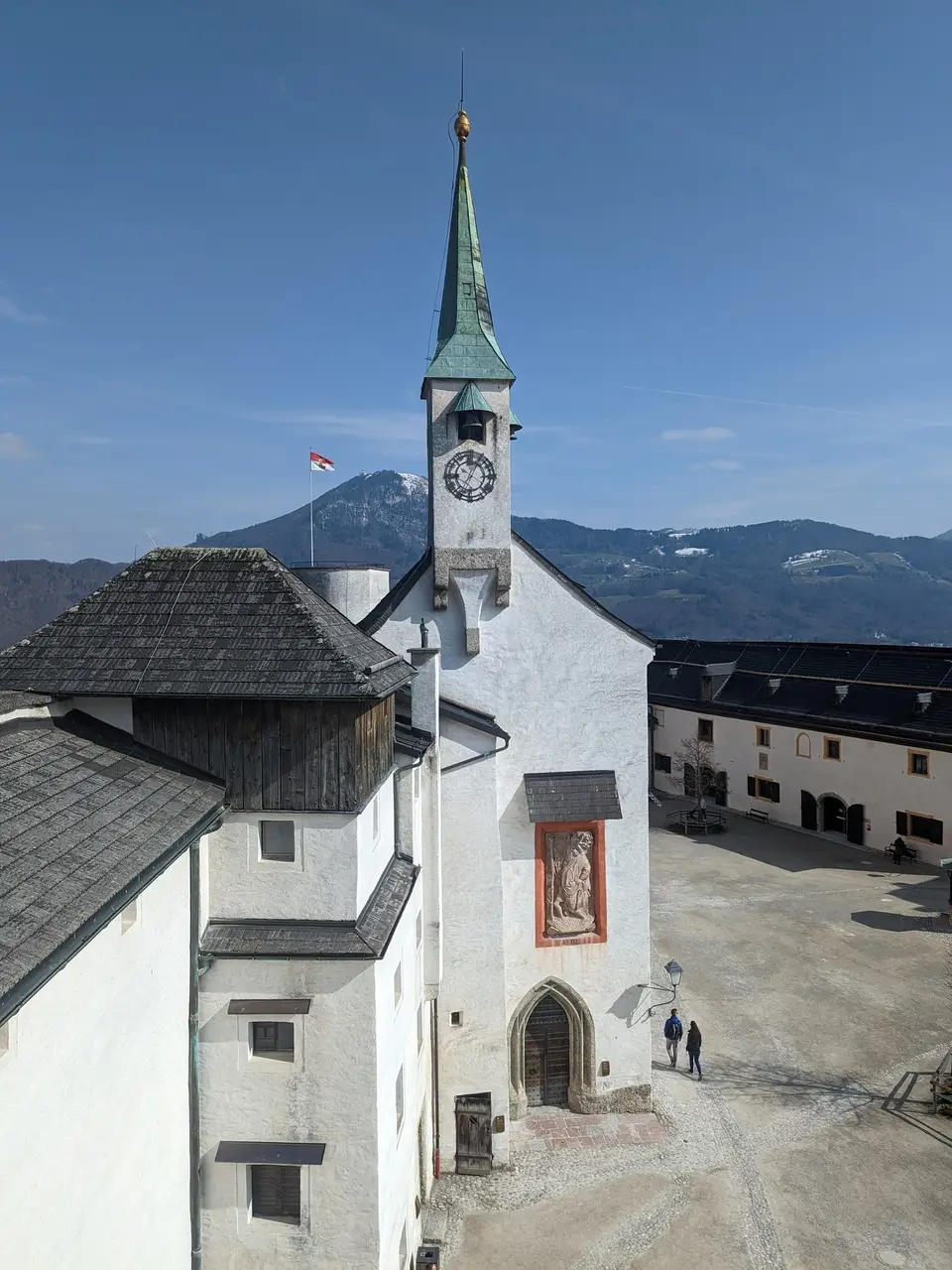
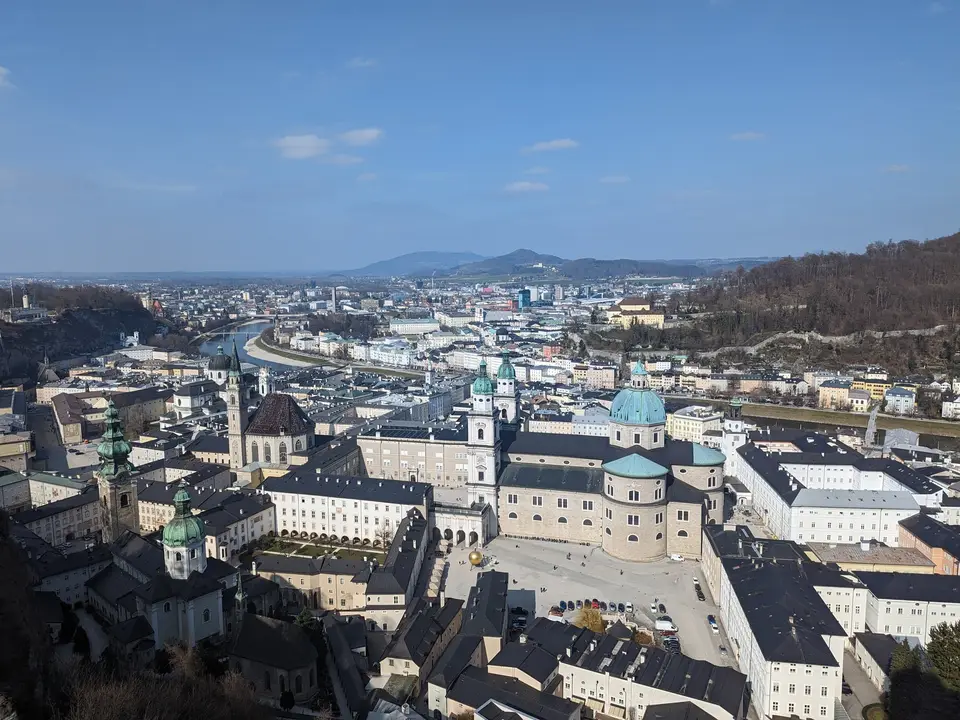
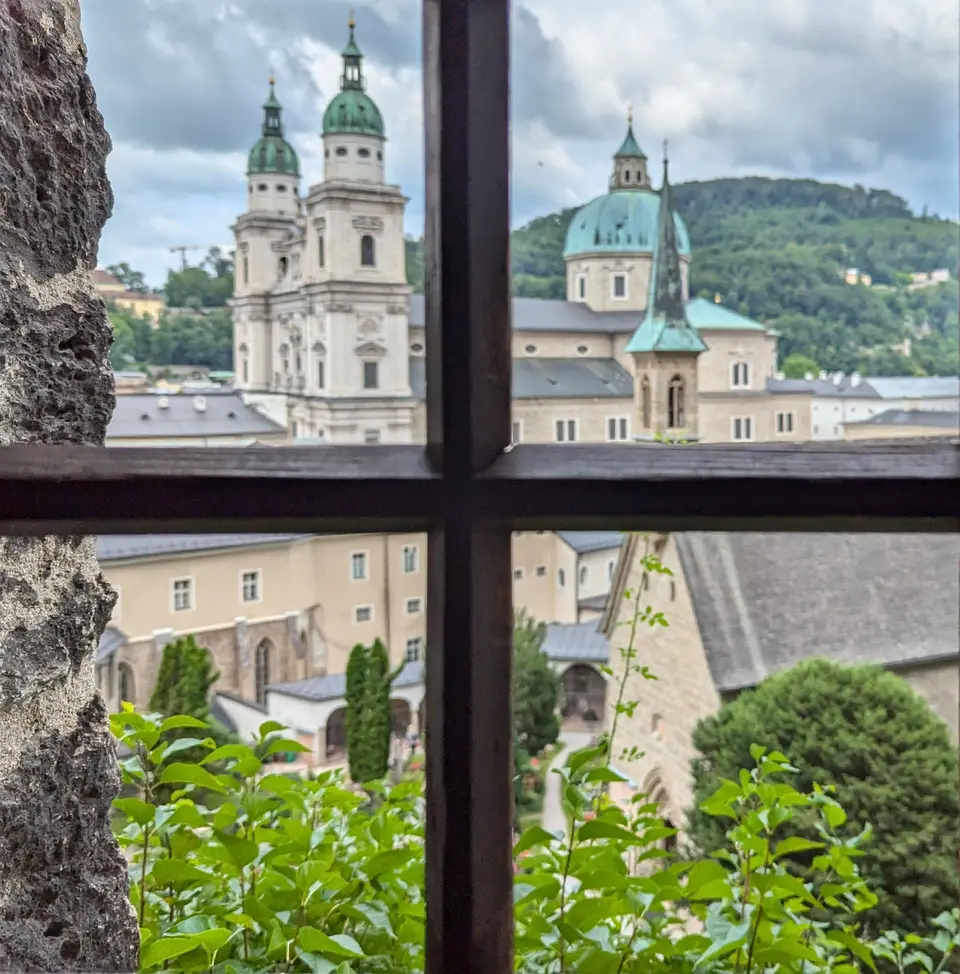
- Inside there are courtyards, the well, the chapel, ramparts on every side, and the view that makes the whole thing worth it — the old town's domes and green copper spires below on one side, the Alps opening south on the other.
Budget tips
- Three tickets, and the middle one is usually the answer. Panorama with funicular from €12.80, Festungscard Basic €15.50, All Inclusive €19.20. Children 6 to 15 pay €5.20, €6.30 and €7.30.
- Go early or go late. June to August it is open 8:30 to 21:30 and the last two hours are the quietest and the best lit. In January to March and November it shuts at 17:00, which catches people out in winter.
- The view costs nothing from the Mönchsberg. If the fortress interior does not interest you, the ridge walk gives you most of the same panorama for free.
Midday — St Peter's, and the two euros almost nobody spends
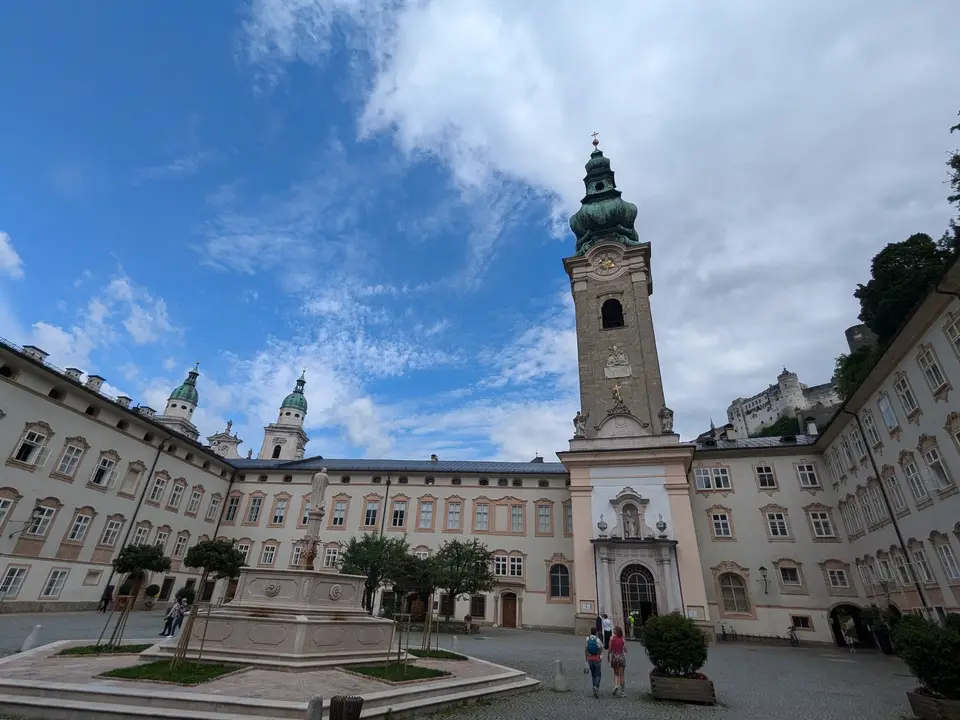
This is where our camera should have gone more often. Only 8 of our 142 Salzburg photographs are within a hundred meters of St Peter's, against 35 up at the fortress. That ratio is roughly what most visitors give it too, and it is roughly the mistake — this is the part of Salzburg that guidebooks give three lines to.
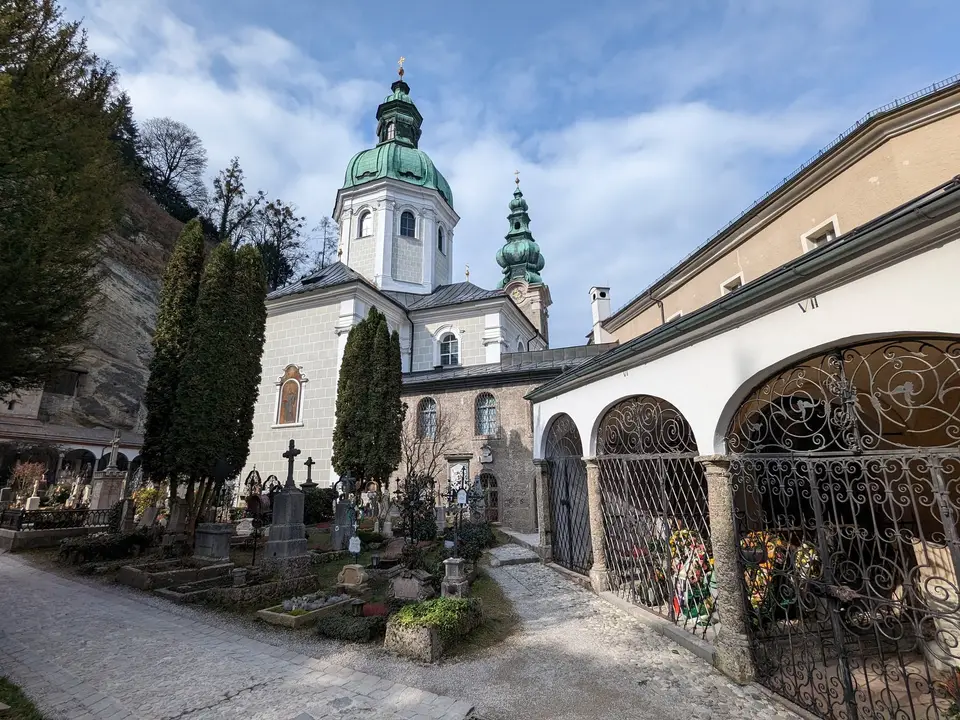
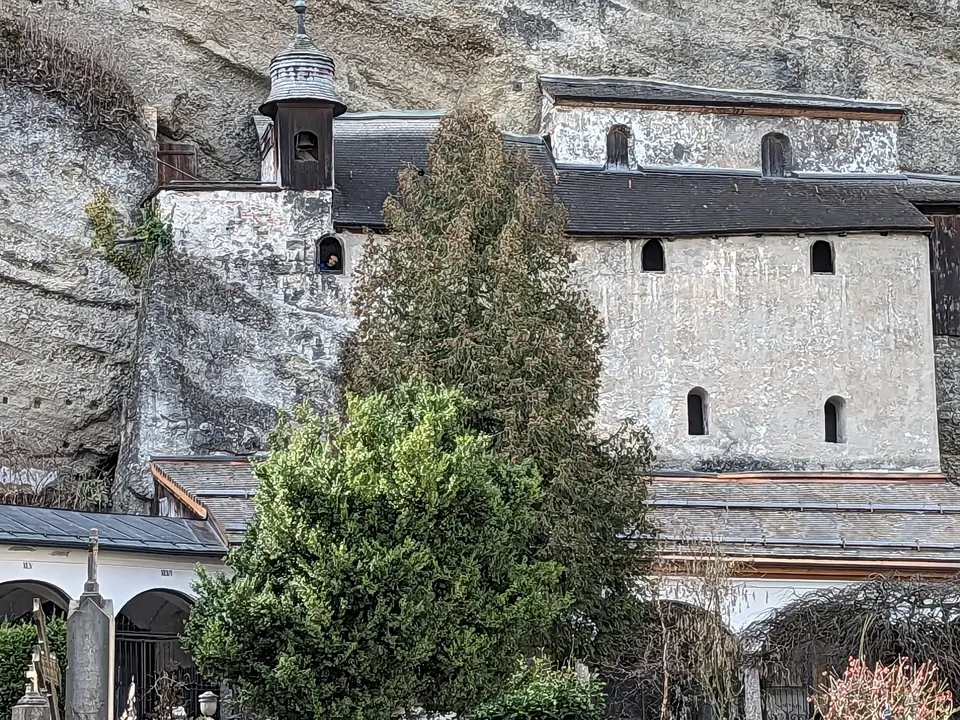
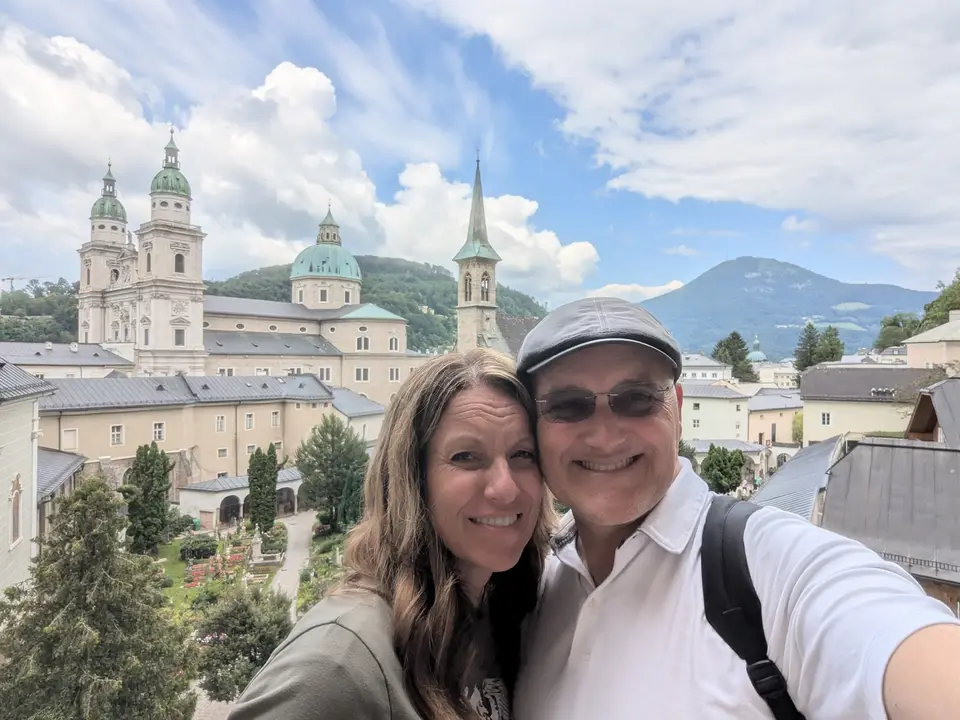
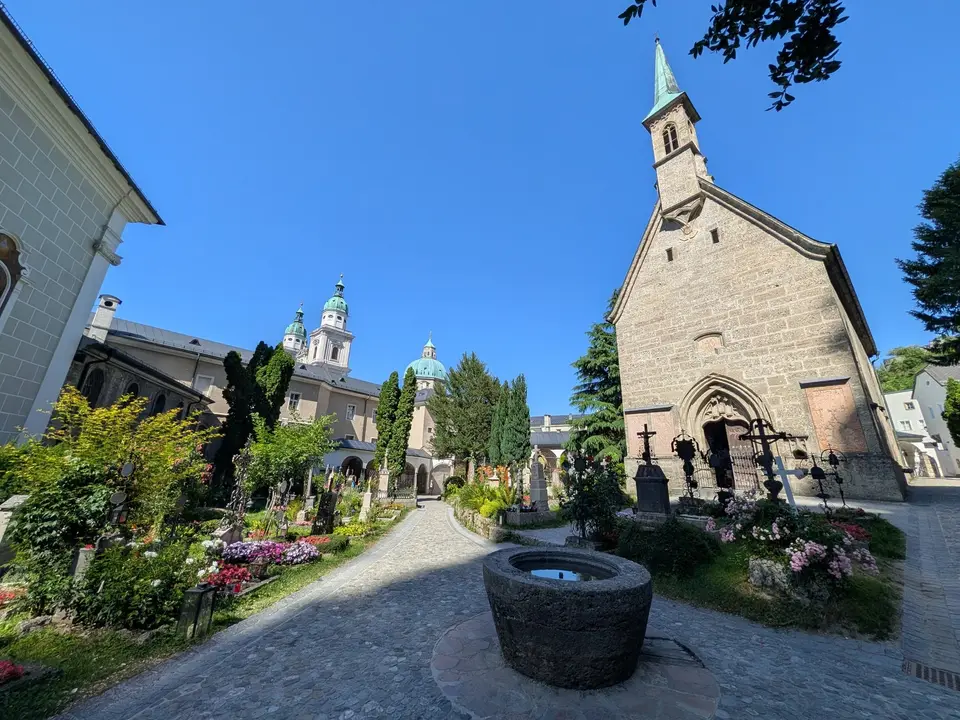
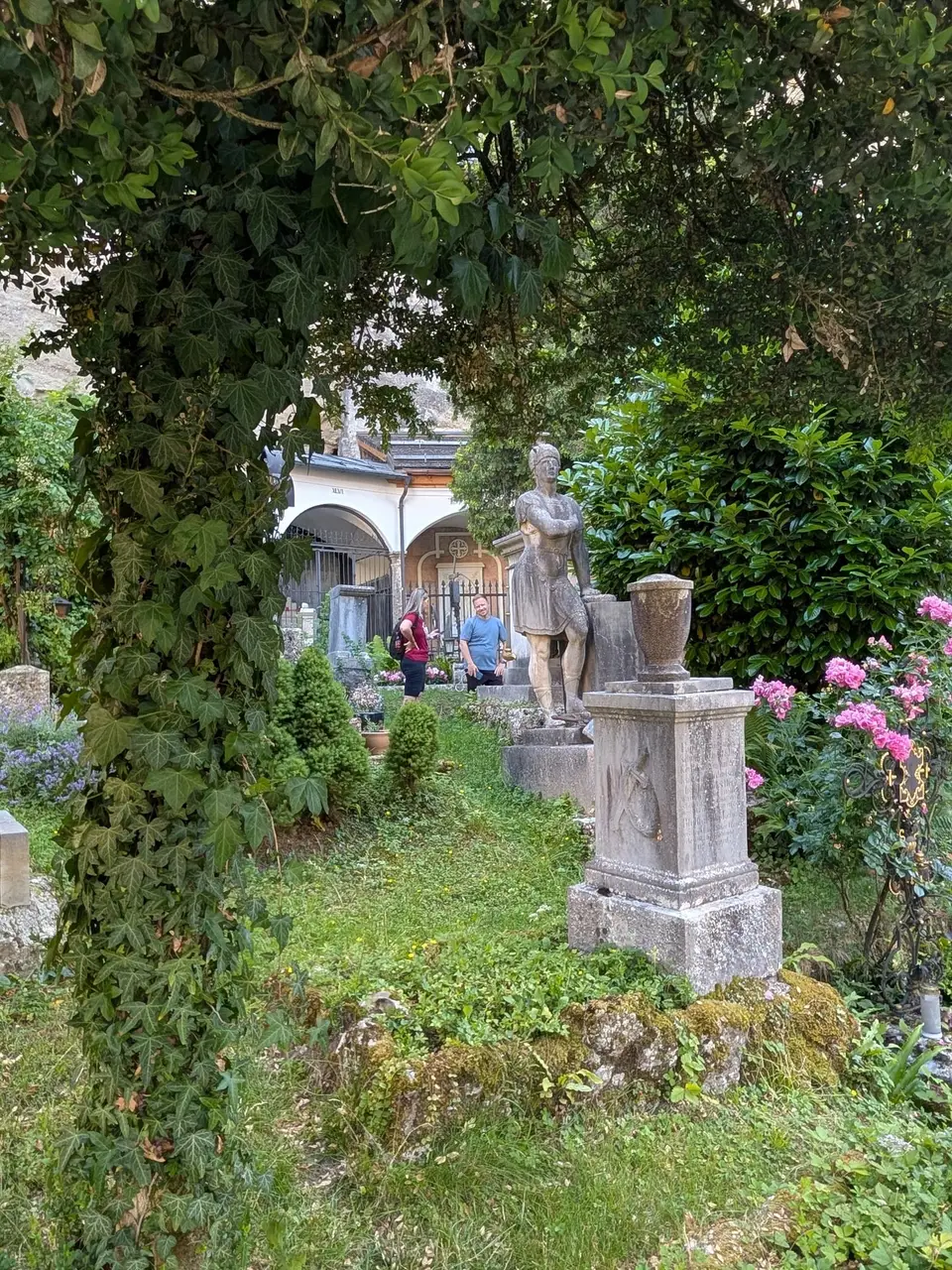
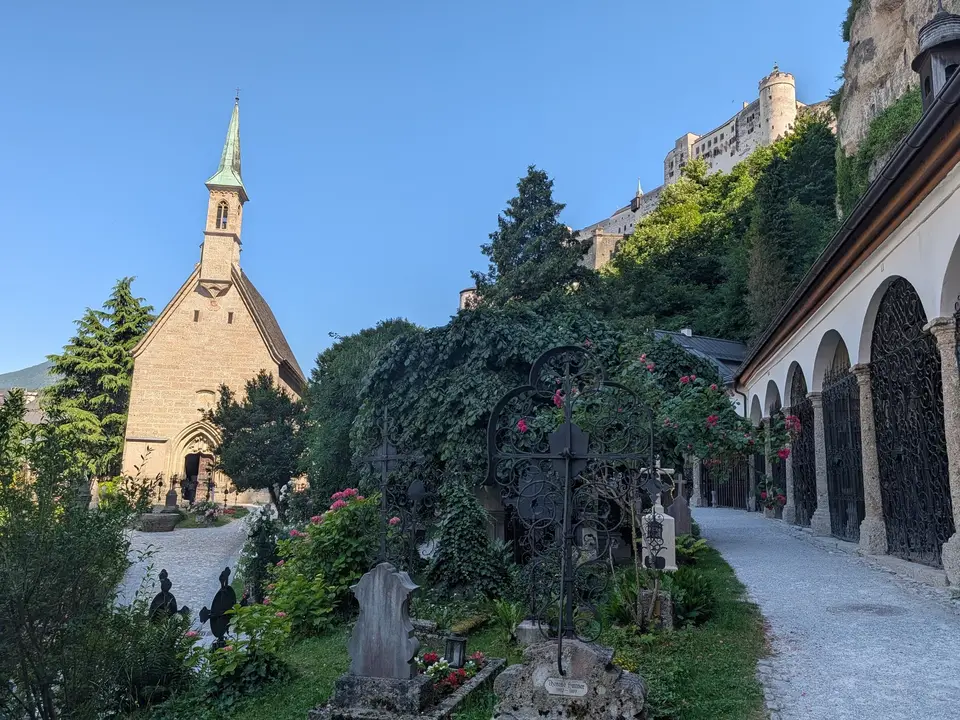
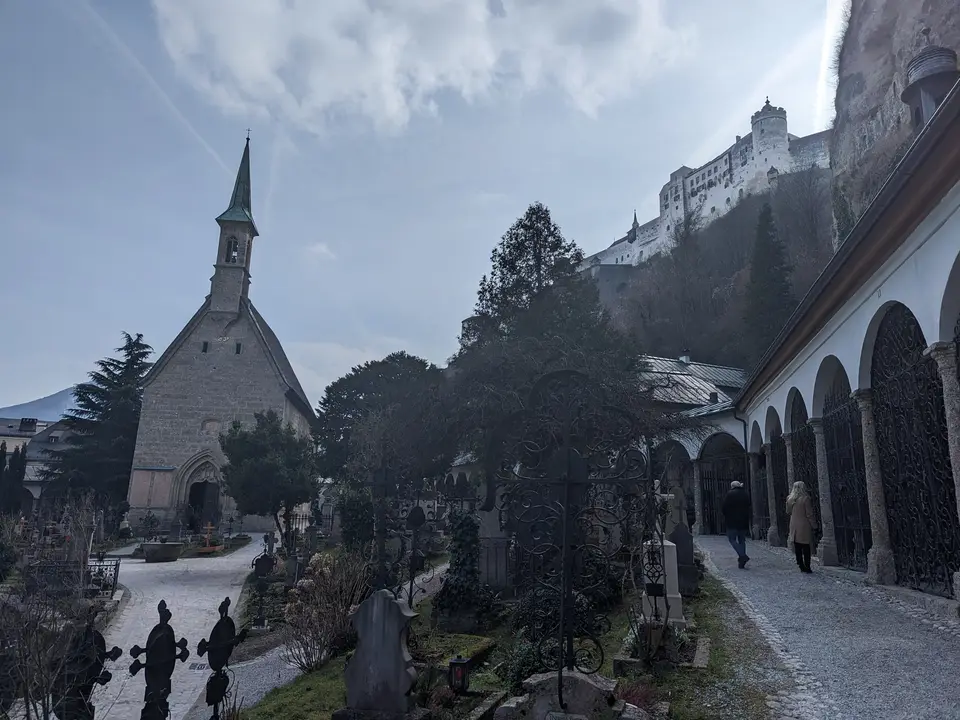
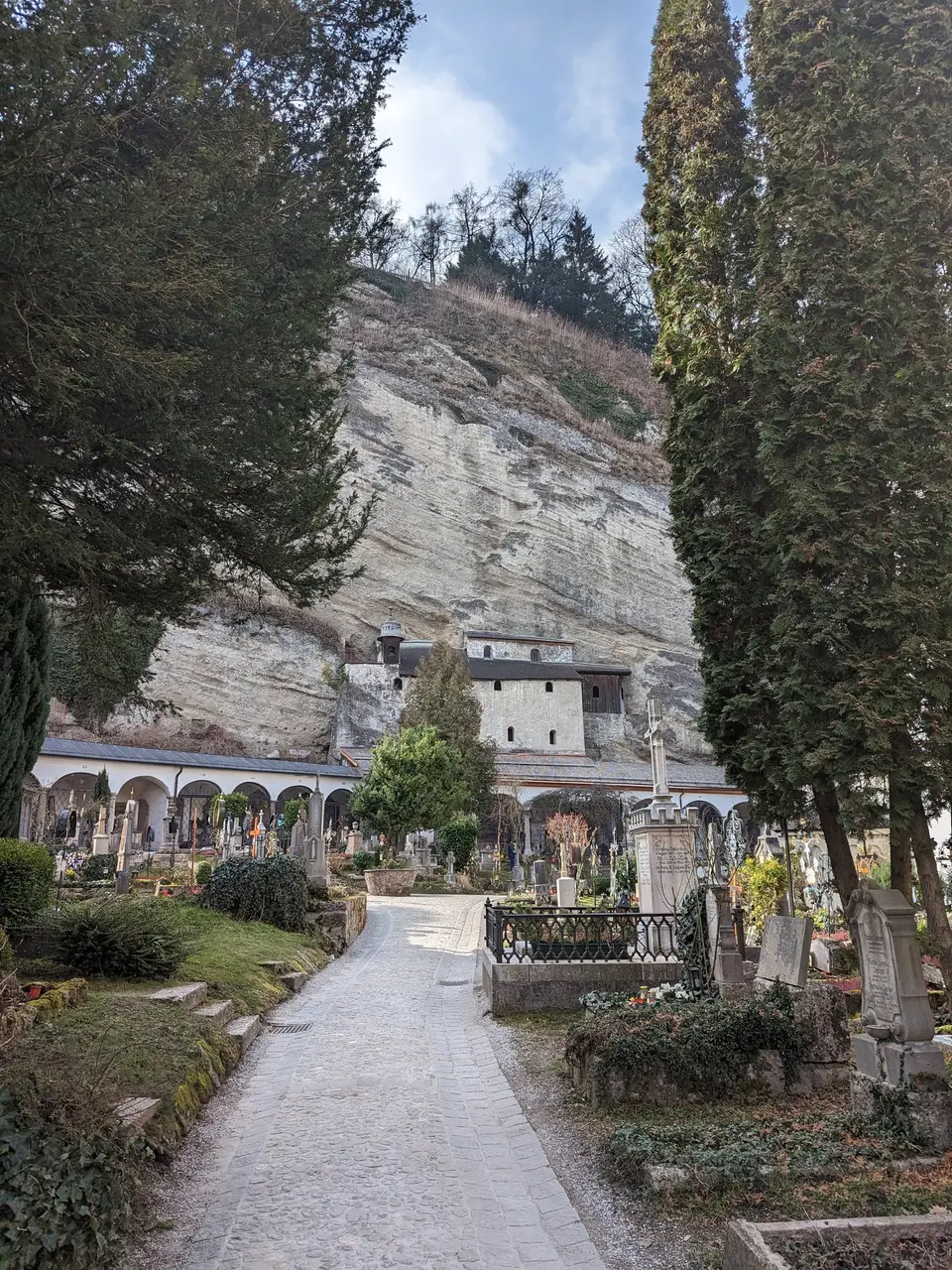
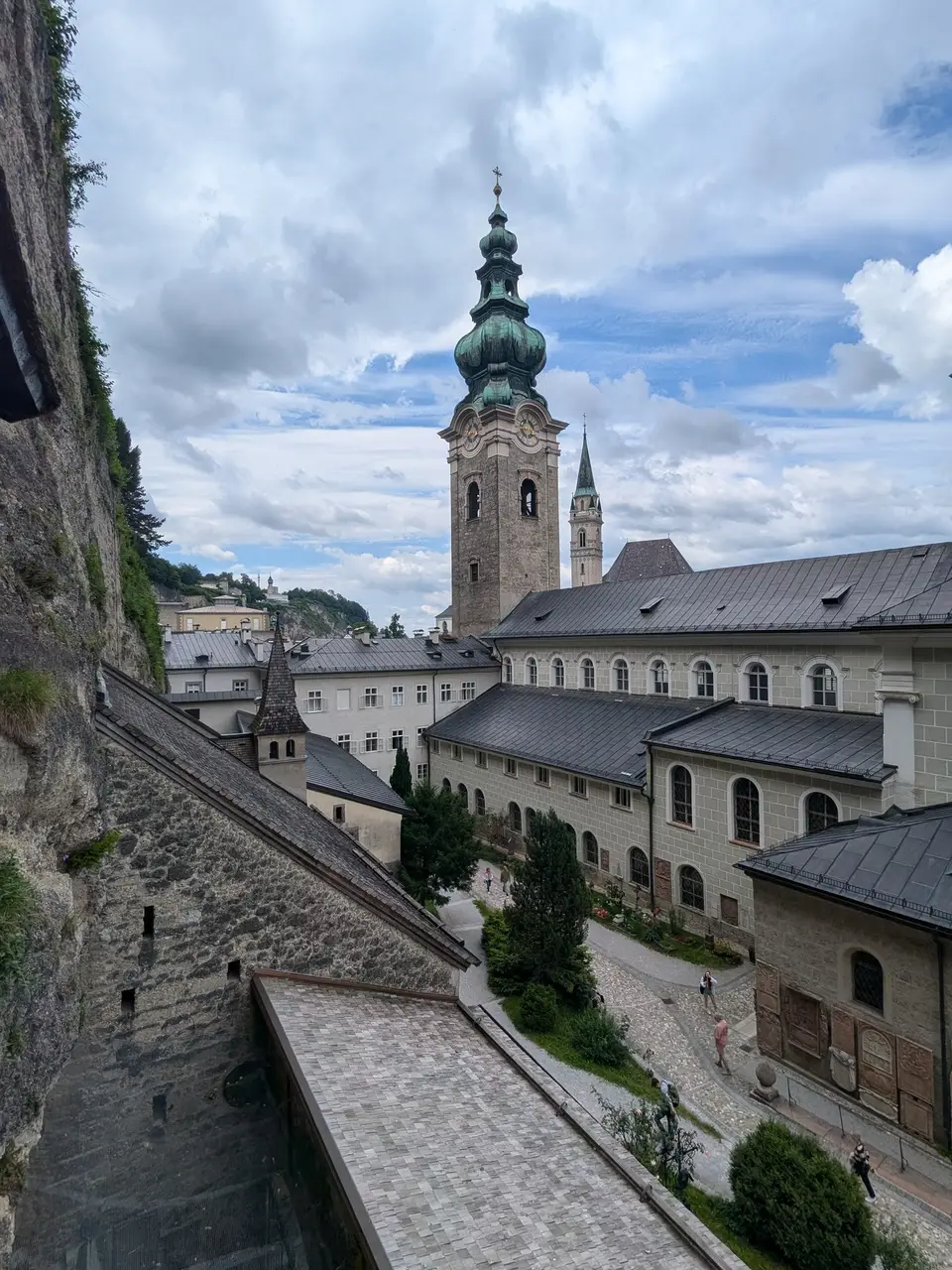
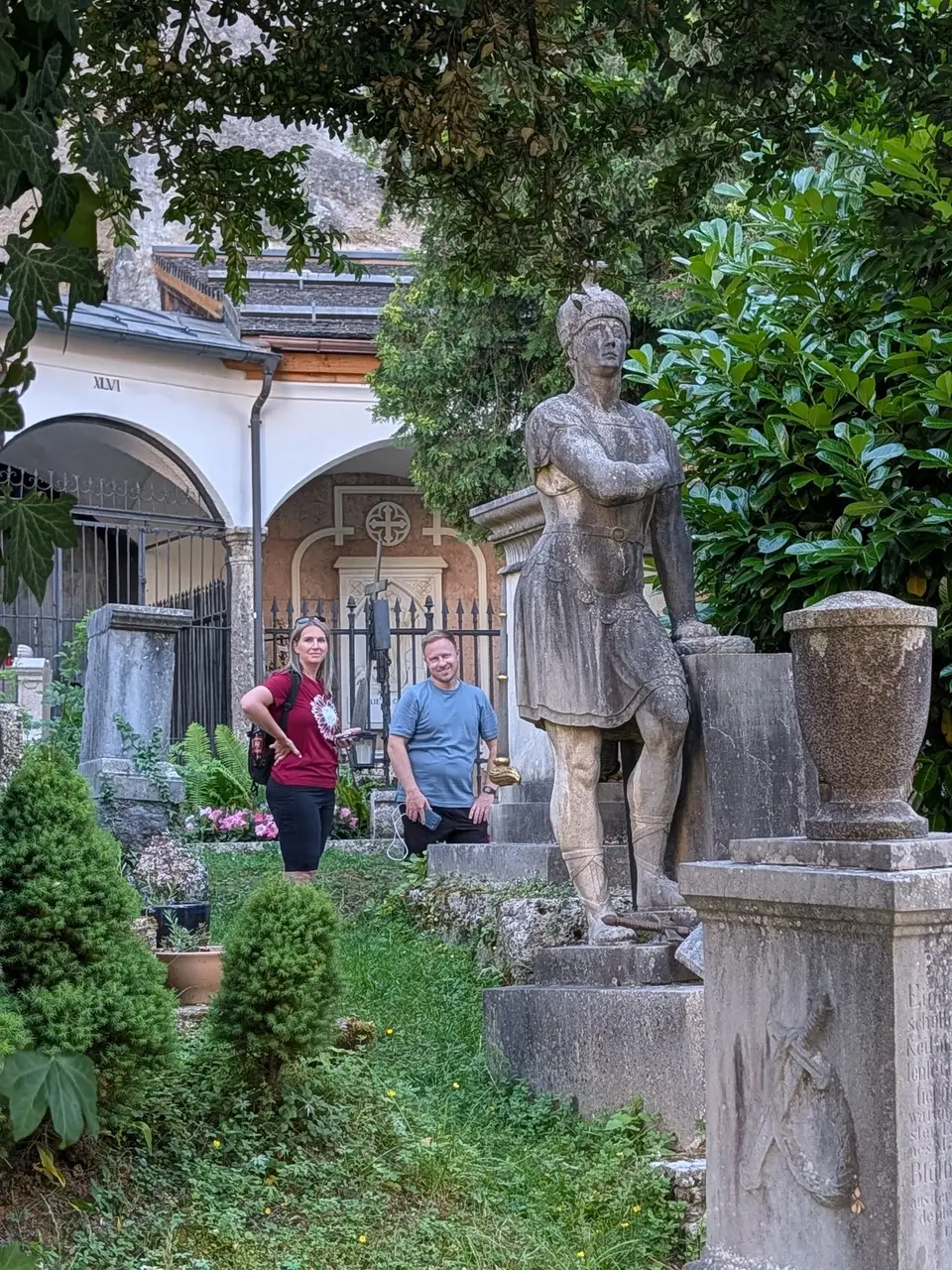
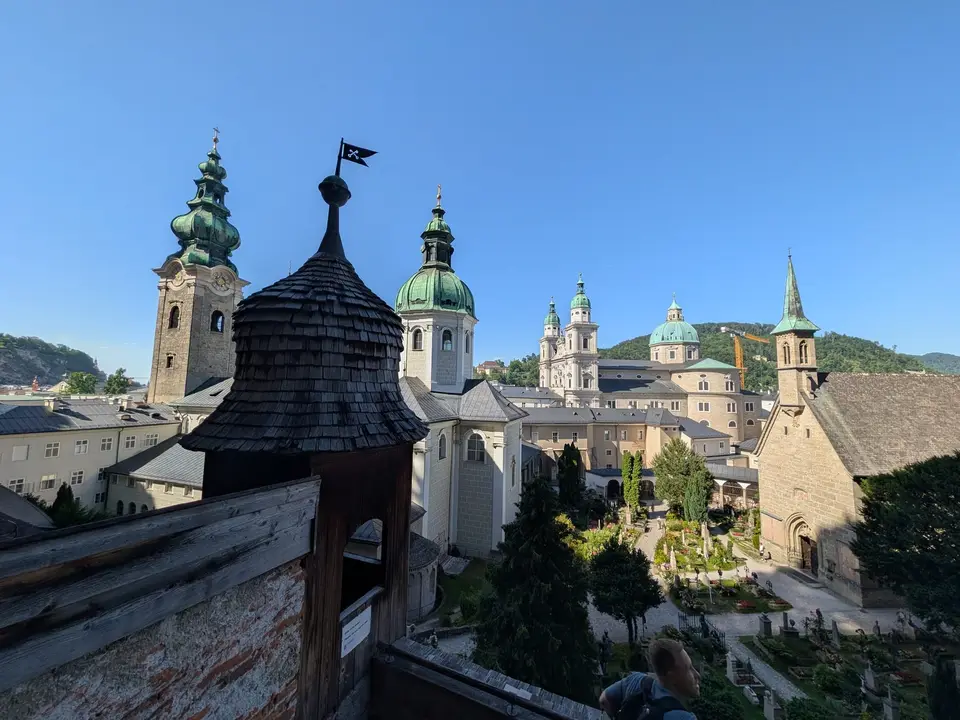
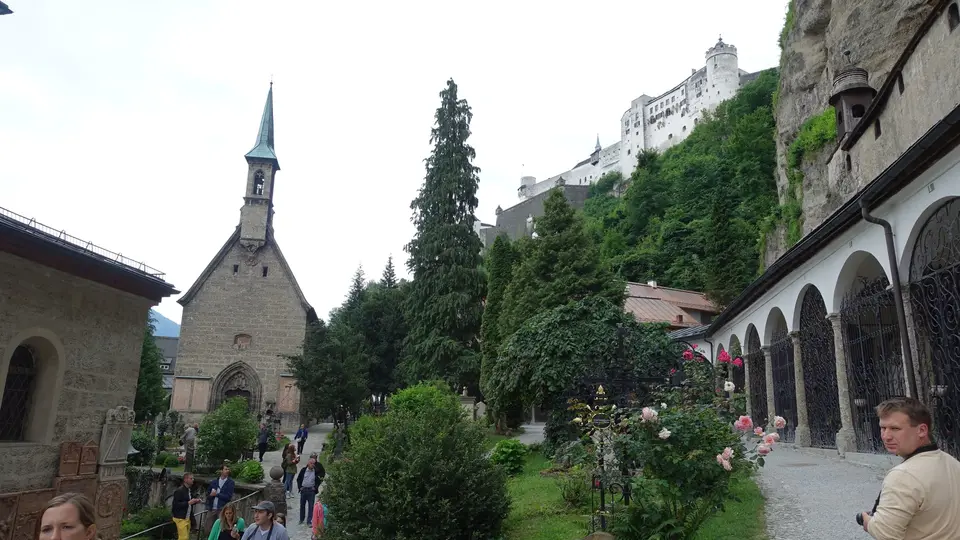
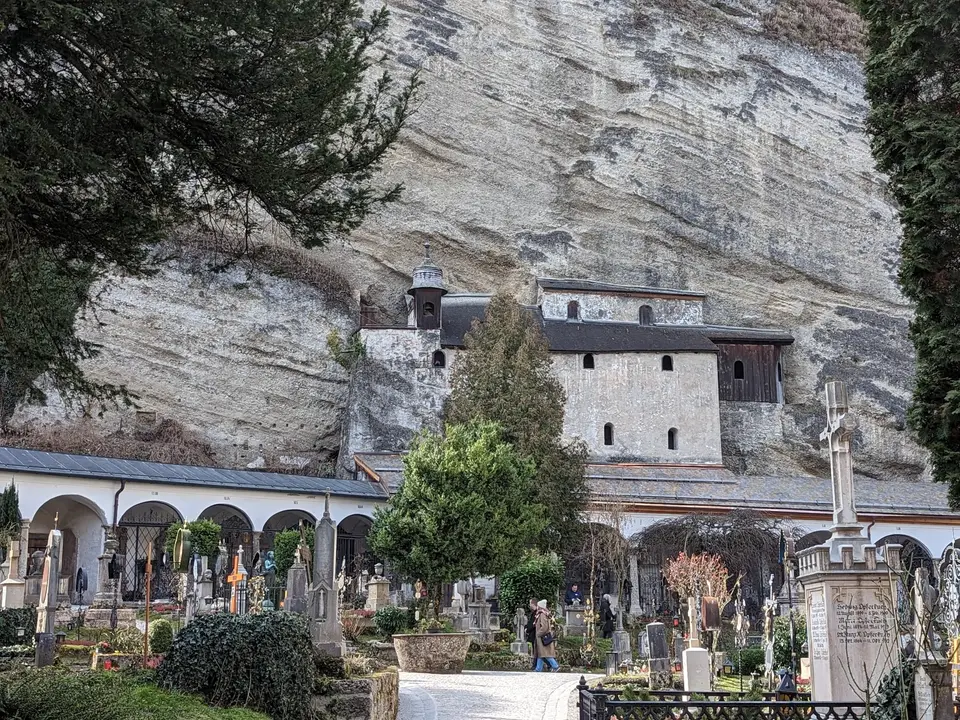
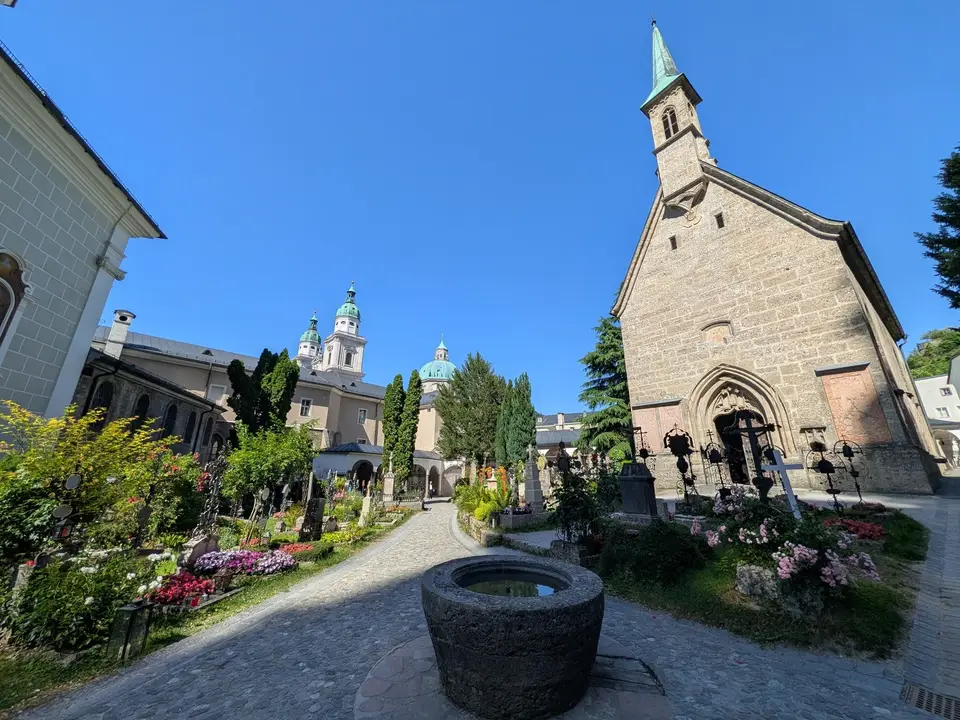
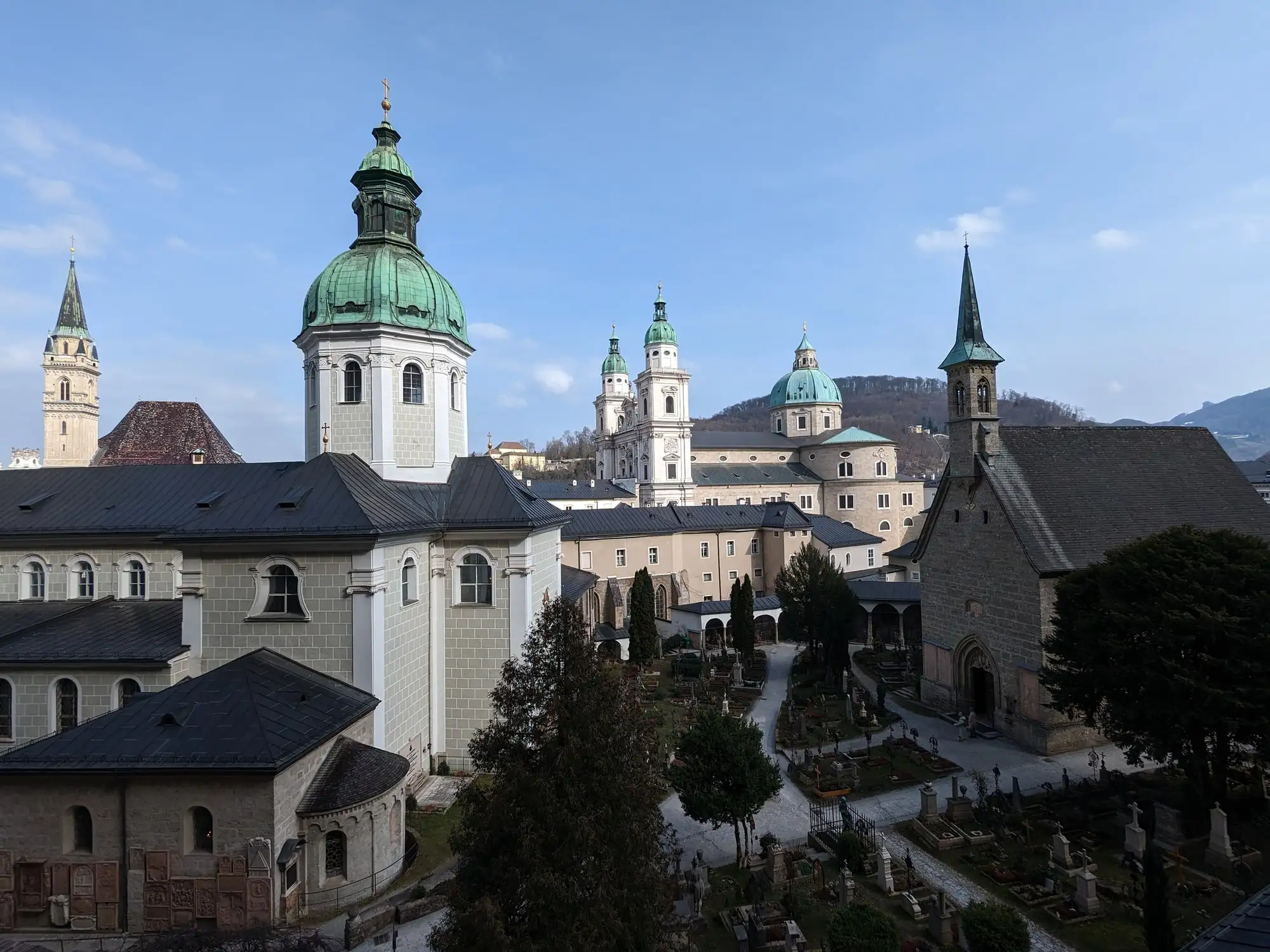
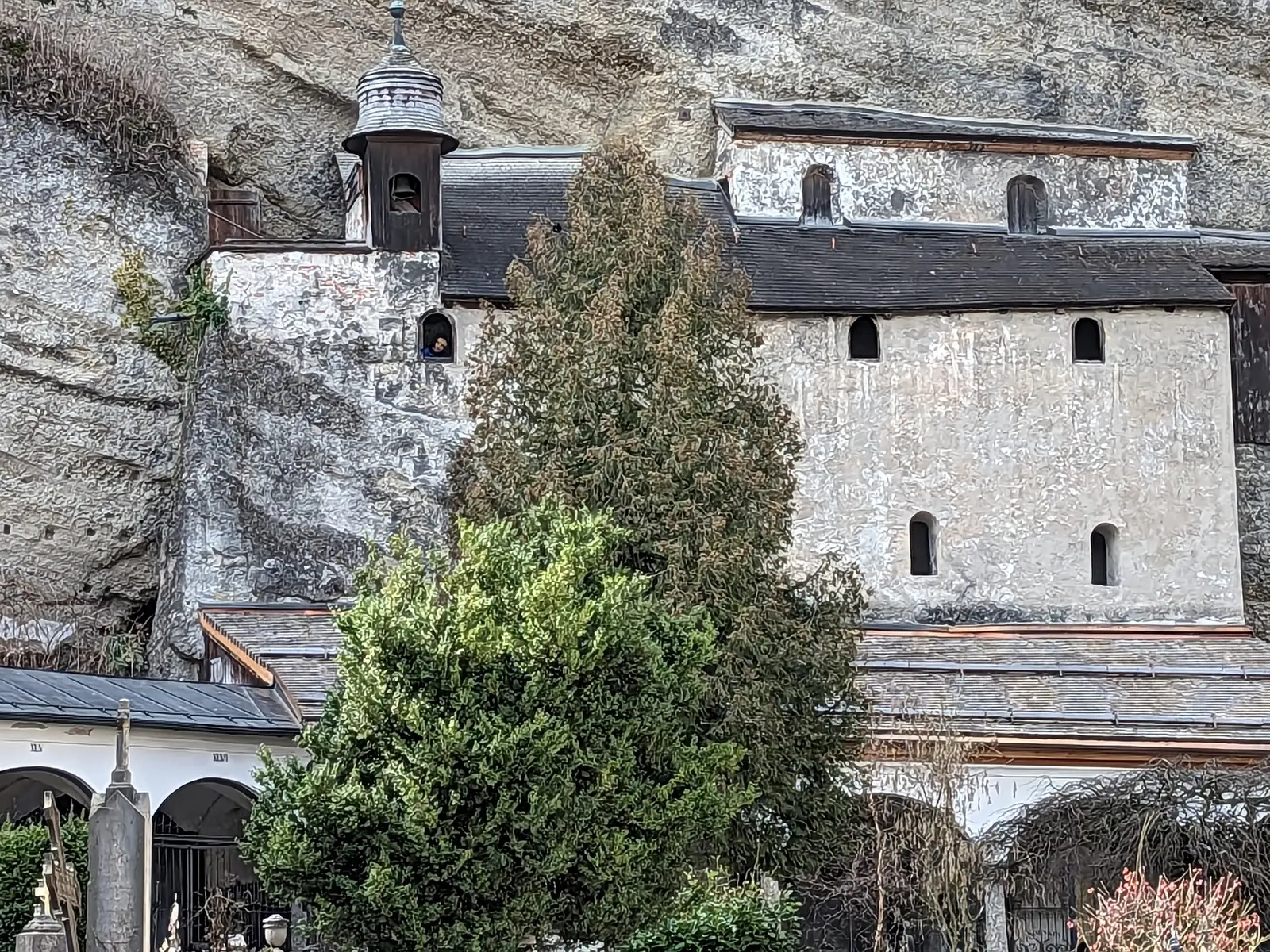
- St Peter's cemetery is built against the cliff below the fortress: wrought-iron grave markers, arcades of family vaults, flowers on everything, and the rock face going straight up behind. It is free and open from 6:30 in the morning — 8pm April to September, 6pm the rest of the year.
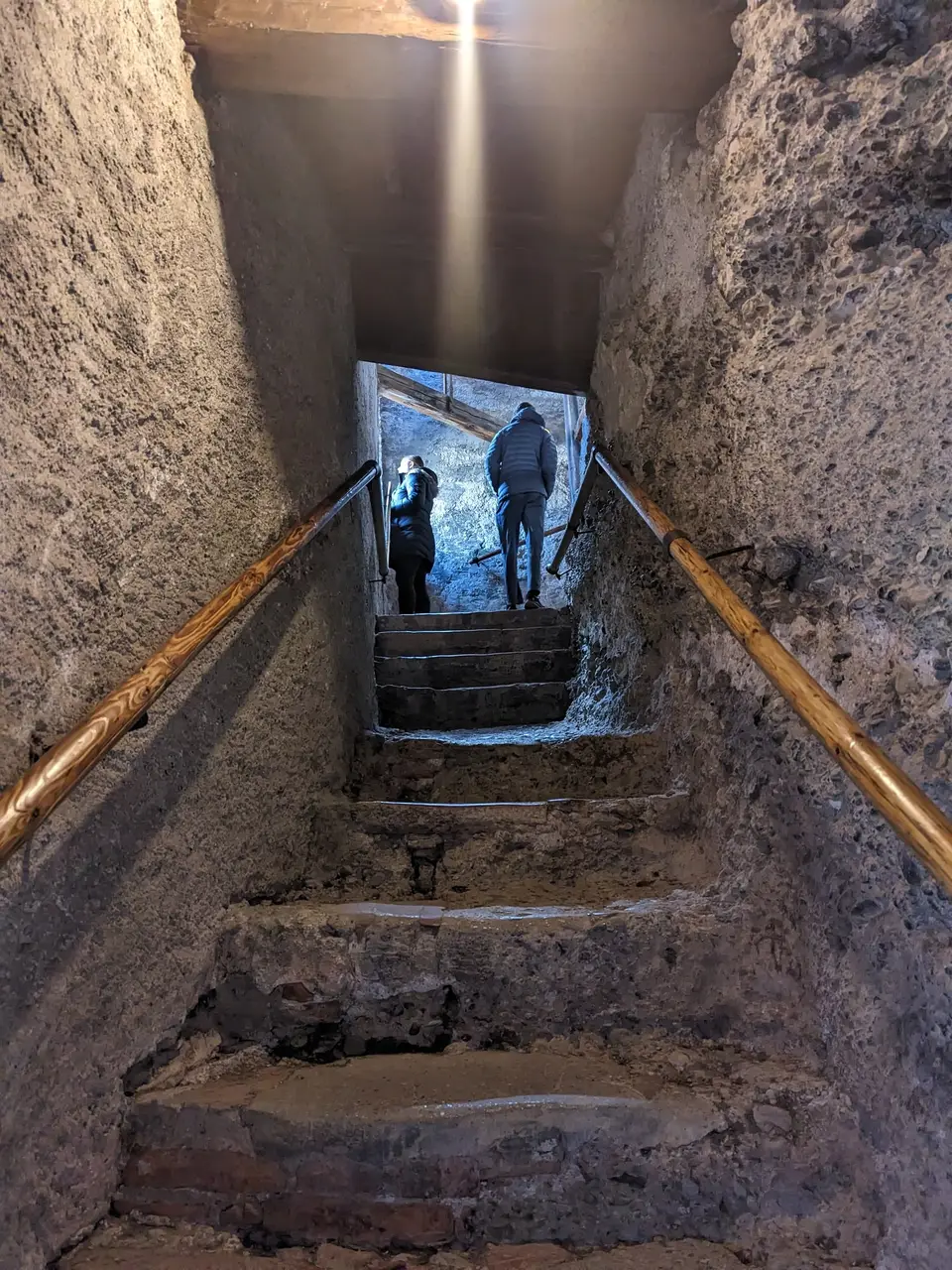
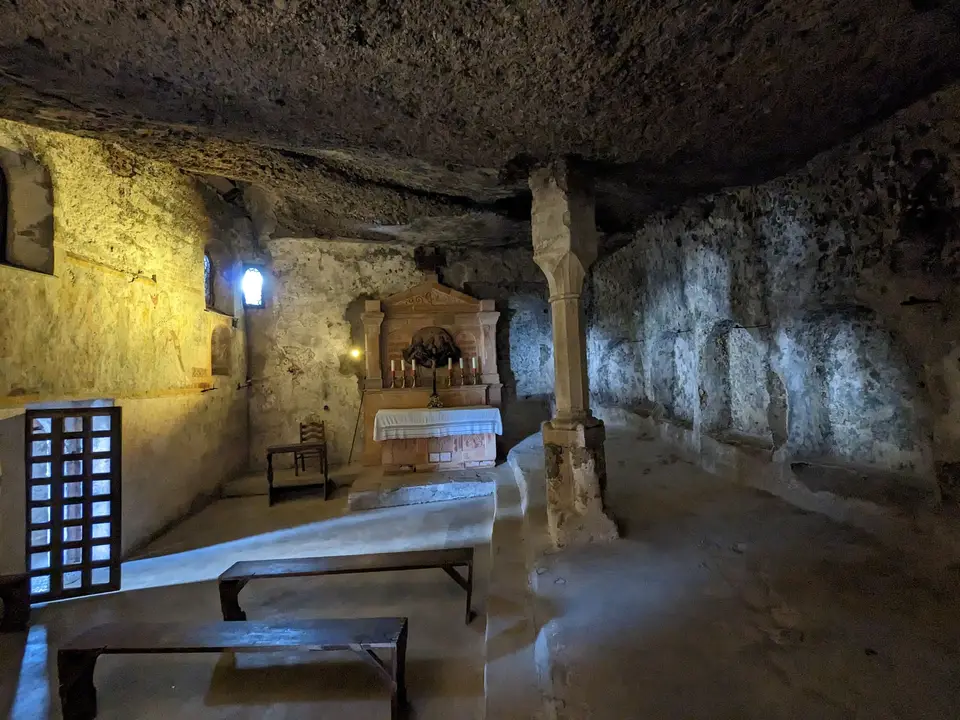
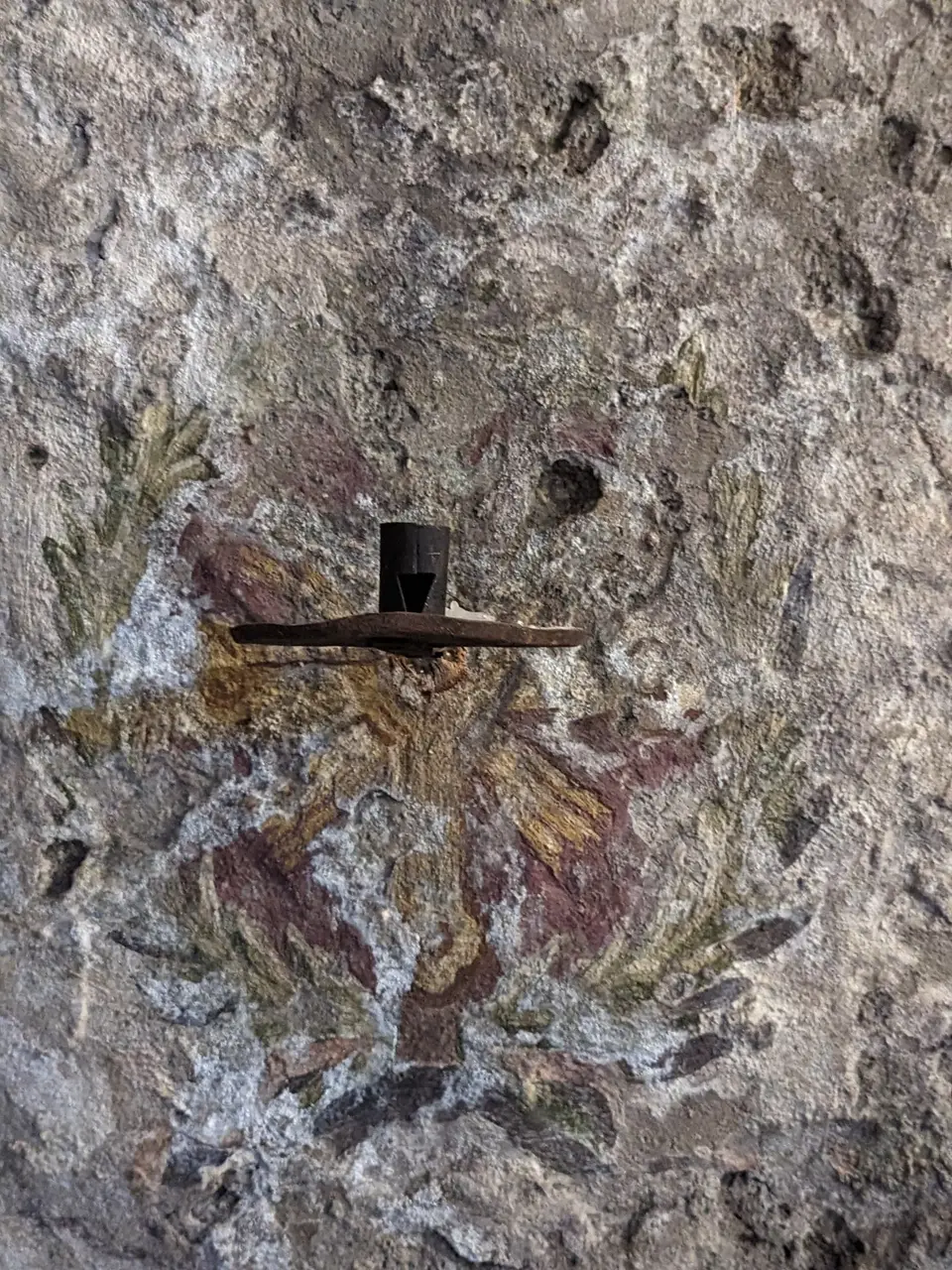
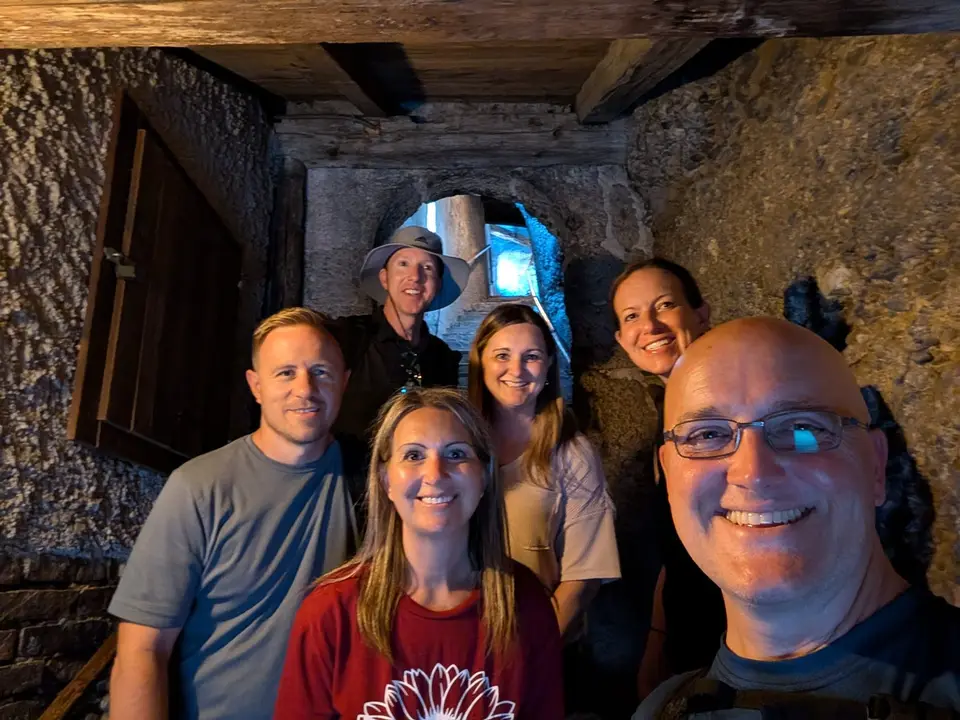
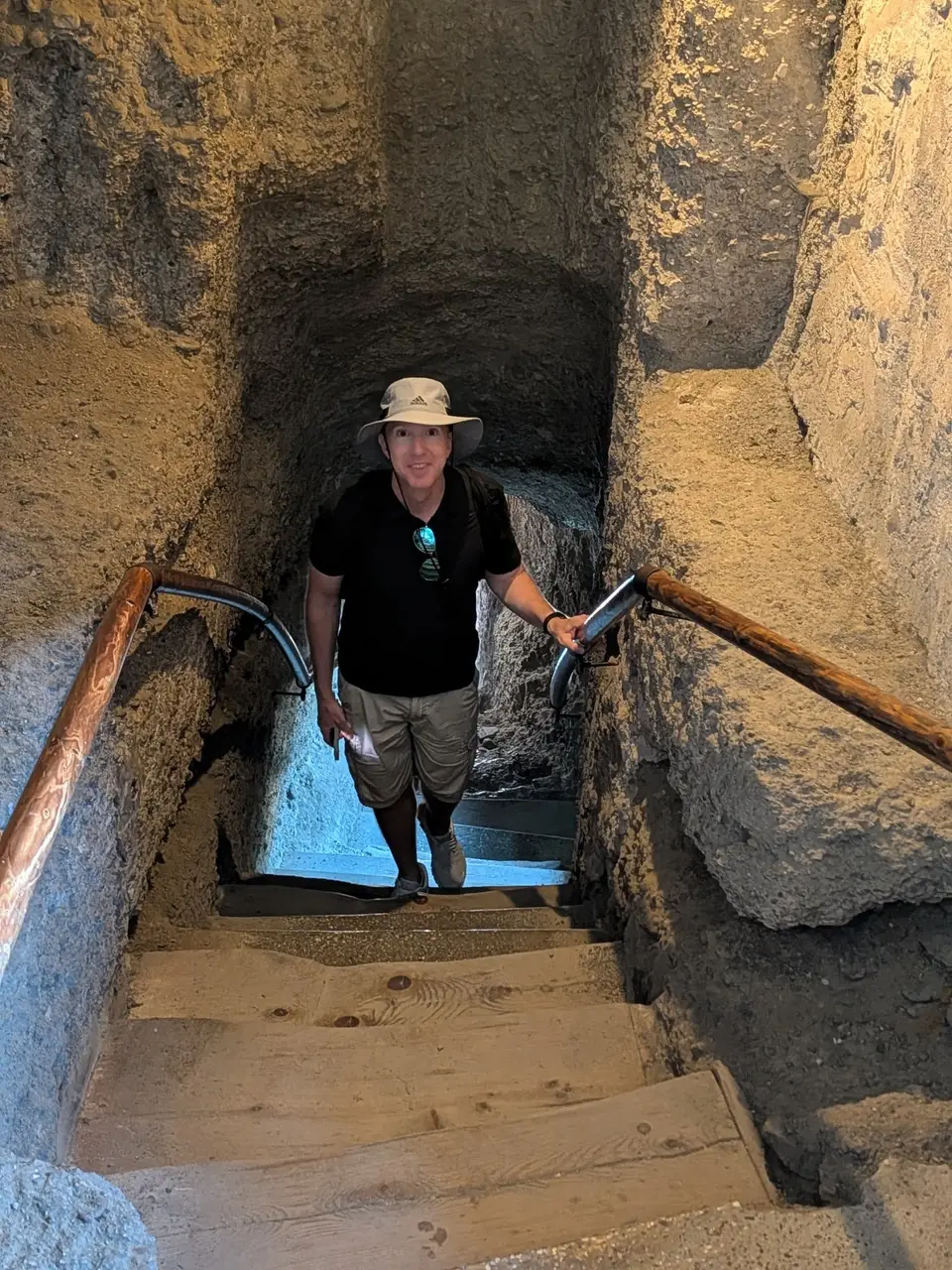
- Then pay the two euros. The catacombs are chambers and stairways cut into the cliff itself, reached by a stone stair off the cemetery, and they are €2 for an adult and €1.50 for a child. It is the cheapest thing on this page and one of the two or three best. Open 10:00 to 12:30 and 13:00 to 18:00 in summer, closing at 17:00 October to April.
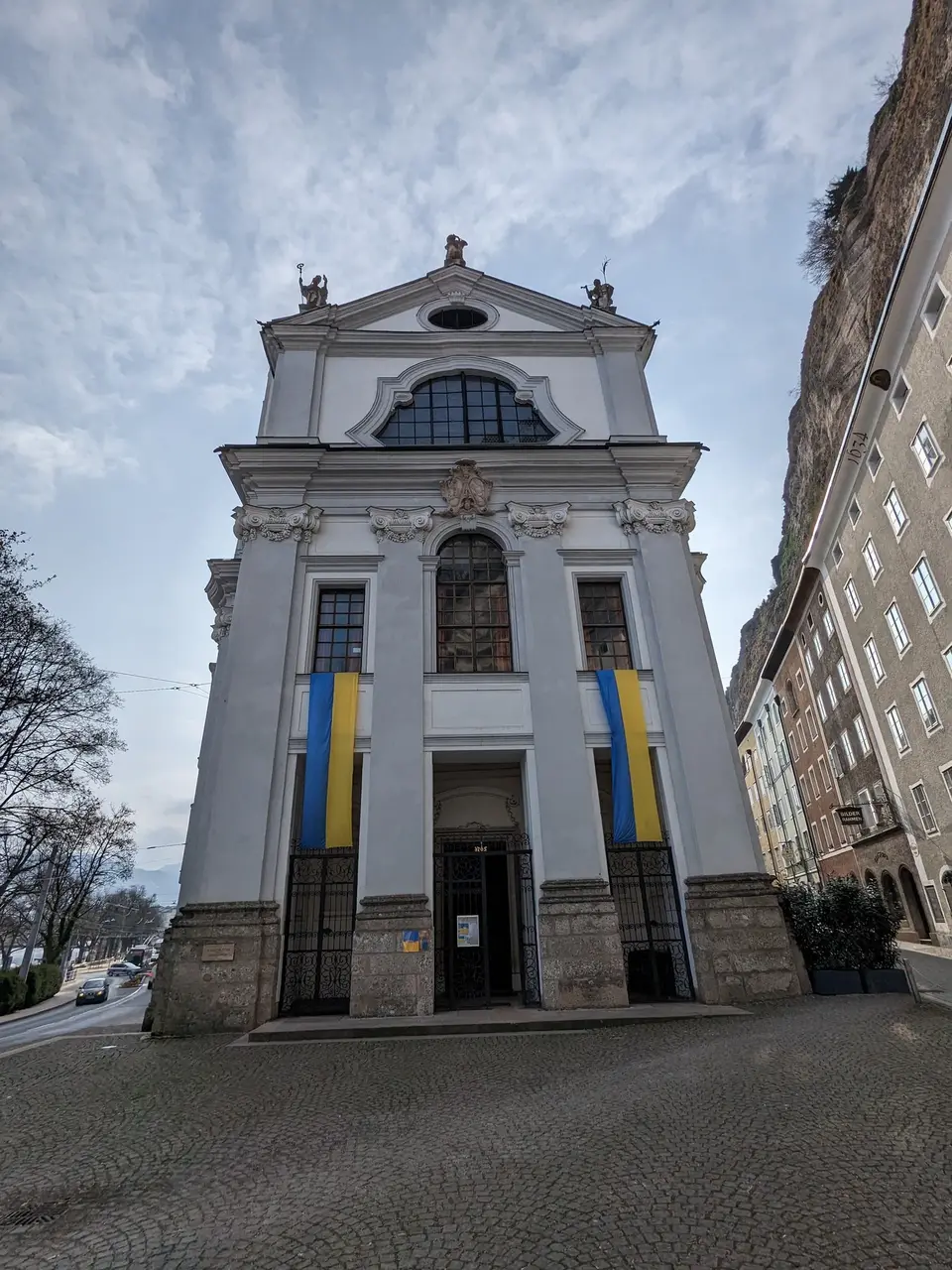
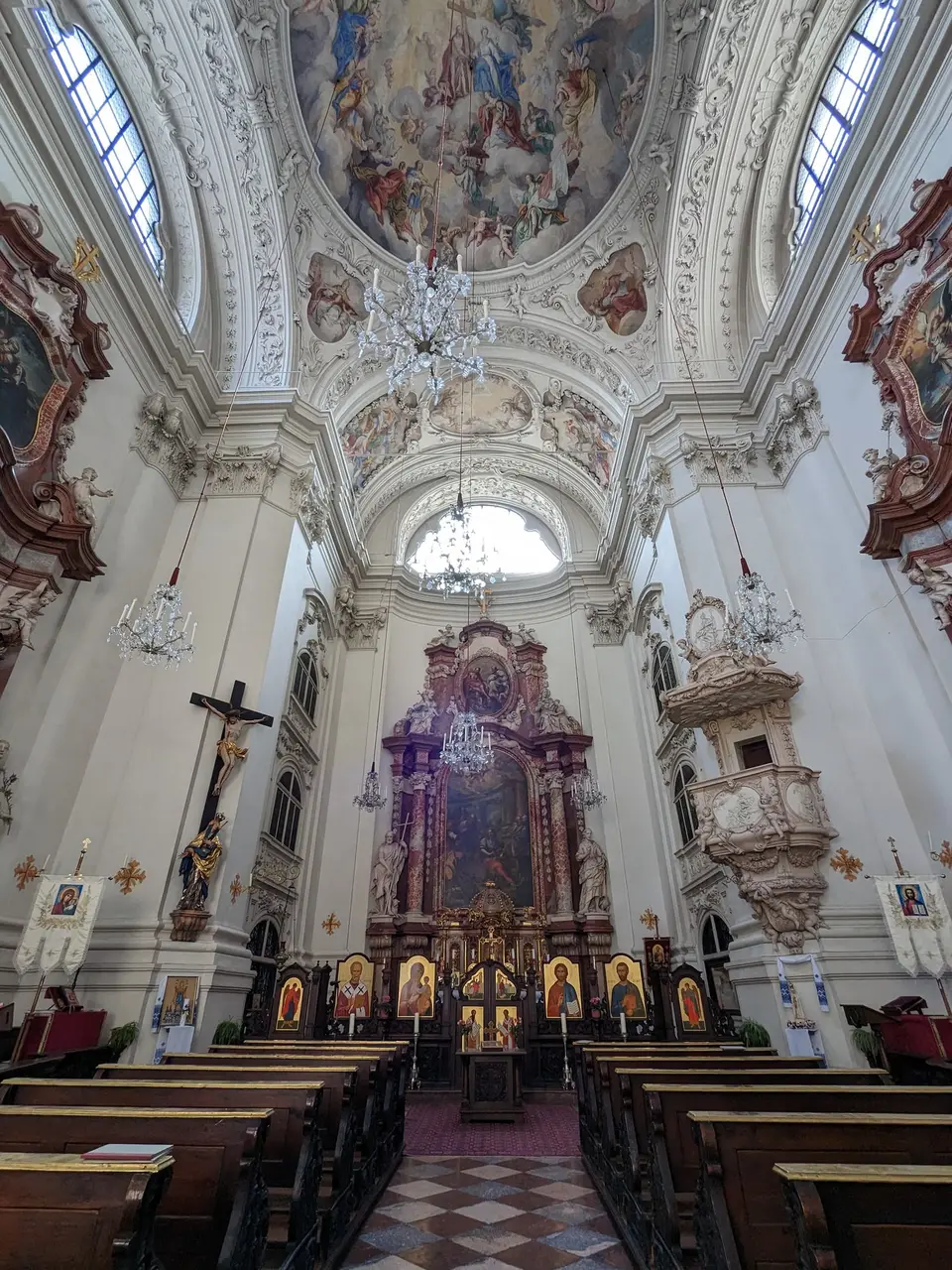
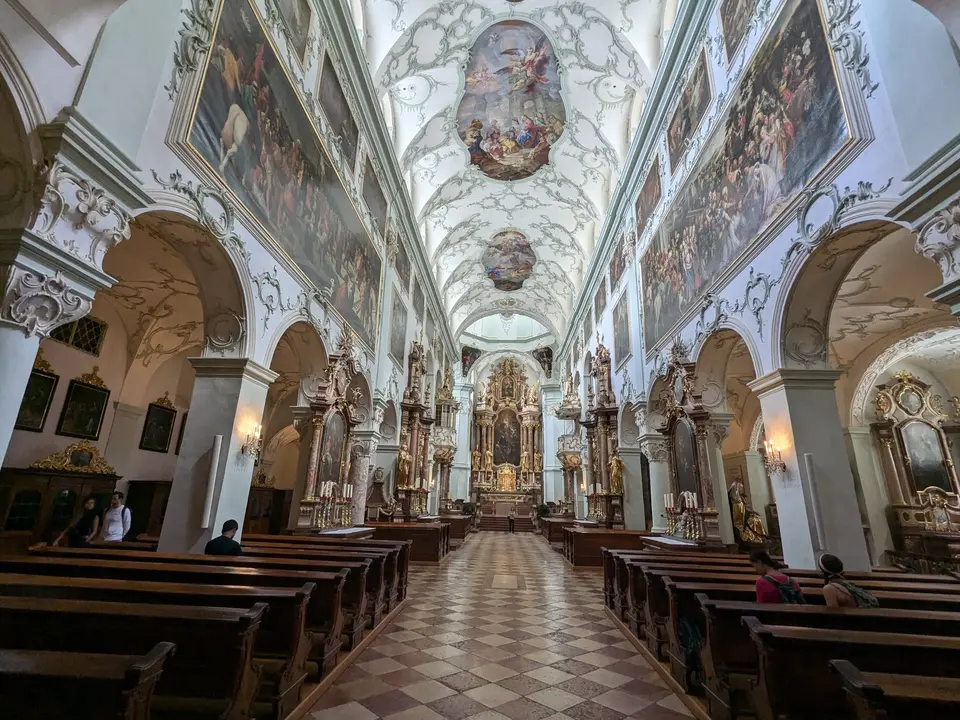
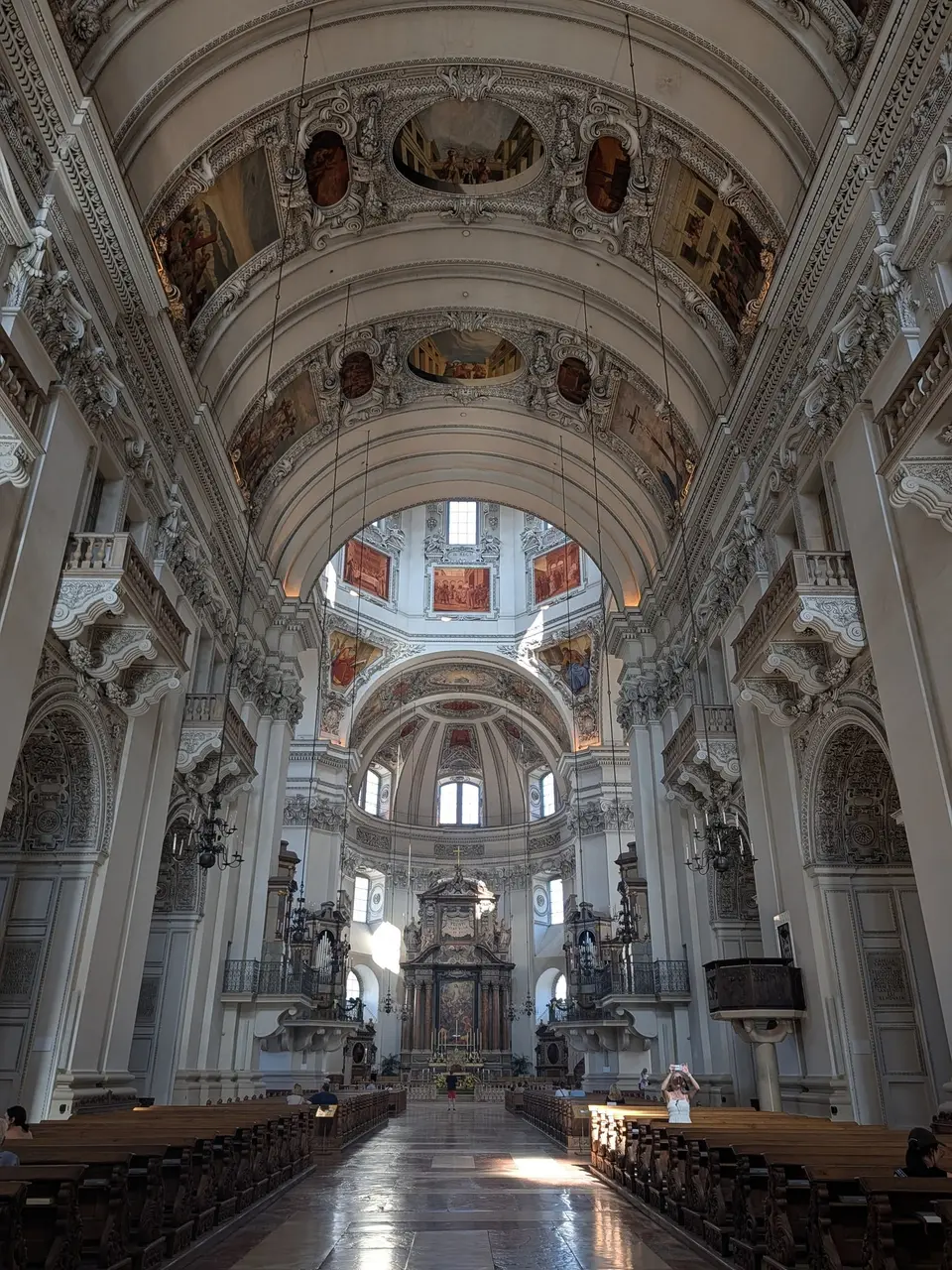
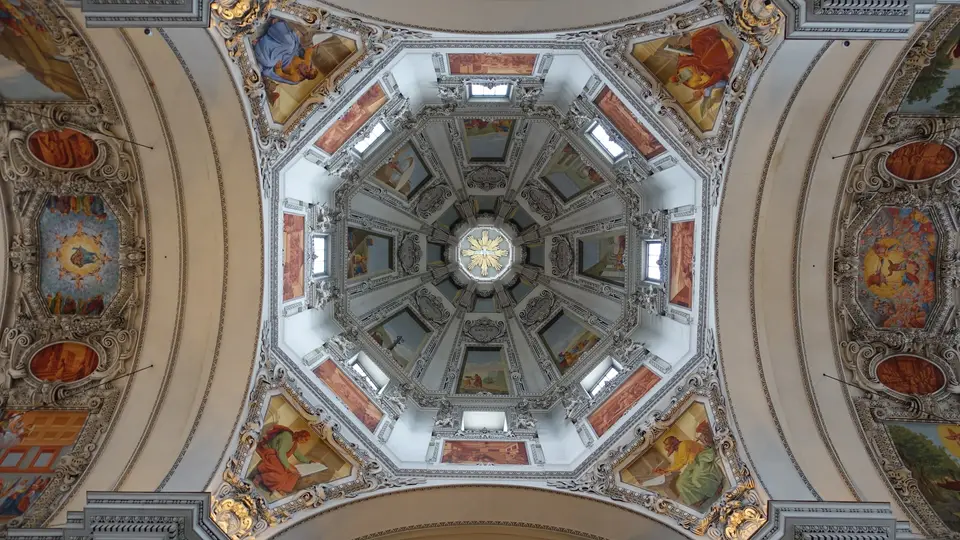
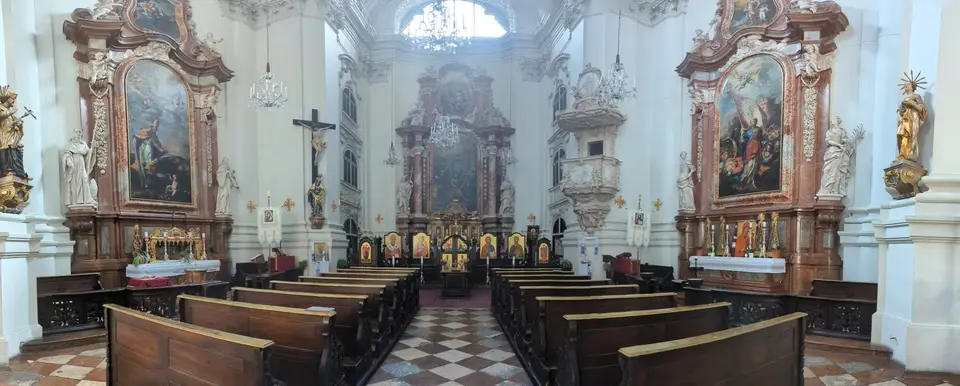
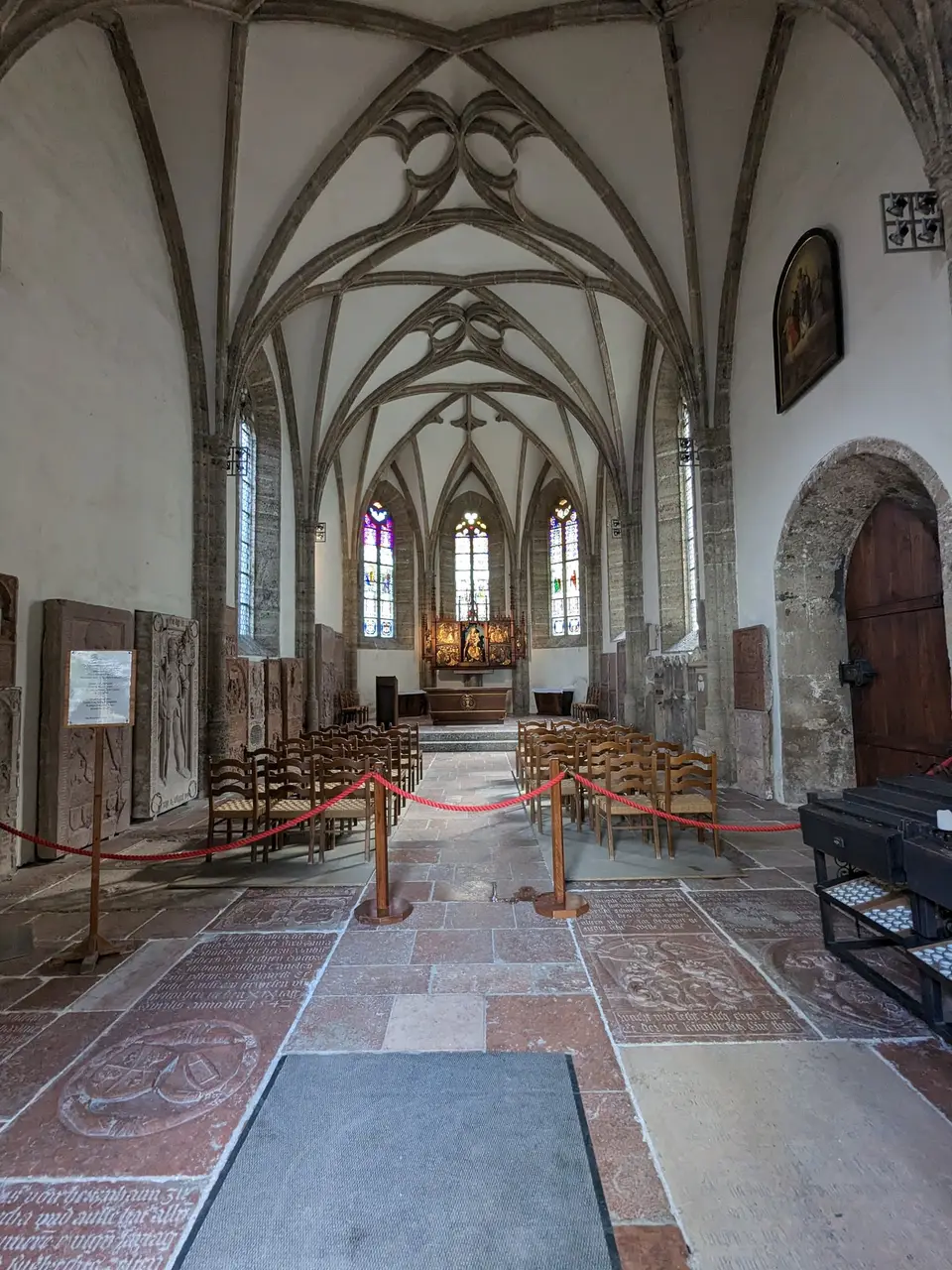
- The abbey church next door is free, and the ceiling is worth the neck.
Budget tips
- The lunch break in the middle matters. The catacombs shut for half an hour at 12:30 and the line rebuilds at 13:00 — arrive at 13:05 rather than 12:25.
- The cemetery is free, photogenic and almost empty at opening time. If you want the old town without the crowd, this is where to spend the first hour of the day rather than the middle of it.
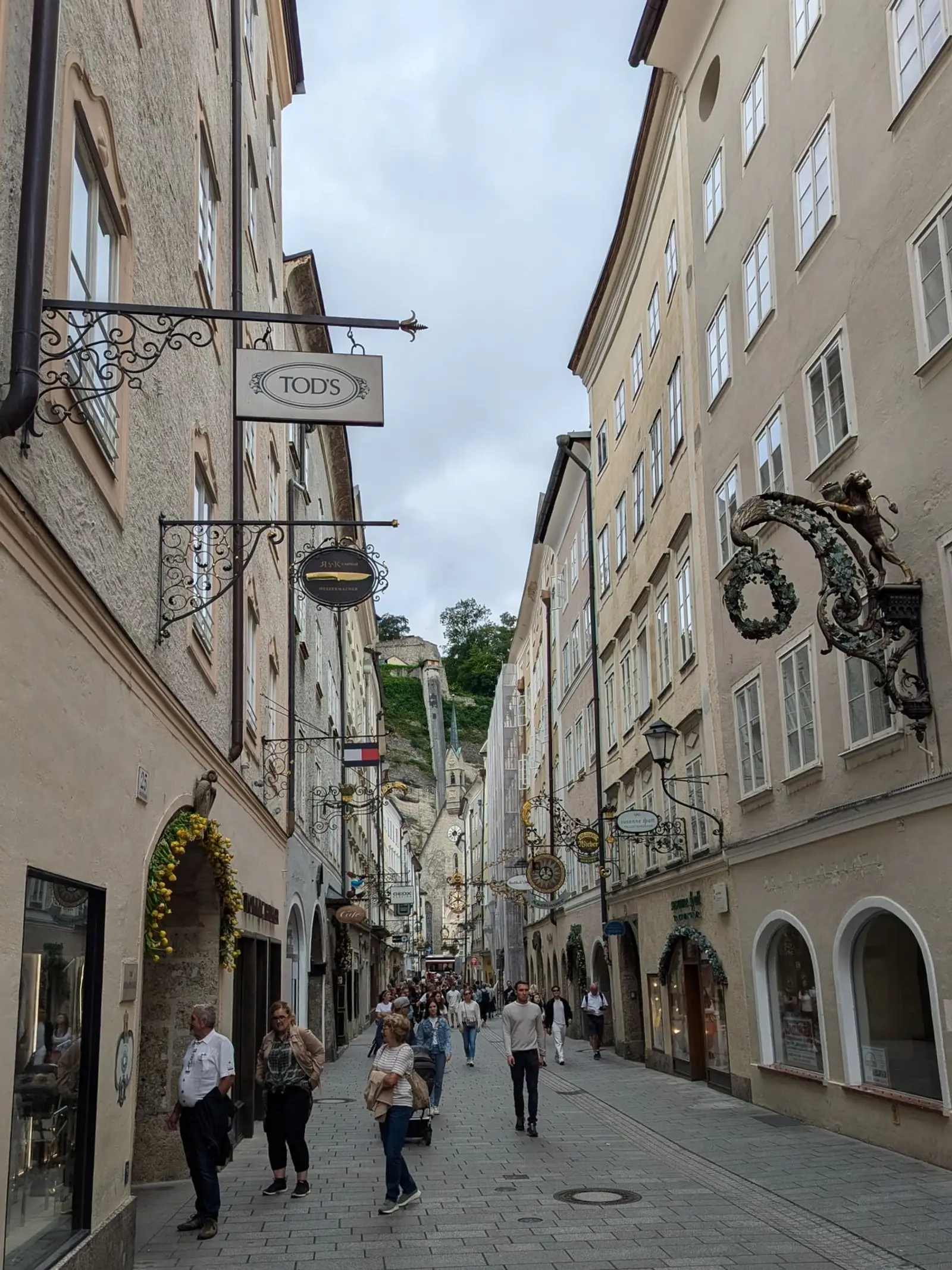
Afternoon — the old town, Getreidegasse and the Mozart question
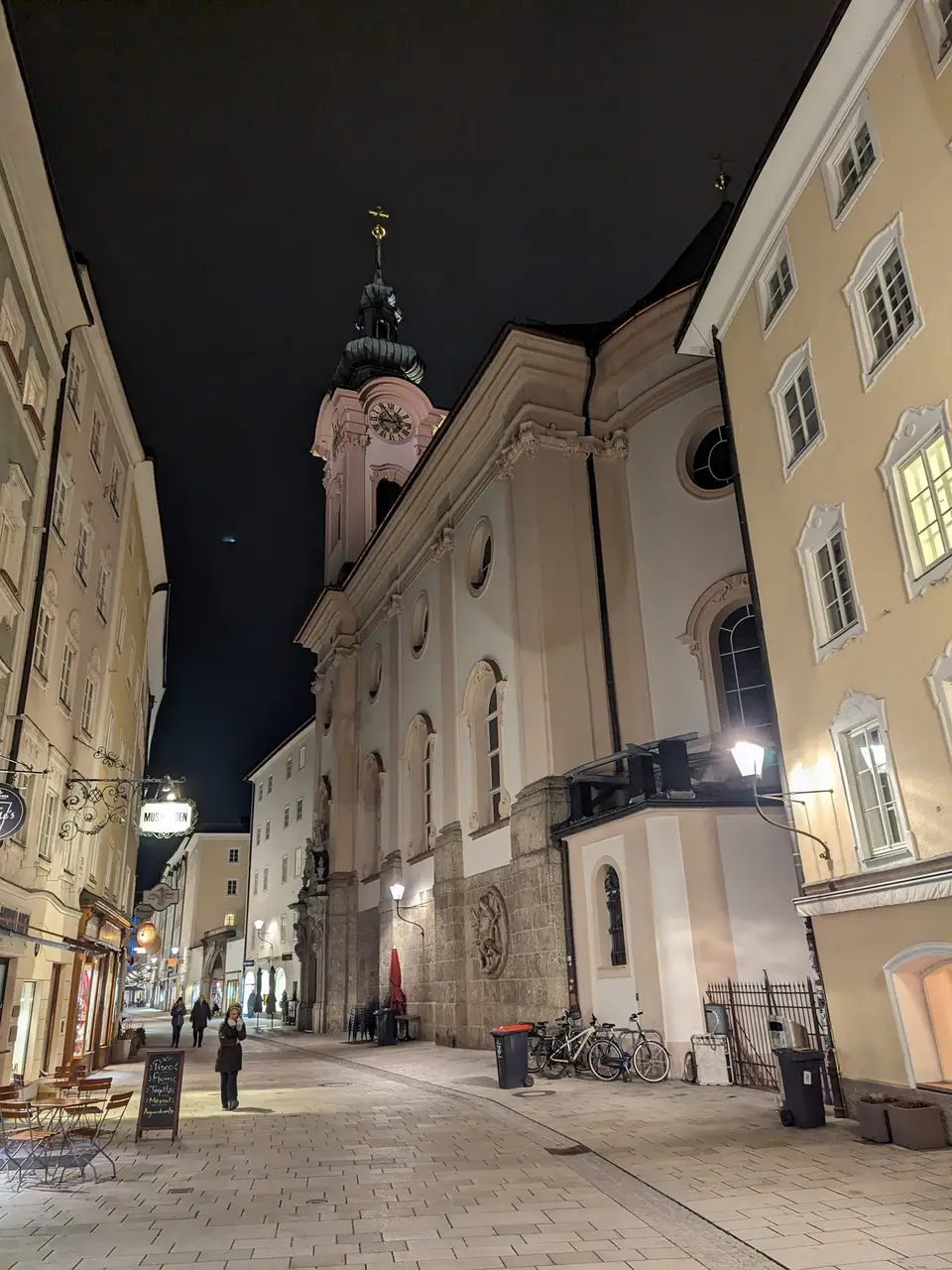
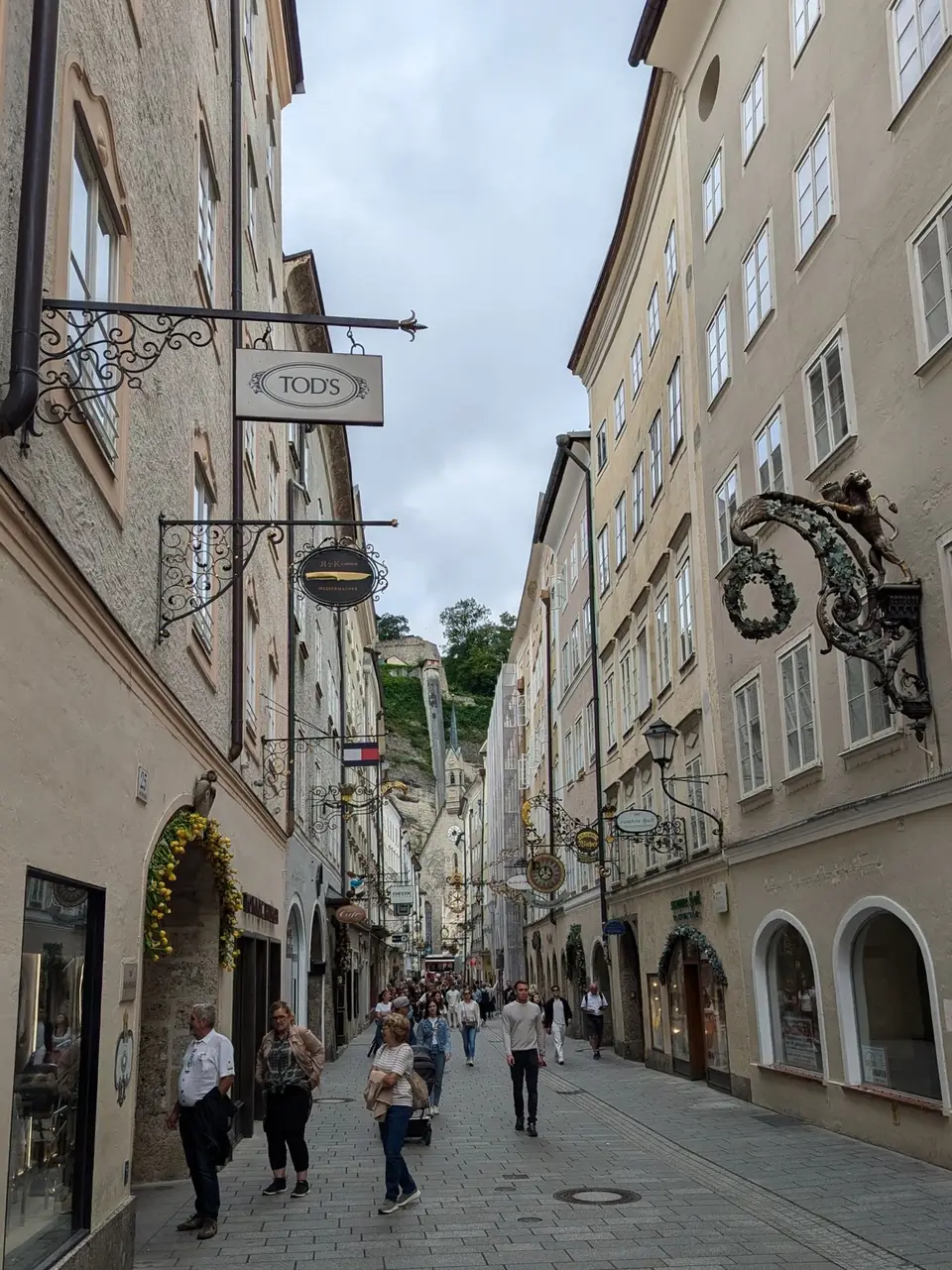
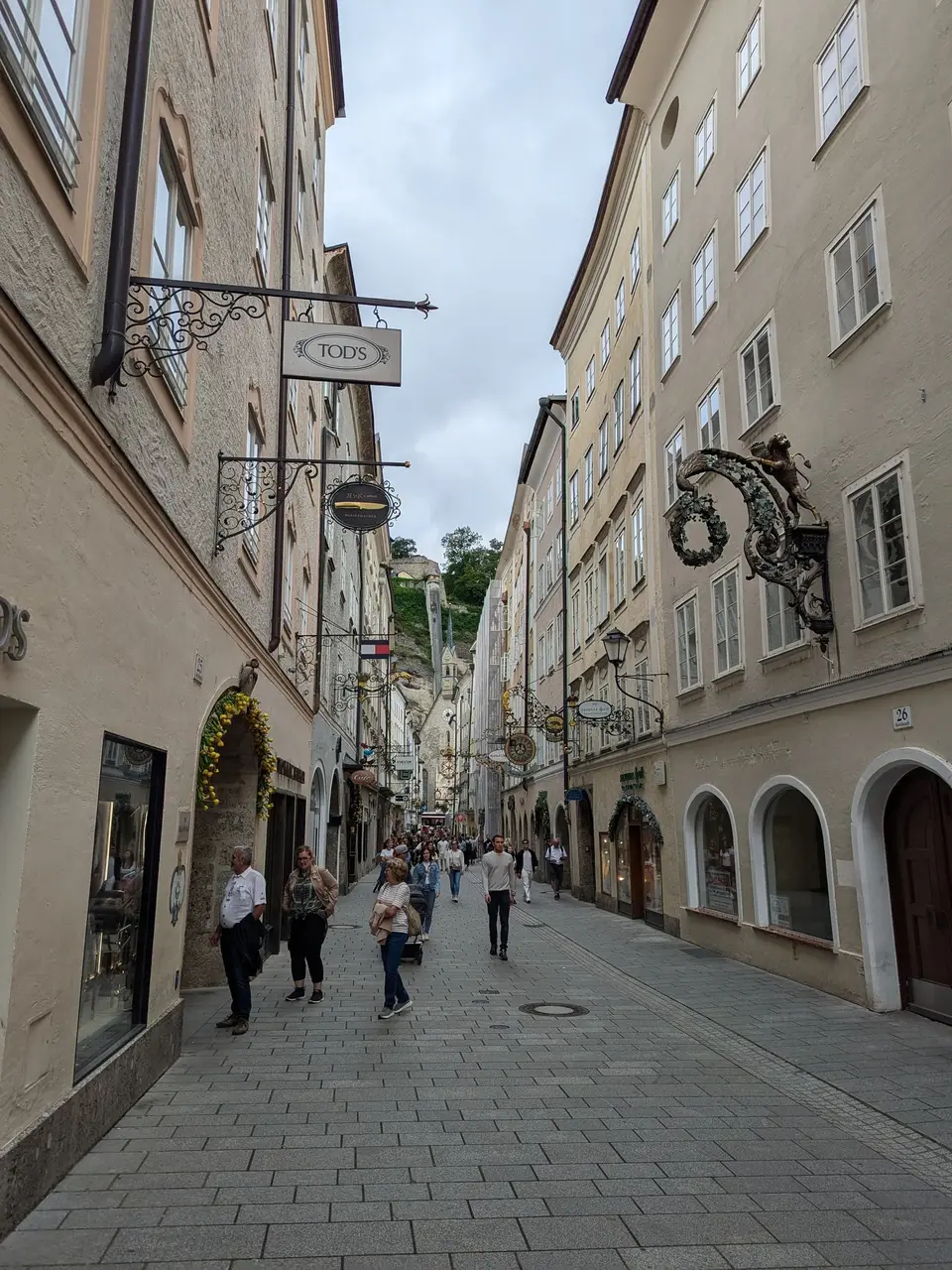
- Getreidegasse is the famous street and it is genuinely handsome — the wrought-iron guild signs hanging over it are the thing to look up at, including the one over McDonald's, which tells you how seriously the rule is taken.
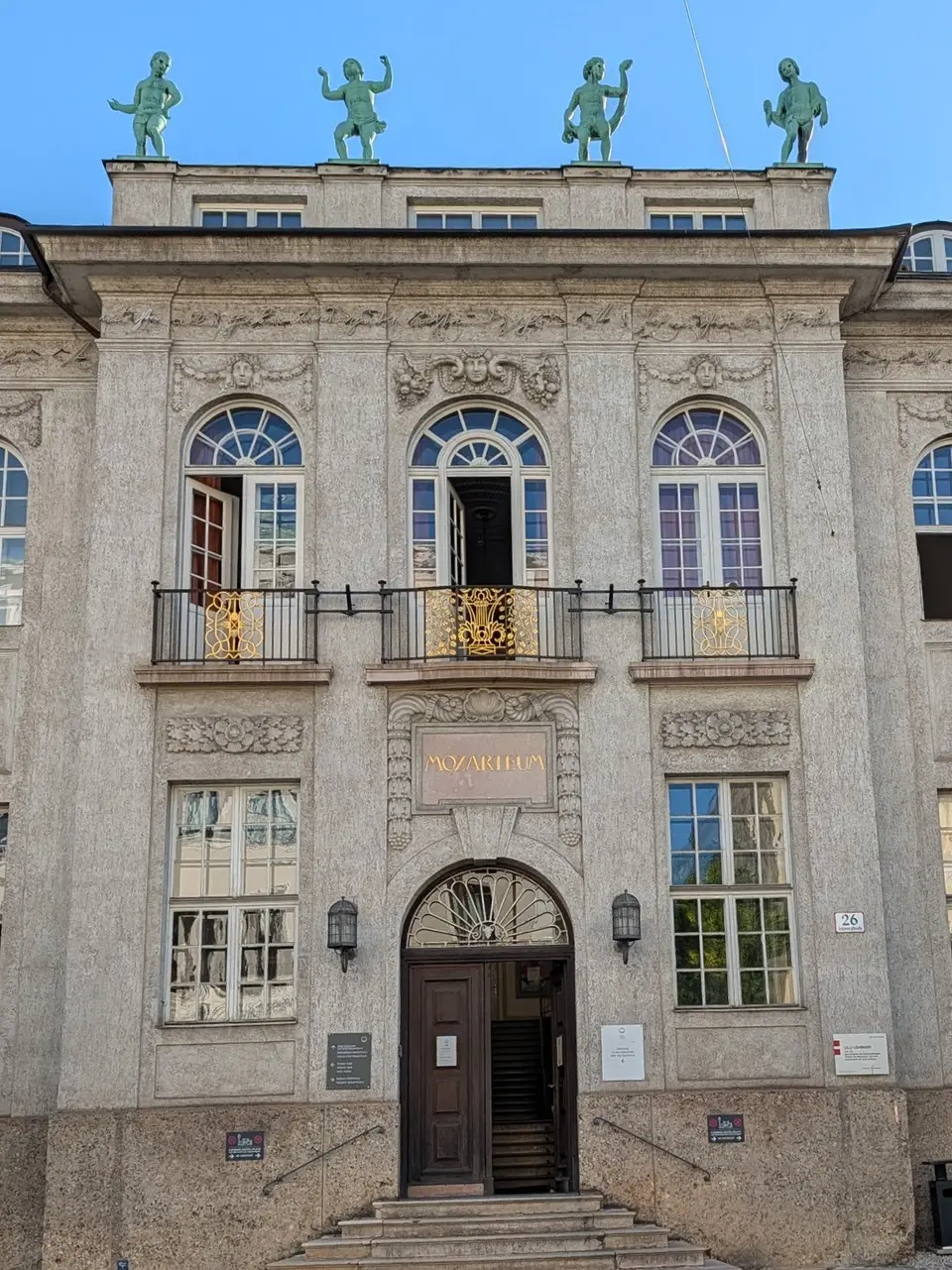
- Mozart's Birthplace is at number 9 and costs €15, or €23 combined with the Mozart Residence across the river. It is a museum about a man in the rooms he was born in, and how much you get from it depends almost entirely on how much you care before you walk in.
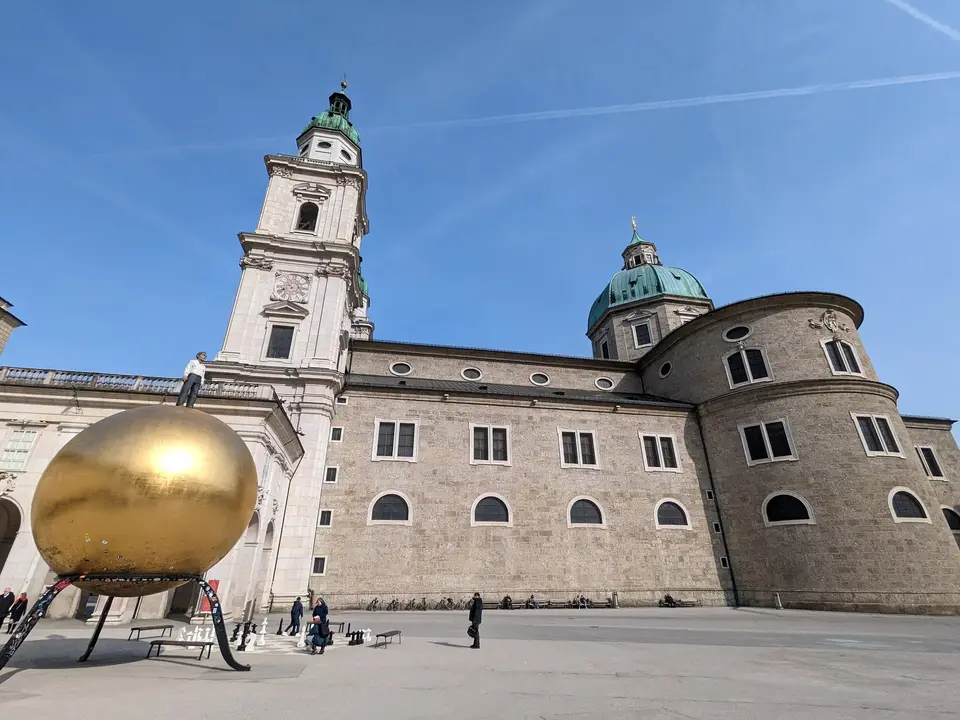
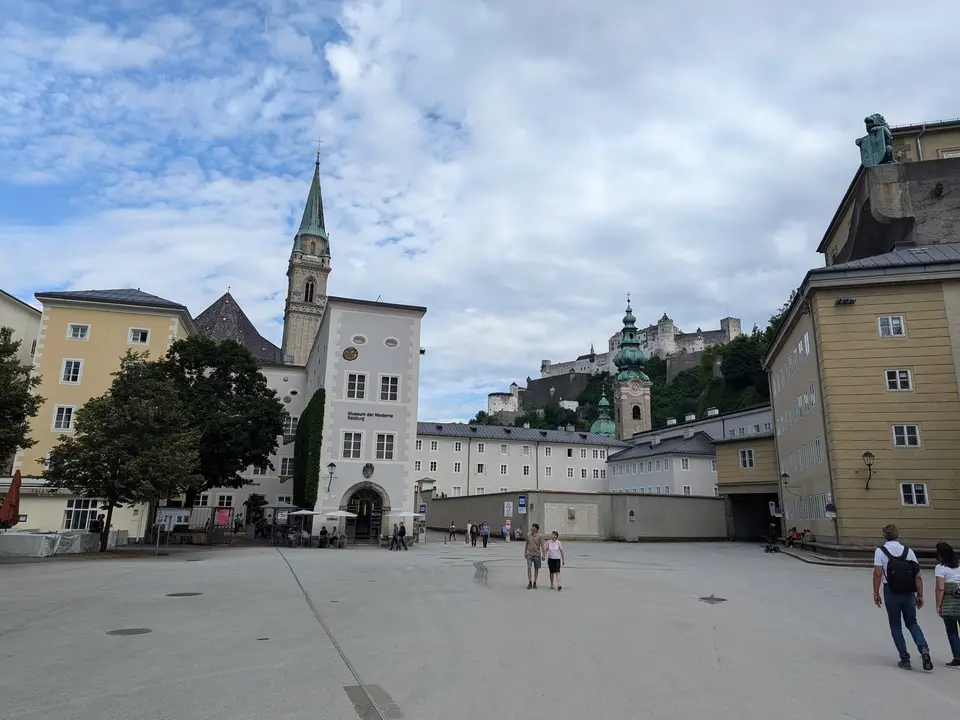
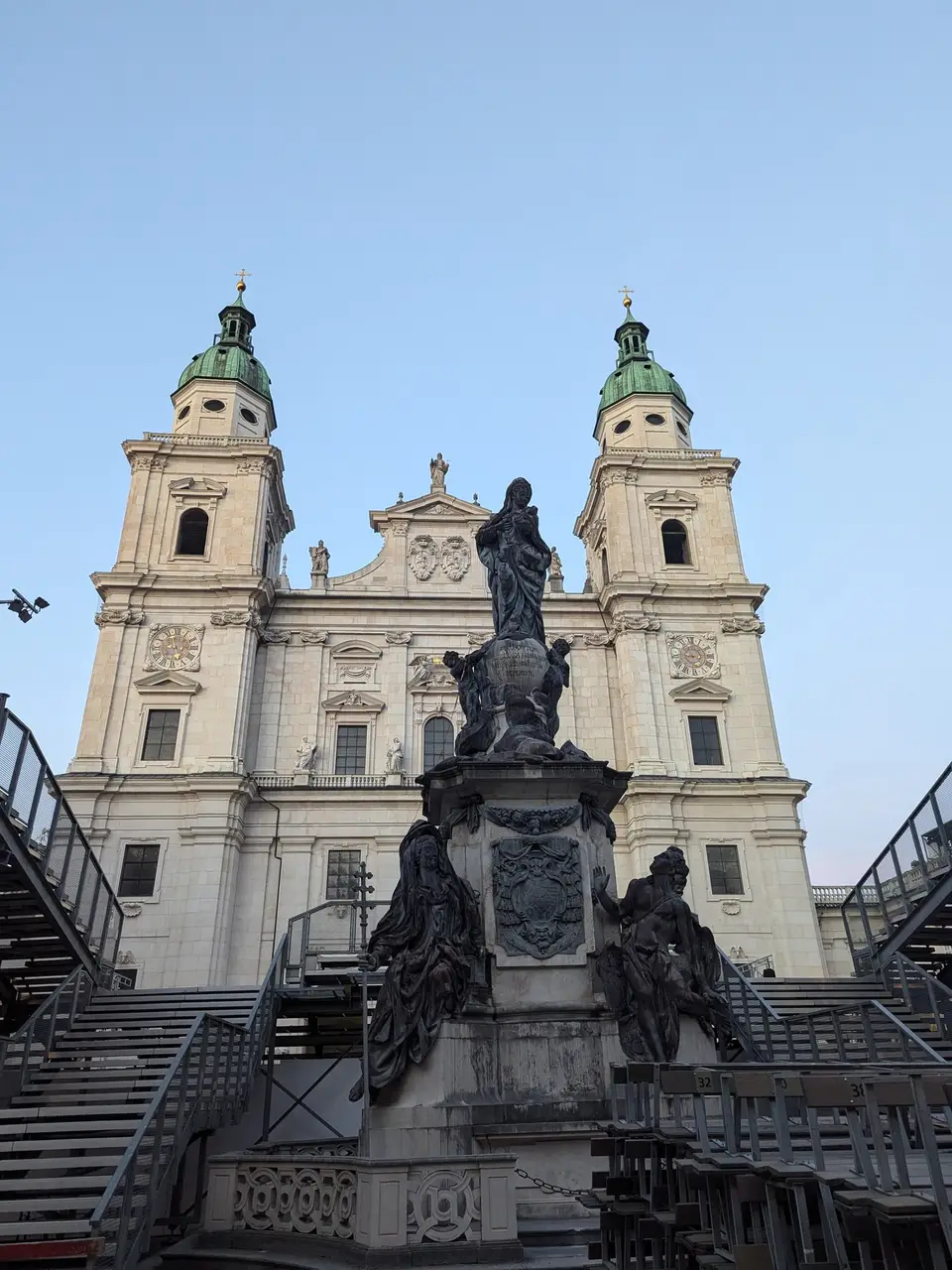
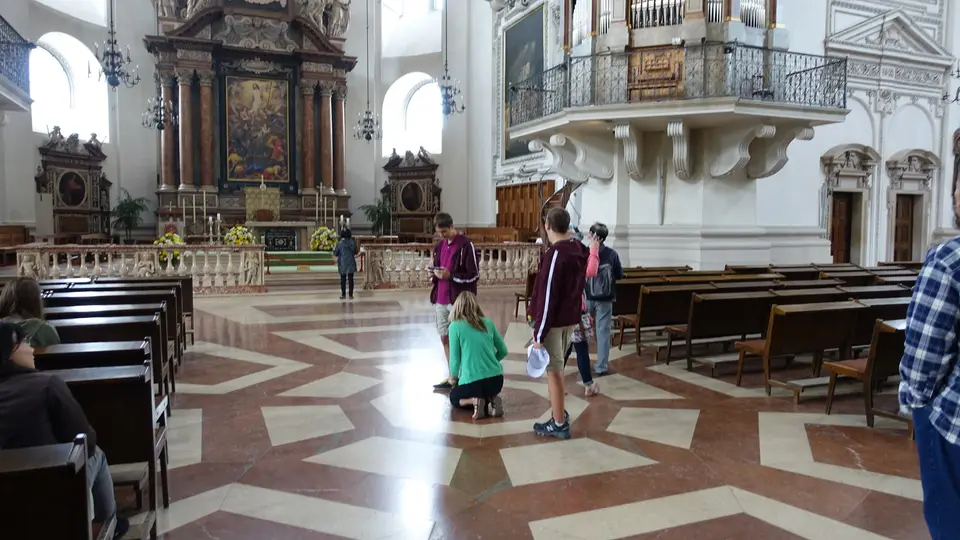
- Residenzplatz and Domplatz are the two big squares, and the cathedral between them is free to enter. The golden sphere with the man standing on it in the middle of Kapitelplatz is modern, divisive and a good meeting point.
Budget tips
- The cathedral is free and the Birthplace is €15. If you are choosing one paid indoor thing in Salzburg, we would spend it on the fortress rather than the Mozart house — but that is a preference, not a verdict.
- Getreidegasse is where the city's prices are highest. Walk one street back for anything you intend to eat or drink.
Late afternoon — Mirabell, and the best free view in the city
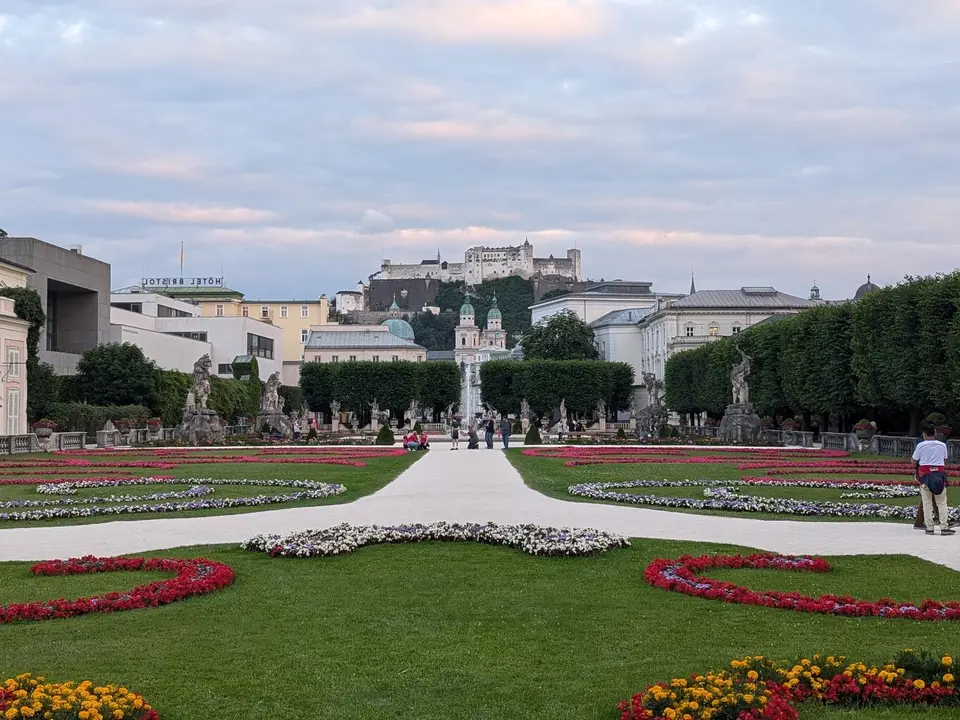
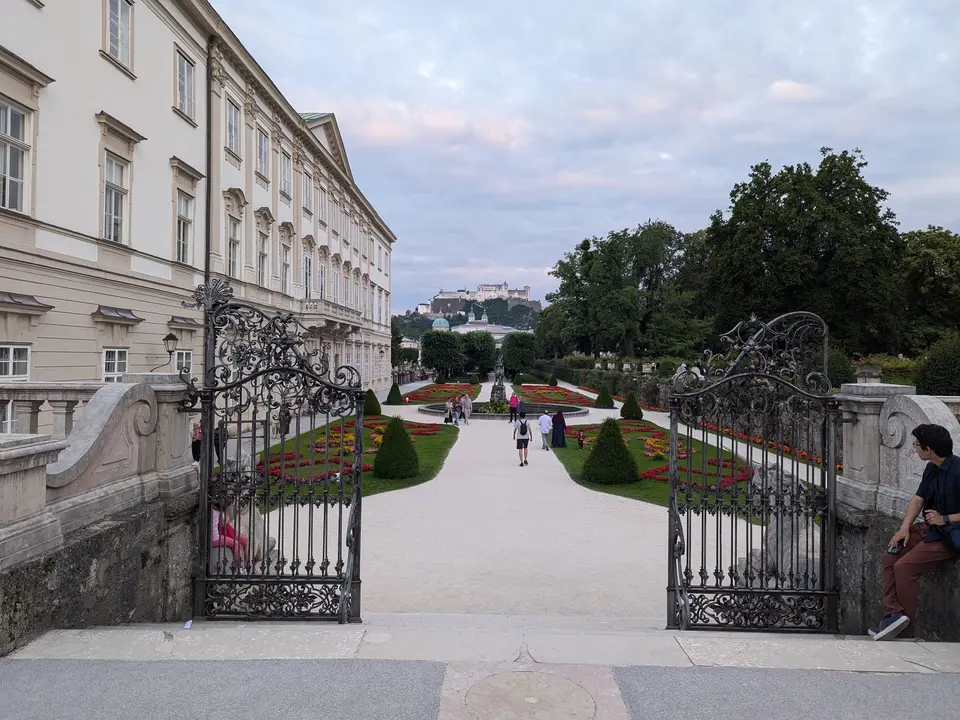
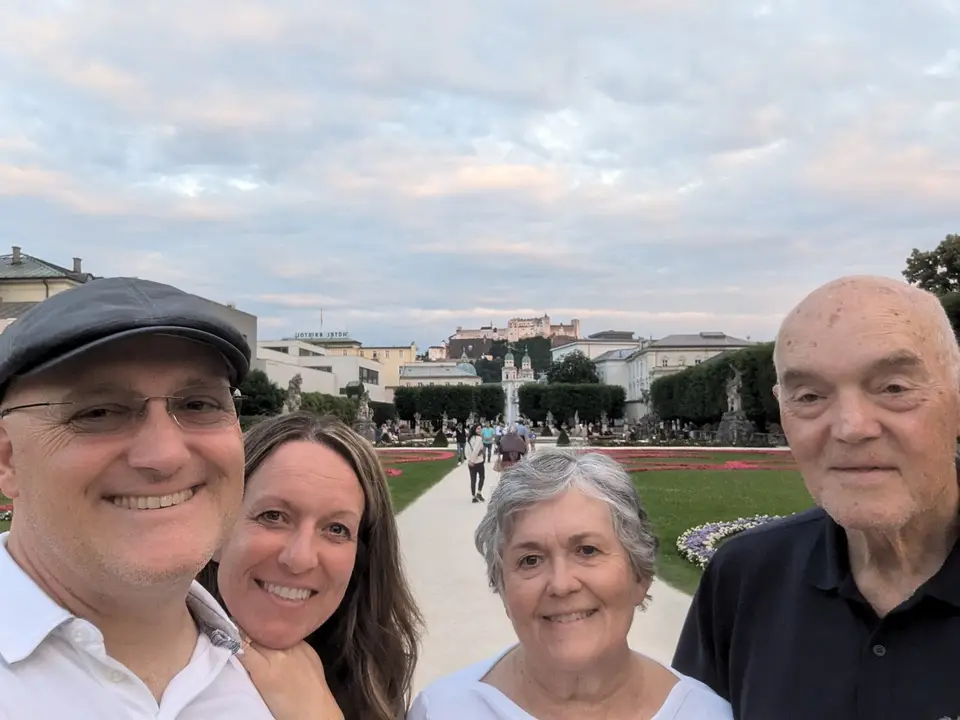
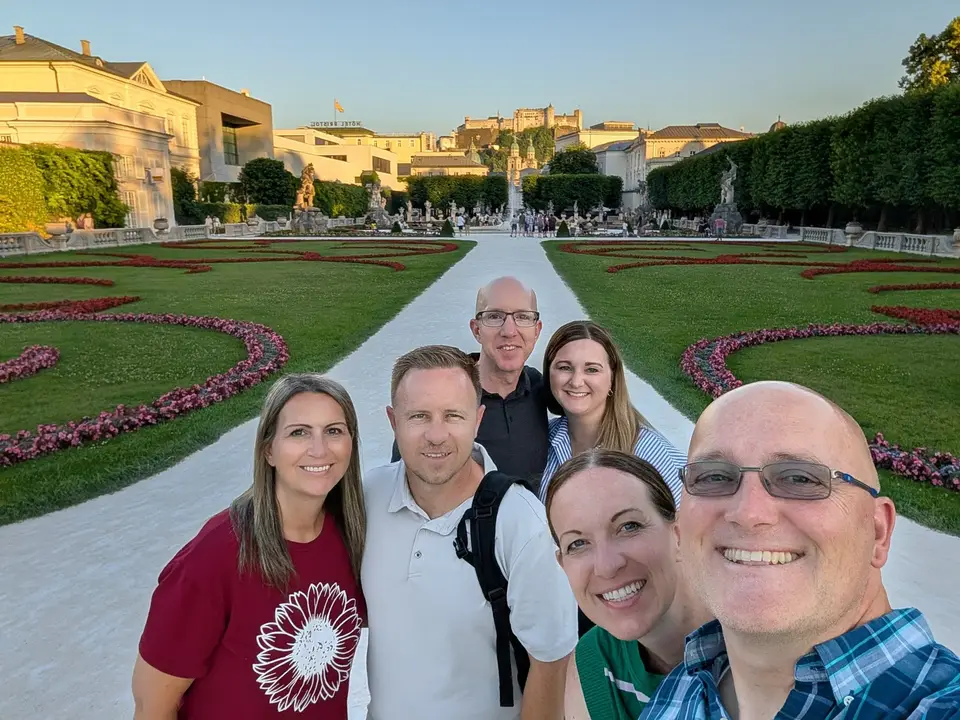
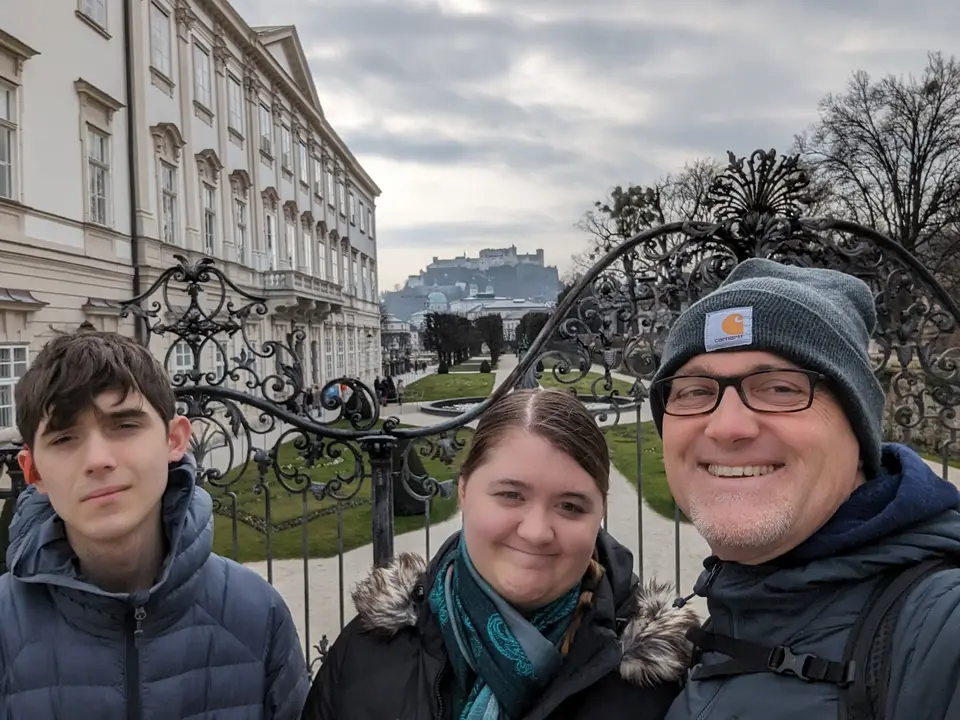
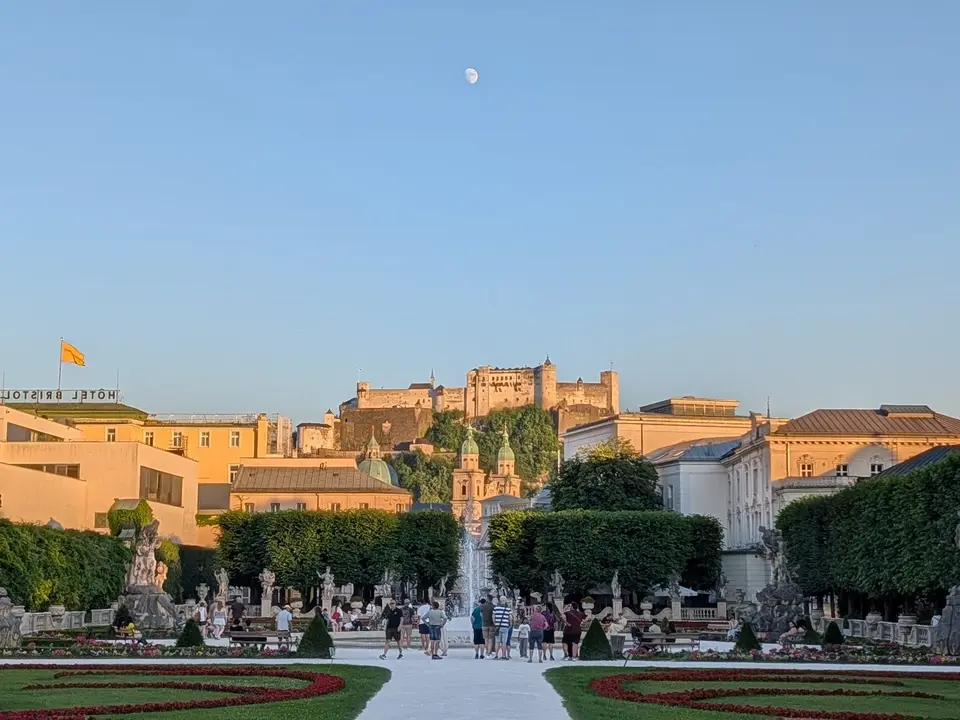
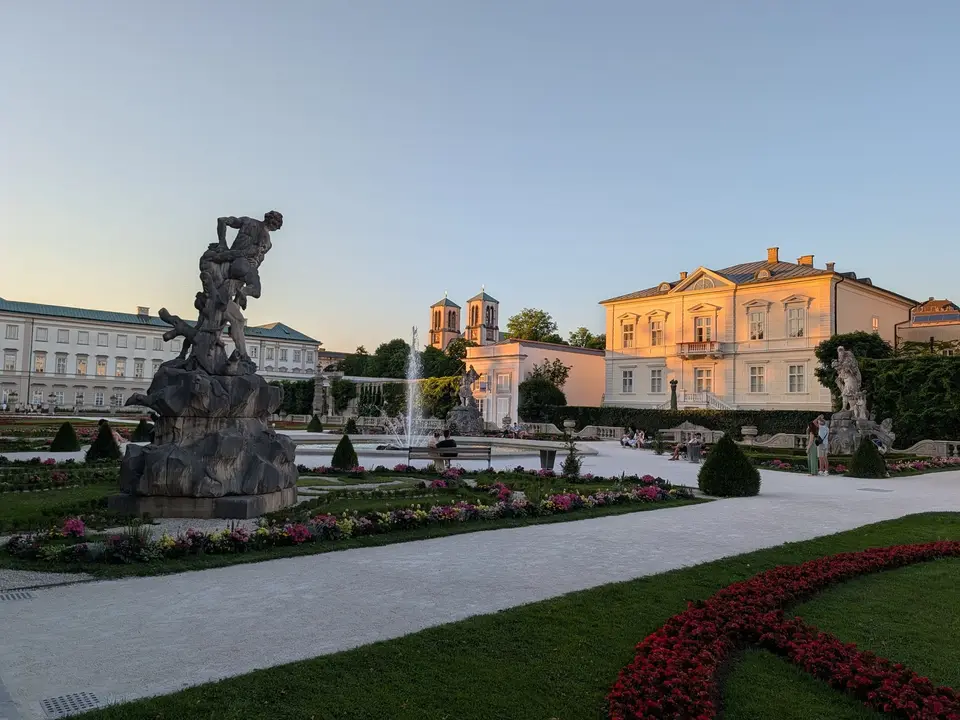
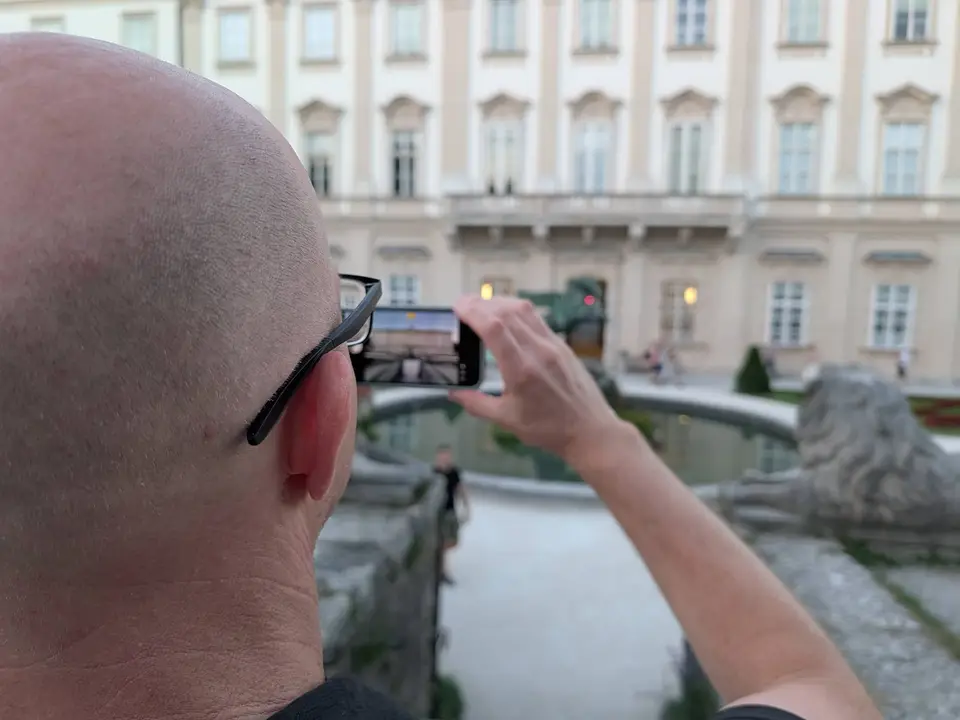
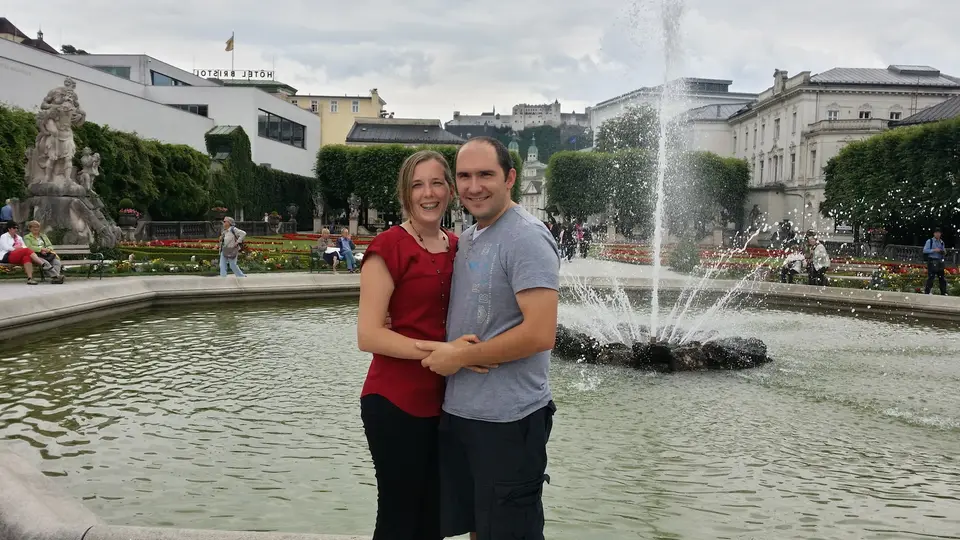
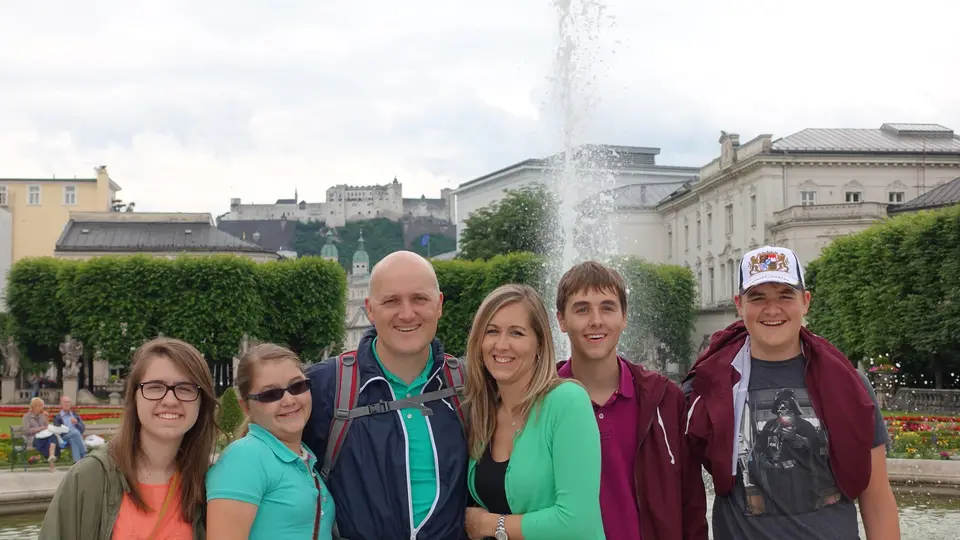
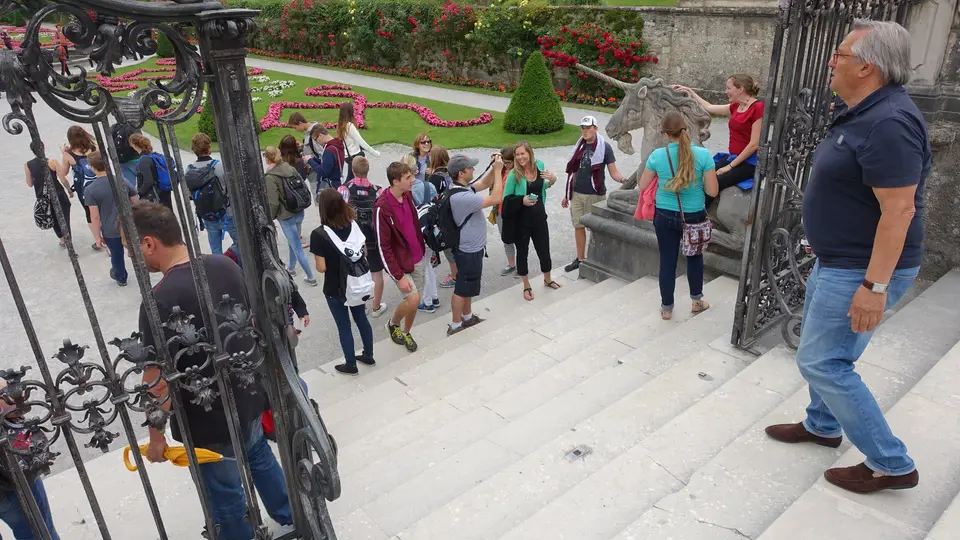
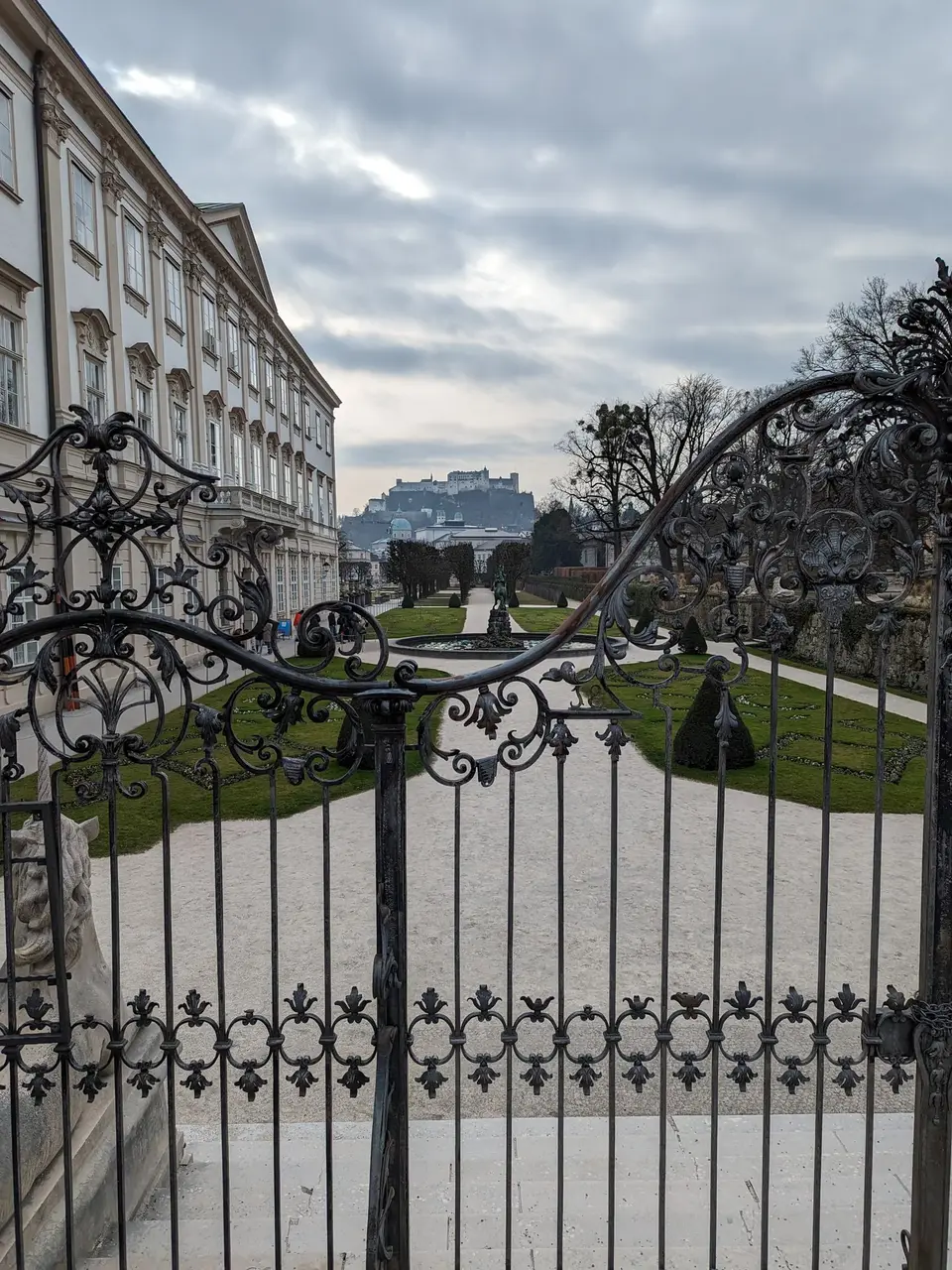
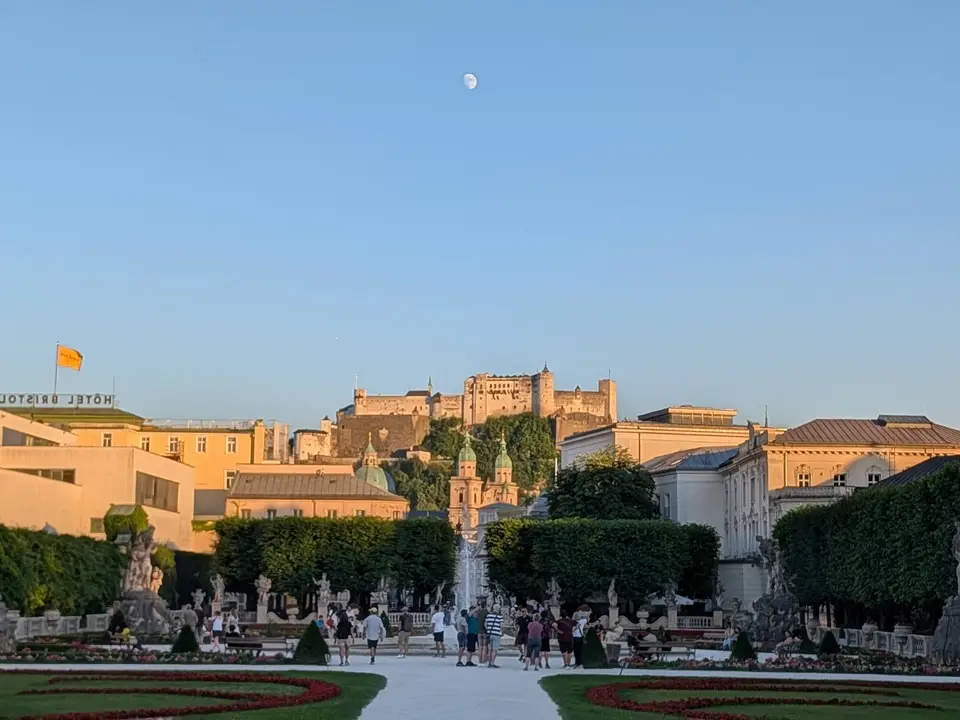
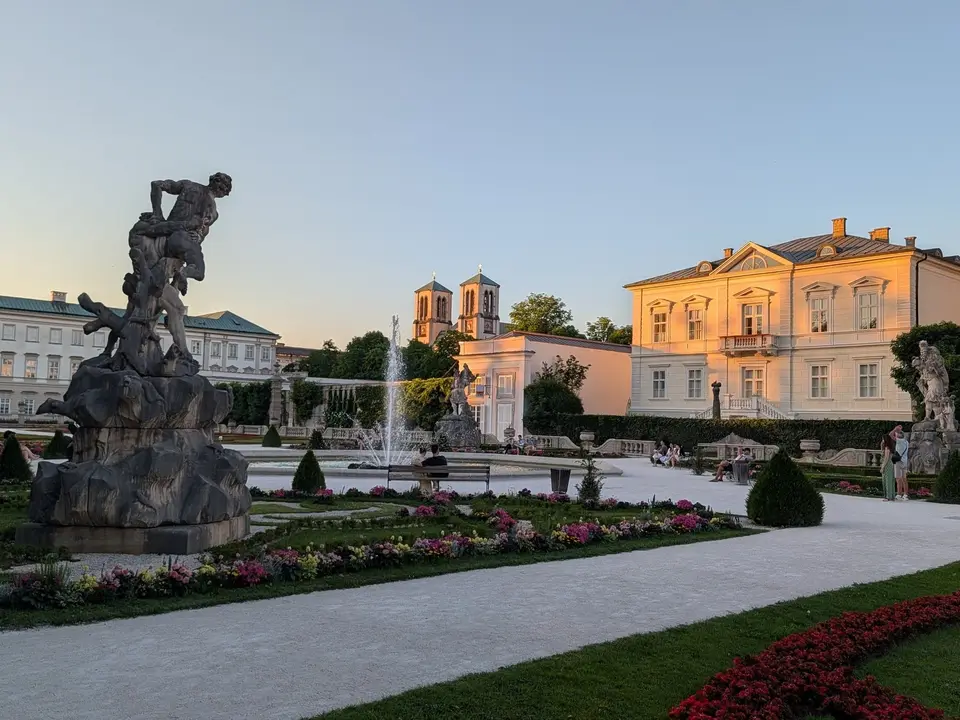
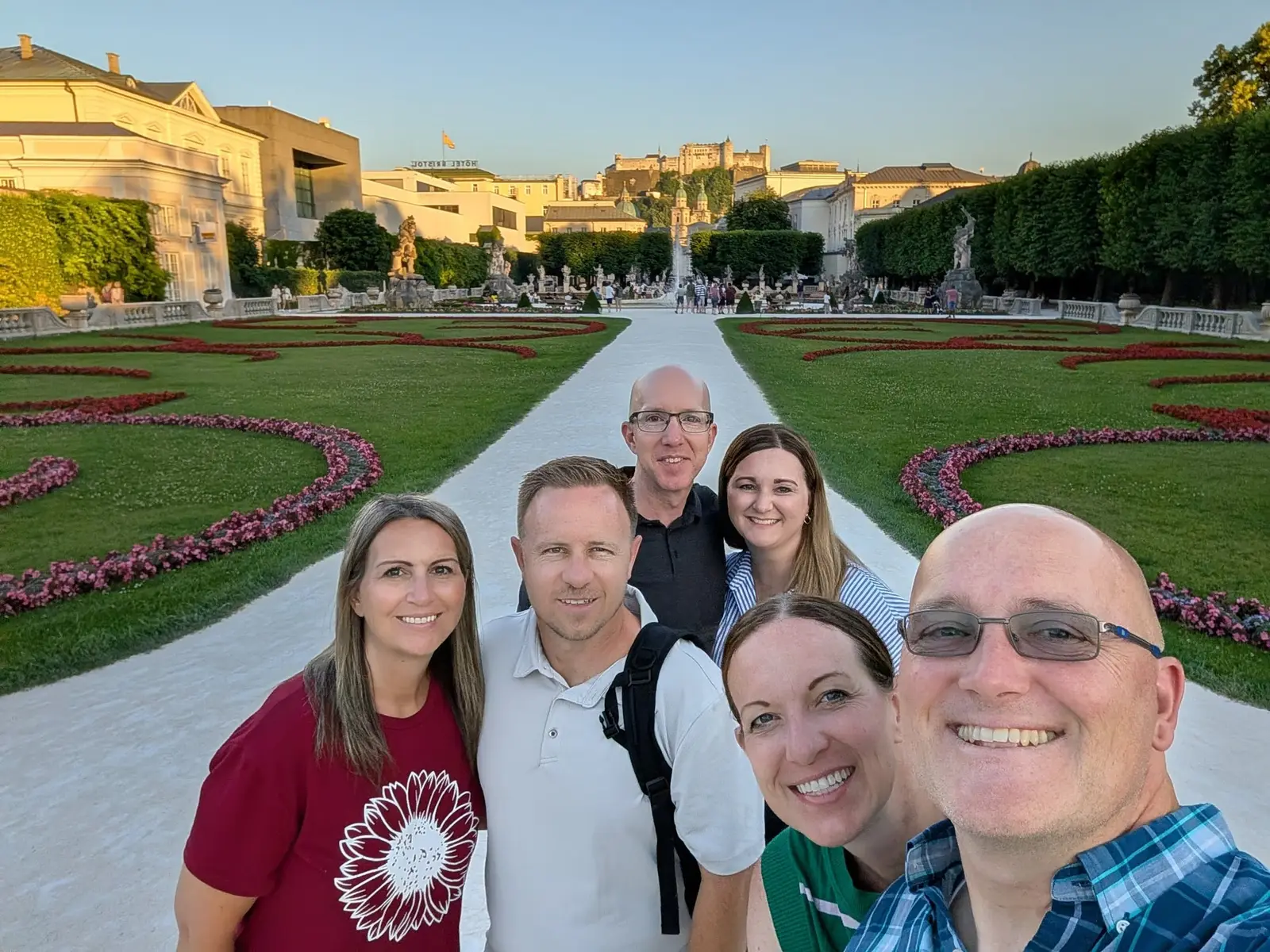
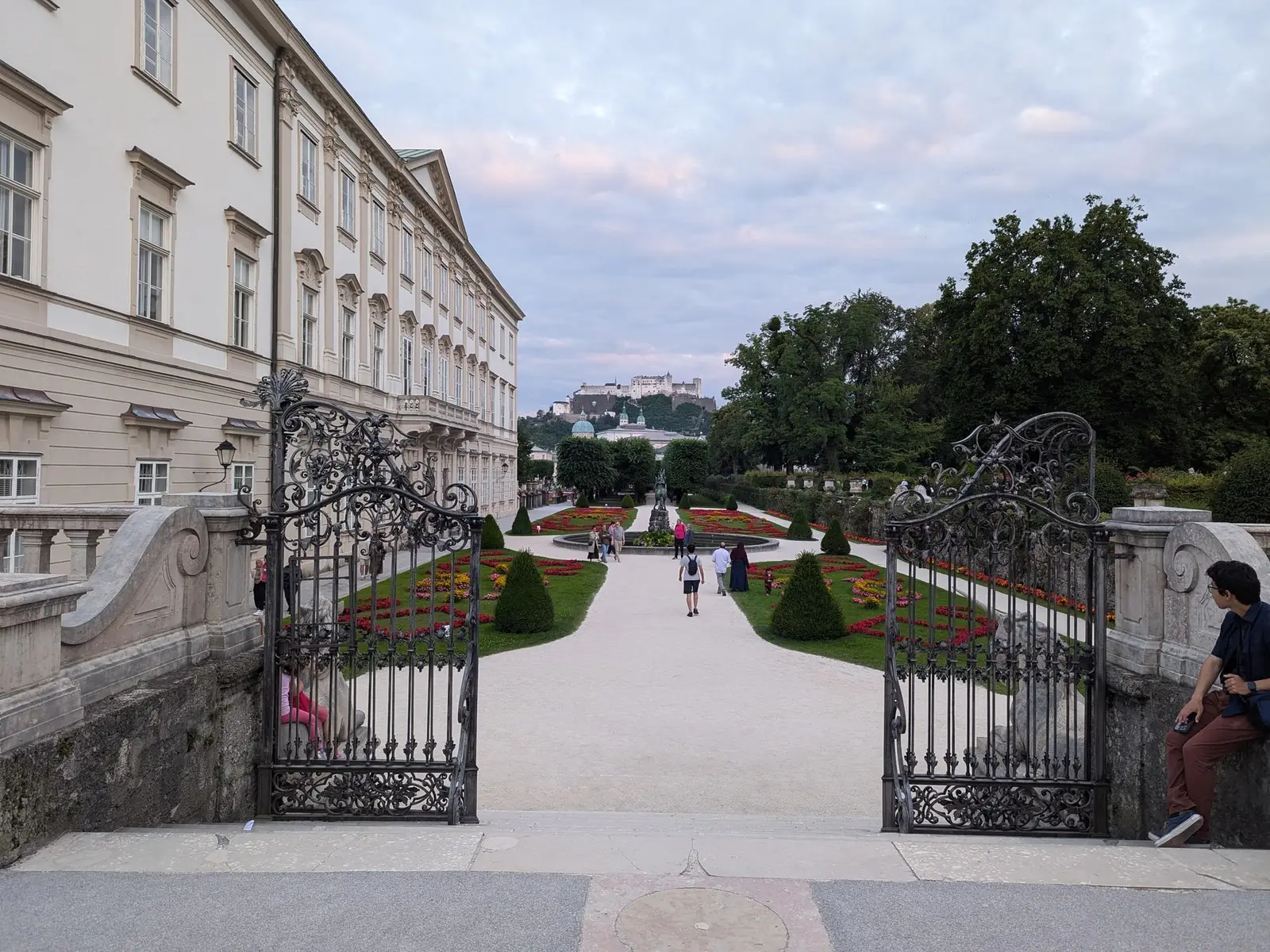
- The Mirabell gardens are free, open, and point straight at the fortress. The beds, the fountain and the path line up on the ridge, which is why every photograph taken here looks composed whether you meant it or not. It is the picture on our Austria card for exactly that reason.
- Go late. The light comes across the gardens in the last hour and the day-trip coaches have gone.
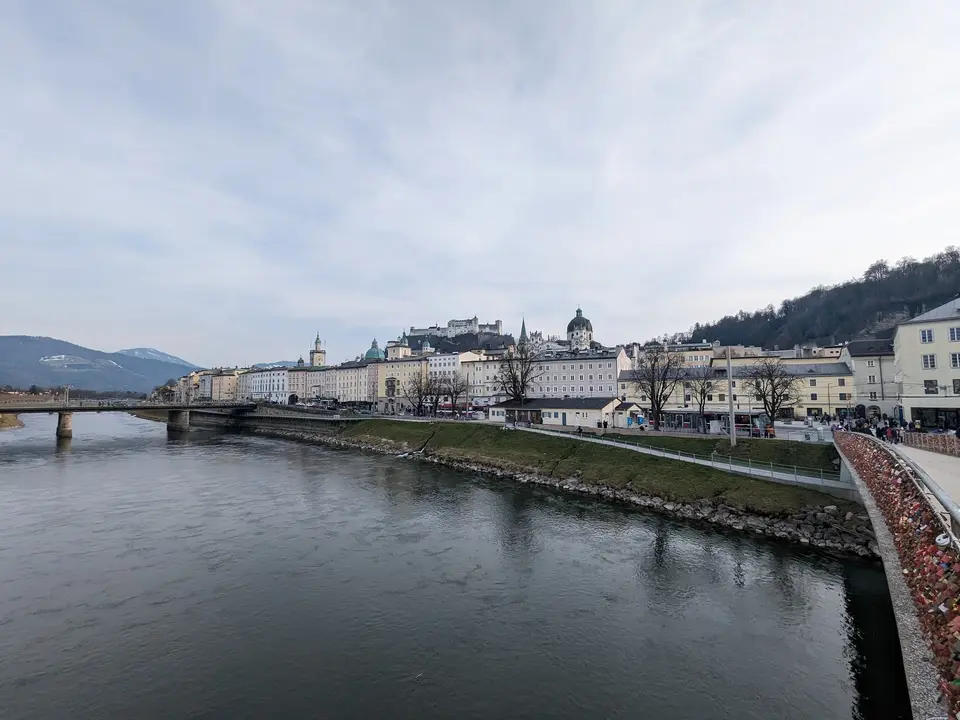
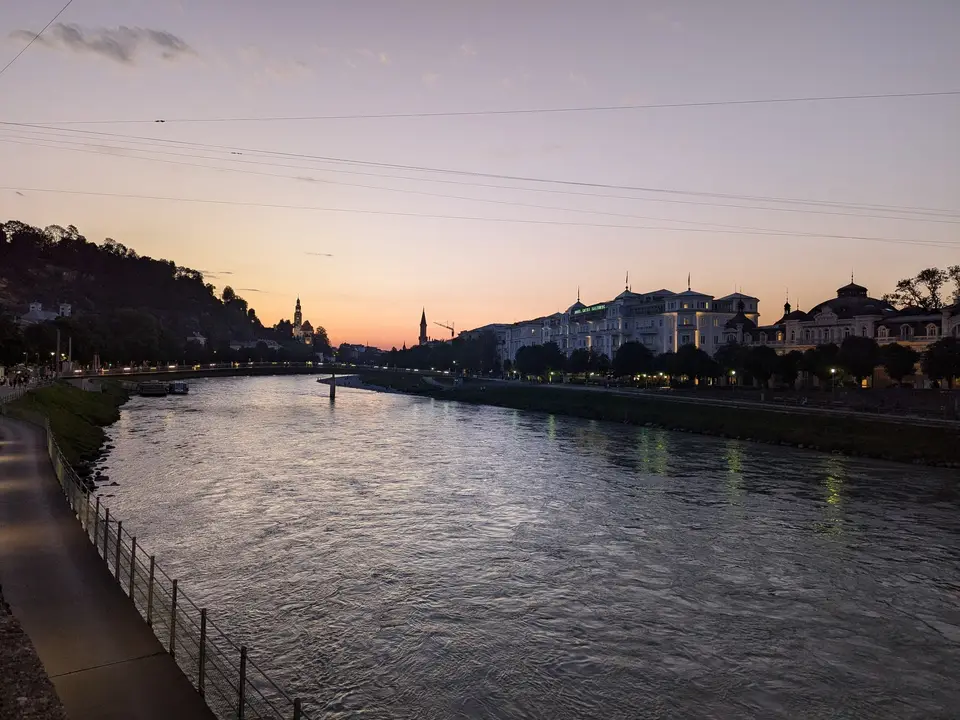
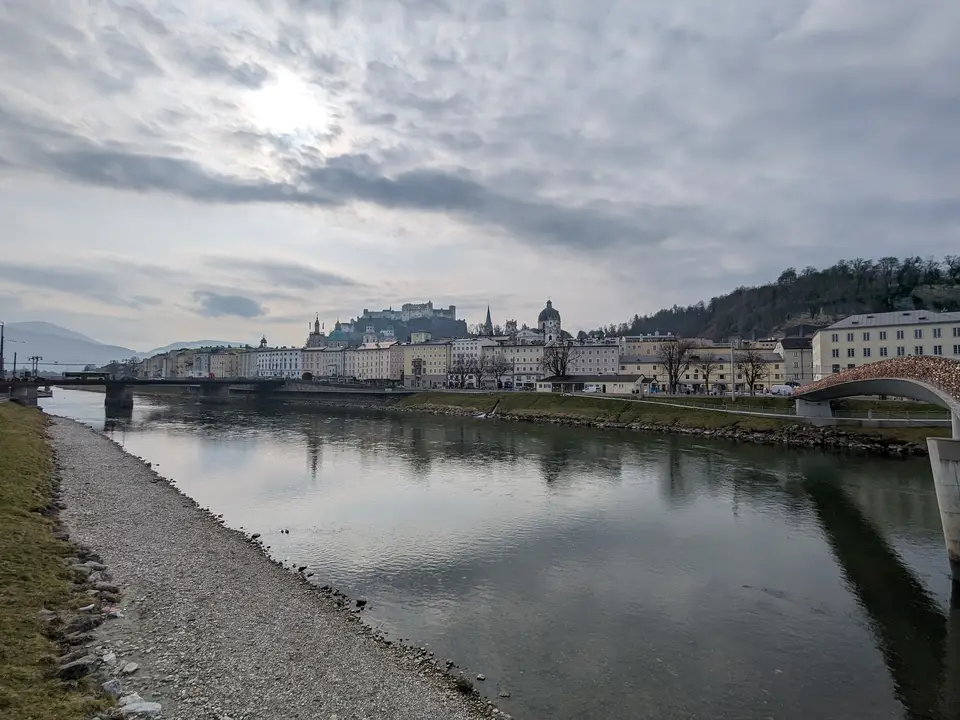
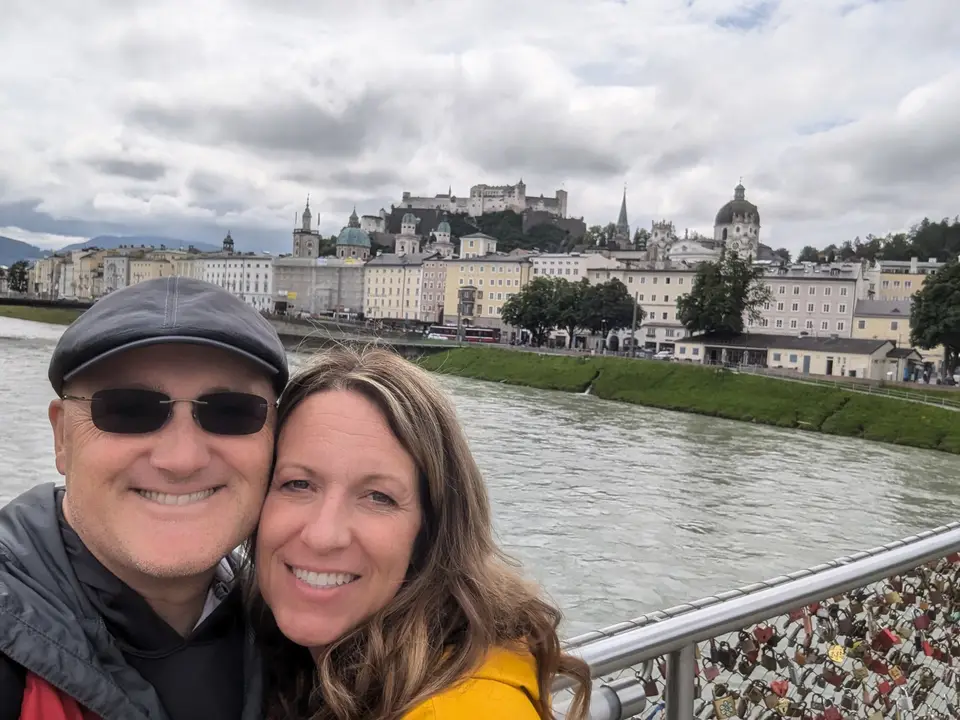
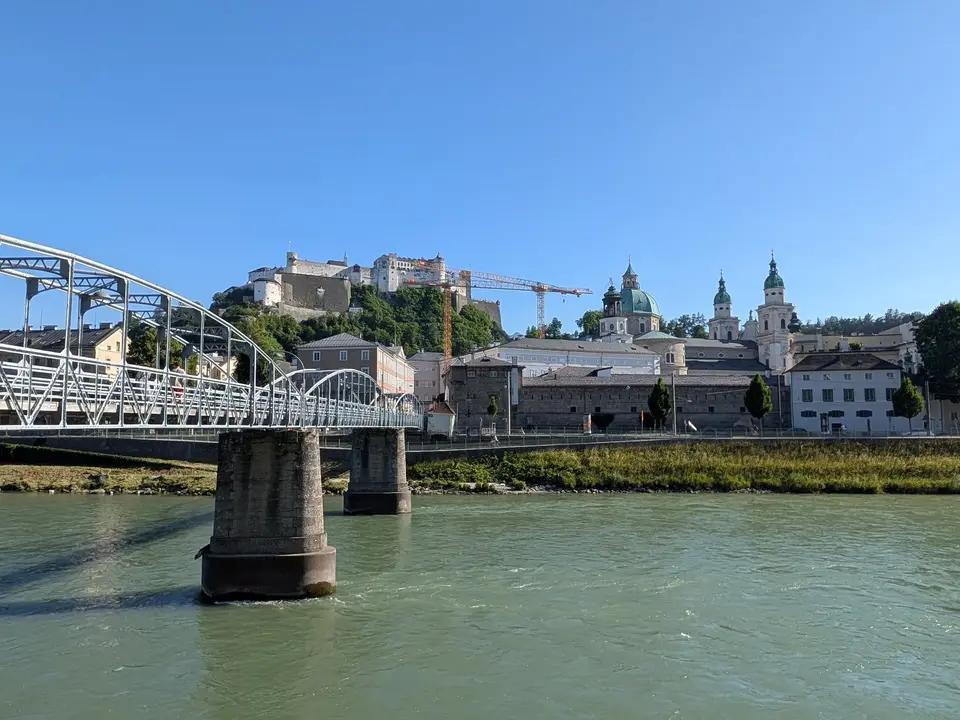
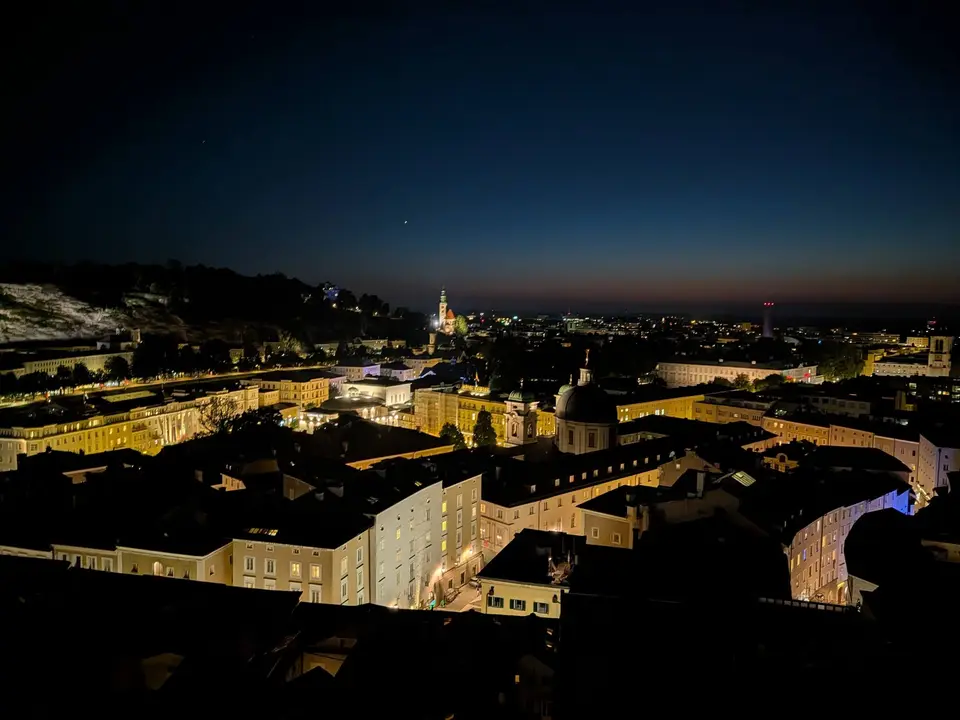
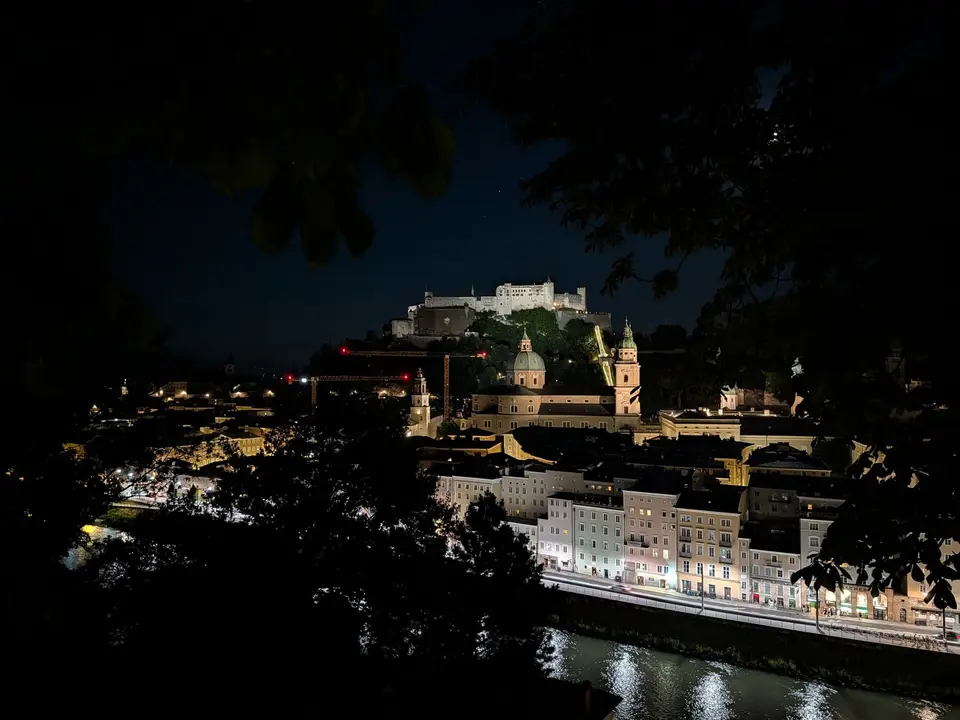
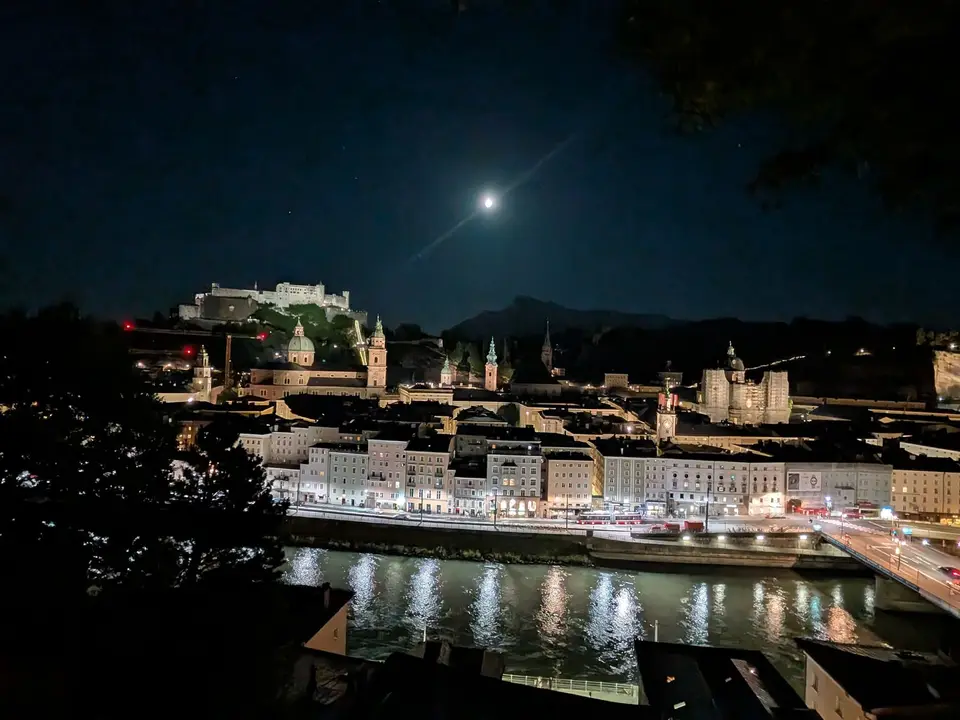
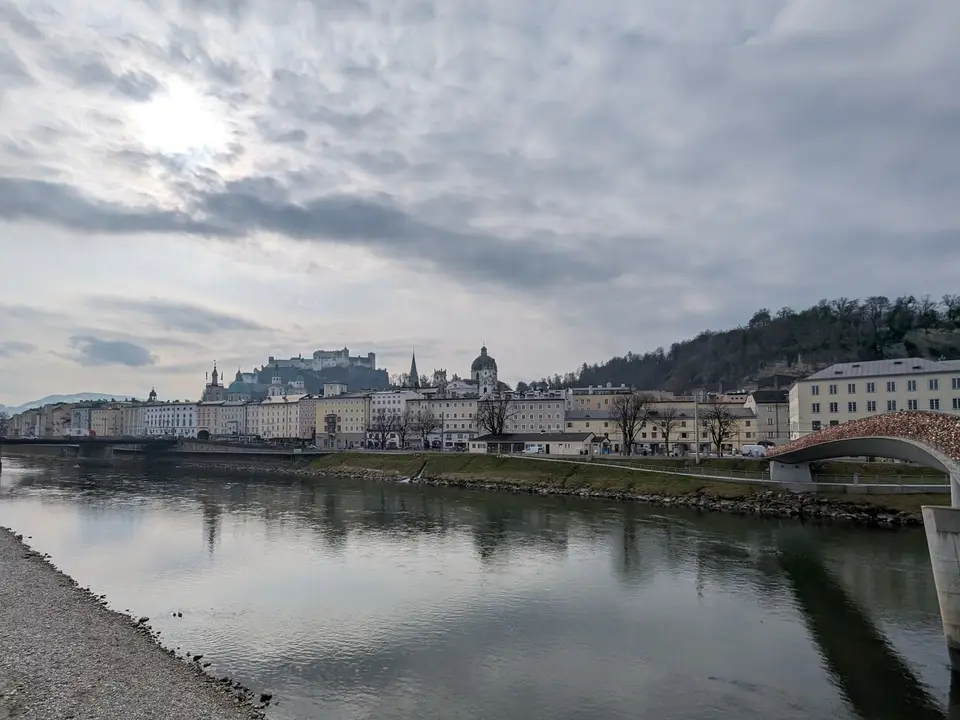
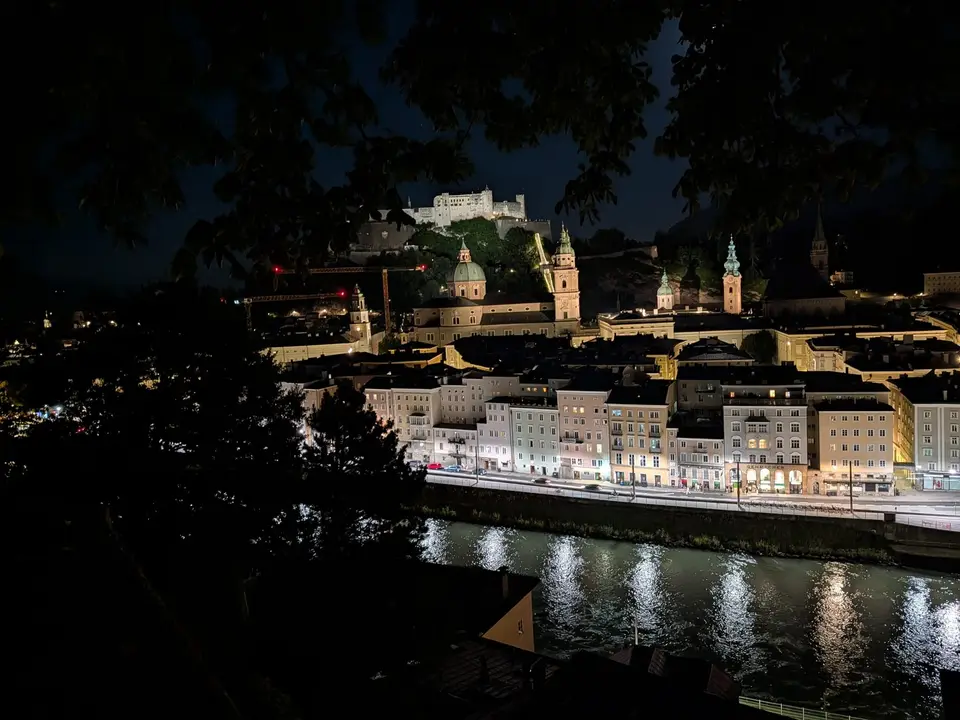
- Cross back over the Salzach on foot. The river walk at dusk, with the old town lit under the fortress, is the thing we have photographed on every single one of our three visits without ever planning to.
About the Sound of Music
A large part of Salzburg's tourism runs on it, and you will be offered a bus tour within five minutes of arriving. We have not taken one, so we are not going to tell you whether it is worth the money — but two things are true regardless. The Mirabell gardens, where the do-re-mi steps are, are free and you are going there anyway. And the film's Salzburg is scattered across the region rather than gathered in the old town, so the tours exist because the distances are real, not because the operators are lazy.
When to come — we have been in both
Three visits: March 2023, June 2024 and June 2026.
- Early March is the quiet, cheap version. The card is €3 less, the fortress shuts at 17:00, the gardens are bare and the light is flat — and you have the cemetery and the old town very nearly to yourself.
- Late June is the full version and the reason most of our photographs are from it: the fortress open until half past nine, the Mirabell beds planted, and long evenings on the river. It is also when the old town is busiest between about eleven and four.
- Either way, the middle of the day is the worst of it in a city this compact. Both of our best days started before nine.
One day, or two?
One is enough for everything on this page, and the old town is small enough that a second day only earns its place if you are adding what we have not done — Hellbrunn and its trick fountains, the lakes of the Salzkammergut, or the salt mines. Salzburg also sits close enough to Berchtesgaden and Hallstatt that a second night here is often really a base for somewhere else.