Before you go — the best things here are churches, and half of them are modern
That sounds like a dutiful sentence and it is not. Helsinki has four genuinely remarkable churches inside a walkable center, two of them built in living memory, and they are nothing like each other. Go and see all four in a day and you will have understood the city better than any museum would have managed.
- The center is small. Senate Square to the rock church is about twenty minutes on foot. You do not need a car and you barely need the trams.
- Nearly all of it is free or nearly free, which is a relief in a city where lunch is not.
- Ours was 17 to 26 August 2018, using Helsinki as a base with day trips out to Porvoo and across the gulf to Tallinn.
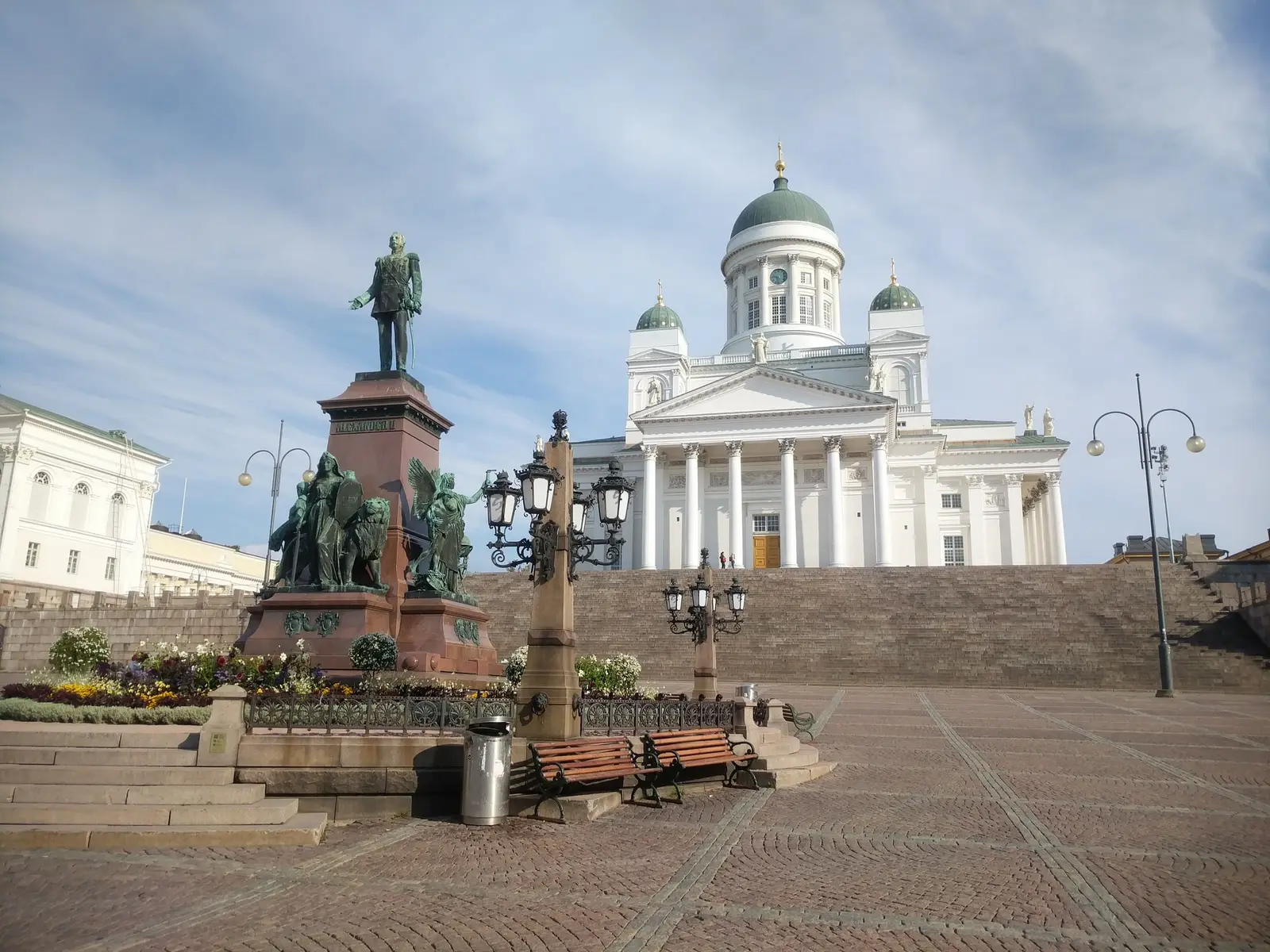
Temppeliaukio — a church quarried out of the rock
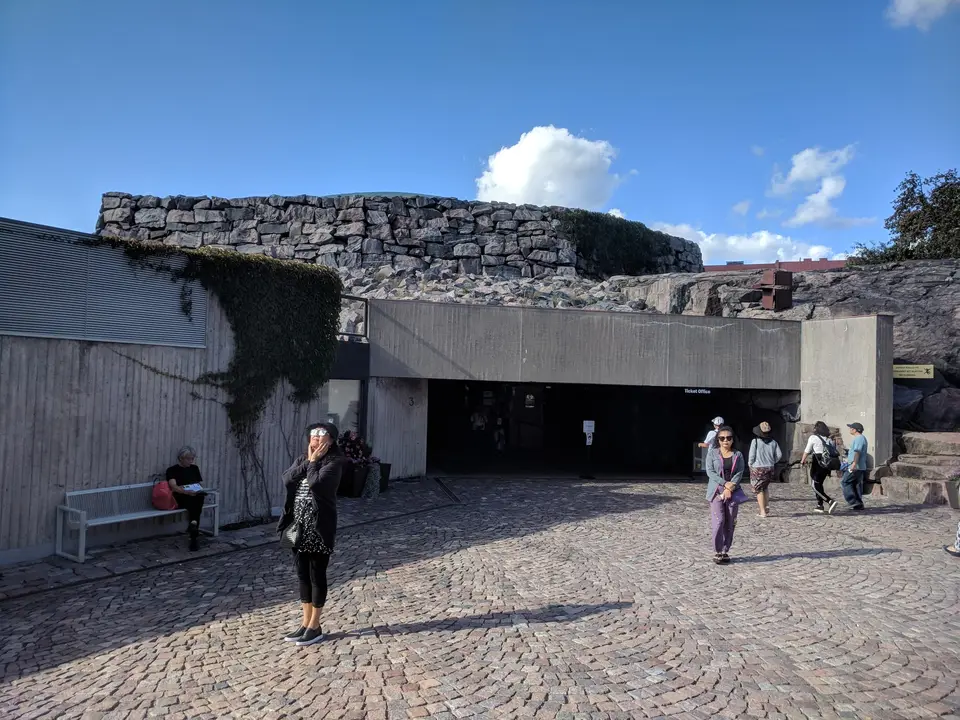
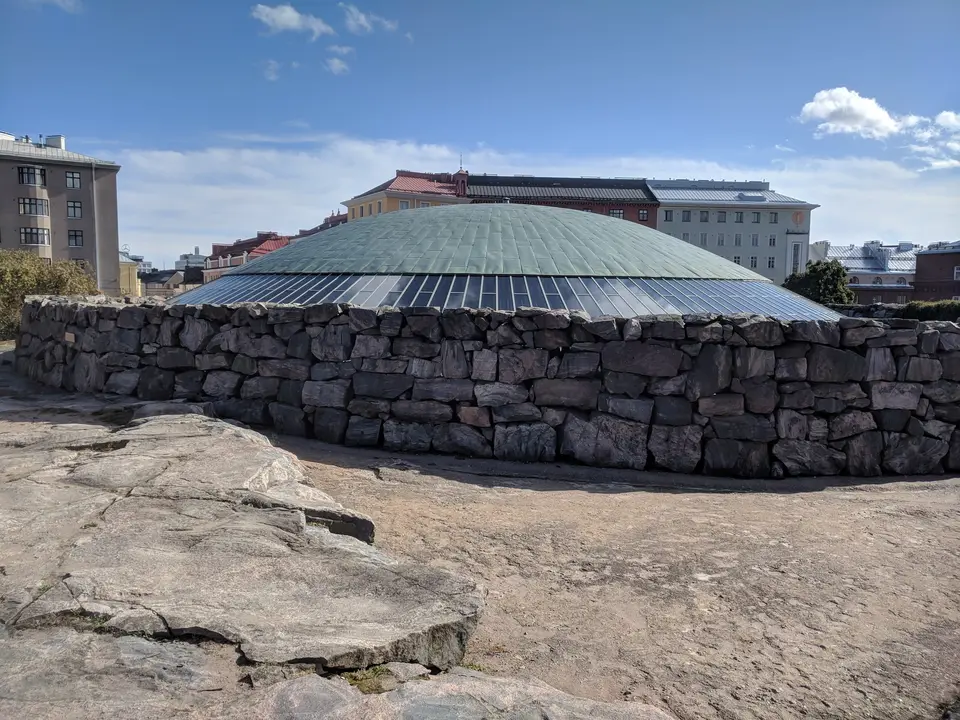
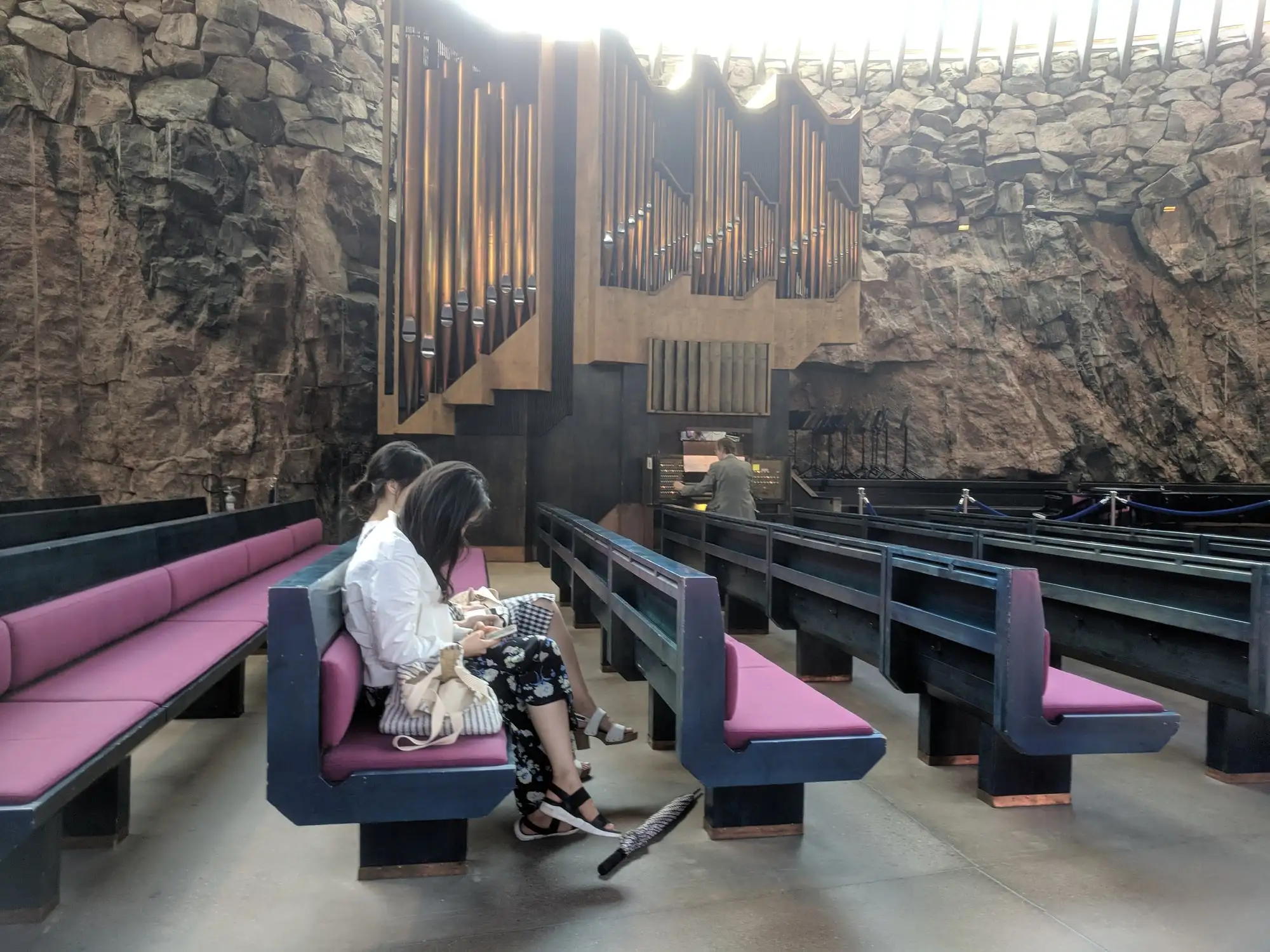
They did not build this one on the rock. They took it out of the rock. The walls are the raw blasted granite of the outcrop it sits inside, left rough, and the roof is a shallow copper dome on concrete ribs with daylight coming in all the way around the rim.
- Designed by the brothers Timo and Tuomo Suomalainen, begun in February 1968 and consecrated in September 1969.
- From outside you almost miss it. One of our photographs is the whole thing from the street — a low stone wall and a copper disc, sitting flush in the rock, barely announcing itself. That is the point.
- The acoustics are the reason it is used for concerts. If you can go to one, go to one.
- There is an admission charge now, and it closes for services and rehearsals — check the day's hours rather than turning up.
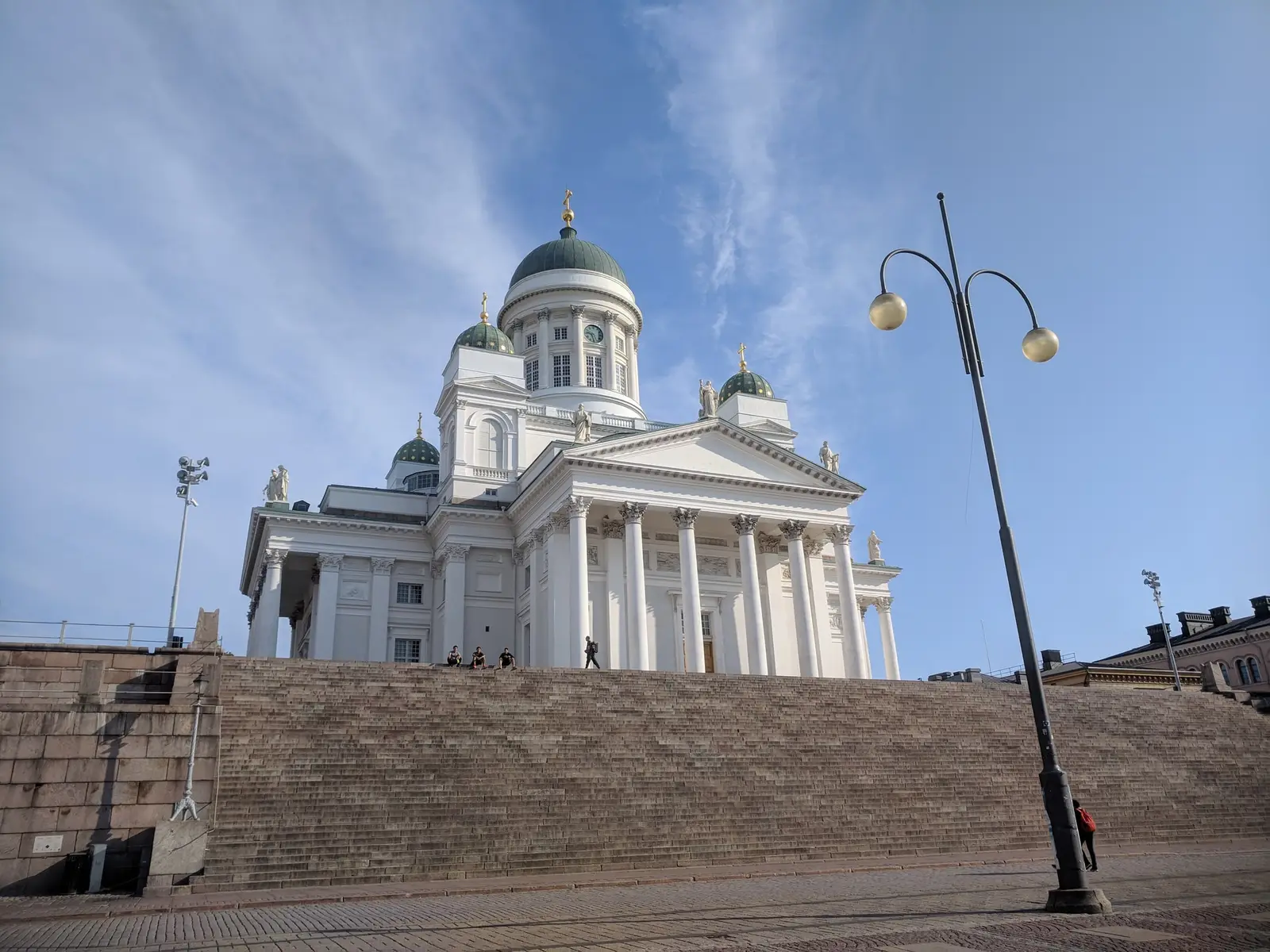
Kamppi Chapel — the Chapel of Silence
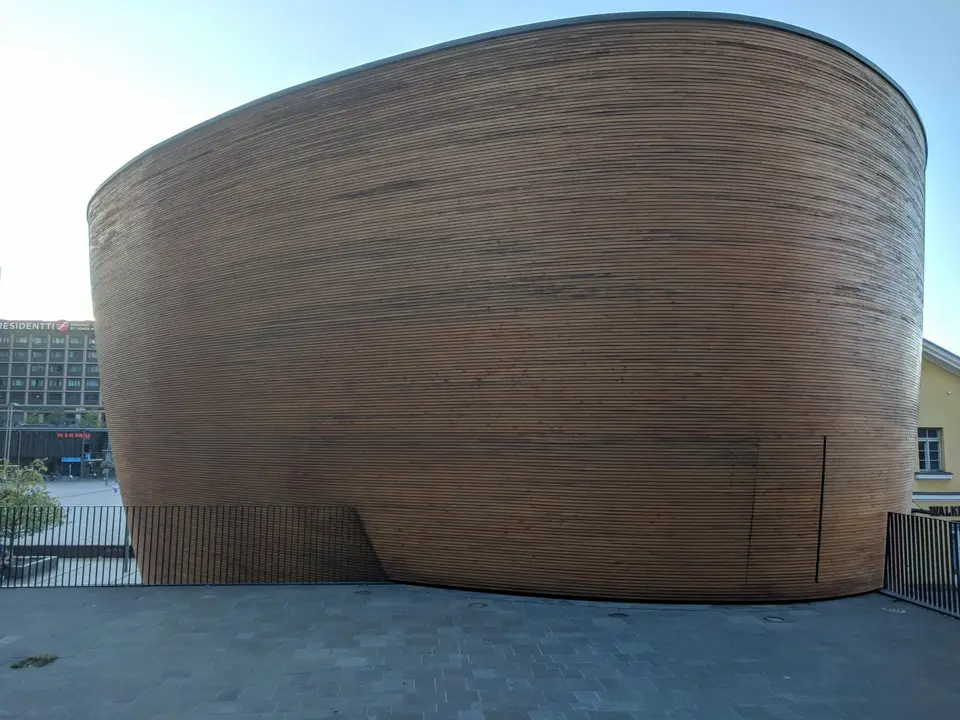
Two hundred meters from Helsinki's busiest shopping streets there is a curved wooden hull of a building with no windows to speak of, and inside it is a small quiet room lined in alder and ash. It holds no services. There are no sermons. It exists to be silent in.
- Completed in 2012, and free to enter.
- Give it ten minutes, not two. It takes about that long for the street noise to fall out of your head, which is the entire experience and the reason the building exists.
- Go straight from Temppeliaukio if you can. One is stone, blasted and enormous; the other is wood, warm and small enough to cross in five paces. Seeing them the same afternoon is better than seeing either alone.
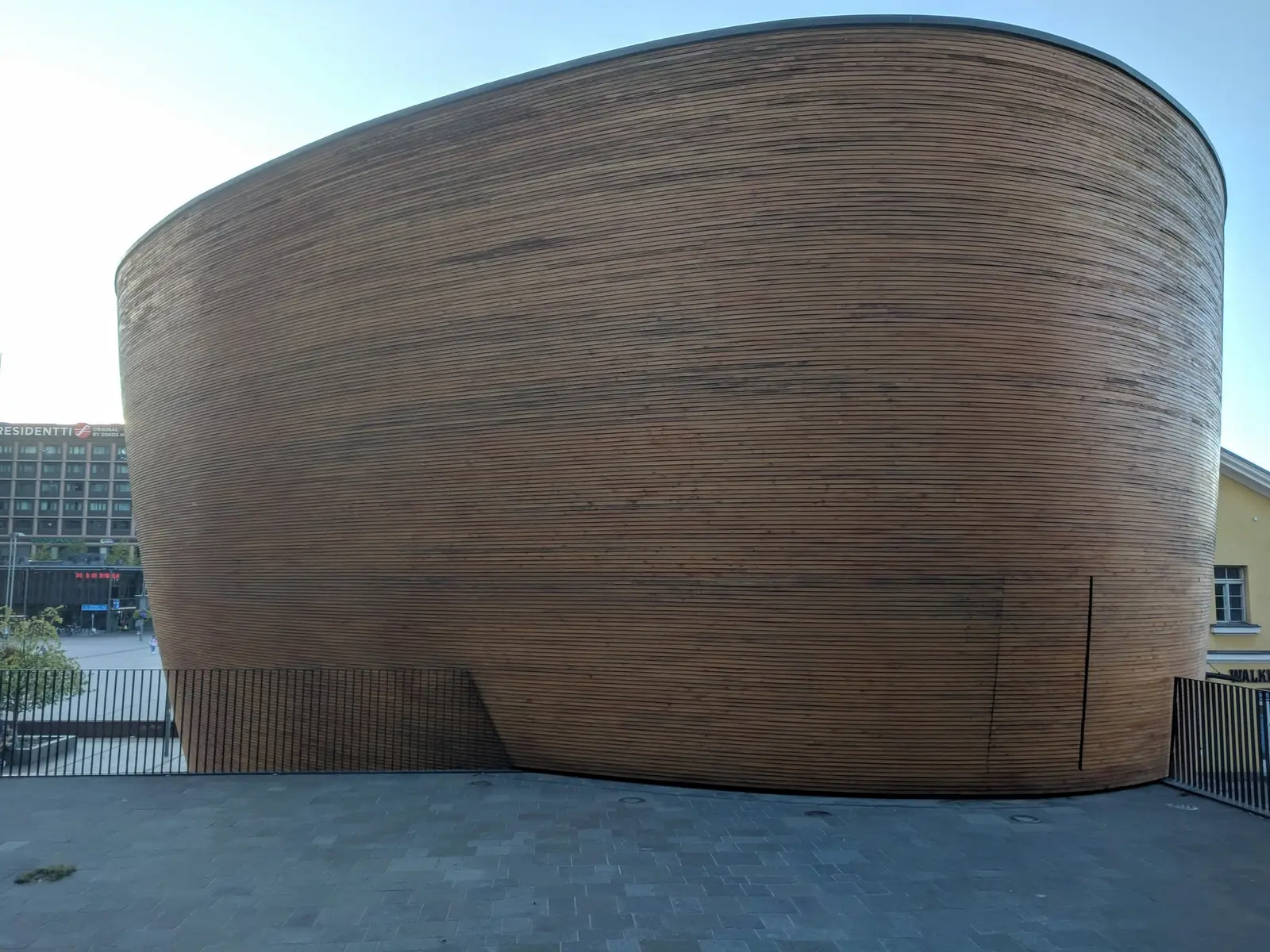
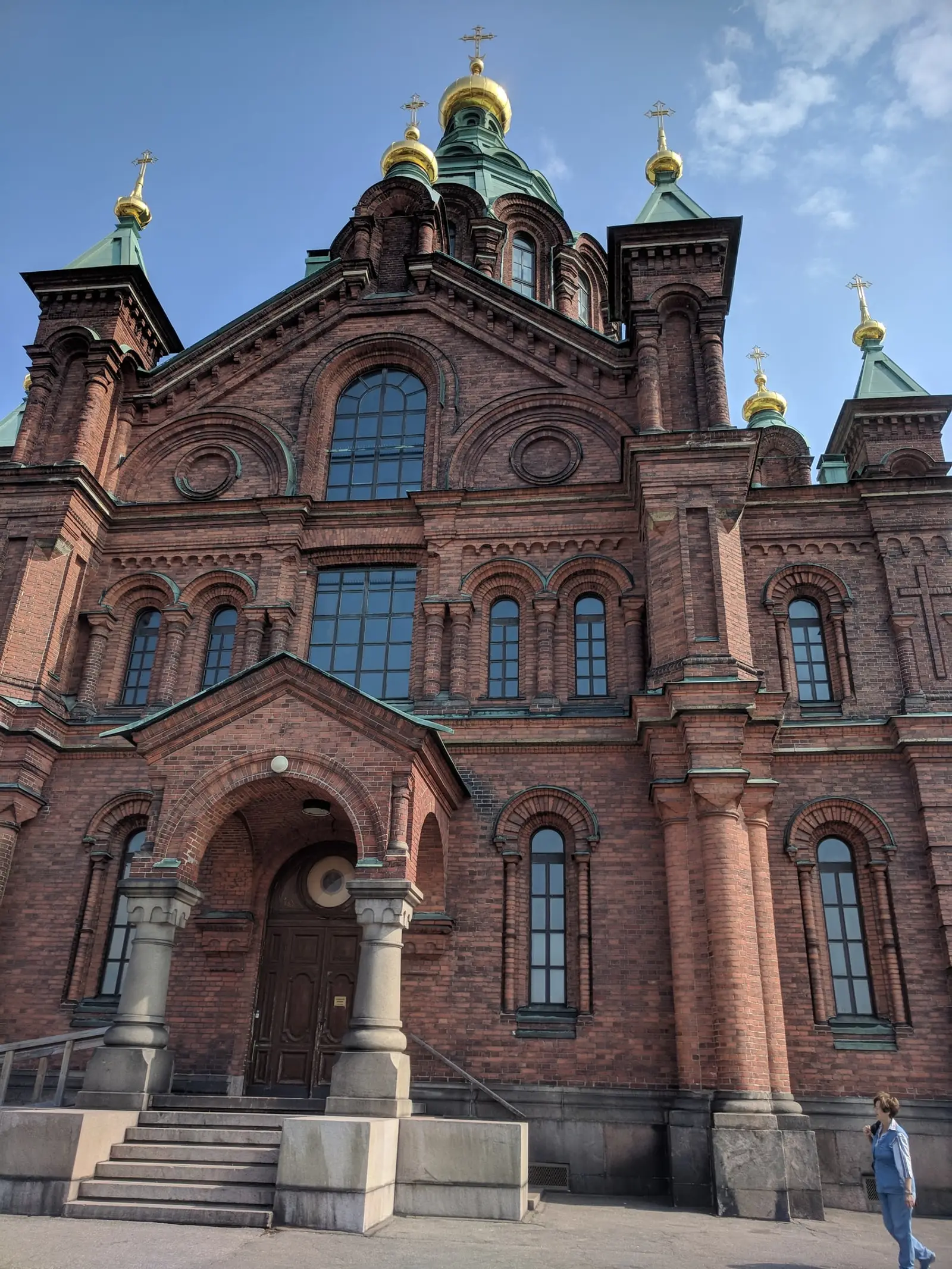
The two cathedrals
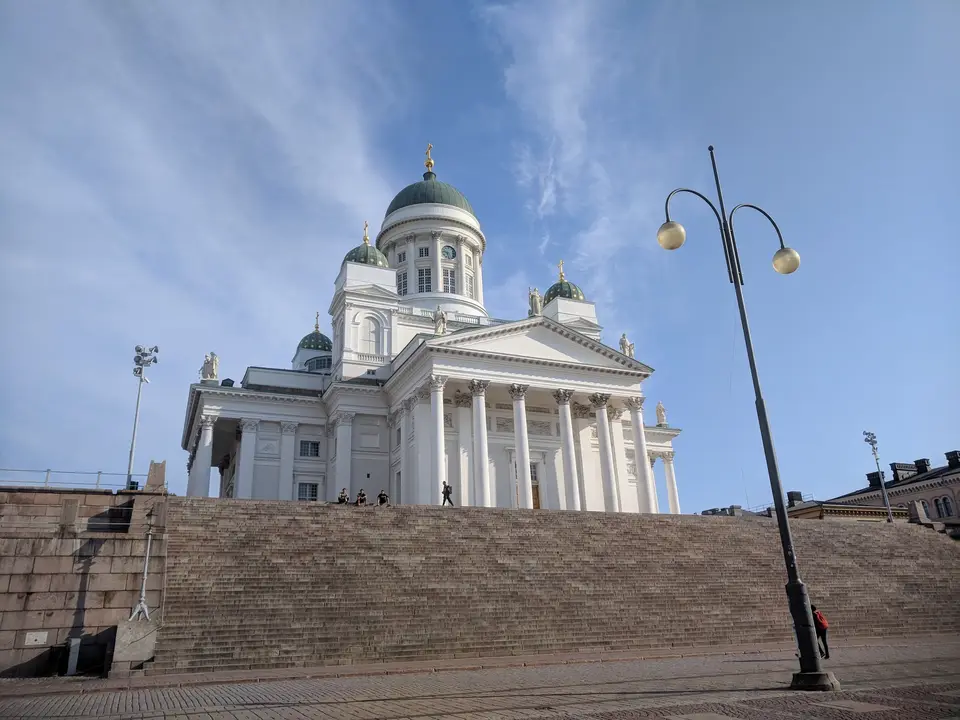
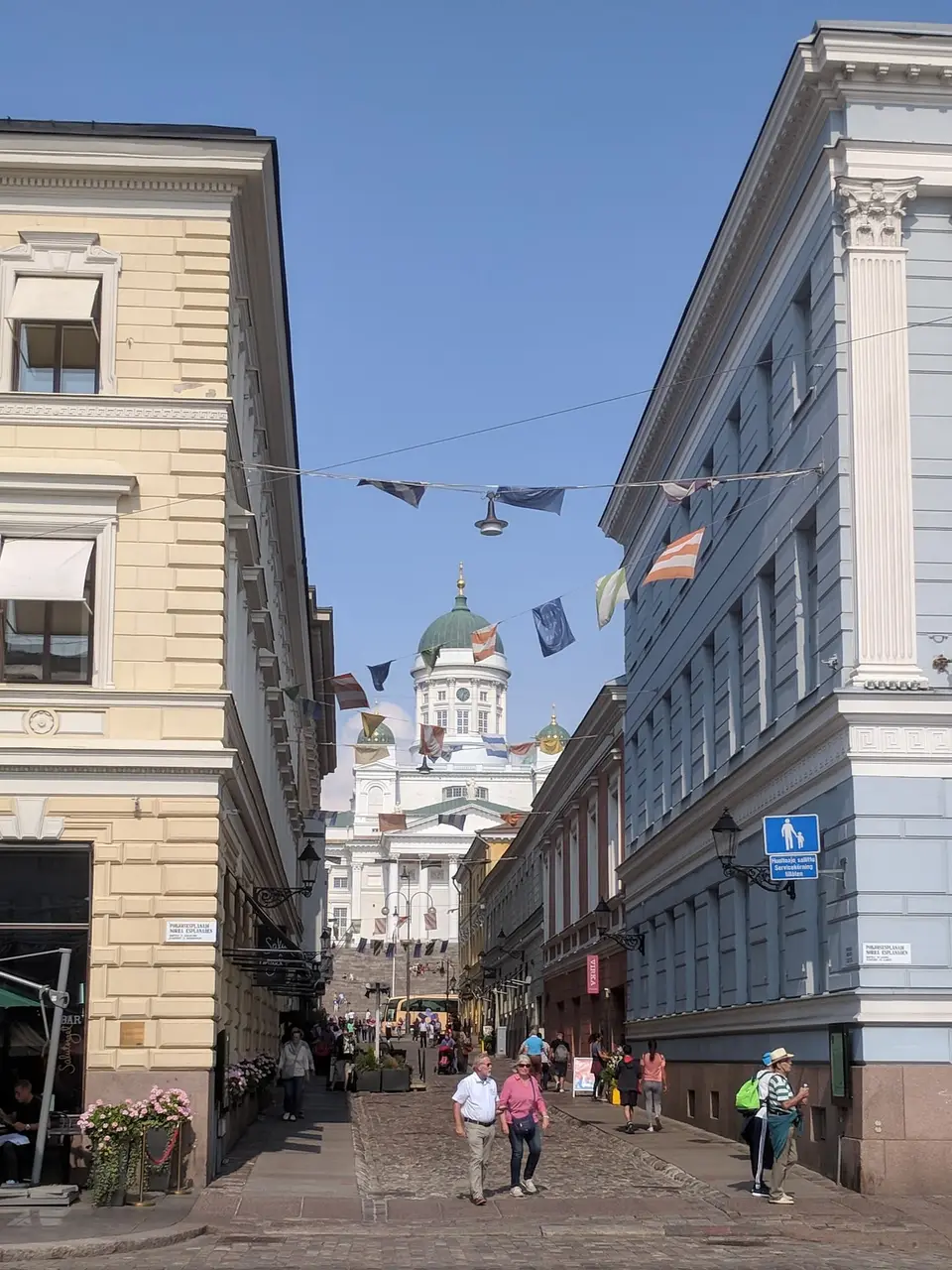
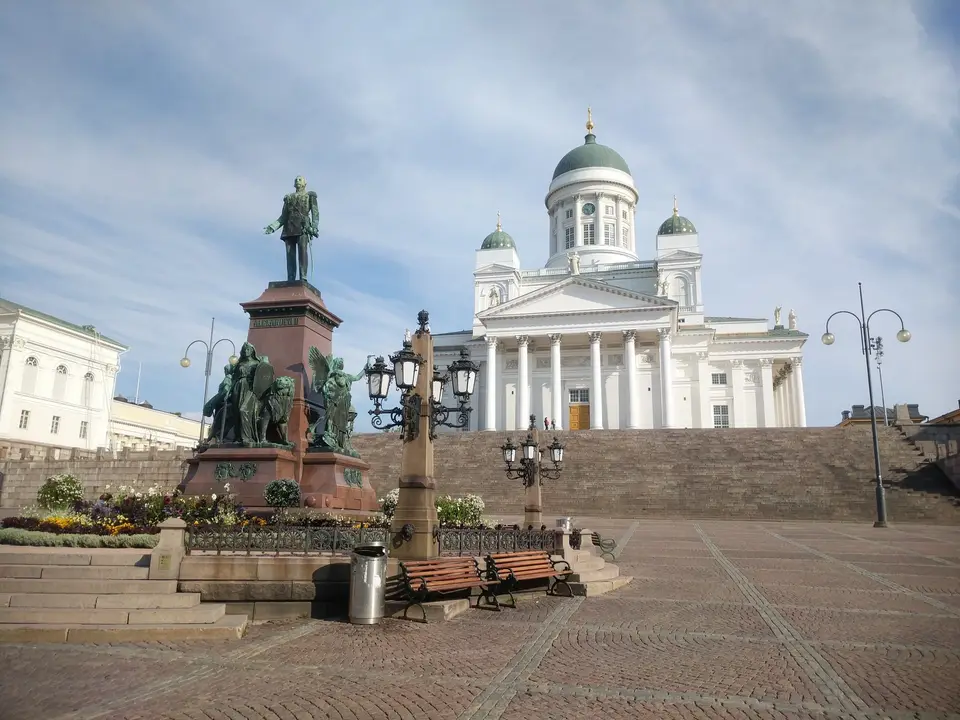
- Helsinki Cathedral — white, green-domed, at the top of a flight of steps above Senate Square, and the image every postcard uses. Free.
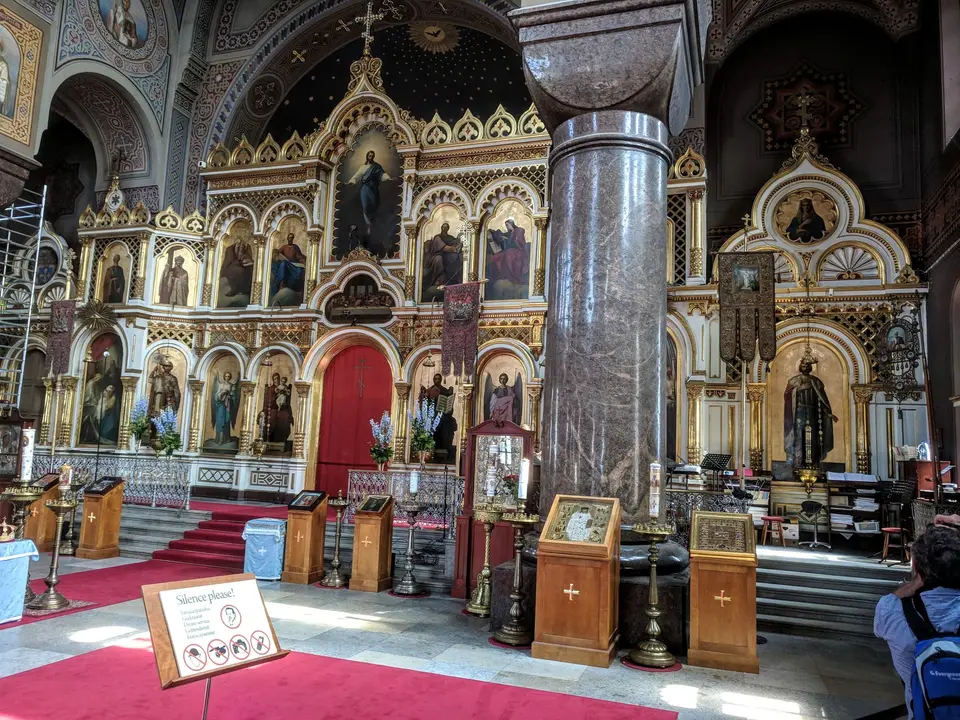
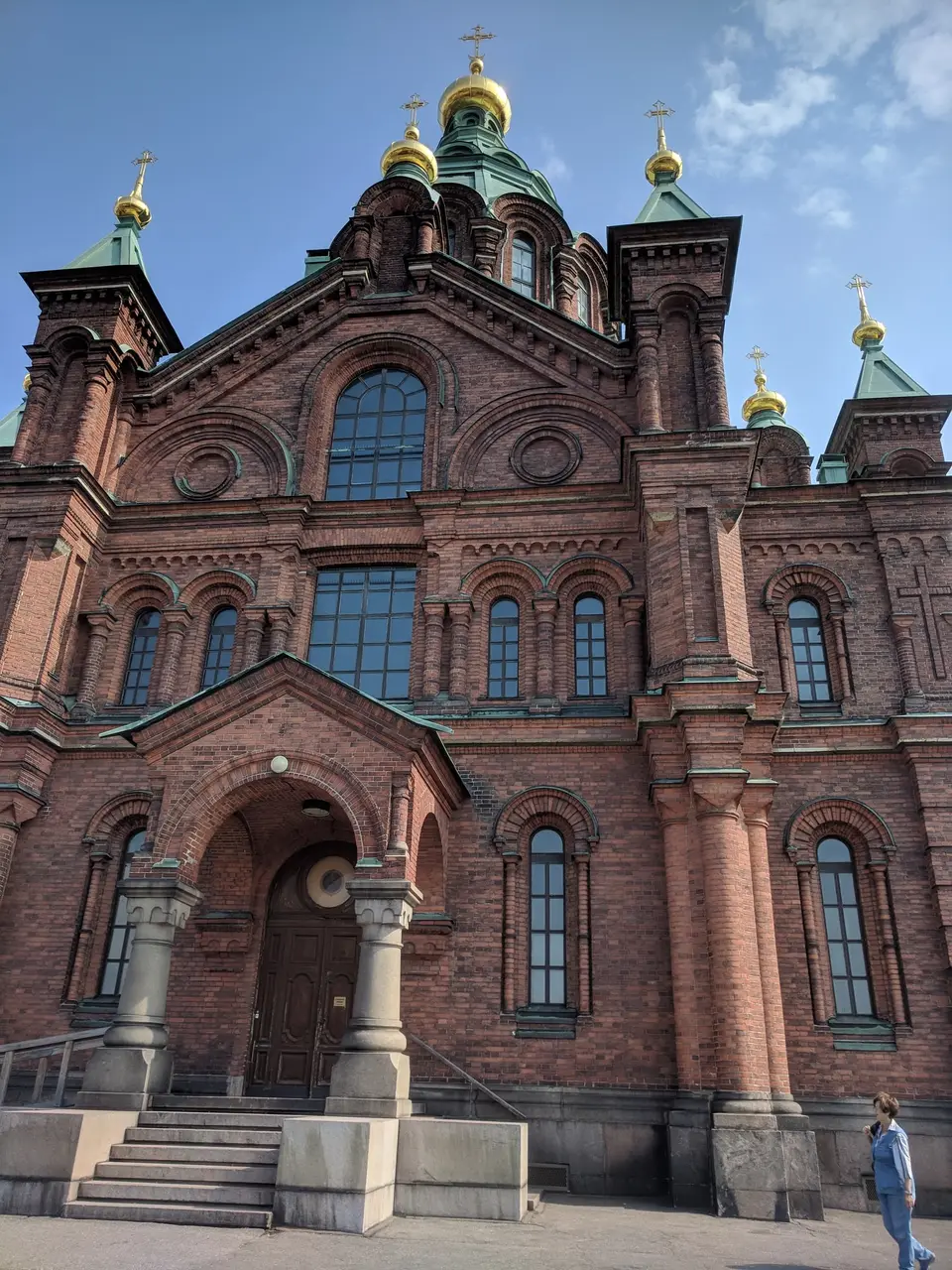
- Uspenski Cathedral — red brick and thirteen gold domes on the hill across the harbor, completed in 1868 and the largest Orthodox church in western Europe. The inside is dark and gilded and very much worth the ten-minute walk. Free.
- They are ten minutes apart and about as different as two churches can be, which is the short version of Finland's history sitting between Sweden and Russia.
The rest of a good day, most of it free
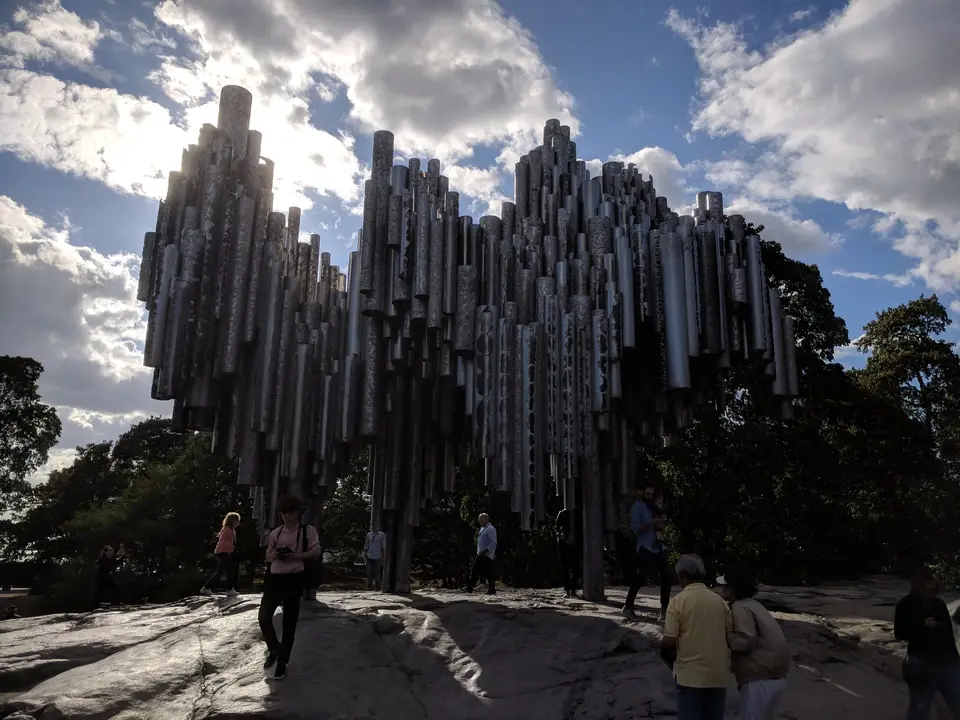
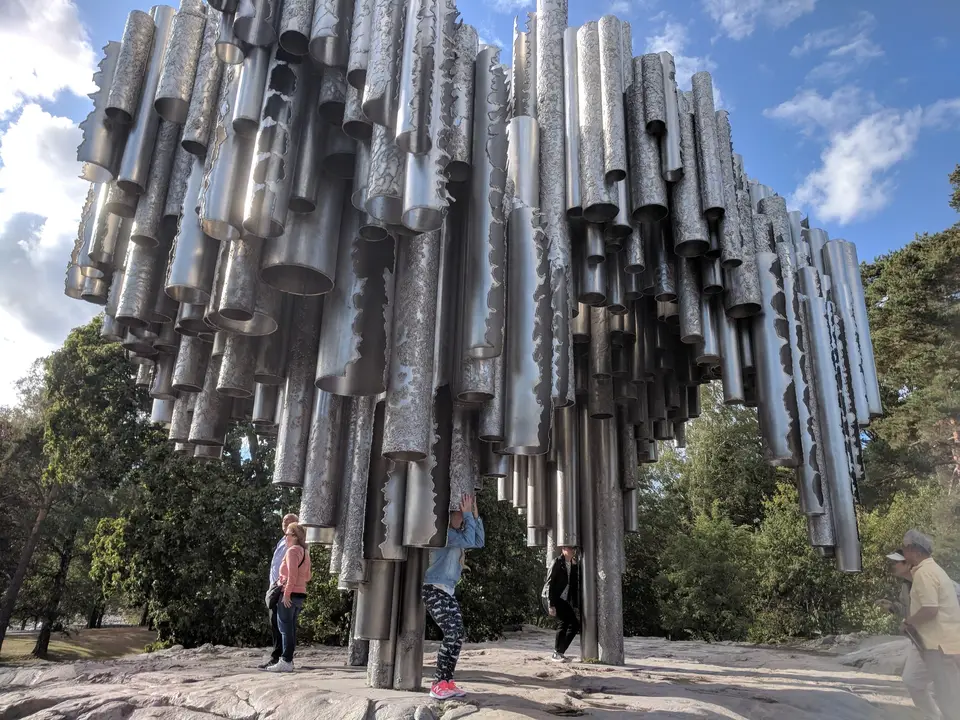
- The Sibelius Monument — hundreds of steel pipes welded into a wave in a park by the water. Free, outdoors, always open.
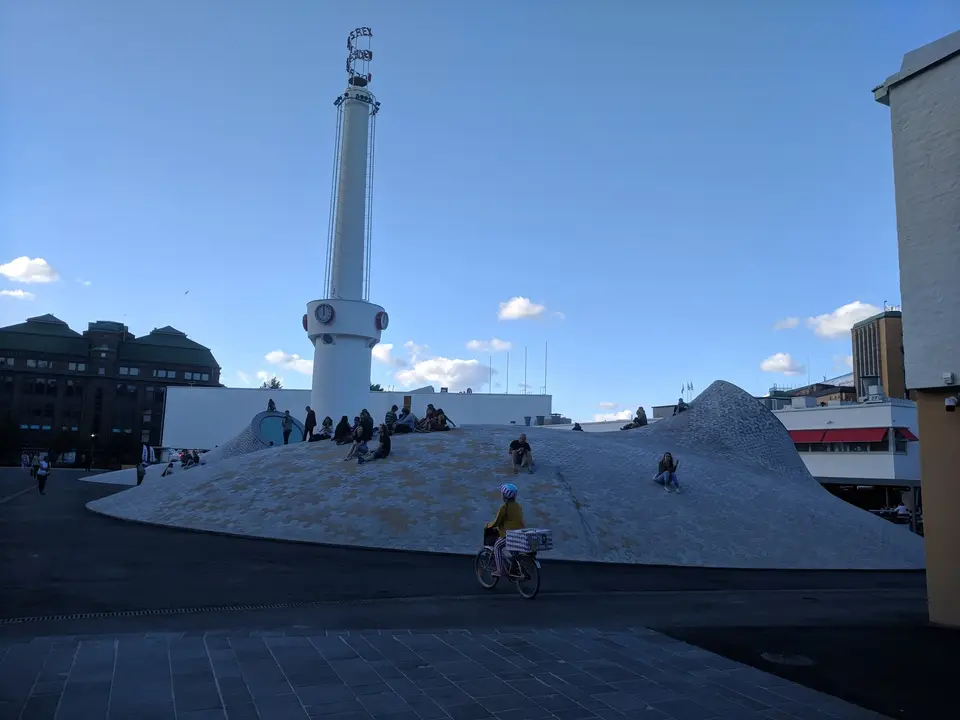
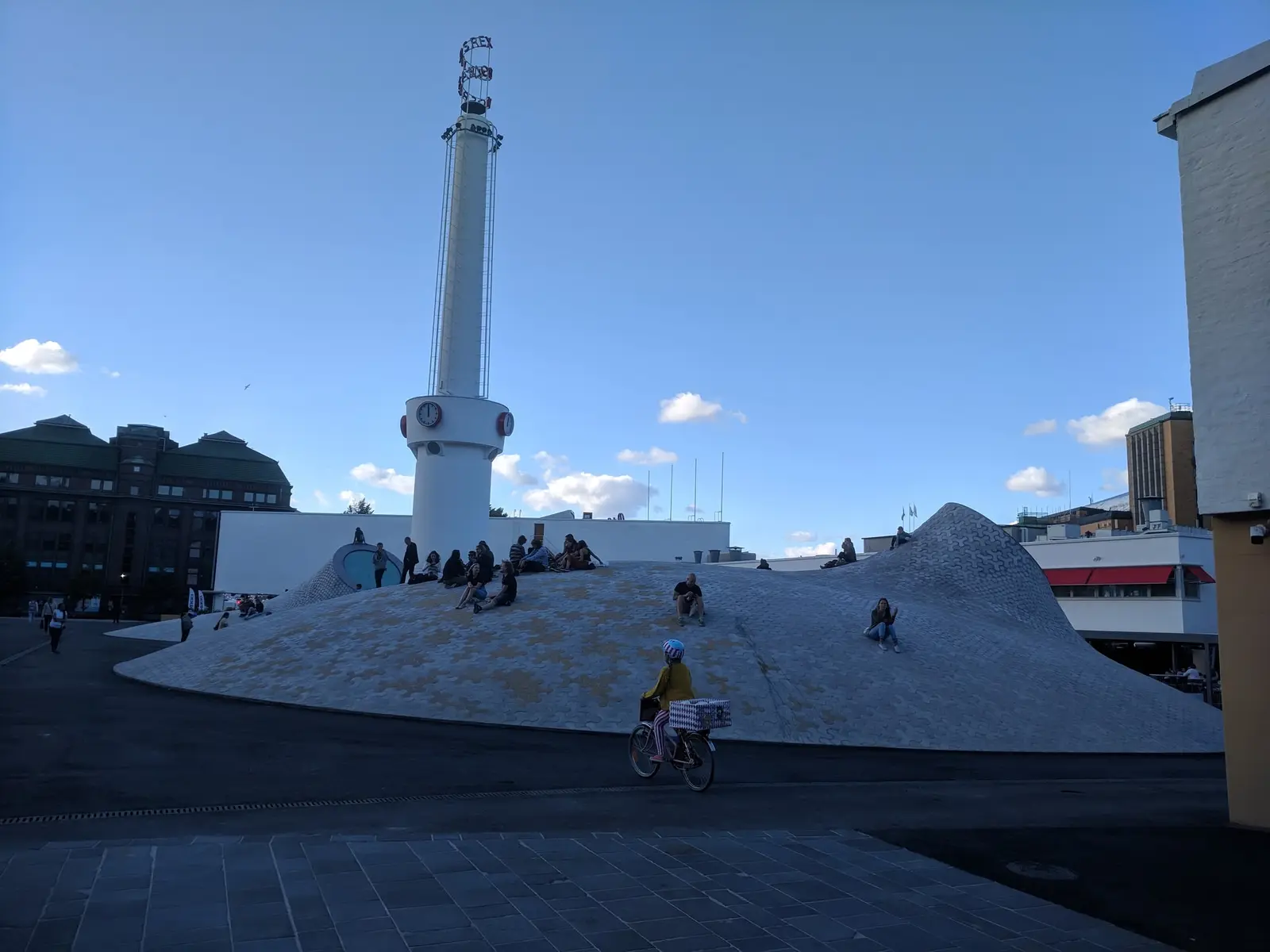
- Amos Rex. The gallery is underground and its roof is a public square with great white domes pushing up through it. People climb them, children roll down them, cyclists ride around them. The outside costs nothing and is one of the best pieces of public space in the Nordic countries.
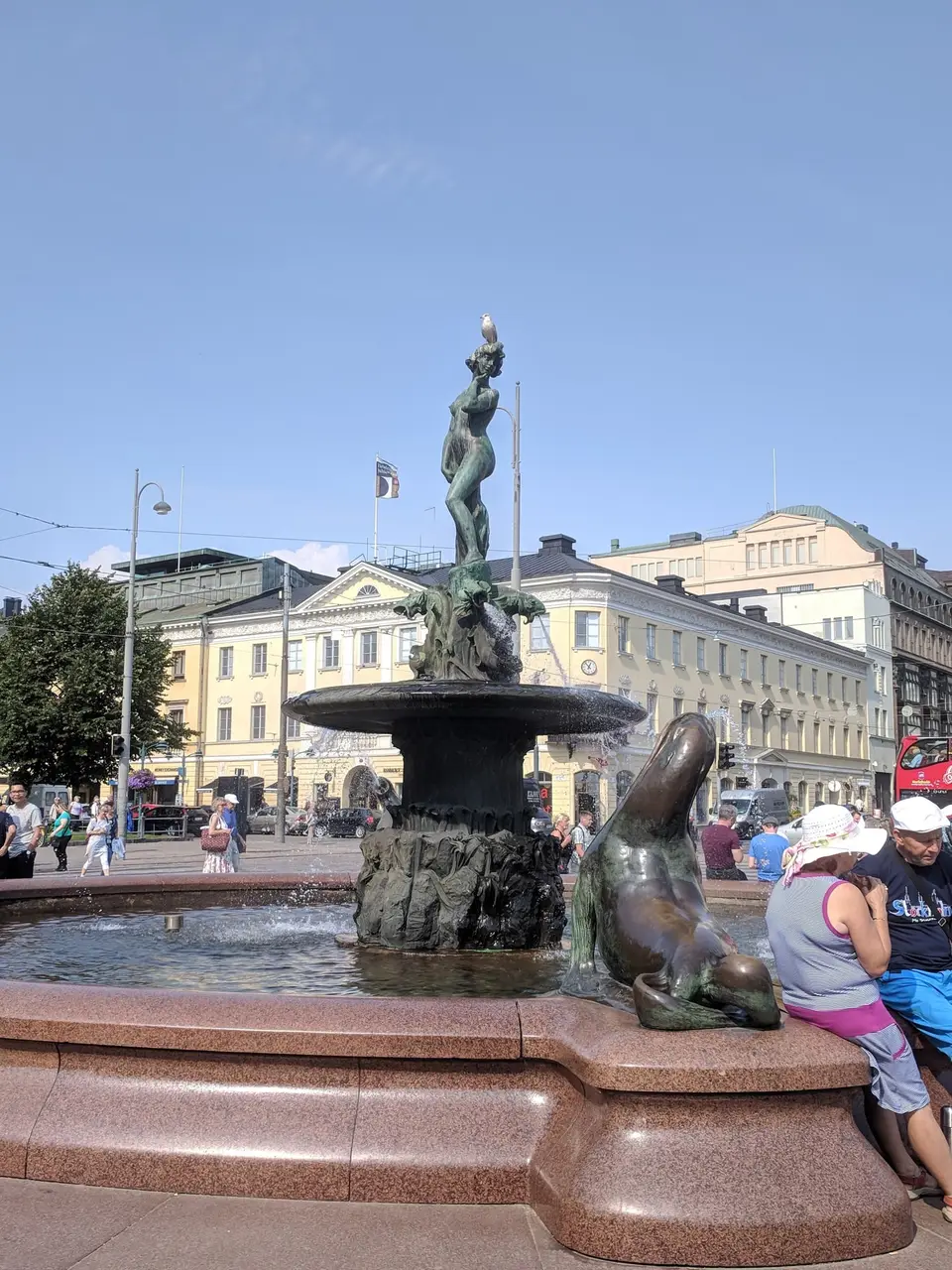
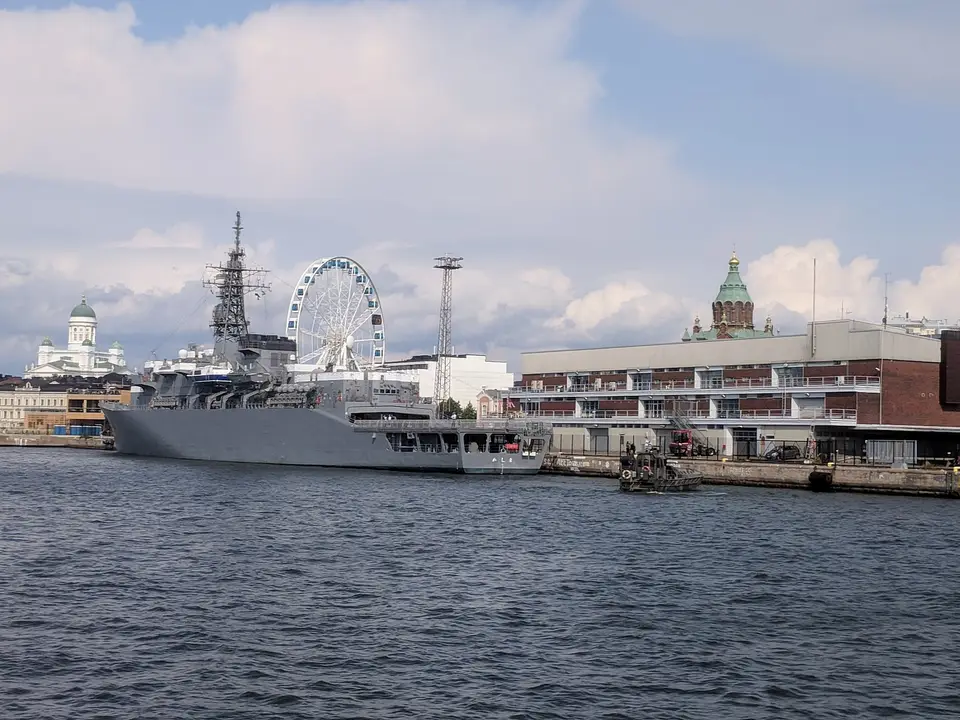
- Market Square and the Havis Amanda fountain, and the harbor beside it where the island ferries leave from.
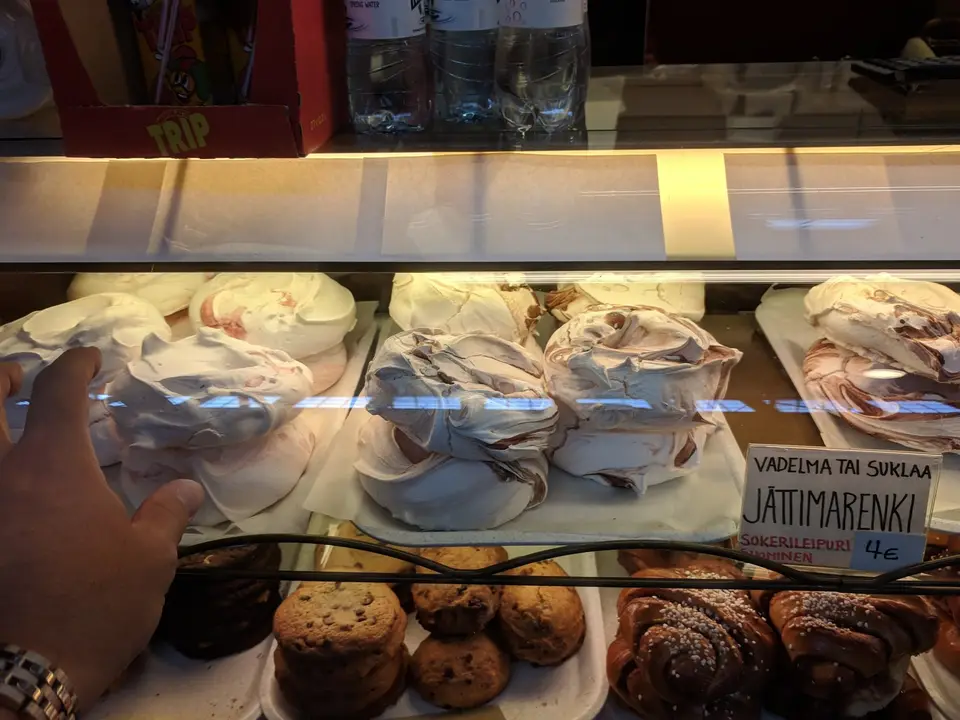
- Eat a cinnamon bun properly. It is not a snack here, it is a fixed institution with coffee attached.
Get out onto the water — but only between May and September
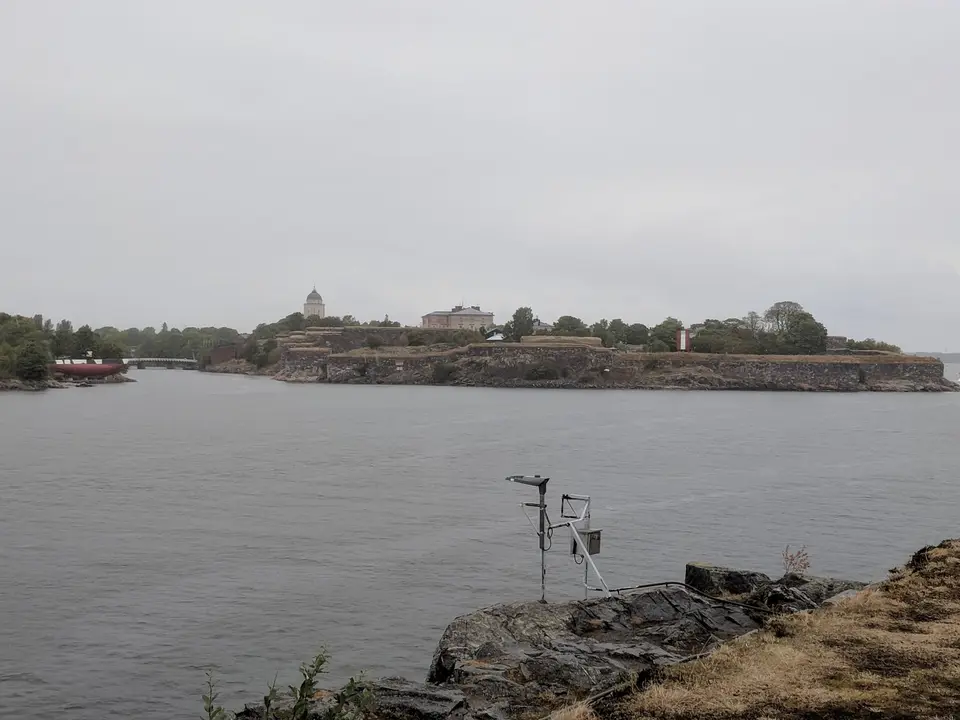
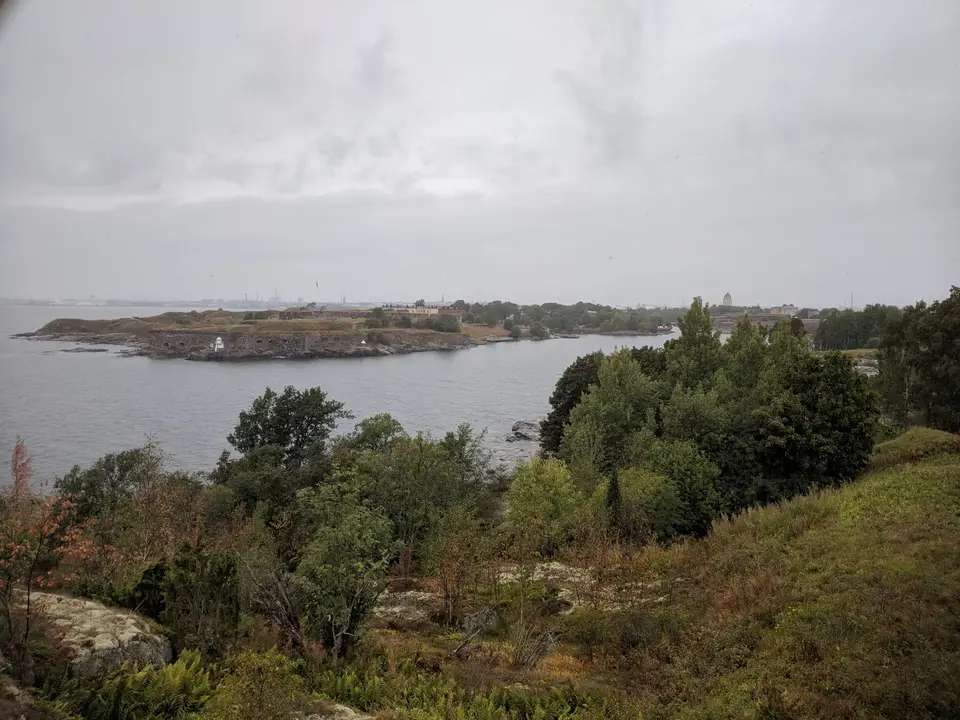
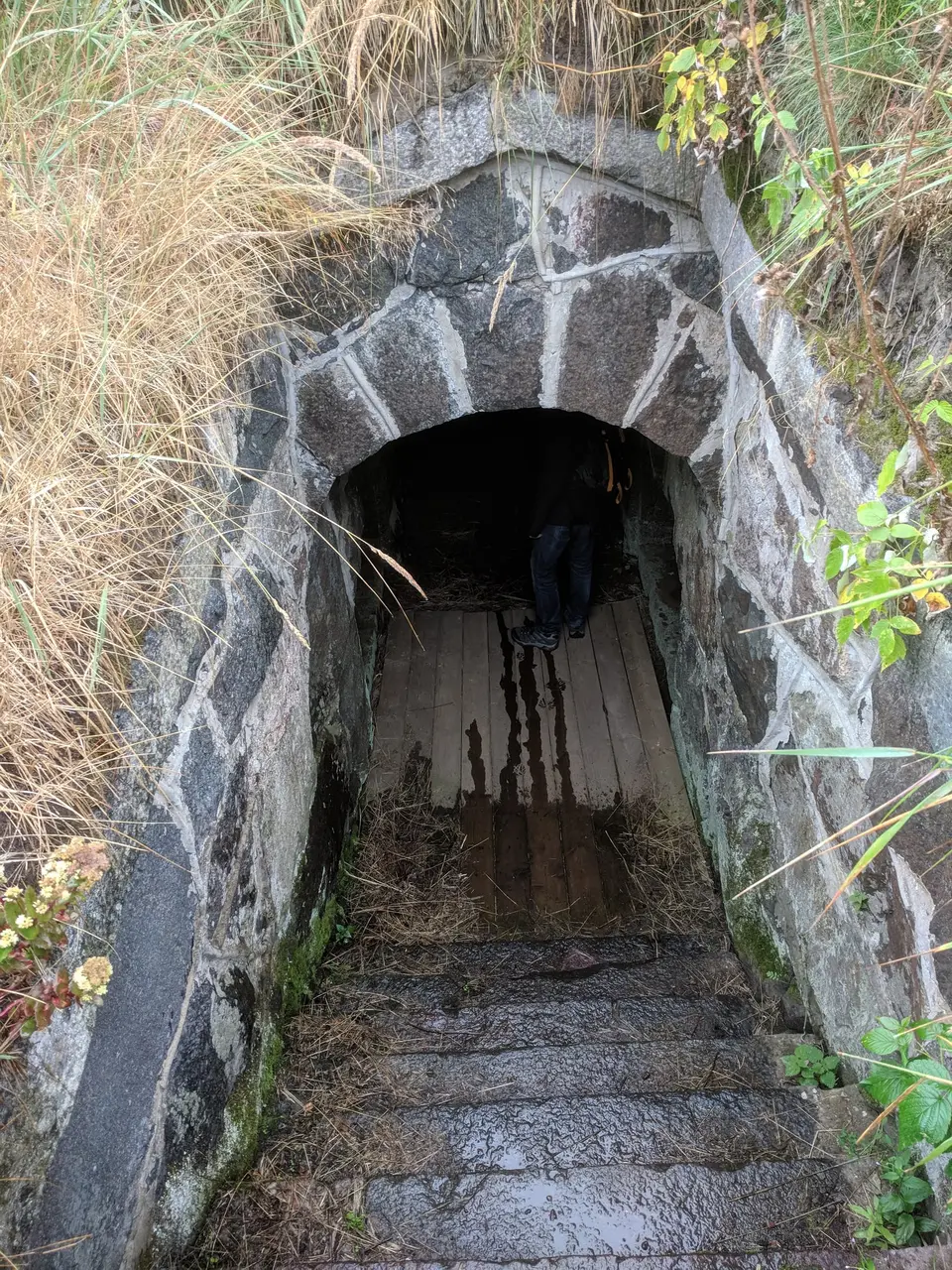
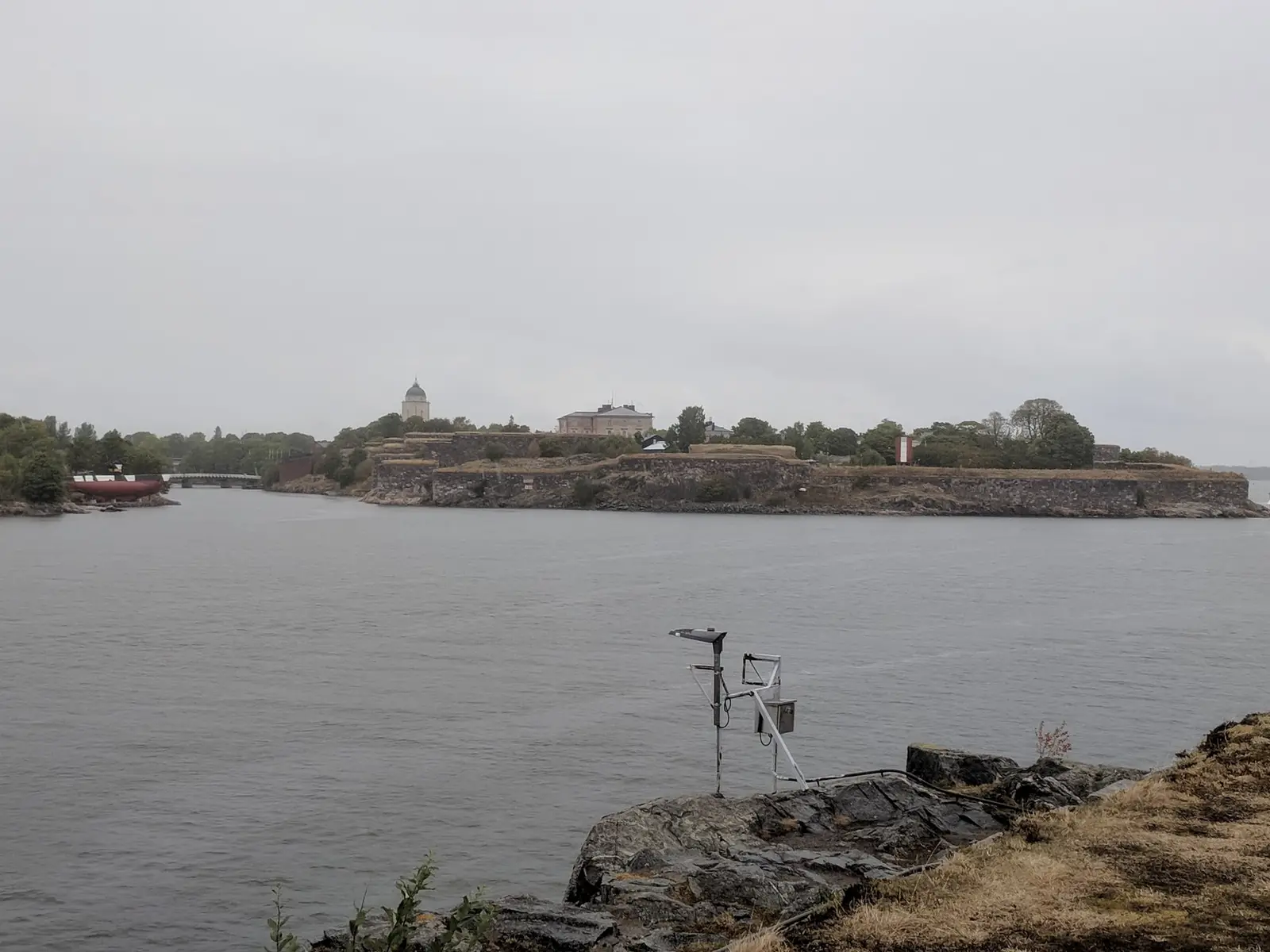
Helsinki is a city on an archipelago and it does not make sense from the land alone. We took a sightseeing cruise through the islands and spent a day on Vallisaari — a former military island of overgrown ramparts, gun positions and dark magazine tunnels cut into rock, now walking paths and sea views.
- The island ferries are seasonal. Broadly May to September, and the smaller islands have shorter seasons than that. A Helsinki trip built around getting out on the water has to be a summer trip, and that is the single biggest constraint on when to come.
- Take everything you need with you. Vallisaari is nature and ruins, not shops.
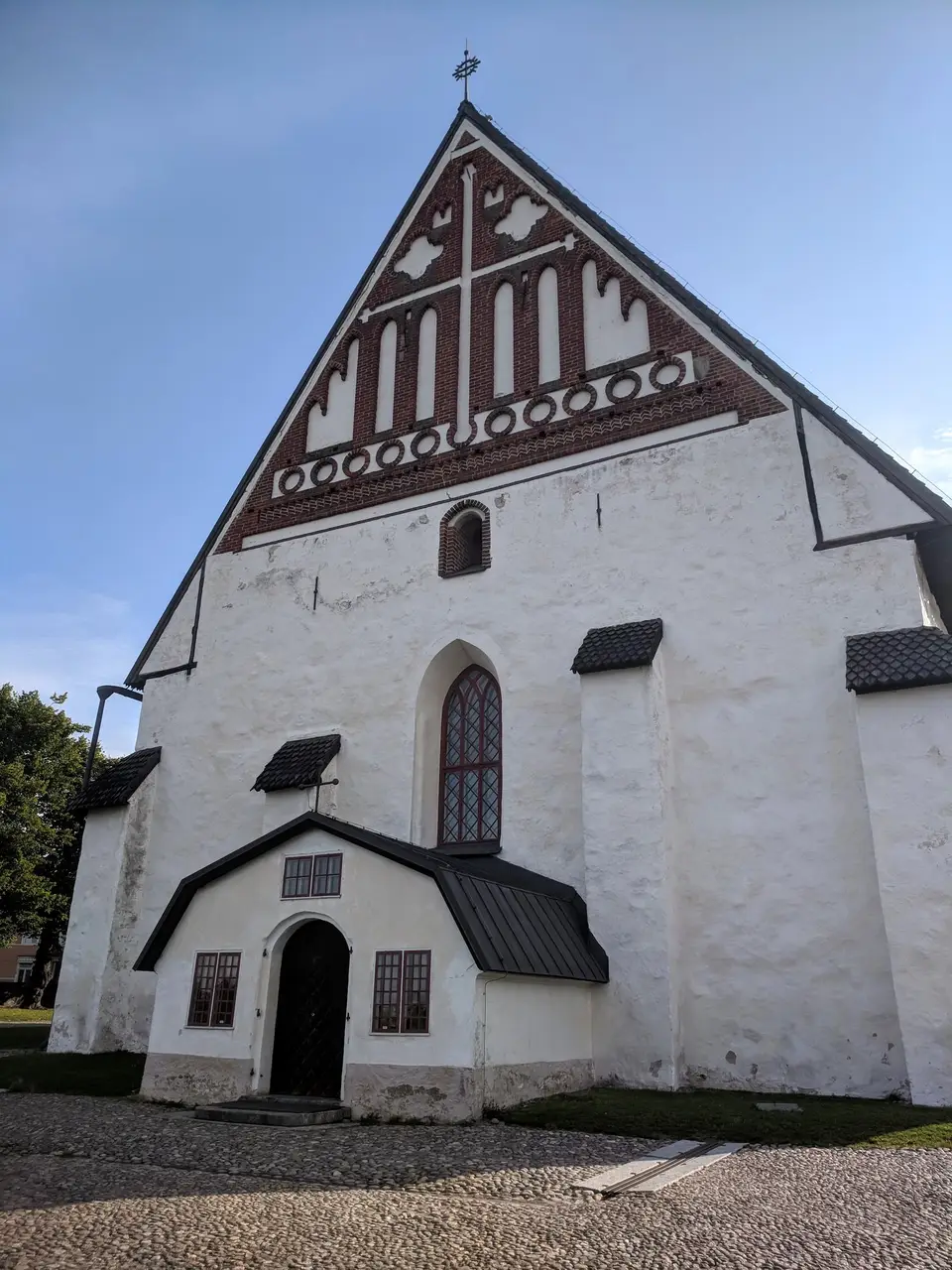
Porvoo — the cathedral that has burned six times
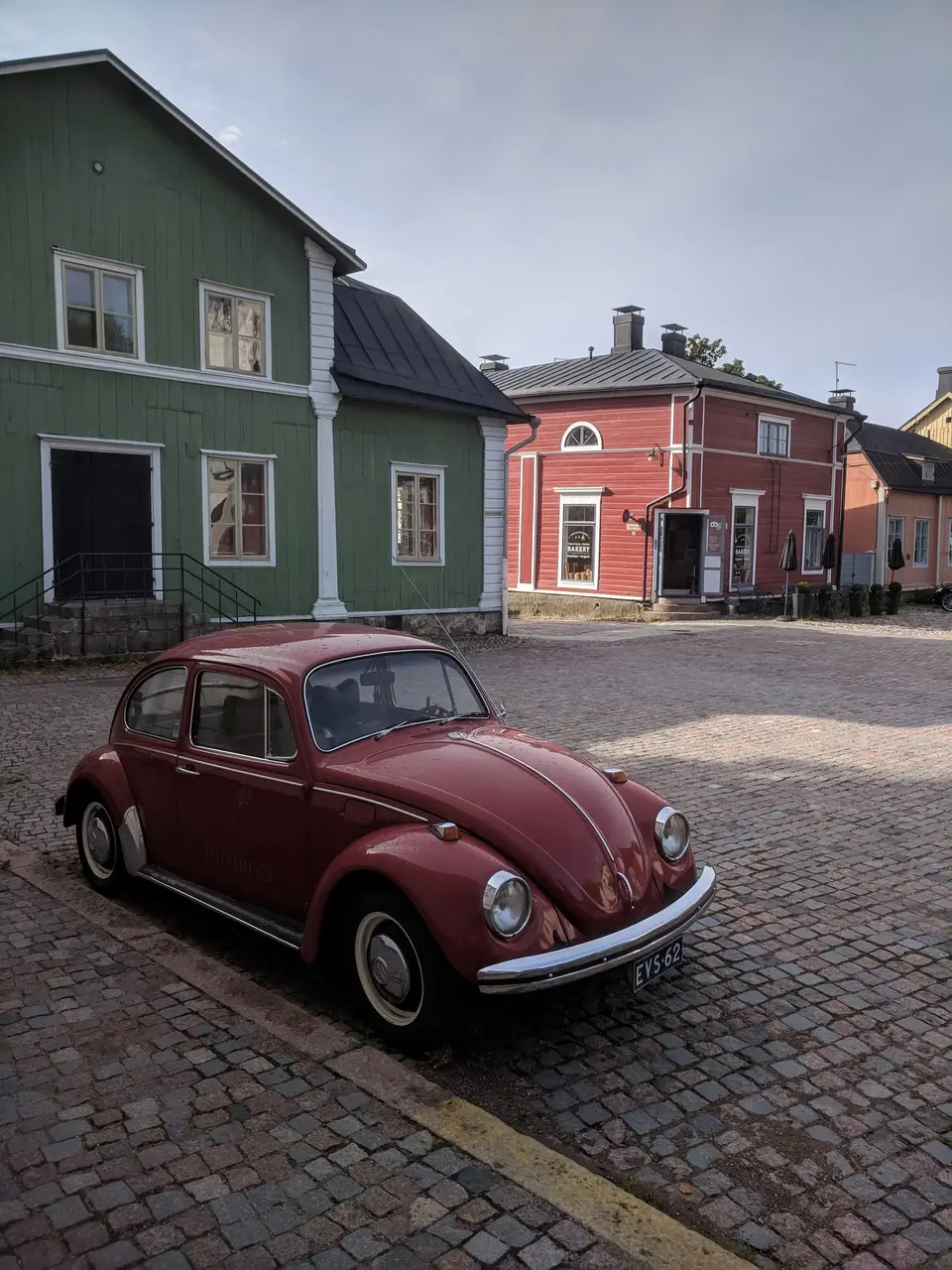
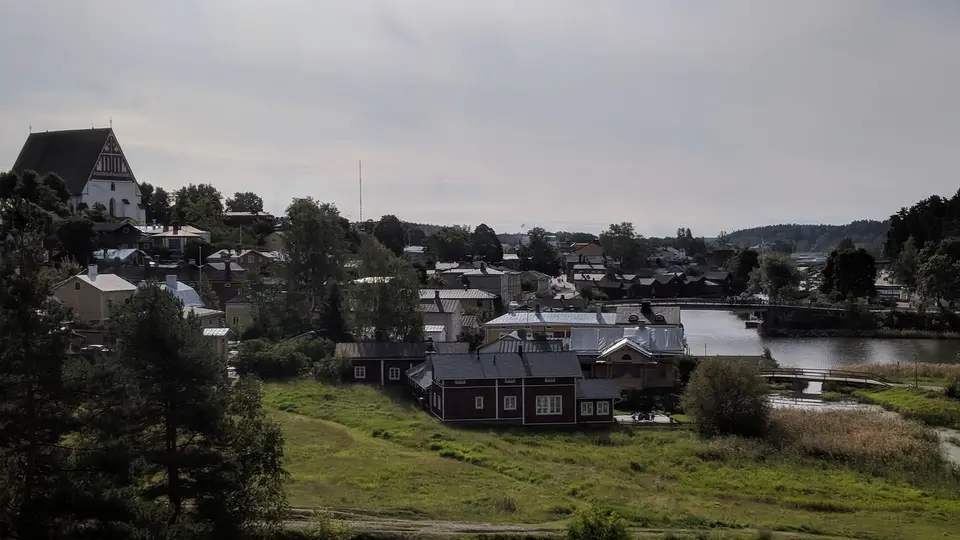
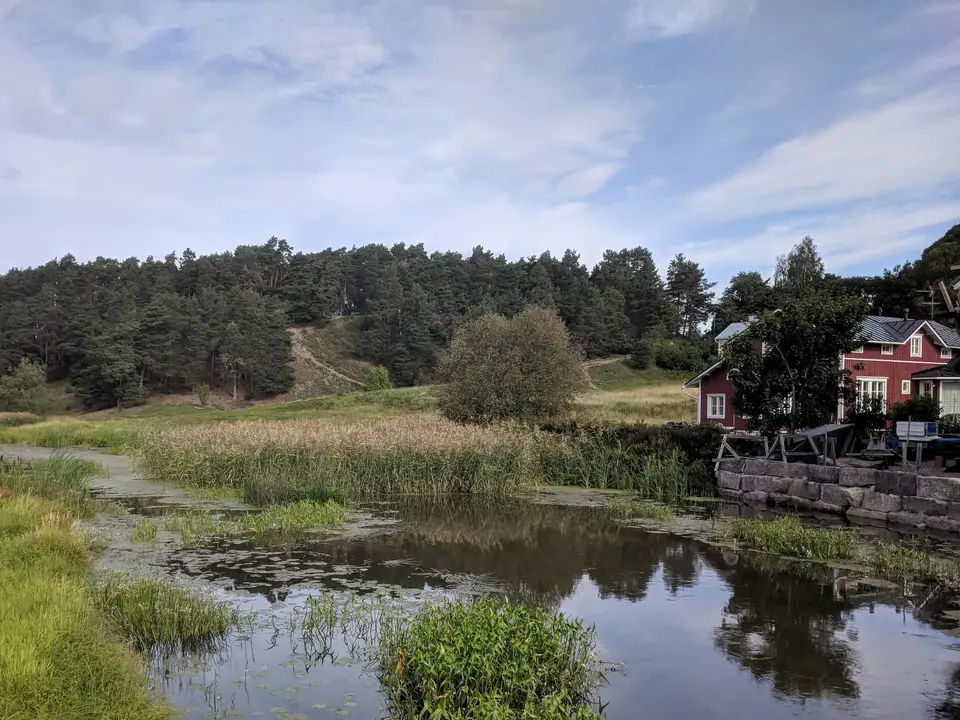
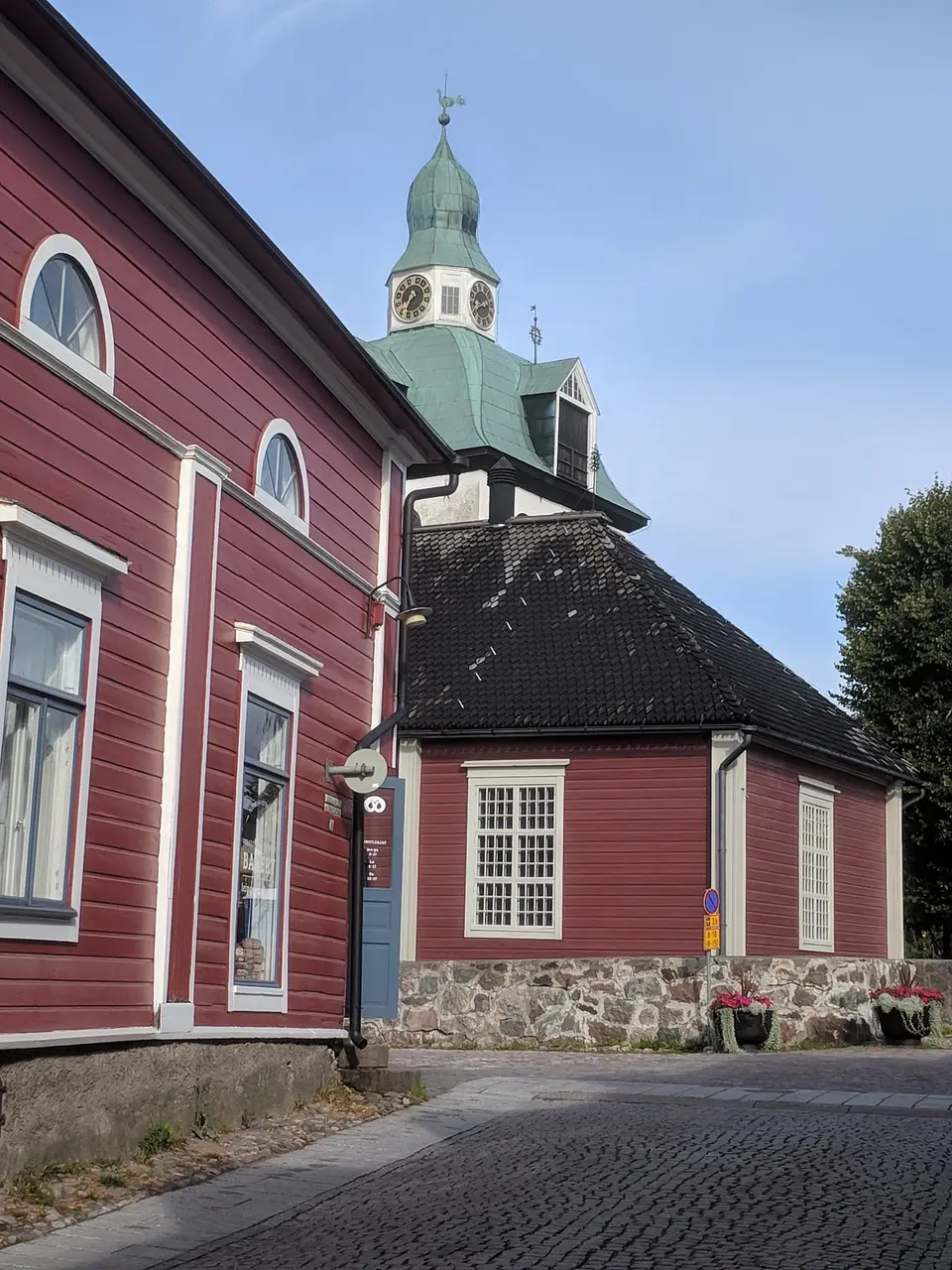
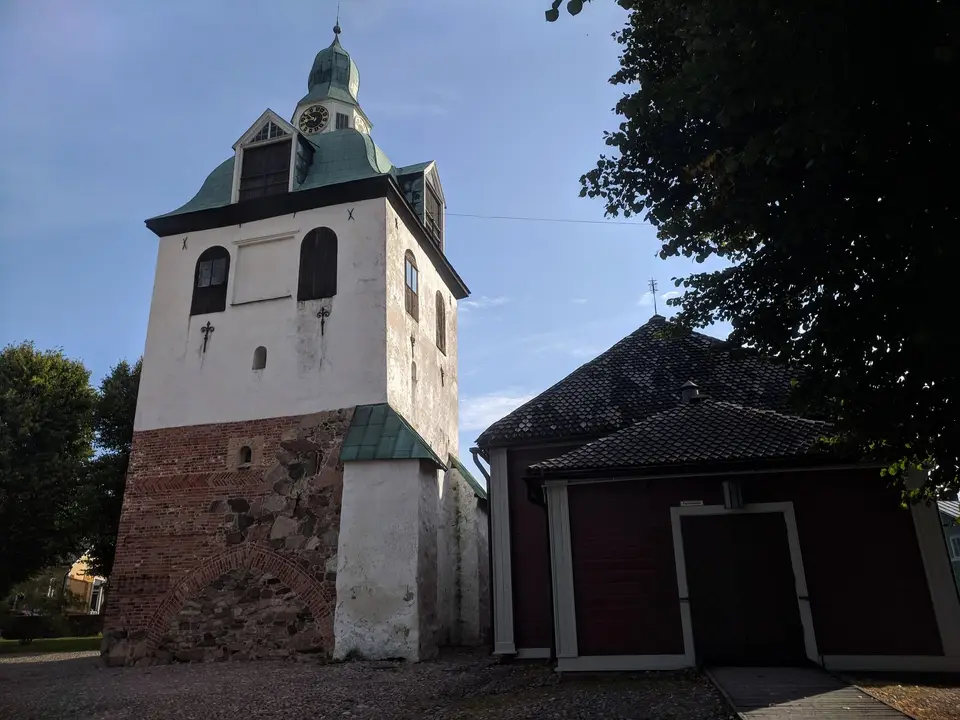
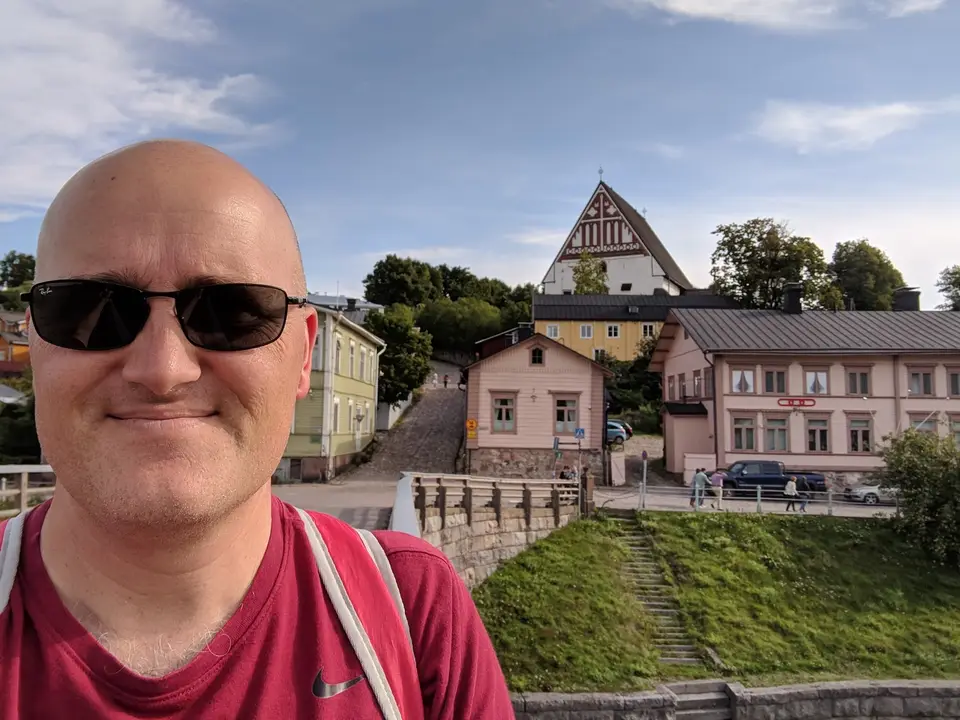
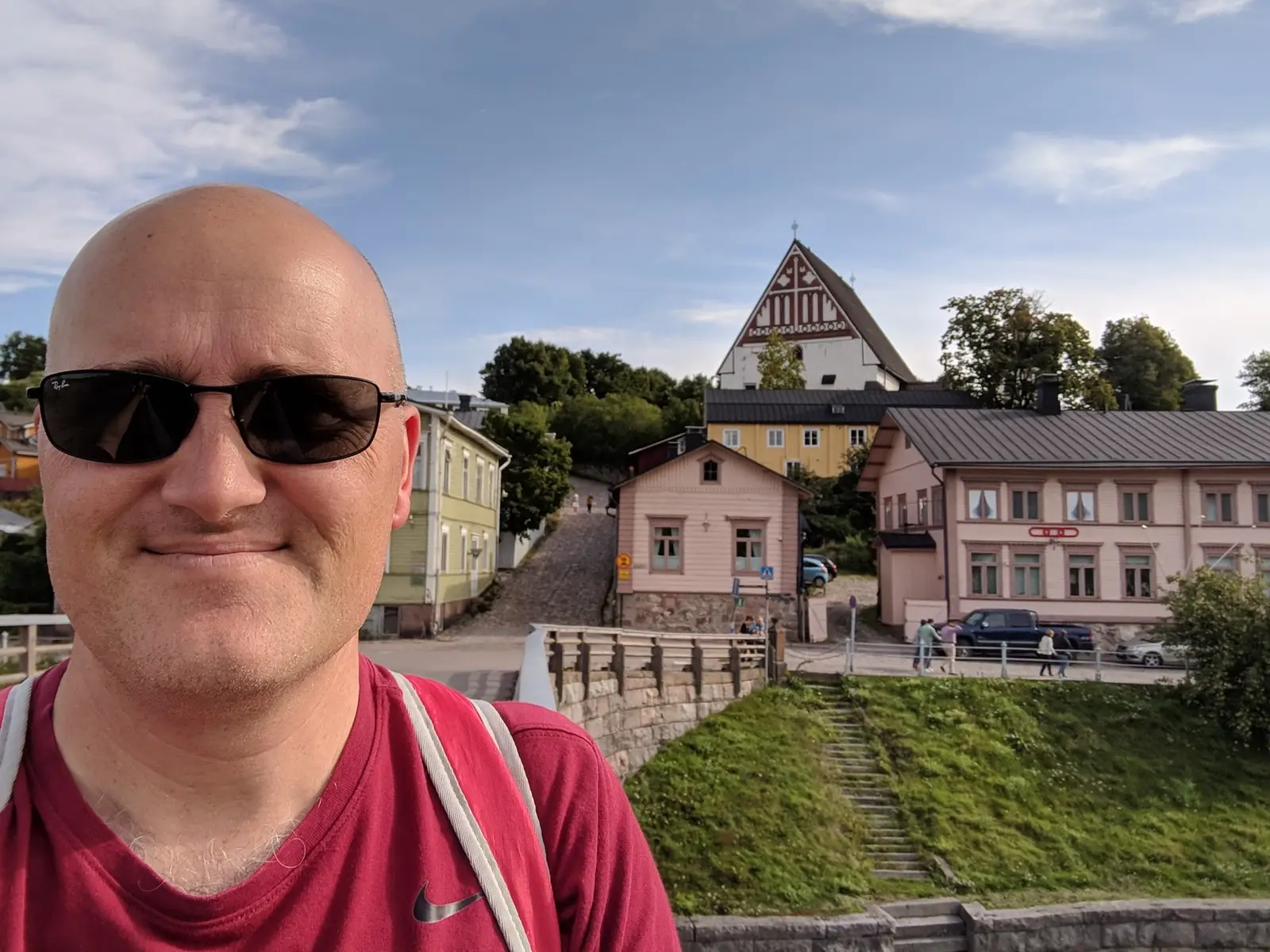
An easy day trip east and the second-oldest town in Finland: cobbled lanes, wooden houses in ochre and green, and the row of red-painted shore storehouses along the river that is the picture everyone takes.
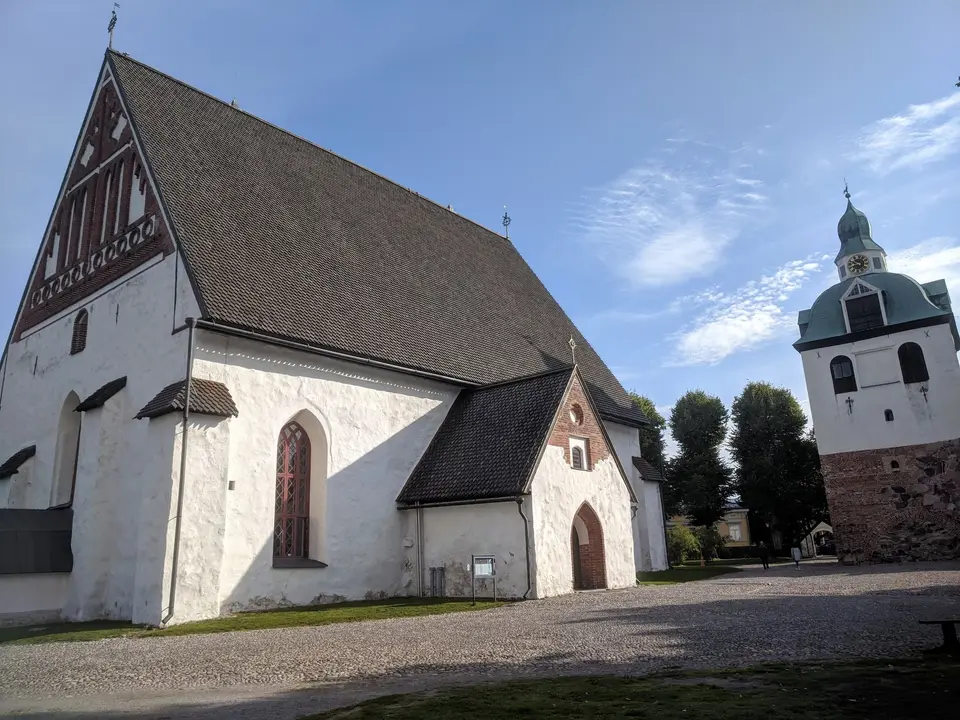
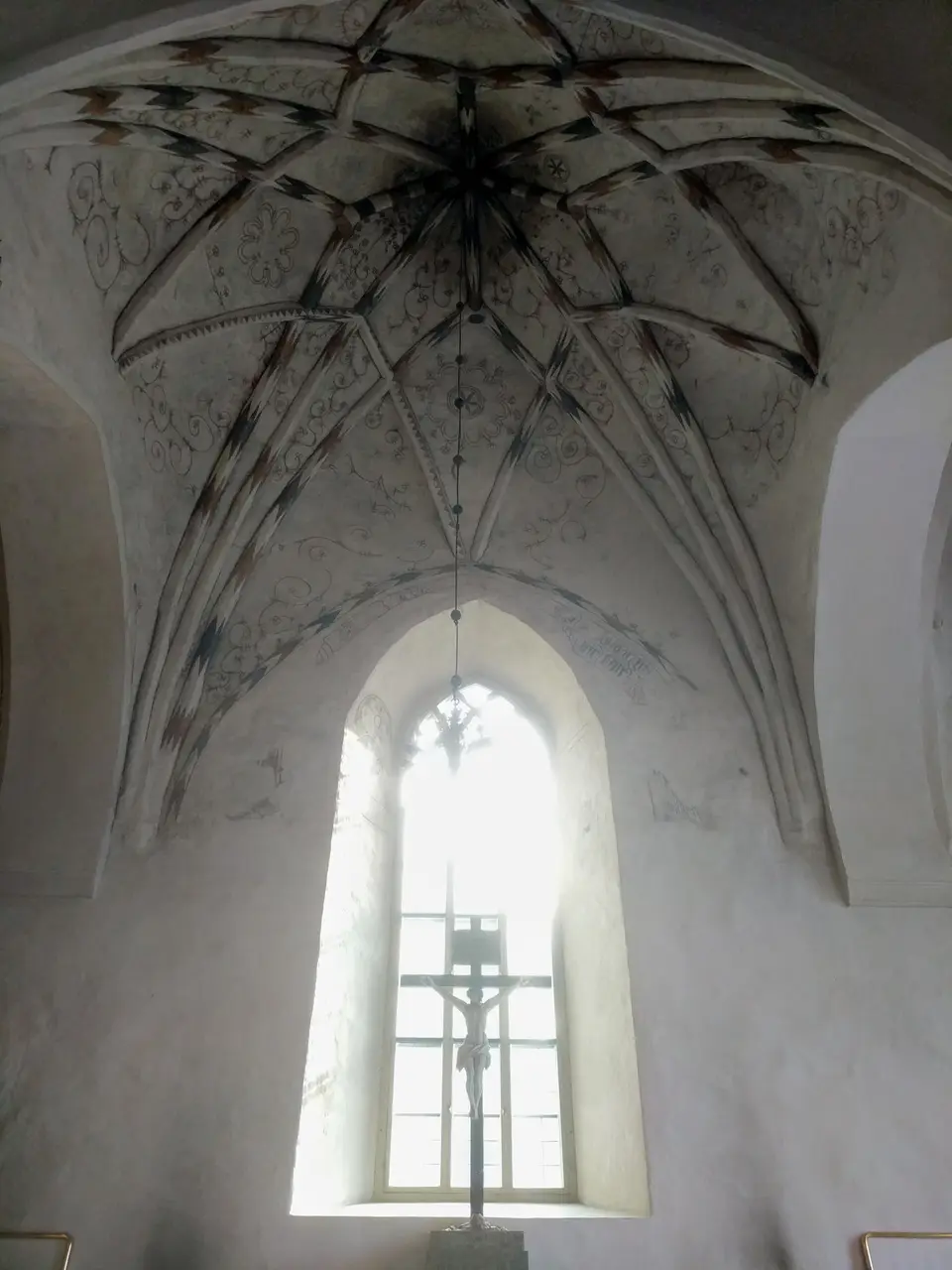
The cathedral is the story. It has been destroyed or badly damaged by fire six times — by Danish troops in 1508, by Russian troops in 1571, 1590 and 1708, and most recently by arson on 29 May 2006.
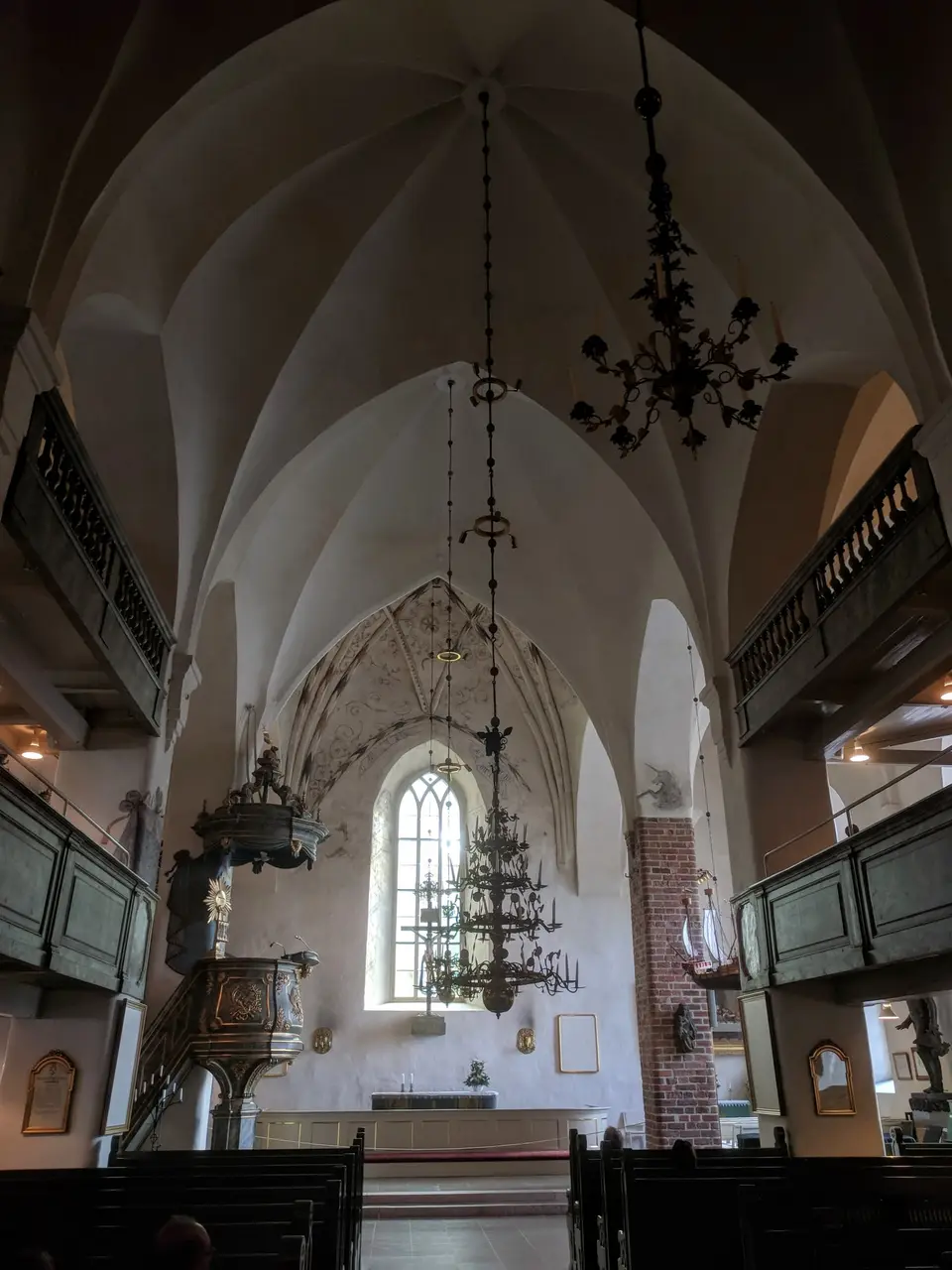
- The fire brigade let the roof burn. Deliberately. Putting that much water into it would have brought the medieval vaulted ceiling down onto the interior, so they let the outer roof go in a controlled burn and saved everything underneath.
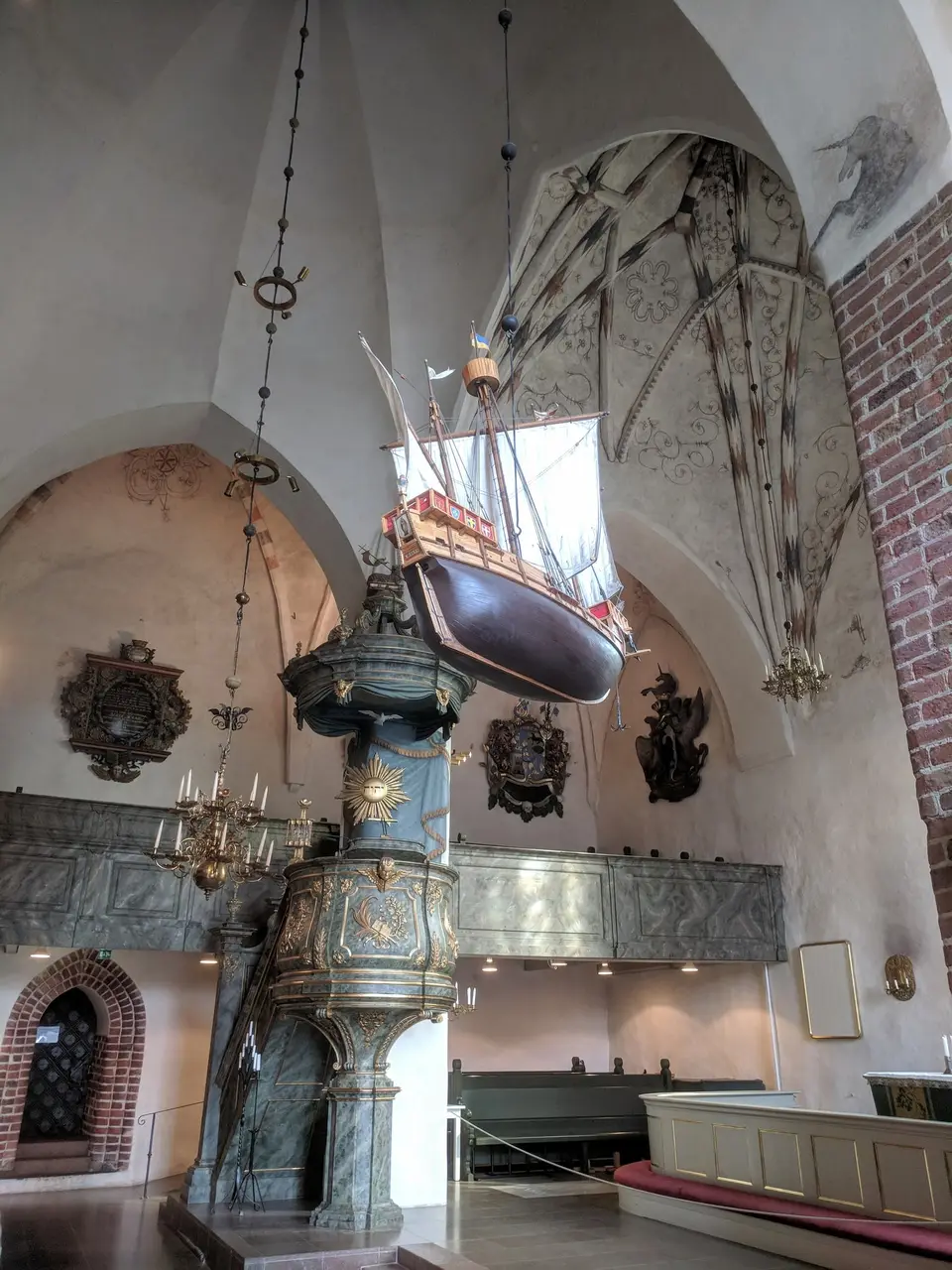
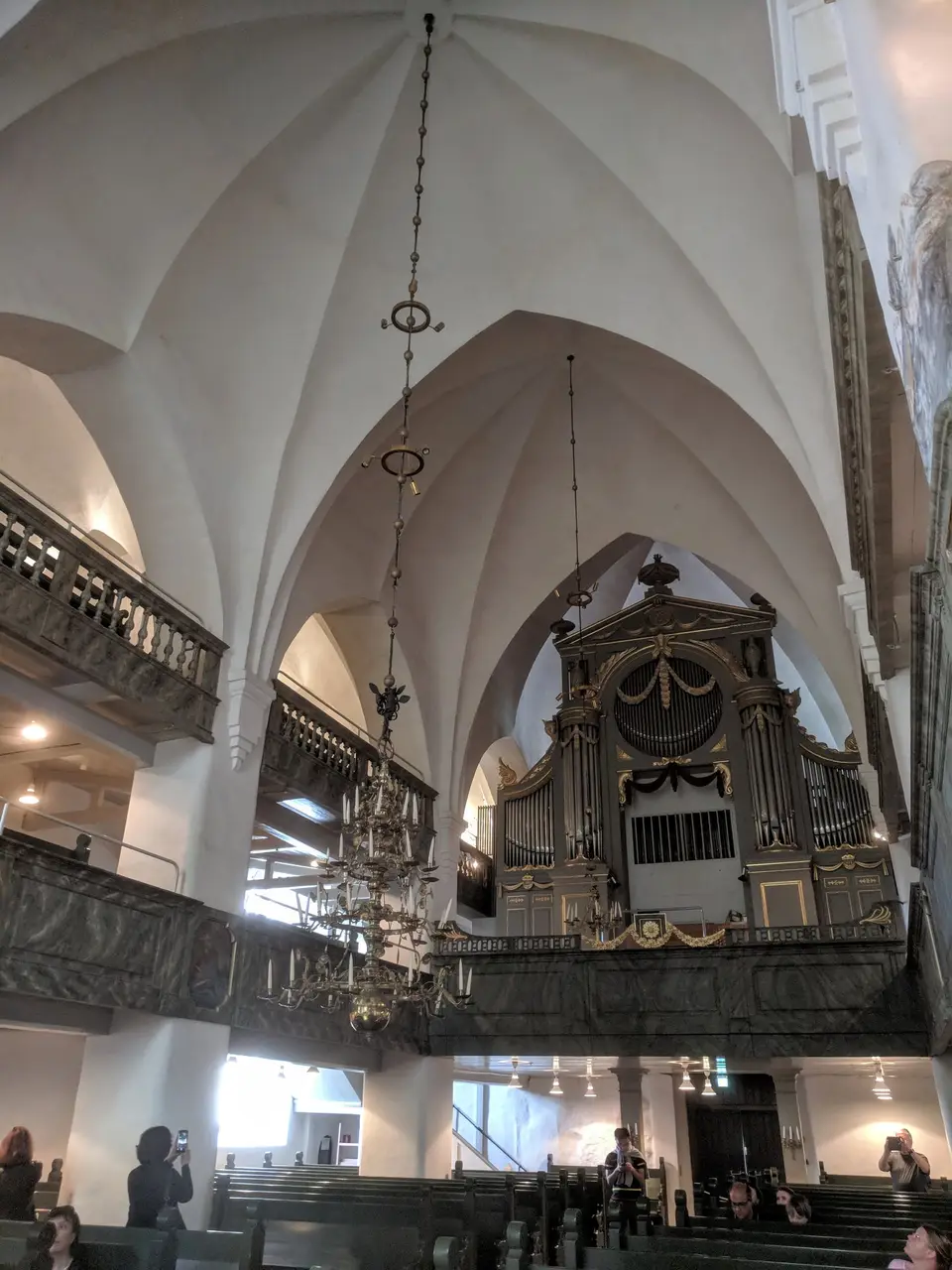
- It worked. The vaulting, the wall paintings, the pulpit and the votive ship hanging in the nave all came through. Those are what our interior photographs are of.
- It reopened on 2 July 2008. So the white church you photograph from the hill has a roof younger than the first iPhone, on a building that is six hundred years old.
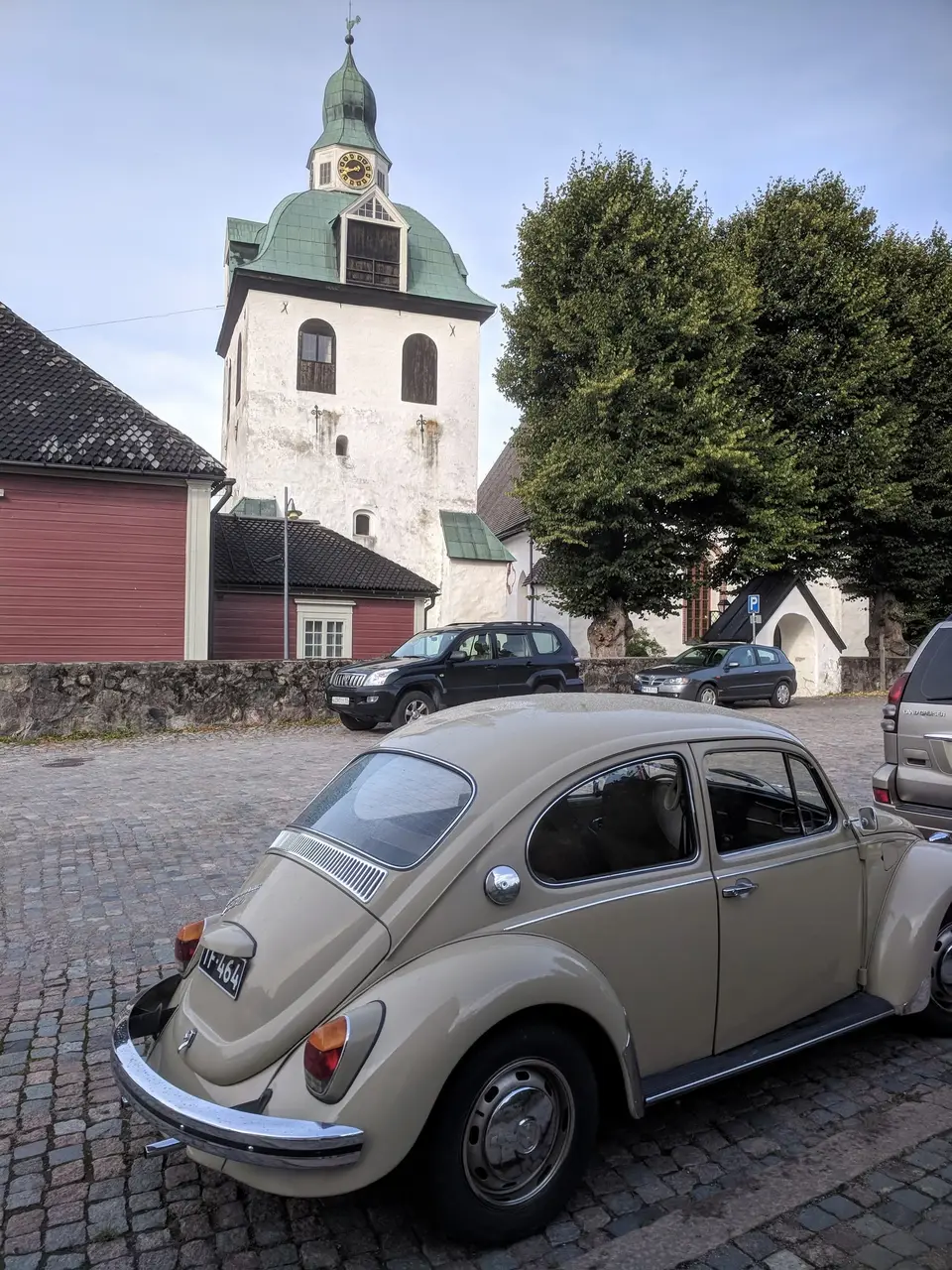
- The separate bell tower stands apart from the church, which is the old Finnish pattern and worth noticing.
And the sweet that is not a sweet
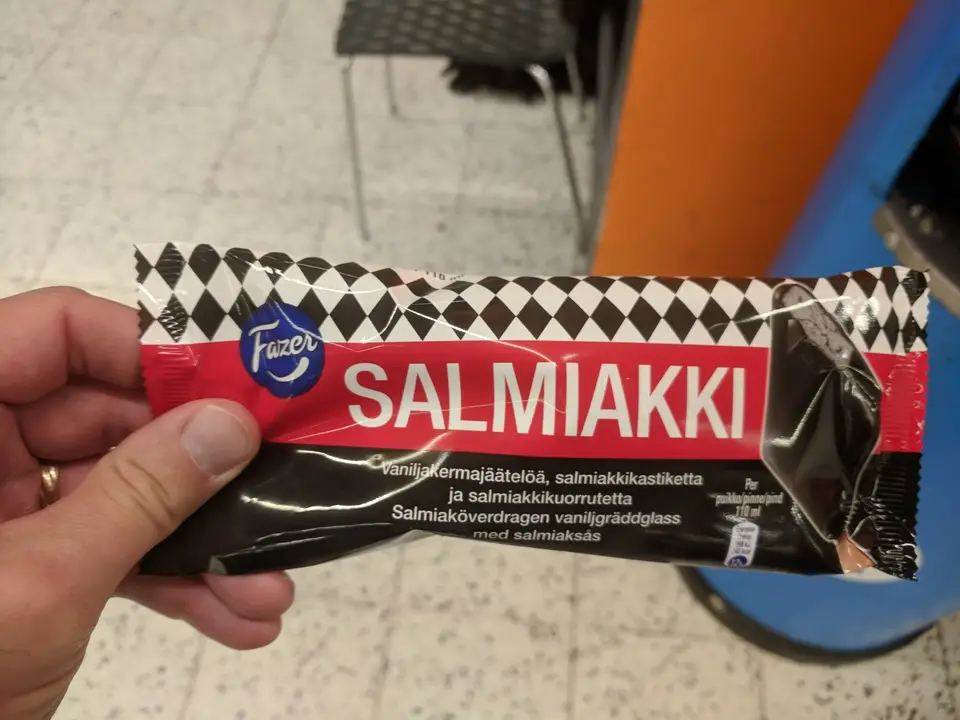
Salmiakki is salty liquorice and Finland puts it in everything, including ice cream — which is what our first photograph on this page is. It is made with ammonium chloride, it tastes like nothing else you have eaten, and roughly half of all visitors actively dislike it.
Try it anyway; just buy one and not a bag. Knowing what the black packet in every shop actually is puts you ahead of most people who come here.
How long, and what it goes with
Three days in Helsinki, plus a day for Porvoo and a day for the islands. The obvious pairing is the one we did: Tallinn is two hours away across the gulf and is nothing like Helsinki, which makes the two together a far better week than either doubled. Stockholm is an overnight ferry in the other direction.