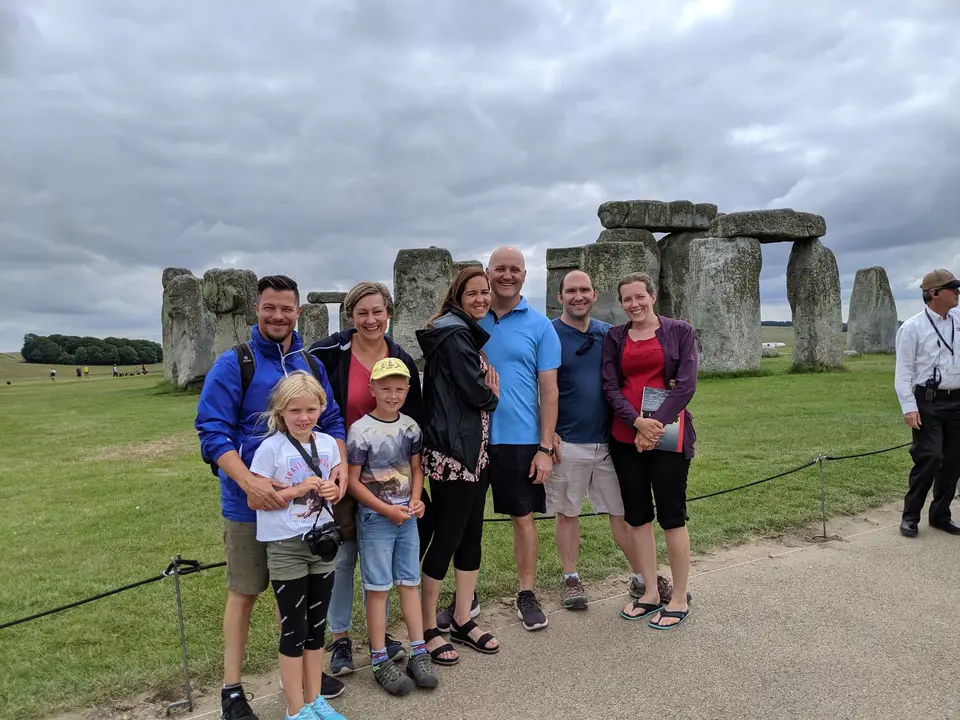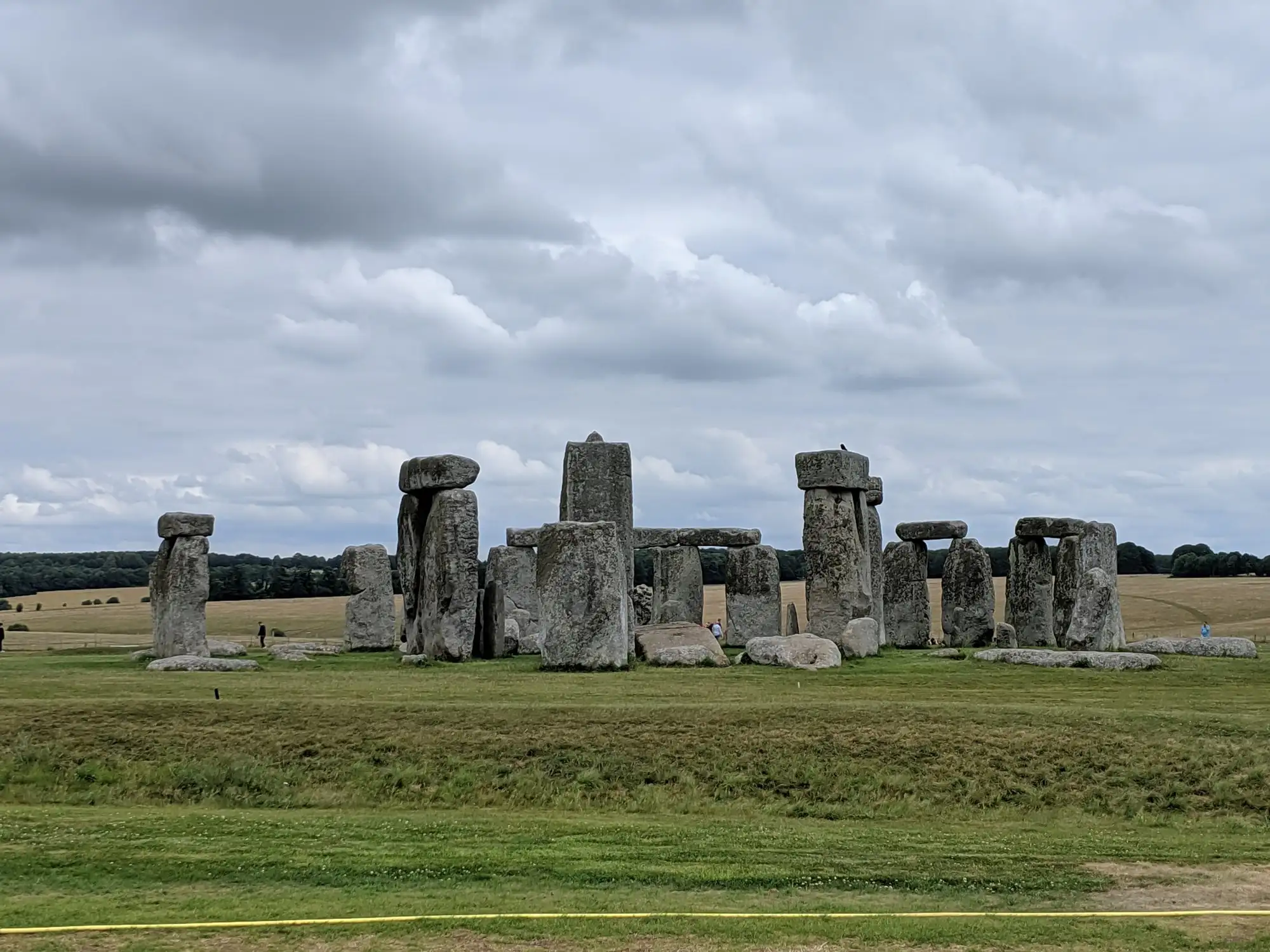
Before you go — Stonehenge is an hour, and the day is three hours long
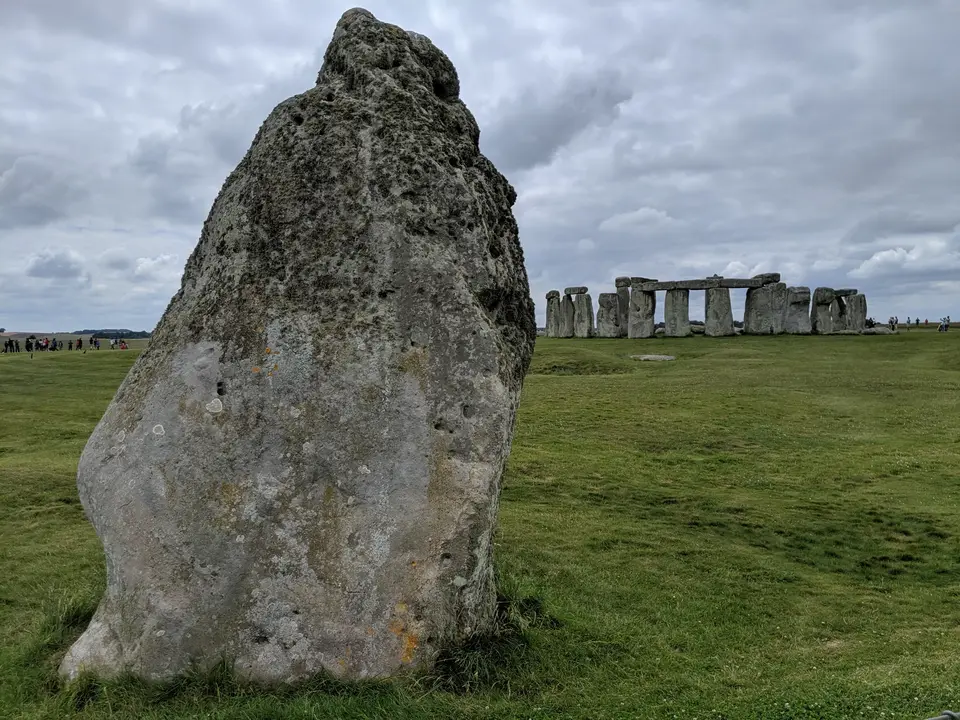
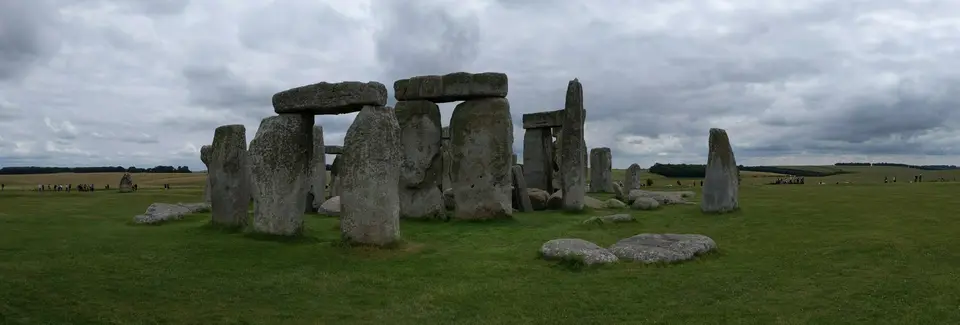
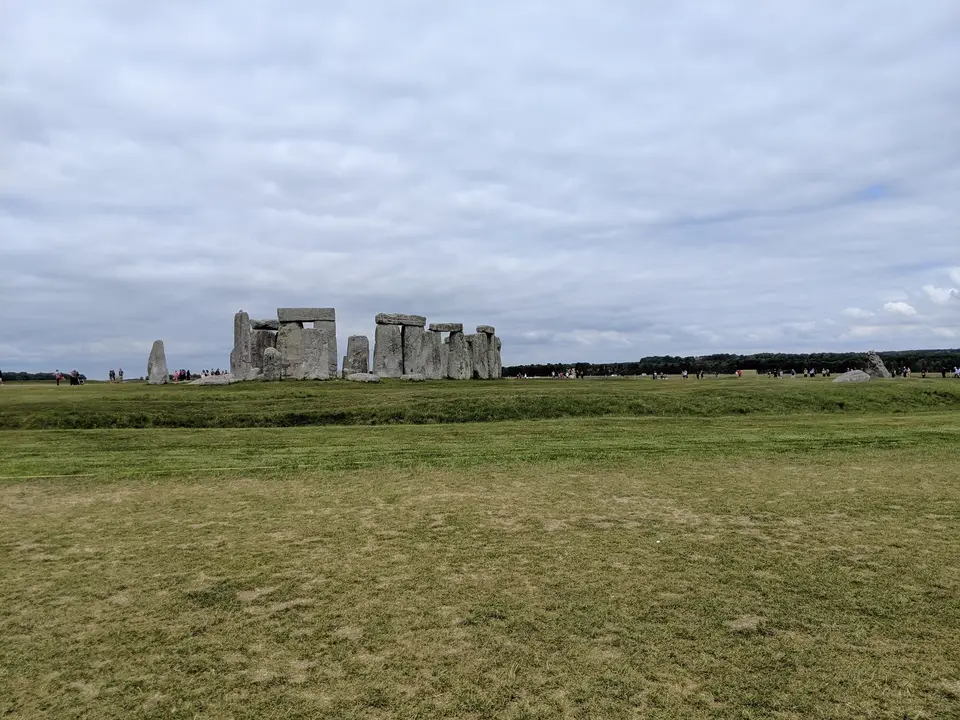
This is the one thing worth knowing and it will change your trip. You cannot walk among the stones on an ordinary ticket; you walk a roped path around them at a fixed distance. That takes about an hour, plus the visitor center and the shuttle. It is genuinely worth doing. It is not worth a day.
What people do instead is drive two hours from London, look at the stones for an hour, buy a sandwich, and drive two hours back. The hour either side of Stonehenge is some of the best country in England, and almost nobody stops in it.
- Book a timed ticket in advance. Entry is by slot and it does sell out in summer.
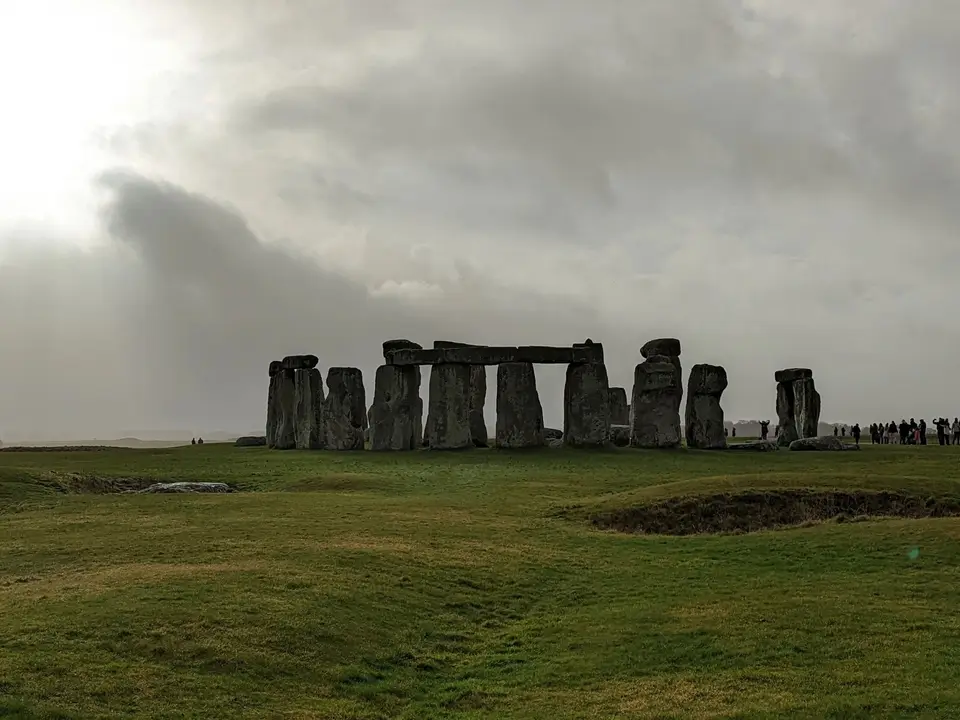
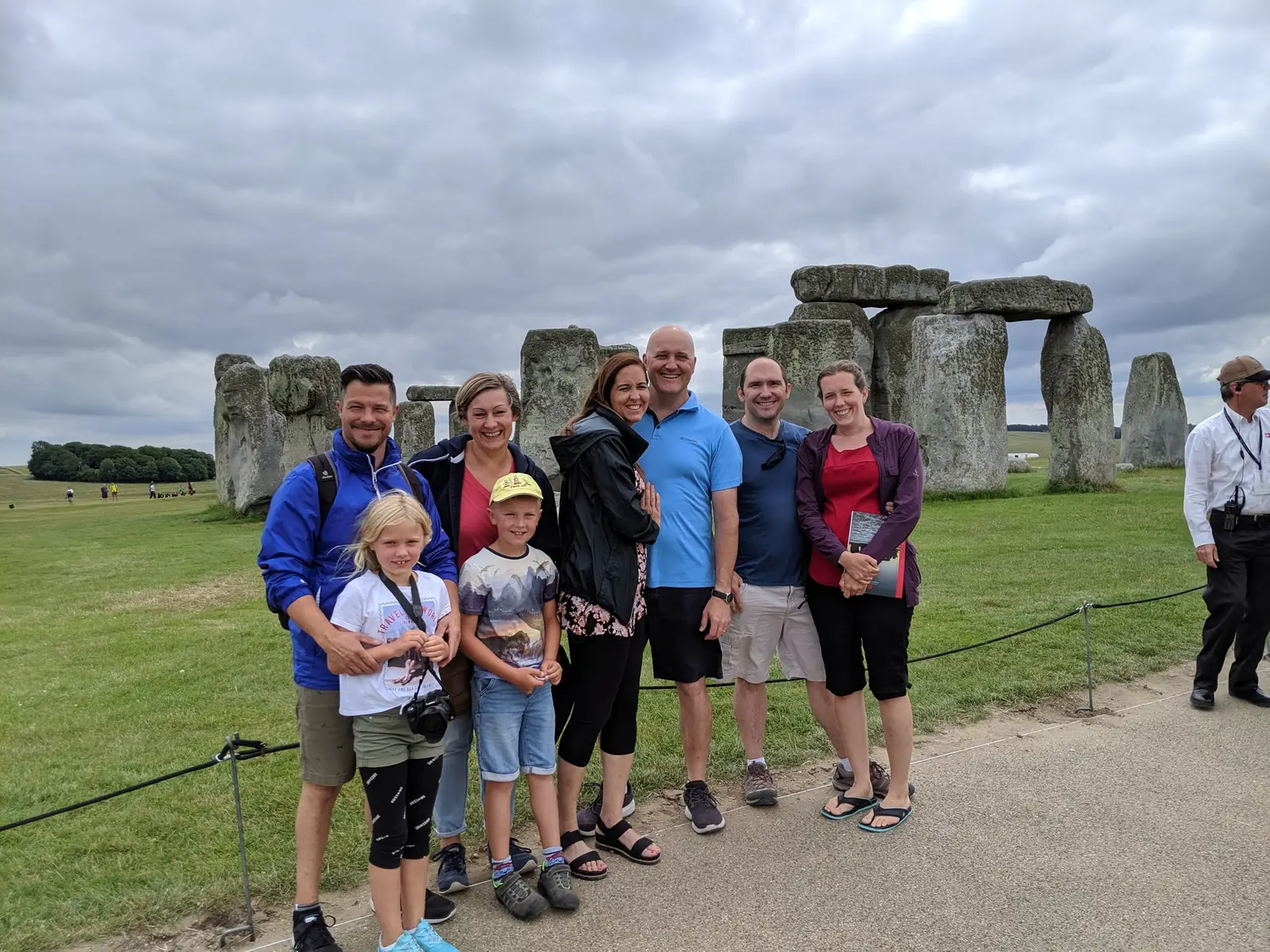
- Ours were 11 July 2019 and 27 December 2021, which is why this page can show you the same stones in both seasons.
- Rent a car for this part. The coach tours from London are what force the one-hour-and-home shape. Everything below needs your own wheels.
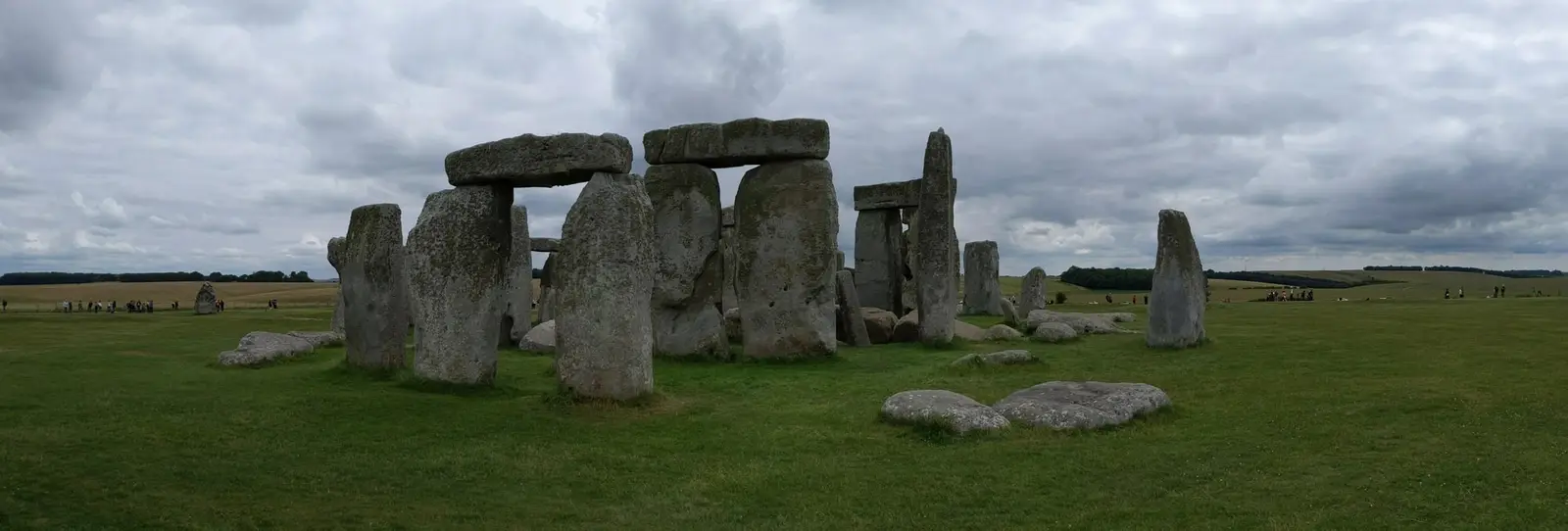
July or December? We have done both, and December wins
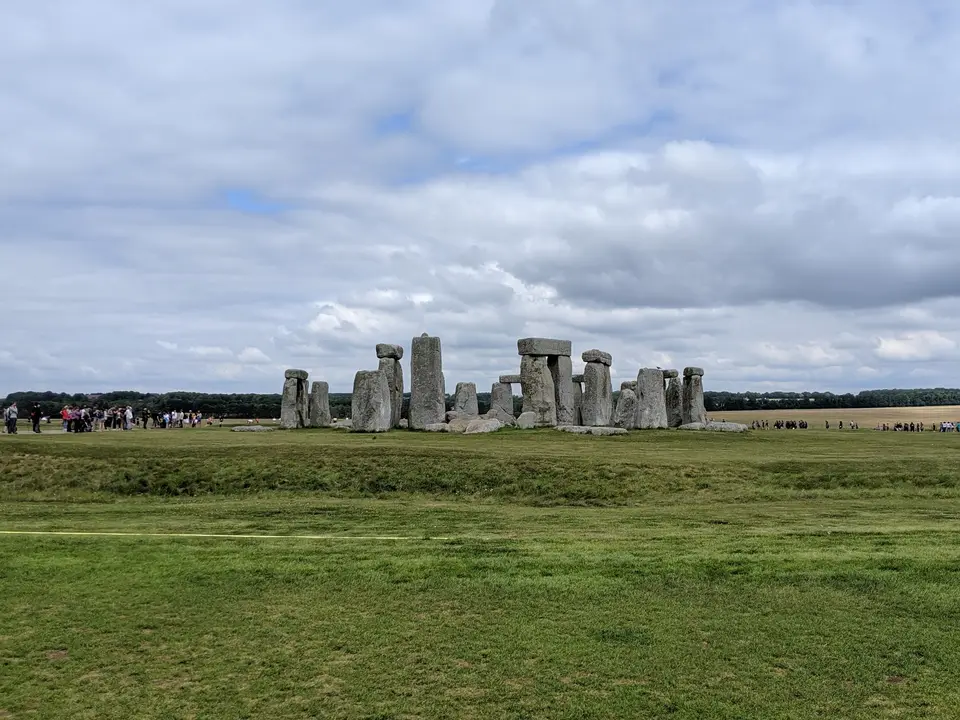
Our July photographs are blue sky, white cloud, green grass and a line of people all the way around the rope. The December one is low gray murk with the stones going dark against it and almost nobody in frame.
- The December photograph is the better photograph, and it is not close. A neolithic monument on an empty plain wants weather, not sunshine.
- Winter days are short — by mid-afternoon in late December the light is going. That is a real constraint on fitting anything else in, and the answer is to start early rather than to come in summer.
- If you are going in summer anyway, go at the first or last slot and let the coaches have the middle of the day.
Old Wardour Castle — thirty minutes away, and nearly empty
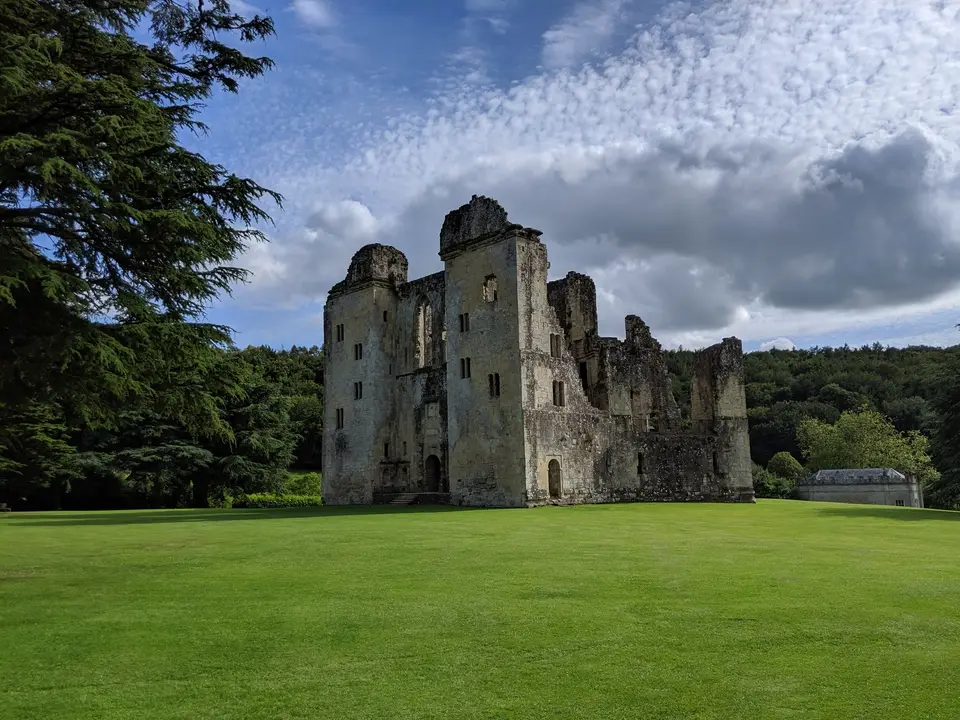
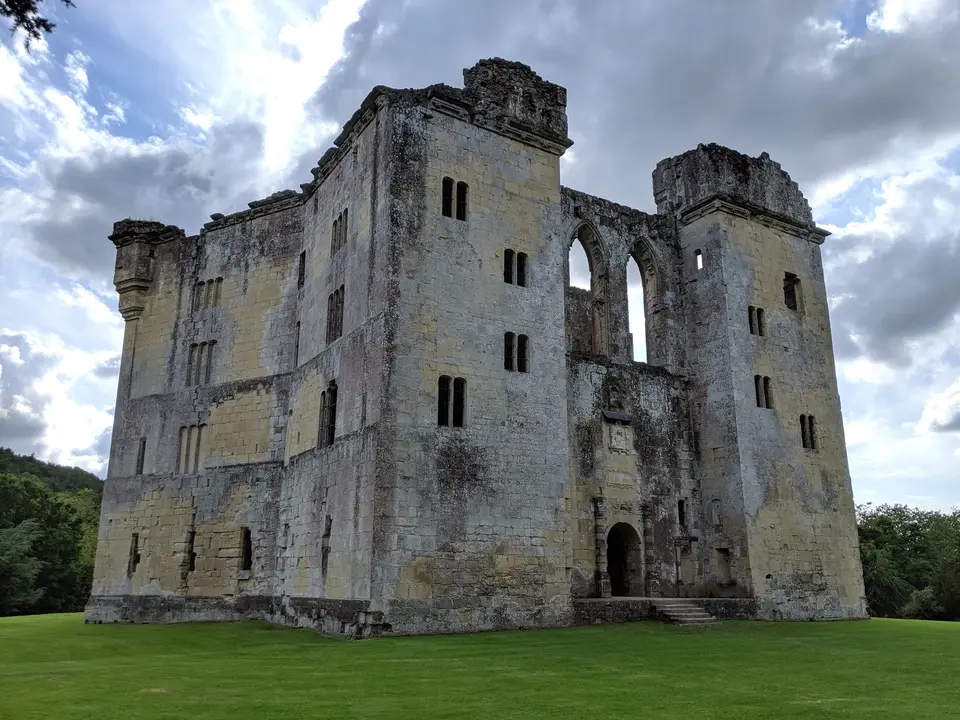
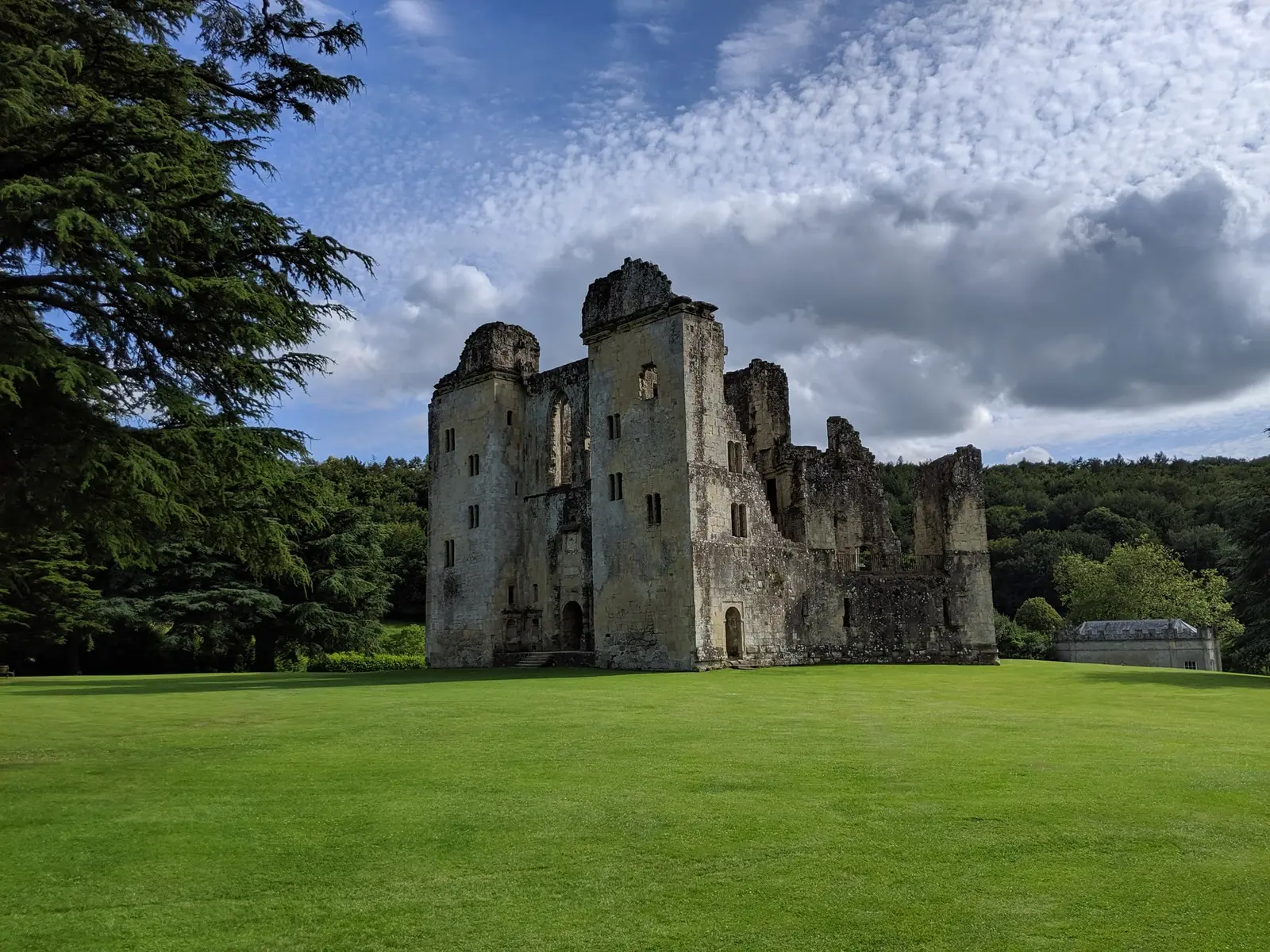
This is the recommendation this page exists for. A ruined hexagonal castle in a valley with a lake below it, about half an hour south-west of Stonehenge, and on a July afternoon we had most of it to ourselves.
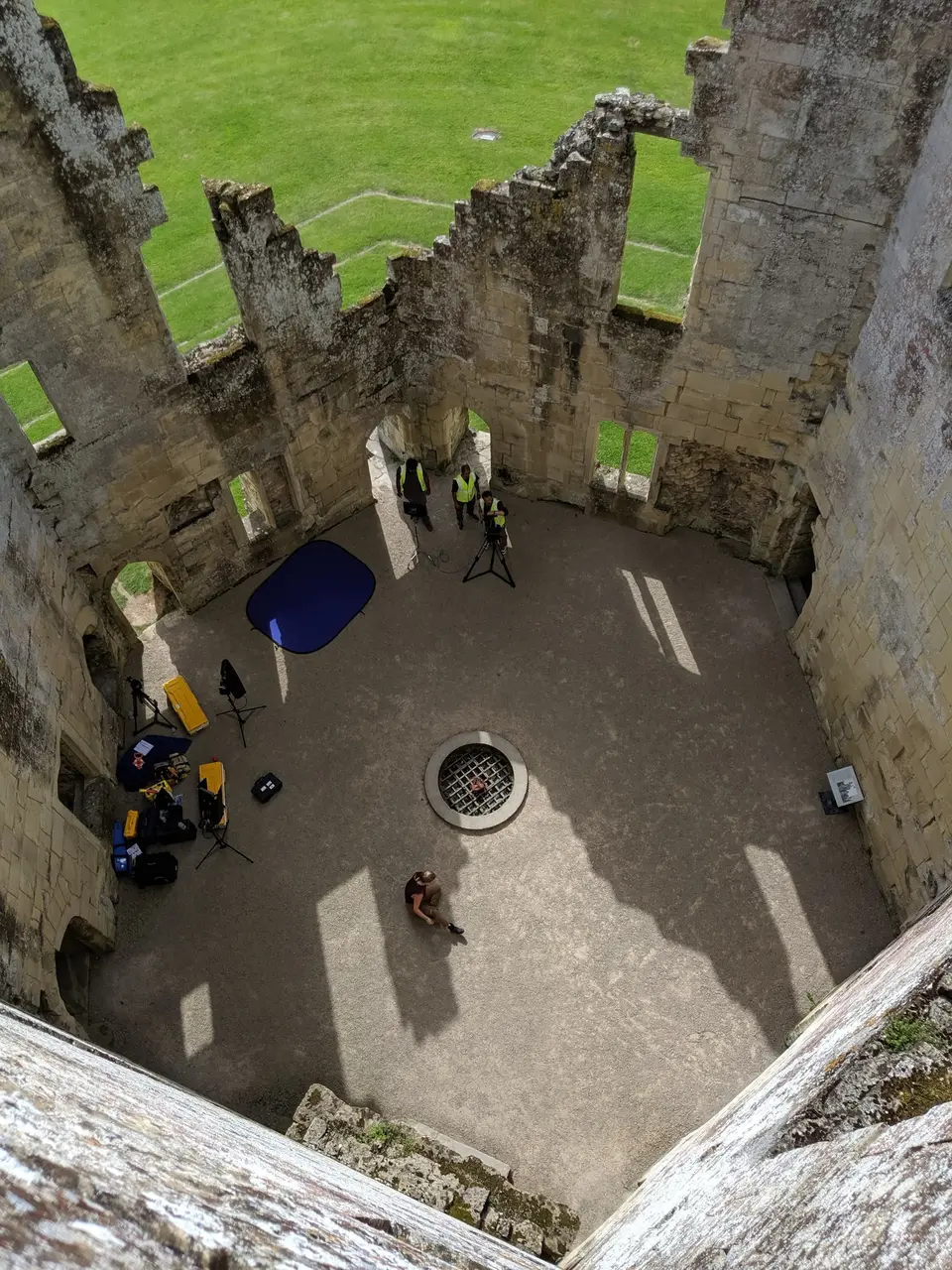
- It was built in the 1390s by John, 5th Lord Lovel — hexagonal around an open central courtyard, which is rare and strange and immediately obvious when you look down into it from the upper floors.
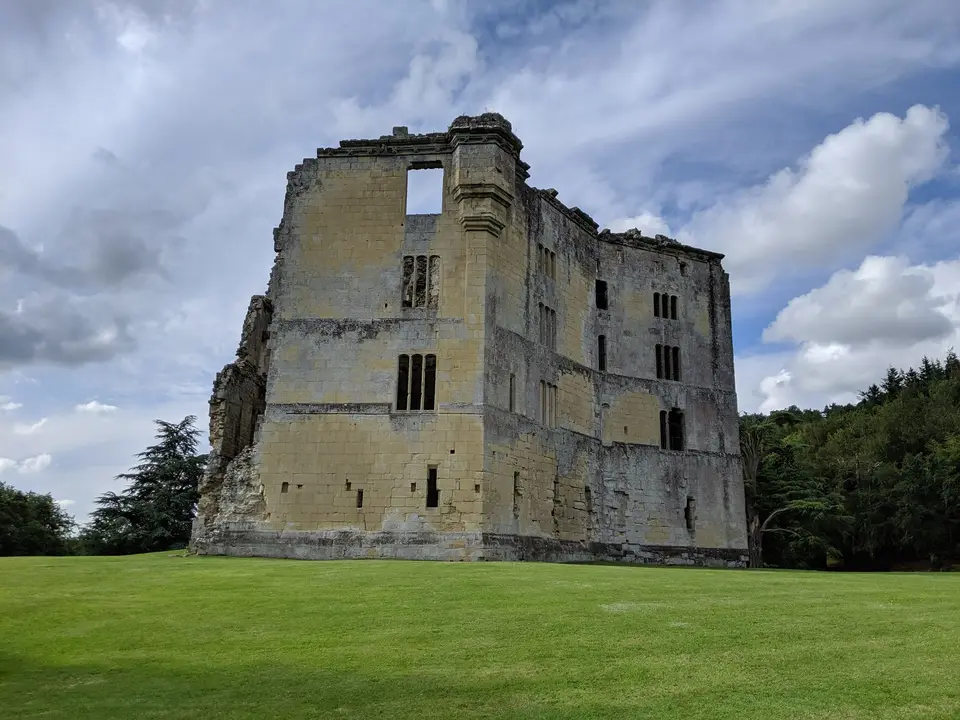
- It survived two Civil War sieges and lost. The Parliamentarians took it, the Royalists took it back, and the building was wrecked in the process. The result is that from one angle it looks almost whole and from another it is blown open — both of those photographs are on this page and they are the same building.
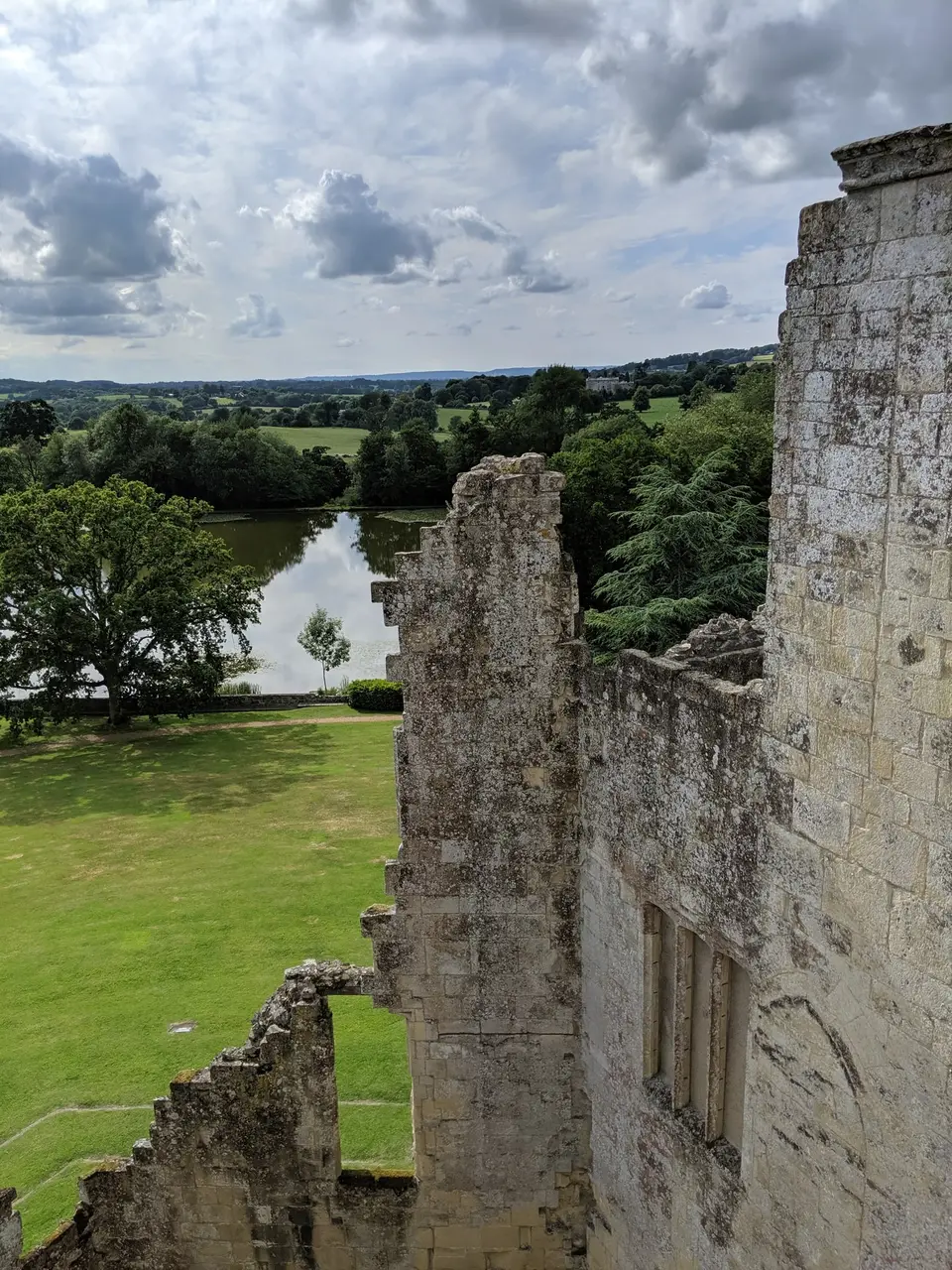
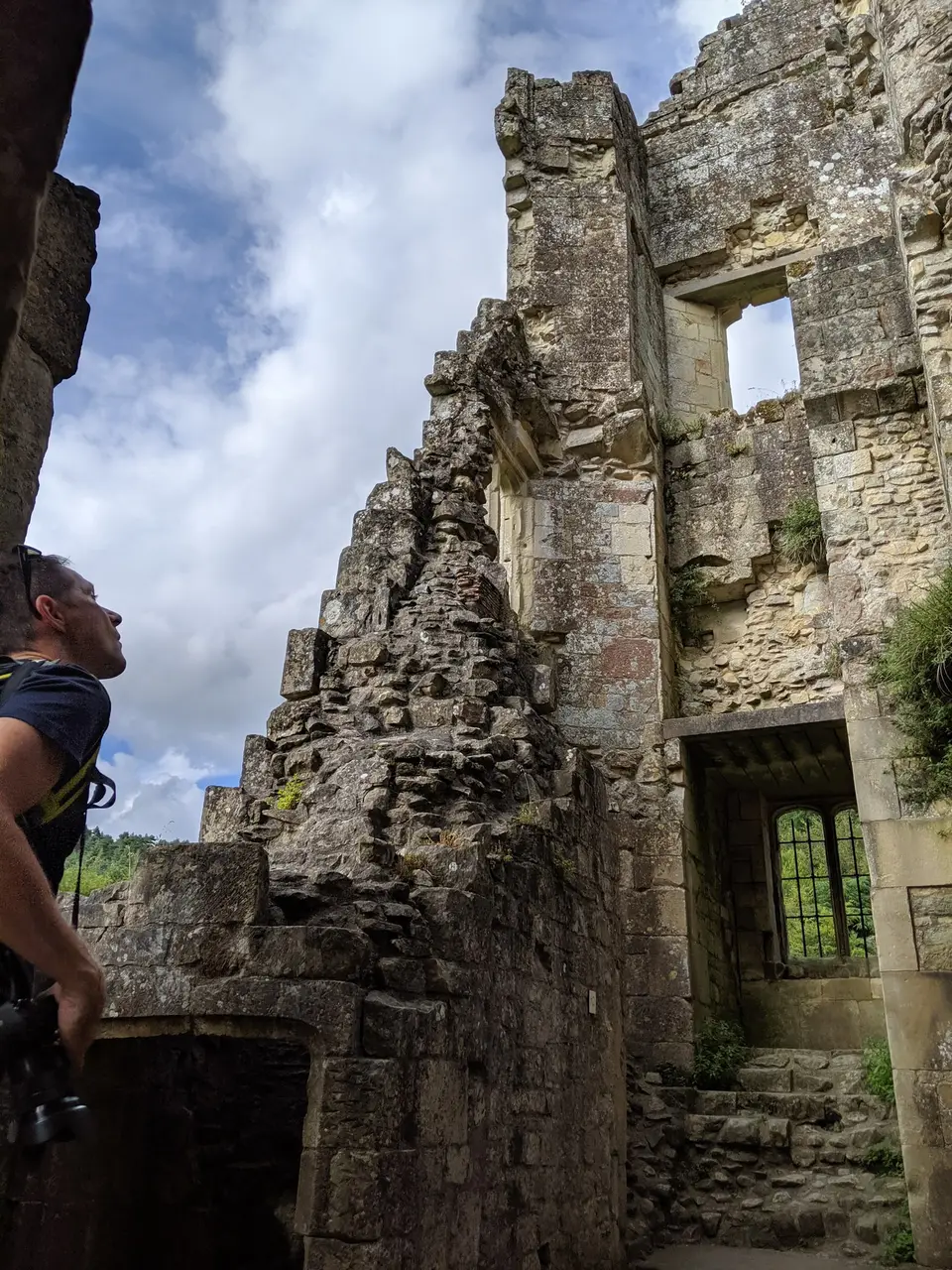
- You climb it. Spiral stairs, upper floors, and views down into the courtyard and out over the lake. After the roped path at Stonehenge this feels like being let off a lead.
- It is Locksley Castle in Robin Hood: Prince of Thieves, 1991, if that helps anyone in the car agree to the detour.
And the part that surprised us — Capability Brown
The lawns, the lake and the trees are not accident. The grounds were landscaped by Lancelot 'Capability' Brown, and the ruin was kept deliberately as a romantic folly to be looked at from the park.
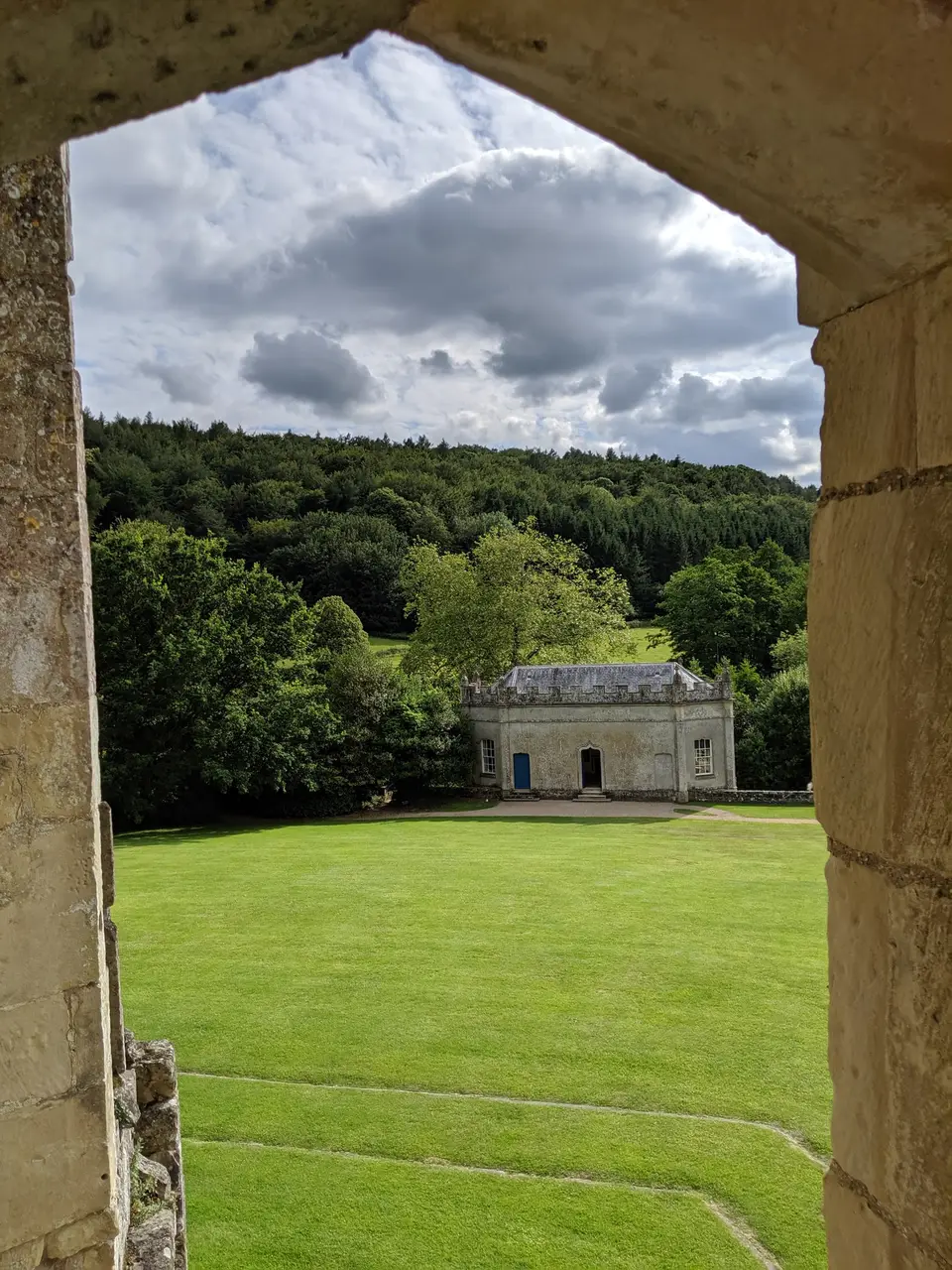
- Brown's plan dates from 1773 and was substantially finished by the time he died in February 1783. The neat classical banqueting house you can see across the grass — one of our photographs frames it through a castle window — belongs to that scheme.
- It was the third attempt. The 7th Lord Arundell had a survey drawn up in 1753 by a draughtsman known only as "WD" and died in 1756 before doing anything with it; Richard Woods produced a grander scheme in 1764 that was never built. Those dates are off the English Heritage boards on site, which we photographed.
- Stourhead and Wilton House are both within a few miles — the boards say so themselves, because they are what the Arundells were trying to keep up with. Stourhead in particular is one of the great English landscape gardens.
So the honest shape of the day is this: Stonehenge first thing, Old Wardour or Stourhead in the afternoon, and Salisbury with its cathedral on the way back. That is a full and very good day. The stones alone are not.
London — one day, done on foot and on the river
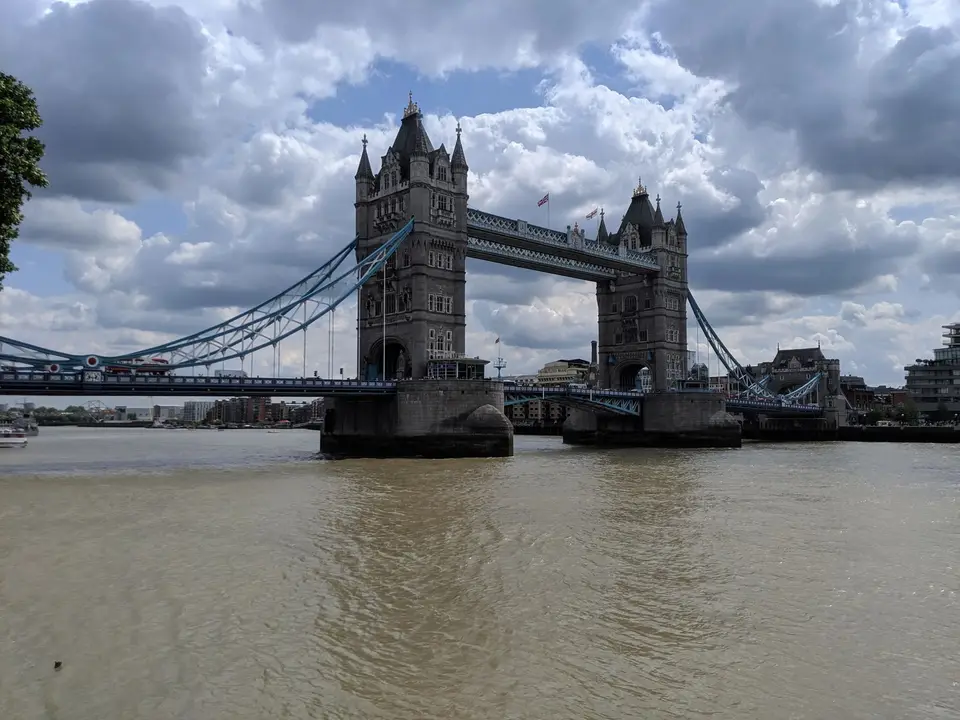
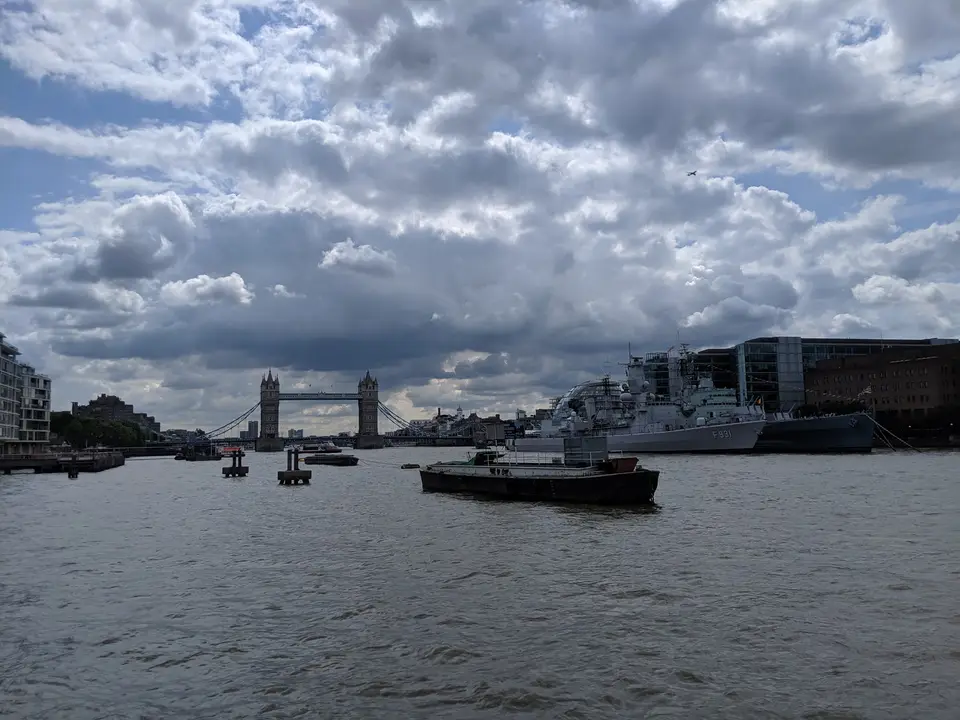
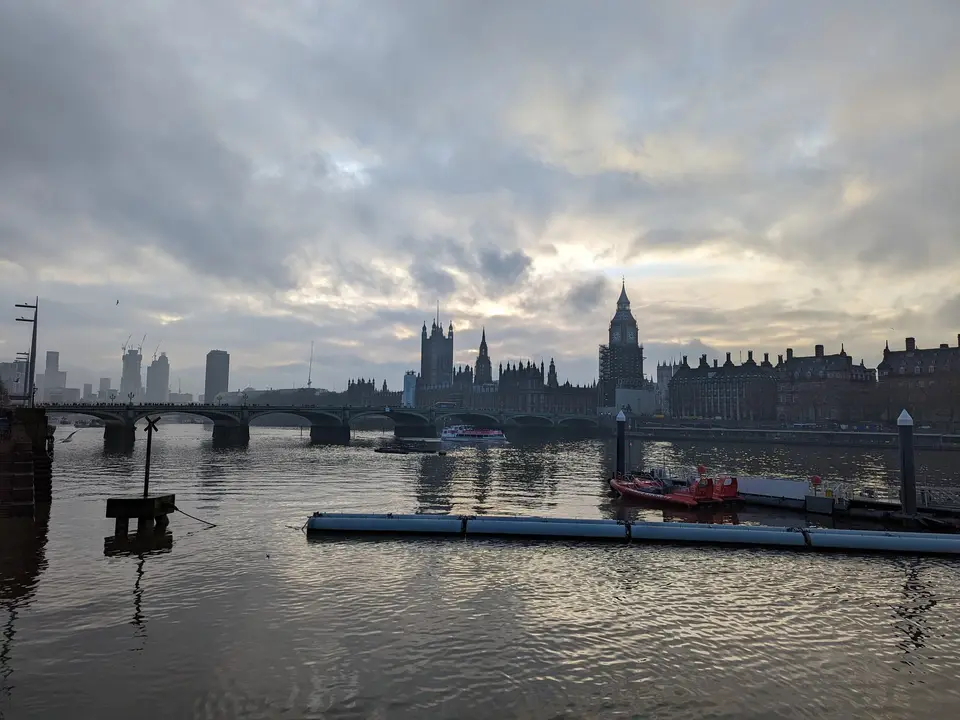
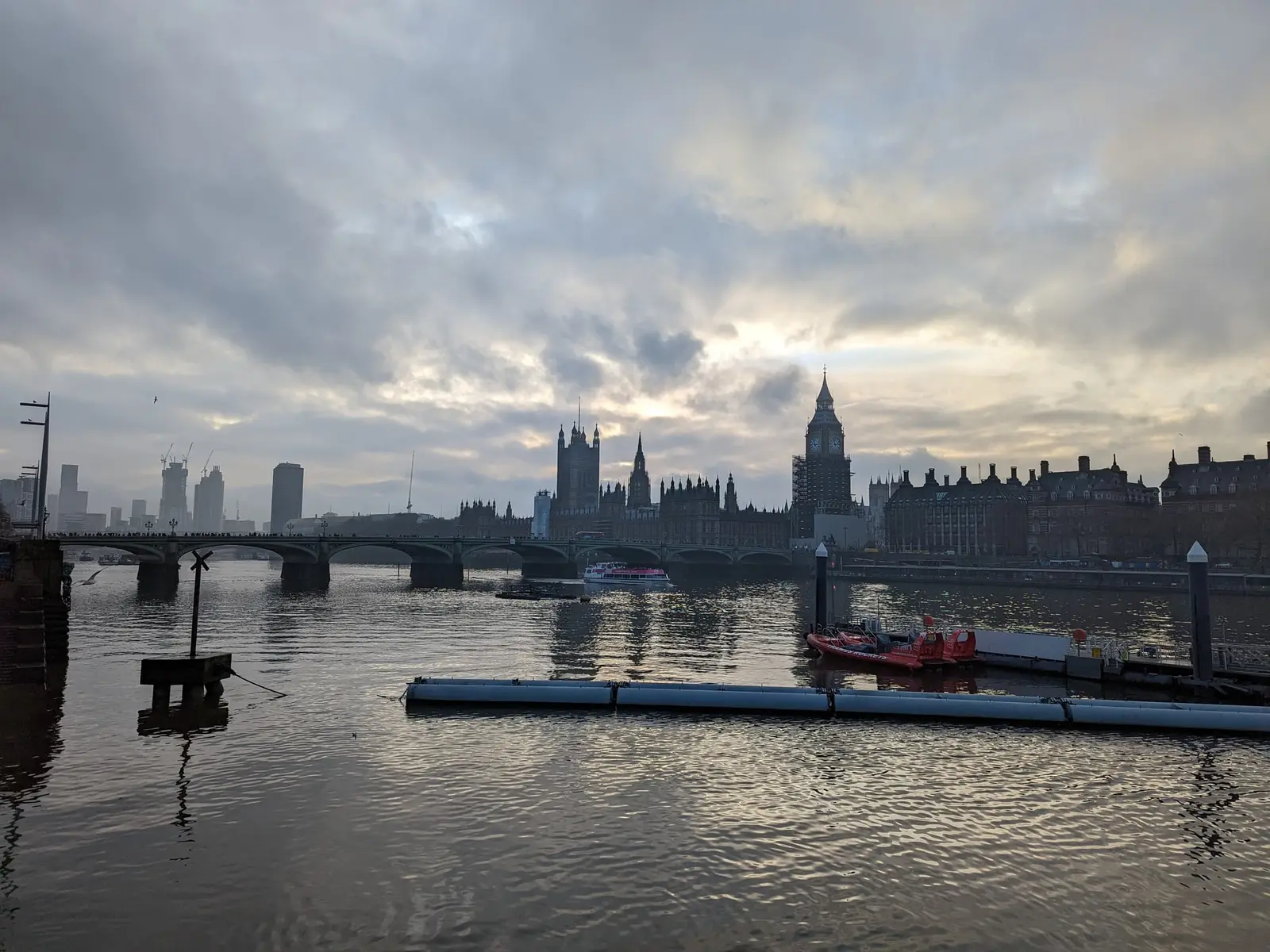
Our London photographs are a single July day and one December evening, and they fall into an obvious route.
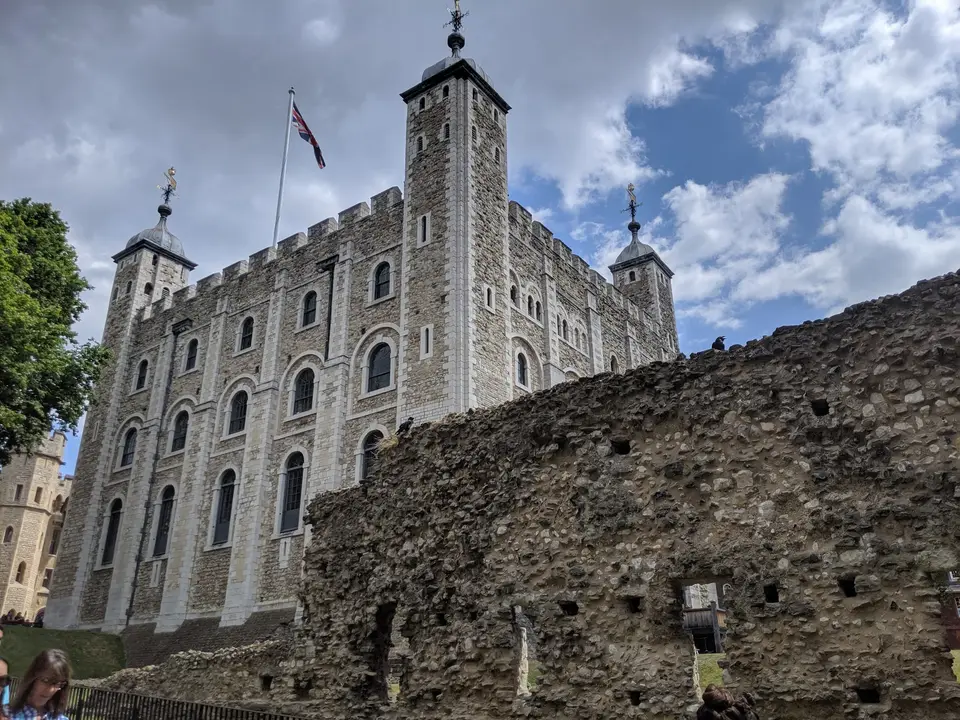
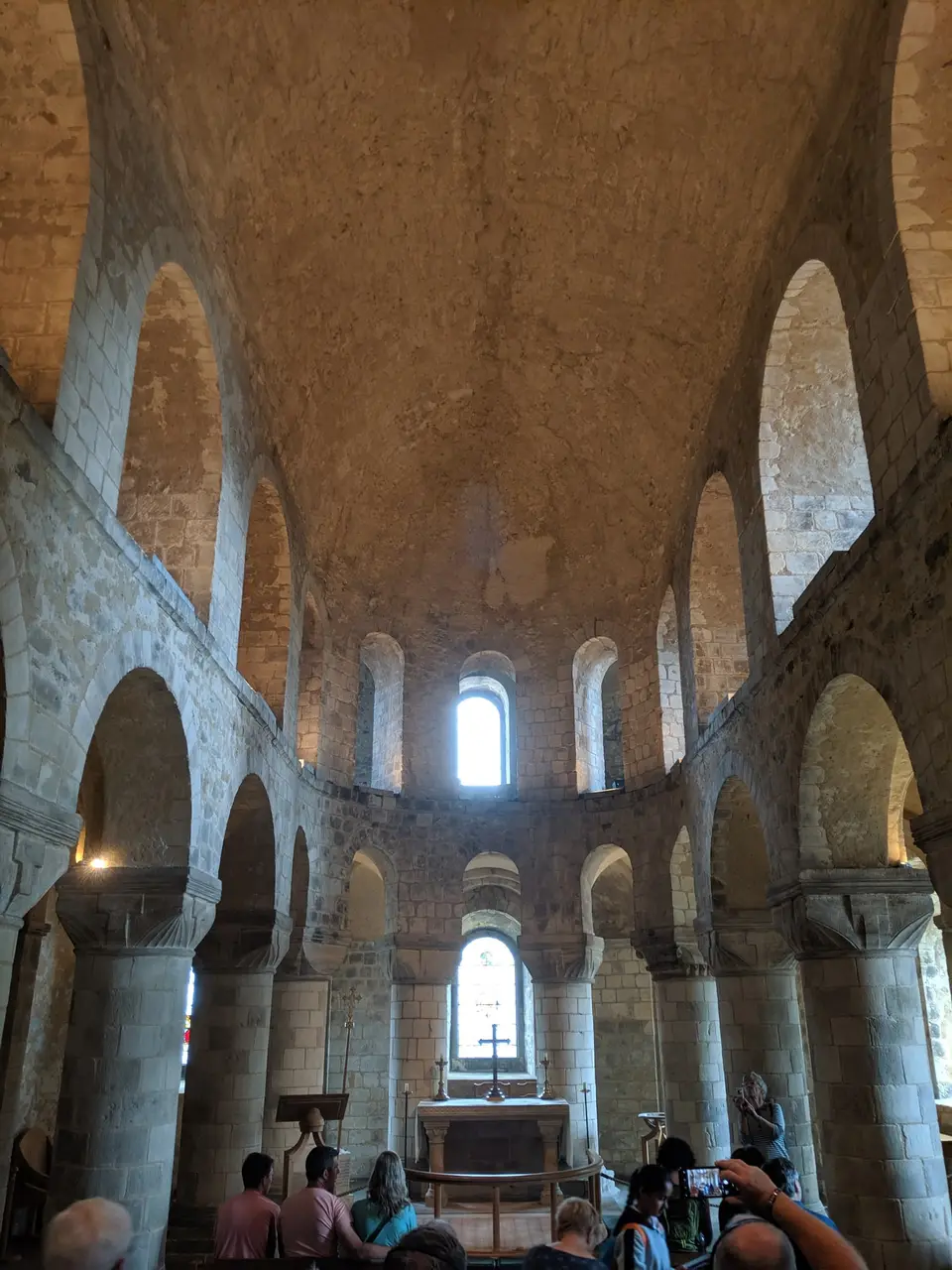
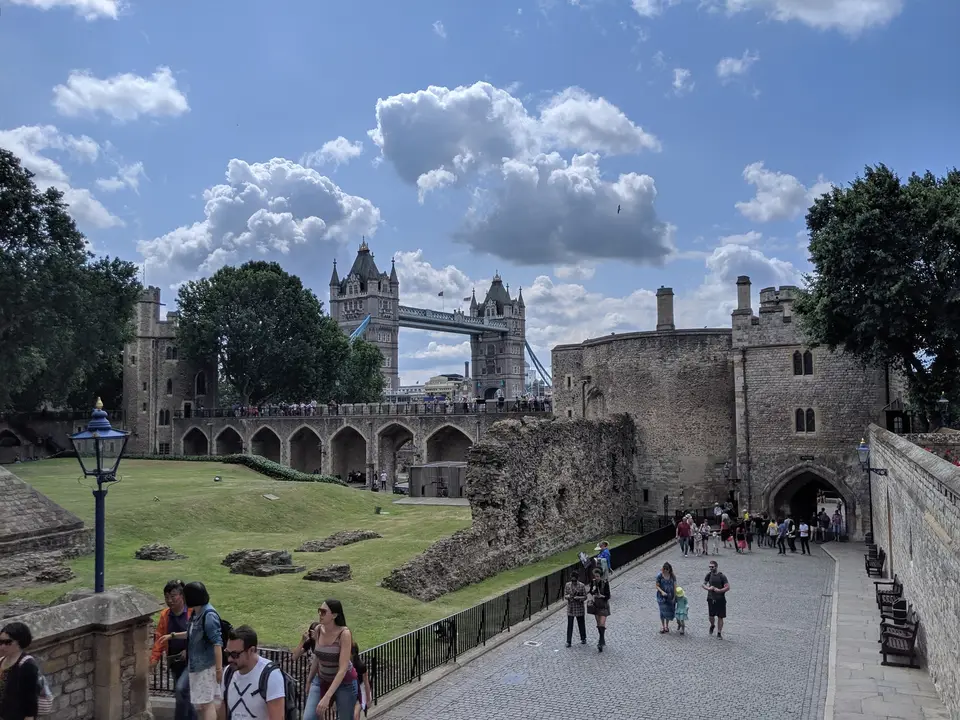
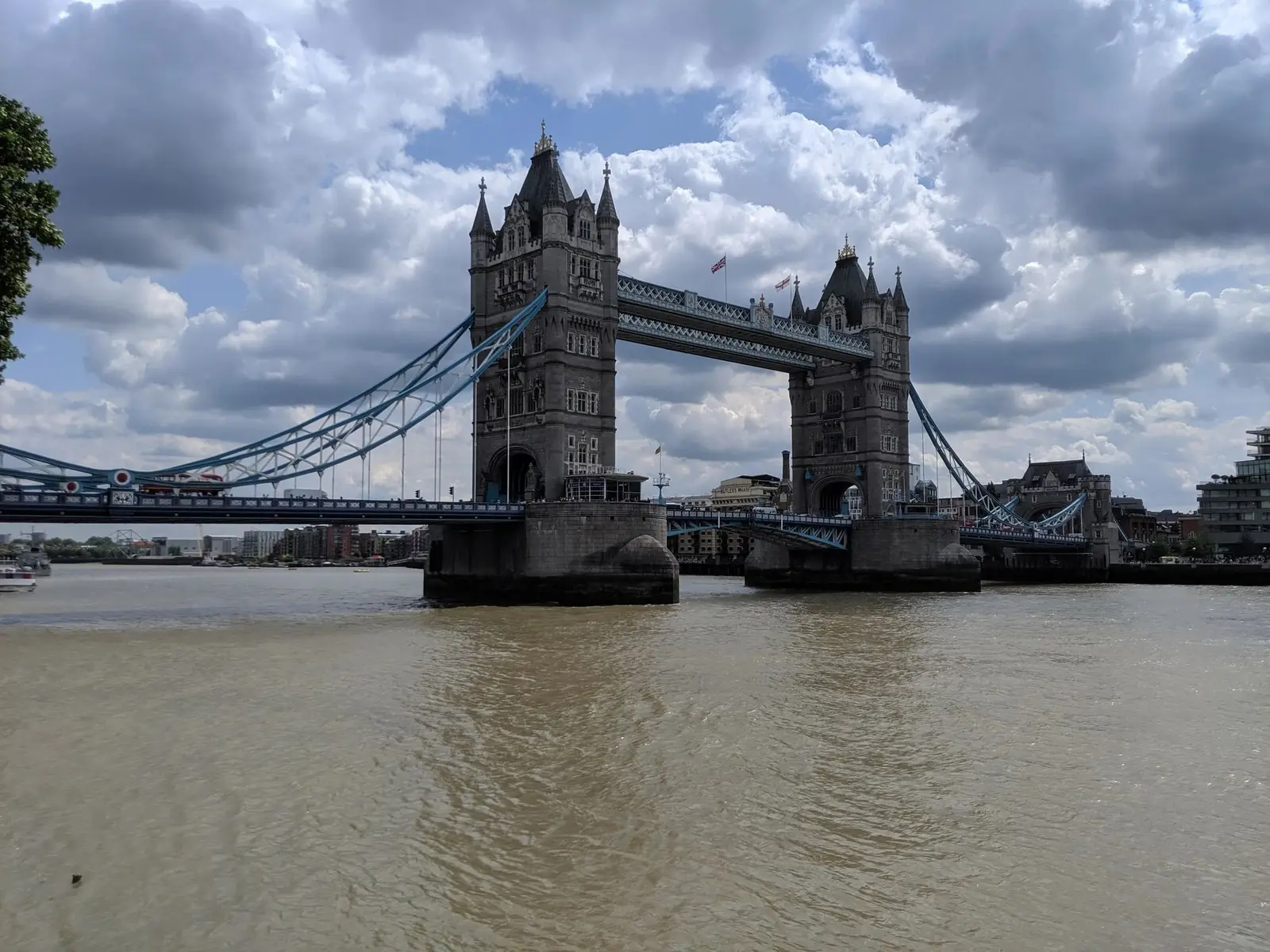
- Start at the Tower of London. The White Tower, the inner ward, and a stretch of Roman and medieval city wall in the same enclosure. It is the one big-ticket London attraction we would tell you to pay for.
- Cross Tower Bridge and take a boat west. The river is the cheapest good view in London and it is public transport, not a tour — the piers work like bus stops.
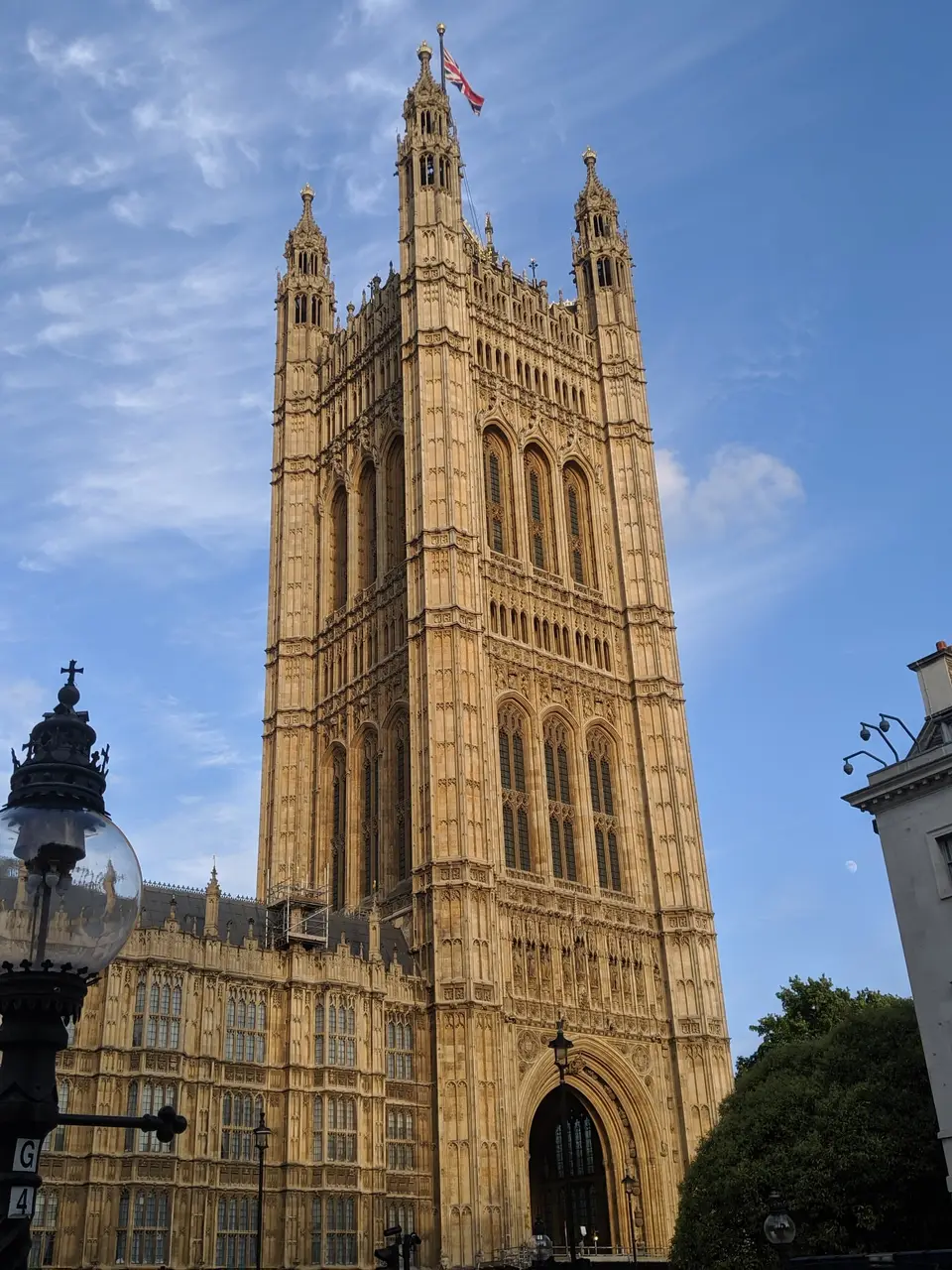
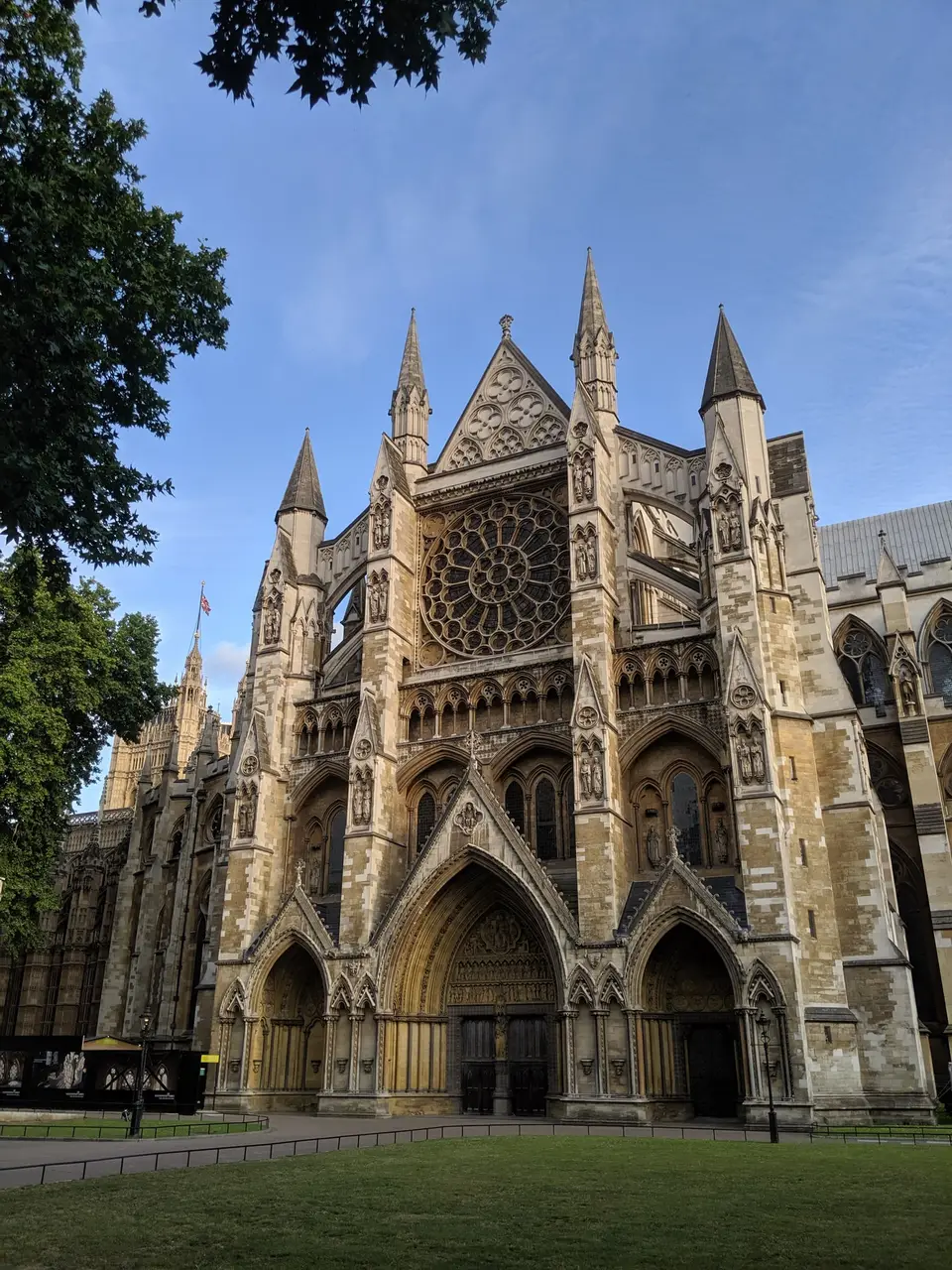
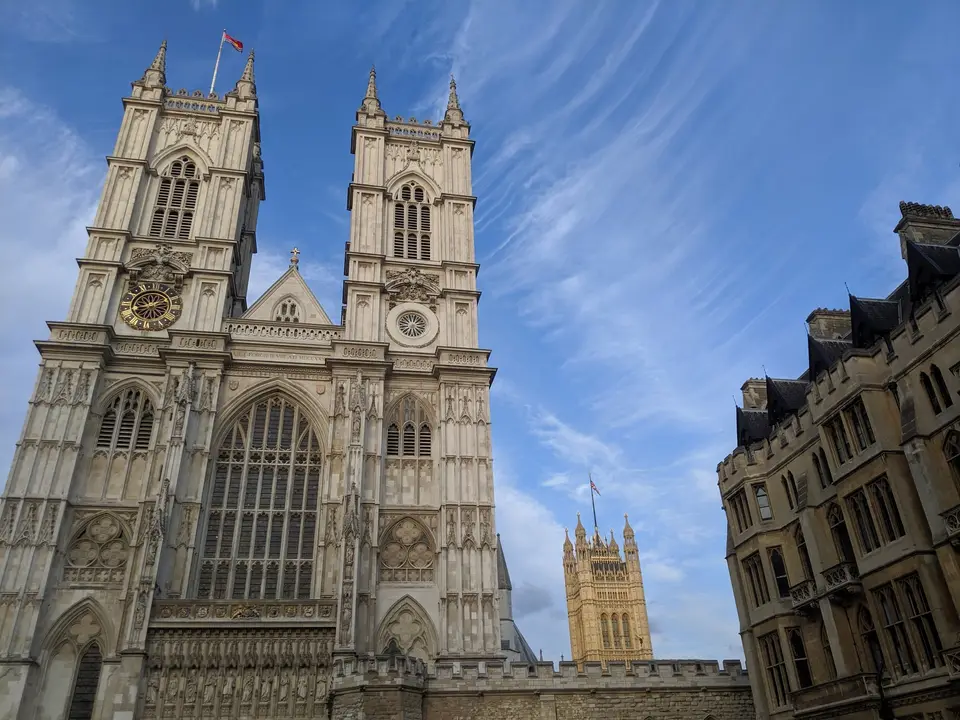
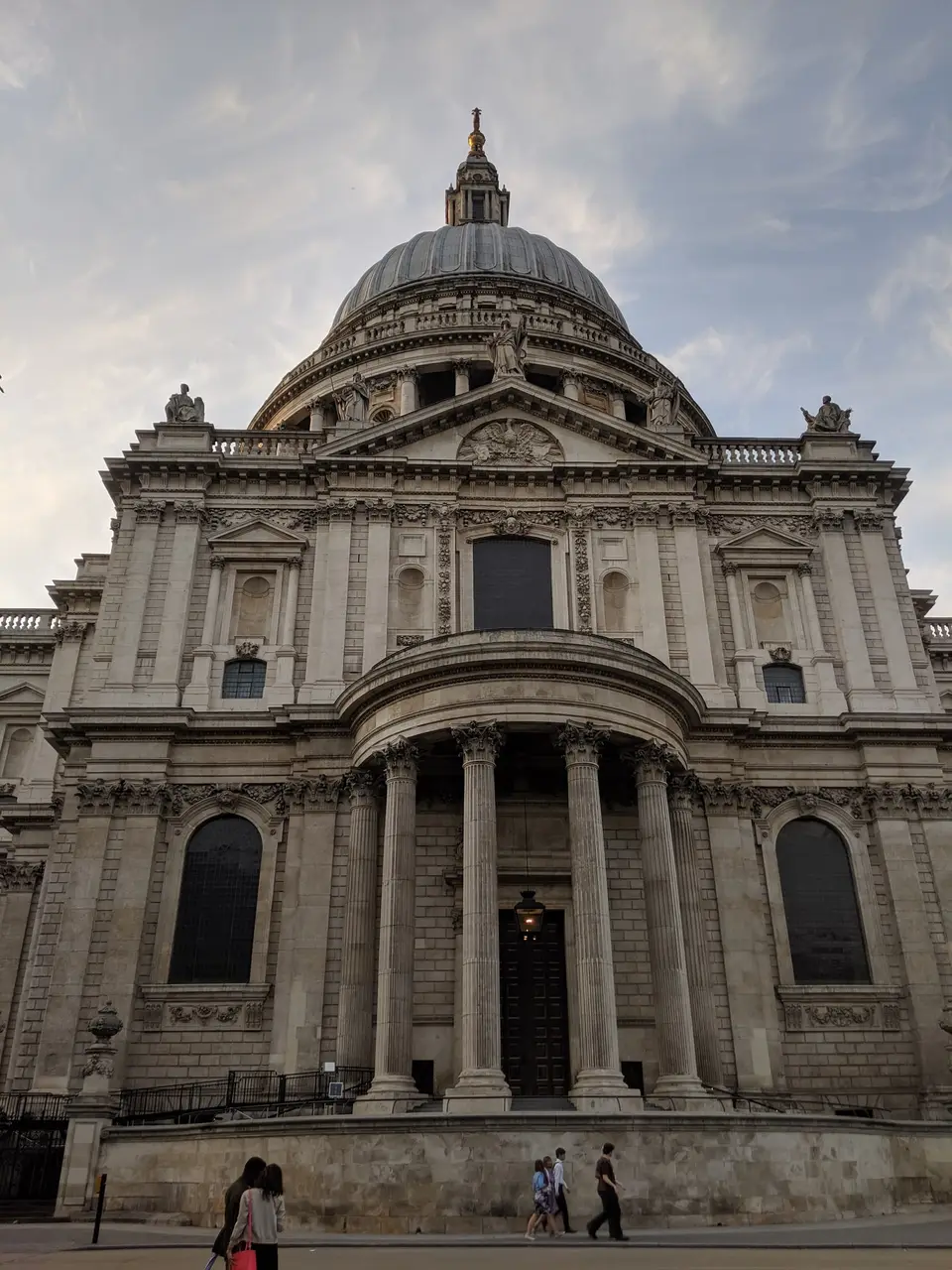
- Westminster Abbey and St Paul's are both ticketed and both enormous; pick one rather than doing both badly. The abbey is the denser and stranger of the two.
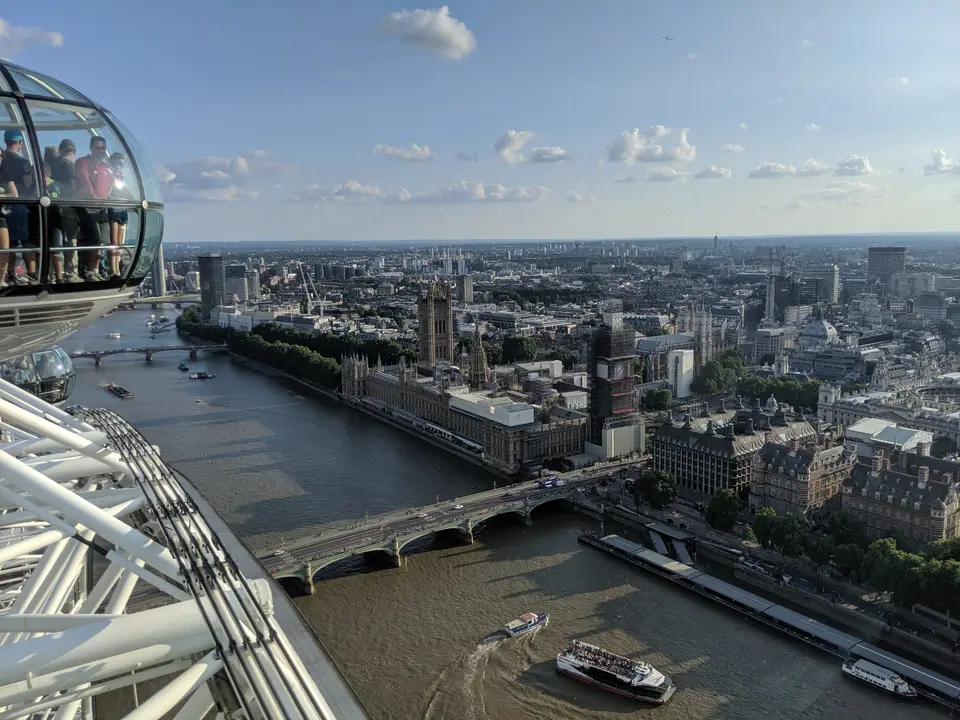
- The London Eye is the shot everyone wants — the Thames bending away with Westminster underneath. Ours is taken from inside a capsule and it earns its ticket.
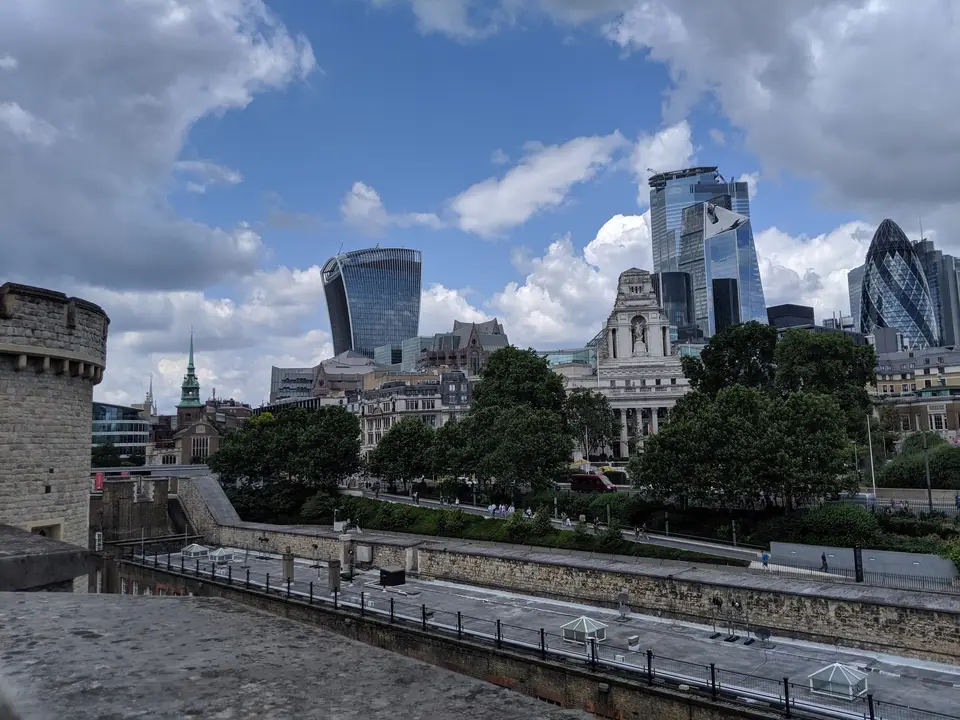
- The City skyline from the Tower side costs nothing: the Gherkin, the Cheesegrater and the Walkie Talkie stacked behind a thousand-year-old castle, which is the most London view there is.
When to come
- We have been in July and at Christmas and would pick either over the shoulder months, for opposite reasons — July for long light and open everything, late December for empty monuments and a city that does Christmas extremely well.
- December closes things. Many attractions shut on 24, 25 and 26 December. Check every single opening time rather than assuming, because a wasted day in a short winter is most of the trip.
How long, and what it goes with
Two days does London and Wiltshire properly — one in the city, one with a car in the west. Three if you want Bath or Stourhead added, and Bath is the obvious extension because it is forty minutes further and completely different again. This also pairs with almost anything on the continent: Paris is under three hours from St Pancras by train, and we have written that up.